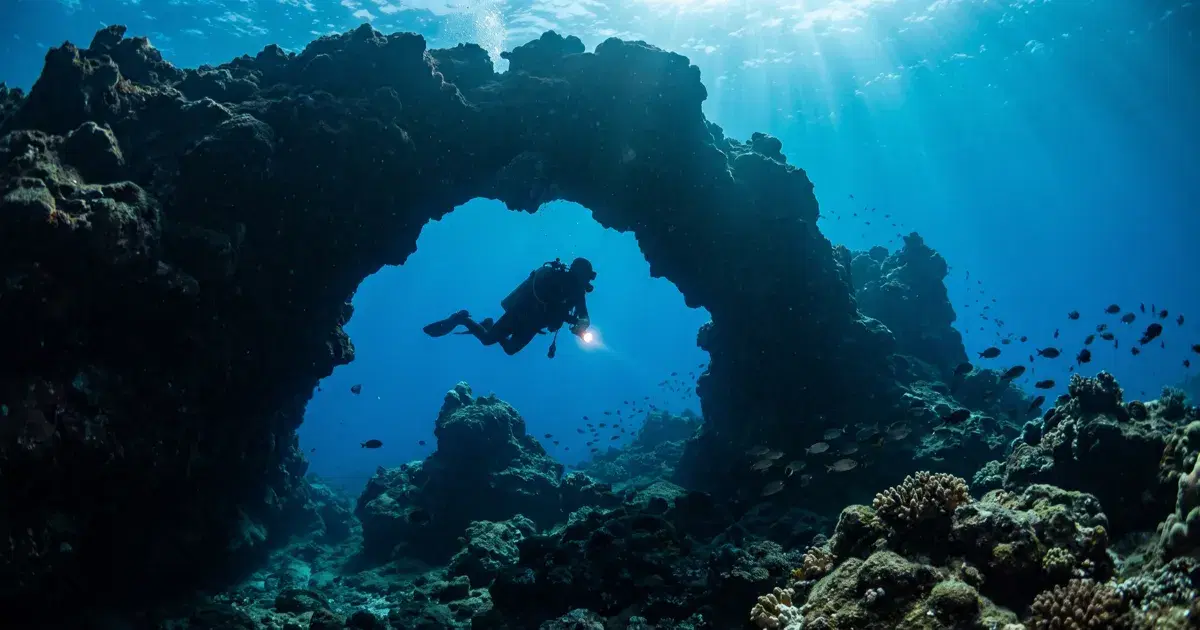
Kona's diving is built on lava, not coral reef structure, which gives the Big Island's west coast a different underwater landscape than most of the Pacific.
What's the best time of year to dive Kona?
Kona is diveable year-round, since the Big Island's leeward coast stays sheltered from the trade winds that roughen up the windward side. Water temperature holds fairly steady, roughly 24-27°C (75-81°F) depending on season, with the cooler end in winter. Winter months (roughly December through April) add humpback whale season to the mix, with whale song audible underwater on some dives, though the whales themselves stay mostly out of diver range.
Is Kona good for beginner divers?
Yes, for most of Kona's popular sites. The calm, current-light conditions along the leeward coast suit Open Water divers, and many dive operators run beginner-friendly reef and lava-formation dives close to shore. A handful of sites with steeper drop-offs or stronger current are better suited to more experienced divers, so it's worth checking a site's profile with the operator before booking.
What makes Kona's lava-tube diving unique?
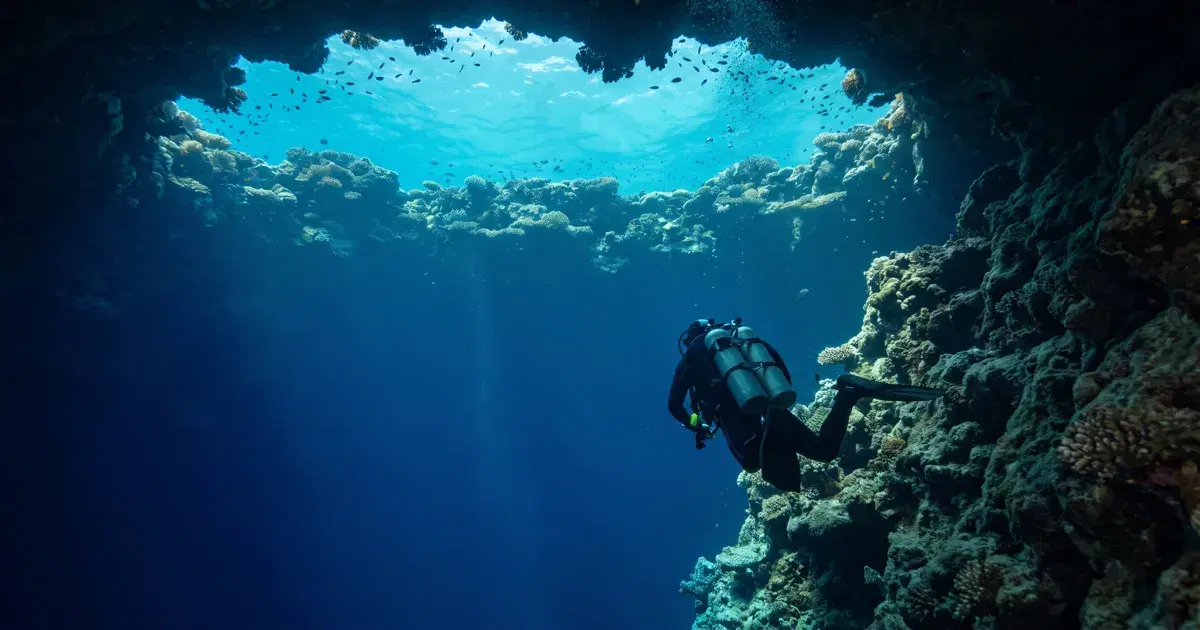
Kona's underwater terrain is volcanic rock rather than a built-up coral reef system, which means arches, tubes, and swim-throughs carved by old lava flows instead of coral heads and bommies. These formations create dramatic light-and-shadow swim-throughs that are less common on typical reef dives elsewhere in the Pacific, and they're a big part of why Kona photographers keep coming back.
Can I dive with manta rays in Kona during the day?
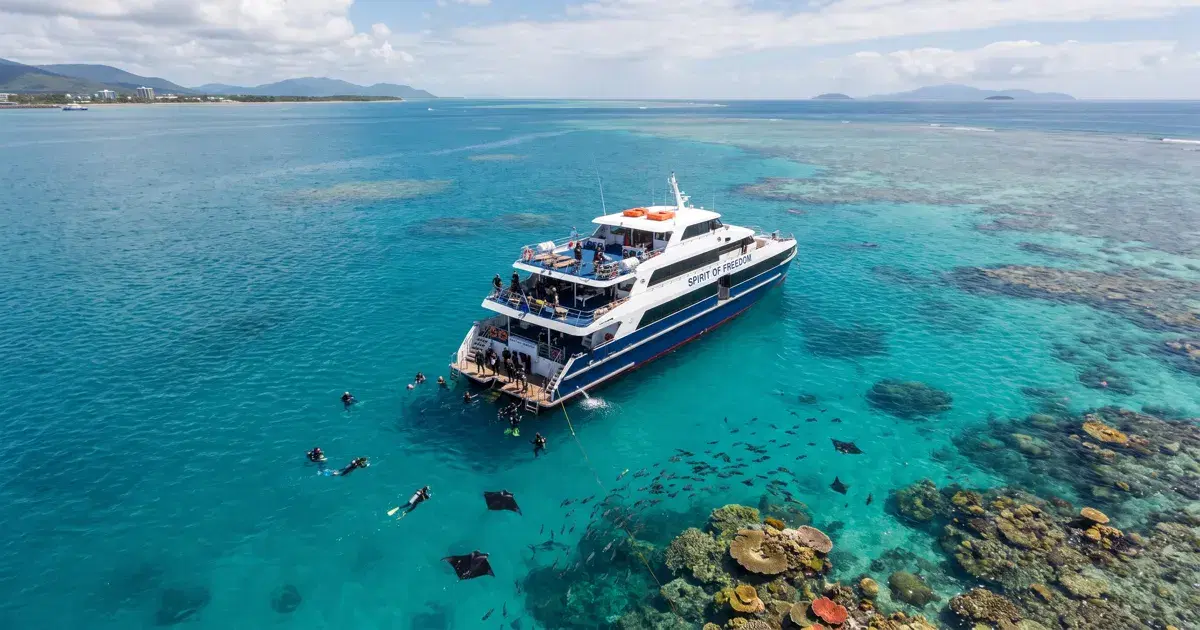
Occasional daytime manta encounters happen at some Kona sites, but the reliable manta experience here is the after-dark manta ray night dive at Keauhou Bay, where lights attract plankton and draw the mantas in to feed. If a guaranteed manta encounter is the goal, plan for the night dive specifically rather than hoping for a daytime sighting.
What certification do I need for Kona's deeper sites?
Open Water certification covers the bulk of Kona's shallower reef and lava-formation dives. Sites with deeper drop-offs, stronger current, or longer swim-throughs are generally recommended for Advanced Open Water divers or those with equivalent logged experience, and operators will typically ask about certification level and recent dive history before booking those sites.
How does Kona diving compare to Maui?
Both are calm, leeward-coast Hawaiian islands with generally easy conditions, but the underwater character differs. Kona's signature draw is its lava-tube topography and the manta ray night dive; Maui's is Molokini Crater's clear water and crescent-shaped wall, along with Lanai's backside sites for more current-driven diving. Neither is strictly better; the choice comes down to whether lava formations and the manta night dive or Molokini's crater and visibility matter more for the trip.
What marine life will I see diving Kona?
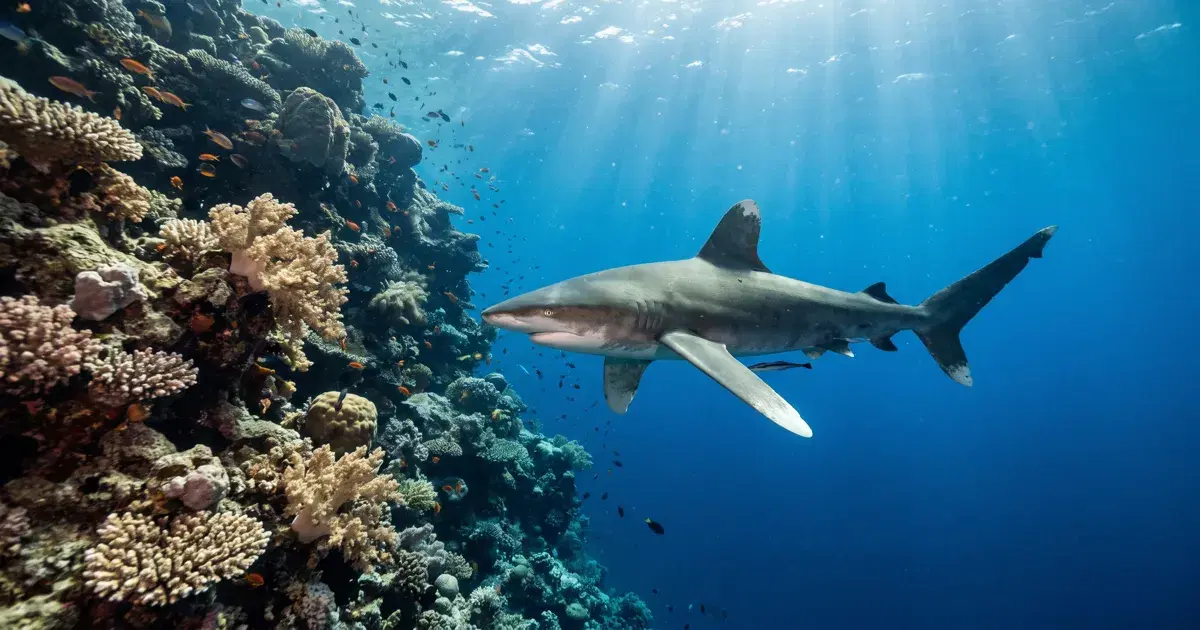
Kona's reef and lava-formation sites bring a mix of reef fish, green sea turtles, occasional white-tip reef sharks resting in lava crevices, and, seasonally, dolphins passing through open water. Pygmy seahorses and other small critters turn up for divers who take the time to look closely at the lava structure rather than swimming past it.
FAQ
Do I need a wetsuit to dive Kona? A 3mm wetsuit is typical for Kona's water temperature, with some divers going thinner in the warmest summer months and thicker for repeated dives or cooler winter water.
Is the Kona manta ray night dive included in a regular Kona dive trip? No, it's typically booked as its own separate trip since it runs at dusk from a specific site, Keauhou Bay, rather than being folded into a standard daytime two-tank dive.
How many dive sites does Kona have? Kona's leeward coast has dozens of named dive sites, ranging from easy shallow lava-formation dives close to Kailua-Kona town to deeper, current-exposed sites further from the harbor.