Raja Ampat, off the northwest tip of West Papua, is generally regarded as the most biodiverse reef region on the planet. Most trips run on a liveaboard, though a growing number of land-based resorts around Dampier Strait and Misool now offer a shore-based alternative. The main season runs roughly October through April, and costs span a wide range between budget liveaboards and resort stays, so treat any single number you read as a starting point rather than the final answer.
How much does a Raja Ampat liveaboard cost?
Liveaboard pricing spans budget, mid-range and luxury tiers, and the gap between them is large. Budget boats tend to cover the essentials, diving, meals, basic cabins, while luxury vessels add private cabins, better food and often a photography-focused crew. What's typically included: all dives, meals, accommodation and tank fills. What's usually extra: nitrox, park permit fees, alcohol, crew tips and flights to Sorong. Get a current quote directly from the operator; liveaboard pricing shifts season to season and boat to boat more than almost any other line item in dive travel.
When is the best time to dive Raja Ampat?
The main season runs roughly October through April, when seas are calmer and visibility tends to be strongest. Outside that window, conditions can turn rougher, and some operators scale back their schedules. Confirm the current season with your chosen operator, since exact windows shift slightly year to year with weather patterns.
Raja Ampat vs Komodo, which is better?
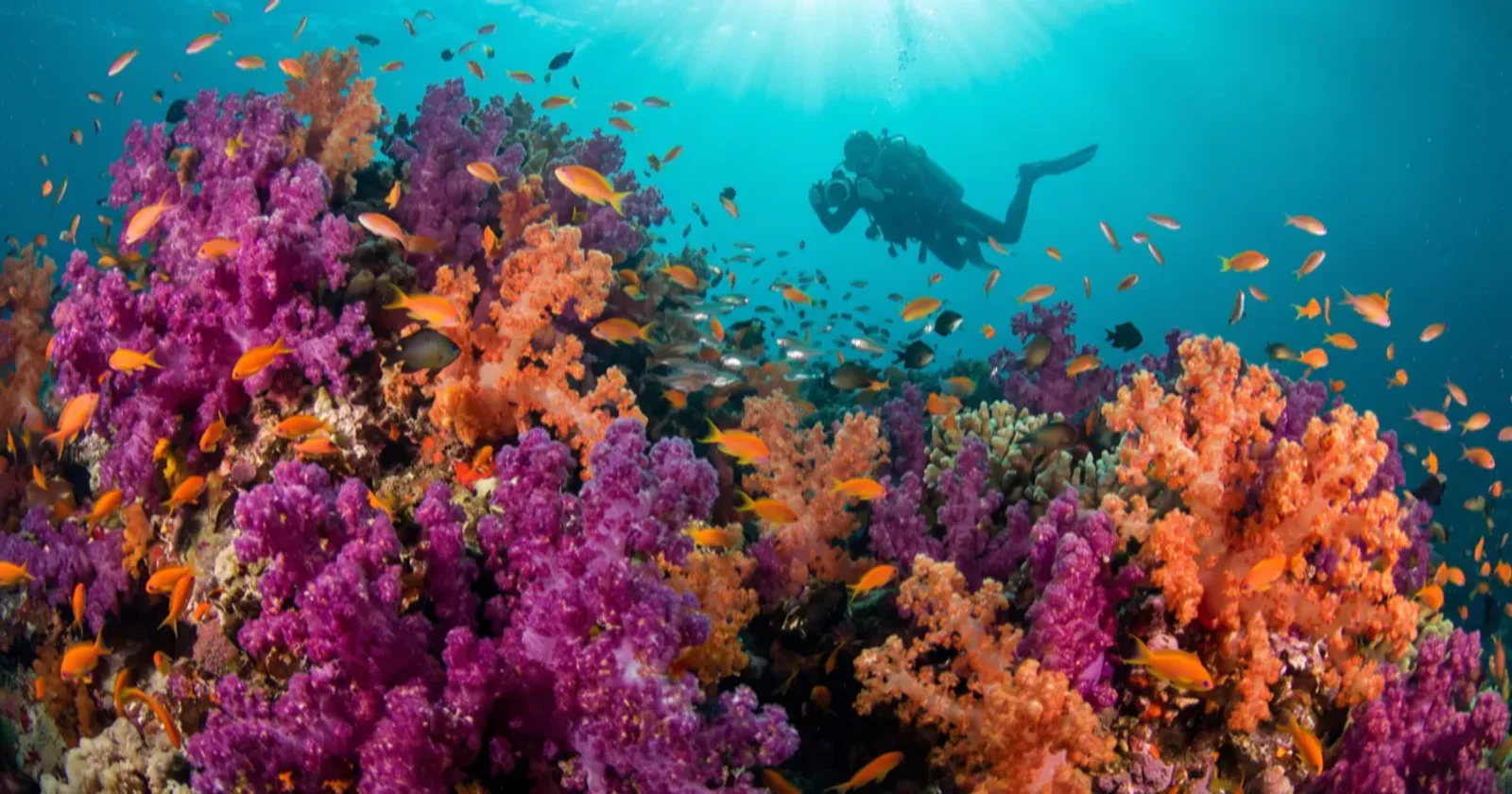
Depends what you're chasing. Raja Ampat wins on sheer biodiversity and soft-coral density; if you want to see the widest range of species in one trip, this is the stronger pick. Komodo tends to win on manta ray reliability, with dedicated cleaning stations that make sightings more predictable, and it's generally easier to combine with a land-based stay since Labuan Bajo has more built-out tourism infrastructure than Sorong. Divers chasing raw species count go to Raja Ampat. Divers who want a more logistically forgiving trip with strong manta odds often lean toward Komodo.
Land-based resort or liveaboard, which should you choose in Raja Ampat?
A liveaboard covers more ground and more site variety across a single trip, since you're not tied to whatever reefs sit within range of a fixed resort. A land-based stay is more forgiving for anyone prone to seasickness, gives you a proper bed and hot shower every night, and works better if you want a slower-paced trip with surface intervals spent on land rather than a boat deck. Most land-based options cluster around Dampier Strait and Misool, so your choice of resort effectively picks which half of Raja Ampat you're diving.
Is Raja Ampat good for beginner divers?
It's genuinely mixed by site. Some reefs are calm, shallow and forgiving; others, particularly channel sites where current concentrates fish life, run current strong enough that operators want Advanced Open Water or solid experience before they'll take you there. A newer diver can absolutely enjoy a Raja Ampat trip if the operator routes them to the right sites; it's not a destination to book blind on your third ever dive without telling the shop your experience level.
What marine life will I see in Raja Ampat?
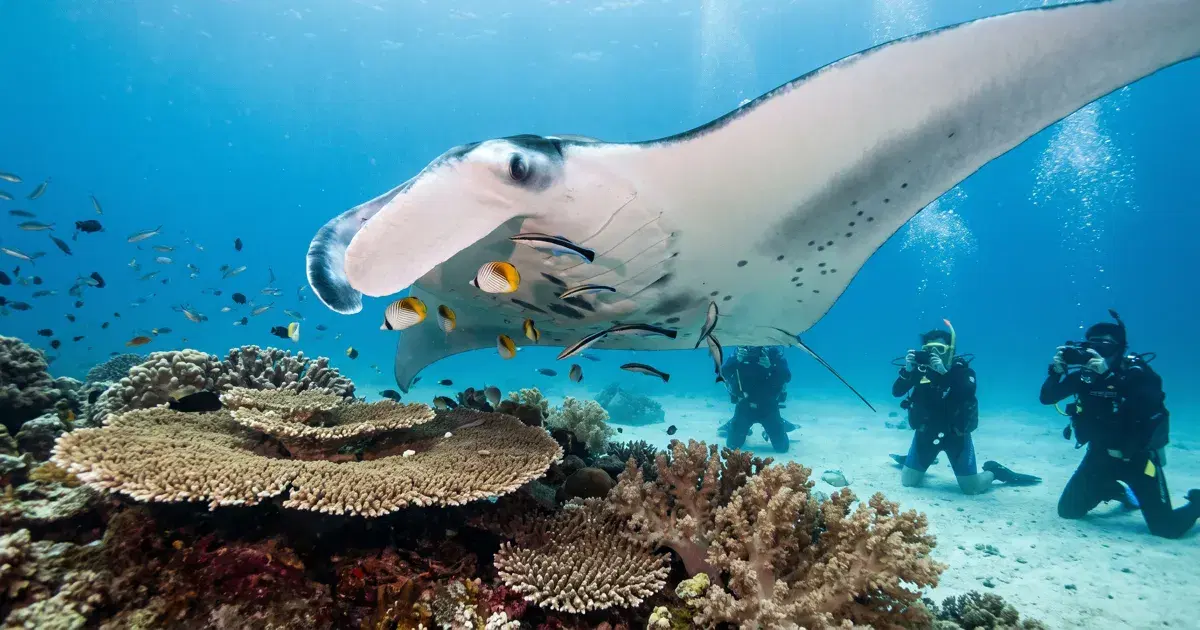
Pygmy seahorses are a signature find for macro-focused divers, manta rays show up at several known cleaning and feeding sites, and wobbegong sharks rest camouflaged on the reef if you know where to look. Raja Ampat's biodiversity reputation traces largely to survey work led by marine biologist Gerald Allen with Conservation International in the early 2000s, commonly cited as recording the highest reef fish diversity of any region surveyed. Treat any specific sighting as likely rather than guaranteed; marine life doesn't punch a clock.
Dampier Strait vs Misool, which side of Raja Ampat should you choose?
Dampier Strait, in the north, is more accessible from Sorong and known for current-fed sites thick with schooling fish, including the famous Cape Kri. Misool, well to the south, is more remote, home to some of the region's healthiest soft coral and a long-running marine protected area, and generally reached by a longer transfer or a liveaboard leg. Read our full breakdowns of Dampier Strait diving and Misool diving for the site-level detail on each.
FAQ
How do I get to Sorong? Fly into Sorong via Jakarta or another Indonesian hub, then connect by boat to your liveaboard or resort. Sorong itself is the standard gateway for the whole region.
What's the minimum trip length worth the travel? Given how far Sorong is from most starting points, a week or more of diving is the common recommendation to make the travel time worthwhile. Shorter trips are possible but feel rushed given the distance involved.
What does the marine park permit cost? Raja Ampat charges a marine park entry fee, and rates change, so confirm the current amount with your operator rather than a fixed figure here.
What's the best month for manta encounters? Manta sightings happen across the season at known cleaning stations, though no single month guarantees an encounter. Ask your operator which sites they're prioritizing for mantas on your specific trip dates.
Plan your Raja Ampat trip on Diveity
Diveity maps Raja Ampat's dive sites, resorts and shops in one place, along with the Dampier Strait and Misool guides linked above. Browse the dive site atlas, shortlist dive resorts, and keep a running dive log once you're back. Diver accounts are free.