Reef · Slope
Batu Jeruk
Auch bekannt als: Orange Rock — Zu diesem Namen: No source read gives a point for this site; the sources place it only in words, in the east of Aiduma Island in Triton Bay according to one…
Zuletzt aktualisiert:
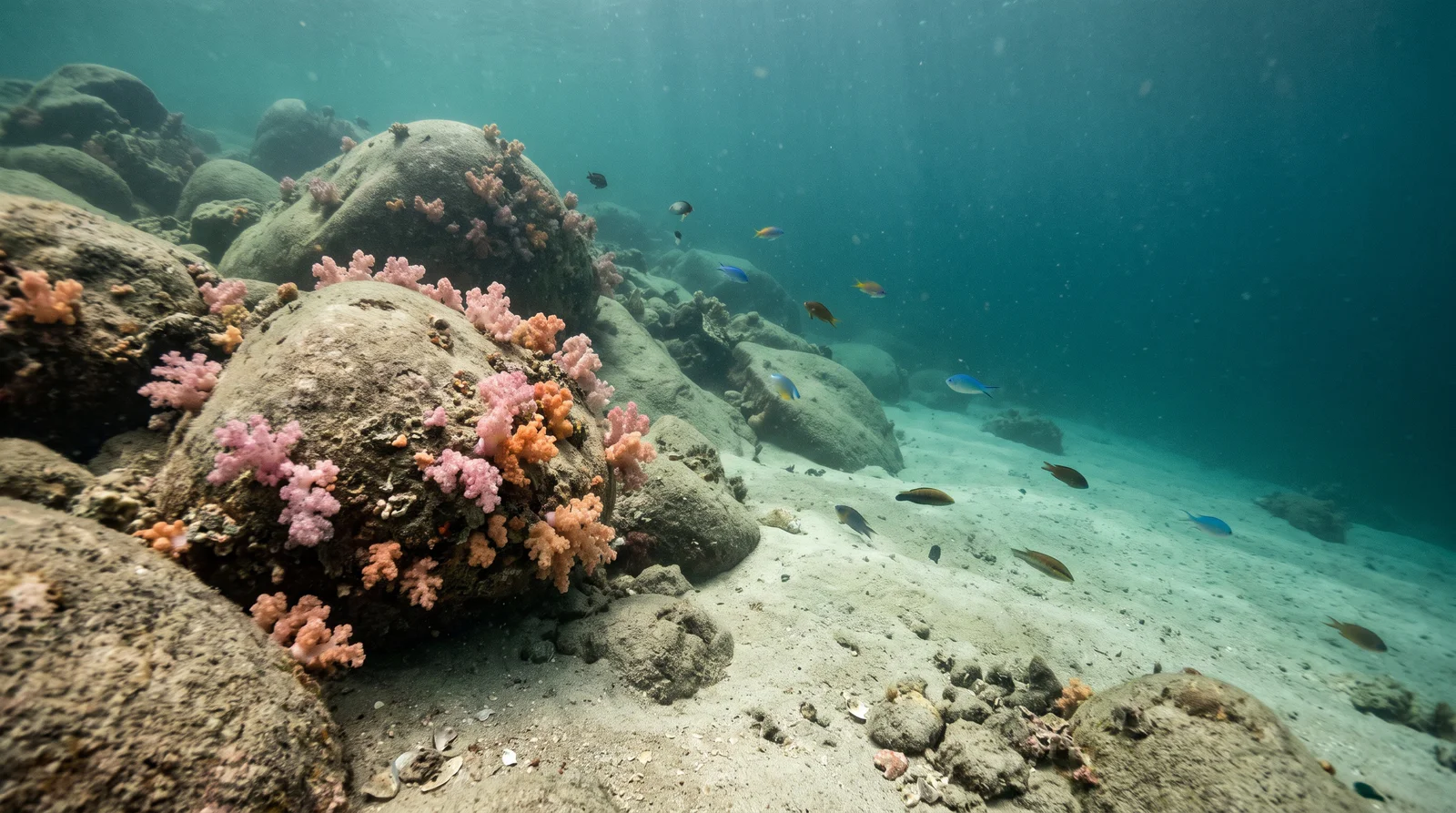
AI-generated illustration of smooth rounded boulders sloping to sand, one carrying small pink and orange soft corals. It is not a photograph of Batu Jeruk and is not evidence of any animal, depth or condition at the site.
Bildnachweis: AI-generated illustration · Generated for Diveity; no third-party rights · Higgsfield nano_banana_pro image generationÜber diesen Tauchplatz
Overview
Batu Jeruk is a pair of rocky islets near Aiduma Island in Triton Bay, West Papua, with soft-coral boulders on a slope to sand and brisk current in a pass.
Bluewater Dive Travel's trip report of May 2023 describes large, smooth rocks sloping down to a sand bottom with a huge field of garden eels, and several large boulders completely covered in small pastel pink and orange soft corals, home to large angelfish, several kinds of sweetlips and a wobbegong shark. Dive The World, a liveaboard booking agency, describes a reef of ridges and gullies whose slopes are encrusted with vibrant orange soft corals, with schools of anthias above the coral, passing mackerel and trevally in the blue, and nudibranchs and other small creatures in the shallower sections.
Name and place
Batu Jeruk means Orange Rock in Indonesian, as The Seven Seas, a liveaboard operator, explains, and Dive The World lists the site under the name Orange Rock, also known as Batu Jeruk. Dive The World places it in the east of Aiduma Island, while The Seven Seas dives it on the same day as Dramai and Christmas Rock, on what it calls the western side of the region. Bluewater Dive Travel calls it a pair of rocky islets, with a narrow passage between the small rock and the main island. No source read gives a position, so this record has no map point.
Depth, current and level
No source read gives a depth, a level, the typical visibility, the water temperature or the best months for this site; Bluewater Dive Travel says only that its time on the boulders was limited by depth. Bluewater Dive Travel dived the site twice. On the first dive a brisk current ran in the narrow passage between the small rock and the main island, where it brought lively schools of fusiliers and jacks. On the second, a brisk current in the shallows at the entry point was too strong for photographing the soft corals there, there was less current deeper down the gentle slope, and by the end of the dive the current in the narrow pass had eased considerably. Dive The World says the ridges and gullies give shelter from the current, making the site comfortable when conditions are livelier elsewhere. This record stores no current value, because no source gives a typical one.
Marine life
On its second dive Bluewater Dive Travel met schooling chromis, anthias and several species of fusiliers in the shallows, semicircle and six-banded angelfish, ribbon and diagonal-banded sweetlips around a boulder covered in orange soft corals, and a pair of longfin bannerfish by a yellow crinoid and orange cup corals in the pass. The Seven Seas lists glassfish, trevallies and barracudas in open water, and shrimp, pipefish and ornate ghost pipefish among the coral.
Sources and lineage
Bluewater Dive Travel's report is a first-hand account, though it does not say in which month the trip took place. Dive The World's page carries no date, and The Seven Seas' itinerary carries none either; The Seven Seas' text may draw on other operators' descriptions and is not counted as independent. None says when its description was last checked.
Nobody has verified this record in person; it was researched and written by an automated process from the sources named here.
Auf einen Blick
- Schwierigkeitsgrad
- Zertifizierung erforderlich
- Minimale Tiefe
- Maximale Tiefe
- Einstiegsart
- Beginn der besten Saison
- Ende der besten Saison
- Minimale Sichtweite
- Maximale Sichtweite
- Strömung
- Minimale Wassertemperatur
- Maximale Wassertemperatur
- Zone
Kennen Sie eines davon? Wählen Sie es aus und teilen Sie es uns mit.
Gefahren & Sicherheit
Beachten Sie diese potenziellen Gefahren an diesem Tauchplatz
Current
Schweregrad: Noch nicht dokumentiertBluewater Dive Travel met a brisk current in the narrow passage between the small rock and the main island, and in the shallows at the entry point, on its two dives here.
Quellen
- Bluewater Dive Travel
- Dive The World
- The Seven Seas
Bewertungen
Noch keine Bewertungen. Seien Sie der Erste, der Ihre Erfahrung teilt!
Auf dieser Seite
Meereslebewesen
16 Arten an diesem Tauchplatz registriert
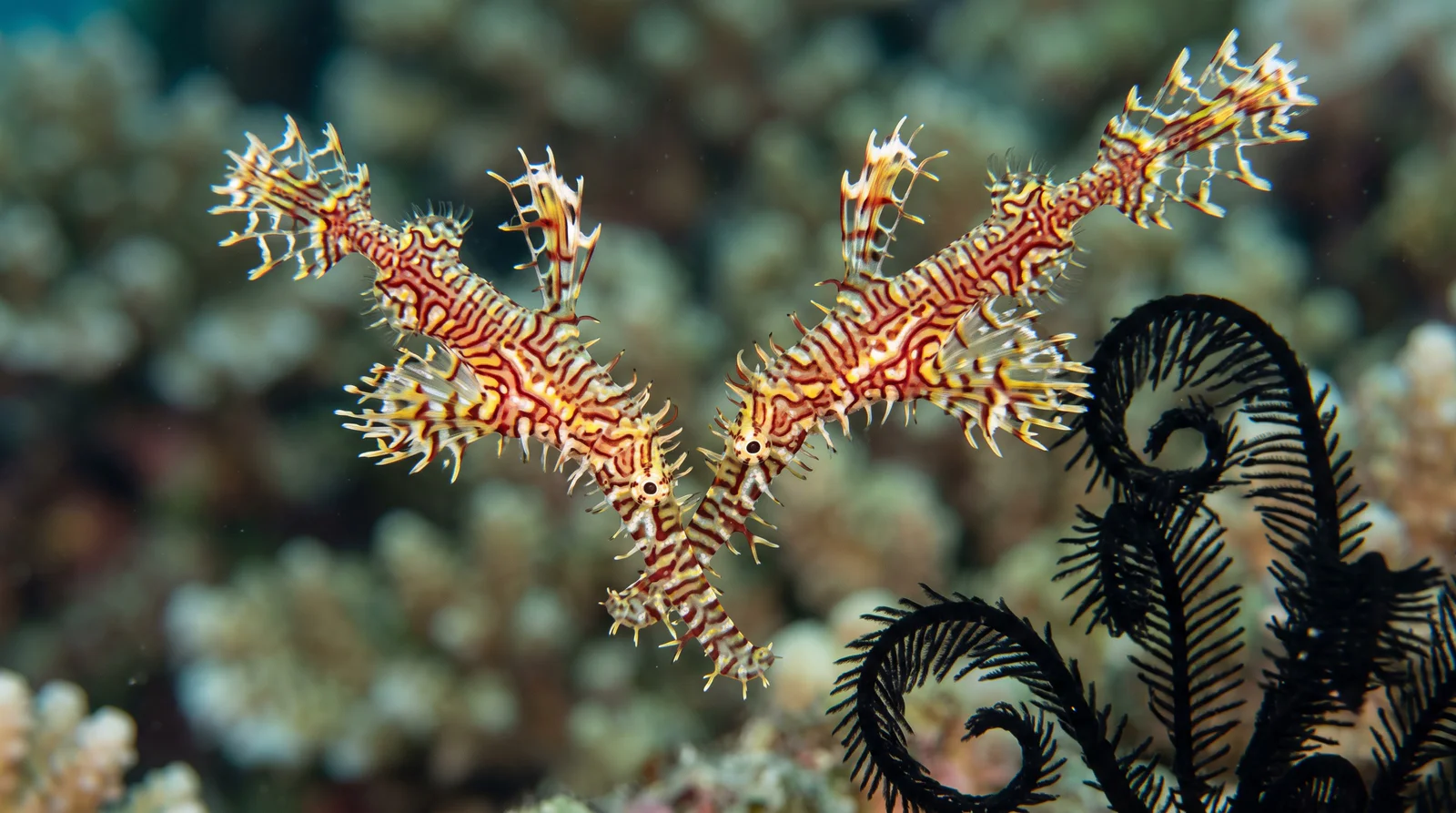
Ornate Ghost Pipefish
Solenostomus paradoxus
Dokumentiertes Vorkommen am Tauchplatz
Quelle geprüft am 2026-11-18 · Quelle: The Seven Seas · Beobachtungsdatum nicht dokumentiert
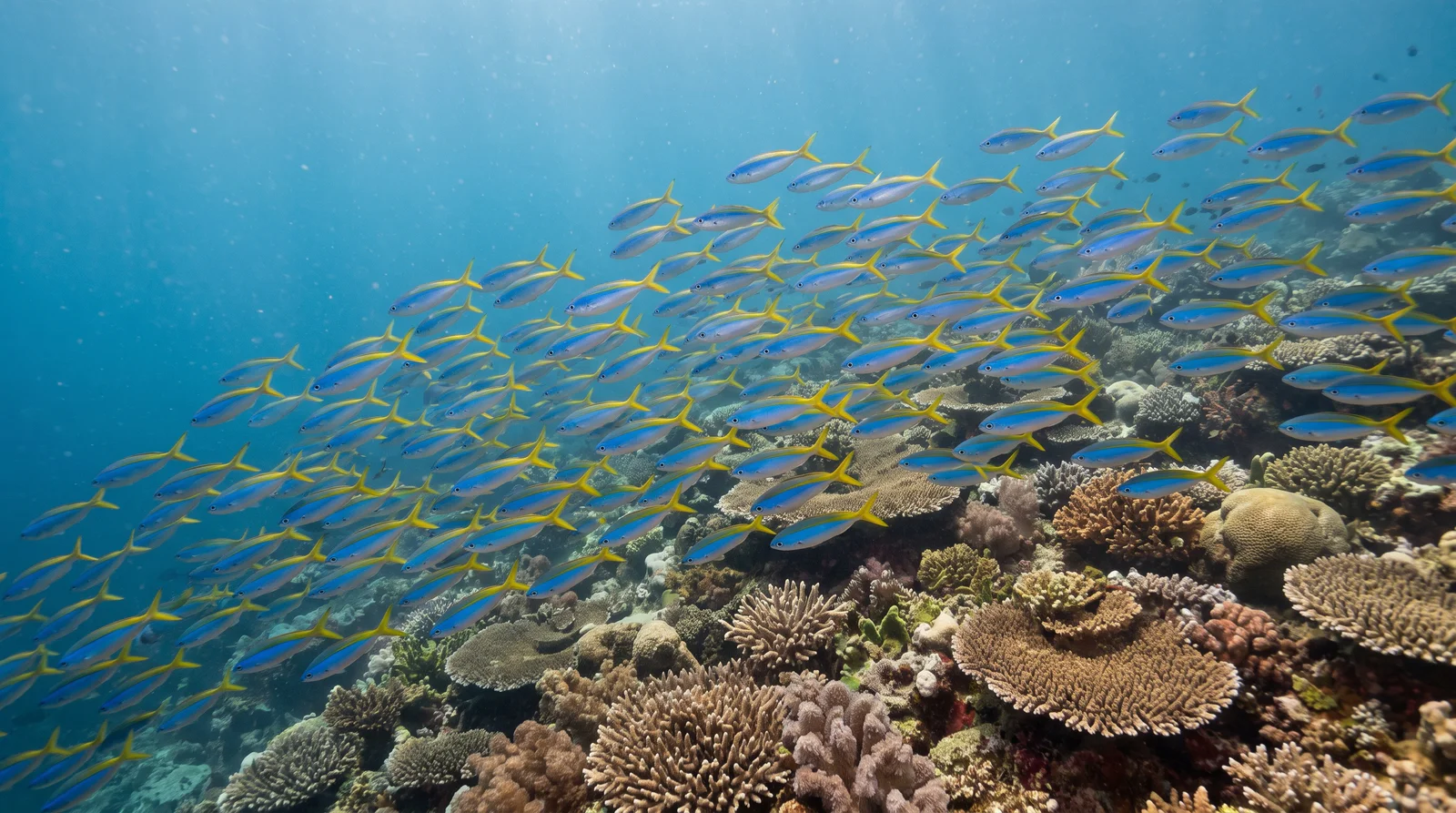
Fusilier (schooling)
Caesio spp.
Dokumentiertes Vorkommen am Tauchplatz
Quelle geprüft am 2026-11-18 · Quelle: Bluewater Dive Travel · Beobachtungsdatum nicht dokumentiert
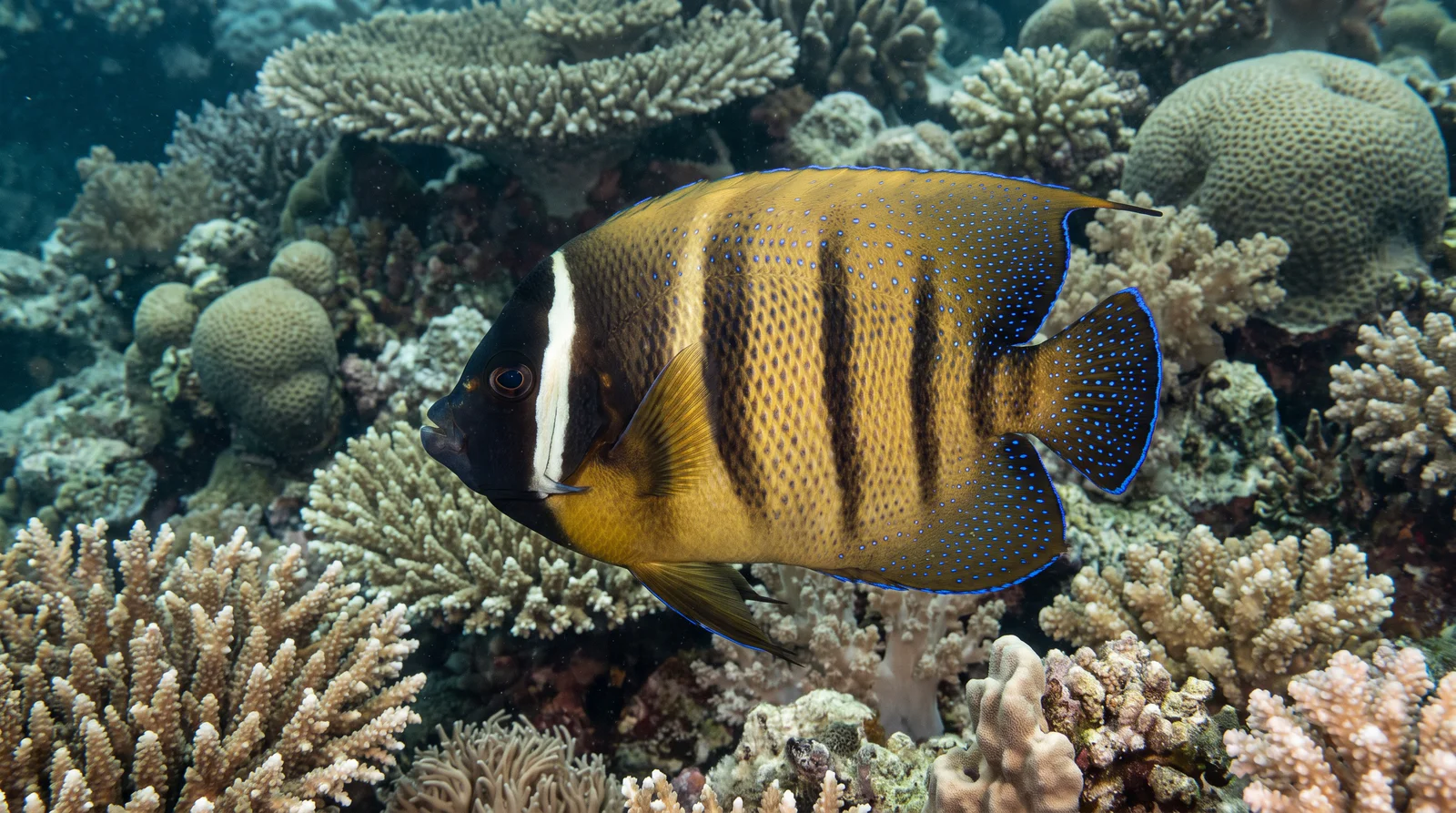
Six-banded Angelfish
Pomacanthus sexstriatus
Dokumentiertes Vorkommen am Tauchplatz
Quelle geprüft am 2026-11-18 · Quelle: Bluewater Dive Travel · Beobachtungsdatum nicht dokumentiert
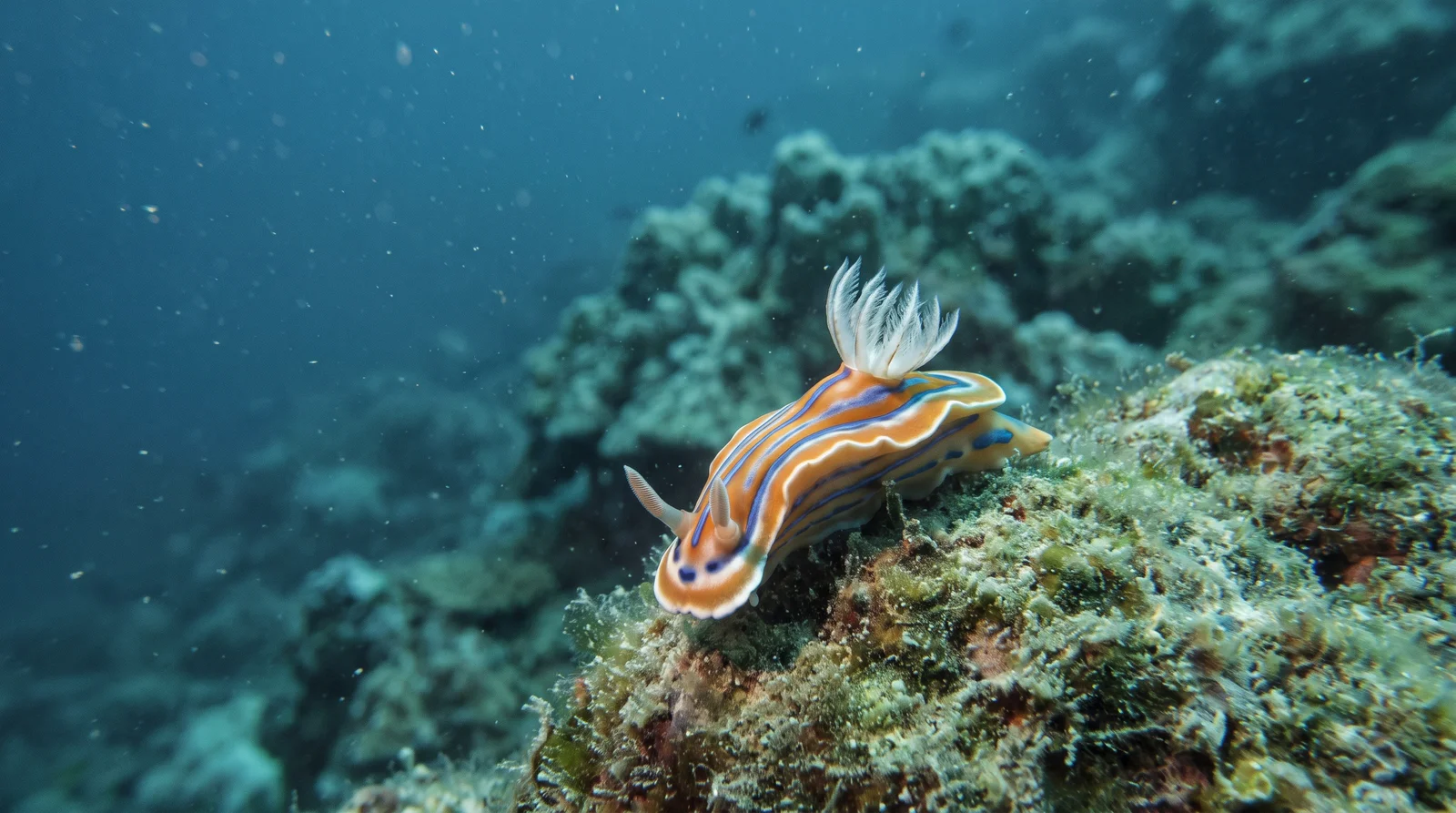
Nudibranch (assorted)
Nudibranchia spp.
Dokumentiertes Vorkommen am Tauchplatz
Quelle geprüft am 2026-11-18 · Quelle: Dive The World · Beobachtungsdatum nicht dokumentiert
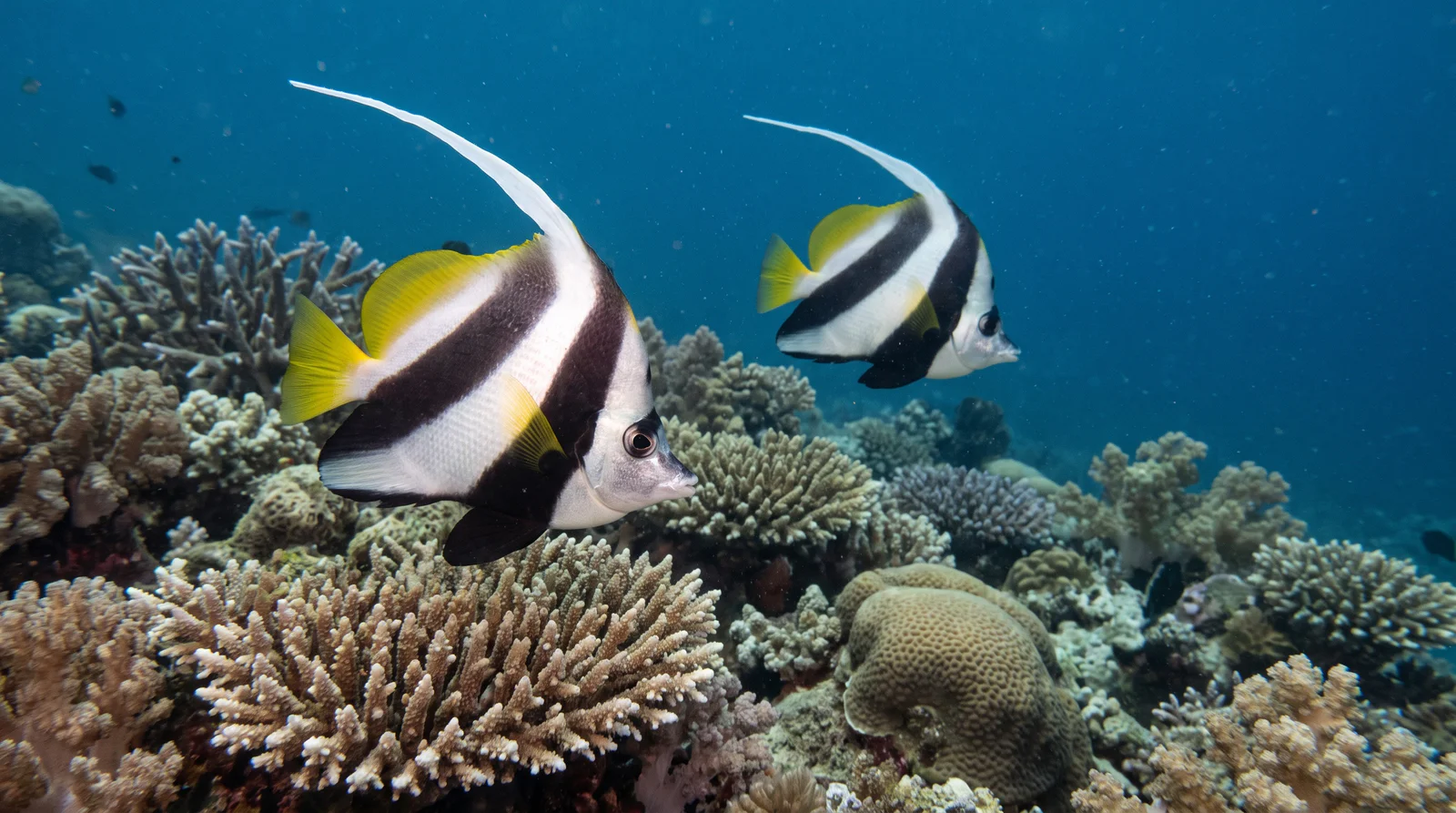
Longfin Bannerfish
Heniochus acuminatus
Dokumentiertes Vorkommen am Tauchplatz
Quelle geprüft am 2026-11-18 · Quelle: Bluewater Dive Travel · Beobachtungsdatum nicht dokumentiert
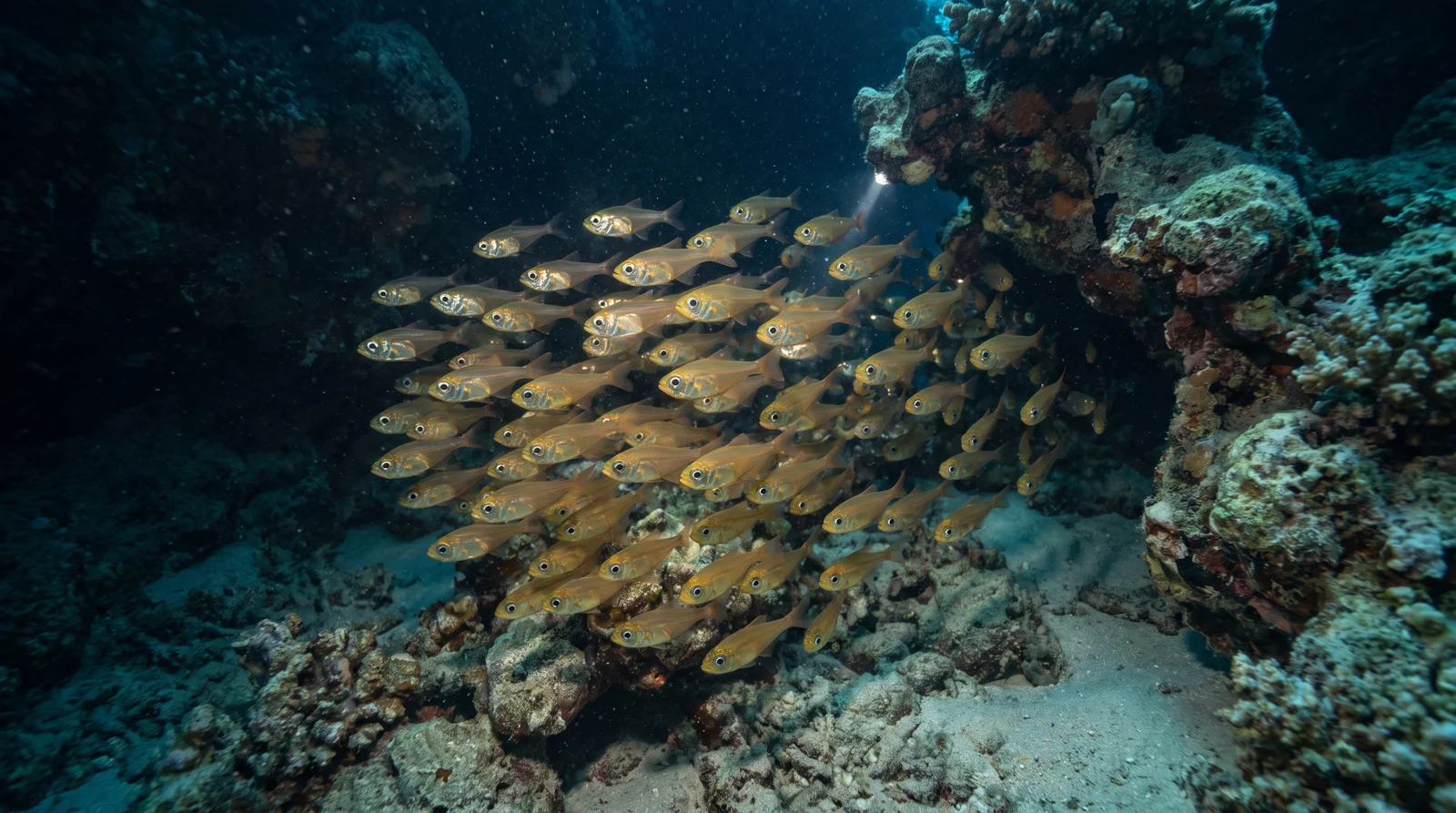
Glassfish / Sweepers (assorted)
Parapriacanthus sp.
Dokumentiertes Vorkommen am Tauchplatz
Quelle geprüft am 2026-11-18 · Quelle: The Seven Seas · Beobachtungsdatum nicht dokumentiert
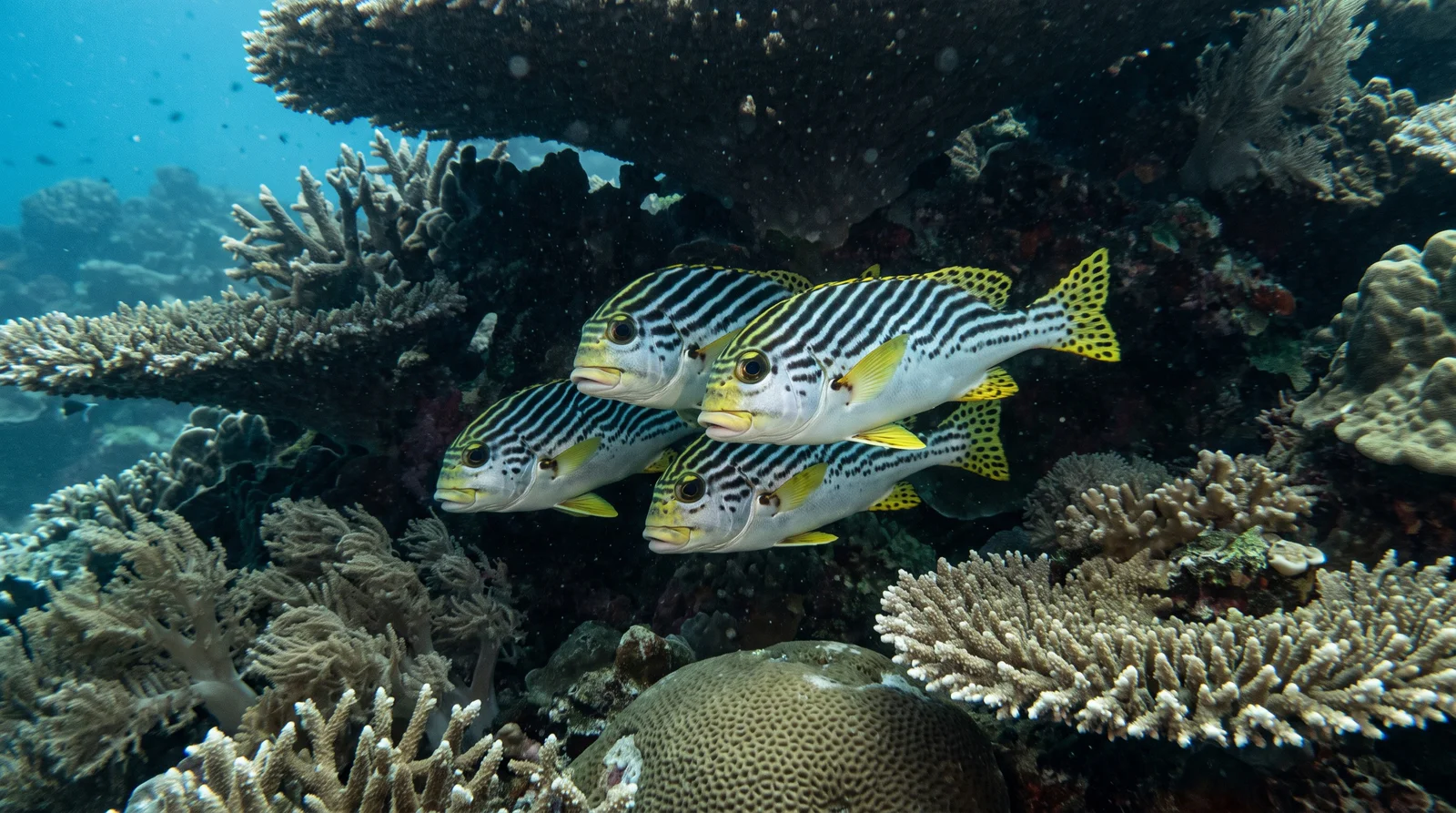
Diagonal-banded Sweetlips
Plectorhinchus lineatus
Dokumentiertes Vorkommen am Tauchplatz
Quelle geprüft am 2026-11-18 · Quelle: Bluewater Dive Travel · Beobachtungsdatum nicht dokumentiert
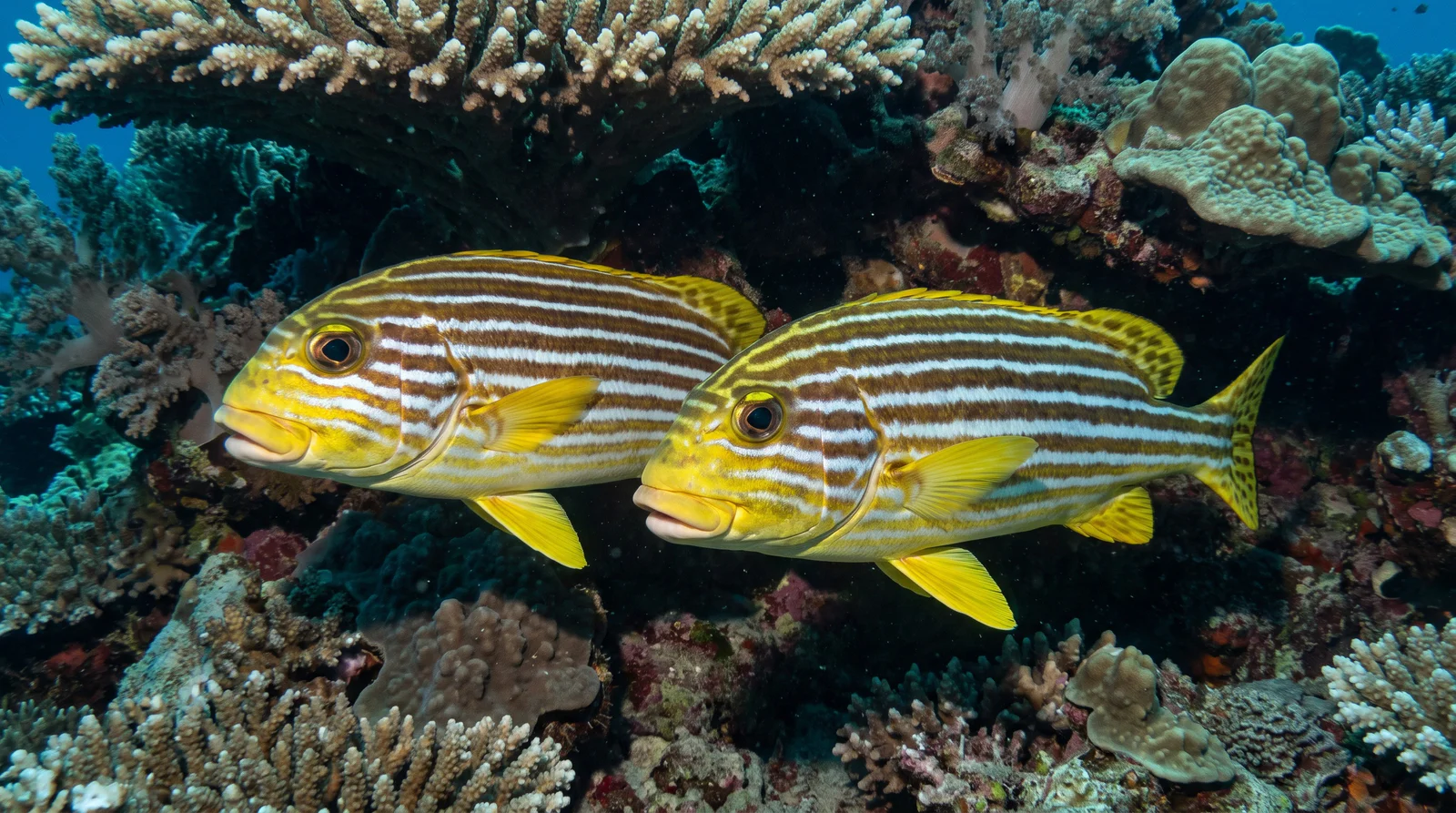
Ribboned Sweetlips
Plectorhinchus polytaenia
Dokumentiertes Vorkommen am Tauchplatz
Quelle geprüft am 2026-11-18 · Quelle: Bluewater Dive Travel · Beobachtungsdatum nicht dokumentiert
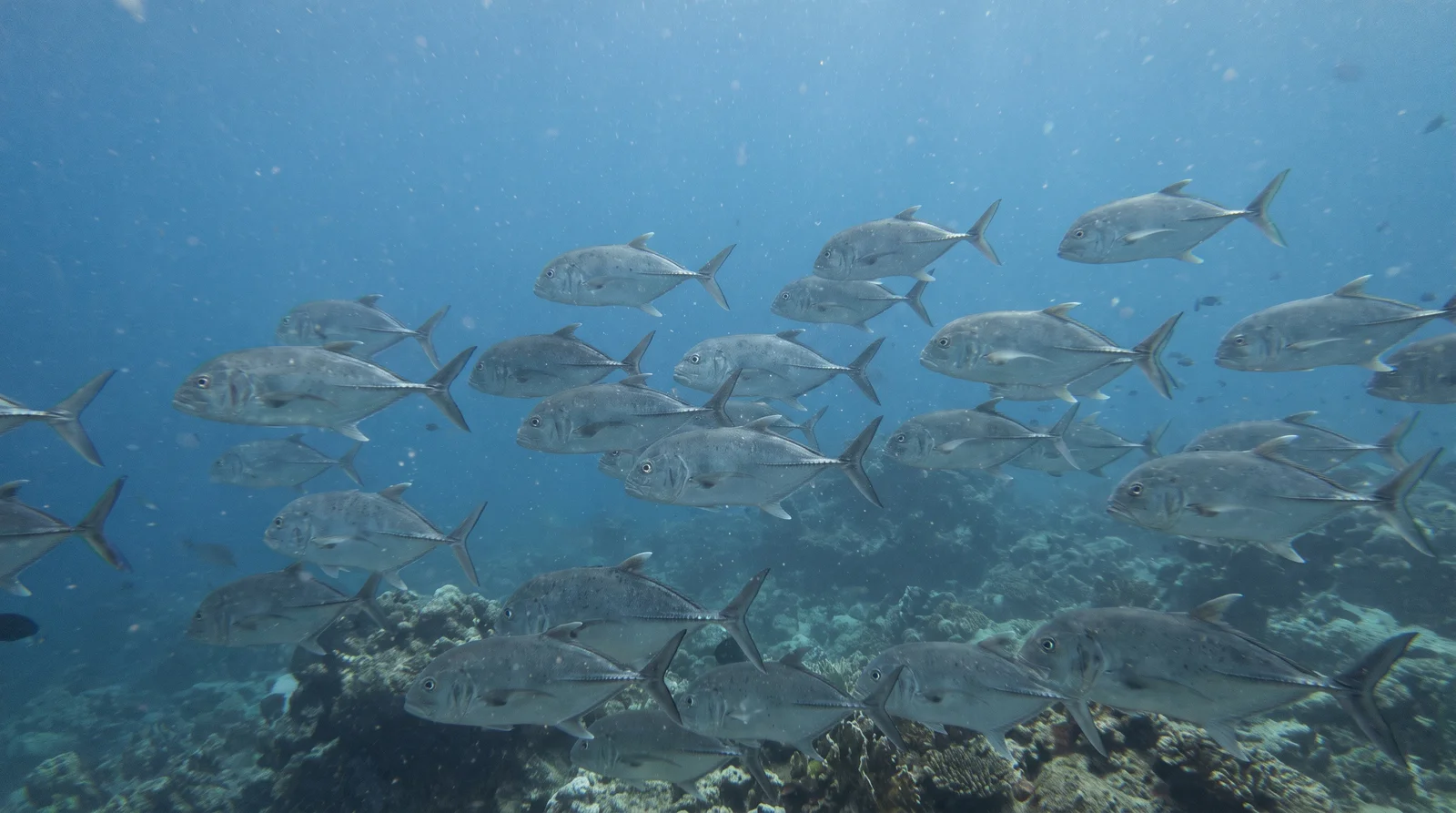
Trevally / Jack (assorted)
Carangidae spp.
Dokumentiertes Vorkommen am Tauchplatz
Quelle geprüft am 2026-11-18 · Quellen: Bluewater Dive Travel, Dive The World und The Seven Seas · Beobachtungsdatum nicht dokumentiert
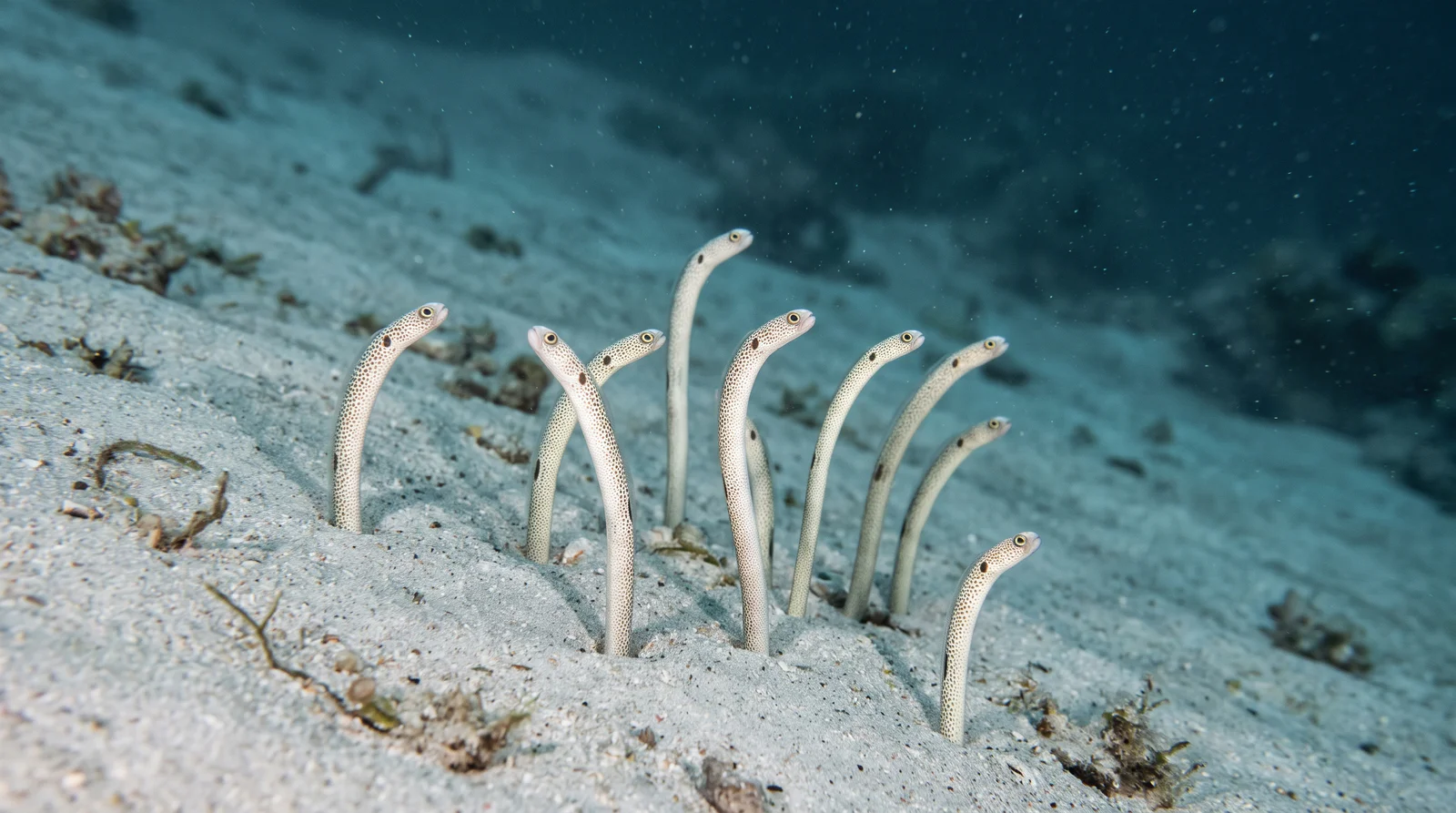
Garden Eel (assorted)
Heterocongrinae spp.
Dokumentiertes Vorkommen am Tauchplatz
Quelle geprüft am 2026-11-18 · Quelle: Bluewater Dive Travel · Beobachtungsdatum nicht dokumentiert
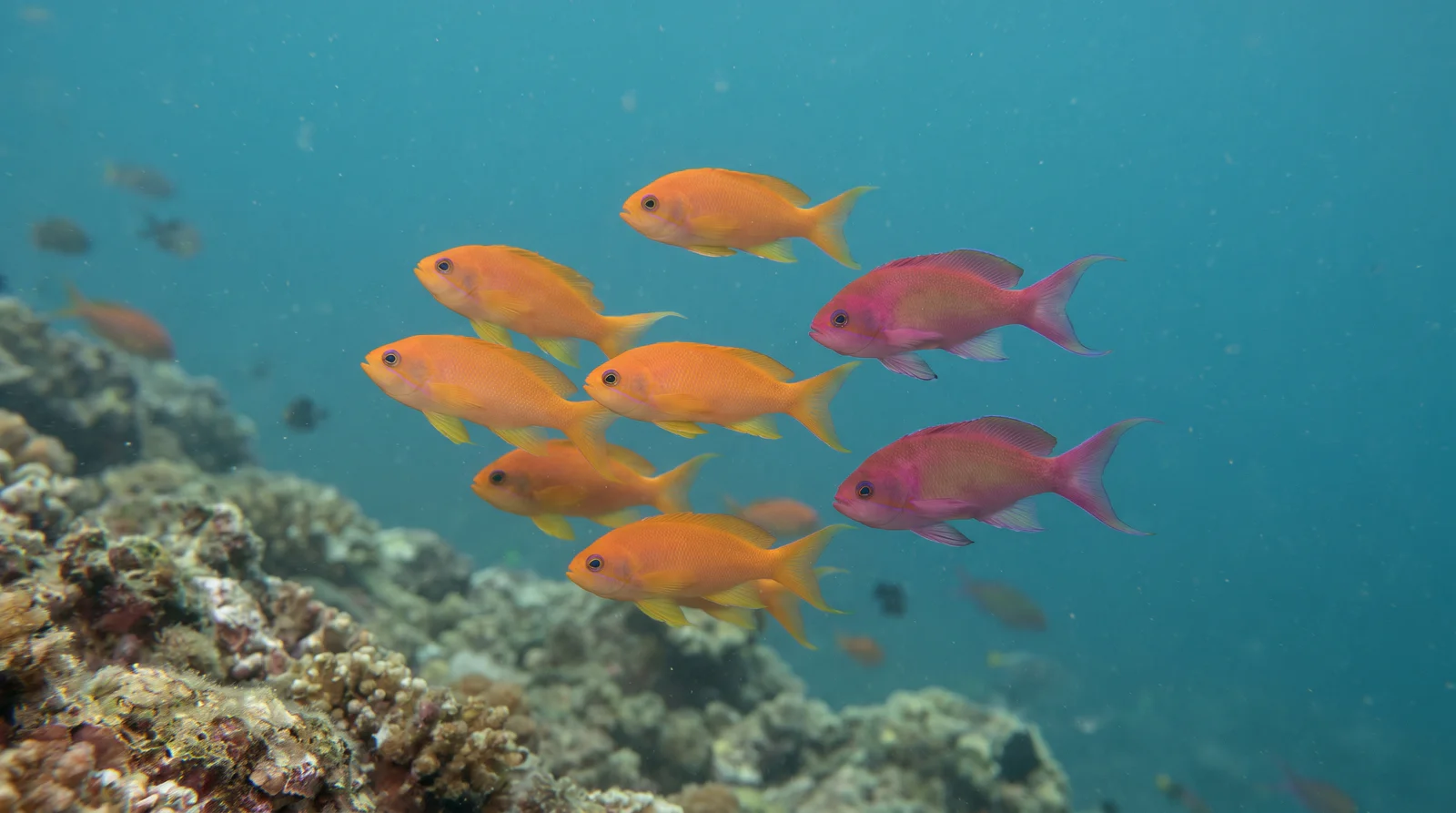
Anthias (assorted)
Anthiadidae spp.
Dokumentiertes Vorkommen am Tauchplatz
Quelle geprüft am 2026-11-18 · Quellen: Bluewater Dive Travel und Dive The World · Beobachtungsdatum nicht dokumentiert
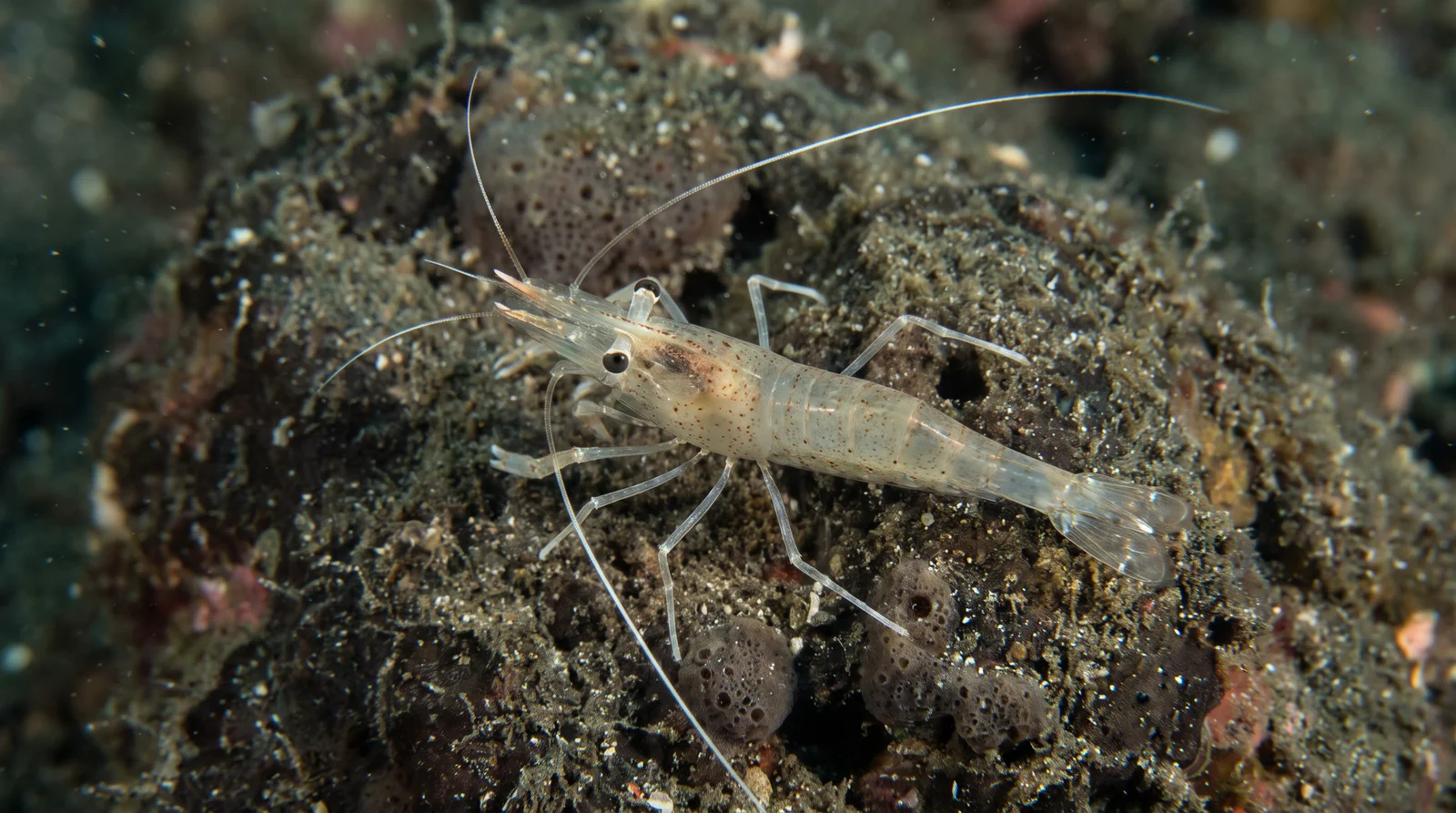
Shrimp (assorted)
Caridea and Dendrobranchiata spp. (shrimps)
Dokumentiertes Vorkommen am Tauchplatz
Quelle geprüft am 2026-11-18 · Quelle: The Seven Seas · Beobachtungsdatum nicht dokumentiert
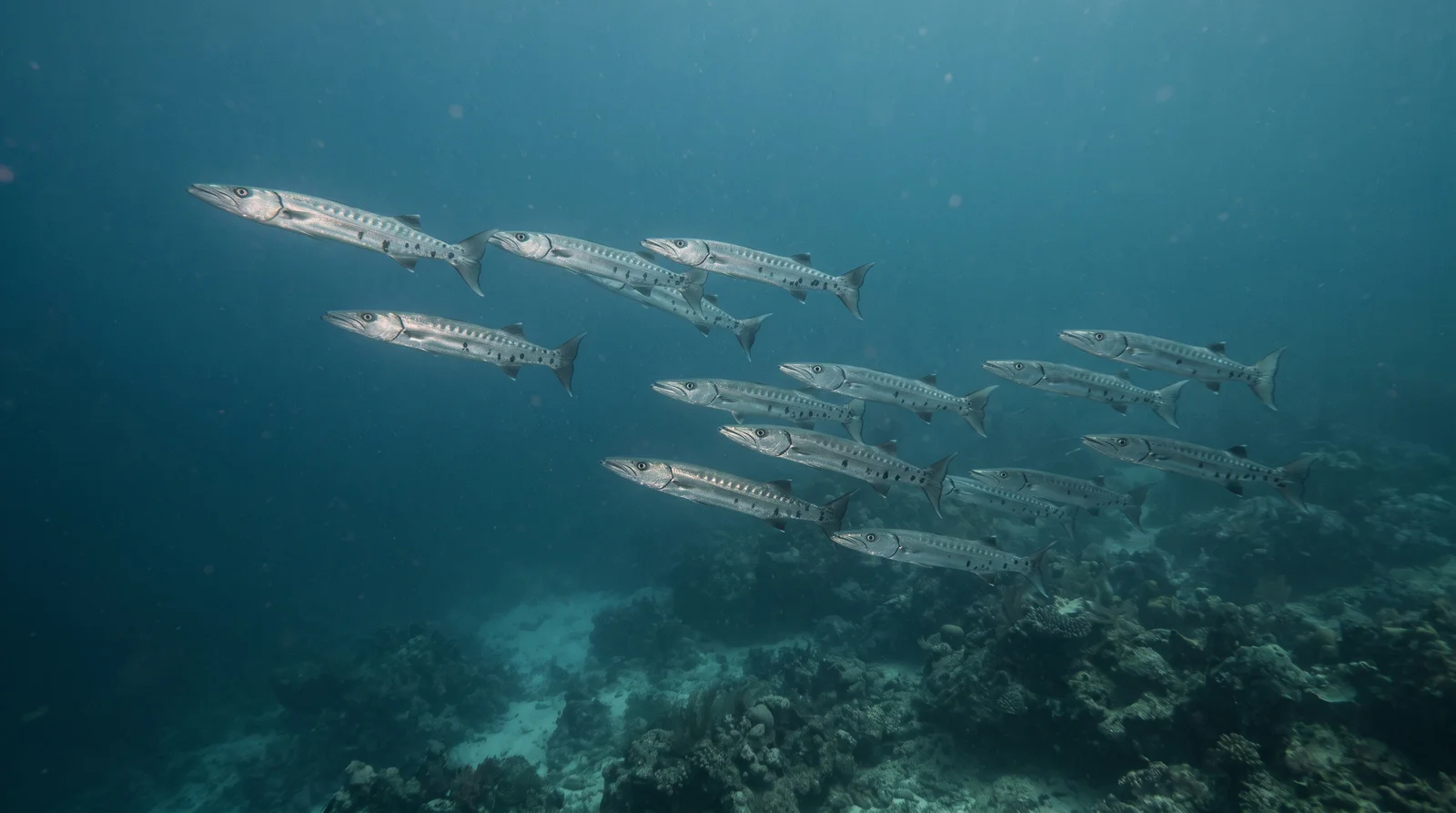
Barracuda (assorted)
Sphyraena spp.
Dokumentiertes Vorkommen am Tauchplatz
Quelle geprüft am 2026-11-18 · Quelle: The Seven Seas · Beobachtungsdatum nicht dokumentiert
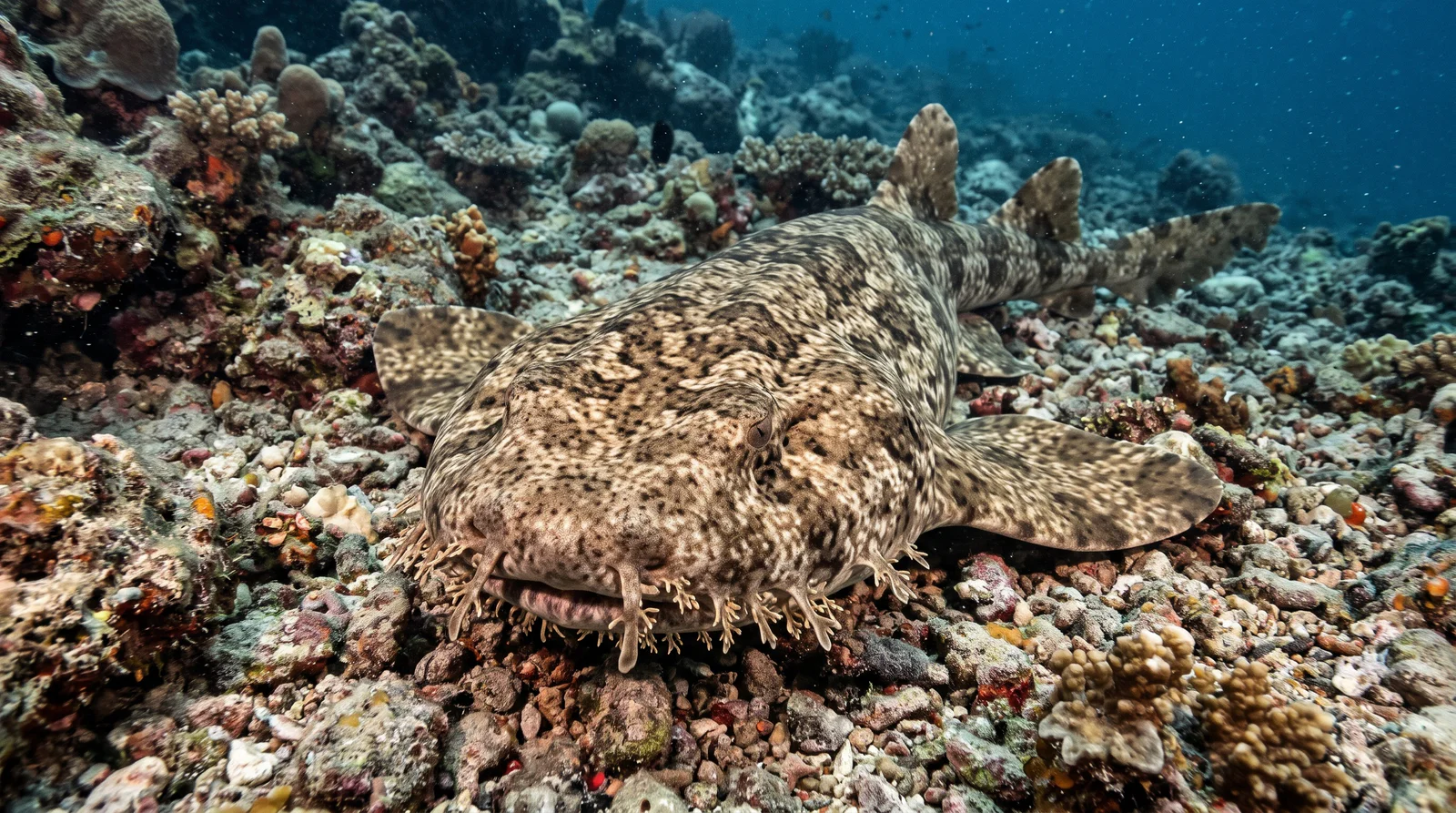
Wobbegong (assorted)
Orectolobidae spp.
Dokumentiertes Vorkommen am Tauchplatz
Quelle geprüft am 2026-11-18 · Quelle: Bluewater Dive Travel · Beobachtungsdatum nicht dokumentiert
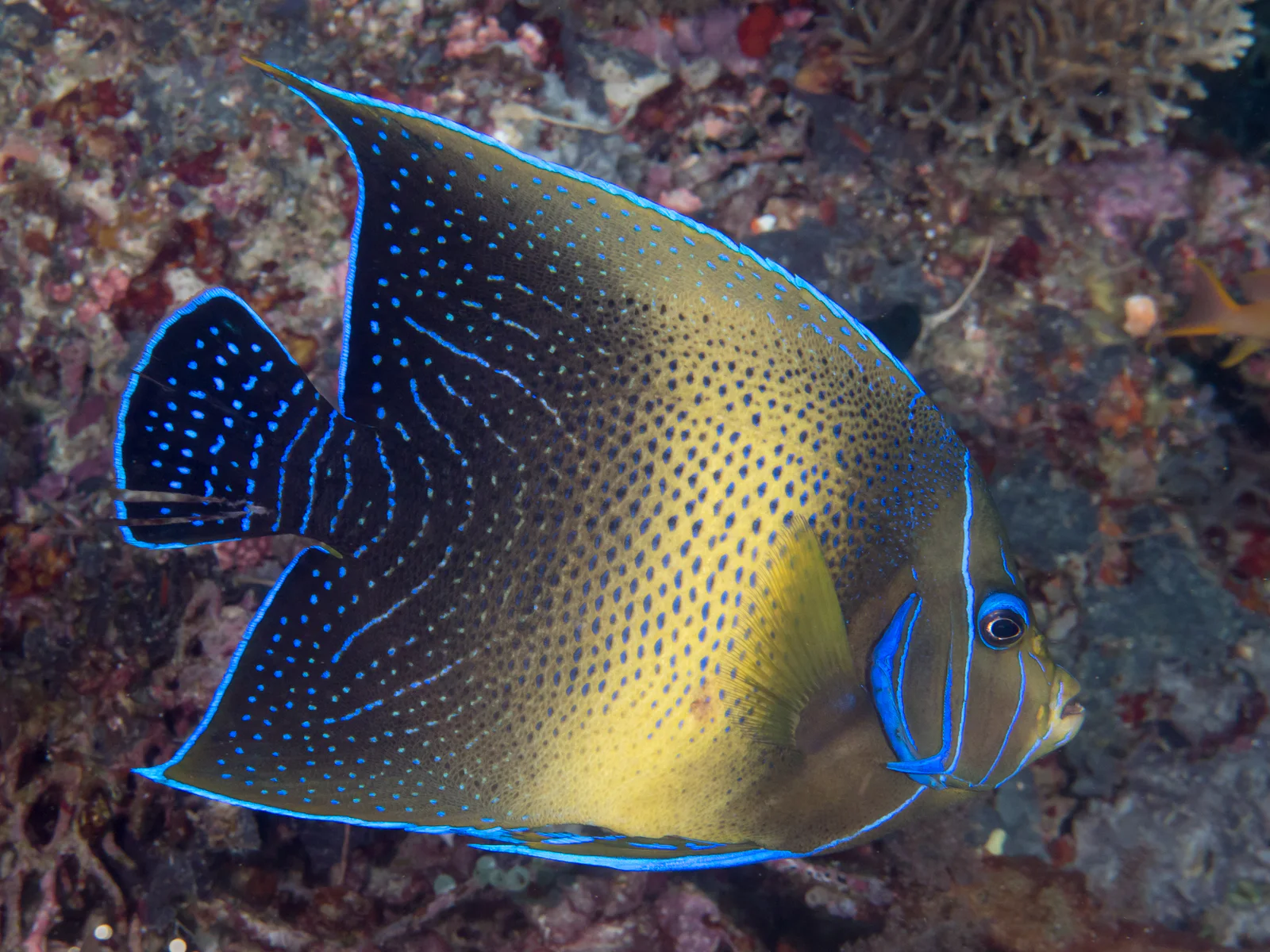
Semicircle Angelfish
Pomacanthus semicirculatus
Dokumentiertes Vorkommen am Tauchplatz
Quelle geprüft am 2026-11-18 · Quelle: Bluewater Dive Travel · Beobachtungsdatum nicht dokumentiert
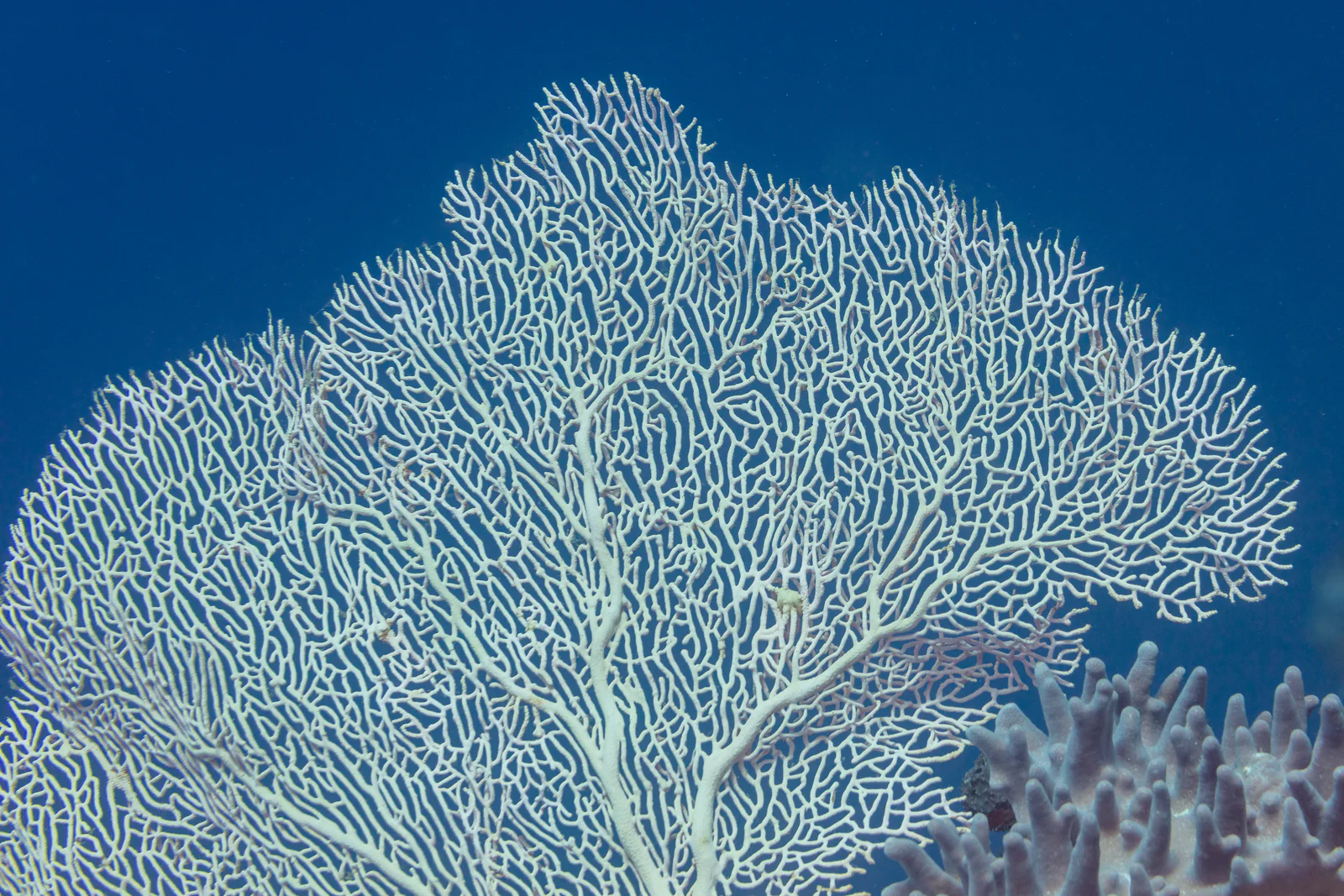
Sea Fan / Gorgonian (assorted)
Octocorallia spp. (gorgonians)
Dokumentiertes Vorkommen am Tauchplatz
Quelle geprüft am 2026-11-18 · Quelle: The Seven Seas · Beobachtungsdatum nicht dokumentiert
Schon in Batu Jeruk getaucht?
Protokolliere ihn, checke ein oder erzähl anderen Tauchern, was du gesehen hast.
War das hilfreich?
Bleiben Sie auf dem Laufenden
Erhalten Sie Updates zu Tauchplätzen und Tipps per E-Mail.