Reef · Wall · Slope · Drift
Little Komodo
Zu diesem Namen: No source read gives a point for this site; the sources place it only in words, at the southern tip of Saruenus Island in Triton Bay, so…
Zuletzt aktualisiert:
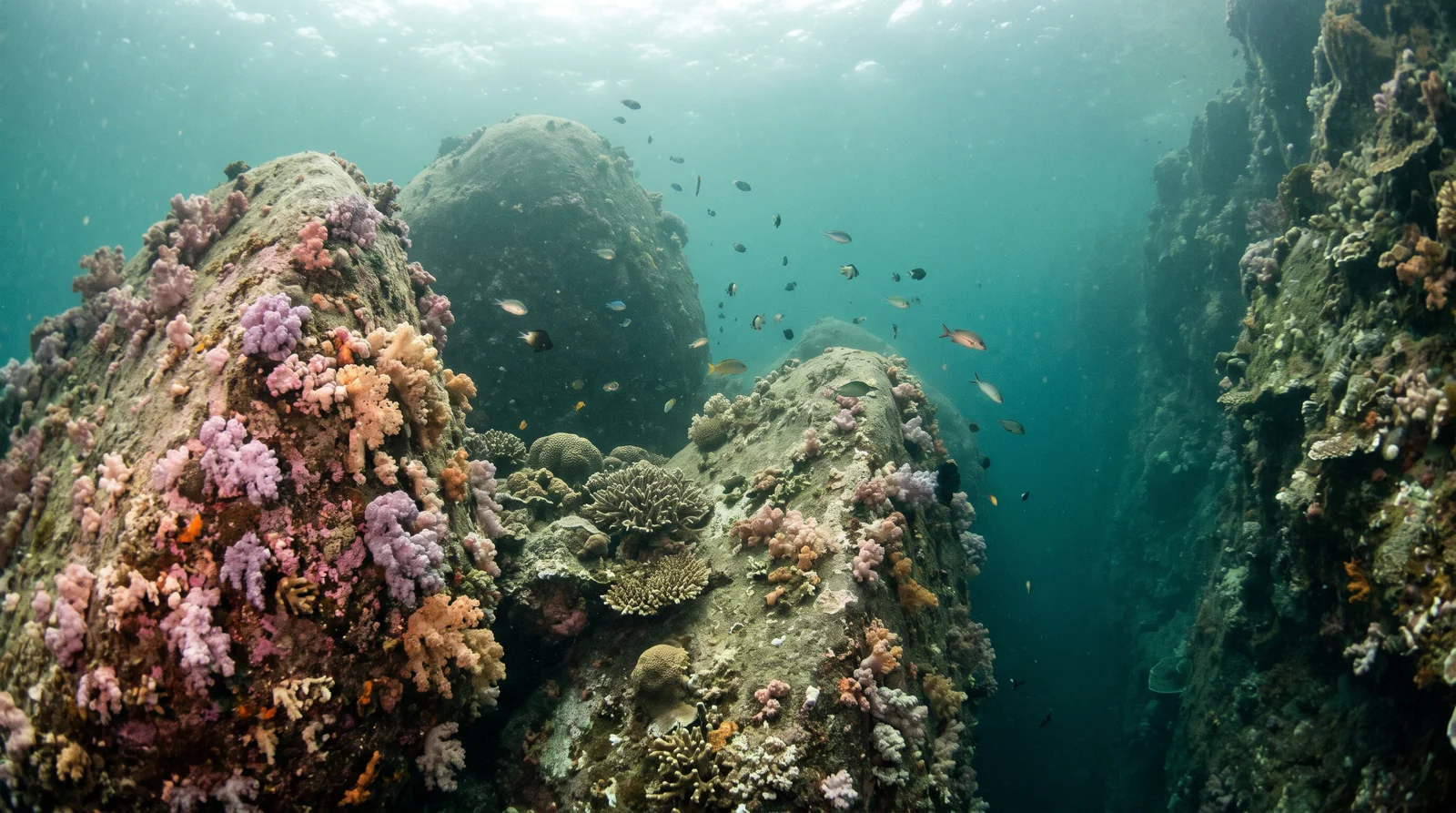
AI-generated illustration of large boulders carrying soft corals beside a coral-encrusted wall, with a channel between them. It is not a photograph of Little Komodo and is not evidence of any animal, depth or condition at the site.
Bildnachweis: AI-generated illustration · Generated for Diveity; no third-party rights · Higgsfield nano_banana_pro image generationAuf einen Blick
- Zertifizierung erforderlich
- Minimale Tiefe
- Beginn der besten Saison
- Ende der besten Saison
- Minimale Sichtweite
- Maximale Sichtweite
- Minimale Wassertemperatur
- Maximale Wassertemperatur
- Zone
Kennen Sie eines davon? Wählen Sie es aus und teilen Sie es uns mit.
Über diesen Tauchplatz
Overview
Little Komodo is a boulder reef and wall off Saruenus Island in Triton Bay, West Papua, to about 25 m, for intermediate divers, with variable current.
Triton Bay Divers, the dive resort in the area, describes huge boulders that nearly break the surface, covered in soft corals with schools of anthias, damselfish and fusiliers; deeper down, schools of sweetlips and snapper shelter in black coral bushes, with hunting jacks and wobbegongs. When the current is gentle, it says, divers drift along a soft-coral wall and end the dive at the neighbouring site Aquarium. DivePhotoGuide's guide to Triton Bay, published in November 2020, places the site in a small bay at the southern tip of the island and adds sandy bottoms, small bommies and sea fans for macro life, boulders that break the surface especially at low tide, and giant grouper. Dive The World, a liveaboard booking agency, describes large boulders and coral-crusted ridges, a channel that cuts through the reef and a vertical stretch along the island's edge, draped in soft corals, black corals and large gorgonian fans, with schools of fusiliers, rainbow runners and snappers and bumphead parrotfish.
Name and place
Dive The World says the site takes its name from the way its underwater landscape resembles the reefs of Komodo National Park, and X-Ray Mag, in a liveaboard account published in December 2023, writes that the site recalls the underwater world of Komodo. Triton Bay Divers puts Saruenus Island five minutes by boat from its resort and says the island is known locally as Pintu Arus or Pulau Arus, the current island. DivePhotoGuide spells the island both Seruenus and Saruenus. Bluewater Dive Travel's trip report of May 2023 calls the place a sloping reef around a small islet that is really three sites: Little Komodo, Aquarium, a protected bay on the same side of the rock, and Pintu Arus on the opposite side. No source read gives a position, so this record has no map point.
Depth, current and level
Dive The World gives a maximum depth of around 25 m, with most of the life between 10 and 20 m, and rates the site as suitable for intermediate divers; this record stores both as single-source values. It says currents can be moderate to strong, that the wall section may be out of reach when downcurrents are running, and that the dive is usually a drift: divers drop onto the vertical stretch, move around the corner into the channel and come up in the shallows. DivePhotoGuide warns that currents can change quickly and advises diving with an experienced guide. Bluewater Dive Travel found the current slack on its first dive here, with little schooling and the orange cup corals closed, and on a later day enough current on Little Komodo and Pintu Arus to bring in schooling fish, including a sizable shoal of chevron barracuda. This record stores the current as variable. No source read gives the visibility, the water temperature or the best months for this site.
Marine life
Triton Bay Divers lists several species of pygmy seahorse, nudibranchs and shrimp for macro photography. Dive The World says pygmy seahorses have been recorded on the sea fans as shallow as 15 m, and X-Ray Mag also reports pygmy seahorses at 15 m in Triton Bay without naming a site. Bluewater Dive Travel saw butterflyfish, wrasses, damselfish and surgeonfish, a pair of clown triggerfish at a cleaning station and a broadclub cuttlefish, and describes the rock as shaped like a mushroom, with an overhanging ledge at safety-stop depth.
Sources and lineage
DivePhotoGuide's guide is co-written by Leeza English and repeats several sentences of Triton Bay Divers' own site page almost word for word, so the two count as one source here. Dive The World and X-Ray Mag give the same 15 m pygmy seahorse depth and may not be independent. Triton Bay Divers' page was last changed in November 2023, and Dive The World's page carries no date. None says when its description was last checked.
Nobody has verified this record in person; it was researched and written by an automated process from the sources named here.
Gefahren & Sicherheit
Beachten Sie diese potenziellen Gefahren an diesem Tauchplatz
Current
Schweregrad: Noch nicht dokumentiertDive The World says currents can be moderate to strong and the wall section may be out of reach when downcurrents are running; DivePhotoGuide says currents can change quickly.
Quellen
- Bluewater Dive Travel
- Dive The World
- DivePhotoGuide
- Triton Bay Divers
- X-Ray Mag
Bewertungen
Noch keine Bewertungen. Seien Sie der Erste, der Ihre Erfahrung teilt!
Auf dieser Seite
Meereslebewesen
13 Arten an diesem Tauchplatz registriert
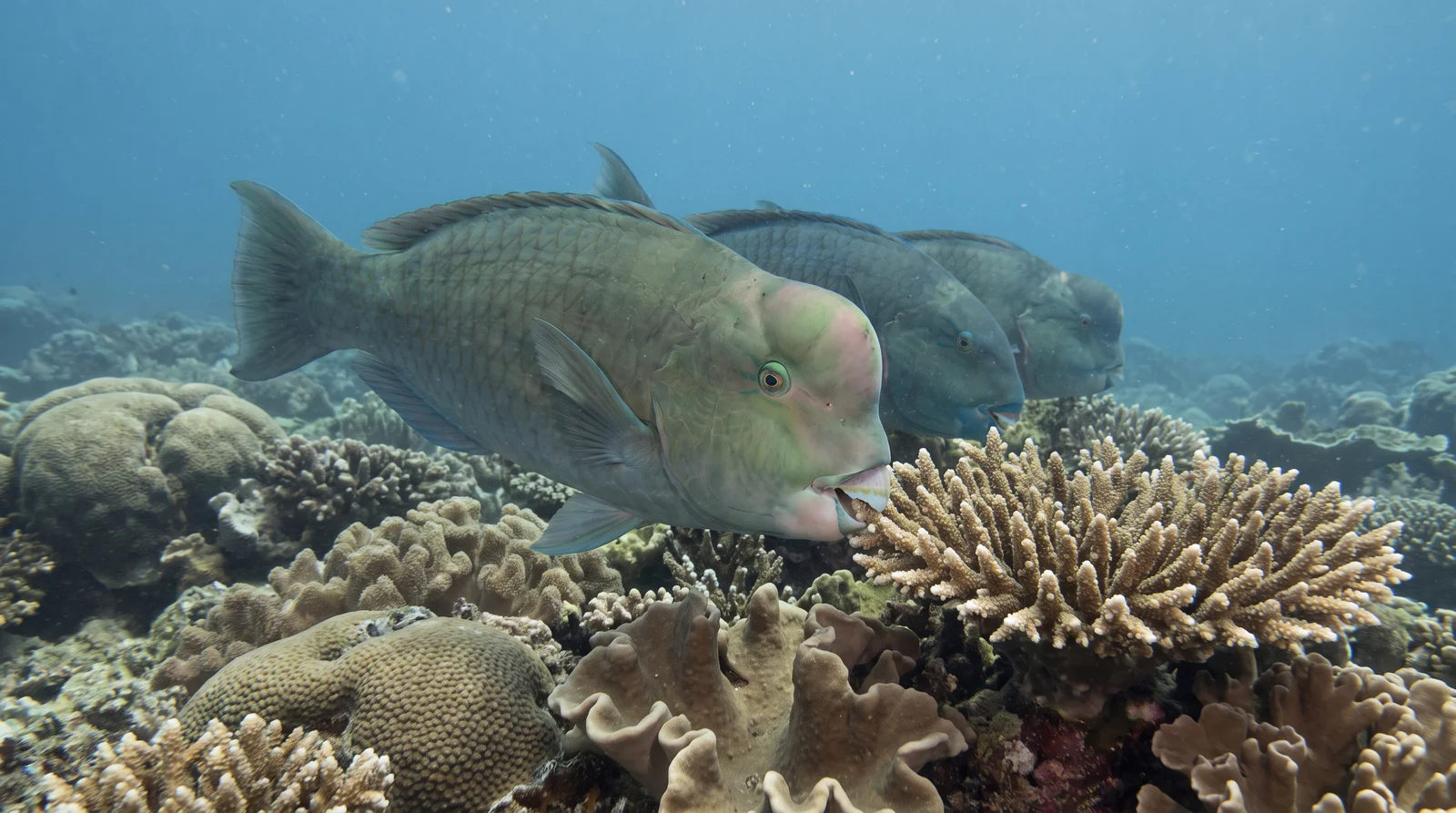
Bumphead Parrotfish
Bolbometopon muricatum
Dokumentiertes Vorkommen am Tauchplatz
Quelle geprüft am 2026-11-18 · Quelle: Dive The World · Beobachtungsdatum nicht dokumentiert
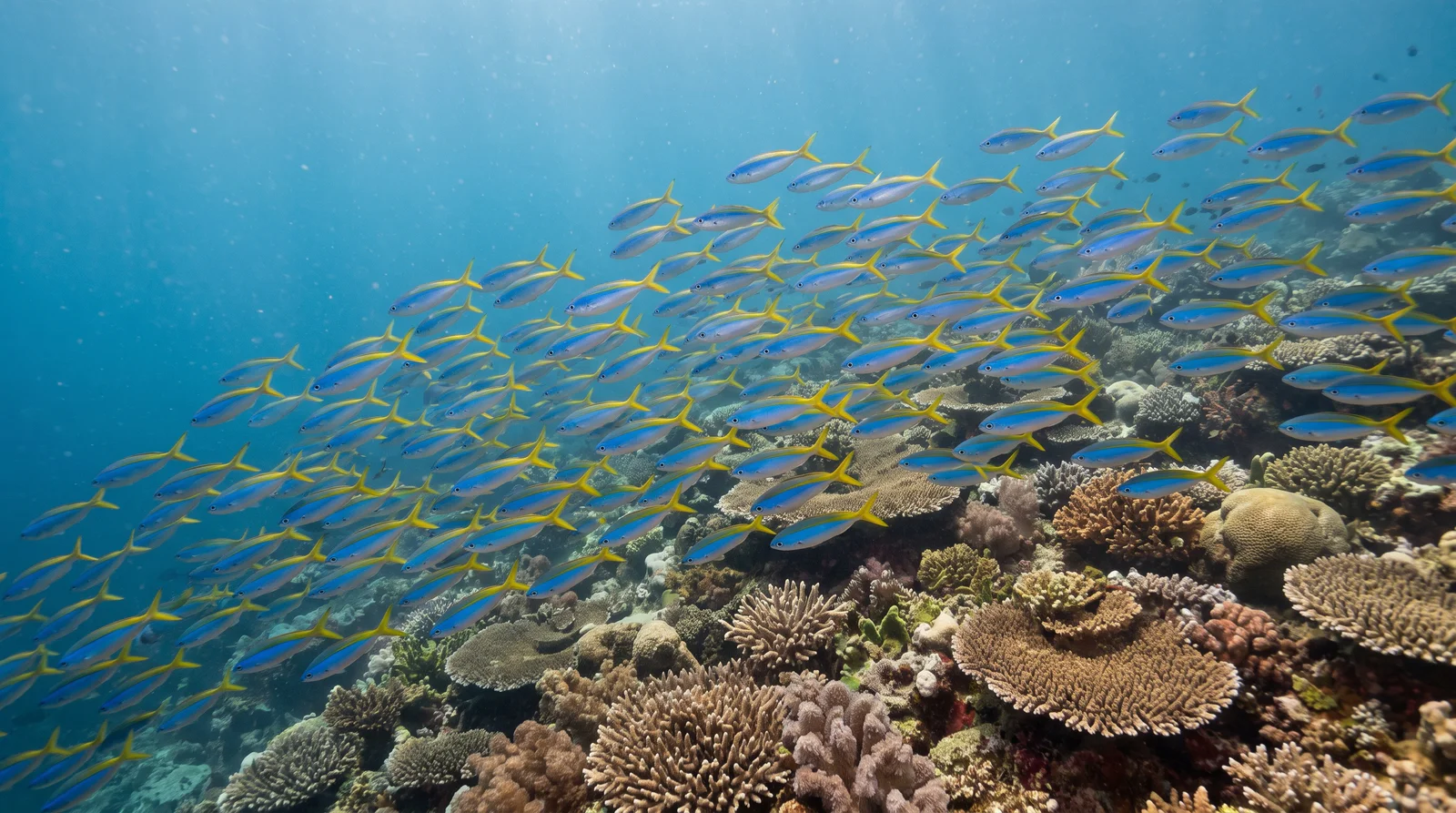
Fusilier (schooling)
Caesio spp.
Dokumentiertes Vorkommen am Tauchplatz
Quelle geprüft am 2026-11-18 · Quellen: Dive The World, DivePhotoGuide und Triton Bay Divers · Beobachtungsdatum nicht dokumentiert
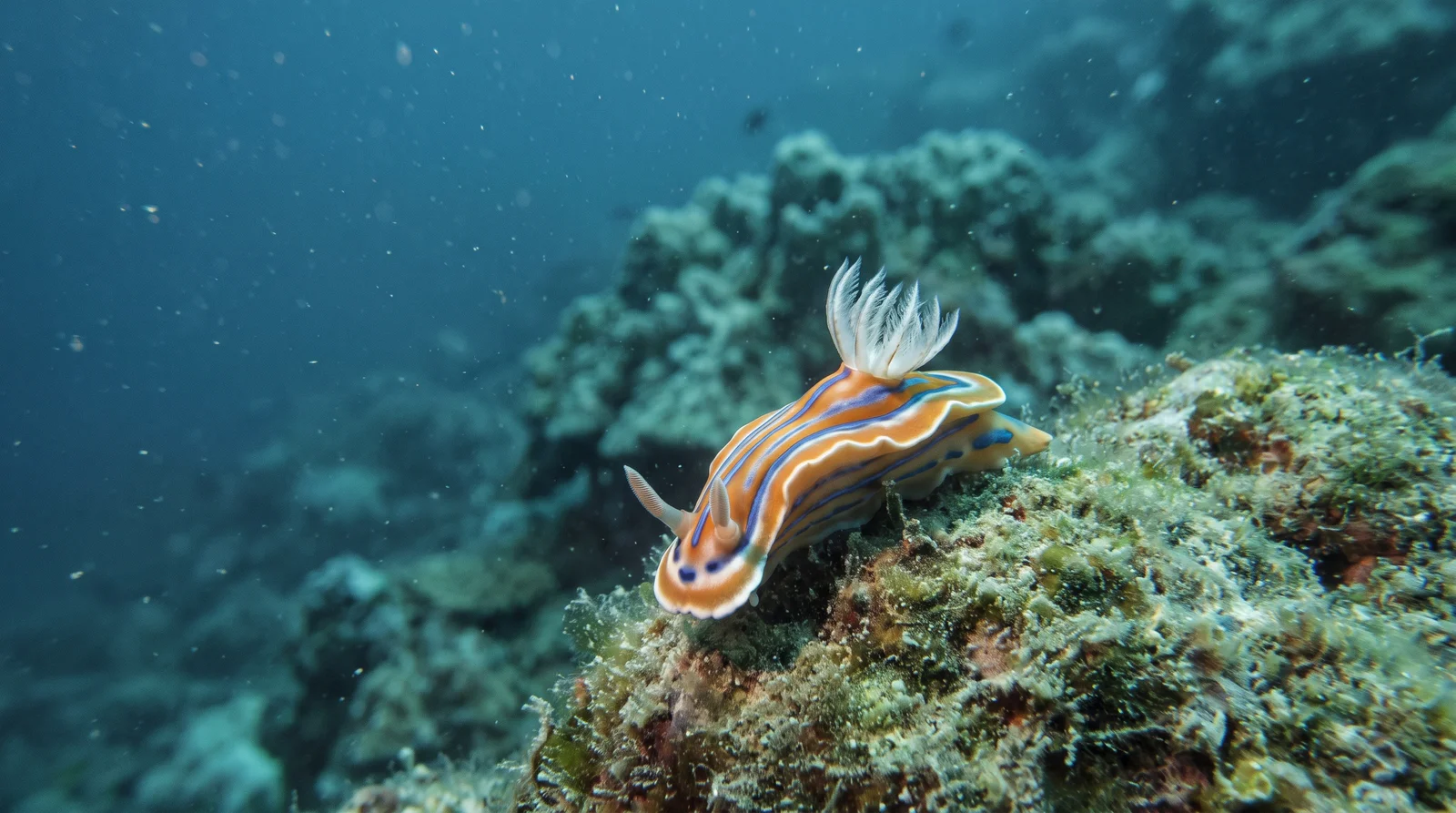
Nudibranch (assorted)
Nudibranchia spp.
Dokumentiertes Vorkommen am Tauchplatz
Quelle geprüft am 2026-11-18 · Quellen: Dive The World und Triton Bay Divers · Beobachtungsdatum nicht dokumentiert
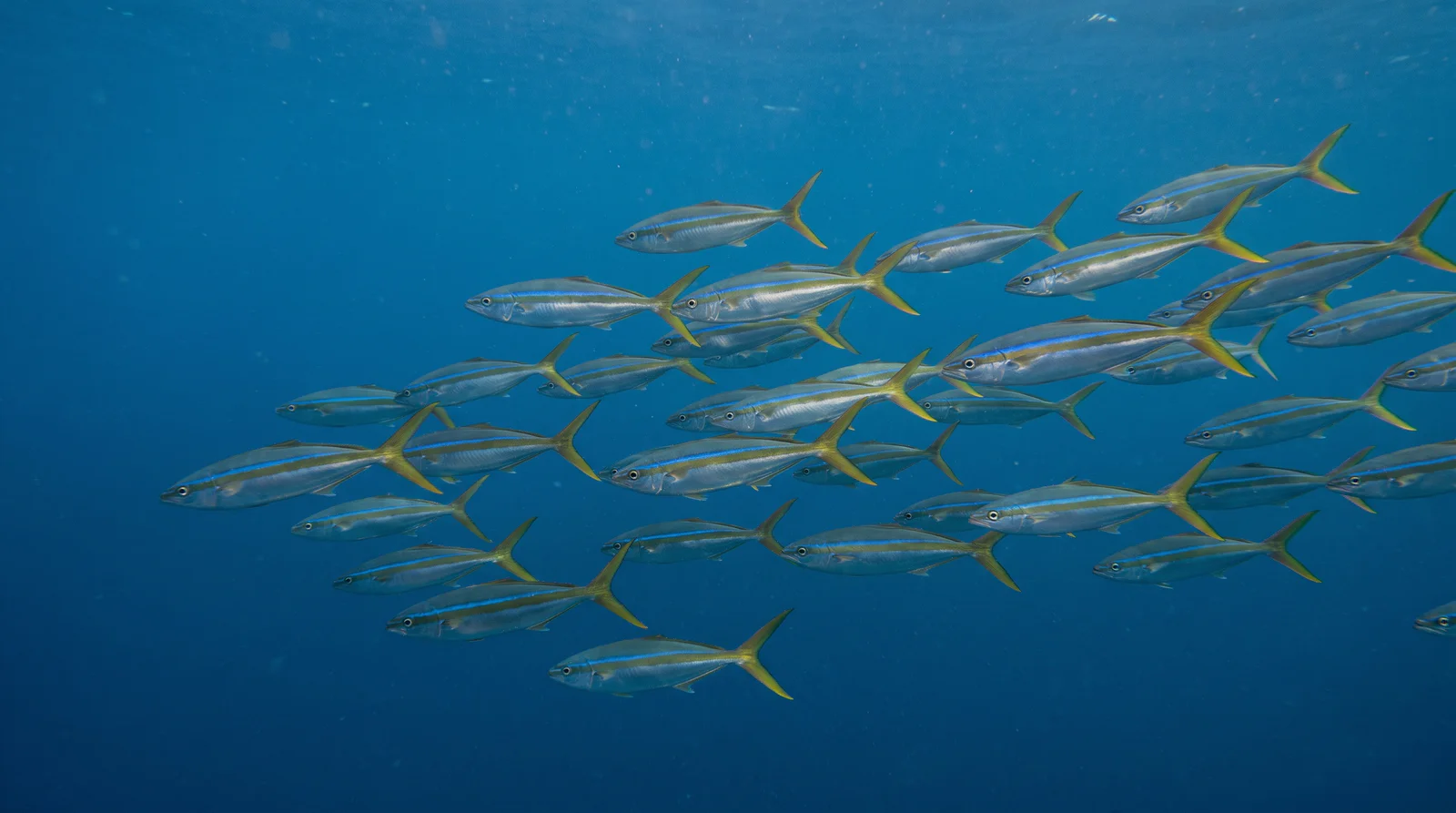
Rainbow Runner
Elagatis bipinnulata
Dokumentiertes Vorkommen am Tauchplatz
Quelle geprüft am 2026-11-18 · Quelle: Dive The World · Beobachtungsdatum nicht dokumentiert
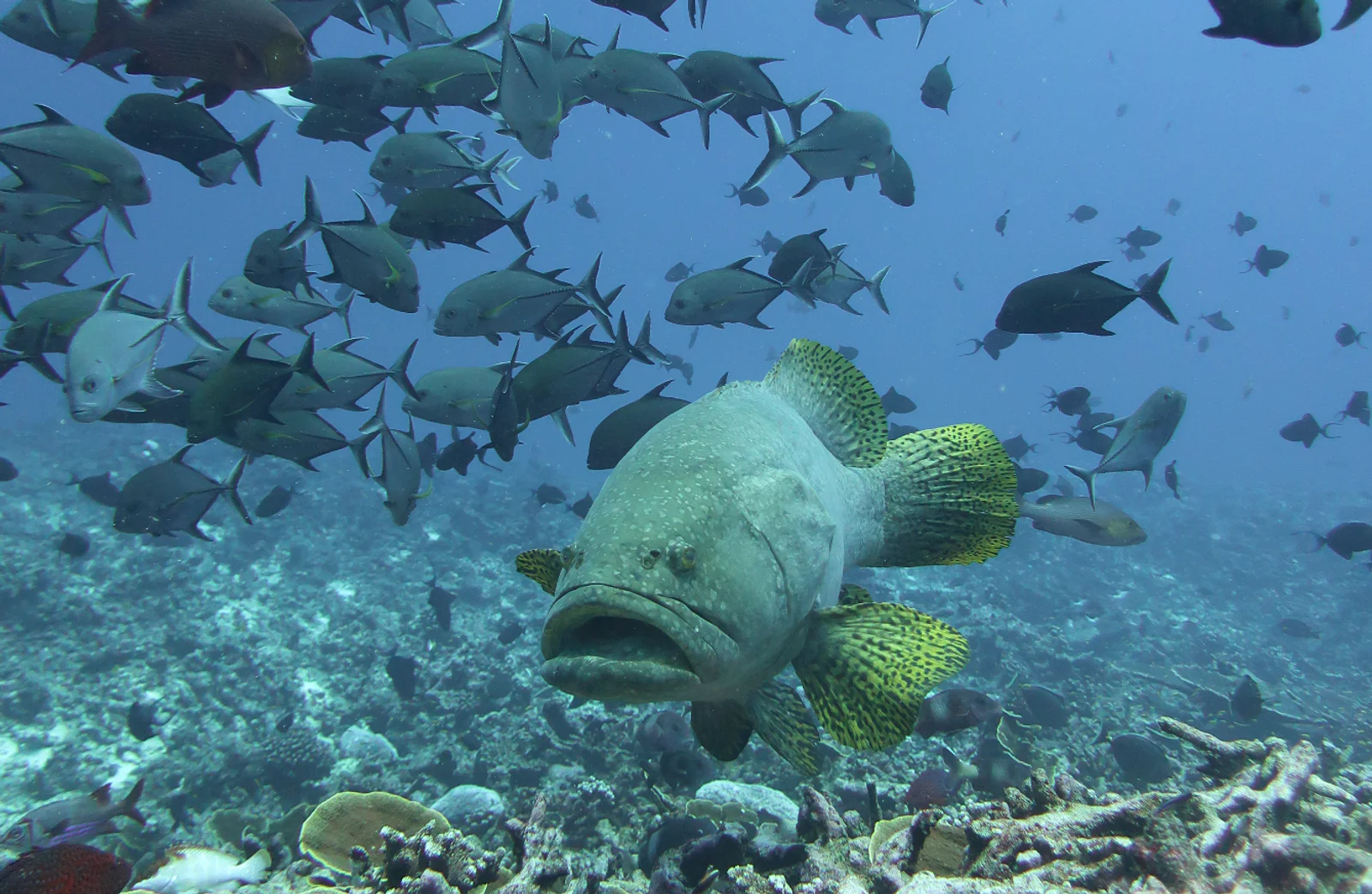
Giant Grouper
Epinephelus lanceolatus
Dokumentiertes Vorkommen am Tauchplatz
Quelle geprüft am 2026-11-18 · Quelle: DivePhotoGuide · Beobachtungsdatum nicht dokumentiert
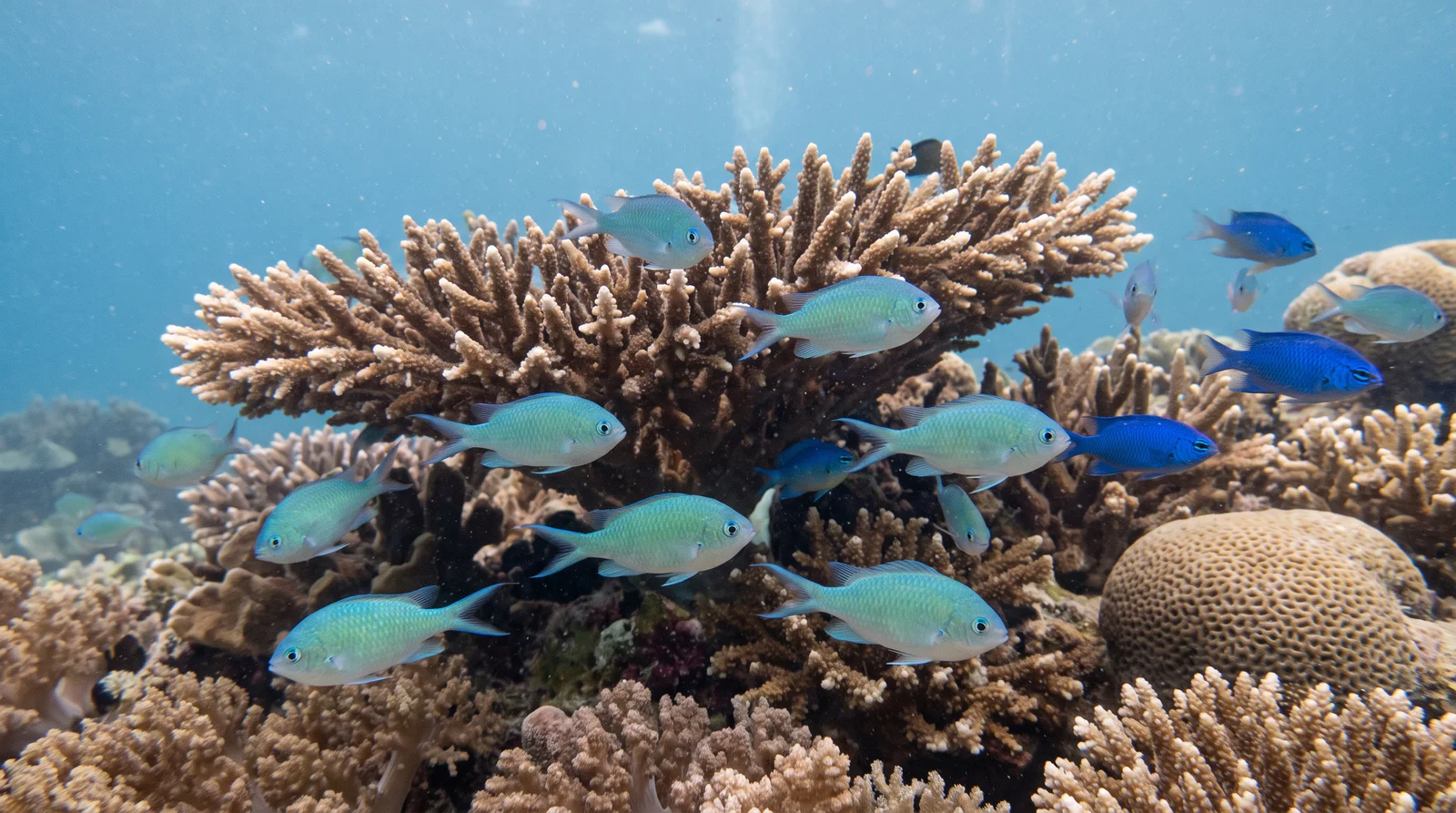
Damselfish (assorted)
Pomacentridae spp.
Dokumentiertes Vorkommen am Tauchplatz
Quelle geprüft am 2026-11-18 · Quellen: DivePhotoGuide und Triton Bay Divers · Beobachtungsdatum nicht dokumentiert
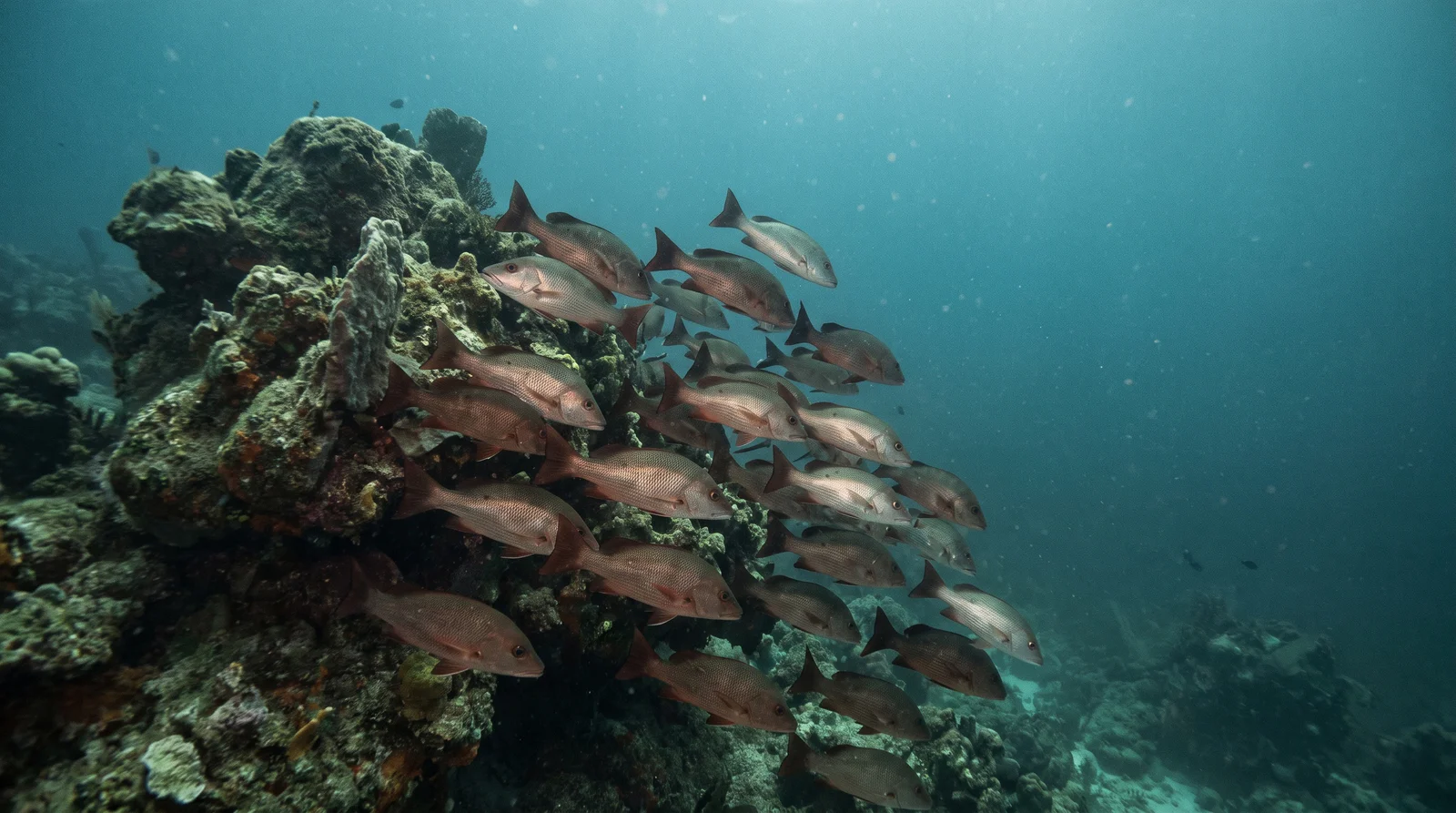
Snapper (assorted)
Lutjanidae spp.
Dokumentiertes Vorkommen am Tauchplatz
Quelle geprüft am 2026-11-18 · Quellen: Dive The World, DivePhotoGuide und Triton Bay Divers · Beobachtungsdatum nicht dokumentiert
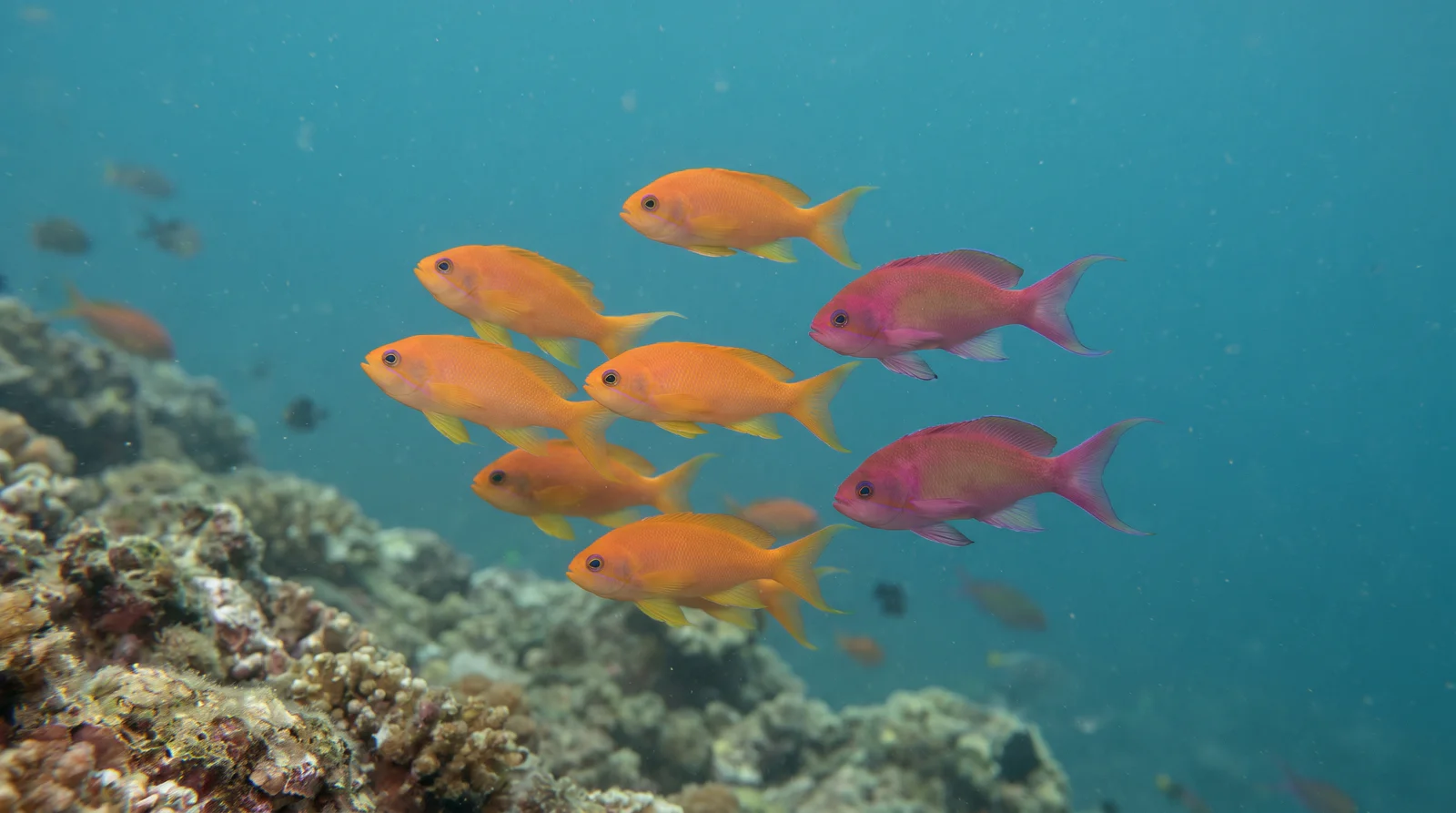
Anthias (assorted)
Anthiadidae spp.
Dokumentiertes Vorkommen am Tauchplatz
Quelle geprüft am 2026-11-18 · Quellen: DivePhotoGuide und Triton Bay Divers · Beobachtungsdatum nicht dokumentiert
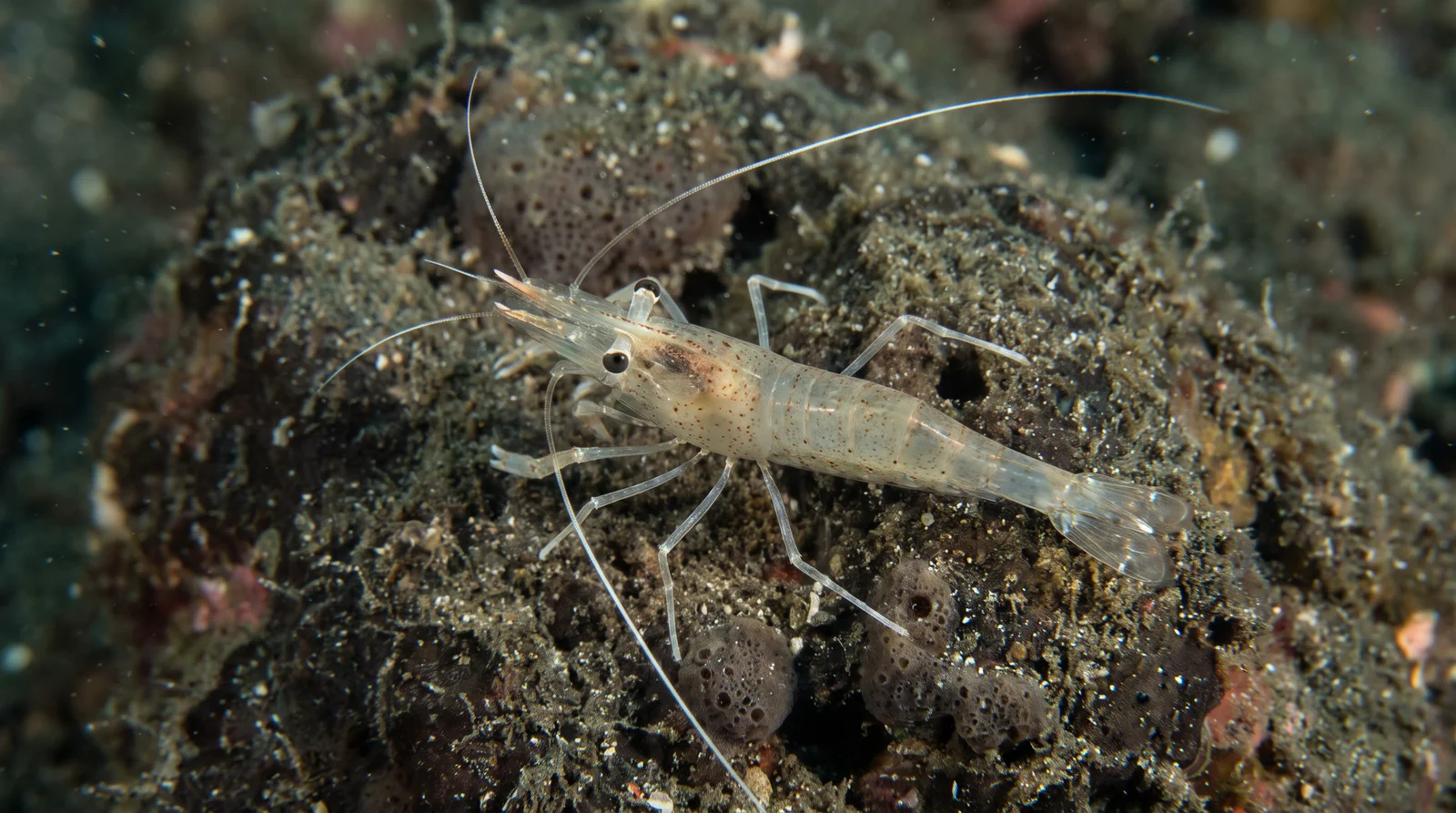
Shrimp (assorted)
Caridea and Dendrobranchiata spp. (shrimps)
Dokumentiertes Vorkommen am Tauchplatz
Quelle geprüft am 2026-11-18 · Quelle: Triton Bay Divers · Beobachtungsdatum nicht dokumentiert
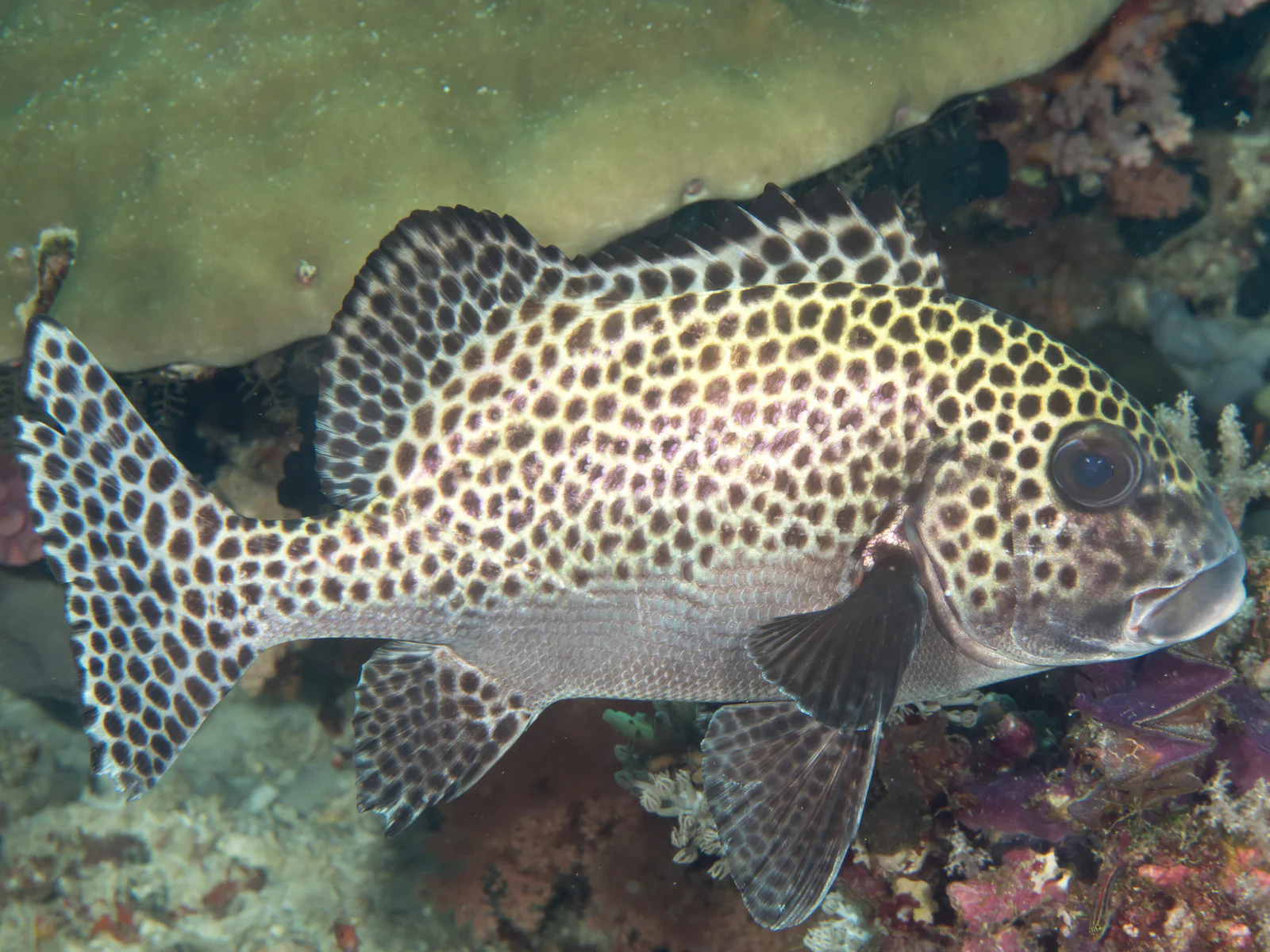
Sweetlips (assorted)
Plectorhinchus spp.
Dokumentiertes Vorkommen am Tauchplatz
Quelle geprüft am 2026-11-18 · Quellen: DivePhotoGuide und Triton Bay Divers · Beobachtungsdatum nicht dokumentiert
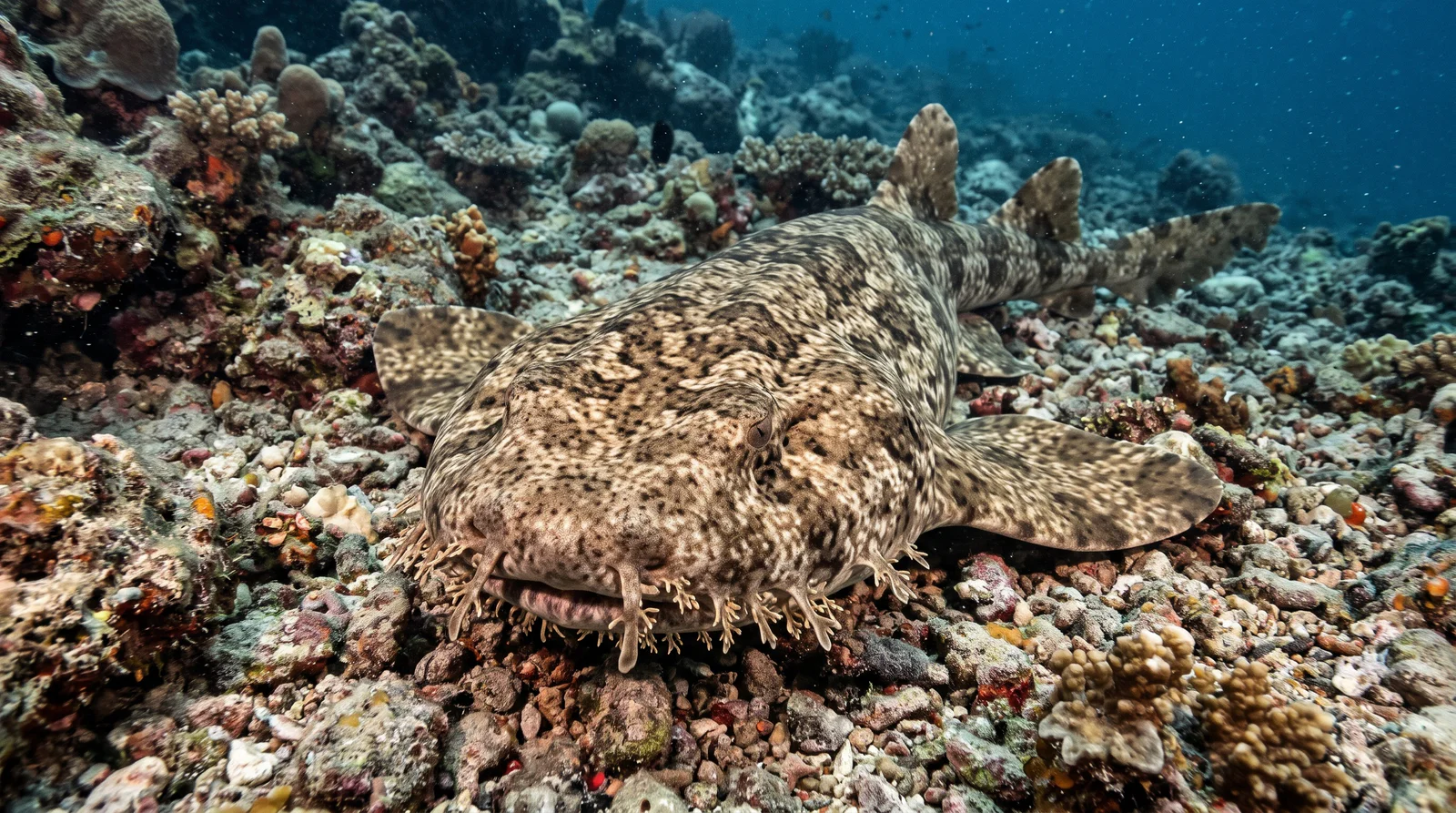
Wobbegong (assorted)
Orectolobidae spp.
Dokumentiertes Vorkommen am Tauchplatz
Quelle geprüft am 2026-11-18 · Quellen: DivePhotoGuide und Triton Bay Divers · Beobachtungsdatum nicht dokumentiert
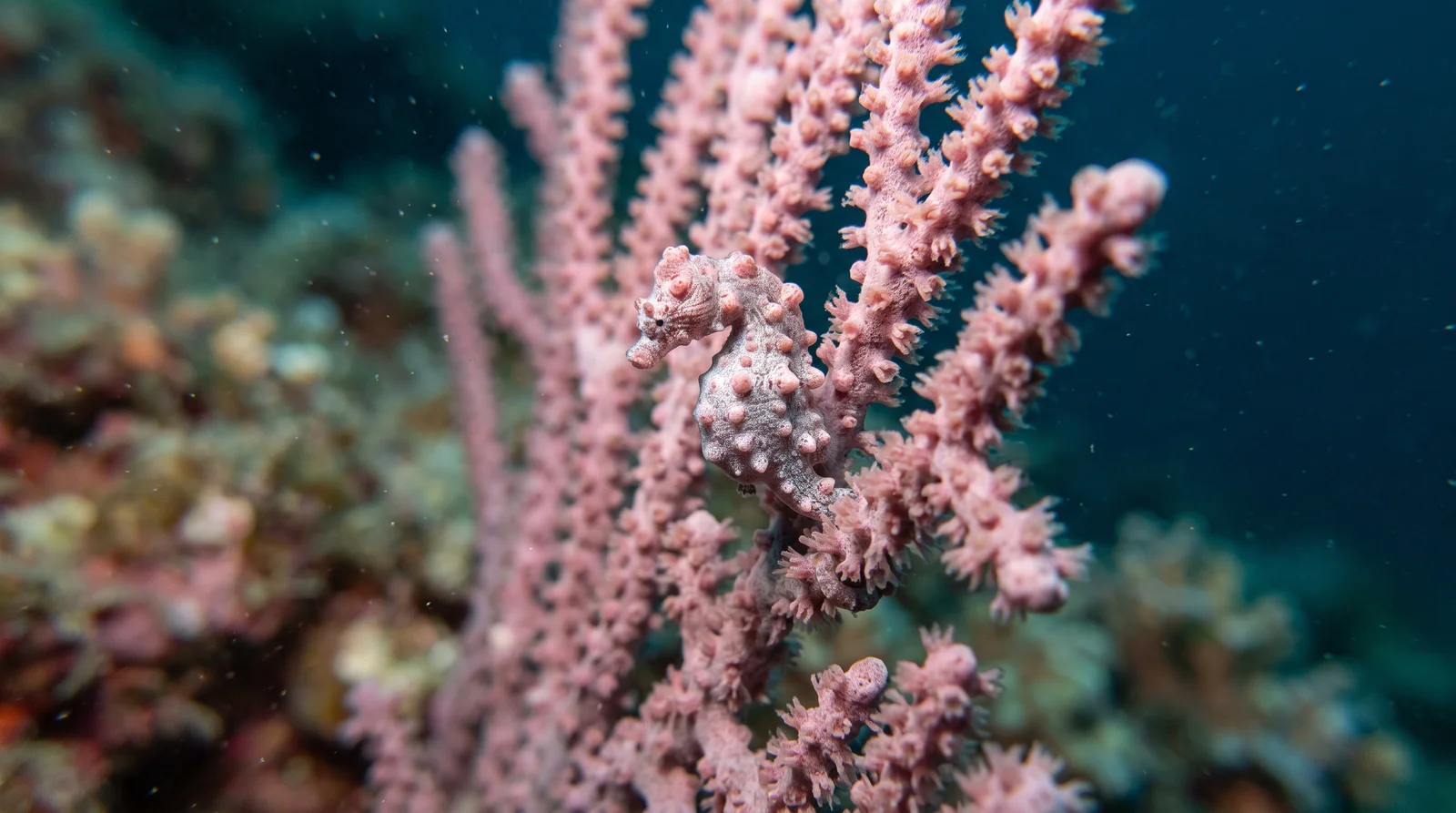
Pygmy Seahorse (assorted)
Hippocampus spp. (pygmy seahorses)
Dokumentiertes Vorkommen am Tauchplatz
Quelle geprüft am 2026-11-18 · Quellen: Dive The World und Triton Bay Divers · Beobachtungsdatum nicht dokumentiert
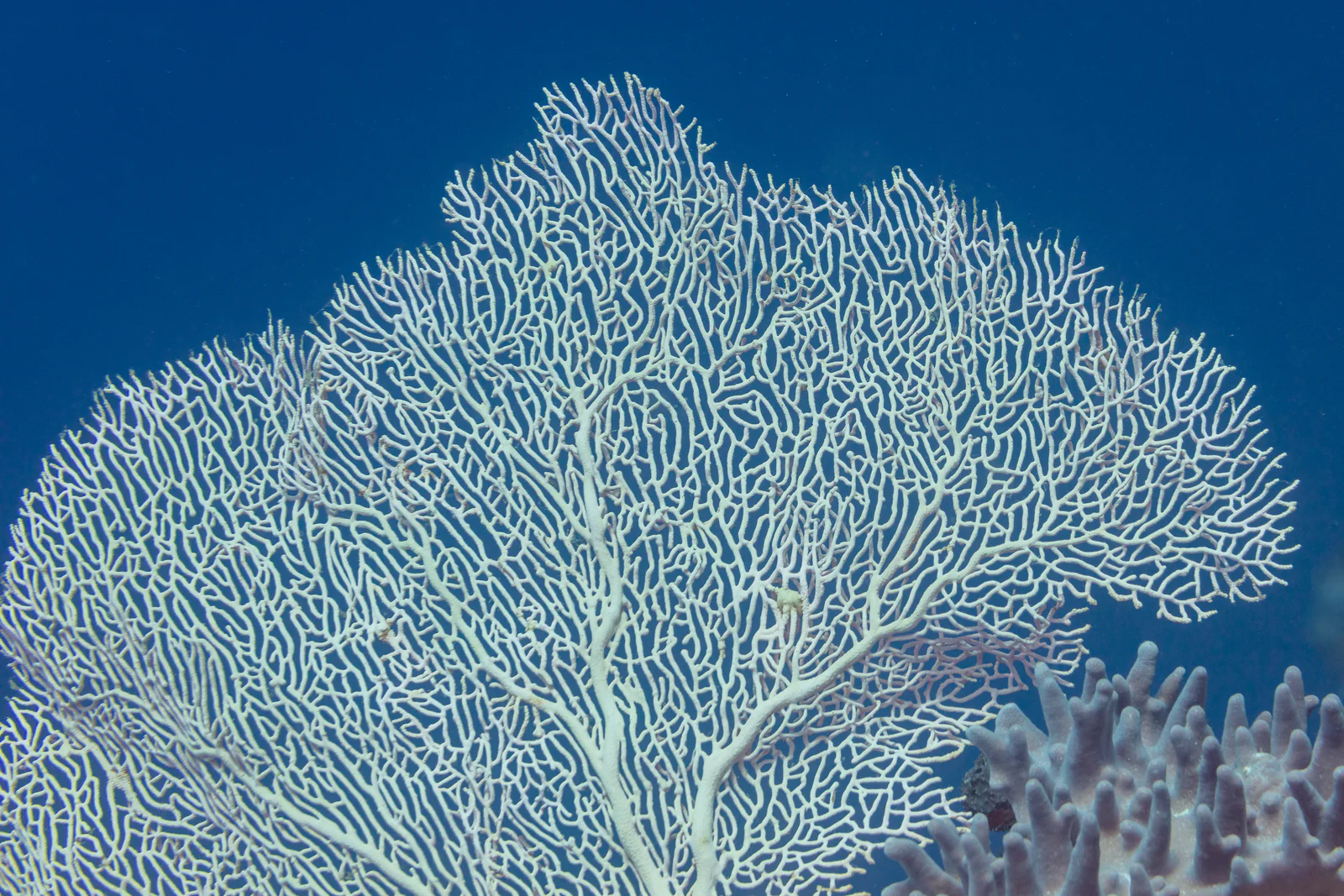
Sea Fan / Gorgonian (assorted)
Octocorallia spp. (gorgonians)
Dokumentiertes Vorkommen am Tauchplatz
Quelle geprüft am 2026-11-18 · Quellen: Dive The World und DivePhotoGuide · Beobachtungsdatum nicht dokumentiert
Schon in Little Komodo getaucht?
Protokolliere ihn, checke ein oder erzähl anderen Tauchern, was du gesehen hast.
War das hilfreich?
Bleiben Sie auf dem Laufenden
Erhalten Sie Updates zu Tauchplätzen und Tipps per E-Mail.