Reef · Drift
Mangrove
Auch bekannt als: Mangrove Point — Zu diesem Namen: No source used for Mangrove gives a map point. nusapenida.org, Scuba Junkie Penida and Diving Squad place the site off the north coast of…
Von einer Quelle berichtet · nusapenida.org
Maximale TiefeInformation wird geprüft
Gegenbelege
25 m
There is a gentle descending slope, between 10 – 25 meters deep
Diving Squad · 2026-11-05T17:05:05Z
Von einer Quelle berichtet · nusapenida.org
Minimale Sichtweite
Von einer Quelle berichtet · nusapenida.org
Maximale Sichtweite
Von einer Quelle berichtet · nusapenida.org
Minimale Wassertemperatur
Von einer Quelle berichtet · nusapenida.org
Maximale Wassertemperatur
Von einer Quelle berichtet · nusapenida.org
Über diesen Tauchplatz
Overview
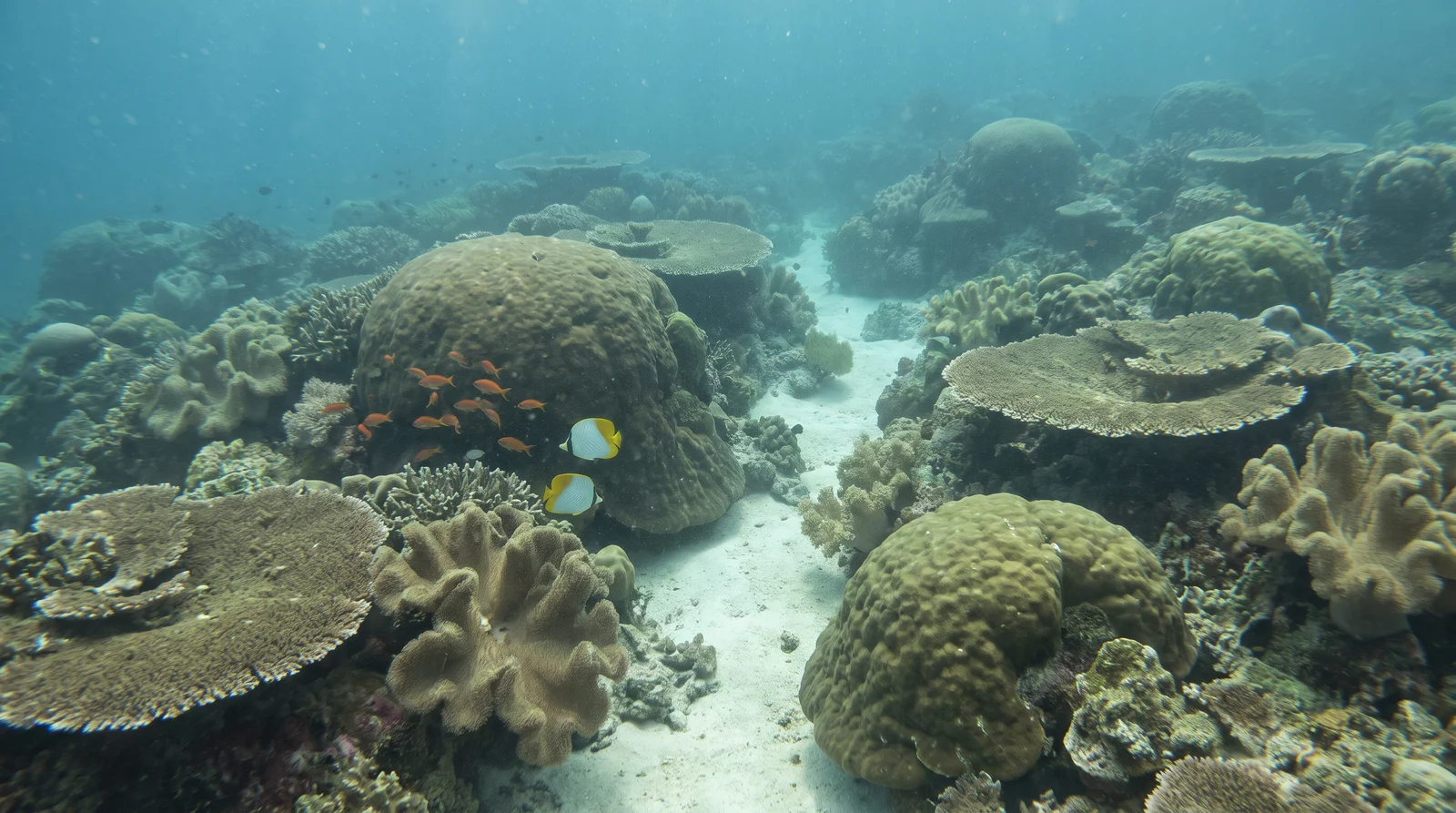
Mangrove is a dive site off the north coast of Nusa Lembongan, in the Nusa Penida island group. nusapenida.org, a Nusa Penida dive guide that calls it Mangrove Point, places it on the north coast of Nusa Lembongan facing the strait that separates the island from Nusa Ceningan, and says it takes its name from the large mangrove area along the coast. Scuba Junkie Penida, a Nusa Penida dive operator, also says the site is named after the mangrove forest on Nusa Lembongan, and Diving Squad, a dive travel site, says it lies in front of the mangrove forests on the north side of Nusa Lembongan and that divers dive the coral reef next to the mangroves, not the mangroves themselves. All three describe it as a gentle drift over a sloping coral reef. nusapenida.org says the boat ride from Toyapakeh harbour on Nusa Penida takes about 10 minutes.
No source this record uses gives a map point for the site, so this record has no map point.
How the site is dived
nusapenida.org describes a long, gently sloping coral plateau running along the north coast of Nusa Lembongan for several hundred metres. Divers descend onto a shallow plateau between 6 and 12 metres covered in hard corals and fire corals, then follow the slope as it drops gradually; the bottom alternates between coral bommies, gorgonian gardens and sandy patches. It says the current most often runs from west to east, and that certified divers usually do the site as a 50 to 60 minute drift from the western tip towards submarine cables at the eastern end. The cables mark the end of the site: the page warns divers not to go past them, especially in current, because the current can carry them on towards Blue Corner, where currents can be intense. Blue Corner has its own record. The page says the length of the dive depends on the current: with no current an hour is not enough to cover the site, and in a strong drift it can be done in twenty minutes. Diving Squad calls Mangrove a very slow drift dive about 2 kilometres long, over hard and soft coral broken up by sand corridors, with occasional bursts of current. The two sources give different lengths for the site, and neither says how it was measured.
nusapenida.org says the shallow part of the plateau is also used for discovery dives and training dives, and that it can be snorkelled from the surface.
Depth
nusapenida.org gives the site as running between 6 and 35 metres, says beginners stay between 6 and 12 metres (between 6 and 18 metres in its FAQ), intermediate divers between 15 and 25 metres, and experienced divers go to 30 to 35 metres in the western part, where the slope steepens. Elsewhere on the same page it says the slope drops to 30 or even 40 metres. Diving Squad describes the slope as between 10 and 25 metres deep. This record sets a minimum depth of 6 metres from nusapenida.org and a maximum of 35 metres, marked as disputed against Diving Squad's 25 metres.
Level
nusapenida.org rates Mangrove for all levels with the right guide and calls it one of the best sites in the area for discovery dives and first certified dives. Scuba Junkie Penida calls it an easy drift dive suitable for all levels, and Diving Squad calls it a very slow drift. This record sets the level as beginner. nusapenida.org adds that the deeper western part, where the slope steepens, is where experienced divers go. No source states a certification requirement, and this record sets none.
Current
nusapenida.org says there is almost always some current, usually none to moderate and predictable, most often running west to east, and that divers should watch for local up- and down-currents, especially mid-dive, and keep an eye on their depth and their guide. Diving Squad mentions occasional bursts of current. No source gives a measured current strength, and this record sets none.
Marine life
nusapenida.org names green and hawksbill turtles and eagle rays, sometimes in groups of two or three, as regular sightings. It also lists surgeonfish, butterflyfish, parrotfish, angelfish, fusiliers, schools of trevally along the edge of the slope, octopus, whitetip reef sharks resting under coral heads, and on the shallow plateau nudibranchs, cleaner shrimps, gobies and decorator crabs. It says a mola mola can sometimes be seen between July and October when it rises onto the plateau to be cleaned, more rarely than at Crystal Bay. Scuba Junkie Penida says to look out for turtles, moray eels, nudibranchs and jackfish. Diving Squad mentions fish, crustaceans and nudibranchs, and rare sightings of nurse sharks. No source gives a measured sighting rate for any animal.
Conditions
nusapenida.org gives visibility of 20 to 25 metres and water temperature of 25 to 28 °C, warmer than Crystal Bay because the site is less exposed to cold upwellings, and says the site can be dived year-round. These values come from that one source. This record sets no best season.
Sources and lineage
nusapenida.org is written by Blaise Jaeger, whom the page describes as a PADI Master Scuba Diver based on Nusa Penida who opened the island's first PADI dive centre in 2017; the page promotes an instructor of the Dune Penida dive centre and was updated in July 2026. The diver quotes on that page are individual reports. Scuba Junkie Penida describes the site in a short paragraph on its north coast page. Diving Squad's paragraph is part of a guide to Nusa Penida diving. The three texts are worded independently. Nobody has verified this record in person; it was researched and written by an automated process from the sources named here.
Meereslebewesen
17 Arten an diesem Tauchplatz registriert
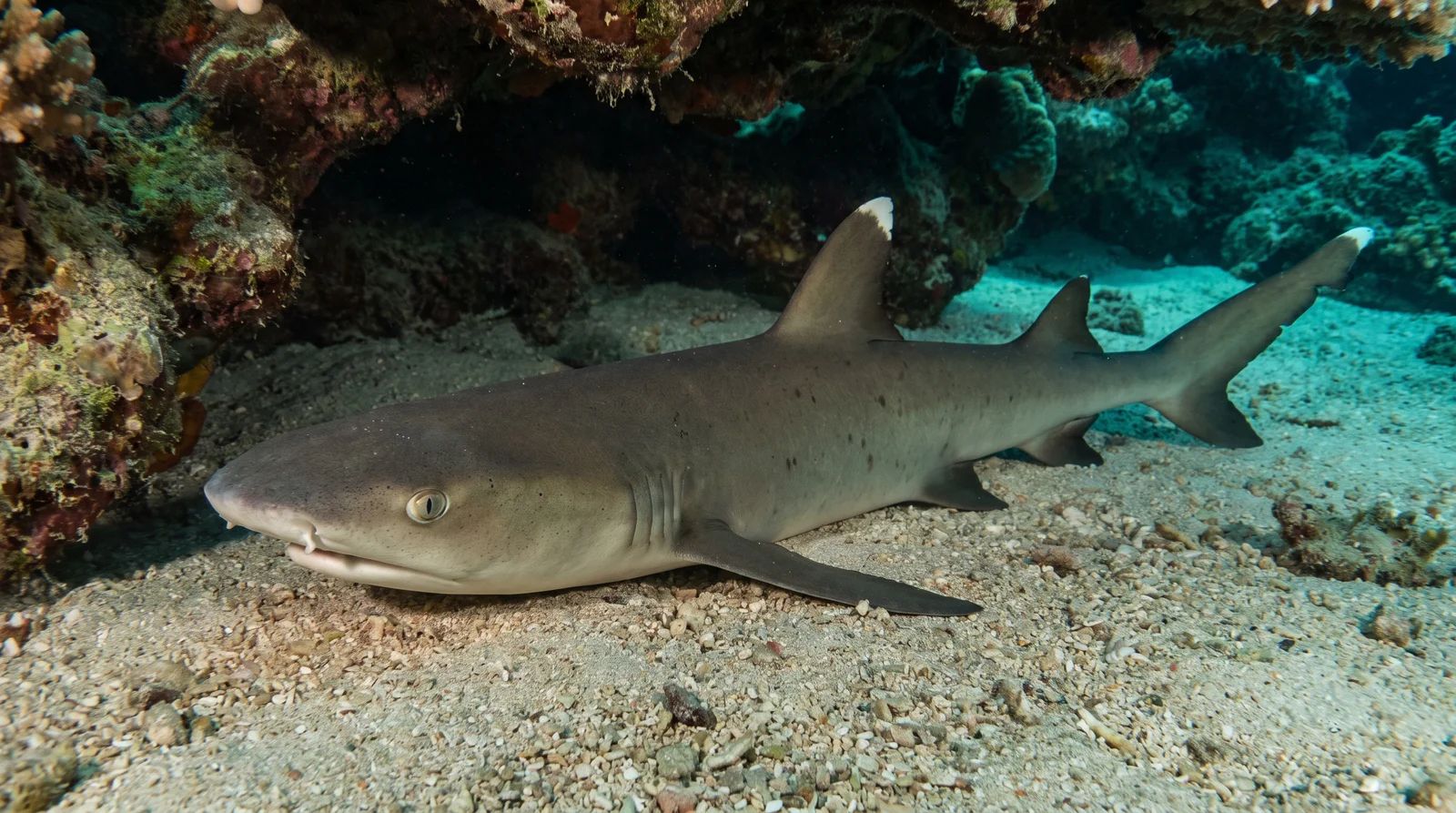
Whitetip Reef Shark
Triaenodon obesus
Dokumentiertes Vorkommen am Tauchplatz
Quelle geprüft am 2026-11-06 · Quelle: nusapenida.org · Beobachtungsdatum nicht dokumentiert
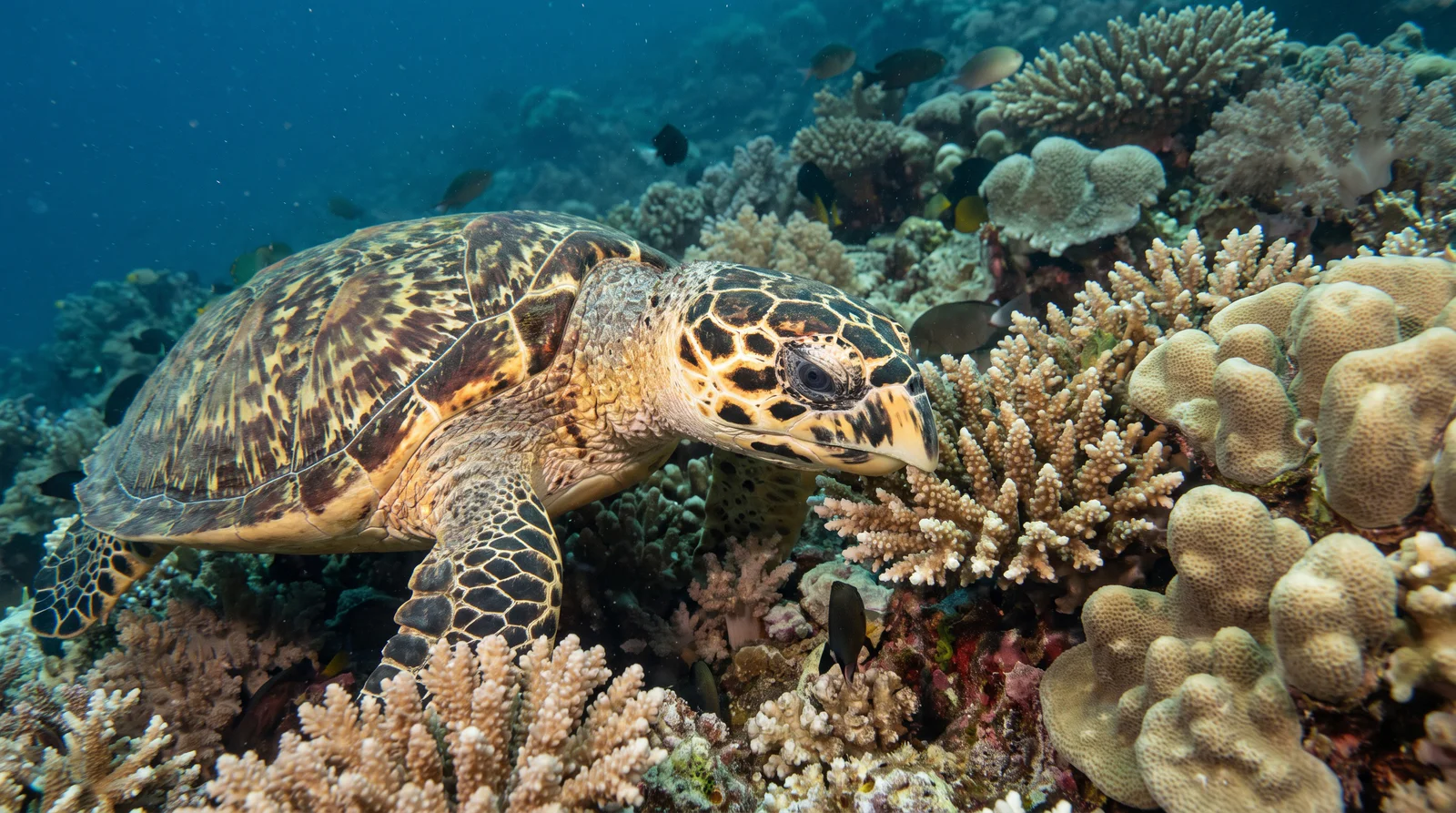
Hawksbill Turtle
Eretmochelys imbricata
Dokumentiertes Vorkommen am Tauchplatz
Quelle geprüft am 2026-11-06 · Quelle: nusapenida.org · Beobachtungsdatum nicht dokumentiert
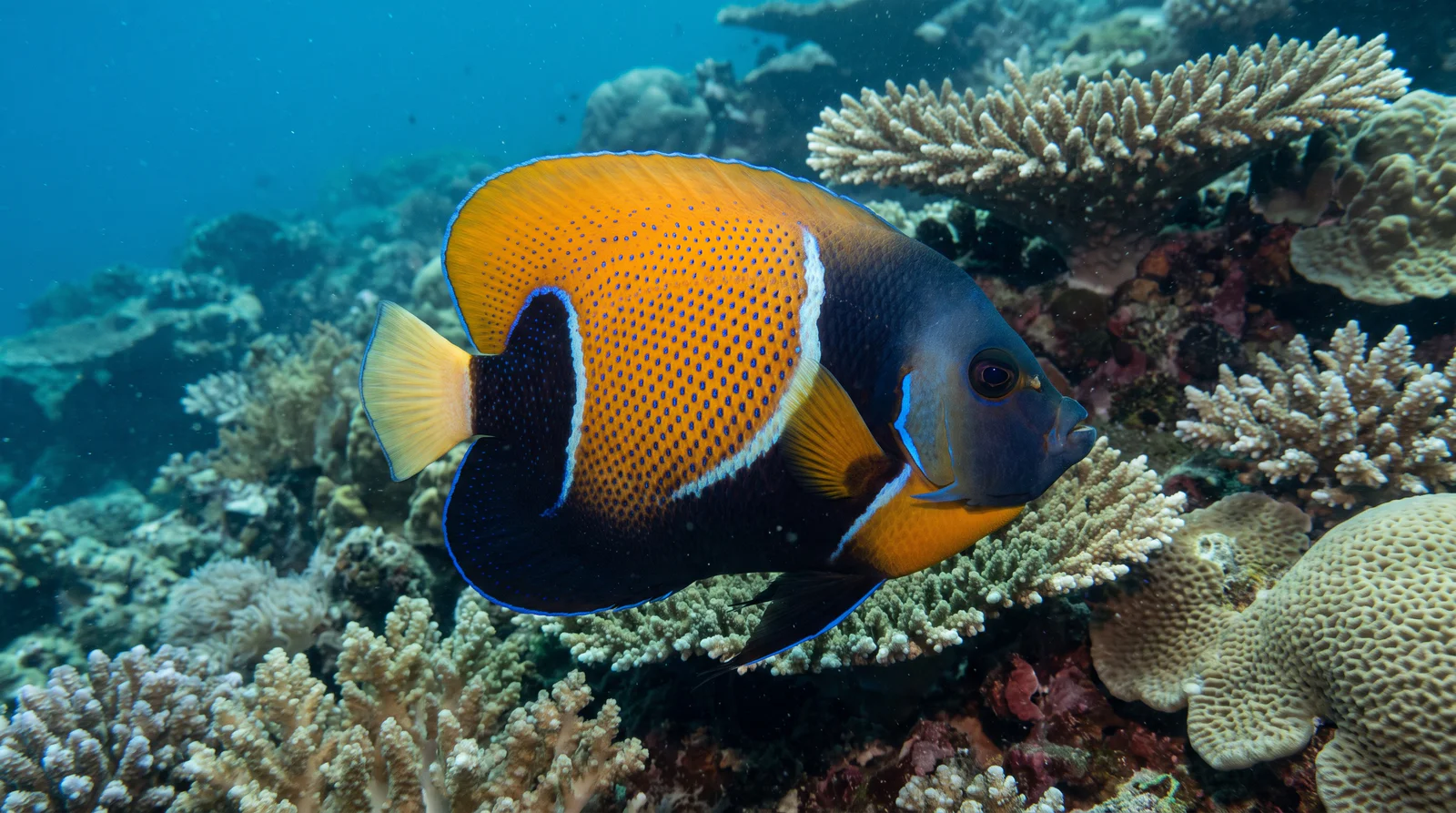
Angelfish (assorted)
Pomacanthidae spp.
Dokumentiertes Vorkommen am Tauchplatz
Quelle geprüft am 2026-11-06 · Quelle: nusapenida.org · Beobachtungsdatum nicht dokumentiert
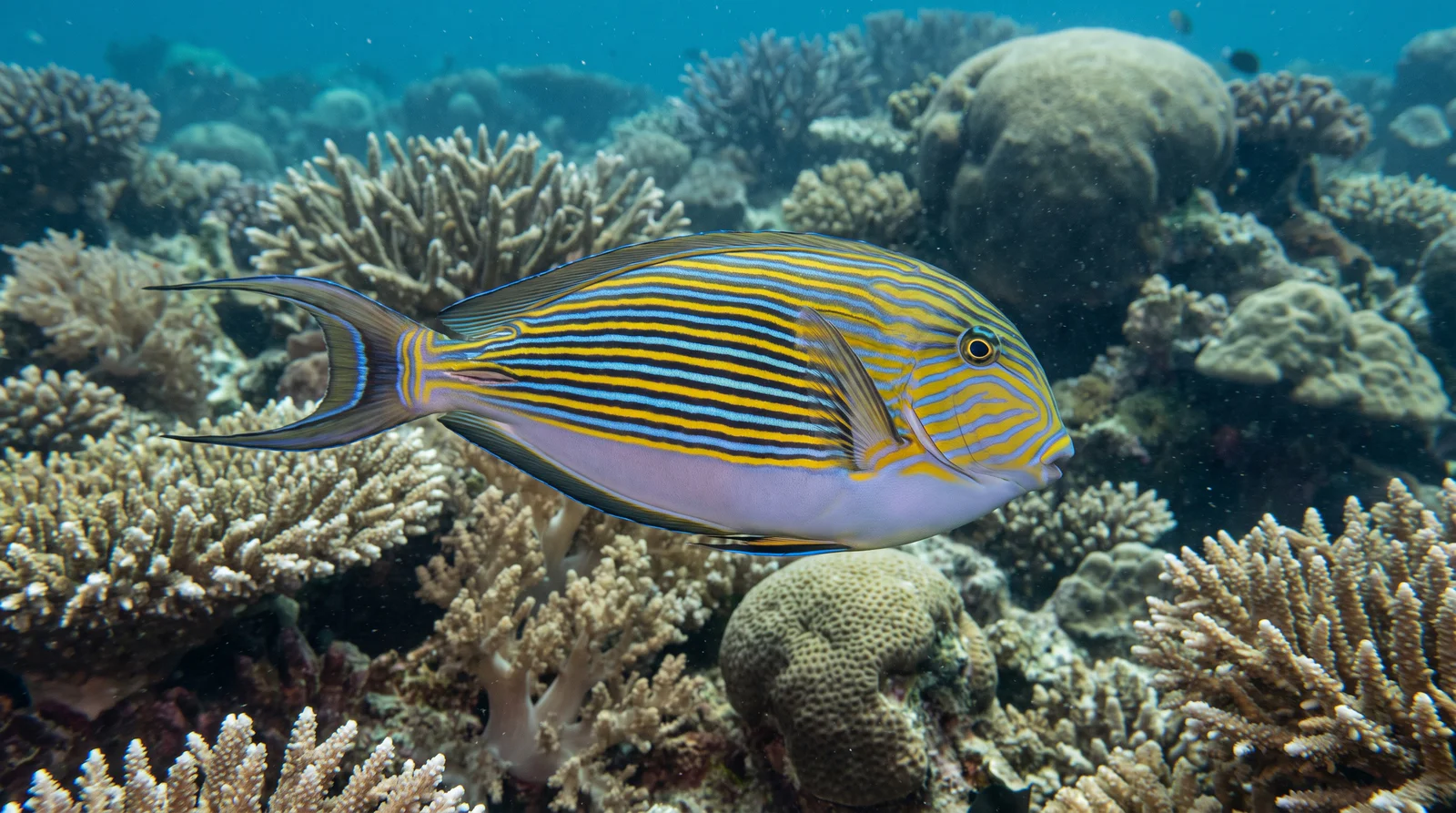
Surgeonfish (assorted)
Acanthuridae spp.
Dokumentiertes Vorkommen am Tauchplatz
Quelle geprüft am 2026-11-06 · Quelle: nusapenida.org · Beobachtungsdatum nicht dokumentiert
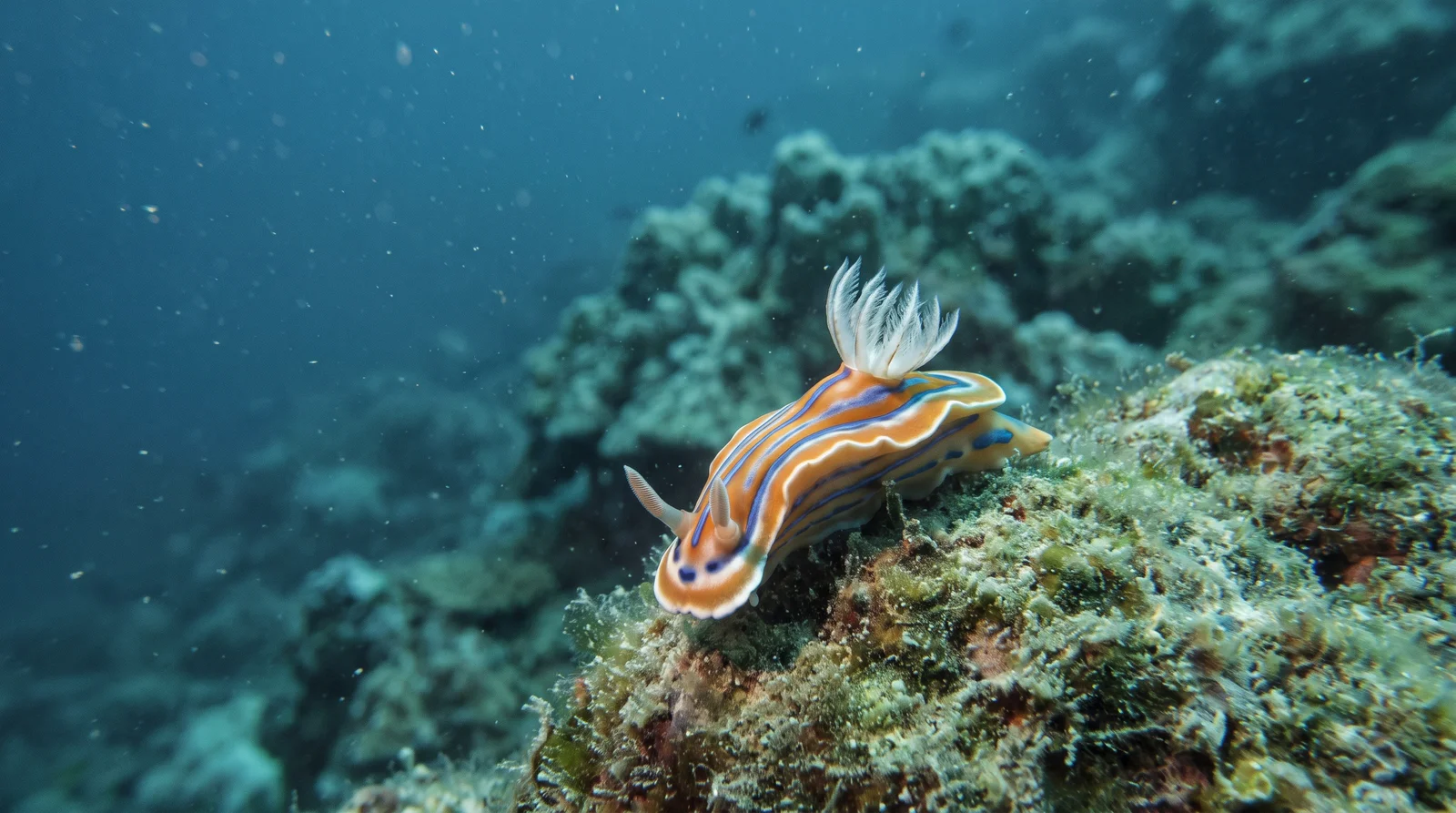
Nudibranch (assorted)
Nudibranchia spp.
Dokumentiertes Vorkommen am Tauchplatz
Quelle geprüft am 2026-11-06 · Quelle: Scuba Junkie Penida · Beobachtungsdatum nicht dokumentiert
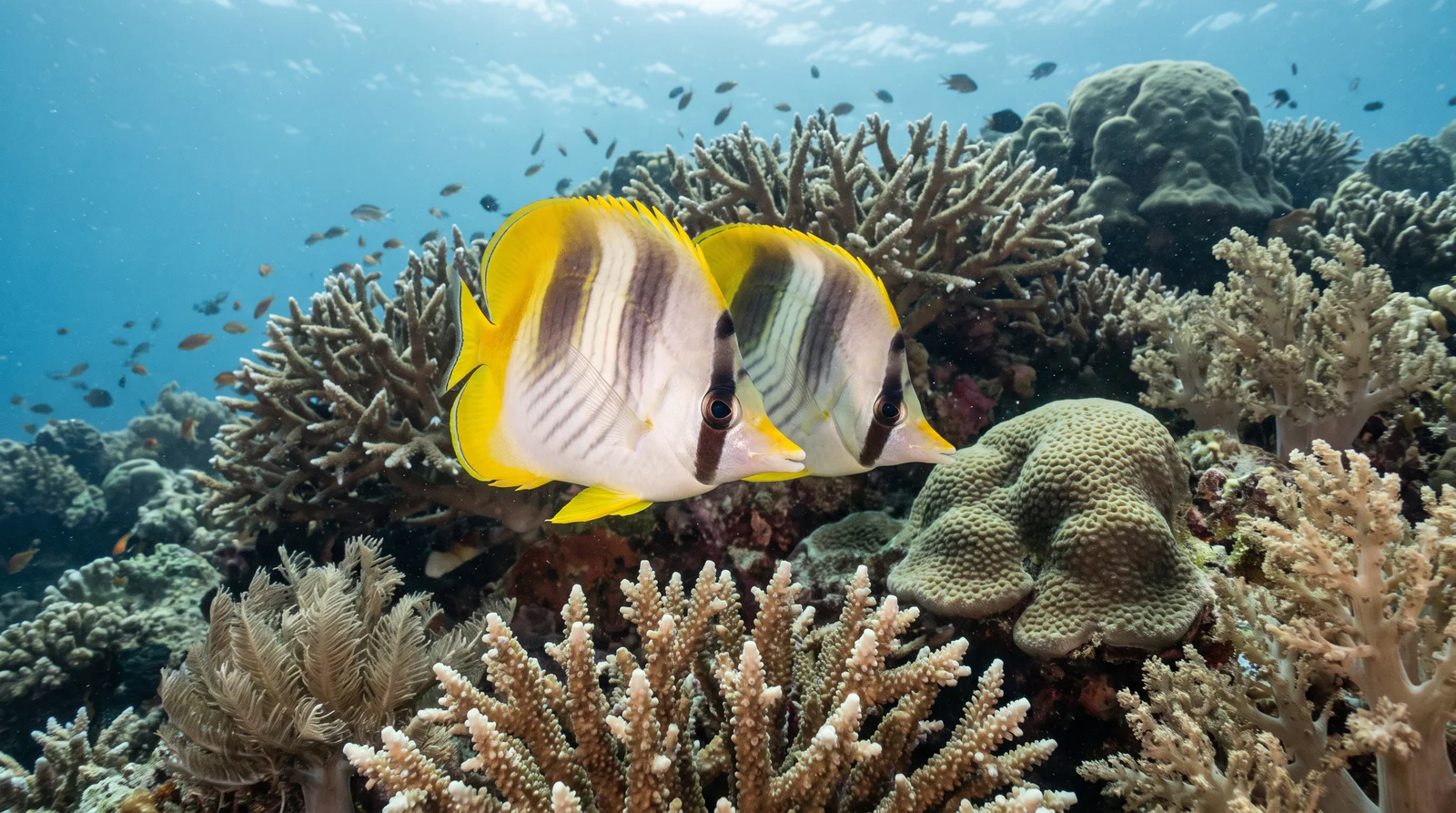
Butterflyfish (assorted)
Chaetodon sp.
Dokumentiertes Vorkommen am Tauchplatz
Quelle geprüft am 2026-11-06 · Quelle: nusapenida.org · Beobachtungsdatum nicht dokumentiert
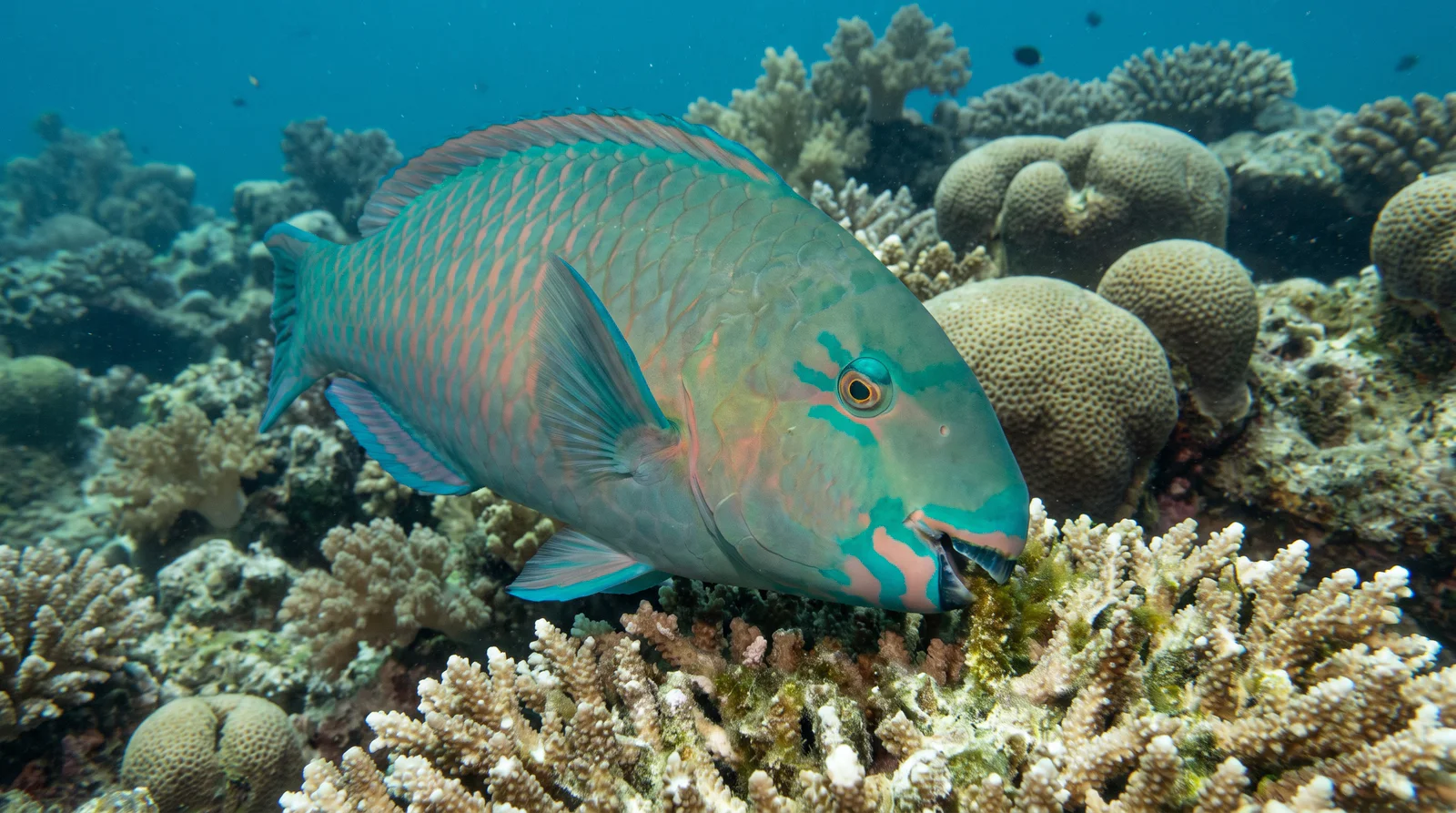
Parrotfish (assorted)
Scarus sp.
Dokumentiertes Vorkommen am Tauchplatz
Quelle geprüft am 2026-11-06 · Quelle: nusapenida.org · Beobachtungsdatum nicht dokumentiert
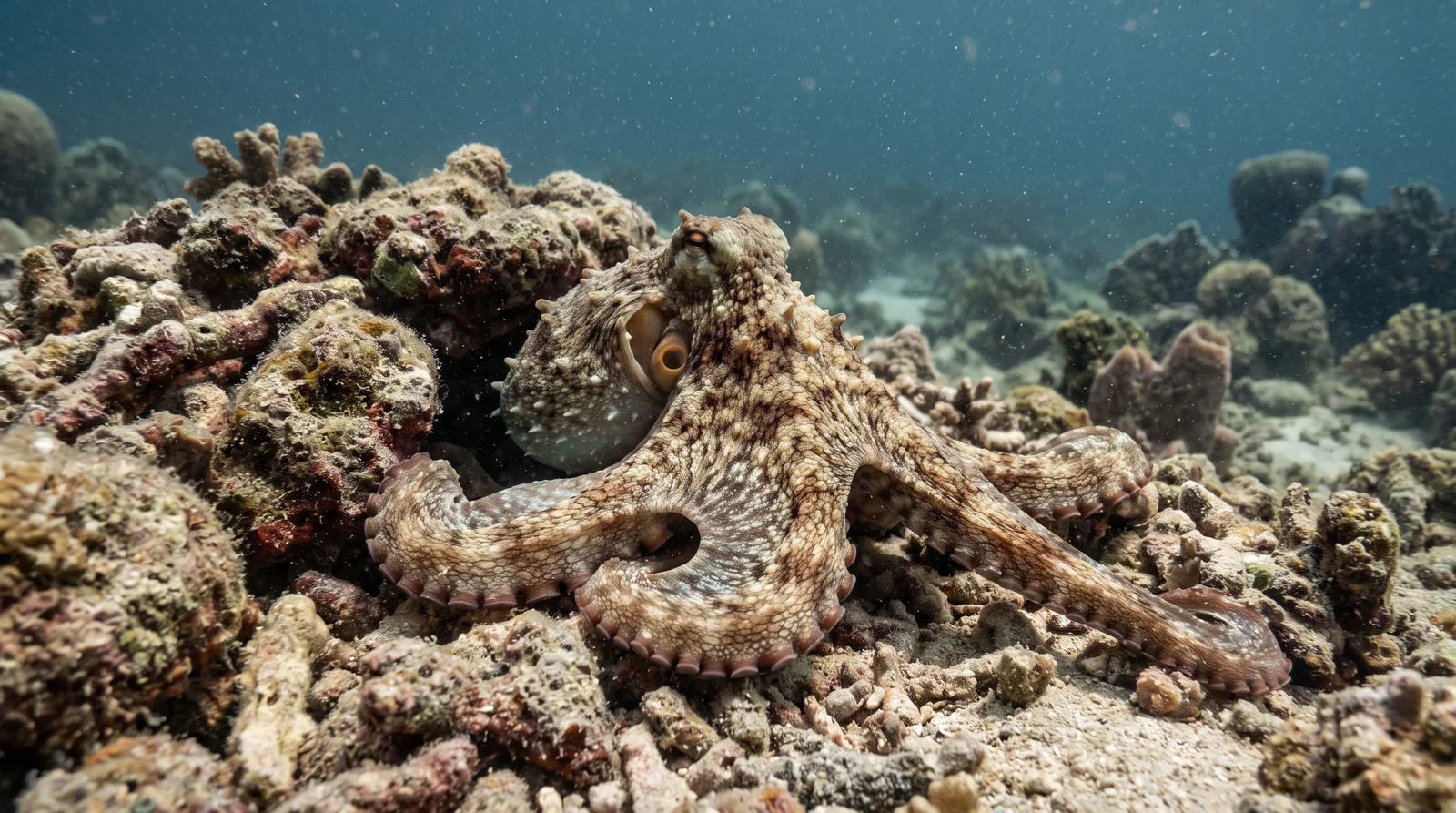
Octopus (assorted)
Octopodidae spp.
Dokumentiertes Vorkommen am Tauchplatz
Quelle geprüft am 2026-11-06 · Quelle: nusapenida.org · Beobachtungsdatum nicht dokumentiert
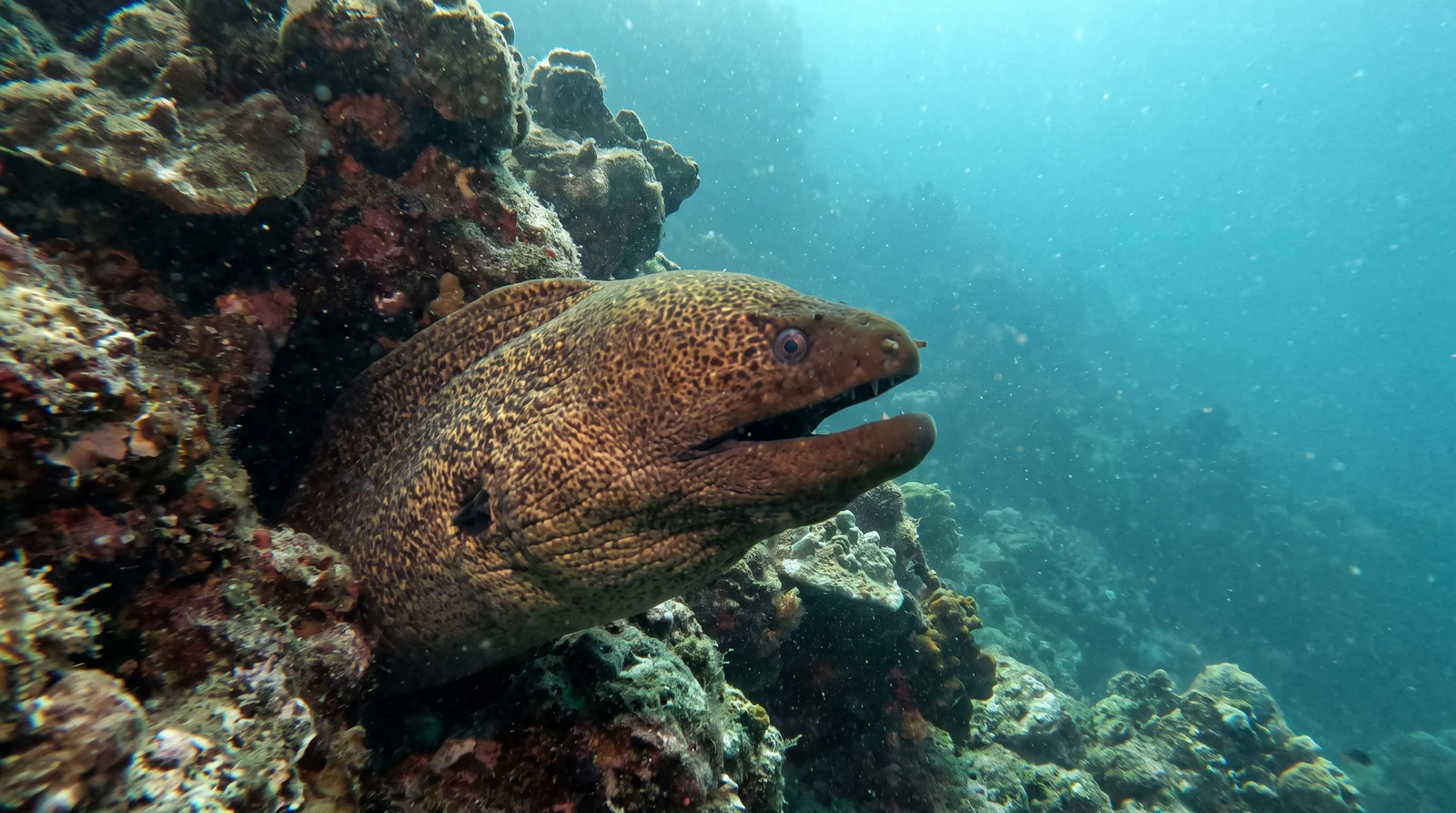
Moray Eel (assorted)
Muraenidae spp.
Dokumentiertes Vorkommen am Tauchplatz
Quelle geprüft am 2026-11-06 · Quelle: Scuba Junkie Penida · Beobachtungsdatum nicht dokumentiert
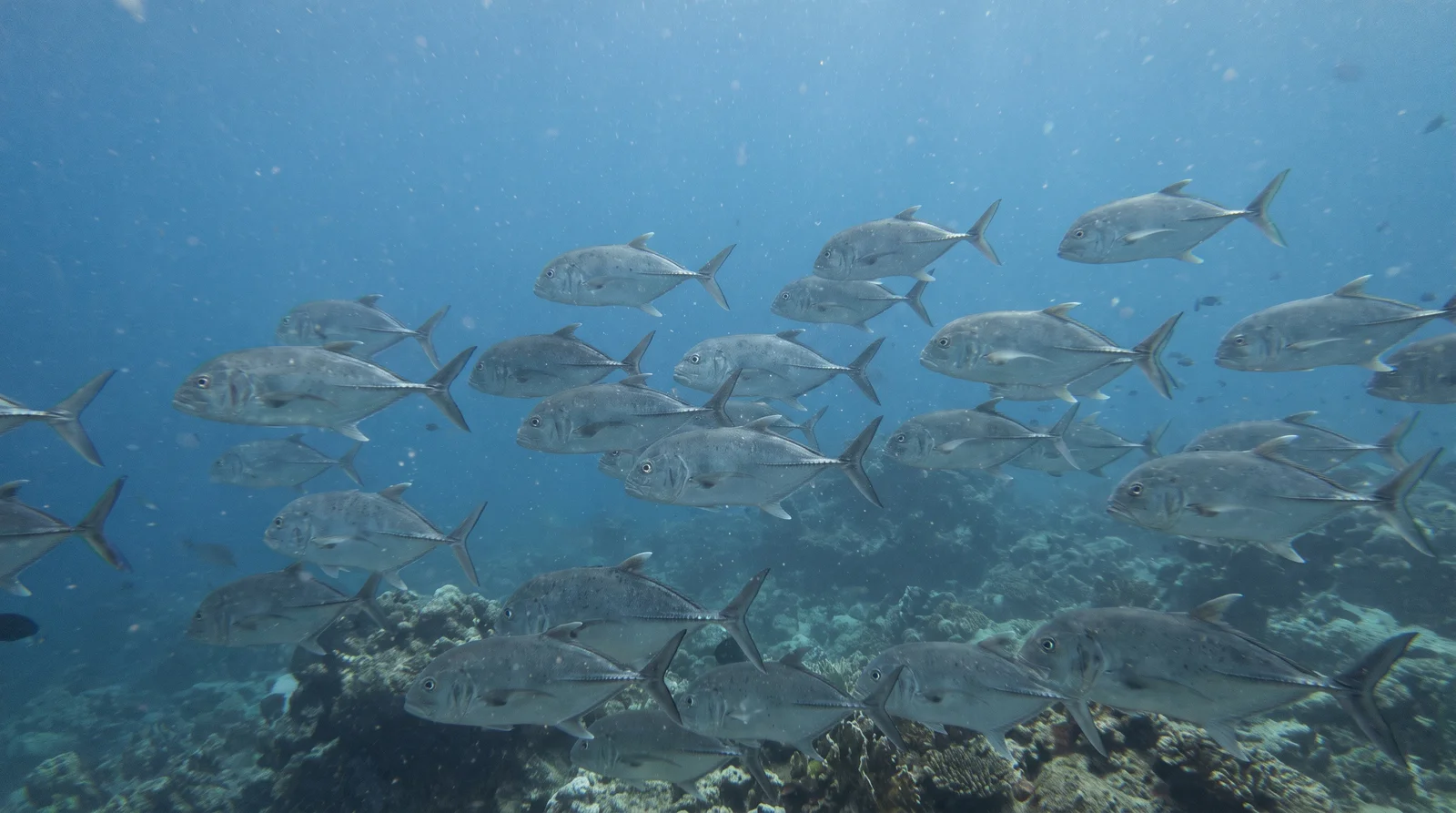
Trevally / Jack (assorted)
Carangidae spp.
Dokumentiertes Vorkommen am Tauchplatz
Quelle geprüft am 2026-11-06 · Quelle: Scuba Junkie Penida · Beobachtungsdatum nicht dokumentiert
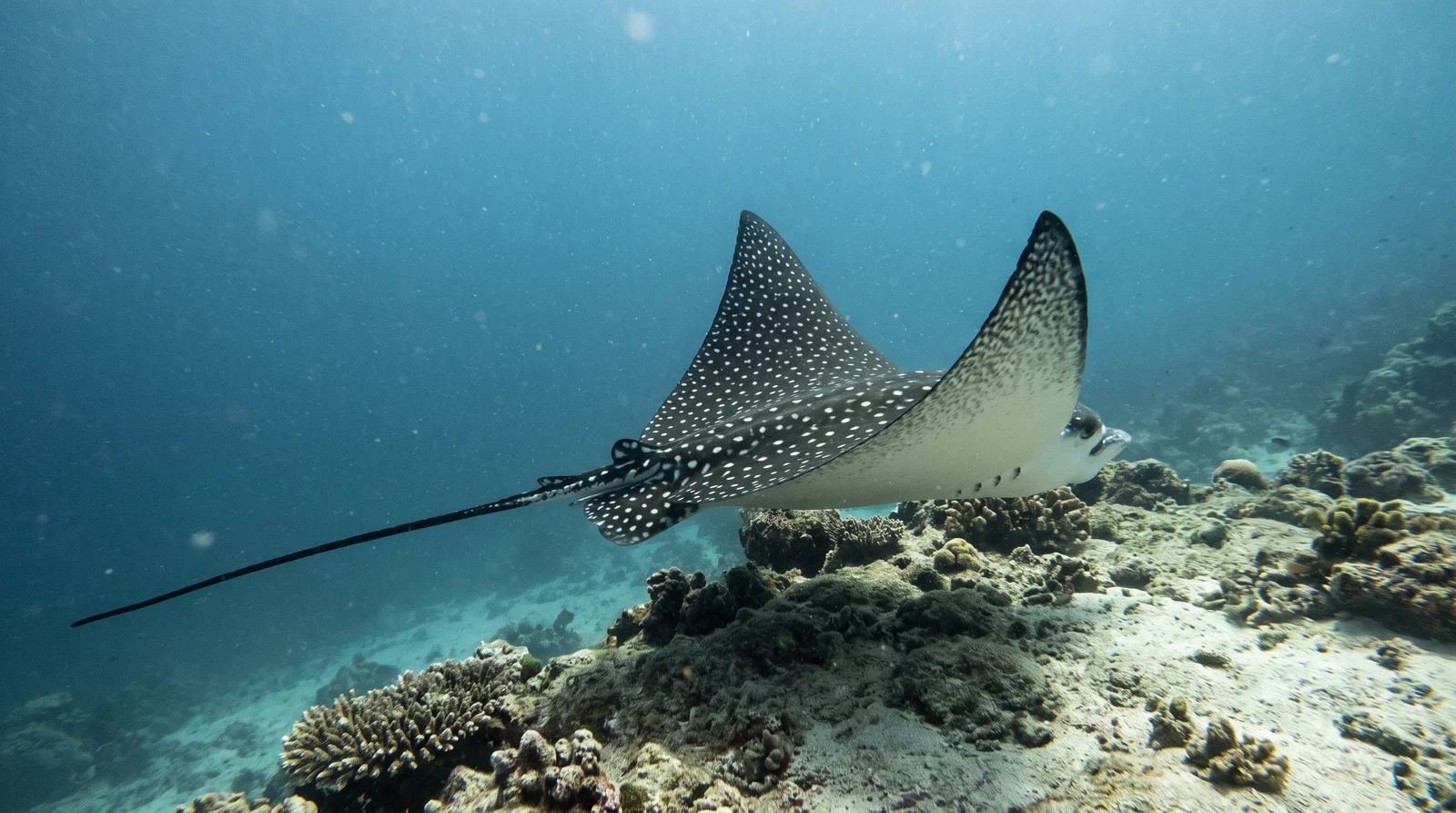
Eagle Ray (assorted)
Aetobatidae and Myliobatidae spp.
Dokumentiertes Vorkommen am Tauchplatz
Quelle geprüft am 2026-11-06 · Quelle: nusapenida.org · Beobachtungsdatum nicht dokumentiert
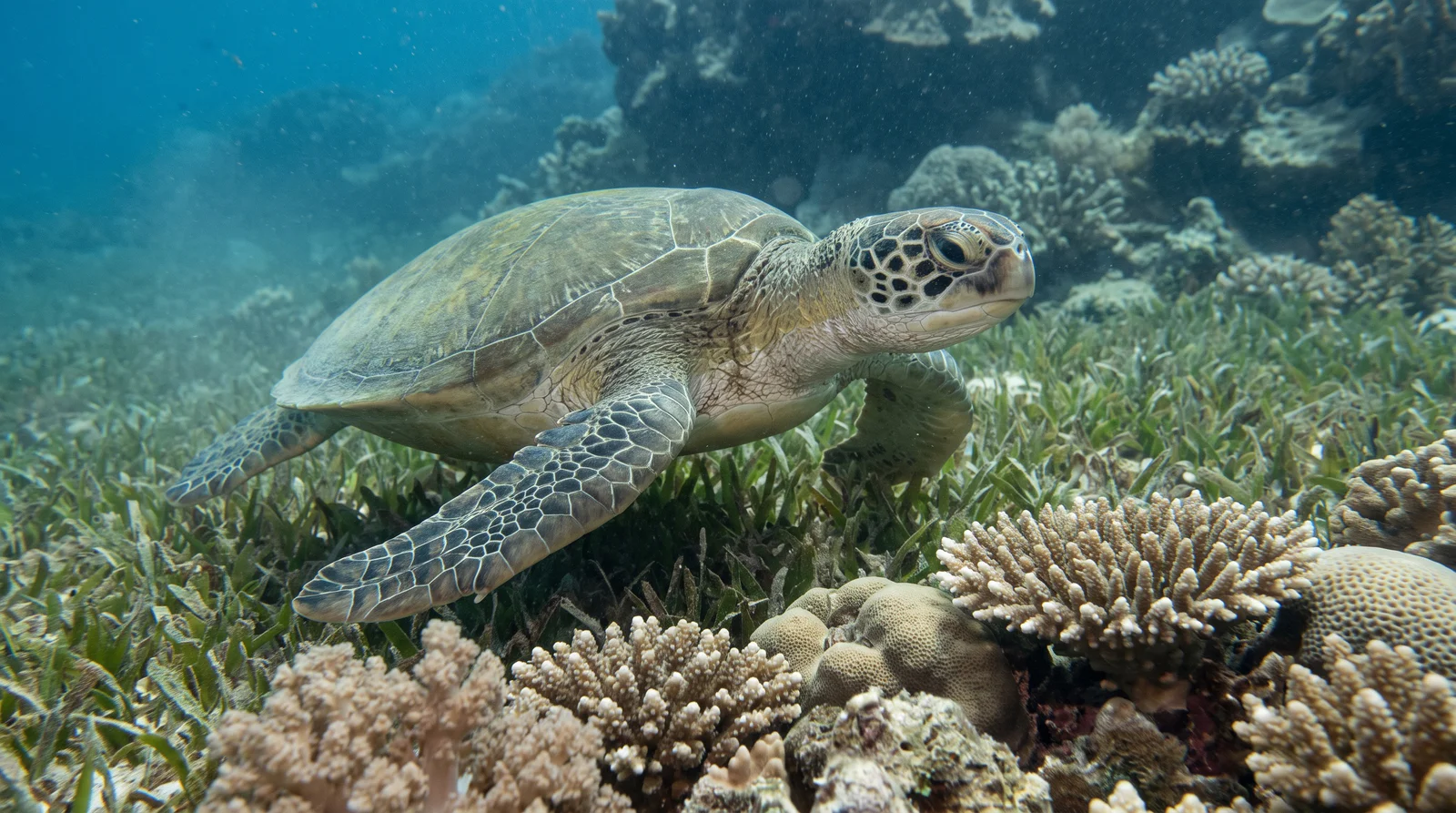
Green Sea Turtle
Chelonia mydas
Dokumentiertes Vorkommen am Tauchplatz
Quelle geprüft am 2026-11-06 · Quelle: nusapenida.org · Beobachtungsdatum nicht dokumentiert
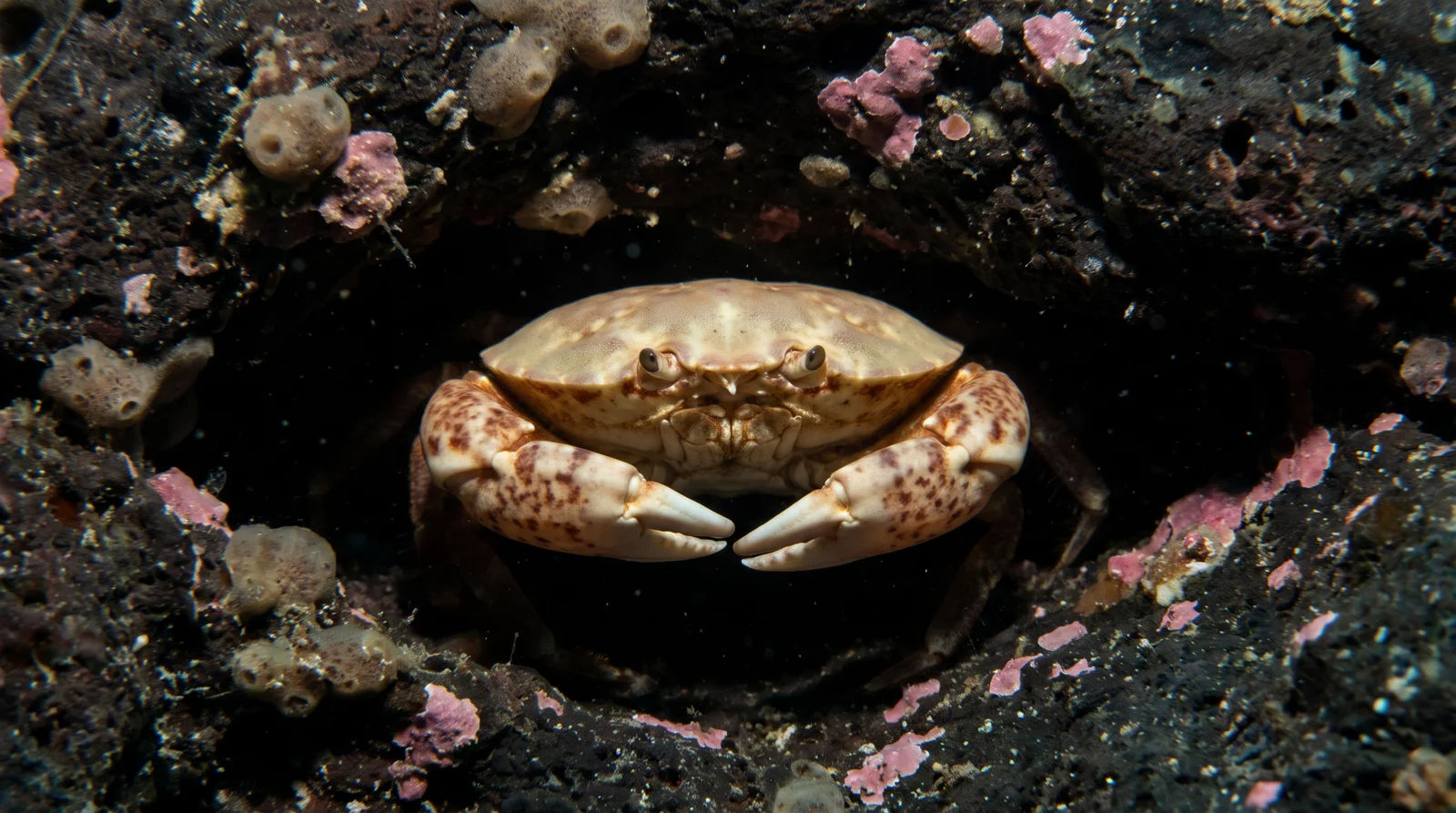
Crab (assorted)
Brachyura and Anomura spp. (crabs)
Dokumentiertes Vorkommen am Tauchplatz
Quelle geprüft am 2026-11-06 · Quelle: nusapenida.org · Beobachtungsdatum nicht dokumentiert
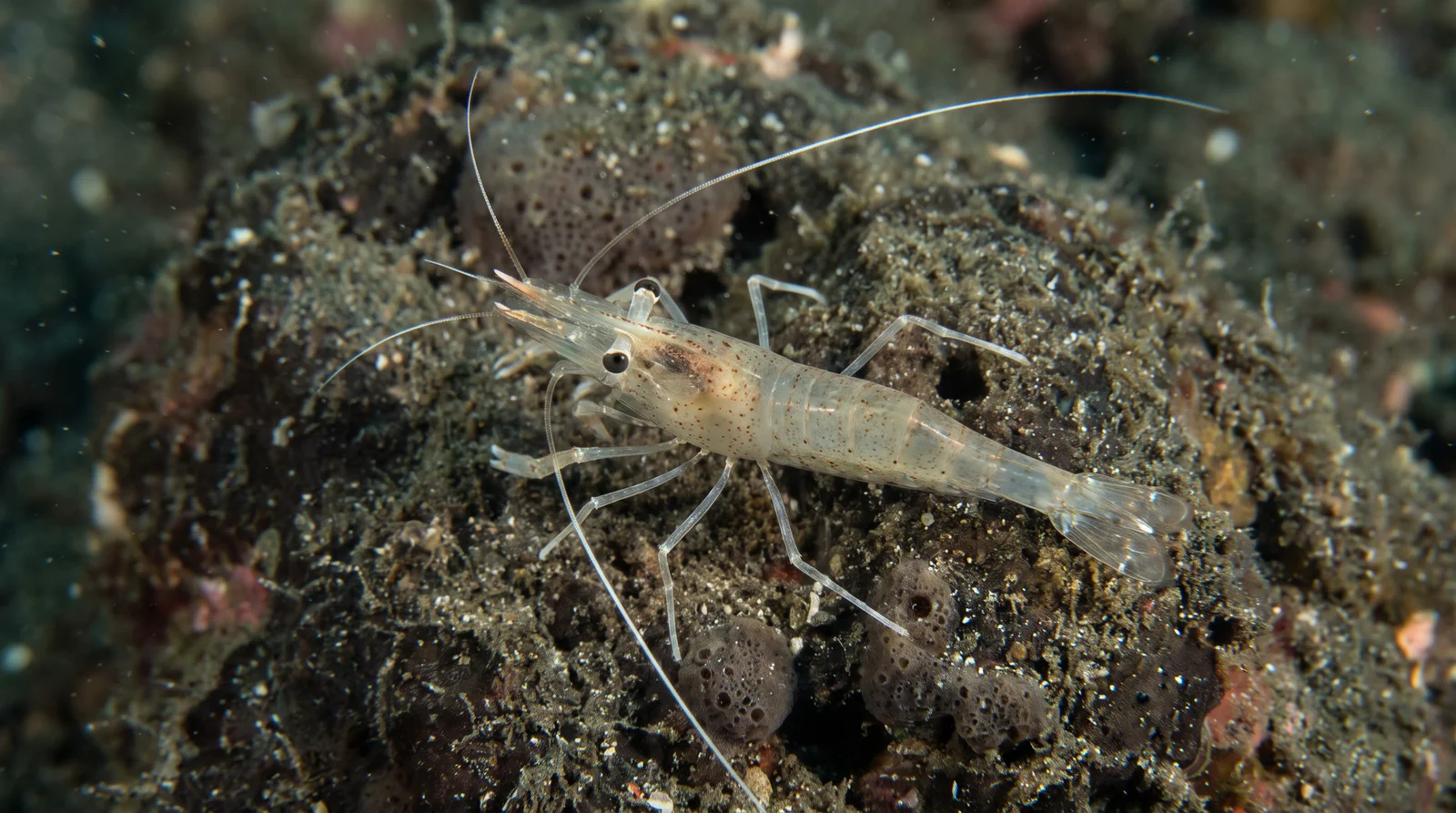
Shrimp (assorted)
Caridea and Dendrobranchiata spp. (shrimps)
Dokumentiertes Vorkommen am Tauchplatz
Quelle geprüft am 2026-11-06 · Quelle: nusapenida.org · Beobachtungsdatum nicht dokumentiert
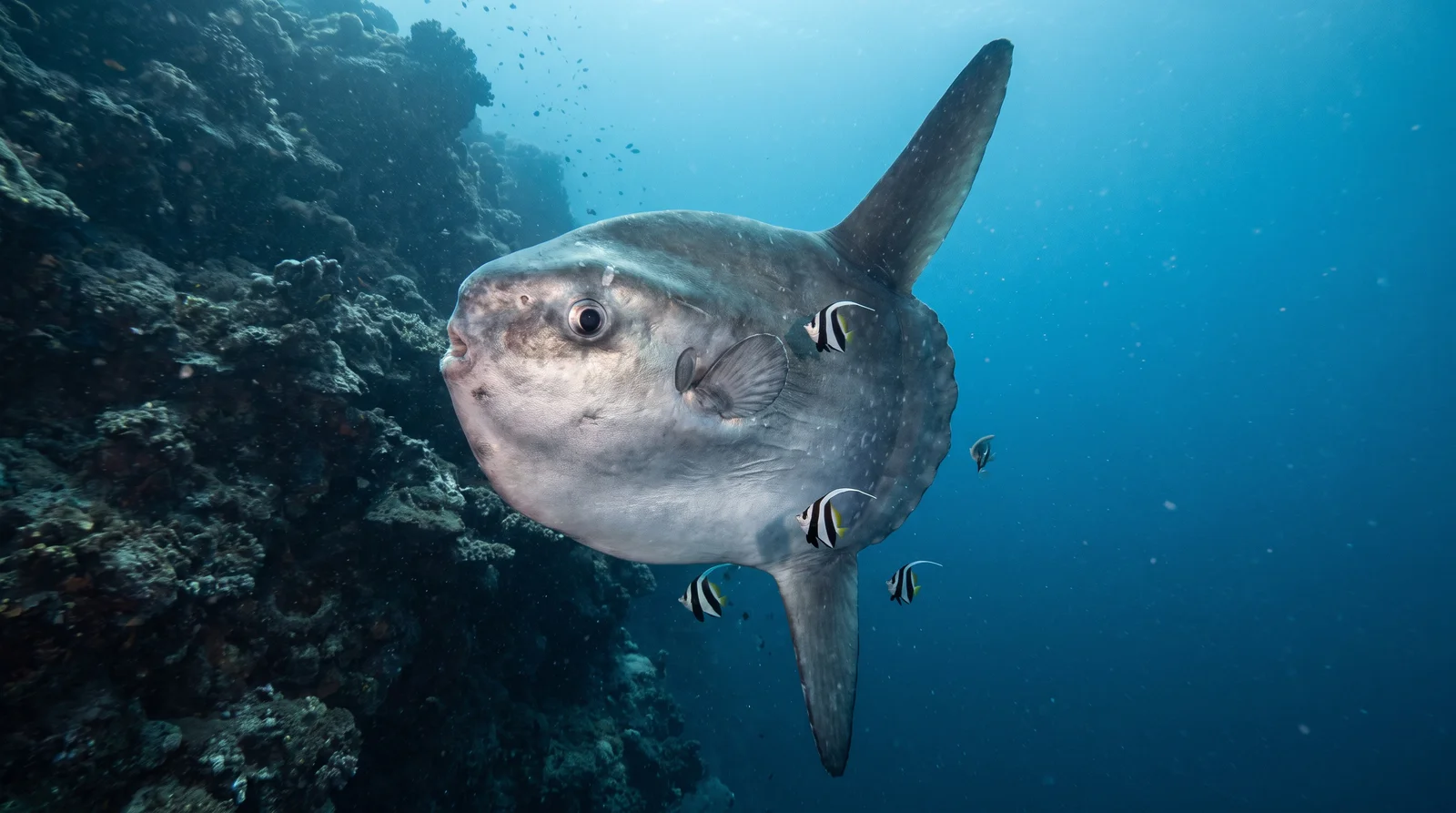
Ocean Sunfish (Mola mola)
Mola mola
Dokumentiertes Vorkommen am Tauchplatz
Quelle geprüft am 2026-11-06 · Quelle: nusapenida.org · Beobachtungsdatum nicht dokumentiert
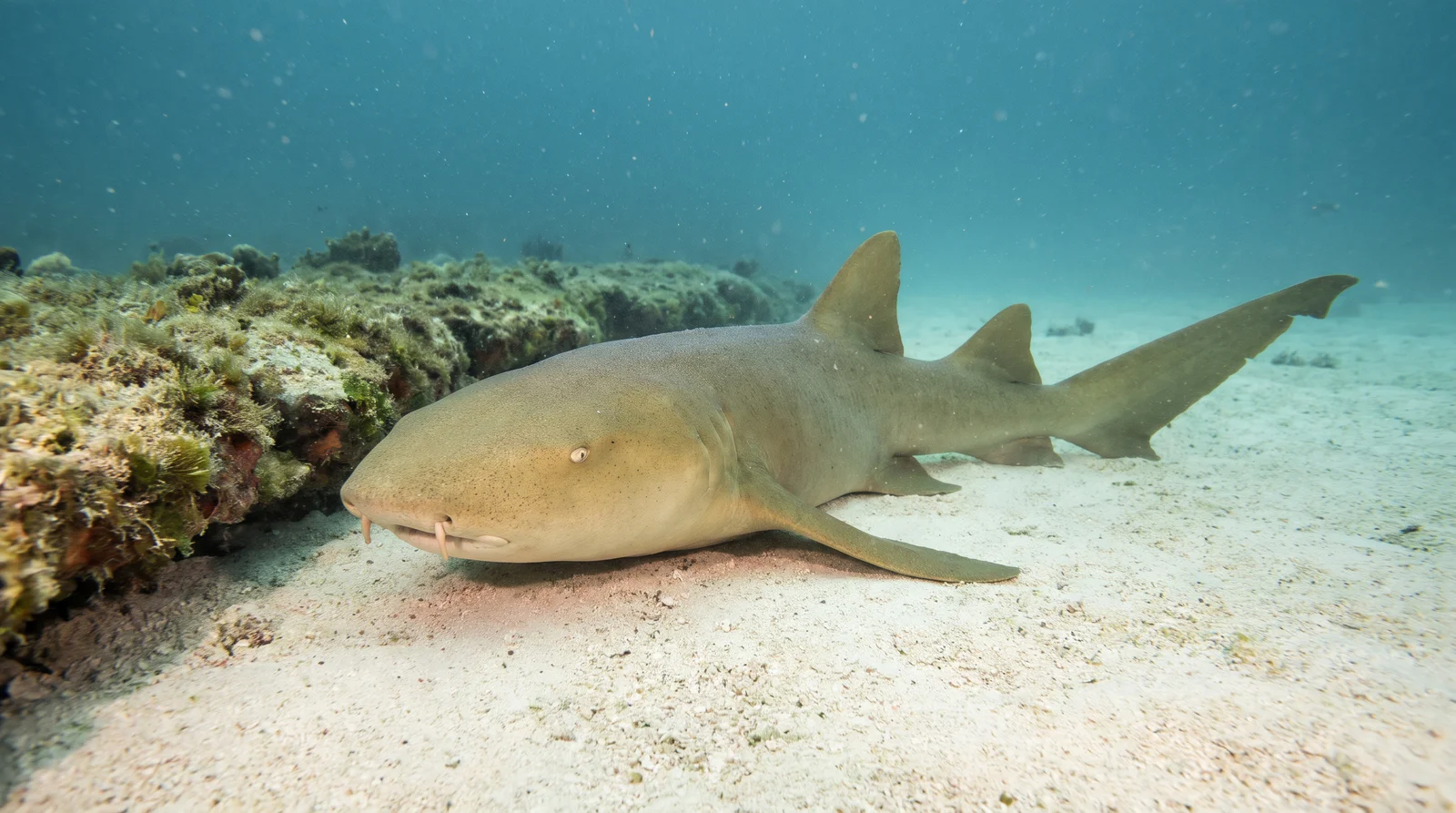
Nurse Shark (assorted)
Ginglymostomatidae spp. (nurse sharks)
Dokumentiertes Vorkommen am Tauchplatz
Quelle geprüft am 2026-11-07 · Quelle: Diving Squad · Beobachtungsdatum nicht dokumentiert
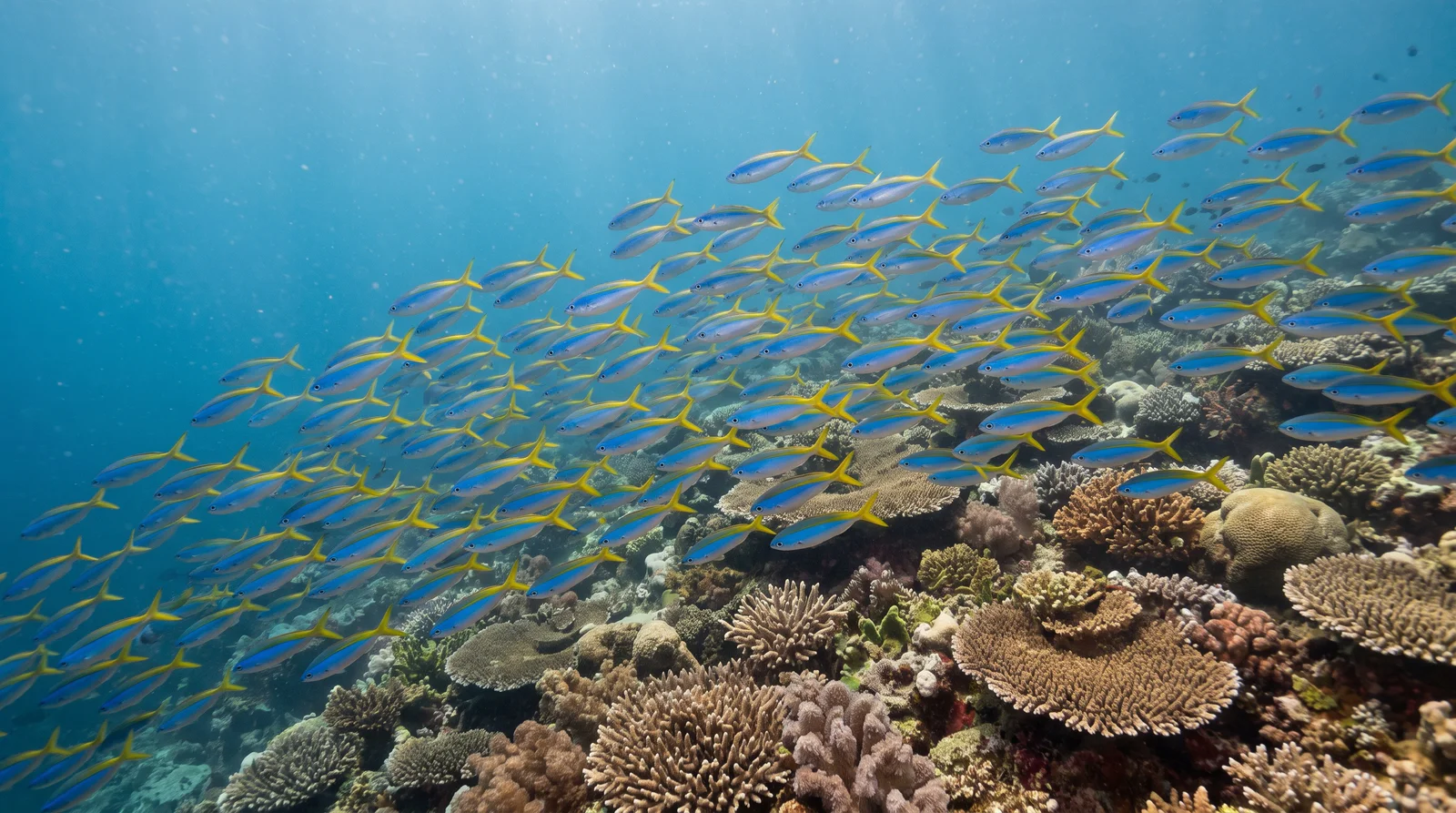
Fusilier (schooling)
Caesio spp.
Dokumentiertes Vorkommen am Tauchplatz
Quelle geprüft am 2026-11-06 · Quelle: nusapenida.org · Beobachtungsdatum nicht dokumentiert
Gefahren & Sicherheit
Beachten Sie diese potenziellen Gefahren an diesem Tauchplatz
Current
Schweregrad: Noch nicht dokumentiertnusapenida.org says there is almost always some current, usually moderate and running west to east, warns of local up- and down-currents, and says divers should not drift past the submarine cables at the eastern end, where the current can carry them towards Blue Corner. No strength is set.
Quellen
- Diving Squad
- nusapenida.org
- Scuba Junkie Penida
360°-Unterwasseransicht
Immersive Panoramaansicht dieses Tauchplatzes
360°-Panorama demnächst verfügbar
Immersive Unterwasseransichten werden verfügbar sein, sobald Panoramaaufnahmen hochgeladen wurden
Bewertungen
--
0 reviews
Noch keine Bewertungen. Seien Sie der Erste, der Ihre Erfahrung teilt!
Tiefenprofil
Von einer Quelle berichtet · nusapenida.org
Maximale TiefeInformation wird geprüft
Gegenbelege
25 m
There is a gentle descending slope, between 10 – 25 meters deep
Diving Squad · 2026-11-05T17:05:05Z
Bleiben Sie auf dem Laufenden
Erhalten Sie Updates zu Tauchplätzen und Tipps per E-Mail.
Hast du Mangrove betaucht? Lass es zählen.
Füge ihn deinem Logbuch hinzu, teile deine Sichtungen und hilf 0 Tauchern, ihren nächsten Tauchgang zu planen.
Aktuelle Community-Aktivität
War das hilfreich?