Wall · Reef · Sandy slope
Manta Bay
Zu diesem Namen: No source used for Manta Bay gives a map point. Stingy Nomads places it on Nusa Penida's west coast in front of Angel's Billabong, while…
Über diesen Tauchplatz
Overview
Manta Bay is a dive and snorkelling site on the coast of Nusa Penida, and a separate site from Manta Point, which has its own record here. Stingy Nomads, a travel blog whose writers snorkelled at both, calls them "two different dive sites" and describes Manta Bay as a fairly shallow area of linked bays in front of Angel's Billabong, where most snorkelling companies go for their manta trips. nusapenida.org, written by the Nusa Penida dive centre Dune Penida, says the two sites are a few kilometres apart on the same coast, with Manta Bay shallower and busier.
The sources do not agree on why a diver should come. Stingy Nomads and Dive Concepts present it as a place to swim with manta rays. Nusapenida.org says it does get dived, "but not for the mantas": its divers go for the wall and the chance of a mola mola.
Where it is
No source used here gives a map point, so this record has none. The sources also describe the coast differently. Stingy Nomads puts Manta Bay on the west coast, about 20 minutes by boat from Toyapakeh, and says that manta rays can often be seen on the surface from the cliffs around Broken Beach and Angel's Billabong. Diving Squad and Bali Fun Diving put it on the south side of the island, and Bali Fun Diving says it faces the Indian Ocean. Nusapenida.org places Manta Point on the south-west coast and Manta Bay up the same coast from it. Its dive-site table lists a boat time of 25 minutes for Manta Bay.
The dive
The accounts describe different parts of the site, and their depths are not measuring the same thing. Stingy Nomads describes a sandy bottom sloping from 5 to 12 metres in the snorkelling area and says it drops to about 30 metres. Dive Concepts calls it a shallow dive at about 10 metres and says there is no reason to go deeper. Nusapenida.org says the wall drops to around 50 metres, and that Dune Penida runs the wall dive on request; its table gives Manta Bay a depth of 18 metres without saying what that figure measures. For those reasons this record sets no depth value.
Nusapenida.org says the bay itself is shallow and sheltered enough for discovery dives and Open Water training dives, so one boat can carry experienced divers to the wall and beginners into the bay. Dive Concepts notes "For all levels!" and Diving Squad calls the site beginner-friendly. Nusapenida.org's table is more cautious, giving the level as "Snorkeling / conditions dependent". This record sets no difficulty or certification level.
Manta rays
Diving Squad calls Manta Bay a feeding station, near Manta Point's cleaning station, where mantas take plankton and often perform acrobatic movements such as barrel rolls. Stingy Nomads also says they come in from deep water to feed on plankton pushed up over the shallow reef, often swimming just under the surface. Dive Concepts instead says a cleaning station for manta rays is at 13 metres. Dive Concepts also says the mantas here are usually a little smaller than at Manta Point but more numerous, and that their fins often show between the waves.
The sighting figures differ widely, and none says how it was measured. Dive Concepts gives a 95 percent chance all year, but it uses the same figure on its Manta Point page, so it may not be specific to this site. Nusapenida.org says about 60 percent at Manta Bay against about 95 percent at Manta Point, and its table calls the encounters here occasional. Stingy Nomads says the odds are better at Manta Point, though it also says there are loads of mantas at Manta Bay. Diving Squad says mantas can be seen all year around Nusa Penida, with a usual peak from March to June, a statement about the island rather than this site. No frequency or season is set here.
Other marine life
Dive Concepts lists bamboo and nurse sharks, sleeping under rocks or swimming over the coral floor of the bay, and says dolphins are sometimes seen. It says soft coral is present but is not the point of the site. Stingy Nomads lists reef sharks, turtles and eagle rays alongside small fish. Nusapenida.org is less impressed: it says that, unlike Manta Point, the underwater scenery and marine life at Manta Bay are not very remarkable.
Conditions
Most sources describe rough water here, even though nusapenida.org calls the bay sheltered enough for training. Stingy Nomads tells snorkellers to expect fairly rough, choppy conditions in deep water with currents, and Dive Concepts describes swell crashing onto the rocks on the shore. Nusapenida.org's table says "Variable surface conditions". Bali Fun Diving says conditions around Manta Point and Manta Bay can be rough and unpredictable, and that the boat crossing is rarely flat.
Stingy Nomads gives visibility in the bay as usually about 8 to 15 metres, and water of about 26 to 30 °C from November to June, dropping to the low 20s from July to October. These are one blog's figures, so they are stated here and not set as values.
Crowds
Stingy Nomads says the site gets very busy with many boats and snorkellers. Nusapenida.org says some snorkelling tours stop here to shorten the trip and save fuel, and that many snorkelling boats chase the rays, which disturbs the experience.
Meereslebewesen
8 Arten an diesem Tauchplatz registriert
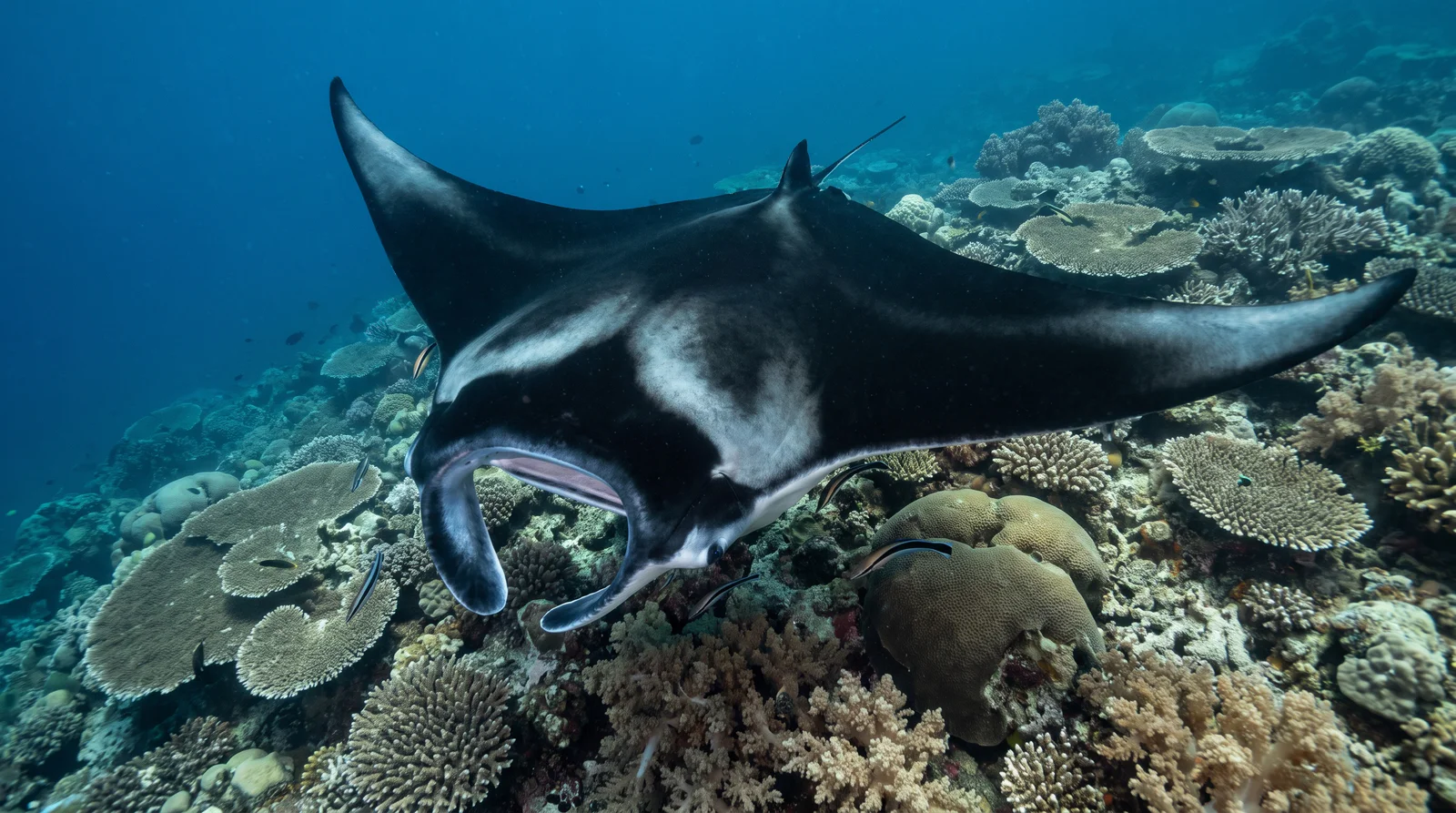
Reef Manta Ray
Mobula alfredi
Dokumentiertes Vorkommen am Tauchplatz
Quelle geprüft am 2026-11-06 · Quelle: Stingy Nomads · Beobachtungsdatum nicht dokumentiert
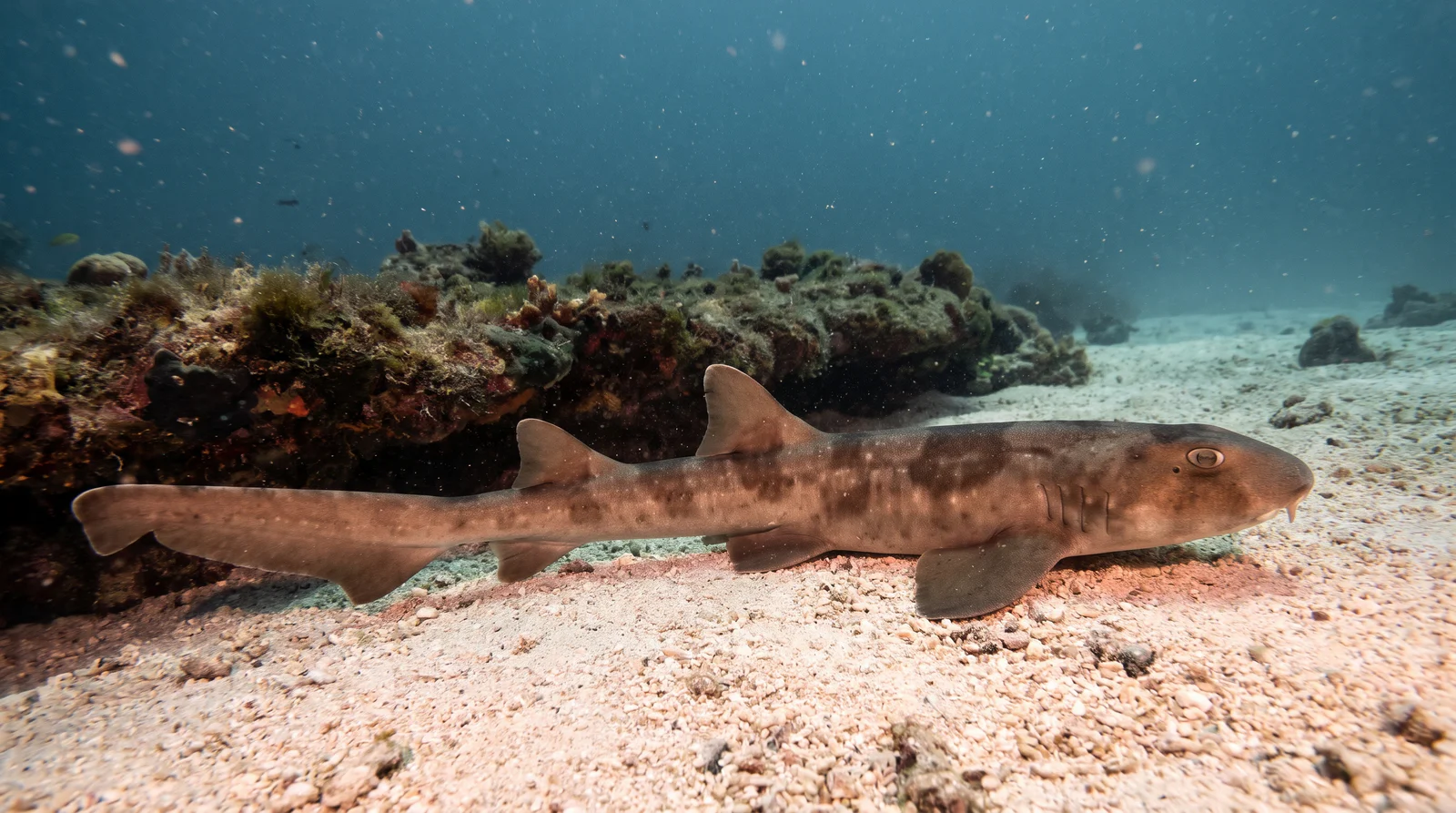
Bamboo Shark (assorted)
Hemiscylliidae spp. (bamboo sharks)
Dokumentiertes Vorkommen am Tauchplatz
Quelle geprüft am 2026-11-06 · Quelle: Dive Concepts · Beobachtungsdatum nicht dokumentiert
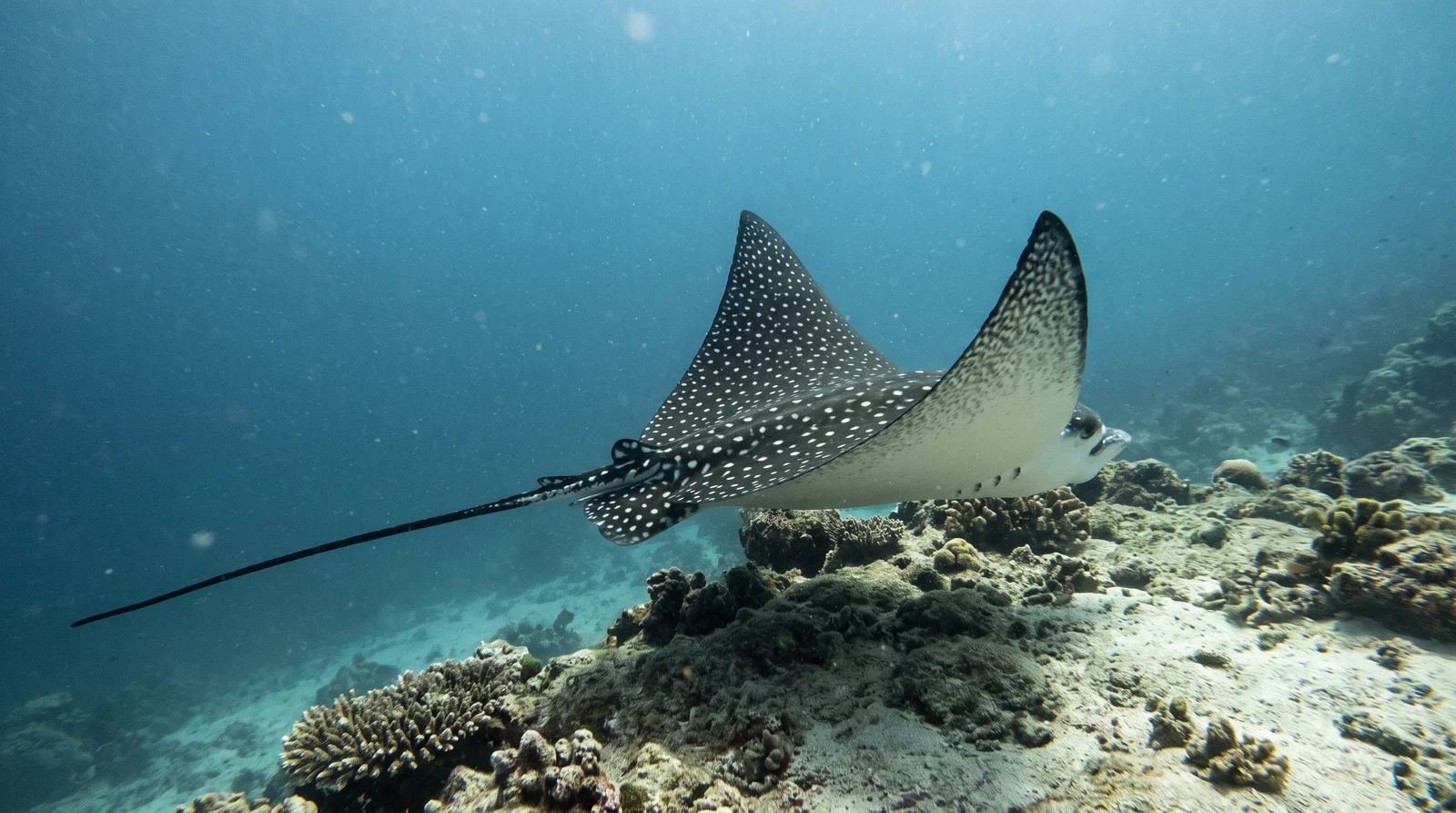
Eagle Ray (assorted)
Aetobatidae and Myliobatidae spp.
Dokumentiertes Vorkommen am Tauchplatz
Quelle geprüft am 2026-11-06 · Quelle: Stingy Nomads · Beobachtungsdatum nicht dokumentiert
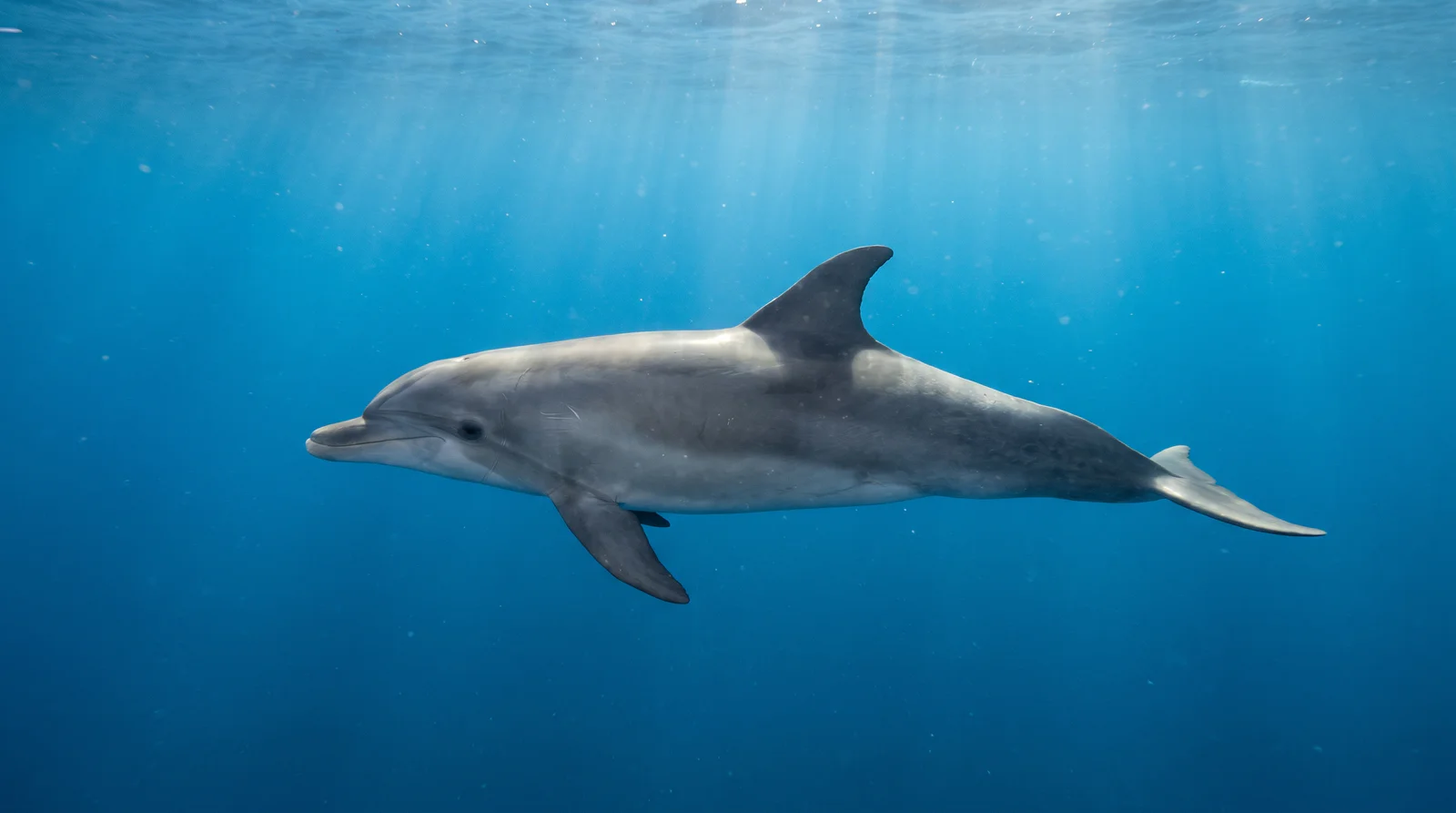
Dolphin (assorted)
Delphinidae spp.
Dokumentiertes Vorkommen am Tauchplatz
Quelle geprüft am 2026-11-07 · Quelle: Dive Concepts · Beobachtungsdatum nicht dokumentiert
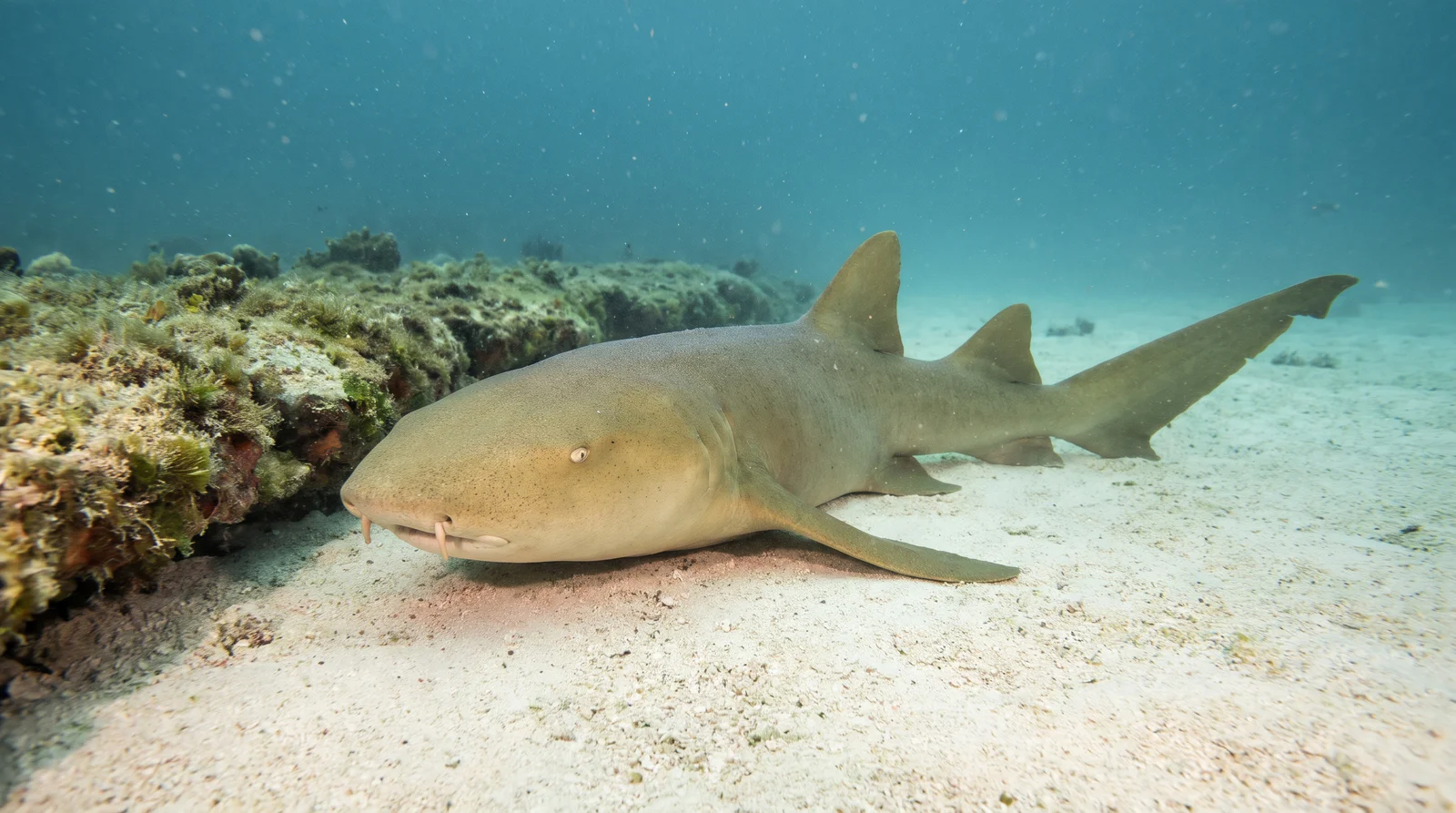
Nurse Shark (assorted)
Ginglymostomatidae spp. (nurse sharks)
Dokumentiertes Vorkommen am Tauchplatz
Quelle geprüft am 2026-11-07 · Quelle: Dive Concepts · Beobachtungsdatum nicht dokumentiert
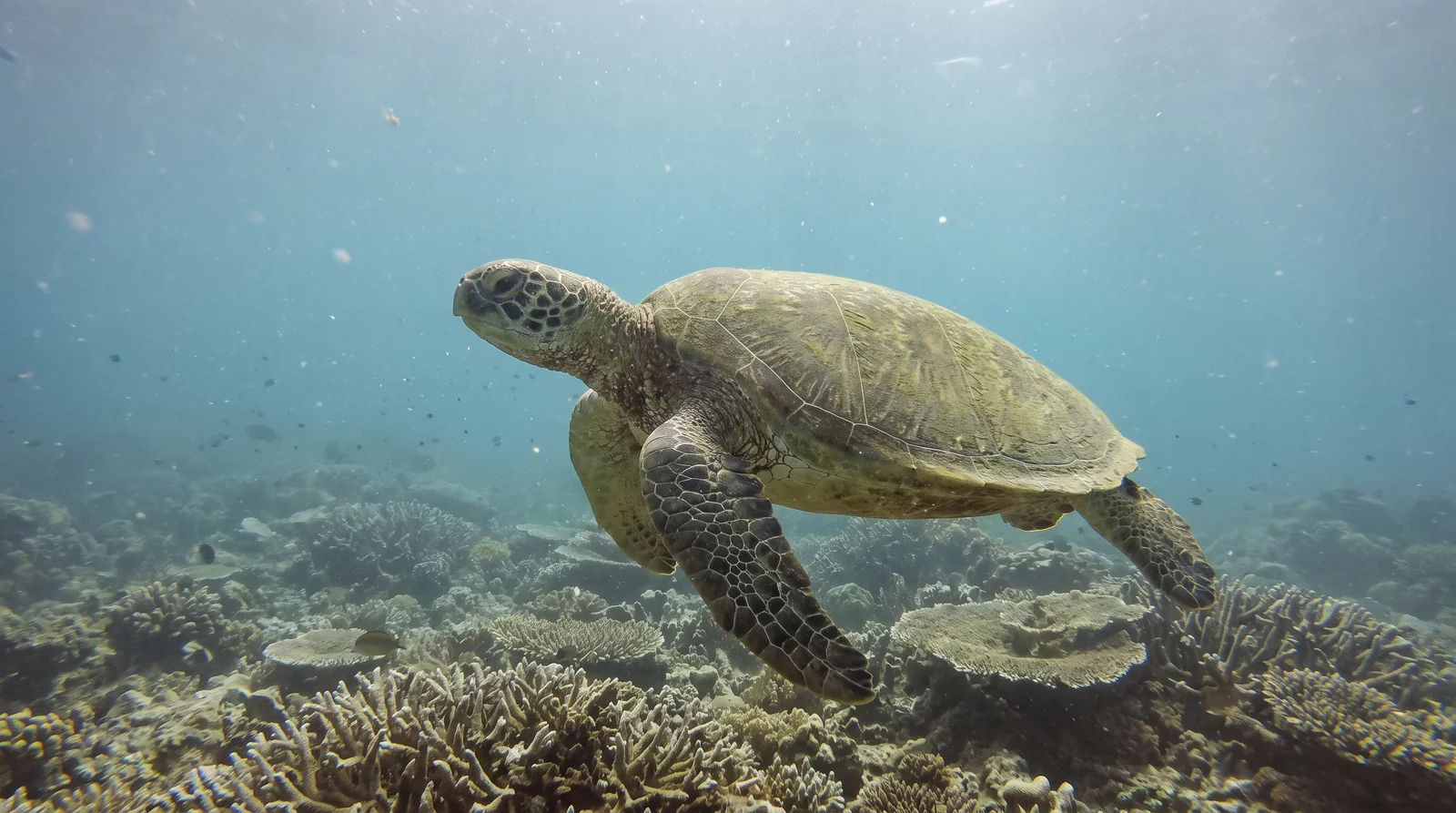
Sea Turtle (assorted)
Cheloniidae spp.
Dokumentiertes Vorkommen am Tauchplatz
Quelle geprüft am 2026-11-06 · Quelle: Stingy Nomads · Beobachtungsdatum nicht dokumentiert
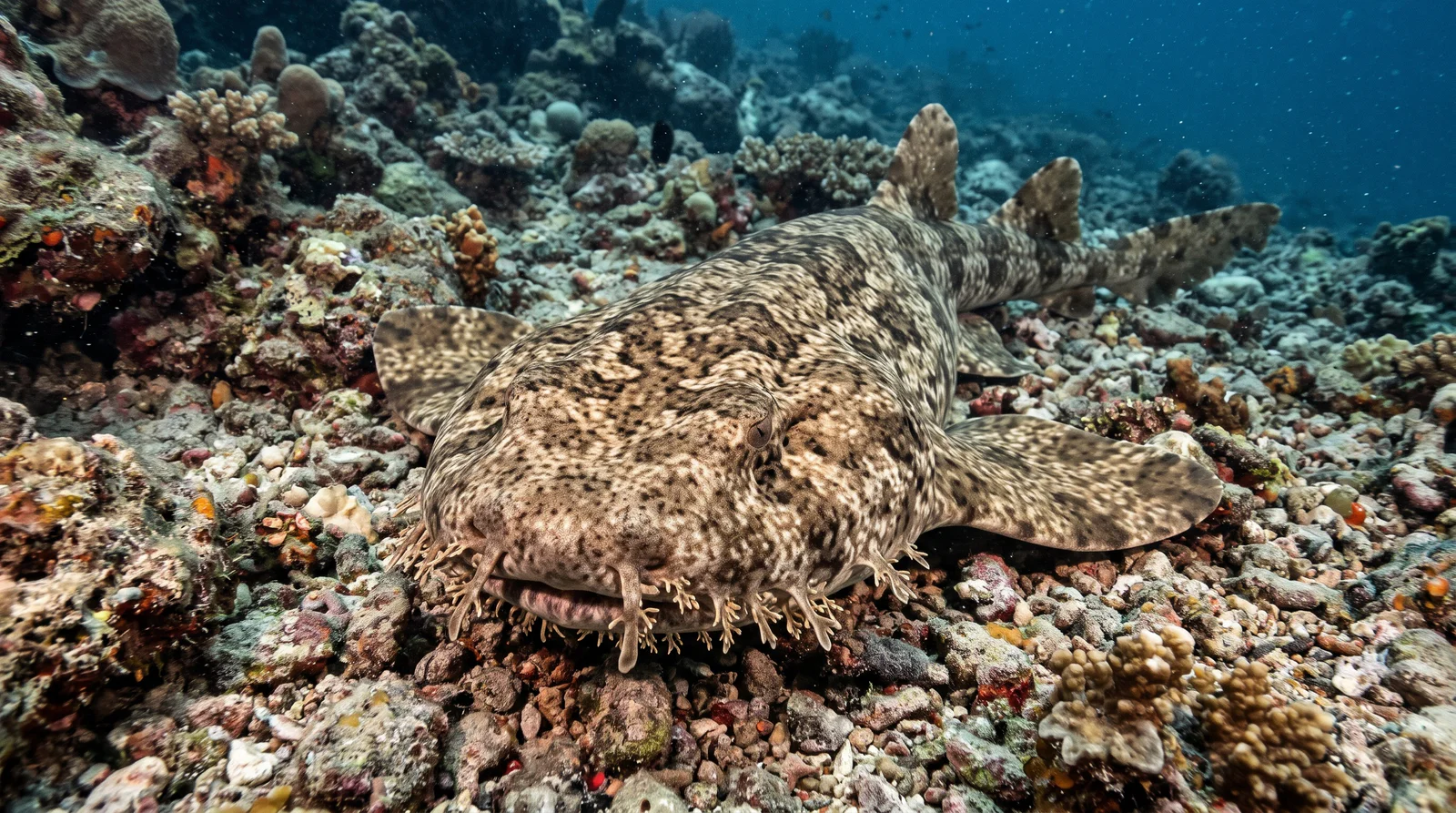
Wobbegong (assorted)
Orectolobidae spp.
Dokumentiertes Vorkommen am Tauchplatz
Quelle geprüft am 2026-11-06 · Quelle: Emperor Divers · Beobachtungsdatum nicht dokumentiert
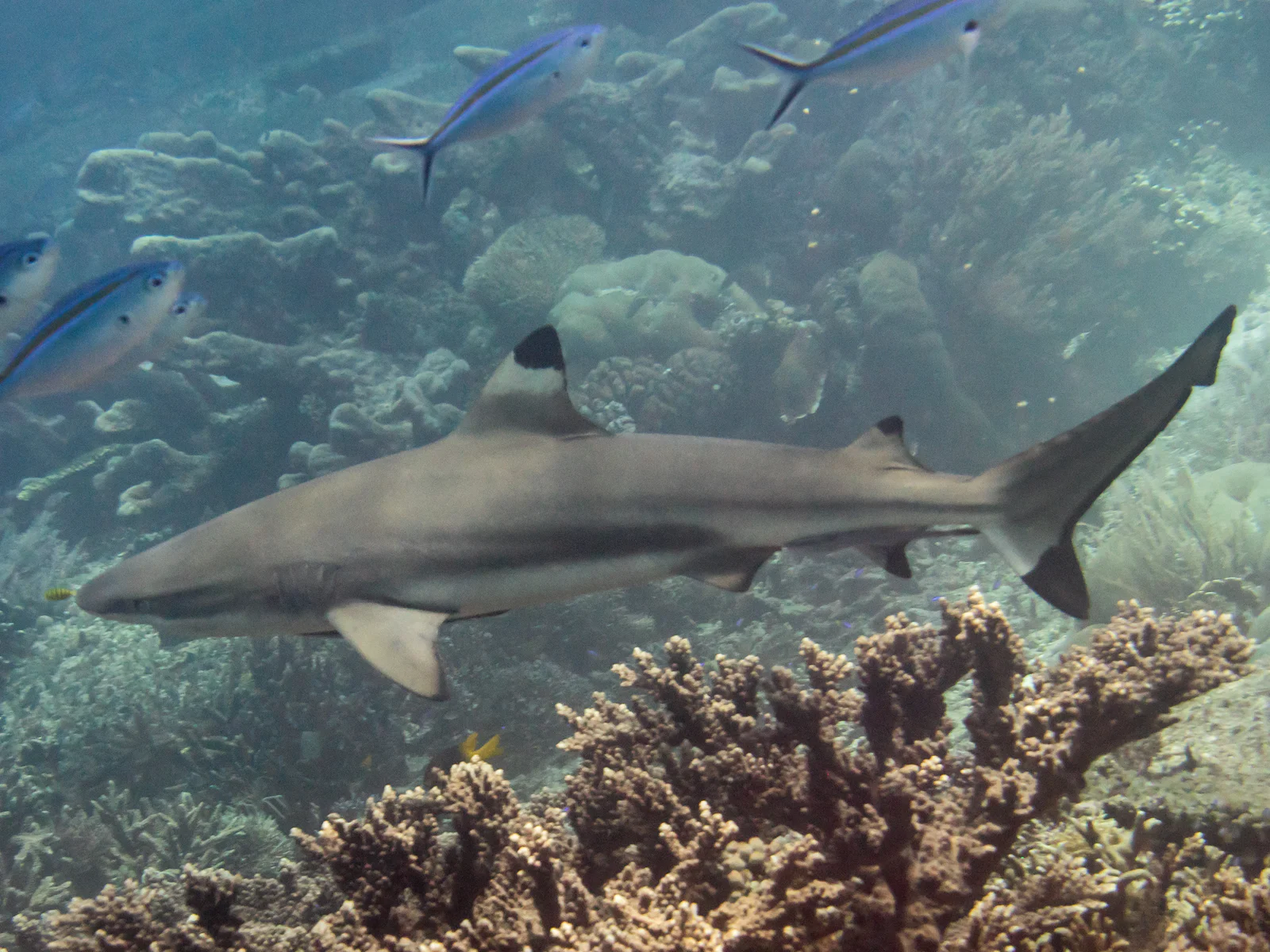
Reef Shark (assorted)
Carcharhinidae spp. (reef sharks)
Dokumentiertes Vorkommen am Tauchplatz
Quelle geprüft am 2026-11-06 · Quelle: Stingy Nomads · Beobachtungsdatum nicht dokumentiert
Gefahren & Sicherheit
Beachten Sie diese potenziellen Gefahren an diesem Tauchplatz
Boat traffic
Schweregrad: Noch nicht dokumentiertStingy Nomads says the site gets very busy with many boats and snorkellers, and nusapenida.org says many snorkelling boats chase the rays. No severity is set.
Current
Schweregrad: Noch nicht dokumentiertStingy Nomads says snorkellers should expect deep water with currents. No source gives a strength, so none is set.
Swell
Schweregrad: Noch nicht dokumentiertStingy Nomads warns of fairly rough, choppy conditions, Dive Concepts describes swell crashing onto the rocks on the shore, and Bali Fun Diving says conditions around Manta Bay can be rough and unpredictable. No severity is set.
Quellen
- Bali Fun Diving
- Dive Concepts
- Diving Squad
- nusapenida.org
- Stingy Nomads
360°-Unterwasseransicht
Immersive Panoramaansicht dieses Tauchplatzes
360°-Panorama demnächst verfügbar
Immersive Unterwasseransichten werden verfügbar sein, sobald Panoramaaufnahmen hochgeladen wurden
Bewertungen
--
0 reviews
Noch keine Bewertungen. Seien Sie der Erste, der Ihre Erfahrung teilt!
Tiefenprofil
Bleiben Sie auf dem Laufenden
Erhalten Sie Updates zu Tauchplätzen und Tipps per E-Mail.
Hast du Manta Bay betaucht? Lass es zählen.
Füge ihn deinem Logbuch hinzu, teile deine Sichtungen und hilf 0 Tauchern, ihren nächsten Tauchgang zu planen.
Aktuelle Community-Aktivität
War das hilfreich?