Reef · Wall · Drift
Sekolah Dasar
Auch bekannt als: SD, SD Point — Zu diesem Namen: No source gives a position for Sekolah Dasar. nusapenida.org places it on the north coast of Nusa Penida as the first wall north-east of…
SchwierigkeitsgradInformation wird geprüft
Erfasster Wert
All levels, Open Water minimum recommended (nusapenida.org: Level All levels (Open Water minimum recommended))
Unterstützt von: nusapenida.org
Gegenbelege
experienced divers
Geschikt voor ervaren duikers
Duikersgids.nl · 2026-11-05T08:44:26Z
Minimale SichtweiteInformation wird geprüft
Erfasster Wert
20 m (nusapenida.org: Visibility 20–30 m)
Unterstützt von: nusapenida.org
Gegenbelege
10 m
Zicht 10 - 35 m. Zicht gemiddeld 20 m.
Duikersgids.nl · 2026-11-05T08:44:26Z
Maximale SichtweiteInformation wird geprüft
Erfasster Wert
30 m (nusapenida.org: Visibility 20–30 m)
Unterstützt von: nusapenida.org
Gegenbelege
35 m
Zicht 10 - 35 m. Zicht gemiddeld 20 m.
Duikersgids.nl · 2026-11-05T08:44:26Z
Über diesen Tauchplatz
Overview
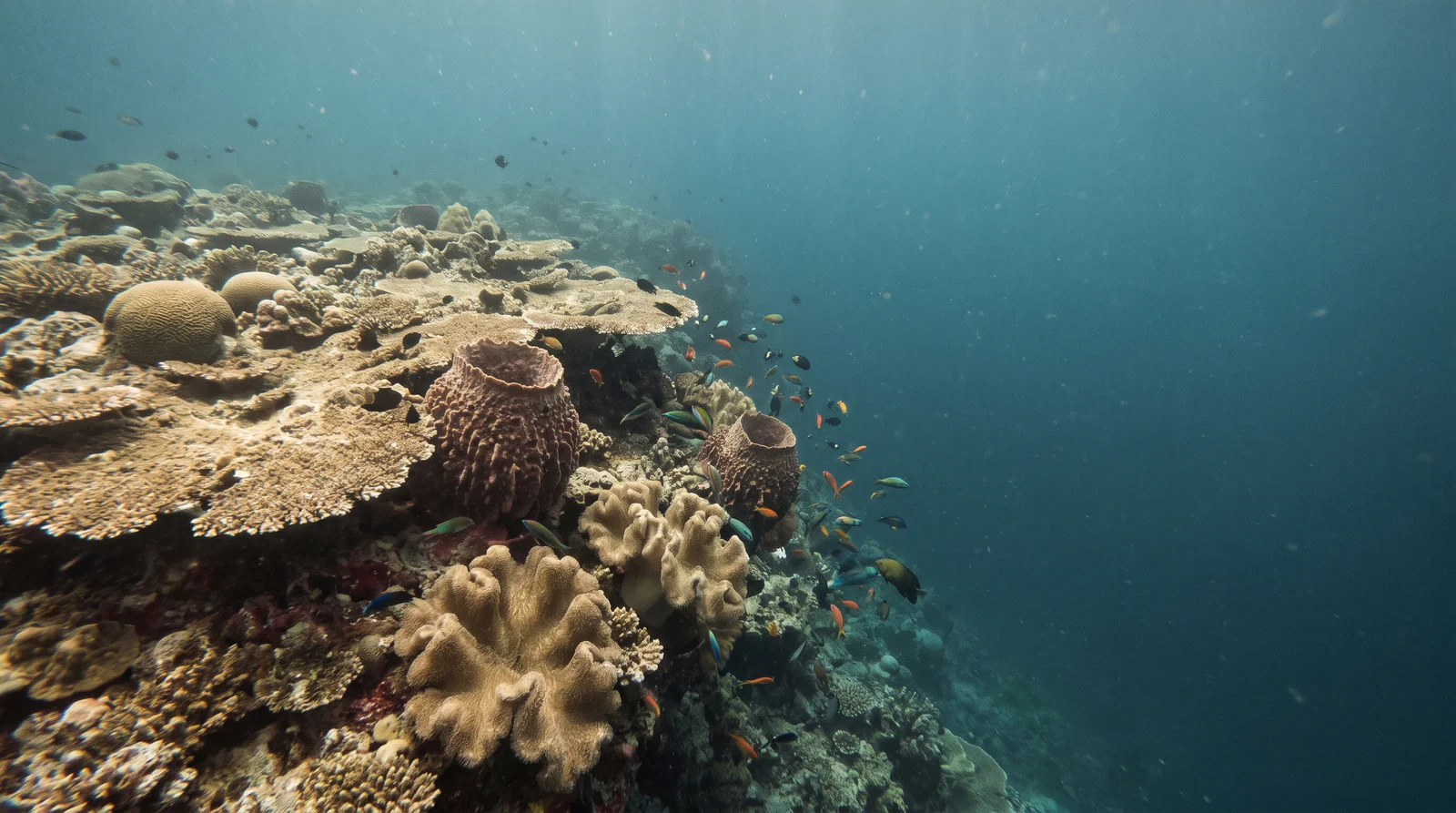
Sekolah Dasar, usually called SD or SD Point, is a boat-dived drift along a coral plateau and a sloping wall on the north coast of Nusa Penida. Its name is Indonesian for primary school. Two Fish Divers, a Nusa Lembongan dive resort, says the site sits in front of the local primary school, and the Dutch dive directory Duikersgids.nl says the school lies opposite the site. The Nusa Penida dive guide nusapenida.org says two primary schools sit on either side of the site along the coast, and calls SD Point the first wall you reach heading north-east from Toyapakeh.
No source gives a map position for the site, so this record has no map point.
How the site is dived
All three sources describe a boat dive. Two Fish Divers says it is a short 15-minute ride from its Nusa Lembongan resort, that its divers back-roll into the water and descend a sloping wall, and that the current then carries them on a drift along the wall. nusapenida.org gives 10 to 15 minutes by boat from Toyapakeh and describes a drift along a large coral plateau that tips over into a wall. Duikersgids.nl describes a shallow, gently sloping plateau that drops away at about 45 degrees from 10 metres, and says divers enter from the boat. nusapenida.org says SD Point is part of a chain of drift sites along the north coast, and that depending on the current a single dive can cross several of them.
Depth
nusapenida.org gives a depth of 5 to 40 metres, with 18 to 25 metres as the ideal range, and says experienced divers can follow the wall down to 40 metres. Duikersgids.nl gives a depth of 40 metres. Two Fish Divers' 2019 dive descended to a planned depth of 25 to 30 metres, which is that dive's plan and not a site limit. This record uses 40 metres as the maximum and 5 metres as the minimum; the minimum comes from nusapenida.org alone.
Level
The sources disagree, and this record sets no difficulty. nusapenida.org rates the site for all levels, with Open Water as the recommended minimum, and says Open Water divers can dive it straight after certification when conditions are calm, staying along the edge of the shallow plateau without dropping onto the wall. It says Advanced Open Water divers get the most out of the site between 18 and 25 metres, and recommends an Advanced Open Water course before diving deep there. Duikersgids.nl describes the site as challenging and suitable for experienced divers. The record sets no certification requirement.
Current
nusapenida.org gives the current as mild to moderate and sometimes strong, and warns of down-currents that can pull a diver toward the bottom along the wall and of turbulence it calls washing machines at the end of the plateau. It says a sudden change in current direction is often the warning sign of a down-current, and advises always diving the site with a local guide. Duikersgids.nl says the current is usually strong and can be strong. This record sets no current strength because the sources disagree.
Marine life
nusapenida.org describes green and hawksbill turtles, which it says are met on almost every dive, and schools of sergeant majors, fusiliers, trevallies and sometimes barracudas, with napoleons, surgeonfish and batfish over the plateau and tuna or giant trevallies off the wall when visibility is good. For macro it names several frogfish, among them a large black one resident on the reef, as well as paperfish, nudibranchs, shrimps, orangutan crabs and occasionally ghost fish. Two Fish Divers describes schools of red-tooth triggerfish and butterflyfish among giant sponges, table corals and sea fans, with green and hawksbill turtles, and says tuna or barracuda may pass. Duikersgids.nl says reef sharks are regularly seen, gives a good chance of mantas and whitetip and blacktip reef sharks at around 25 metres, and names tuna and barracuda.
The sources differ on the ocean sunfish (mola mola). Two Fish Divers' 2019 post says mola mola sightings are very common at SD. nusapenida.org says that between July and October it is not unusual to see one along the deep wall, but calls such encounters unpredictable, rare but possible. Duikersgids.nl says they are seen in season. No source gives a measured sighting rate for any animal.
Conditions
nusapenida.org gives visibility of 20 to 30 metres, a water temperature of 22 to 29 °C that can drop to 18 °C in the mola mola season, and says the site can be dived all year. Duikersgids.nl gives visibility of 10 to 35 metres, 20 metres on average, and says the water can be as cold as 21 °C, lower than normal, because of currents from the deep. This record marks the visibility as disputed and sets no temperature or season.
Sources and lineage
The three sources are worded independently. nusapenida.org is a guide written by a diver who says they are based on Nusa Penida and have dived SD Point since 2017; it promotes an instructor at the Dune Penida dive centre. Two Fish Divers' account is a dive-trip blog post from December 2019. Duikersgids.nl is a dive-site directory that does not name the author of its entry. Nobody has verified this record in person; it was researched and written by an automated process from the sources named here.
Meereslebewesen
23 Arten an diesem Tauchplatz registriert
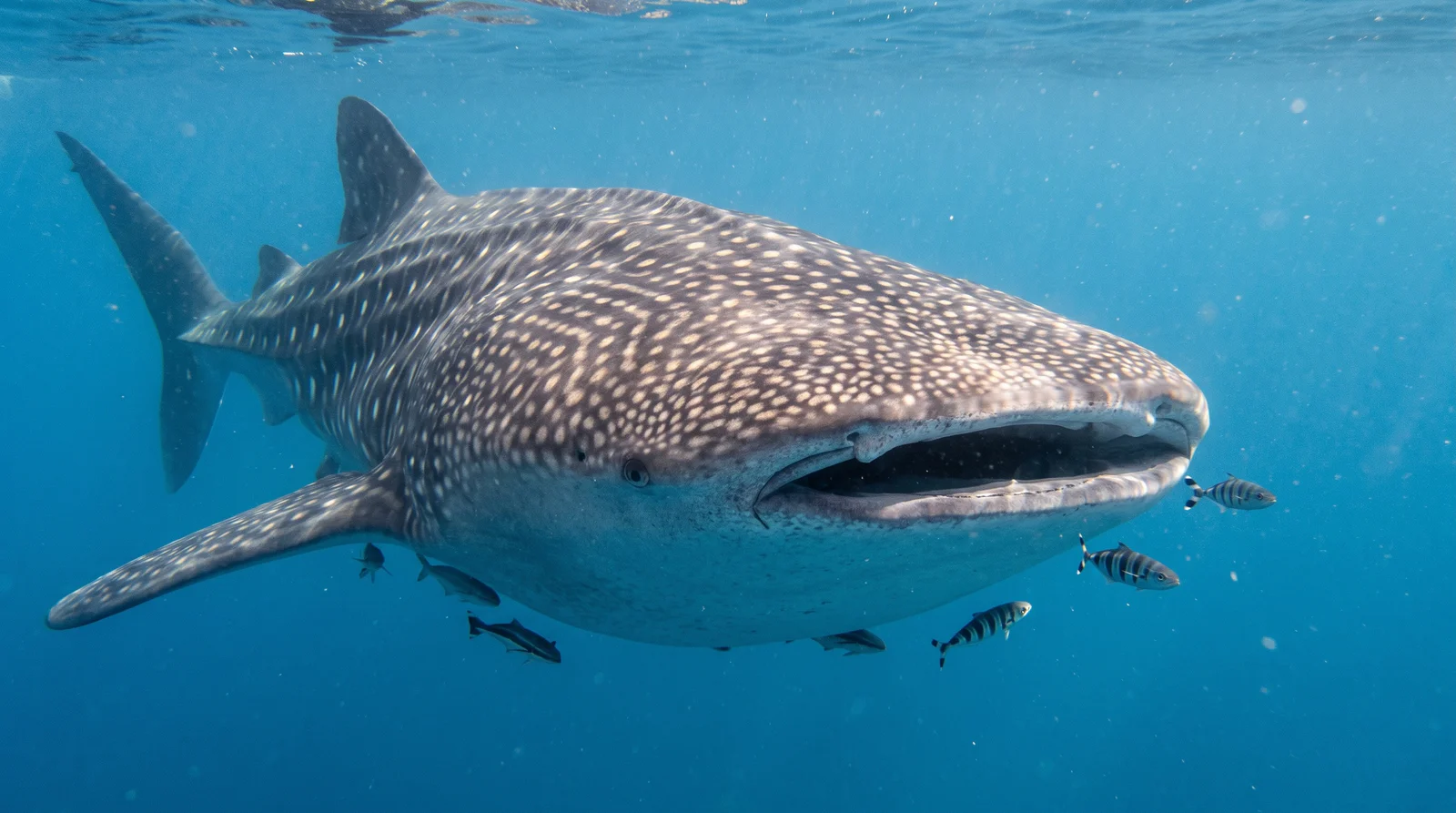
Whale Shark
Rhincodon typus
Regionaler Nachweis — Vorkommen an diesem Tauchplatz nicht bestätigt
Quelle geprüft am 2026-11-06 · Quelle: Scuba Junkie Penida · Beobachtungsdatum nicht dokumentiert
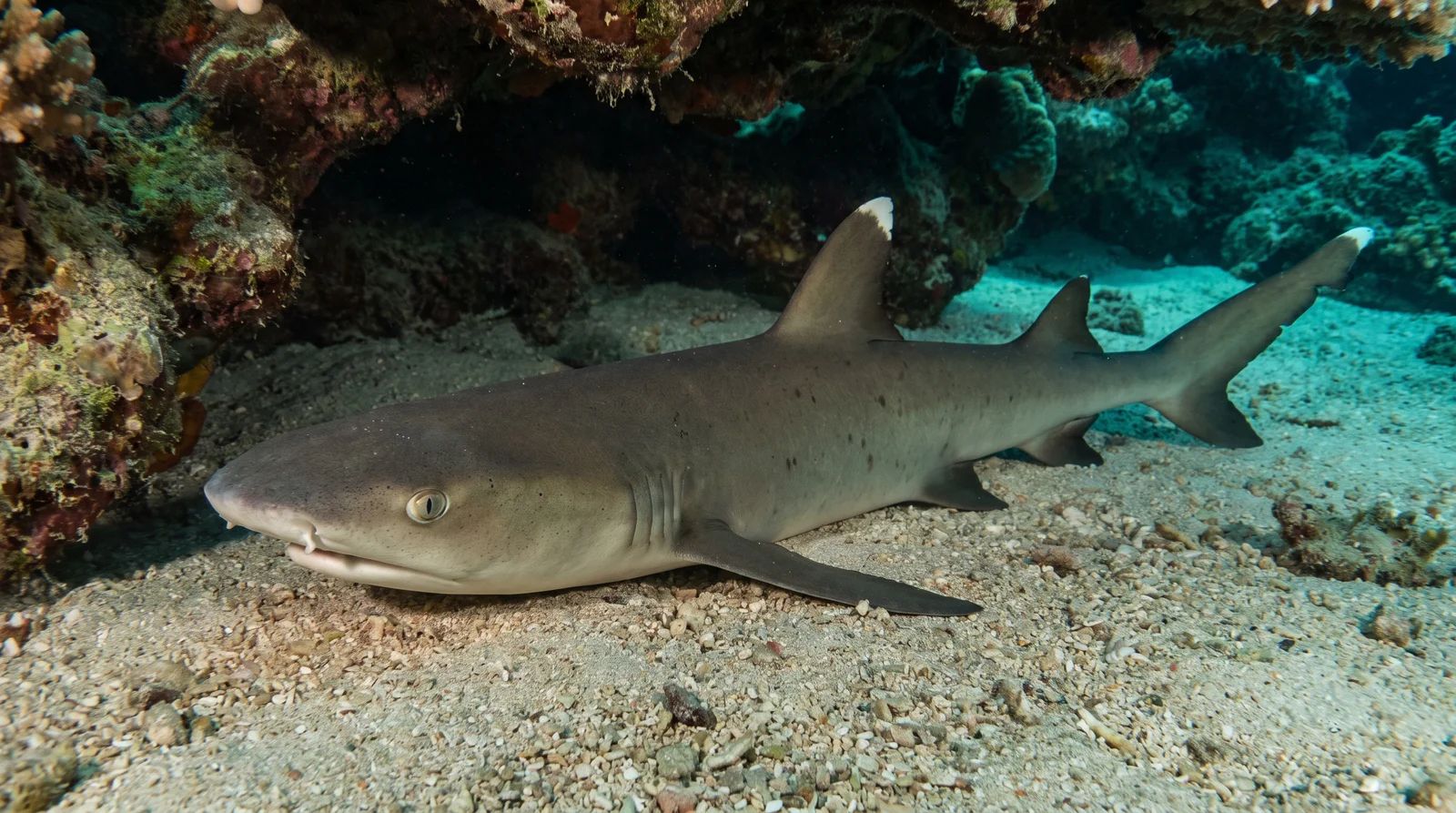
Whitetip Reef Shark
Triaenodon obesus
Dokumentiertes Vorkommen am Tauchplatz
Quelle geprüft am 2026-11-06 · Quelle: Duikersgids.nl · Beobachtungsdatum nicht dokumentiert
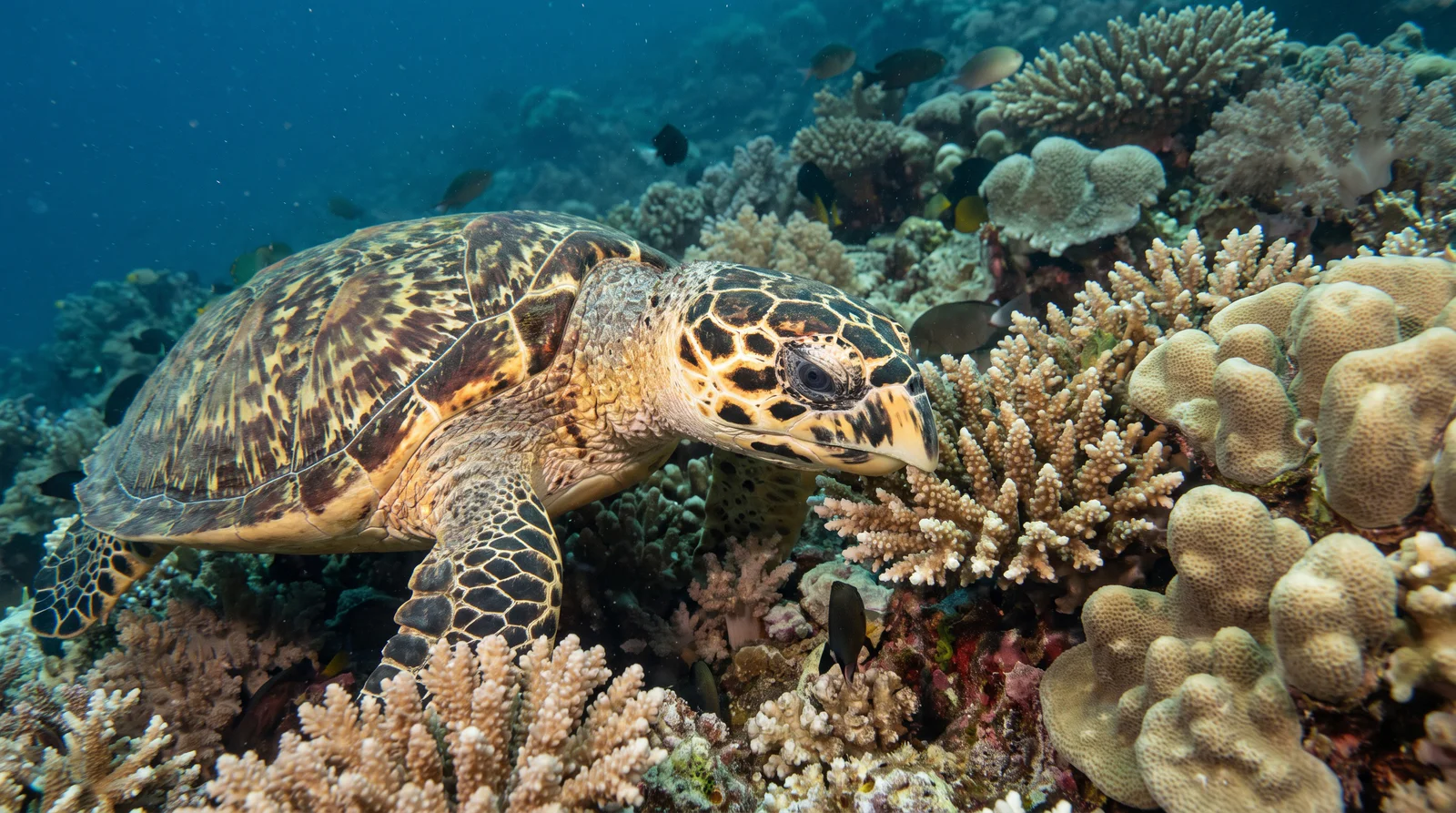
Hawksbill Turtle
Eretmochelys imbricata
Dokumentiertes Vorkommen am Tauchplatz
Quelle geprüft am 2026-11-06 · Quelle: nusapenida.org · Beobachtungsdatum nicht dokumentiert
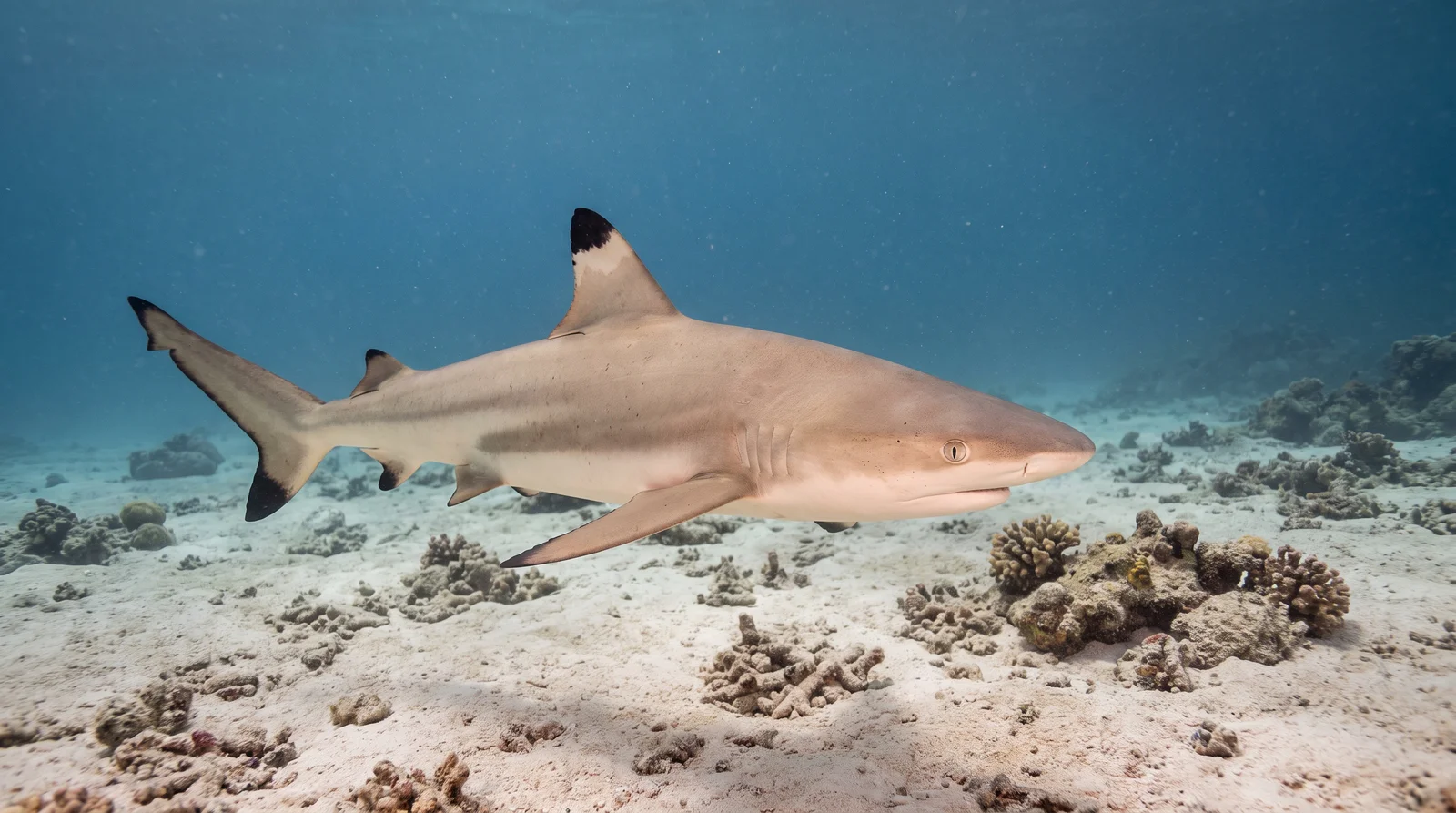
Blacktip Reef Shark
Carcharhinus melanopterus
Dokumentiertes Vorkommen am Tauchplatz
Quelle geprüft am 2026-11-06 · Quelle: Duikersgids.nl · Beobachtungsdatum nicht dokumentiert
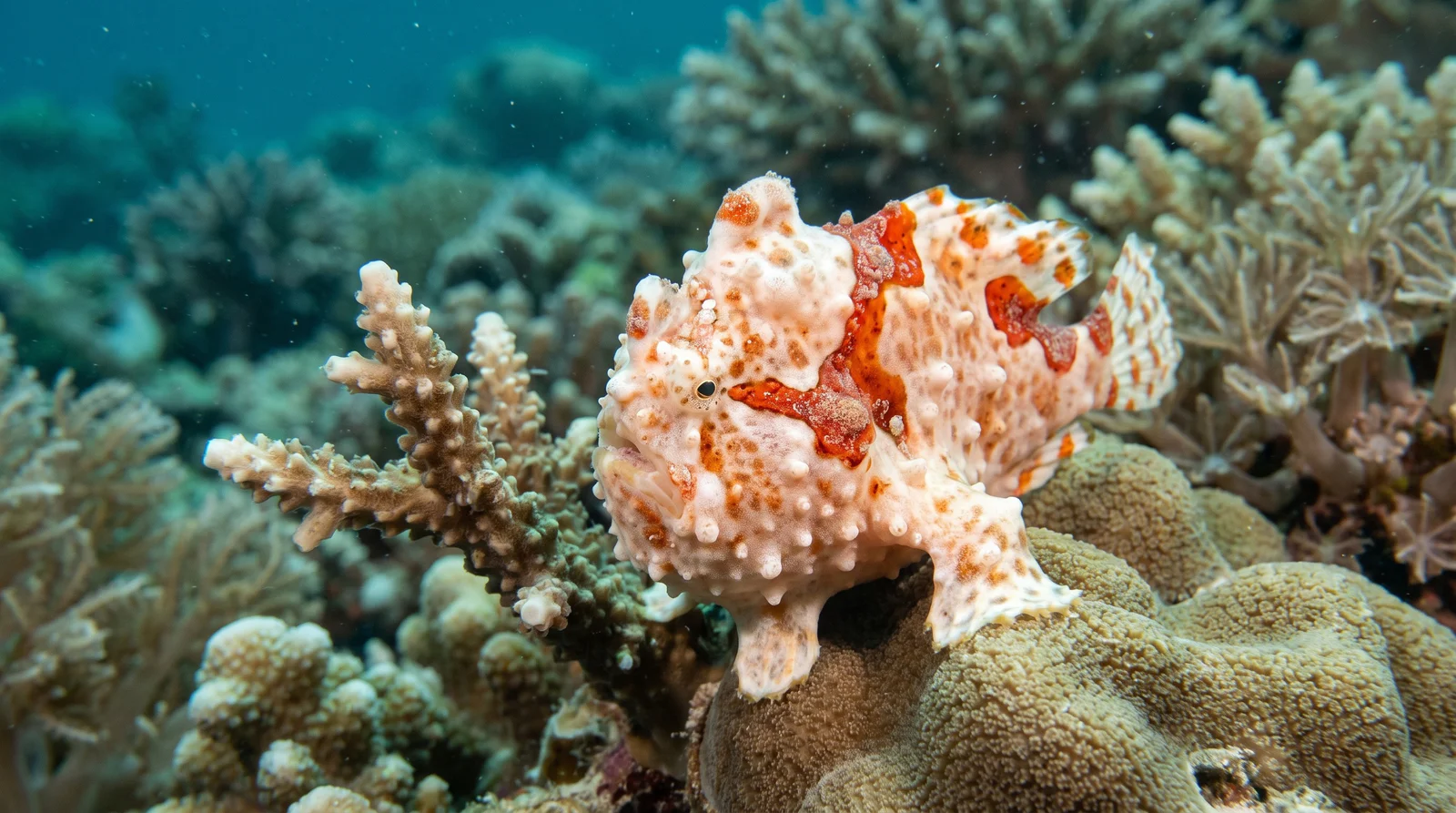
Frogfish
Antennariidae spp.
Dokumentiertes Vorkommen am Tauchplatz
Quelle geprüft am 2026-11-06 · Quelle: nusapenida.org · Beobachtungsdatum nicht dokumentiert
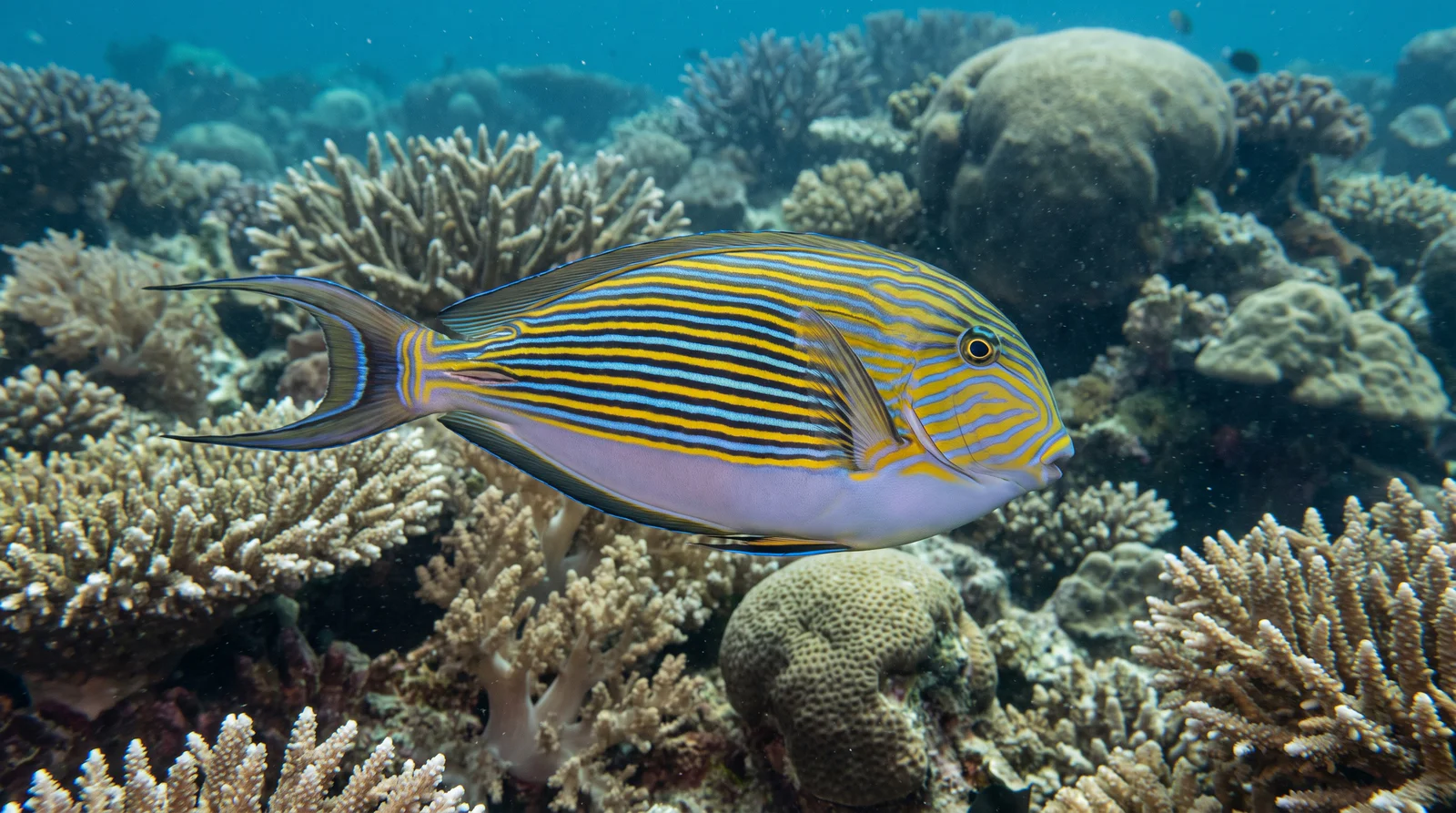
Surgeonfish (assorted)
Acanthuridae spp.
Dokumentiertes Vorkommen am Tauchplatz
Quelle geprüft am 2026-11-06 · Quelle: nusapenida.org · Beobachtungsdatum nicht dokumentiert
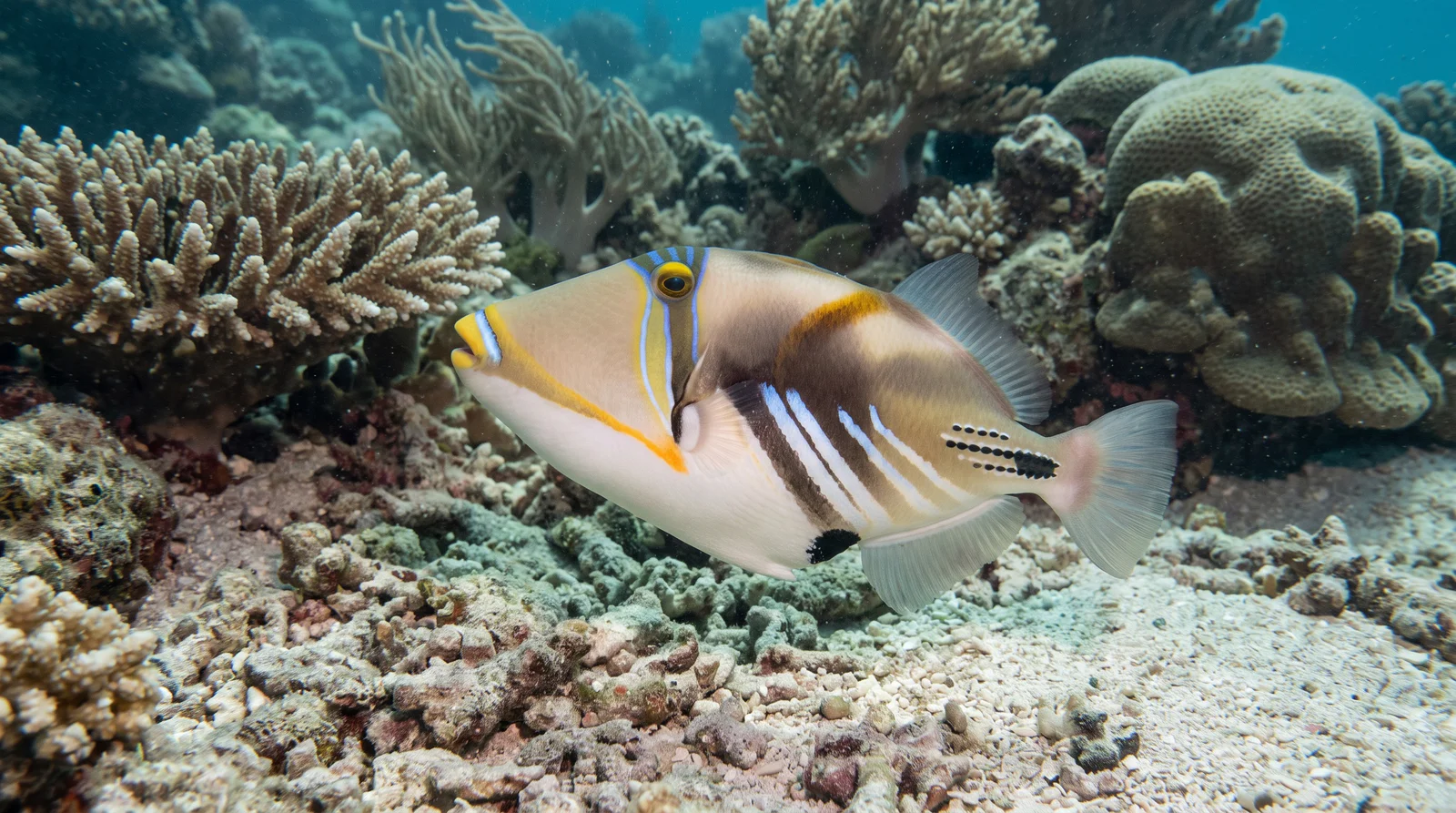
Triggerfish (assorted)
Balistidae spp.
Regionaler Nachweis — Vorkommen an diesem Tauchplatz nicht bestätigt
Quelle geprüft am 2026-11-06 · Quelle: Scuba Junkie Penida · Beobachtungsdatum nicht dokumentiert
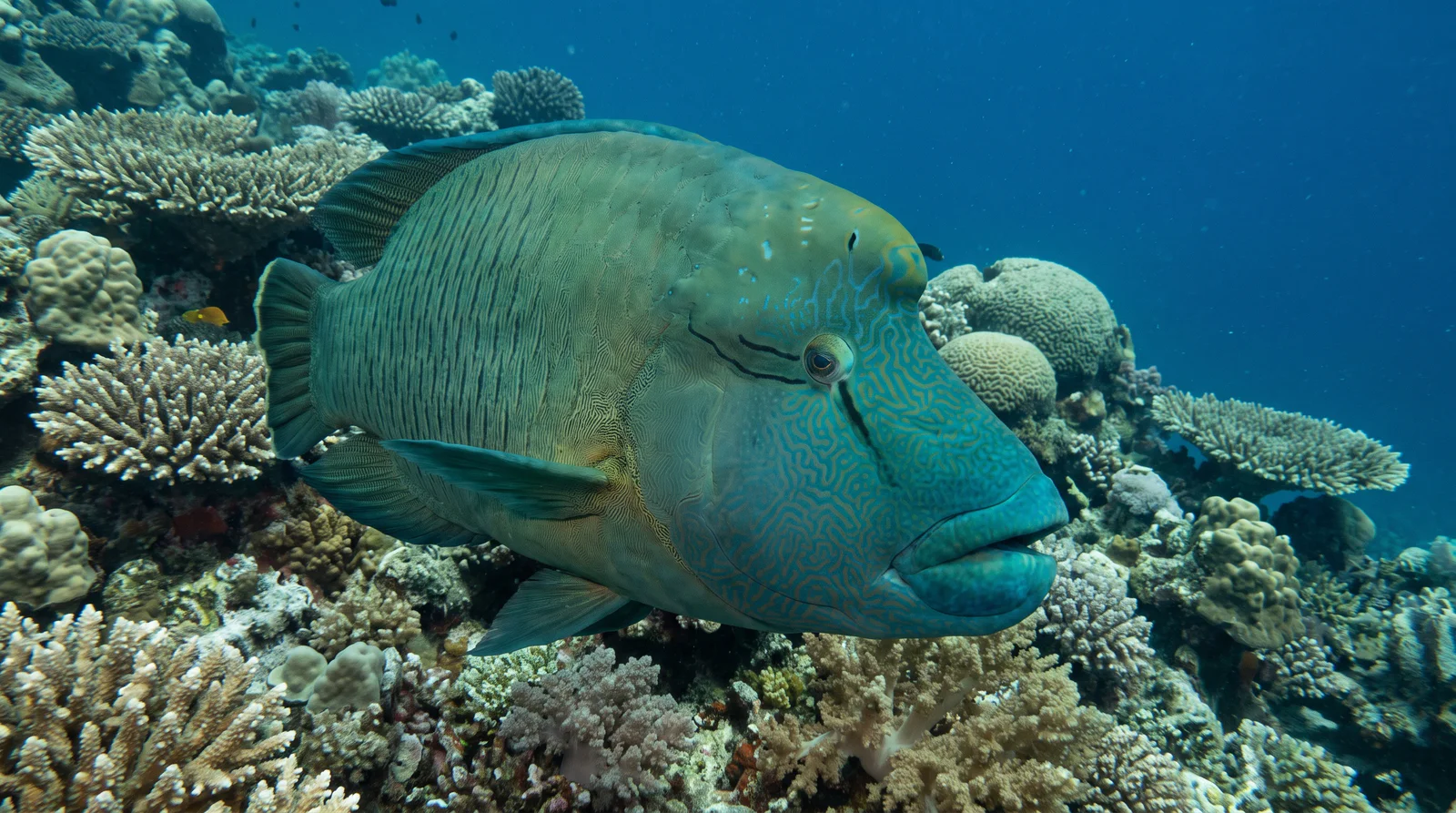
Humphead Wrasse (Napoleon)
Cheilinus undulatus
Dokumentiertes Vorkommen am Tauchplatz
Quelle geprüft am 2026-11-06 · Quelle: nusapenida.org · Beobachtungsdatum nicht dokumentiert
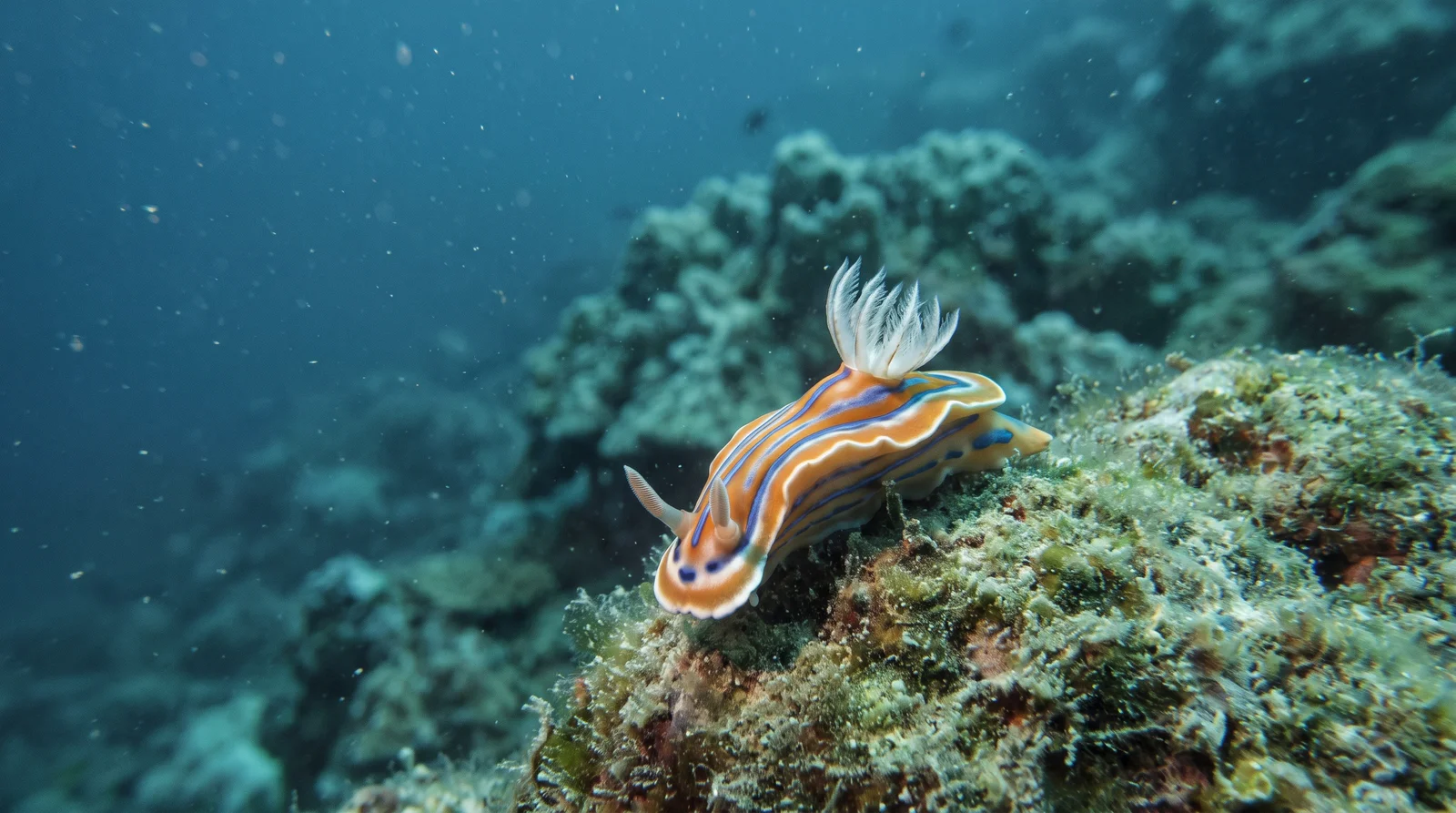
Nudibranch (assorted)
Nudibranchia spp.
Dokumentiertes Vorkommen am Tauchplatz
Quelle geprüft am 2026-11-06 · Quelle: nusapenida.org · Beobachtungsdatum nicht dokumentiert
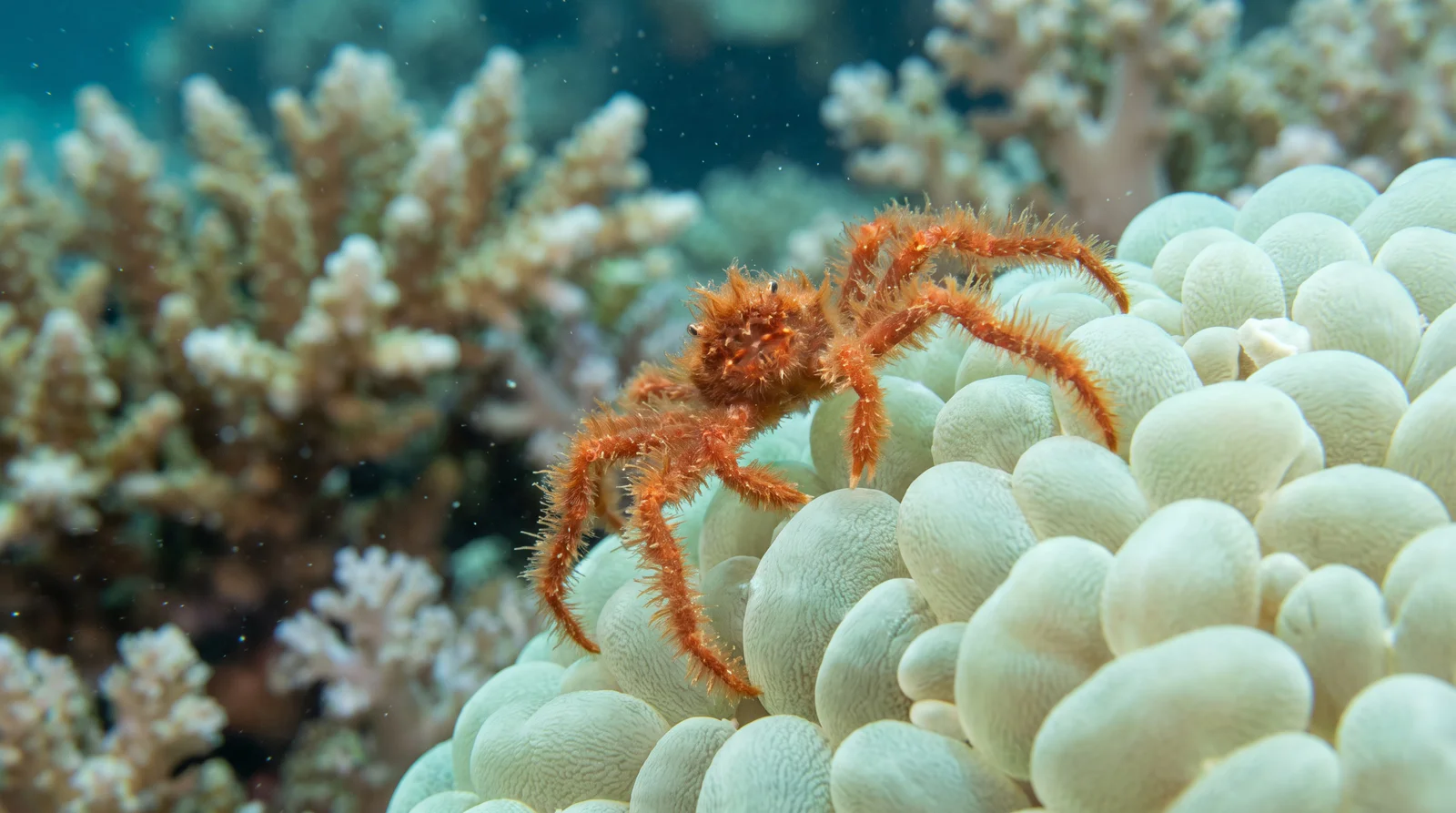
Orangutan Crab
Achaeus japonicus
Dokumentiertes Vorkommen am Tauchplatz
Quelle geprüft am 2026-11-06 · Quelle: nusapenida.org · Beobachtungsdatum nicht dokumentiert
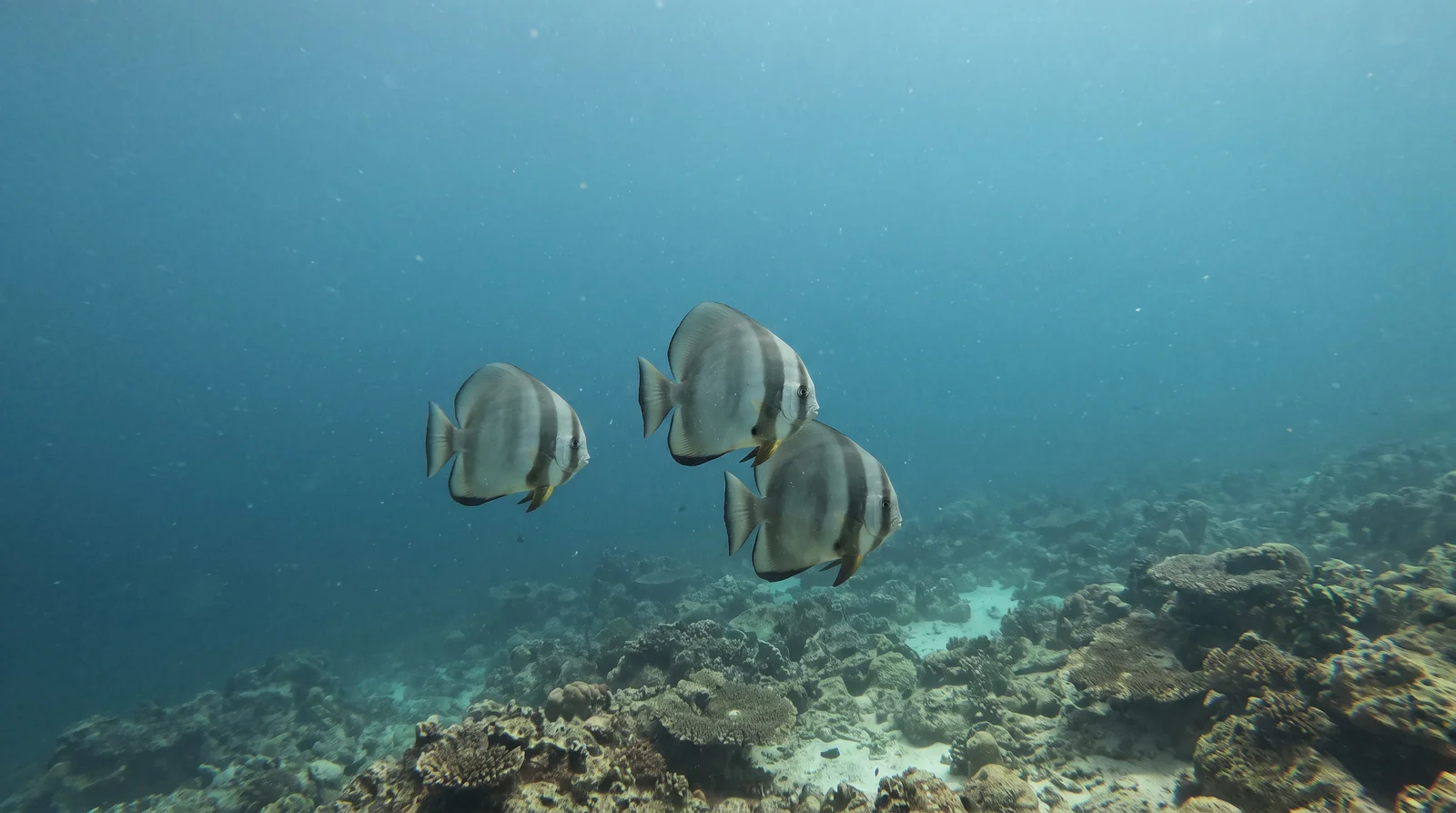
Batfish (assorted)
Platax spp.
Dokumentiertes Vorkommen am Tauchplatz
Quelle geprüft am 2026-11-06 · Quelle: nusapenida.org · Beobachtungsdatum nicht dokumentiert
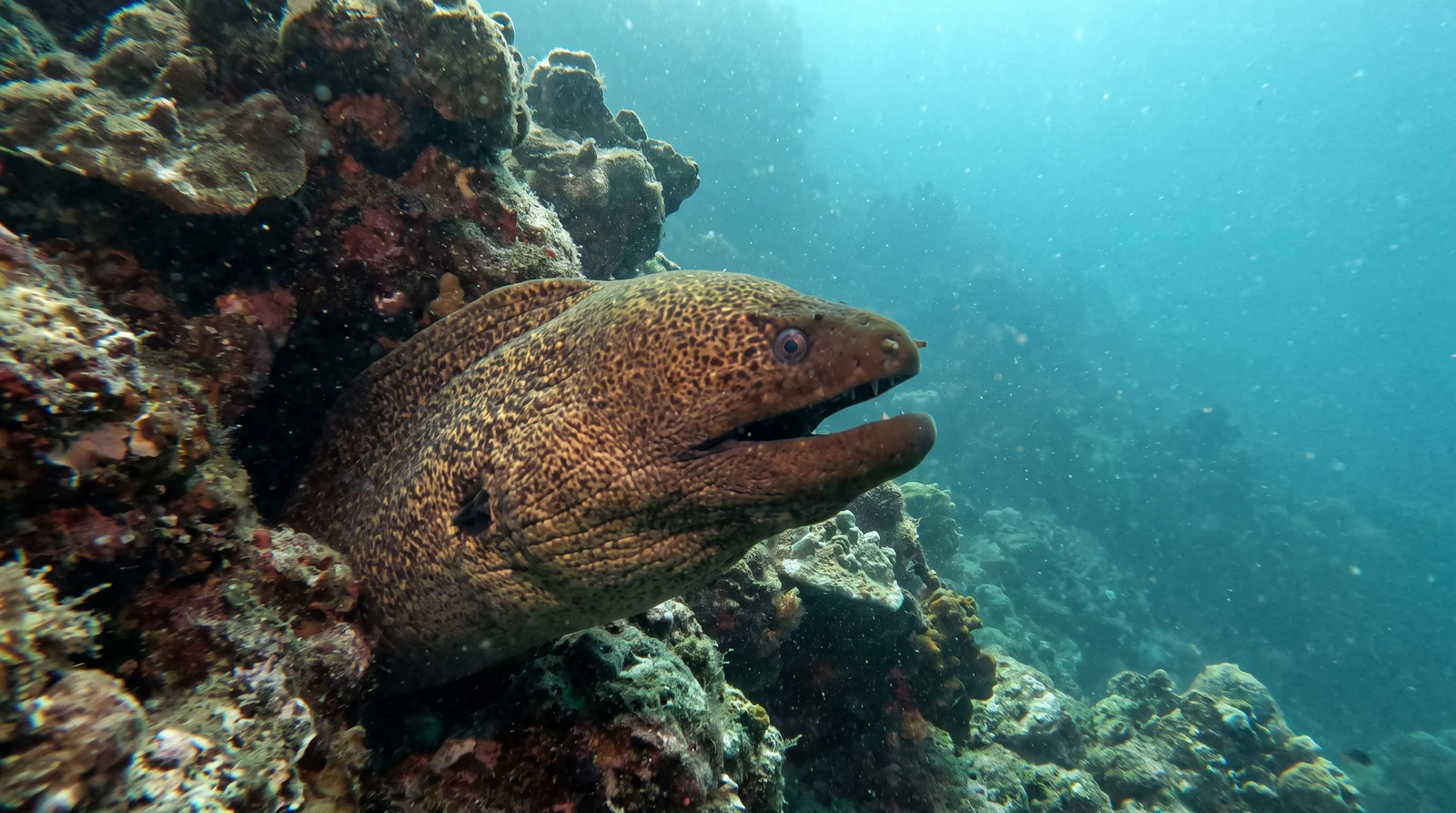
Moray Eel (assorted)
Muraenidae spp.
Regionaler Nachweis — Vorkommen an diesem Tauchplatz nicht bestätigt
Quelle geprüft am 2026-11-06 · Quelle: Scuba Junkie Penida · Beobachtungsdatum nicht dokumentiert
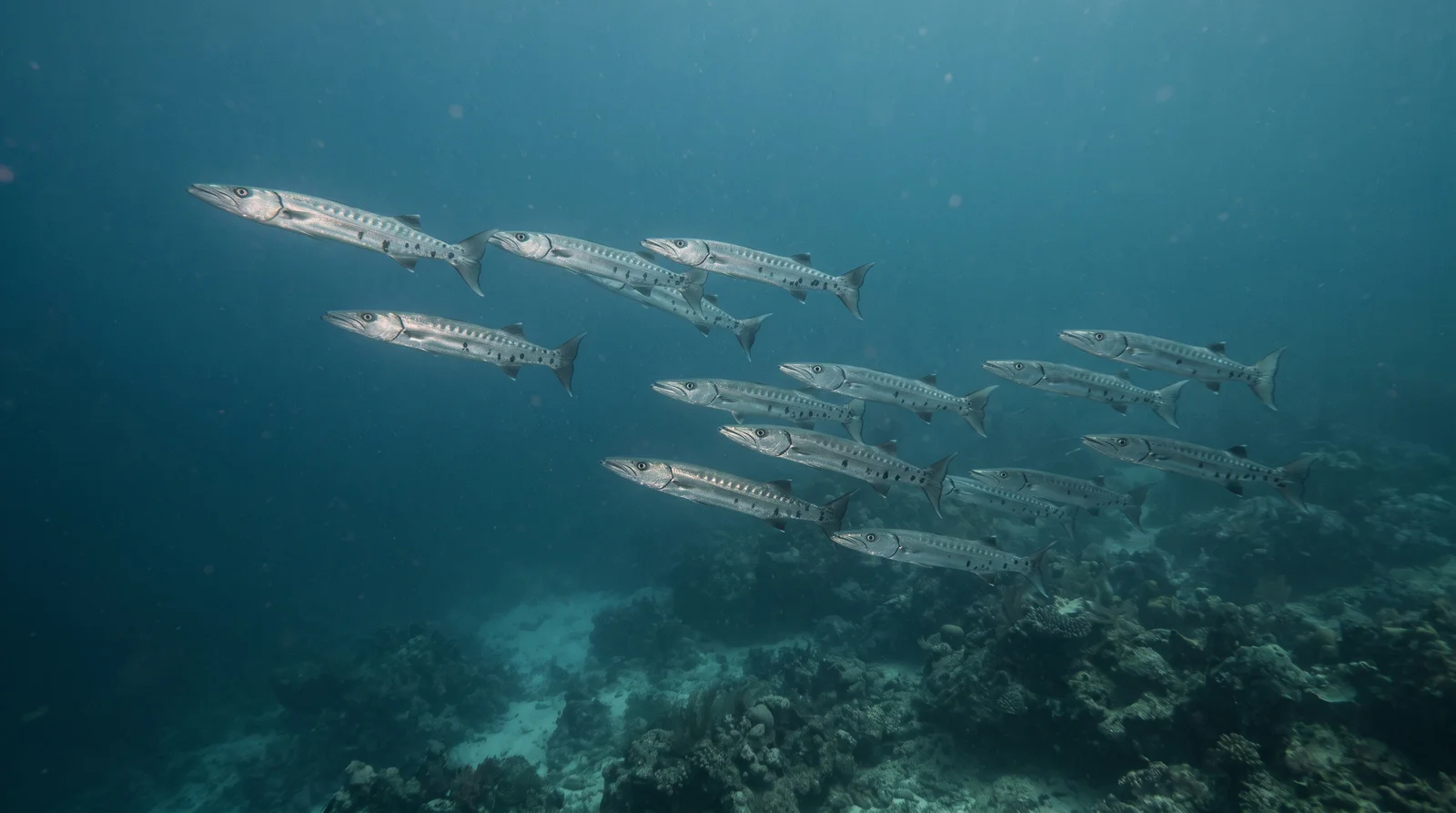
Barracuda (assorted)
Sphyraena spp.
Dokumentiertes Vorkommen am Tauchplatz
Quelle geprüft am 2026-11-06 · Quelle: Two Fish Divers · Beobachtungsdatum nicht dokumentiert
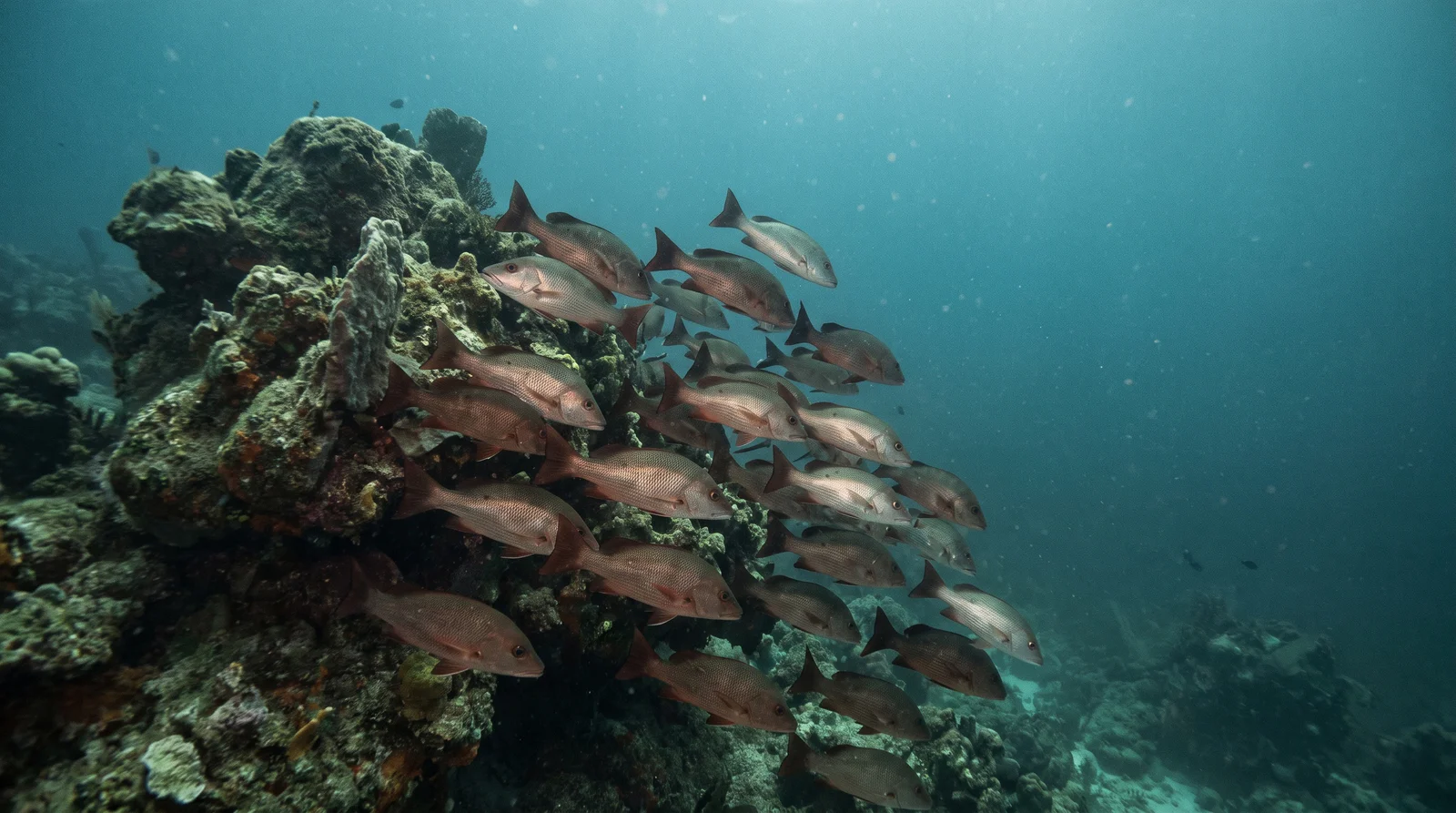
Snapper (assorted)
Lutjanidae spp.
Regionaler Nachweis — Vorkommen an diesem Tauchplatz nicht bestätigt
Quelle geprüft am 2026-11-06 · Quelle: Scuba Junkie Penida · Beobachtungsdatum nicht dokumentiert
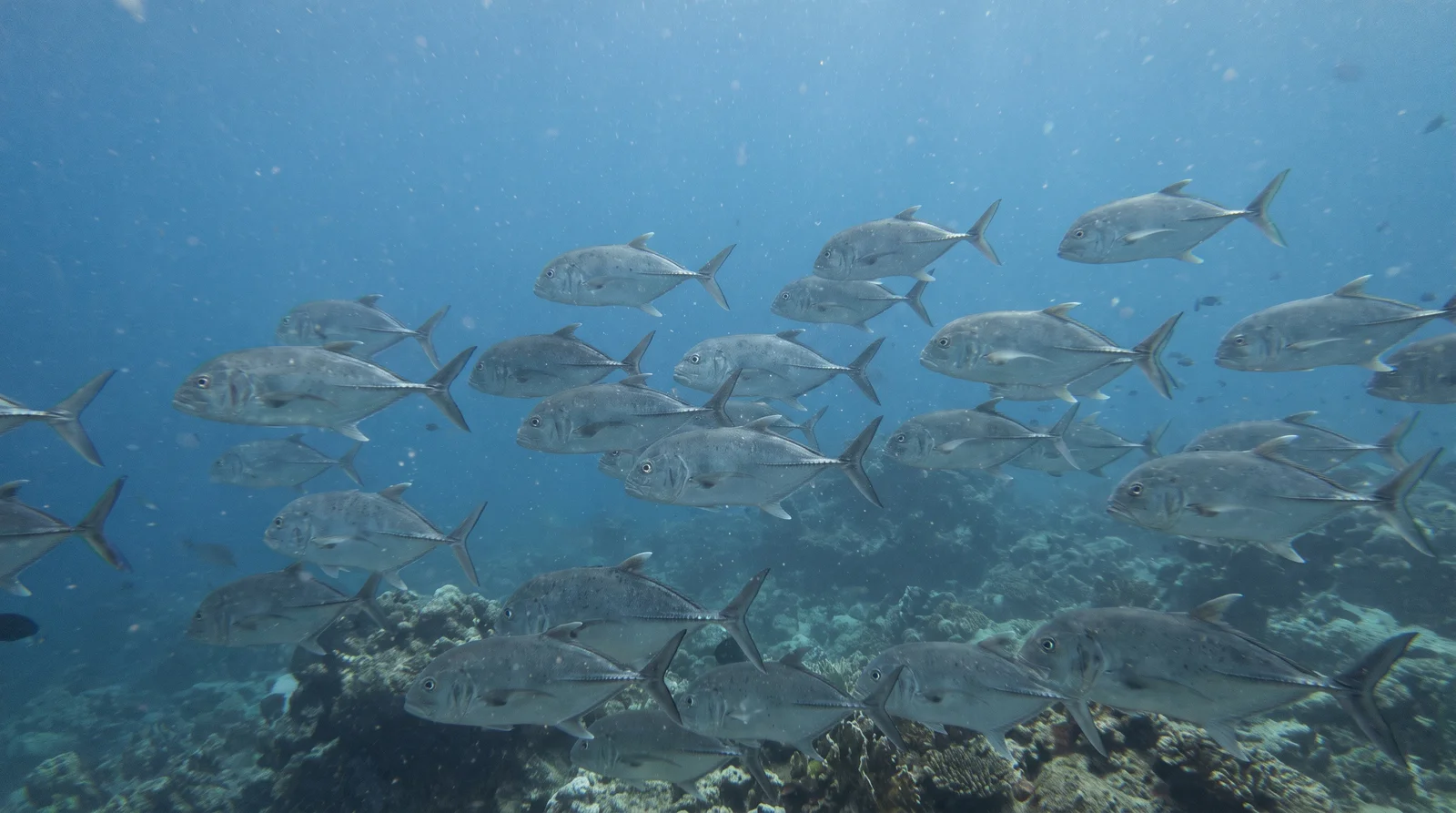
Trevally / Jack (assorted)
Carangidae spp.
Dokumentiertes Vorkommen am Tauchplatz
Quelle geprüft am 2026-11-06 · Quelle: nusapenida.org · Beobachtungsdatum nicht dokumentiert
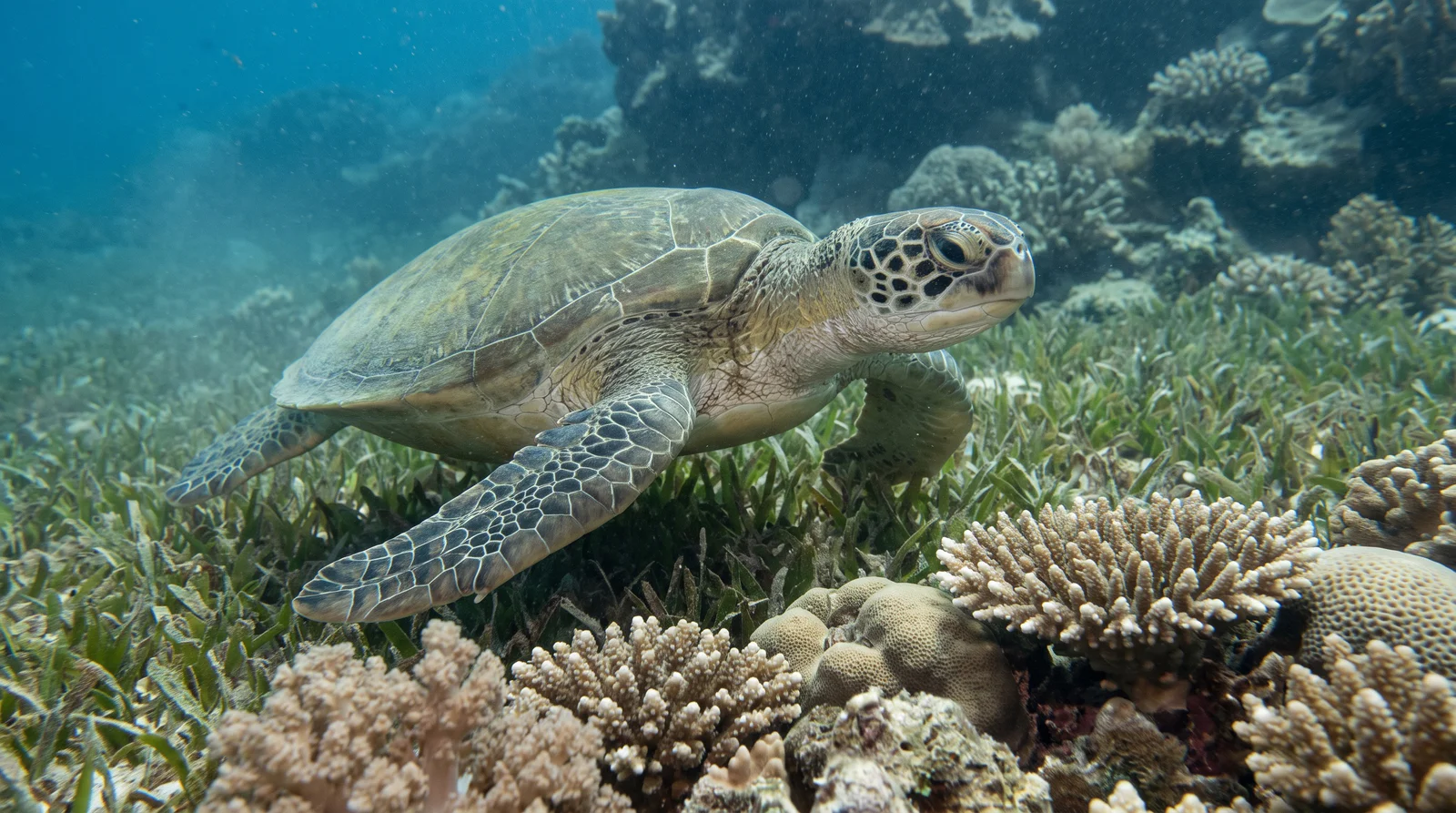
Green Sea Turtle
Chelonia mydas
Dokumentiertes Vorkommen am Tauchplatz
Quelle geprüft am 2026-11-06 · Quelle: nusapenida.org · Beobachtungsdatum nicht dokumentiert
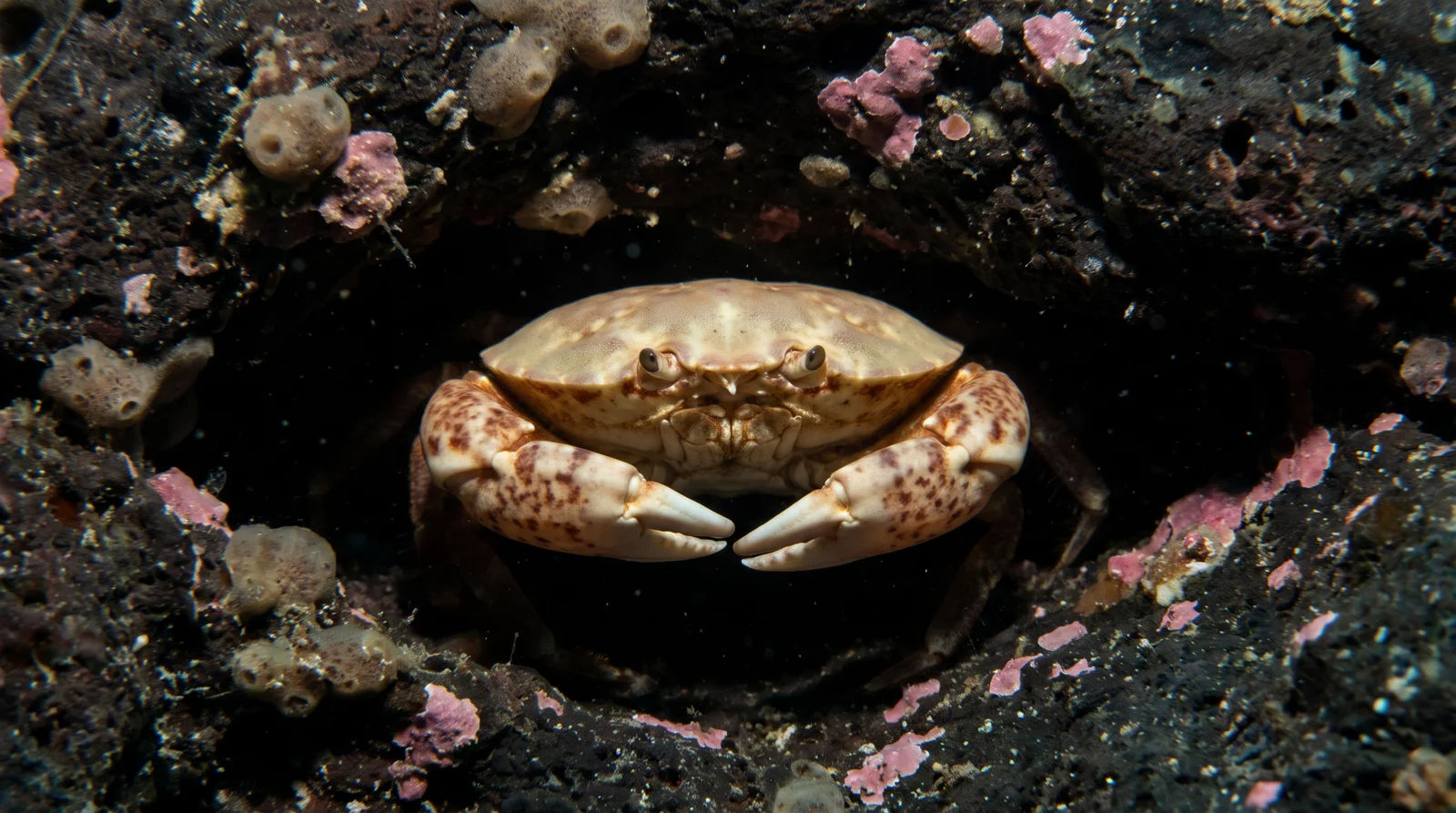
Crab (assorted)
Brachyura and Anomura spp. (crabs)
Regionaler Nachweis — Vorkommen an diesem Tauchplatz nicht bestätigt
Quelle geprüft am 2026-11-06 · Quelle: Scuba Junkie Penida · Beobachtungsdatum nicht dokumentiert
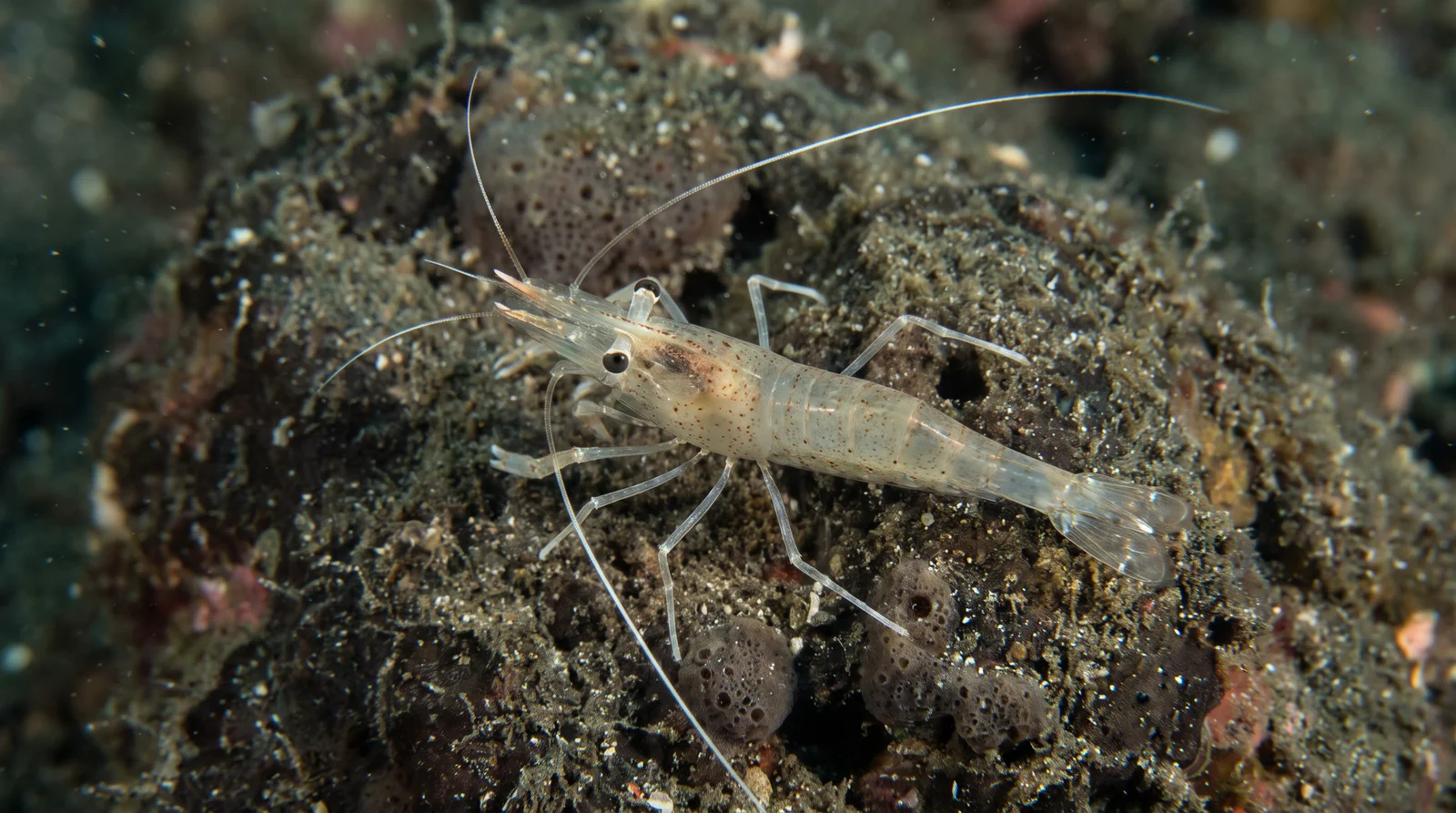
Shrimp (assorted)
Caridea and Dendrobranchiata spp. (shrimps)
Dokumentiertes Vorkommen am Tauchplatz
Quelle geprüft am 2026-11-06 · Quelle: nusapenida.org · Beobachtungsdatum nicht dokumentiert
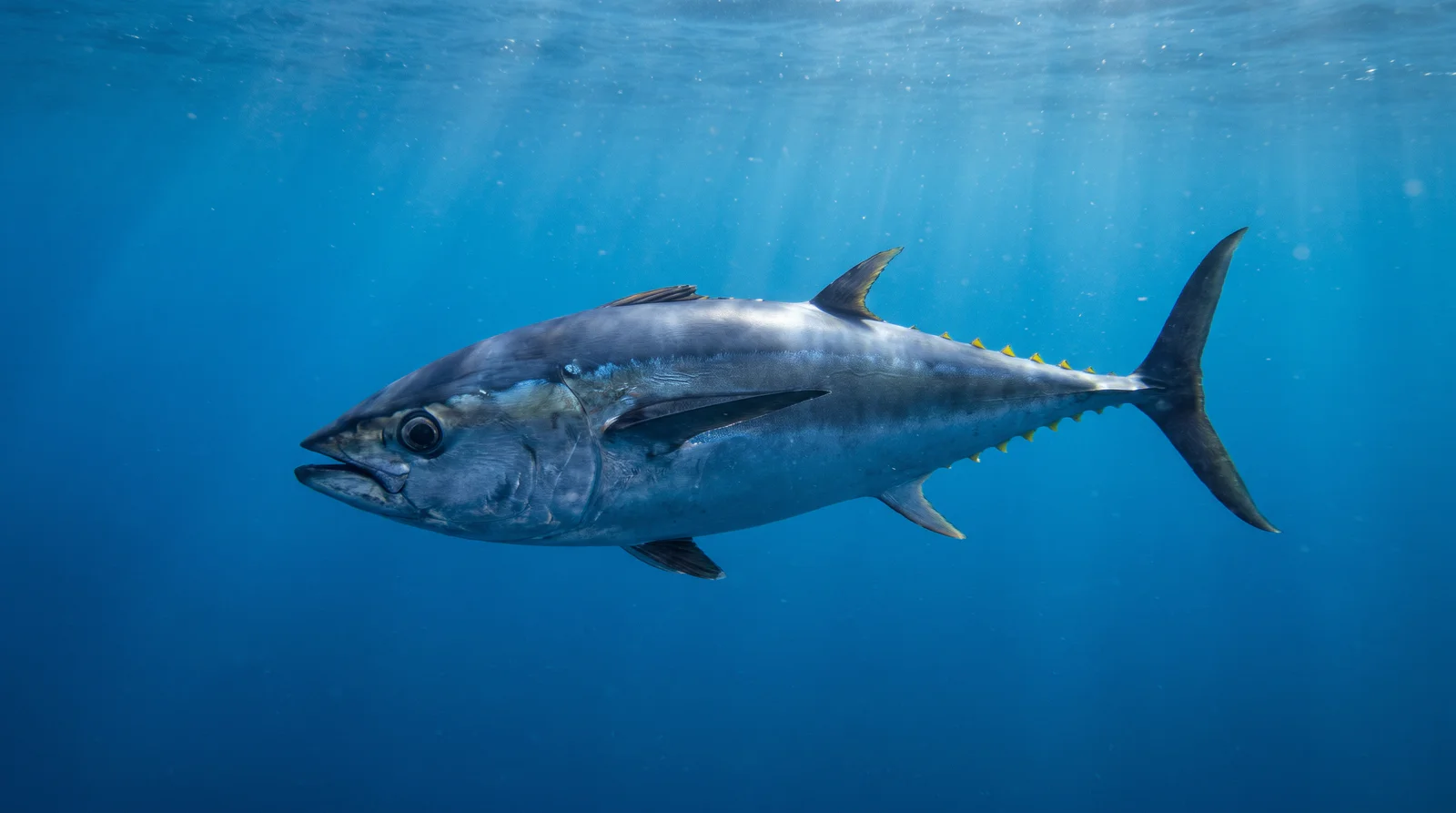
Tuna (assorted)
Thunnini spp.
Dokumentiertes Vorkommen am Tauchplatz
Quelle geprüft am 2026-11-06 · Quelle: Two Fish Divers · Beobachtungsdatum nicht dokumentiert
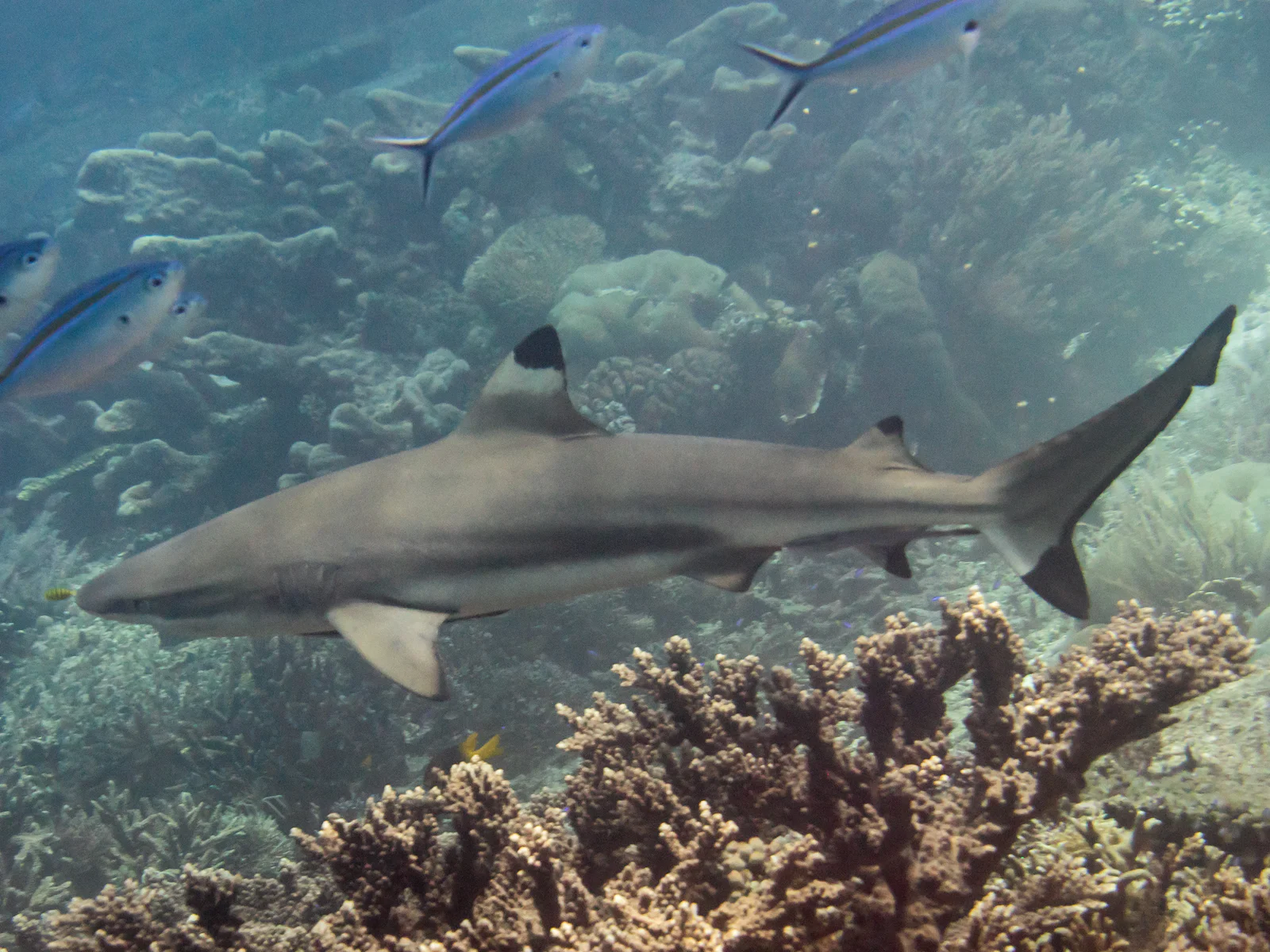
Reef Shark (assorted)
Carcharhinidae spp. (reef sharks)
Dokumentiertes Vorkommen am Tauchplatz
Quelle geprüft am 2026-11-06 · Quelle: Duikersgids.nl · Beobachtungsdatum nicht dokumentiert
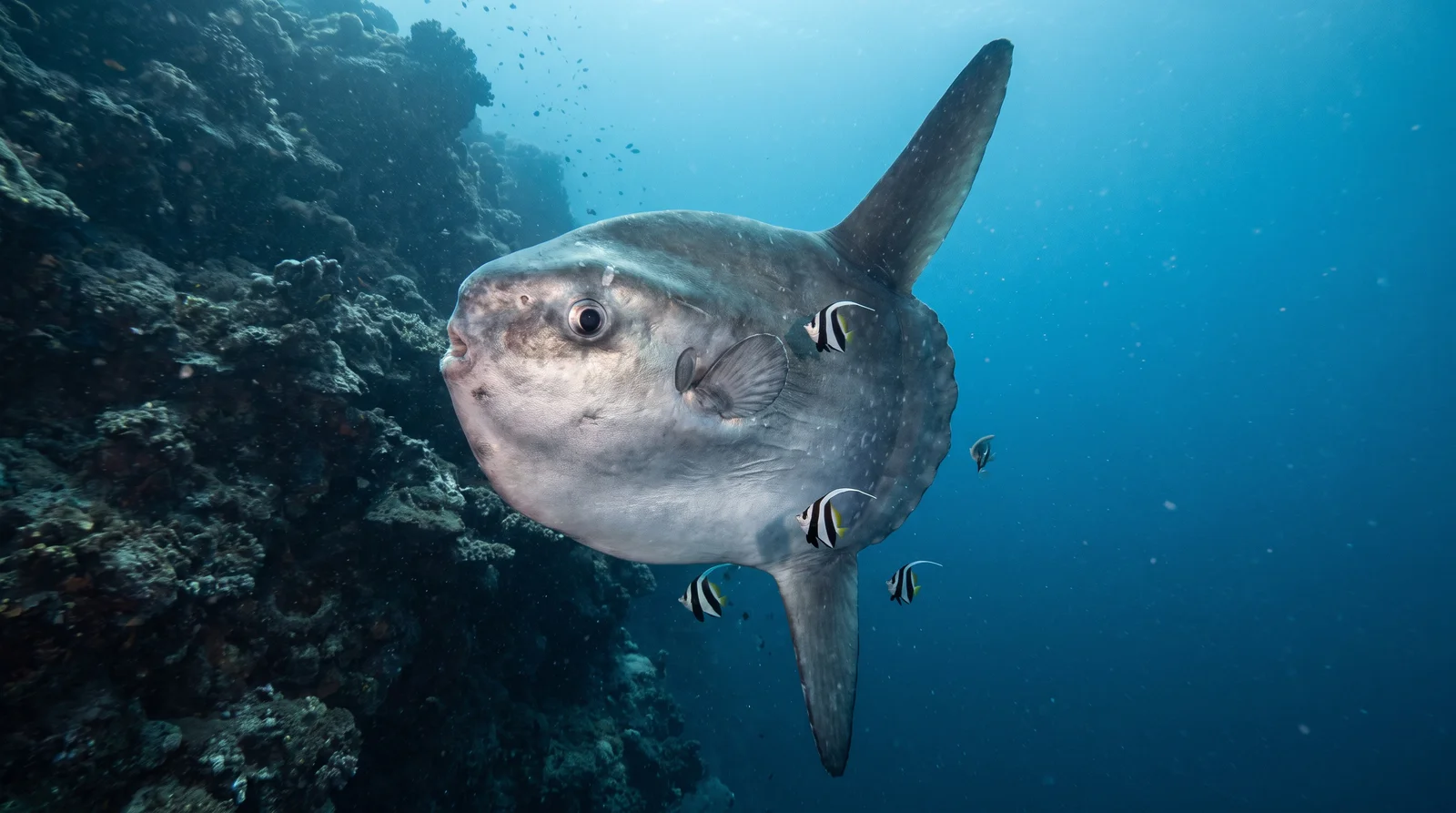
Ocean Sunfish (Mola mola)
Mola mola
Dokumentiertes Vorkommen am Tauchplatz
Quelle geprüft am 2026-11-06 · Quelle: Duikersgids.nl · Beobachtungsdatum nicht dokumentiert
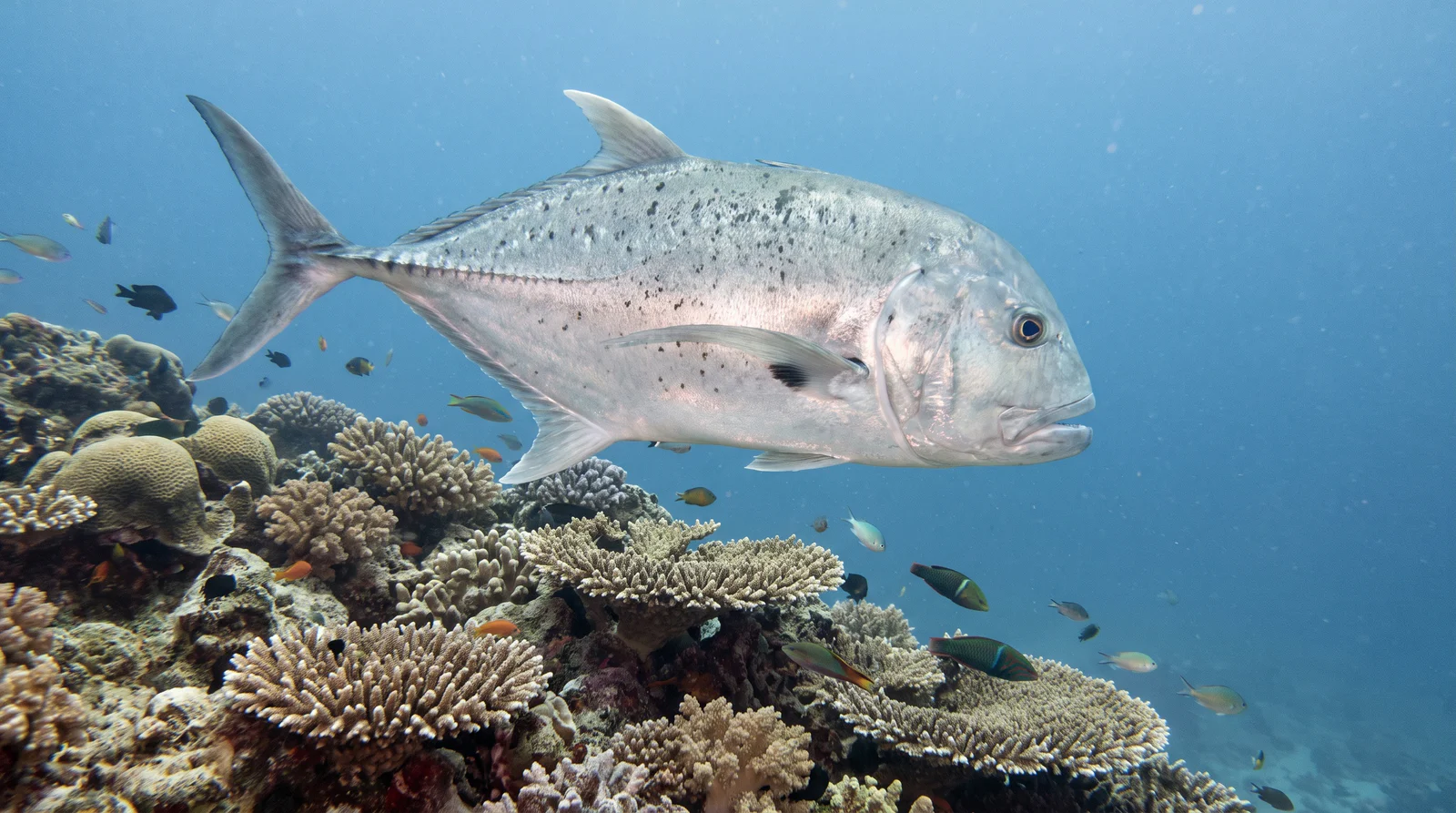
Giant Trevally
Caranx ignobilis
Dokumentiertes Vorkommen am Tauchplatz
Quelle geprüft am 2026-11-06 · Quelle: nusapenida.org · Beobachtungsdatum nicht dokumentiert
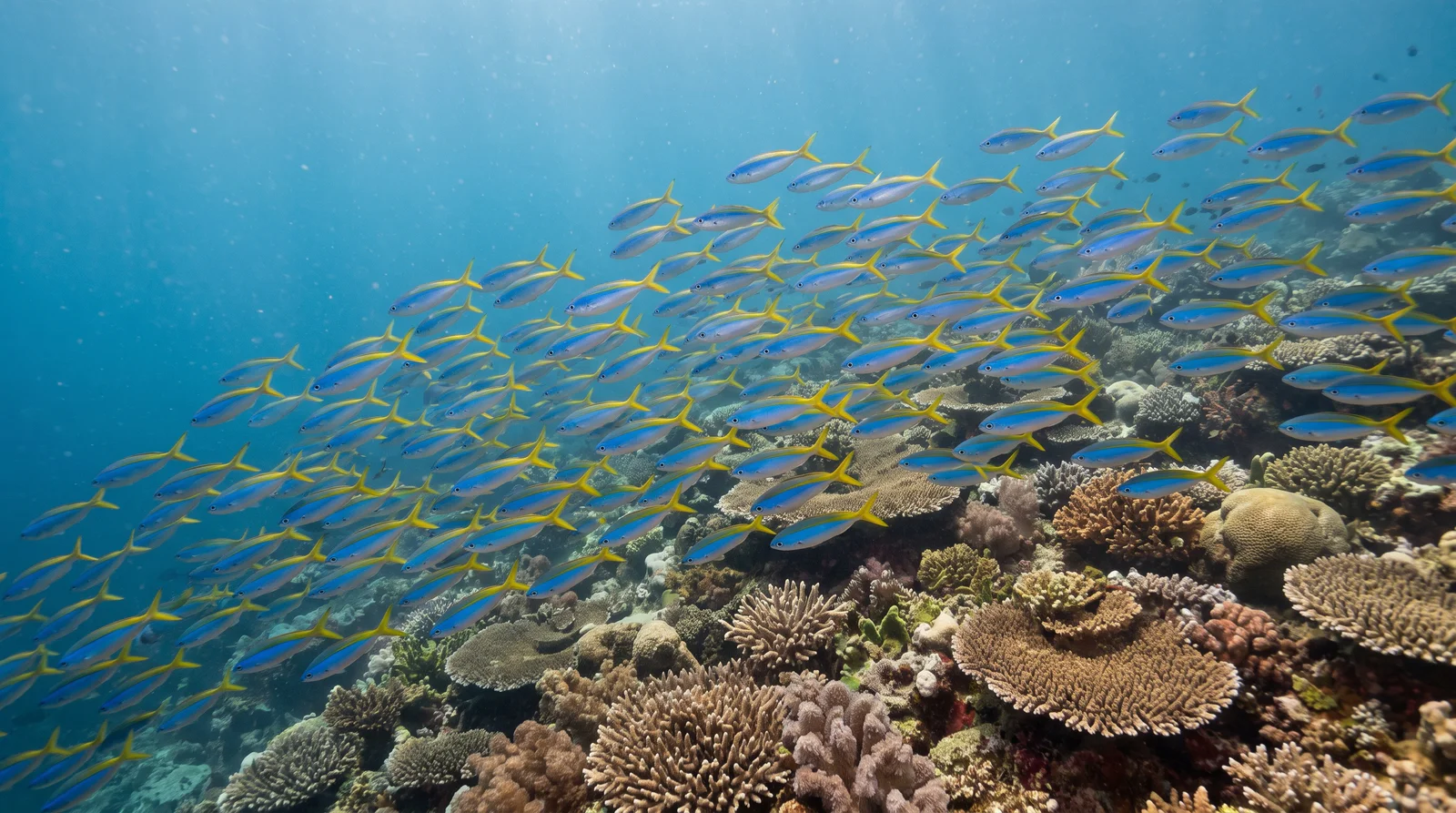
Fusilier (schooling)
Caesio spp.
Dokumentiertes Vorkommen am Tauchplatz
Quelle geprüft am 2026-11-06 · Quelle: nusapenida.org · Beobachtungsdatum nicht dokumentiert
Gefahren & Sicherheit
Beachten Sie diese potenziellen Gefahren an diesem Tauchplatz
Current
Schweregrad: Noch nicht dokumentiertnusapenida.org warns of down-currents that can pull a diver toward the bottom along the wall and of turbulence at the end of the plateau, and advises diving with a local guide; Duikersgids.nl says the current is usually strong and that upwelling can bring water as cold as 21 °C. No strength is set.
Quellen
- Duikersgids.nl
- nusapenida.org
- Two Fish Divers
360°-Unterwasseransicht
Immersive Panoramaansicht dieses Tauchplatzes
360°-Panorama demnächst verfügbar
Immersive Unterwasseransichten werden verfügbar sein, sobald Panoramaaufnahmen hochgeladen wurden
Bewertungen
--
0 reviews
Noch keine Bewertungen. Seien Sie der Erste, der Ihre Erfahrung teilt!
Tiefenprofil
Vertikale Reichweite an diesem Tauchplatz
Minimale Tiefe
5 m
Flachster Punkt
Durchschnittliche Tiefe
23 m
Typische Tauchtiefe
Maximale Tiefe
40 m
Tiefster Punkt
Bleiben Sie auf dem Laufenden
Erhalten Sie Updates zu Tauchplätzen und Tipps per E-Mail.
Hast du Sekolah Dasar betaucht? Lass es zählen.
Füge ihn deinem Logbuch hinzu, teile deine Sichtungen und hilf 0 Tauchern, ihren nächsten Tauchgang zu planen.
Aktuelle Community-Aktivität
War das hilfreich?