Reef · Slope
Tanjung Sari
Zu diesem Namen: No source read gives a point for the dive. Waterworx places it along the cape that separates the Blue Lagoon from Padang Bai harbour, and…
Zuletzt aktualisiert:
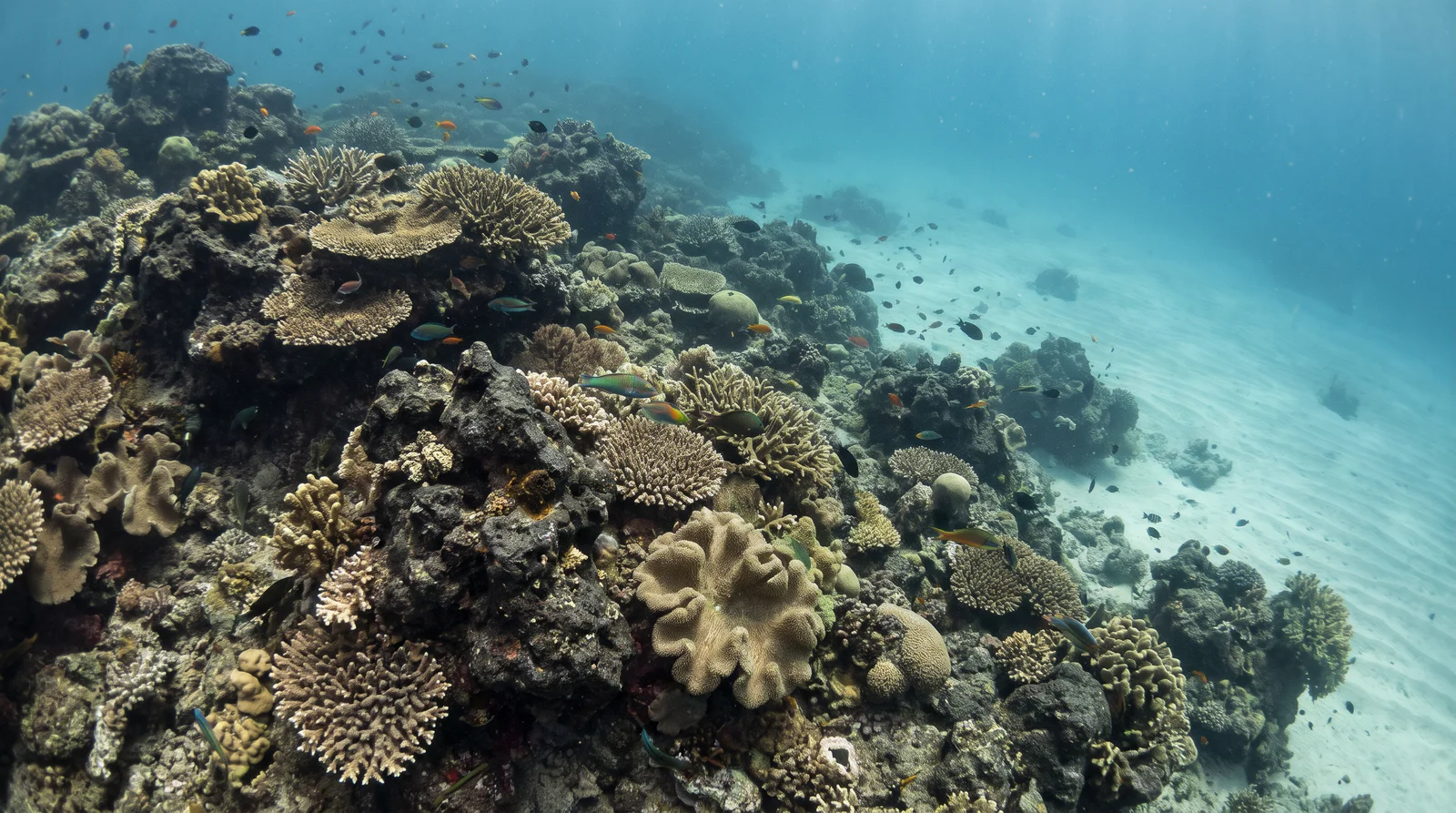
AI-generated illustration of a reef of dark volcanic rock sloping to a sand bottom. It is not a photograph of Tanjung Sari and is not evidence of any animal or condition at the site.
Bildnachweis: AI-generated illustration · Generated for Diveity; no third-party rights · Higgsfield nano_banana_pro image generationAuf einen Blick
- Zertifizierung erforderlich
- Minimale Tiefe
- Beginn der besten Saison
- Ende der besten Saison
- Minimale Sichtweite
- Maximale Sichtweite
- Minimale Wassertemperatur
- Maximale Wassertemperatur
- Zone
Kennen Sie eines davon? Wählen Sie es aus und teilen Sie es uns mit.
Über diesen Tauchplatz
Overview
Tanjung Sari is an exposed reef slope at the south end of Padang Bai's Blue Lagoon, dived by boat to about 30 m by advanced divers; currents can run strong. Waterworx, a Padang Bai dive operator, places the site along the cape between the Blue Lagoon and the harbour, and describes a protruding reef top of volcanic rock that slopes gently to a sandy bottom at about 30 metres. Divezone, which rewrote its page in November 2026, calls it the more exposed edge of the Blue Lagoon area, where rock and coral shelter small life and open water can bring passing schools.
Location
Divezone puts the site on the headland beside the Blue Lagoon, reached by a boat arranged from Padang Bai, and describes it as an adjoining area that some routes combine with the Blue Lagoon, though the bay is more sheltered. OpenStreetMap shows a temple, Pura Tanjung Sari, and a navigation light, the Tanjung Sari beacon, on the cape, the beacon at about -8.5332, 115.5134; both are on land. Divezone's page now carries two points about 700 metres apart. Its map marker, at -8.53609, 115.51153, about 380 metres south-south-west of the beacon, is labelled an approximate site area and not an entry waypoint, while its map link still opens -8.53005, 115.5136, the point it also uses for Blue Lagoon. Neither marks the dive, so the record is left without a map point.
How the site is dived
Because of where the reef lies, Waterworx says, it is more exposed to the tidal current; once divers reach the shallows they return to the Blue Lagoon through a maze of rocky channels that shelter them from it. Divezone says the local team judges conditions before choosing a route, that the operator may pick another site when the current or the group's experience calls for it, and that entry, exit and pickup are agreed with the dive team.
Depth
Waterworx gives about 30 metres at the foot of the slope, and this record uses 30 metres as the maximum depth. Divezone's own figure, a shallow reef to approximately 30 m, is credited on its page to Waterworx, so the depth rests on one source. Because the reef starts shallow, the 10 to 25 metre band in Divezone's rating box is not used as a depth range. In a reader comment posted on Divezone in 2012 and signed for Geko Dive, Cedric Saveuse says most whitetip reef shark sightings happen around 17 metres. No source gives a minimum depth.
Conditions
The sources disagree on the current, so this record marks it disputed and gives no value. Divezone's rating box says medium, while its text calls the headland exposed and says its position can bring significant current. Cedric Saveuse wrote in 2012 that a strong current here draws pelagic fish and that the site cannot always be dived, even by experienced divers. Divezone's box rates the visibility as 20 metres and more, but that box reads the same on eight of the nine Padang Bai sites this department holds, so it is not taken as a figure for Tanjung Sari, and no other source gives one. Divezone lists it as diveable all year long. No source gives a water temperature.
Who it suits
This record gives advanced as the difficulty, resting on Cedric Saveuse's 2012 comment, which calls Tanjung Sari a difficult dive site with strong currents. Divezone's rewritten text points the same way: it says this is not an automatically easy dive and that experience with current is valuable. The sentence on its earlier page, read on 10 November 2026, that called it an easy dive site is gone. Divezone's "Advanced Divers" level box reads the same on every Padang Bai page this department holds, so this record treats it as a page default rather than a rating for Tanjung Sari. No source gives a required certification.
Marine life
Waterworx says the current brings in large numbers of schooling fish and gives a good chance of reef sharks patrolling for food. It names eagle rays, Napoleons and tunas as regular visitors, the Mola mola in season, moray eels, lobster and octopus sheltering in the rock and coral, and wobbegongs (carpet sharks) in the cooler water of the dry season, from May to September. Cedric Saveuse wrote in 2012 that one family of up to 12 whitetip reef sharks seemed to stay at the site, moving between it and the Ferry Channel sites. He also names nurse sharks, wobbegongs, more often from July to November, schools of jackfish, surgeonfish, batfish and tunas, green turtles, leaf scorpionfish, nudibranchs, pygmy seahorses and orangutan crabs. Divezone now presents his account as historical and says it cannot show that the same animals are there today. Divezone also recommends the site for night diving and for sharks, and its list of fish you may spot, which does not say who compiled it, includes barracuda, cuttlefish, garden eels, ribbon eels, stonefish and sweetlips. None of these sources counts how often any animal is seen.
Name
Waterworx lists the site as Blue Lagoon - Tanjung Sari, among its Blue Lagoon dives. Divezone gives Tanjung Sari a page of its own, and a 2019 article on the PADI Blog names it among the locals' favourite dive sites around Candidasa and Padang Bai. This record is the reef along the cape; the Blue Lagoon record covers the bay. Cedric Saveuse's comment says the site is also known as Shark Point or Citizen Point, and Divezone now repeats both names from that comment. PADI uses Shark Point for Gili Tepekong and Waterworx uses it for Gili Mimpang, and no independent second source gives Citizen Point, so neither name is an alias here.
Sources and lineage
Waterworx describes the site in its own words, and its page read on 23 November 2026 is the same as on 10 November. Divezone's page says it was checked on 17 November 2026 and credits Livingseas for the headland and exposure, Waterworx for terrain and depth, Paradise Diving Bali for the current and trevally, and the 2012 comment; this department has not read Livingseas or Paradise Diving Bali, and nothing here rests on them. Cedric Saveuse's comment is dated 7 December 2012 and signed for Geko Dive. The PADI Blog piece is by Brooke McConnell, is dated 10 December 2019 and cites nothing for its facts. The positions of the beacon and the temple come from OpenStreetMap.
Gefahren & Sicherheit
Beachten Sie diese potenziellen Gefahren an diesem Tauchplatz
Current
Schweregrad: Noch nicht dokumentiertWaterworx says the reef is more exposed to the current caused by tidal movement. Cedric Saveuse, in a 2012 reader comment on Divezone, says strong currents can be found here and that the site is not always possible to dive even for experienced divers. Divezone rates the current medium. No source gives a strength in numbers or a timing.
Quellen
- Divezone
- Geko Dive (Cedric Saveuse, reader comment on Divezone, 2012)
- PADI Blog
- Waterworx
Bewertungen
Noch keine Bewertungen. Seien Sie der Erste, der Ihre Erfahrung teilt!
Auf dieser Seite
Meereslebewesen
19 Arten an diesem Tauchplatz registriert
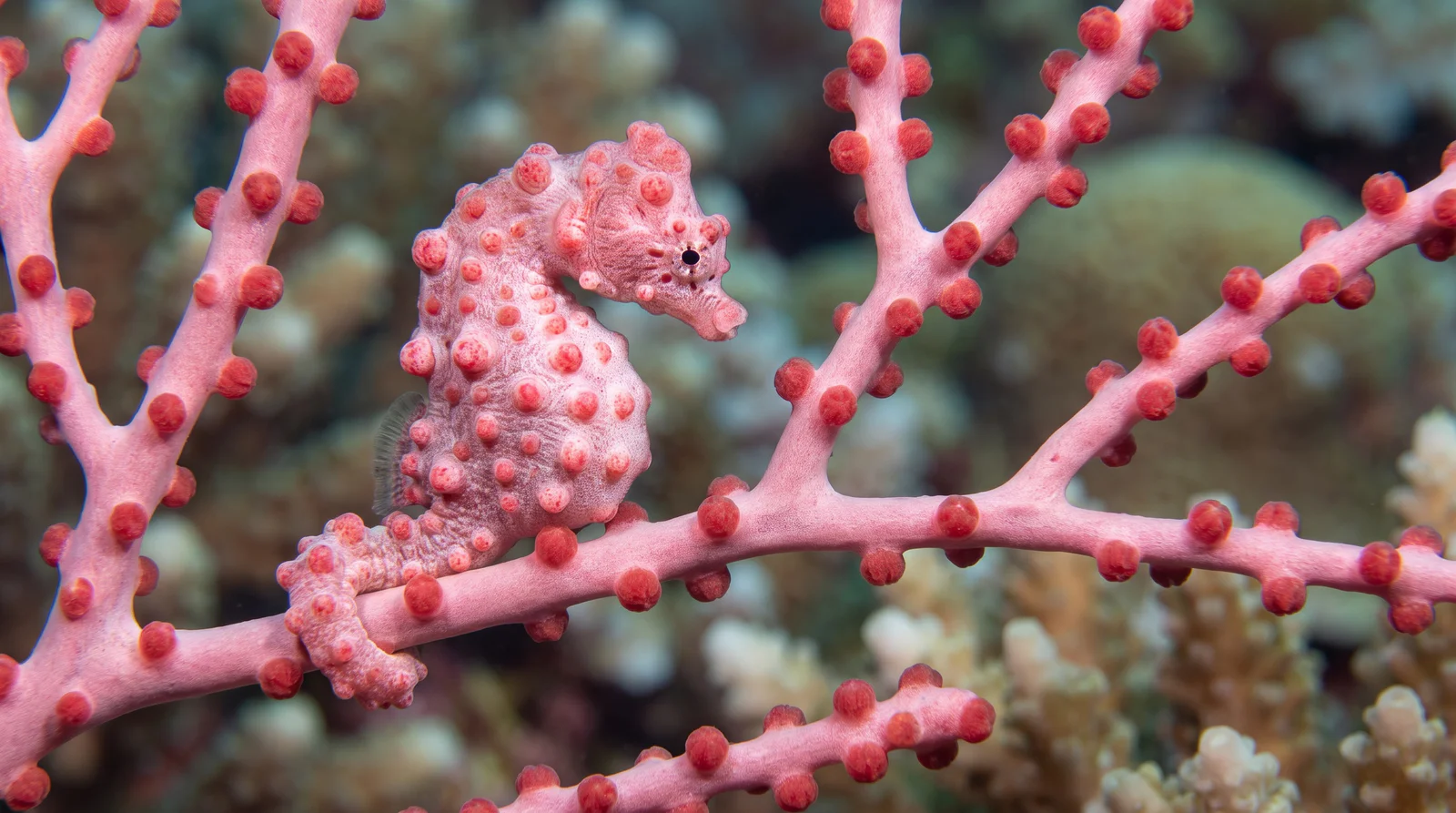
Pygmy Seahorse
Hippocampus bargibanti
Dokumentiertes Vorkommen am Tauchplatz
Quelle geprüft am 2026-11-11 · Quelle: Geko Dive (Cedric Saveuse, reader comment on Divezone, 2012) · Beobachtungsdatum nicht dokumentiert
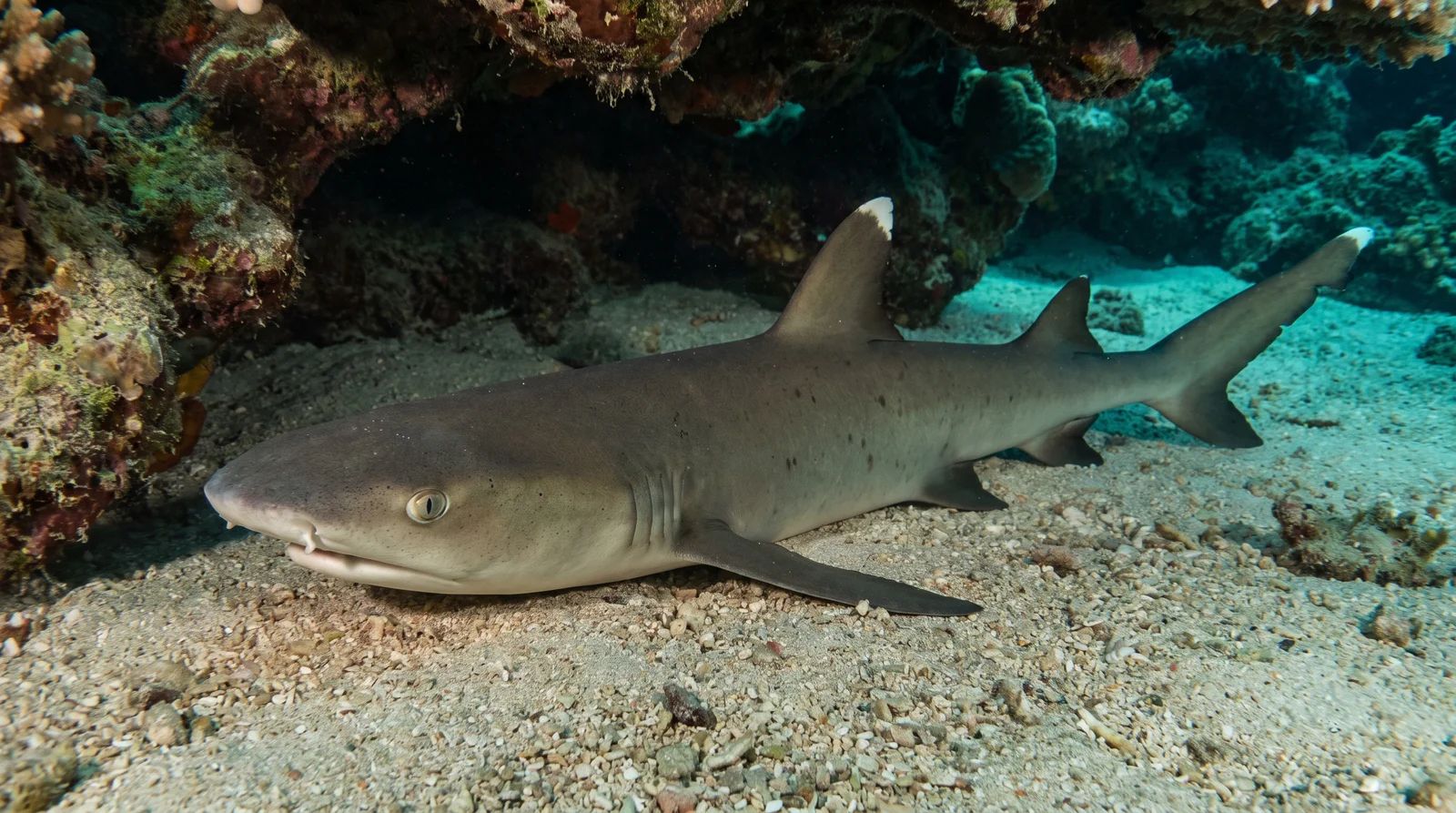
Whitetip Reef Shark
Triaenodon obesus
Dokumentiertes Vorkommen am Tauchplatz
Quelle geprüft am 2026-11-11 · Quellen: Divezone und Geko Dive (Cedric Saveuse, reader comment on Divezone, 2012) · Beobachtungsdatum nicht dokumentiert
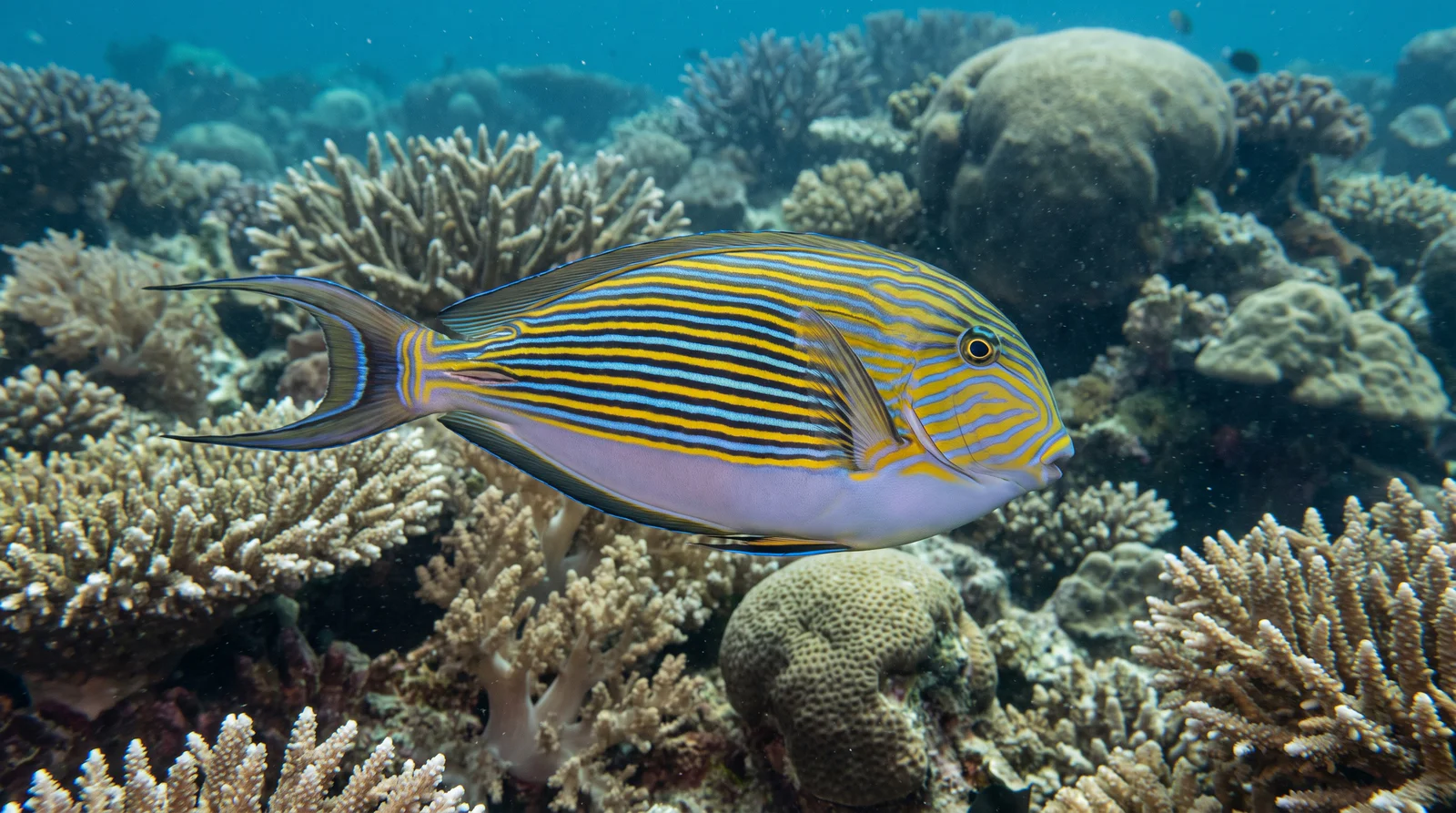
Surgeonfish (assorted)
Acanthuridae spp.
Dokumentiertes Vorkommen am Tauchplatz
Quelle geprüft am 2026-11-11 · Quelle: Geko Dive (Cedric Saveuse, reader comment on Divezone, 2012) · Beobachtungsdatum nicht dokumentiert
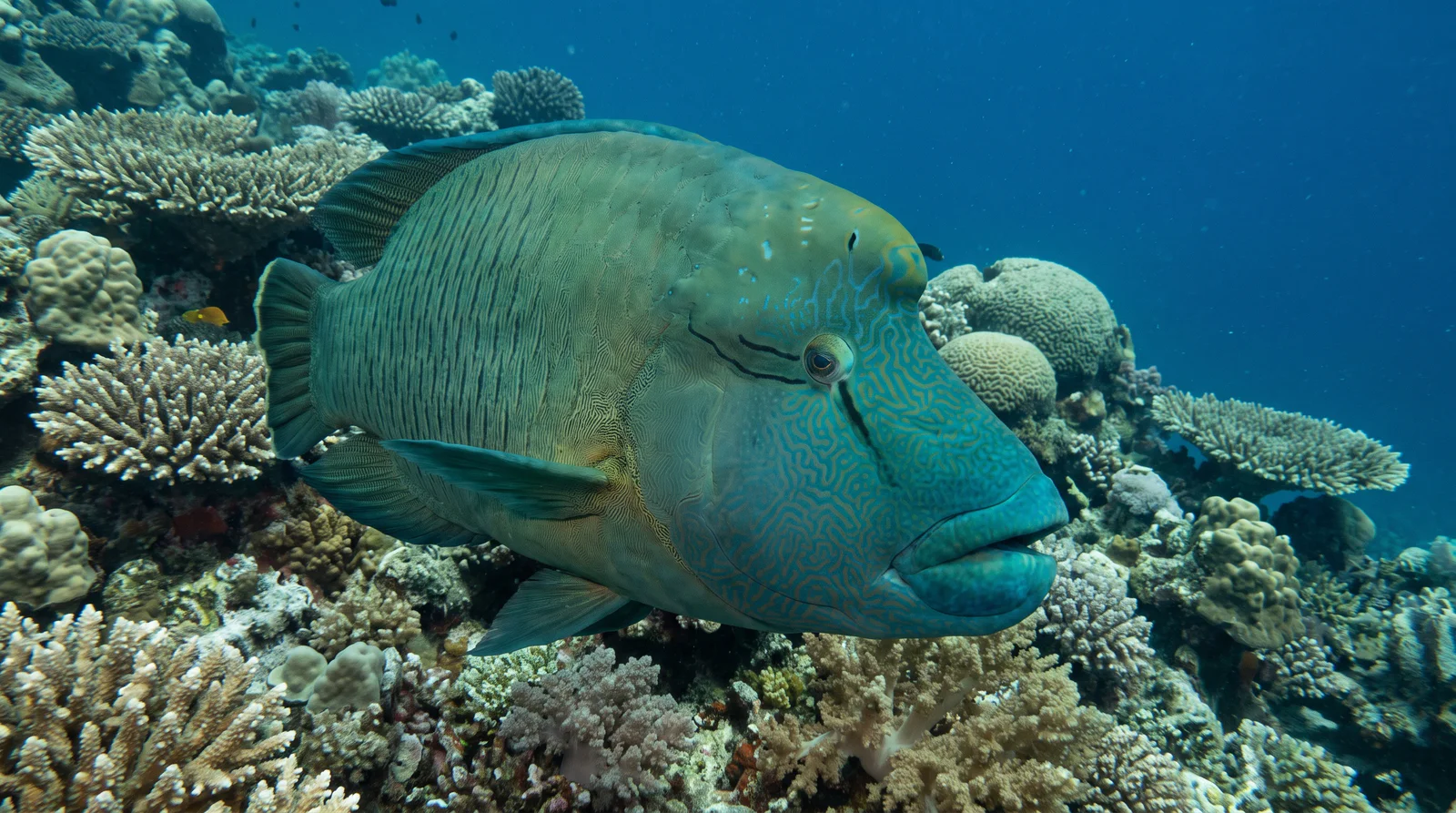
Humphead Wrasse (Napoleon)
Cheilinus undulatus
Dokumentiertes Vorkommen am Tauchplatz
Quelle geprüft am 2026-11-11 · Quelle: Waterworx · Beobachtungsdatum nicht dokumentiert
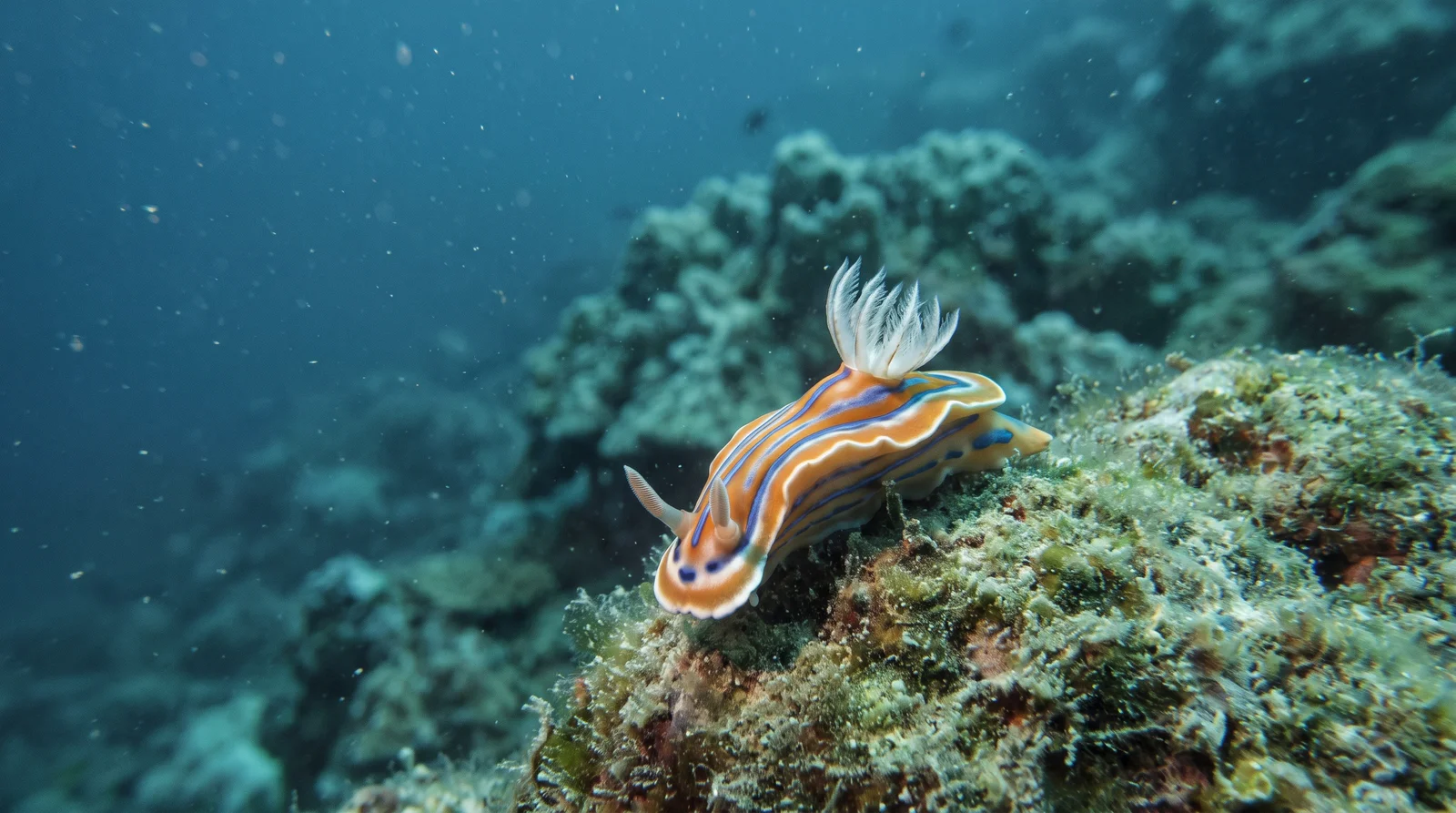
Nudibranch (assorted)
Nudibranchia spp.
Dokumentiertes Vorkommen am Tauchplatz
Quelle geprüft am 2026-11-11 · Quelle: Geko Dive (Cedric Saveuse, reader comment on Divezone, 2012) · Beobachtungsdatum nicht dokumentiert
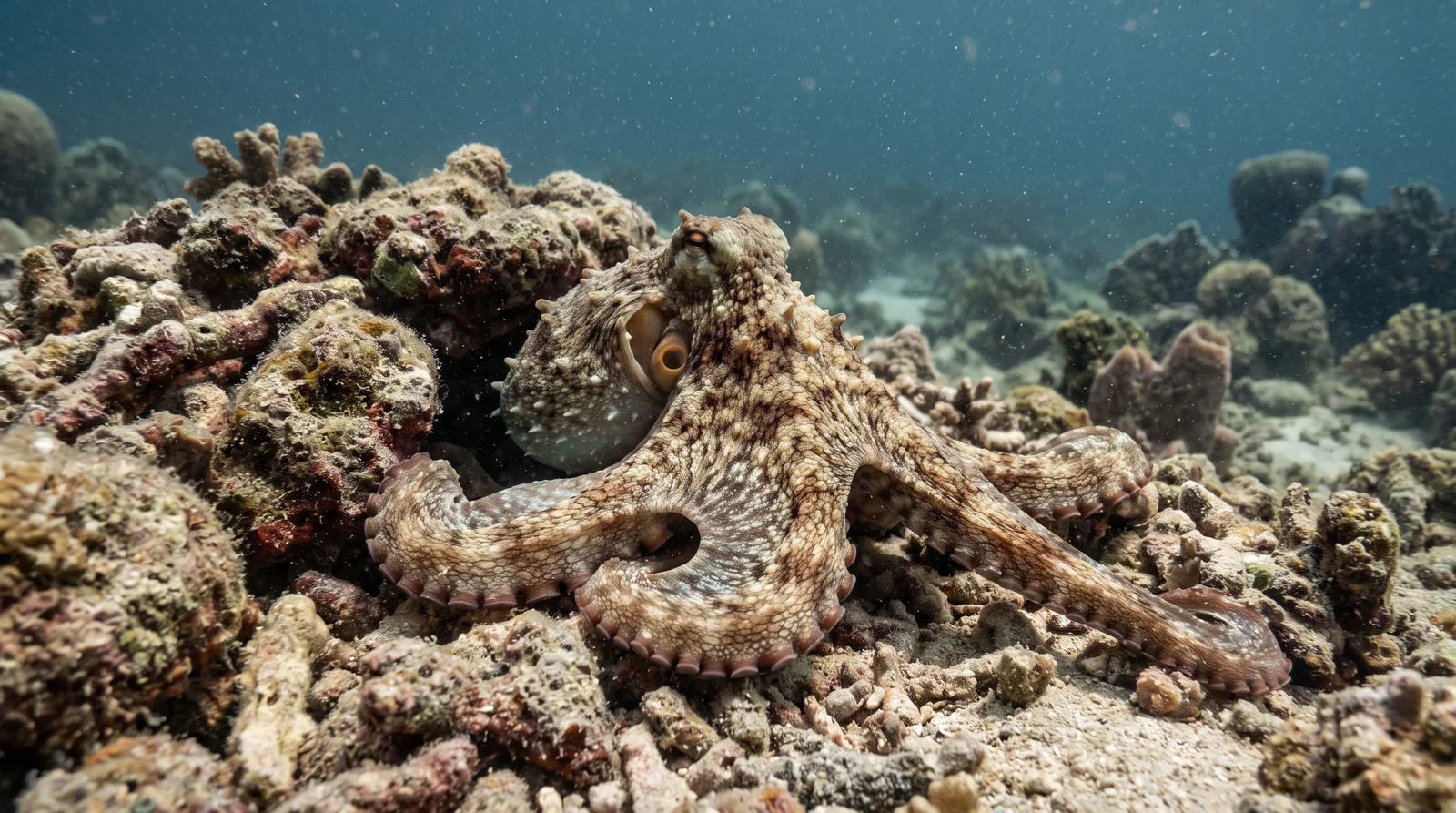
Octopus (assorted)
Octopodidae spp.
Dokumentiertes Vorkommen am Tauchplatz
Quelle geprüft am 2026-11-11 · Quelle: Waterworx · Beobachtungsdatum nicht dokumentiert
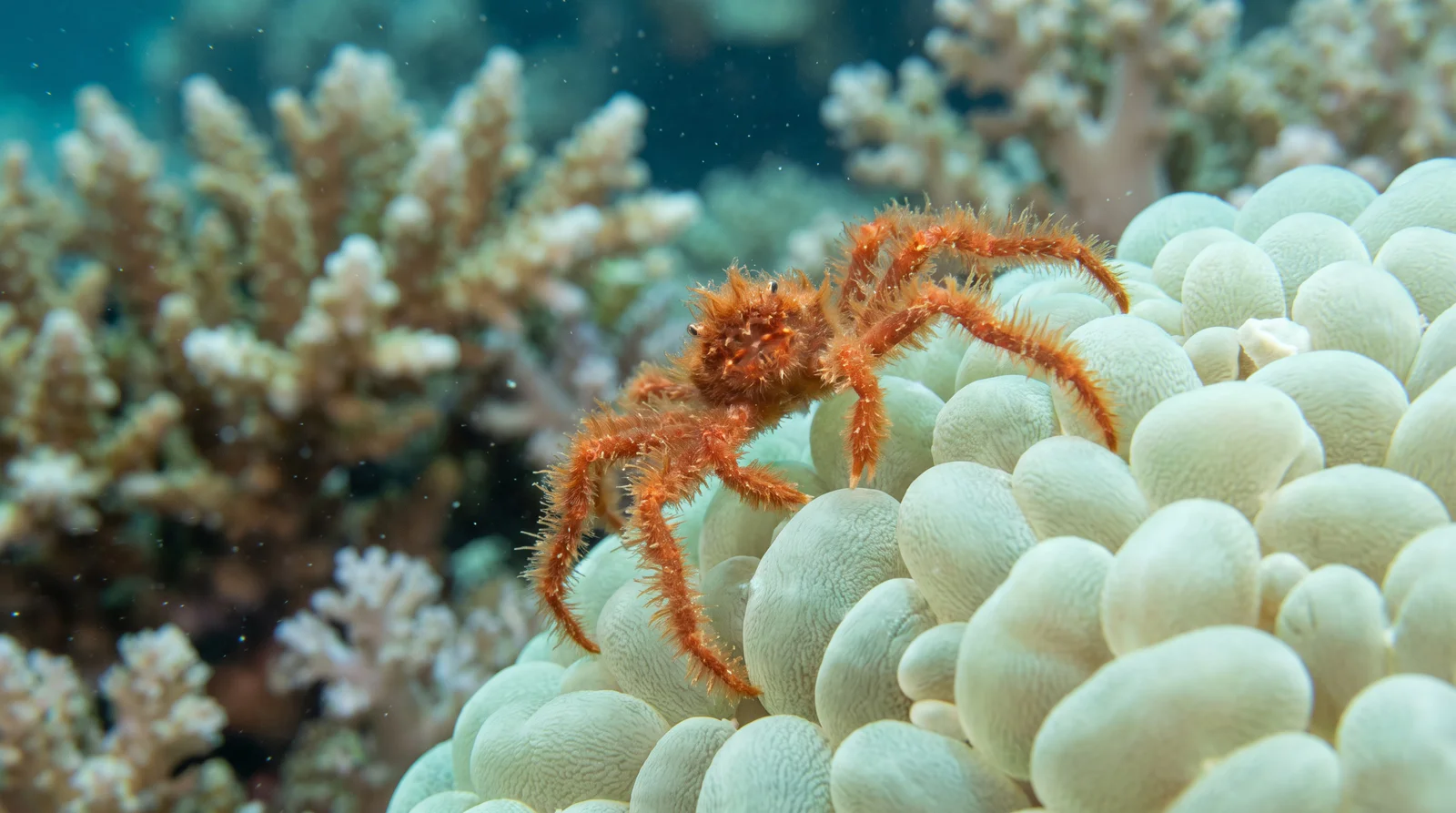
Orangutan Crab
Achaeus japonicus
Dokumentiertes Vorkommen am Tauchplatz
Quelle geprüft am 2026-11-11 · Quelle: Geko Dive (Cedric Saveuse, reader comment on Divezone, 2012) · Beobachtungsdatum nicht dokumentiert
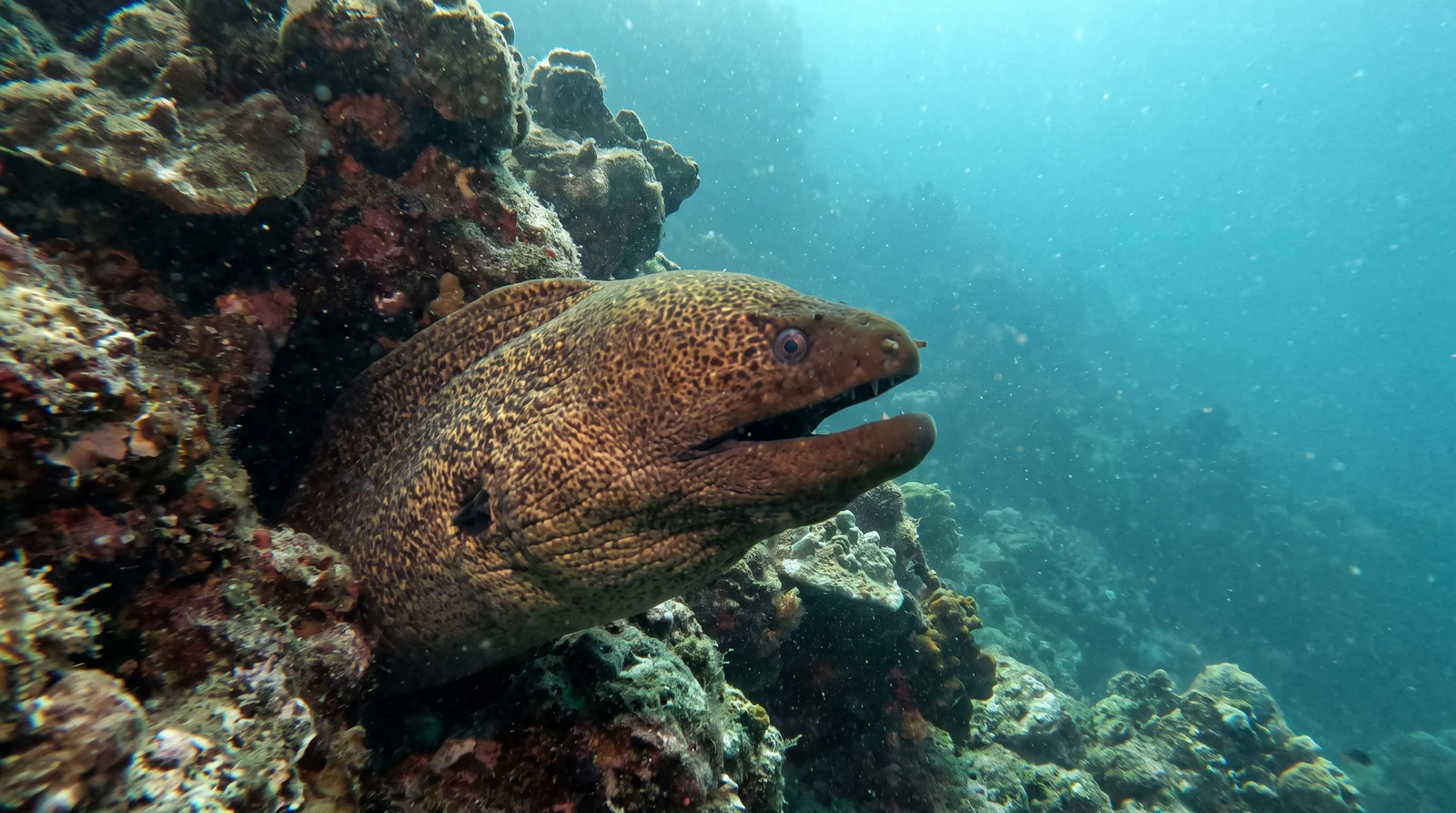
Moray Eel (assorted)
Muraenidae spp.
Dokumentiertes Vorkommen am Tauchplatz
Quelle geprüft am 2026-11-11 · Quelle: Waterworx · Beobachtungsdatum nicht dokumentiert
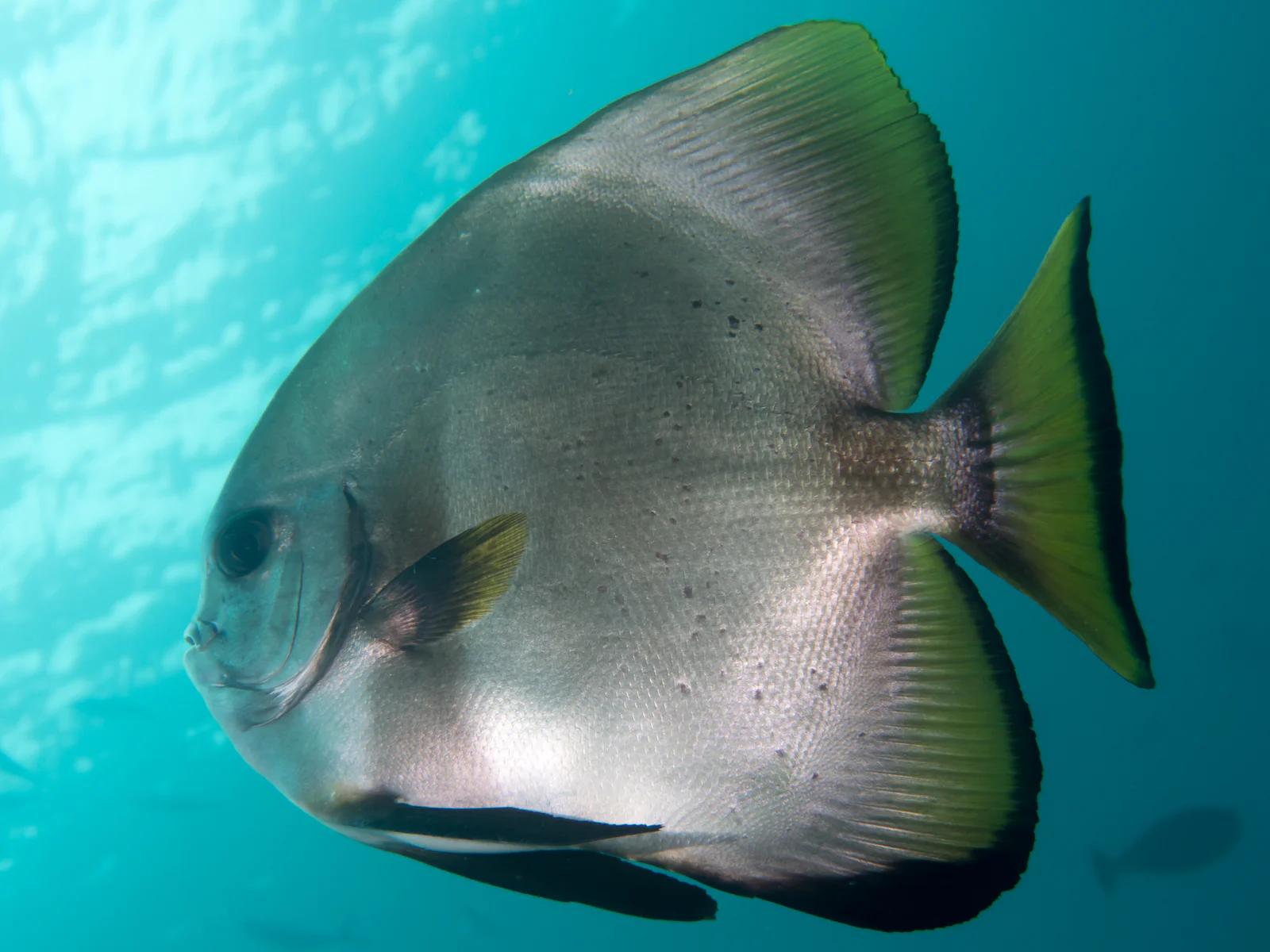
Batfish (assorted)
Platax spp.
Dokumentiertes Vorkommen am Tauchplatz
Quelle geprüft am 2026-11-11 · Quelle: Geko Dive (Cedric Saveuse, reader comment on Divezone, 2012) · Beobachtungsdatum nicht dokumentiert
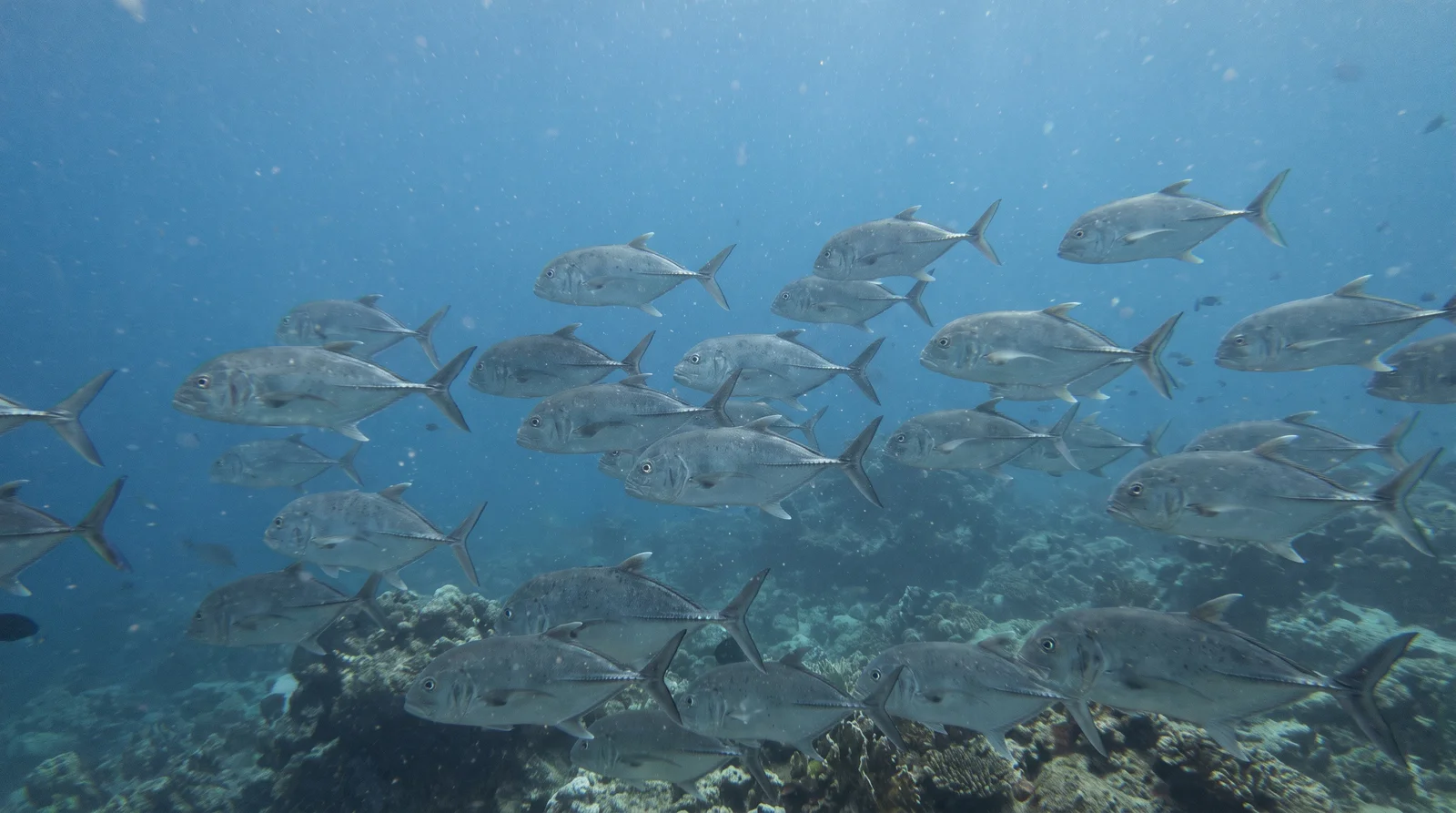
Trevally / Jack (assorted)
Carangidae spp.
Dokumentiertes Vorkommen am Tauchplatz
Quelle geprüft am 2026-11-11 · Quelle: Geko Dive (Cedric Saveuse, reader comment on Divezone, 2012) · Beobachtungsdatum nicht dokumentiert
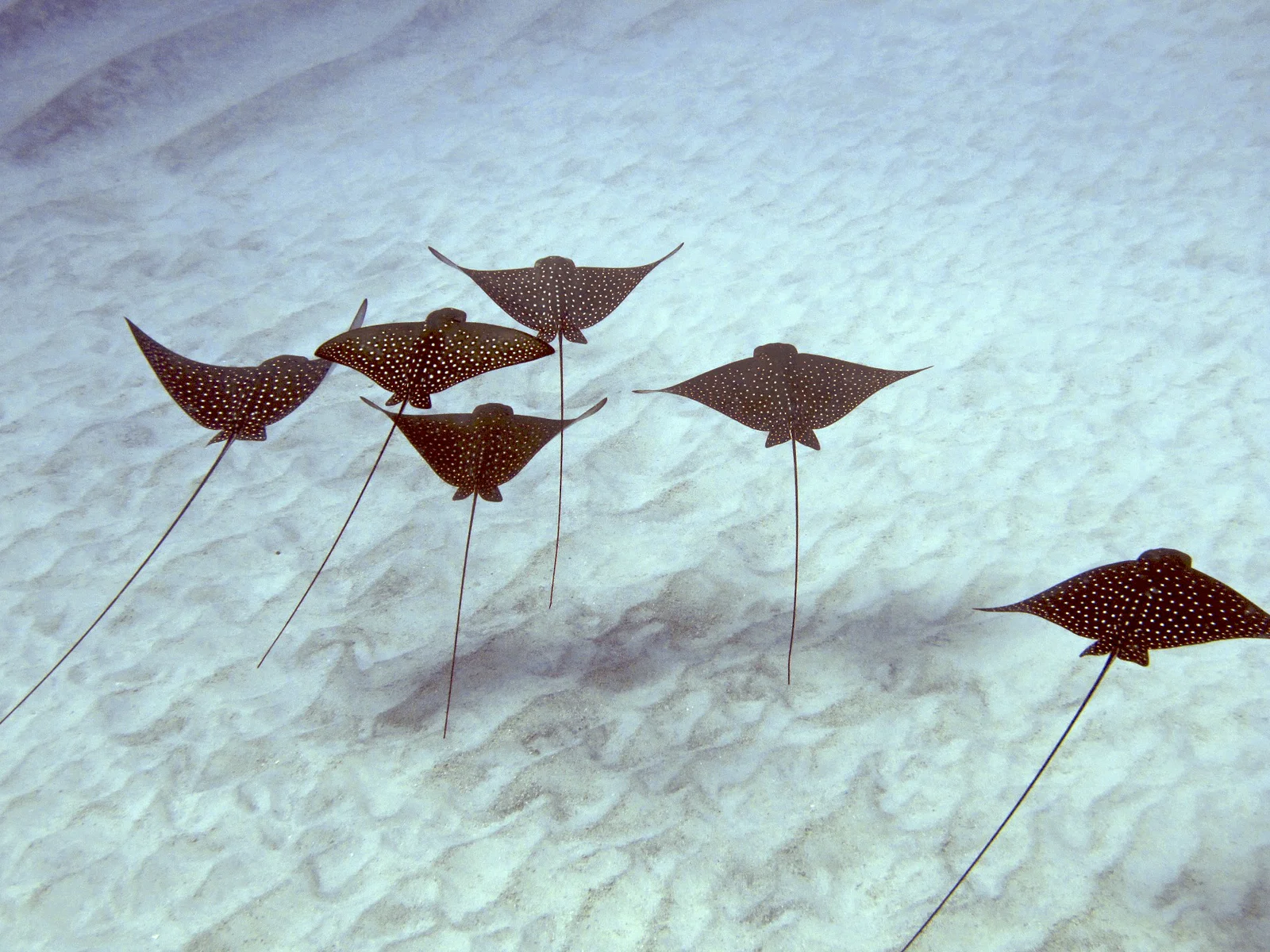
Eagle Ray (assorted)
Aetobatidae and Myliobatidae spp.
Dokumentiertes Vorkommen am Tauchplatz
Quelle geprüft am 2026-11-11 · Quelle: Waterworx · Beobachtungsdatum nicht dokumentiert
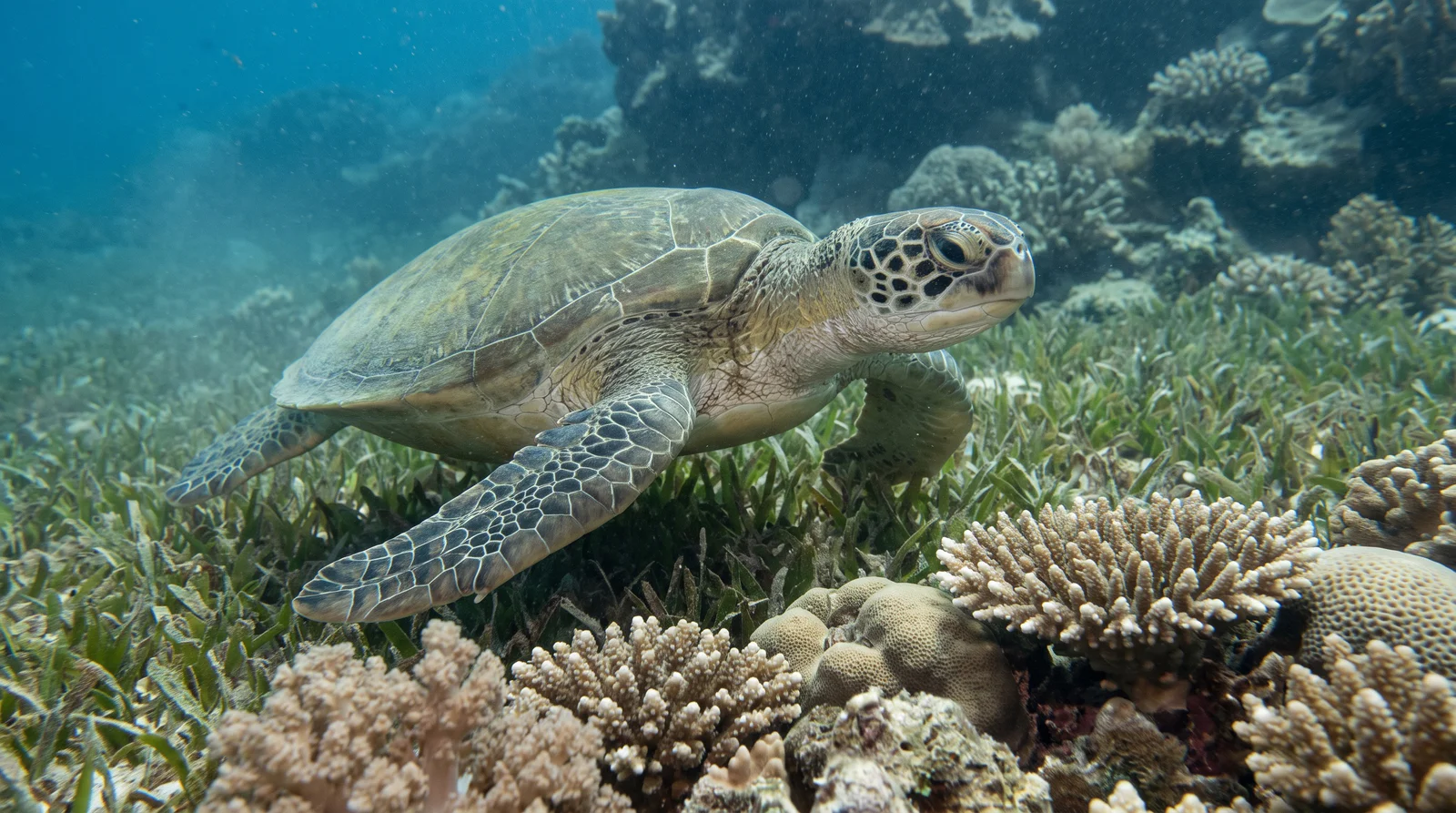
Green Sea Turtle
Chelonia mydas
Dokumentiertes Vorkommen am Tauchplatz
Quelle geprüft am 2026-11-11 · Quelle: Geko Dive (Cedric Saveuse, reader comment on Divezone, 2012) · Beobachtungsdatum nicht dokumentiert
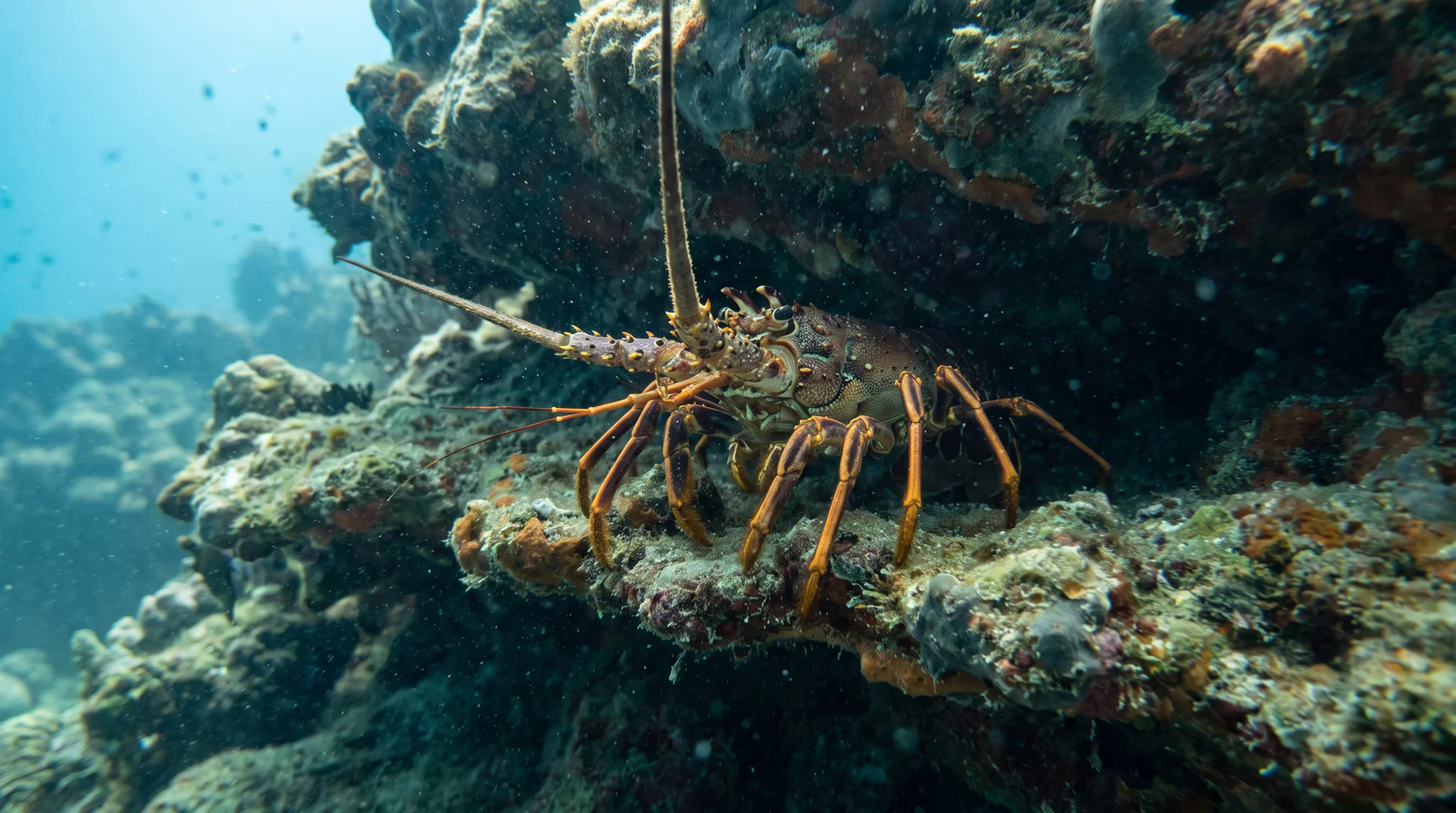
Lobster (assorted)
Palinuridae and Scyllaridae spp.
Dokumentiertes Vorkommen am Tauchplatz
Quelle geprüft am 2026-11-11 · Quelle: Waterworx · Beobachtungsdatum nicht dokumentiert
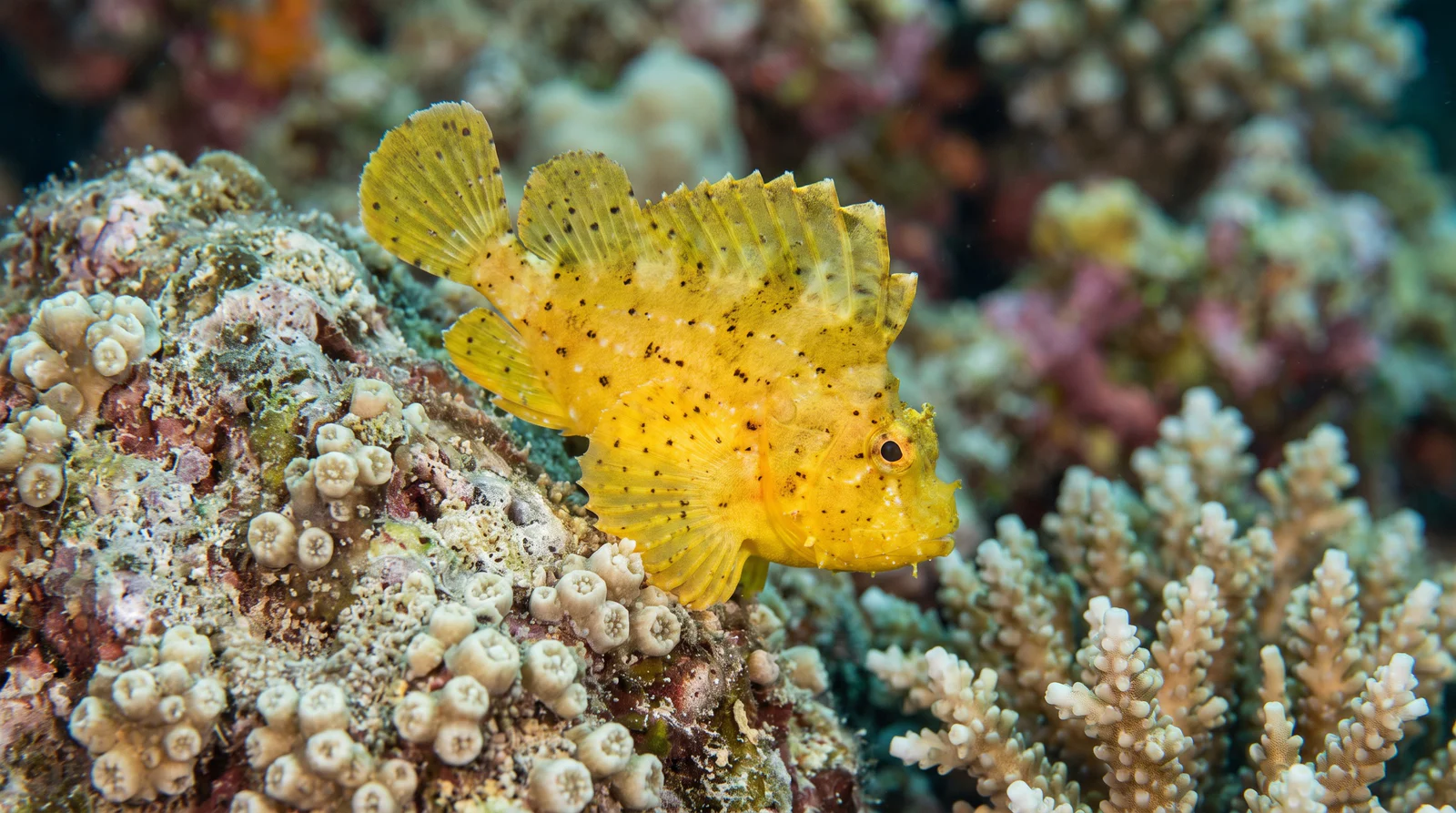
Leaf Scorpionfish
Taenianotus triacanthus
Dokumentiertes Vorkommen am Tauchplatz
Quelle geprüft am 2026-11-11 · Quelle: Geko Dive (Cedric Saveuse, reader comment on Divezone, 2012) · Beobachtungsdatum nicht dokumentiert
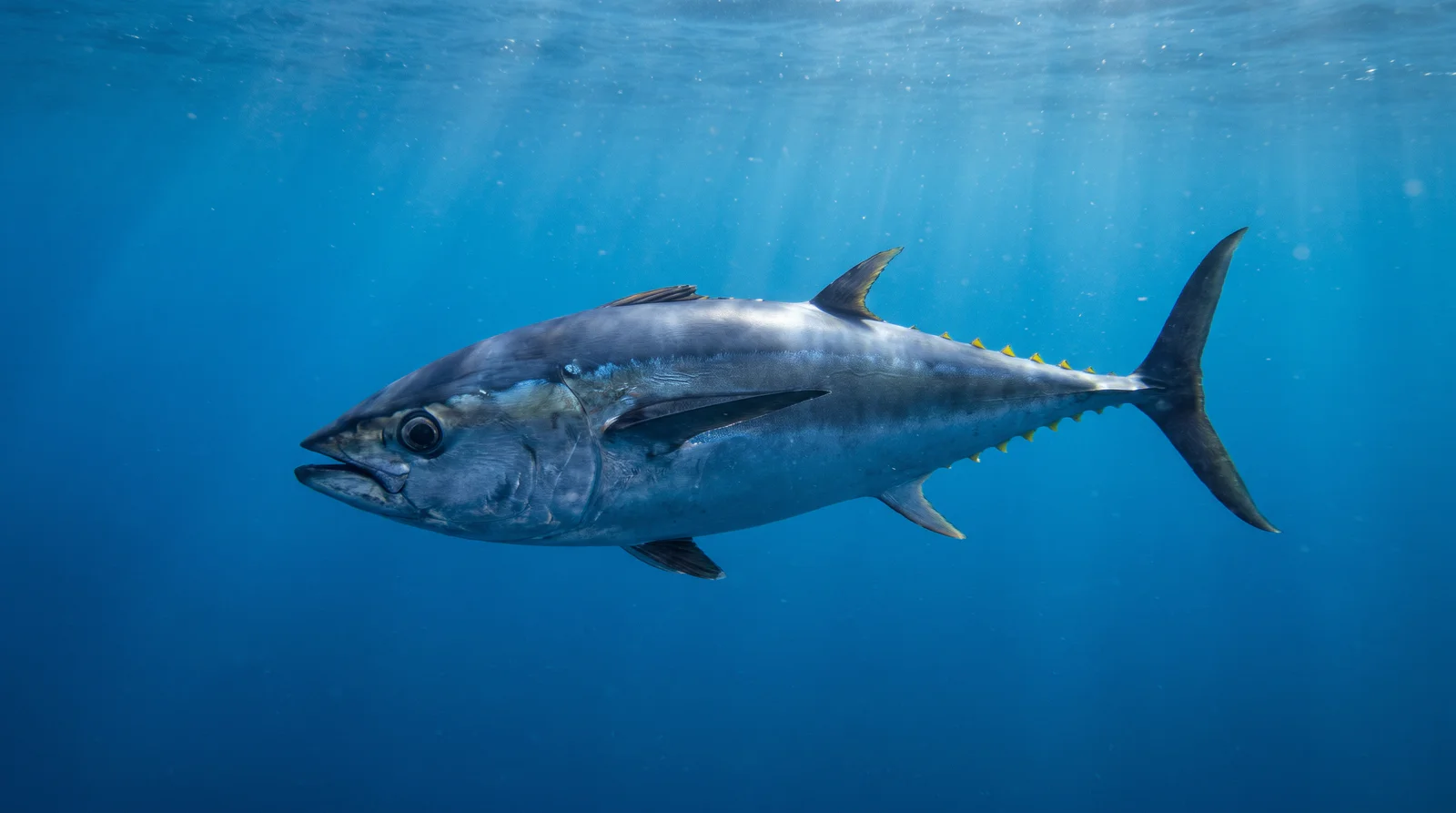
Tuna (assorted)
Thunnini spp.
Dokumentiertes Vorkommen am Tauchplatz
Quelle geprüft am 2026-11-11 · Quellen: Geko Dive (Cedric Saveuse, reader comment on Divezone, 2012) und Waterworx · Beobachtungsdatum nicht dokumentiert
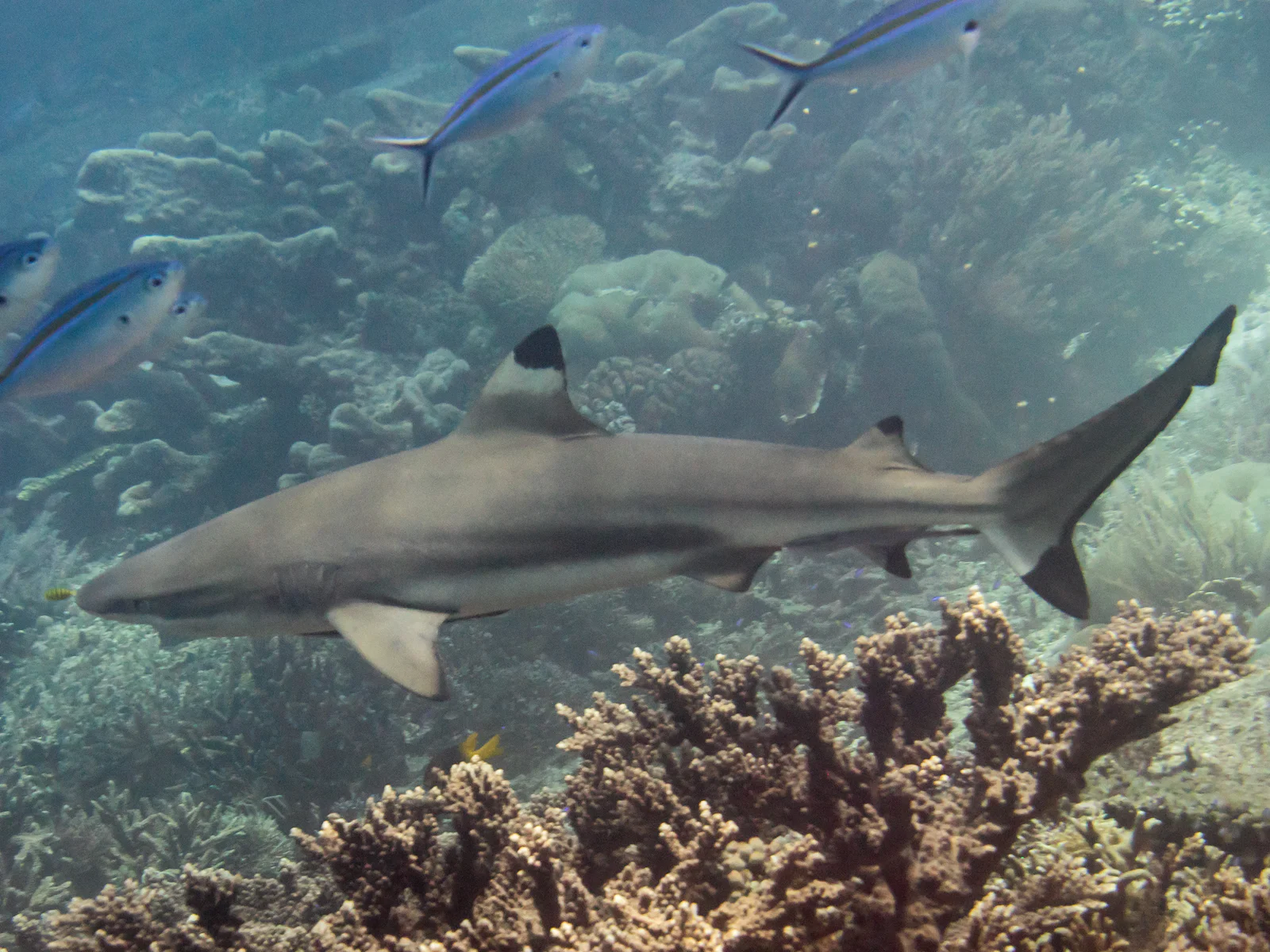
Reef Shark (assorted)
Carcharhinidae spp. (reef sharks)
Dokumentiertes Vorkommen am Tauchplatz
Quelle geprüft am 2026-11-11 · Quelle: Waterworx · Beobachtungsdatum nicht dokumentiert
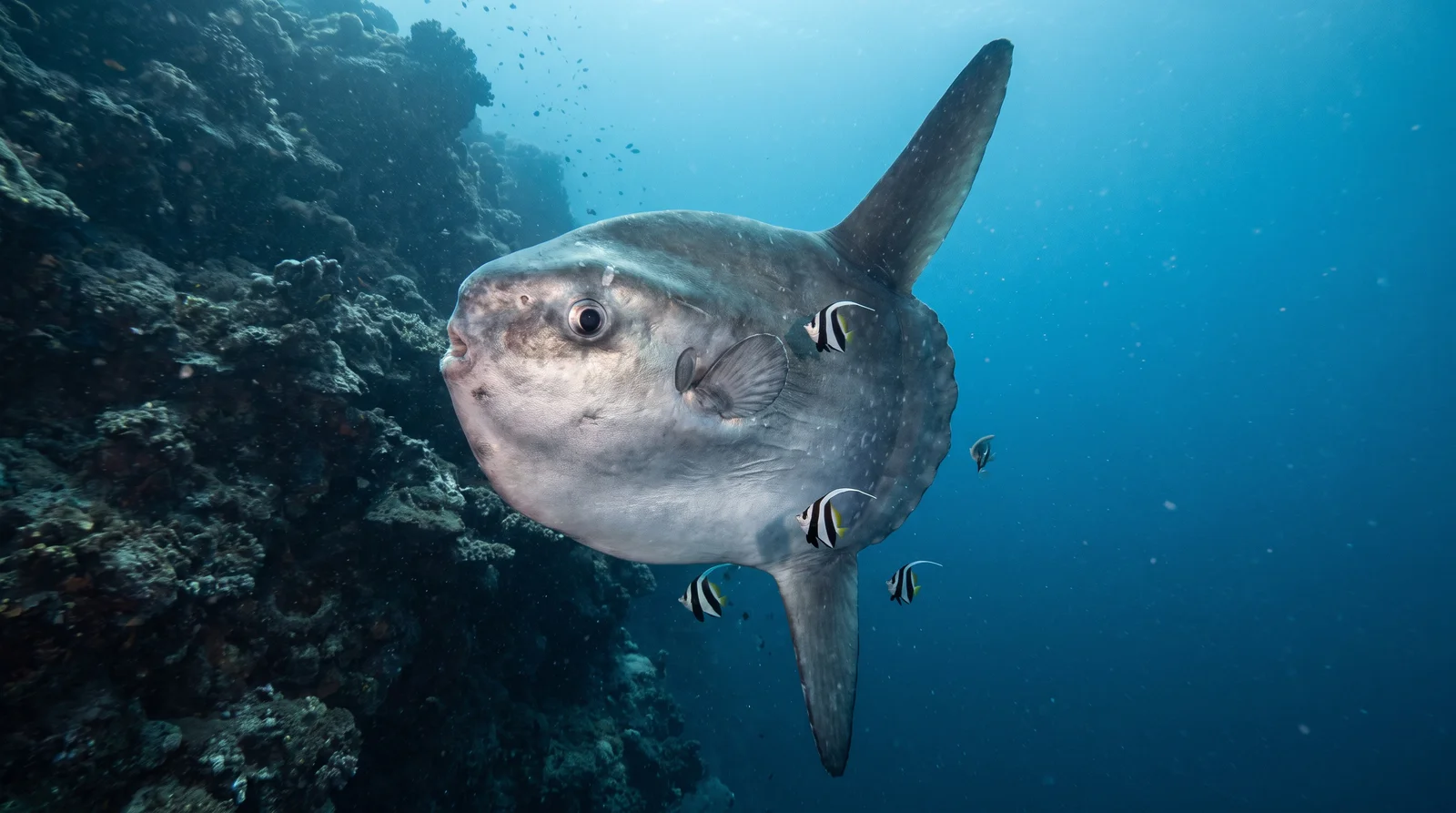
Ocean Sunfish (Mola mola)
Mola mola
Dokumentiertes Vorkommen am Tauchplatz
Quelle geprüft am 2026-11-11 · Quelle: Waterworx · Beobachtungsdatum nicht dokumentiert
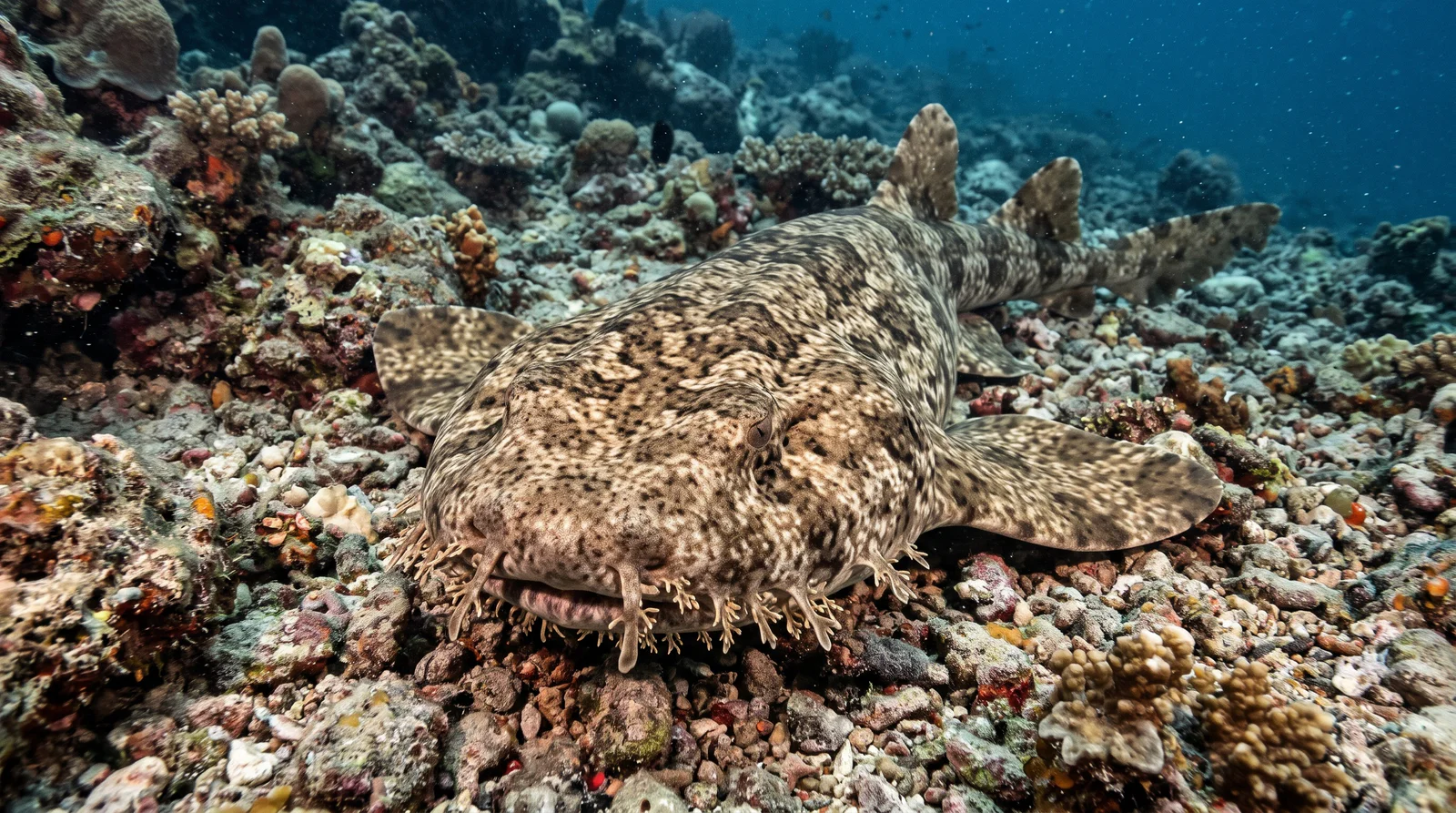
Wobbegong (assorted)
Orectolobidae spp.
Dokumentiertes Vorkommen am Tauchplatz
Quelle geprüft am 2026-11-11 · Quellen: Geko Dive (Cedric Saveuse, reader comment on Divezone, 2012) und Waterworx · Beobachtungsdatum nicht dokumentiert
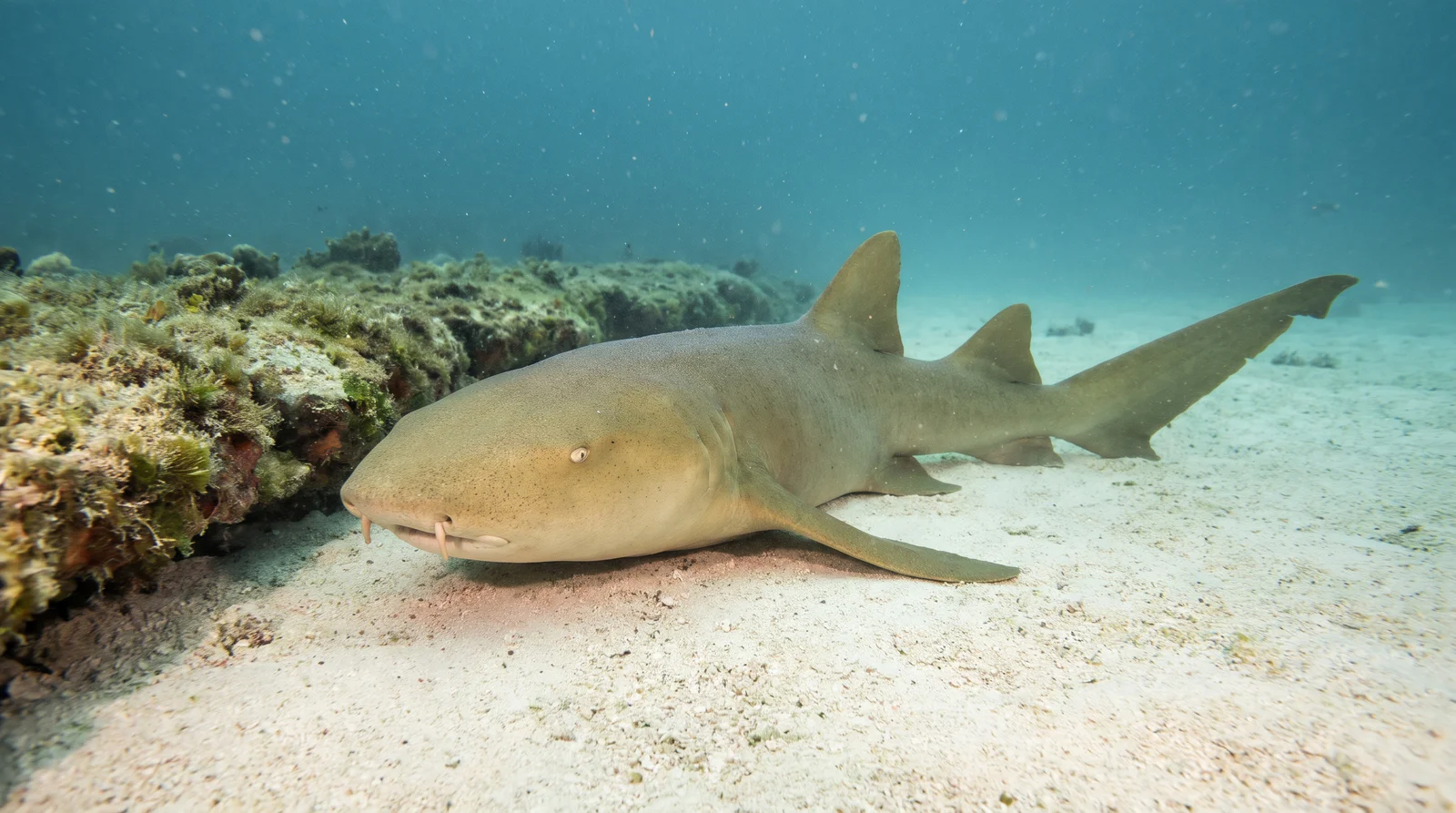
Nurse Shark (assorted)
Ginglymostomatidae spp. (nurse sharks)
Dokumentiertes Vorkommen am Tauchplatz
Quelle geprüft am 2026-11-11 · Quelle: Geko Dive (Cedric Saveuse, reader comment on Divezone, 2012) · Beobachtungsdatum nicht dokumentiert
Schon in Tanjung Sari getaucht?
Protokolliere ihn, checke ein oder erzähl anderen Tauchern, was du gesehen hast.
War das hilfreich?
Bleiben Sie auf dem Laufenden
Erhalten Sie Updates zu Tauchplätzen und Tipps per E-Mail.