Coral-garden · Sandy slope · Wreck
Wreck of Kulati
Auch bekannt als: Kulati — Zu diesem Namen: No source states a position for the Wreck of Kulati; the sources place it in a small bay on the east side of Tomia, so this record has no…
Zuletzt aktualisiert:
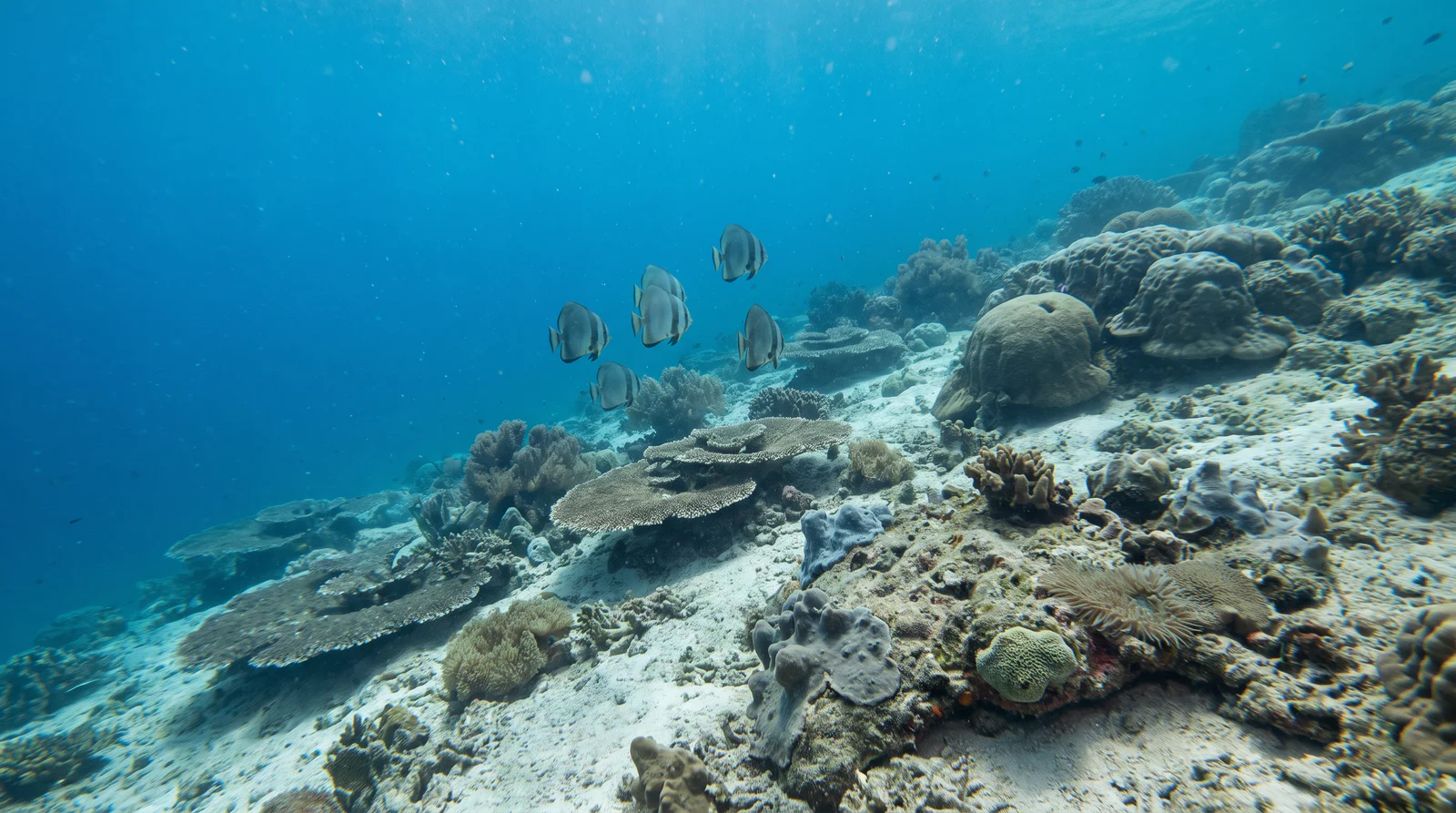
AI-generated illustration of the table and hard corals, sponges, anemone, sandy slope and schooling batfish that sources report at the Wreck of Kulati. It shows no ship and is not the wreck, is not a photograph of the site, and is not evidence of any animal, depth or condition there.
Bildnachweis: AI-generated illustration · Generated for Diveity; no third-party rights · Higgsfield nano_banana_pro image generationAuf einen Blick
- Zertifizierung erforderlich
- Einstiegsart
- Beginn der besten Saison
- Ende der besten Saison
- Minimale Sichtweite
- Maximale Sichtweite
- Minimale Wassertemperatur
- Maximale Wassertemperatur
- Zone
Kennen Sie eines davon? Wählen Sie es aus und teilen Sie es uns mit.
Über diesen Tauchplatz
Overview
Wreck of Kulati is a coral-covered Japanese cargo wreck on the east side of Tomia in Wakatobi, at 5 to 21 m, in weak current, for all divers.
The Wakatobi Guide Book, published by FTKP Wakatobi with Swisscontact WISATA, names the Wreck of Kulati first among the most popular dive sites of Tomia and lists it as a coral garden on a hard coral fringing reef and sandy slope, with an average depth of 5 to 20 m, recommended for all divers. Wakatobi Dive Resort's list of its day-boat sites, which calls it Kulati, rates it for beginners from 5 to 25 m and says it is the only wreck dive at Tomia.
The wreck
The Wakatobi Guide Book describes a sunken 30 m long Japanese cargo ship whose metal structures are heavily overgrown with corals, lying at 5 to 21 m. The resort list describes a Japanese 30 m long metal freighter in a small bay that was torpedoed at anchor "65 years ago"; the page is undated, so the year cannot be worked out from it. It says the twisted metal is heavily overgrown, that penetration is not possible, and that the machine room, seen from outside, is full of glassfish. Dive Planit's Wakatobi page lists a 40 m long Japanese freighter among the resort's dives without naming it.
How it is dived
Both the guide book and the resort say the wreck can only be reached when the sea is calm. The guide book describes starting on the reef flat and heading down the slope to the wreck, and finishing with a safety stop among the shallow corals. It says the best time to dive is on a falling tide, and in the same entry that a slack tide is preferable. It rates snorkelling as good on the inner side of the wreck.
Marine life
The Wakatobi Guide Book names sponges, table, soft and massive hard corals and anemones on the wreck, schooling batfish, fusiliers, snapper, rabbitfish, groupers, parrotfish, damselfish, butterflyfish, angelfish and emperors, an occasional blacktip reef shark, and nudibranchs, gobies, mantis shrimp and ribbon eels in the shallows. The resort list adds a school of batfish around the wreck, crocodilefish, frogfish and shrimps. These are the finds of past dives and may not repeat.
Depth and conditions
Both sources give 5 m as the shallowest depth, and the record stores it. The record stores 25 m as the maximum from the resort list alone; the guide book places the wreck itself at 5 to 21 m. The resort's beginner rating and the guide book's recommendation for all divers both support the beginner level stored. The guide book says there is only a weak current, and the record stores it as mild from that one source. Visibility, water temperature, entry and best months are not stated for this site and stay unknown.
Hazards
The record lists surface conditions, because both sources say the wreck can only be reached when the sea is calm. No source gives a severity.
Name and place
The resort list calls the site Kulati, and the record keeps that name as an alias. No source gives a position, so Diveity shows no map point.
Sources and lineage
The Wakatobi Guide Book and the resort list each describe the wreck in their own words. Dive Planit reproduces resort material.
Gefahren & Sicherheit
Beachten Sie diese potenziellen Gefahren an diesem Tauchplatz
Surface conditions
Schweregrad: Noch nicht dokumentiertThe Wakatobi Guide Book says the wreck is only accessible when the ocean is sufficiently calm; Wakatobi Dive Resort says it can only be accessed when the sea is really calm. No source gives a severity.
Quellen
- Dive Planit
- Wakatobi Dive Resort
- Wakatobi Guide Book (FTKP Wakatobi and Swisscontact WISATA)
Bewertungen
Noch keine Bewertungen. Seien Sie der Erste, der Ihre Erfahrung teilt!
Auf dieser Seite
Meereslebewesen
15 Arten an diesem Tauchplatz registriert
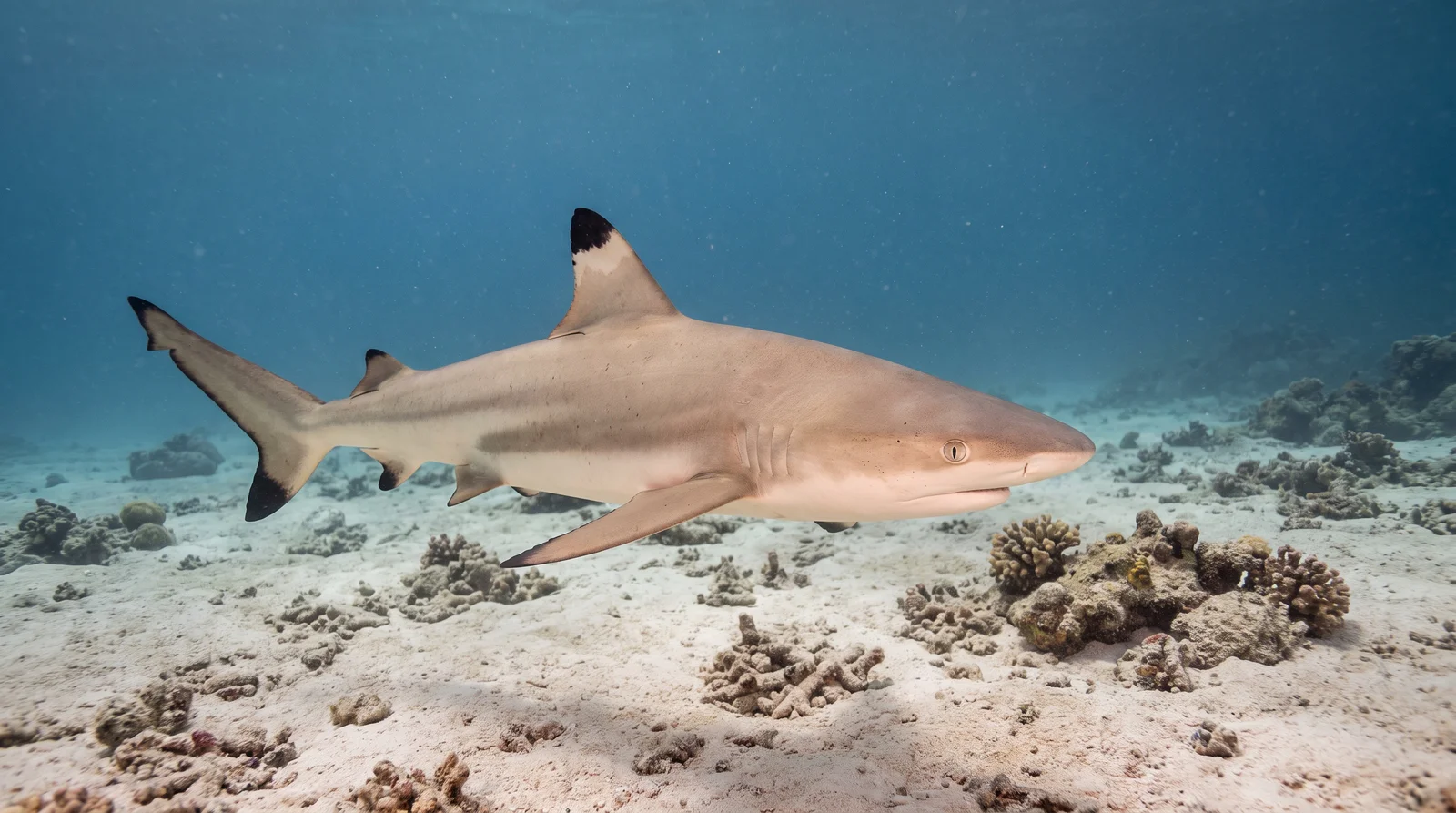
Blacktip Reef Shark
Carcharhinus melanopterus
Dokumentiertes Vorkommen am Tauchplatz
Quelle geprüft am 2026-11-25 · Quelle: Wakatobi Guide Book (FTKP Wakatobi and Swisscontact WISATA) · Beobachtungsdatum nicht dokumentiert
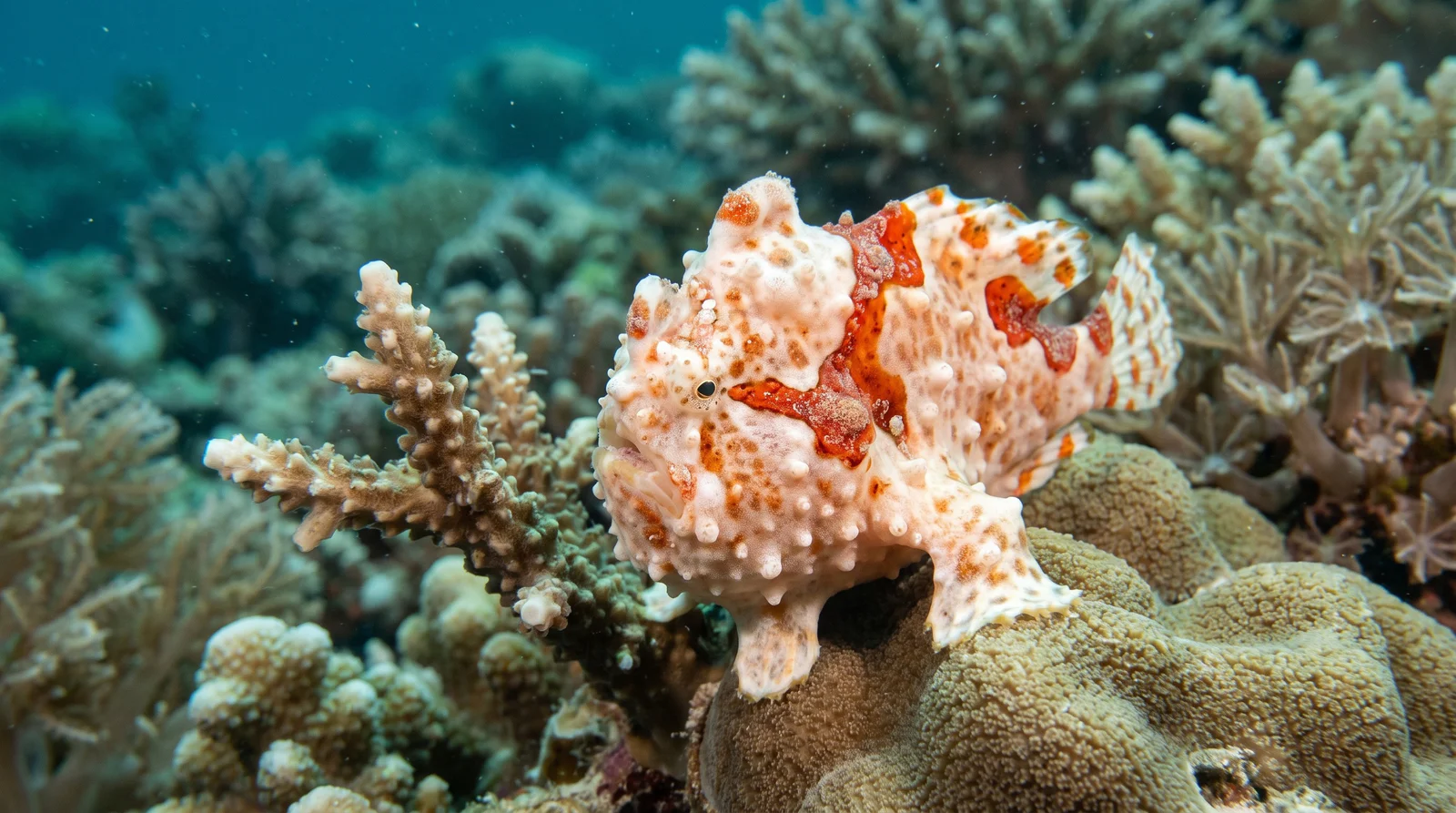
Frogfish
Antennariidae spp.
Dokumentiertes Vorkommen am Tauchplatz
Quelle geprüft am 2026-11-25 · Quelle: Wakatobi Dive Resort · Beobachtungsdatum nicht dokumentiert
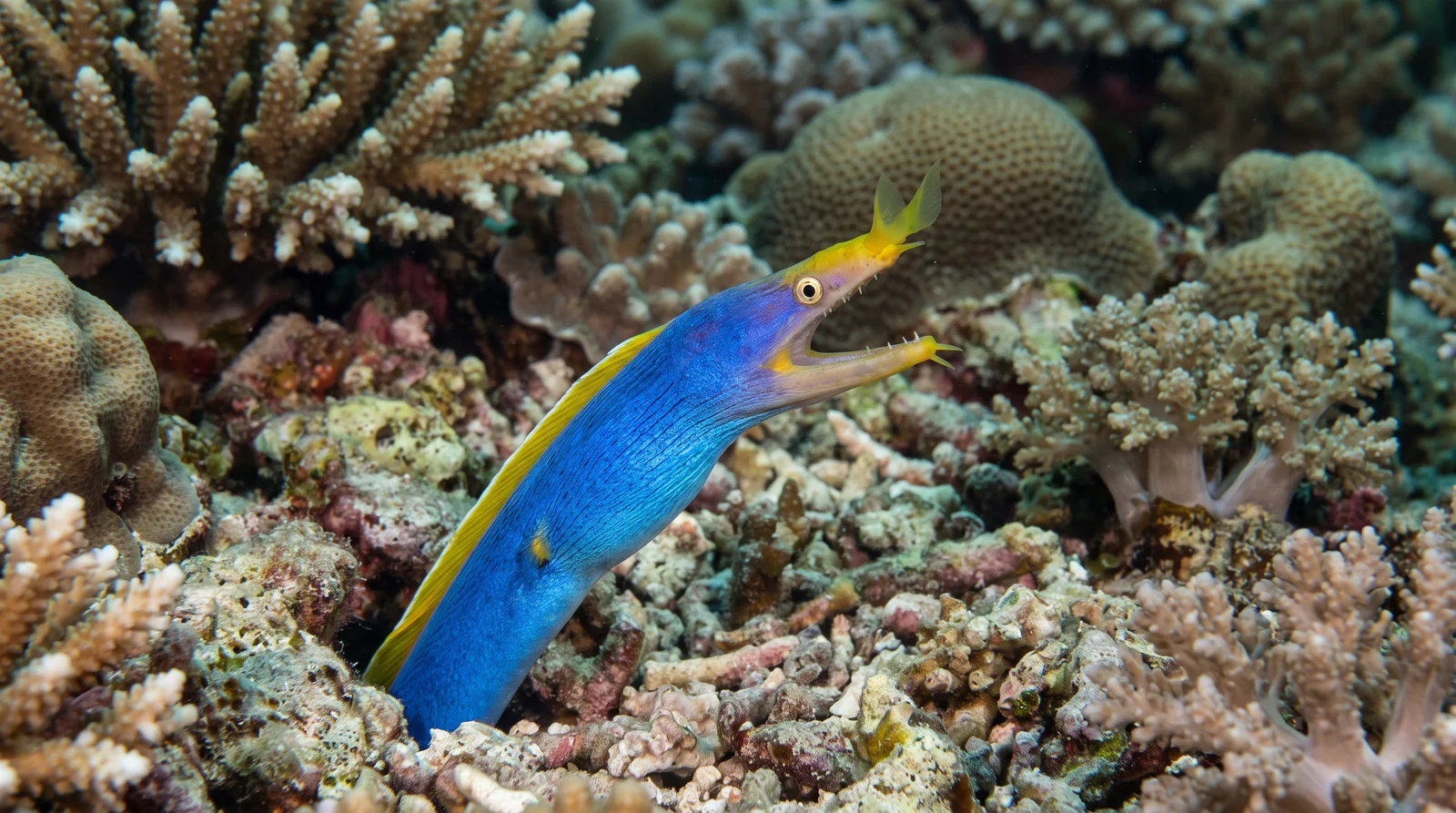
Blue-ribbon Eel
Rhinomuraena quaesita
Dokumentiertes Vorkommen am Tauchplatz
Quelle geprüft am 2026-11-25 · Quelle: Wakatobi Guide Book (FTKP Wakatobi and Swisscontact WISATA) · Beobachtungsdatum nicht dokumentiert
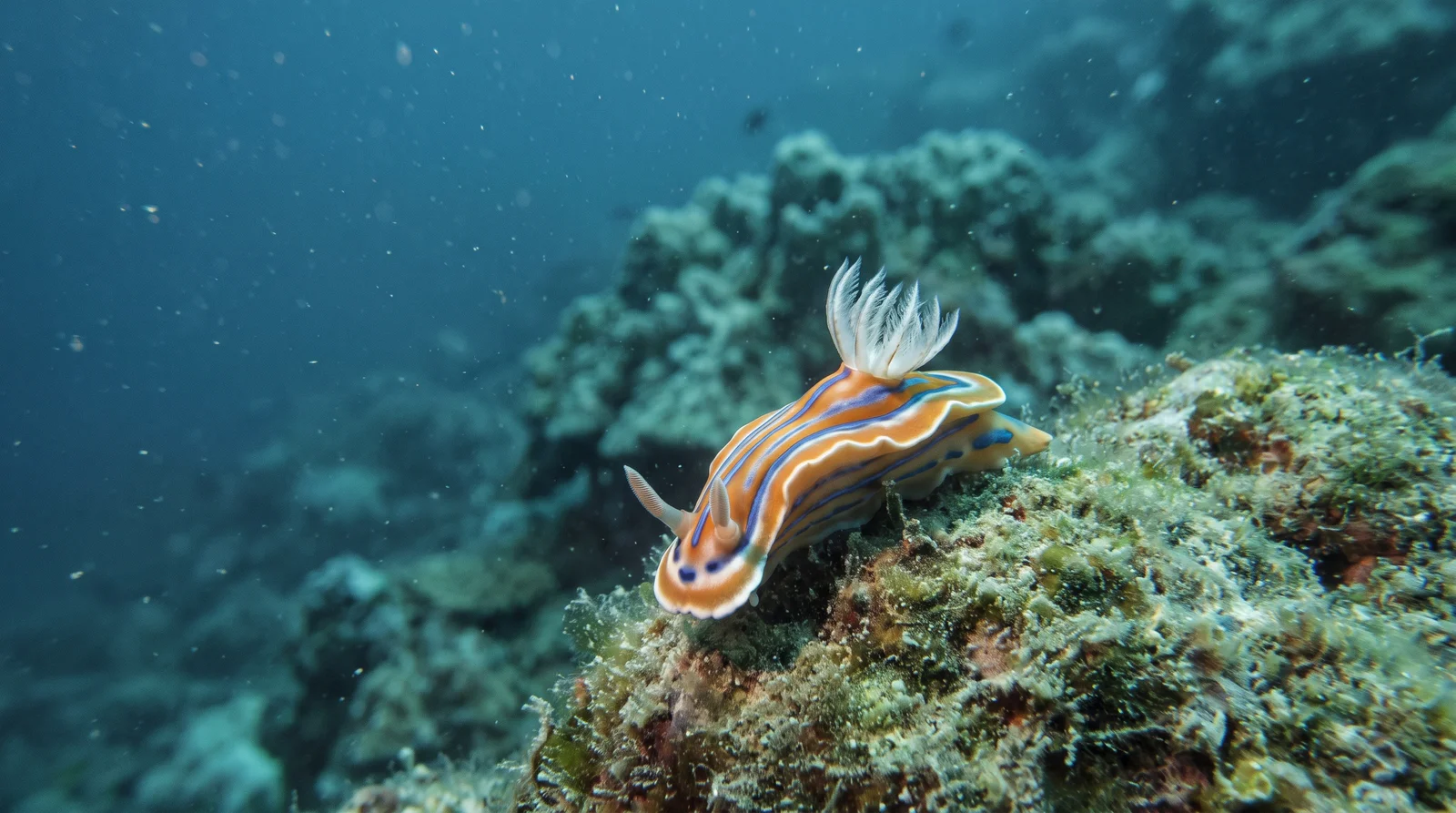
Nudibranch (assorted)
Nudibranchia spp.
Dokumentiertes Vorkommen am Tauchplatz
Quelle geprüft am 2026-11-25 · Quelle: Wakatobi Guide Book (FTKP Wakatobi and Swisscontact WISATA) · Beobachtungsdatum nicht dokumentiert
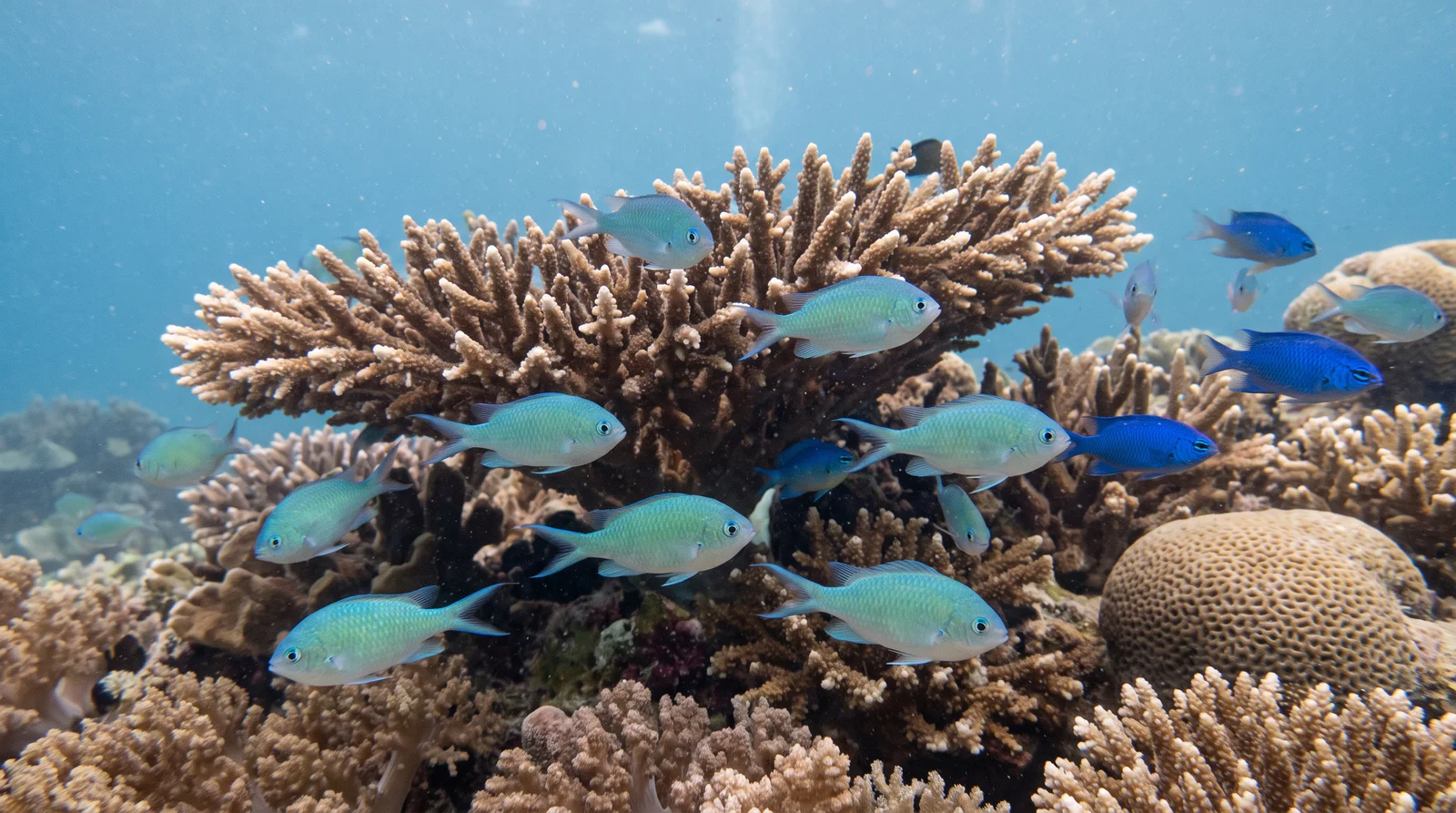
Damselfish (assorted)
Pomacentridae spp.
Dokumentiertes Vorkommen am Tauchplatz
Quelle geprüft am 2026-11-25 · Quelle: Wakatobi Guide Book (FTKP Wakatobi and Swisscontact WISATA) · Beobachtungsdatum nicht dokumentiert
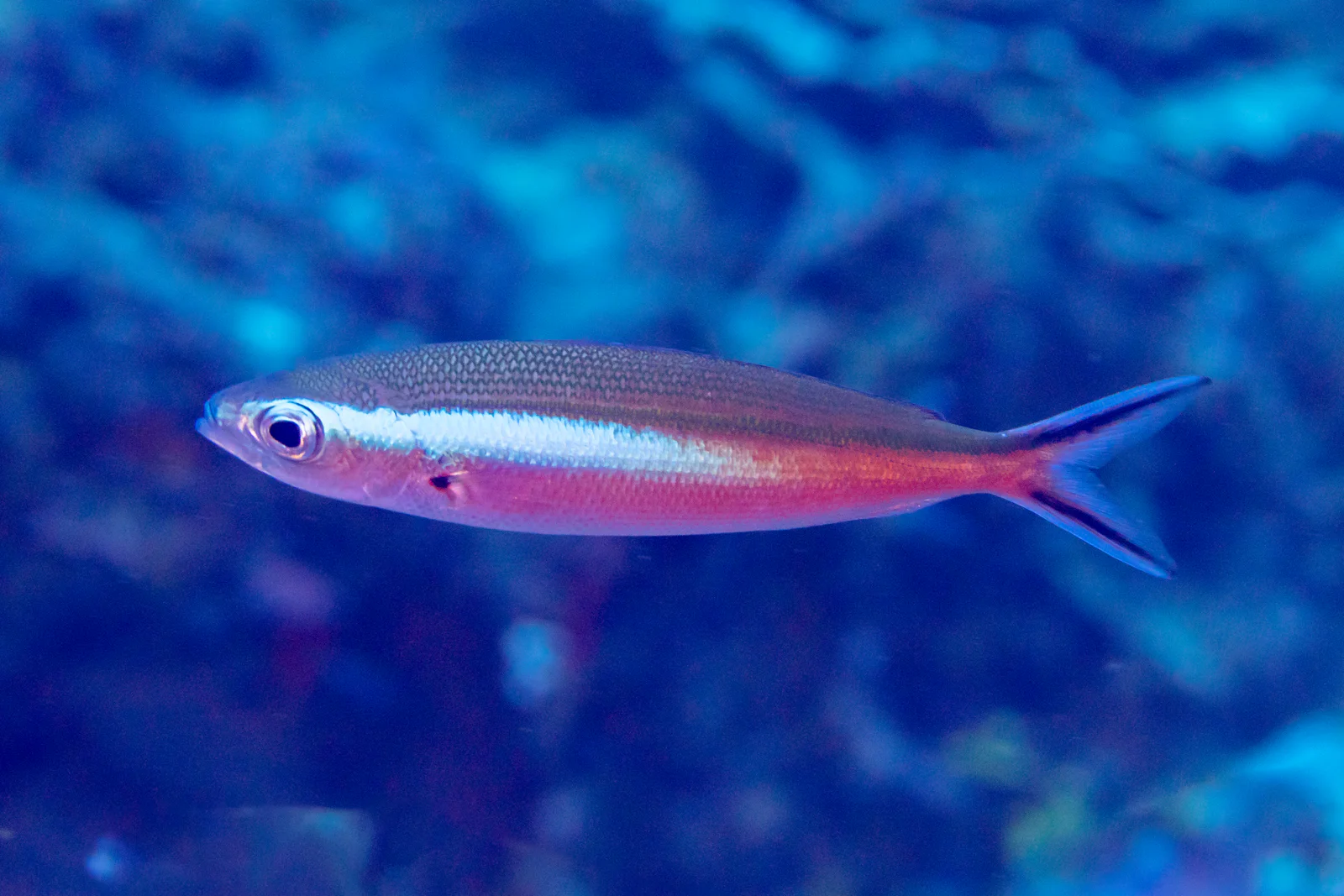
Dark-banded Fusilier
Pterocaesio tile
Dokumentiertes Vorkommen am Tauchplatz
Quelle geprüft am 2026-11-26 · Quelle: Wakatobi Guide Book (FTKP Wakatobi and Swisscontact WISATA) · Beobachtungsdatum nicht dokumentiert
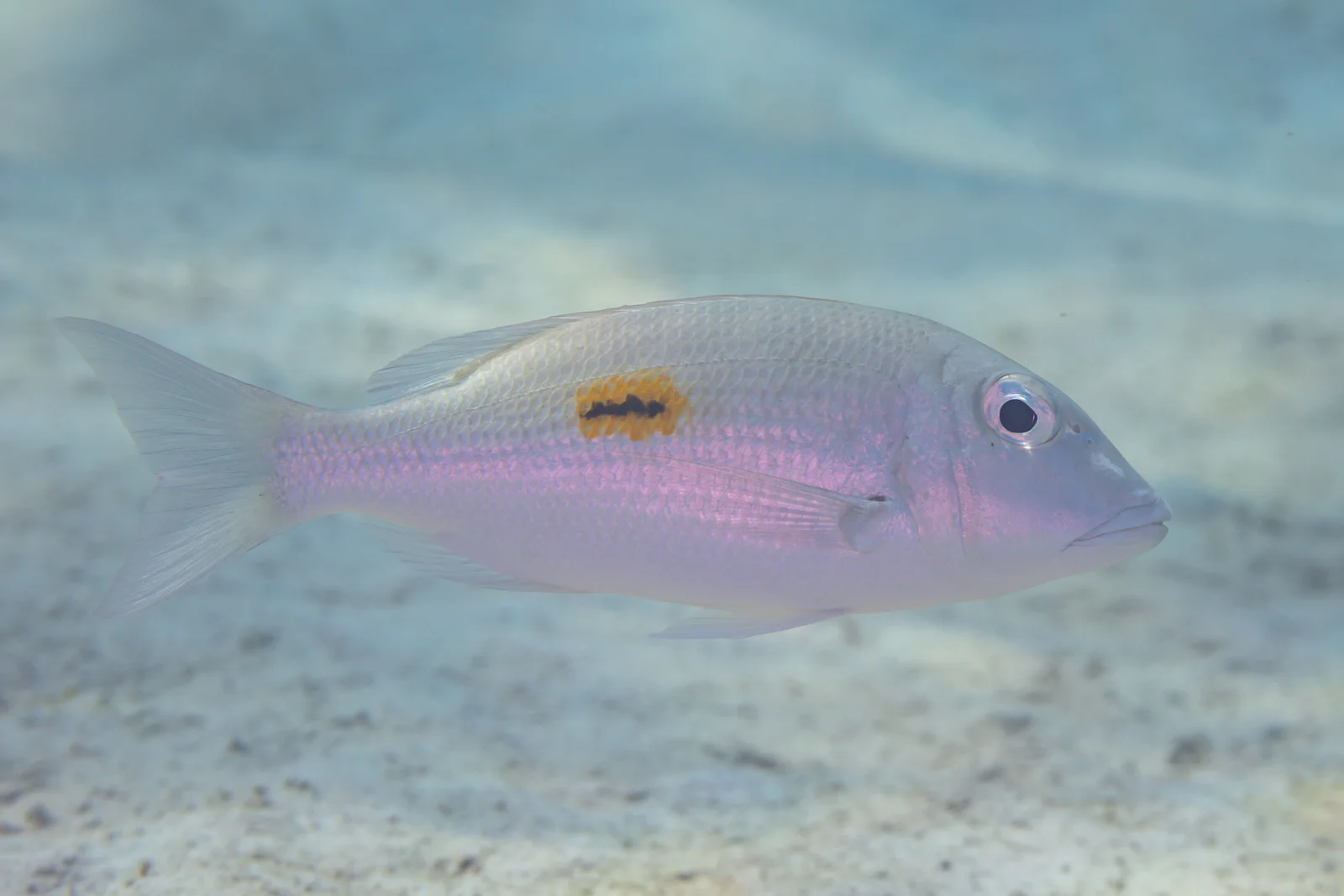
Emperorfish (assorted)
Lethrinidae spp.
Dokumentiertes Vorkommen am Tauchplatz
Quelle geprüft am 2026-11-25 · Quelle: Wakatobi Guide Book (FTKP Wakatobi and Swisscontact WISATA) · Beobachtungsdatum nicht dokumentiert
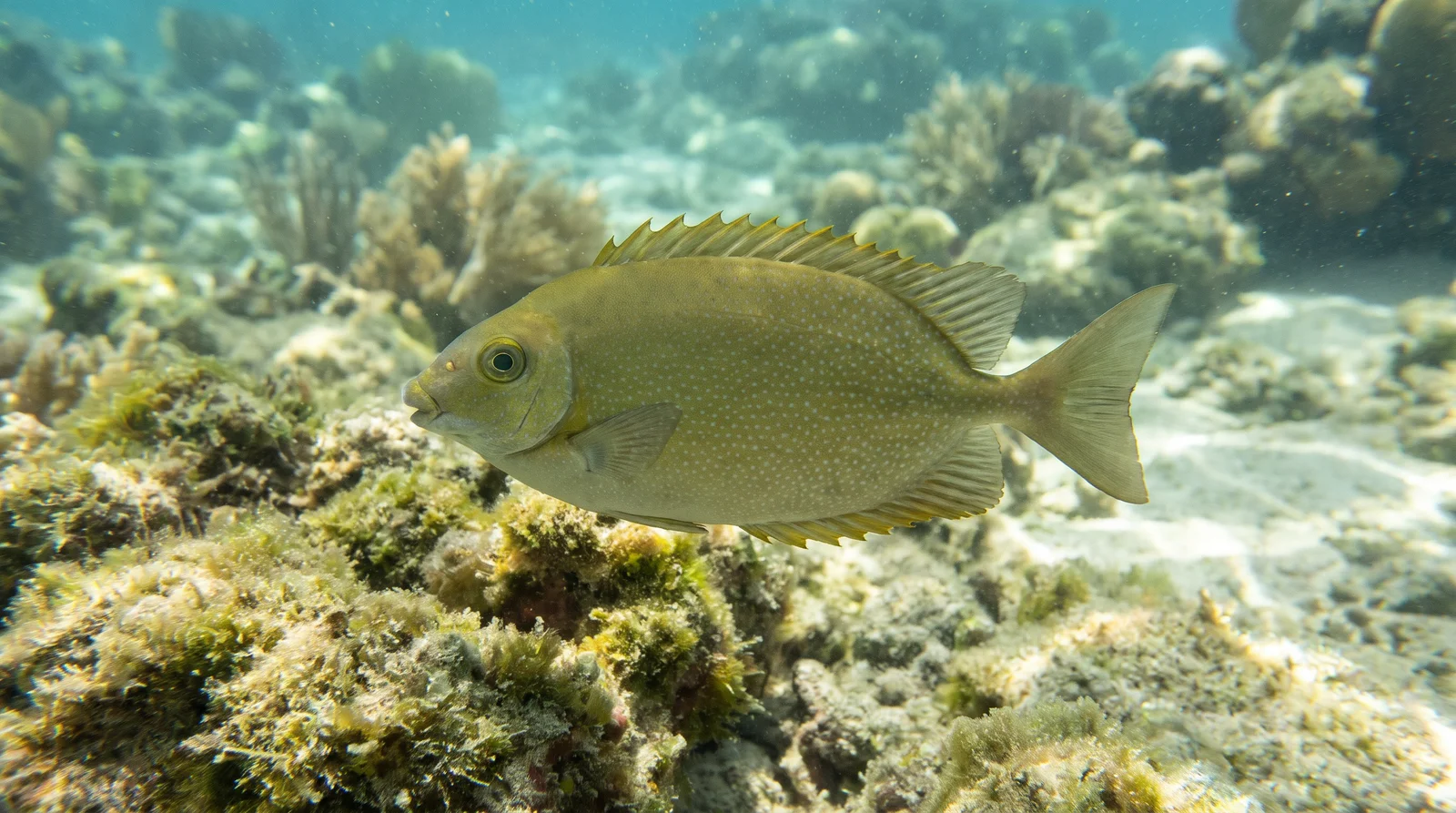
Rabbitfish (assorted)
Siganus spp.
Dokumentiertes Vorkommen am Tauchplatz
Quelle geprüft am 2026-11-25 · Quelle: Wakatobi Guide Book (FTKP Wakatobi and Swisscontact WISATA) · Beobachtungsdatum nicht dokumentiert
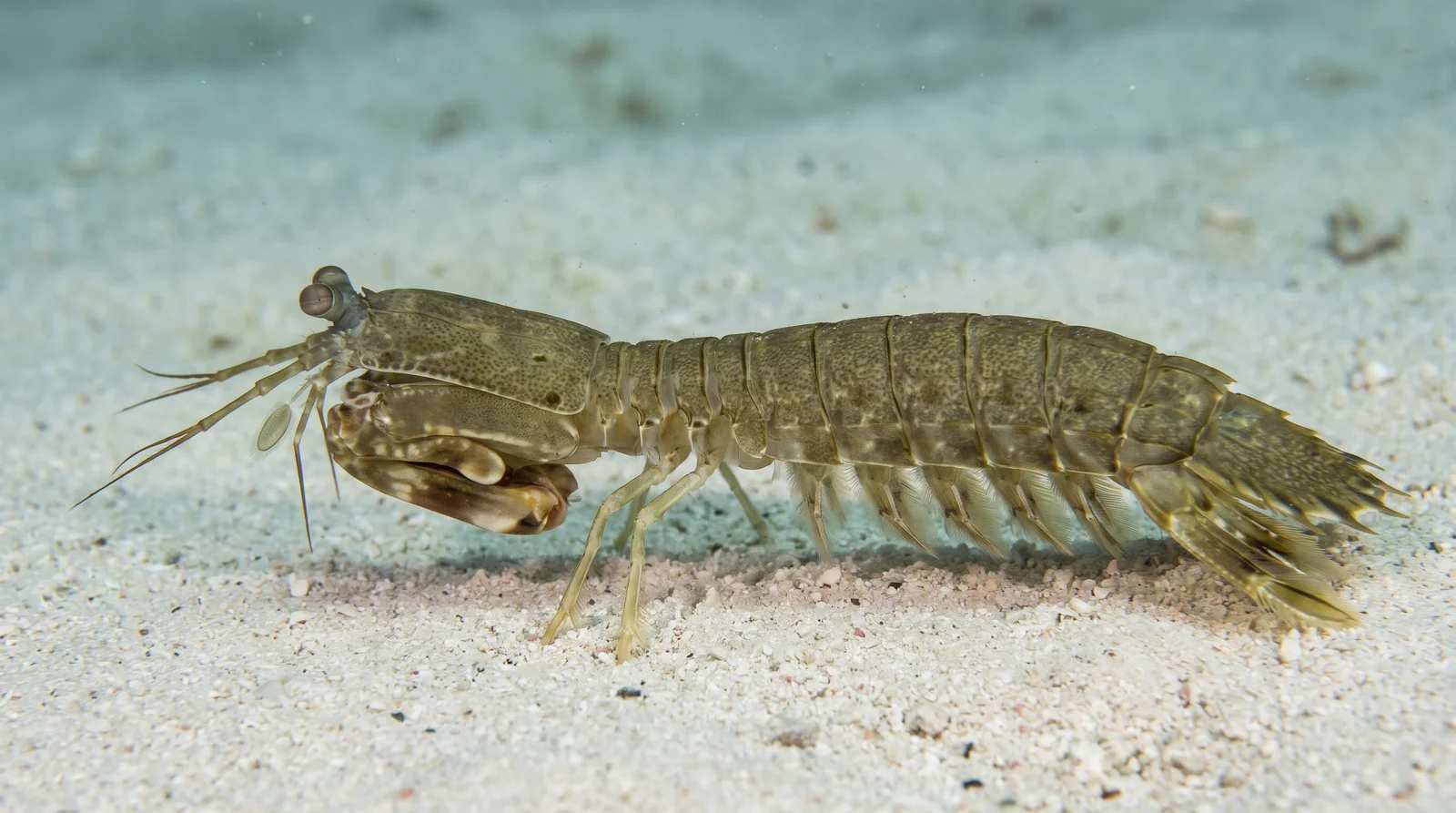
Mantis Shrimp (assorted)
Stomatopoda spp.
Dokumentiertes Vorkommen am Tauchplatz
Quelle geprüft am 2026-11-25 · Quelle: Wakatobi Guide Book (FTKP Wakatobi and Swisscontact WISATA) · Beobachtungsdatum nicht dokumentiert
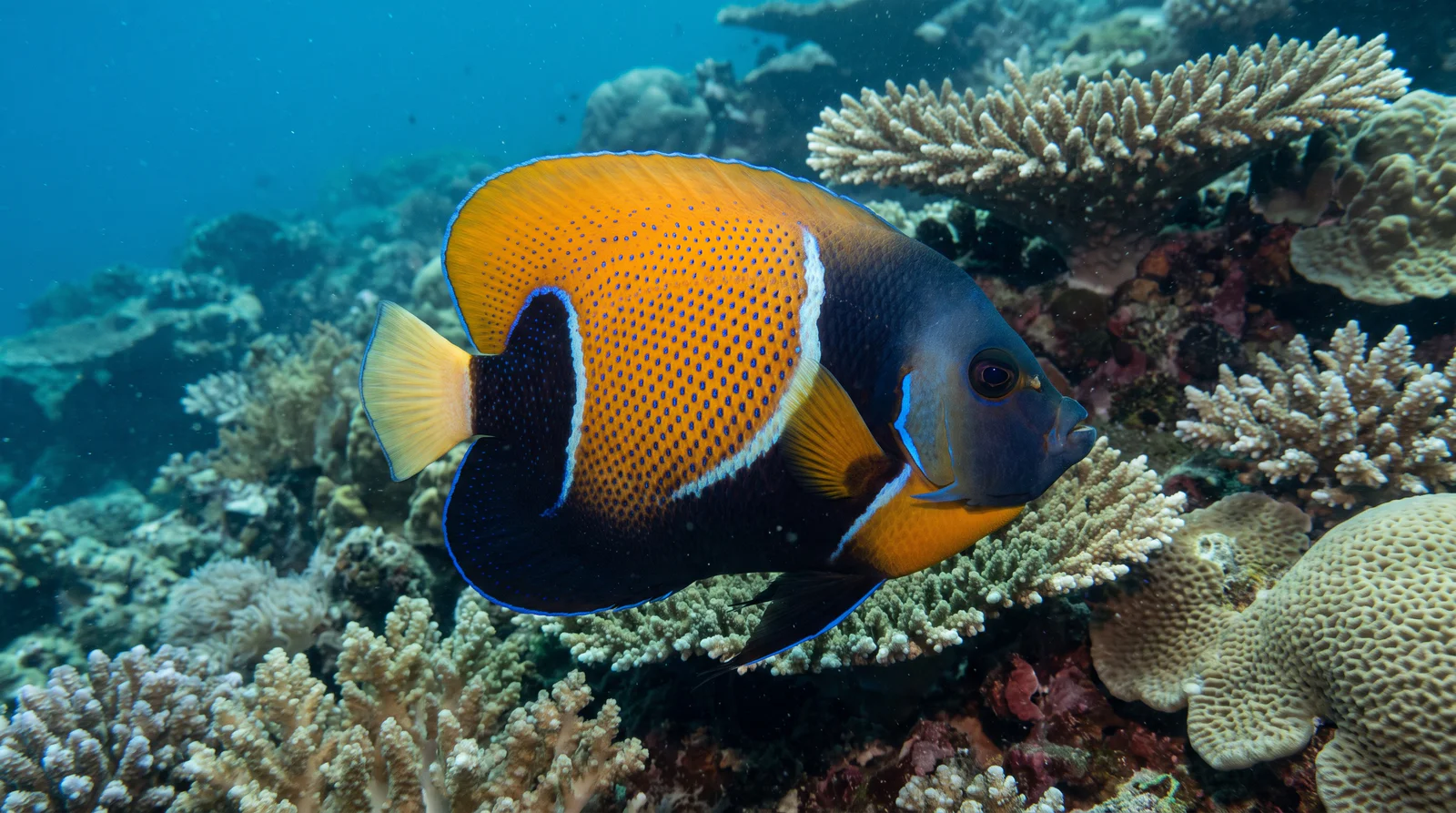
Angelfish (assorted)
Pomacanthidae spp.
Dokumentiertes Vorkommen am Tauchplatz
Quelle geprüft am 2026-11-25 · Quelle: Wakatobi Guide Book (FTKP Wakatobi and Swisscontact WISATA) · Beobachtungsdatum nicht dokumentiert
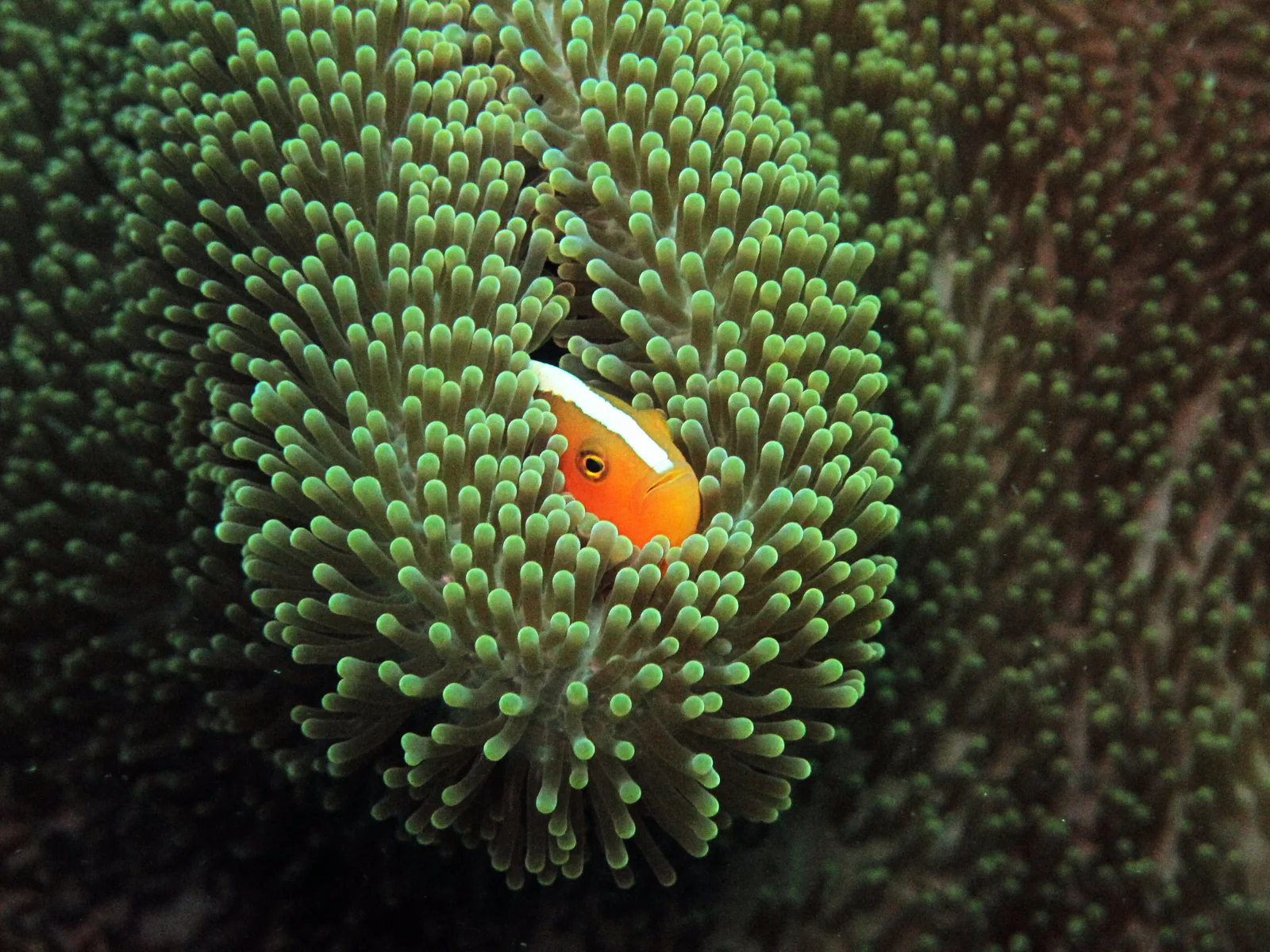
Sea Anemone (assorted)
Actiniaria spp. (sea anemones)
Dokumentiertes Vorkommen am Tauchplatz
Quelle geprüft am 2026-11-25 · Quelle: Wakatobi Guide Book (FTKP Wakatobi and Swisscontact WISATA) · Beobachtungsdatum nicht dokumentiert
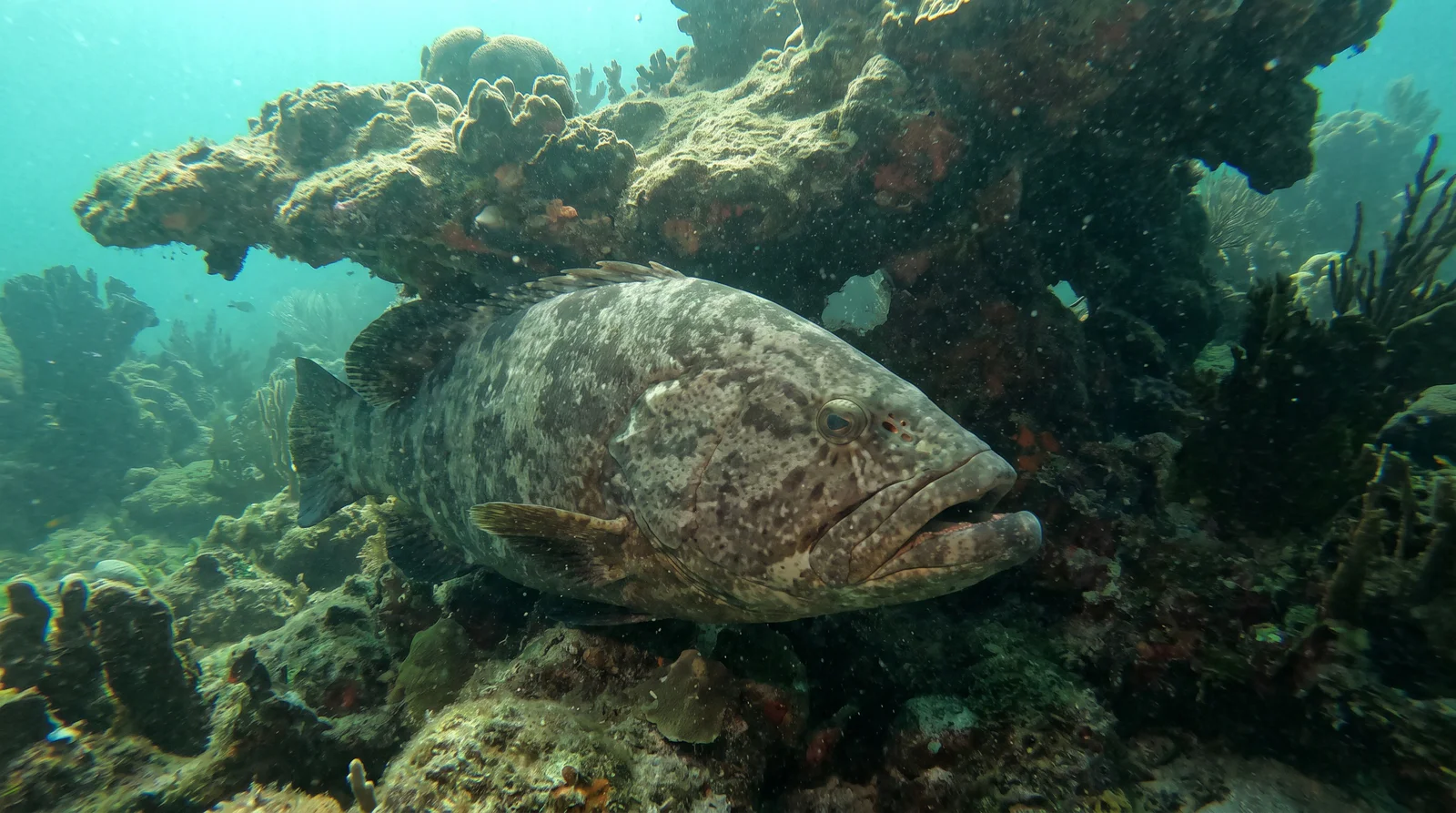
Grouper (assorted)
Epinephelinae spp.
Dokumentiertes Vorkommen am Tauchplatz
Quelle geprüft am 2026-11-25 · Quelle: Wakatobi Guide Book (FTKP Wakatobi and Swisscontact WISATA) · Beobachtungsdatum nicht dokumentiert
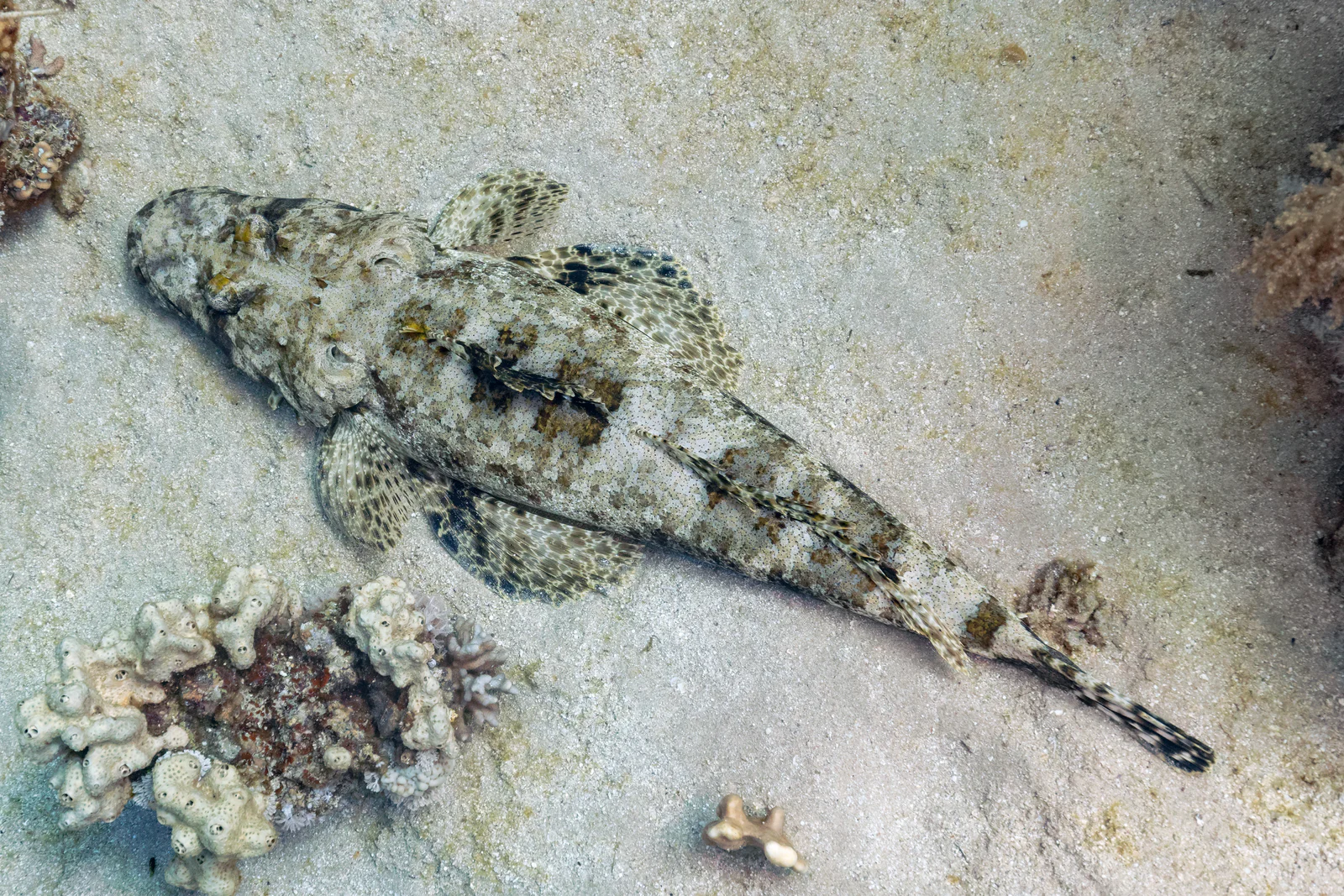
Flathead (assorted)
Platycephalidae spp.
Dokumentiertes Vorkommen am Tauchplatz
Quelle geprüft am 2026-11-25 · Quelle: Wakatobi Dive Resort · Beobachtungsdatum nicht dokumentiert
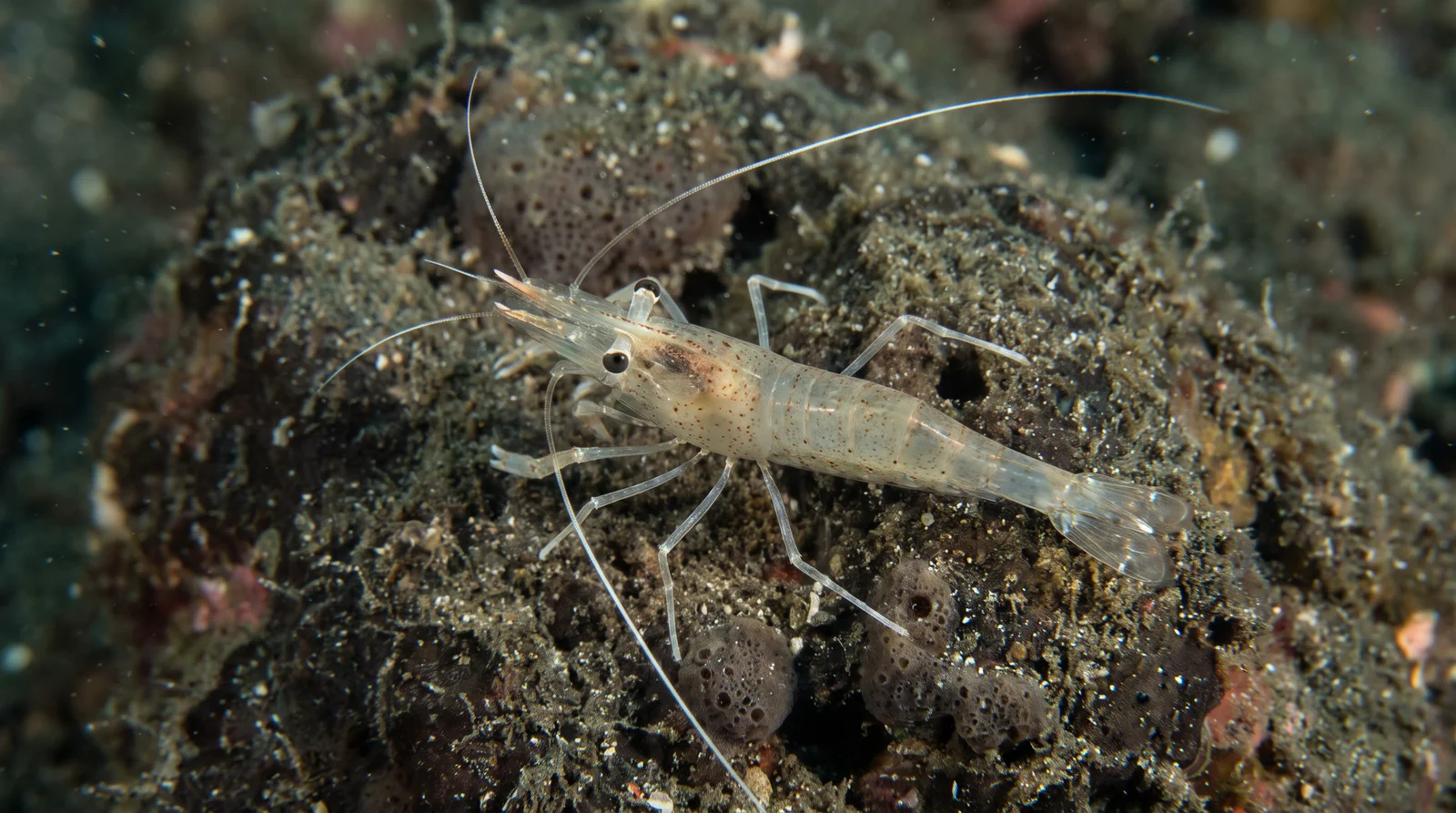
Shrimp (assorted)
Caridea and Dendrobranchiata spp. (shrimps)
Dokumentiertes Vorkommen am Tauchplatz
Quelle geprüft am 2026-11-25 · Quelle: Wakatobi Dive Resort · Beobachtungsdatum nicht dokumentiert
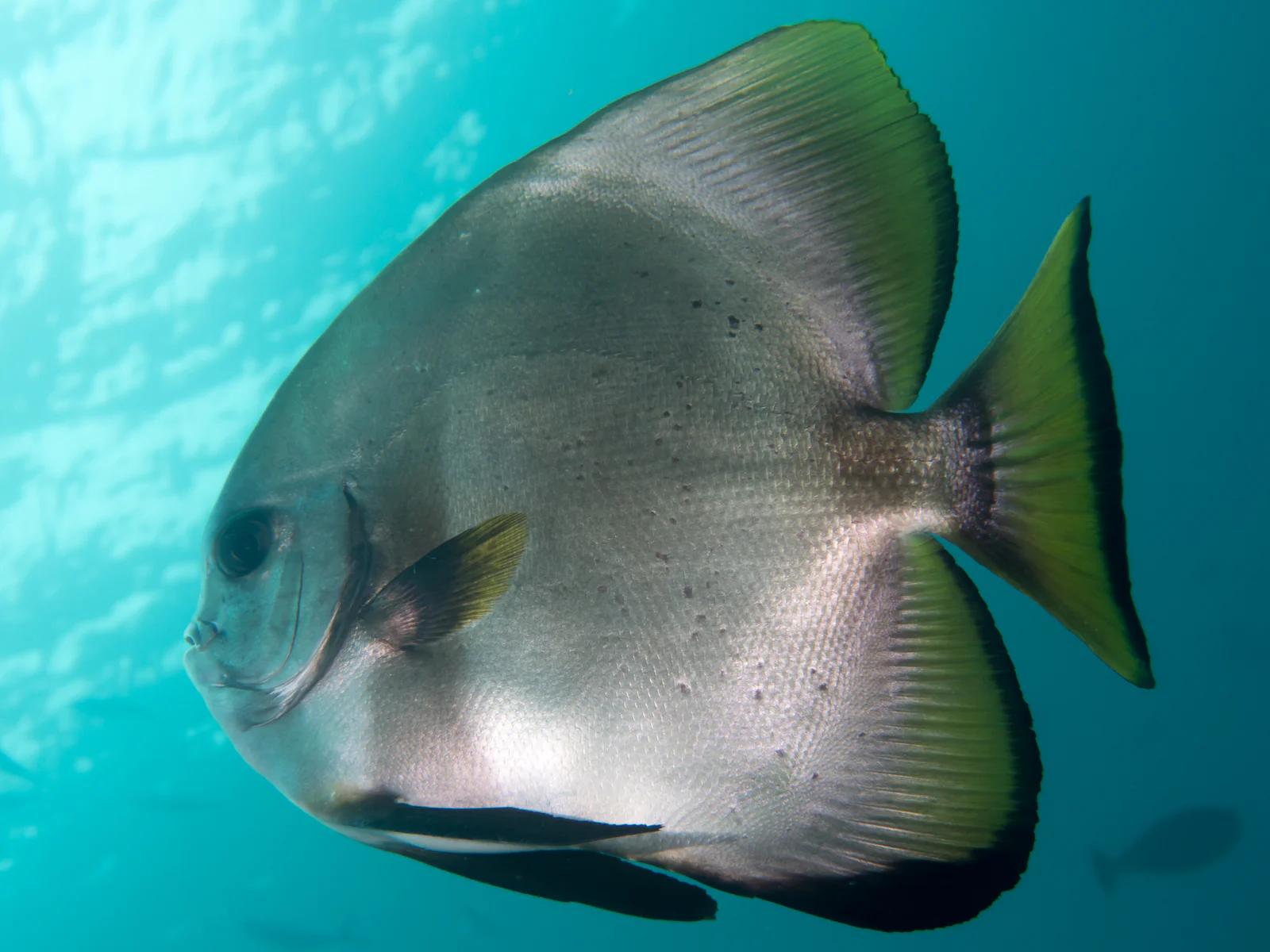
Batfish (assorted)
Platax spp.
Dokumentiertes Vorkommen am Tauchplatz
Quelle geprüft am 2026-11-25 · Quellen: Wakatobi Dive Resort und Wakatobi Guide Book (FTKP Wakatobi and Swisscontact WISATA) · Beobachtungsdatum nicht dokumentiert
Schon in Wreck of Kulati getaucht?
Protokolliere ihn, checke ein oder erzähl anderen Tauchern, was du gesehen hast.
War das hilfreich?
Bleiben Sie auf dem Laufenden
Erhalten Sie Updates zu Tauchplätzen und Tipps per E-Mail.