Mantis Shrimp (assorted)
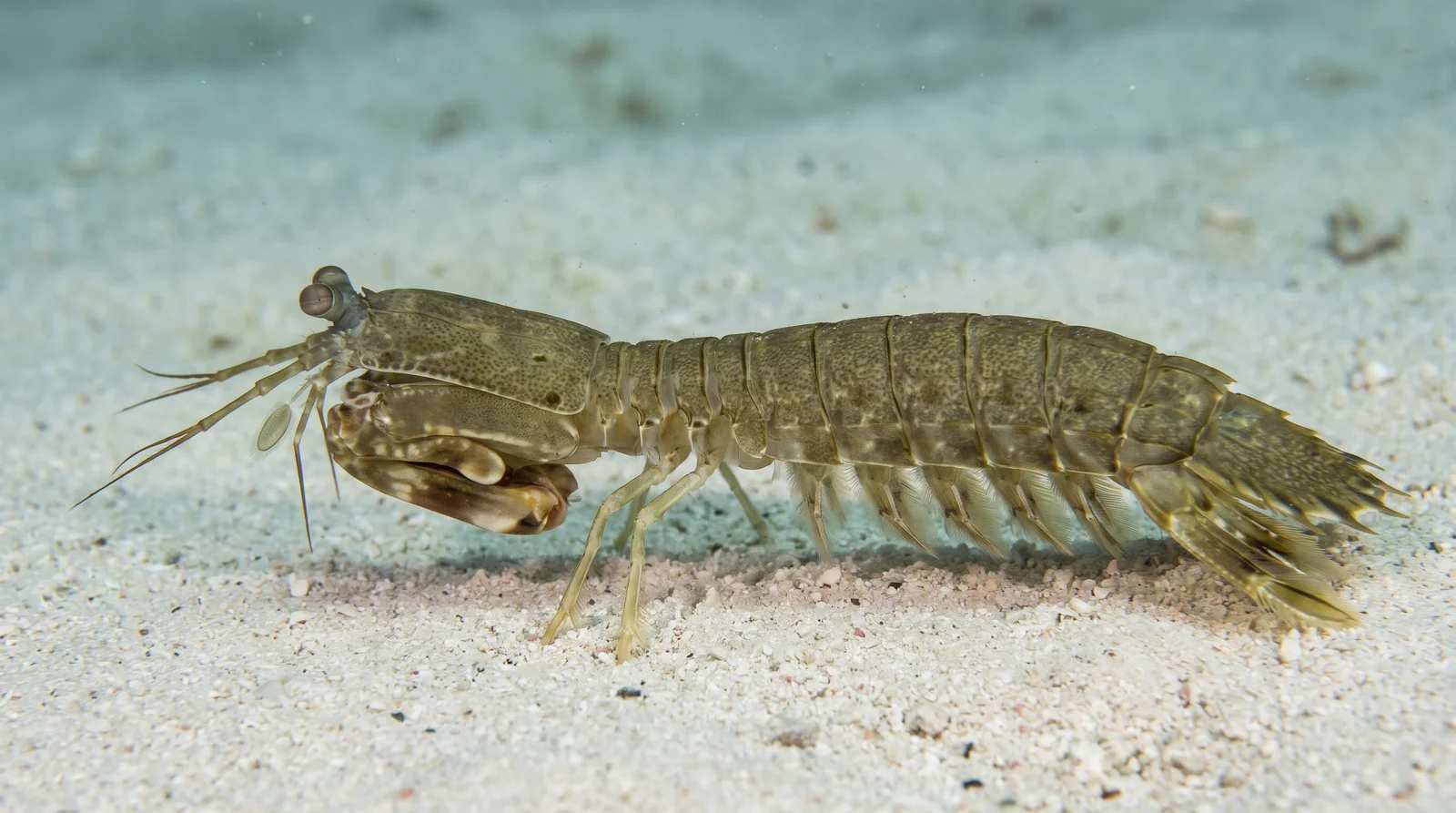 KI-generiert
Bildnachweis: AI-generated illustration · Generated for Diveity; no third-party rights · Higgsfield nano_banana_pro image generation
Stomatopoda spp.
Über Mantis Shrimp (assorted).
Mantis shrimp (order Stomatopoda) are carnivorous marine crustaceans. This group entry covers sightings where the species was not recorded. The World Register of Marine Species (WoRMS) lists Stomatopoda as an accepted order in the class Malacostraca, and Wikipedia counts more than 520 living species.
Wikipedia says they typically grow to around 10 cm, while a few species such as the zebra mantis shrimp reach up to 38 cm. Colour ranges from shades of brown to multiple contrasting, vivid colours. The second pair of thoracic appendages divides most of them into two main types: spearers, with spiny, barbed appendages, and smashers, with a heavily mineralised club. There are some outliers.
A conservation status is not given here, because this entry covers a whole order.
Lebensraum.
Wikipedia calls mantis shrimp among the most important predators in many shallow, tropical and subtropical marine habitats, and says many species spend most of their lives sheltering in burrows and holes. Those homes are either rock formations or burrows dug in the seabed.
Where Divers Find Them
Wikipedia says they are rarely seen outside their homes except to feed and relocate, so burrows and holes are the places these sources point to. In Tulamben, Bali, Blue Season Bali names mantis shrimp among the macro life of the Coral Garden site, without saying which species.
Verhalten.
Wikipedia says smashers use their clubs to crack the shells of crabs, snails, rock oysters and other molluscs, while spearers prefer softer animals such as fish and cephalopods. It describes mantis shrimp as long-lived and typically solitary, and says they may aggressively defend their burrows. Depending on the species, males and females may come together only to mate or may stay in long-term monogamous pairs, in some species for up to 20 years.
Underwater Encounter Behavior
Wikipedia says mantis shrimp can inflict painful wounds if handled incautiously, and that they are sometimes called "thumb splitters" for it. The sources cited here do not describe how they react to divers who leave them alone.
Wo man es sehen kann.
Nachweise für nusa penida · 6 Tauchplätze
Das allgemeine Verbreitungsgebiet ist kein Nachweis für das Vorkommen an einem bestimmten Tauchplatz.
Buyuk
Nusa Penida
Regionaler Nachweis — Vorkommen an diesem Tauchplatz nicht bestätigt
Saison noch nicht dokumentiert
Quelle geprüft am 2026-11-06 · Quelle: Dive Concepts · Beobachtungsdatum nicht dokumentiert
Crystal Bay
Nusa Penida
Dokumentiertes Vorkommen am Tauchplatz
Saison noch nicht dokumentiert
Quelle geprüft am 2026-11-06 · Quelle: Blue Season Bali · Beobachtungsdatum nicht dokumentiert
Ped
Nusa Penida
Regionaler Nachweis — Vorkommen an diesem Tauchplatz nicht bestätigt
Saison noch nicht dokumentiert
Quelle geprüft am 2026-11-06 · Quelle: Dive Concepts · Beobachtungsdatum nicht dokumentiert
Pura Mas Gading
Nusa Penida
Regionaler Nachweis — Vorkommen an diesem Tauchplatz nicht bestätigt
Saison noch nicht dokumentiert
Quelle geprüft am 2026-11-06 · Quelle: Dive Concepts Bali · Beobachtungsdatum nicht dokumentiert
Sental
Nusa Penida
Regionaler Nachweis — Vorkommen an diesem Tauchplatz nicht bestätigt
Saison noch nicht dokumentiert
Quelle geprüft am 2026-11-06 · Quelle: Dive Concepts · Beobachtungsdatum nicht dokumentiert
Toyapakeh
Nusa Penida
Dokumentiertes Vorkommen am Tauchplatz
Saison noch nicht dokumentiert
Quelle geprüft am 2026-11-06 · Quelle: Scuba Center Asia · Beobachtungsdatum nicht dokumentiert
Galerie.
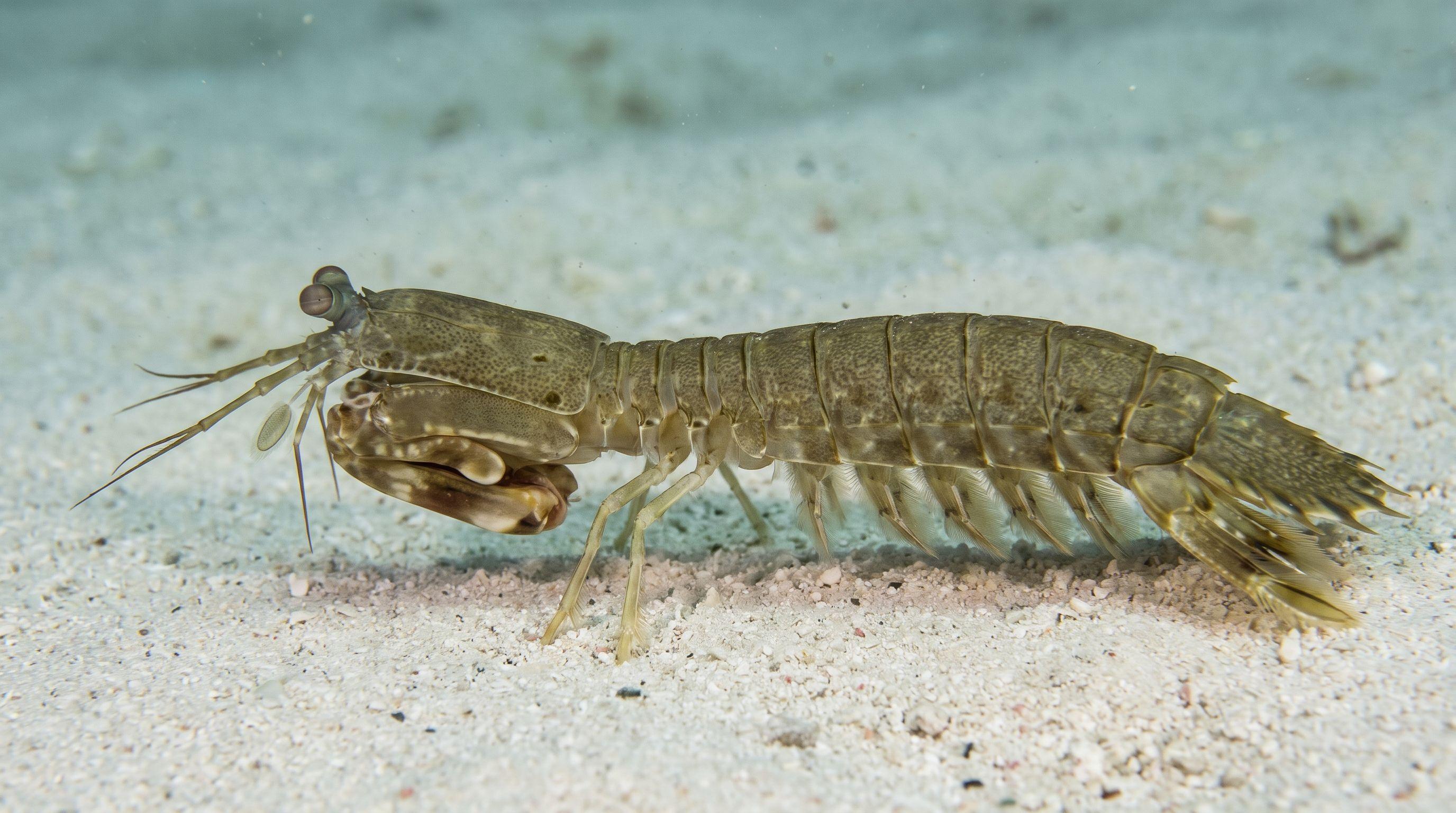 KI-generiert
Bildnachweis: AI-generated illustration · Generated for Diveity; no third-party rights · Higgsfield nano_banana_pro image generation