 Intermediate
Reef · Wall · Drift
Apo Island Marine Sanctuary
Also known as: Apo Island — About this name: Apo Island Marine Sanctuary is a pioneering, community-founded no-take marine reserve on Apo Island itself, in the Visayas region,…
Apo Island
About This Dive Site
Apo Island Marine Sanctuary: partial conservation guide
Current diving access to the specific no-take sanctuary has not been verified for this guide. An Apo Island excursion or a sanctuary-fee payment should not be treated as confirmation that every protected zone is open to divers.
A specific reserve within a wider dive destination
Marine Conservation Philippines describes a community-established sanctuary developed with Silliman University Marine Laboratory and dates its establishment to 1982. Its island overview also discusses diving and snorkelling around Apo. Those wider island descriptions do not establish one depth range, dive route or wildlife encounter probability for the specific reserve.
Historical closure and today's uncertainty
Clarissa Reboton and Hilconida Calumpong's paper in the October–December 2015 Silliman Journal reports that the no-take sanctuary was temporarily closed to diving and snorkelling after typhoon damage. The paper's date matters: this is historical evidence, not a current closure or reopening notice. The same study discusses a survey station at Chapel; its coordinates and coral measurements should not be transferred to this sanctuary record.
Before planning a visit
Ask the local operator or protected-area management which named zone the proposed activity uses and whether access is currently permitted there. Request the specific dive site rather than relying on the general phrase Apo Island sanctuary. This partial conservation overview preserves the sanctuary's identity and historical context while leaving present access, an exact entry position and site-specific dive conditions unverified. It does not promise turtle sightings or unrestricted diving.
What dive-trade pages say about the sanctuary as a dive
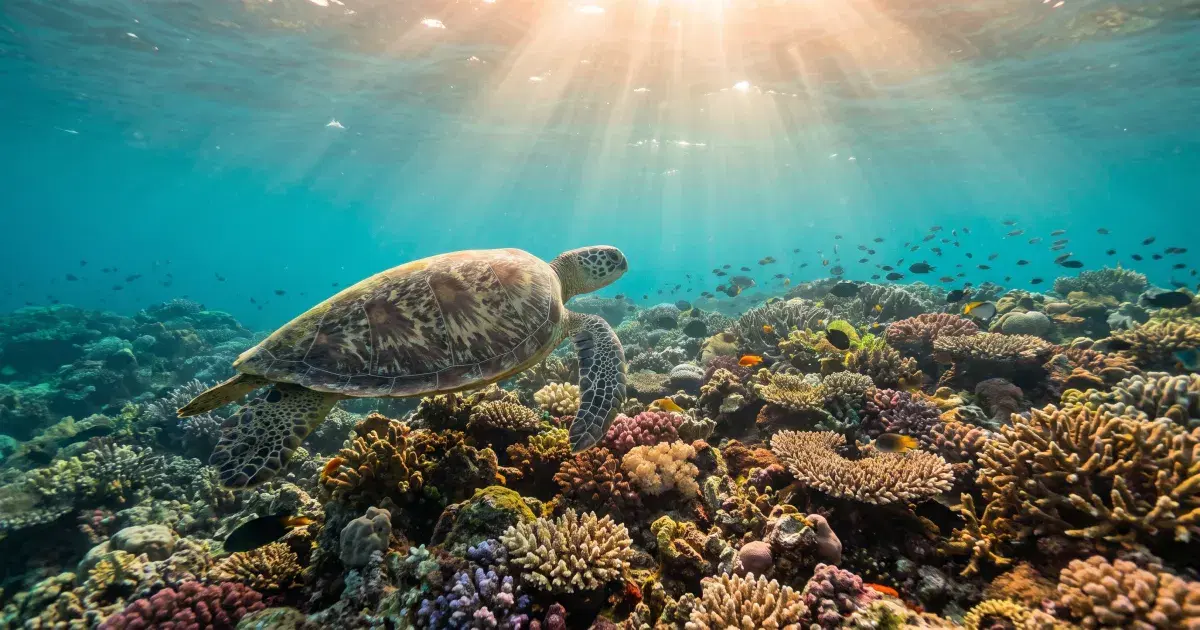
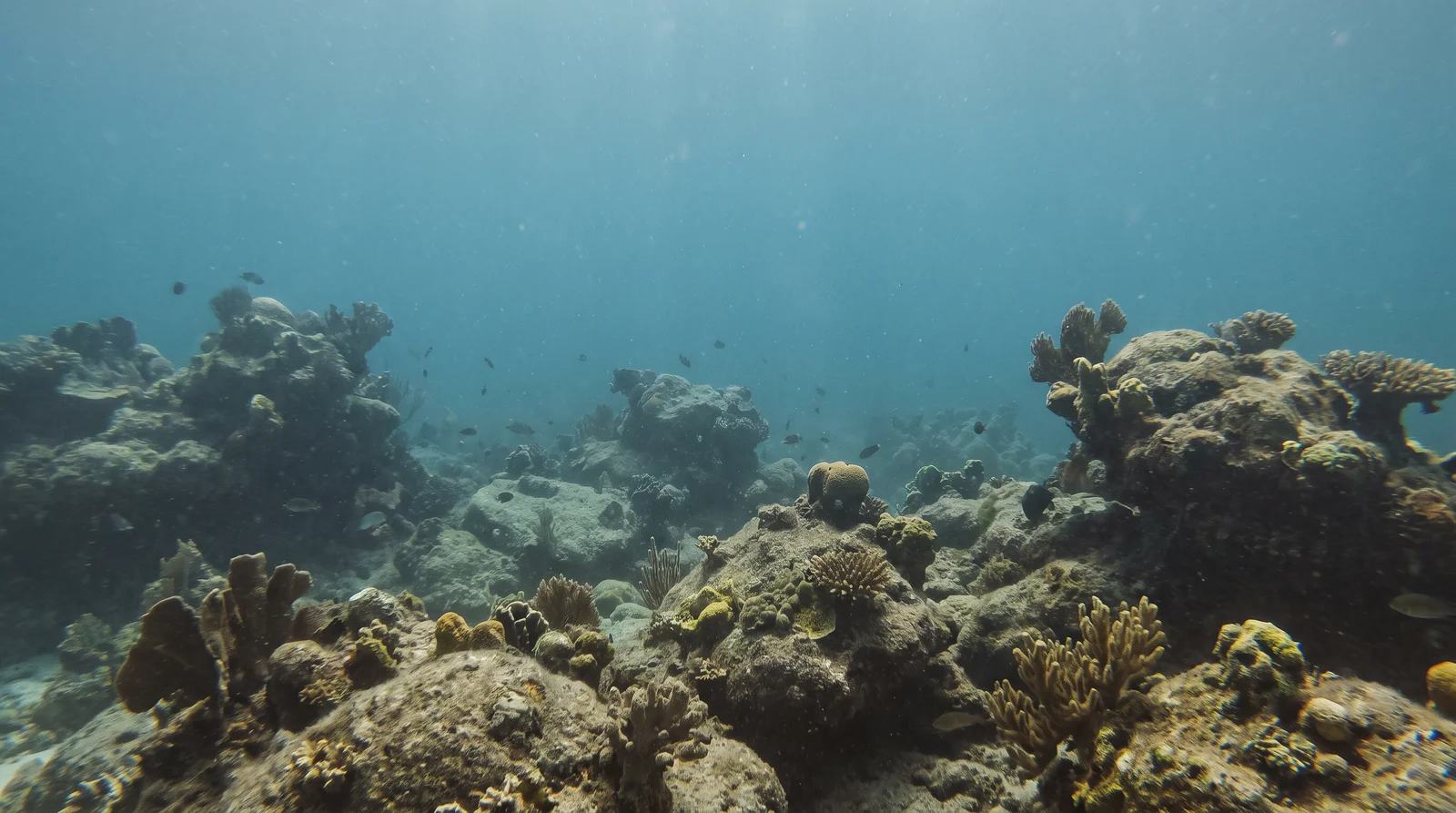
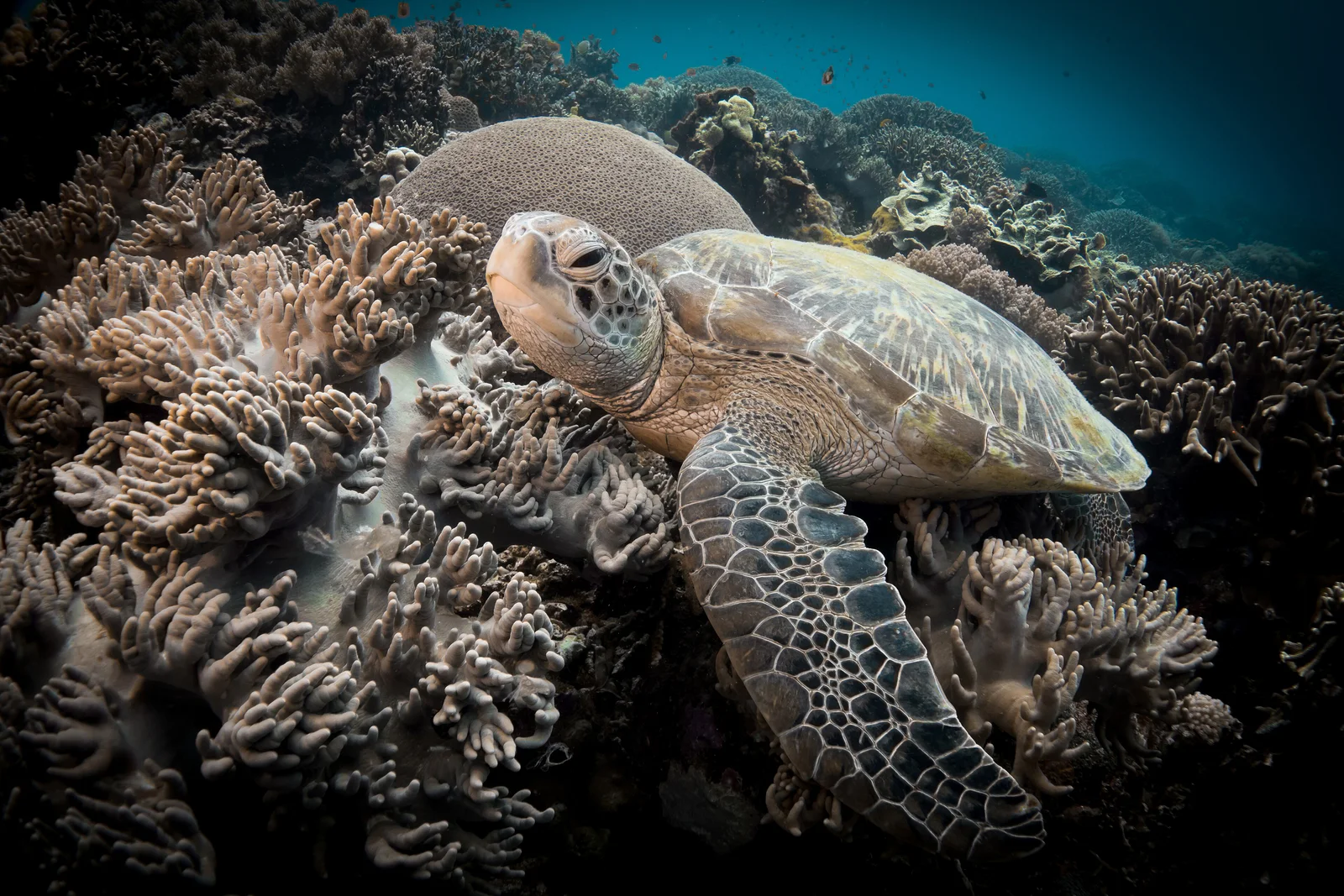
Dive The World's undated Apo Island page, captured on 7 October 2026, lists Marine Sanctuary as a dive site and describes it as a no-fishing zone allowing the marine life of the island as a whole to regenerate. It describes the dive as a gentle slope from 5 to 25 metres covered in hard corals and anemones, mentions oblique banded sweetlips and dense schools of anthias, damselfish and surgeonfish, and says clownfish live in every available anemone. Those are that publisher's figures and wildlife notes, not a surveyed range or a sighting guarantee. Underwater Asia's Negros guide, last modified in June 2021, says The Sanctuary is sometimes known as Clownfish City and is one of the most popular sites, with wonderful reefs and resident green turtles that it describes as indifferent to the presence of divers.
Position, access and dated closures
Sea Explorers' Apo Island day-trip page, published in July 2026, places the Apo Island Marine Sanctuary on the southwestern side of the island and says it has played an important role in the area's community-based marine conservation efforts. The same page says the sanctuary has previously undergone periods of rehabilitation, that access may be restricted depending on current local regulations, and that diving or snorkelling should only take place in areas that are officially open. A reader comment dated 15 March 2012 on a Lakwatsero blog post reported that the Marine Sanctuary was temporarily closed after the island was hit by Typhoon Sendong; that is a dated, second-hand note and not a current status. Marine Conservation Philippines' undated island page says the community, with assistance from Silliman University Marine Laboratory staff, selected an area along 450 metres of shoreline extending 500 metres from shore as the sanctuary site, and that the marine habitat around the island is now under the jurisdiction of the Protected Area Management Board.
Conservation context from a 2025 magazine visit
Scuba Diver Magazine's Divernet feature of 21 October 2025 says Apo Island's Marine Management Council was established in 1986 and allowed only line and spearfishing, traps and gill nets, and calls the island the oldest continuous Marine Protected Area in the Philippines. The dives that article describes are at Chapel, Rock Point East, Largahan Point and Coconut Point, so it adds history rather than conditions inside the no-take sanctuary.
Difficulty
Difficulty
Historical value — unverified
intermediate
Confirm this historical information with a local operator.
Know this? Tell usDifficulty level
Depth
Minimum depth
Historical value — unverified
5
Confirm this historical information with a local operator.
Know this? Tell usMaximum depth
Historical value — unverified
35
Confirm this historical information with a local operator.
Know this? Tell usDepth range
Access
Documented months
Best season start
Historical value — unverified
11
Confirm this historical information with a local operator.
Know this? Tell usBest season end
Historical value — unverified
5
Confirm this historical information with a local operator.
Know this? Tell usVisibility
Minimum visibility
Historical value — unverified
15
Confirm this historical information with a local operator.
Know this? Tell usMaximum visibility
Historical value — unverified
35
Confirm this historical information with a local operator.
Know this? Tell usTypical visibility
Current
Current
Historical value — unverified
variable
Confirm this historical information with a local operator.
Know this? Tell usGood buoyancy control advised
Temperature
Minimum water temperature
Historical value — unverified
26
Confirm this historical information with a local operator.
Know this? Tell usMaximum water temperature
Historical value — unverified
29
Confirm this historical information with a local operator.
Know this? Tell usWater temperature
Certification required
Historical value — unverified
Open Water
Confirm this historical information with a local operator.
Know this? Tell usCurrent
Historical value — unverified
variable
Confirm this historical information with a local operator.
Know this? Tell usMarine Life
4 species recorded at this site
Abundant · Unverified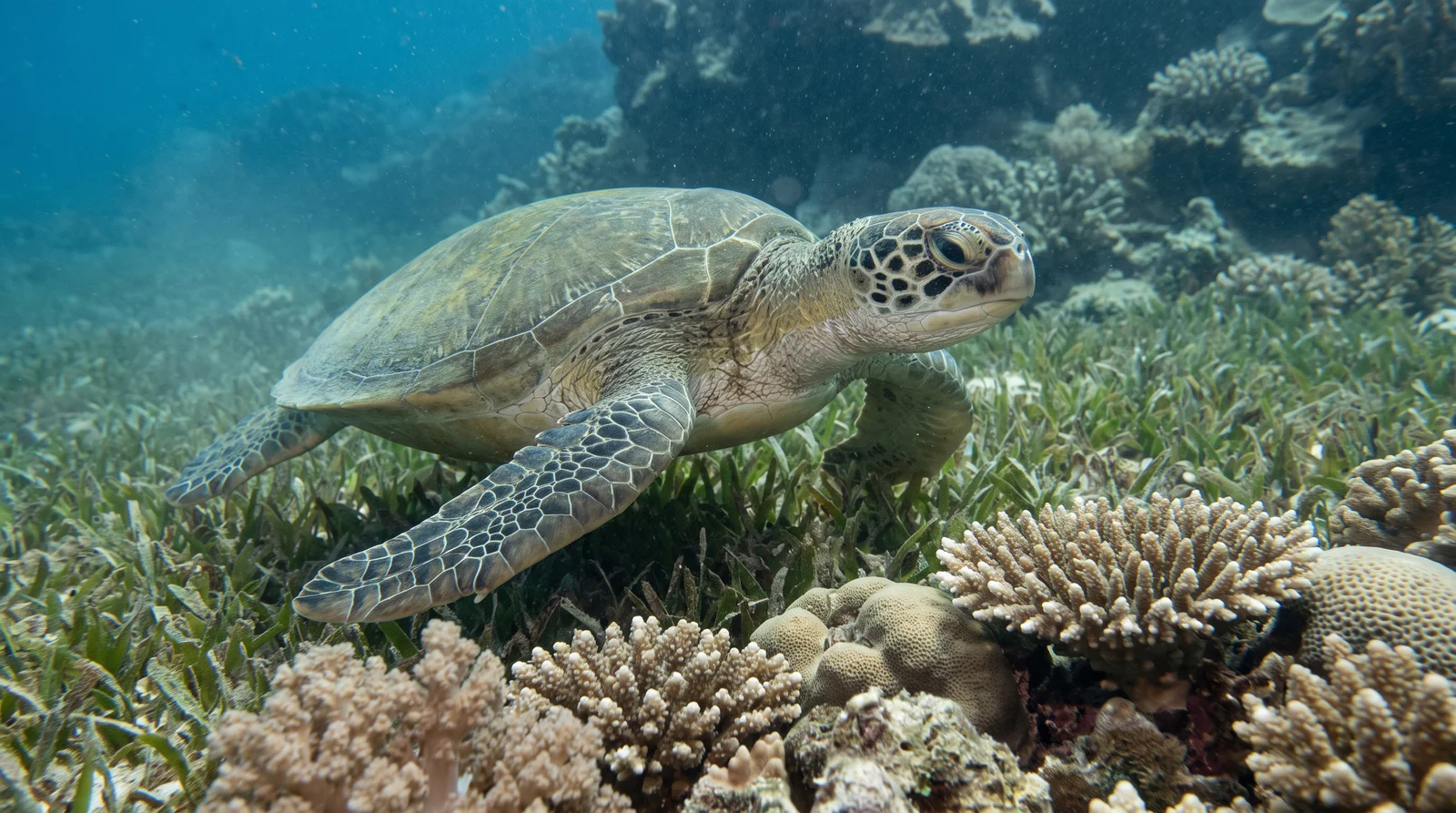
Green Sea Turtle
Chelonia mydas
Site occurrence not yet documented
No dated observations available.
Occasional · Unverified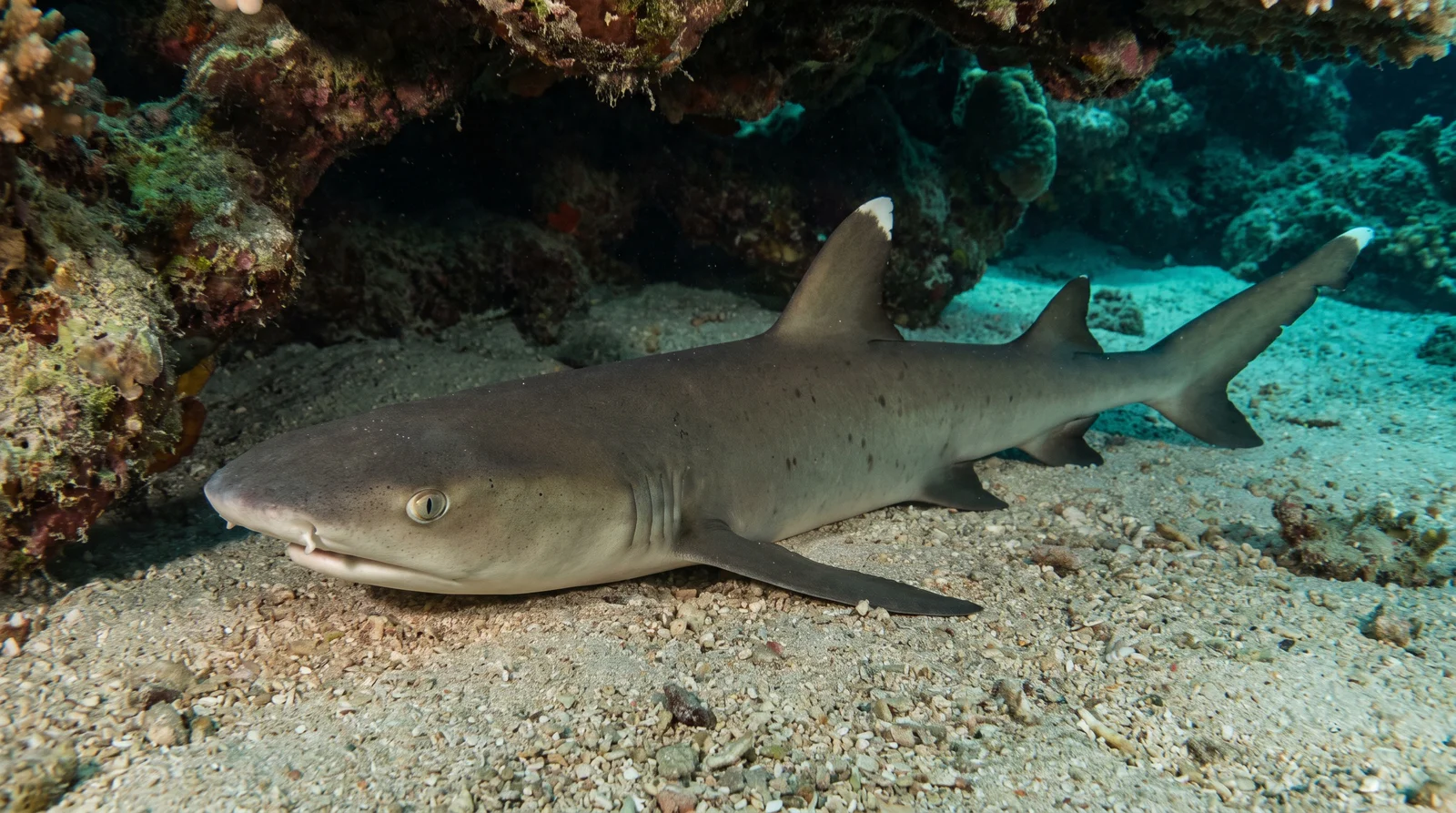
Whitetip Reef Shark
Triaenodon obesus
Site occurrence not yet documented
No dated observations available.
Common · Unverified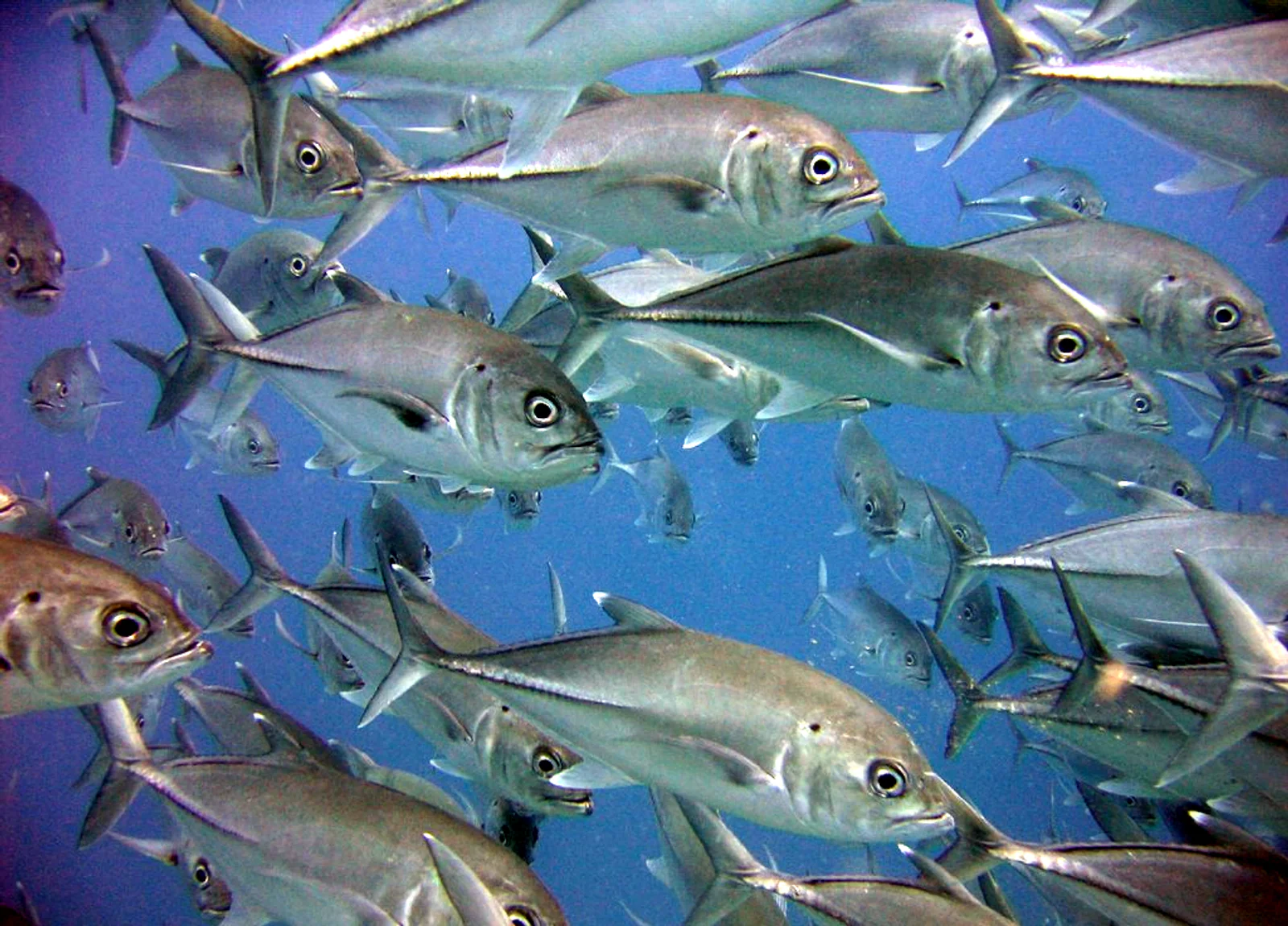
Bigeye Trevally
Caranx sexfasciatus
Site occurrence not yet documented
No dated observations available.
Common · Unverified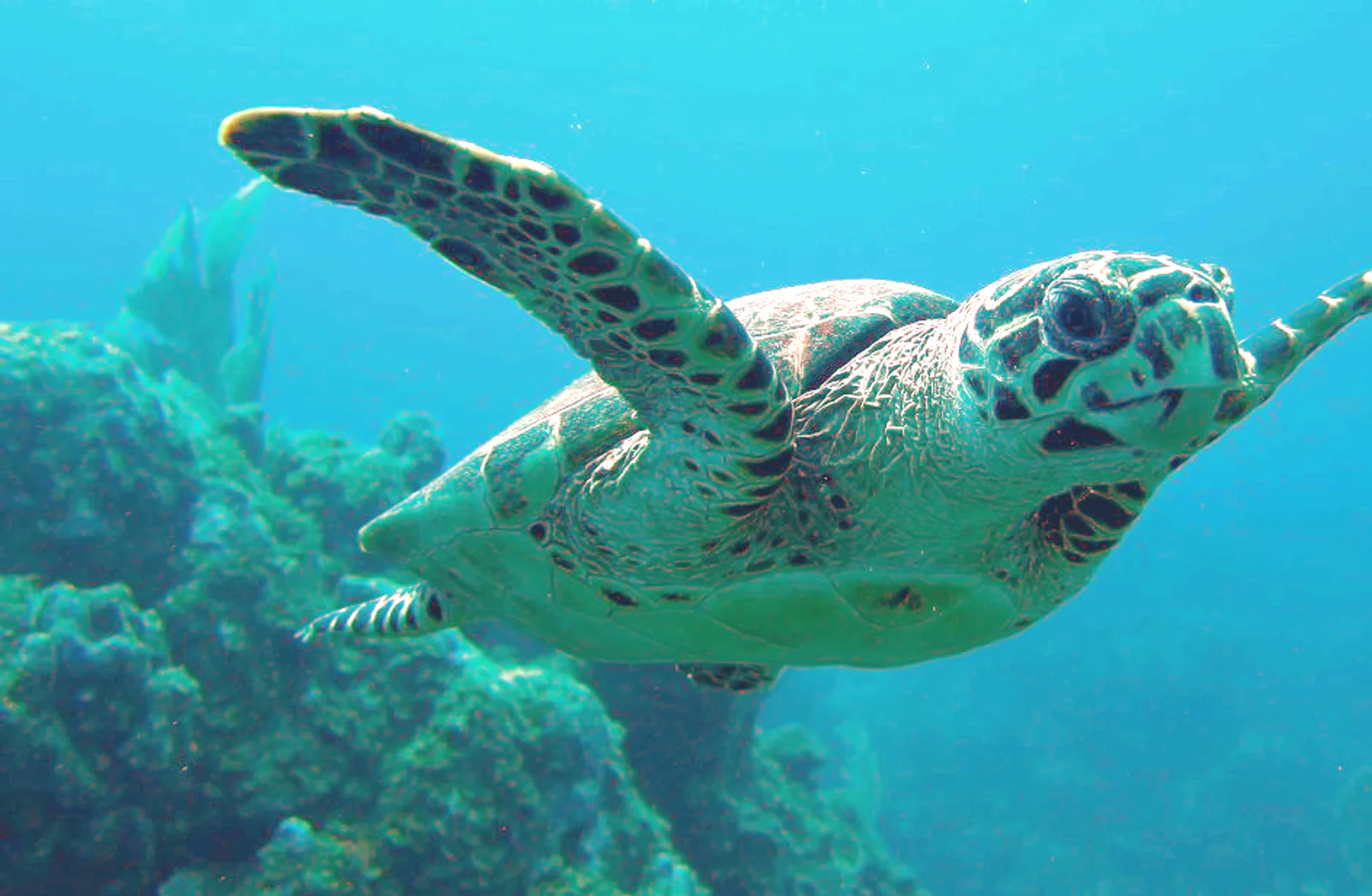
Hawksbill Turtle
Eretmochelys imbricata
Site occurrence not yet documented
No dated observations available.
Hazards & Safety
Be aware of these potential hazards at this dive site
Strong current
Severity: High"The Wash" / Coconut Point can produce strong downcurrents off the headlands
Boat traffic
Severity: MediumBanca traffic over the shallow sanctuary lip
Sources
- Dive The World
- Lakwatsero
- Marine Conservation Philippines
- Scuba Diver Magazine
- Sea Explorers
- Silliman Journal — Reboton and Calumpong (2015)
- Underwater Asia
360° Underwater View
Immersive panoramic view of this dive site
360° panorama coming soon
Immersive underwater views will be available when panoramic imagery is uploaded
Reviews
--
0 reviews
No reviews yet. Be the first to share your experience!
Related Dive Sites
Discover other dive sites in the area
Intermediate
 Beginner
 Intermediate
 IntermediateBeginnerIntermediate
Depth Profile
Minimum Depth
Historical value — unverified
5
Confirm this historical information with a local operator.
Know this dive site? Suggest a correctionMaximum Depth
Historical value — unverified
35
Confirm this historical information with a local operator.
Know this dive site? Suggest a correctionStay Updated
Get dive site updates and tips in your inbox.
Dived Apo Island Marine Sanctuary? Make it count.
Add it to your logbook, share your sightings, and help 0 divers plan their next descent.
Recent Community Activity
Was this helpful?