 Intermediate
Wreck
Kyokuzan Maru
Palawan
Advanced Open Water, Deep Diver Specialty Certification RequiredBest Season: Nov – May
Difficulty
Advanced
Difficulty level
Depth
72 ft
131 ft
Depth range
Access
Access not yet documented
Documented months
Nov
May
Visibility
49 ft
98 ft
Typical visibility
Current
Mild
Good buoyancy control advised
Temperature
81°F
86°F
Water temperature
About This Dive Site
Kyokuzan Maru: A Pristine WWII Wreck in Coron's Northern Reaches
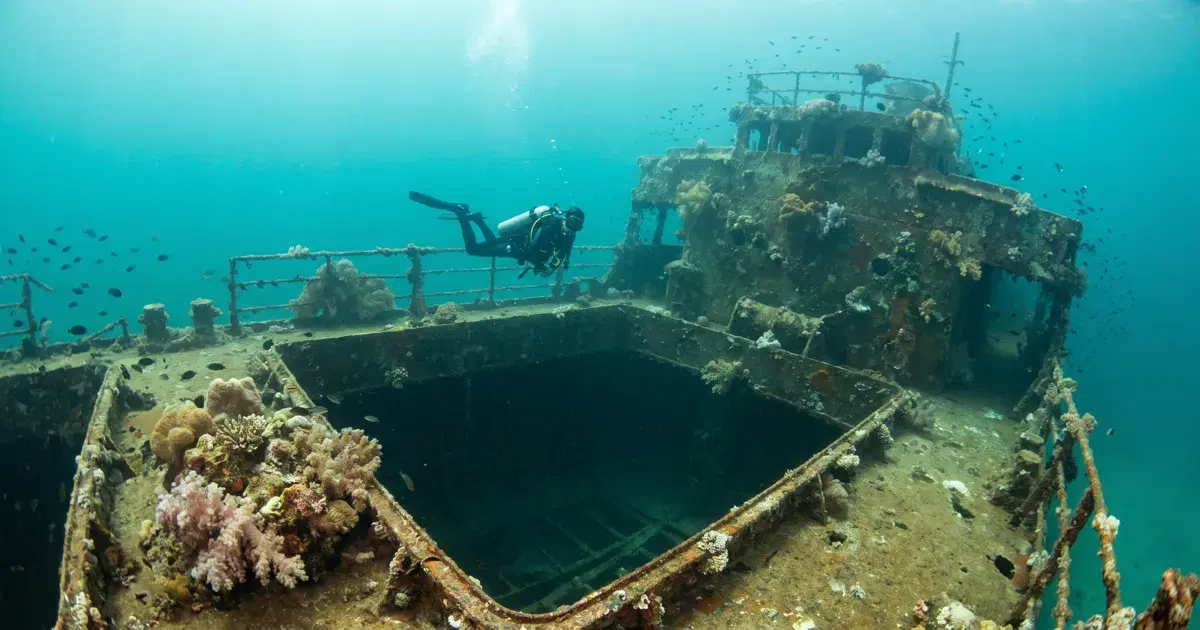
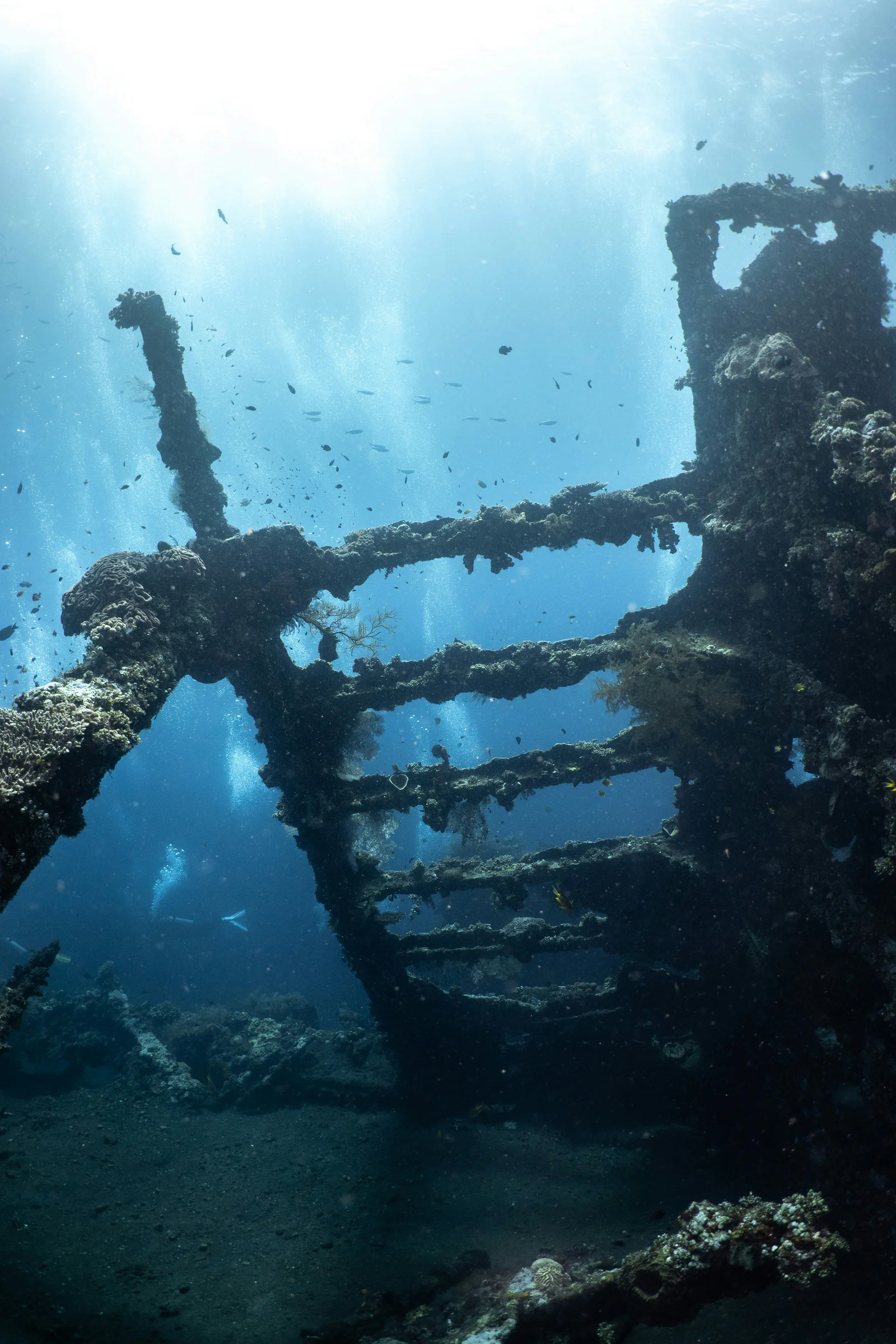
For divers seeking an unparalleled wreck experience in Coron, the Kyokuzan Maru stands as a monumental testament to history and a vibrant artificial reef. This 136-meter (450-foot) Japanese auxiliary army supply vessel, sunk on September 24, 1944, during a decisive US air raid, rests almost perfectly upright on the sandy seabed, largely intact and remarkably preserved.
Dive Conditions and Location
Located far north of Busuanga Island, near Dimalanta Island, the Kyokuzan Maru is isolated from the central bay, making it a less frequently visited dive site. This remoteness, however, is a key to its pristine condition, as it spares the wreck from heavy daily diver traffic. Washed by cleaner oceanic currents, divers will find excellent visibility here, often exceeding 20 meters, making it renowned for offering some of Coron's best wreck visibility. While currents are typically mild, the water temperature remains a comfortable 27-30°C year-round.
Depth, Difficulty, and Hazards
The Kyokuzan Maru is an advanced dive site, demanding careful planning and execution. The wreck's mast area begins at 12-14 meters, with the wheelhouse at 22-24 meters and the main deck between 26-28 meters. The first-level cargo holds are found around 30-33 meters, and the hull settles at a maximum depth of 42 meters. Due to these depths and the potential for penetration, we require divers to hold at least an Advanced Open Water certification, with a Deep Diver Specialty highly recommended. Nitrox is also highly recommended to extend bottom time and enhance safety. Key hazards include the significant depth, the need for disciplined gas management, decompression obligations, and the overhead environment within the wreck. Divers should also be aware of potential boat traffic in the area. A critical safety note: one of the cargo holds is reported to contain leaking barrels of a solvent that can burn skin, so we strongly advise against entering that specific hold.
Wartime Artifacts and Wreck Exploration
Exploring the Kyokuzan Maru offers a unique journey into a preserved piece of history. The cavernous cargo holds still house recognizable wartime artifacts, including the remains of Japanese staff vehicles, such as a Japanese Army jeep chassis with intact whitewall tires, and a Toyota truck. Divers can also discover scattered pottery with the ship's insignia and other remnants from its past as a spare parts supply vessel. The wreck's largely intact structure and wide-open cargo holds provide exciting opportunities for penetration, allowing experienced divers to explore its interior safely. We recommend at least two dives to fully appreciate the scale and hidden treasures of this impressive vessel.
Thriving Marine Life
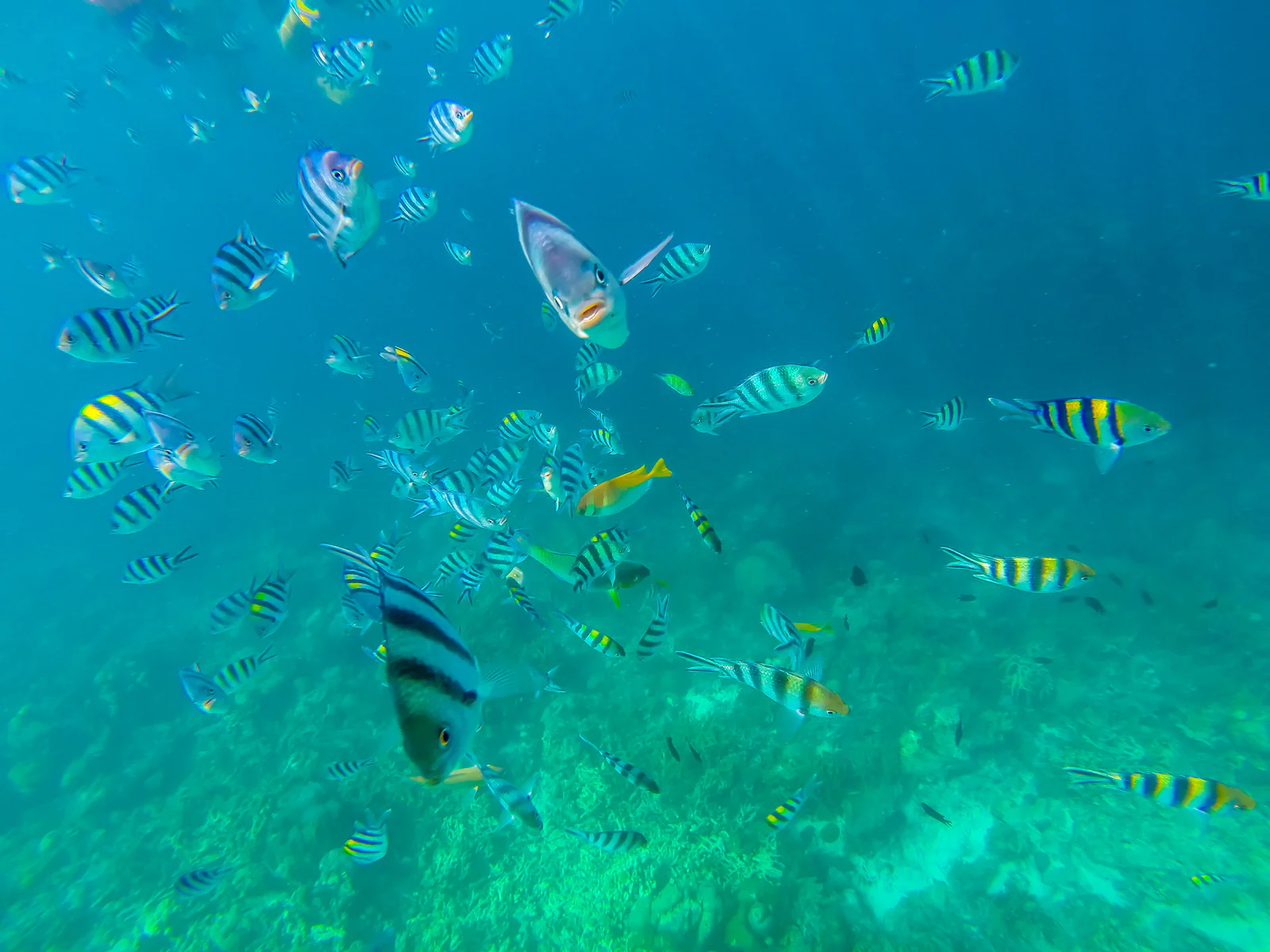
Beyond its historical significance, the Kyokuzan Maru has transformed into a thriving artificial reef, teeming with diverse marine life. Divers will find the wreck adorned with vibrant hard and soft corals, sponges, shells, and tunicates. We frequently encounter schools of Great Barracuda (Sphyraena barracuda) patrolling the wreck, along with curious Longfin Batfish (Platax teira). Keep an eye out for Blacktip Reef Sharks (Carcharhinus melanopterus) and the graceful Spotted Eagle Ray (Aetobatus narinari) in the blue. Inside and around the wreck, you can also spot Bumphead Parrotfish (Bolbometopon muricatum), lionfish, scorpionfish, trumpetfish, pufferfish, nudibranchs, snappers, trevallies, groupers, anthias, cuttlefish, lobsters, clams, wrasses, angelfish, surgeonfish, fusiliers, and soldierfish. An occasional manta ray might even make an appearance.
Advanced Open Water, Deep Diver Specialty
Current Conditions
Typical current strength at this dive site
Mild
Light current that is easy to swim against. Comfortable for most certified divers.
Strength Scale
None
Mild
Moderate
Strong
Best Time to Visit
Monthly conditions and seasonal highlights — tap a month
SepGood
Shoulder season with generally good conditions. Some variability in weather and visibility.
BestGoodLess FavorablePeak
Marine Life
5 species recorded at this site
Occasional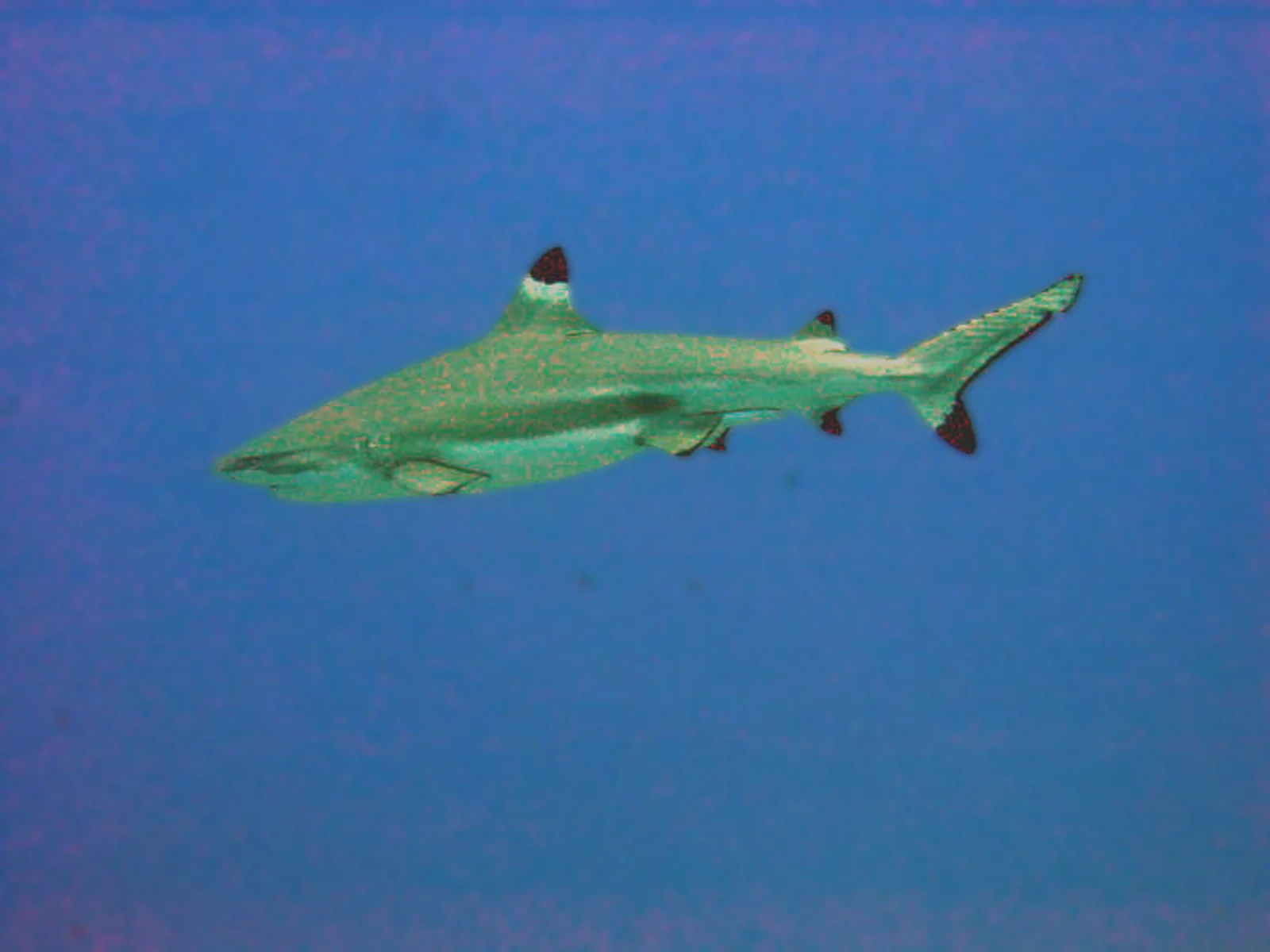
Blacktip Reef Shark
Carcharhinus melanopterus
Site occurrence not yet documented
No dated observations available.
Rare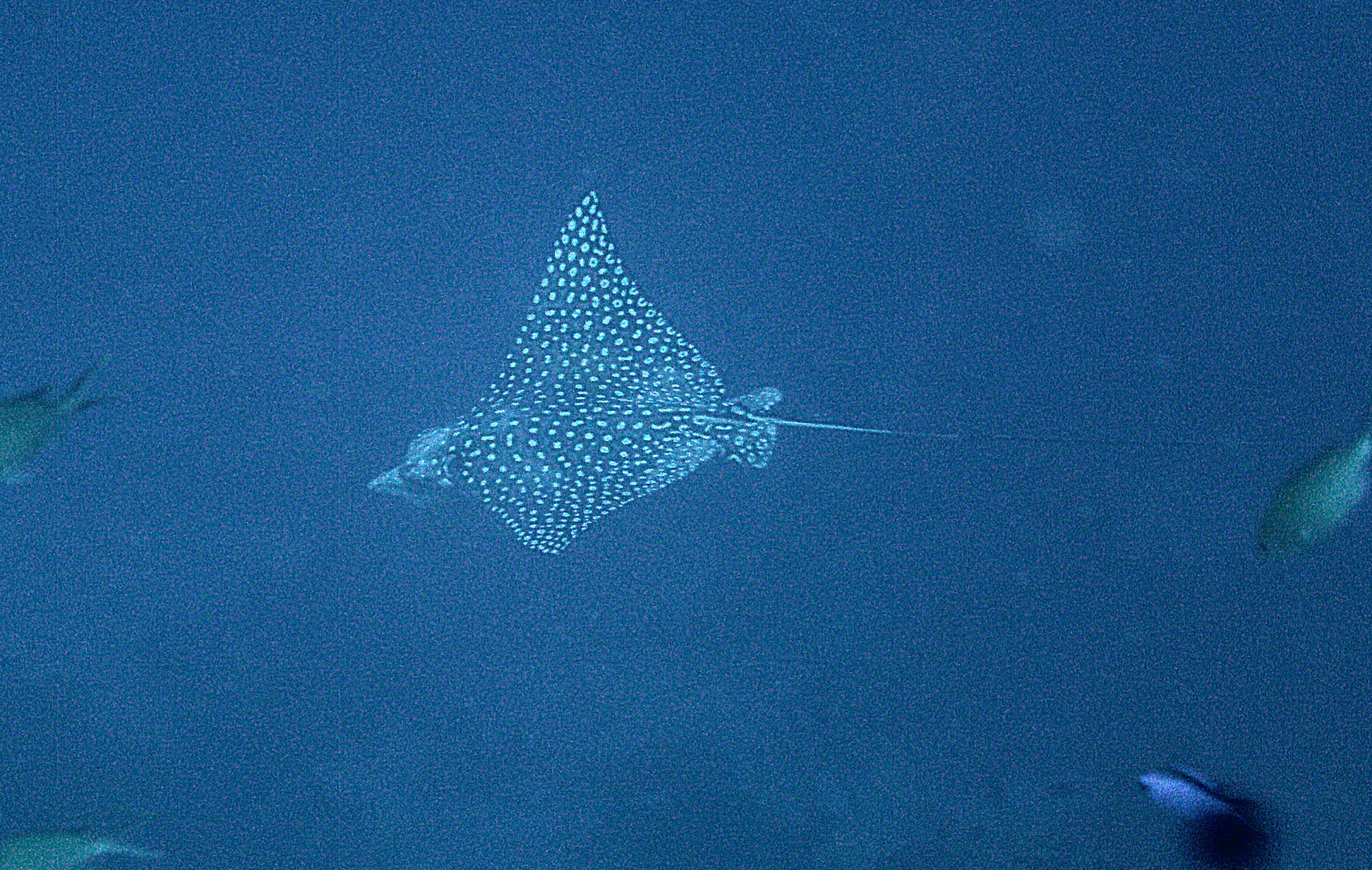
Spotted Eagle Ray
Aetobatus narinari
Site occurrence not yet documented
No dated observations available.
Common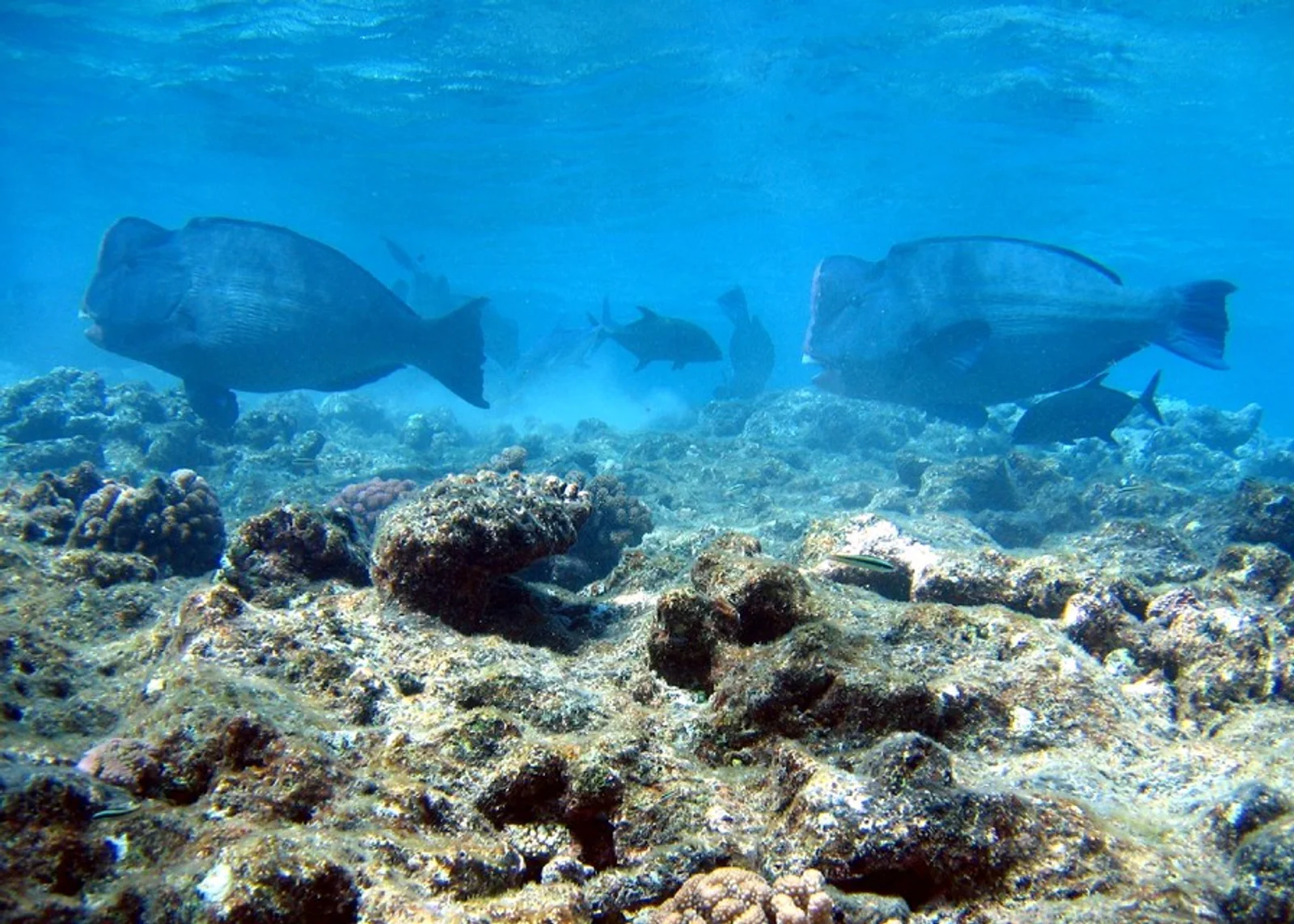
Bumphead Parrotfish
Bolbometopon muricatum
Site occurrence not yet documented
No dated observations available.
Common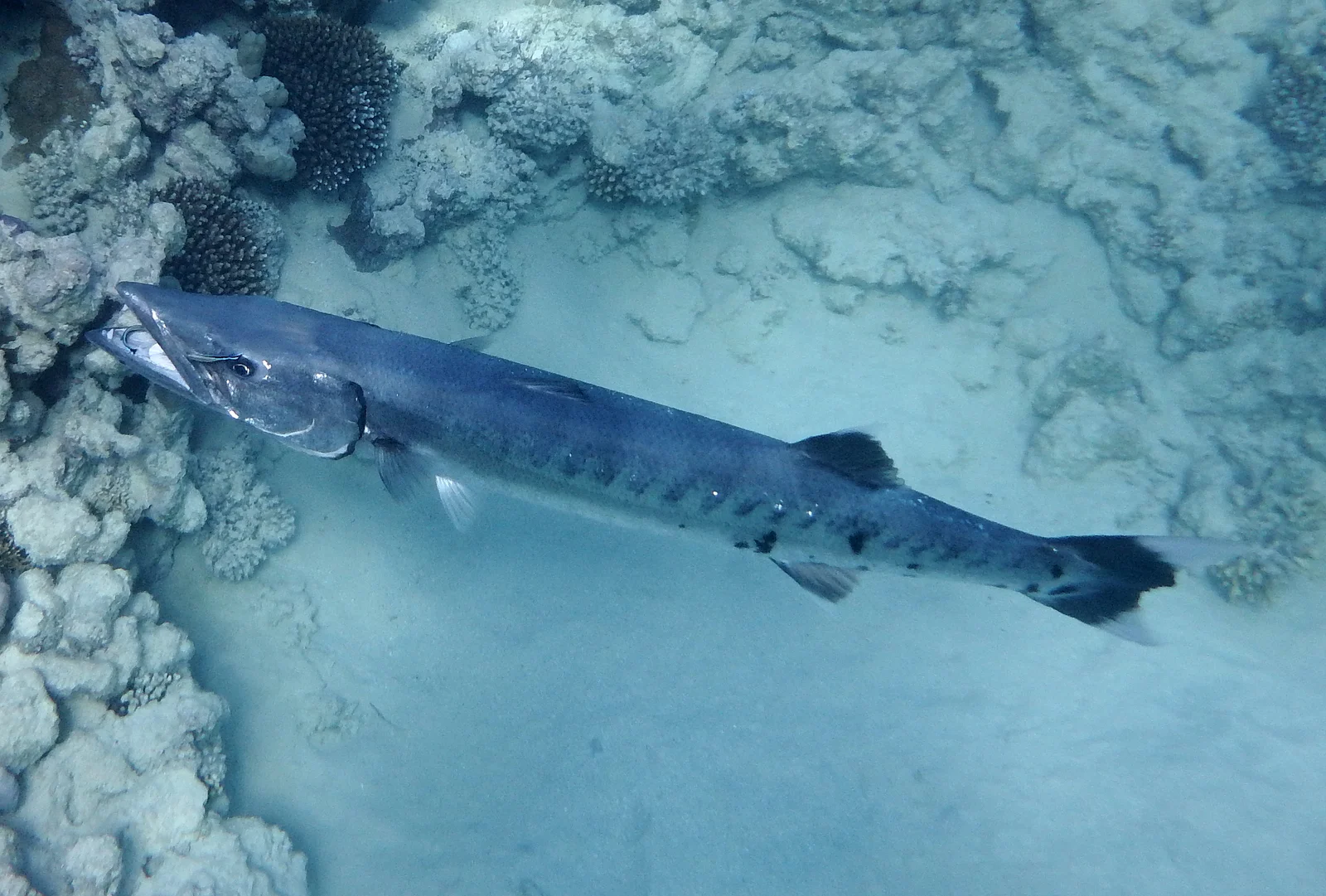
Great Barracuda
Sphyraena barracuda
Apr, May
Site occurrence not yet documented
No dated observations available.
Common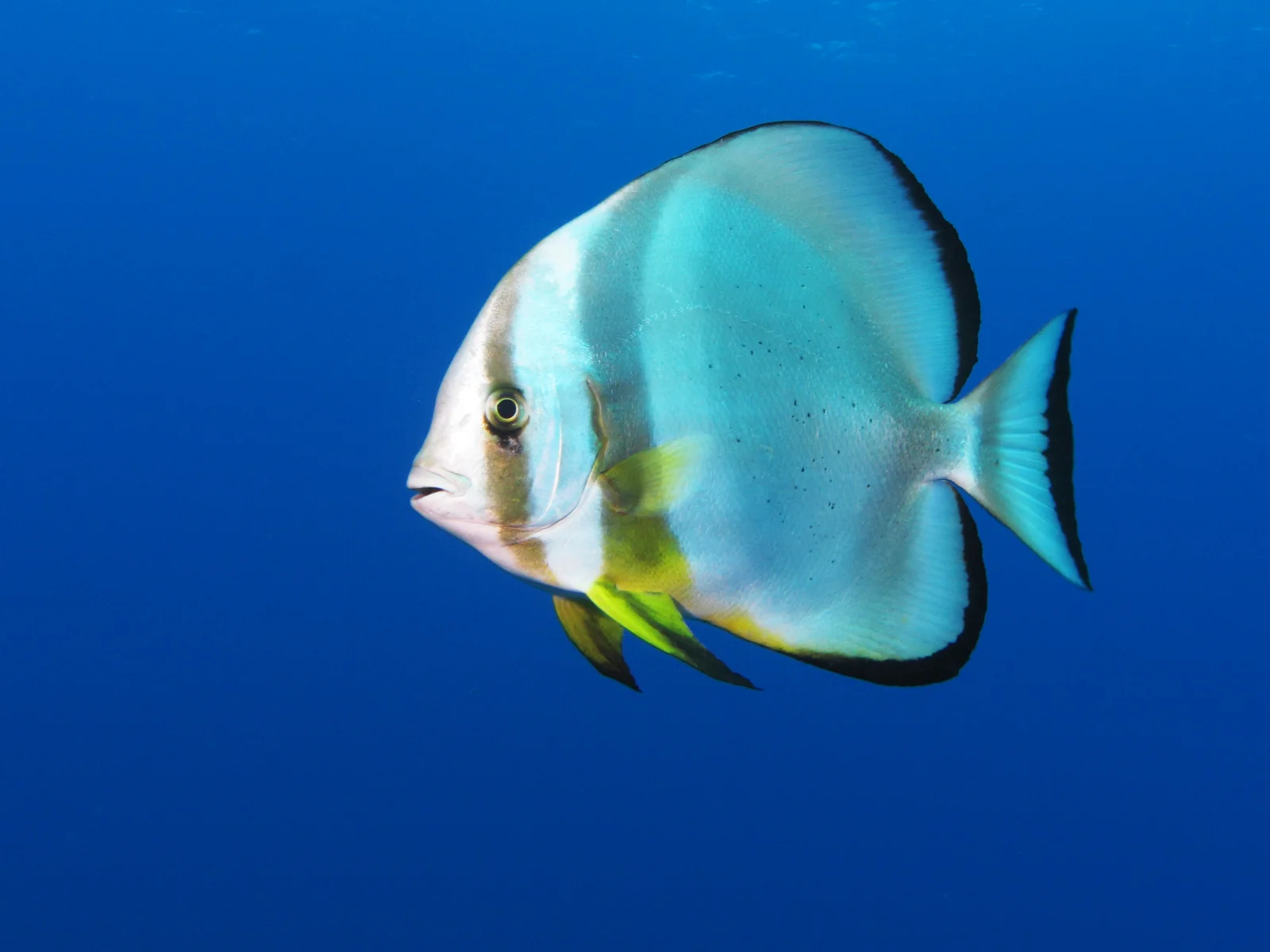
Longfin Batfish
Platax teira
Site occurrence not yet documented
No dated observations available.
Hazards & Safety
Be aware of these potential hazards at this dive site
Depth
High40 m severely limits bottom time; remote far-north location is well away from hyperbaric support
Decompression obligation
HighDeep profile, elevated narcosis risk
Overhead environment
MediumHold penetration to reach the staff vehicles
Boat traffic
LowIsolated far-north location — minimal traffic
Certification Required
A minimum of Advanced Open Water, Deep Diver Specialty certification is required to dive this site.
360° Underwater View
Immersive panoramic view of this dive site
360° panorama coming soon
Immersive underwater views will be available when panoramic imagery is uploaded
Reviews
--
0 reviews
No reviews yet. Be the first to share your experience!
Related Dive Sites
Discover other dive sites in the area
Intermediate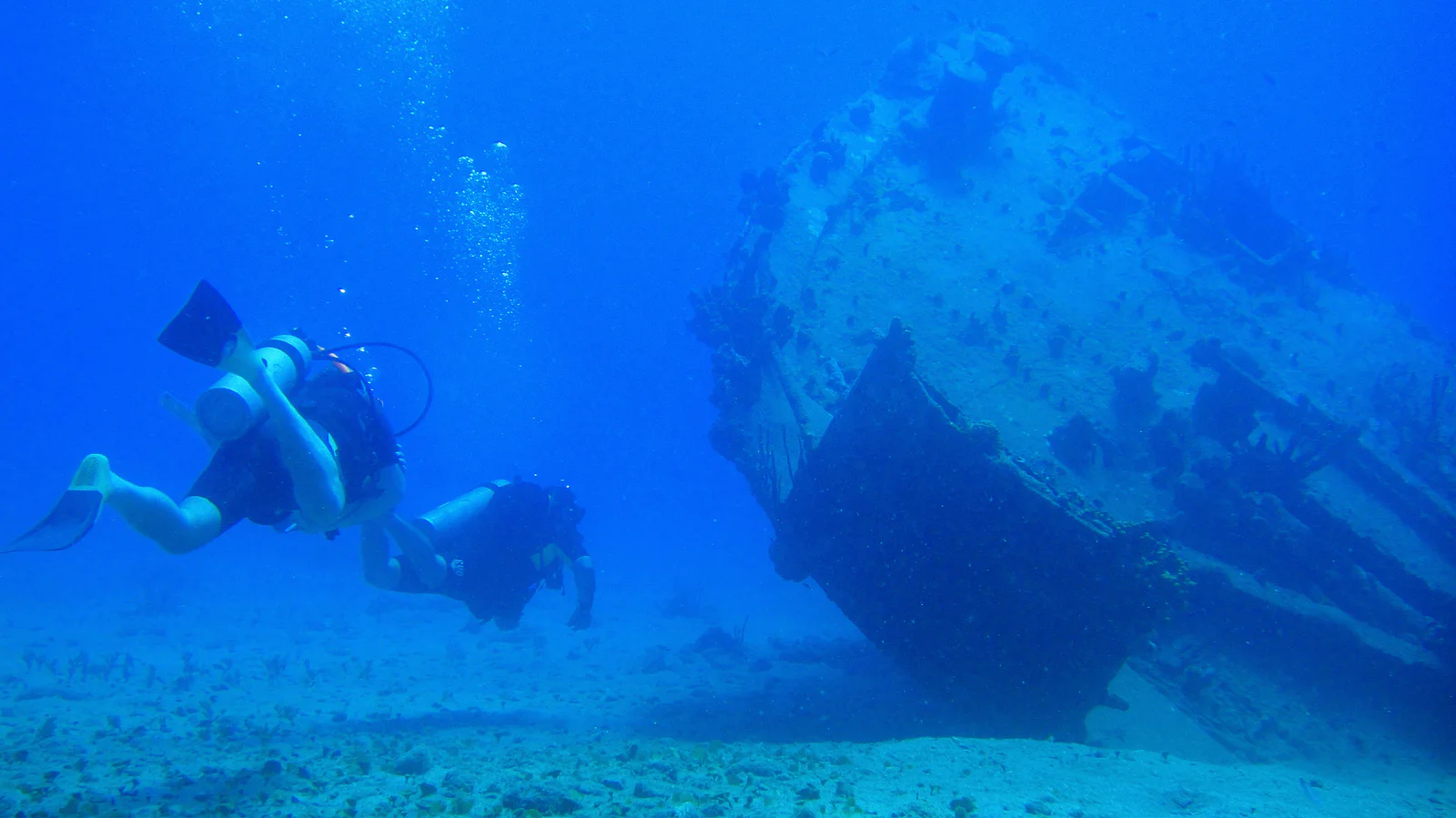 Intermediate
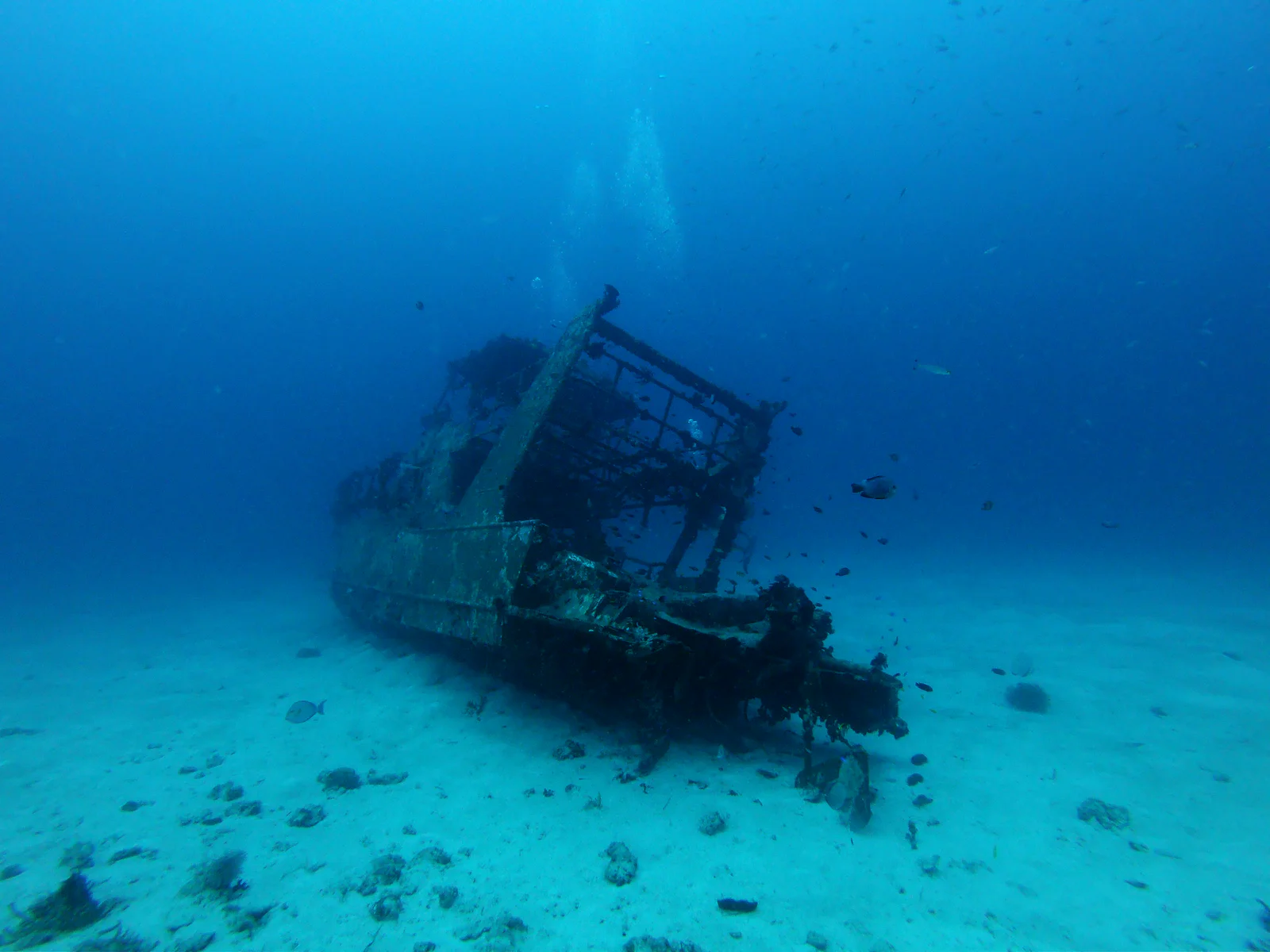 Advanced
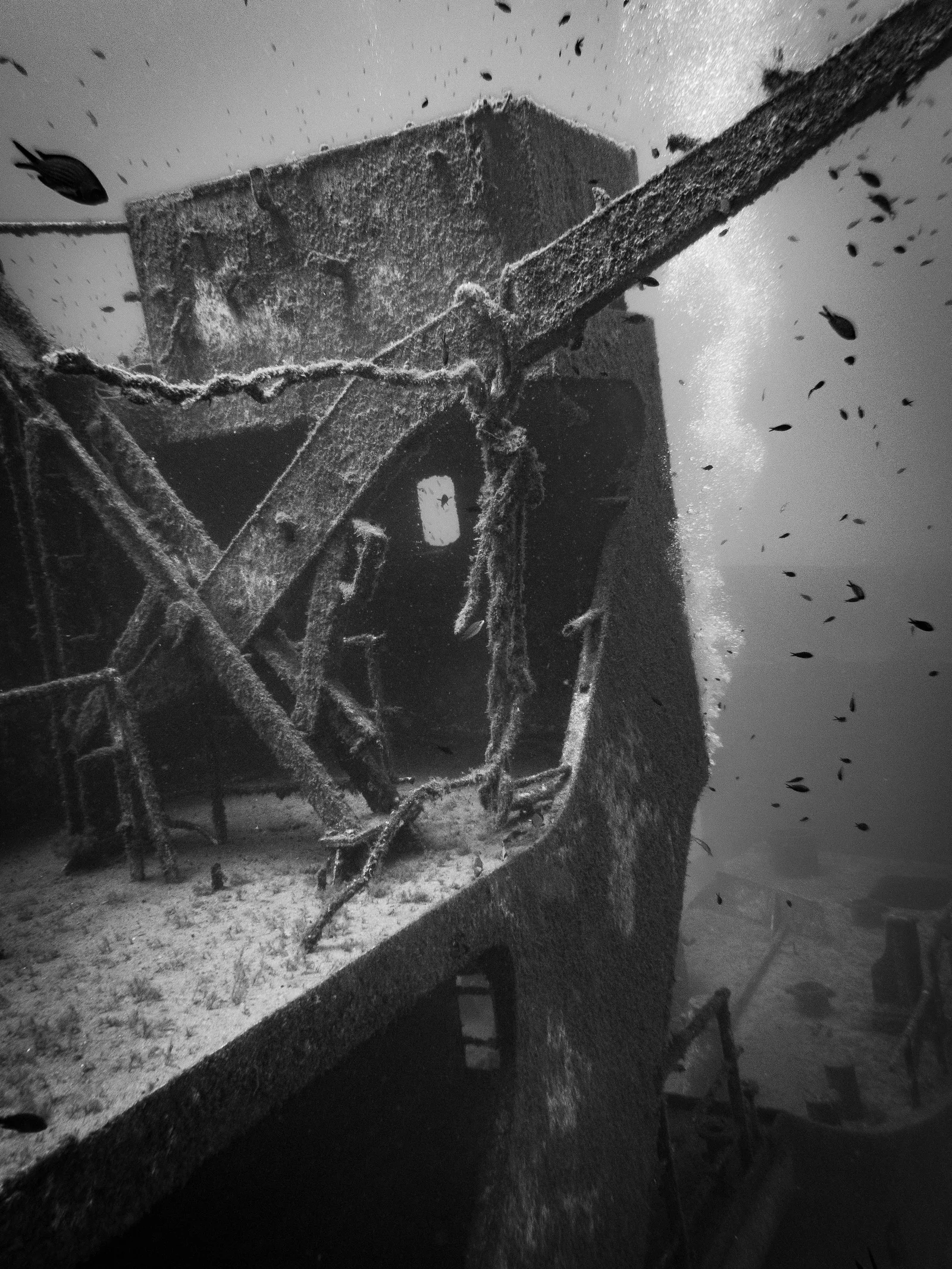 Intermediate
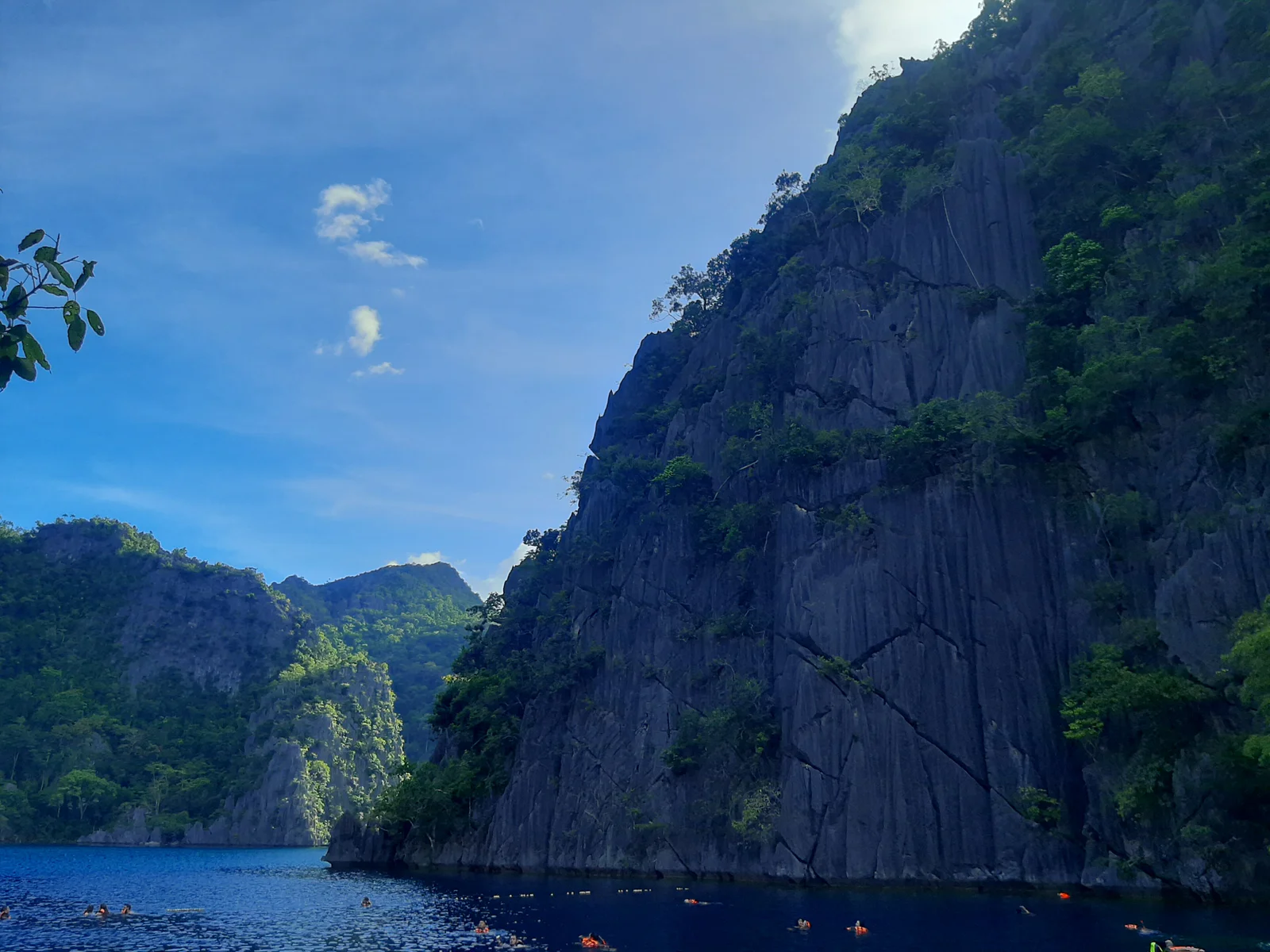 Intermediate
 BeginnerIntermediateIntermediateAdvancedIntermediateIntermediateBeginner
Depth Profile
Vertical range at this site
Minimum Depth
72 ft
Shallowest point
Average Depth
98 ft
Typical dive depth
Maximum Depth
131 ft
Deepest point
Nearby services
View all dive shops →Stay Updated
Get dive site updates and tips in your inbox.
Dived Kyokuzan Maru? Make it count.
Add it to your logbook, share your sightings, and help 0 divers plan their next descent.
Recent Community Activity
Was this helpful?