 Beginner
Reef · Drop-off · Drift · Wall
Mainit Point
Luzon
Advanced Open Water Certification RequiredBest Season: Nov – May
Difficulty
Advanced
Difficulty level
Depth
16 ft
131 ft
Depth range
Access
Access not yet documented
Documented months
Nov
May
Visibility
16 ft
66 ft
Typical visibility
Current
Strong
Good buoyancy control advised
Temperature
77°F
86°F
Water temperature
About This Dive Site
Mainit Point (Anilao)
At the raw southern apex of the Calumpan Peninsula, Mainit Point stands as Anilao's signature big-water dive site. Here, divers will find a thrilling and dynamic underwater experience, characterized by strong currents and impressive pelagic encounters. The name "Mainit," meaning "hot," honors a small geothermal hot spring on the shoreline, though the dive itself is renowned for its pure, current-swept pelagic reef.
Diving Conditions
- Difficulty: This is an advanced dive site, best suited for experienced divers.
- Certification Required: We recommend an Advanced Open Water certification to safely navigate the challenging conditions.
- Depth: Divers will explore a range from approximately 5 m down to a maximum depth of 40 m, where the reef drops away dramatically.
- Current: Expect strong currents, which are a defining feature of this dive site. The tidal flow funnels through the narrow strait, creating exhilarating drift diving opportunities.
- Temperature: The water temperature typically ranges from 26°C to 30°C. Divers might also experience thermoclines, where the water temperature can suddenly drop at certain depths.
- Hazards: Primary hazards include strong currents, significant depth, and potential surge. Divers should be proficient in drift diving techniques and have excellent buoyancy control.
Underwater Topography and Features
The dive site begins with a boulder-strewn slope that gradually steepens. Divers will encounter three car-sized rocky mounds at around 30 m before the topography gives way to a dramatic drop-off beyond 40 m. Mainit Point offers a diverse underwater landscape, encompassing vibrant reef sections, exhilarating drift opportunities, and impressive wall diving. During windows of slack current, divers can appreciate beautiful cup-coral gardens and surprising macro life nestled within the reef.
Marine Life
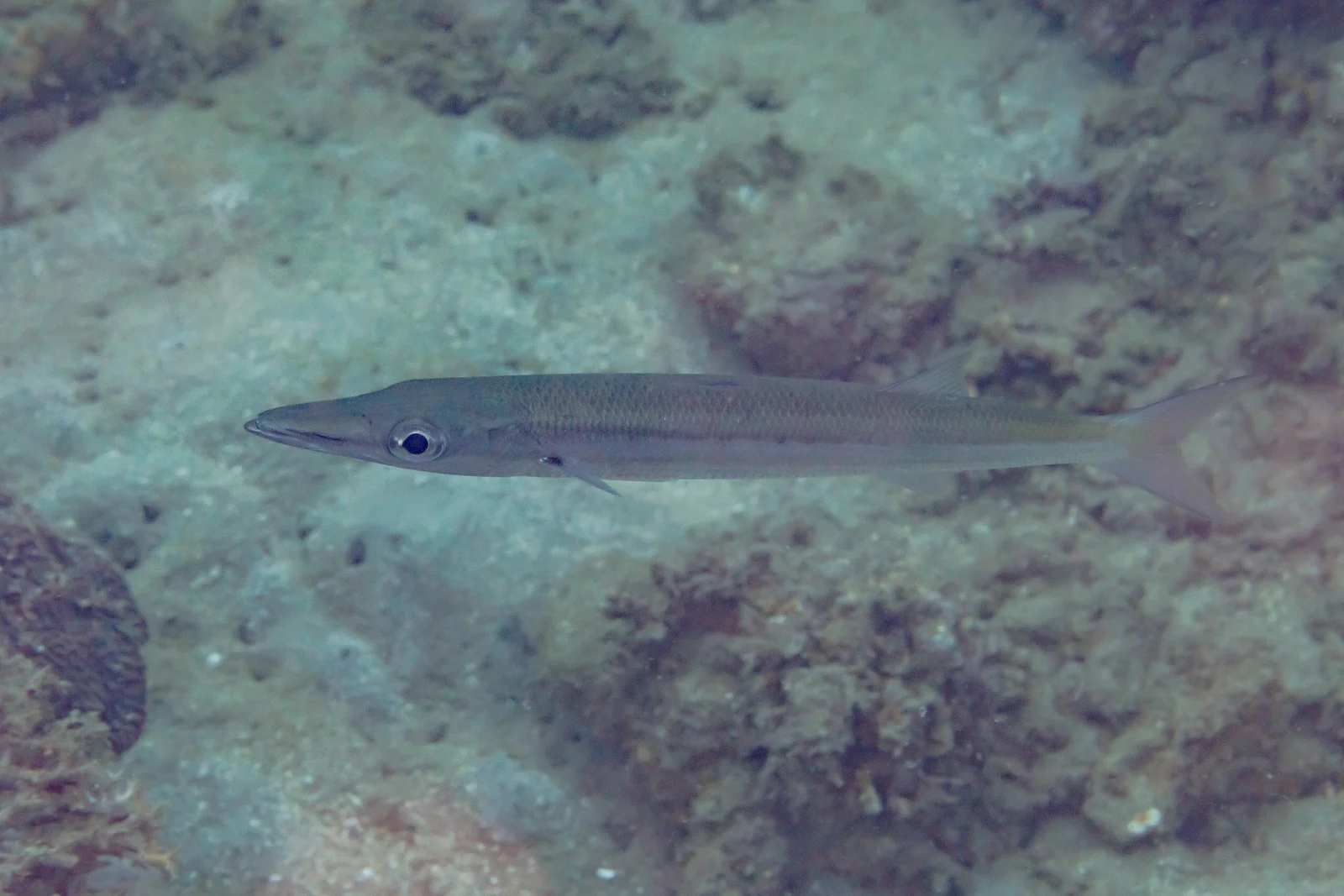
Mainit Point is a renowned destination for encountering larger marine species drawn in by the nutrient-rich currents. Divers can frequently spot bulky Great Barracuda (Sphyraena barracuda) and schooling Chevron Barracuda (Sphyraena qenie) hunting in the blue. We often encounter powerful Giant Trevally (Caranx ignobilis) and sleek Dogtooth Tuna (Gymnosarda unicolor) riding the currents. Keep an eye out for Whitetip Reef Sharks (Triaenodon obesus), which are occasionally seen deeper or resting in crevices. The reef itself is home to beautiful Oriental Sweetlips (Plectorhinchus vittatus) and schooling Sea Goldie (Pseudanthias squamipinnis), adding vibrant color to the hard and soft coral gardens. Additionally, divers may observe various reef fish such as angelfish, parrotfish, wrasses, Moorish idols, pufferfish, snappers, and scorpionfish. On very rare occasions, there have even been sightings of small whale sharks.
Advanced Open Water
Current Conditions
Typical current strength at this dive site
Strong
Powerful current. Advanced certification and drift dive experience required. Follow guide instructions.
Strength Scale
None
Mild
Moderate
Strong
Best Time to Visit
Monthly conditions and seasonal highlights — tap a month
SepGood
Shoulder season with generally good conditions. Some variability in weather and visibility.
BestGoodLess FavorablePeak
Marine Life
7 species recorded at this site
Occasional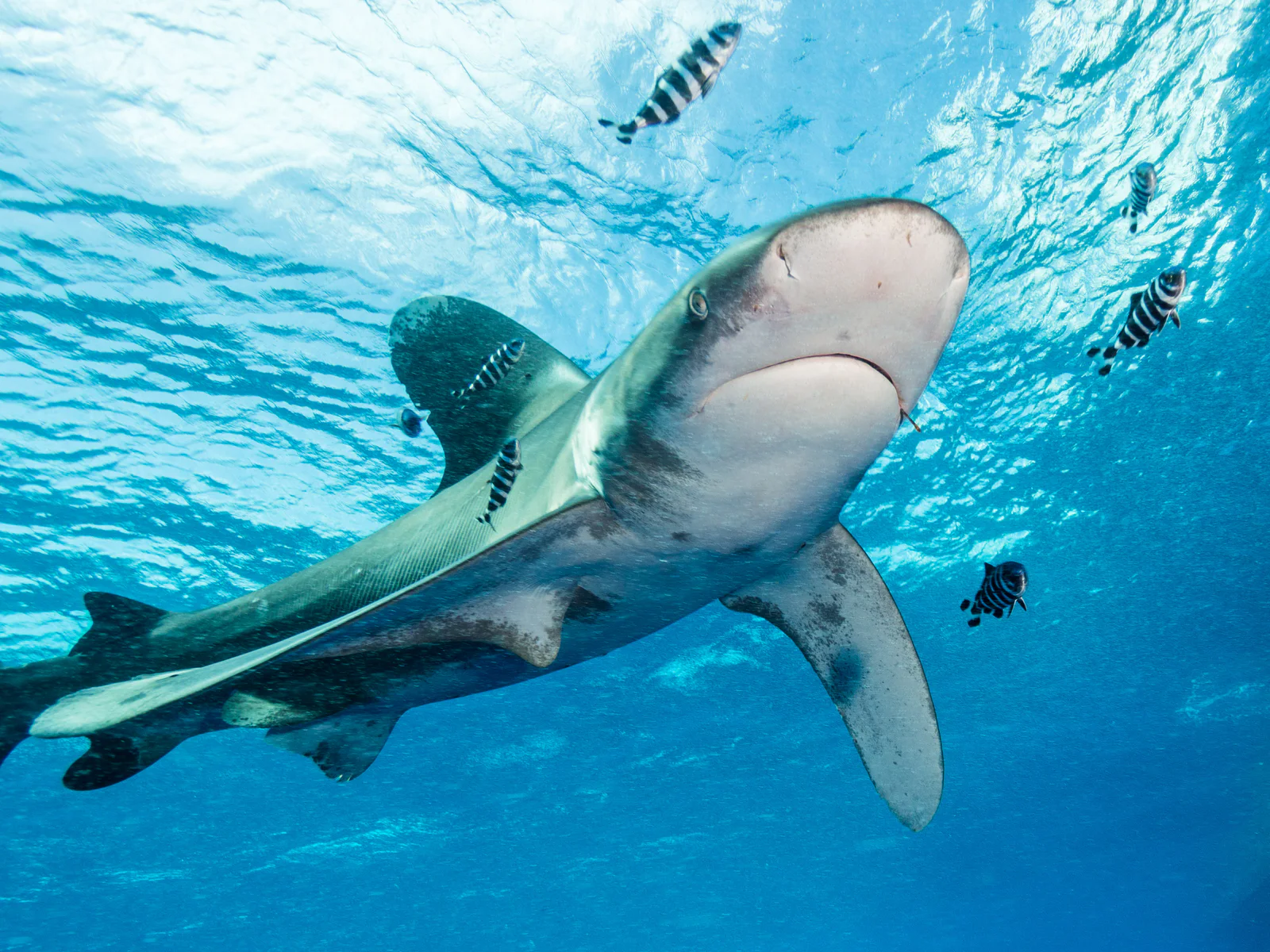
Whitetip Reef Shark
Triaenodon obesus
Site occurrence not yet documented
No dated observations available.
Common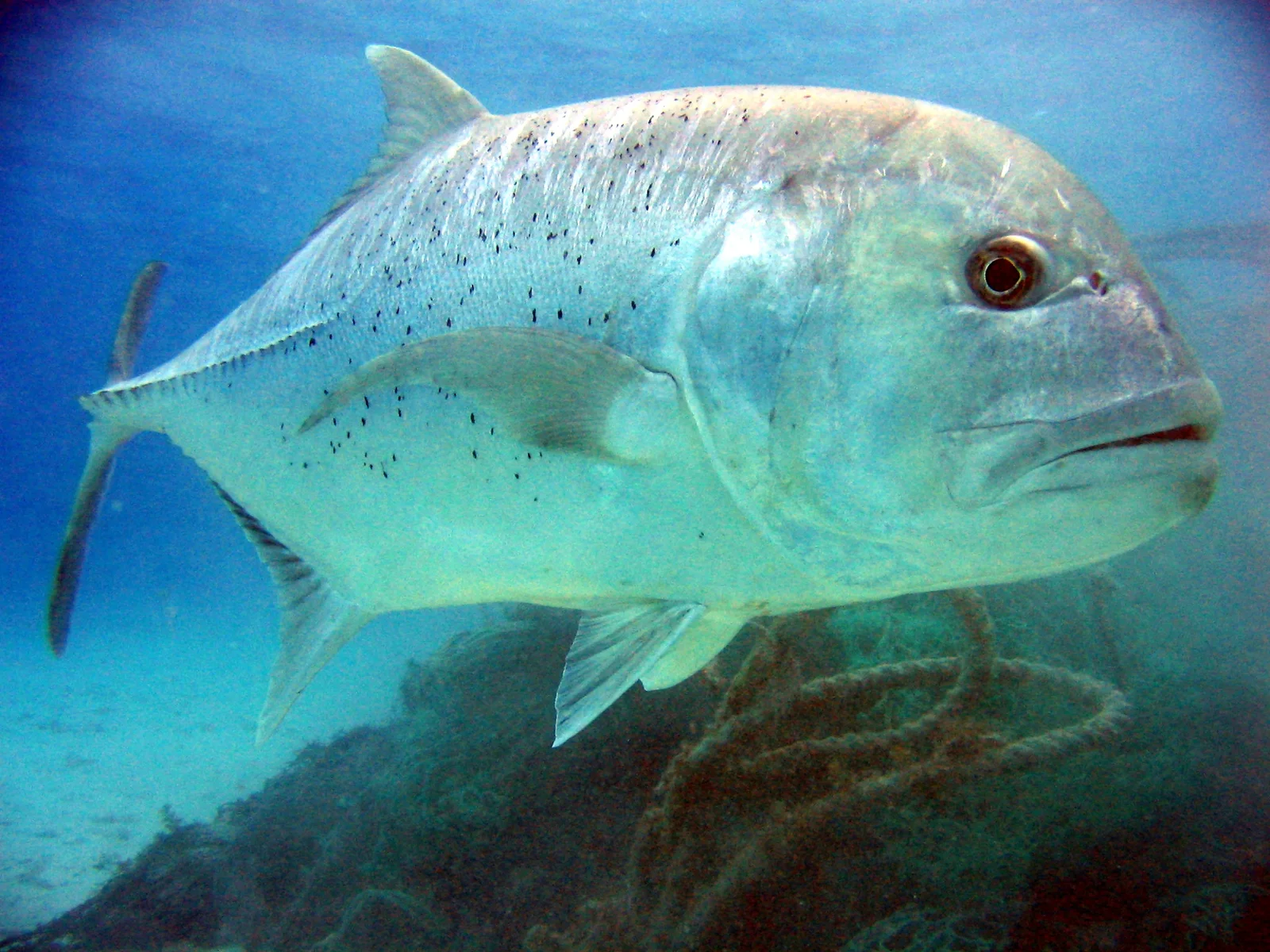
Giant Trevally
Caranx ignobilis
Site occurrence not yet documented
No dated observations available.
Abundant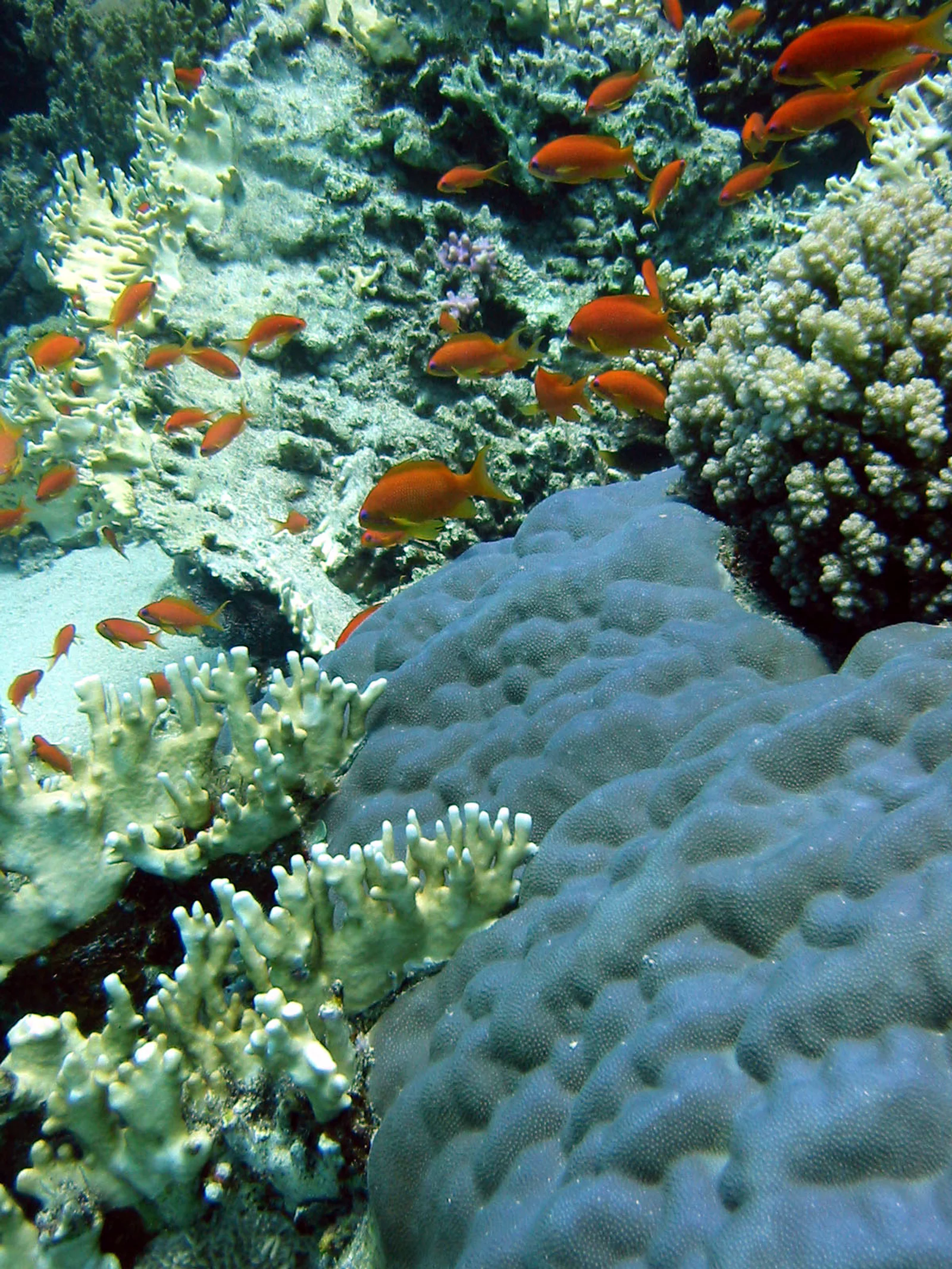
Sea Goldie (anthias)
Pseudanthias squamipinnis
Site occurrence not yet documented
No dated observations available.
Occasional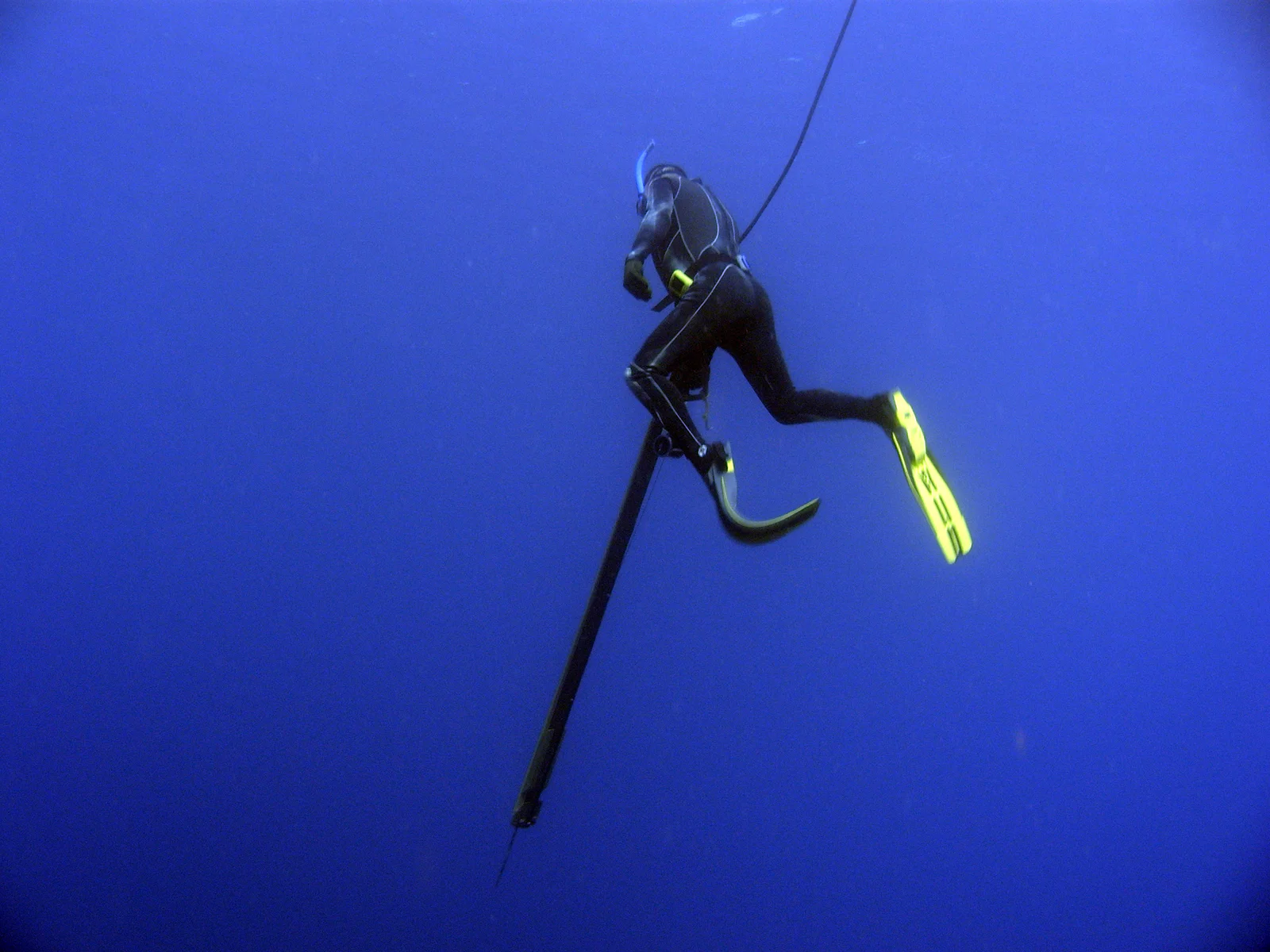
Dogtooth Tuna
Gymnosarda unicolor
Site occurrence not yet documented
No dated observations available.
Common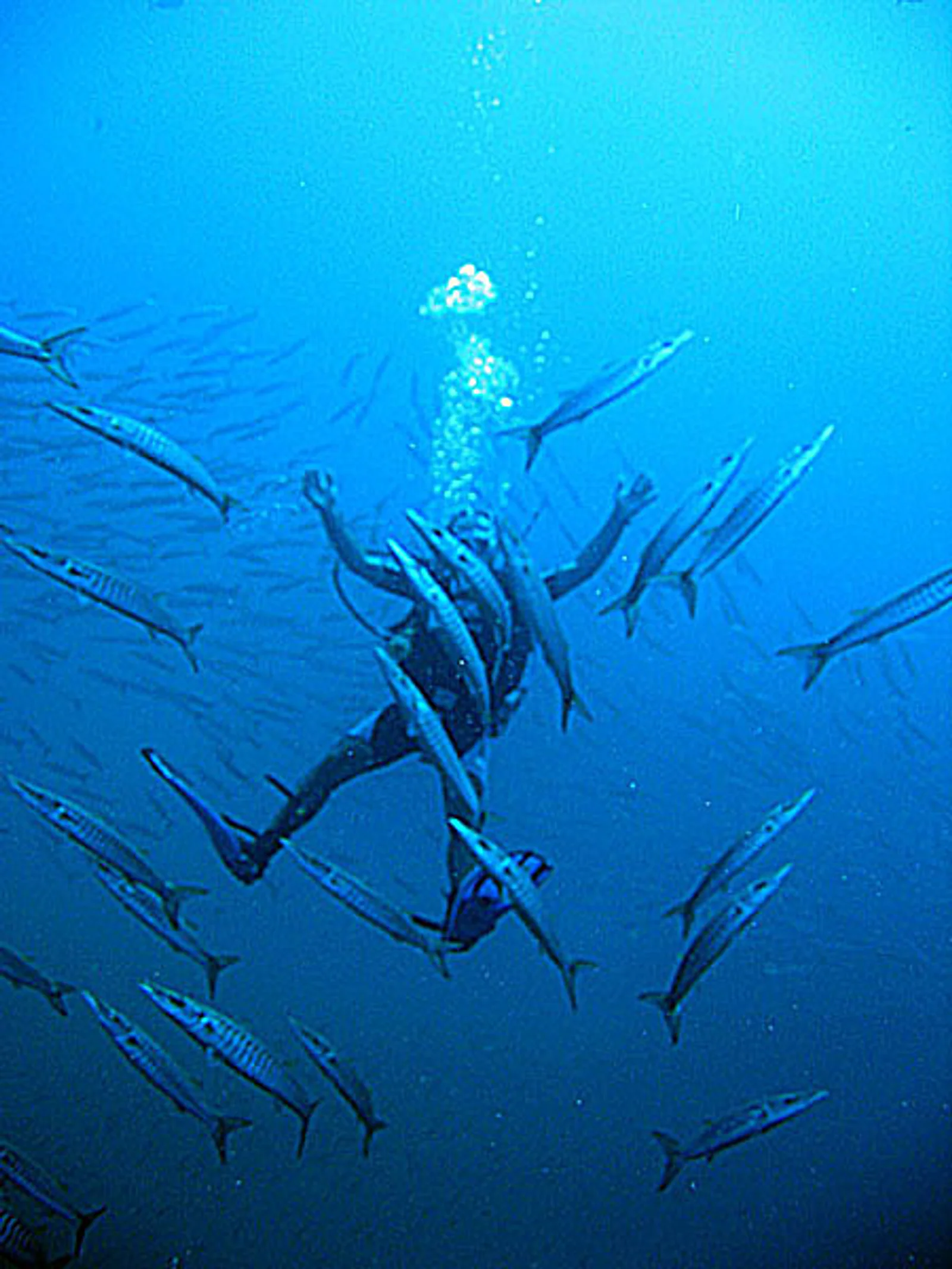
Chevron Barracuda
Sphyraena qenie
Site occurrence not yet documented
No dated observations available.
Common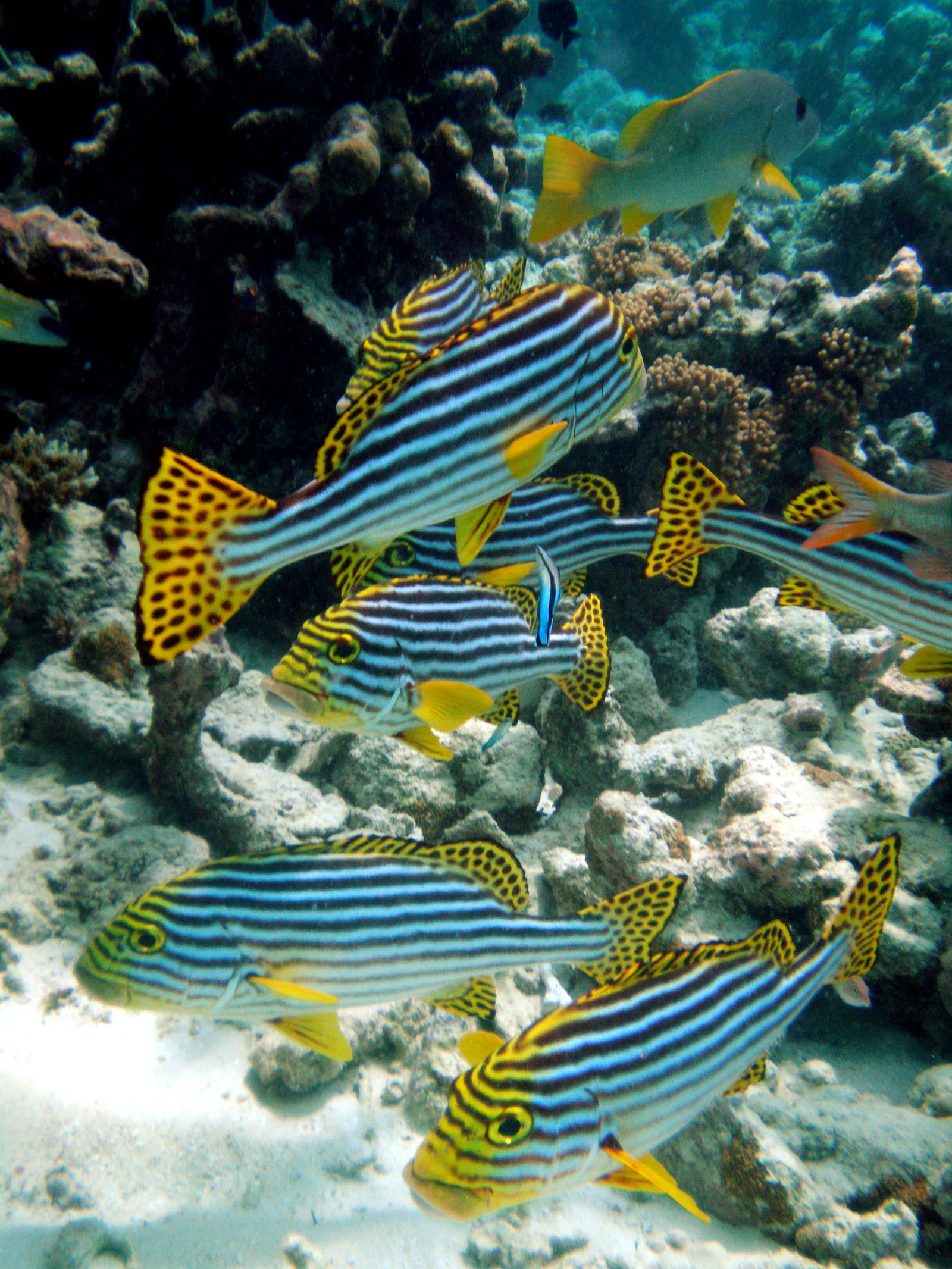
Oriental Sweetlips
Plectorhinchus vittatus
Site occurrence not yet documented
No dated observations available.
Common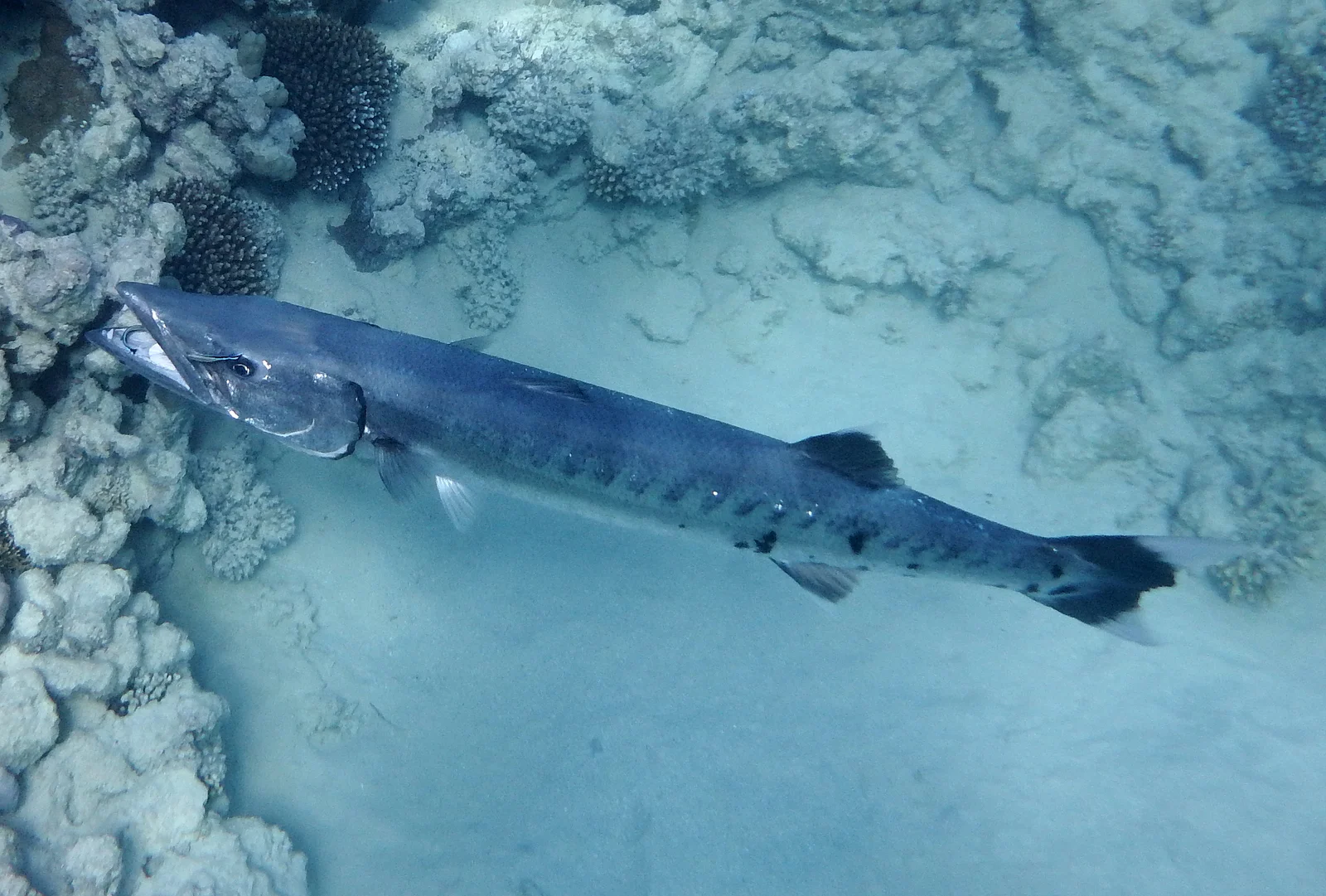
Great Barracuda
Sphyraena barracuda
Site occurrence not yet documented
No dated observations available.
Hazards & Safety
Be aware of these potential hazards at this dive site
Strong current
HighTide-driven flow through the strait; documented downcurrents near the apex — plan for open-water swim-off to exit
Depth
MediumSlope drops past 40 m; easy to exceed NDLs chasing pelagics in clear water
Surge
MediumWind-driven waves complicate entry and exit on the exposed apex seasonally
Certification Required
A minimum of Advanced Open Water certification is required to dive this site.
360° Underwater View
Immersive panoramic view of this dive site
360° panorama coming soon
Immersive underwater views will be available when panoramic imagery is uploaded
Reviews
--
0 reviews
No reviews yet. Be the first to share your experience!
Related Dive Sites
Discover other dive sites in the area
Beginner Beginner
 Beginner
 Beginner
 Intermediate
 IntermediateBeginnerBeginnerBeginnerBeginnerIntermediateIntermediate
Depth Profile
Vertical range at this site
Minimum Depth
16 ft
Shallowest point
Average Depth
59 ft
Typical dive depth
Maximum Depth
131 ft
Deepest point
Nearby services
View all dive shops →Stay Updated
Get dive site updates and tips in your inbox.
Dived Mainit Point? Make it count.
Add it to your logbook, share your sightings, and help 0 divers plan their next descent.
Recent Community Activity
Was this helpful?
Related dive articles.
Anilao Diving Guide: The Philippines' Muck and Macro Capital
Anilao diving guide: muck diving basics, best resorts for macro photography, weekend-trip logistics from Manila, and how it compares to Lembeh Strait.
Sep 11, 2026
Best Diving in Luzon: Anilao, Subic Bay, and Beyond
Luzon diving guide: Anilao muck diving, Subic Bay wrecks, Donsol whale sharks, best season, and how it compares to Visayas and Palawan.
Sep 8, 2026