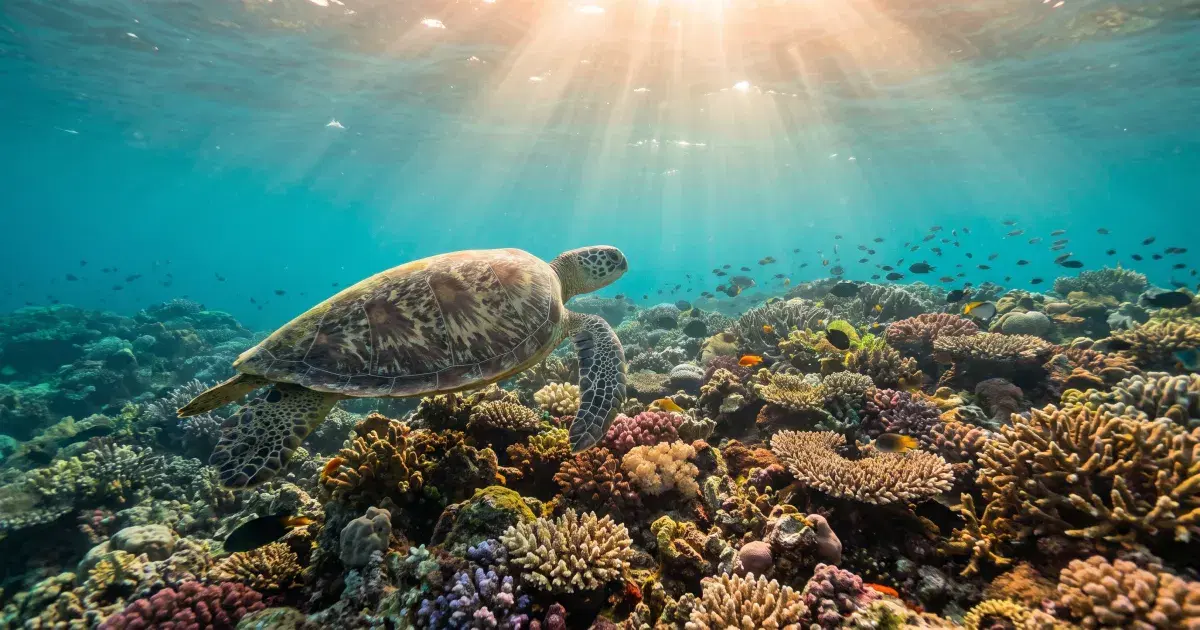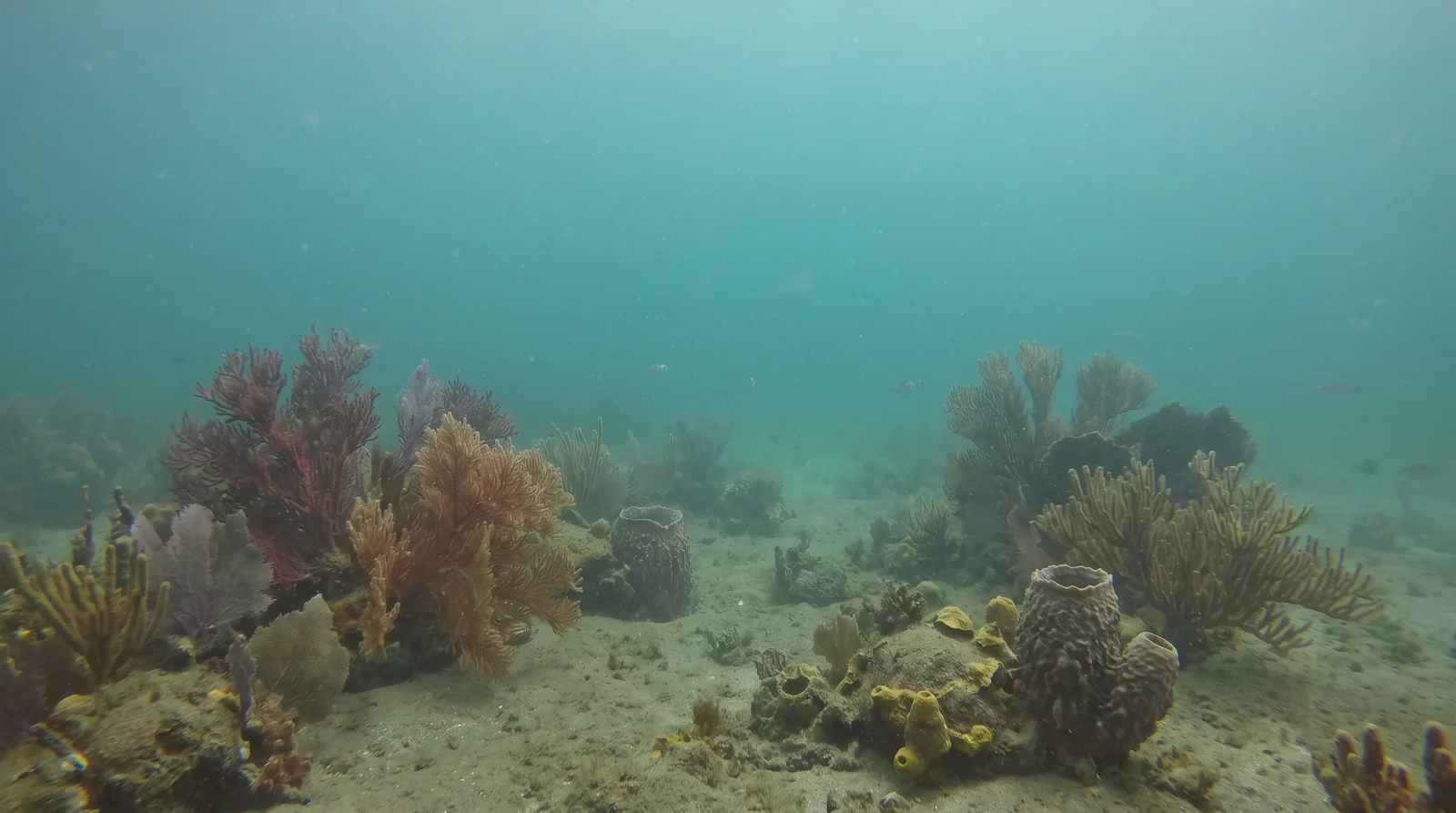
Reef · Drift · Slope · Wall
Mamsa Point
Apo Island
Advanced Open Water Certification RequiredBest Season: Oct – May
Depth
20 ft115 ft
Minimum depth
Reported by one source · DIVING IN THE PHILIPPINES
Maximum depth
Reported by one source · Dive Guide Apo Island
Depth range
Access
Boat
Reported by one source · PADI
Documented months
Oct
May
Visibility
49 ft115 ft
Minimum visibility
Reported by one source · Dive Guide Apo Island
Typical visibility
Current
Strong
Good buoyancy control advised
Temperature
77°F86°F
Minimum water temperature
Reported by one source · Dive Guide Apo Island
Water temperature
Reported by one source · Dive Guide Apo Island
About This Dive Site
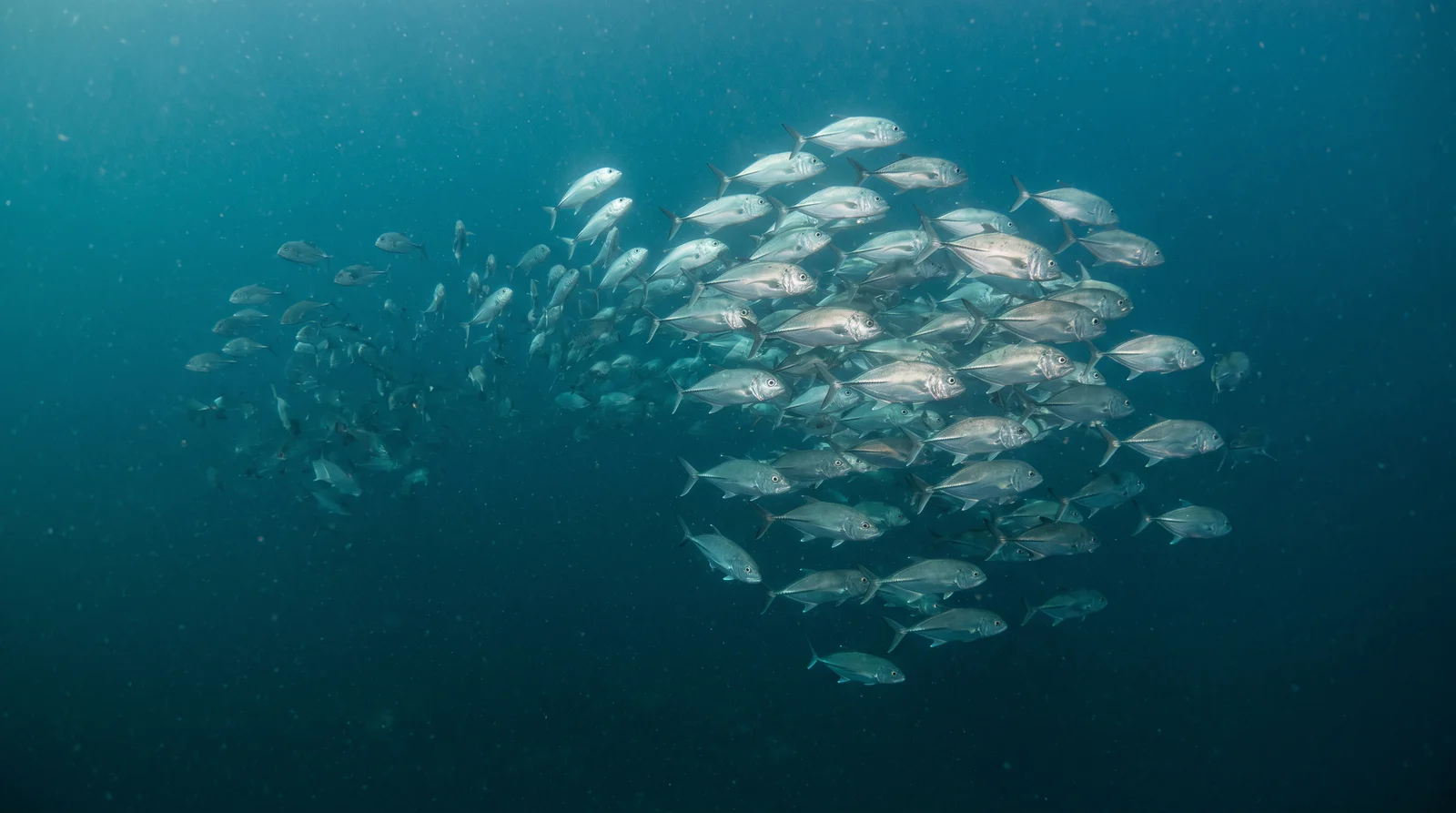
Mamsa Point, also known as Jackfish Point, is a renowned dive site located on the east coast of Apo Island in the Philippines. The site is famous for its large schools of jacks or trevallies, from which it derives its name, as "Mamsa" is the local term for these fish. Divers can expect to encounter a high concentration and diversity of jacks, including black-tailed trevally, yellow cavalli, crevalle jack, and common jacks, often swirling in feeding formations. Yellowfin tuna also hunt the edges of the reef, and reef sharks patrol deeper sections. The dive typically begins with a descent onto a gentle reef slope, which transitions into a steep profile where the schools of jacks are frequently observed. This steep reef slope is a known area for massive schools of jacks to pass by, making for dramatic schooling fish photography opportunities. The site features vibrant coral gardens with healthy hard and soft corals, providing a rich habitat for a variety of marine life. In addition to the jacks, divers can spot clownfish, small gobies, sea turtles, snappers, groupers, parrotfish, angelfish, nudibranchs, and barracudas. The currents at Mamsa Point can range from moderate to strong, sometimes becoming unpredictable, especially around the full moon, which keeps nutrients flowing and attracts fish. Due to these currents, Mamsa Point is generally considered an intermediate to advanced dive site, requiring an Advanced Open Water certification and prior drift diving experience. Visibility at Mamsa Point is generally excellent, often reaching up to 30 meters, and can be exceptional, up to 40 meters, on clear days. The water temperature is comfortable, ranging from 25-30°C year-round. While diving in Apo Island is possible year-round, the peak season for optimal conditions, including calm seas and best visibility, is from October to May, with April to June often cited as the best months. Entry to the site is typically by boat.
What named operator pages add
Mahi Mahi Dive Resort's Apo dive-site page, undated and captured on 7 October 2026, says Mamsa is the local word for jackfish, which it describes as plentiful at this site, and reports that it is possible to see schools of hundreds of jackfish playing in the strong currents, sometimes forming a protective circle against the larger predatory pelagic tunas that hunt them. The same page calls Mamsa Point a site suitable only for the more experienced diver and states that the currents can be so strong that at certain times diving is not permitted for anyone. Sea Explorers' Apo Island day-trip page, published in July 2026, says Mamsa Point takes its name from the local word for jacks and is known for its schooling fish and varied reef scenery; it lists large groups of jacks along with groupers, lionfish, scorpionfish, snappers, turtles and occasional reef sharks, and says currents can sometimes be present, bringing more activity to the reef and creating an enjoyable drift dive.
A different picture from Bongo Bongo
Bongo Bongo Divers' Mamsa Point page, captured on 7 October 2026, describes the dive differently: it says Mamsa Point begins on a sandy bottom surrounded by coral, like an underwater arena, lists a maximum depth of 25 metres and says the site is known for giant frogfish, sea turtles, moray eels, eagle rays, Moorish idols and many other colourful reef fish. The 25 metre figure is that operator's published maximum, not a surveyed whole-site range. Dive The World's undated Apo Island page adds that other fish enjoying the nutrient bounty delivered by the running currents include groupers, big-eye trevally, blacktips and whitetips, and that divers who turn to face the blue might see pelagic tuna or one or several eagle rays seeming to hover in the current.
A dated visit and an unresolved disagreement
A Lakwatsero blog post of 31 July 2010 describes a dive at Mamsa Point on the east of the island: the writer descended to a coral area at around 10 metres and drifted south, saw schools of yellowtail snappers and the resident jackfish, and followed the school of jacks at 24.5 metres on mild current and good visibility. Those depths are that diver's logged profile, not a site range. Not every source agrees on conditions. Dauin Diving Center's page of 28 July 2025 says Mamsa Point has a soft slope and is calm most of the year, rates it beginner and lists clownfish, small gobies and sea turtles, while Mahi Mahi and Dive The World describe strong currents and an experienced-diver site; the disagreement is recorded here, not resolved. Underwater Asia's Negros guide, last modified in June 2021, spells the site Mansa Point and says it is the best spot for larger visitors, with larger marine life often seen in addition to plentiful schools of fish. None of these reports promises a sighting on a given day.
Advanced Open Water
Current Conditions
Typical current strength at this dive site
Strong
Powerful current. Advanced certification and drift dive experience required. Follow guide instructions.
Strength Scale
None
Mild
Moderate
Strong
Best Time to Visit
Monthly conditions and seasonal highlights — tap a month
OctBest
Peak diving season with optimal visibility, calm seas, and best marine life encounters.
BestGoodLess FavorablePeak
Marine Life
2 species recorded at this site
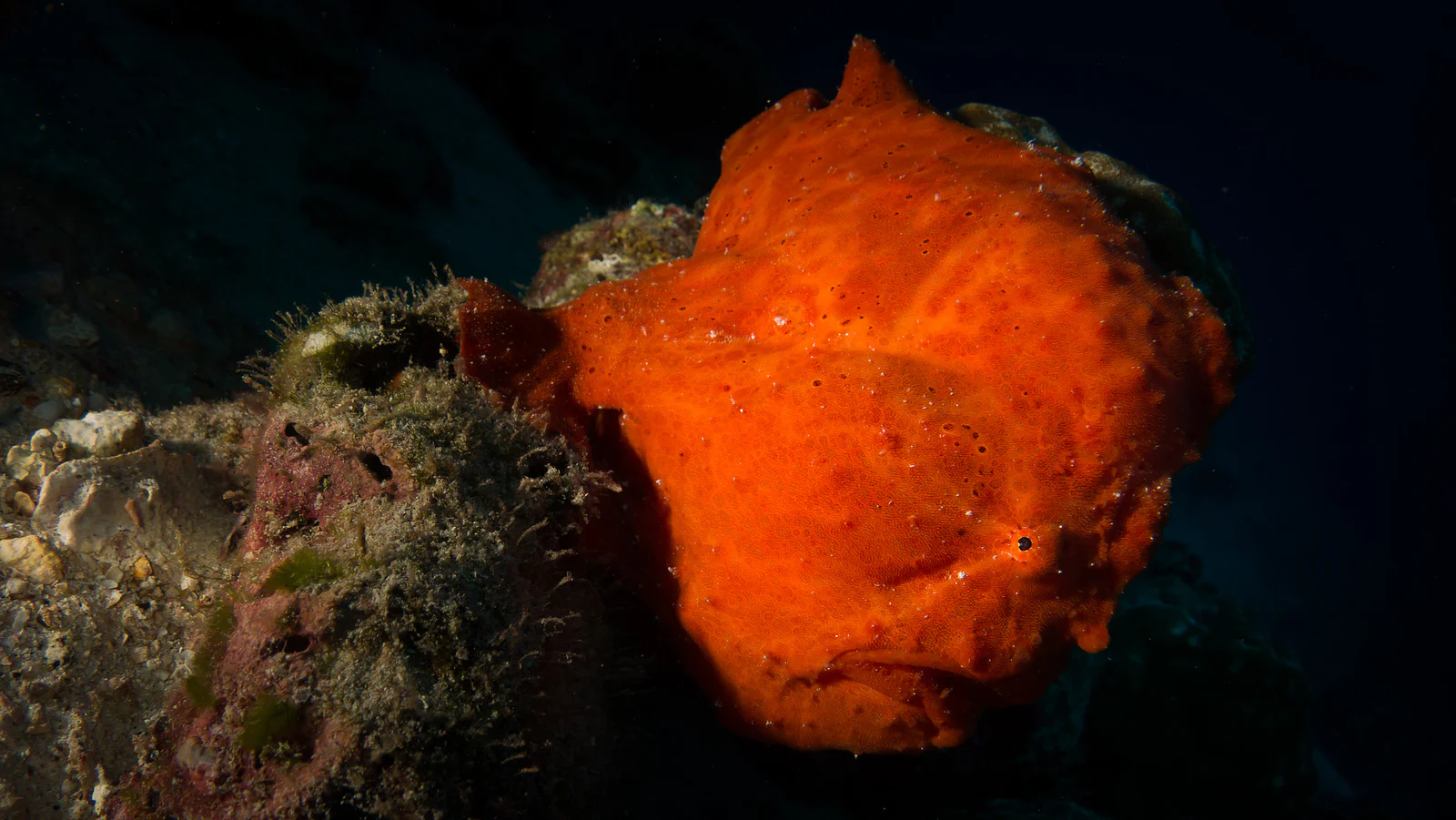
Giant Frogfish
Antennarius commerson
Documented site occurrence
Source reviewed on 2026-10-02 · Source: Bongo Bongo Divers — undated named-site description; not a recent sighting record · Observation date not documented
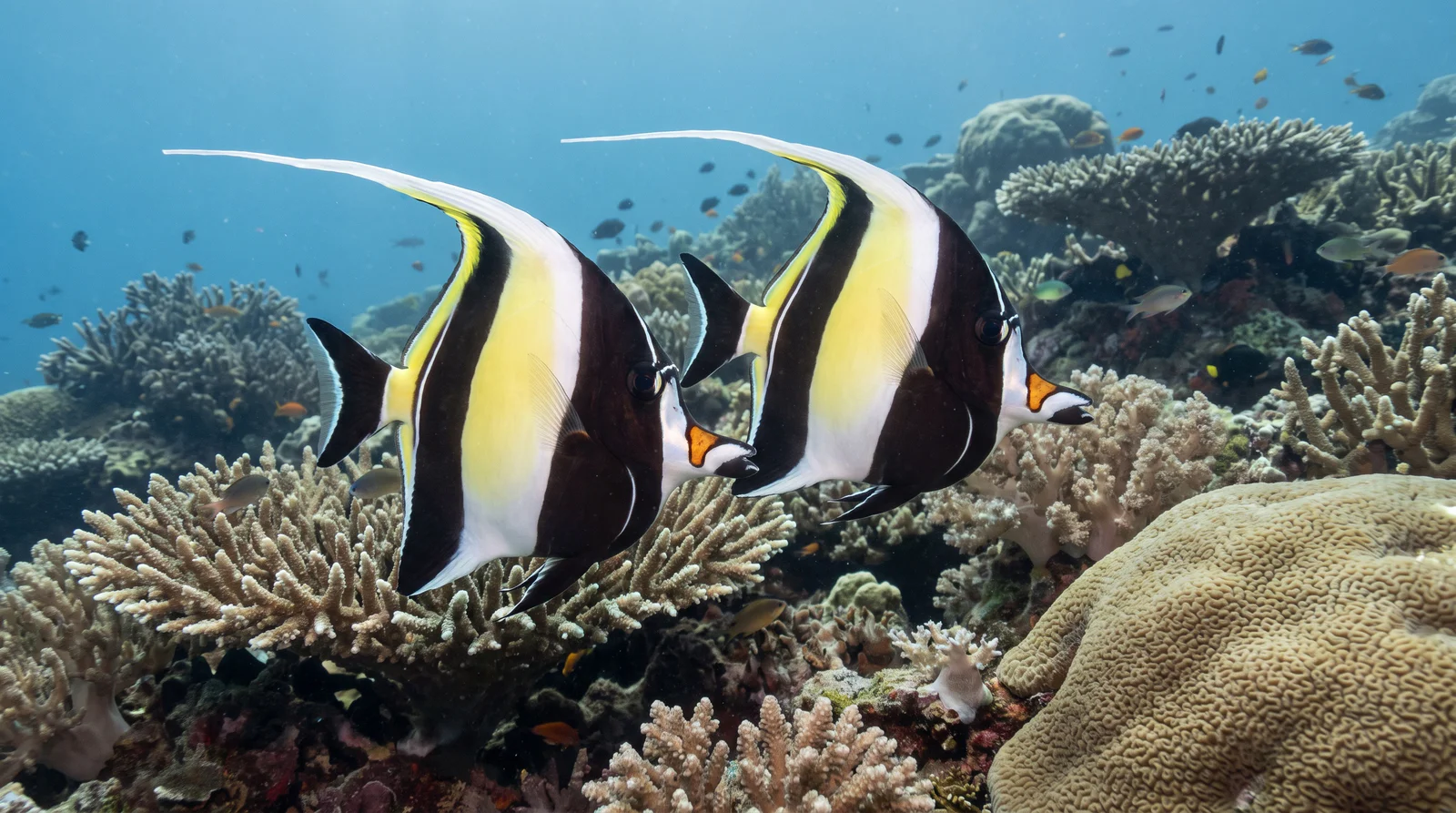
Moorish Idol
Zanclus cornutus
Documented site occurrence
Source reviewed on 2026-10-02 · Source: Bongo Bongo Divers — undated named-site description; not a recent sighting record · Observation date not documented
Sources
- Apo Island Liveaboard Diving - Philippines
- Bongo Bongo Divers
- Dauin Diving Center
- Dive Guide Apo Island
- Dive The World
- DiveSight
- DIVING IN THE PHILIPPINES
- Lakwatsero
- Mahi Mahi Dive Resort
- PADI
- Scuba Spot Advisor
- Sea Explorers
- The Salt Sirens
- Tripbase
- Underwater Asia
360° Underwater View
Immersive panoramic view of this dive site
360° panorama coming soon
Immersive underwater views will be available when panoramic imagery is uploaded
Reviews
--
0 reviews
No reviews yet. Be the first to share your experience!
Related Dive Sites
Discover other dive sites in the area
 Intermediate
 Beginner
 IntermediateBeginner
Depth Profile
Vertical range at this site
Minimum Depth
20 ft
Shallowest point
Average Depth
69 ft
Typical dive depth
Maximum Depth
115 ft
Deepest point
Stay Updated
Get dive site updates and tips in your inbox.
Dived Mamsa Point? Make it count.
Add it to your logbook, share your sightings, and help 0 divers plan their next descent.
Recent Community Activity
Was this helpful?