 Advanced
Channel · Reef · Manta-cleaning-station · Pinnacle
Manta Alley
East Nusa Tenggara
Advanced Open Water 認定が必要ベストシーズン: Nov – Mar
難易度
Advanced
難易度レベル
水深
5 m
25 m
水深範囲
アクセス
アクセスはまだ記録されていません
記録のある月
11月
3月
透明度
10 m
25 m
一般的な透明度
潮流
Strong
良好な浮力コントロールが推奨されます
水温
20°C
25°C
水温
このダイブサイトについて
マンタアレー:コモドの最高のマンタとの出会い
コモド島の荒々しい南端、インド洋のうねりが岩だらけの小島群と出会う場所に位置するマンタアレーは、コモド国立公園内にある真に象徴的なダイビングサイトです。この有名な場所は、雄大なマンタとの接近遭遇を求めるダイバーにとっての磁石であり、忘れられない水中スペクタクルを提供します。
ダイビングのコンディションと経験
マンタアレーは、狭い水中回廊、水没した岩の露頭、そして砂底に続く緩やかな傾斜のリーフを特徴とするユニークな地形です。ダイバーは、最大水深が約40mに達することもありますが、多くのアクションはより浅いエリアで起こることを知るでしょう。小さなリーフフィッシュがマンタから寄生虫を取り除くクリーニングステーションは、通常、岩と白い砂が出会う20〜22m付近で見られます。マンタは頻繁に浅瀬を巡回し、安全停止中にダイバーの周りを旋回することもあります。
ダイナミックなコンディションに備えてください。強い潮流はマンタアレーの特徴であり、マンタを引き寄せる栄養豊富な水をもたらします。コモド国立公園のこの南部地域の水温は、他の地域よりも著しく冷たく、通常22°Cから25°Cですが、時にはさらに低くなることもあります。3〜5mmのウェットスーツをお勧めし、快適さのためにフードとグローブを好むダイバーもいるかもしれません。視界は5〜30mの範囲で、プランクトンのブルームが透明度を低下させることもありますが、それこそがマンタの大群を引き寄せる要因です。
海洋生物との出会い
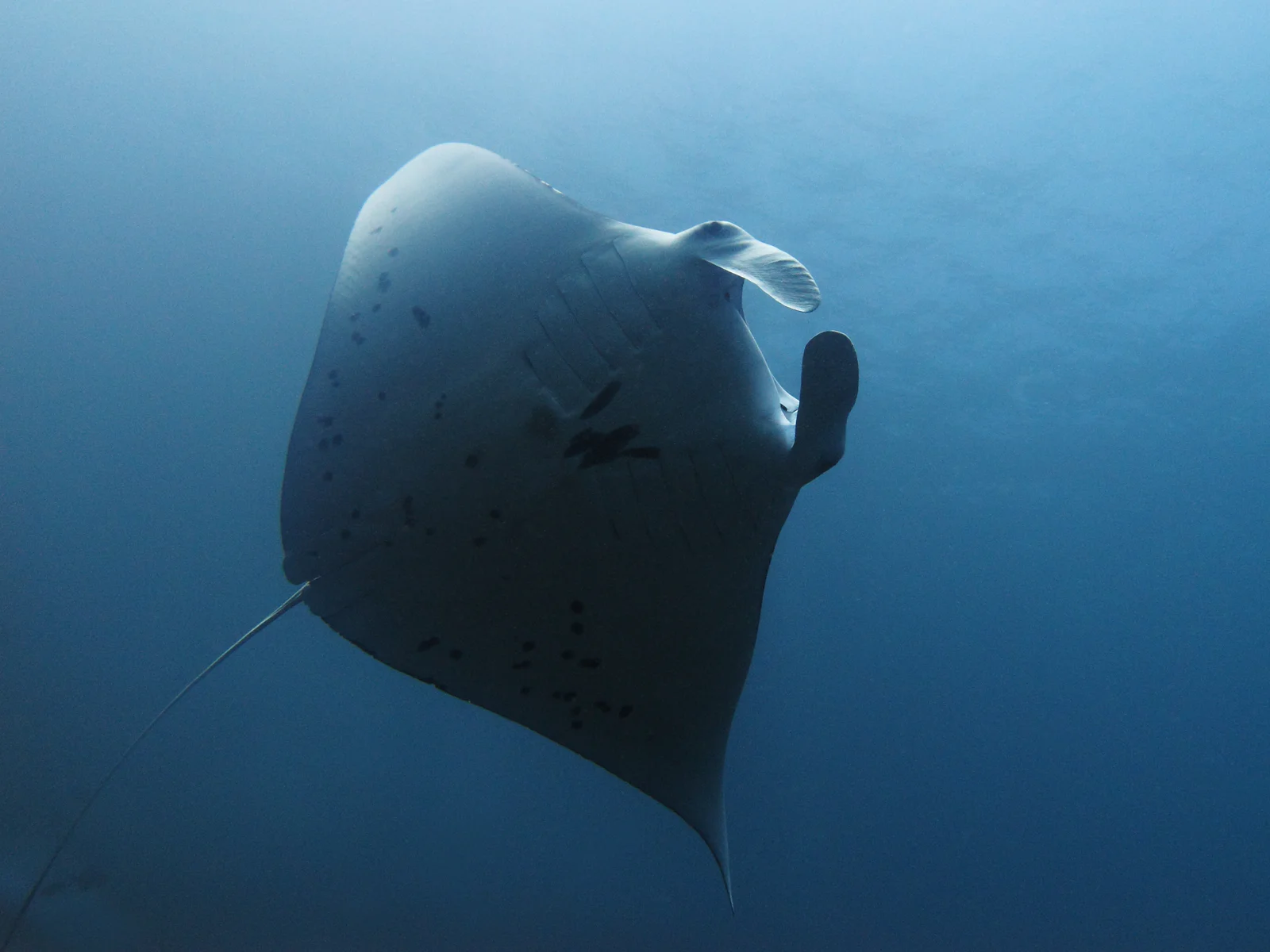
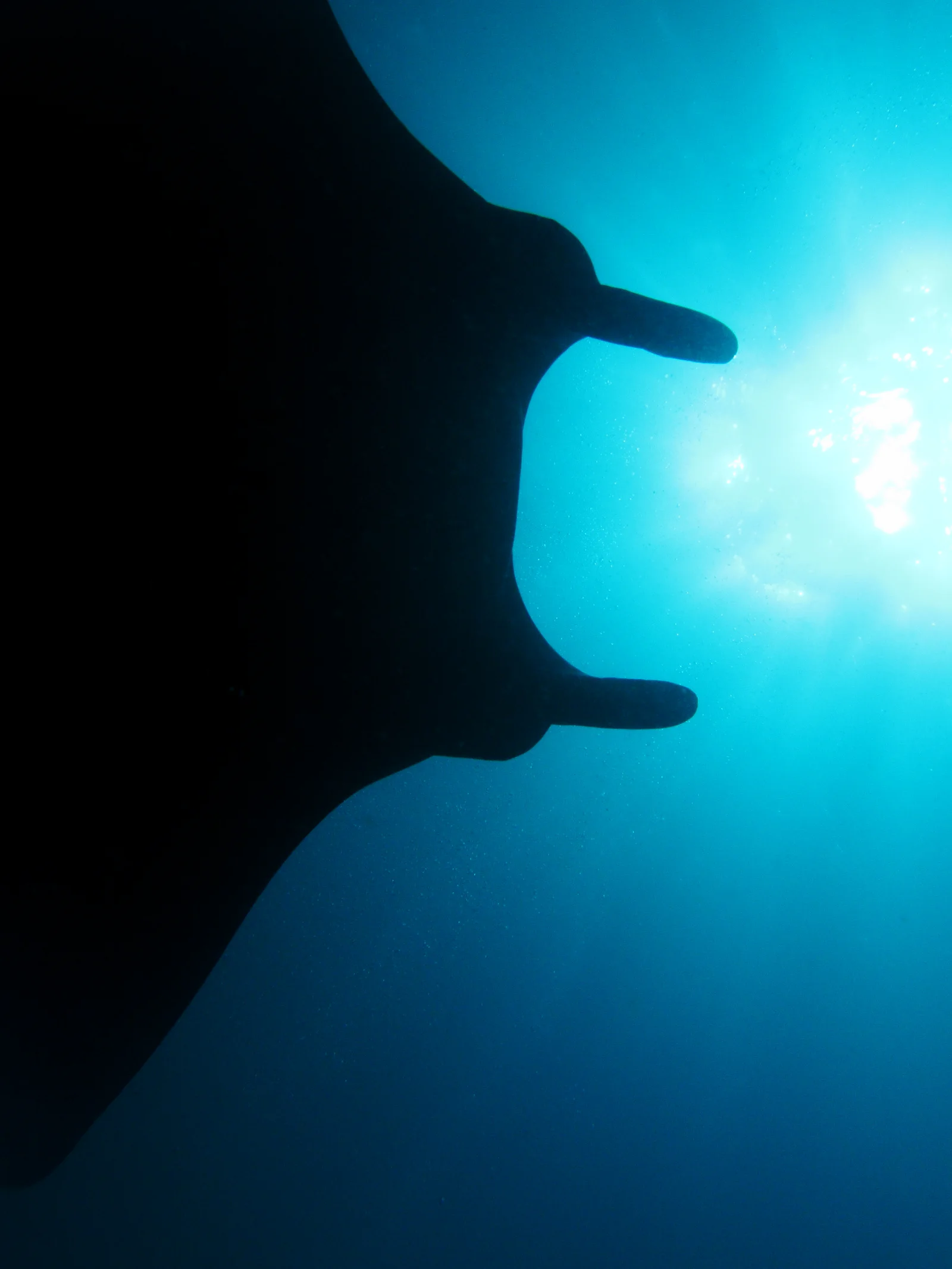
その名の通り、マンタアレーは一貫したマンタの目撃情報で有名です。ダイバーは、数多くのリーフマンタ(Mobula alfredi)と、時にはより大型のオーシャニックマンタ(Mobula birostris)に遭遇することを期待できます。良い日には、10匹から50匹ものマンタが優雅に滑空し、摂食し、クリーニングされているのを目撃することは珍しくありません。彼らはしばしば強い潮流の中で遊び、時には狭い水路で層になって重なり合い、素晴らしい写真撮影の機会を提供します。
マンタ以外にも、活気あるリーフエコシステムには他の魅力的な海洋生物が豊富に生息しています。ダイバーは、リーフをパトロールするホワイトチップリーフシャーク(Triaenodon obesus)やブラックチップリーフシャーク(Carcharhinus melanopterus)を見つけるでしょう。ロウニンアジ(Caranx ignobilis)の群れが水路を狩り、オニカマス(Sphyraena barracuda)もよく見られます。リーフ自体は、岩を群がる数千匹のキンギョハナダイ(Pseudanthias squamipinnis)で活気に満ちており、メガネモチノウオ(Bolbometopon muricatum)やアジアコショウダイ(Plectorhinchus albovittatus)を見つけるかもしれません。サンゴは美しく多様で、豊かな海洋生物の壮大な背景を作り出しています。
認定と推奨事項
強い潮流と潜在的に困難なコンディションを考慮すると、マンタアレーは上級者向けのダイビングサイトと見なされます。このダイビングにはアドバンスドオープンウォーター認定が必要です。その遠隔性と天候への露出のため、このダイビングサイトは通常、ライブアボードの旅程でアクセスされます。マンタの大群のピークシーズンは、一般的に11月から3月の間で、これは雨季と重なり、冷たい南の海でプランクトンのブルームが最も盛んになる時期です。
この素晴らしい体験を十分に楽しむためには、ダイバーが強い潮流と冷たい水温に慣れていることをお勧めします。マンタアレーは、コモド国立公園で最も信頼できるマンタダイビングサイトの1つとして広く評価されており、これらの壮大な生き物との比類ない出会いを提供します。
短い説明
Advanced Open Water
現在の状況
このダイブサイトでの典型的な潮流の強さ
強い
Powerful current. Advanced certification and drift dive experience required. Follow guide instructions.
強さのスケール
なし
穏やか
中程度
強い
ベストシーズン
月ごとのコンディションと季節のハイライト — 月をタップ
Sep良好
ショルダーシーズン。概ね良好なコンディションですが、天候や透明度に多少の変動があります。
最適良好あまり良くないピーク
海洋生物
8 このサイトで記録された種
豊富
Reef Manta Ray
Mobula alfredi
Nov, Dec, Jan, Feb, Mar
このサイトでの出現はまだ記録されていません
日付のある観察記録はありません。
一般的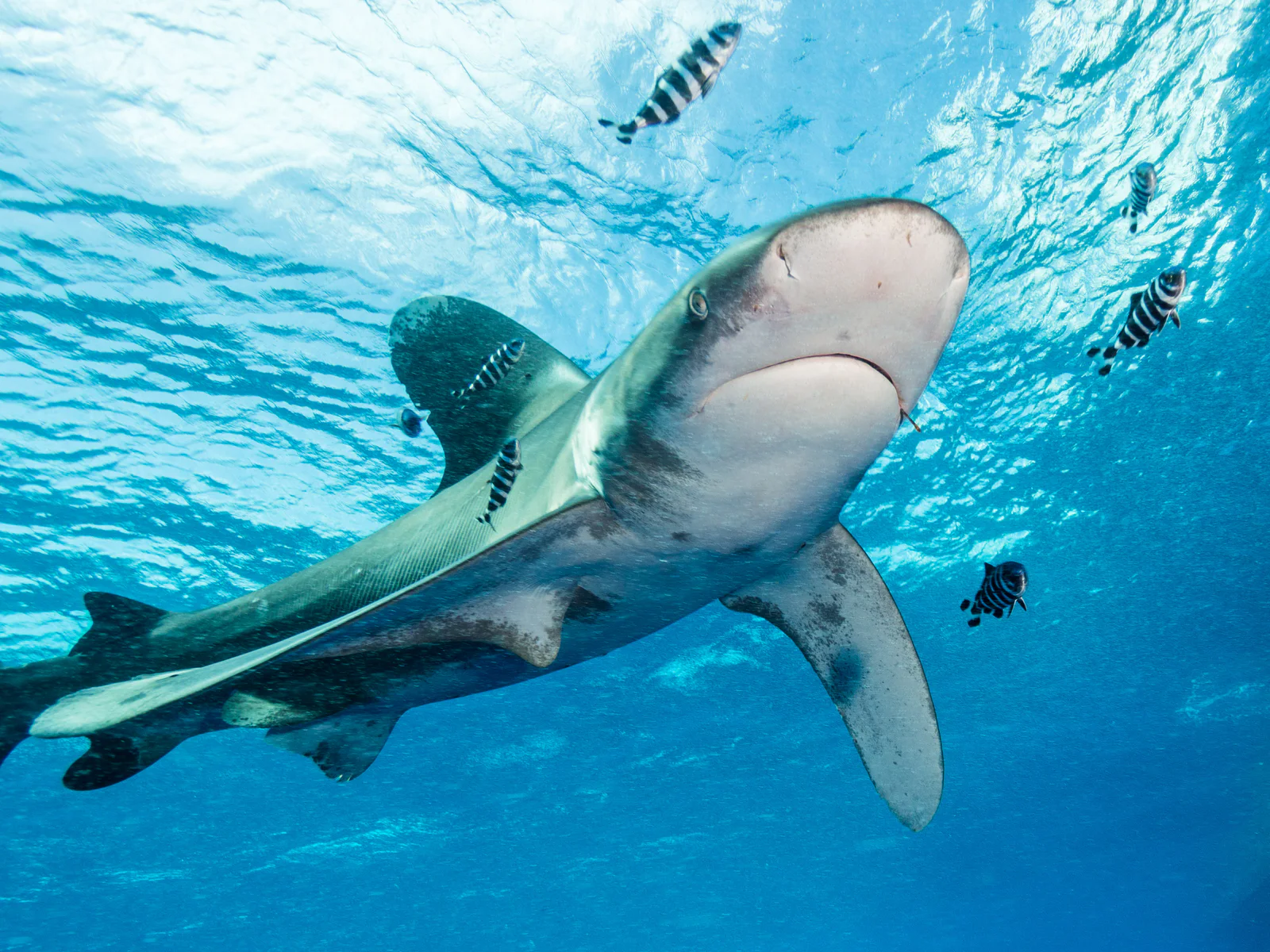
Whitetip Reef Shark
Triaenodon obesus
このサイトでの出現はまだ記録されていません
日付のある観察記録はありません。
一般的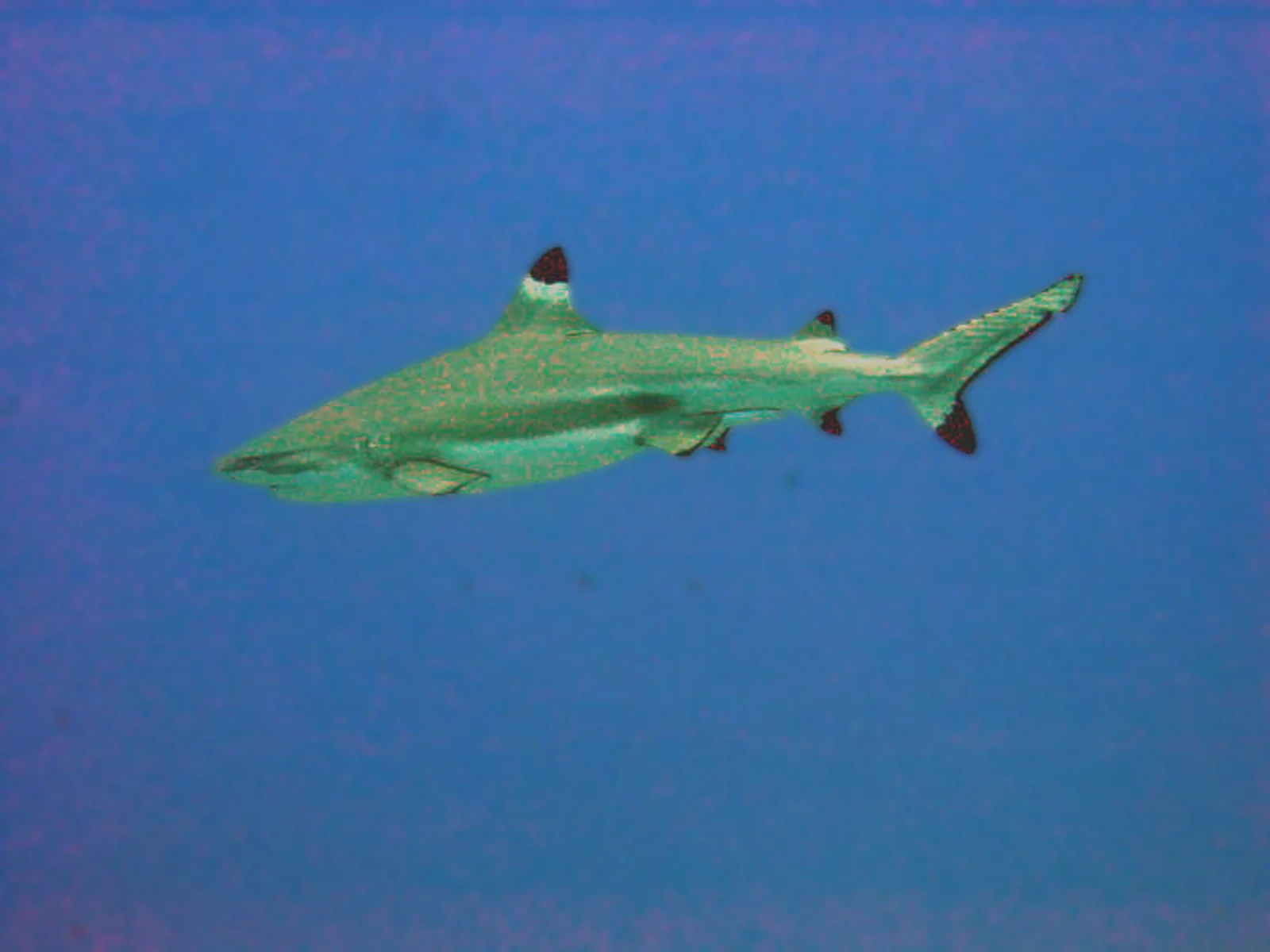
Blacktip Reef Shark
Carcharhinus melanopterus
このサイトでの出現はまだ記録されていません
日付のある観察記録はありません。
一般的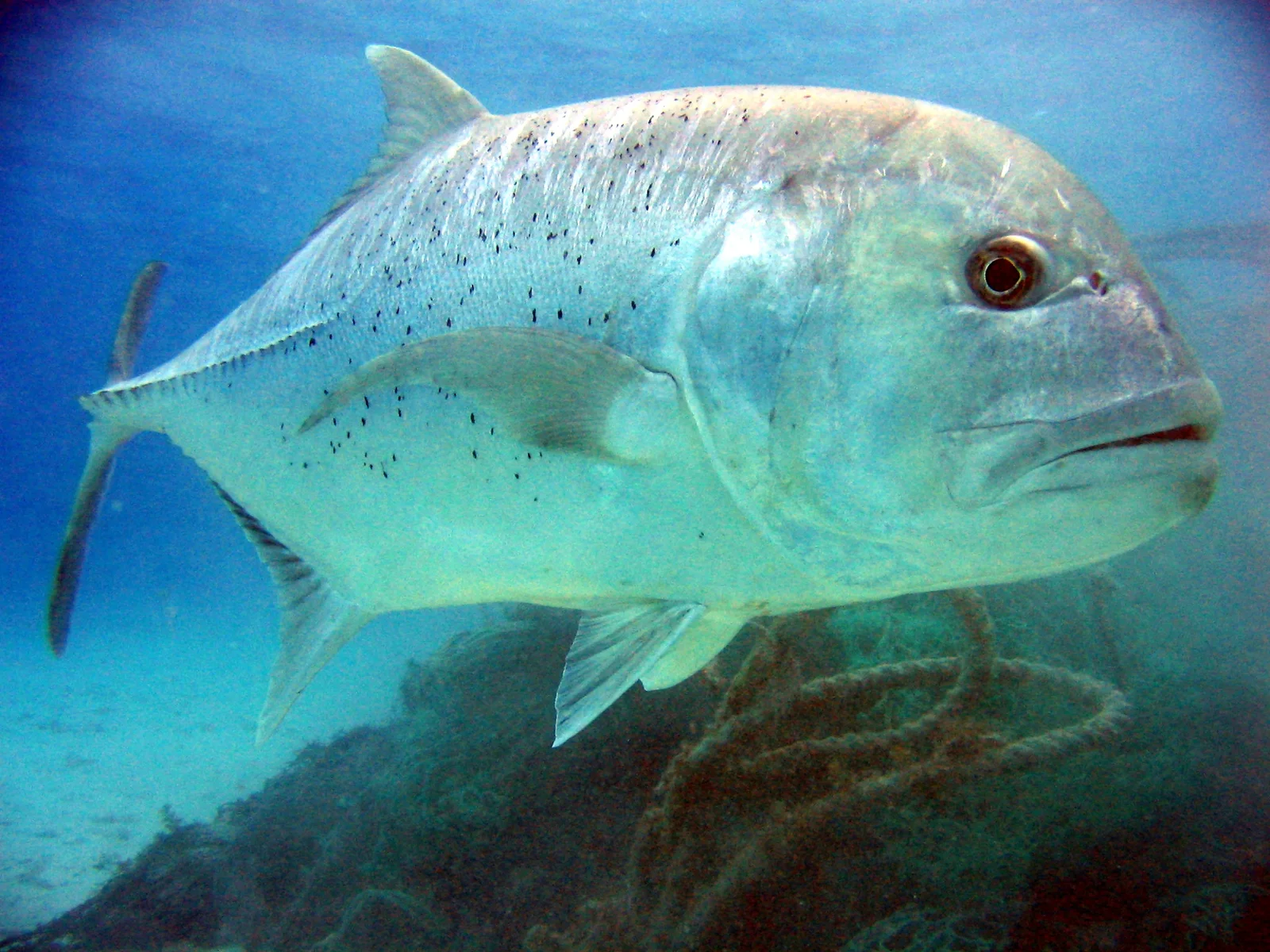
Giant Trevally
Caranx ignobilis
このサイトでの出現はまだ記録されていません
日付のある観察記録はありません。
豊富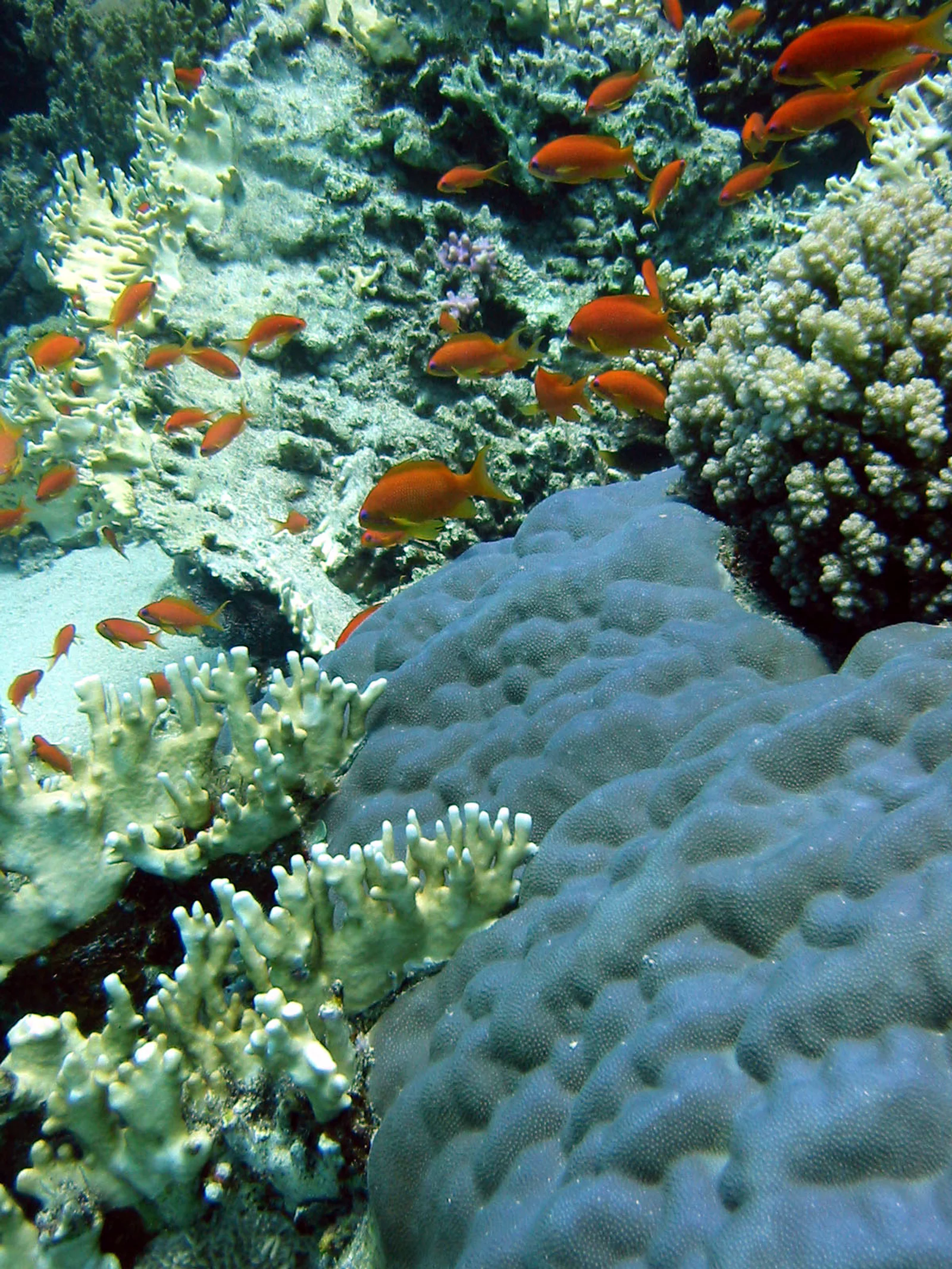
Sea Goldie (anthias)
Pseudanthias squamipinnis
このサイトでの出現はまだ記録されていません
日付のある観察記録はありません。
時々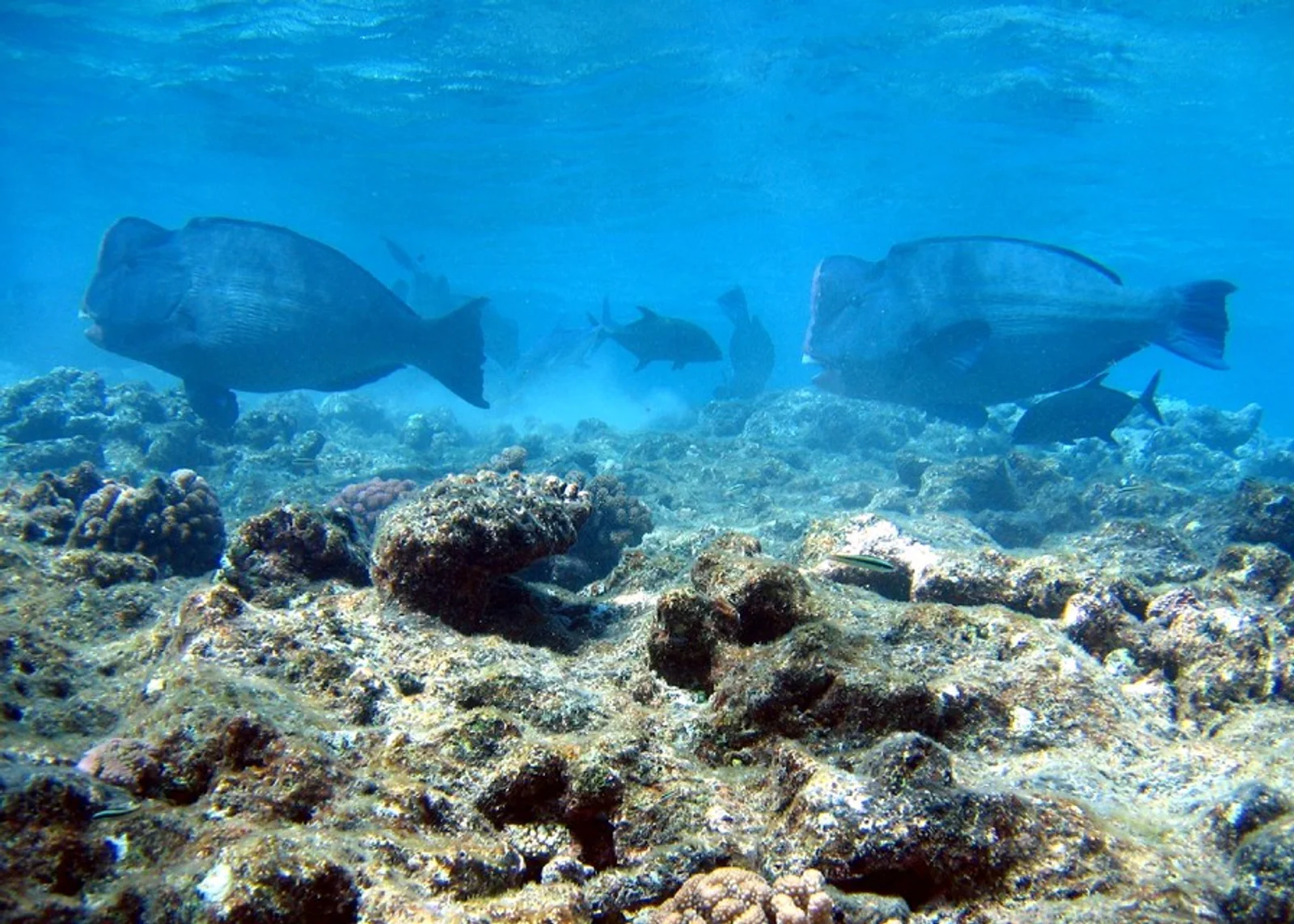
Bumphead Parrotfish
Bolbometopon muricatum
このサイトでの出現はまだ記録されていません
日付のある観察記録はありません。
時々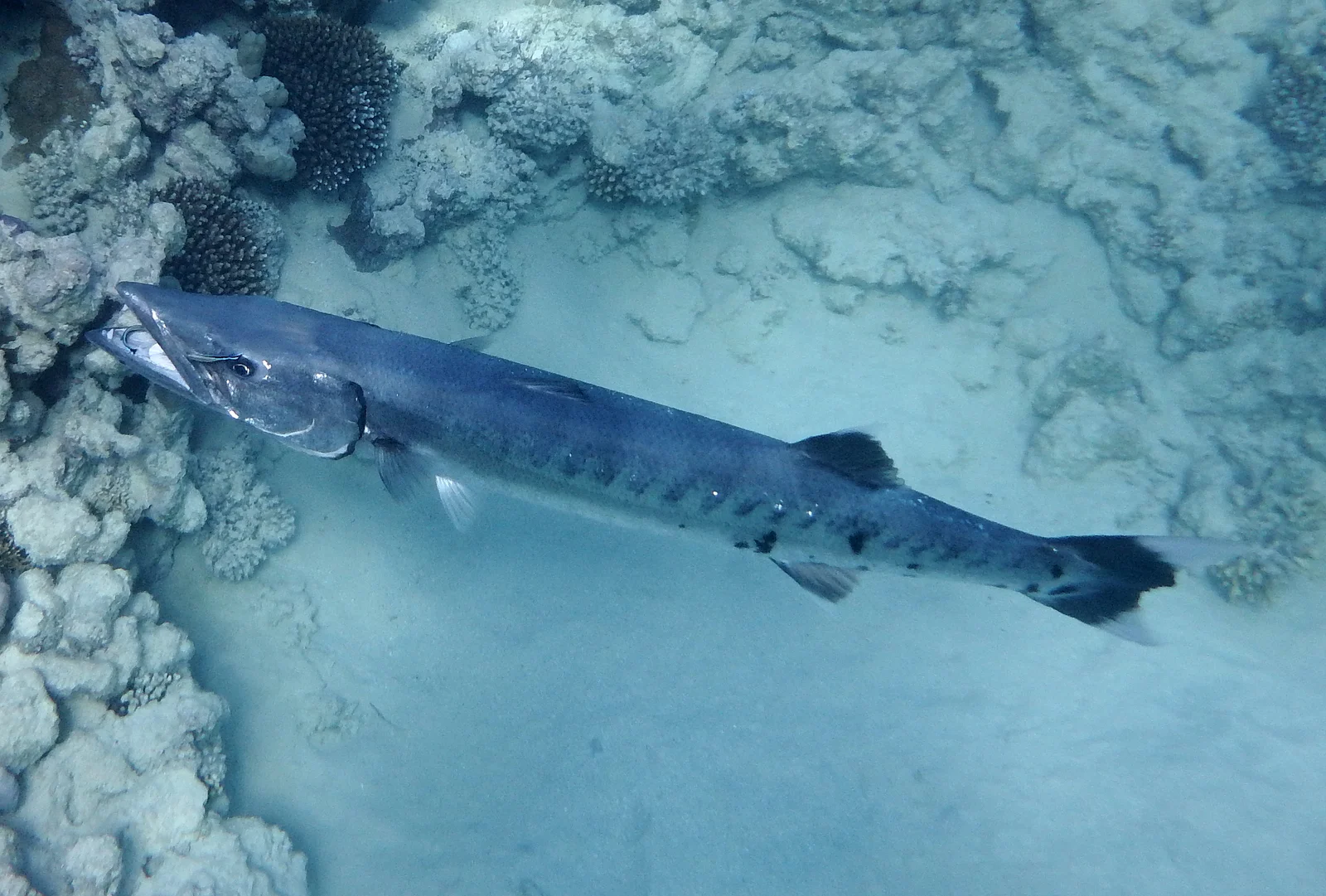
Great Barracuda
Sphyraena barracuda
このサイトでの出現はまだ記録されていません
日付のある観察記録はありません。
時々
Giant Sweetlips
Plectorhinchus albovittatus
このサイトでの出現はまだ記録されていません
日付のある観察記録はありません。
危険と安全
このダイブサイトでの潜在的な危険に注意してください
Strong current
HighStrong channel current through the Alley
Weather exposure
HighSwell/weather-dependent access — site often unreachable
Remoteness
HighRemoteness — 5–8h to Labuan Bajo, chambers in Bali/Makassar
Cold water
MediumCold upwellings 20–22°C
Low visibility
MediumDark, low-visibility conditions at depth
認定が必要
最低 Advanced Open Water このダイブサイトを潜るには認定が必要です。
360°水中ビュー
このダイブサイトの没入型パノラマビュー
360°パノラマは近日公開
パノラマ画像がアップロードされると、没入型水中ビューが利用可能になります
レビュー
--
0 reviews
まだレビューはありません。あなたの体験を最初に共有しましょう!
関連ダイブサイト
このエリアの他のダイブサイトを発見
Advanced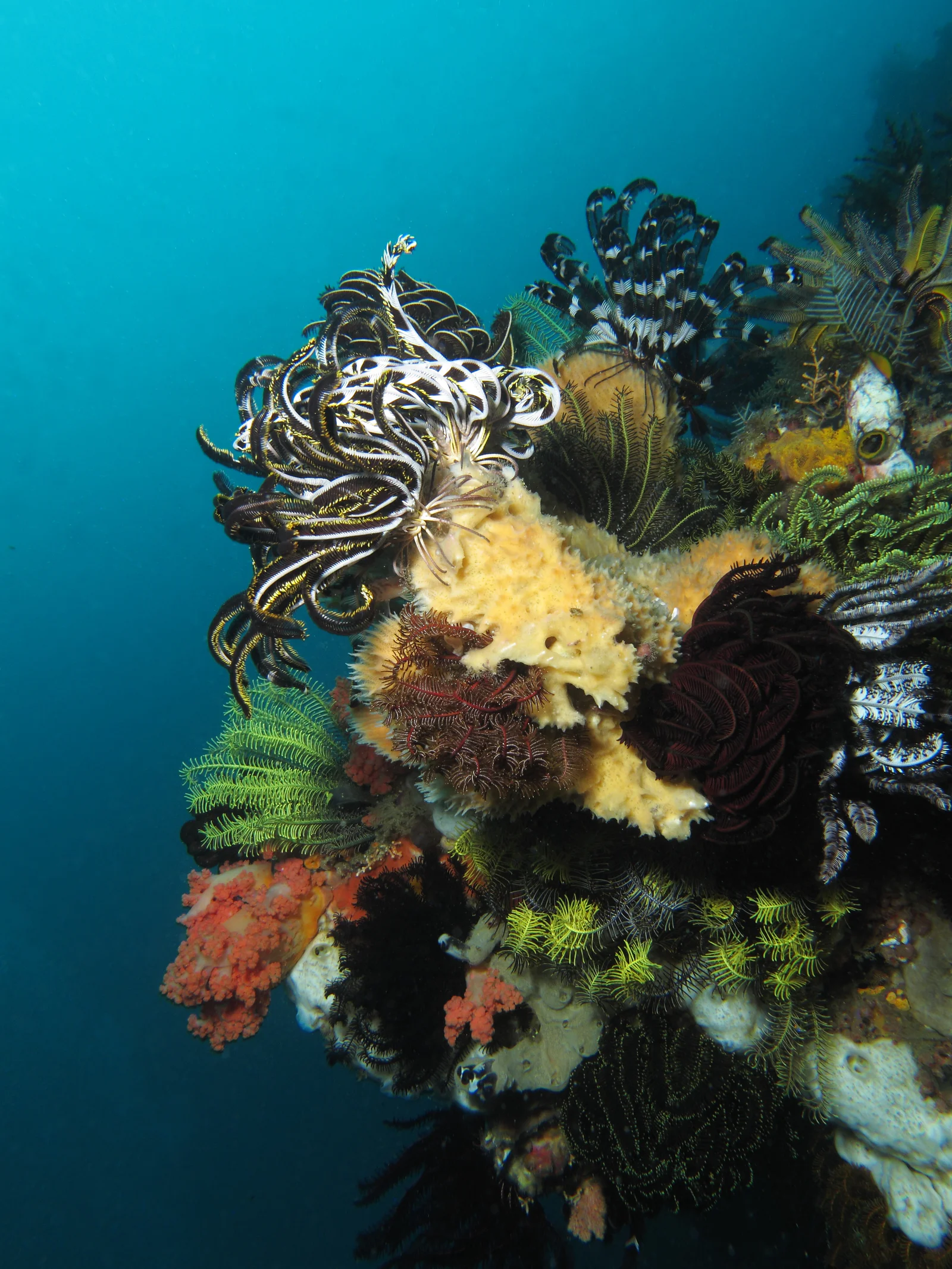 Advanced
 Beginner
 Beginner
Karang Makassar (Manta Point)
Indonesia > East Nusa Tenggara > Komodo National Park
New
driftmanta-cleaning-stationreef
 Advanced
 IntermediateAdvancedAdvancedBeginnerBeginner
Karang Makassar (Manta Point)
Indonesia > East Nusa Tenggara > Komodo National Park
New
driftmanta-cleaning-stationreef
AdvancedIntermediate水深プロファイル
このダイブサイトの垂直範囲
最小水深
5 m
最浅点
平均水深
21 m
典型的な潜水水深
最大水深
25 m
最深点
周辺サービス
すべてのダイブショップを見る →最新情報を受け取る
ダイビングスポットの最新情報とヒントをメールでお届けします。
Manta Alleyでダイビングしましたか?記録に残しましょう。
ログブックに追加し、目撃情報を共有して、0人のダイバーが次の潜水を計画するのを手伝いましょう。
最近のコミュニティ活動
これは役に立ちましたか?