 Advanced
Reef · Drift
Manta Point Nusa Penida
Bali
Open Water Certification RequiredBest Season: Jan – Dec
Difficulty
Intermediate
Difficulty level
Depth
16 ft
66 ft
Depth range
Access
Access not yet documented
Documented months
Jan
Dec
Visibility
26 ft
66 ft
Typical visibility
Current
Moderate
Good buoyancy control advised
Temperature
73°F
84°F
Water temperature
About This Dive Site
Manta Point Nusa Penida
Prepare for an unforgettable encounter at Manta Point, a world-renowned dive site nestled in a horseshoe bay on Nusa Penida’s exposed southwest coast. This intermediate dive offers divers a reliable opportunity to witness the majestic Reef Manta Ray (Mobula alfredi) year-round.
Diving Conditions and Topography
While the surface conditions can be rough due to exposure to the Indian Ocean swell, leading to surge, the underwater experience is truly captivating. Divers will find the topography consists primarily of a rocky plateau and limestone rocks with small, sandy bays. The depth at Manta Point typically ranges from 5 m to 30 m, though the majority of manta ray activity often occurs in shallower waters, between 1 m and 12 m, making it excellent for both divers and snorkelers. Currents are generally moderate, though some sources indicate they are often mild or rarely experienced, with surge being the more prominent condition. Visibility at the dive site can be variable, averaging 10 m to 15 m, but can reach up to 25 m on good days. Water temperatures can fluctuate significantly, ranging from 18°C to 28°C, with cooler temperatures (as low as 18-20°C) typically experienced during the cold season from July to October, and warmer averages (around 28°C) from December to May.
Marine Life Encounters
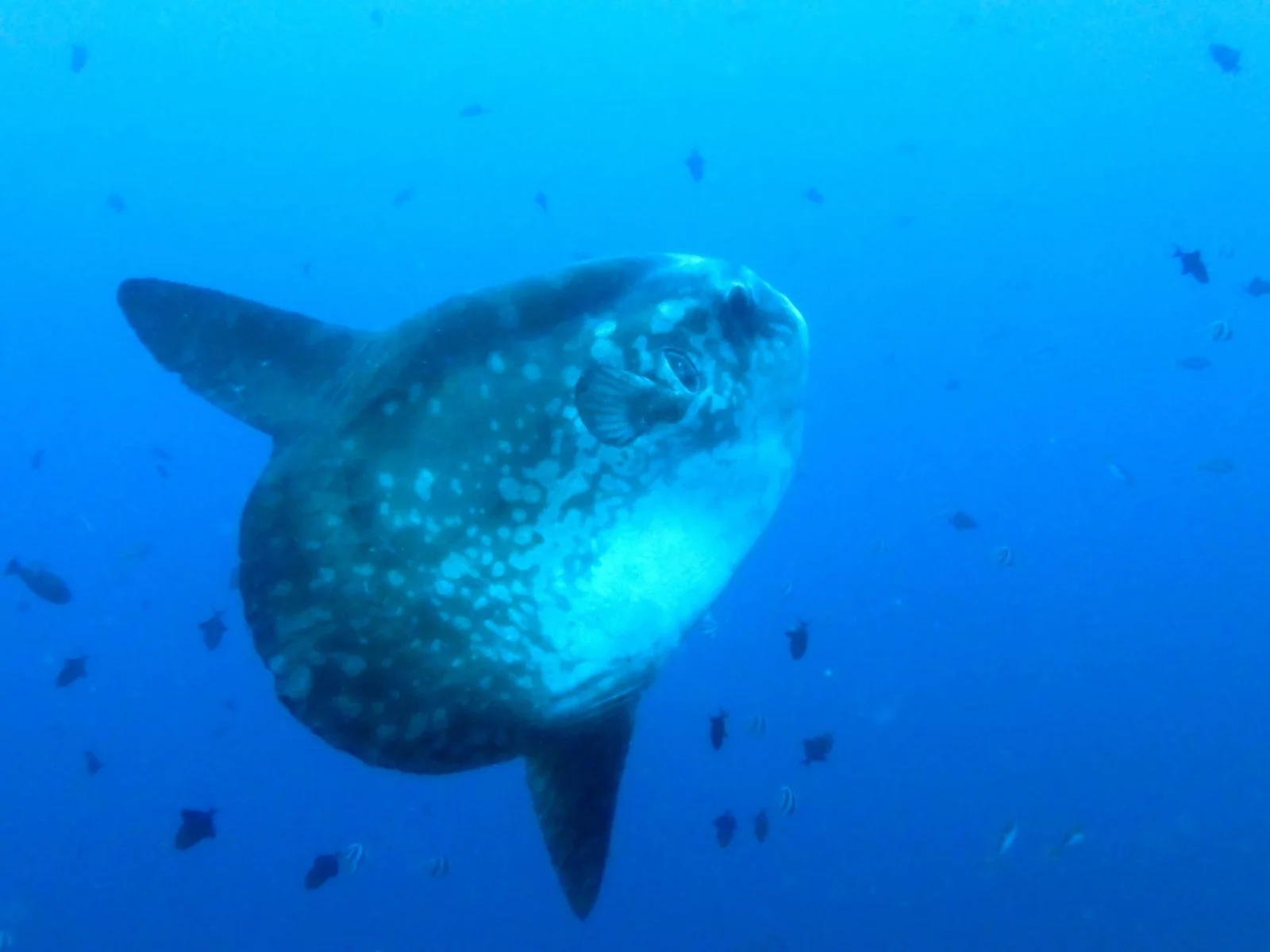
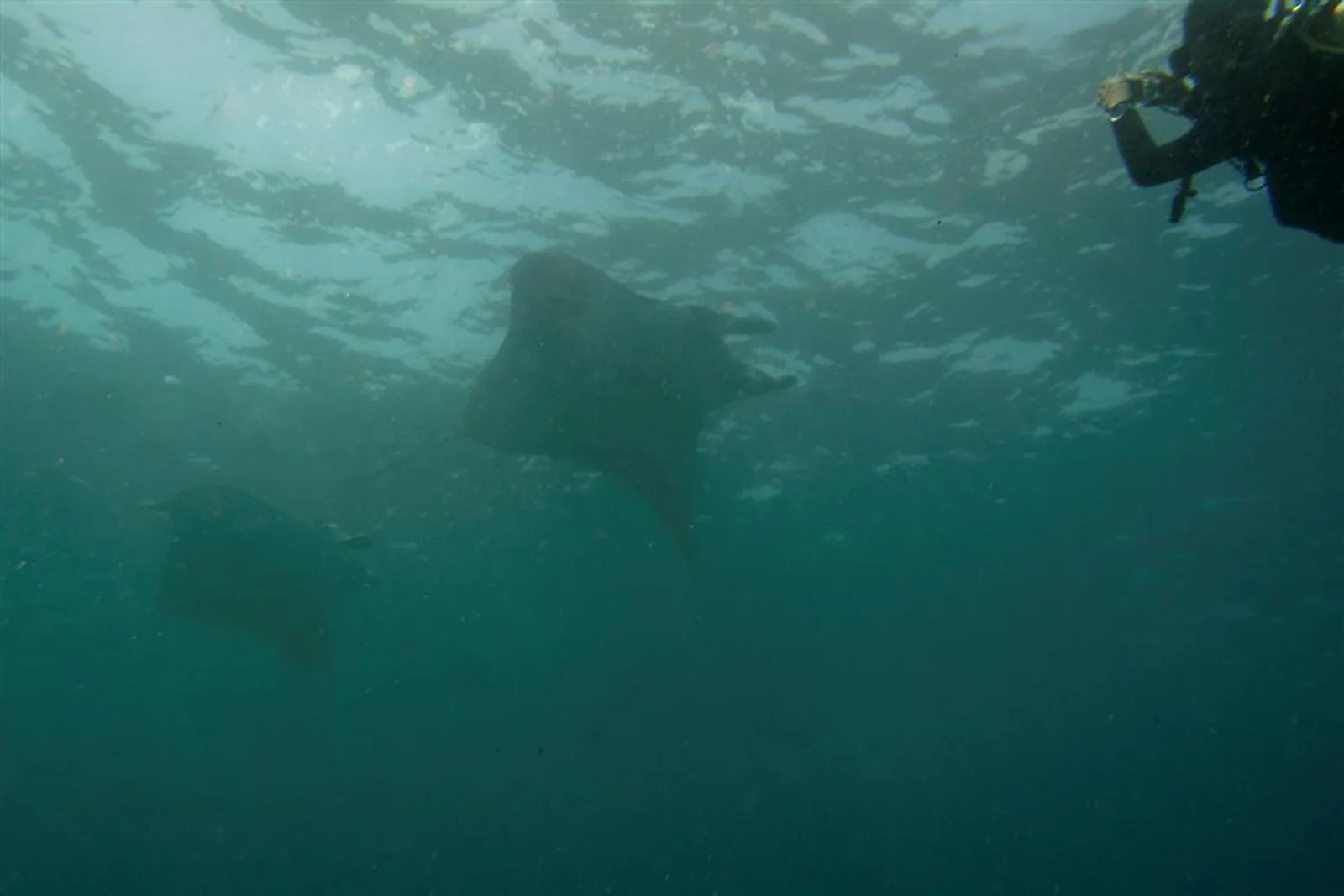
The main draw of Manta Point is its resident population of Reef Manta Rays, which frequent the dive site's numerous cleaning stations. Here, smaller cleaner fish diligently remove parasites and dead skin from the mantas, a fascinating example of mutualistic symbiosis. Divers will often observe mantas gracefully circling or queuing at these stations, sometimes in groups of several individuals. Beyond the mantas, divers can also encounter Green Sea Turtles (Chelonia mydas) and schooling Bigeye Trevally (Caranx sexfasciatus). Keep an eye out for other marine life such as bamboo sharks, blue-spotted stingrays, eagle rays, and various macro species like nudibranchs and shrimps. During the cooler months, typically from July to October, there is also a chance to spot the elusive Mola Mola (oceanic sunfish) in the deeper sections of the reef.
Certification and Safety
Due to the moderate difficulty and potential for surge and boat traffic, we recommend this dive site for divers with an Open Water certification. While the site is accessible to various skill levels during calm conditions, careful attention is always required. Dive centers prioritize safety and will assess conditions daily, sometimes calling off trips if swells are too high. When diving at cleaning stations, it is crucial to maintain a respectful distance to avoid disturbing the delicate ecosystem and the mantas' natural behavior.
Open Water
Current Conditions
Typical current strength at this dive site
Moderate
Noticeable current requiring some effort to swim against. Good buoyancy control recommended.
Strength Scale
None
Mild
Moderate
Strong
Best Time to Visit
Monthly conditions and seasonal highlights — tap a month
SepBest
Peak diving season with optimal visibility, calm seas, and best marine life encounters.
BestGoodLess FavorablePeak
Marine Life
3 species recorded at this site
Common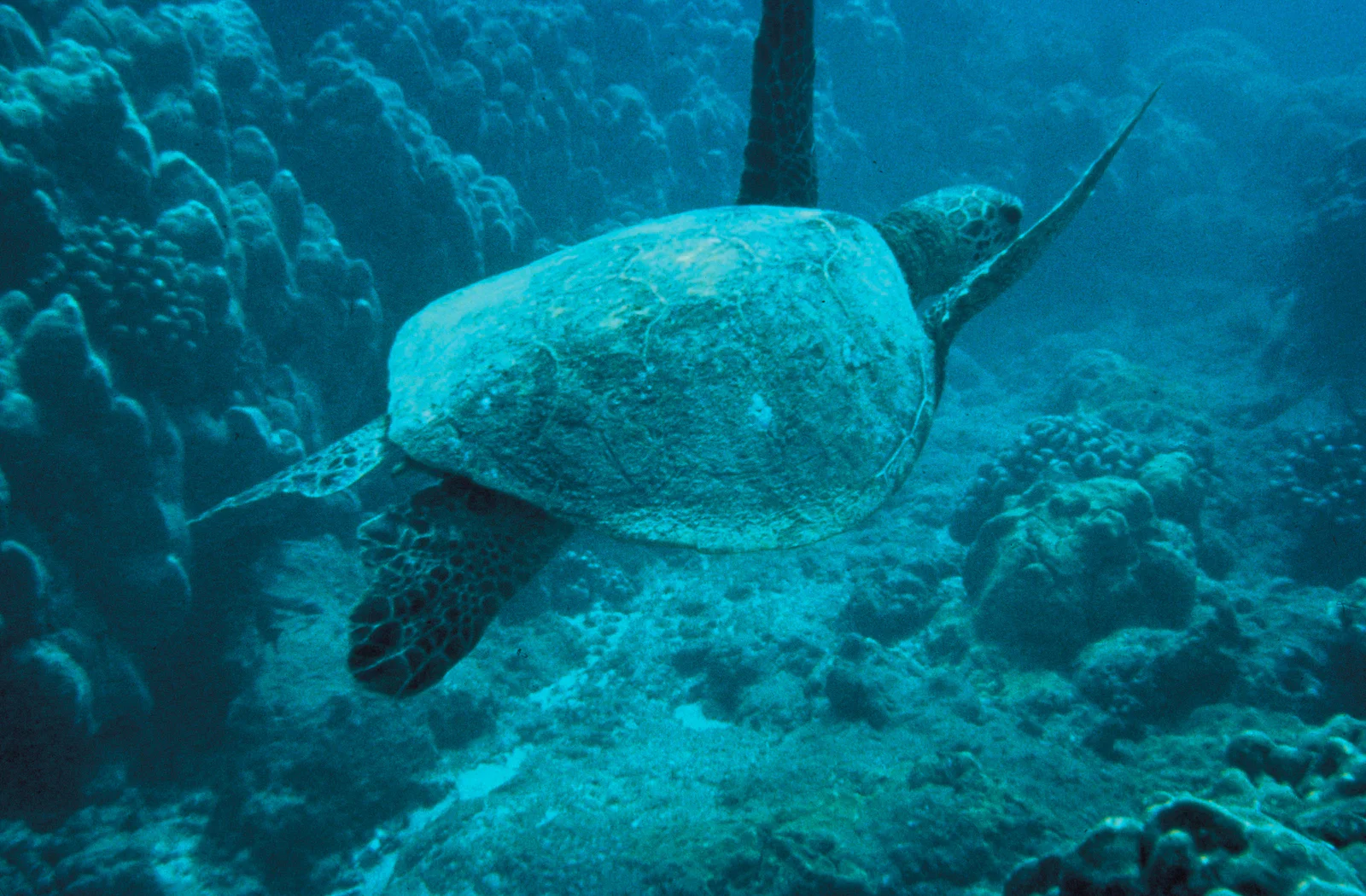
Green Sea Turtle
Chelonia mydas
Site occurrence not yet documented
No dated observations available.
Abundant
Reef Manta Ray
Mobula alfredi
Site occurrence not yet documented
No dated observations available.
Common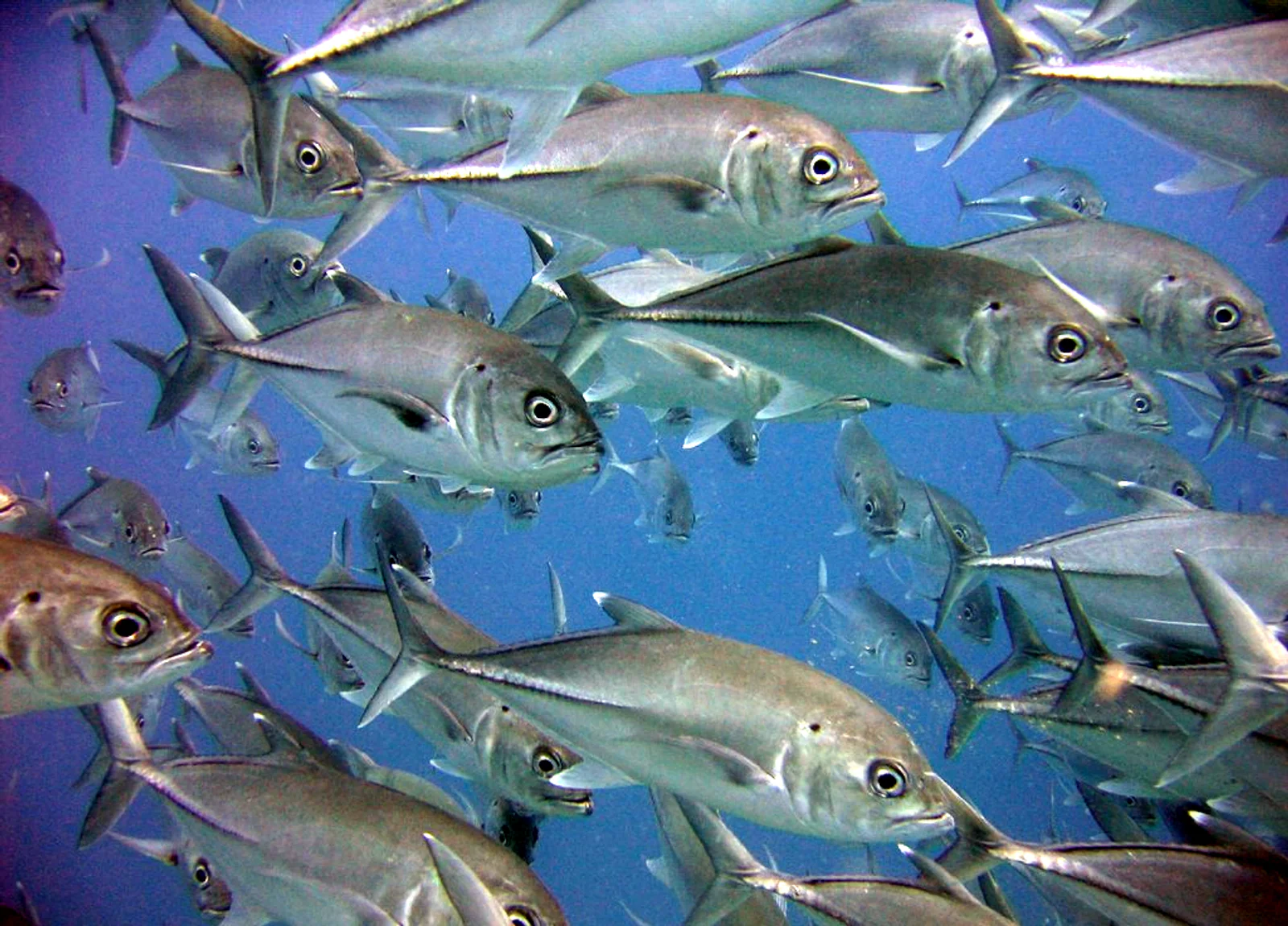
Bigeye Trevally
Caranx sexfasciatus
Site occurrence not yet documented
No dated observations available.
Hazards & Safety
Be aware of these potential hazards at this dive site
Surge
MediumExposed south-west coast with significant Indian Ocean swell
Boat traffic
MediumHeavy day-trip traffic at the cleaning station — stay close to the reef on ascent
Certification Required
A minimum of Open Water certification is required to dive this site.
360° Underwater View
Immersive panoramic view of this dive site
360° panorama coming soon
Immersive underwater views will be available when panoramic imagery is uploaded
Reviews
--
0 reviews
No reviews yet. Be the first to share your experience!
Related Dive Sites
Discover other dive sites in the area
AdvancedAdvancedDepth Profile
Vertical range at this site
Minimum Depth
16 ft
Shallowest point
Average Depth
39 ft
Typical dive depth
Maximum Depth
66 ft
Deepest point
Nearby services
View all dive shops →Stay Updated
Get dive site updates and tips in your inbox.
Dived Manta Point Nusa Penida? Make it count.
Add it to your logbook, share your sightings, and help 0 divers plan their next descent.
Recent Community Activity
Was this helpful?