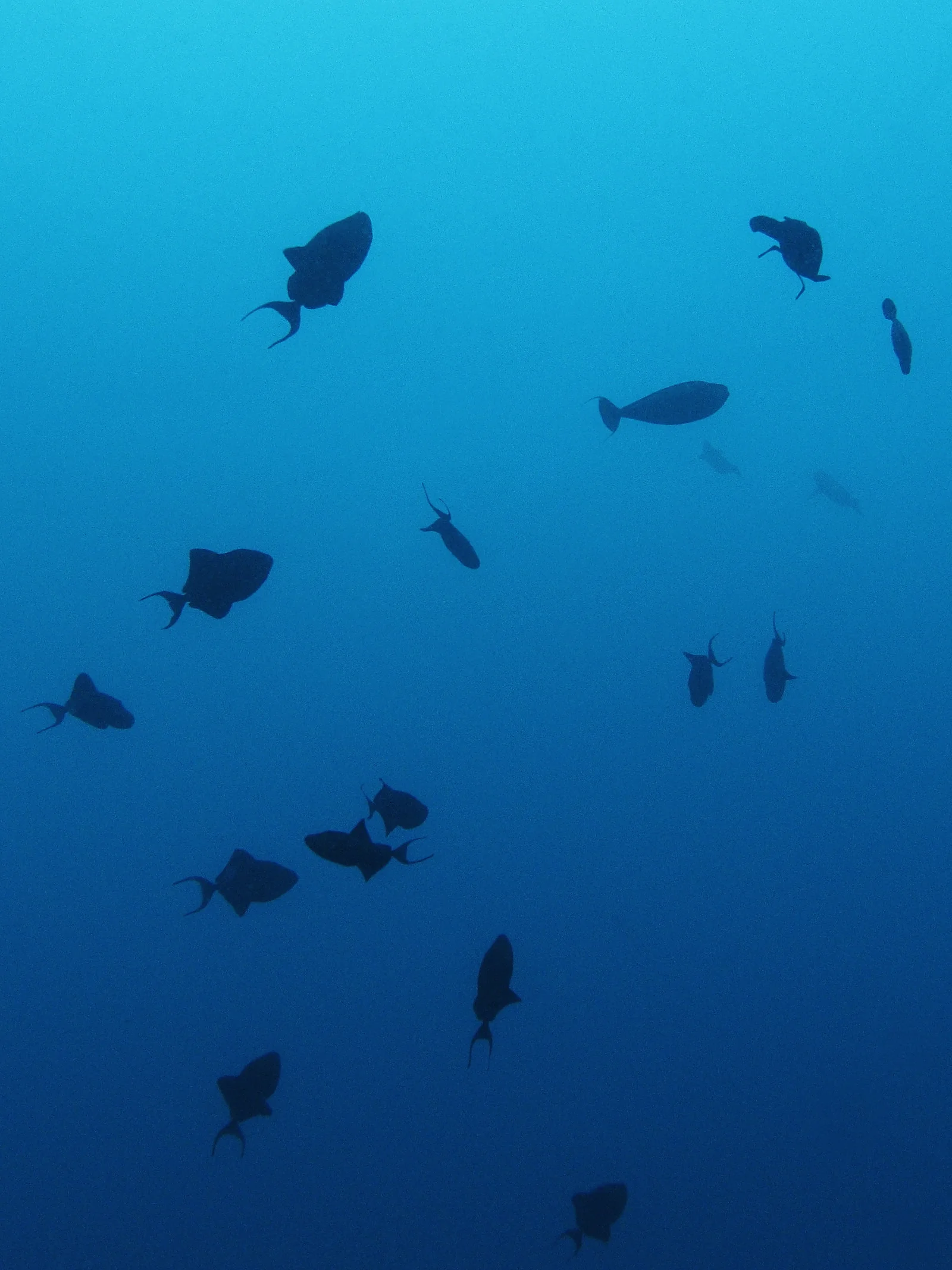
 Advanced
Reef · Drift · Coral-garden
Tatawa Besar
East Nusa Tenggara
Open Water Certification RequiredBest Season: Apr – Nov
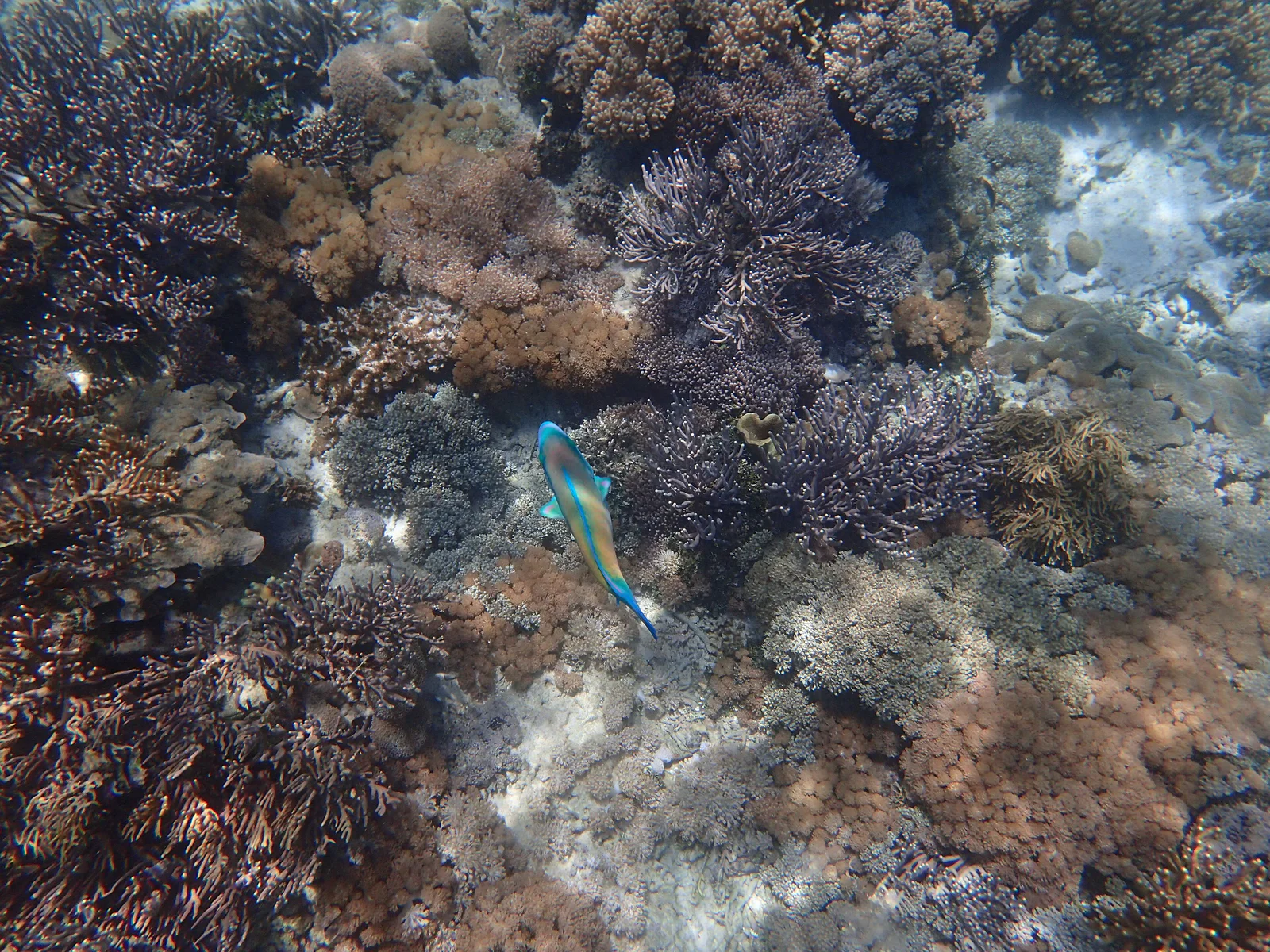
Difficulty
Intermediate
Difficulty level
Depth
13 ft
82 ft
Depth range
Access
Access not yet documented
Documented months
Apr
Nov
Visibility
49 ft
98 ft
Typical visibility
Current
Moderate
Good buoyancy control advised
Temperature
79°F
82°F
Water temperature
About This Dive Site
Tatawa Besar is renowned as one of Komodo National Park's most vibrant and approachable dive sites, offering an unforgettable drift diving experience. Located in the central area, north-east of Komodo Island, this site is celebrated for its rich marine biodiversity and stunning coral gardens.
Dive Overview
Divers will find Tatawa Besar an intermediate dive site, perfect for those comfortable with moderate currents and seeking a colorful, effortless drift. The site features a long, sloping coral reef that transitions into sandy patches and bommies, creating a diverse underwater landscape. While the maximum depth can reach 30-40 m, much of the incredible marine life and coral formations are concentrated between 5 m and 18 m, making it an excellent dive for extended bottom times and photography. An Open Water certification is required to explore this beautiful dive site.
Conditions and Topography
The currents at Tatawa Besar are typically moderate, providing a gentle yet exhilarating drift along the reef. It's often considered one of the more relaxing drift dives in the Komodo National Park, making it a great introduction to drift diving for newer certified divers or a relaxed option between more demanding sites. Water temperatures generally range from 26°C to 29°C, though they can occasionally drop to 24°C, particularly during certain seasons. Visibility is often excellent, ranging from 15-30 meters, especially during the dry season (April to November).
The topography is dominated by expansive, healthy coral gardens. Divers will be amazed by fields of orange-tinted staghorn and table corals, interspersed with giant sponges, sea fans, and soft corals in vibrant hues of yellow, purple, and red.
Marine Life Encounters
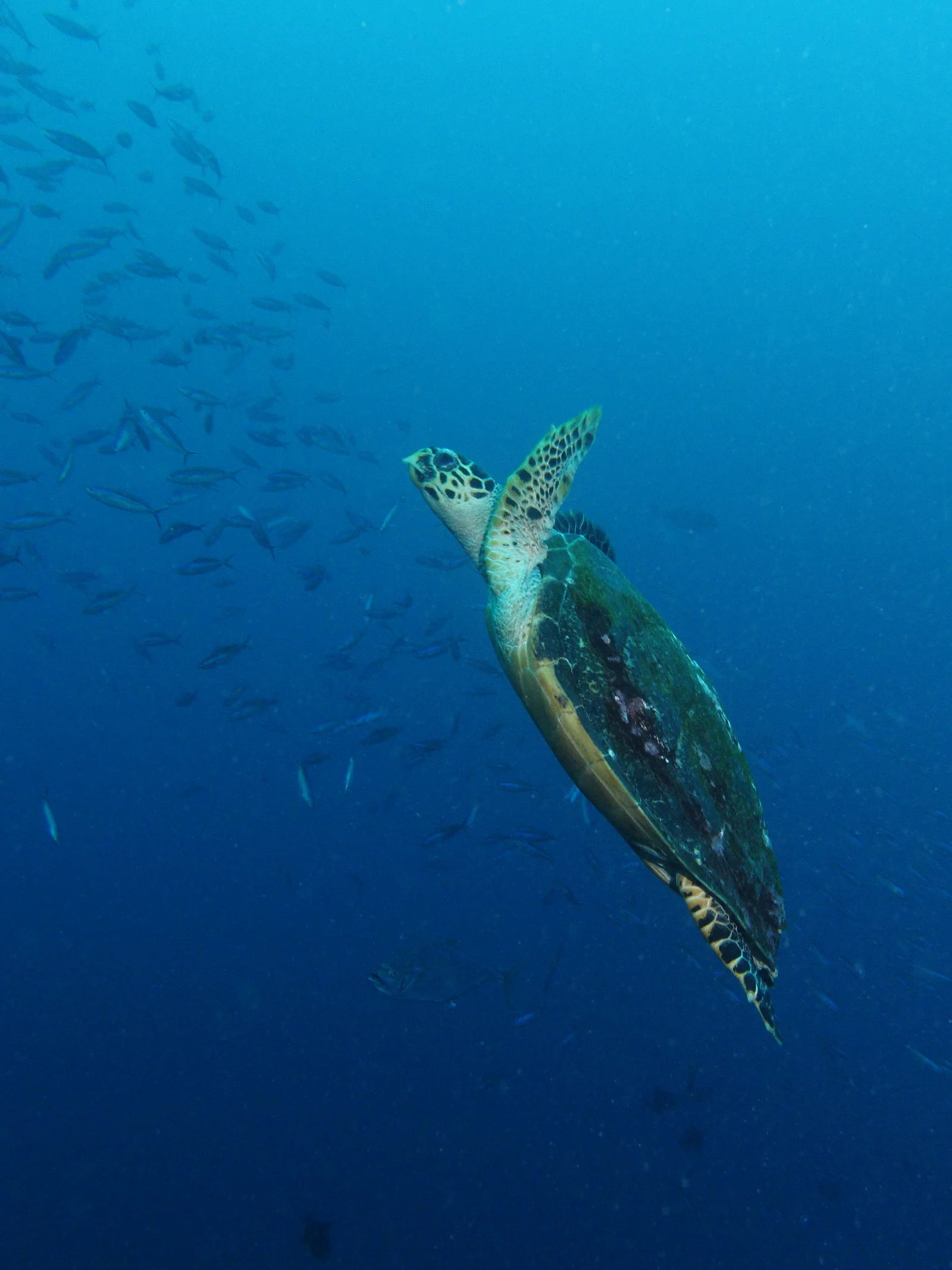
Tatawa Besar is teeming with a spectacular array of marine life. Divers can expect to encounter numerous Hawksbill Turtles (Eretmochelys imbricata) and Green Sea Turtles (Chelonia mydas) gracefully gliding through the water or resting on ledges. Keep an eye out for Whitetip Reef Sharks (Triaenodon obesus) and Blacktip Reef Sharks (Carcharhinus melanopterus) patrolling the reef or napping under coral formations.
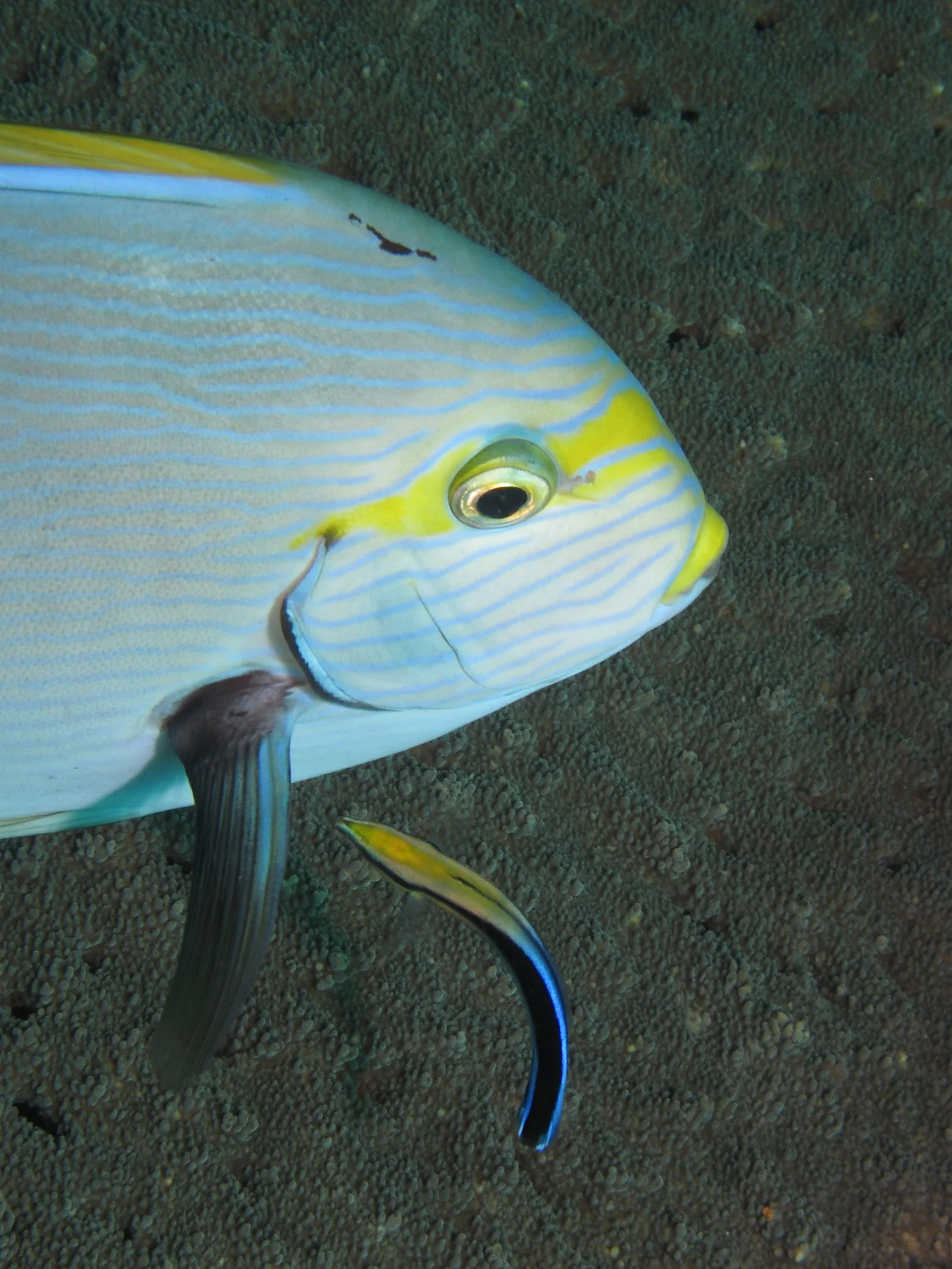
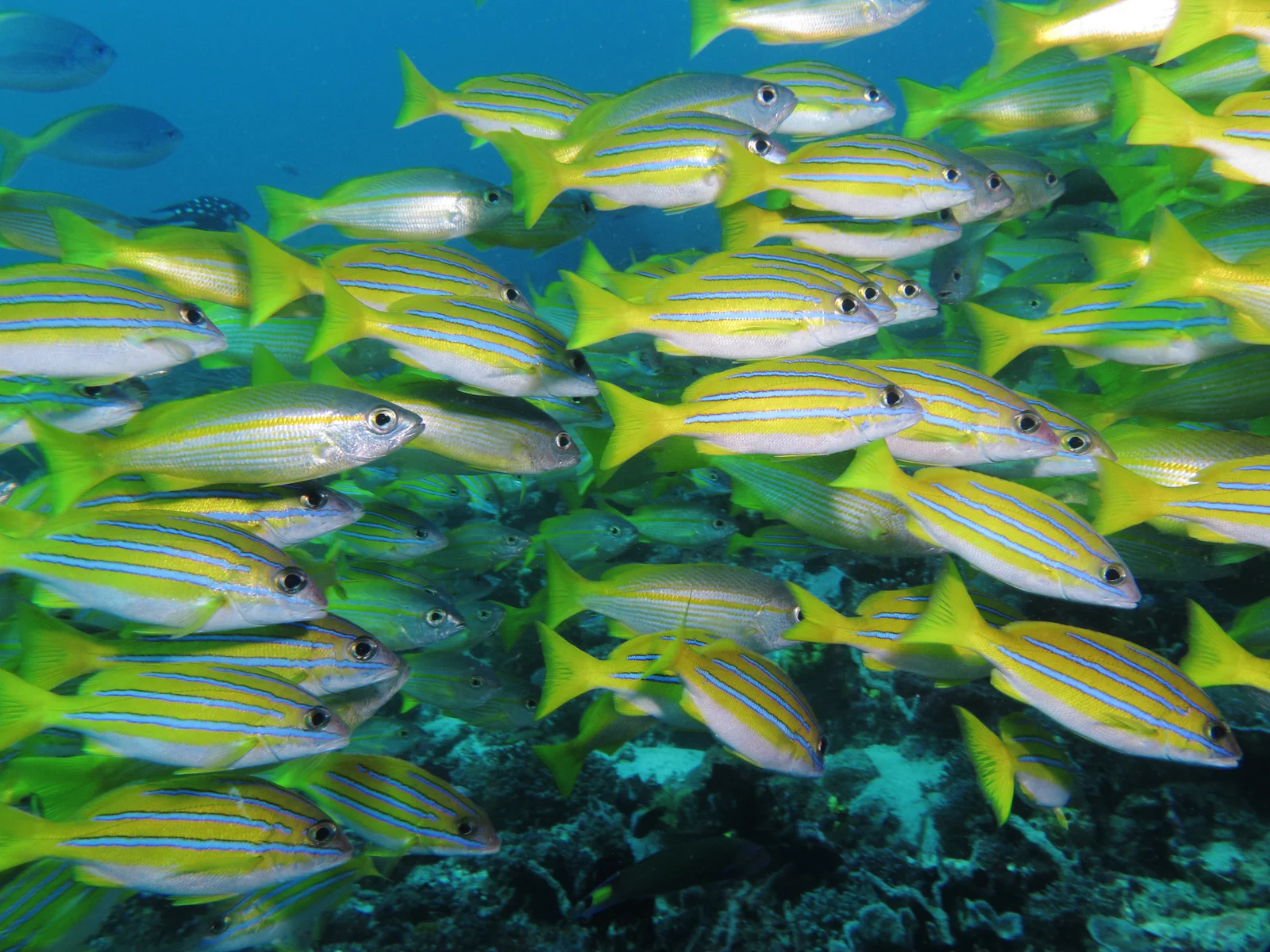
The reef comes alive with schools of Fusiliers (Caesio spp.) and clouds of colorful Sea Goldies (Pseudanthias squamipinnis, also known as anthias). We often spot beautiful Oriental Sweetlips (Plectorhinchus vittatus) and can sometimes find the camouflaged Frogfish (Antennariidae spp.) hidden among the corals and sponges. Broadclub Cuttlefish (Sepia latimanus) are also frequently seen.
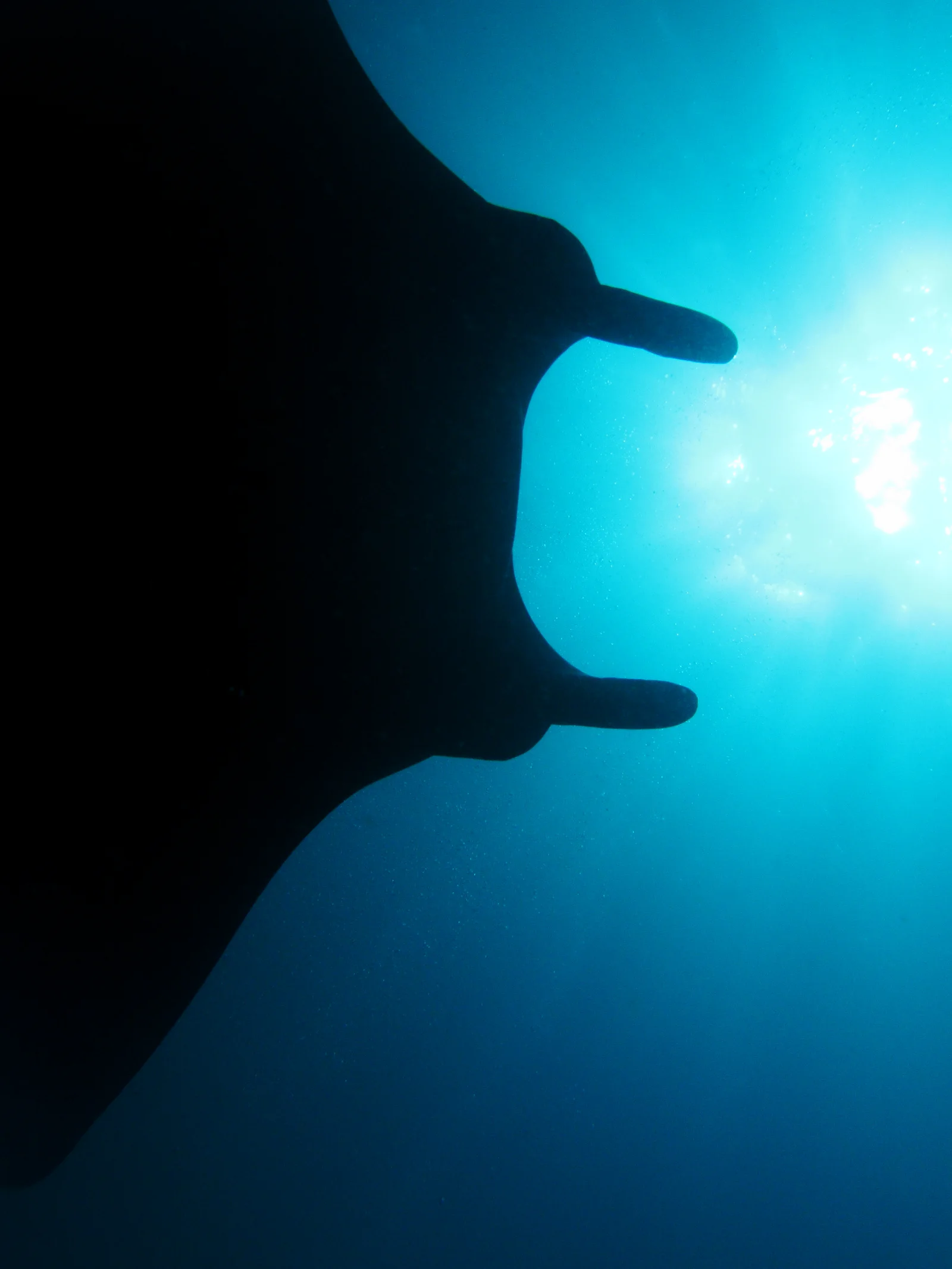
On lucky days, divers might be treated to the majestic sight of Reef Manta Rays (Mobula alfredi) cruising through the shallows or visiting cleaning stations located near the dive's starting point.
Potential Hazards
While generally considered a gentle drift, divers should be mindful of the moderate current, which can occasionally pick up. Maintaining good buoyancy control is crucial to avoid coral contact and protect the pristine reef. As with any popular dive site, awareness of boat traffic is also important, especially during ascent and safety stops.
Open Water
Current Conditions
Typical current strength at this dive site
Moderate
Noticeable current requiring some effort to swim against. Good buoyancy control recommended.
Strength Scale
None
Mild
Moderate
Strong
Best Time to Visit
Monthly conditions and seasonal highlights — tap a month
SepBest
Peak diving season with optimal visibility, calm seas, and best marine life encounters.
BestGoodLess FavorablePeak
Marine Life
10 species recorded at this site
Common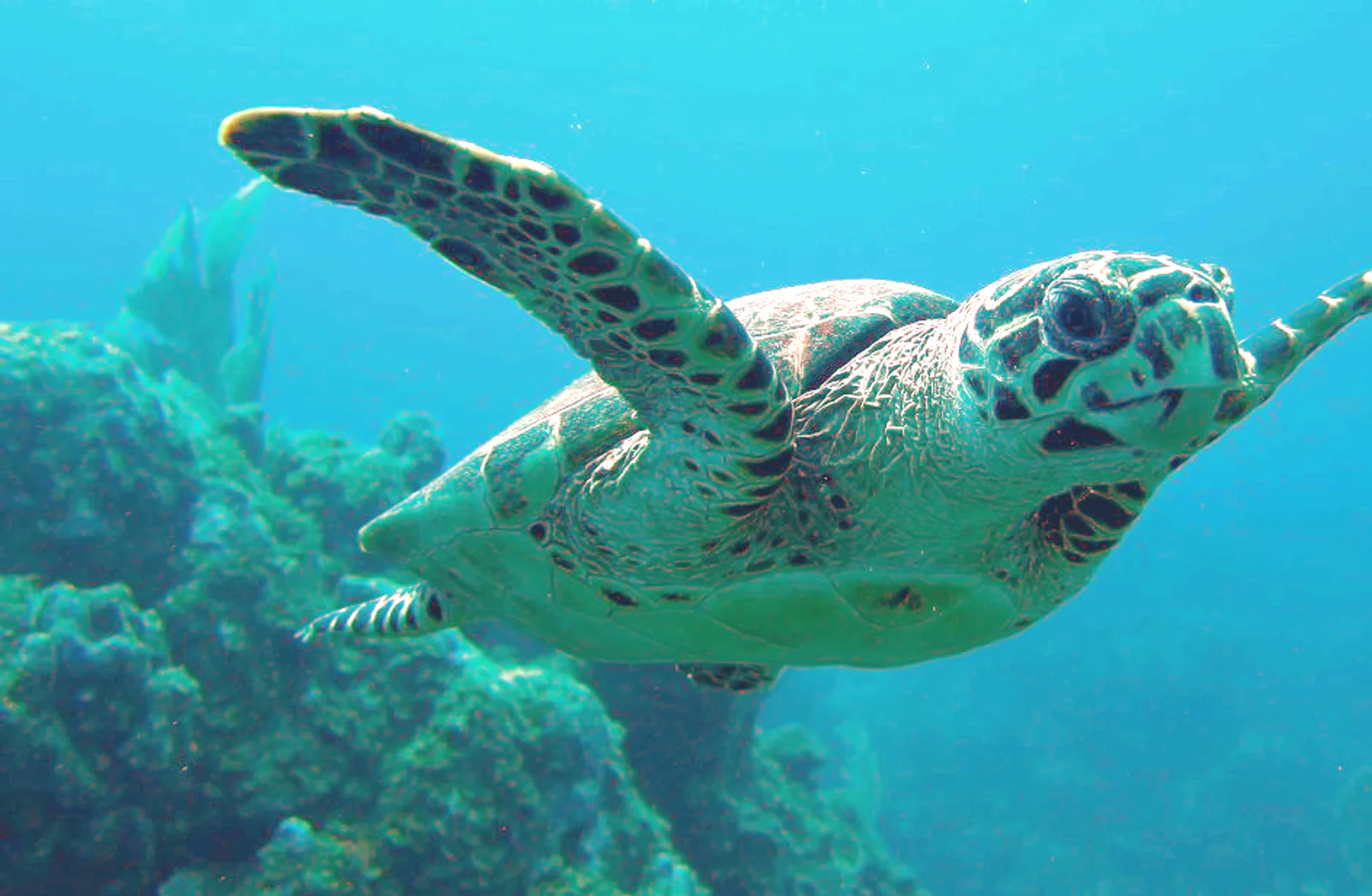
Hawksbill Turtle
Eretmochelys imbricata
Site occurrence not yet documented
No dated observations available.
Common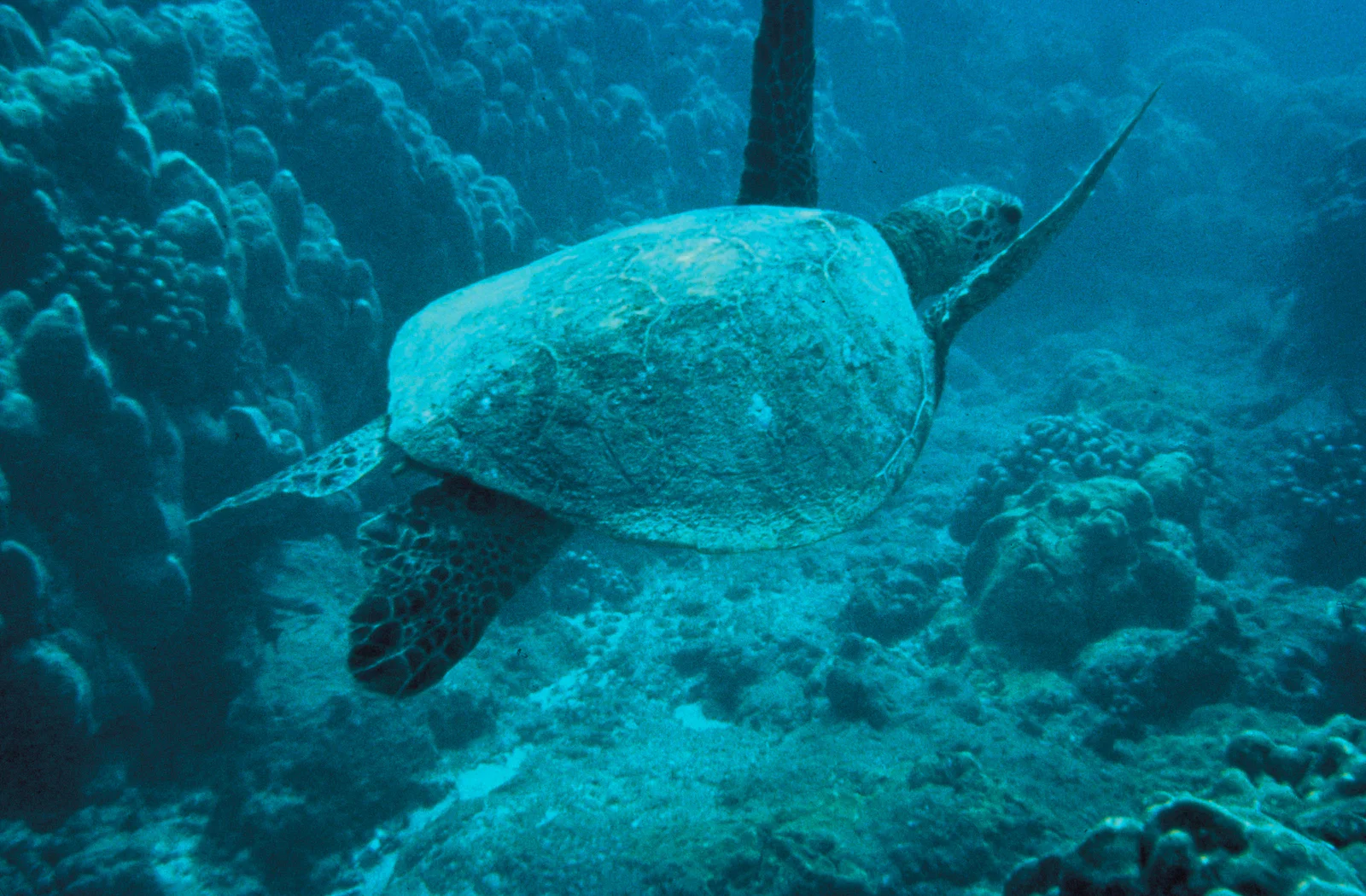
Green Sea Turtle
Chelonia mydas
Site occurrence not yet documented
No dated observations available.
Common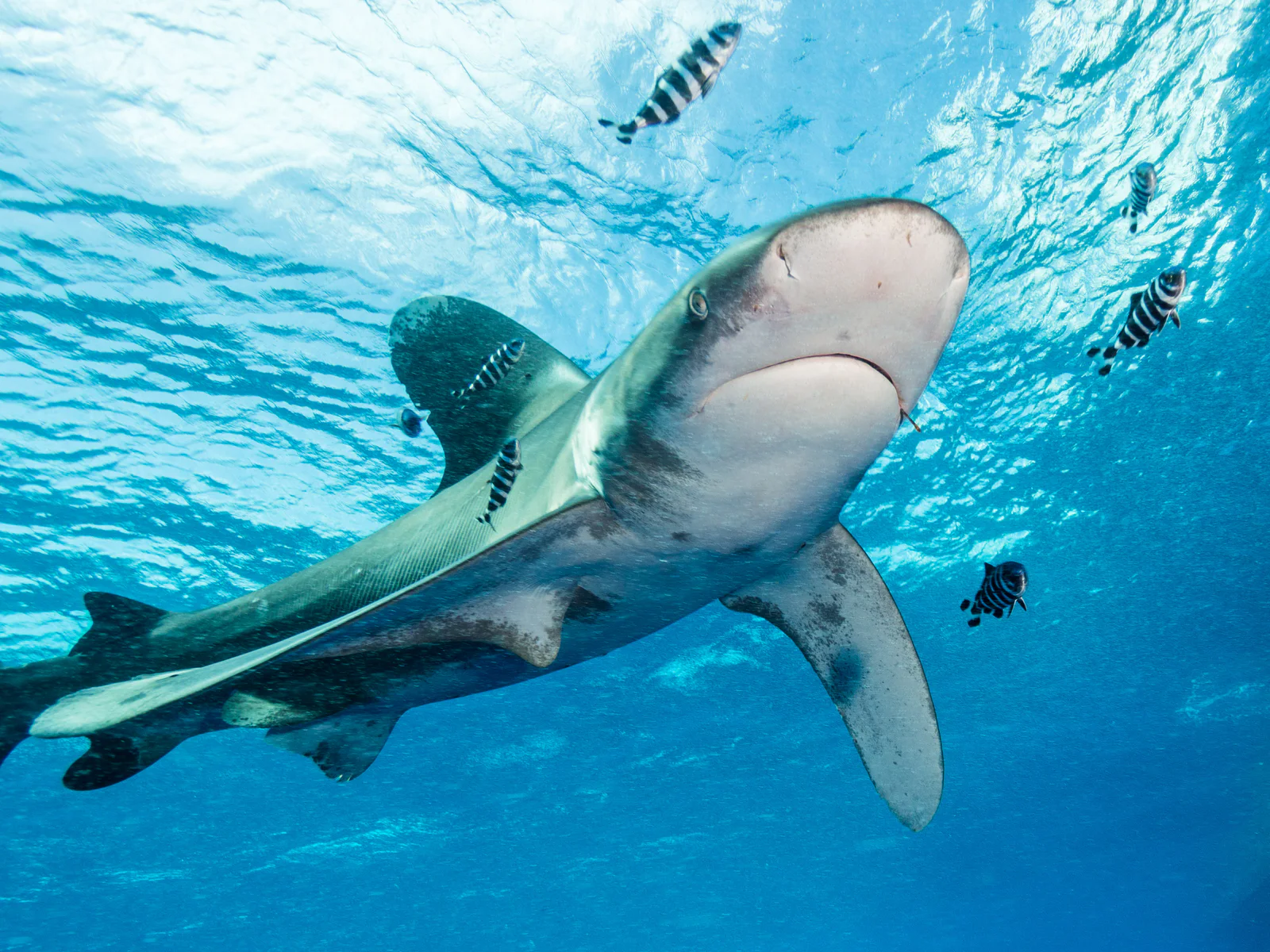
Whitetip Reef Shark
Triaenodon obesus
Site occurrence not yet documented
No dated observations available.
Occasional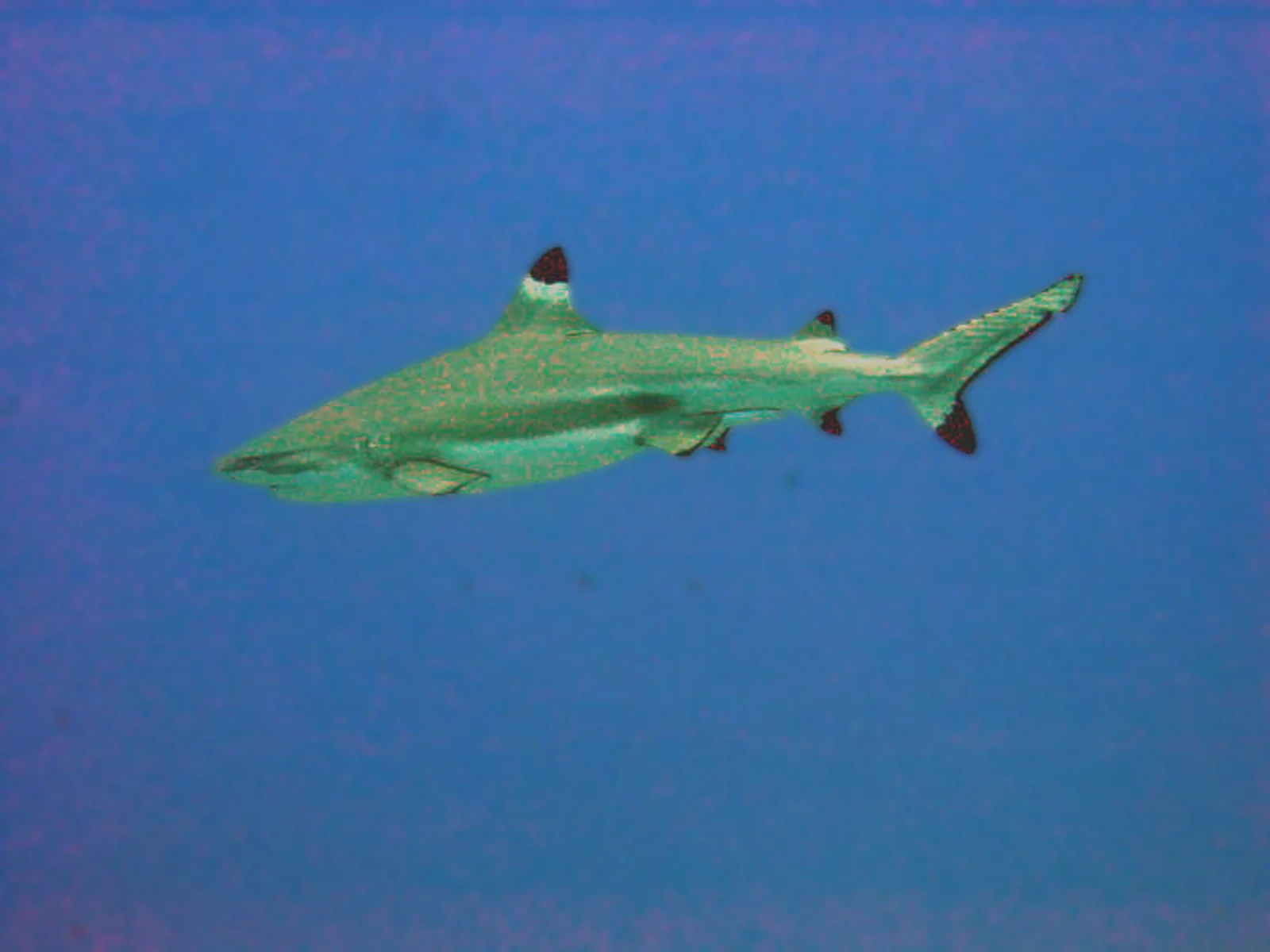
Blacktip Reef Shark
Carcharhinus melanopterus
Site occurrence not yet documented
No dated observations available.
Abundant
Fusilier (schooling)
Caesio spp.
Site occurrence not yet documented
No dated observations available.
Abundant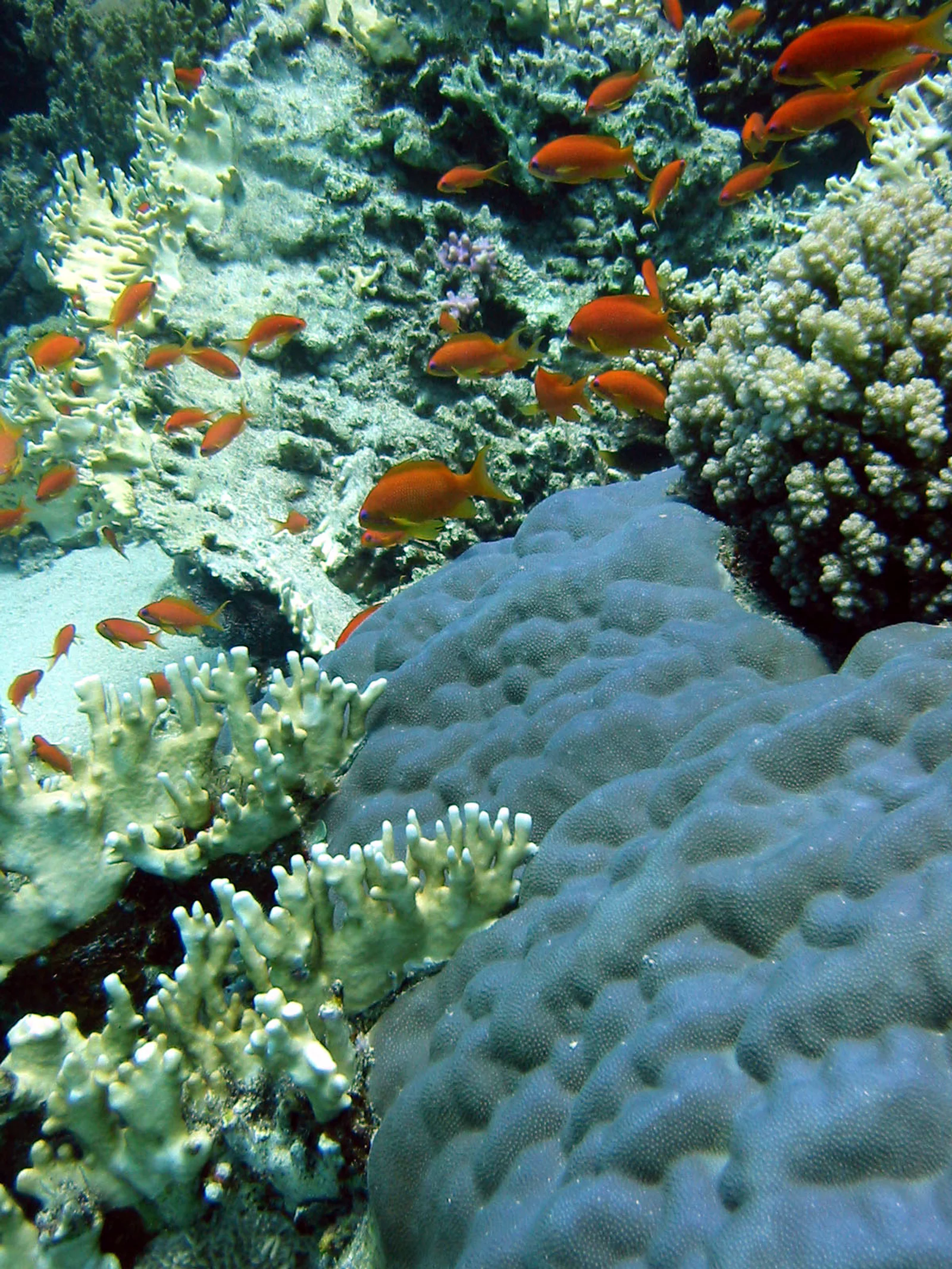
Sea Goldie (anthias)
Pseudanthias squamipinnis
Site occurrence not yet documented
No dated observations available.
Common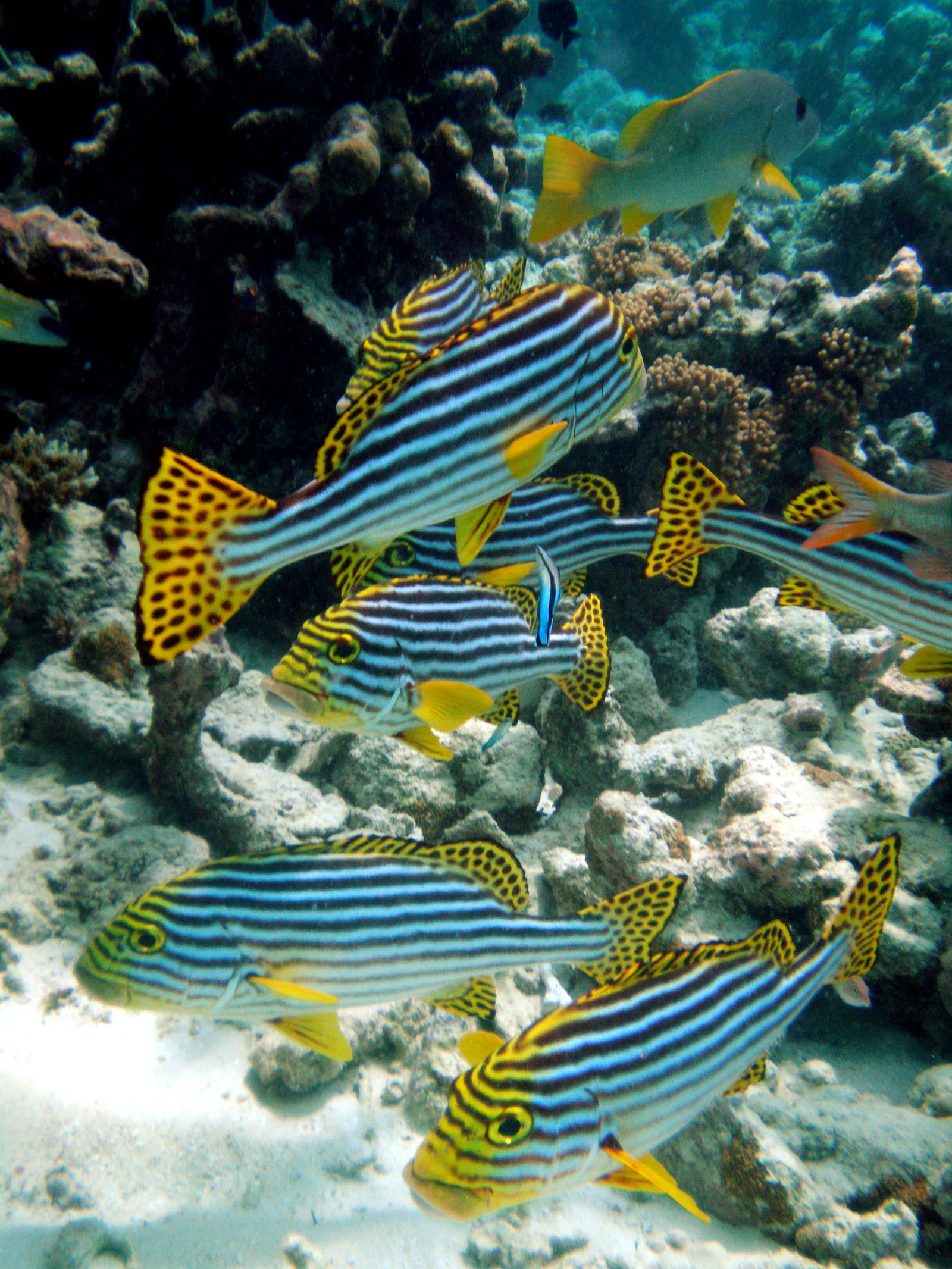
Oriental Sweetlips
Plectorhinchus vittatus
Site occurrence not yet documented
No dated observations available.
Occasional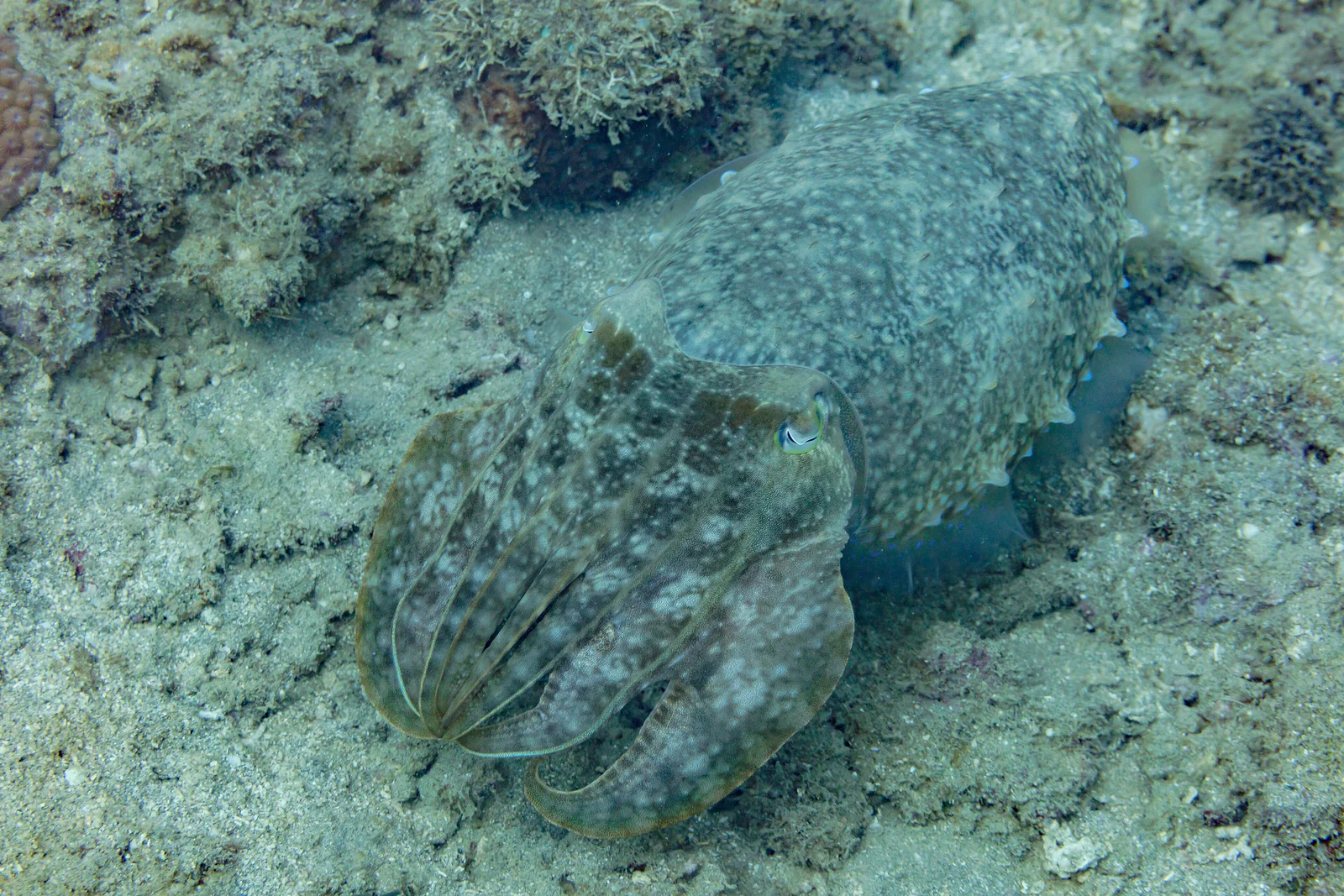
Broadclub Cuttlefish
Sepia latimanus
Site occurrence not yet documented
No dated observations available.
Occasional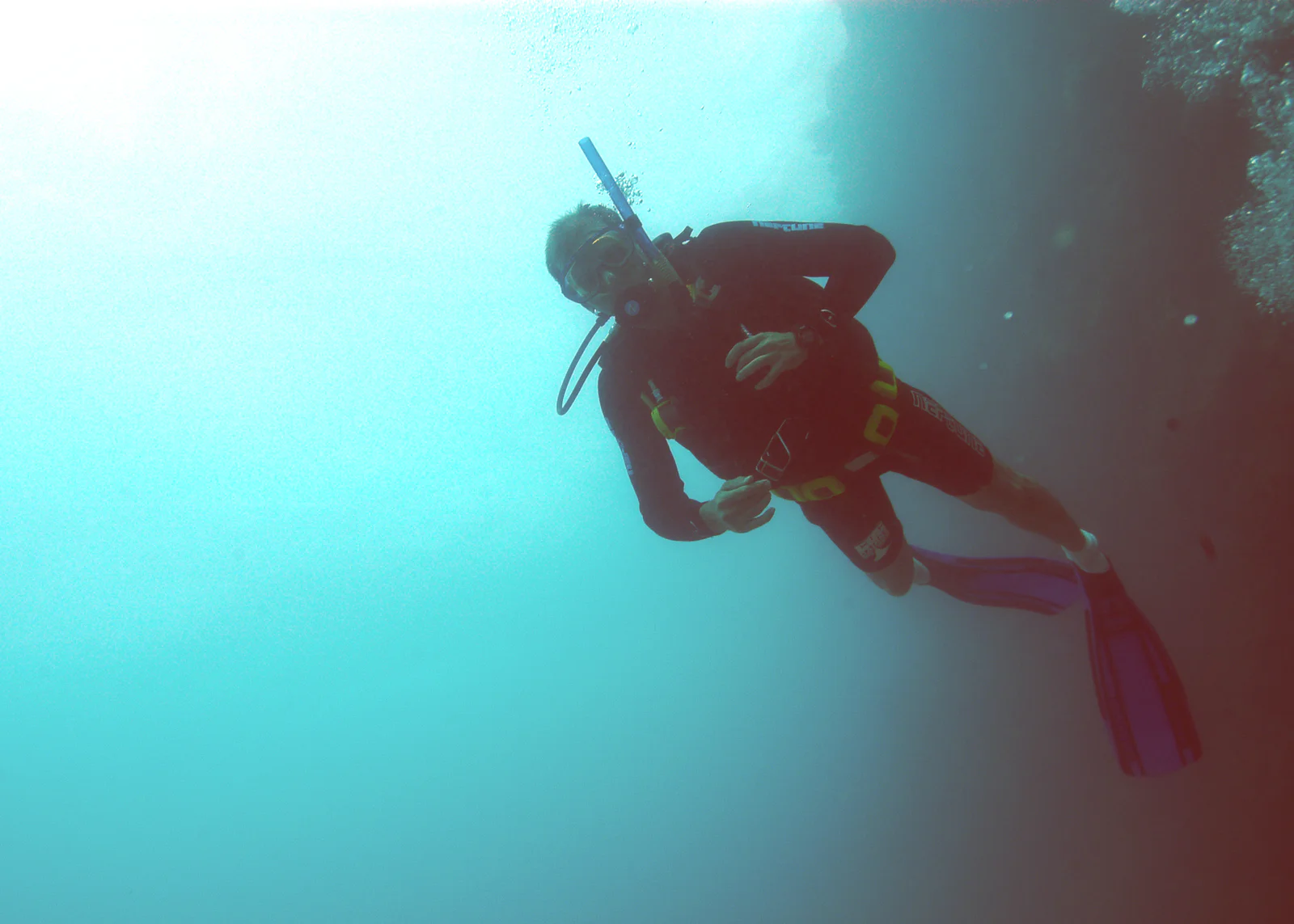
Reef Manta Ray
Mobula alfredi
Site occurrence not yet documented
No dated observations available.
Rare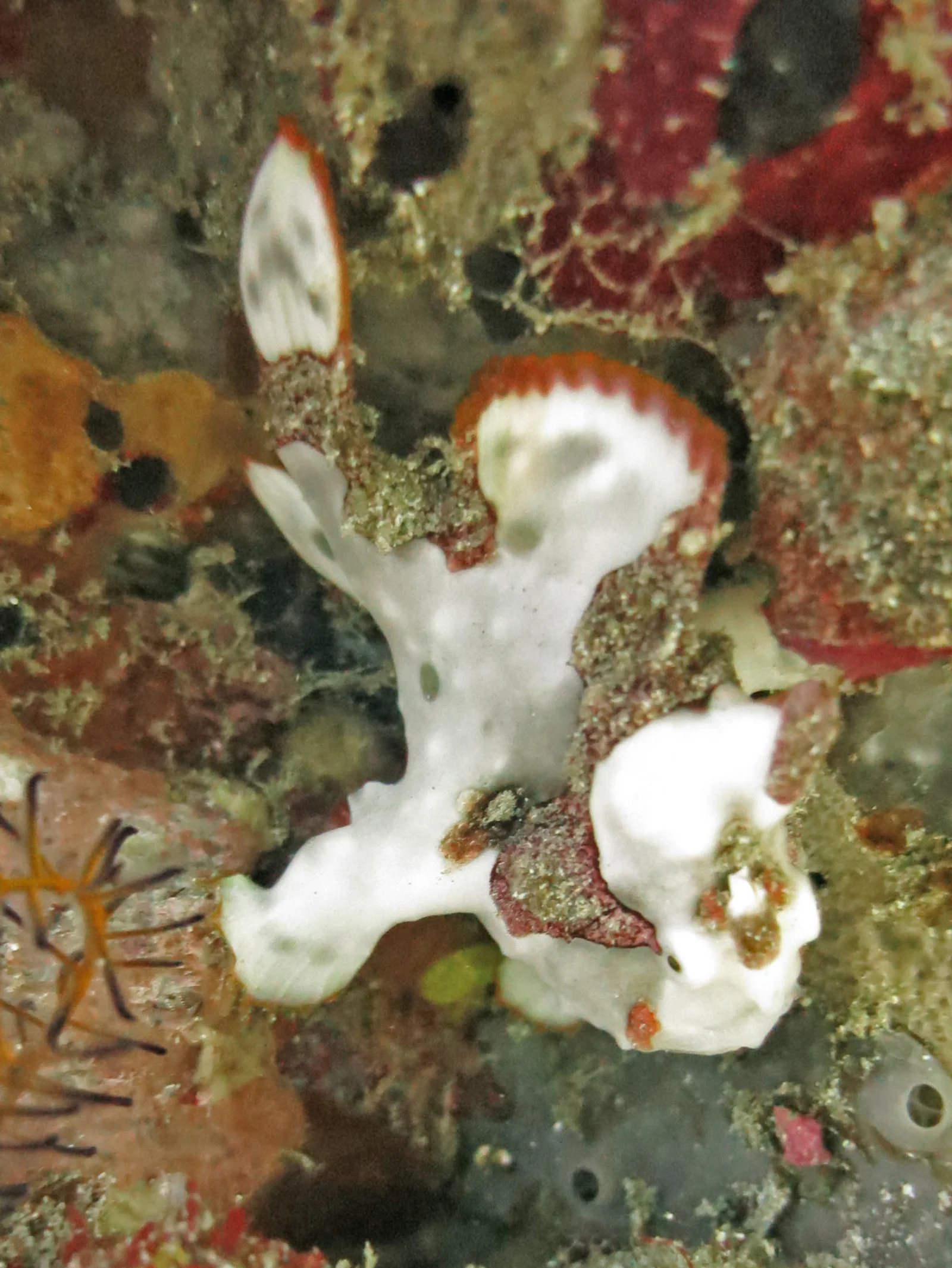
Frogfish
Antennariidae spp.
Site occurrence not yet documented
No dated observations available.
Hazards & Safety
Be aware of these potential hazards at this dive site
Current
MediumDrift accelerates on spring tides
Coral contact
LowShallow staghorn fields punish poor buoyancy
Boat traffic
LowPopular day-trip site, SMB on ascent
Certification Required
A minimum of Open Water certification is required to dive this site.
360° Underwater View
Immersive panoramic view of this dive site
360° panorama coming soon
Immersive underwater views will be available when panoramic imagery is uploaded
Reviews
--
0 reviews
No reviews yet. Be the first to share your experience!
Related Dive Sites
Discover other dive sites in the area
Advanced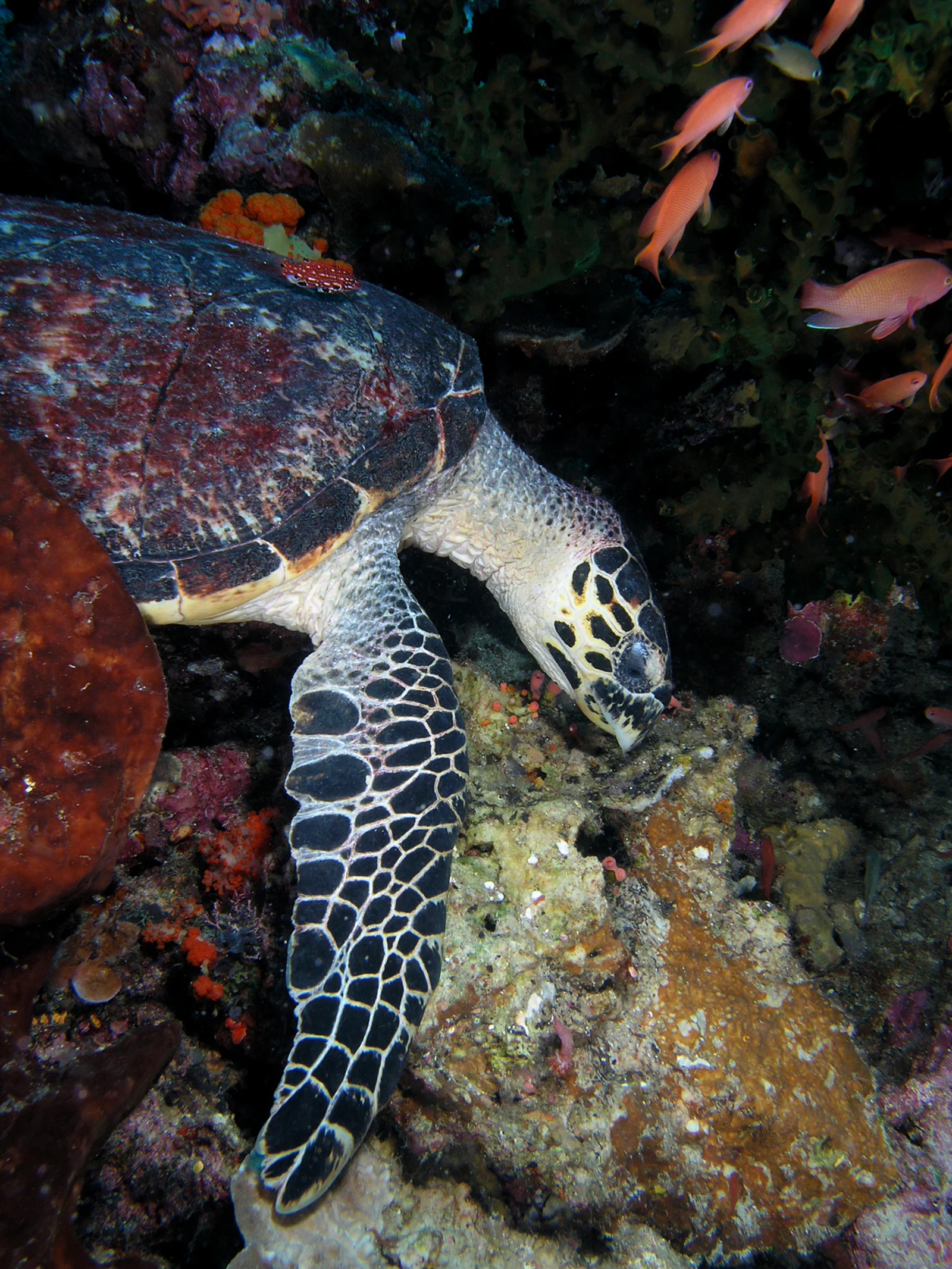 Beginner
 Advanced
 Beginner
Mawan
Indonesia > East Nusa Tenggara > Komodo National Park
New
manta-cleaning-stationreefcoral-garden+1
 Beginner
Karang Makassar (Manta Point)
Indonesia > East Nusa Tenggara > Komodo National Park
New
driftmanta-cleaning-stationreef
 AdvancedAdvancedBeginnerAdvancedBeginner
Mawan
Indonesia > East Nusa Tenggara > Komodo National Park
New
manta-cleaning-stationreefcoral-garden+1
BeginnerKarang Makassar (Manta Point)
Indonesia > East Nusa Tenggara > Komodo National Park
New
driftmanta-cleaning-stationreef
AdvancedDepth Profile
Vertical range at this site
Minimum Depth
13 ft
Shallowest point
Average Depth
46 ft
Typical dive depth
Maximum Depth
82 ft
Deepest point
Nearby services
View all dive shops →Stay Updated
Get dive site updates and tips in your inbox.
Dived Tatawa Besar? Make it count.
Add it to your logbook, share your sightings, and help 0 divers plan their next descent.
Recent Community Activity
Was this helpful?