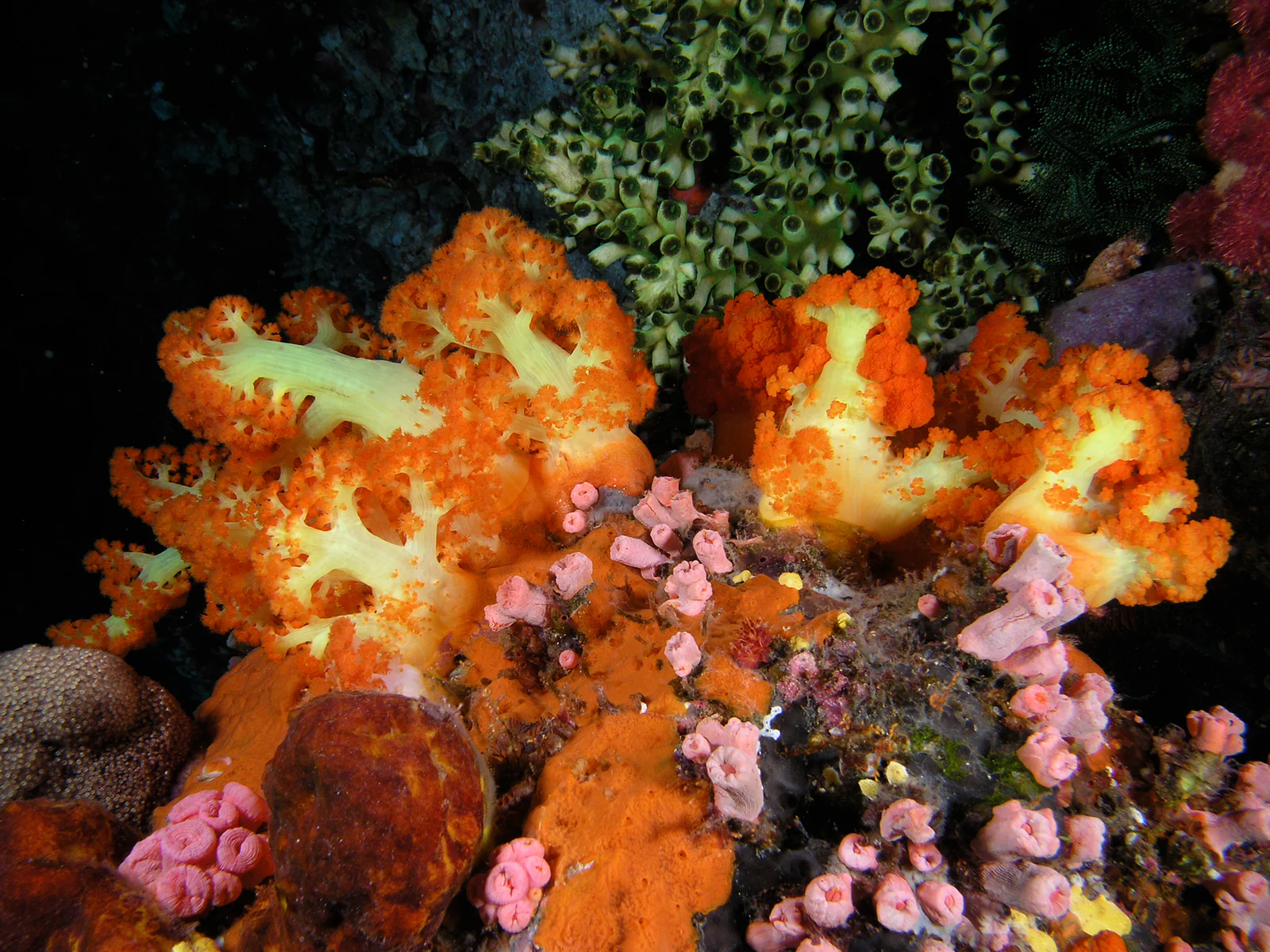
 Advanced
Pinnacle · Seamount · Reef · Coral-garden · Drift
Three Sisters
Komodo National Park
Advanced Open Water Certification RequiredBest Season: Oct – Apr
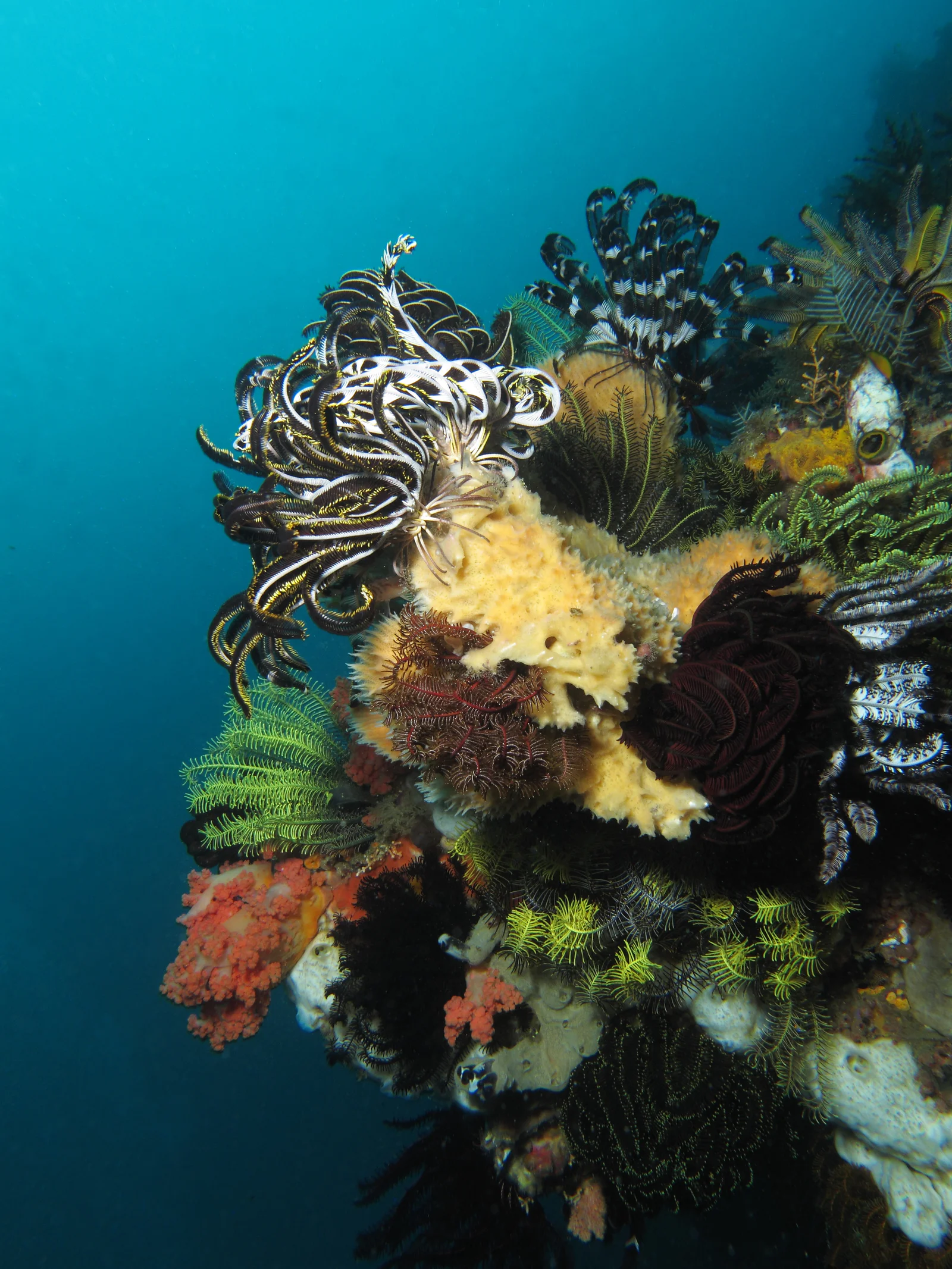
Difficulty
Advanced
Difficulty level
Depth
10 ft98 ft
Depth range
Access
Access not yet documented
Documented months
Oct
Apr
Visibility
33 ft66 ft
Typical visibility
Current
Variable
Good buoyancy control advised
Temperature
68°F75°F
Water temperature
Verification status unavailable Some details may be incomplete or outdated. Confirm current conditions locally, and suggest a correction if you know this site.
Know this dive site? Suggest a correctionAbout This Dive Site
Three Sisters (Komodo National Park)
Prepare for an exhilarating advanced dive at Three Sisters, a renowned dive site located off the southern coast of Padar Island in Komodo National Park. This site is aptly named for its three magnificent submerged pinnacles that rise dramatically from a sandy seabed at approximately 30 m, reaching within 3 to 5 m of the surface. These colossal rock formations are close enough to allow divers to traverse between them in a single dive, offering a dynamic and unforgettable experience. Divers with a keen sense of adventure might even discover a rarely visited fourth sister lurking further south.
Dive Site Features
Three Sisters is a captivating blend of pinnacle, seamount, reef, and coral garden diving, often enjoyed as a drift dive. The site is characterized by cold, nutrient-rich upwellings that keep the rock pristine and densely covered in vibrant soft corals, sponges, tunicates, and sea fans. We will find an incredible diversity of hard and soft corals, creating a breathtaking underwater landscape.
Given its location in the south of Komodo National Park, divers should anticipate cooler water temperatures, typically ranging from 20°C to 25°C. We strongly recommend a 5mm wetsuit to ensure comfort during your dive. Currents at Three Sisters are variable and can be strong and unpredictable, making this an advanced dive site requiring an Advanced Open Water certification. For the best experience, we typically time our dives to slack tide, which allows for easier navigation between the pinnacles and optimal appreciation of the abundant macro life. More experienced divers, however, may choose to explore during a mild rising or falling tide to increase their chances of encountering larger schooling fish.
Marine Life Encounters
Three Sisters is a treasure trove of marine biodiversity, offering both thrilling pelagic encounters and fascinating macro discoveries:
- Pelagic Action: Divers can frequently encounter schooling Mobula Rays sweeping through the blue. We often spot Whitetip Reef Sharks patrolling the deeper realms or resting, along with majestic Spotted Eagle Rays. Keep an eye out for large schools of Great Barracuda and impressive Giant Trevally.
- Macro Marvels: The vibrant coral growth provides perfect camouflage for Giant Frogfish, often found perched on sponges. With a keen eye, divers can spot the elusive Pygmy Seahorse nestled within gorgonian fans. The site is also a haven for a variety of colorful Nudibranchs, intricate Blue-ribbon Eels hiding in the sand, and unique Sea Apples feeding in the current.
- Other Residents: We may also encounter other species such as various nudibranchs, scorpionfish, stonefishes, emperor shrimp, green turtles, Napoleon wrasse, sweetlips, anthias, fusiliers, clownfish, blue-spotted stingrays, and moray eels.
While Three Sisters offers unparalleled beauty, divers should be aware of potential hazards including strong and unpredictable currents, the possibility of cold water, and general boat traffic in the area. Its relative remoteness and the fact that it's often unmarked on charts underscore the importance of diving with experienced local instructors. This dive site truly offers a spectacular blend of large marine life and intricate macro subjects, making it a highlight for any advanced diver visiting Komodo National Park.
How two sources describe the pinnacles
Teresa Zubi's starfish.ch Komodo guide describes Three Sisters as three large rocks connected to each other by ridges, covered in corals. She describes two smaller boulders at around 30 metres as especially nice, and reports several nudibranch species, small sea cucumbers and an unusual starfish. Her account describes diving on the side sheltered from the current and finishing on the peaks, which she gives as topping out at 6, 7 and 8 metres respectively.
Dive Concepts, a Bali-based operator that also runs Komodo cruises, places Three Sisters north of the Pillarsteen site near Padar Island. It describes the pinnacles as about 10 metres apart, standing on sand at 30 metres and reaching 3 to 5 metres below the surface. The two sources therefore disagree on how close the tops come to the surface: 3 to 5 metres in the operator's description against 6 to 8 metres in Zubi's account. Neither explains how its figure was measured, so the shallowest depth should be treated as uncertain.
Dive Concepts says the site can be dived all year, but that in the high season visibility and water temperature can drop compared with sites in the centre of the park. It adds that the site is not marked on charts and that its rocks lie just below the surface, which can make it hard to find. Zubi's guide describes the southern part of the park more generally as usually much colder than the north, at 21 to 26 degrees Celsius, with visibility sometimes only 10 to 15 metres because the water is rich in plankton. She considers the south best from October to April and warns that some southern sites can be inaccessible when seas are too rough.
Advanced Open Water
Current Conditions
Typical current strength at this dive site
Variable
Current strength changes with tides and conditions. Check local conditions before diving.
Strength Scale
None
Mild
Moderate
Strong
Best Time to Visit
Monthly conditions and seasonal highlights — tap a month
NovBest
Peak diving season with optimal visibility, calm seas, and best marine life encounters. Notable sightings: Mobula Ray.
BestGoodLess FavorablePeak
Marine Life
10 species recorded at this site
Occasional · Unverified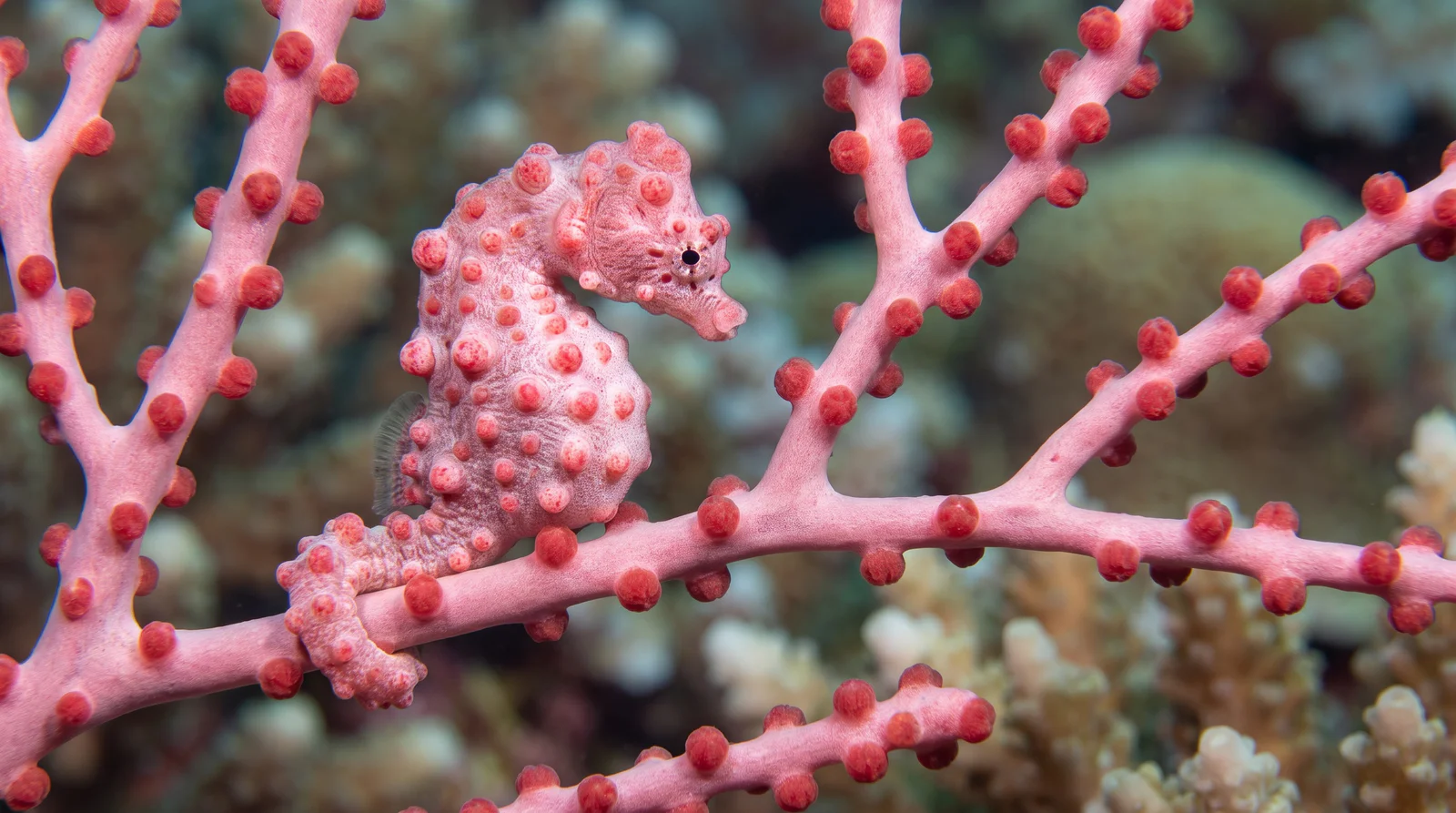
Pygmy Seahorse
Hippocampus bargibanti
Site occurrence not yet documented
No dated observations available.
Common · Unverified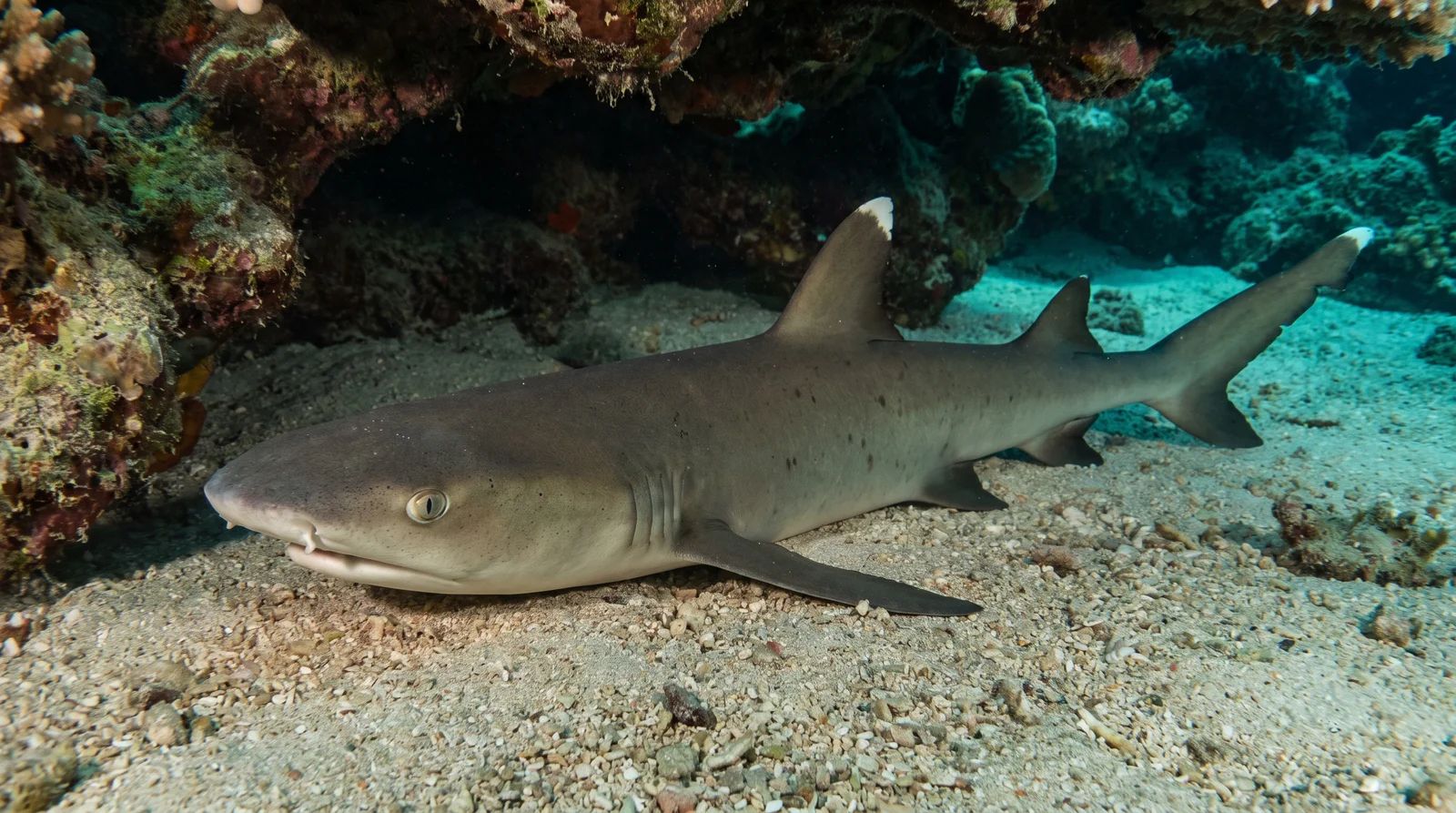
Whitetip Reef Shark
Triaenodon obesus
Site occurrence not yet documented
No dated observations available.
Occasional · Unverified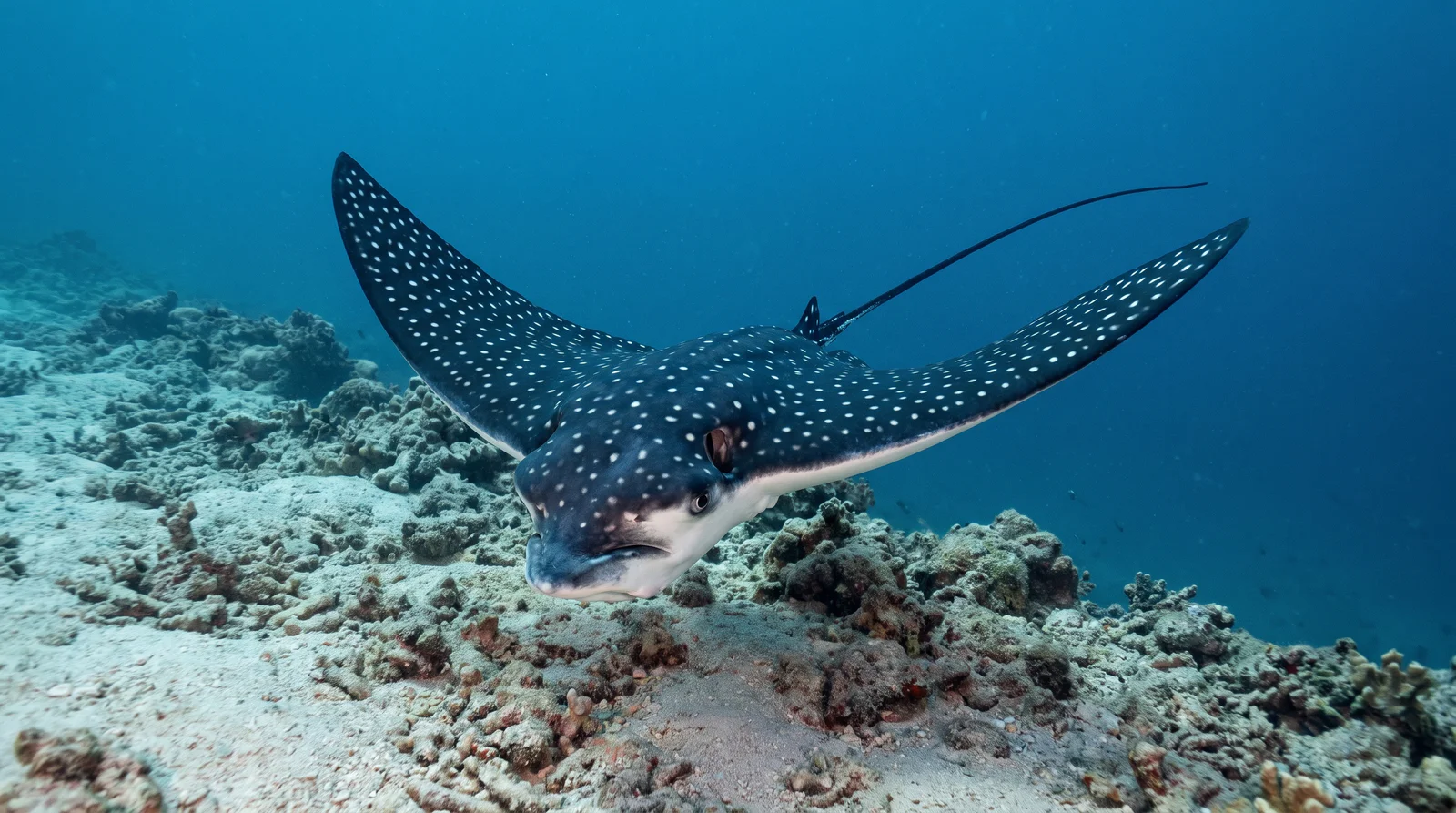
Spotted Eagle Ray
Aetobatus narinari
Site occurrence not yet documented
No dated observations available.
Common · Unverified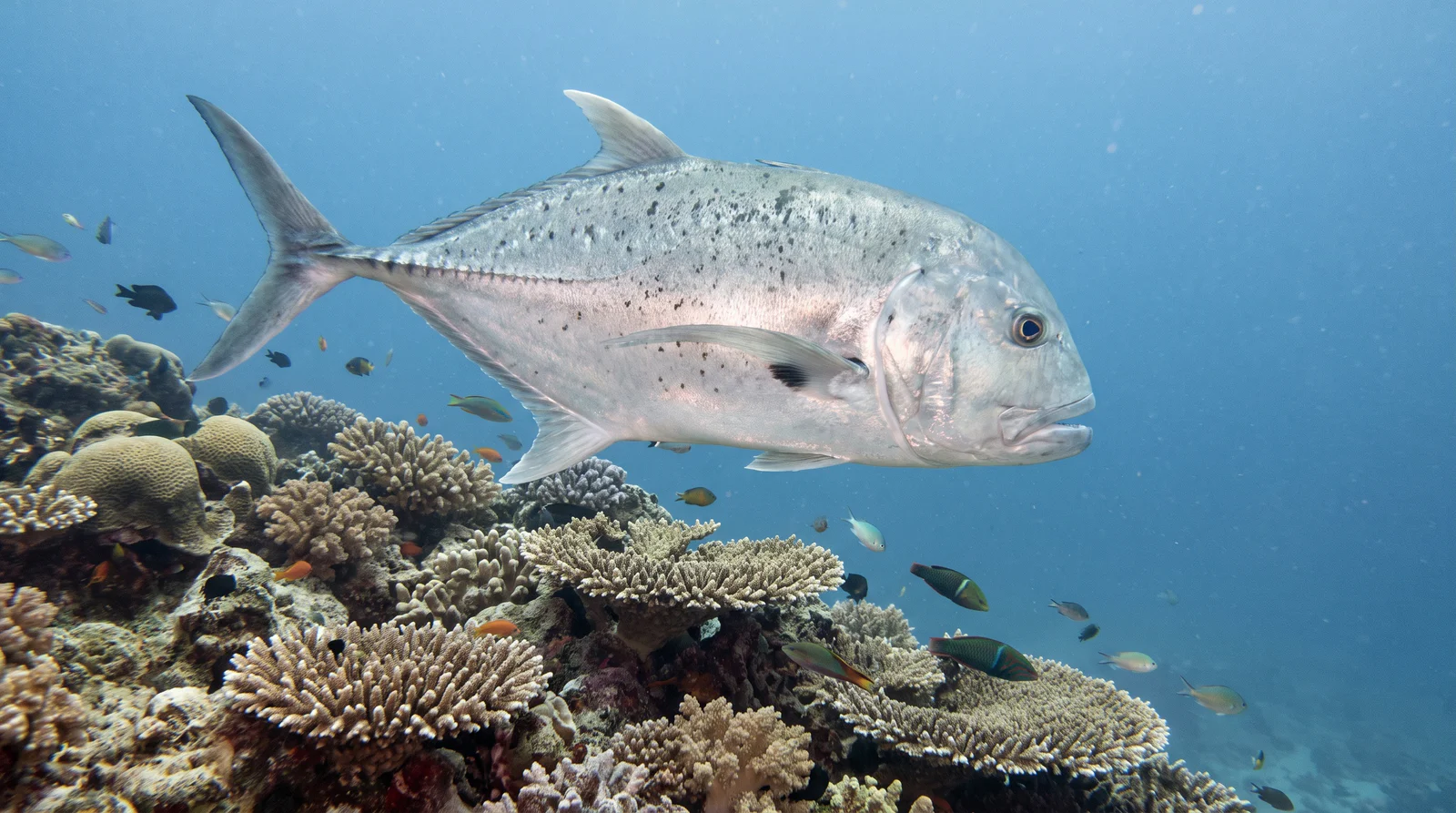
Giant Trevally
Caranx ignobilis
Site occurrence not yet documented
No dated observations available.
Occasional · Unverified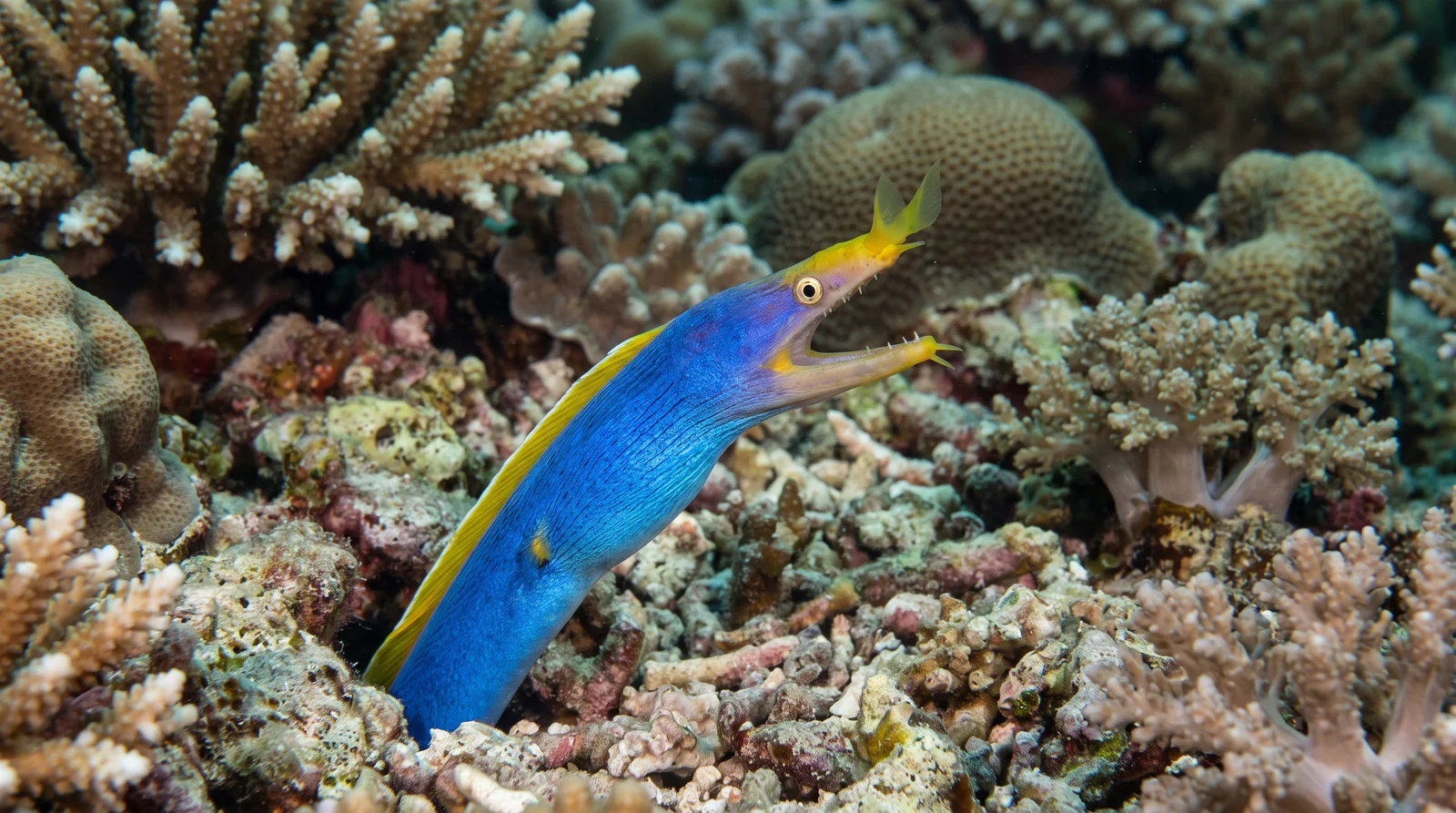
Blue-ribbon Eel
Rhinomuraena quaesita
Site occurrence not yet documented
No dated observations available.
Common · Unverified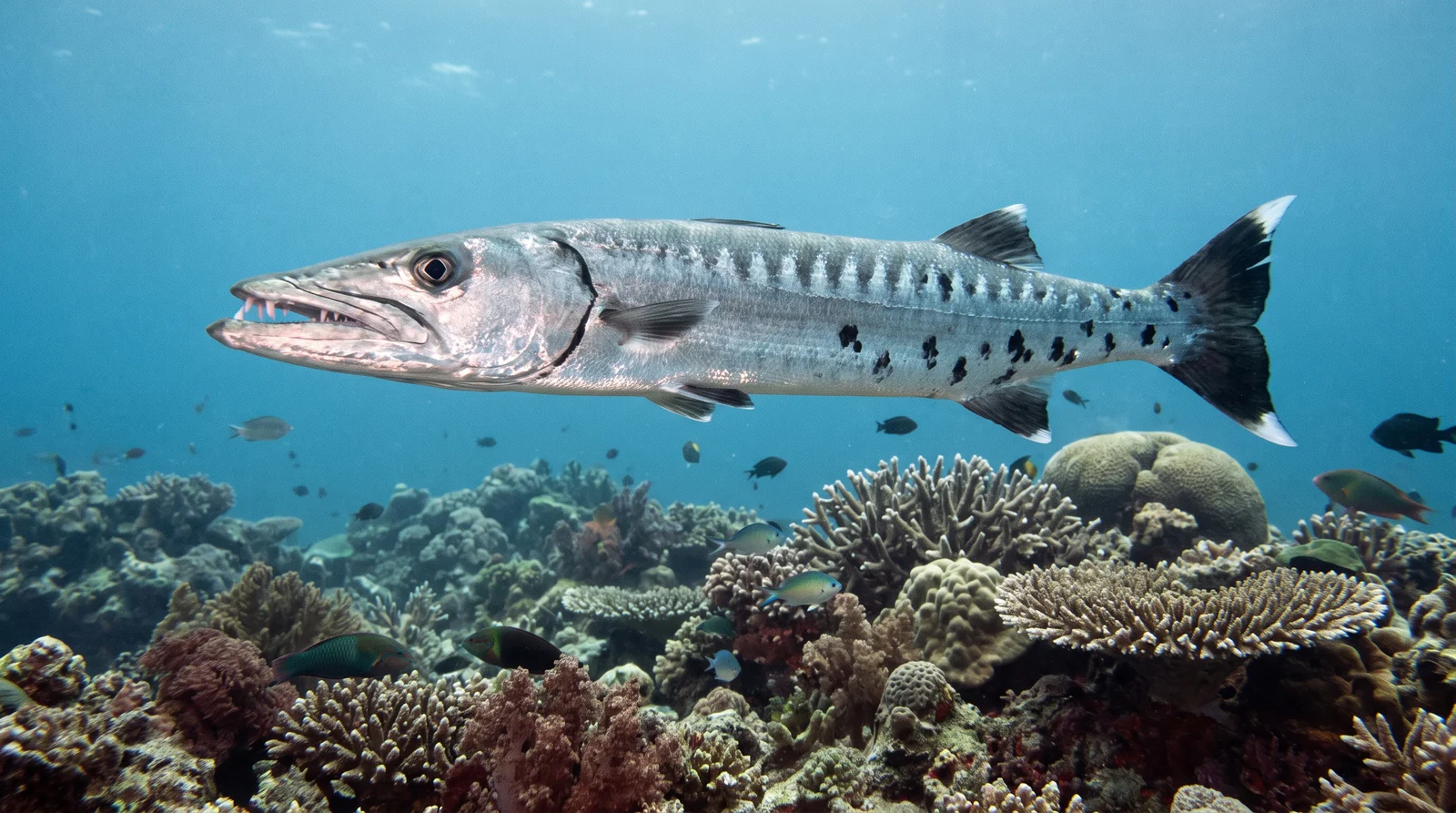
Great Barracuda
Sphyraena barracuda
Site occurrence not yet documented
No dated observations available.
Common · Unverified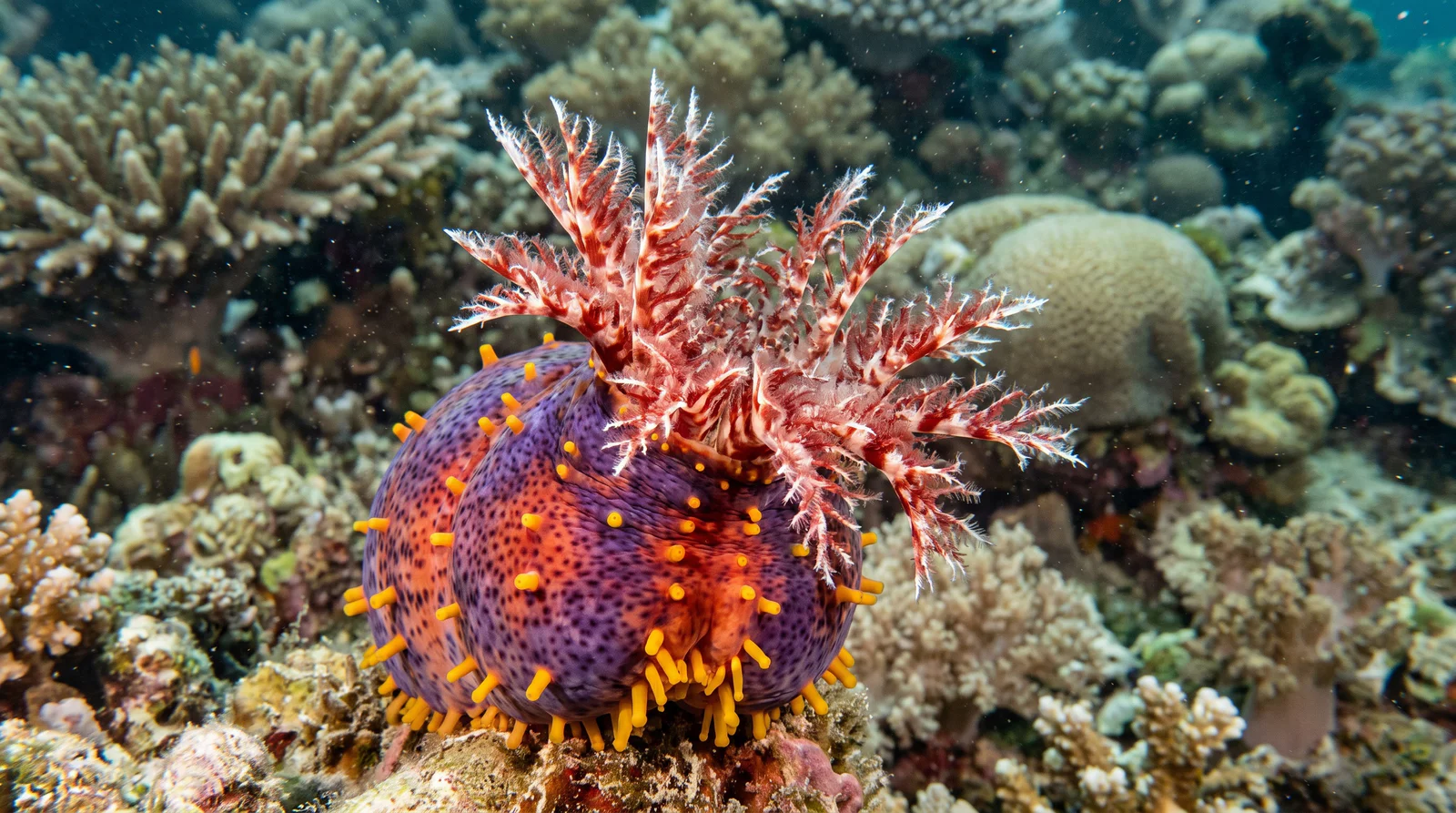
Sea Apple
Pseudocolochirus violaceus
Site occurrence not yet documented
No dated observations available.
Common · Unverified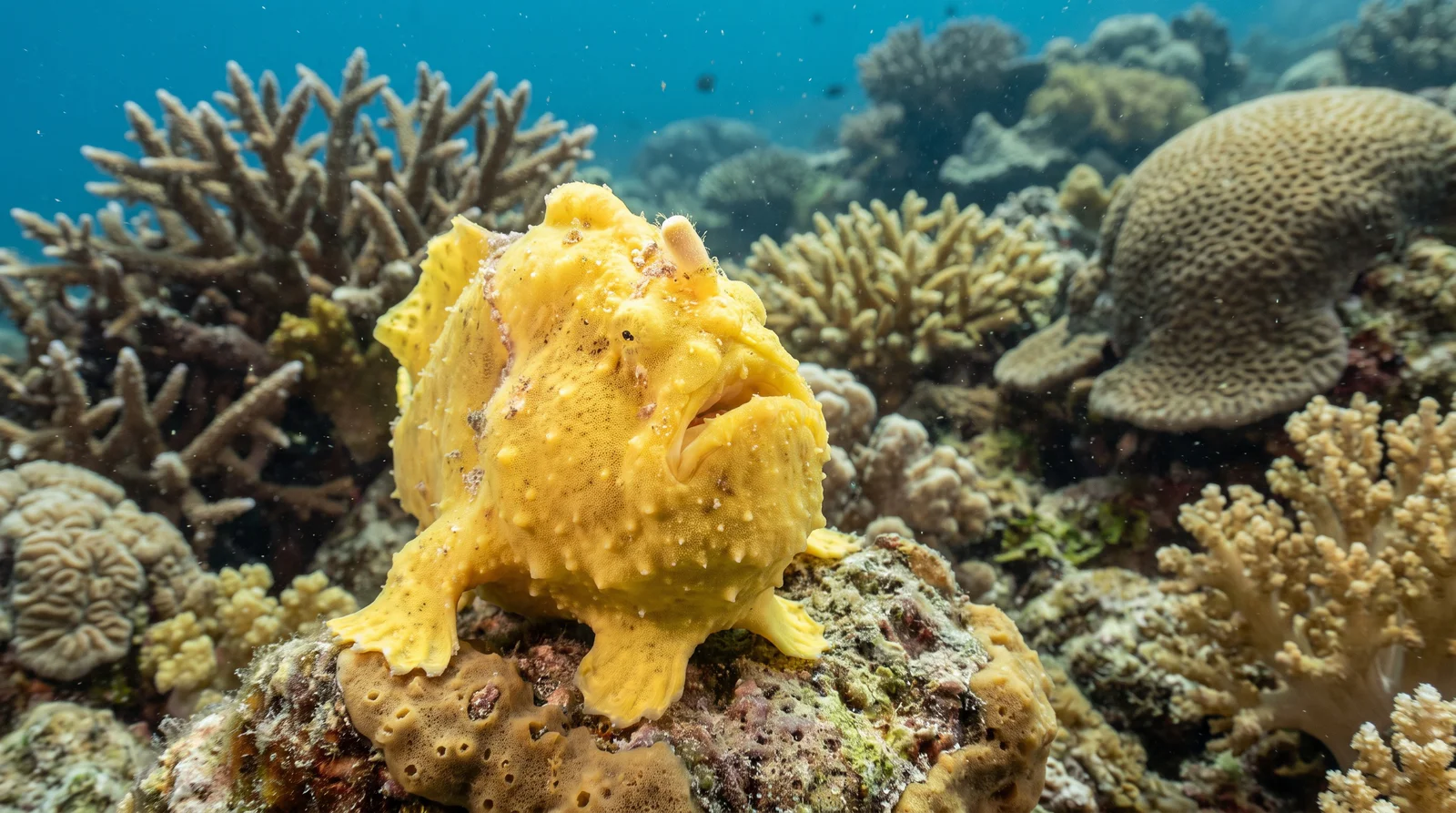
Giant Frogfish
Antennarius commerson
Site occurrence not yet documented
No dated observations available.
Occasional · Unverified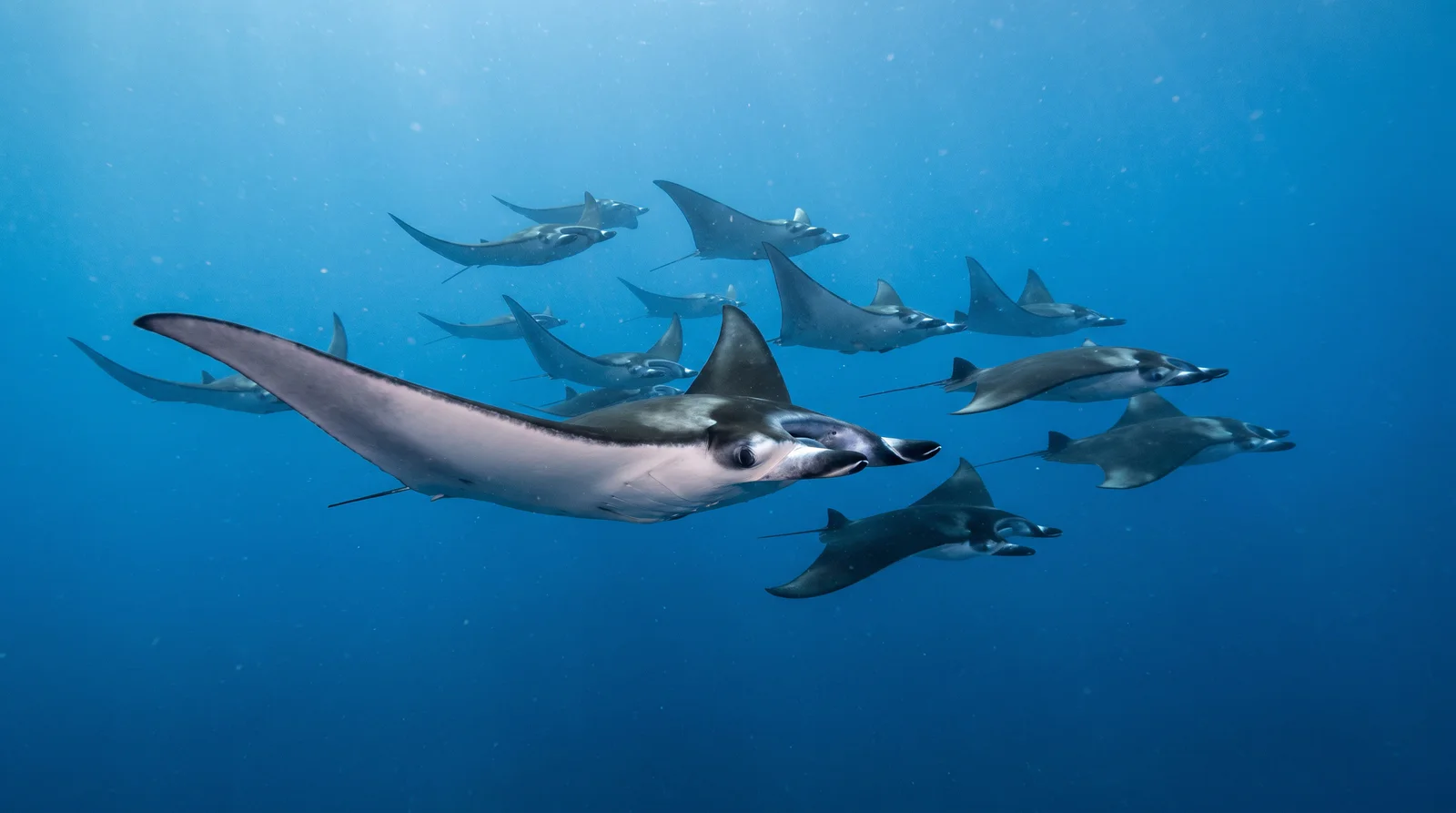
Mobula Ray
Mobula spp. (schooling)
Nov, Dec, Jan, Feb, Mar · Unverified
Site occurrence not yet documented
No dated observations available.
Abundant · Unverified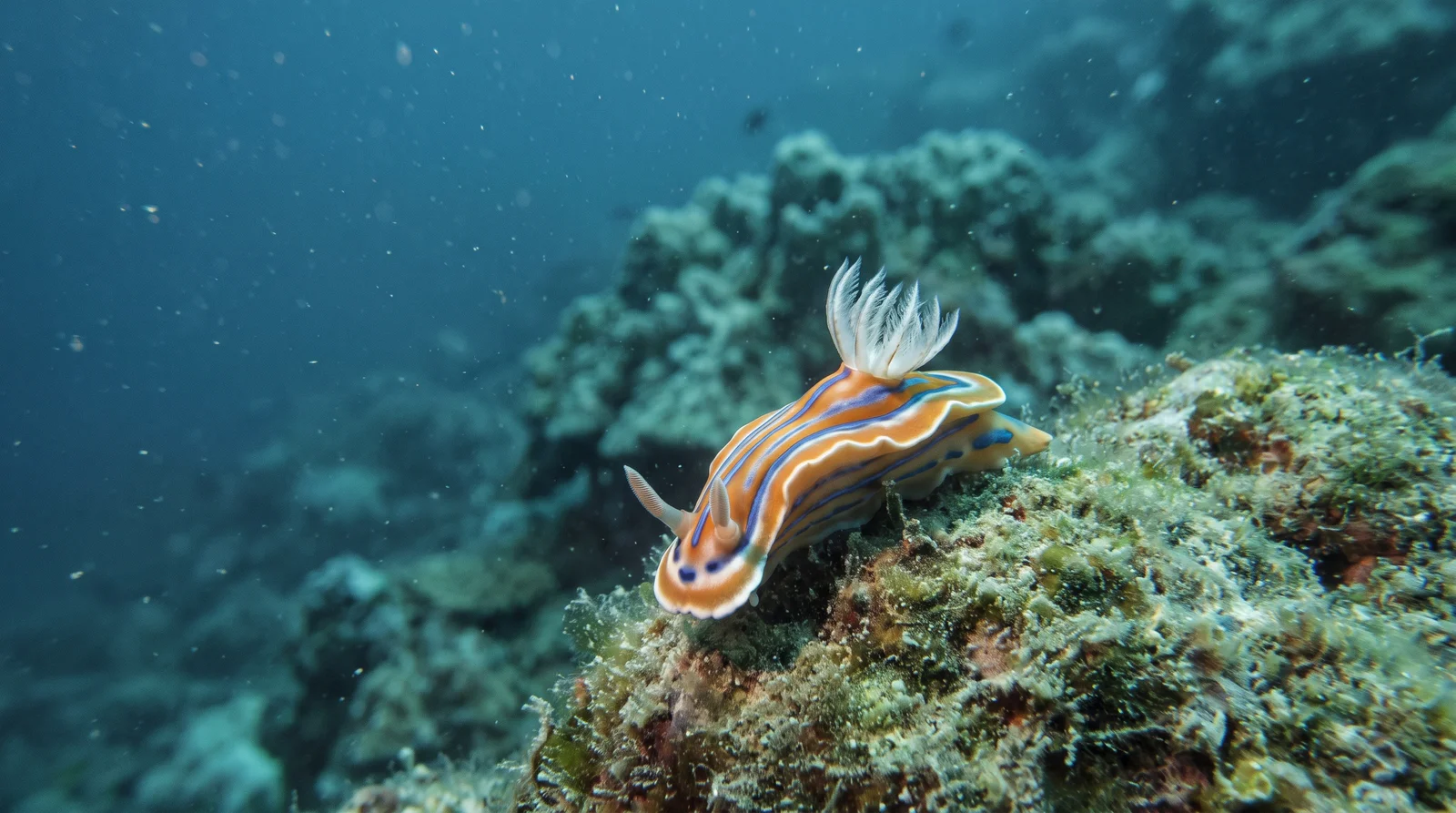
Nudibranch (assorted)
Nudibranchia spp.
Site occurrence not yet documented
No dated observations available.
Hazards & Safety
Be aware of these potential hazards at this dive site
Current
Severity: HighUnpredictable current between pinnacles, slack-tide planning required
Current
Severity: MediumBlue-water crossings between pinnacles with no reference
Cold water
Severity: MediumCold water 20–24°C
Boat traffic
Severity: LowUnmarked site, boat positioning over divers
Remoteness
Severity: MediumRemote southern-Padar location
Certification Required
A minimum of Advanced Open Water certification is required to dive this site.
Sources
360° Underwater View
Immersive panoramic view of this dive site
360° panorama coming soon
Immersive underwater views will be available when panoramic imagery is uploaded
Reviews
--
0 reviews
No reviews yet. Be the first to share your experience!
Related Dive Sites
Discover other dive sites in the area
Advanced Beginner
 Beginner
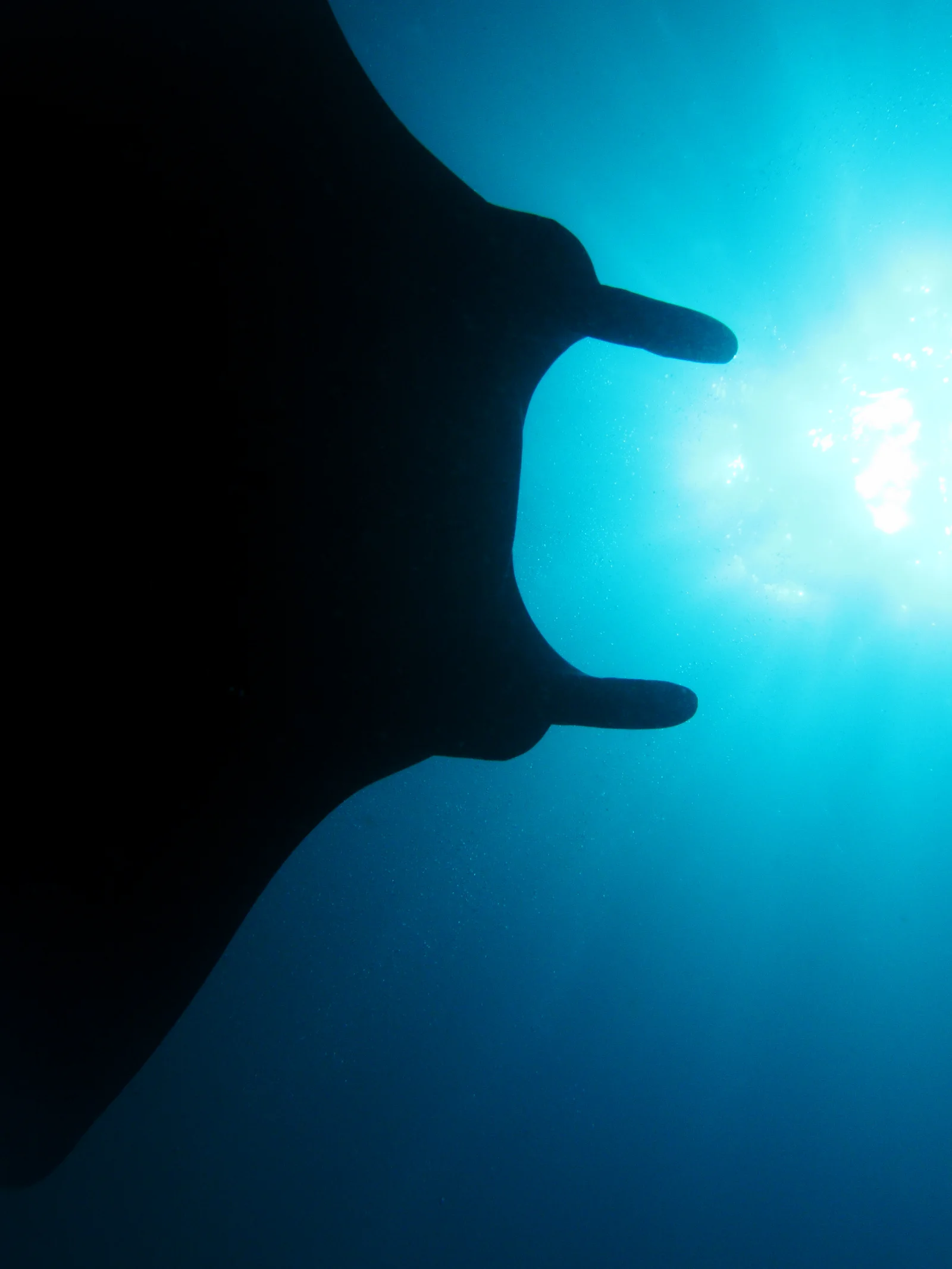
Karang Makassar (Manta Point)
Indonesia > East Nusa Tenggara > Komodo National Park
New
driftmanta-cleaning-stationreef
 Advanced
 Beginner
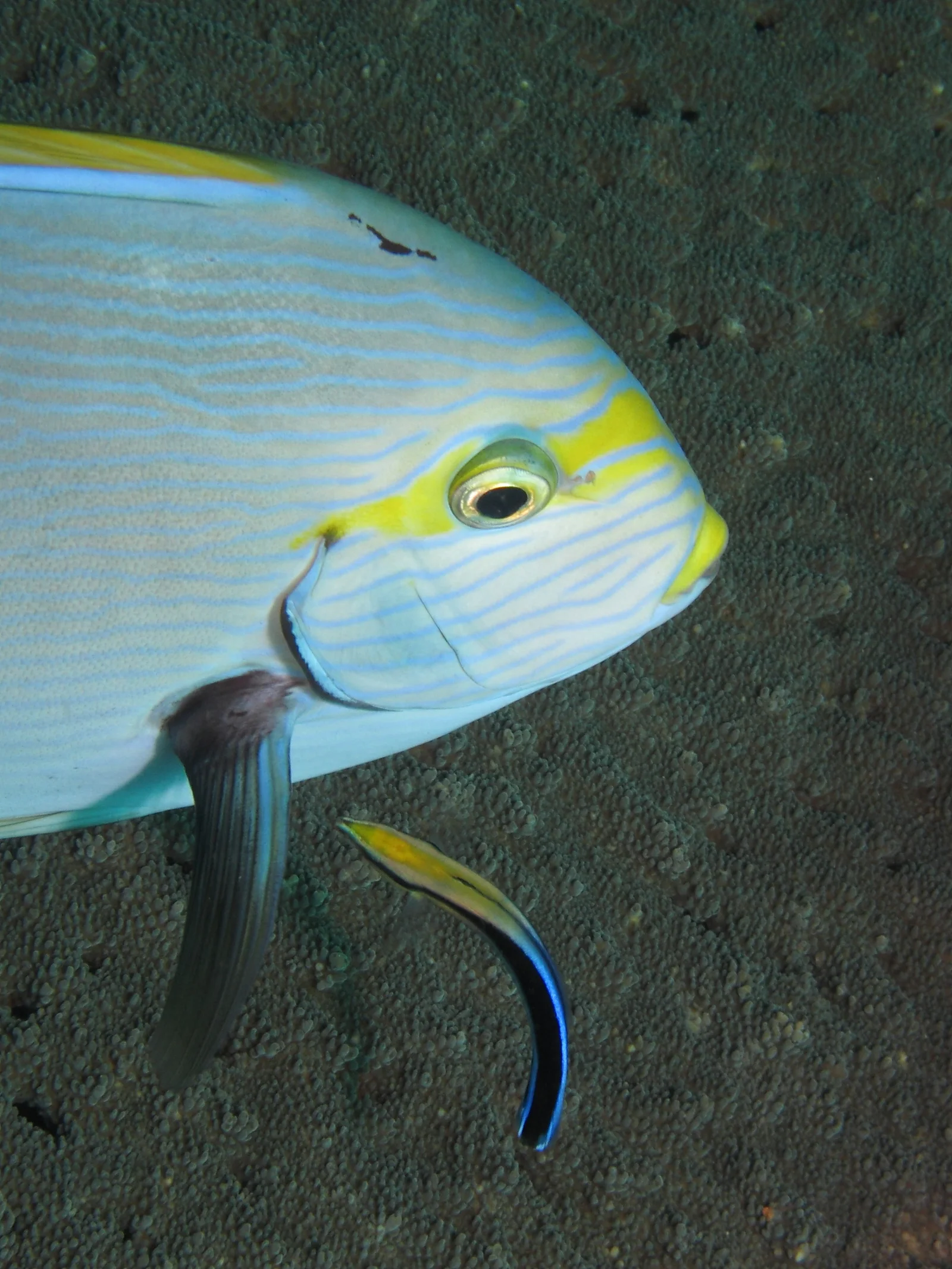
Mawan
Indonesia > East Nusa Tenggara > Komodo National Park
New
manta-cleaning-stationreefcoral-garden+1
Beginner
AdvancedBeginnerBeginnerKarang Makassar (Manta Point)
Indonesia > East Nusa Tenggara > Komodo National Park
New
driftmanta-cleaning-stationreef
AdvancedBeginnerMawan
Indonesia > East Nusa Tenggara > Komodo National Park
New
manta-cleaning-stationreefcoral-garden+1
Beginner
Depth Profile
Vertical range at this site
Minimum Depth
10 ft
Shallowest point
Average Depth
59 ft
Typical dive depth
Maximum Depth
98 ft
Deepest point
Stay Updated
Get dive site updates and tips in your inbox.
Dived Three Sisters? Make it count.
Add it to your logbook, share your sightings, and help 0 divers plan their next descent.
Recent Community Activity
Was this helpful?