 Intermediate
Pinnacle · Reef · Cavern · Swim-through
Twin Rocks
Palawan
Open Water (Advanced Open Water recommended on stronger-current days) Certification RequiredBest Season: Nov – May
Difficulty
Intermediate
Difficulty level
Depth
16 ft
82 ft
Depth range
Access
Access not yet documented
Documented months
Nov
May
Visibility
33 ft
98 ft
Typical visibility
Current
Variable
Good buoyancy control advised
Temperature
79°F
86°F
Water temperature
About This Dive Site
Twin Rocks (El Nido)
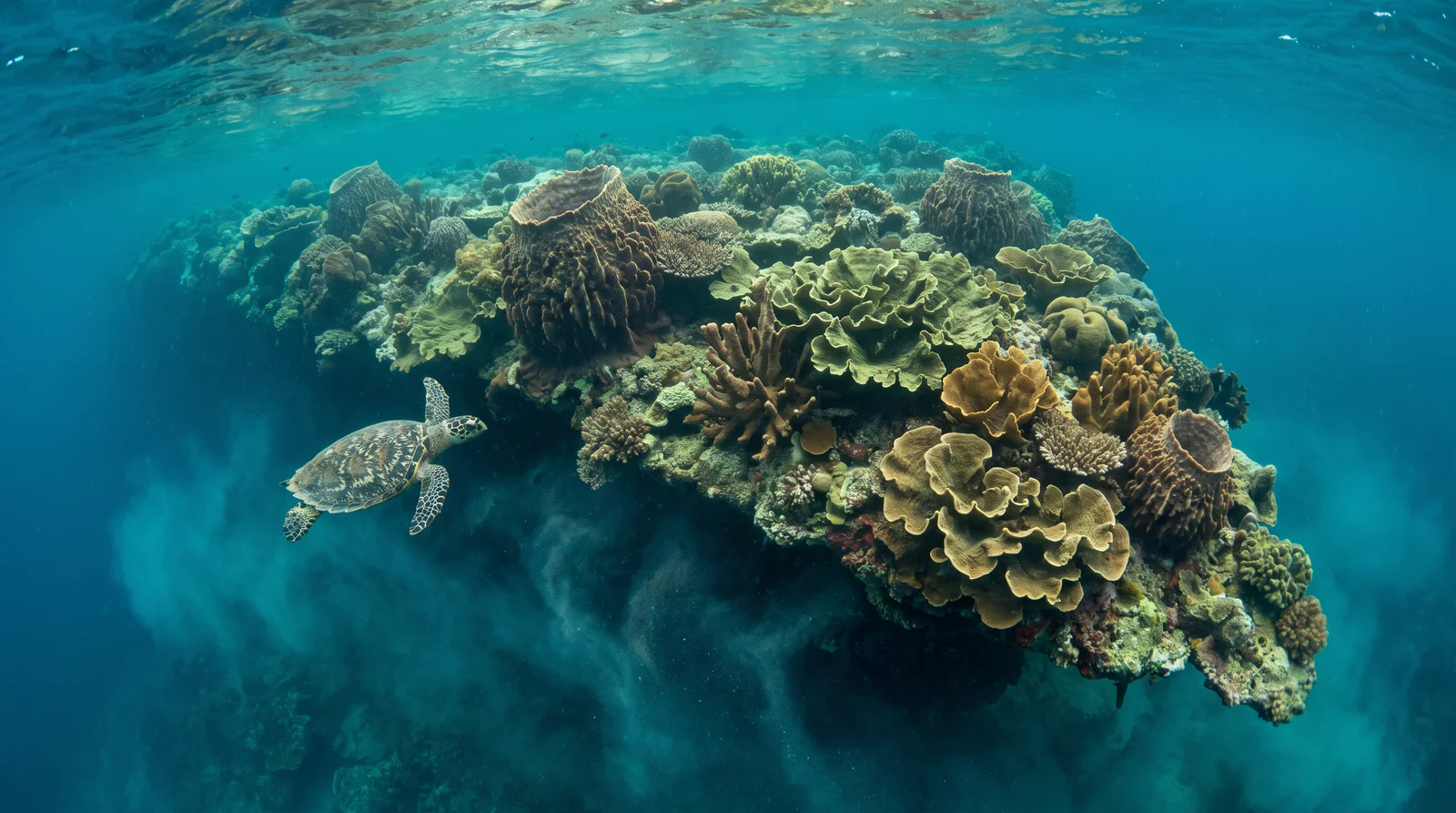
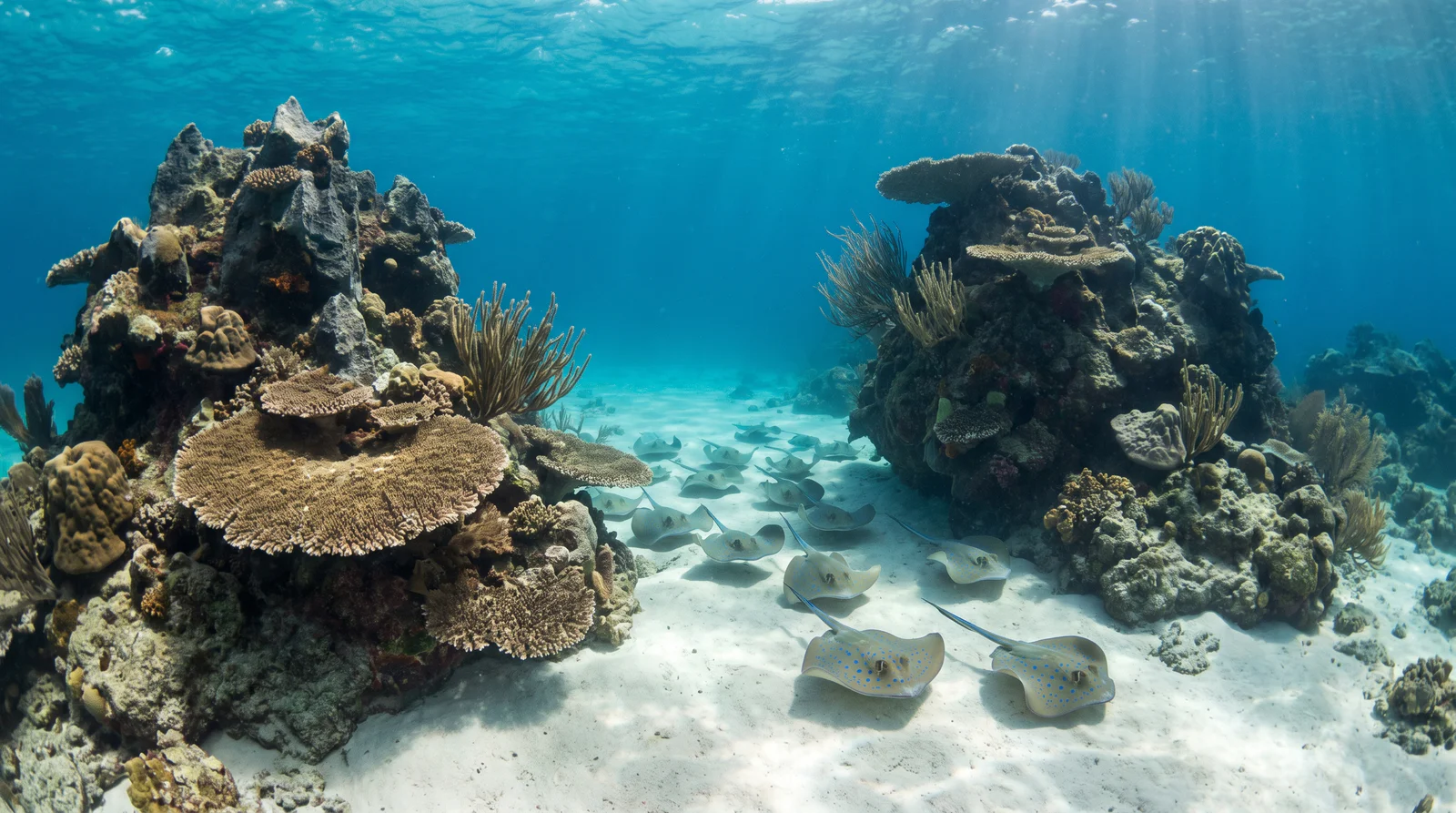
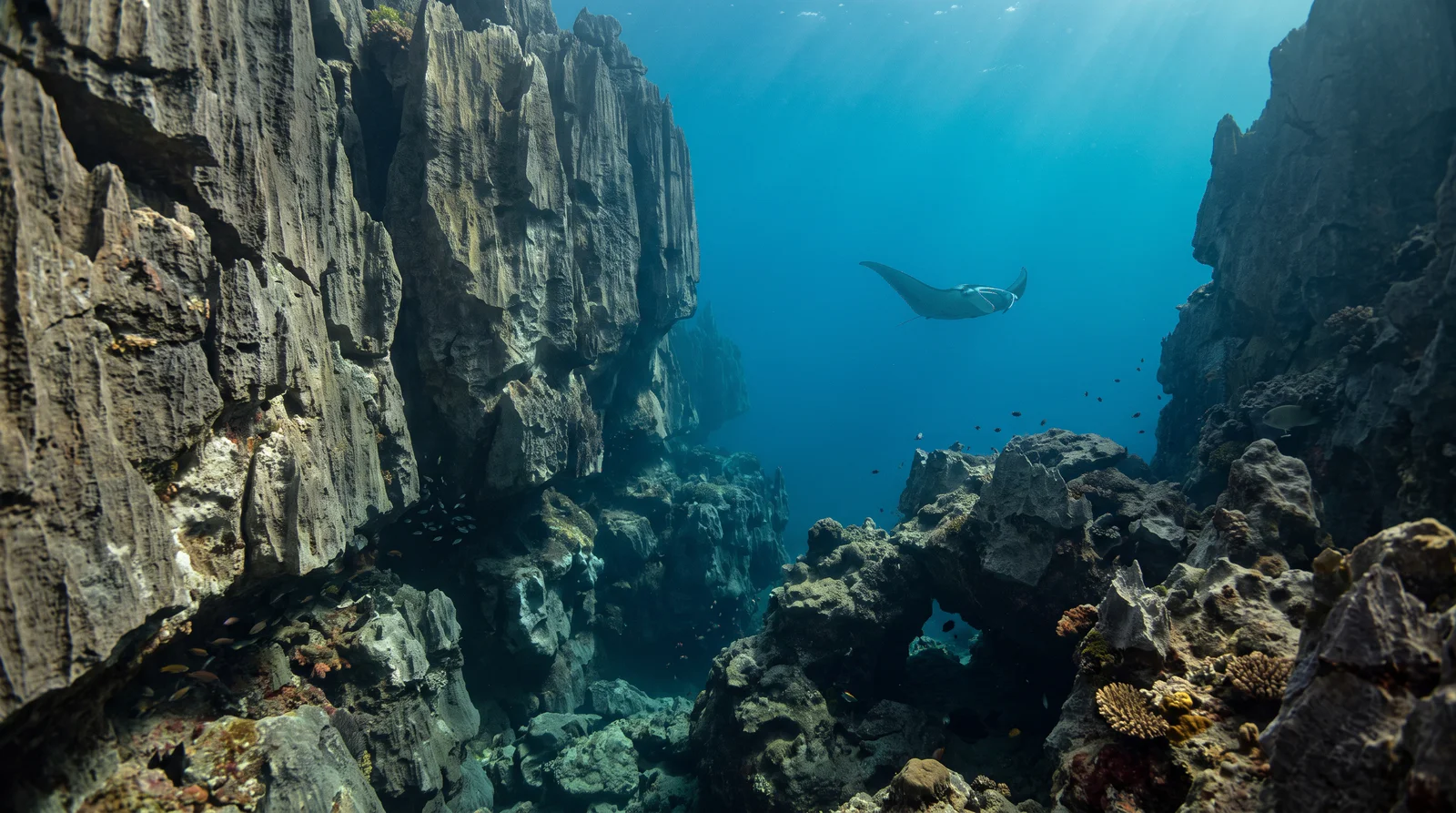
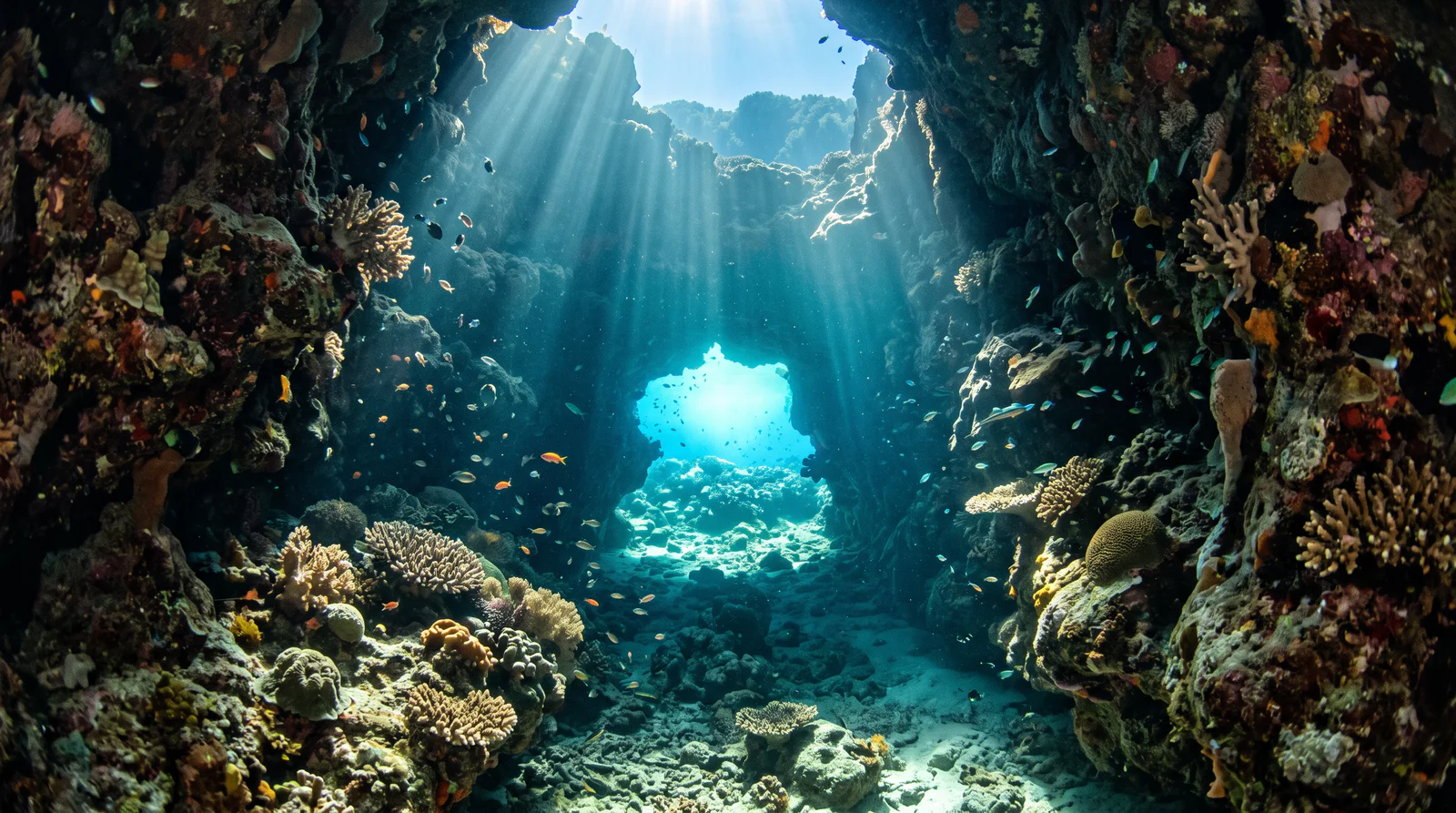
Prepare for an unforgettable intermediate dive at Twin Rocks, a captivating dive site nestled on Miniloc Island's north side in El Nido. This site is renowned for its unique topography, featuring two prominent limestone outcrops rising from a sandy seabed, riddled with natural caverns and exciting swim-throughs. Divers will find a maximum depth of 30 m, with the sandy channel between the rocks typically around 16 m.
Diving Conditions & Certification
The water temperature at Twin Rocks generally ranges from a comfortable 24°C to 30°C, with cooler temperatures (24-26°C) observed between December and March, and warmer conditions (26-30°C) from April to November. While the current is often mild, it can become variable and occasionally strong, particularly around the full moon cycle. We recommend an Open Water certification for this dive site, though an Advanced Open Water certification is highly recommended on days with stronger currents to navigate the conditions and explore deeper areas more comfortably.
Marine Life Encounters
Twin Rocks is a vibrant hub of marine biodiversity. The sandy channel between the rocks is affectionately known by locals as "Stingray Airport," a fitting nickname given the numerous Blue-spotted Ribbontail Rays (Taeniura lymma) that divers can encounter. These rays, easily identified by their striking electric blue spots on a yellowish body and blue stripes on their tail, are nocturnal and often found resting under overhangs, table corals, or in caves during the day.
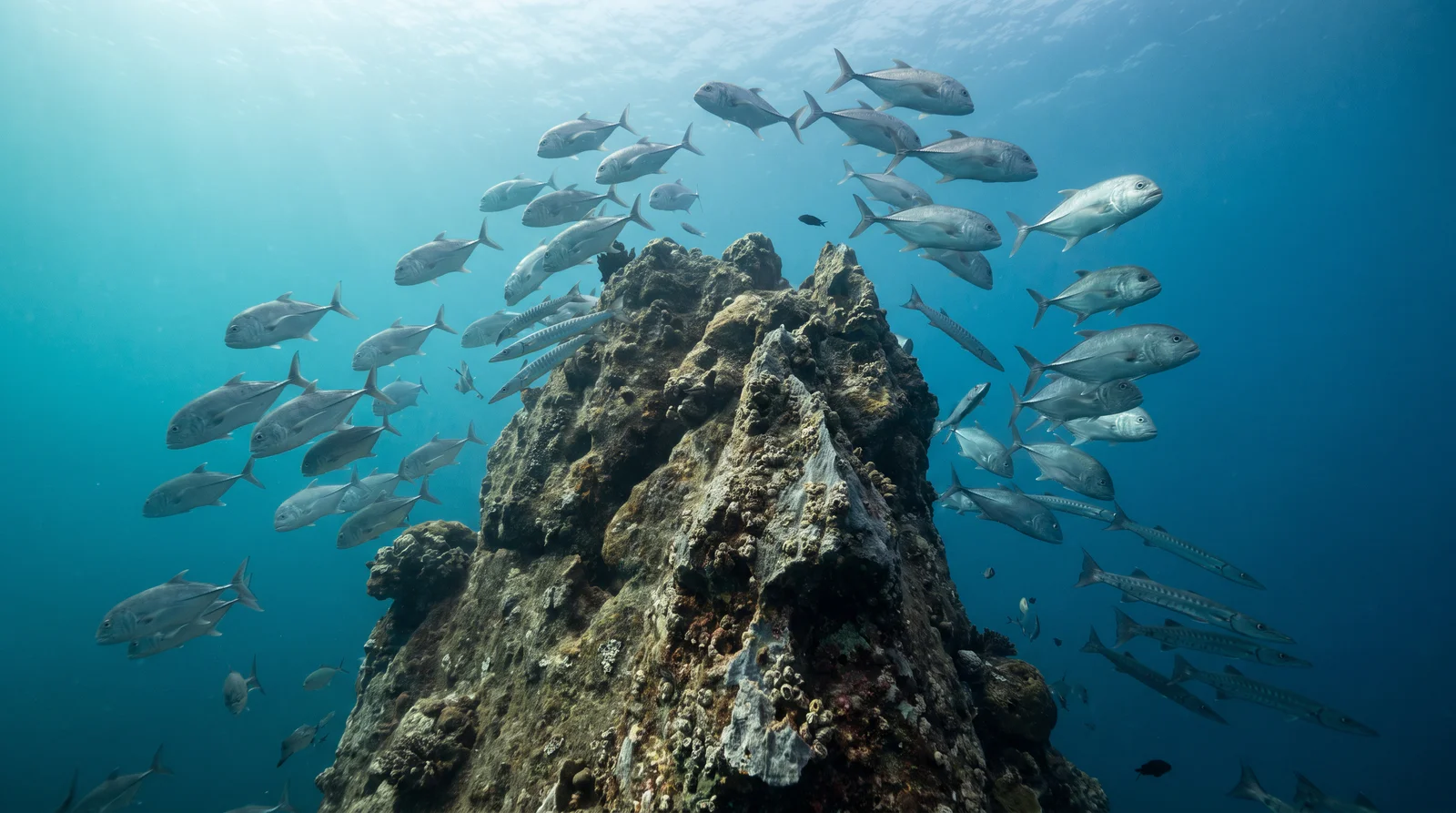
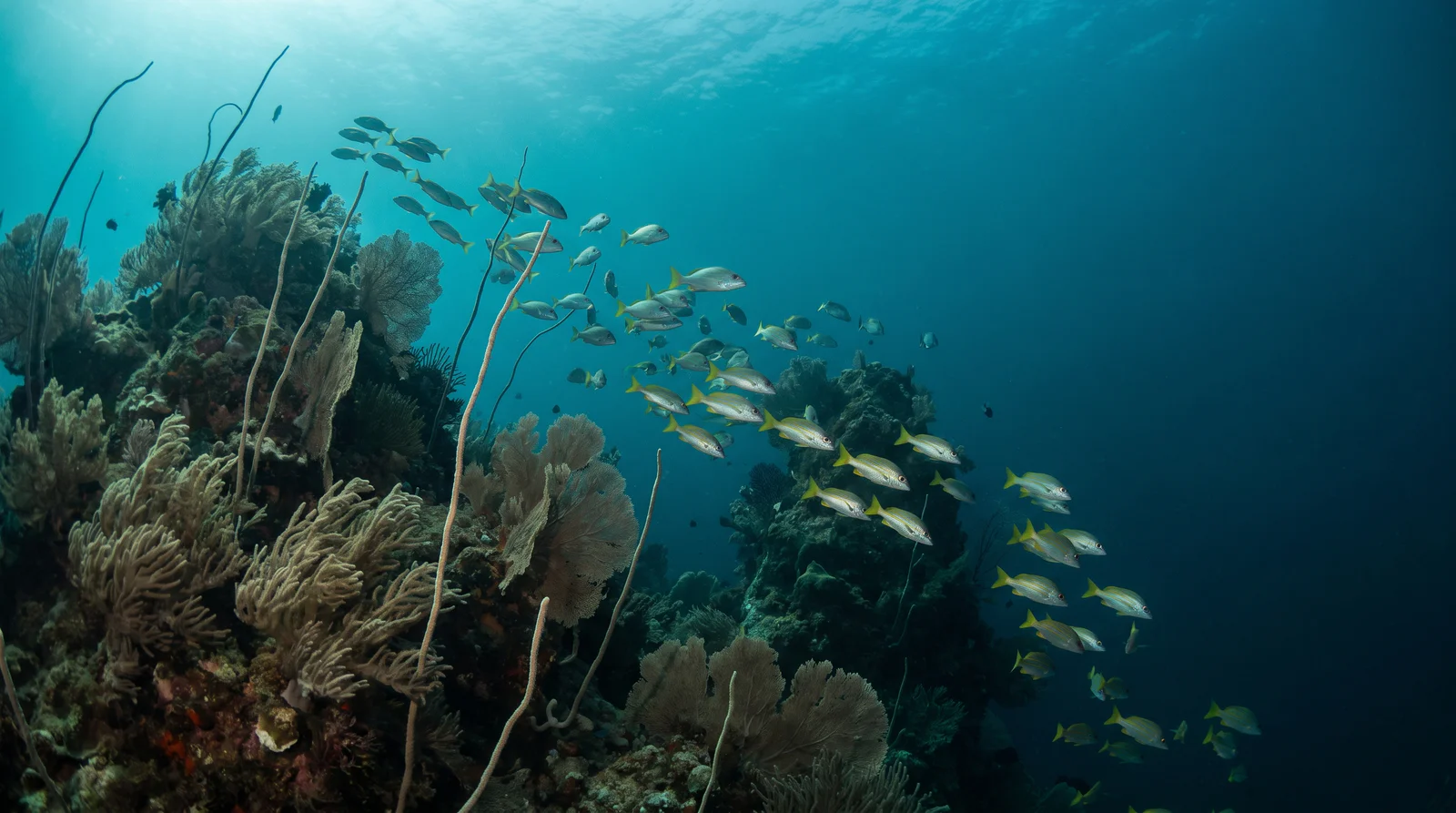
As you explore the rock formations, divers will be treated to a rich tapestry of table corals, sea whips, and sponges, which attract a variety of schooling fish. Keep an eye out for impressive schools of Giant Trevally (Caranx ignobilis), powerful predators that can grow over a meter in length and are often seen making rapid passes through smaller fish schools. Large Great Barracuda (Sphyraena barracuda) also frequent the area, adding to the thrill of the dive.
For macro enthusiasts, Twin Rocks offers delightful discoveries. We often spot the elusive Ornate Ghost Pipefish (Solenostomus paradoxus), masters of camouflage that blend seamlessly with crinoids, soft corals, and hydroids. These fascinating creatures are typically found in coral reefs between 3 m and 25 m deep and are especially prevalent during the breeding season, which generally aligns with the months of November to April. Another incredible find is the vibrant Peacock Mantis Shrimp (Odontodactylus scyllarus), known for its complex vision and powerful strike. These colorful crustaceans typically inhabit burrows in sandy or coral rubble areas, most abundantly between 10 m and 20 m.
Other notable residents include the majestic Bumphead Parrotfish (Bolbometopon muricatum), the largest species of parrotfish, which can grow up to 1.5 m and are often seen in herds grazing on coral. Divers may also spot the impressive Giant Moray (Gymnothorax javanicus) peering from crevices and the graceful Green Sea Turtle (Chelonia mydas) gliding through the waters.
Potential Hazards
While Twin Rocks offers an incredible experience, divers should be aware of potential hazards including variable currents, which can intensify, especially around the moon cycle. The presence of caverns and swim-throughs means there are overhead environments that require appropriate training and caution. Additionally, boat traffic in the area necessitates vigilance during ascents and descents.
Open Water (Advanced Open Water recommended on stronger-current days)
Current Conditions
Typical current strength at this dive site
Variable
Current strength changes with tides and conditions. Check local conditions before diving.
Strength Scale
None
Mild
Moderate
Strong
Best Time to Visit
Monthly conditions and seasonal highlights — tap a month
SepGood
Shoulder season with generally good conditions. Some variability in weather and visibility.
BestGoodLess FavorablePeak
Marine Life
8 species recorded at this site
Abundant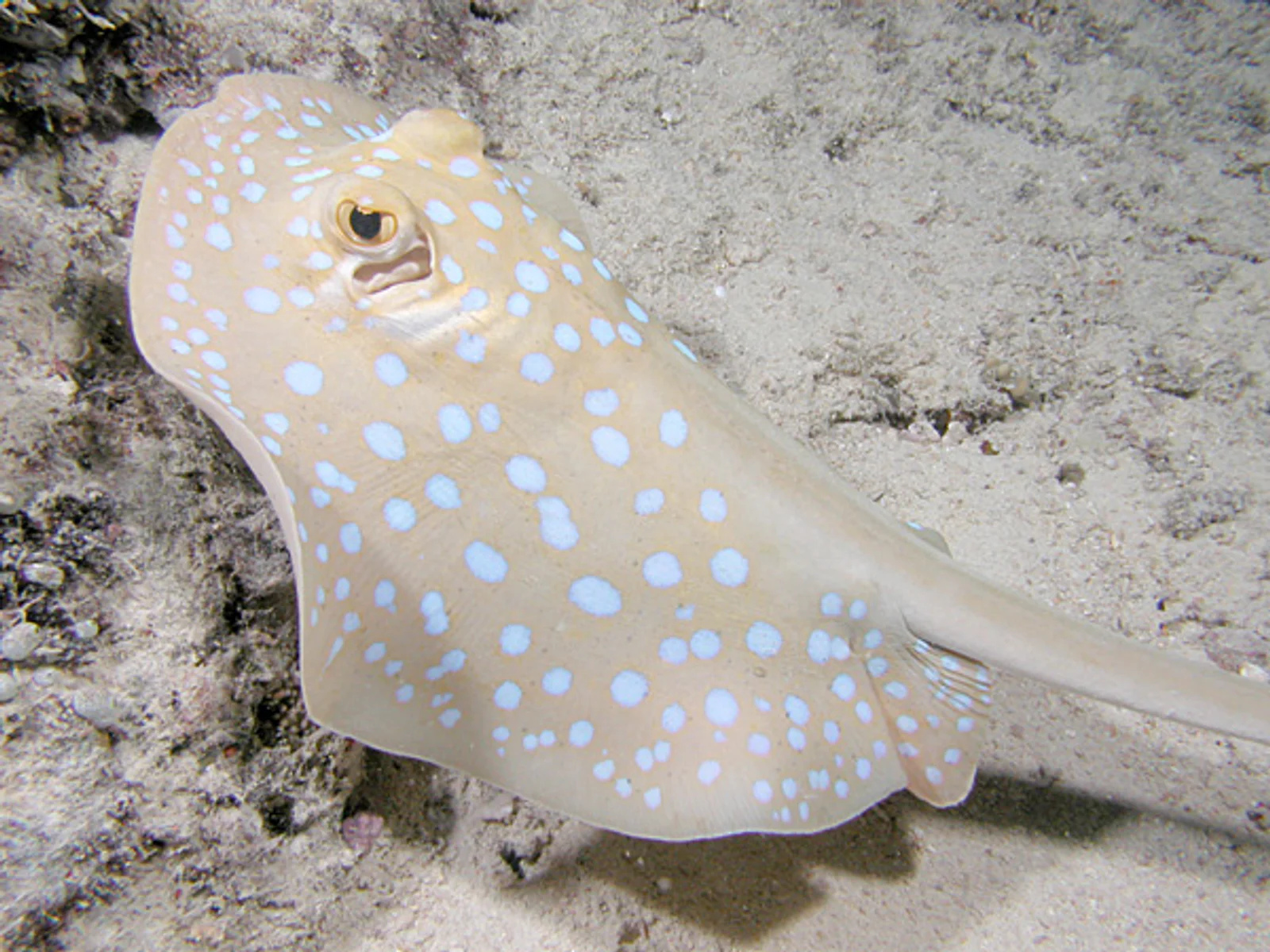
Blue-spotted Ribbontail Ray
Taeniura lymma
Site occurrence not yet documented
No dated observations available.
Common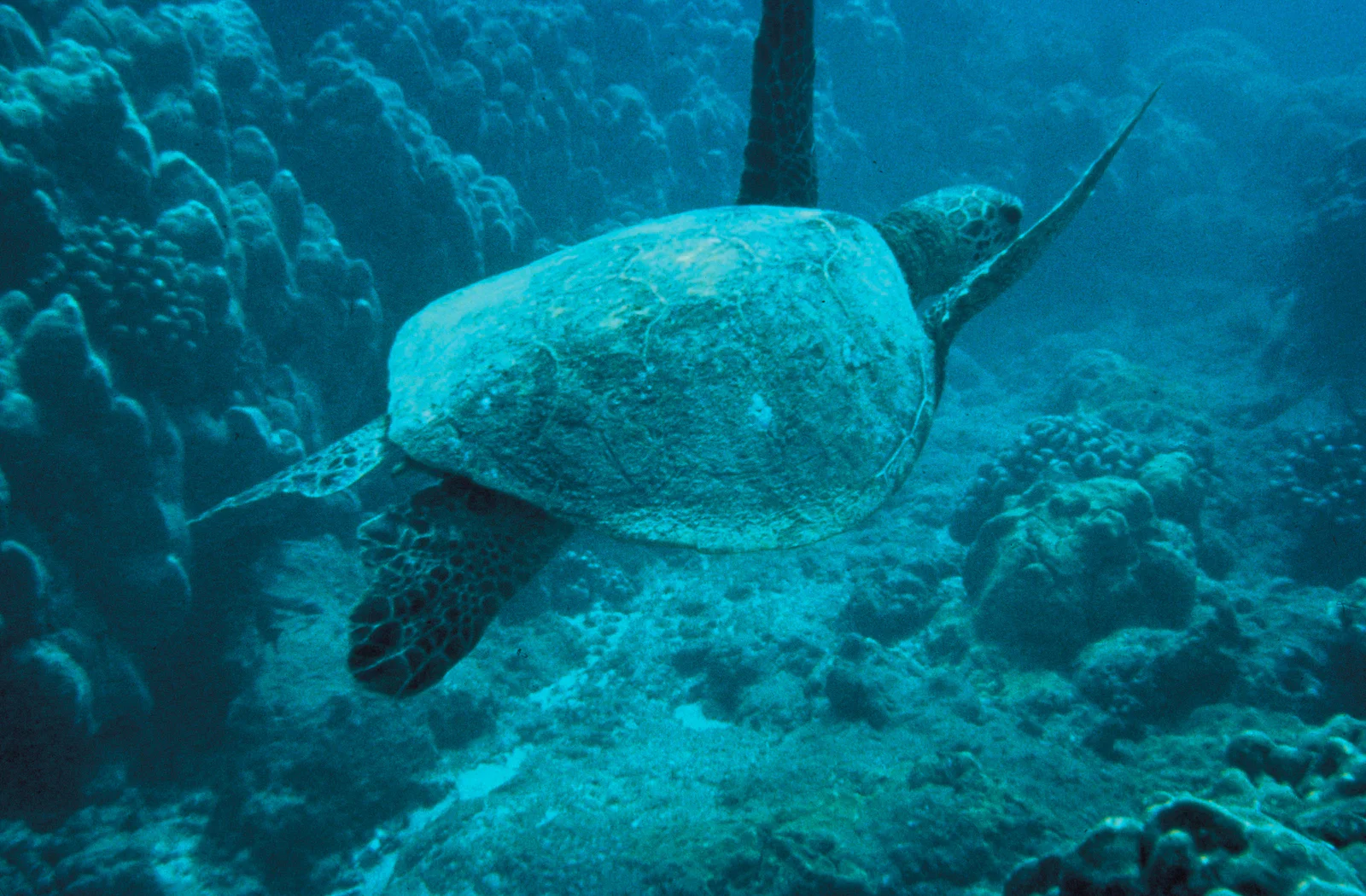
Green Sea Turtle
Chelonia mydas
Site occurrence not yet documented
No dated observations available.
Occasional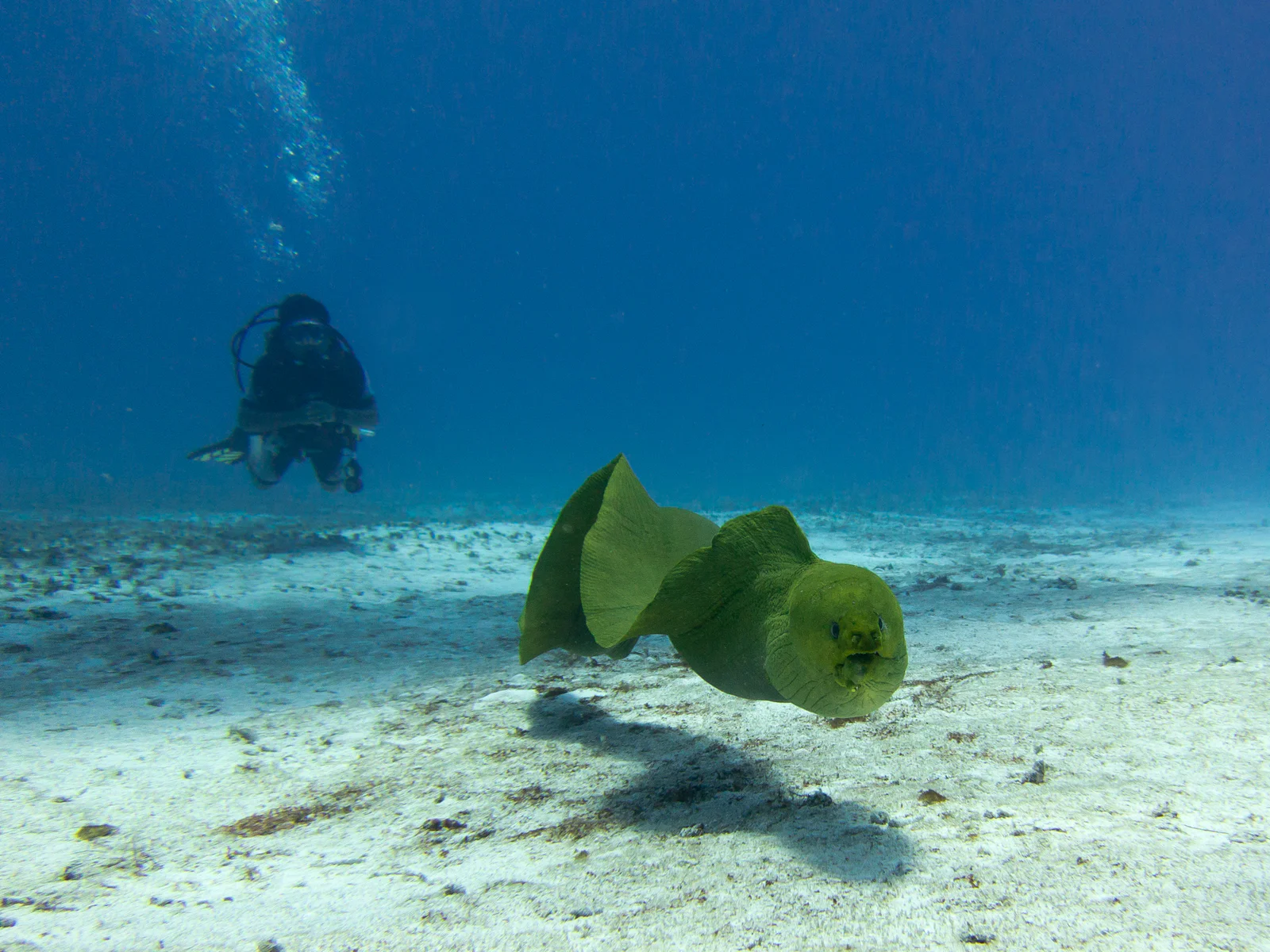
Giant Moray
Gymnothorax javanicus
Site occurrence not yet documented
No dated observations available.
Occasional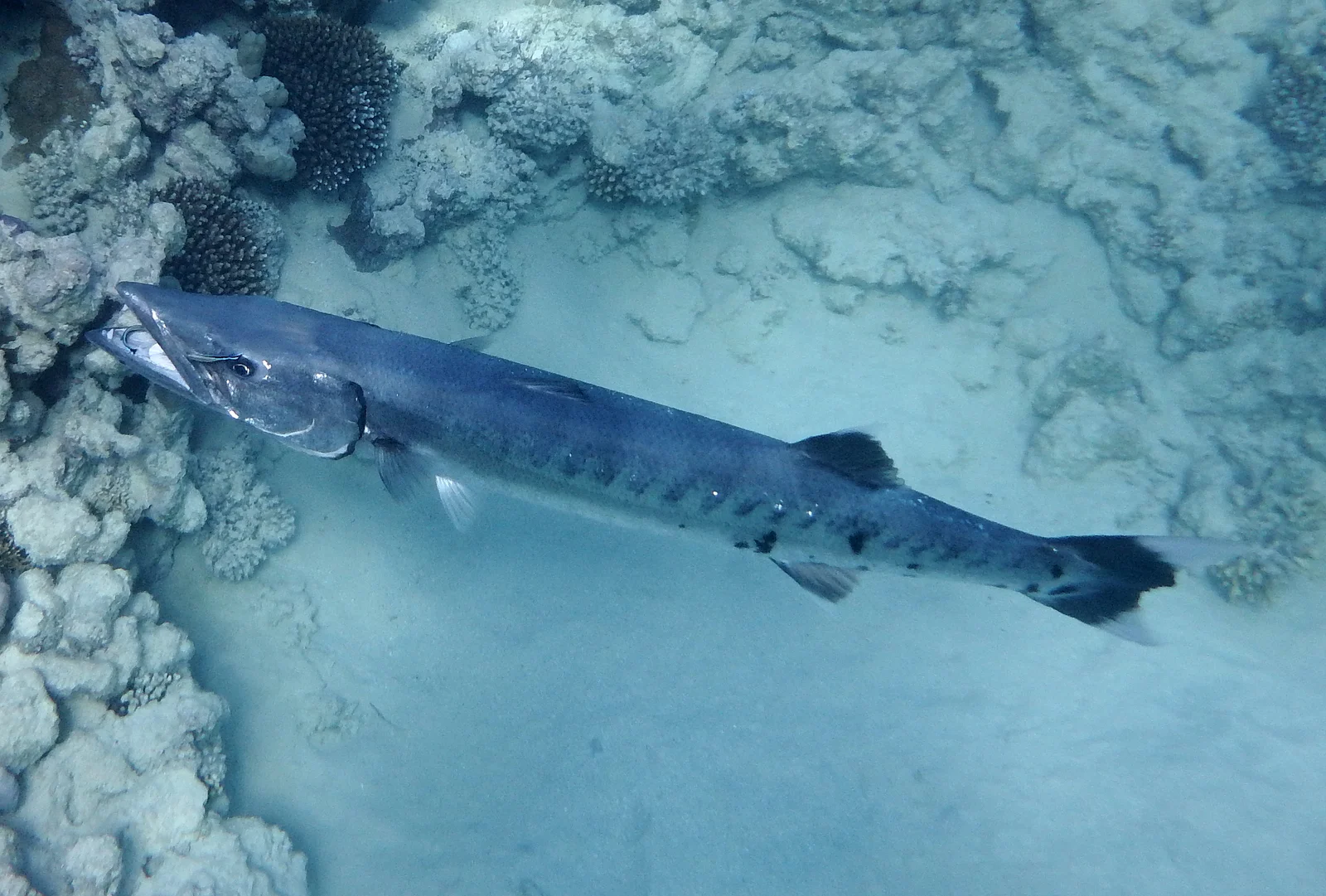
Great Barracuda
Sphyraena barracuda
Site occurrence not yet documented
No dated observations available.
Common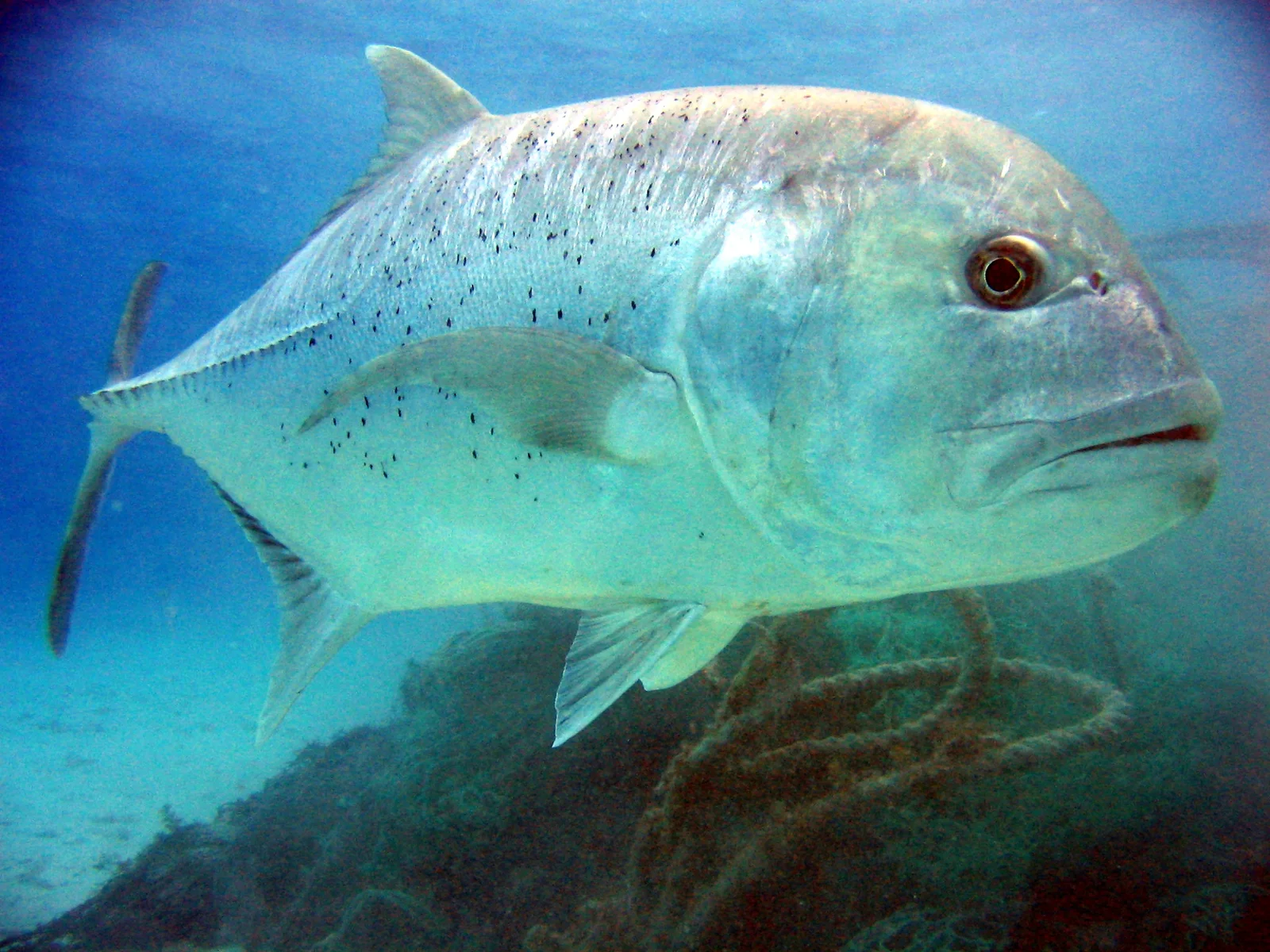
Giant Trevally
Caranx ignobilis
Site occurrence not yet documented
No dated observations available.
Occasional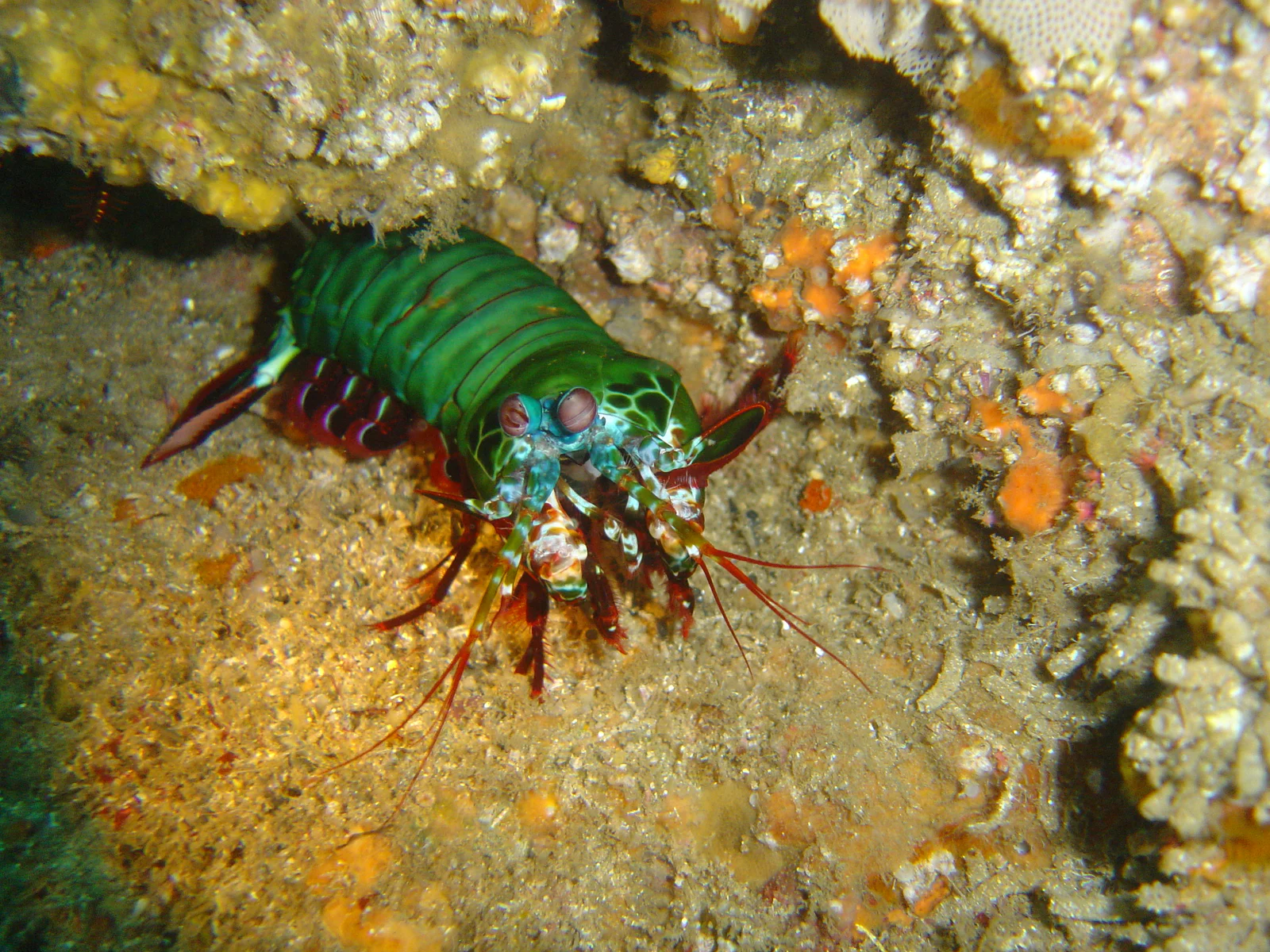
Peacock Mantis Shrimp
Odontodactylus scyllarus
Site occurrence not yet documented
No dated observations available.
Occasional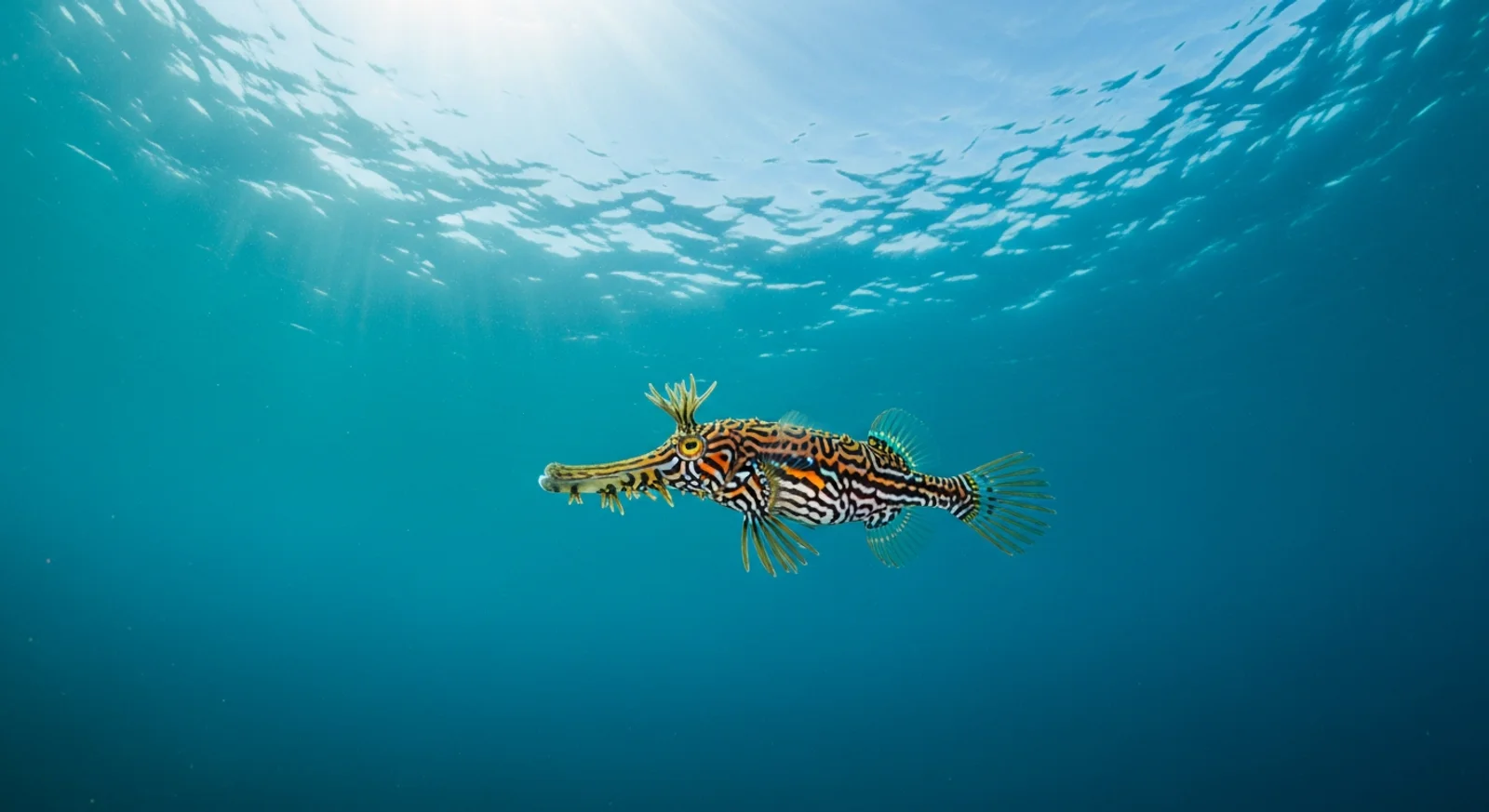
Ornate Ghost Pipefish
Solenostomus paradoxus
Dec, Jan, Feb, Mar
Site occurrence not yet documented
No dated observations available.
Rare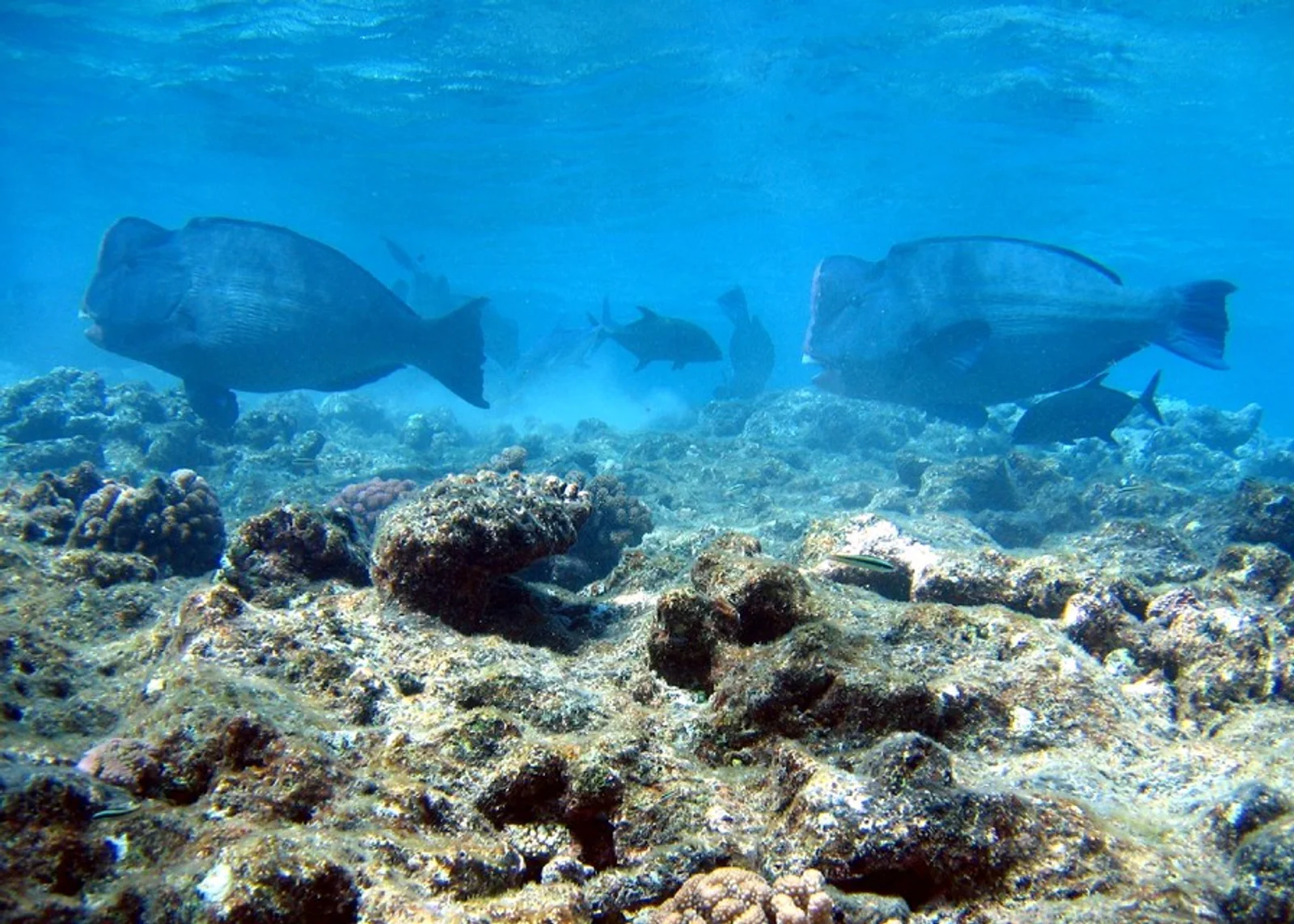
Bumphead Parrotfish
Bolbometopon muricatum
Site occurrence not yet documented
No dated observations available.
Hazards & Safety
Be aware of these potential hazards at this dive site
Current
MediumCurrent spikes around the full moon
Overhead environment
LowNatural caverns and swim-throughs between the outcrops
Boat traffic
LowPopular site near the Small/Big Lagoon boat routes
Certification Required
A minimum of Open Water (Advanced Open Water recommended on stronger-current days) certification is required to dive this site.
360° Underwater View
Immersive panoramic view of this dive site
360° panorama coming soon
Immersive underwater views will be available when panoramic imagery is uploaded
Reviews
--
0 reviews
No reviews yet. Be the first to share your experience!
Related Dive Sites
Discover other dive sites in the area
Intermediate Intermediate
 Intermediate
 Advanced
 Advanced
 AdvancedIntermediateIntermediateIntermediateAdvancedAdvancedAdvanced
Depth Profile
Vertical range at this site
Minimum Depth
16 ft
Shallowest point
Average Depth
43 ft
Typical dive depth
Maximum Depth
82 ft
Deepest point
Nearby services
View all dive shops →Stay Updated
Get dive site updates and tips in your inbox.
Dived Twin Rocks? Make it count.
Add it to your logbook, share your sightings, and help 0 divers plan their next descent.
Recent Community Activity
Was this helpful?