Beginner
Wall · Reef · Coral-garden
Yellow Wall of Texas
Komodo National Park
Open Water Certification RequiredBest Season: Oct – Apr
Difficulty
Intermediate
Difficulty level
Depth
16 ft98 ft
Depth range
Access
Access not yet documented
Documented months
Oct
Apr
Visibility
16 ft66 ft
Typical visibility
Current
Variable
Good buoyancy control advised
Temperature
68°F77°F
Water temperature
Verification status unavailable Some details may be incomplete or outdated. Confirm current conditions locally, and suggest a correction if you know this site.
Know this dive site? Suggest a correctionAbout This Dive Site
Yellow Wall of Texas, Komodo National Park
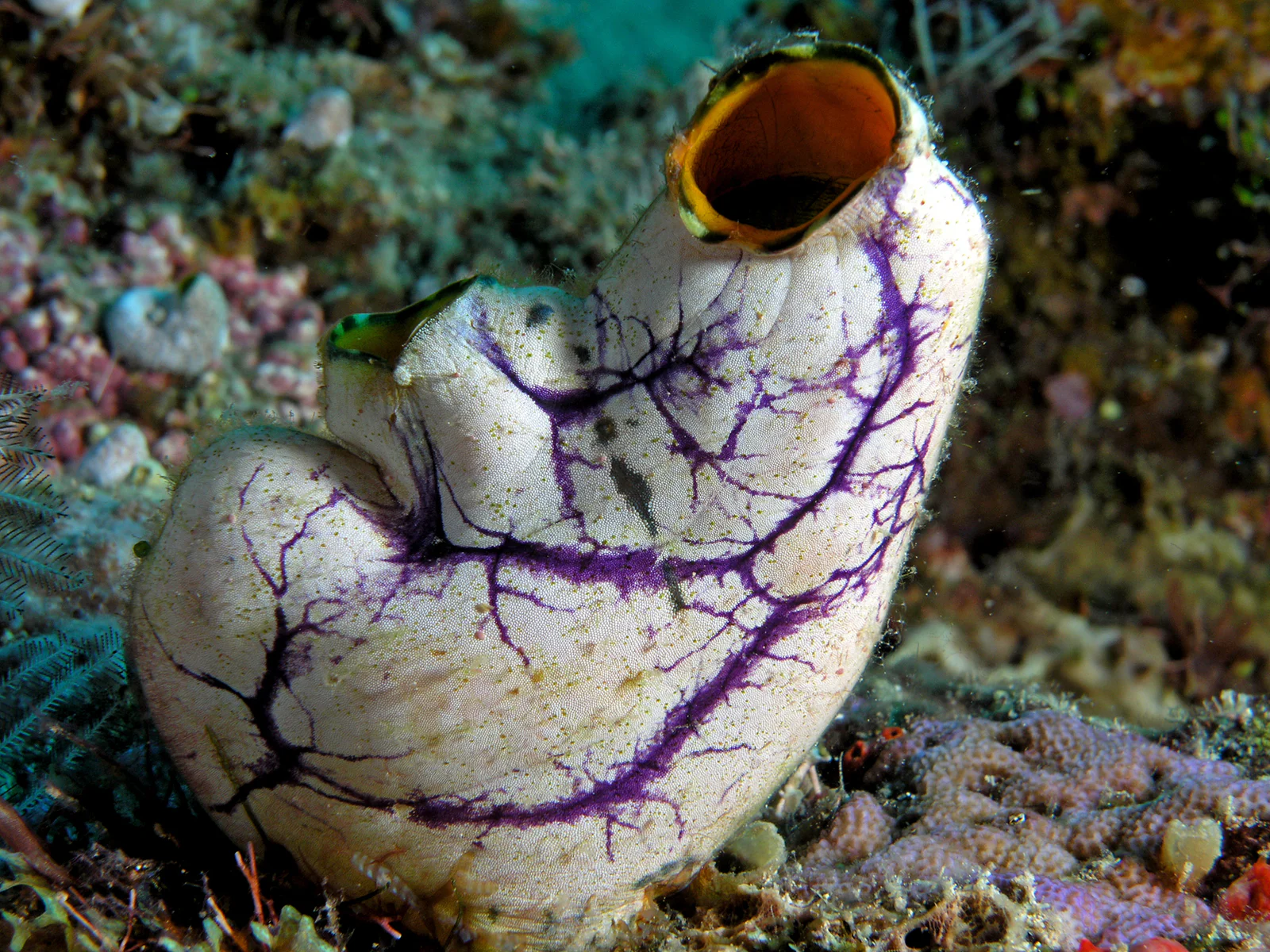
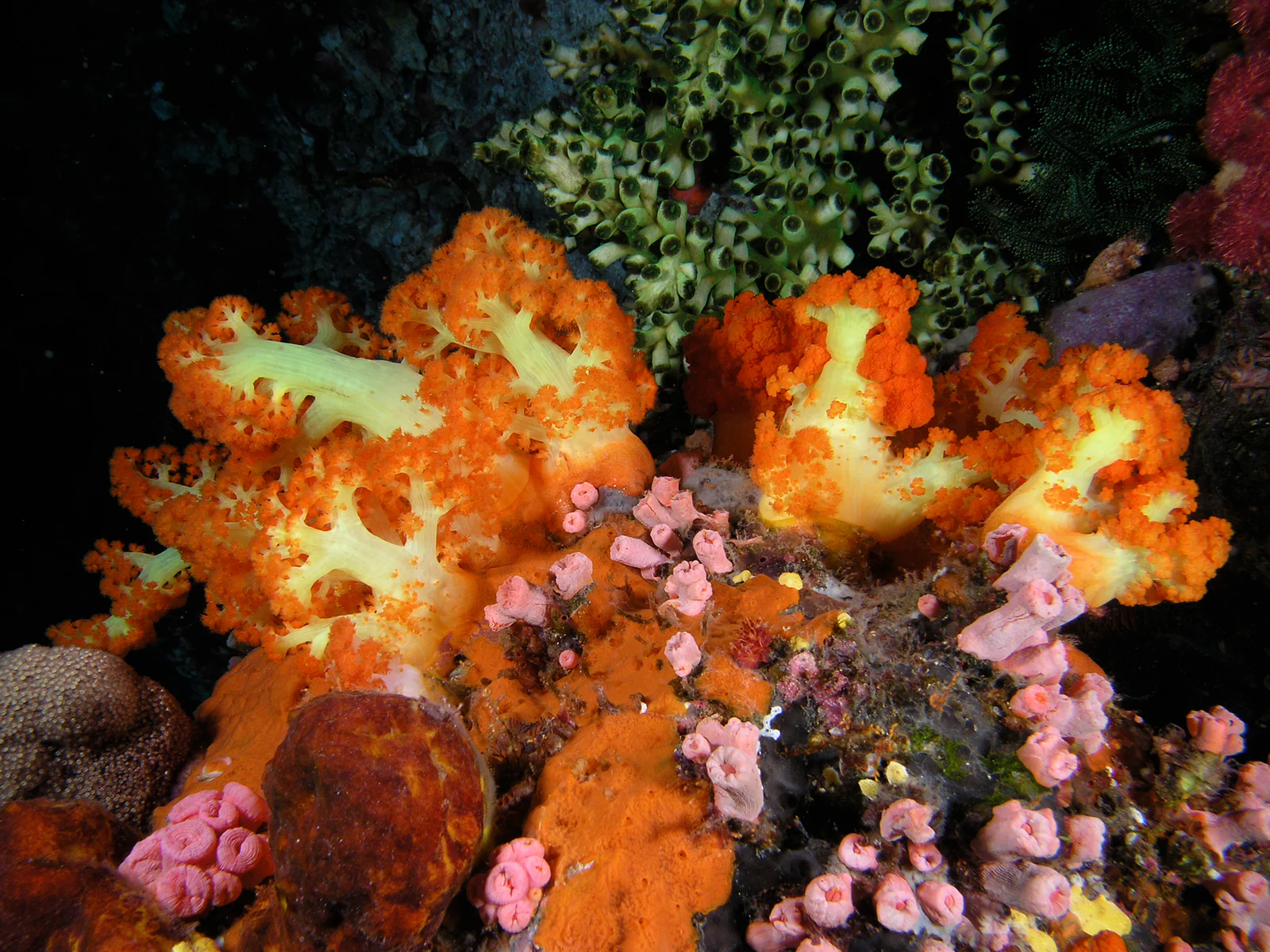
Nestled along Nusa Kode at the mouth of Horseshoe Bay, within the breathtaking Komodo National Park, lies the iconic Yellow Wall of Texas. This dive site earns its distinctive name in the afternoon, when the low sun ignites a vibrant blanket of yellow soft corals, sea cucumbers, and tunicates that drape the wall from shallow depths past 30 meters. It's a truly spectacular wall and reef dive that promises an unforgettable experience for divers.
Diving the Yellow Wall of Texas
As an intermediate-level dive site, we recommend divers hold at least an Open Water certification to explore the Yellow Wall of Texas. The wall begins at a depth of approximately 5 meters and plunges to over 40 meters, though much of the most captivating marine life concentrates in the shallower sections.
Divers will find the water temperature here to be variable, typically ranging from 22°C to 28°C, often cooler in this southern part of Komodo National Park due to nutrient-rich upwellings. Currents can also be variable and occasionally strong, often flowing from south to north, making for dynamic drift dives. While these currents bring incredible nutrients and marine activity, they also contribute to the site's classification as an intermediate dive. We advise divers to be mindful of the potential for cold water, depth, and currents, as these are the primary hazards at this remote yet rewarding dive site.
Marine Life Encounters
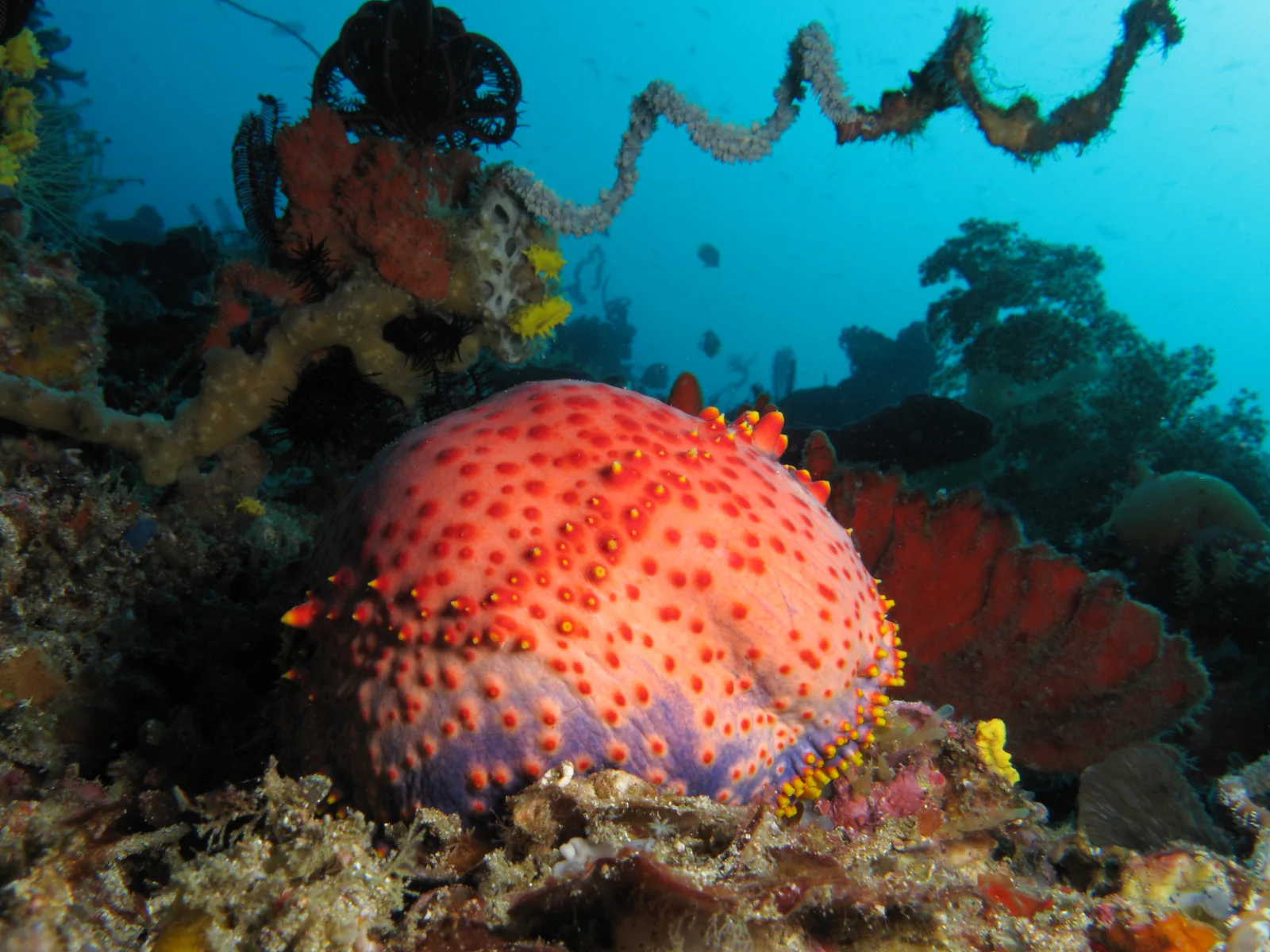
The cool, plankton-loaded waters surrounding the Yellow Wall of Texas contribute to one of Komodo’s richest invertebrate dives. Divers can expect to encounter an astonishing array of nudibranchs, often by the dozen, alongside fascinating Sea Apples and various species of Frogfish. Keep an eye out for the unique "ladybug" amphipods, which are frequently seen skittering across the soft corals and tunicates.
Beyond the incredible macro life, the wall also hosts larger inhabitants. We often encounter majestic Green Sea Turtles gracefully gliding along the reef, and Whitetip Reef Sharks can be spotted patrolling the deeper sections. Schools of Sea Goldies (anthias) create vibrant clouds of color against the yellow backdrop, while the striking Clown Triggerfish adds another splash of brilliance to this underwater wonderland. Divers may also spot red snappers, fusiliers, butterflyfish, and angelfish. For those with a keen eye for macro, pygmy seahorses, leaf scorpionfish, and decorator crabs are often camouflaged among the delicate sea fans and corals.
Night Diving at Yellow Wall of Texas
When conditions in Horseshoe Bay allow, the Yellow Wall of Texas transforms into a celebrated night dive site. As dusk settles, the wall truly comes alive with nocturnal creatures. Divers can witness sleeping turtles, various shrimps and crabs emerging from their crevices, and the unique basket stars unfurling their arms to feed. It's a magical realm where the vibrant colors of the corals appear even more intense under dive lights, offering a completely different perspective of this already spectacular dive site.
What divers report on Yellow Wall
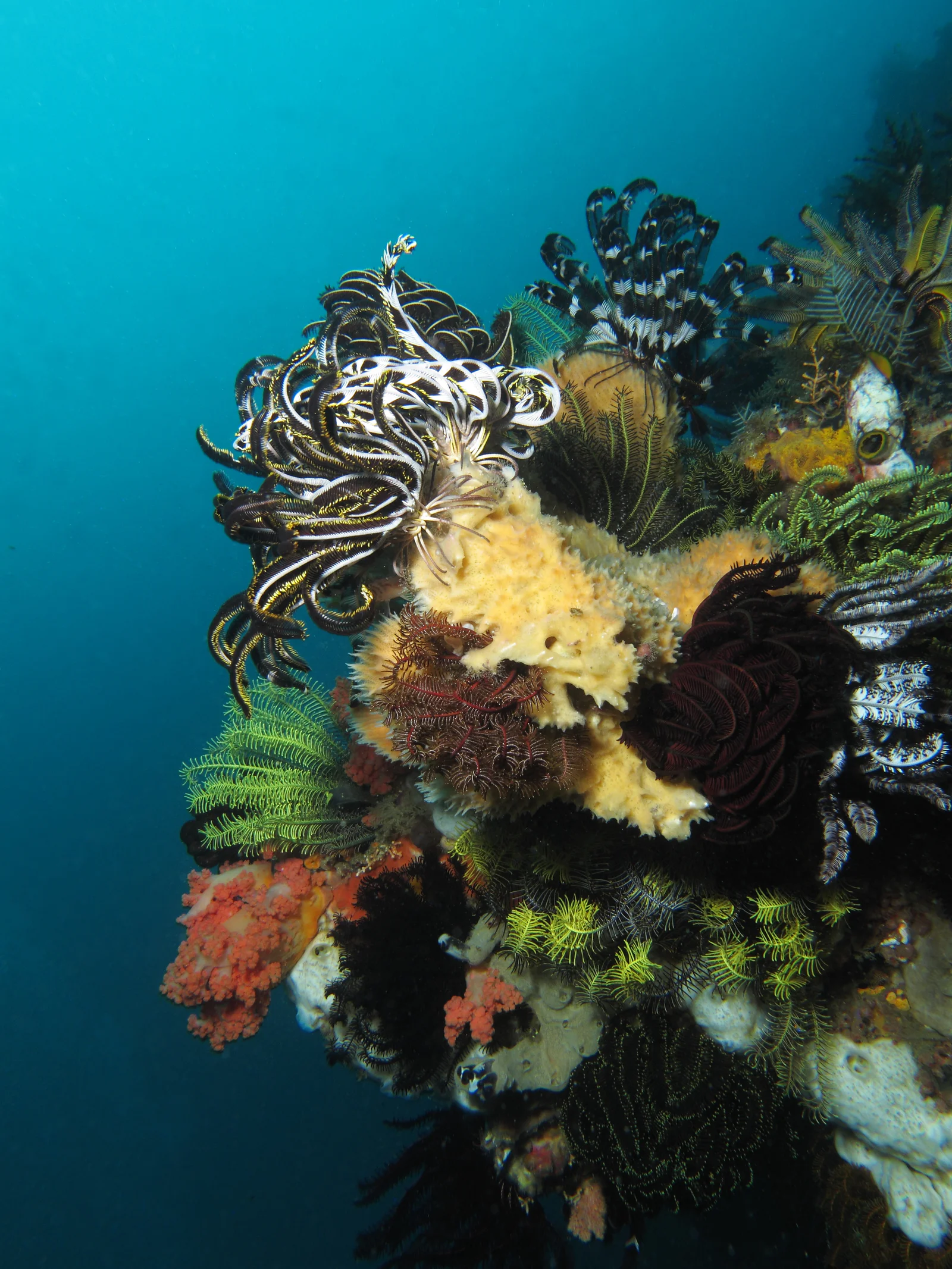
Dive Happy places Yellow Wall in Horseshoe Bay at the south end of Rinca and describes a mix of top reef and wall covered in corals, sea cucumbers and feather stars, with frogfish, sea apples, crabs, shrimps, nudibranchs and glassfish on the wall and turtles and fish schools over the top reef. Its author reports the wall starting at 5 metres and dropping to 30 metres, and suggests that staying shallow is probably the most rewarding, with plenty to see on the flatter top area before the drop-off. Dive Happy finds the site lighter and brighter than neighbouring Cannibal Rock, especially with direct afternoon sun, and expects water of 25 degrees Celsius or lower.
Dive Happy attributes the name Yellow Wall of Texas to the late Texan dive guide Larry Smith, one of the pioneers of diving in Indonesia. Dive Happy does not say what inspired the name; it mentions the afternoon brightness separately, as an observation about the site.
A 2014 Horseshoe Bay feature on DivePhotoGuide uses the spelling Yellow Wall O' Texas, places Horseshoe Bay on the southern end of Komodo Island, and describes a wall stretching off into the Indian Ocean. It concentrates on tiny crustaceans nicknamed lady bugs, which it identifies as copepods, skittering across tunicates and soft corals, sometimes in large numbers, and recommends a super-macro setup to photograph them. The other sources reviewed here do not identify these animals, so the classification remains unconfirmed. The feature also reports silversides massing in the shallows over crinoid-covered outcrops on the wall.
A Komodo overview, first published in 2017, by Sunrise Divers, a Phuket-based operator, also places Yellow Wall on the south of Rinca Island. It attributes the colour to brightly coloured sea cucumbers and feather stars and says larger fish, sharks or turtles may pass by.
Open Water
Current Conditions
Typical current strength at this dive site
Variable
Current strength changes with tides and conditions. Check local conditions before diving.
Strength Scale
None
Mild
Moderate
Strong
Best Time to Visit
Monthly conditions and seasonal highlights — tap a month
NovBest
Peak diving season with optimal visibility, calm seas, and best marine life encounters.
BestGoodLess FavorablePeak
Marine Life
7 species recorded at this site
Common · Unverified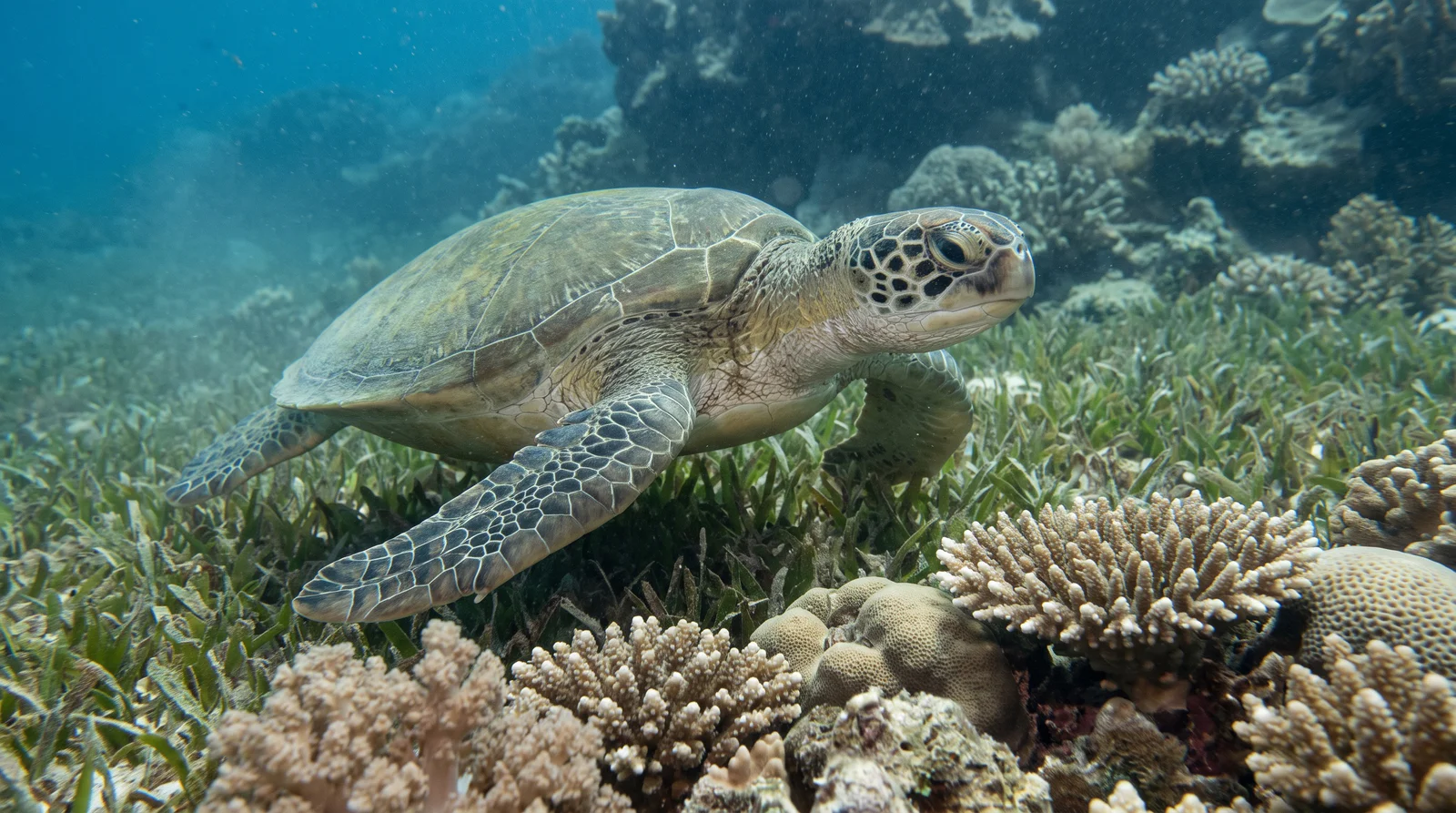
Green Sea Turtle
Chelonia mydas
Site occurrence not yet documented
No dated observations available.
Occasional · Unverified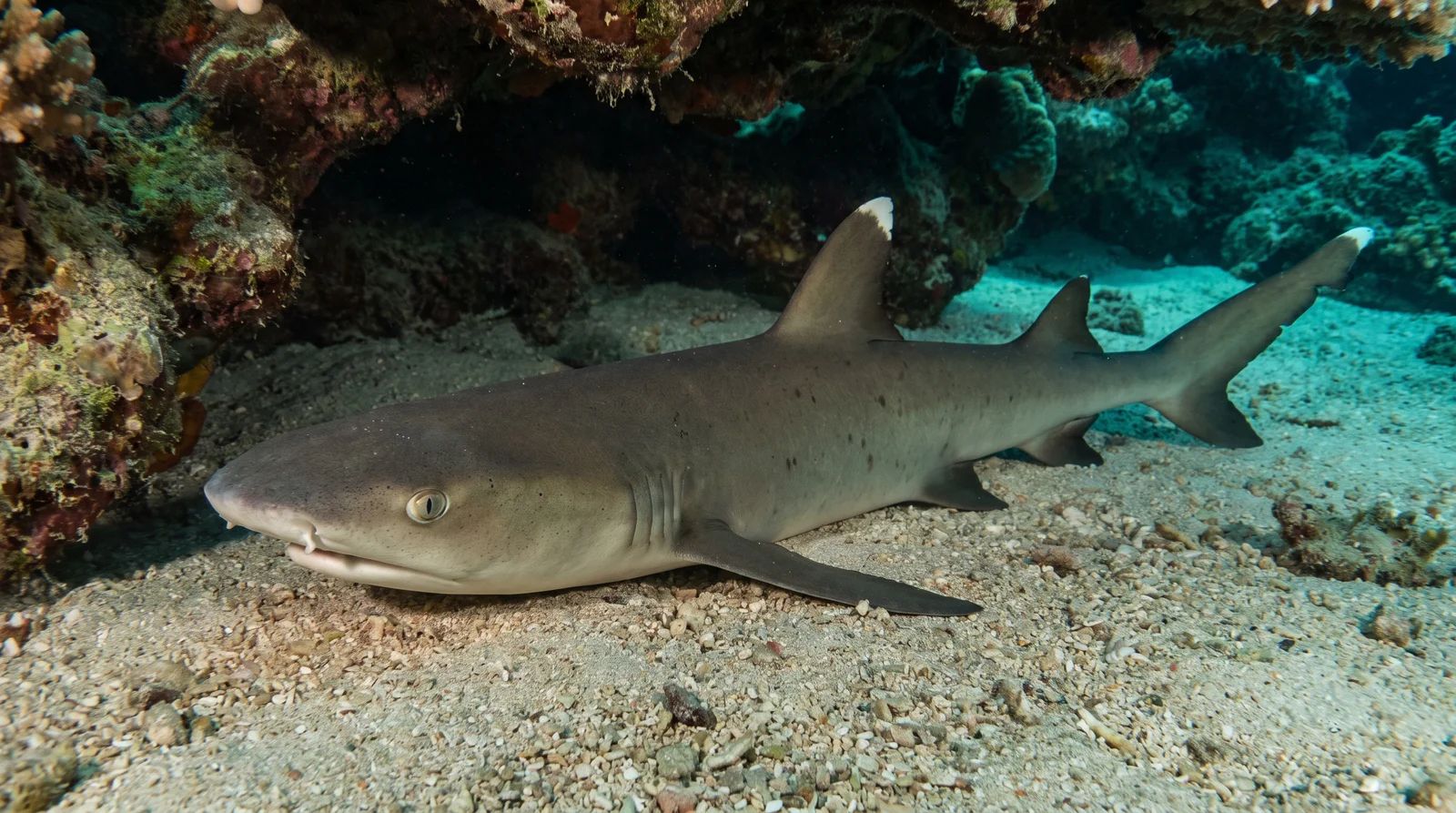
Whitetip Reef Shark
Triaenodon obesus
Site occurrence not yet documented
No dated observations available.
Occasional · Unverified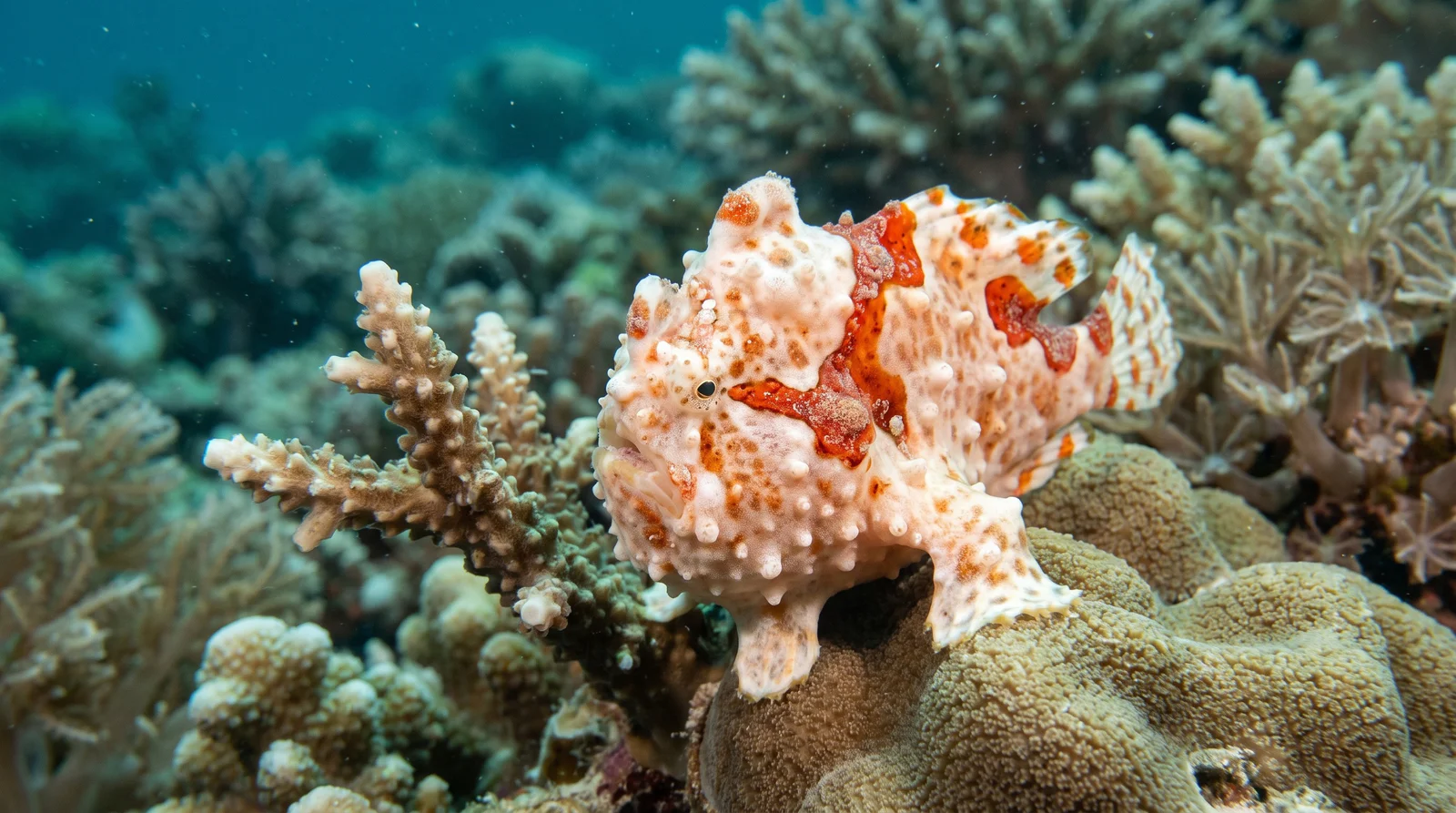
Frogfish
Antennariidae spp.
Site occurrence not yet documented
No dated observations available.
Abundant · Unverified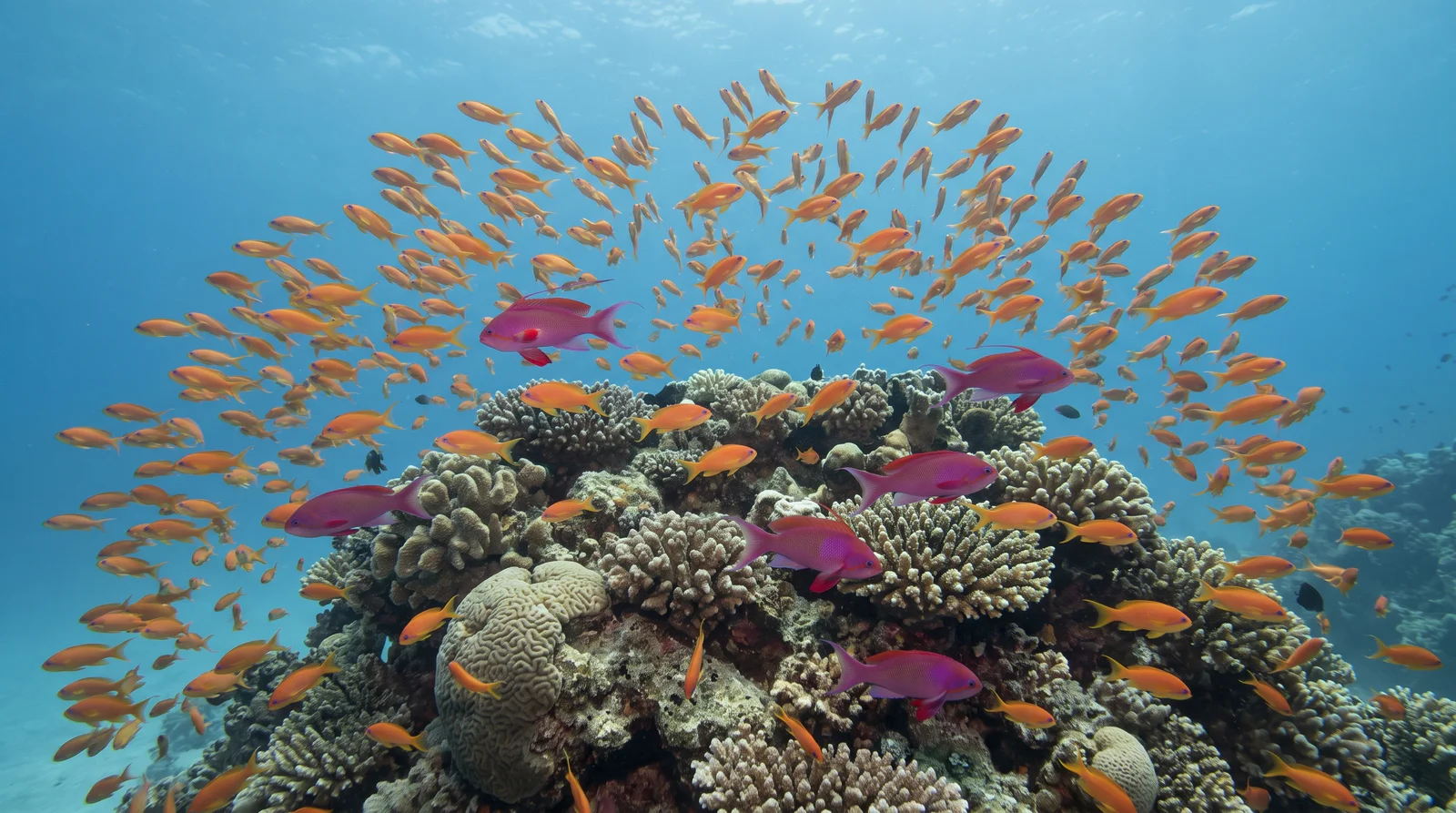
Sea Goldie (anthias)
Pseudanthias squamipinnis
Site occurrence not yet documented
No dated observations available.
Common · Unverified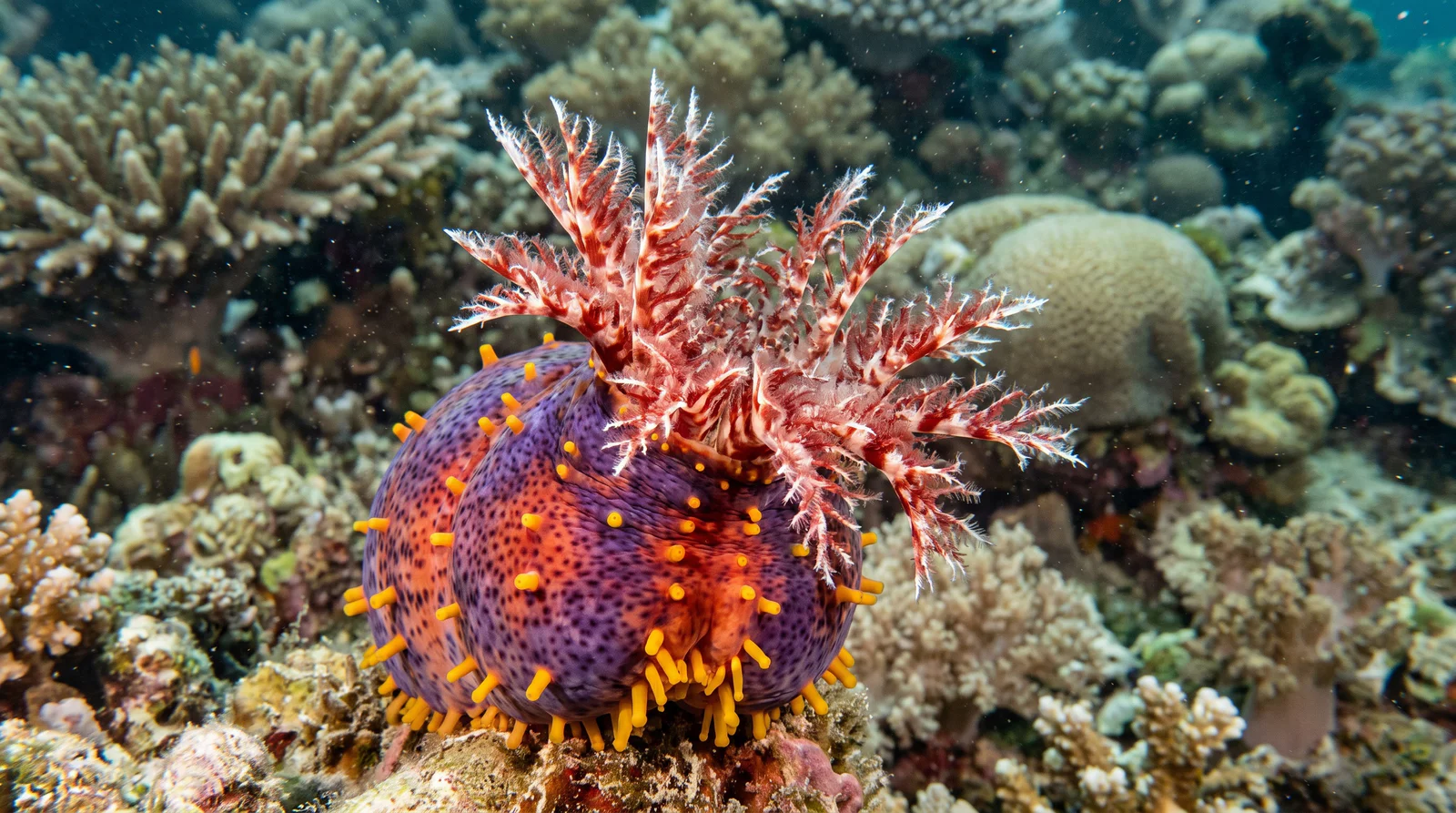
Sea Apple
Pseudocolochirus violaceus
Site occurrence not yet documented
No dated observations available.
Occasional · Unverified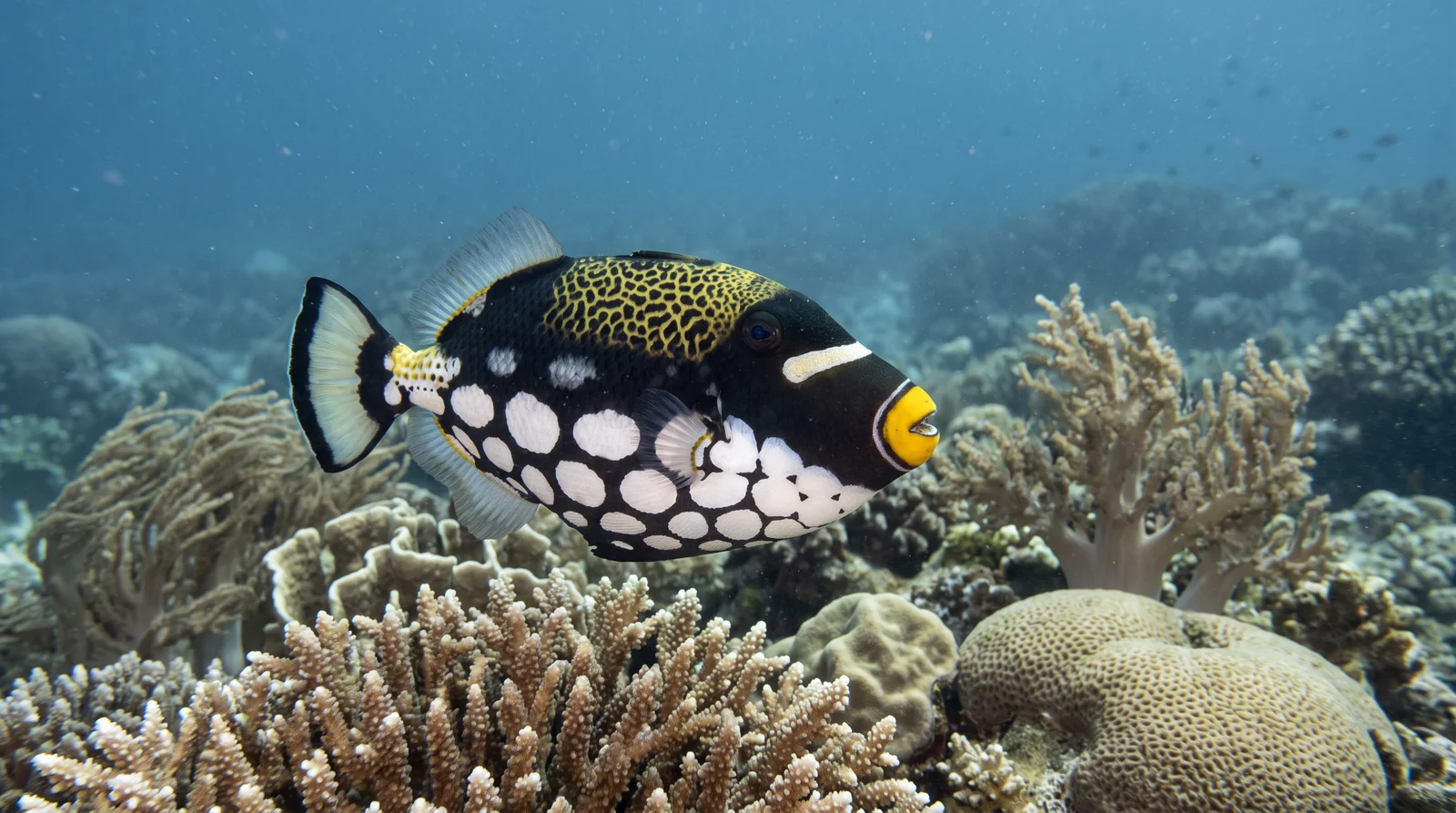
Clown Triggerfish
Balistoides conspicillum
Site occurrence not yet documented
No dated observations available.
Abundant · Unverified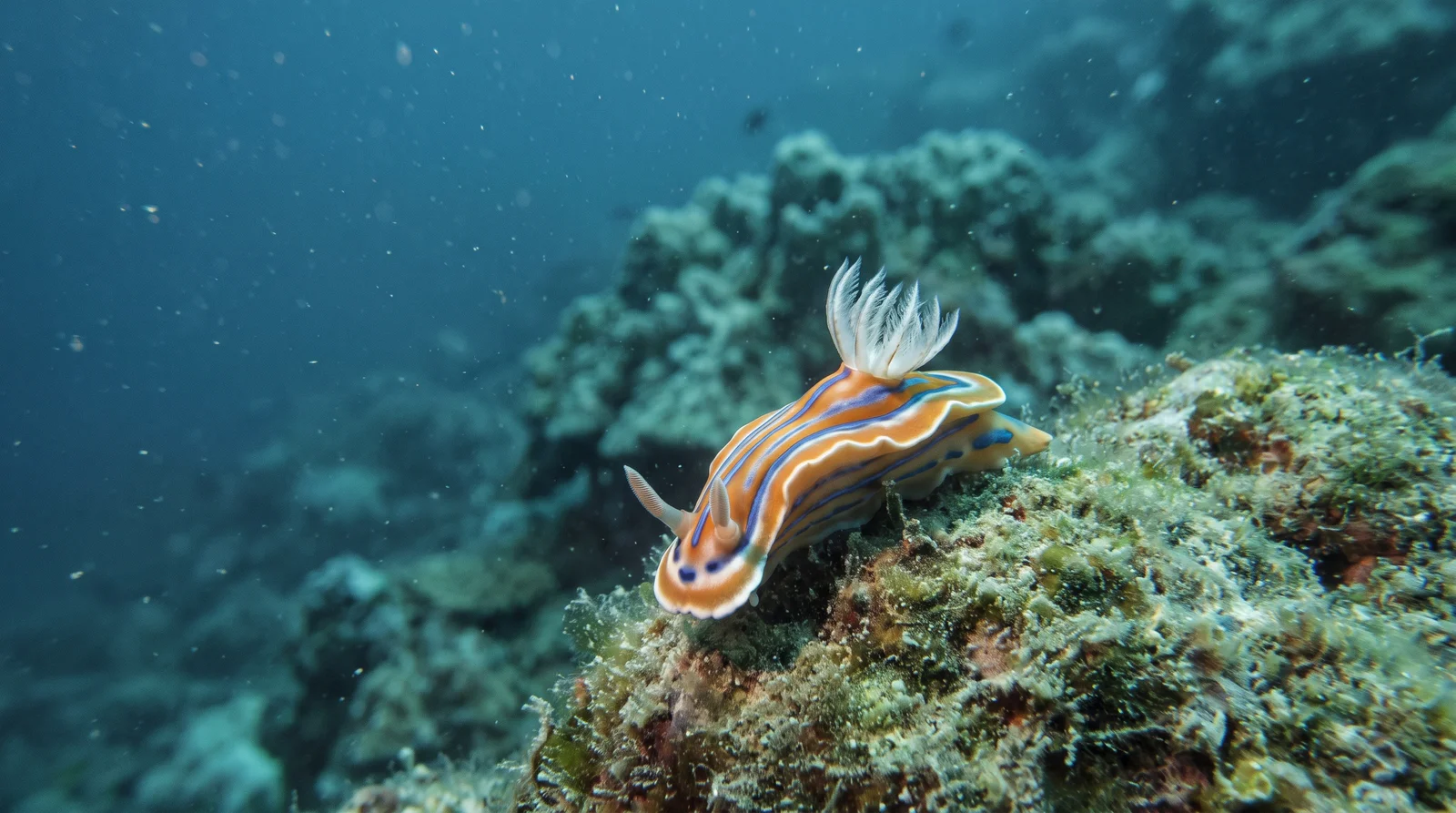
Nudibranch (assorted)
Nudibranchia spp.
Site occurrence not yet documented
No dated observations available.
Hazards & Safety
Be aware of these potential hazards at this dive site
Remoteness
Severity: HighHorseshoe Bay evacuation profile, chamber in Bali
Cold water
Severity: MediumCold water 20–24°C
Depth
Severity: MediumWall continues below recreational limits
Current
Severity: LowCurrent at the headland tip
Certification Required
A minimum of Open Water certification is required to dive this site.
Sources
- Dive Happy
- DivePhotoGuide (Underwater Holdings LLC)
- Sunrise Divers
360° Underwater View
Immersive panoramic view of this dive site
360° panorama coming soon
Immersive underwater views will be available when panoramic imagery is uploaded
Reviews
--
0 reviews
No reviews yet. Be the first to share your experience!
Related Dive Sites
Discover other dive sites in the area
 Advanced
 Advanced
 Advanced
Beginner
Beginner
AdvancedAdvancedAdvancedBeginner
Depth Profile
Vertical range at this site
Minimum Depth
16 ft
Shallowest point
Average Depth
49 ft
Typical dive depth
Maximum Depth
98 ft
Deepest point
Stay Updated
Get dive site updates and tips in your inbox.
Dived Yellow Wall of Texas? Make it count.
Add it to your logbook, share your sightings, and help 0 divers plan their next descent.
Recent Community Activity
Was this helpful?