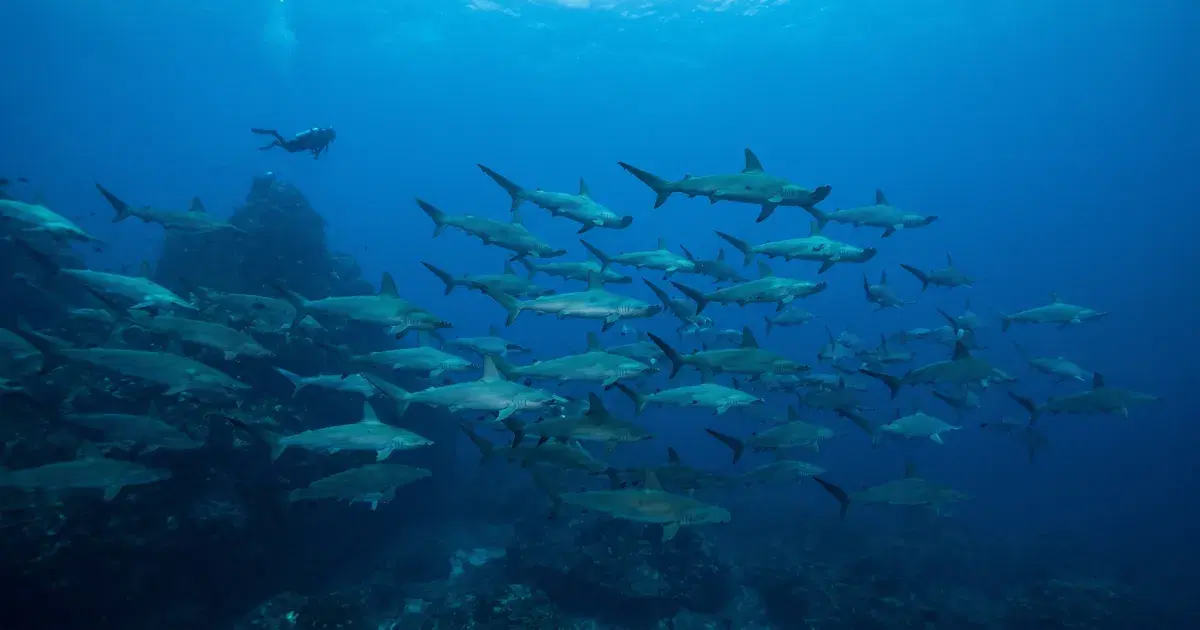
Cocos Island is a UNESCO-listed, liveaboard-only marine park roughly 300 miles off Costa Rica's Pacific coast, reachable only by multi-day expedition boat. It's best known for hammerhead shark schools that peak roughly June through November, so treat what follows as a standing reference for planning the trip rather than a seasonal countdown.
How do you choose a Cocos Island liveaboard?
Trip length, boat size, and site rotation are the main variables. Longer trips (10 days or more) generally hit more of the island's dive sites and give the crew more flexibility to wait out weather at a given spot. Smaller boats mean fewer divers competing for the same current-swept sites; larger boats often bring more onboard comfort and photography support. Read recent trip reports before booking, since operator quality and boat condition change over time.
Cabin configuration is worth checking too. A handful of operators offer single-occupancy cabins at a premium, which matters if you're traveling alone and don't want to split a room with a stranger for over a week. Nitrox availability is close to universal on Cocos boats given how many dives a typical itinerary packs in, but confirm it's included in the quoted price rather than billed separately per fill.
What's the best time of year to see hammerheads at Cocos Island?
Months | Conditions |
|---|---|
June to November | Peak hammerhead schooling season, generally stronger currents |
December to May | Fewer schooling hammerheads reported, calmer water overall |
This table is a standing reference, not a booking countdown; check current conditions with your chosen operator regardless of when you travel.
How long is a typical Cocos Island expedition?
Most trips run 9 to 11 days including the crossing, though shorter and longer itineraries exist. Given the two-day transit each way, a shorter trip spends a smaller share of total time actually diving the island.
Is Cocos Island diving suitable for intermediate divers?
Not really, and operators are usually upfront about this. Offshore conditions, real current strength, and open-water surface waits between dives require genuine logged experience, not a first liveaboard trip. Most operators expect Advanced Open Water plus a meaningful number of logged dives in current.
The negative-entry style used at several Cocos sites, dropping straight down from the boat into blue water rather than descending along a line, is another reason experience matters here. Divers who've only ever descended along an anchor line or a wall can find the lack of a visual reference disorienting on their first attempt.
How much does a Cocos Island liveaboard cost?
Tier | Typical range (per person, full trip) |
|---|---|
Budget | Roughly $4,000 to $5,500 |
Mid-range | Roughly $5,500 to $7,000 |
Luxury | $7,000 and up |
These are rough bands, not quotes. Confirm current pricing, what's included, and park fees directly with the operator before booking.
What marine life makes Cocos Island famous?
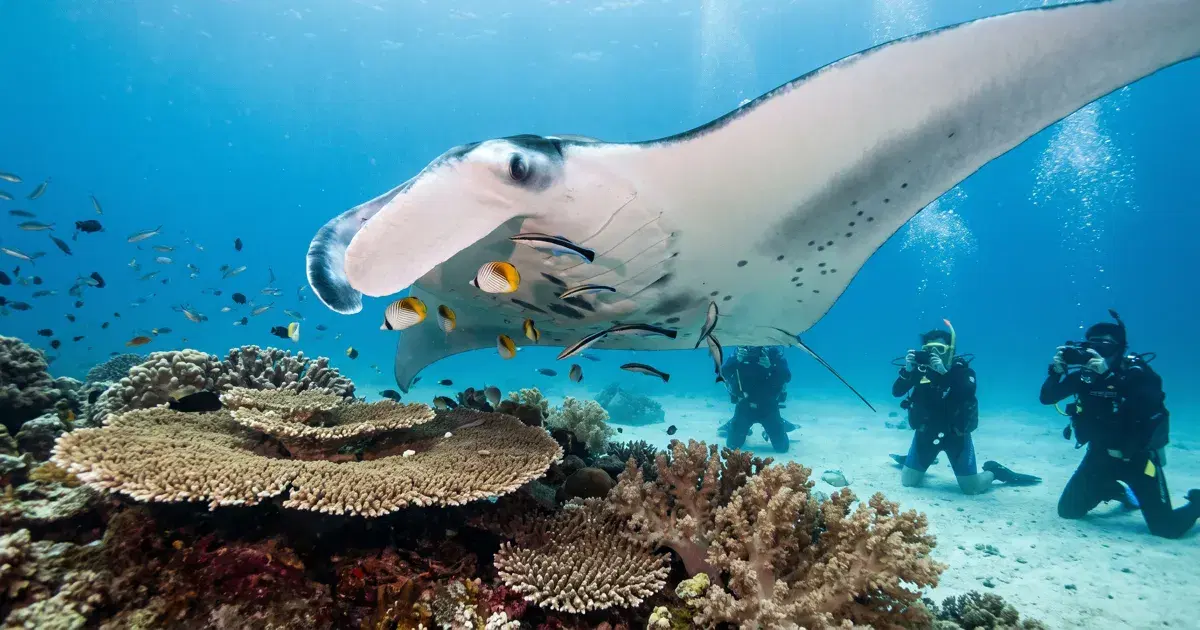
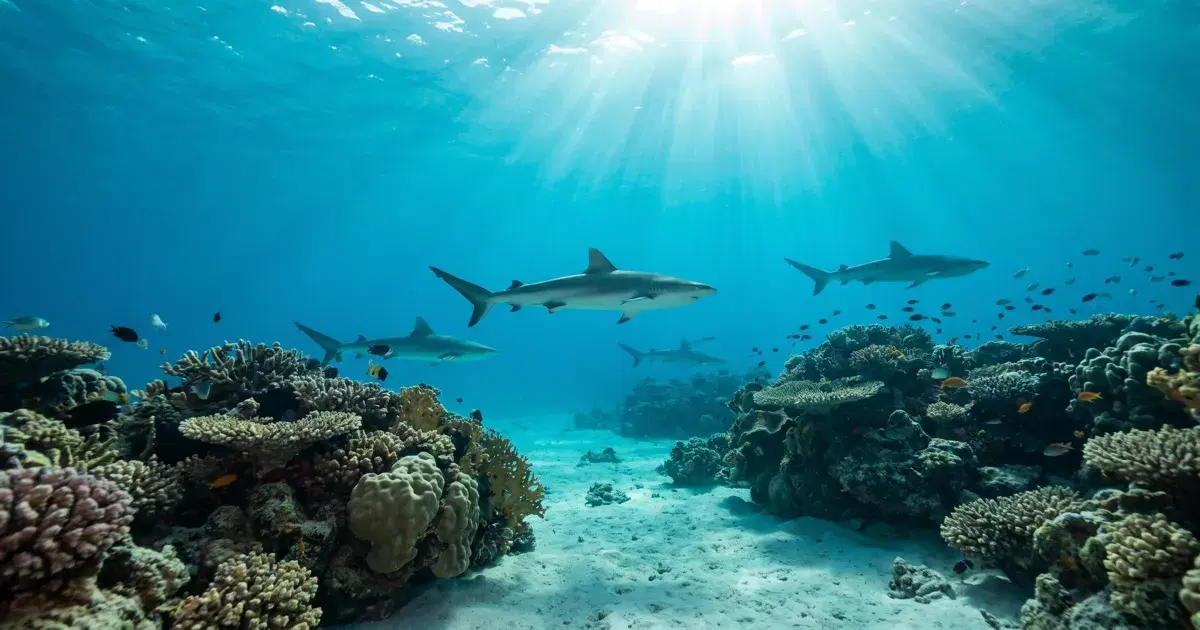
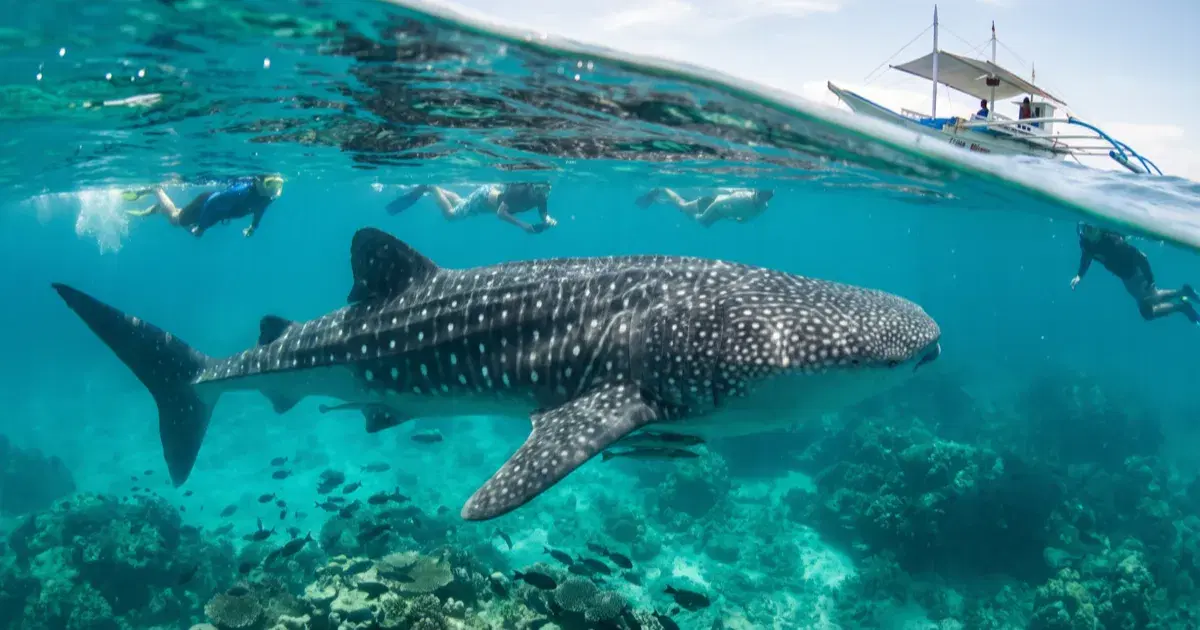
Scalloped hammerhead schools are the headline draw, often in numbers that make Cocos one of the more reliable places on the planet to see them. Silky sharks show up regularly in open water, and manta rays and whale sharks turn up occasionally, though neither is a guaranteed sighting on any given trip. White-tip reef sharks are common enough at cleaning stations and along the reef that most divers stop pointing them out by the third or fourth day.
How rough is the crossing to Cocos Island?
The crossing runs around 32 to 36 hours each way across open Pacific swell, and it can get genuinely rough depending on conditions that week. Pack seasickness medication regardless of how well you normally handle boats, and expect the first and last days of the trip to be crossing days rather than diving days.
FAQ
Do you need a marine-park permit? Yes, and reputable operators handle the permit and park fees as part of the trip cost. Confirm this is included before you book.
Is the crossing itself worth the trip length? Most divers who've done it say yes, given the hammerhead numbers on the other side, but it's a genuine commitment. Go in with realistic expectations about two full days of open-ocean transit.
How should you prepare for seasickness? Bring your preferred medication and start it before you feel unwell, not after. Staying on deck in fresh air during the crossing helps more than staying below.
How does Cocos Island compare to Galápagos for hammerheads? Both deliver strong hammerhead schooling; a full comparison is worth its own dedicated guide given how often divers weigh the two against each other.
Log your Cocos Island dives on Diveity
Diveity tracks Cocos Island's dive sites and conditions in one place. Browse the dive site atlas before you go, and keep a running dive log once you're back. Diver accounts are free.