Wall · Slope · Reef · Drift
Batu Abah
Sobre este nombre: No source used for Batu Abah gives a map point. The sources disagree on where the rock is: Kapal Selam Dive Club's site page says the…
Acerca de este sitio de buceo
Overview
Batu Abah is a dive site at a large rock off the coast of Nusa Penida, on the exposed side of the island that faces the open ocean. Kapal Selam Dive Club, an Indonesian dive club, publishes an account of a dive there by Hengky Dotulong, and says local people call the rock "Batu Abah", which it translates as "Father of The Rock", because it is quite big compared with the other rocks around Nusa Penida, Nusa Lembongan and Nusa Ceningan.
The sources do not agree on which side of the island the rock is. The club's site page says it is on the south-west of Nusa Penida. The club's own 2004 trip report, by Tom Fadjar Chandra, says the boats reached Batu Abah after passing Crystal Bay and the southern tip of the island, and that Karang Sari is a 10 to 15 minute boat ride north of Batu Abah on the east side; the club titles its 2004 trip "East Nusa Penida" and a 2011 trip "Batu Abah - South East Nusa Penida". Diving Squad, a dive travel site, groups Batu Abah with Malibu and Semaya as east-side sites, and Asia Dive Site, a dive-site directory, speaks of exposed rocks to the south of Nusa Penida. Most of these place the site on the east or south-east coast. Karang Sari, Malibu and Semaya have their own records here.
No source this record uses gives a map point for the site, so this record has no map point.
Getting there
Batu Abah is dived from a boat. Kapal Selam Dive Club says it is reached by speedboat from Sanur in 45 to 60 minutes depending on the sea, and its summary gives about an hour. Diving Squad says the east-side sites take about 60 minutes to reach from most dive centres in the north-west of Nusa Penida. The club's account says few dive shops in Bali offer trips to the site, partly because of the distance.
The dive
Kapal Selam Dive Club describes the site as a combination of wall, white sand, bommies and slopes, with rocks covered by hard and soft coral, and its summary calls the coral healthy. Its 2002 account describes a back-roll entry from the boat once the boatman had moved away from the rock wall, and says divers had to descend quickly or be pulled by the current onto the wall. The writer reports a group of eight barracudas of about 1.5 metres at 5 metres and went on to 32 metres; that is the depth of one dive, not a measured depth for the site. The account mentions a small hole on one corner that the group believed led to the other side of the rock but was too small to enter.
Marine life
The club's 2002 account says the fish were mostly bigger than at other Bali sites. It names a grouper of about 2.5 metres that the divers guessed was a potato cod, Napoleon wrasse, parrotfish, surgeonfish and triggerfish, and big lobsters behind the rocks. It saw no sharks that day. The 2004 trip report describes a mola mola of about 2.5 metres at Batu Abah, and the club's summary lists mola mola and pelagics.
Gusti Bali Tours, a Bali tour company, in a page last updated in 2014, says the site offers mola mola, manta, turtles and sharks, with abundant lobsters and nudibranchs. Diving Squad, speaking of Batu Abah, Malibu and Semaya together, mentions spectacular coral reef and manta rays, and says lucky divers sometimes see black-tip and white-tip reef sharks and thresher sharks. Asia Dive Site disagrees about the reef: it says the exposed rocks to the south of Nusa Penida are diveable but do not offer as much reef life as other sites. None of these sources says how often any animal is seen.
Conditions and hazards
Kapal Selam Dive Club says the surface is often rough, with big waves that cause surge and swell along the shallow part of the rock, and that divers must keep a safe distance from the rock wall when they surface. Gusti Bali Tours calls it an ocean-facing site that can get rough at the surface with big ocean swells, and says a booking does not guarantee a dive there. The club's summary says there is no current in the bay but that outside it can be fierce. Its 2002 account describes a strong current that stopped the group going round the rock, and a down current that pulled them down until they held on to the rock; they made the safety stop drifting away from the wall. The 2004 report says this side of Nusa Penida is exposed to the Indian Ocean with unpredictable current. No current strength is set.
The water can be cold. The 2004 report gives 17 °C on the dive with the mola mola, and the club's summary recommends a wetsuit of at least 5 mm. The 2002 account gives 28 °C. These are observations from single days, so no temperature range is set. The same goes for visibility: the 2002 account gives about 25 metres and the 2004 report more than 20 metres, while the club's summary gives 15 to 40 metres. No visibility range is set.
Level
Kapal Selam Dive Club calls the site difficult. Its 2002 account says it needs a highly experienced diver, around 50 or more dives including drift diving experience, and the club billed its 2004 trip as for experienced divers. The 2004 report says this side of the island is rarely offered to novice divers. No source states a certification requirement, so neither a level nor a certification is set.
Not known
No source this record uses gives a map point, a depth range for the site, a season, or a current strength.
This record was compiled automatically from the sources named above. No diver and no member of the Diveity team has checked it on site.
Vida marina
11 especies registradas en este sitio
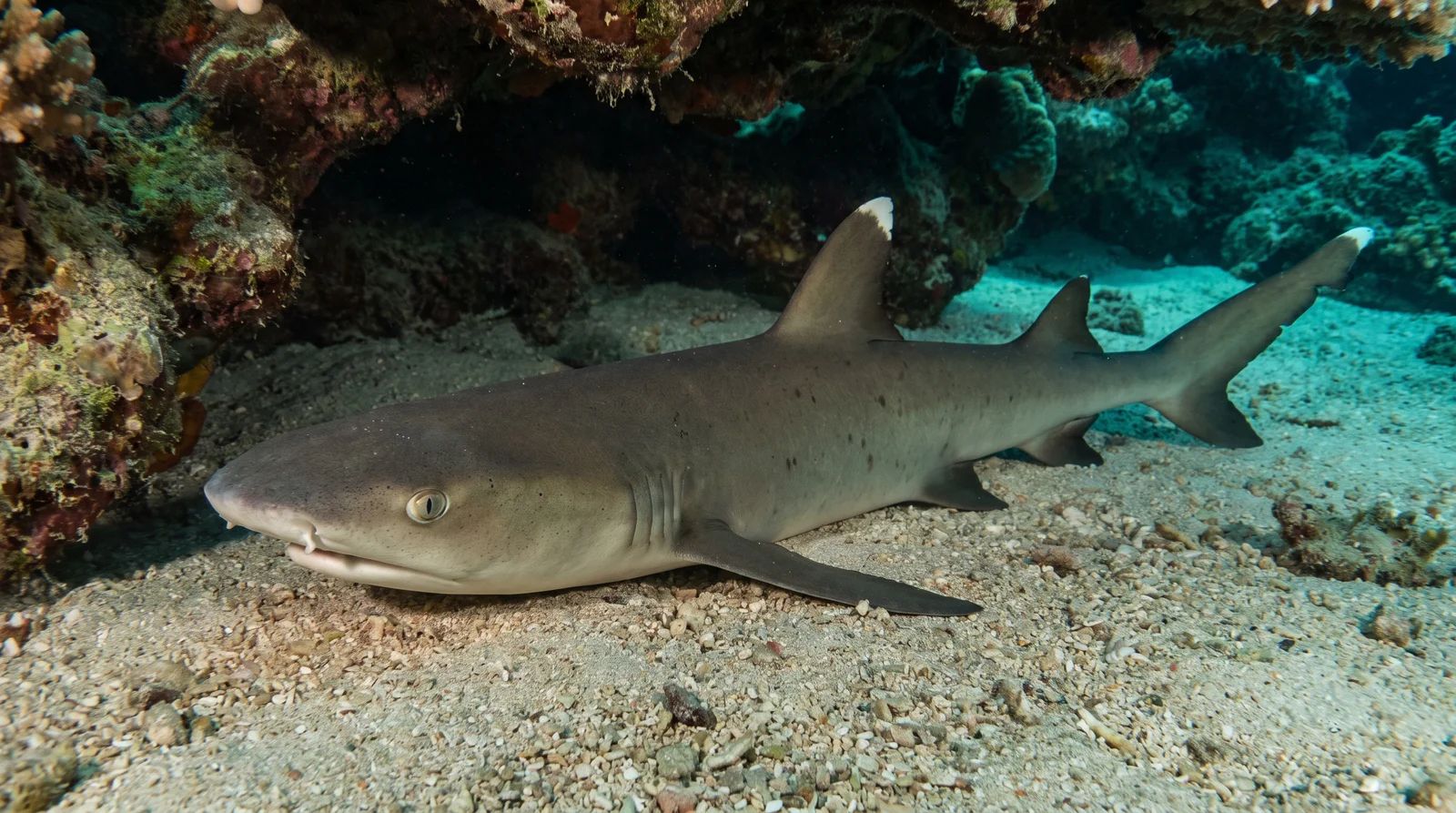
Whitetip Reef Shark
Triaenodon obesus
Evidencia regional — presencia en este punto de buceo sin confirmar
Fuente revisada el 2026-11-06 · Fuente: Diving Squad · Fecha de observación no documentada
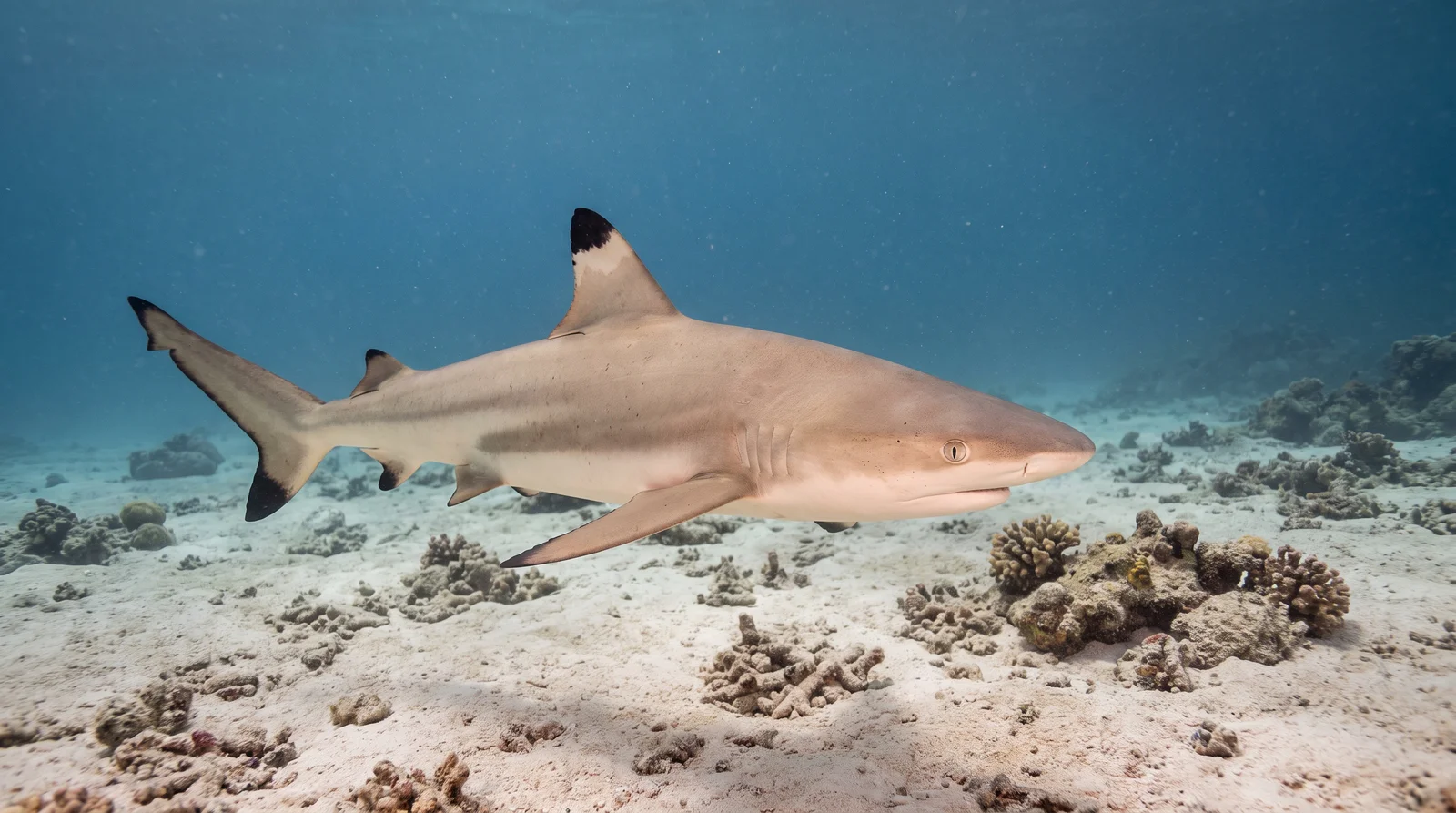
Blacktip Reef Shark
Carcharhinus melanopterus
Evidencia regional — presencia en este punto de buceo sin confirmar
Fuente revisada el 2026-11-06 · Fuente: Diving Squad · Fecha de observación no documentada
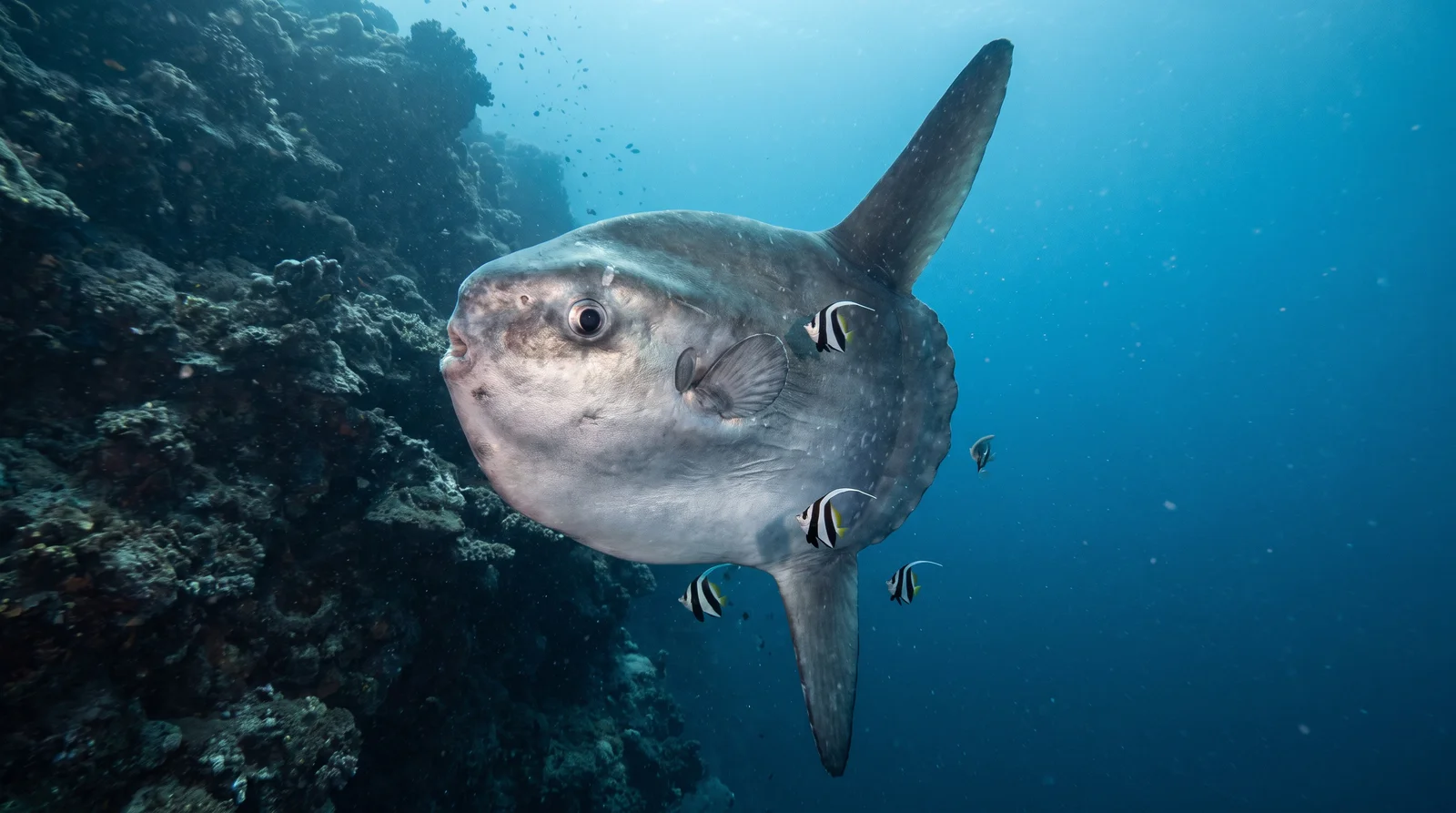
Ocean Sunfish (Mola mola)
Mola mola
Presencia documentada en el sitio
Fuente revisada el 2026-11-06 · Fuente: Gusti Bali Tours · Fecha de observación no documentada
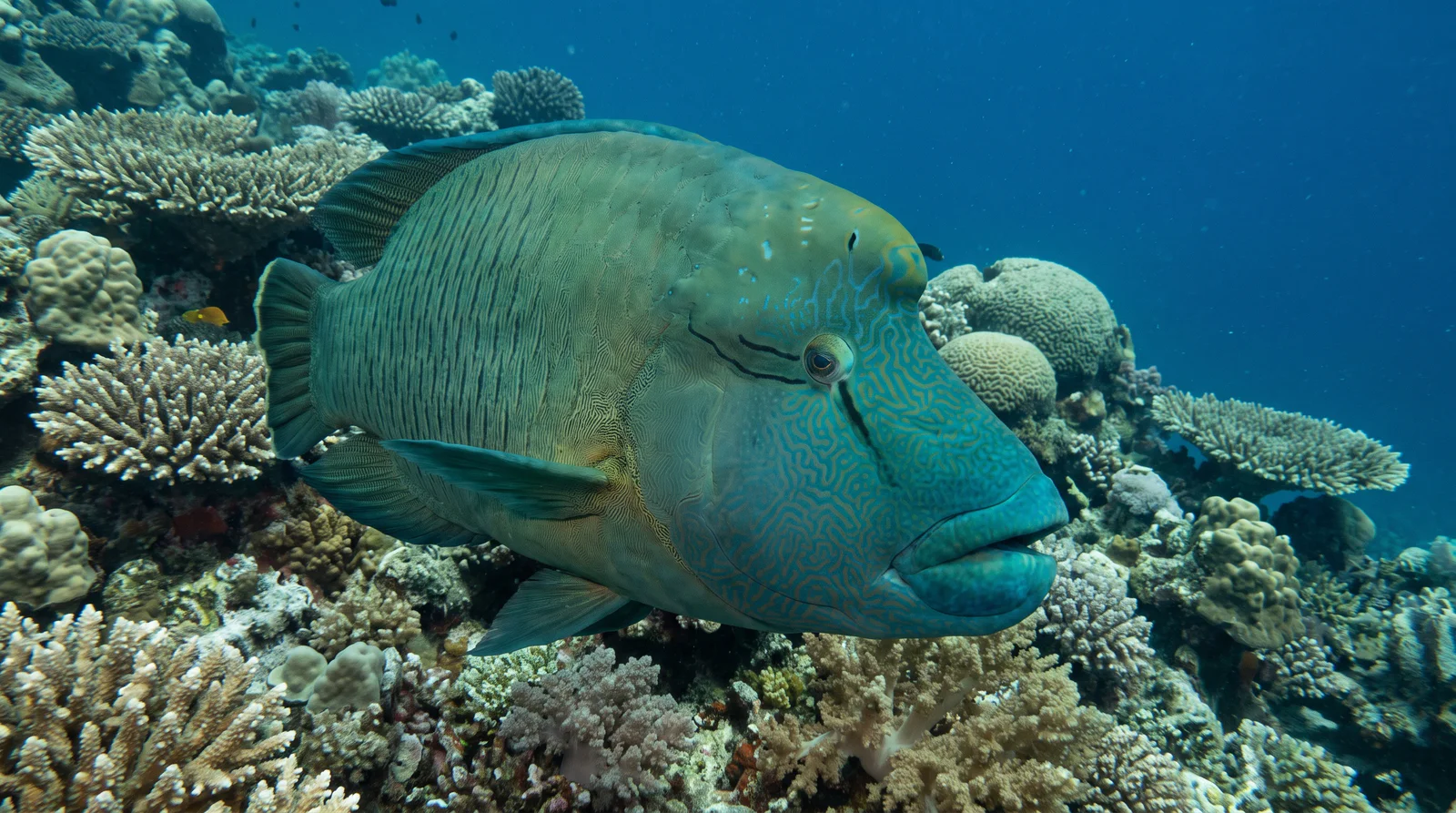
Humphead Wrasse (Napoleon)
Cheilinus undulatus
Presencia documentada en el sitio
Fuente revisada el 2026-11-06 · Fuente: Kapal Selam Dive Club · Fecha de observación no documentada
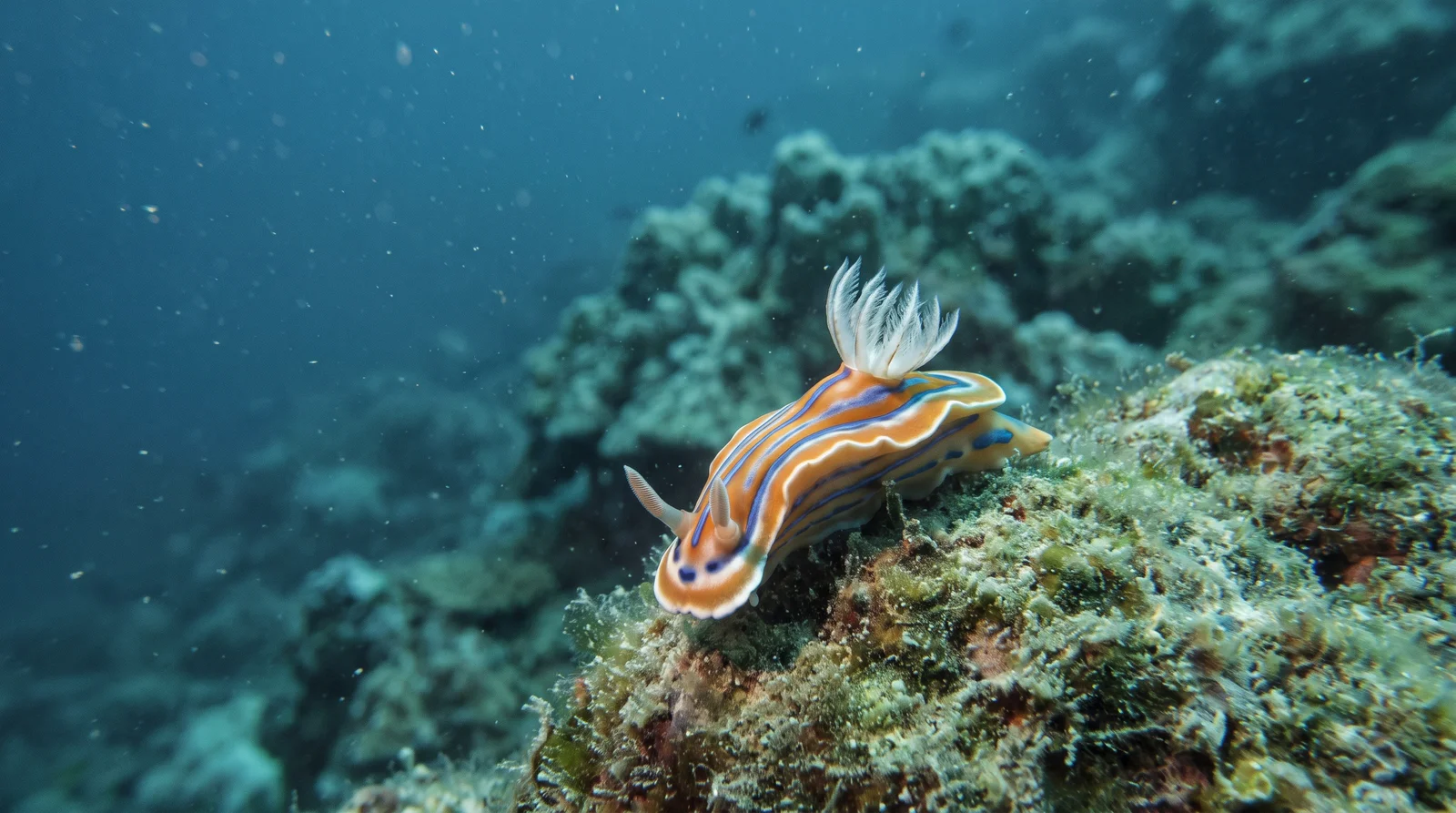
Nudibranch (assorted)
Nudibranchia spp.
Presencia documentada en el sitio
Fuente revisada el 2026-11-06 · Fuente: Gusti Bali Tours · Fecha de observación no documentada
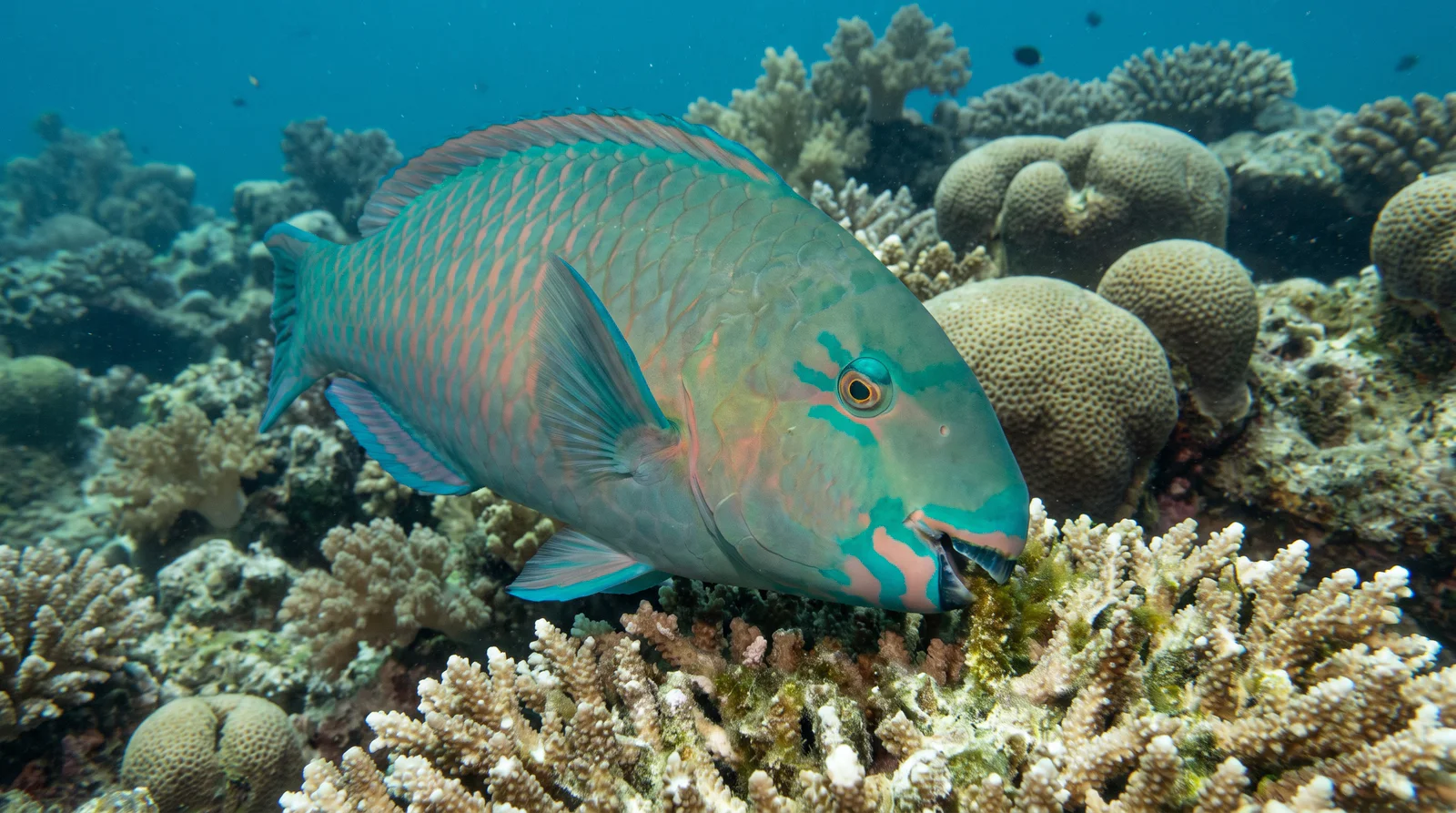
Parrotfish (assorted)
Scarus sp.
Presencia documentada en el sitio
Fuente revisada el 2026-11-06 · Fuente: Kapal Selam Dive Club · Fecha de observación no documentada
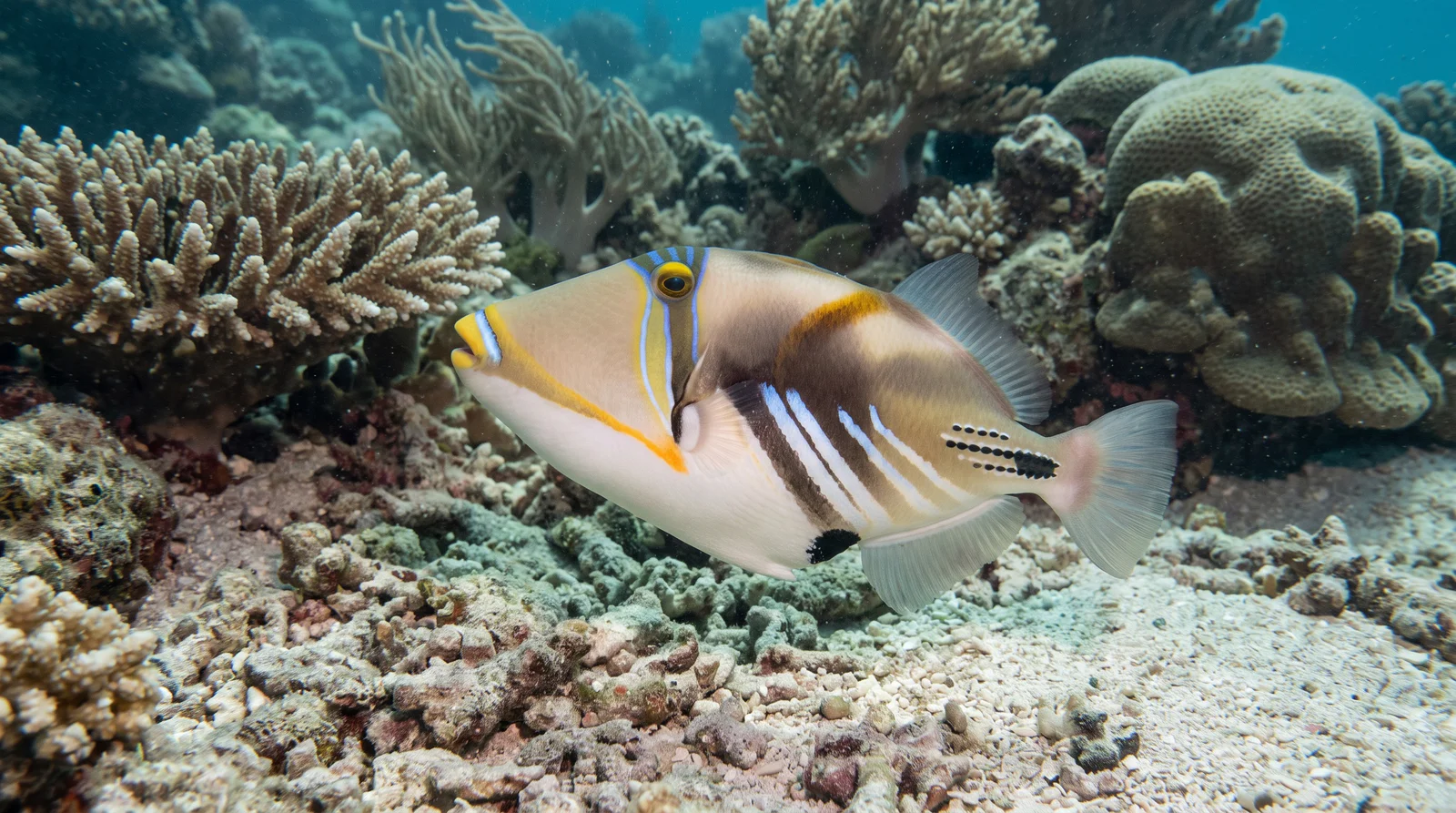
Triggerfish (assorted)
Balistidae spp.
Presencia documentada en el sitio
Fuente revisada el 2026-11-06 · Fuente: Kapal Selam Dive Club · Fecha de observación no documentada
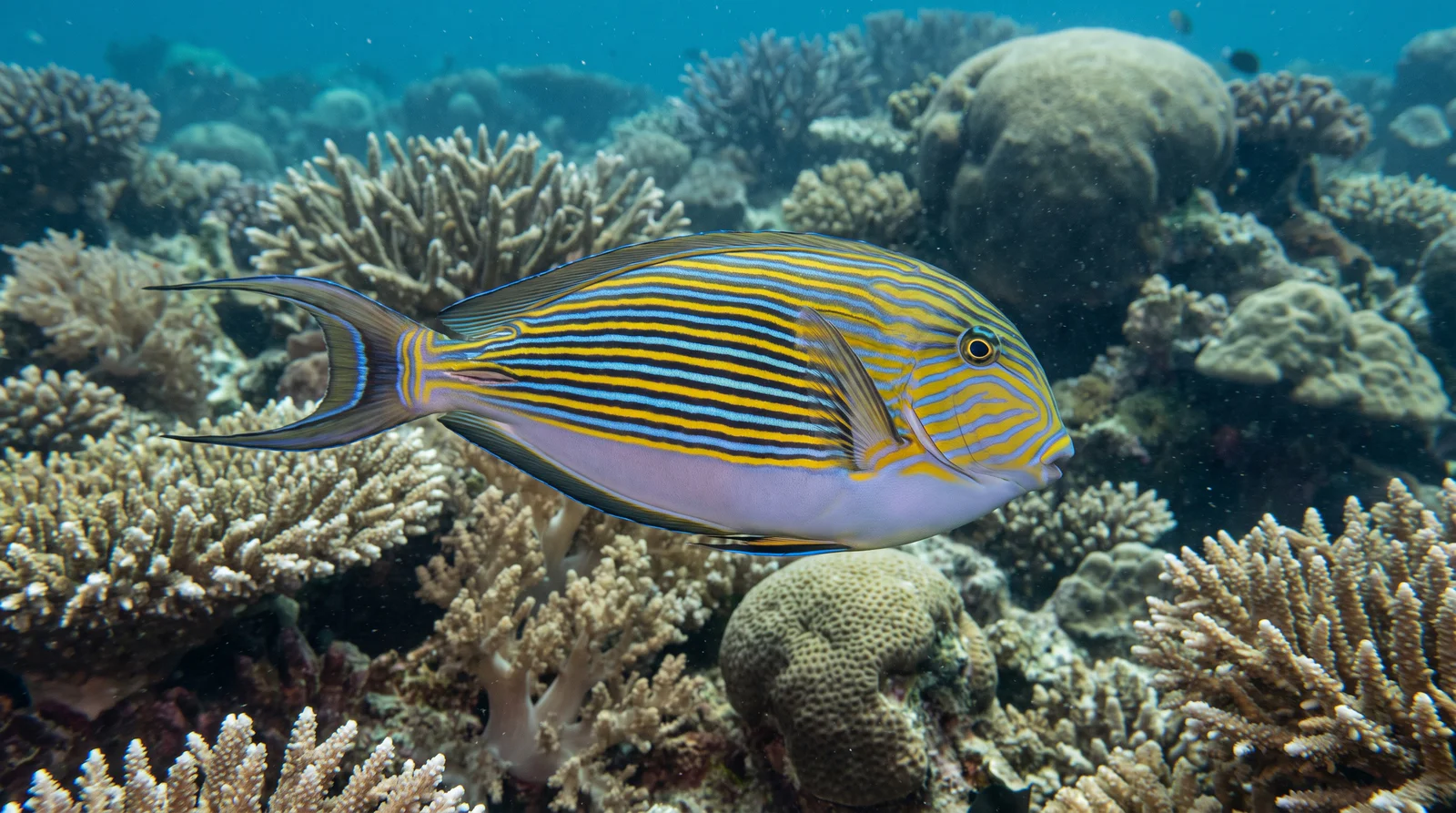
Surgeonfish (assorted)
Acanthuridae spp.
Presencia documentada en el sitio
Fuente revisada el 2026-11-06 · Fuente: Kapal Selam Dive Club · Fecha de observación no documentada
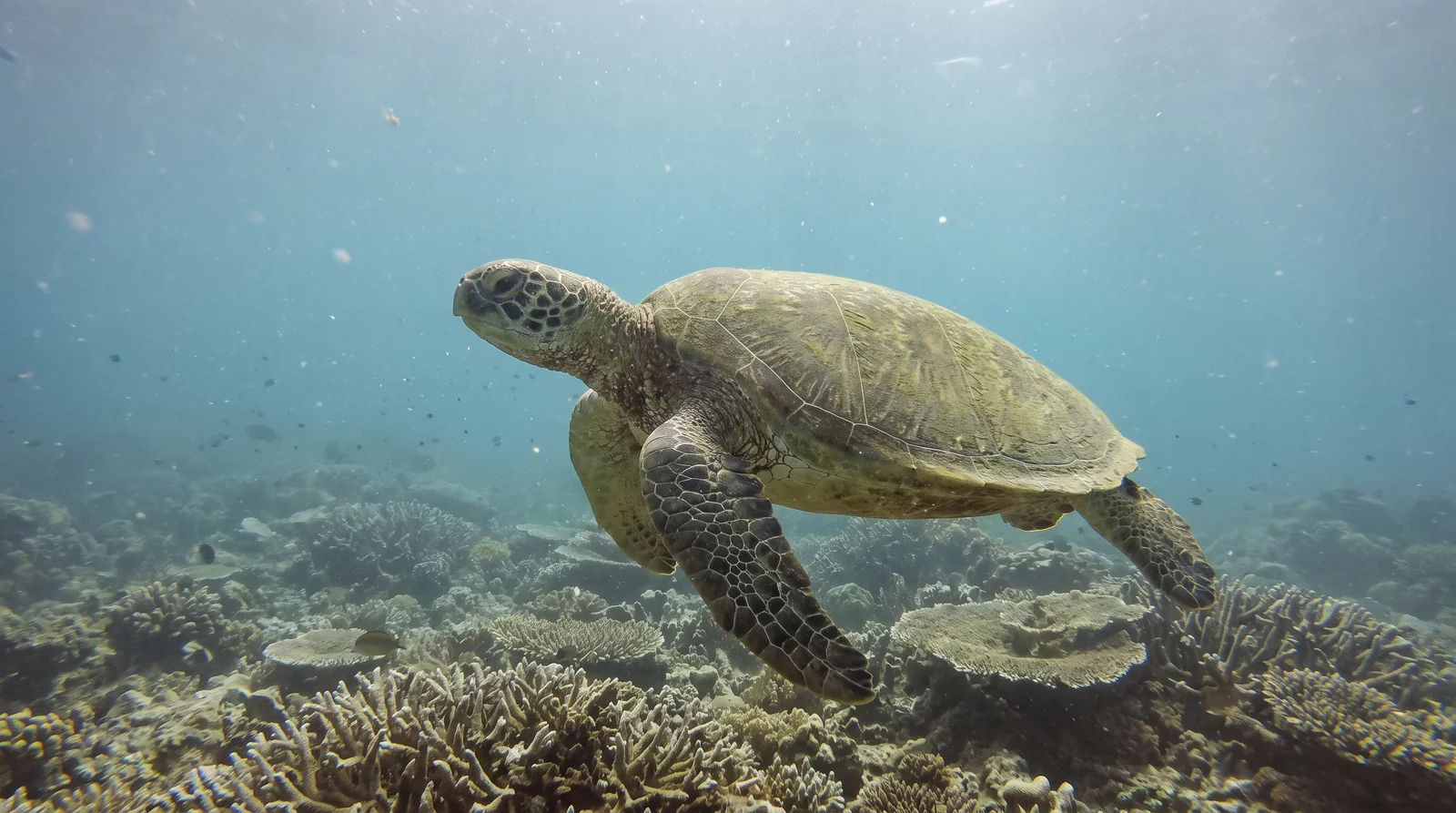
Sea Turtle (assorted)
Cheloniidae spp.
Presencia documentada en el sitio
Fuente revisada el 2026-11-06 · Fuente: Gusti Bali Tours · Fecha de observación no documentada
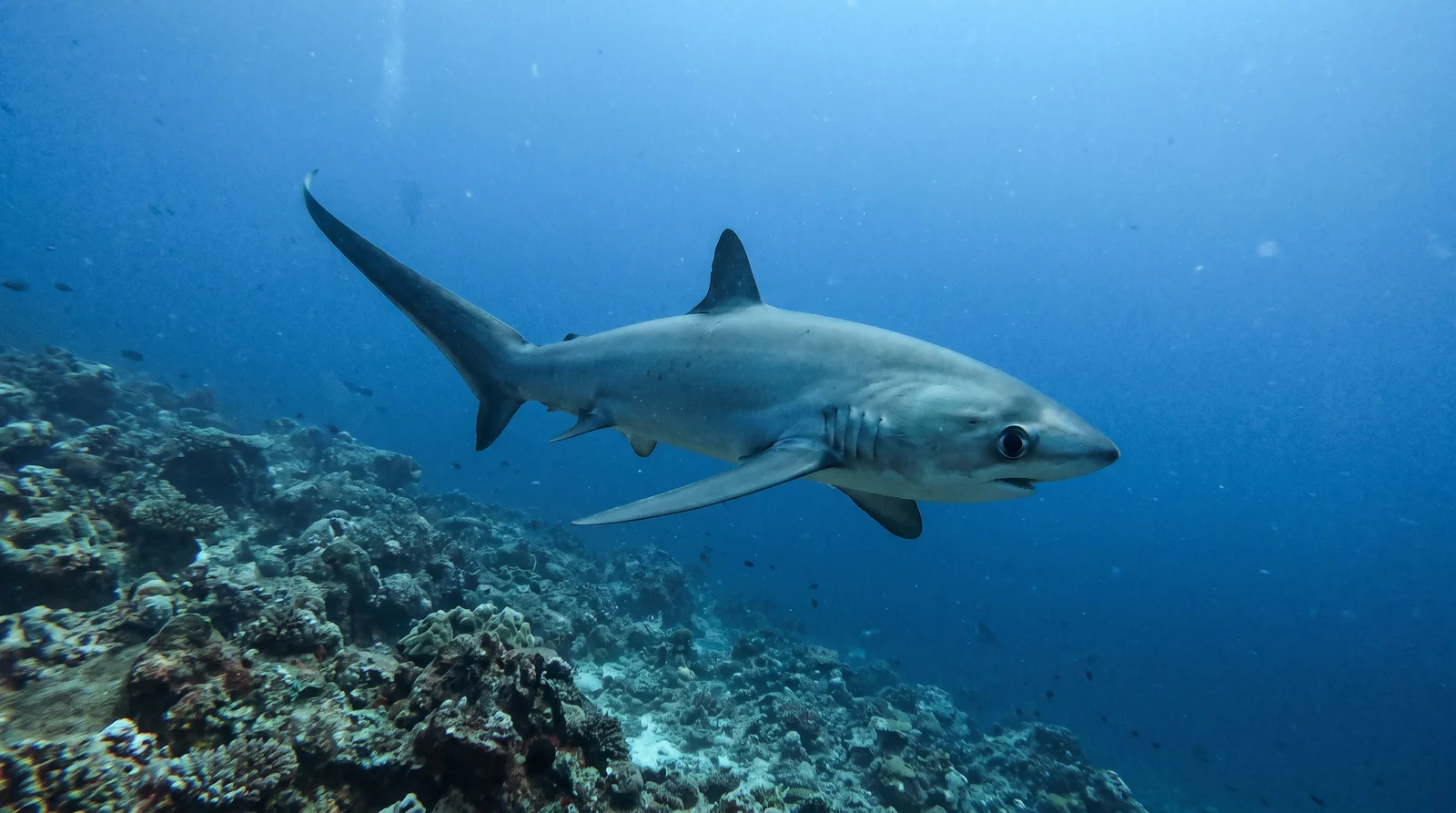
Thresher Shark (assorted)
Alopias spp.
Evidencia regional — presencia en este punto de buceo sin confirmar
Fuente revisada el 2026-11-06 · Fuente: Diving Squad · Fecha de observación no documentada
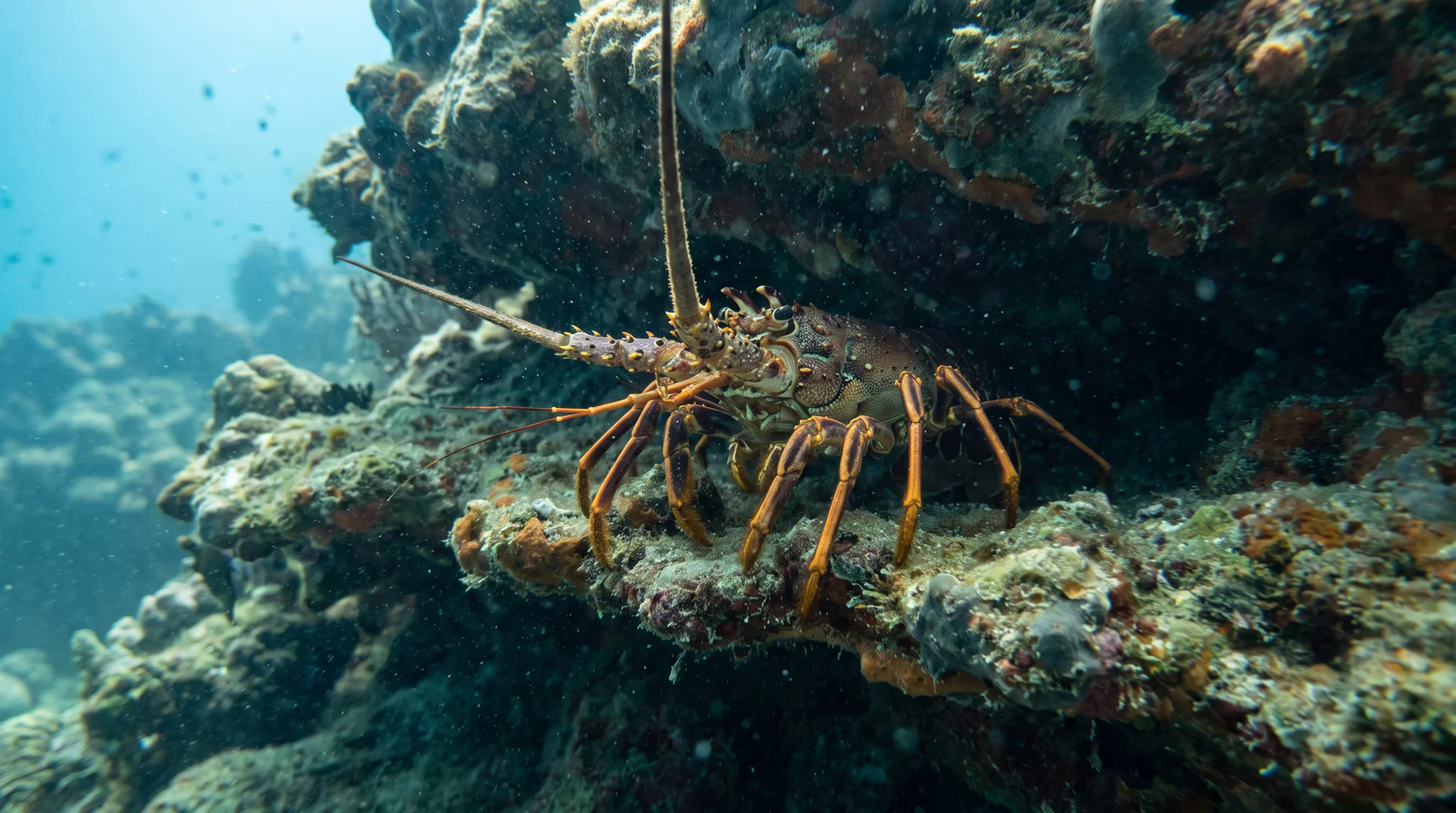
Lobster (assorted)
Palinuridae and Scyllaridae spp.
Presencia documentada en el sitio
Fuente revisada el 2026-11-06 · Fuente: Gusti Bali Tours · Fecha de observación no documentada
Peligros y seguridad
Ten en cuenta estos peligros potenciales en este sitio de buceo
Current
Gravedad: Aún no documentadoKapal Selam Dive Club says there is no current in the bay but outside it can be fierce, and its 2002 account describes a strong current and a down current; its 2004 report says the current on this side of Nusa Penida is unpredictable. No strength is set.
Swell
Gravedad: Aún no documentadoKapal Selam Dive Club describes a rough surface with big waves, surge and swell along the shallow part, and says divers must surface at a safe distance from the rock wall; Gusti Bali Tours says the ocean-facing site can get big ocean swells. No severity is set.
Fuentes
- Asia Dive Site
- Diving Squad
- Gusti Bali Tours
- Kapal Selam Dive Club
Vista Submarina 360°
Vista panorámica inmersiva de este sitio de buceo
Panorama 360° próximamente
Vistas submarinas inmersivas estarán disponibles cuando se carguen imágenes panorámicas
Reseñas
--
0 reviews
Aún no hay reseñas. ¡Sé el primero en compartir tu experiencia!
Perfil de profundidad
Mantente al día
Recibe novedades y consejos sobre lugares de buceo en tu correo.
¿Has buceado en Batu Abah? Haz que cuente.
Añádelo a tu bitácora, comparte tus avistamientos y ayuda a 0 buceadores a planificar su próximo descenso.
Actividad reciente de la comunidad
¿Fue útil?