 Advanced
Reef · Wall · Drift
Gili Mimpang
También conocido como: Batu Tiga
Padang Bai
Última actualización:
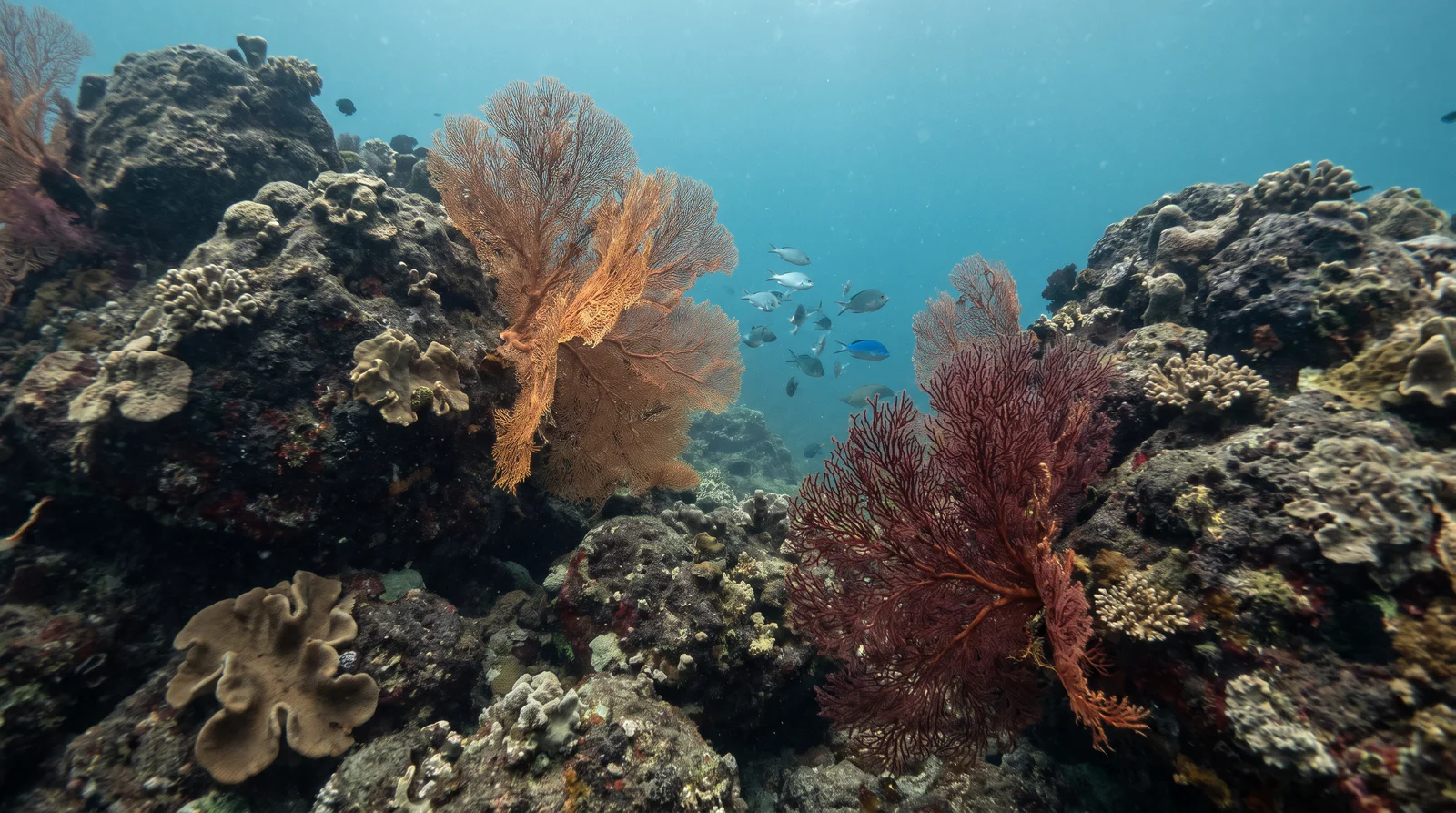
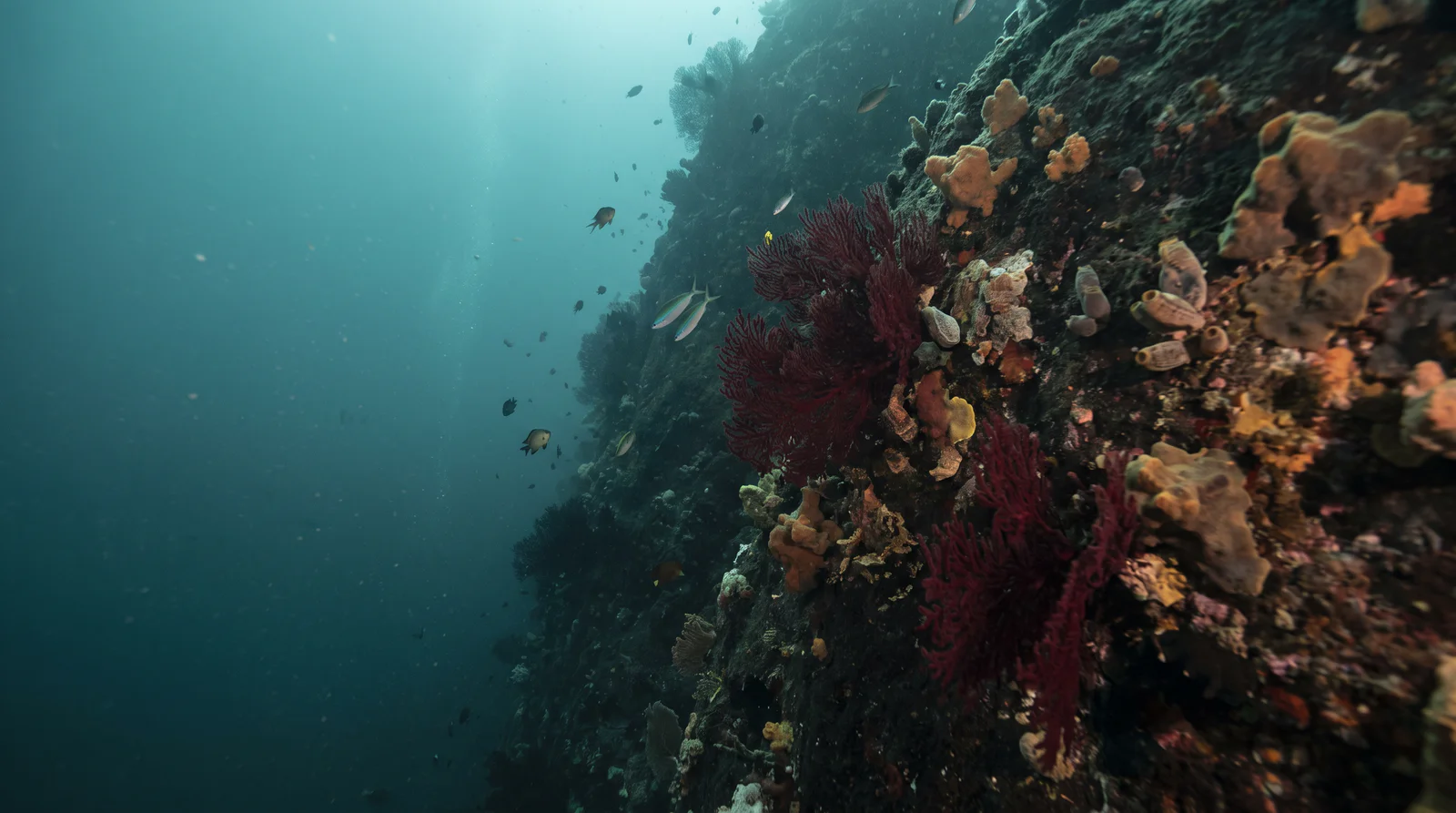
AI-generated illustration of craggy rocks with hard corals and large sea fans. It is not a photograph of Gili Mimpang and is not evidence of any animal or condition at the site.
Crédito de la imagen: AI-generated illustration · Generated for Diveity; no third-party rights · Higgsfield nano_banana_pro image generationDe un vistazo
Dificultad
Avanzado
Profundidad
around 18 m o about 10–35+ m (terrain)En disputa
Acceso
En barco
Visibilidad
25 mUna fuente
Corriente
strong o mediumEn disputa
Temperatura
26 °C30 °CUna fuente
Aún no documentado:
- Certificación requerida
- Profundidad mínima
- Inicio de la mejor temporada
- Fin de la mejor temporada
- Visibilidad máxima
- Zona
¿Conoces alguno? Selecciona uno para contárnoslo.
Acerca de este sitio de buceo
Overview
Gili Mimpang is a group of rocky islets in Amuk Bay, east Bali: a boat dive over reef and wall for experienced divers, where the current can be strong. PADI's dive guide carries a description by the dive resort OK Divers Resort & Spa, which counts three big rocks and another half dozen smaller ones and describes a diverse topography full of craggy rocks covered in hard and soft corals and big gorgonians. Waterworx, which runs its dives out of Padang Bai, calls them three tiny cliff islands half way between Candi Dasa and Tepekong, a 25-minute boat ride away. Blue Season Bali counts four small islands between Gili Tepekong and the Bali mainland and says the vast amount of sea fans gives superb scenery underwater. Divezone says the three prominent rocks are only the beginning, with ridges and boulders underwater giving way to a steeper southern wall.
Location
The map point, -8.52357, 115.57695, is the one Divezone showed for the site when its page was read for this record on 10 November 2026. OpenStreetMap draws four rocky islets there, all within about 280 metres of each other, with a point named Gili Mimpang among them; the map point is in the water about 190 metres north of the nearest islet, so it marks the site rather than an entry point. Divezone's page no longer shows that point. It now gives a reference point from the Bali Marine Rapid Assessment Program 2011, -8.52524, 115.57488, about 290 metres to the south-west, and says it marks a 2011 research survey location, not a current entry point, mooring or dive route. PADI's page gives a third point, -8.53426, 115.56808, more than 1 kilometre south-west of the nearest islet in open water, which this record does not use. PADI files the site under Candi Dasa and Padangbai, and Divezone places it offshore between Padang Bai and Candidasa. OK Divers puts it 15 minutes by speedboat from its diving resort in Padangbai, and a 2019 PADI Blog post puts Gili Mimpang and Tepekong 10 minutes from Candidasa.
How the site is dived
The route that Waterworx gives starts on the Bali-facing side of the middle cliff, the one with the only tree for miles around. Divers head south-west over a rubble slope at 12 metres towards the most western cliff island, until they reach a coral slope angled at 45 degrees. Waterworx names this spot Shark Junction, calling it a very good spot to see sharks patrolling the reef. The dive then follows the slope until the reef turns vertical, and from that corner follows the steep wall east to the shallow slope behind the cliffs, where massive schools of fish like to hang out.
Depth
How deep the site goes is disputed. Blue Season Bali says it really only goes down to around 18 metres. Divezone describes the terrain as about 10 to 35 metres and more, notes that the agreed dive limit may be shallower, and says some shark encounters occur deeper than 25 metres. Waterworx puts the rubble slope at the start of the dive at 12 metres and lists greater depth among the reasons it gives for restricting Mimpang to experienced divers. With the extent in dispute, the record leaves the maximum depth empty and marks it disputed; the minimum depth is unknown. Divezone's rating box also shows a normal diving depth of 10–25 m, but that box is repeated on almost every Divezone page held for this coast, so this record does not rely on it.
Conditions
Waterworx gives the current as mild to very strong, and very strong at full and new moon. OK Divers says on PADI that the currents can be strong and tricky depending on the moon phases. Blue Season Bali's card reads Strong for current, and its text says Gili Tepekong and Gili Mimpang require divers to be very proficient and experienced in dealing with unpredictable currents. Divezone's rating box shows medium current; its text, though, says conditions can change markedly with the tide, that the site can feel relatively gentle in one window and become demanding in another, and that it is sometimes classified as a drift dive; because of that medium rating, the current is marked disputed. The PADI Blog says unpredictable currents ensure that no dive is alike at Gili Mimpang and Tepekong. Waterworx gives a visibility of 25 metres and more, which becomes this record's lowest visibility, from that one source. Divezone's visibility box, 20 metres and more, is repeated across most Divezone pages held for this coast. Blue Season Bali's card carries an unlabelled 15-30m that is the same on all of its Amuk Bay cards, and this record reads it as neither a depth nor a visibility. Water of 26 to 30 °C is Blue Season Bali's figure.
Who it suits
Only experienced divers should dive it, according to Waterworx, because of possible strong currents at full and dark moon and the greater depth. OK Divers says the dive is for more experienced divers. Blue Season Bali's card puts it at Skilled. Divezone no longer calls the site suitable for open water divers: it says the operator needs to assess recent experience, current and the proposed depth before taking an Open Water diver, and that a shallow certification limit does not permit following a deeper shark or sunfish encounter. With no source now saying otherwise, the difficulty is advanced and is no longer marked disputed. None of the sources names a required certification.
Marine life
Waterworx describes excellent growth of hard and soft corals and sponges, a very large variety of tropical fish, sharks and big rays, and occasionally, from May to November, a good chance of Mola mola. It says that at Shark Junction there is a high chance of Mola mola in the dry season, because they come there to have their skin cleaned by banner fish. Blue Season Bali names clouds of angelfish and chromis, Napoleon wrasse, black rays, leopard sharks and white tip reef sharks, and Tulamben Wreck Divers says grey reef sharks are common at Tepekong and Mimpang. Divezone credits local operators: AquaMarine for whitetip reef sharks, which it identifies as the reef shark most often associated with Mimpang, and for sweetlips, morays and blue-spotted rays; Lotus Bungalows for whitetip reef sharks and less frequent wobbegongs; and Padangbai Bali Dive for Napoleon wrasse. Divezone says local reports associate sunfish encounters with the cooler dry-season months, but that dates and sightings vary. Each of these comes from an operator or a guide, and none gives a counted sighting rate.
Name
OK Divers and Divezone both give Batu Tiga as another name for Gili Mimpang, and Divezone says it refers to the visible rocks. The record carries Batu Tiga as an alias. Waterworx also calls the site Shark Point and Shark Junction. Divezone says Shark Point or Shark Junction may describe a particular sector and that the name Shark Point is also used elsewhere in Bali; PADI's page for Gili Tepekong gives Shark Point as a name of that island, and Waterworx uses Shark Junction for one spot on the dive, so neither is an alias here.
Sources and lineage
Three operators write about the site independently: Waterworx, Blue Season Bali, and OK Divers Resort & Spa on PADI's dive guide. Divezone's rewritten page, carrying Divezone's check date of 17 November 2026, is a compilation crediting AquaMarine, Lotus Bungalows / Gangga Divers, Padangbai Bali Dive and Bali Aqua; none of those four was read directly for this record, and neither was the 2011 survey behind its reference point. Tulamben Wreck Divers covers Tepekong and Mimpang in one paragraph. Brooke McConnell's PADI Blog post, published on 10 December 2019, gives no indication of where its information comes from. OpenStreetMap supplies the positions of the islets.
Peligros y seguridad
Ten en cuenta estos peligros potenciales en este sitio de buceo
Current
Gravedad: Aún no documentadoWaterworx says the current is very strong at full and new moon, and OK Divers on PADI that it can be strong and tricky depending on the moon phases. Divezone names current and surge among the site's conditions and says they can change markedly with the tide. No source measures the current's speed.
Fuentes
- Blue Season Bali
- Divezone
- PADI
- PADI Blog
- Tulamben Wreck Divers
- Waterworx
Reseñas
Aún no hay reseñas. ¡Sé el primero en compartir tu experiencia!
Vida marina
13 especies registradas en este sitio
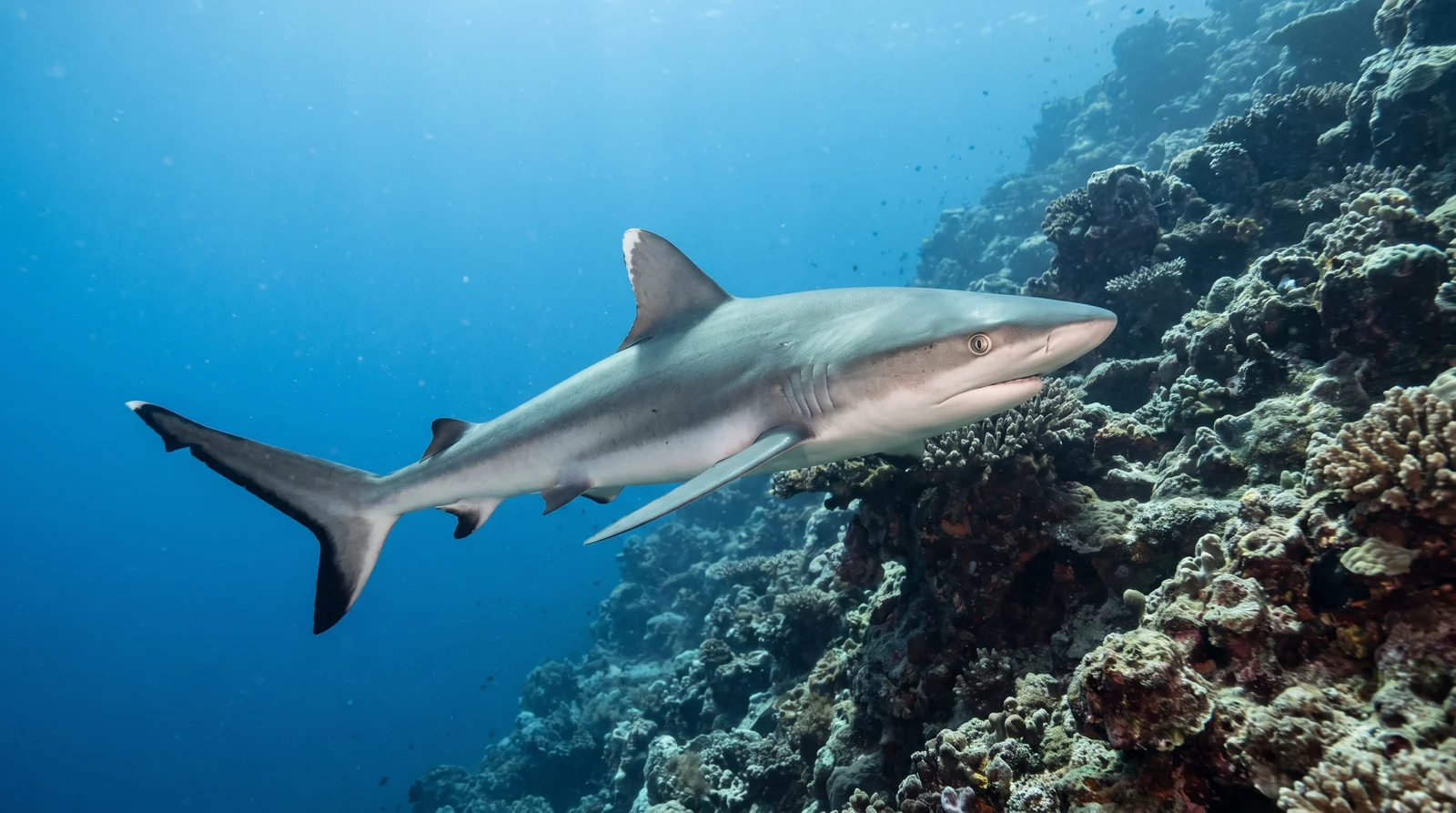
Grey Reef Shark
Carcharhinus amblyrhynchos
Presencia documentada en el sitio
Fuente revisada el 2026-11-11 · Fuente: Tulamben Wreck Divers · Fecha de observación no documentada
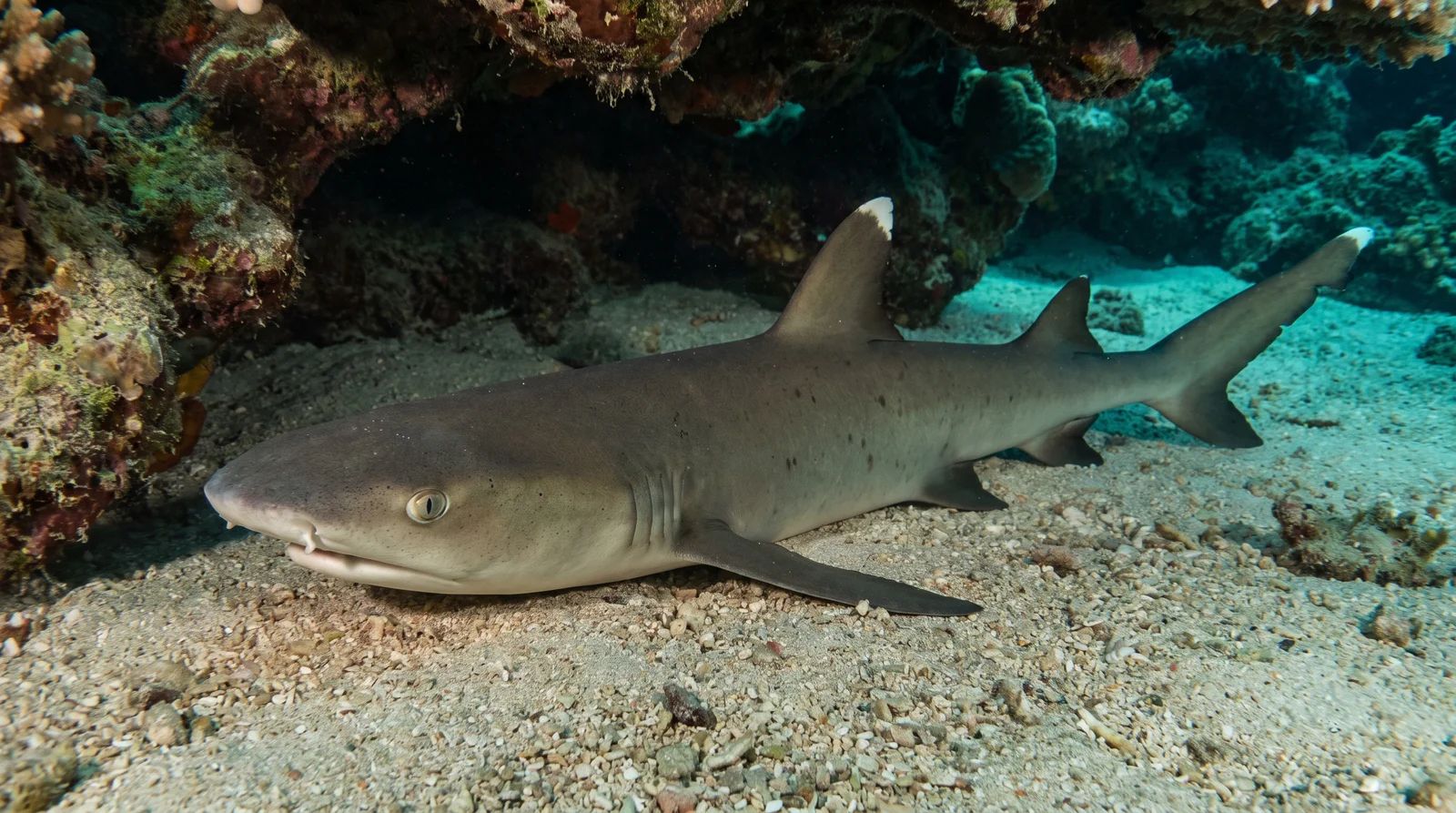
Whitetip Reef Shark
Triaenodon obesus
Presencia documentada en el sitio
Fuente revisada el 2026-11-11 · Fuentes: Blue Season Bali, Divezone y PADI Blog · Fecha de observación no documentada
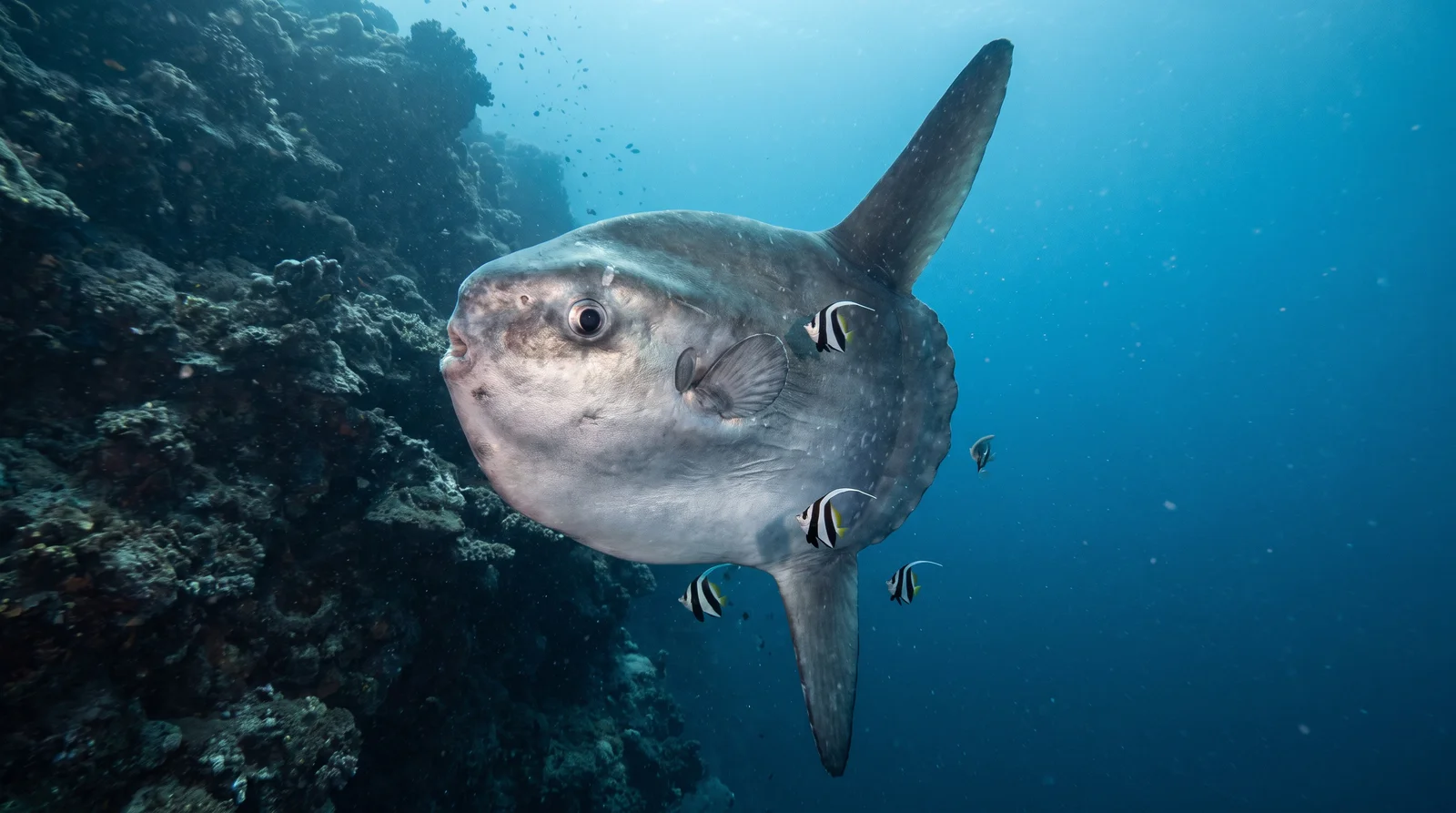
Ocean Sunfish (Mola mola)
Mola mola
Presencia documentada en el sitio
Fuente revisada el 2026-11-11 · Fuentes: Divezone, PADI Blog y Waterworx · Fecha de observación no documentada
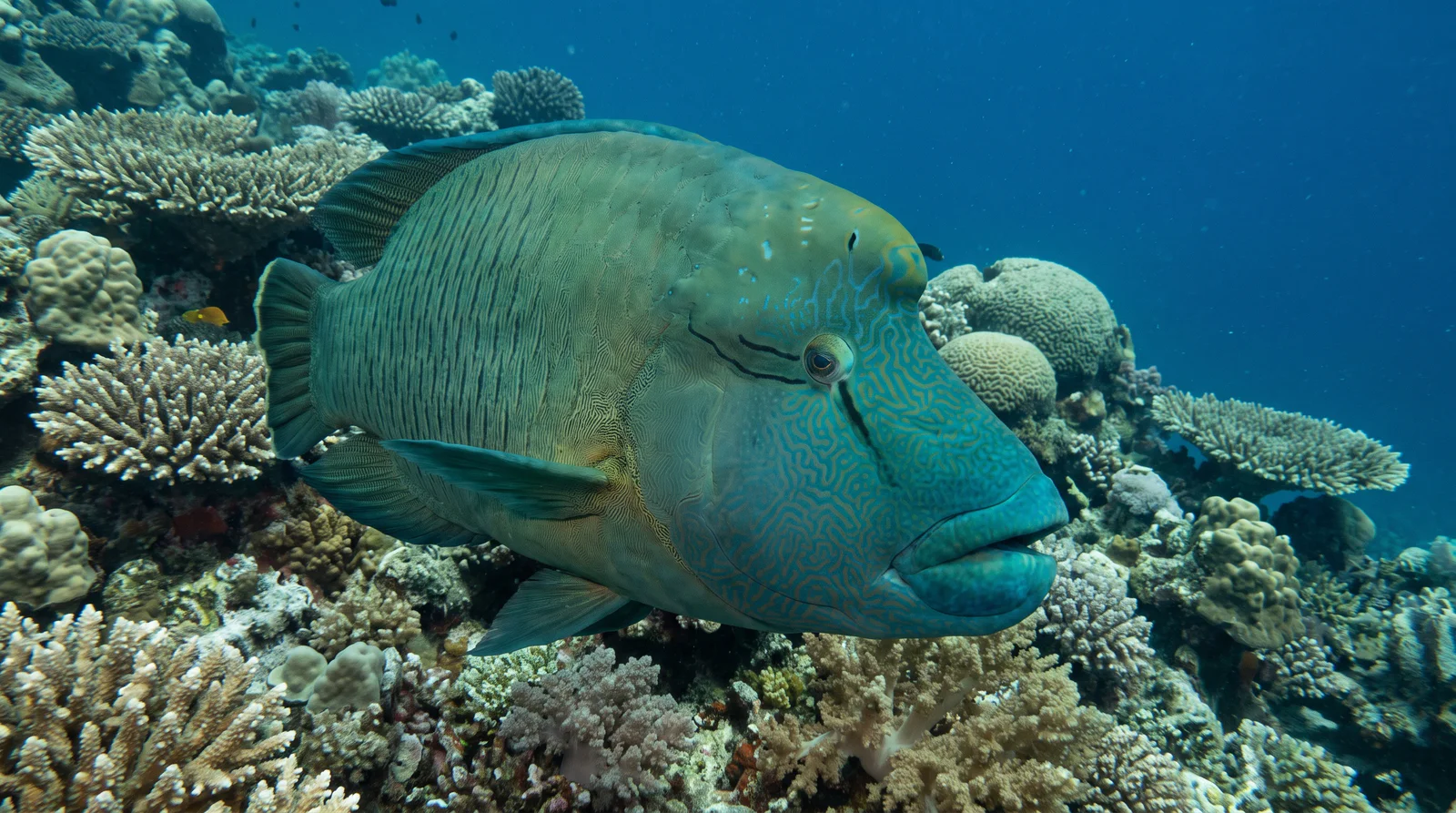
Humphead Wrasse (Napoleon)
Cheilinus undulatus
Presencia documentada en el sitio
Fuente revisada el 2026-11-11 · Fuente: Blue Season Bali · Fecha de observación no documentada
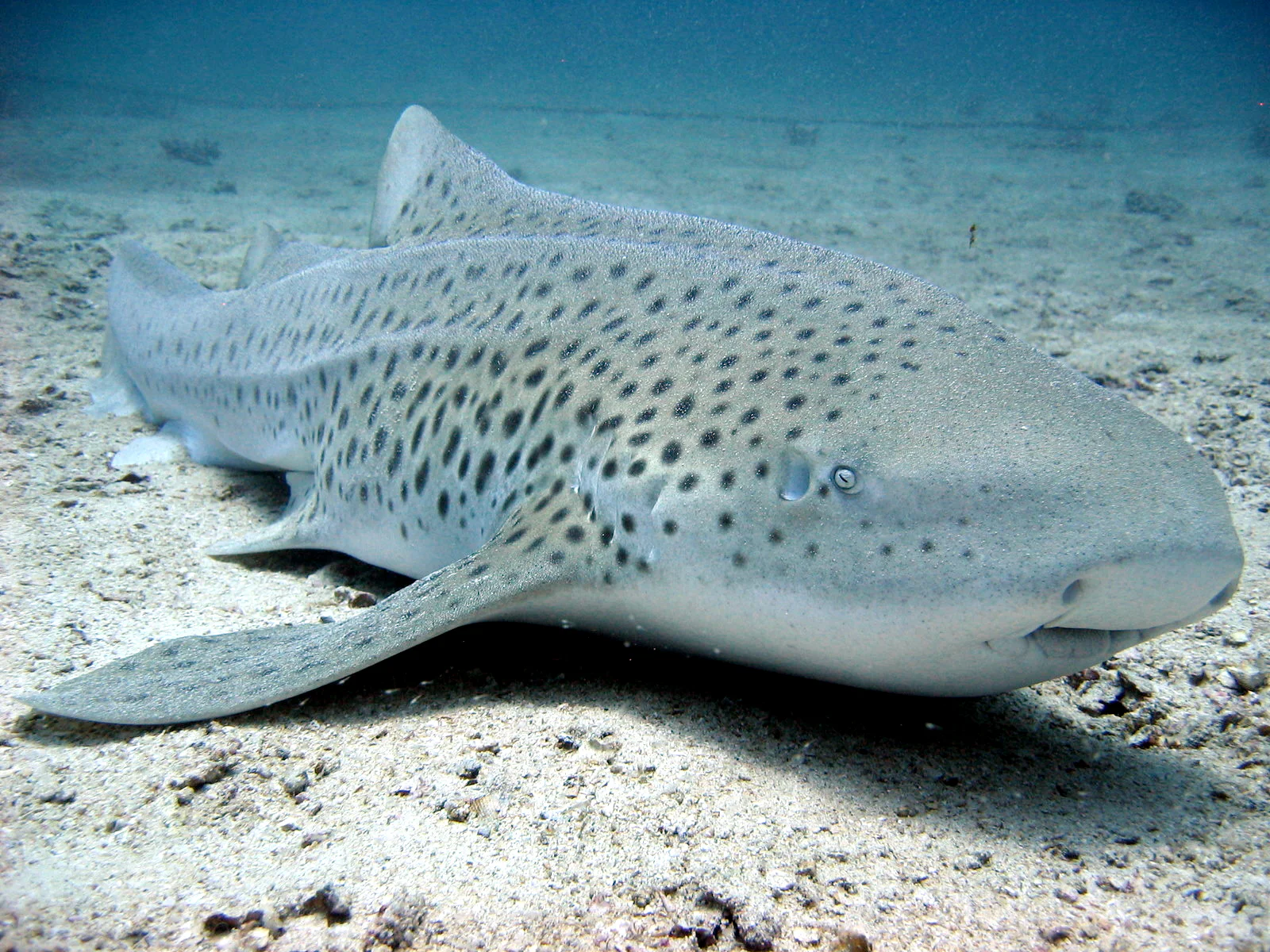
Zebra Shark
Stegostoma tigrinum
Presencia documentada en el sitio
Fuente revisada el 2026-11-11 · Fuente: Blue Season Bali · Fecha de observación no documentada
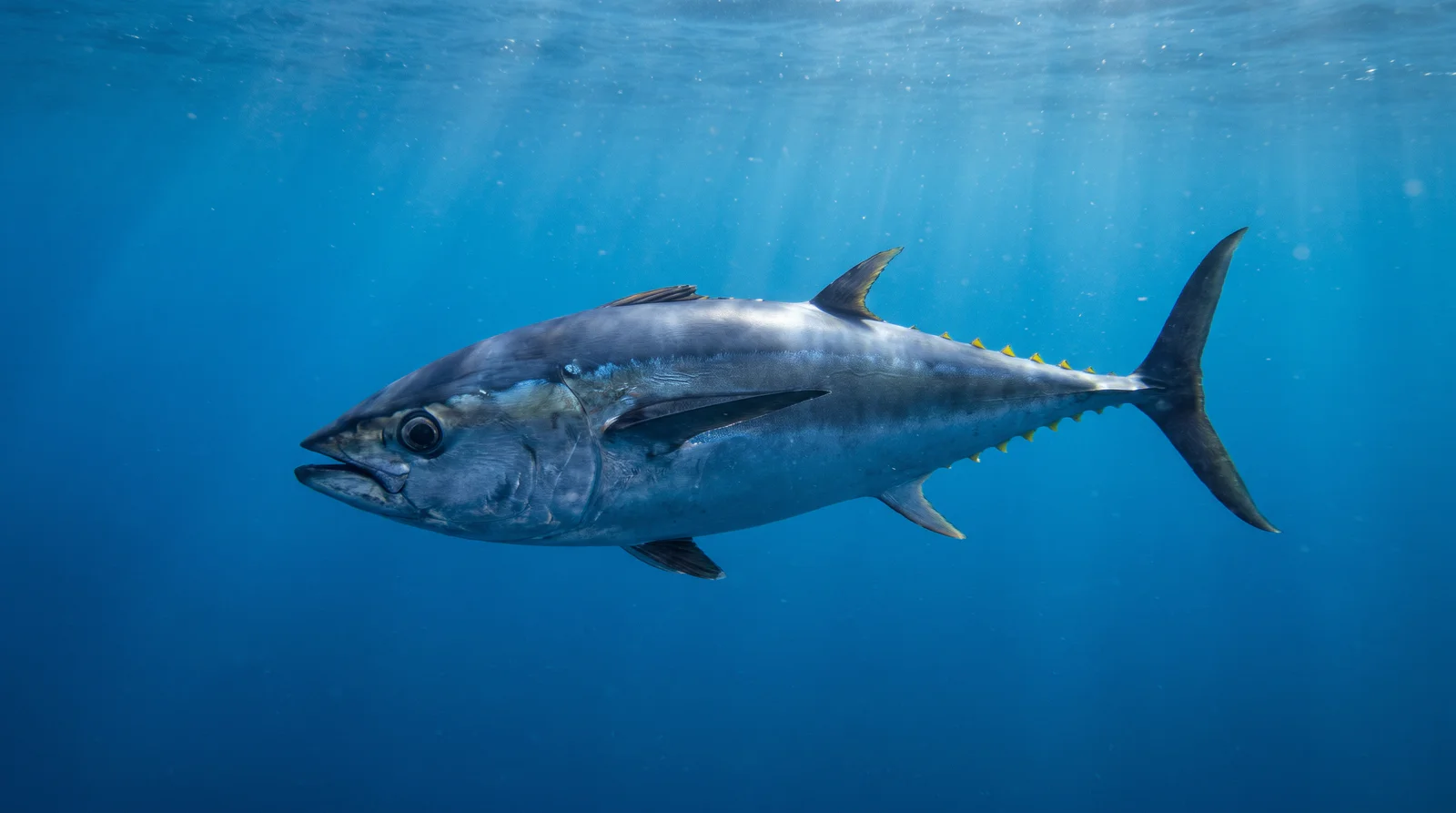
Tuna (assorted)
Thunnini spp.
Presencia documentada en el sitio
Fuente revisada el 2026-11-11 · Fuente: Divezone · Fecha de observación no documentada
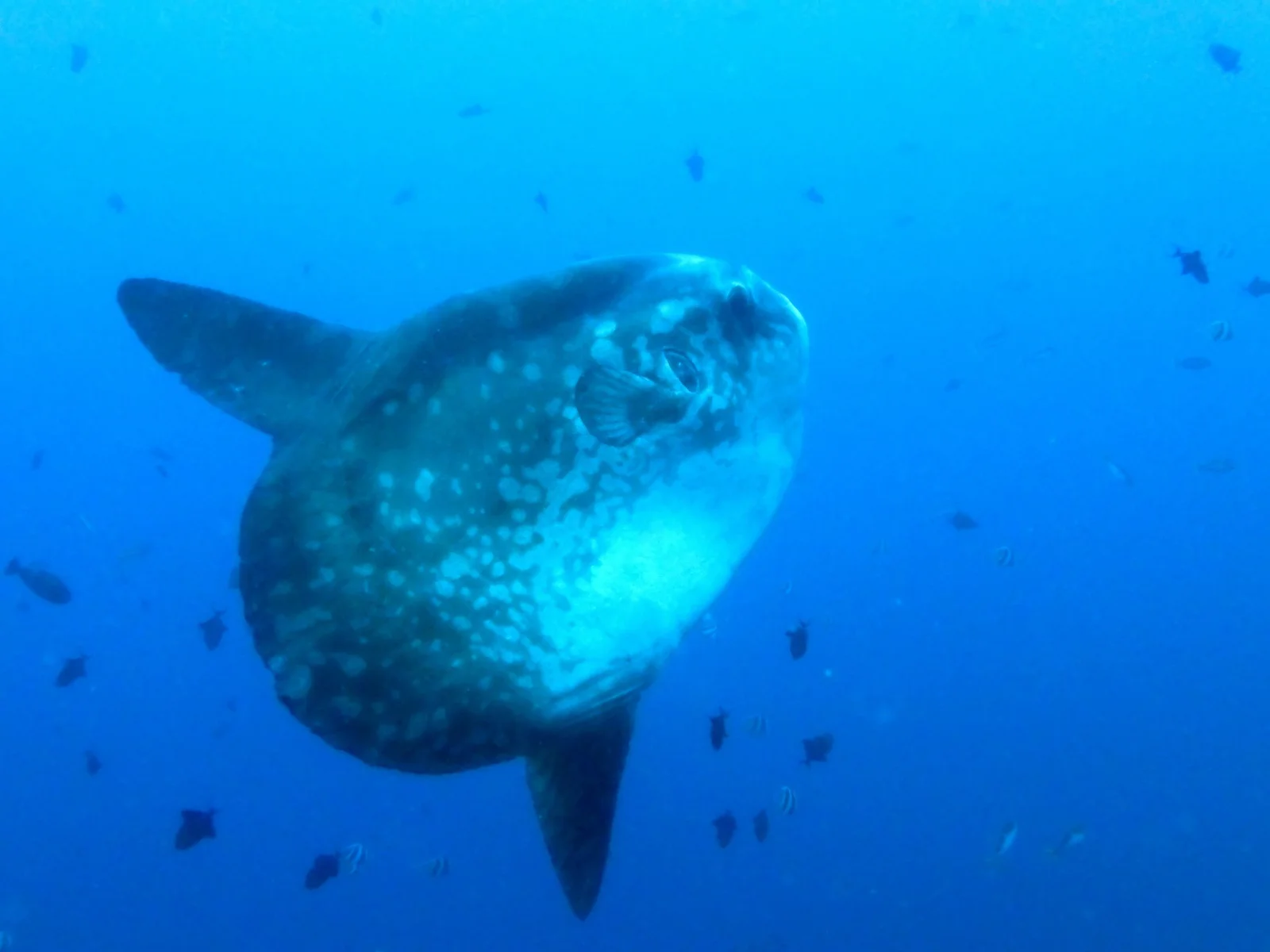
Bump-head Sunfish
Mola alexandrini
Presencia documentada en el sitio
Fuente revisada el 2026-11-15 · Fuentes: Fishes of Australia (Bray 2024) y Waterworx · Fecha de observación no documentada
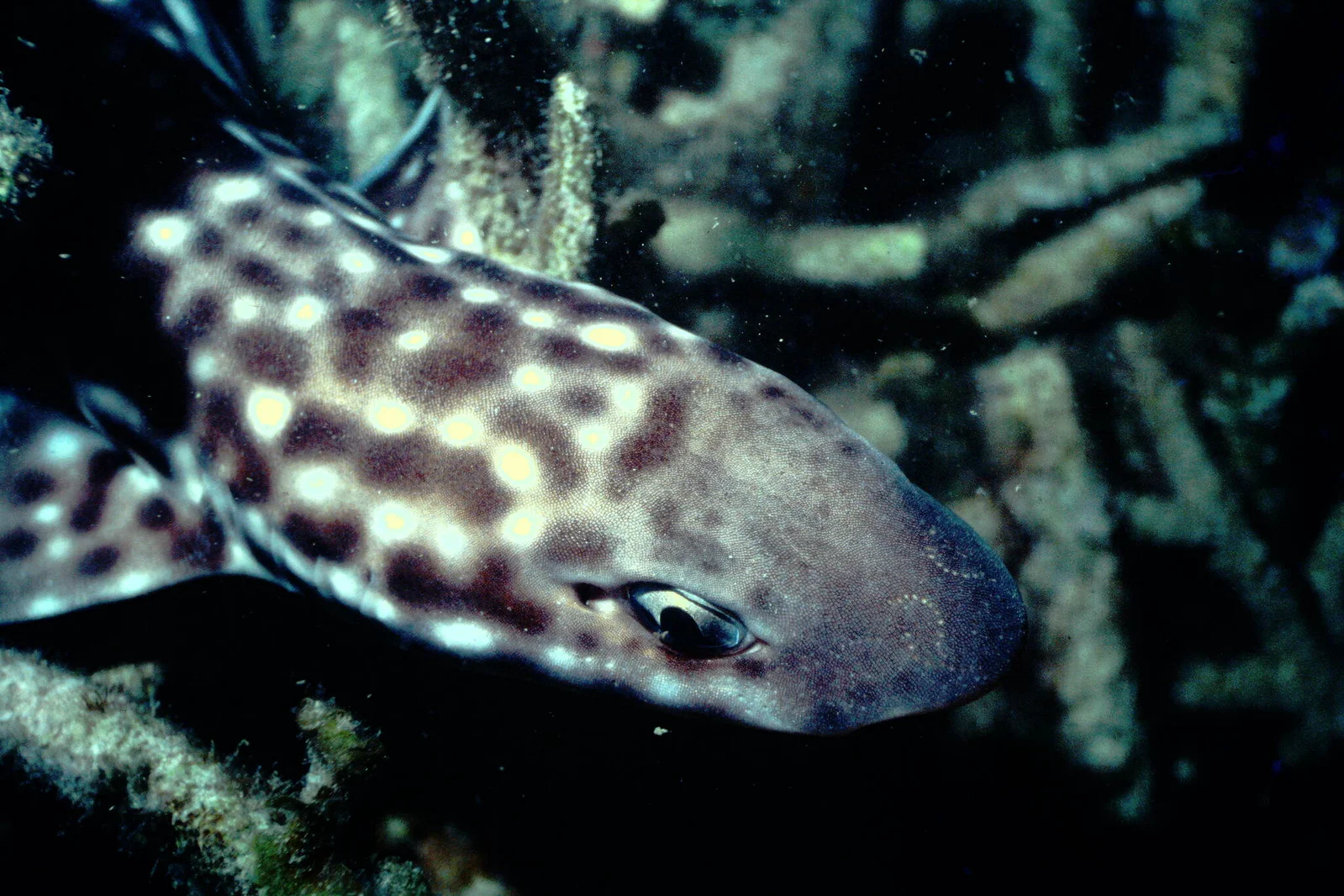
Coral Catshark
Atelomycterus marmoratus
Presencia documentada en el sitio
Fuente revisada el 2026-11-11 · Fuente: Divezone · Fecha de observación no documentada
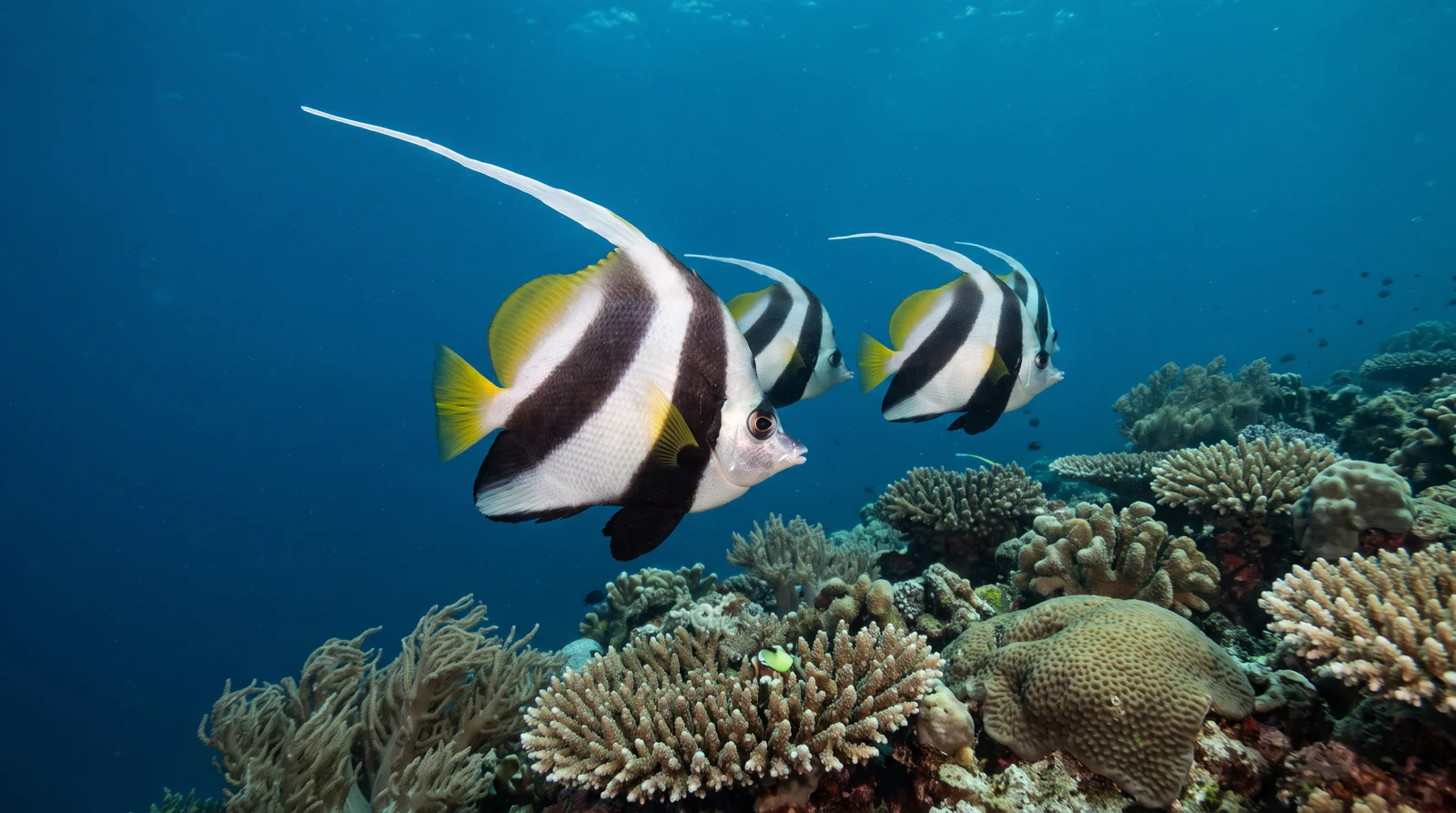
Bannerfish (assorted)
Heniochus spp.
Presencia documentada en el sitio
Fuente revisada el 2026-11-11 · Fuente: Waterworx · Fecha de observación no documentada
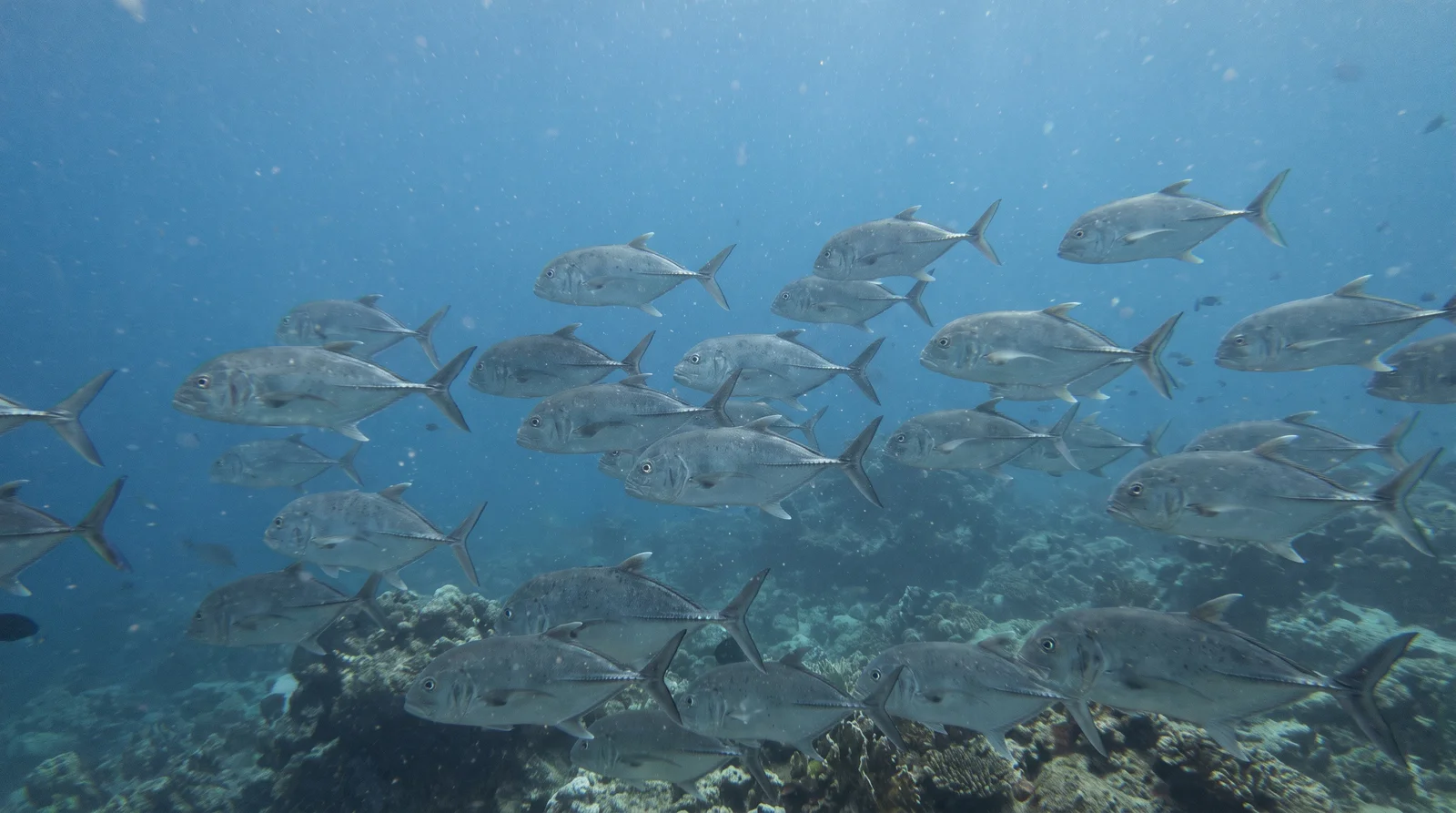
Trevally / Jack (assorted)
Carangidae spp.
Presencia documentada en el sitio
Fuente revisada el 2026-11-11 · Fuente: Divezone · Fecha de observación no documentada
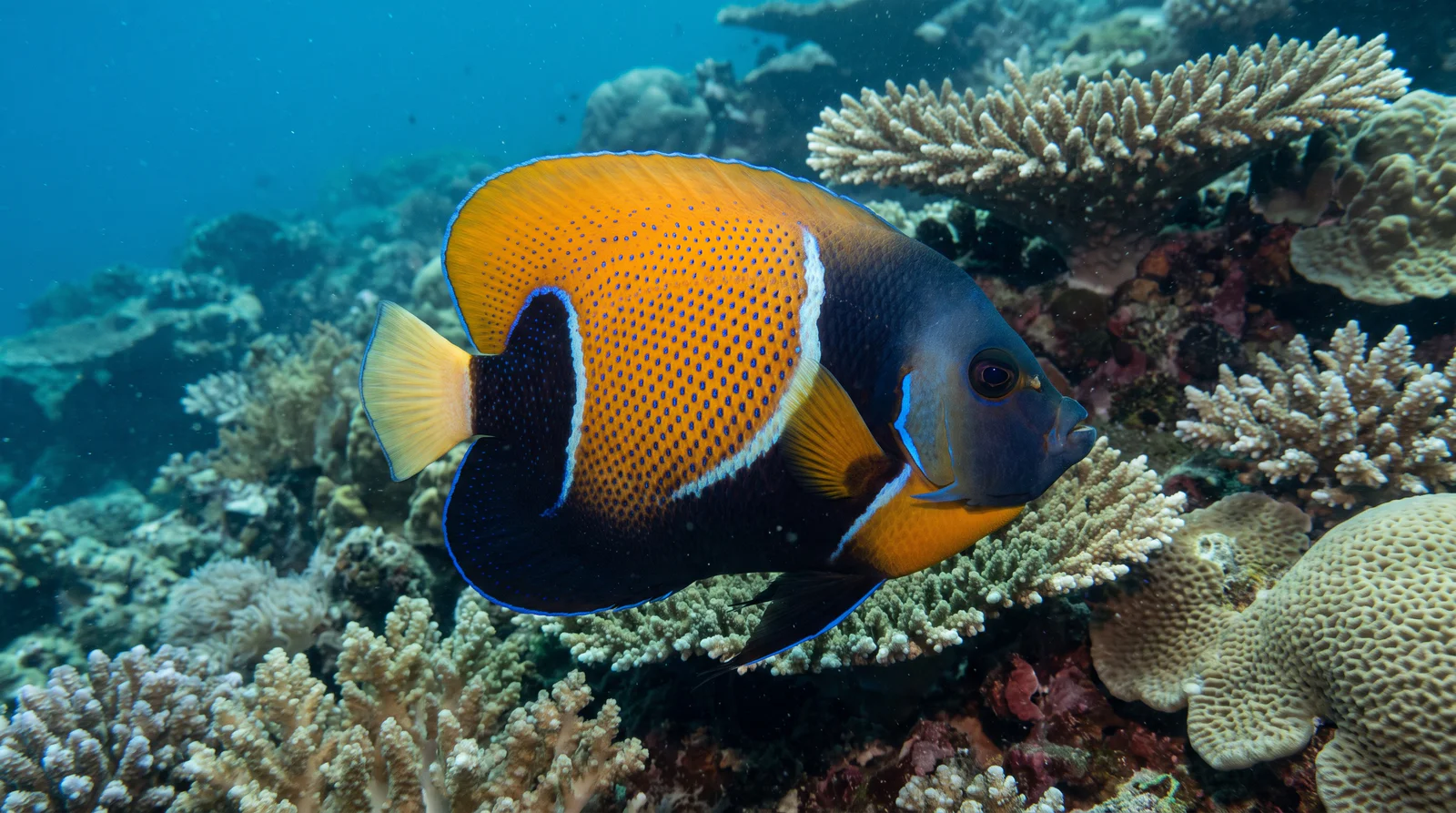
Angelfish (assorted)
Pomacanthidae spp.
Presencia documentada en el sitio
Fuente revisada el 2026-11-11 · Fuente: Blue Season Bali · Fecha de observación no documentada
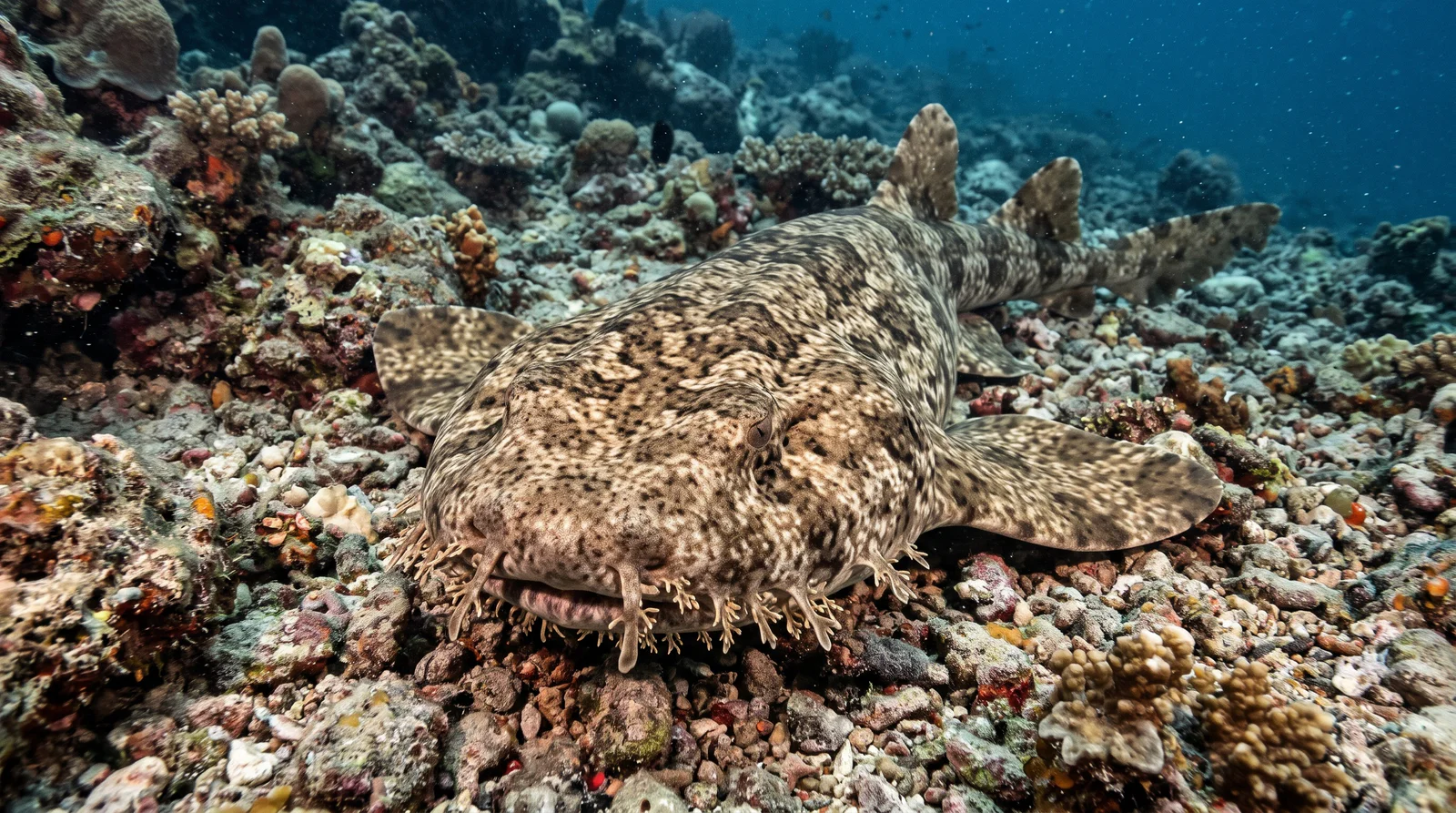
Wobbegong (assorted)
Orectolobidae spp.
Presencia documentada en el sitio
Fuente revisada el 2026-11-11 · Fuente: Divezone · Fecha de observación no documentada
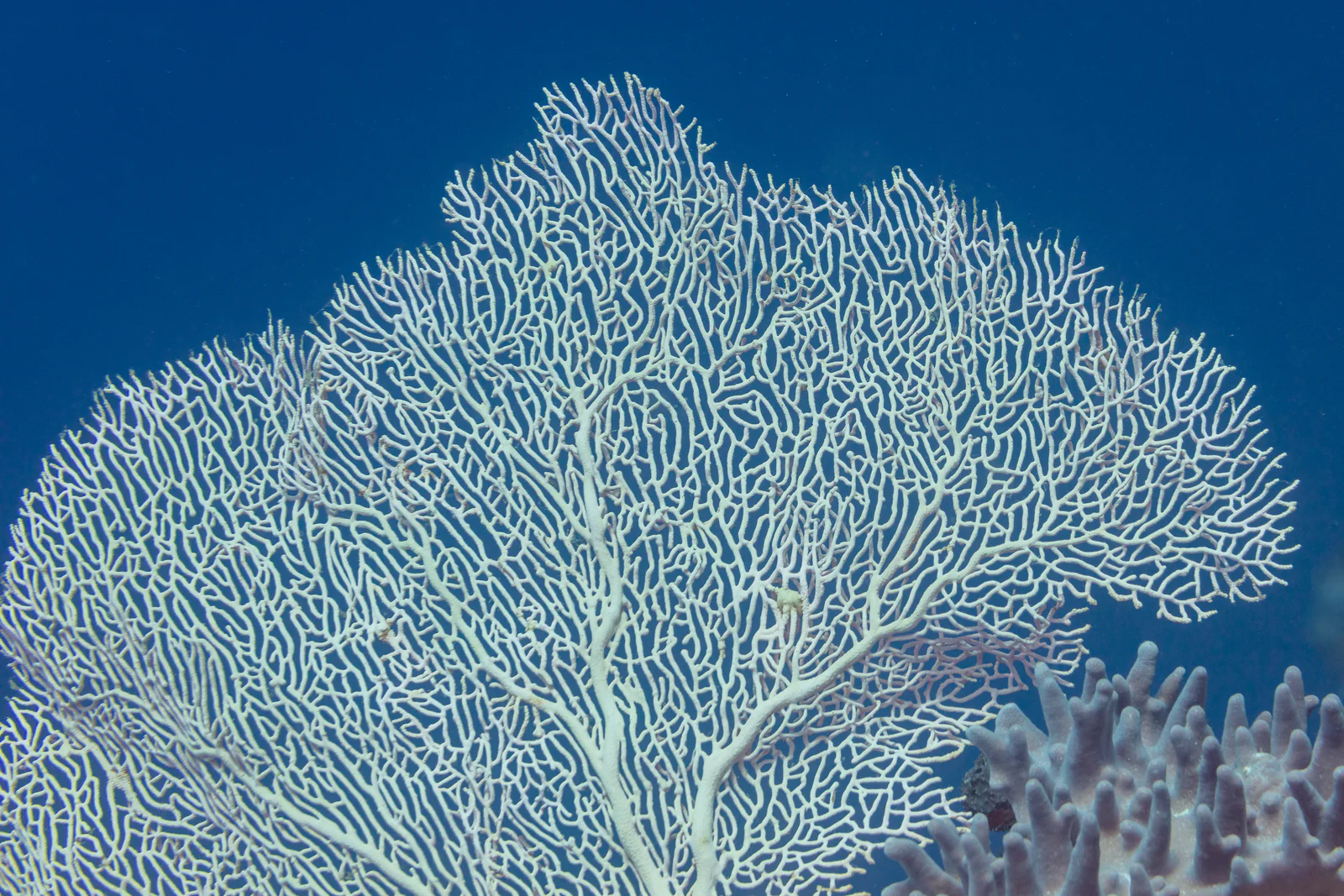
Sea Fan / Gorgonian (assorted)
Octocorallia spp. (gorgonians)
Presencia documentada en el sitio
Fuente revisada el 2026-11-11 · Fuentes: Blue Season Bali y PADI · Fecha de observación no documentada
Servicios cercanos
Sitios de buceo relacionados
Descubre otros sitios de buceo en la zona
Advanced Advanced
 Beginner
 BeginnerAdvancedAdvancedBeginnerBeginner
¿Has buceado en Gili Mimpang?
Regístralo, haz check-in o cuéntales a otros buceadores lo que viste.
Mantente al día
Recibe novedades y consejos sobre lugares de buceo en tu correo.