Coral-garden · Sandy slope · Wreck
Wreck of Kulati
También conocido como: Kulati — Sobre este nombre: No source states a position for the Wreck of Kulati; the sources place it in a small bay on the east side of Tomia, so this record has no…
Última actualización:
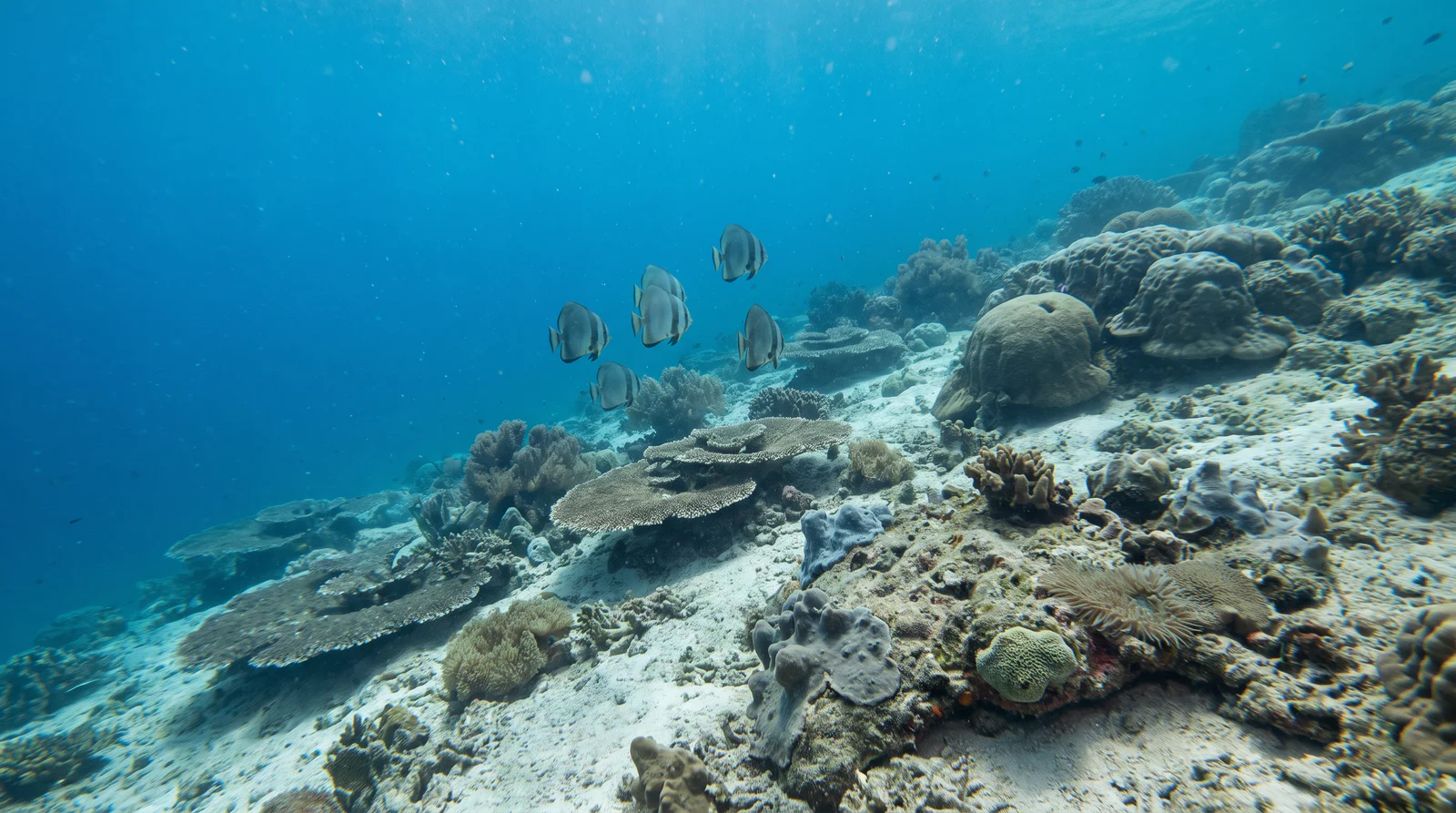
AI-generated illustration of the table and hard corals, sponges, anemone, sandy slope and schooling batfish that sources report at the Wreck of Kulati. It shows no ship and is not the wreck, is not a photograph of the site, and is not evidence of any animal, depth or condition there.
Crédito de la imagen: AI-generated illustration · Generated for Diveity; no third-party rights · Higgsfield nano_banana_pro image generationDe un vistazo
- Certificación requerida
- Tipo de entrada
- Inicio de la mejor temporada
- Fin de la mejor temporada
- Visibilidad mínima
- Visibilidad máxima
- Temperatura mínima del agua
- Temperatura máxima del agua
- Zona
¿Conoces alguno? Selecciona uno para contárnoslo.
Acerca de este sitio de buceo
Overview
Wreck of Kulati is a coral-covered Japanese cargo wreck on the east side of Tomia in Wakatobi, at 5 to 21 m, in weak current, for all divers.
The Wakatobi Guide Book, published by FTKP Wakatobi with Swisscontact WISATA, names the Wreck of Kulati first among the most popular dive sites of Tomia and lists it as a coral garden on a hard coral fringing reef and sandy slope, with an average depth of 5 to 20 m, recommended for all divers. Wakatobi Dive Resort's list of its day-boat sites, which calls it Kulati, rates it for beginners from 5 to 25 m and says it is the only wreck dive at Tomia.
The wreck
The Wakatobi Guide Book describes a sunken 30 m long Japanese cargo ship whose metal structures are heavily overgrown with corals, lying at 5 to 21 m. The resort list describes a Japanese 30 m long metal freighter in a small bay that was torpedoed at anchor "65 years ago"; the page is undated, so the year cannot be worked out from it. It says the twisted metal is heavily overgrown, that penetration is not possible, and that the machine room, seen from outside, is full of glassfish. Dive Planit's Wakatobi page lists a 40 m long Japanese freighter among the resort's dives without naming it.
How it is dived
Both the guide book and the resort say the wreck can only be reached when the sea is calm. The guide book describes starting on the reef flat and heading down the slope to the wreck, and finishing with a safety stop among the shallow corals. It says the best time to dive is on a falling tide, and in the same entry that a slack tide is preferable. It rates snorkelling as good on the inner side of the wreck.
Marine life
The Wakatobi Guide Book names sponges, table, soft and massive hard corals and anemones on the wreck, schooling batfish, fusiliers, snapper, rabbitfish, groupers, parrotfish, damselfish, butterflyfish, angelfish and emperors, an occasional blacktip reef shark, and nudibranchs, gobies, mantis shrimp and ribbon eels in the shallows. The resort list adds a school of batfish around the wreck, crocodilefish, frogfish and shrimps. These are the finds of past dives and may not repeat.
Depth and conditions
Both sources give 5 m as the shallowest depth, and the record stores it. The record stores 25 m as the maximum from the resort list alone; the guide book places the wreck itself at 5 to 21 m. The resort's beginner rating and the guide book's recommendation for all divers both support the beginner level stored. The guide book says there is only a weak current, and the record stores it as mild from that one source. Visibility, water temperature, entry and best months are not stated for this site and stay unknown.
Hazards
The record lists surface conditions, because both sources say the wreck can only be reached when the sea is calm. No source gives a severity.
Name and place
The resort list calls the site Kulati, and the record keeps that name as an alias. No source gives a position, so Diveity shows no map point.
Sources and lineage
The Wakatobi Guide Book and the resort list each describe the wreck in their own words. Dive Planit reproduces resort material.
Peligros y seguridad
Ten en cuenta estos peligros potenciales en este sitio de buceo
Surface conditions
Gravedad: Aún no documentadoThe Wakatobi Guide Book says the wreck is only accessible when the ocean is sufficiently calm; Wakatobi Dive Resort says it can only be accessed when the sea is really calm. No source gives a severity.
Fuentes
- Dive Planit
- Wakatobi Dive Resort
- Wakatobi Guide Book (FTKP Wakatobi and Swisscontact WISATA)
Reseñas
Aún no hay reseñas. ¡Sé el primero en compartir tu experiencia!
En esta página
Vida marina
15 especies registradas en este sitio
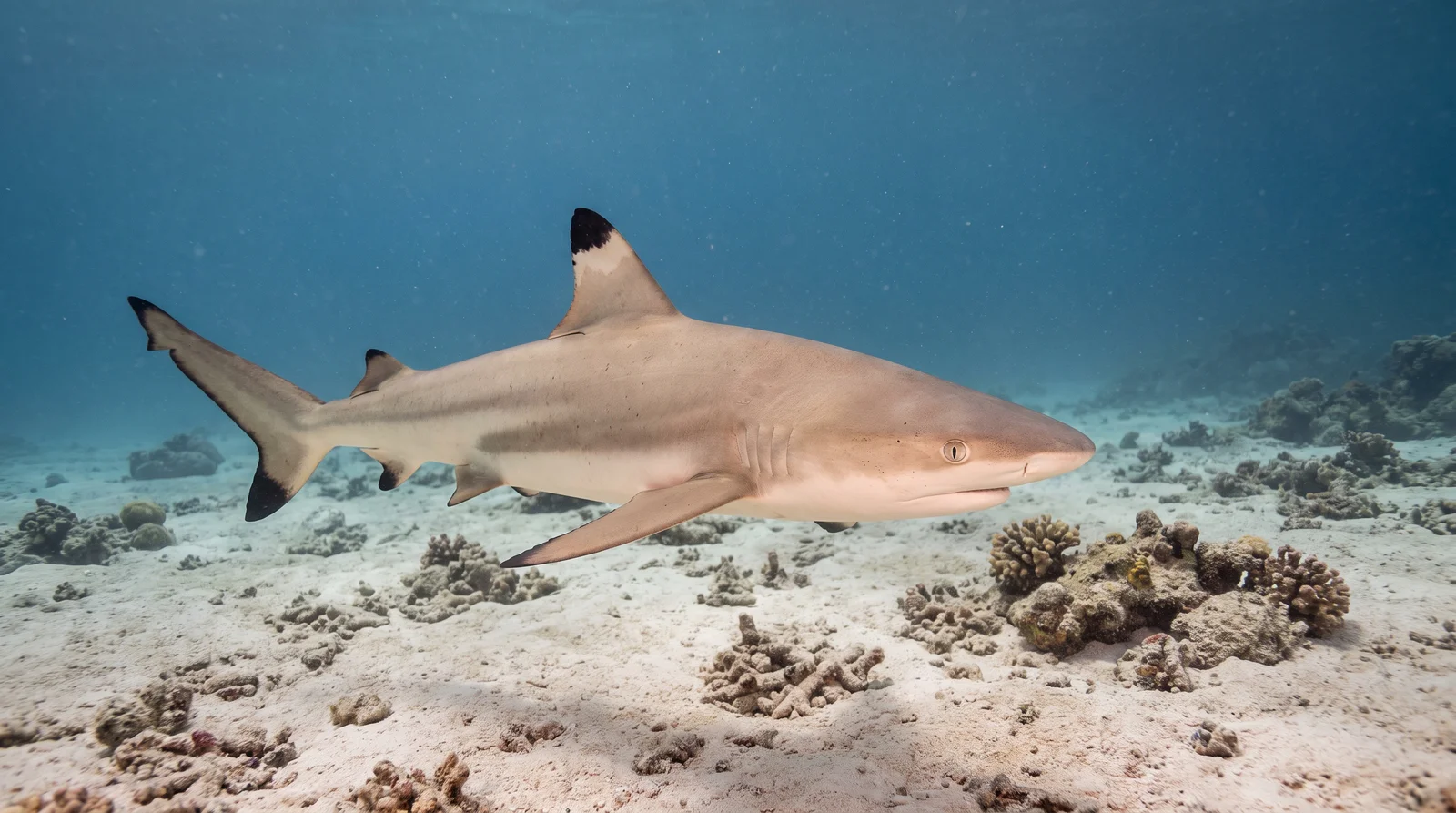
Blacktip Reef Shark
Carcharhinus melanopterus
Presencia documentada en el sitio
Fuente revisada el 2026-11-25 · Fuente: Wakatobi Guide Book (FTKP Wakatobi and Swisscontact WISATA) · Fecha de observación no documentada
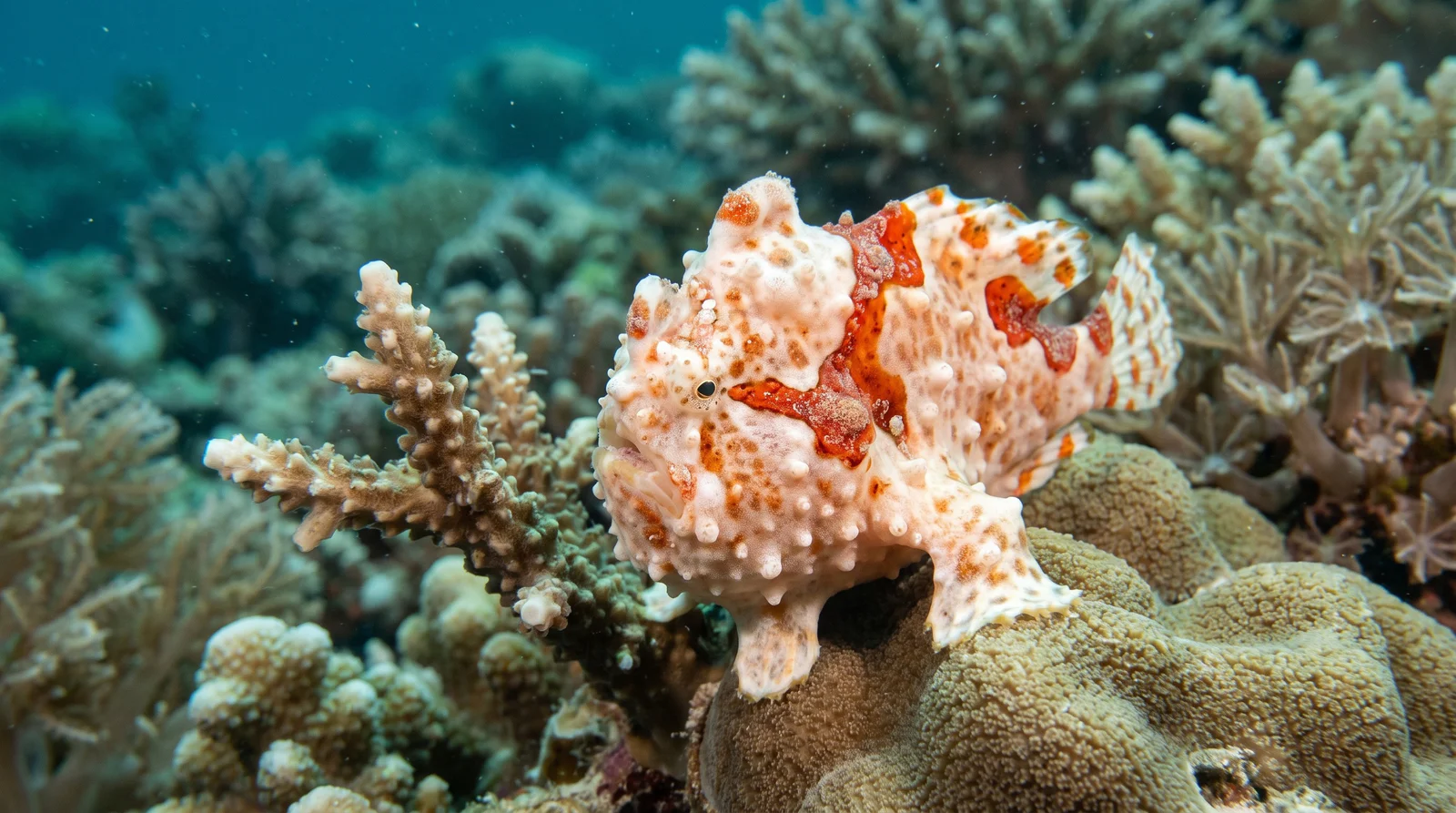
Frogfish
Antennariidae spp.
Presencia documentada en el sitio
Fuente revisada el 2026-11-25 · Fuente: Wakatobi Dive Resort · Fecha de observación no documentada
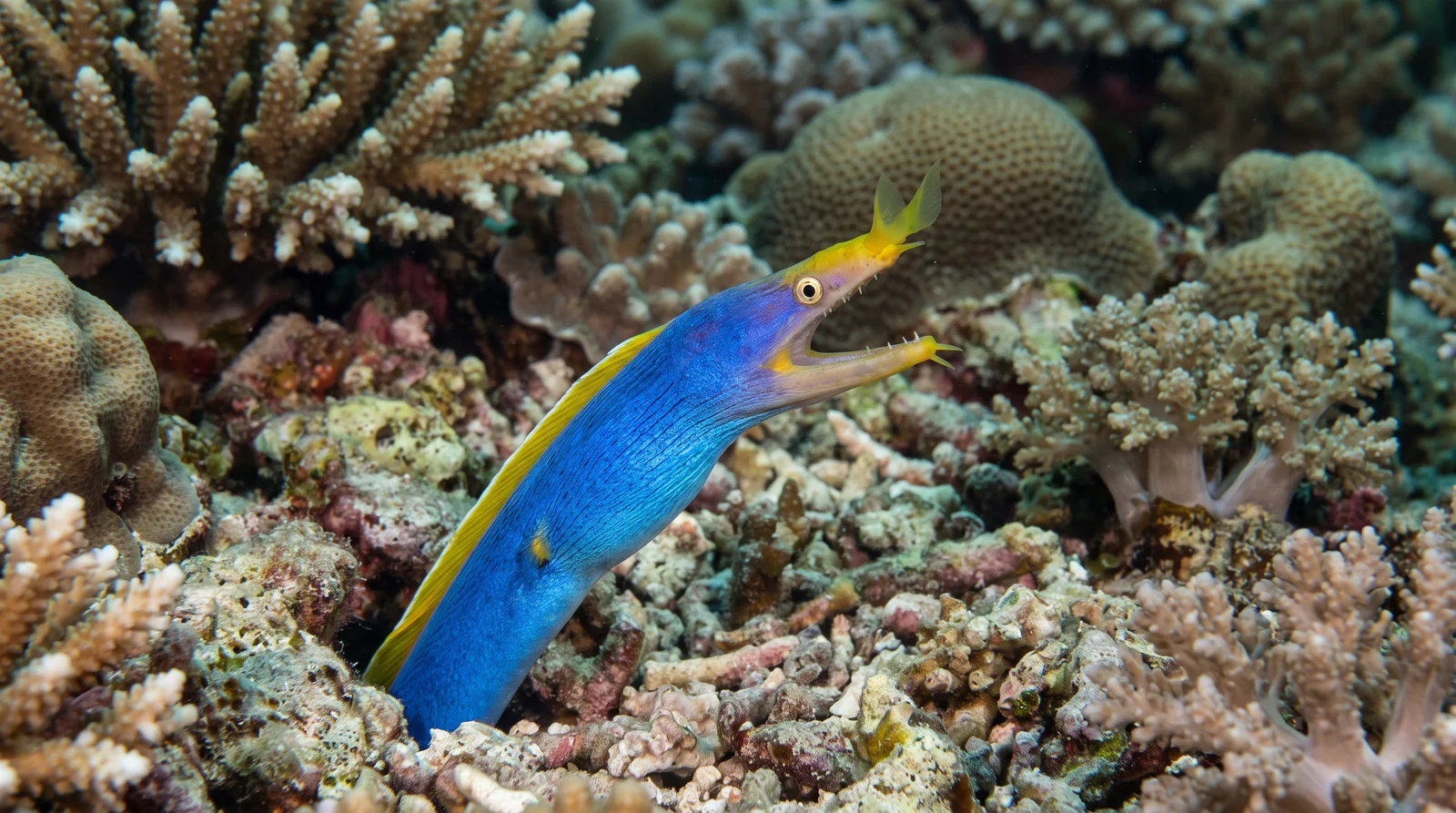
Blue-ribbon Eel
Rhinomuraena quaesita
Presencia documentada en el sitio
Fuente revisada el 2026-11-25 · Fuente: Wakatobi Guide Book (FTKP Wakatobi and Swisscontact WISATA) · Fecha de observación no documentada
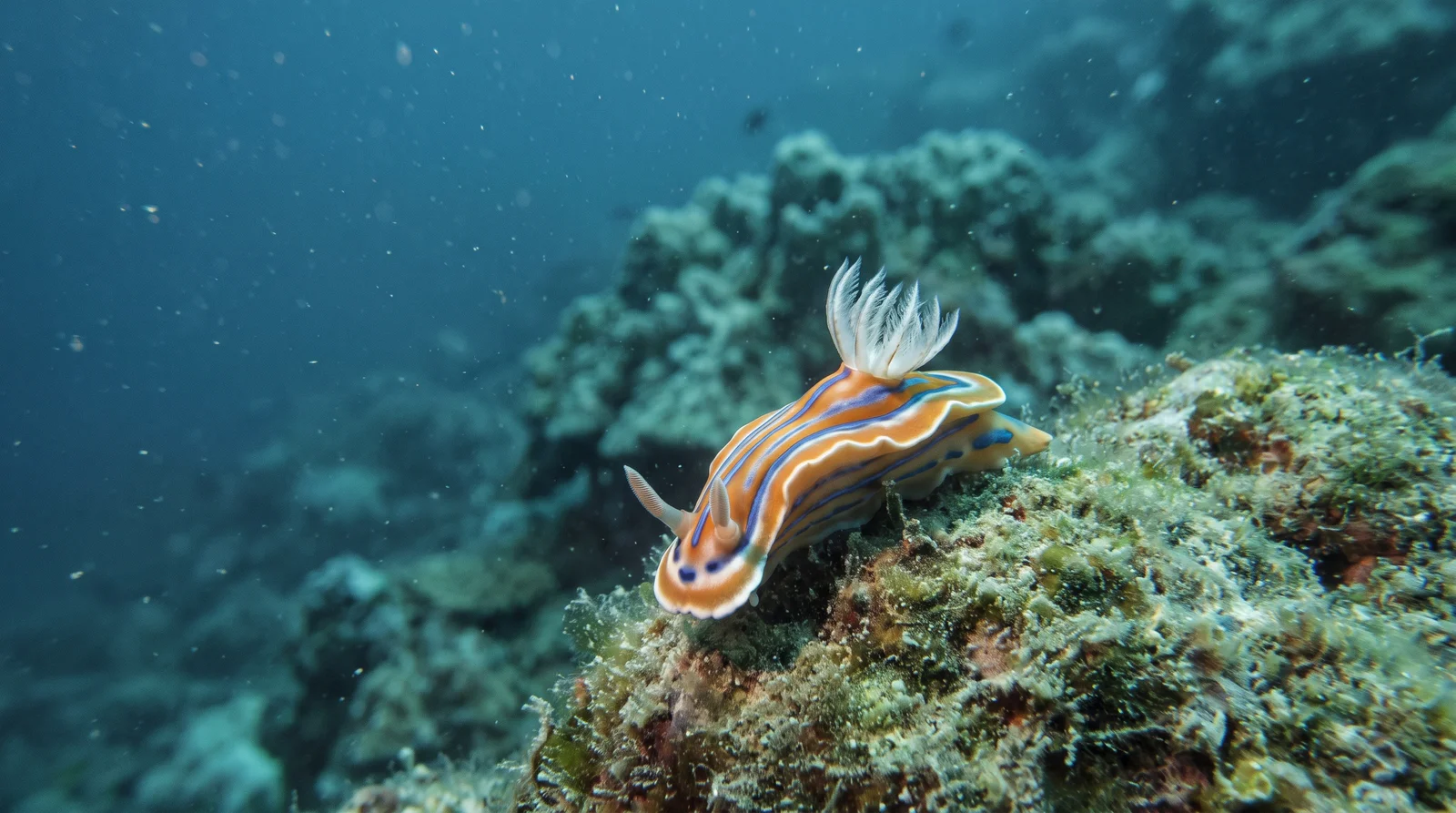
Nudibranch (assorted)
Nudibranchia spp.
Presencia documentada en el sitio
Fuente revisada el 2026-11-25 · Fuente: Wakatobi Guide Book (FTKP Wakatobi and Swisscontact WISATA) · Fecha de observación no documentada
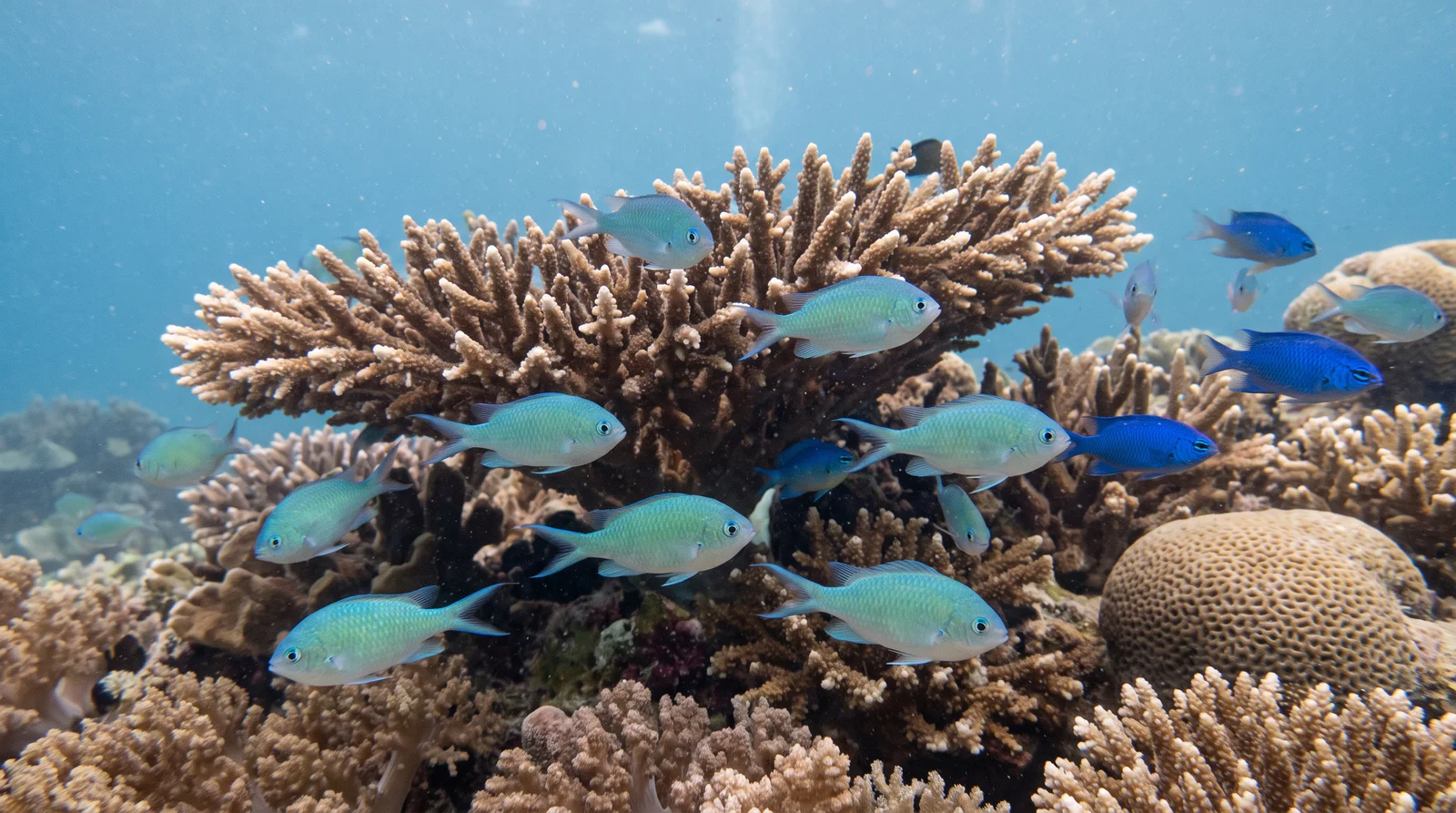
Damselfish (assorted)
Pomacentridae spp.
Presencia documentada en el sitio
Fuente revisada el 2026-11-25 · Fuente: Wakatobi Guide Book (FTKP Wakatobi and Swisscontact WISATA) · Fecha de observación no documentada
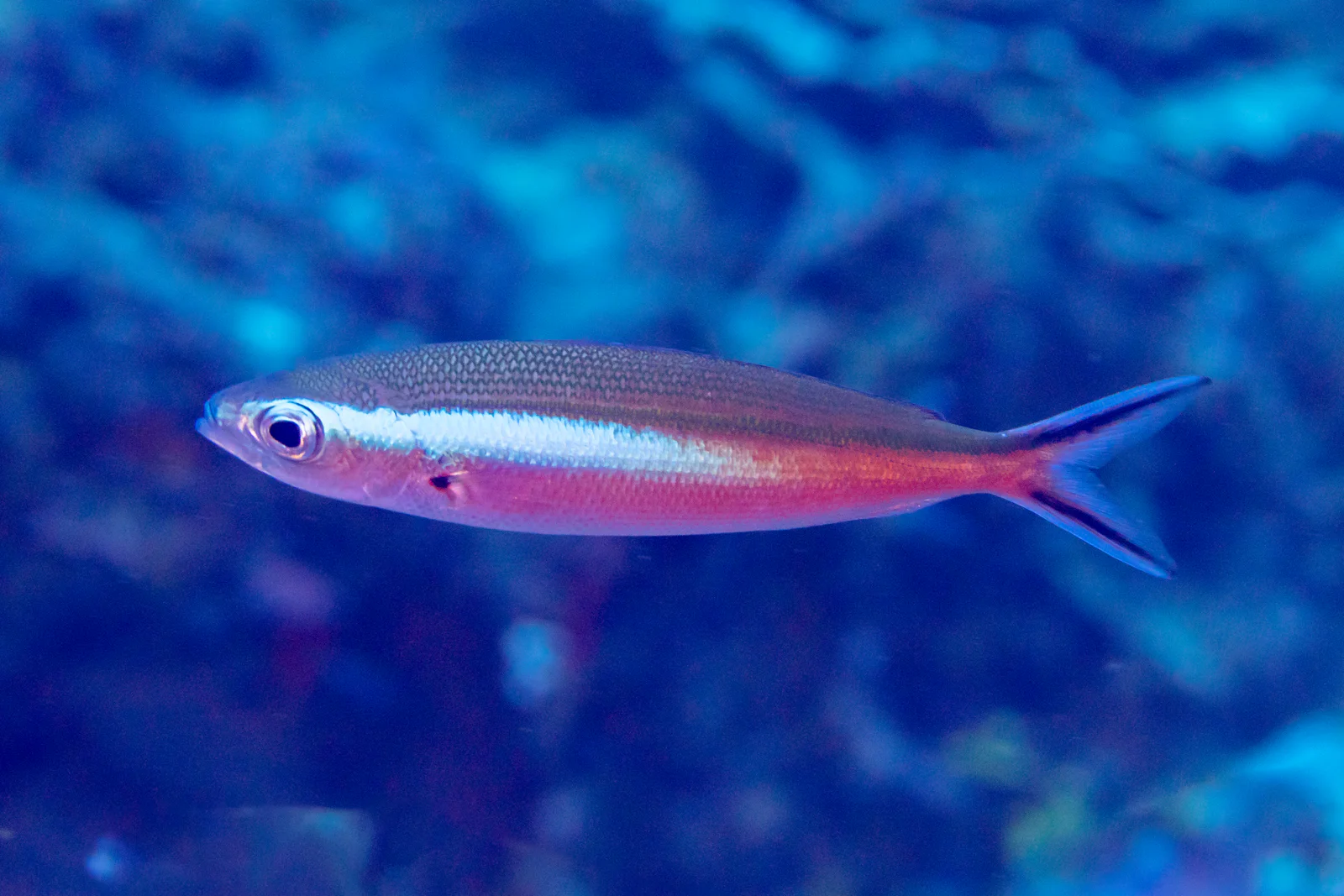
Dark-banded Fusilier
Pterocaesio tile
Presencia documentada en el sitio
Fuente revisada el 2026-11-26 · Fuente: Wakatobi Guide Book (FTKP Wakatobi and Swisscontact WISATA) · Fecha de observación no documentada
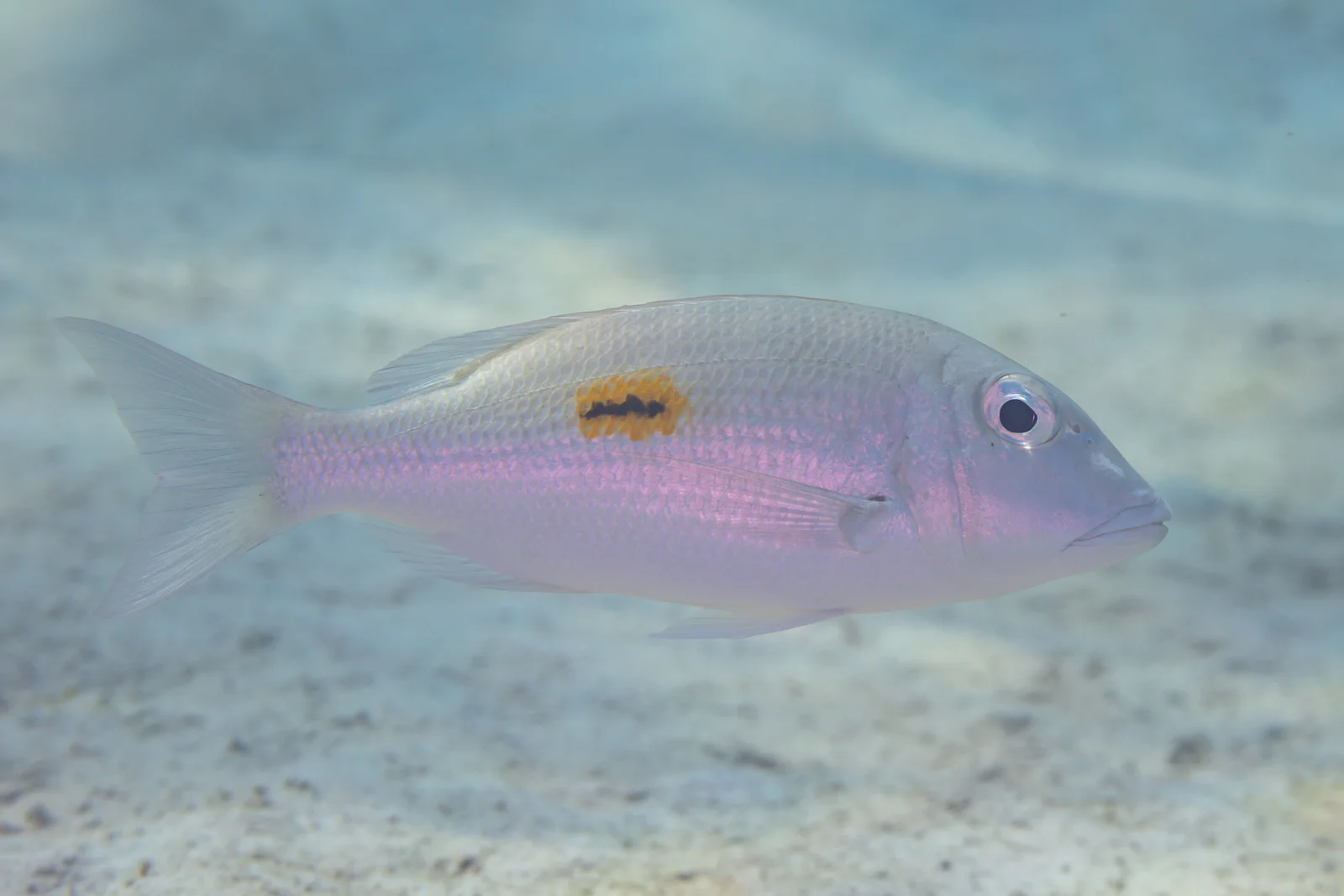
Emperorfish (assorted)
Lethrinidae spp.
Presencia documentada en el sitio
Fuente revisada el 2026-11-25 · Fuente: Wakatobi Guide Book (FTKP Wakatobi and Swisscontact WISATA) · Fecha de observación no documentada
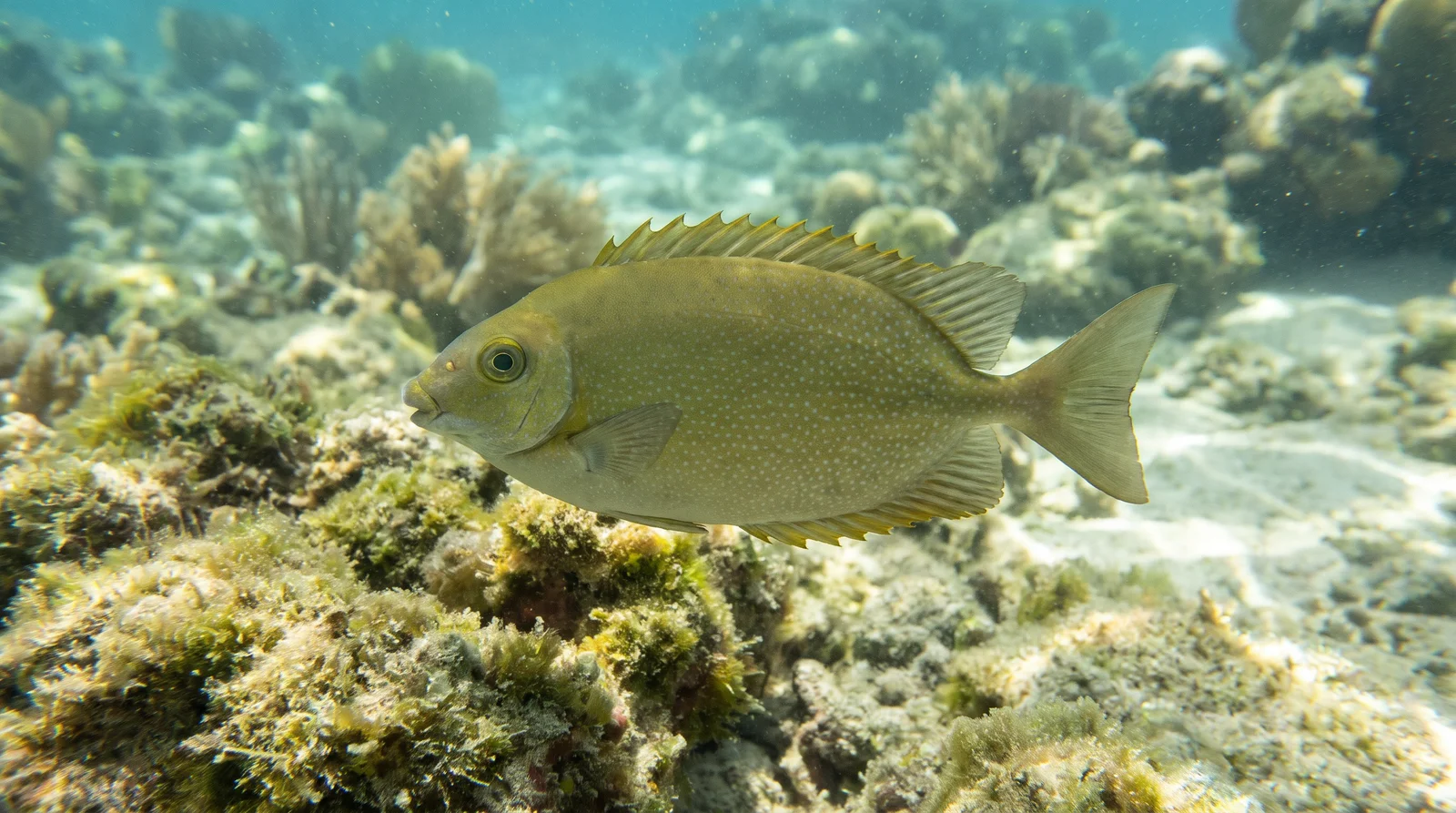
Rabbitfish (assorted)
Siganus spp.
Presencia documentada en el sitio
Fuente revisada el 2026-11-25 · Fuente: Wakatobi Guide Book (FTKP Wakatobi and Swisscontact WISATA) · Fecha de observación no documentada
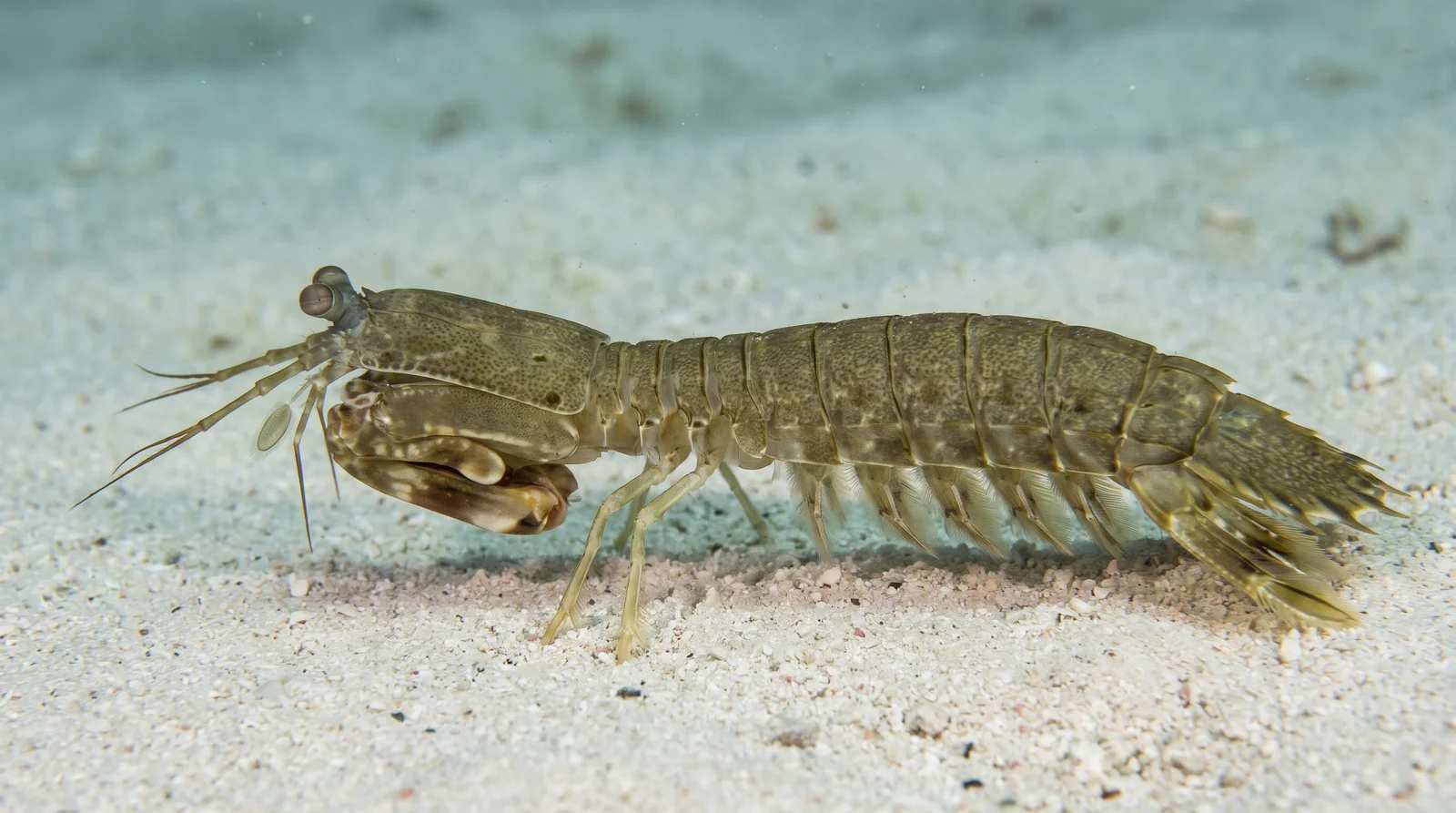
Mantis Shrimp (assorted)
Stomatopoda spp.
Presencia documentada en el sitio
Fuente revisada el 2026-11-25 · Fuente: Wakatobi Guide Book (FTKP Wakatobi and Swisscontact WISATA) · Fecha de observación no documentada
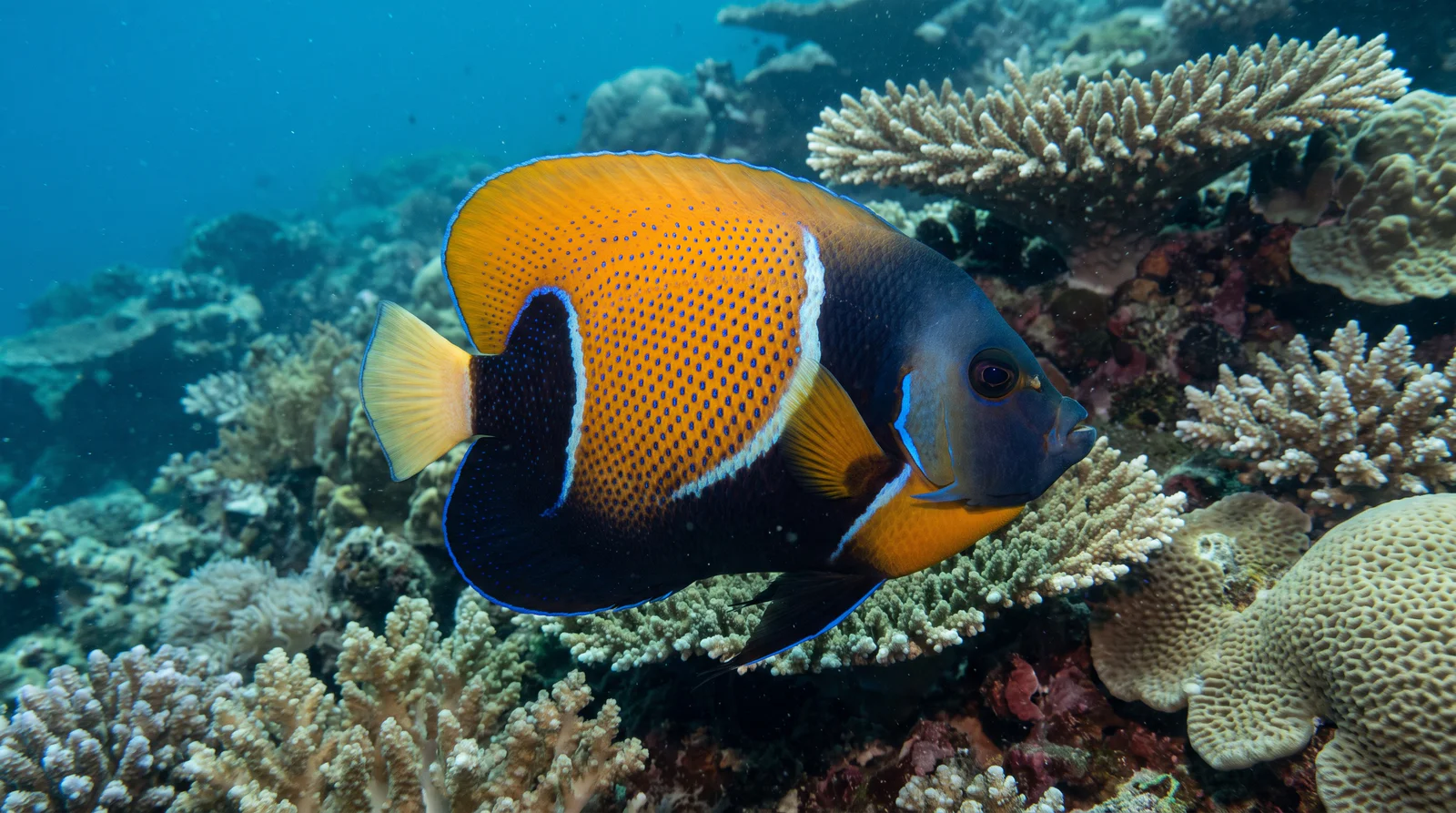
Angelfish (assorted)
Pomacanthidae spp.
Presencia documentada en el sitio
Fuente revisada el 2026-11-25 · Fuente: Wakatobi Guide Book (FTKP Wakatobi and Swisscontact WISATA) · Fecha de observación no documentada
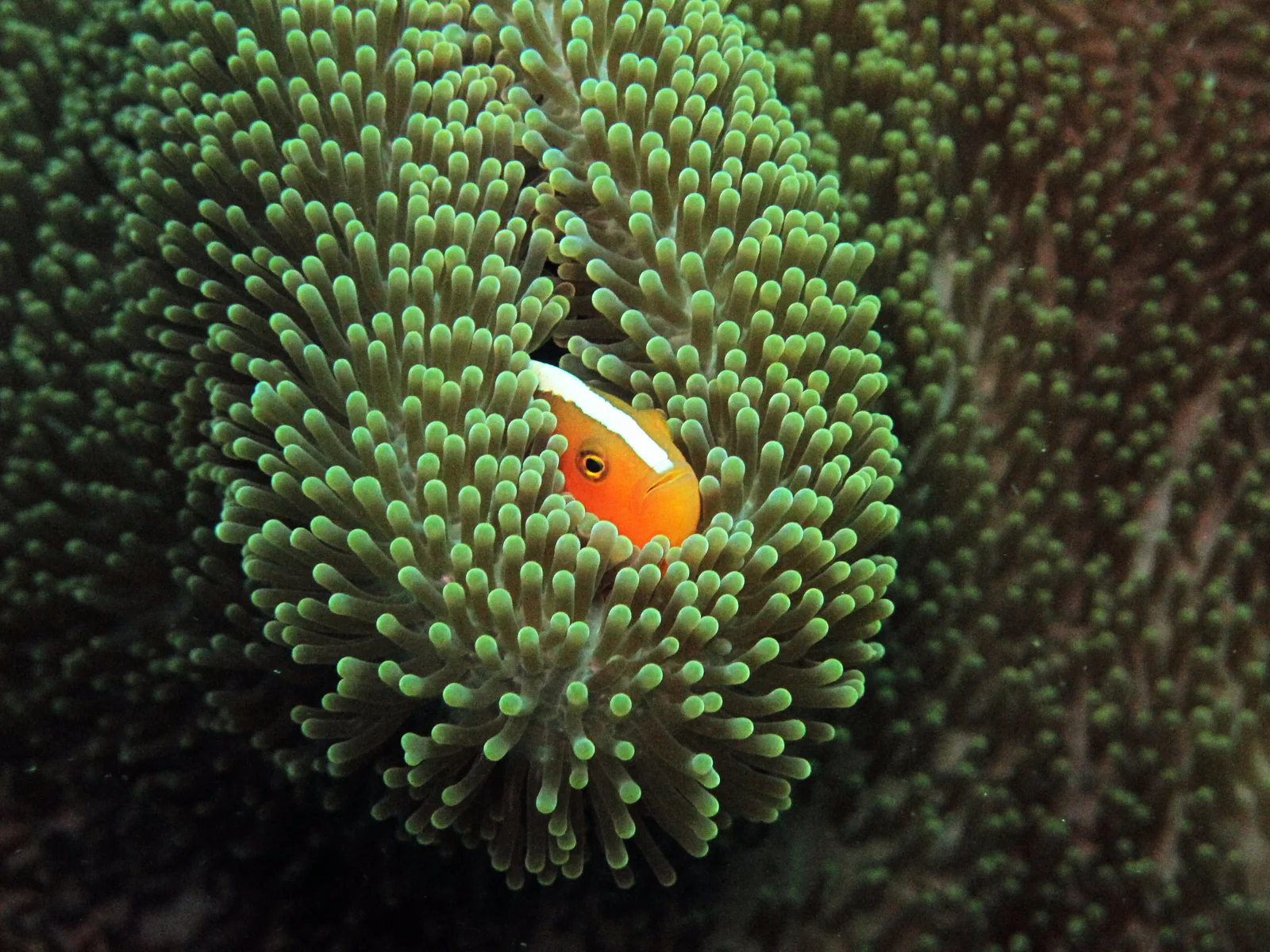
Sea Anemone (assorted)
Actiniaria spp. (sea anemones)
Presencia documentada en el sitio
Fuente revisada el 2026-11-25 · Fuente: Wakatobi Guide Book (FTKP Wakatobi and Swisscontact WISATA) · Fecha de observación no documentada
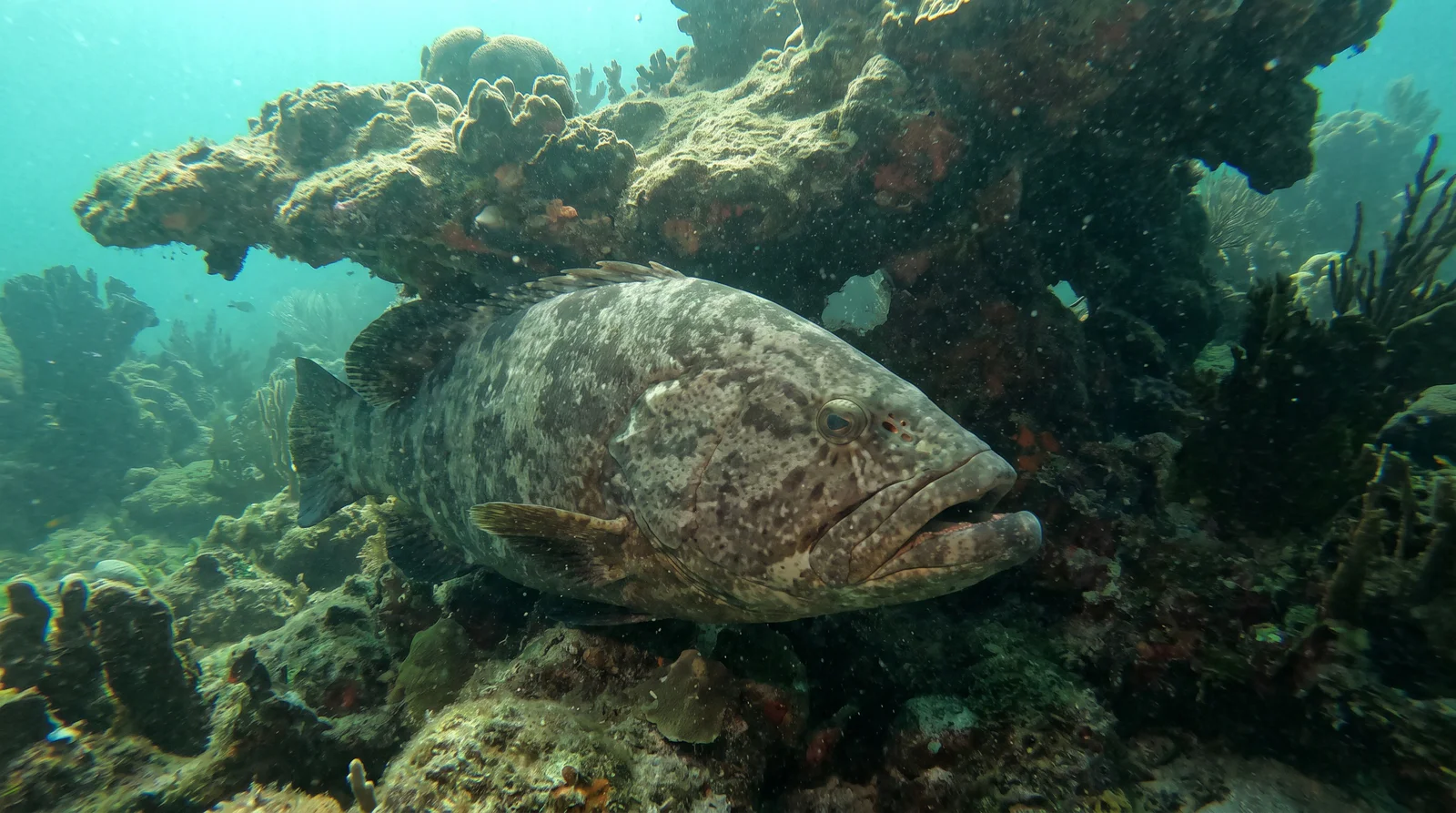
Grouper (assorted)
Epinephelinae spp.
Presencia documentada en el sitio
Fuente revisada el 2026-11-25 · Fuente: Wakatobi Guide Book (FTKP Wakatobi and Swisscontact WISATA) · Fecha de observación no documentada
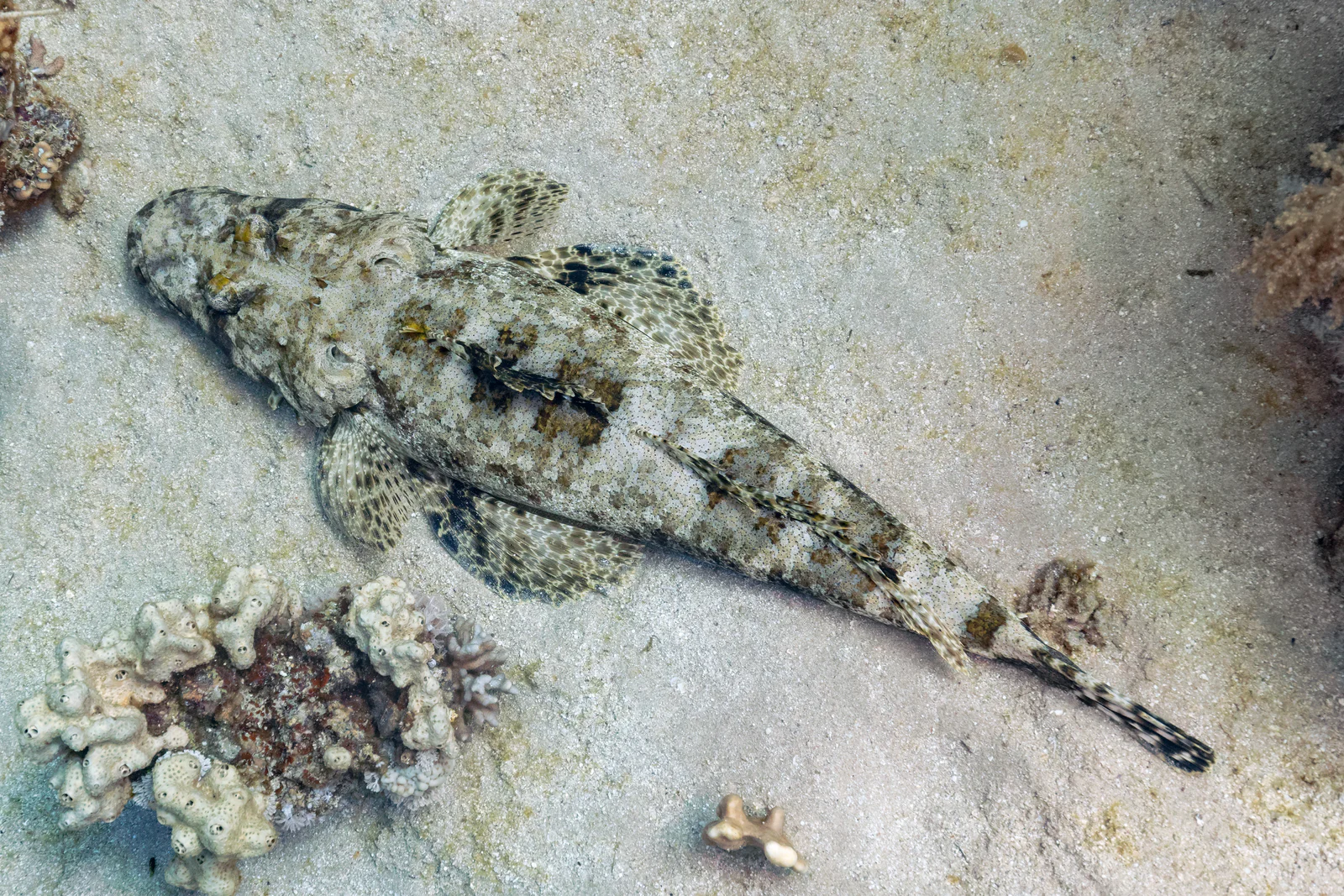
Flathead (assorted)
Platycephalidae spp.
Presencia documentada en el sitio
Fuente revisada el 2026-11-25 · Fuente: Wakatobi Dive Resort · Fecha de observación no documentada
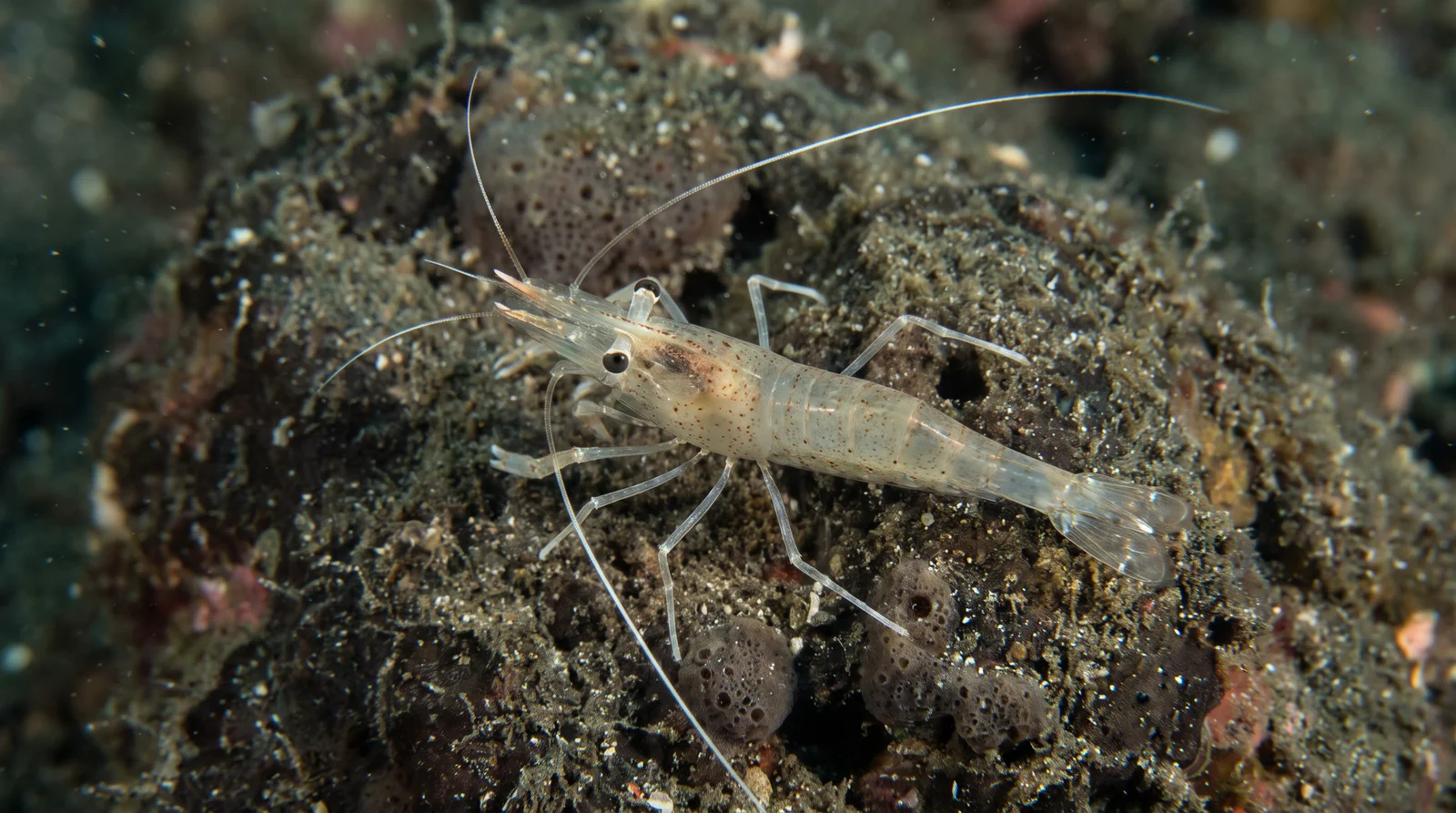
Shrimp (assorted)
Caridea and Dendrobranchiata spp. (shrimps)
Presencia documentada en el sitio
Fuente revisada el 2026-11-25 · Fuente: Wakatobi Dive Resort · Fecha de observación no documentada
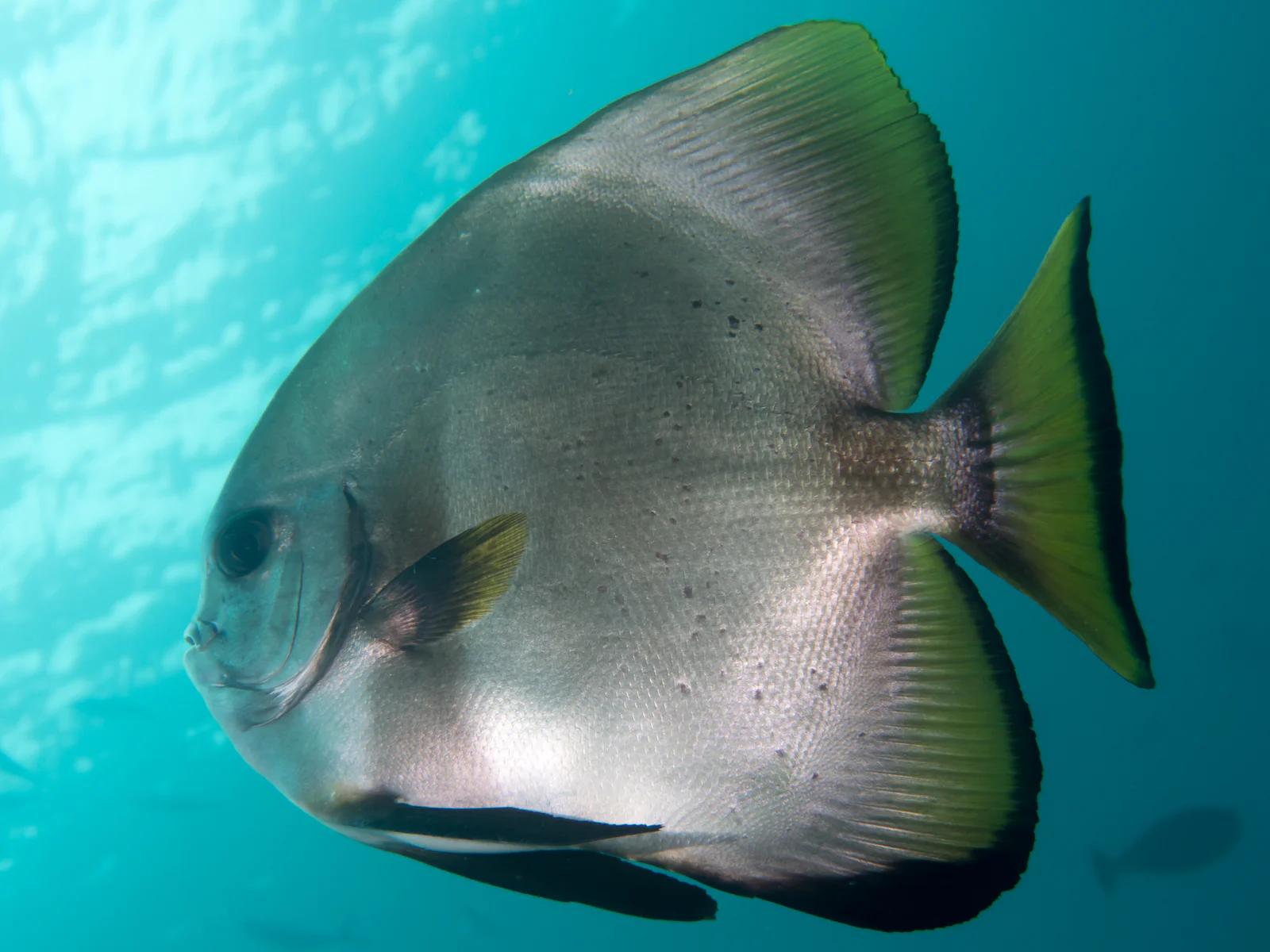
Batfish (assorted)
Platax spp.
Presencia documentada en el sitio
Fuente revisada el 2026-11-25 · Fuentes: Wakatobi Dive Resort y Wakatobi Guide Book (FTKP Wakatobi and Swisscontact WISATA) · Fecha de observación no documentada
¿Has buceado en Wreck of Kulati?
Regístralo, haz check-in o cuéntales a otros buceadores lo que viste.
Mantente al día
Recibe novedades y consejos sobre lugares de buceo en tu correo.