Apo Reef and Apo Island are different places, roughly 200 kilometers apart, and confusing them is the single most common mistake in trip planning here. Apo Reef is the Philippines' largest atoll reef system, off Mindoro's west coast; Apo Island is the smaller marine sanctuary near Dumaguete covered in its own guide.
Is Apo Reef the same as Apo Island?
No. They share a name (Apo means, roughly, "elder" or "protected place" in several Philippine languages, hence its reuse) but are geographically distinct: Apo Reef sits off Mindoro's west coast within Apo Reef Natural Park, while Apo Island is near Dumaguete in the Visayas. Double-check which one a resort or tour is actually offering before booking, since the name overlap trips up a fair number of first-time visitors.
What's the best time of year to dive Apo Reef?
Months | Conditions |
|---|---|
November to May | Dry season, calmer crossing, better visibility |
June to October | Wet season, rougher open-water crossing, more cancellations |
Apo Reef's remote location means the boat crossing itself is weather-dependent in a way shore-based sites aren't, so dry-season months are the more reliable window here.
Is Apo Reef good for beginner divers?
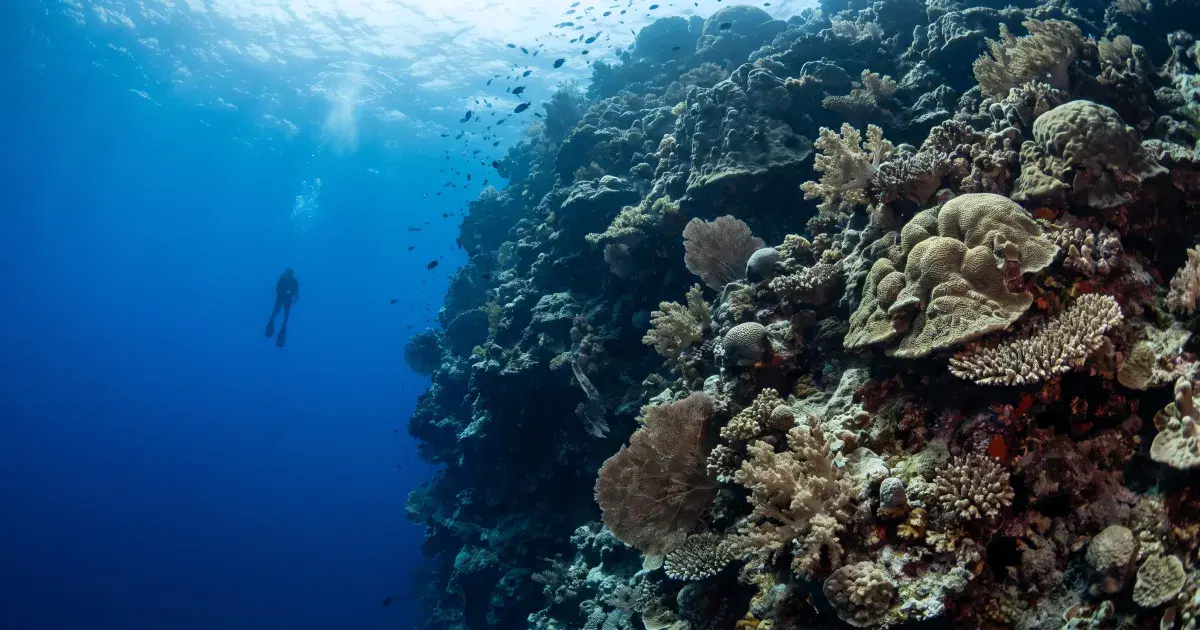
Some sites work for Open Water divers, particularly the reef's shallower, more sheltered areas. Much of Apo Reef's appeal, though, is its deeper wall diving and channel currents, which suit Advanced Open Water divers better. If you're newly certified, confirm with your liveaboard or day-trip operator which specific sites are on the itinerary before booking.
How do I get to Apo Reef Natural Park?
Sablayan, on Mindoro's west coast, is the usual jump-off point, reached by road or ferry from Manila or Batangas. From Sablayan, boats cross to Apo Reef, a journey of a few hours depending on sea conditions and whether you're on a day-trip boat or a liveaboard.
What marine life will I see at Apo Reef?
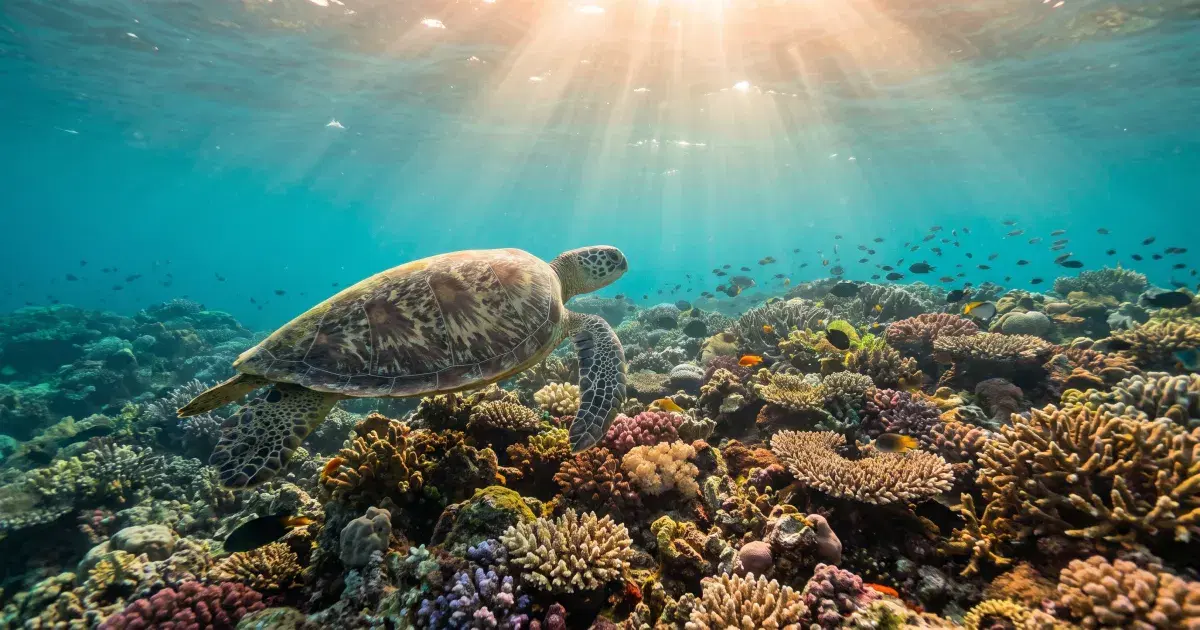
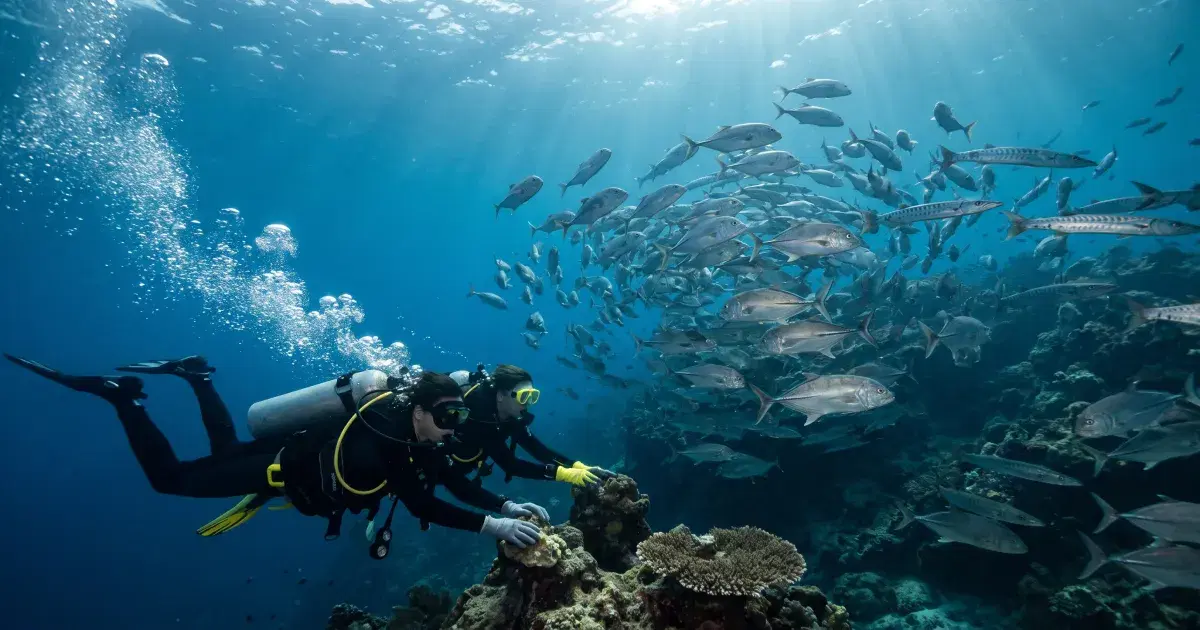
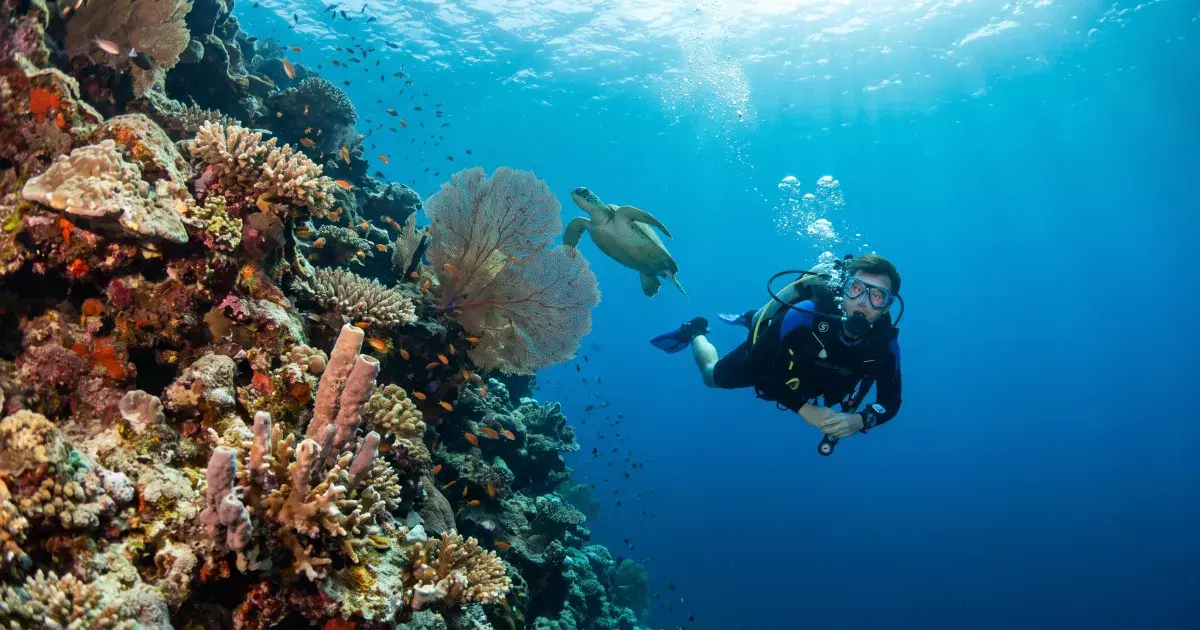
Dense, healthy coral cover across a large protected area, reef sharks, sea turtles, and large schools of reef fish. Apo Reef's scale means dive sites vary meaningfully across the park, wall diving in one section, coral garden in another, so a multi-day liveaboard covers more ground than a single day trip can.
What certification do I need for Apo Reef's currents?
Open Water is enough for the sheltered sites; the reef's channel and wall sites, where current can be strong and shift with the tide, are better suited to Advanced Open Water or equivalent experience. This mirrors the same certification split you'll see at Apo Island, just applied to a much larger reef system.
Is Apo Reef a liveaboard-only destination or can I day-trip it?
Both are possible, though a liveaboard covers meaningfully more of the park. Day trips run from Sablayan and cover a handful of sites near the crossing point; a multi-day liveaboard reaches sites across the reef's full extent, including areas a day boat's schedule can't accommodate.
FAQ
How does Apo Reef compare to Tubbataha for size and diversity? Both are large protected atoll systems, and Tubbataha edges out Apo Reef on remoteness and pelagic sightings (sharks, mantas) given its position in the open Sulu Sea. Apo Reef is more accessible, reachable via a shorter crossing from Mindoro rather than requiring Tubbataha's dedicated liveaboard season and permit system.
What's the cost range for an Apo Reef trip? Costs vary by whether you go day-trip or liveaboard, and by season; a day trip from Sablayan runs considerably less than a multi-day liveaboard package. Confirm current rates directly since park permit fees are reviewed periodically.
Do I need a permit to dive Apo Reef? Yes, Apo Reef Natural Park charges a conservation fee, typically bundled into your operator's package price rather than paid separately.