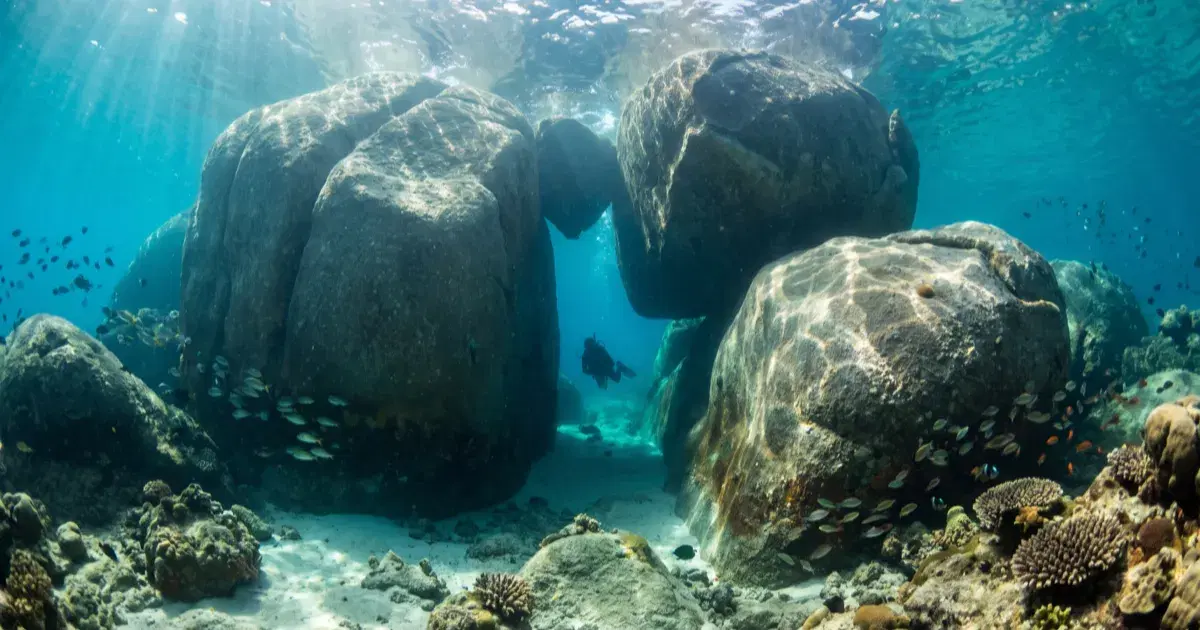
Granite, not coral, is what makes the Similan Islands look different from anywhere else in Thailand. House-sized boulders stack into swim-through channels and archways that don't exist on a typical reef dive.
What's the best time of year to dive the Similan Islands?
November through April is the only season the park is open; Thai authorities close the Similan Islands entirely from mid-May through mid-October to let the reef recover from monsoon swells and tourist pressure. Peak conditions, calmest seas and best visibility, run roughly January through March.
Are the Similan Islands good for beginner divers?
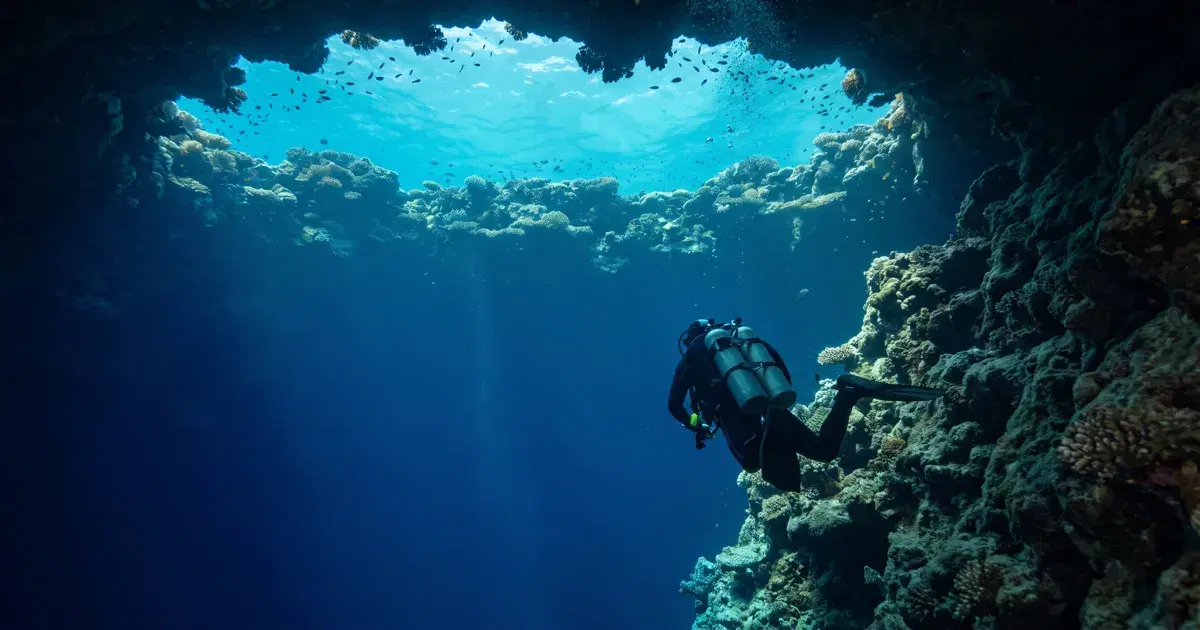
Yes, for most of the sites. The shallower boulder-garden dives sit in a comfortable range for Open Water divers, while a handful of current-swept pinnacle sites are better suited to more experienced divers. Ask your operator which sites are on a given day's itinerary if you're newly certified.
Liveaboard vs day trip for the Similans, which should I choose?
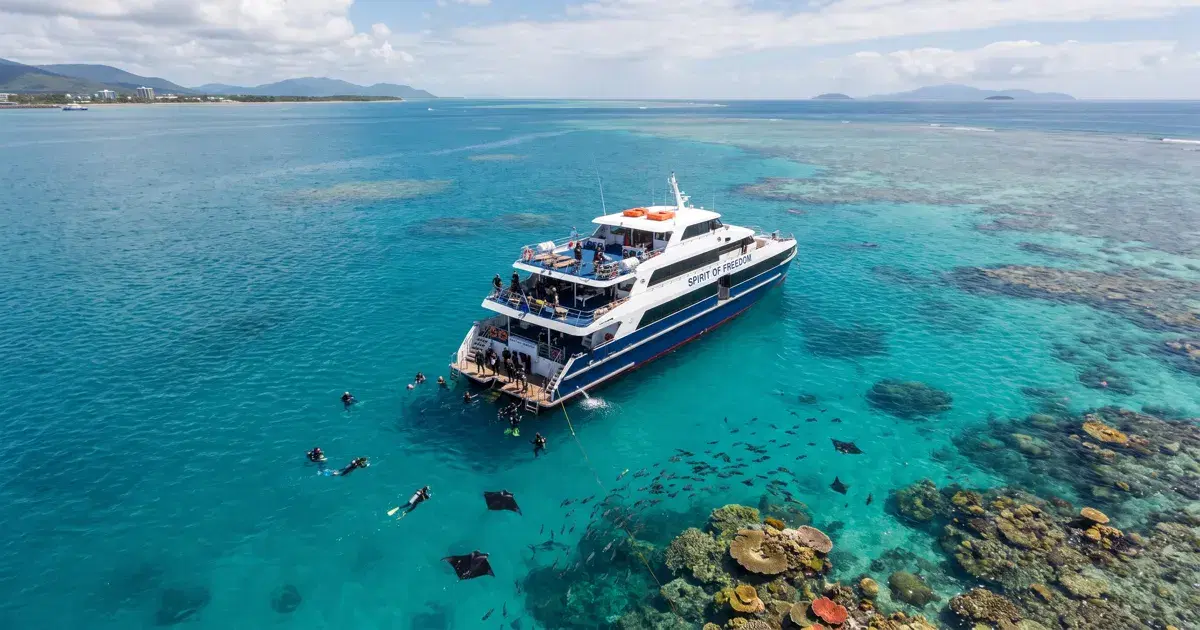
A liveaboard covers meaningfully more of the park across multiple days, including sites too far from Khao Lak or Phuket for a single-day boat run. Day trips work fine if you're short on time or budget and only want a taste of the granite boulder diving, but they typically hit two or three sites near the park's southern end rather than the full range.
What makes Similan's granite boulder reefs unique?
The islands are granite outcrops, not coral atolls, so the underwater topography is boulders and swim-throughs rather than reef structure. Coral still grows on and around the boulders, but the defining feature here is the rock formations themselves, some the size of a small building, stacked into channels divers swim between.
How do I get to the Similan Islands?
Khao Lak is the closest jump-off point, roughly 1.5-2 hours by speedboat; Phuket-based trips run longer, typically 2-3 hours each way. Most liveaboards depart from either Khao Lak or Phuket depending on the operator.
What marine life can I expect at the Similans?
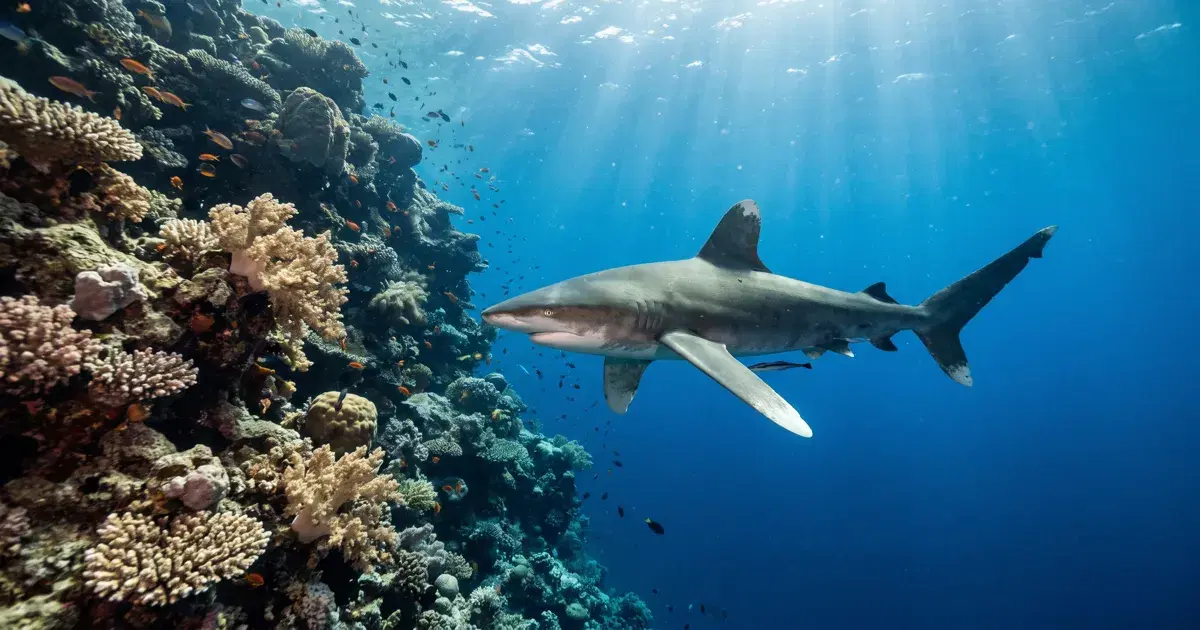
Reef sharks, turtles, and large schools of fusiliers and barracuda are common on the boulder sites. Manta rays and whale sharks turn up occasionally, more often reported from the deeper pinnacle sites toward the park's northern end, though neither is a guaranteed sighting on any given trip.
Is Richelieu Rock part of the Similan Islands trip?
Sometimes, on multi-day liveaboards. Richelieu Rock sits further north, outside the Similan park boundary proper, and is usually added as an extension day on longer liveaboard itineraries rather than included on a standard Similan-only trip or day trip. Check your specific itinerary if Richelieu Rock is the site you're most excited about.
FAQ
Do I need Advanced Open Water for the Similan Islands? Not for most sites; Open Water is sufficient for the shallower boulder gardens. A handful of deeper, current-exposed pinnacle sites are better suited to Advanced Open Water or equivalent experience.
How crowded do Similan Islands dive sites get? It varies by site and season. Popular boulder sites near the park's southern islands see the most day-trip traffic; liveaboards that reach the northern sites generally encounter fewer other boats.
What's the water temperature like at the Similan Islands? Roughly 27-29°C through the open season, warm enough that a 3mm shortie is standard, though some divers prefer a full 5mm for repeated multi-day diving.