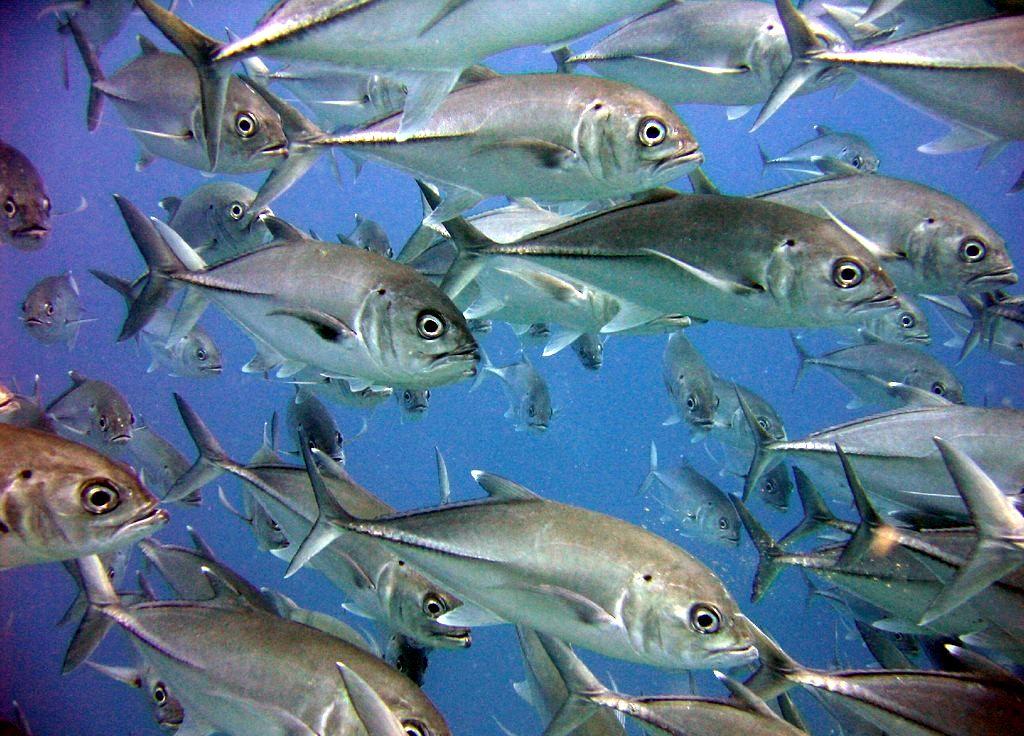
Bigeye Trevally
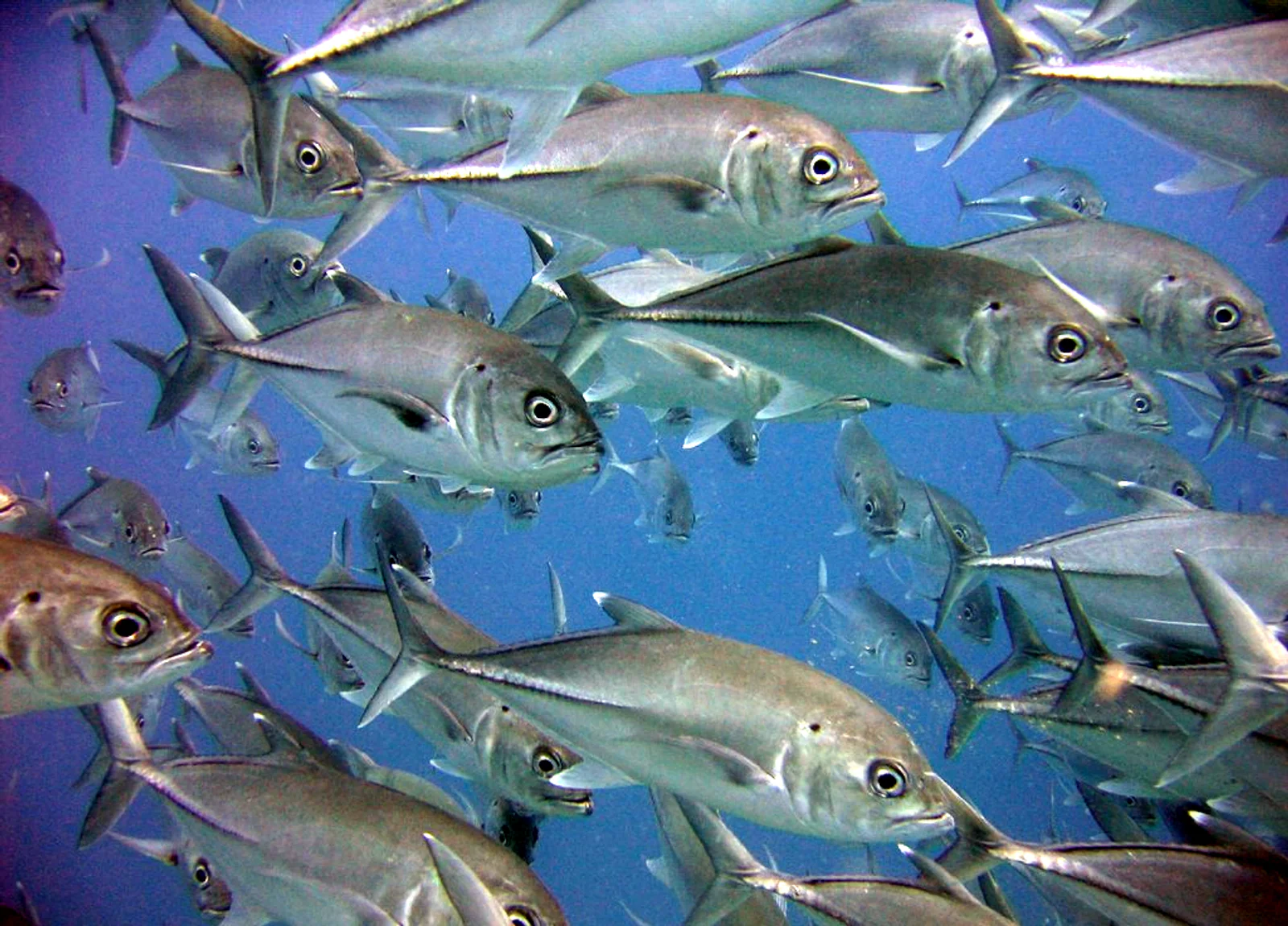
Caranx sexfasciatus
Bigeye Trevallyについて。
ロウニンアジ(学名:Caranx sexfasciatus)は、アジ科に属する代表的な魚で、一般的にアジ類と呼ばれています。この広範囲に生息する海水魚は、ビッグアイジャック、グレートトレバリー、シックスバンドトレバリー、ダスキージャックなどの別名でも知られています。
インド洋と太平洋の熱帯および亜熱帯海域に広く分布しており、その広大な生息域は西は南アフリカから東はカリフォルニアとエクアドルまで、オーストラリアや日本などの地域を含みます。主に沿岸種であり、成魚のロウニンアジはサンゴ礁や岩礁の複合体に生息し、通常水深100 mまでで見られます。しかし、幼魚はしばしばより浅い砂地の湾、ラグーン、河口域に進出し、淡水環境でも観察されています。
ロウニンアジの最も魅惑的な行動の一つは、日中に巨大でゆっくりと移動する、半定常的な群れを形成する傾向があることです。これらの集団は何千もの個体から成り、しばしば魅惑的な「竜巻のような」形に渦を巻きます。これは多くの人気ダイビングサイトでの特徴的な光景です。これらの大きな群れは、サメや大型魚などの捕食者からの保護を提供すると考えられています。夕暮れ時には、これらの印象的な群れは分散し、魚は活動的になり、単独または小グループで狩りをするようになります。主に小型魚、イカ、甲殻類を捕食します。彼らの食性は成熟するにつれて変化し、幼魚期には甲殻類が主であったものが、成魚になるとほぼ exclusively 魚をベースとした食事になります。ロウニンアジは、捕食者としても大型動物の食料源としても、海洋生態系において重要な役割を果たしています。現在の保全状況は「軽度懸念」に分類されています。
この種は、以下の多くの場所でダイバーによって頻繁に観察されています。
- SS Yongala (豊富)
- USAT Liberty Wreck (一般的)
- Manta Point Nusa Penida (一般的)
- Castle Rock (一般的)
- Twin Rocks (一般的)
- Manta Bowl (一般的)
- USS New York (ACR-2) (一般的)
- Verde Island Wall (豊富)
- Mapating (一般的)
- Kirby's Rock (時折)
識別
- サイズ: ロウニンアジは、その属の大型メンバーの一つであり、最大で体長1.2 m(4 ft)、体重18 kg(40 lbs)に達することが記録されています。
- 体形: 扁平で細長く、流線型の体をしており、背側の輪郭は腹側よりもわずかに凸状で、高速遊泳能力に貢献しています。
- 目: その名の通り、主要な識別特徴は不釣り合いに大きな目であり、これは夕暮れ時や夜間の低照度下での狩りに特に適応しています。
- 体色: 成魚は通常、背側が虹色の銀青色からオリーブグリーン色を示し、腹側は銀白色に変化します。幼魚は銀黄色から銀褐色で、側面に5〜6本の明確な暗い縦縞があり、これらは成熟するにつれて徐々に薄れて消えていきます。
- 鰭: 第二背鰭は暗色で、その葉に目立つ白い先端があり、重要な識別マーカーです。成魚の臀鰭と尾鰭は黄色がかった色から黒色まであり、尾鰭ははっきりと二股に分かれています。胸鰭は頭部よりも著しく長いです。
- その他の特徴: 鰓蓋の上縁に小さな暗い斑点を探してください。また、側線の直線部分に沿って強くて暗い稜鱗(りょうりん)があります。
生息地。
ロウニンアジ(Caranx sexfasciatus)は、非常に適応性が高く、広範囲に分布する種であり、広大な熱帯および亜熱帯の海洋環境でダイバーにとって一般的な光景となっています。
地理的分布:
この種は、アフリカ東海岸(紅海、ペルシャ湾を含む)から東はインド、東南アジア、インドネシア、そしてインド洋の多くの沖合の島々まで、広大なインド太平洋地域全体に生息しています。その生息域は北は日本、南はオーストラリアまで広がっています。太平洋では、ロウニンアジはハワイを含むほとんどの熱帯の島々グループに生息し、北はカリフォルニアから南はエクアドル、ガラパゴス諸島までのアメリカ西海岸に達しています。特筆すべきは、大西洋には生息していません。
成魚の生息地と生態系:
成魚のロウニンアジは主に沿岸の近海に生息しますが、遠く離れた沖合の遠洋環境、遠隔の島々の周辺、より深い海山でも遭遇することがあります。彼らは構造的に複雑な生態系と強く関連しており、以下が含まれます。
- サンゴ礁: 活気あるサンゴ礁の複合体の上や周辺で群れをなしていることがよくあります。
- 岩礁海岸と壁: 岩礁海岸線や急なドロップオフに沿って頻繁に観察されます。
- 水中構造物: SS YongalaやUSAT Liberty Wreckなどのダイビングサイトで見られるように、沈船やその他の人工構造物は重要な集結場所として機能します。
日中、ロウニンアジは通常、大きく、しばしばゆっくりと移動する群れで、サンゴ礁や他の構造物の近くに集まっています。これらの印象的な群れは、Manta Point Nusa PenidaやVerde Island Wallなどの多くのダイビングサイトでハイライトとなることがあります。夜になると、彼らは分散して活動的な夜行性の捕食者となります。
幼魚の生息地:
幼魚のロウニンアジは驚くべき適応性を示し、より浅く、より保護された沿岸地域を好みます。彼らは様々な環境に進出することが知られており、広い塩分耐性を示します。
- 河口域と湾: 河口域や砂地の湾でよく見られます。
- ラグーンとマングローブ: 浅いラグーン地域やマングローブ帯を利用します。
- 淡水系: 幼魚は、河川の上流まで深く侵入することが報告されており、淡水条件に耐える能力があることを示しています。
水深範囲:
ロウニンアジは通常、水面から約100 mの深さまでで見られます。ダイバーによってより浅いサンゴ礁環境で最も一般的に観察されますが、最大水深146 mまで記録されています。彼らは澄んだ沿岸および外洋の水を好み、濁った状態を積極的に避けます。
行動について。
ロウニンアジ(Caranx sexfasciatus)は、その特徴的な群れ行動と捕食能力で知られる、ダイバーにとって魅力的な種です。
水中での遭遇行動
- 日中、ロウニンアジは通常、1500匹以上の個体からなる大きく魅惑的な群れで遭遇します。これらの印象的な集団は、サンゴ礁や岩礁の複合体、および水路や礁の外側で静止しているか、ゆっくりと巡回しているのが見られます。
- この群れ行動は、大型の捕食者からの保護を提供すると考えられています。
- 一般的に臆病で、邪魔されるとすぐに逃げ去る傾向がありますが、これらの群れは時折好奇心旺盛な行動を示し、ダイバーの周りを旋回して息をのむような「魚の竜巻」効果を生み出すことがあります。
- 幼魚は砂地の湾、ラグーン、さらには河口域を含む浅い沿岸水域に生息する傾向がありますが、成魚はより深い水域、しばしば水深100メートルまで、サンゴ礁や沖合の海山周辺で見られます。
摂食習慣
- ロウニンアジは主に夜行性の捕食者であり、夕暮れ時と夜間に最も活発に狩りをします。
- 日中の大きな群れは、個体または小グループが餌を探しに出かけると分散します。
- 彼らの食事は主に小型魚、イカ(頭足類)、甲殻類で構成されています。
- 幼魚は主に甲殻類を捕食しますが、成熟するにつれて、その食事はほぼ exclusively 魚に変わります。
- 大きな目を備えており、鋭い視力を持っており、低照度下での狩りの効率を高めます。
- 彼らは高速で泳ぐ貪欲な捕食者であり、しばしばその速度に頼って獲物を待ち伏せして圧倒し、標的を追い込むために協調した動きを使用することが観察されています。
社会構造
- ロウニンアジは非常に社会的な構造を示し、日中には1500匹以上の魚からなる広大な集団を形成します。
- これらの群れは、大型の海洋捕食者に対する集団的な防御メカニズムとして機能します。
- 夜になると、このまとまりのある社会構造は一時的に解消され、個体または小グループが分散して狩りをします。
- 日中の群れ行動に加えて、繁殖目的のためにも大きな集団が形成されます。
ダイバーに関連する注目すべき季節パターン
- ロウニンアジは、体長約42 cmで性成熟に達します。
- 産卵は大きな集団で行われ、その広範な分布域によって特定の期間が異なります。例えば、東太平洋では7月から9月の間に、南アフリカでは11月から3月の間に産卵が行われることが知られています。
- 産卵イベントが新月の期間と一致する可能性があることを示唆する証拠があります。
- 産卵中、ペアは主要な集団から離れ、オスはしばしば黒色に体色を変化させ、近づいてくる他の個体を追い払います。求愛と産卵は夕暮れ時に観察されています。
見られる場所。
philippinesの記録 · ダイブサイト30件
一般的な分布域は、特定のダイブサイトでの出現を示す証拠ではありません。
Apo Island Marine Sanctuary
Apo Island
このサイトでの出現はまだ記録されていません
シーズンはまだ記録されていません
日付のある観察記録はありません。
Balicasag Sanctuary (Rico's Wall)
Panglao
このサイトでの出現はまだ記録されていません
サイトで記録された季節性: Nov, Dec, Jan, Feb, Mar, Apr, May
日付のある観察記録はありません。
Beatrice Rock
Anilao
このサイトでの出現はまだ記録されていません
シーズンはまだ記録されていません
日付のある観察記録はありません。
Black Forest (Balicasag Island)
Panglao
このサイトでの出現はまだ記録されていません
シーズンはまだ記録されていません
日付のある観察記録はありません。
Cabilao Shark Point (Lighthouse)
Cabilao Island
このサイトでの出現はまだ記録されていません
シーズンはまだ記録されていません
日付のある観察記録はありません。
Cathedral
Panglao
このサイトでの出現はまだ記録されていません
サイトで記録された季節性: Nov, Dec, Jan, Feb, Mar, Apr, May
日付のある観察記録はありません。
Cervera Shoal
Panglao
このサイトでの出現はまだ記録されていません
サイトで記録された季節性: Nov, Dec, Jan, Feb, Mar, Apr, May
日付のある観察記録はありません。
Diver's Heaven
Panglao
このサイトでの出現はまだ記録されていません
サイトで記録された季節性: Nov, Dec, Jan, Feb, Mar, Apr, May
日付のある観察記録はありません。
Doljo Point
Panglao
このサイトでの出現はまだ記録されていません
サイトで記録された季節性: Nov, Dec, Jan, Feb, Mar, Apr, May
日付のある観察記録はありません。
IJN Akitsushima
Coron
このサイトでの出現はまだ記録されていません
シーズンはまだ記録されていません
日付のある観察記録はありません。
IJN Irako
Coron
このサイトでの出現はまだ記録されていません
シーズンはまだ記録されていません
日付のある観察記録はありません。
Kirby's Rock
Anilao
このサイトでの出現はまだ記録されていません
シーズンはまだ記録されていません
日付のある観察記録はありません。
Manta Bowl
Ticao Pass
このサイトでの出現はまだ記録されていません
シーズンはまだ記録されていません
日付のある観察記録はありません。
Mapating
Anilao
このサイトでの出現はまだ記録されていません
シーズンはまだ記録されていません
日付のある観察記録はありません。
Napaling Reef
Panglao
このサイトでの出現はまだ記録されていません
サイトで記録された季節性: Nov, Dec, Jan, Feb, Mar, Apr, May
日付のある観察記録はありません。
North Rock
El Nido
このサイトでの出現はまだ記録されていません
シーズンはまだ記録されていません
日付のある観察記録はありません。
Pamilacan Sanctuary
Pamilacan Island
このサイトでの出現はまだ記録されていません
サイトで記録された季節性: Nov, Dec, Jan, Feb, Mar, Apr, May
日付のある観察記録はありません。
Royal Garden
Panglao
このサイトでの出現はまだ記録されていません
サイトで記録された季節性: Nov, Dec, Jan, Feb, Mar, Apr, May
日付のある観察記録はありません。
Rudy's Rock
Panglao
このサイトでの出現はまだ記録されていません
サイトで記録された季節性: Nov, Dec, Jan, Feb, Mar, Apr, May
日付のある観察記録はありません。
Sardine Run
Moalboal
このサイトでの出現はまだ記録されていません
シーズンはまだ記録されていません
日付のある観察記録はありません。
ギャラリー。