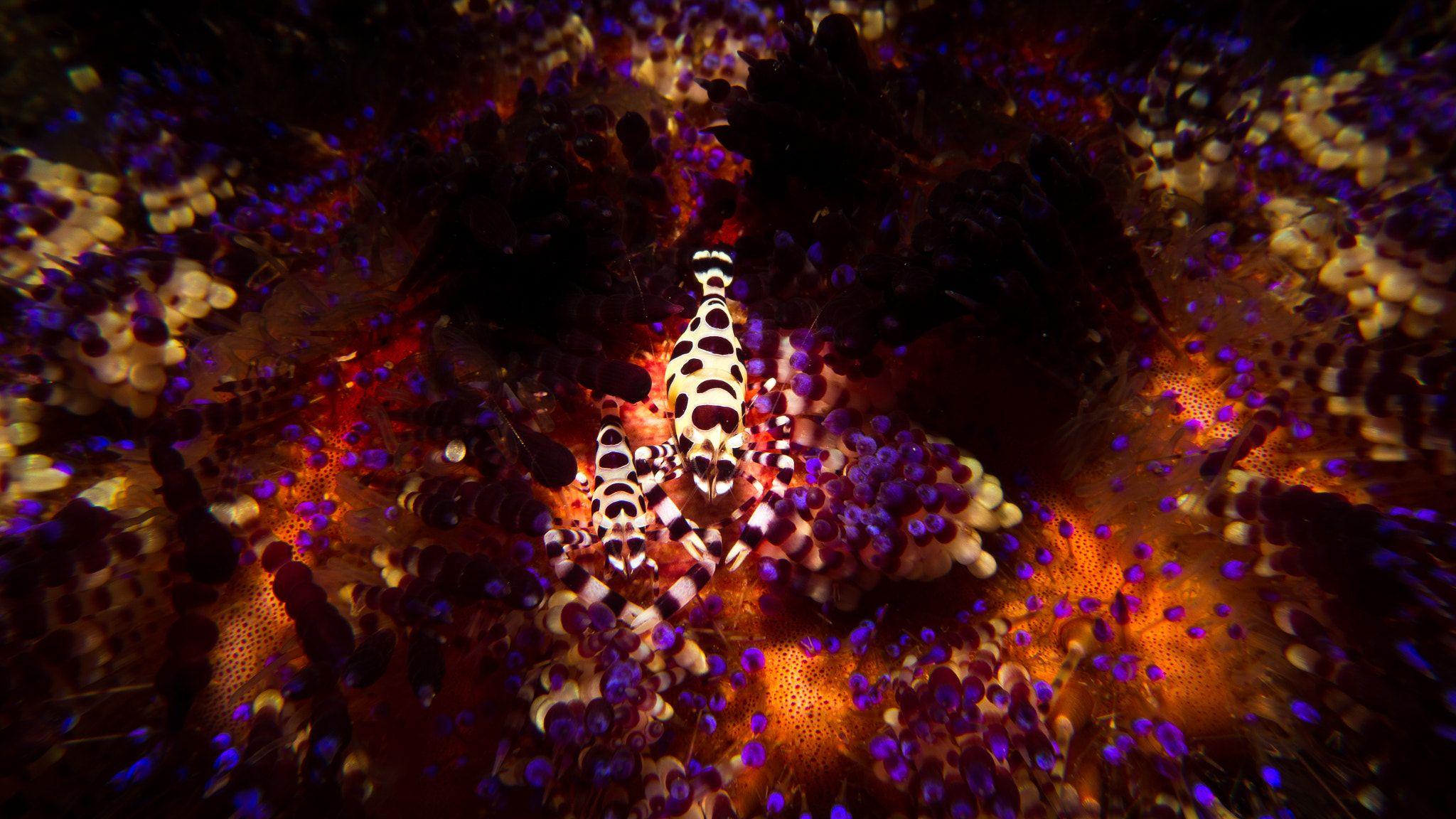
Fire Urchin
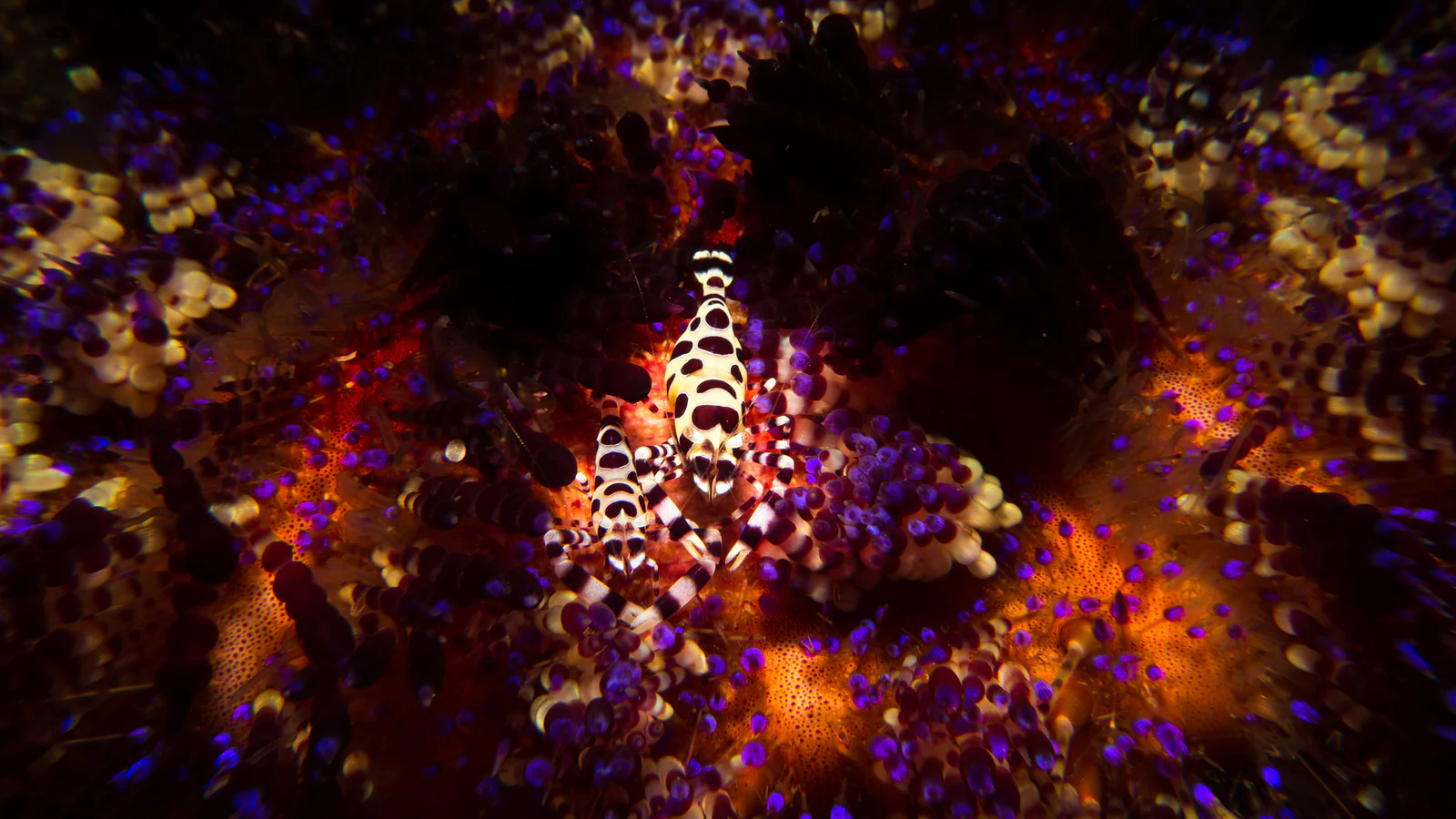
Asthenosoma varium
Über Fire Urchin.
Der Feuerseeigel, wissenschaftlich bekannt als Asthenosoma varium, ist ein auffallend schönes, aber giftiges Stachelhäuter aus der Familie der Echinothuriidae. Oft unter verschiedenen gebräuchlichen Namen wie Pazifischer Feuerseeigel, schwer fassbarer Seeigel oder elektrischer Seeigel bezeichnet, dient seine lebhafte Färbung als klare Warnung vor seinem starken Stich.
Er ist im gesamten Indopazifik verbreitet, sein Verbreitungsgebiet reicht vom östlichen Indischen Ozean bis nach Japan, den Philippinen und Neukaledonien. Während Vorkommen im Roten Meer oft der eng verwandten Art Asthenosoma marisrubri zugeschrieben werden, bewohnt der Feuerseeigel verschiedene Korallenumgebungen sowie Sand- und Geröllböden. Taucher können diese Art in Tiefen von bis zu etwa 167 m antreffen, obwohl er tagsüber häufig zwischen 20–40 m beobachtet wird, oft Schutz in Höhlen und Spalten suchend, bevor er nachts in flachere Gebiete wechselt. Er gedeiht in Wassertemperaturen, die typischerweise zwischen 22–28°C liegen.
Als Allesfresser weidet der Feuerseeigel Algenfilme, krustenbildende Wirbellose wie Schwämme und Seescheiden sowie organischen Detritus ab. Sein Erhaltungszustand ist derzeit als „unzureichende Datenlage“ (Data Deficient) gelistet, was die Notwendigkeit weiterer Forschung zu seinen Populationen und seiner ökologischen Rolle unterstreicht.
Ein faszinierender Aspekt der Ökologie des Feuerseeigels sind seine kommensalischen Beziehungen. Er beherbergt häufig verschiedene kleine Wirbellose, darunter die Coleman-Garnele (Periclimenes colemani), die Allopontonia brockii-Garnele und die Zebragarnele (Zebrida adamsii), die Schutz zwischen seinen giftigen Stacheln finden. Kleine Fische und Kopffüßer können ebenfalls Zuflucht in seinen toxischen Abwehrmechanismen suchen.
Diese Art wird häufig an Tauchplätzen wie Cannibal Rock, Pillarsteen und Bethlehem beobachtet.
Identifikation
Der Feuerseeigel ist ein großer, halbkugelförmiger Seeigel, der einen maximalen Durchmesser von bis zu 25 cm erreichen kann. Seine auffälligsten Merkmale sind seine brillante und variable Färbung, die von orange, rot, braun oder lila bis zu gelegentlichen Beige- oder Grüntönen reichen kann.
- Körperstruktur: Im Gegensatz zu den meisten Seeigeln mit starren Skeletten besitzt der Feuerseeigel eine flexible Schale (Körper), die aus dünnen, schwach verkalkten Platten besteht, die sich wie Dachziegel überlappen. Diese einzigartige Struktur ermöglicht es dem Seeigel, sich aufzublasen und zu entleeren, wodurch er sich in enge Spalten zwängen kann.
- Stacheln: Der Seeigel weist zwei verschiedene Arten von Stacheln auf:
- Primärstacheln: Auf der oberen (aboralen) Oberfläche gelegen, sind diese kurz, dick und scharf zugespitzt, oft in dichten, gebündelten Gruppen erscheinend. Sie sind typischerweise gebändert, mit helleren Basen und dunkleren Spitzen. Entscheidend ist, dass diese Stacheln giftig sind, wobei jeder hohle kugelförmige Kapseln enthält, die mit Toxin gefüllt sind und ähnlich wie Injektionsspritzen funktionieren. Ein charakteristisches Identifikationsmerkmal ist das Vorhandensein von kugelförmigen Schwellungen direkt unter der Spitze dieser giftigen Stacheln.
- Sekundärstacheln: In der Nähe der Basis der Schale gefunden, sind diese Stacheln lang, flexibel, schlank und stumpf, oft gelblich gefärbt. Sie werden hauptsächlich zur Fortbewegung und zum Aufrichten des Seeigels verwendet. Es ist wichtig zu beachten, dass die langen Stacheln an der Unterseite des Seeigels kein Gift enthalten.
- Kommensalische Bewohner: Ein wichtiger Identifikationshinweis für Taucher ist das häufige Vorhandensein von kommensalischen Organismen, insbesondere der kleinen, oft transparenten Coleman-Garnele oder der markant gestreiften Zebragarnele, die sicher zwischen seinen giftigen Stacheln eingebettet sind.
- Giftige Natur: Taucher sollten äußerste Vorsicht walten lassen und den Kontakt mit dieser Art vermeiden. Schon eine leichte Berührung seiner Stacheln kann einen schmerzhaften Stich verursachen, wobei das Gift das Nervensystem beeinflusst und potenziell starke Schmerzen, Übelkeit oder in seltenen Fällen Schock oder Psychose hervorrufen kann.
Lebensraum.
Der auffällige Feuerseeigel (Asthenosoma varium) ist ein faszinierender Bewohner der warmen, tropischen Gewässer des Indopazifiks. Taucher sind oft von seinen lebhaften Farben und den markanten, giftigen Stacheln fasziniert. Diese Art ist weit verbreitet und reicht vom östlichen Indischen Ozean bis nach Japan, den Philippinen, Neukaledonien und Australien. Während einige Aufzeichnungen das Rote Meer einschließen, könnten diese Beobachtungen die eng verwandte Art Asthenosoma marisrubri betreffen.
Typischerweise von Tauchern in einer Vielzahl von Meeresumgebungen angetroffen, gedeiht der Feuerseeigel in:
- Tiefenbereich: Obwohl er in Tiefen von bis zu etwa 167 m leben kann, werden Feuerseeigel häufiger in der flachen sublitoralen Zone, oft zwischen 5–40 m, beobachtet. Sie zeigen ein faszinierendes Tagesmuster, wobei sie tagsüber häufig in Tiefen von 20–40 m gefunden werden und nachts in flachere Gebiete wechseln.
- Substratpräferenz: Diese Art bevorzugt weiche Bodensubstrate, einschließlich Sand, Geröll und sogar schlammige Böden. Sie sind auch an Riffhängen und in Korallenumgebungen zu finden. Während der Tagesstunden suchen sie oft Schutz in Spalten oder unter Überhängen und kommen nach Einbruch der Dunkelheit zum Fressen hervor.
- Ökosystem-Assoziationen: Feuerseeigel sind integrale Mitglieder von Korallenriff-Ökosystemen. Sie sind Allesfresser und weiden Algenfilme, Detritus und krustenbildende Wirbellose wie Schwämme und Seescheiden ab. Ihre giftigen Stacheln bieten mehreren kommensalischen Arten, darunter den Garnelen Periclimenes colemani und Allopontonia brockii sowie der Zebragarnele (Zebrida adamsii), einen schützenden Hafen. Kleine Fische und Kopffüßer nutzen ebenfalls die toxische Abwehr des Seeigels zu ihrer eigenen Sicherheit.
- Wassertemperatur: Diese Seeigel bevorzugen warme tropische Gewässer und sind typischerweise in Temperaturen zwischen 22–28°C zu finden.
Für Taucher, die Tauchplätze wie Cannibal Rock, Pillarsteen und Bethlehem erkunden, ist die Begegnung mit dem Feuerseeigel eine häufige und unvergessliche Erfahrung, die einen Einblick in die komplexen Beziehungen innerhalb seines vielfältigen Lebensraums bietet.
Verhalten.
Der Feuerseeigel (Asthenosoma varium) ist ein auffälliger und unvergesslicher Bewohner von Tauchplätzen im Indopazifik, bekannt für seine lebhafte Färbung und seine flexiblen, giftigen Stacheln. Mit einer maximalen Größe von 22–25 cm (8,7–10 Zoll) Durchmesser ist dieser Stachelhäuter ein faszinierendes Objekt für Taucher, obwohl aufgrund seines starken Stiches äußerste Vorsicht geboten ist.
- Verhalten bei Unterwasserbegegnungen: Taucher begegnen dem Feuerseeigel typischerweise in Korallenumgebungen sowie auf Sand- und Geröllböden in Tiefen von 5–167 m, obwohl er tagsüber oft zwischen 20–40 m beobachtet wird. Seine hellen, oft rötlich-braunen Farbtöne dienen als Warnung vor seiner giftigen Natur. Während er im Allgemeinen ein langsam umherstreifender Weidegänger ist, zeigt er während seiner nächtlichen Nahrungssuche aktivere Bewegungen und wechselt manchmal nachts in flachere Gebiete. Die Schale (Körper) des Feuerseeigels ist einzigartig flexibel, mit überlappenden Platten, die eine gewisse Bewegung ermöglichen. Seine Stacheln sind mit giftigen kugelförmigen Schwellungen versehen, die einen schmerzhaften Stich verursachen können, der von mehreren Minuten bis zu Stunden anhält, aber typischerweise keine bleibende Spur hinterlässt. Taucher sollten einen respektvollen Abstand halten und jeglichen Kontakt vermeiden. Diese Art dient auch als Wirt für verschiedene kommensalische Organismen, wie die Coleman-Garnele (Periclimenes colemani), andere Garnelenarten wie Allopontonia brockii und die Zebragarnele (Zebrida adamsii), die von dem Schutz des Seeigels profitieren.
- Fressgewohnheiten: Der Feuerseeigel ist eine allesfressende Art, die sich hauptsächlich von dem Algenfilm ernährt, der das Substrat bedeckt. Seine Nahrung umfasst auch krustenbildende Wirbellose wie Schwämme und Seescheiden sowie organischen Detritus. Einige Beobachtungen deuten darauf hin, dass er auch Korallenpolypen fressen könnte. Ausgestattet mit einem komplexen Kieferapparat, bekannt als „Laterne des Aristoteles“, verwendet der Seeigel seine fünf kräftigen Zähne, um seine Nahrung abzuschaben und zu kauen. Die Fressaktivität ist überwiegend nachtaktiv.
- Sozialstruktur: Feuerseeigel sind nicht für komplexe Sozialstrukturen bekannt. Die Fortpflanzung erfolgt extern, wobei getrennte Geschlechter Gameten in die Wassersäule abgeben. Die daraus resultierenden Larven sind planktonisch und treiben mehrere Monate lang, bevor sie sich auf dem Meeresboden niederlassen und eine Metamorphose zu juvenilen Seeigeln durchlaufen. Während einige Seeigelarten in kleinen Gruppen gefunden werden können, sind spezifische soziale Aggregationsmuster für erwachsene Asthenosoma varium nicht umfassend dokumentiert. Ihre Rolle als Wirt für kommensalische Arten schafft jedoch lokalisierte ökologische Assoziationen.
- Bemerkenswerte saisonale Muster: Spezifische saisonale Muster für das Verhalten erwachsener Feuerseeigel, wie Migration oder signifikante Aktivitätsänderungen, die direkt für Taucher relevant sind, sind nicht gut dokumentiert. Ihr Fortpflanzungszyklus beinhaltet jedoch planktonische Larven, die über einen längeren Zeitraum treiben und zu ihrer Verbreitung beitragen. Sichtungen von Feuerseeigeln an beliebten Tauchplätzen wie Cannibal Rock, Pillarsteen und Bethlehem sind das ganze Jahr über häufig, was auf eine konsistente Präsenz in geeigneten Lebensräumen in Wassertemperaturen von typischerweise 22–28°C hindeutet.
Wo man es sehen kann.
Nachweise für philippines · 1 Tauchplatz
Das allgemeine Verbreitungsgebiet ist kein Nachweis für das Vorkommen an einem bestimmten Tauchplatz.
Galerie.