Nurse Shark

Ginglymostoma cirratum
About Nurse Shark.
The Nurse Shark, Ginglymostoma cirratum, is a fascinating and frequently encountered species for divers in tropical and subtropical waters. Belonging to the family Ginglymostomatidae, this bottom-dwelling shark is known for its docile temperament and distinctive appearance. While generally considered placid, it is important to remember that all sharks are wild animals and should be observed with respect and from a distance. The Nurse Shark is currently listed as Vulnerable on the IUCN Red List of Threatened Species, highlighting the importance of conservation efforts for this unique marine inhabitant.
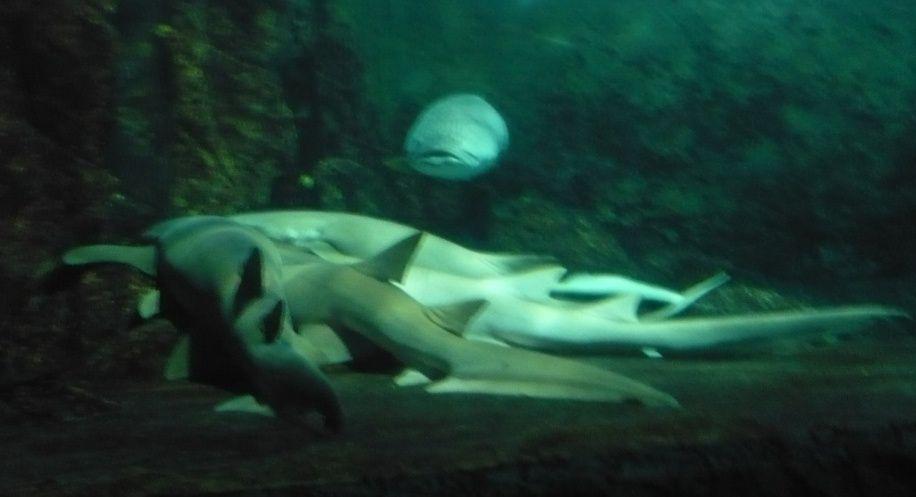
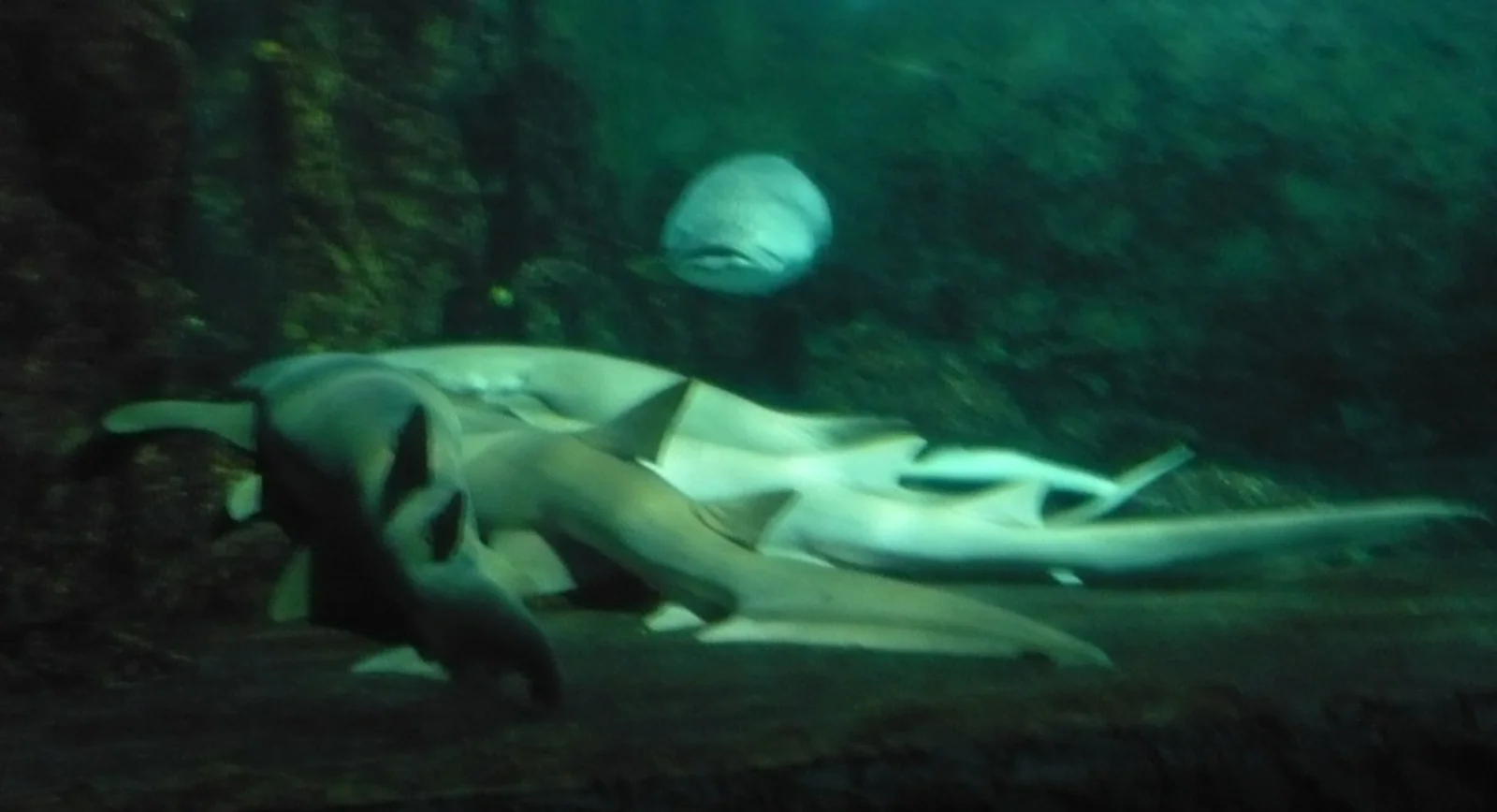
Typically found resting under ledges or in crevices during the day, Nurse Sharks are primarily nocturnal predators. They are often observed at popular dive sites such as the Great Blue Hole, Columbia Reef, Palancar Reef, and Santa Rosa Wall, where they can sometimes be seen in groups, occasionally piled upon one another. These sharks inhabit coastal waters, including coral reefs, rocky areas, seagrass flats, and mangrove channels, at depths ranging from the intertidal zone down to 75 meters for adults during the day, and moving into shallower waters of less than 20 meters at night for feeding. They are known to exhibit strong site fidelity, often returning to the same resting spots.
Identification
Divers can readily identify the Nurse Shark by several key physical characteristics:
- Size and Shape: Adults typically reach a maximum reliably measured length of about 3.08 meters (10 ft 1.5 in), though most individuals encountered by divers are less than 3 meters. They possess an elongated, cylindrical body and a broad, somewhat flattened head.
- Coloration: Their skin ranges in color from yellowish-tan to dark brown or grey-brown, providing excellent camouflage against the seafloor. Juveniles exhibit small black spots covering their body, often surrounded by lighter pigmentation, which fade as they mature. Their skin, while appearing smooth, is composed of dermal denticles, giving it a sandpaper-like feel.
- Head Features: A distinguishing feature is their broad head with a small, sub-terminal mouth located well in front of their very small eyes. Most notably, they have two prominent, moderately long sensory barbels hanging from their nostrils, resembling the "whiskers" of a catfish. Minute spiracles are also present.
- Fins: Nurse Sharks have two spineless, broadly rounded dorsal fins, with the first dorsal fin being noticeably larger than the second. Their pectoral fins are broad and muscular, often used to "clamber" along the seafloor. They also possess an anal fin and a strong, elongated caudal fin that can be more than one-quarter of their total body length, lacking a distinct lower lobe.
Where it lives.
The Nurse Shark (Ginglymostoma cirratum) is a fascinating bottom-dwelling species commonly encountered by divers in tropical and subtropical coastal waters. Known for its docile nature, this shark is a staple of many popular dive sites across its extensive range.
Habitat and Depth
Nurse sharks are primarily found in shallow, warm waters, preferring environments close to the seafloor. Their habitat encompasses a diverse array of ecosystems, including:
- Coral and Rocky Reefs: Adults and larger juveniles frequently inhabit deeper reef structures and rocky areas, often seeking shelter in caves, crevices, and under ledges during the day.
- Sand Flats and Seagrass Beds: They are commonly observed resting on sandy bottoms or foraging across seagrass flats, particularly at night.
- Mangrove Channels: Juveniles, in particular, utilize the protective prop roots of red mangroves and shallow mangrove channels as nursery grounds.
While generally considered a shallow-water species, Nurse Sharks exhibit a broad depth range. Juveniles are typically found in very shallow waters, often between 1–4 meters. Adults and larger juveniles are usually encountered at depths of 3–75 meters during the day, moving into shallower waters of less than 20 meters after dark for hunting. The lowest recorded depth for this species is 130 meters.
Geographic Distribution
The Nurse Shark has a wide, though sometimes patchy, distribution across the tropical and subtropical regions of the Atlantic and Eastern Pacific Oceans.
- Western Atlantic: Their range extends from Rhode Island, USA, south to southern Brazil, encompassing the Gulf of Mexico and the entire Caribbean Sea, including popular dive sites like those in Belize and the Florida Keys.
- Eastern Atlantic: Populations are found from the Cape Verde Islands to Gabon, with occasional sightings as far north as the Bay of Biscay in France.
- Eastern Pacific: In the Eastern Pacific, their distribution spans from Baja California, Mexico, south to Peru. (Note: Eastern Pacific populations have recently been described as a separate species, Ginglymostoma unami).
Nurse sharks are known for their strong site fidelity, often returning to the same resting spots, such as caves and crevices, after their nocturnal foraging activities. This makes them a predictable and cherished sight at many dive sites, including the Great Blue Hole, Chankanaab Reef, Paradise Reef, Columbia Reef, Palancar Reef, Santa Rosa Wall, and Maracaibo Deep.
How it behaves.
The Nurse Shark (Ginglymostoma cirratum) is a fascinating and often encountered species for divers in tropical and subtropical waters. Known for its docile nature and bottom-dwelling habits, this shark offers unique underwater interactions.
Underwater Encounter Behavior
Nurse Sharks are typically observed by divers resting motionless on the seafloor, often tucked under coral ledges, within caves, or in crevices during daylight hours. Unlike many other shark species, Nurse Sharks possess the ability of buccal pumping, which allows them to actively pump water over their gills and breathe without needing to swim continuously. This adaptation contributes to their seemingly sluggish demeanor. They are generally slow-moving and approachable, making them a popular subject for underwater photography and ecotourism.
While largely placid and indifferent to human presence, it is crucial for divers to remember that Nurse Sharks are wild animals and can defend themselves if provoked. Disturbing, grabbing, or cornering a resting shark can lead to a powerful, vice-like bite capable of inflicting serious injury. Divers should always maintain a respectful distance and avoid any attempts to touch or harass these creatures. They are commonly found in warm, shallow waters, typically encountered at depths of 1–75 m, though usually between 1–35 m, in waters of 25–34°C. Occasionally, they may use their muscular pectoral fins to "walk" along the bottom.
Feeding Habits
Nurse Sharks are primarily nocturnal foragers, becoming more active at night as they scour the seafloor for food. They are opportunistic carnivores, with a diet consisting mainly of bottom-dwelling invertebrates and small fish. Their preferred prey includes crustaceans such as lobsters, crabs, and shrimp, as well as mollusks like squid, octopus, conchs, snails, and bivalves. They also consume sea urchins and small bottom fish, including lizardfish, catfishes, mullets, puffers, and stingrays.
Where to see it.
Gallery.