Ornate Ghost Pipefish
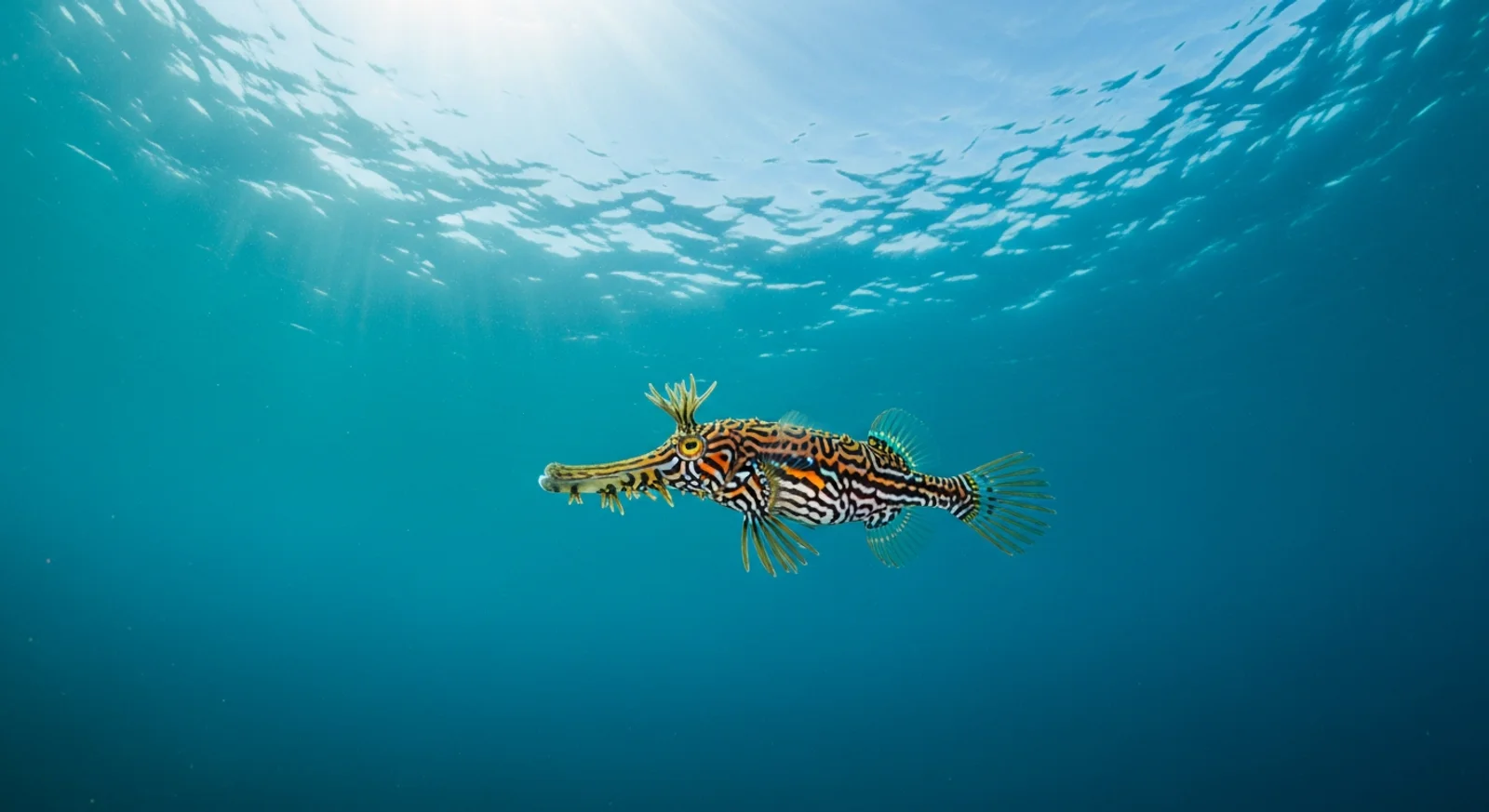 AI-generated
Solenostomus paradoxus
About Ornate Ghost Pipefish.
The Ornate Ghost Pipefish, Solenostomus paradoxus, also widely known as the Harlequin Ghost Pipefish, is a captivating and elusive member of the family Solenostomidae. Despite its common name, it is considered a "false pipefish," belonging to a distinct family from true pipefishes and seahorses, though all are part of the order Syngnathiformes. Renowned for its extraordinary camouflage, this species is a master of disguise, making it a prized sighting for divers and underwater photographers alike.
Found throughout the tropical and warm-temperate waters of the Indo-West Pacific, from East Africa to Fiji and Tonga, and north to southern Japan, the Ornate Ghost Pipefish inhabits protected coastal, lagoon, and outer reef areas. Divers typically encounter them at depths of 3–35 m, often near coral and rocky drop-offs. They are frequently observed associating with crinoids (feather stars), gorgonians, black corals, soft corals, hydroids, or even floating weeds and seagrass beds, perfectly mimicking their chosen surroundings.
These cryptic creatures are ambush predators, feeding primarily on tiny crustaceans such as mysid shrimps and small benthic shrimps, which they suck in through their elongated snouts. Ornate Ghost Pipefish typically hover vertically, often head-down, swaying gently with the current to further enhance their illusion as drifting debris or part of their host organism. While usually solitary, they are often found in pairs, especially during mating season. Unlike seahorses and true pipefishes where males brood the eggs, it is the female Ornate Ghost Pipefish that carries and protects the fertilized eggs in a unique brood pouch formed by her modified pelvic fins. Their lifespan is relatively short, typically less than a year, with a single reproductive period. The species is currently listed as "Least Concern" by the IUCN.
This macro species is a highlight at many dive sites, including Sogod Bay, Secret Bay, and Cars Wreck (Dauin) where they are commonly observed, as well as Pianemo, Sabang Wrecks, Basura, Diver's Heaven, Pamilacan Sanctuary, Siaba Besar, and Talisay Pier where they are occasionally sighted.
Identification
- Size: The Ornate Ghost Pipefish can reach a maximum length of 12 cm (4.7 inches). Females are generally larger than males.
- Body Shape: They possess an elongated, laterally compressed body encased in a series of bony plates. Their most striking feature is the presence of numerous slender appendages, filaments, and jagged, deeply incised fin membranes that cover their head, body, and fins, giving them a "spikey" or "hairy" appearance. They have a distinctive long, tubular snout.
- Fins: A key identification feature is the presence of two widely separated dorsal fins; the first is spinous and elongate, while the second is rounded. The pelvic fins are greatly expanded and, in females, unite with the abdomen to form a ventral brood pouch.
- Coloration: Their coloration is highly variable and serves as exceptional camouflage, allowing them to blend seamlessly with their environment. Individuals can range from semi-transparent with intricate red, yellow, and white spots, blotches, and scribbled markings, to vibrant shades of red, orange, yellow, black, brown, or green, often matching the specific crinoid or coral they inhabit. They are capable of slowly changing their color to adapt to new surroundings.
- Sexual Dimorphism: Females are typically larger than males and are easily identified by their prominent, expanded pelvic fins that form the brood pouch for incubating eggs.
Where it lives.
The Ornate Ghost Pipefish (Solenostomus paradoxus) is a master of camouflage, inhabiting a variety of sheltered coastal and reef environments across the tropical Indo-West Pacific, from the Red Sea and East Africa to Fiji and Tonga, and north to southern Japan and south to Australia and New Caledonia.
Divers can typically encounter this elusive species at depths ranging from 3–35 m, though observations have been recorded as shallow as 1 m and as deep as 40 m.
Its habitat choices are primarily driven by its need for exceptional camouflage, allowing it to blend seamlessly with its surroundings. Key ecosystems and associated organisms include:
- Coral Reefs and Rocky Drop-offs: Often found in protected areas near coral and rocky drop-offs, where it can hide among the intricate structures.
- Crinoids (Feather Stars): A highly favored microhabitat, the Ornate Ghost Pipefish frequently mimics the arms and colors of crinoids, often found living alongside them.
- Gorgonian and Black Coral Fans: These pipefish commonly associate with gorgonian and black coral branches, using their elaborate body fringes and patterns to blend in.
- Soft Corals and Hydroids: They also find refuge among various soft corals and hydroids, adapting their coloration to match their chosen host.
- Floating Weeds and Seagrass Beds: Occasionally, they can be found in areas with floating weeds, algae substrata, or seagrass, mimicking the plant life.
While usually observed solitarily or in pairs, especially during breeding season, their cryptic nature makes them challenging to spot, even for experienced divers. The Ornate Ghost Pipefish is a highlight for underwater photographers due to its unique appearance and remarkable ability to disappear into its vibrant reef home.
How it behaves.
The Ornate Ghost Pipefish (Solenostomus paradoxus), also known as the Harlequin Ghost Pipefish, is a captivating macro species renowned for its extraordinary camouflage and elusive nature. Divers often consider a sighting of this creature a highlight due to its intricate appearance and mastery of disguise.
- Underwater Encounter Behavior: Encountering an Ornate Ghost Pipefish requires a keen eye, as these animals are masters of disguise, blending seamlessly with their surroundings. They typically hover vertically, often head-down, mimicking host invertebrates such as crinoids (feather stars), hydroids, soft corals, gorgonians, or even floating weeds and seagrass. Their body is adorned with small, thin protrusions that break up their outline, further enhancing their camouflage. They may even sway gently with the water's surge to imitate their host's movement. Ornate Ghost Pipefish generally do not flee from divers, relying on their camouflage for protection. However, excessive use of strobe flashes can cause them stress and potentially damage their eyesight. They are typically found in shallow tropical and subtropical Indo-Pacific waters, often along reef edges with some current, at depths usually ranging from 3 to 25 meters, though they have been observed as deep as 26 meters.
- Feeding Habits: As ambush predators, Ornate Ghost Pipefish patiently wait for unsuspecting prey. They primarily feed on small crustaceans, particularly mysid shrimps and other small benthic shrimp, which they rapidly suction into their specialized tubular snout. They are often observed hanging upside down while hunting.
- Social Structure: Ornate Ghost Pipefish generally exhibit a mostly solitary lifestyle. However, they are frequently observed in pairs, especially during mating season. Occasionally, divers may spot them in small groups of up to four to six individuals or even more. Females are typically larger than males and possess more sizable pelvic fins. They appear to be monogamous, at least during the breeding period.
- Notable Seasonal Patterns: Ornate Ghost Pipefish are considered seasonal creatures, appearing frequently at certain times and then becoming scarce for extended periods. Their breeding season often aligns with peak visibility months, during which divers are more likely to encounter them in pairs. Unlike seahorses where the male carries the eggs, it is the female Ornate Ghost Pipefish that cares for the fertilized eggs. She carries them in a specialized brood pouch formed by her fused pelvic fins. After incubation, the tiny larvae are released into the water column and enter a planktonic phase, drifting with ocean currents for a few months before settling onto a suitable reef. This species has a relatively short lifespan, typically less than a year. Juveniles may be observed in mid to late season, depending on local conditions and reproductive timing.
Where to see it.
Evidence for philippines · 16 dive sites
General range is not evidence of occurrence at a specific dive site.
Basura
Anilao
Site occurrence not yet documented
Season not yet documented
No dated observations available.
Boatyard
Puerto Galera
Site occurrence not yet documented
Documented site seasonality: Nov, Dec, Jan, Feb, Mar, Apr
No dated observations available.
Cars Wreck (Dauin)
Dauin
Site occurrence not yet documented
Season not yet documented
No dated observations available.
Diver's Heaven
Panglao
Site occurrence not yet documented
Season not yet documented
No dated observations available.
Entalula Wall
El Nido
Site occurrence not yet documented
Season not yet documented
No dated observations available.
Kalipayan
Panglao
Site occurrence not yet documented
Season not yet documented
No dated observations available.
Mainit Bubbles
Anilao
Site occurrence not yet documented
Documented site seasonality: Nov, Dec, Jan, Feb, Mar
No dated observations available.
Masaplod North
Dauin
Site occurrence not yet documented
Season not yet documented
No dated observations available.
Pamilacan Sanctuary
Pamilacan Island
Site occurrence not yet documented
Documented site seasonality: Jan, Feb, Mar, Apr, May, Jun, Jul, Aug, Sep, Oct, Nov, Dec
No dated observations available.
Paradise Beach
El Nido
Site occurrence not yet documented
Season not yet documented
No dated observations available.
Sabang Wrecks
Puerto Galera
Site occurrence not yet documented
Documented site seasonality: Dec, Jan, Feb, Mar, Apr
No dated observations available.
San Miguel
Dauin
Site occurrence not yet documented
Season not yet documented
No dated observations available.
Secret Bay
Anilao
Site occurrence not yet documented
Season not yet documented
No dated observations available.
Sogod Bay (Pintuyan / Padre Burgos)
Southern Leyte
Site occurrence not yet documented
Season not yet documented
No dated observations available.
Talisay Pier
Cabilao Island
Site occurrence not yet documented
Documented site seasonality: Jan, Feb, Mar, Apr, May, Jun, Jul, Aug, Sep, Oct, Nov, Dec
No dated observations available.
Twin Rocks
El Nido
Site occurrence not yet documented
Documented site seasonality: Dec, Jan, Feb, Mar
No dated observations available.
Gallery.
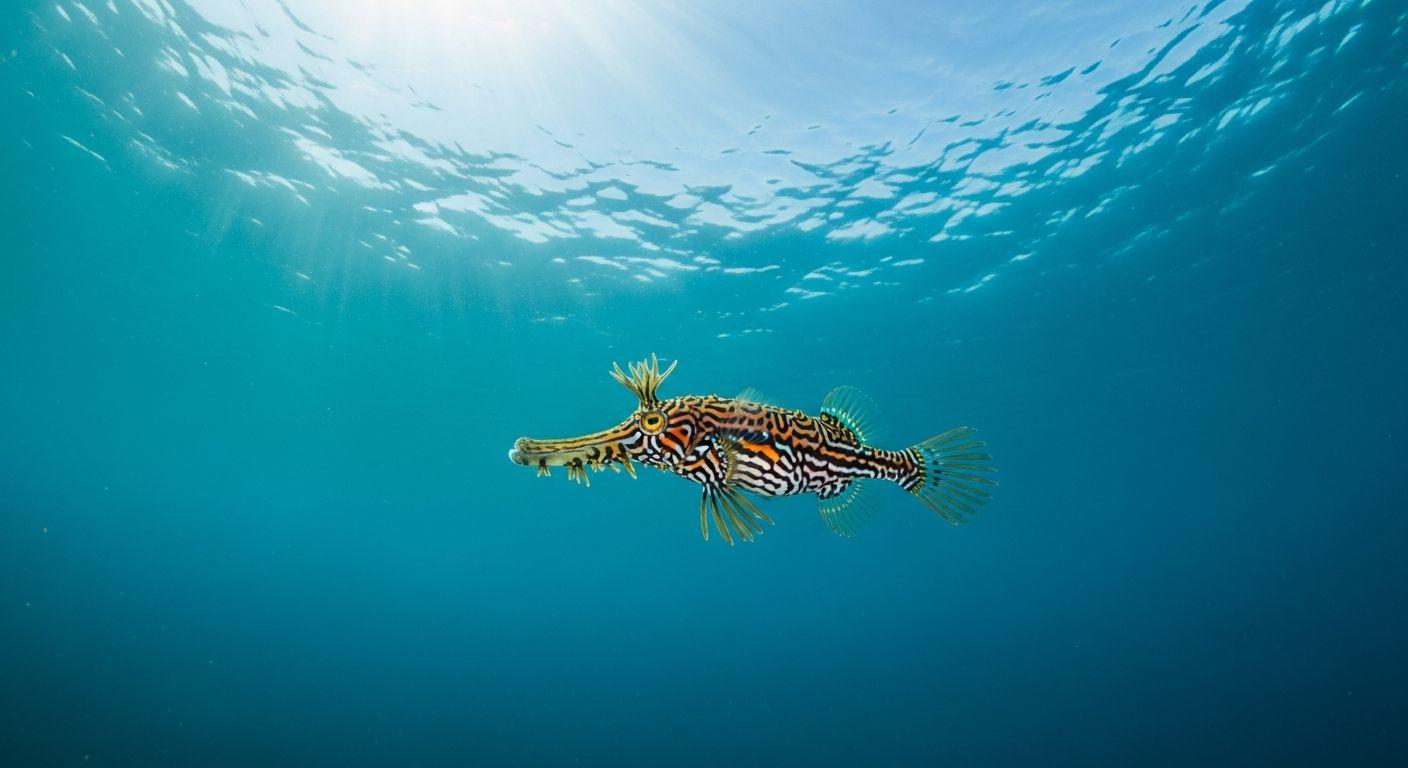 AI-generated