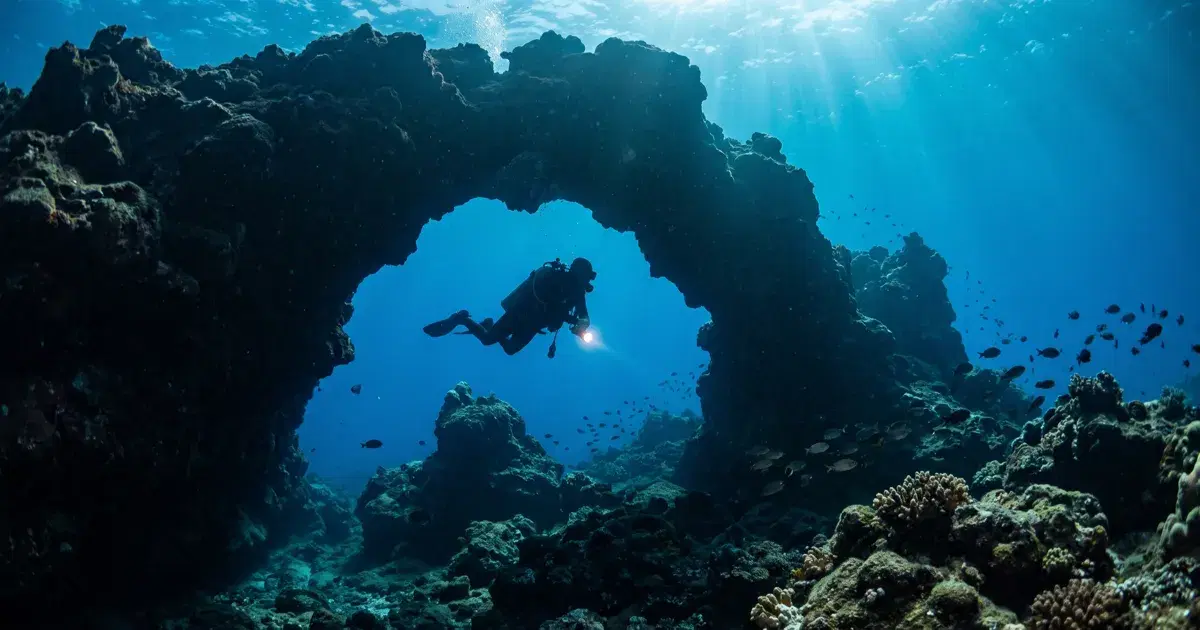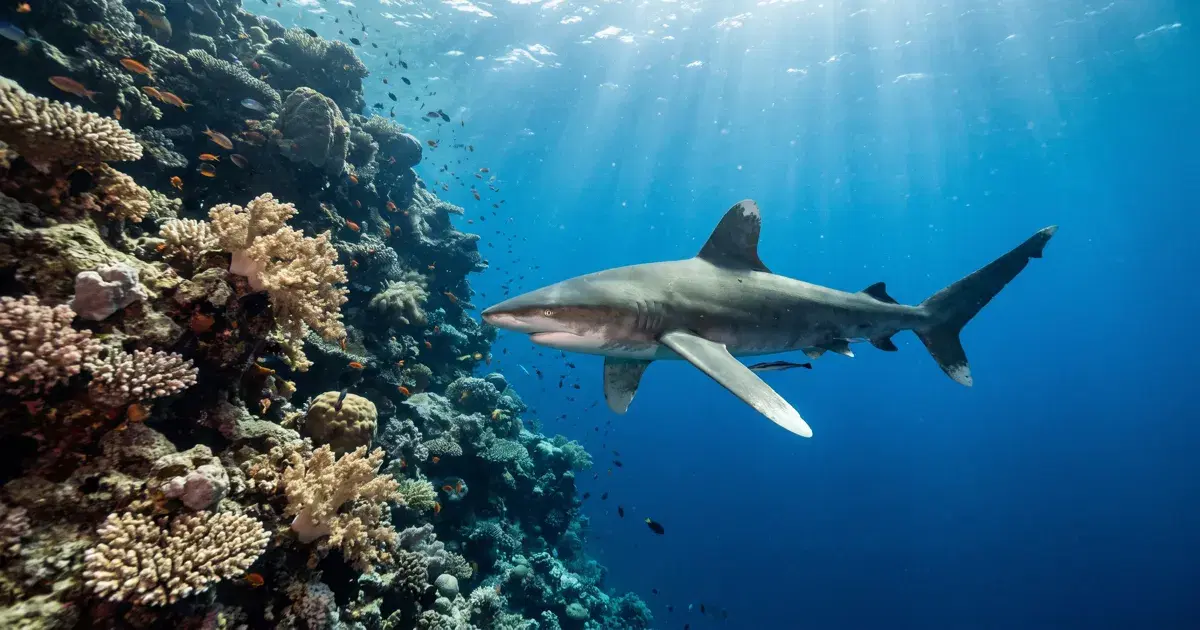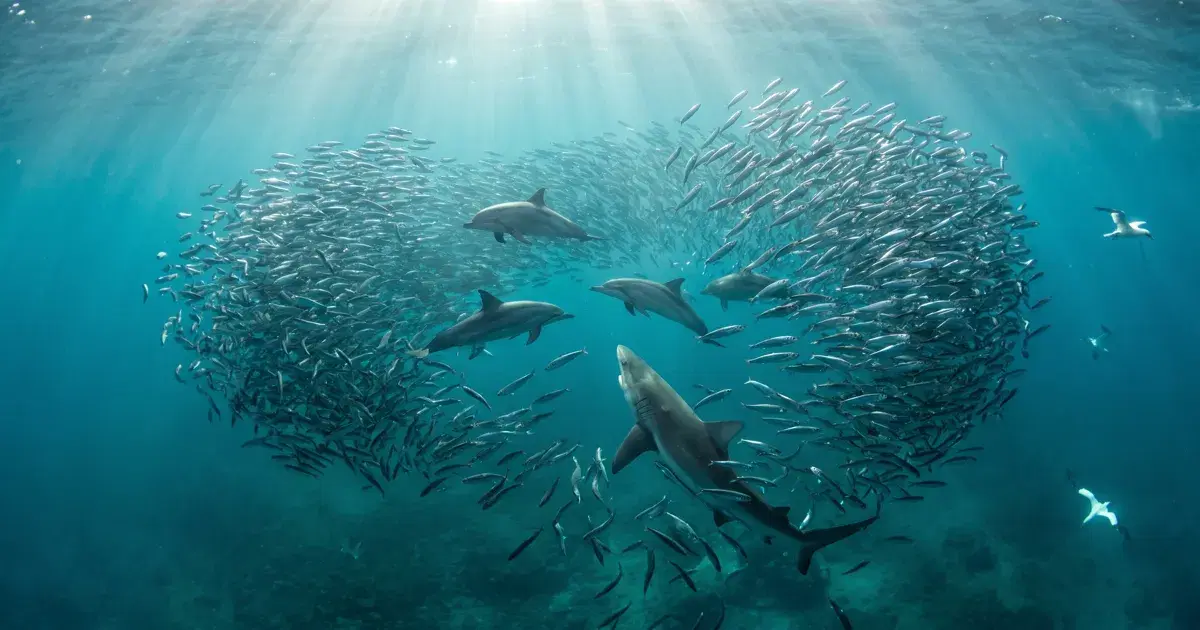
The Sardine Run is an annual migration of billions of sardines along South Africa's KwaZulu-Natal and Eastern Cape coasts, typically running roughly June through November. It draws feeding frenzies of dolphins, sharks, and gannets, a weather-dependent wildlife event rather than a guaranteed booking, and one that favors divers comfortable with open-ocean surface conditions.
What is the Sardine Run and when does it happen?
Months | Conditions |
|---|---|
June to November | Migration window; peak activity varies year to year |
The migration follows the cold Agulhas Bank current north along the coast, and predators track the shoals the entire way. Treat the table above as a standing seasonal reference rather than a fixed calendar, since the exact timing and intensity shift with ocean conditions each year.
Is the Sardine Run guaranteed to be seen every year?
No. The migration's strength and timing depend on water temperature and current patterns that vary annually, and some years produce far smaller or later runs than others. Reputable operators are upfront that no single day, or even a full week, guarantees a baitball encounter.
What predators show up during the Sardine Run?
Common dolphins are the most consistent predator, often arriving in large pods that help spot baitballs from the surface. Bronze whaler and dusky sharks show up regularly, gannets dive-bomb from above, and occasional whale sightings round out the spectacle, though none of these is guaranteed on a given outing.
Spotter planes are standard practice on most operator boats, scanning for the telltale surface disturbance a working baitball creates from the air. Once one is spotted, boats move fast to reach it before the action moves on or the sardines scatter, which is part of why a Sardine Run day can feel more like a wildlife chase than a scheduled reef dive.
Is the Sardine Run suitable for beginner divers?
Not really, at least not for the scuba portion. Open-ocean surface conditions and fast-moving, swell-heavy action favor experienced divers and strong swimmers. Snorkeling is a genuinely good alternative for less experienced divers, since much of the action happens near the surface anyway.
How do you book a Sardine Run diving trip?
Boat-based day-trip operators running out of the Port St Johns and Mboyti area are the standard booking route, typically as multi-day packages rather than single-day add-ons. Book with an operator experienced specifically in Sardine Run conditions, since the logistics differ from typical reef-diving trips.
What certification do you need for Sardine Run conditions?
Open Water is the technical minimum most operators ask for, but comfort in swell and surface current matters more than the certification card itself. If you haven't dived in genuinely rough open-ocean conditions before, say so when you book.
How does the Sardine Run compare to Aliwal Shoal diving?
Aliwal Shoal offers reliable reef and shark diving on a predictable schedule most of the year. The Sardine Run is a shorter, weather-dependent seasonal event with a completely different rhythm, chasing surface action rather than working a fixed reef site. Divers based in the area often combine both on the same trip, splitting a week between Aliwal Shoal's ragged-tooth shark aggregations and a few days chasing the run further along the coast.
FAQ
What's the best base town to stay in? Port St Johns and Mboyti are the main bases for Sardine Run operators; both put you close to the boat launch points used during the season.
Should you snorkel or dive for the run? Both work, and many operators offer either. Snorkeling keeps you closer to the surface action; scuba lets you follow predators a bit deeper when a baitball forms below.
What gear do you need for the cooler water? A hood and gloves are worth packing, since water temperatures during the run drop noticeably cooler than typical South African reef diving.
How many days improve your odds of a real encounter? Multi-day packages of four or more days give you meaningfully better odds than a single-day trip, since conditions and predator activity vary daily.
Log your Sardine Run dives on Diveity
Diveity tracks South Africa's dive sites and conditions in one place. Browse the dive site atlas before you go, and keep a running dive log once you're back. Diver accounts are free.