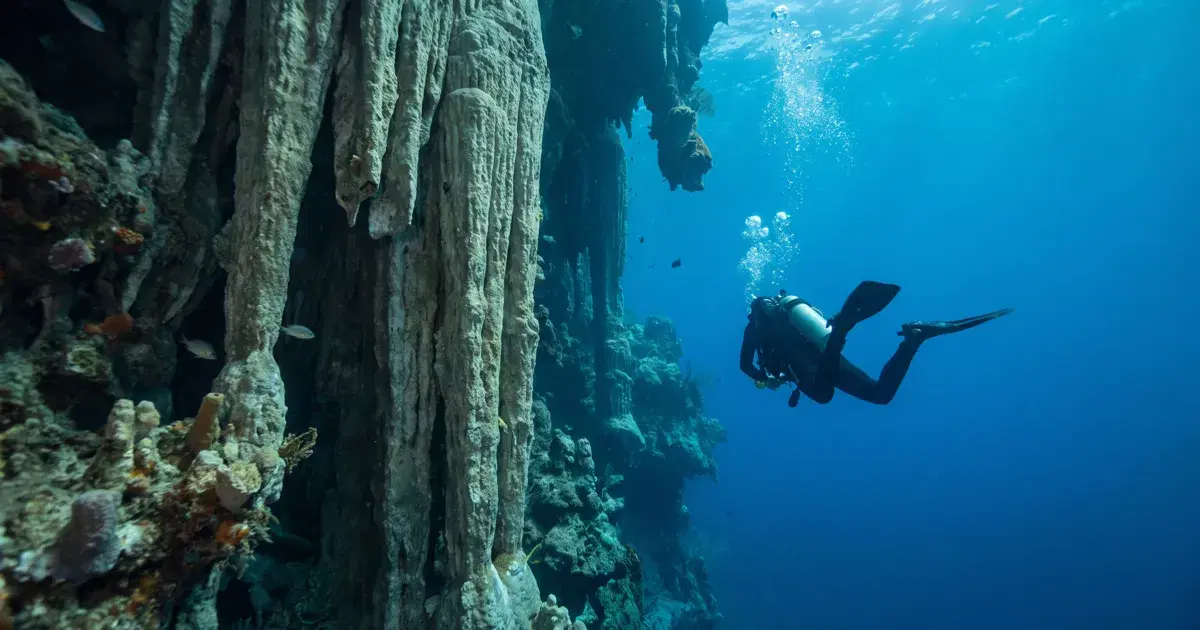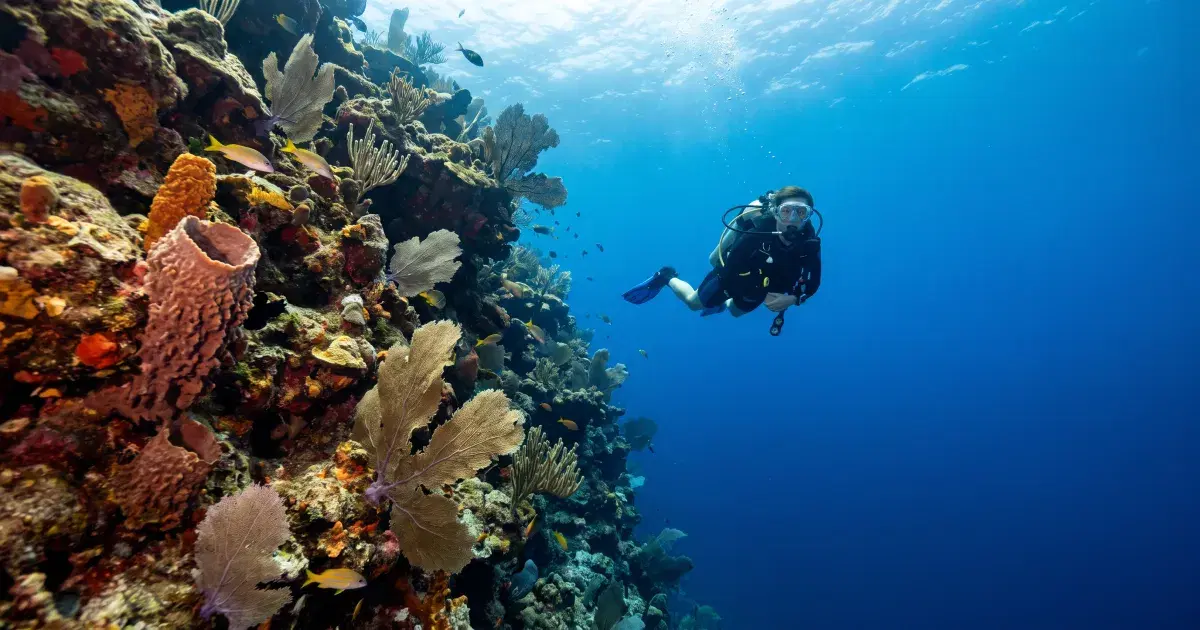
Roatán's reputation rests on its walls, coral drop-offs that start close to shore and fall into deep, open water, which is a different kind of diving than the flatter reef systems found elsewhere in the Caribbean.
What's the best time of year to dive Roatán?
Roatán is diveable year-round with warm water throughout, generally around 26-29°C (79-84°F). Conditions tend to be calmest roughly April through June, before hurricane season (August through October) brings a higher, though not certain, chance of storm disruption to travel and diving schedules.
Where should I base myself on Roatán for diving?
West End is the most dive-focused area, walkable, packed with dive shops, and close to popular sites, making it a common choice for divers without a car. West Bay offers a more resort-style beach setting with easy access to nearby reef, still within reach of West End's dive operators. East End is quieter and less developed, appealing to divers who want fewer crowds over convenience and nightlife.
Is Roatán good for beginner divers?
Yes. Many of Roatán's wall dives start with a shallow reef top before the drop-off begins, letting Open Water divers enjoy the wall's edge and upper sections without needing to go deep. Roatán is also a popular certification destination, with generally calm, clear conditions that suit first-time divers learning the basics.
What makes Roatán's walls different from other Caribbean dive spots?
Roatán's walls start unusually close to shore, in some cases just a short swim from the beach, rather than requiring a long boat ride to reach deep water. That proximity, combined with generally strong visibility, is what gives Roatán its reputation among Caribbean wall-diving destinations specifically.
Can I dive with whale sharks near Roatán?
Occasionally, but whale shark sightings near Roatán are uncommon compared to nearby Utila, which is the more established whale shark destination in the Bay Islands. Divers set on a whale shark encounter generally have better odds basing out of Utila rather than planning around Roatán.
What certification do I need for Roatán's wall dives?
Open Water certification covers the shallower sections of most Roatán walls, since the reef top and upper wall typically sit within recreational depth limits. Divers wanting to go deeper along the wall, or explore specific deep sites, generally benefit from Advanced Open Water certification, though it isn't a strict requirement everywhere.
How does Roatán compare to Utila for diving?
Roatán offers more resort infrastructure, dramatic wall diving close to shore, and generally higher prices than Utila. Utila is known as a budget-friendly, backpacker-oriented destination with cheaper certification courses and a stronger reputation for whale shark encounters. The choice often comes down to whether wall diving and resort comfort or budget and whale shark odds matter more.
FAQ
Is Roatán expensive compared to other Caribbean dive destinations? It sits in the mid-to-upper range for the Caribbean, generally pricier than budget-focused Utila but less expensive than some higher-end Caribbean resort destinations.
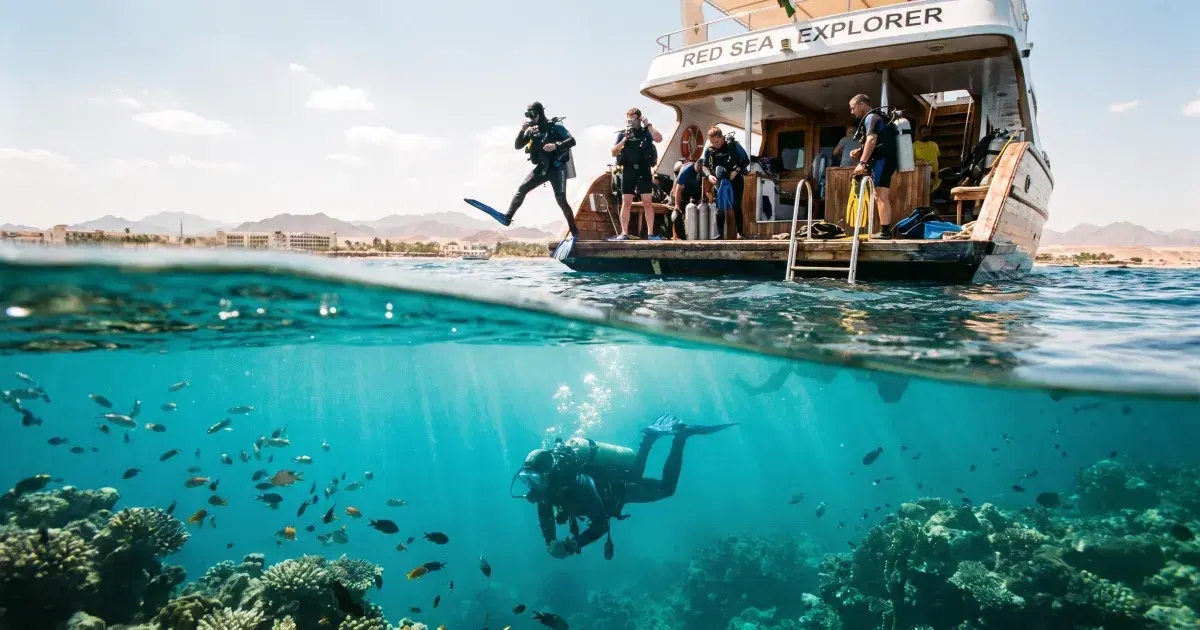
Do I need a boat to dive Roatán's walls? Most Roatán wall dives are boat dives, though some shore-accessible sites exist near West End and West Bay for divers who prefer not to book a boat trip.
How many dive sites does Roatán have? Roatán has dozens of named dive sites spread around the island, ranging from shallow reef and wall-top dives to deeper wall sections and a few wreck dives.