 Advanced
Cave · Reef · Wall · Slope
Gili Biaha
Padang Bai
Zuletzt aktualisiert:
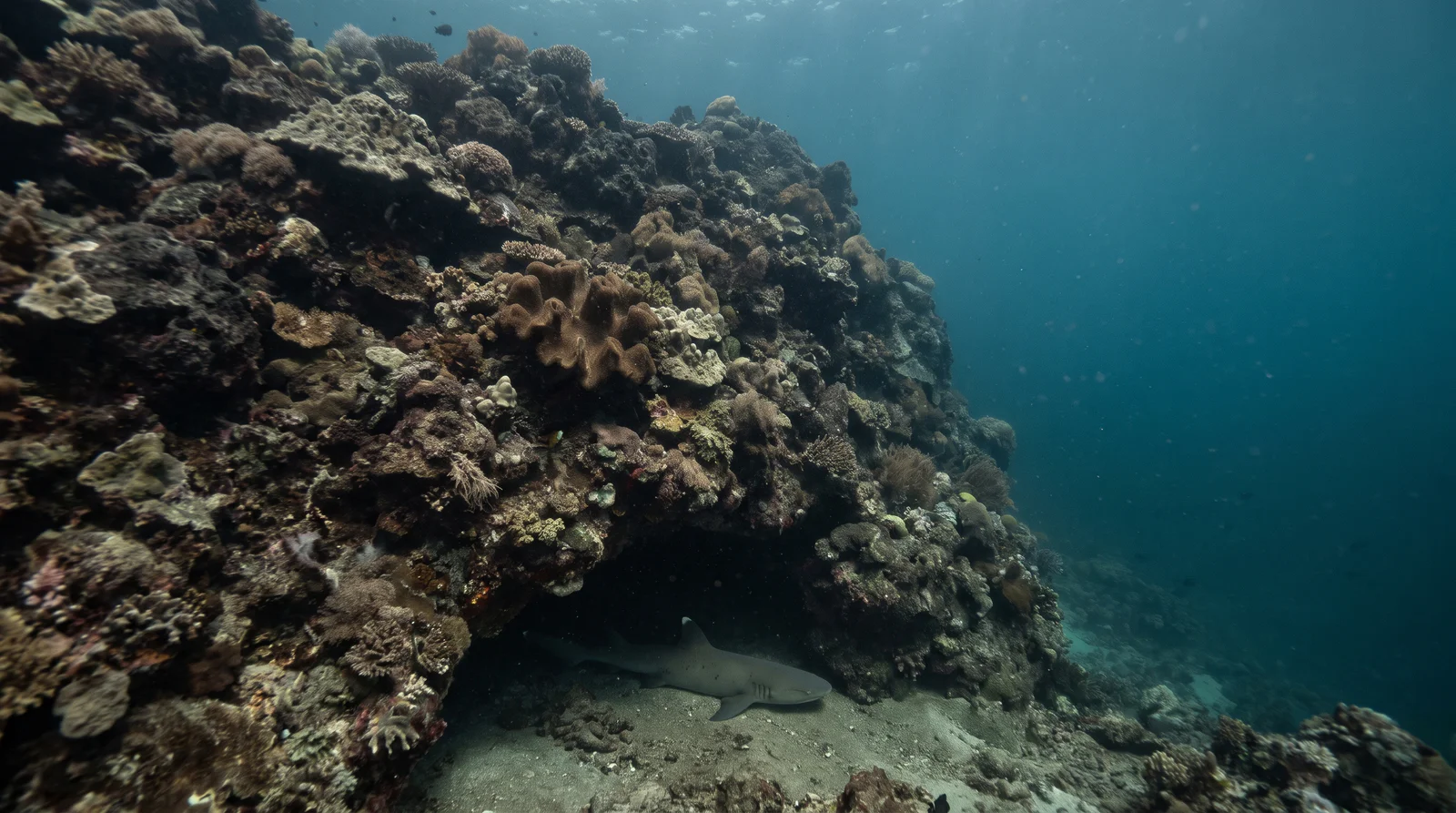
AI-generated illustration of a dark coral-covered wall with a low cave where a whitetip reef shark rests. It is not a photograph of Gili Biaha and is not evidence of any animal or condition at the site.
Bildnachweis: AI-generated illustration · Generated for Diveity; no third-party rights · Higgsfield nano_banana_pro image generationAuf einen Blick
Schwierigkeit
Fortgeschritten
Schwierigkeitsgrad
Zertifizierung erforderlich
Zugang
Boat
Dokumentierte Monate
Strömung
Stark
Temperatur
26 °C30 °C
Minimale Wassertemperatur
Von einer Quelle berichtet · Blue Season Bali
Maximale Wassertemperatur
Von einer Quelle berichtet · Blue Season Bali
Wassertemperatur
Über diesen Tauchplatz
Overview
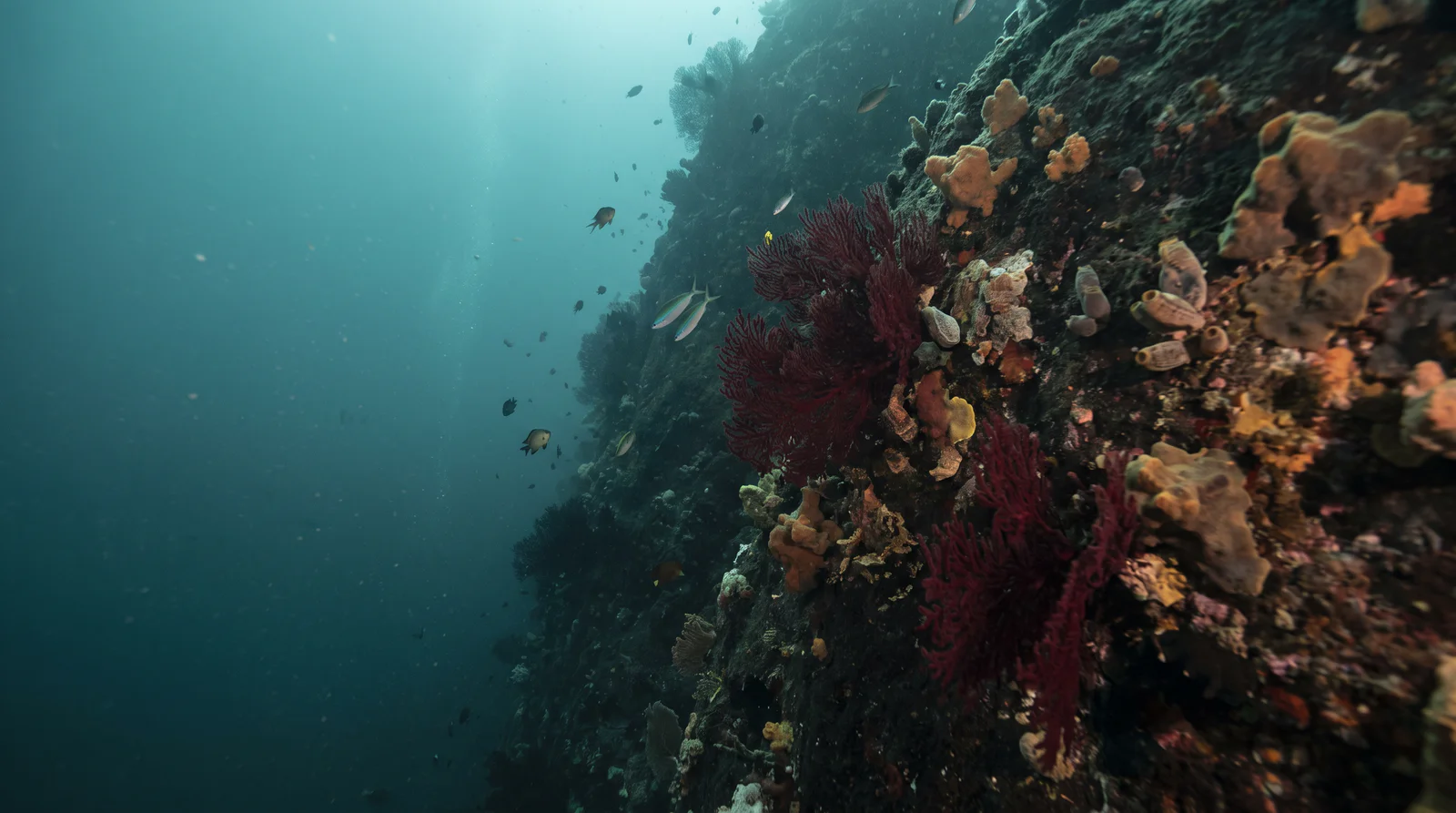
Gili Biaha is a small rock island at the eastern end of Amuk Bay, off the east coast of Bali. Waterworx, a dive centre in Padang Bai, says it is reached in 30 minutes by boat and describes a U shape with the open side facing the open ocean. PADI's dive guide, in text contributed by the dive centre AquaMarine Diving - Bali, calls it the crescent-shaped Biaha and says that just about the entire island is surrounded by a rich and dense coral reef, part rugged black wall and part slope. The site is best known for a cave in which whitetip reef sharks rest.
Location
The map point is the one PADI's page gives, -8.50922, 115.61497. It lies in the water just outside the OpenStreetMap outline of the island, about 80 metres from the point OpenStreetMap gives for the island. Divezone gives a point about 80 metres from PADI's, also in the water beside the island. Divezone files the site under Candidasa and says it can be reached from Candidasa or from Padang Bai, and an article on the PADI Blog puts it a 15-minute boat ride from Candidasa. Blue Season Bali names Gili Mimpang, Gili Tepekong and Gili Biaha as the three small islands of Amuk Bay, near Padang Bai and Candidasa, and says Gili Biaha is about four kilometres from Gili Tepekong.
How the site is dived
Waterworx says the boat drops divers in the centre of the U. On the way down, cliff terraces overgrown with hard and soft corals, fans and sponges level out at around 40 metres into the sea floor. At 12 metres is the entrance to the Shark Cave, a hole of about 5 by 5 metres that reaches back 18 metres into the island and then opens into a domed cavern. PADI says the diving is divided between the slightly more protected south-west end, almost inside the crescent, and the more turbulent conditions on the north side. Divezone says the island has two dive sites, Shark Cave and Biaha Slope, which can be combined in one dive if the current allows, and that divers can then go around the island depending on the current.
Depth
PADI gives a maximum depth of 40 metres, and Waterworx says the terraces level out at around 40 metres, so this record uses 40 metres as the maximum. Divezone rates the normal diving depth at 10 to 25 metres. Waterworx puts the cave entrance at 12 metres, and the PADI Blog describes a shallow cavern 10 metres below the surface. These are the depths of a feature, not a range for the site.
Conditions
Blue Season Bali says strong currents, both up and down, are common, and that few operators dive the site because its conditions vary. Divezone says the currents can be strong and unpredictable and tells divers to stay close to the reef. Waterworx gives the current as mild to very strong, and very strong at full and new moon. It says the eastern and western corners of the island are more exposed to currents, and that the site cannot be dived on days with big ocean swell. Waterworx gives a visibility of 25 metres and more and Divezone of 30 metres and more, so this record gives no visibility range. Divezone says the site can be dived all year. Blue Season Bali gives a water temperature of 26 to 30 °C.
Who it suits
Waterworx says that because of possible strong currents at full and dark moon and the greater depth, the site is only for experienced divers. Divezone says it is only for experienced divers and that the cave should not be entered if conditions are not perfect. PADI calls it a site best suited to advanced divers, and Blue Season Bali rates it skilled. Divezone also calls it a cave diving spot and tells divers to make sure they have all required certifications, without naming one, so this record gives no required certification.
Marine life
Waterworx says whitetip reef sharks hide out in the cave, resting during the day, that crevices in its walls shelter big rock lobsters, and that the exposed corners give a high chance of pelagic species approaching from the open ocean. It says Mola mola can be seen during the dry season, and its list for the site gives May to November; the PADI Blog says August to November. PADI names sleeping whitetip reef sharks in the cave, leaf scorpionfish, cuttlefish, anglerfish and nudibranchs. Divezone names lobsters and lionfish in the cave, Blue Season Bali names shrimp and crabs outside the cave, and the PADI Blog names patrolling reef sharks and gliding rays. These are statements by dive operators and guides, and no source gives a measured sighting rate for any animal.
Name
Waterworx heads its paragraph "Gili Biaha (Shark cave)", but Divezone treats Shark Cave as one of the island's two dive sites, with Biaha Slope. Because the name may mean the cave dive only, this record carries no alias.
Sources and lineage
Waterworx, AquaMarine Diving - Bali on PADI, Divezone and Blue Season Bali describe the site in their own words. The PADI Blog article, by Brooke McConnell and dated 10 December 2019, does not say where its facts come from.
Nobody has verified this record in person; it was researched and written by an automated process from the sources named here.
Aktuelle Bedingungen
Typische Strömungsstärke an diesem Tauchplatz
Stark
Stärkenskala
Keine
Mild
Mäßig
Stark
Meereslebewesen
11 Arten an diesem Tauchplatz registriert
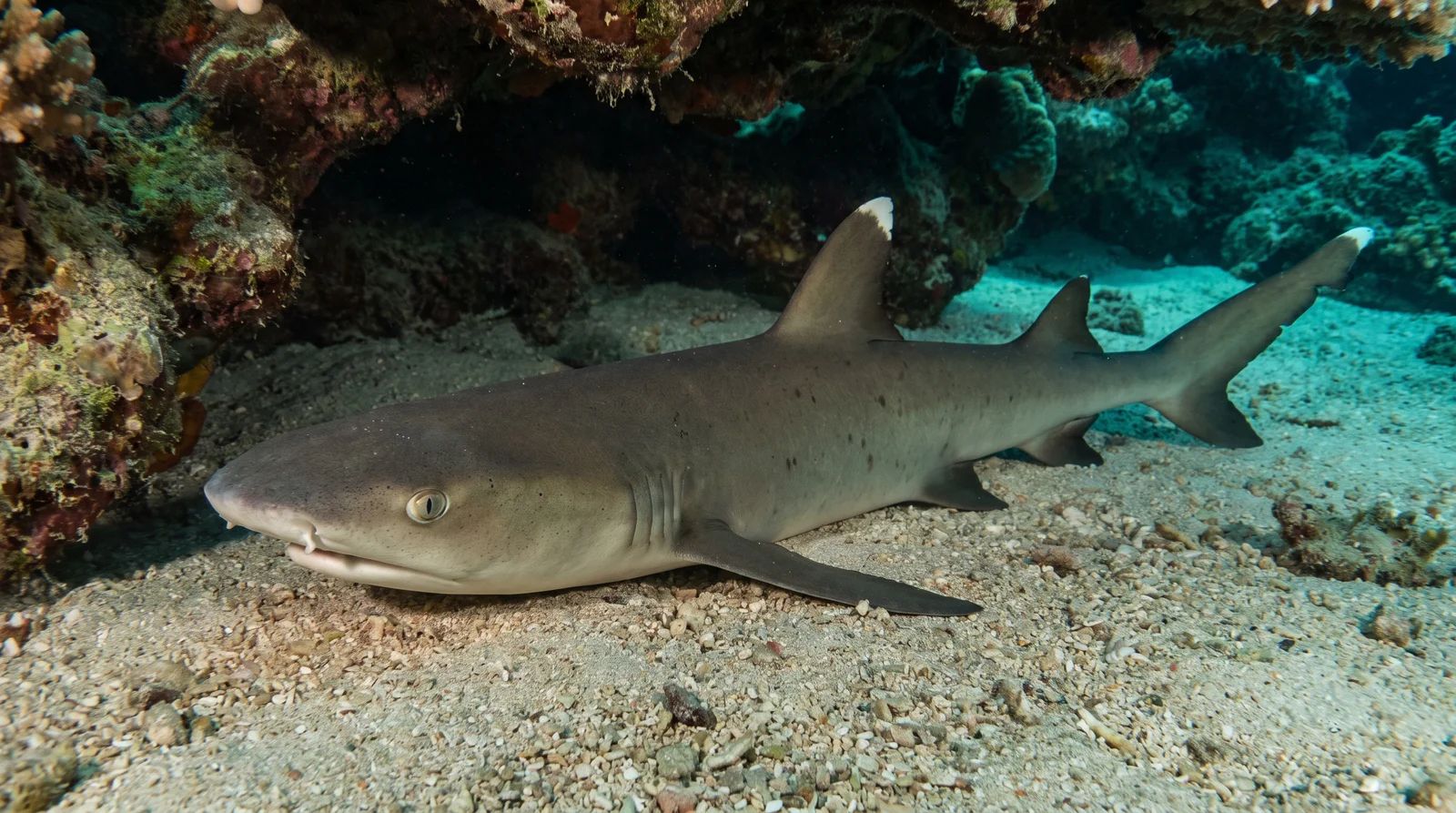
Whitetip Reef Shark
Triaenodon obesus
Dokumentiertes Vorkommen am Tauchplatz
Quelle geprüft am 2026-11-11 · Quelle: Blue Season Bali · Beobachtungsdatum nicht dokumentiert
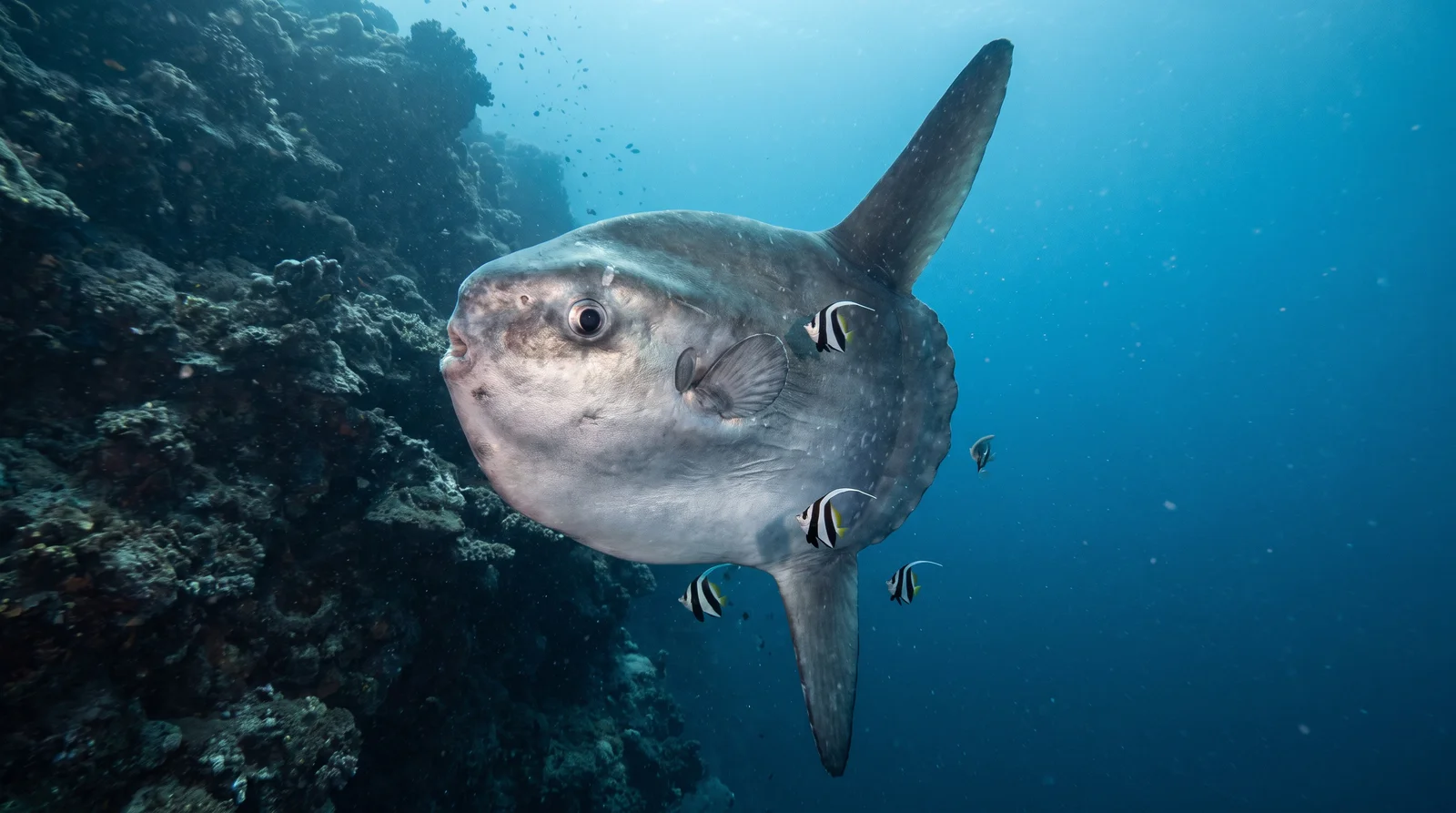
Ocean Sunfish (Mola mola)
Mola mola
Dokumentiertes Vorkommen am Tauchplatz
Quelle geprüft am 2026-11-11 · Quelle: PADI Blog · Beobachtungsdatum nicht dokumentiert
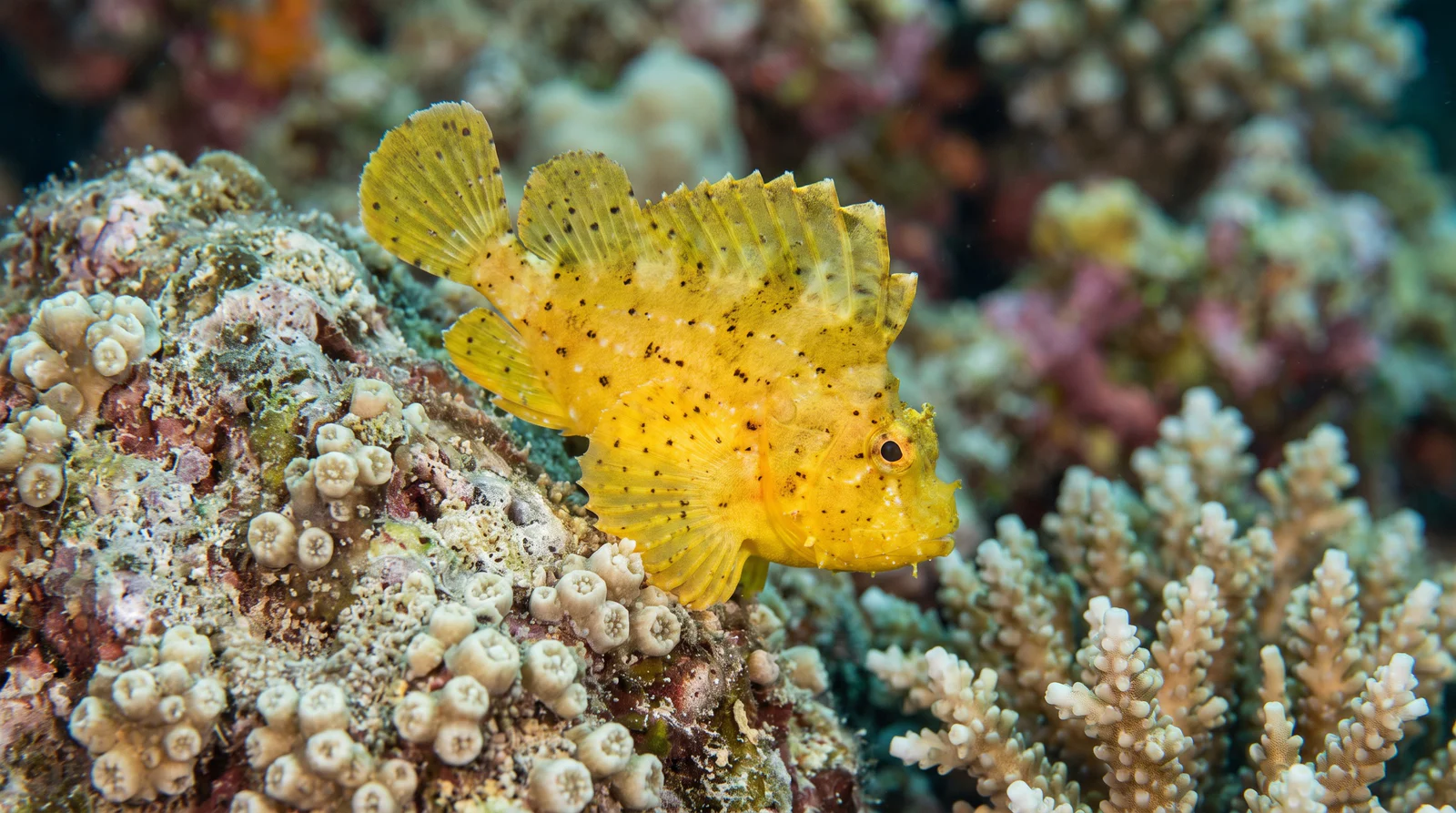
Leaf Scorpionfish
Taenianotus triacanthus
Dokumentiertes Vorkommen am Tauchplatz
Quelle geprüft am 2026-11-11 · Quelle: PADI · Beobachtungsdatum nicht dokumentiert
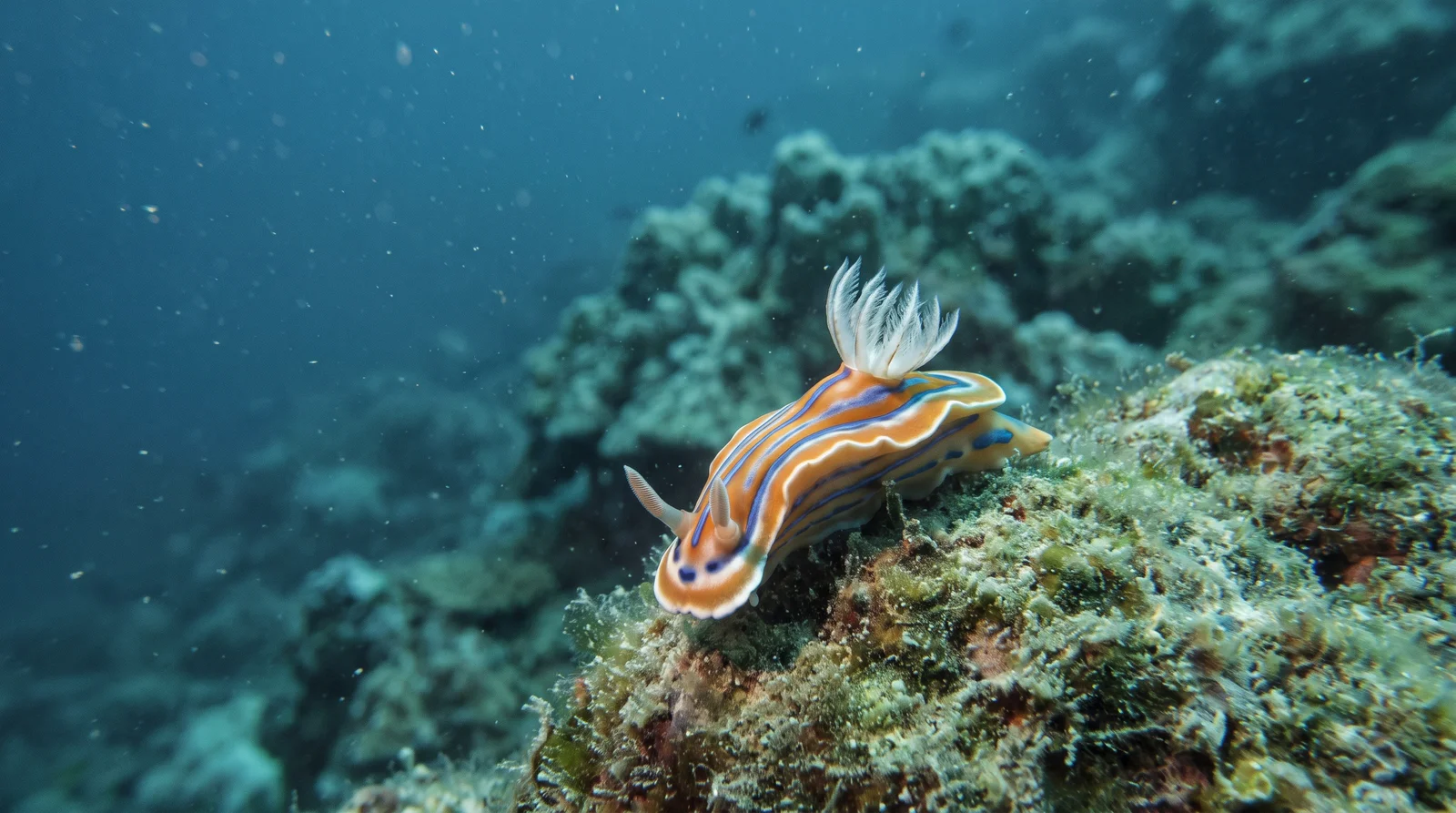
Nudibranch (assorted)
Nudibranchia spp.
Dokumentiertes Vorkommen am Tauchplatz
Quelle geprüft am 2026-11-11 · Quelle: PADI · Beobachtungsdatum nicht dokumentiert
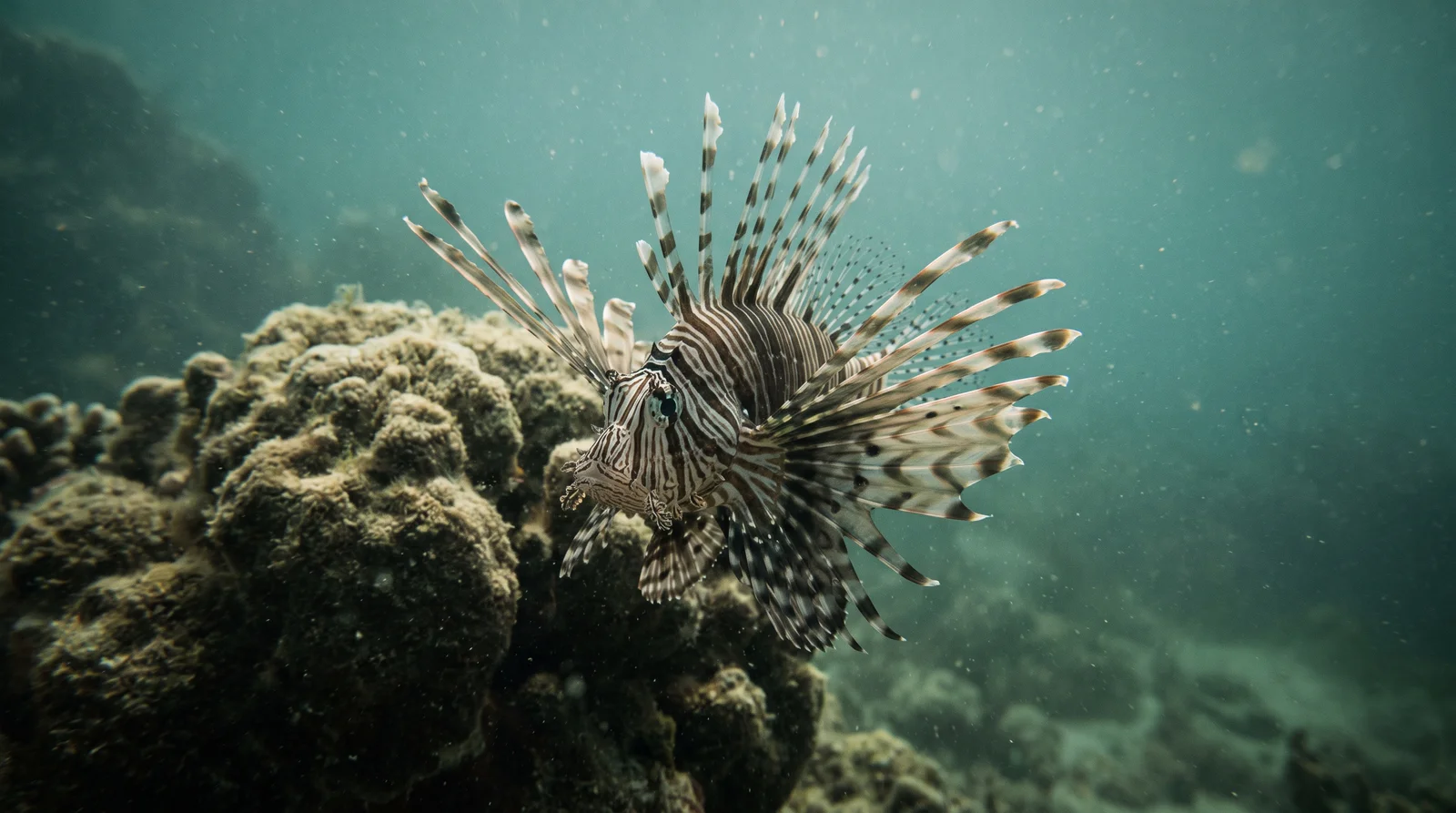
Lionfish (assorted)
Pteroinae spp.
Dokumentiertes Vorkommen am Tauchplatz
Quelle geprüft am 2026-11-11 · Quelle: Divezone · Beobachtungsdatum nicht dokumentiert
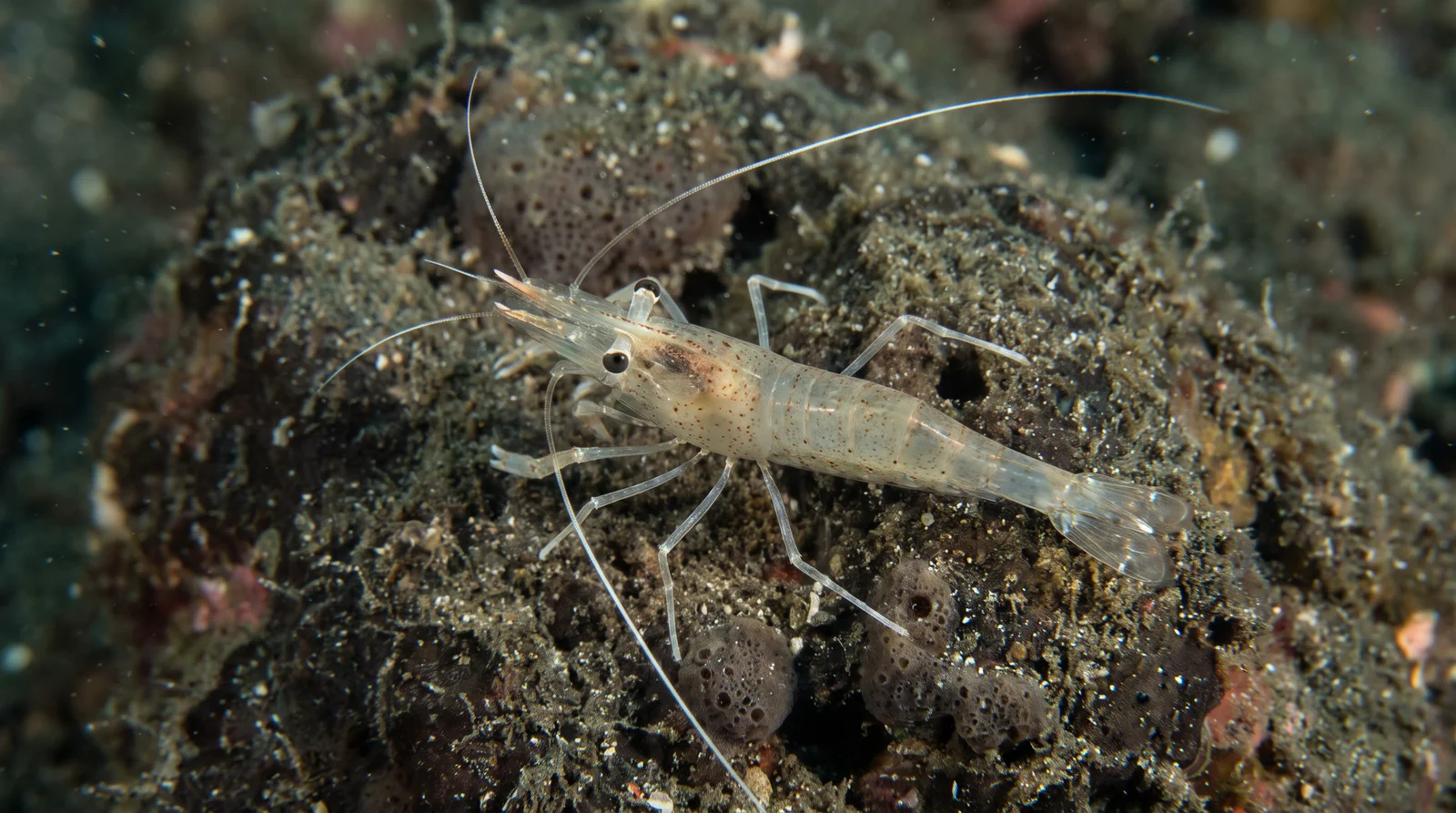
Shrimp (assorted)
Caridea and Dendrobranchiata spp. (shrimps)
Dokumentiertes Vorkommen am Tauchplatz
Quelle geprüft am 2026-11-11 · Quelle: Blue Season Bali · Beobachtungsdatum nicht dokumentiert
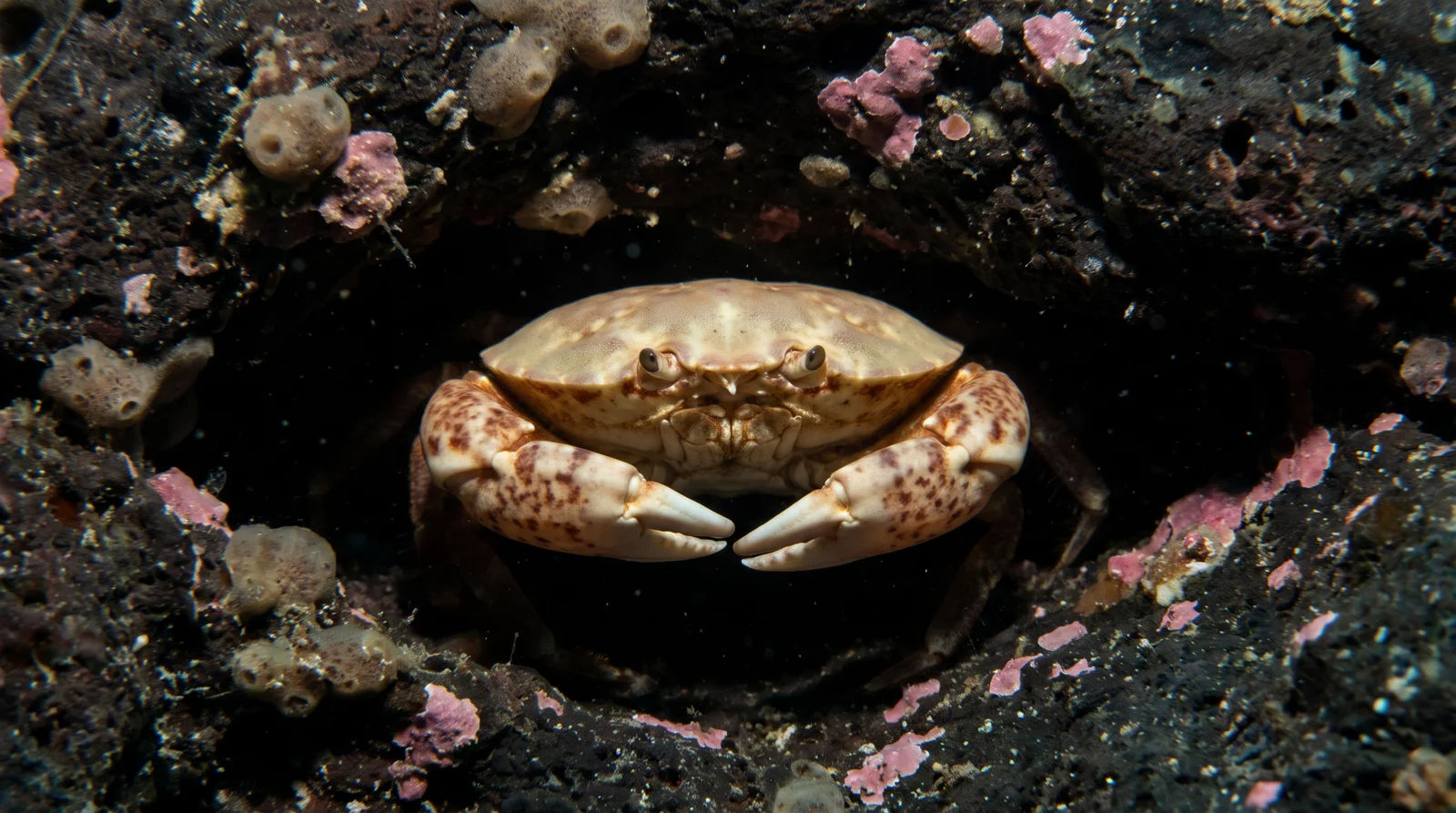
Crab (assorted)
Brachyura and Anomura spp. (crabs)
Dokumentiertes Vorkommen am Tauchplatz
Quelle geprüft am 2026-11-11 · Quelle: Blue Season Bali · Beobachtungsdatum nicht dokumentiert
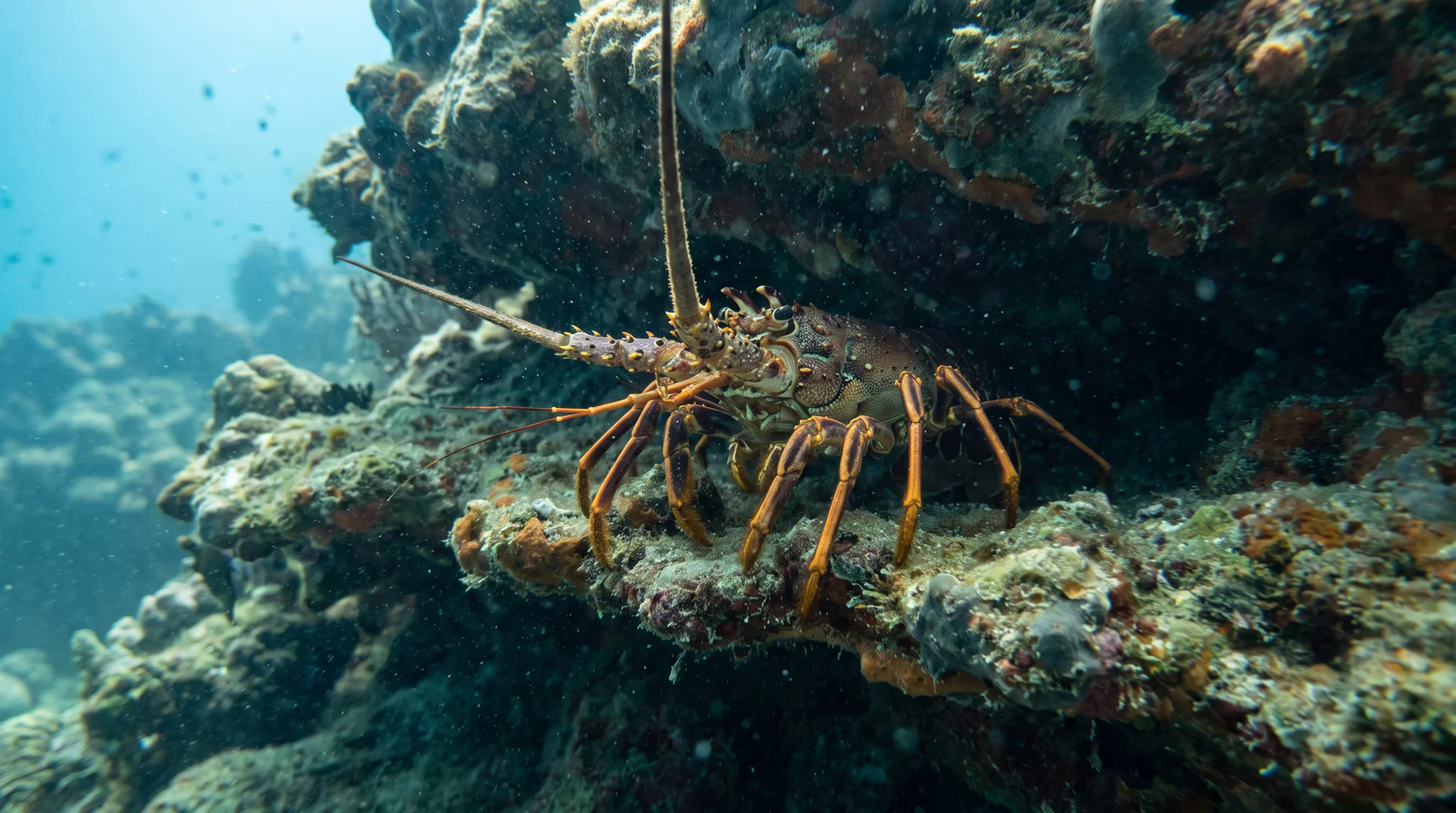
Lobster (assorted)
Palinuridae and Scyllaridae spp.
Dokumentiertes Vorkommen am Tauchplatz
Quelle geprüft am 2026-11-11 · Quelle: Divezone · Beobachtungsdatum nicht dokumentiert
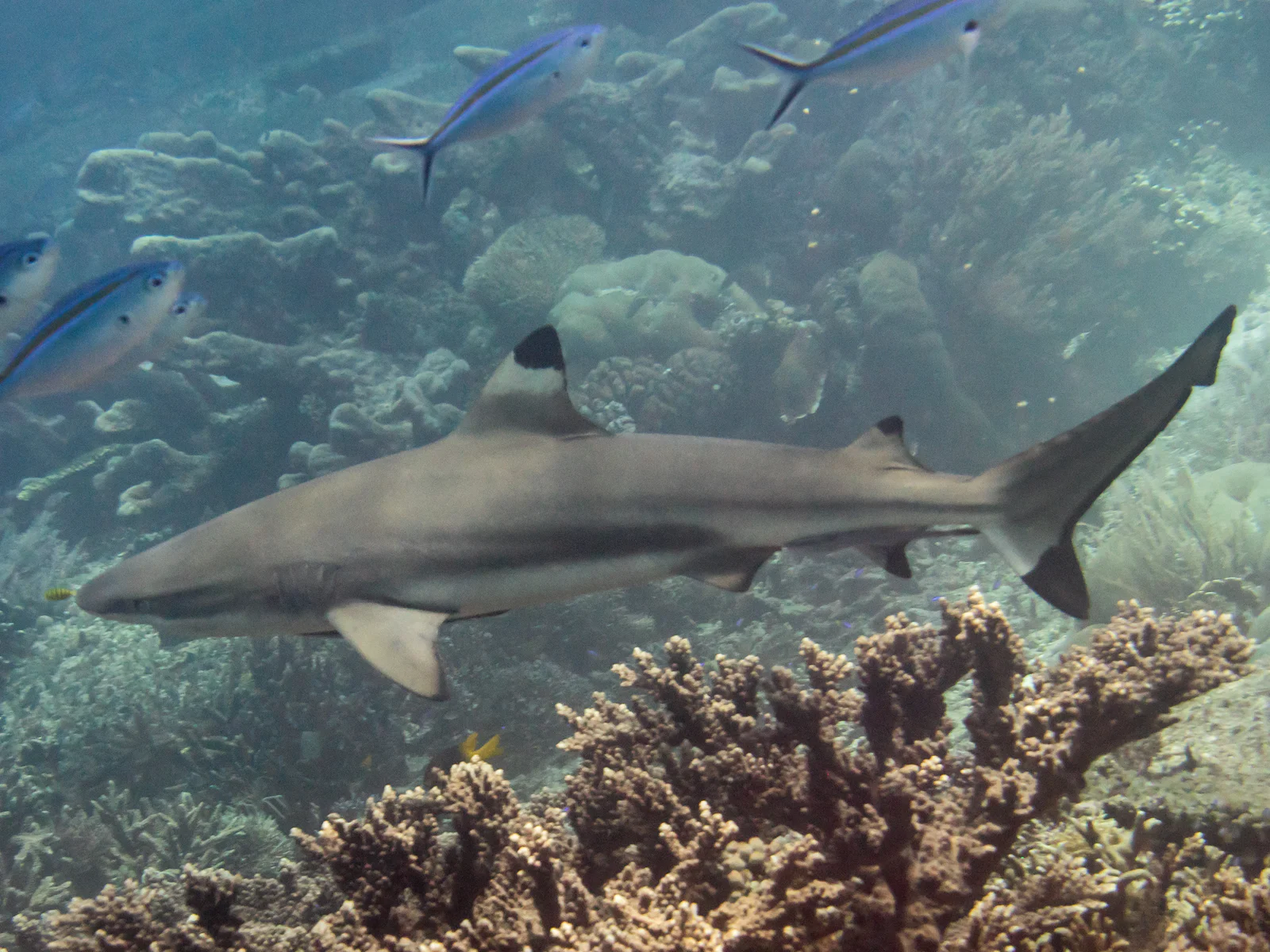
Reef Shark (assorted)
Carcharhinidae spp. (reef sharks)
Dokumentiertes Vorkommen am Tauchplatz
Quelle geprüft am 2026-11-11 · Quelle: PADI Blog · Beobachtungsdatum nicht dokumentiert
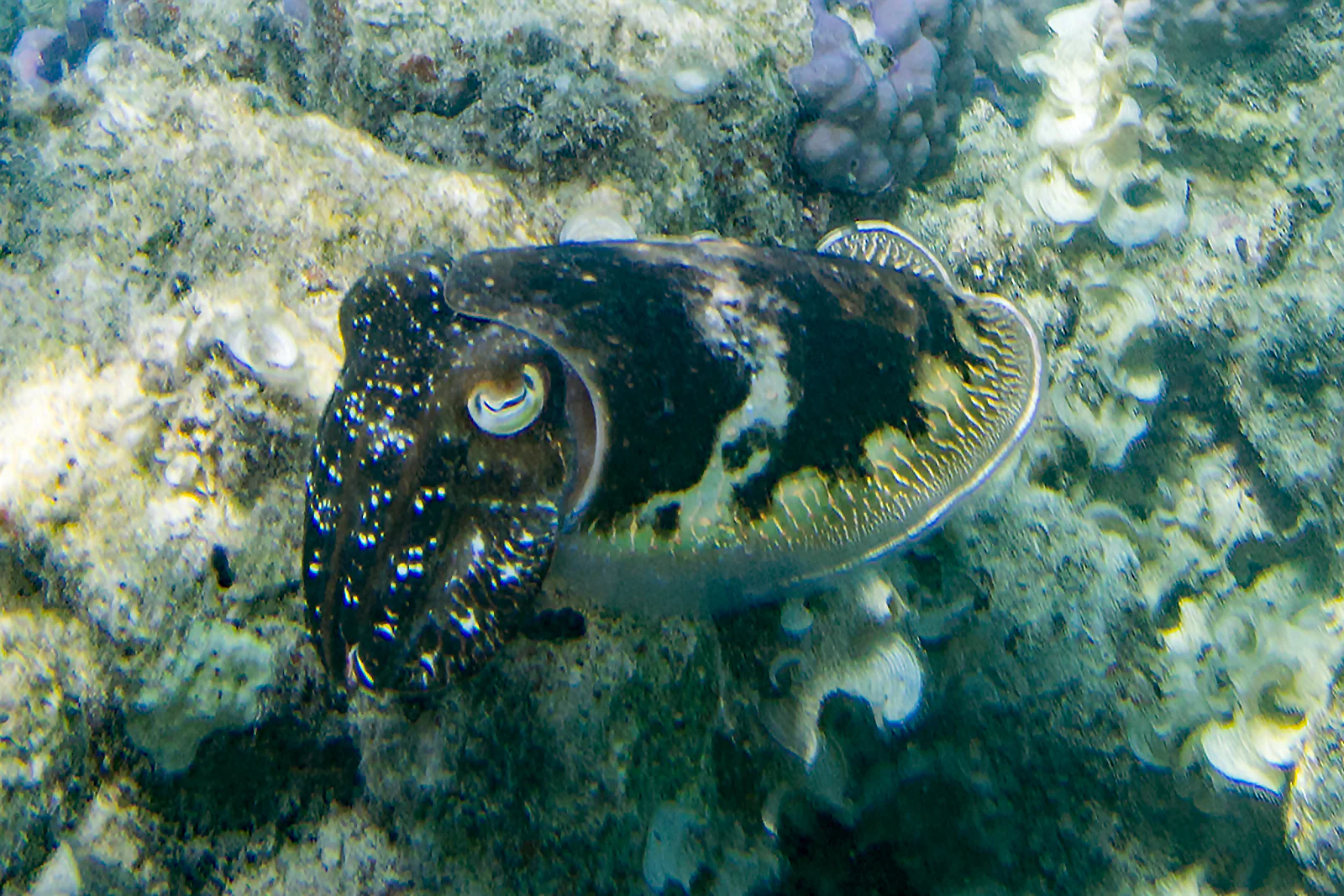
Cuttlefish (assorted)
Sepiidae spp.
Dokumentiertes Vorkommen am Tauchplatz
Quelle geprüft am 2026-11-11 · Quelle: PADI · Beobachtungsdatum nicht dokumentiert
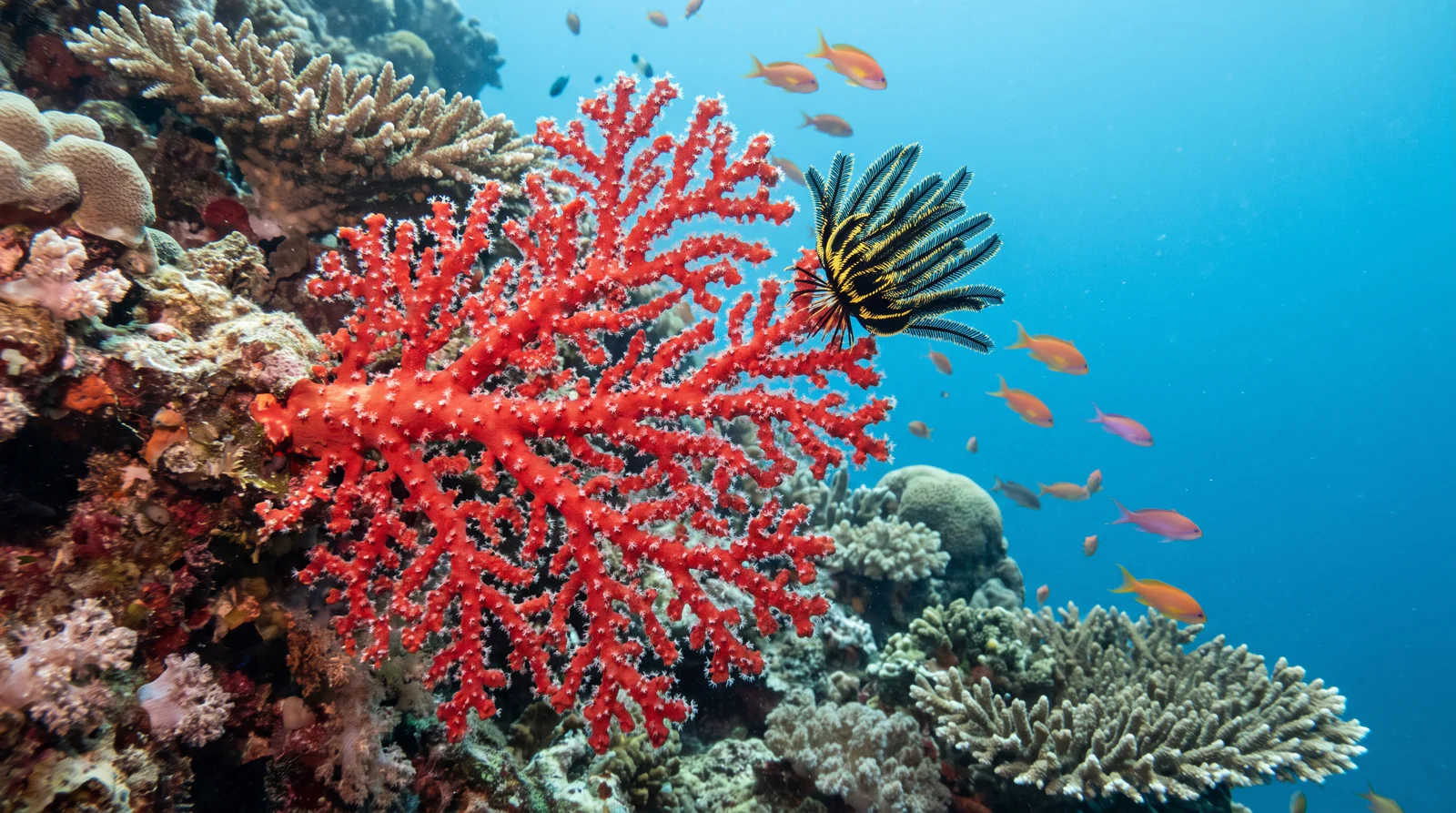
Sea Fan / Gorgonian (assorted)
Octocorallia spp. (gorgonians)
Dokumentiertes Vorkommen am Tauchplatz
Quelle geprüft am 2026-11-11 · Quelle: Waterworx · Beobachtungsdatum nicht dokumentiert
Gefahren & Sicherheit
Beachten Sie diese potenziellen Gefahren an diesem Tauchplatz
Current
Schweregrad: Noch nicht dokumentiertBlue Season Bali says strong currents, both up and down, are common. Divezone says the currents can be strong and unpredictable. Waterworx says the current is very strong at full and new moon and that the eastern and western corners of the island are more exposed to currents. No source gives a strength in numbers.
Overhead environment
Schweregrad: Noch nicht dokumentiertThe Shark Cave has an entrance at 12 metres and reaches back 18 metres into the island (Waterworx). Divezone calls it a cave diving spot, says the cave should not be entered if conditions are not perfect, and tells divers to make sure they have all required certifications, without naming one.
Swell
Schweregrad: Noch nicht dokumentiertWaterworx says it is not possible to dive the site on days with big ocean swell.
Quellen
- Blue Season Bali
- Divezone
- PADI
- PADI Blog
- Waterworx
360°-Unterwasseransicht
Immersive Panoramaansicht dieses Tauchplatzes
360°-Panorama demnächst verfügbar
Immersive Unterwasseransichten werden verfügbar sein, sobald Panoramaaufnahmen hochgeladen wurden
Bewertungen
--
0 reviews
Noch keine Bewertungen. Seien Sie der Erste, der Ihre Erfahrung teilt!
Verwandte Tauchplätze
Entdecken Sie andere Tauchplätze in der Umgebung
Advanced
 Beginner
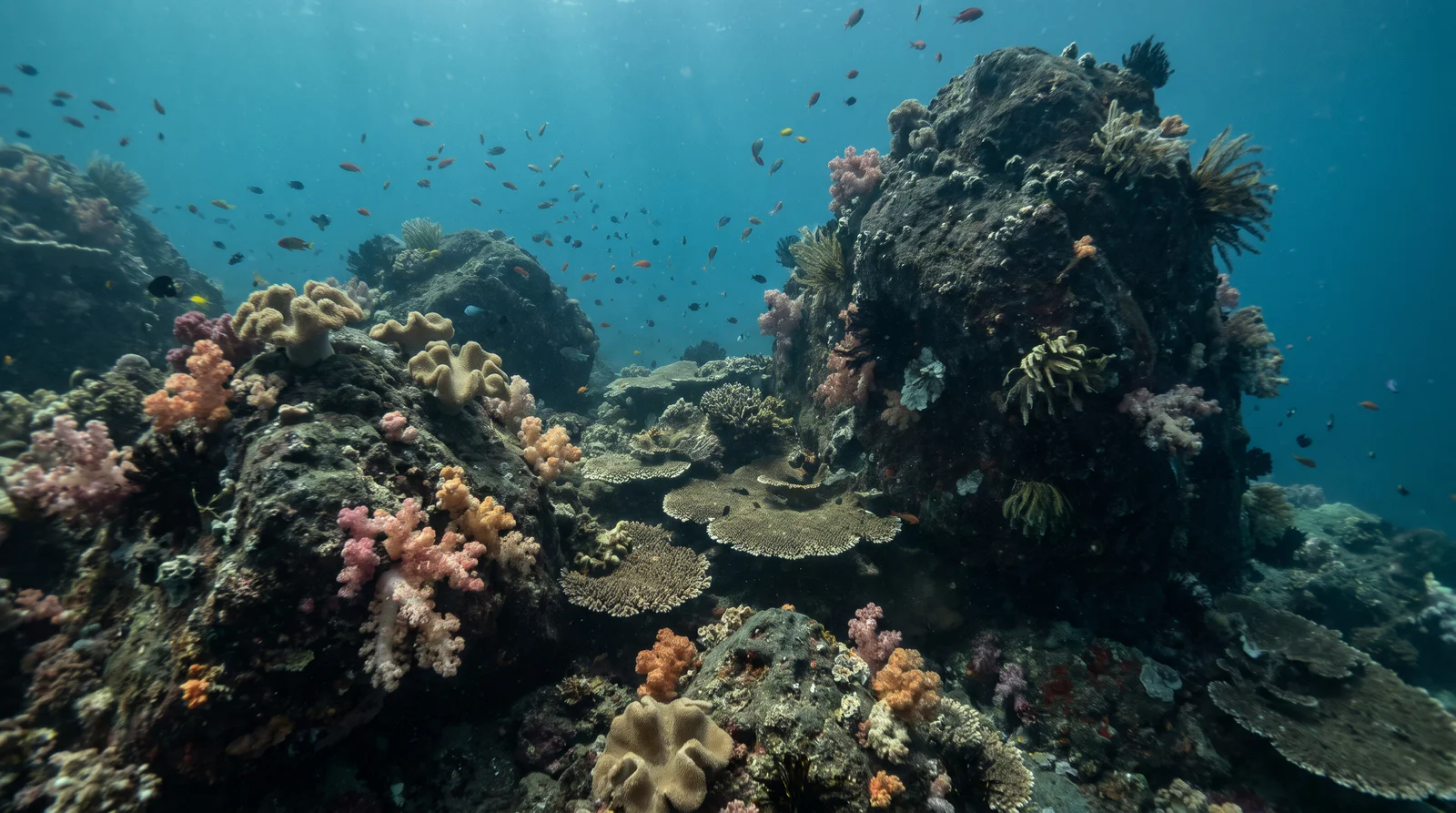 Advanced
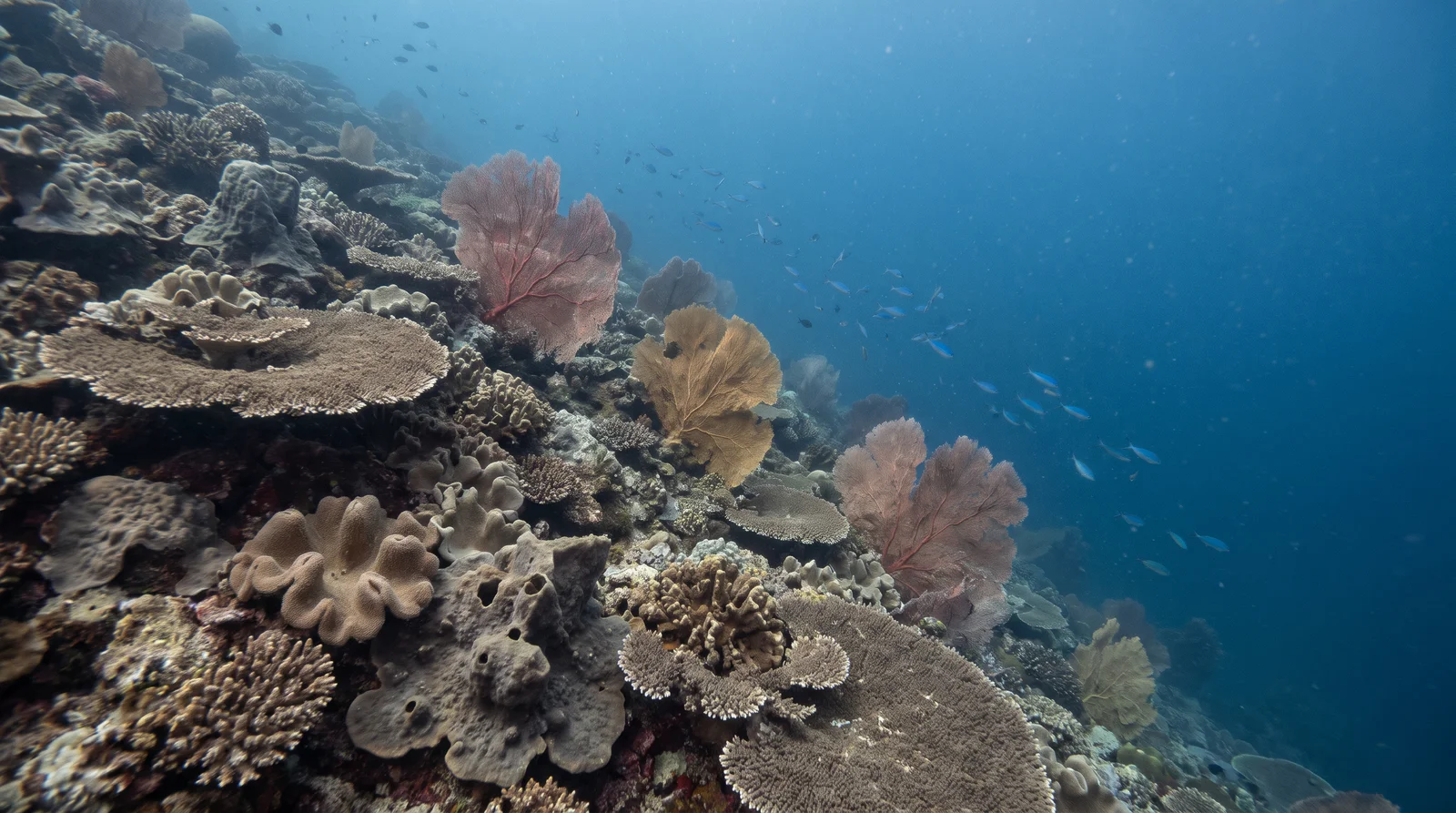 AdvancedAdvancedBeginnerAdvancedAdvanced
Tiefenprofil
40 m
Bleiben Sie auf dem Laufenden
Erhalten Sie Updates zu Tauchplätzen und Tipps per E-Mail.
Hast du Gili Biaha betaucht? Lass es zählen.
Füge ihn deinem Logbuch hinzu, teile deine Sichtungen und hilf 0 Tauchern, ihren nächsten Tauchgang zu planen.
Aktuelle Community-Aktivität
War das hilfreich?