Reef · Slope
Tanjung Sari
Zu diesem Namen: No source read gives a point for the dive. Waterworx places it along the cape that separates the Blue Lagoon from Padang Bai harbour, and…
Zuletzt aktualisiert:
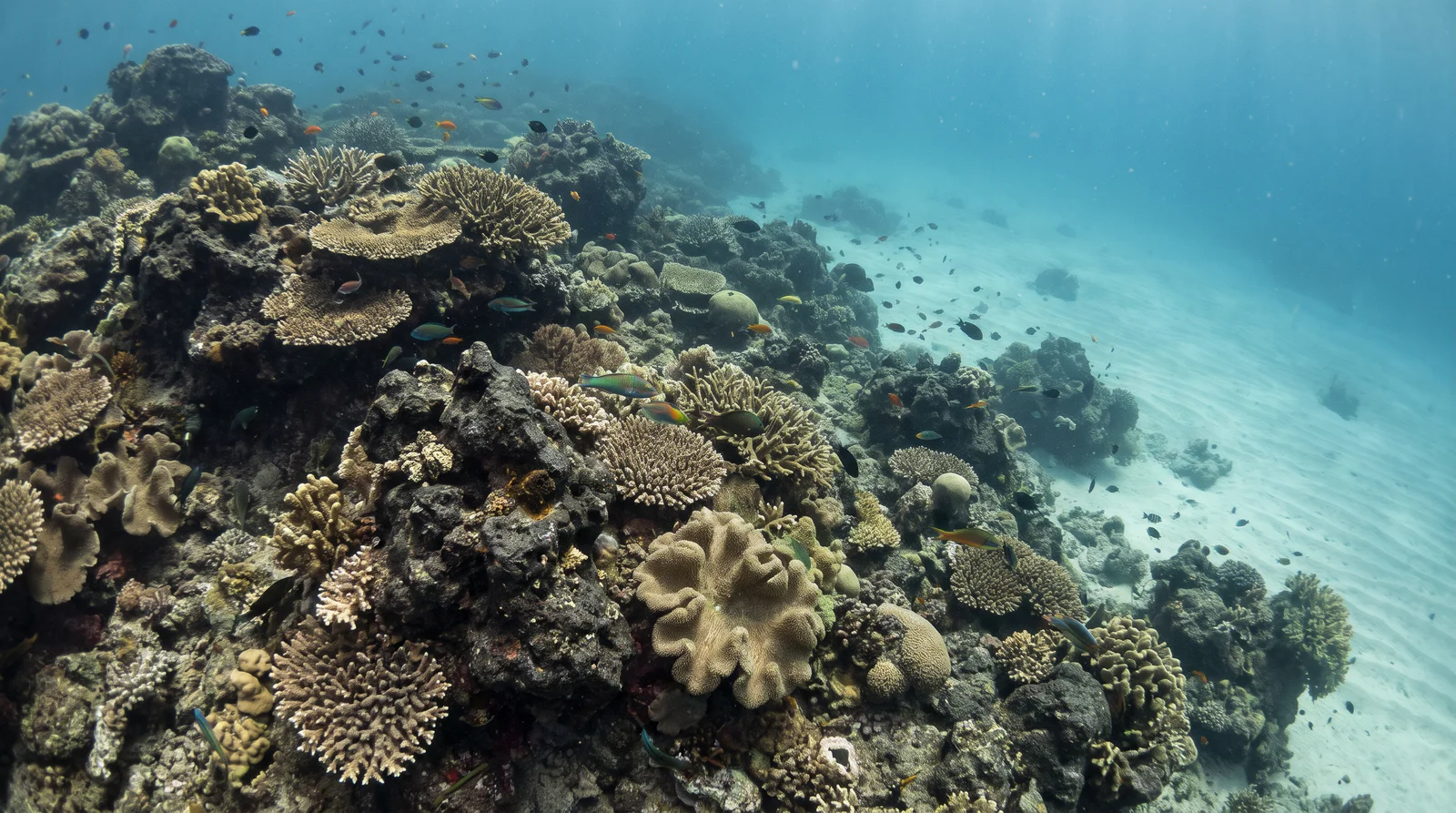
AI-generated illustration of a reef of dark volcanic rock sloping to a sand bottom. It is not a photograph of Tanjung Sari and is not evidence of any animal or condition at the site.
Bildnachweis: AI-generated illustration · Generated for Diveity; no third-party rights · Higgsfield nano_banana_pro image generationAuf einen Blick
SchwierigkeitsgradInformation wird geprüft
Erfasster Wert
advanced (Divezone rating box: Level Advanced Divers; Cedric Saveuse for Geko Dive, comment on Divezone: a difficult dive site with strong currents)
Unterstützt von: Divezone
Gegenbelege
easy
This easy dive site is ideal for macro photography and for night diving with Whitetip reef shark!
Divezone · 2026-11-10T23:39:45Z
Von einer Quelle berichtet · Divezone
StrömungInformation wird geprüft
Gegenbelege
strong
Pelagics are often attracted by the strong current that can be found here. ... Please note that this can be a difficult dive site with strong currents and that it is not always possible to dive here even for experienced divers!
Divezone · 2026-11-10T23:39:45Z
Über diesen Tauchplatz
Overview
Tanjung Sari is a reef along the cape that separates the Blue Lagoon from Padang Bai harbour, on the east coast of Bali. Waterworx, a dive centre in Padang Bai, says the dive site marks the southern end of the Blue Lagoon and stretches along that cape. It describes a protruding reef top with bizarre volcanic rock formations that slopes gently down to about 30 metres, where it ends in a sandy bottom. Divezone calls it a nice slope reef going down to 30 metres with some good coral formation and very good fish life, and an easy dive site that is ideal for macro photography and for night diving.
Location
Divezone puts the site a 3-minute boat ride from Padangbai beach and the dive shops, not far from Blue Lagoon, and says it can sometimes be done as part of the same dive. OpenStreetMap shows a temple, Pura Tanjung Sari, and a navigation light, the Tanjung Sari beacon, on the cape, the beacon at about -8.5332, 115.5134. Those are points on land and not the dive site. Divezone's page gives the point -8.53005, 115.5136, but it gives the same point for its Blue Lagoon page, and the point lies by the beach that OpenStreetMap names Blue Lagoon, about 350 metres north of the beacon, so it does not mark this site. No source gives a point for the dive itself, so this record has no map point.
How the site is dived
Divezone gives boat as the access. Waterworx says that because of its location the reef is more exposed to the current caused by tidal movement. It says that after reaching the reef shallows, the return to the Blue Lagoon is made easier by diving through a labyrinth of rocky channels that protect divers from any currents.
Depth
Waterworx and Divezone both say the reef slopes down to about 30 metres, and this record uses 30 metres as the maximum depth. Divezone rates the normal diving depth at 10 to 25 metres. In a 2012 reader comment on Divezone, Cedric Saveuse, writing for Geko Dive, says most sightings of whitetip reef sharks happen around 17 metres. No source gives a minimum depth.
Conditions
The sources disagree on the current. Divezone rates it medium. Cedric Saveuse says the strong current found here attracts pelagic fish, and that it is not always possible to dive the site, even for experienced divers. Because they differ, this record marks the current as disputed and gives none. Divezone rates the visibility at 20 metres and more, the only figure found, so this record gives no visibility range. Divezone says the site can be dived all year. No source gives a water temperature for this site.
Who it suits
Divezone's rating box puts the site at the level of advanced divers, but its own text calls it an easy dive site. Cedric Saveuse calls it a difficult dive site with strong currents. This record gives advanced as the difficulty and marks it disputed, because Divezone's text differs. No source gives a required certification.
Marine life
Waterworx says the current brings in a great number of schooling fish, and that divers have a great chance of watching reef sharks patrolling the area looking for food. It names eagle rays, Napoleons and tunas as regular visitors, the Mola mola in season, moray eels, lobster and octopus, and wobbegongs (carpet sharks) in the dry season, from May to September, when the water is cooler. Divezone calls the site a great place for spotting sharks and recommends it for night diving with whitetip reef sharks. The animals it lists include barracuda, cuttlefish, garden eels, Napoleon wrasse, nudibranchs, octopus, pipefish, ribbon eels, scorpionfish, stonefish, sweetlips, turtles and whitetip sharks. Cedric Saveuse wrote in 2012 that a single family of up to 12 whitetip reef sharks seemed to stay at the site, and that the same sharks were also seen at the Ferry Channel dive sites, alternating between the two. He also names nurse sharks, wobbegongs, more often from July to November, schools of jackfish, surgeonfish, batfish and tunas, green turtles, leaf scorpionfish, nudibranchs, pygmy seahorses and orangutan crabs. These are statements by dive operators and guides, and no source gives a measured sighting rate for any animal.
Name
Waterworx lists the site as Blue Lagoon - Tanjung Sari, among the dives of its Blue Lagoon section. Divezone gives Tanjung Sari a page of its own, and an article on the PADI Blog names Tanjung Sari among the favourite dive sites of the locals in Candidasa and Padang Bai. This record is the reef along the cape; the Blue Lagoon record covers the bay. Cedric Saveuse's comment says Tanjung Sari is also known as Shark Point or Citizen Point. PADI's page for Gili Tepekong and Waterworx's page both use Shark Point for other sites in Amuk Bay, and no second source gives Citizen Point, so neither is an alias here.
Sources and lineage
Waterworx and Divezone describe the site in their own words. Cedric Saveuse's comment on Divezone is dated 7 December 2012 and signed for Geko Dive. The PADI Blog article, by Brooke McConnell and dated 10 December 2019, does not say where its facts come from. The positions of the beacon and the temple come from OpenStreetMap.
Nobody has verified this record in person; it was researched and written by an automated process from the sources named here.
StrömungInformation wird geprüft
Gegenbelege
strong
Pelagics are often attracted by the strong current that can be found here. ... Please note that this can be a difficult dive site with strong currents and that it is not always possible to dive here even for experienced divers!
Divezone · 2026-11-10T23:39:45Z
Meereslebewesen
19 Arten an diesem Tauchplatz registriert
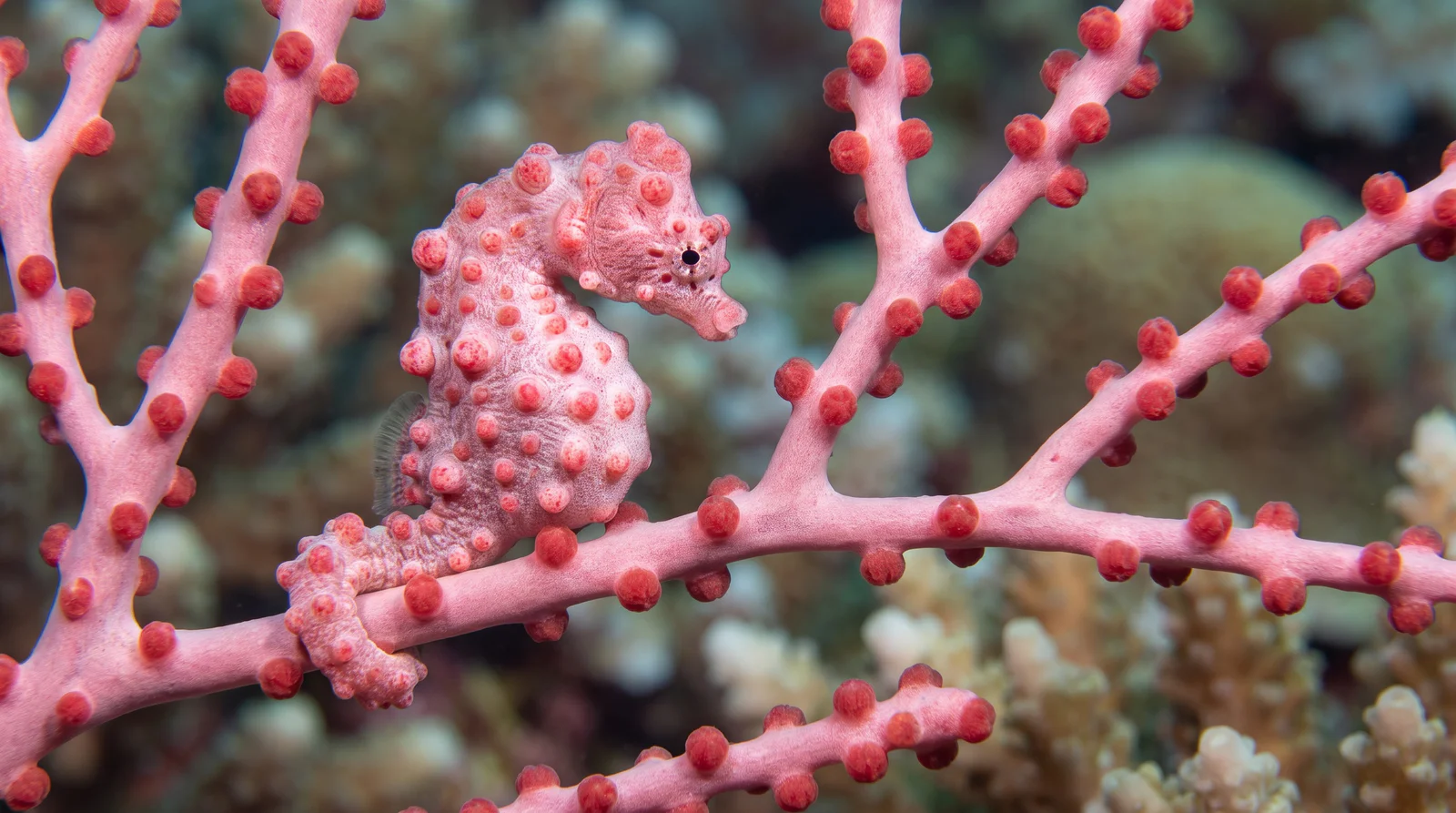
Pygmy Seahorse
Hippocampus bargibanti
Dokumentiertes Vorkommen am Tauchplatz
Quelle geprüft am 2026-11-11 · Quelle: Geko Dive (Cedric Saveuse, reader comment on Divezone, 2012) · Beobachtungsdatum nicht dokumentiert
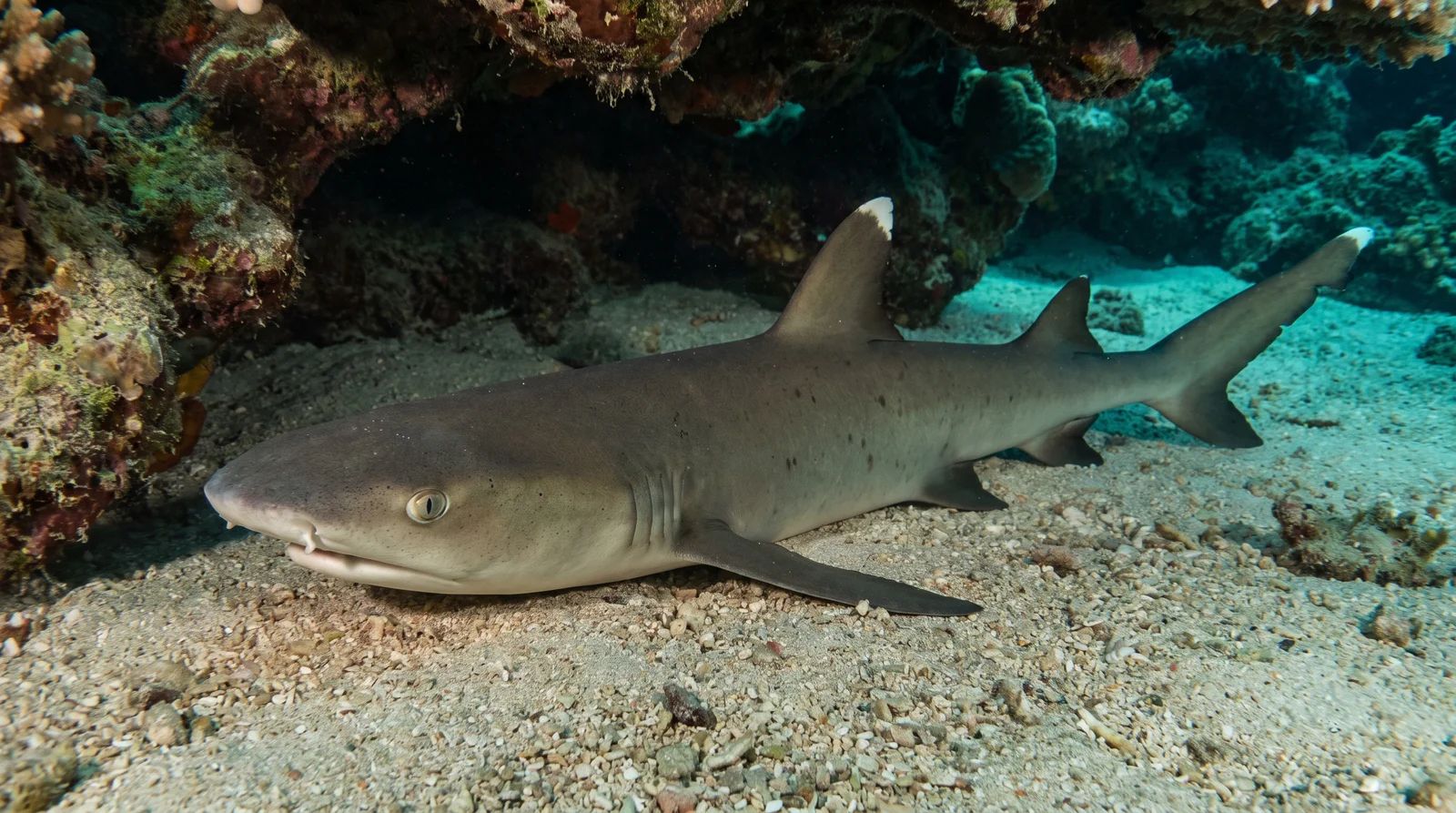
Whitetip Reef Shark
Triaenodon obesus
Dokumentiertes Vorkommen am Tauchplatz
Quelle geprüft am 2026-11-11 · Quelle: Divezone · Beobachtungsdatum nicht dokumentiert
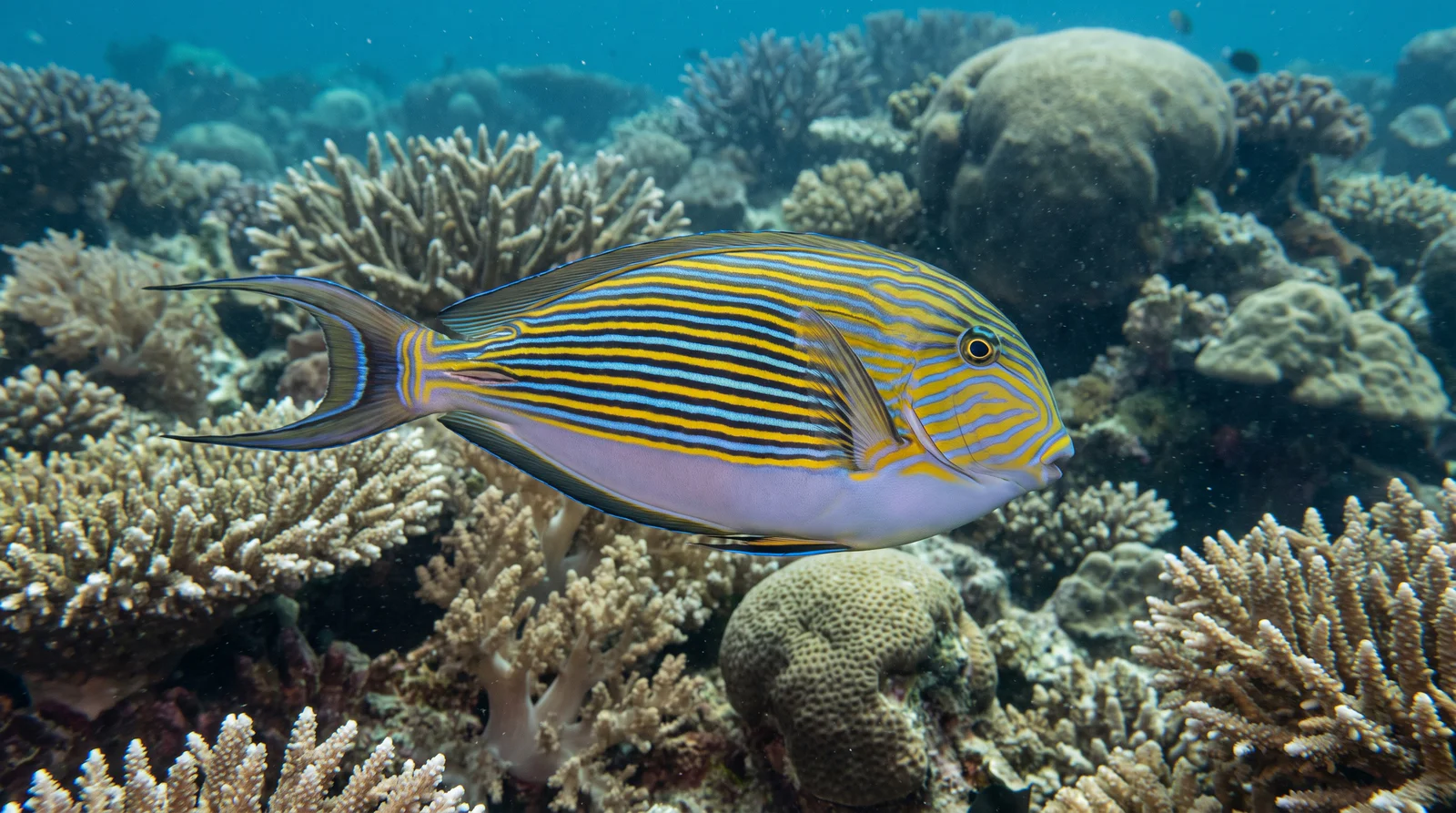
Surgeonfish (assorted)
Acanthuridae spp.
Dokumentiertes Vorkommen am Tauchplatz
Quelle geprüft am 2026-11-11 · Quelle: Geko Dive (Cedric Saveuse, reader comment on Divezone, 2012) · Beobachtungsdatum nicht dokumentiert
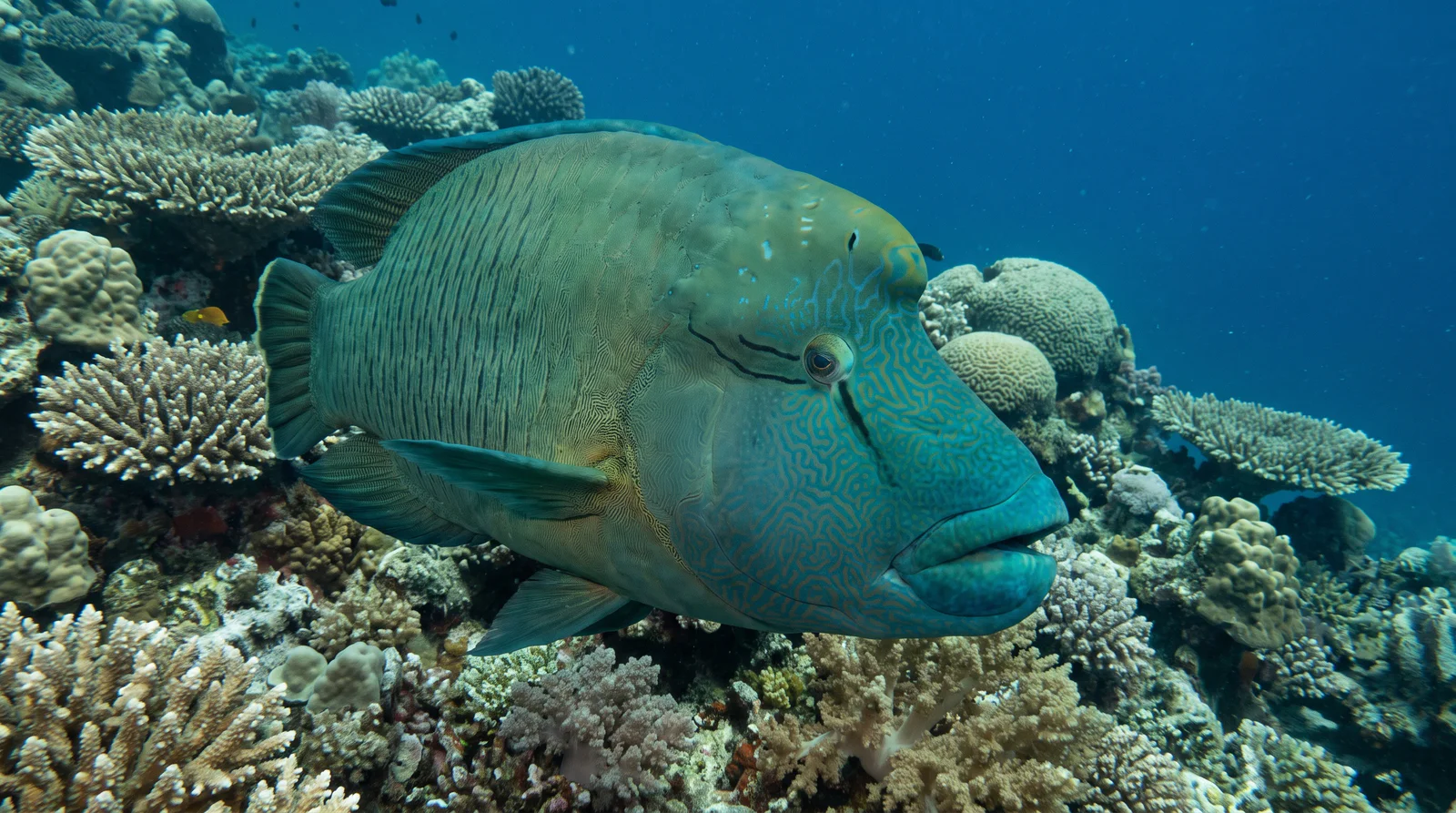
Humphead Wrasse (Napoleon)
Cheilinus undulatus
Dokumentiertes Vorkommen am Tauchplatz
Quelle geprüft am 2026-11-11 · Quelle: Waterworx · Beobachtungsdatum nicht dokumentiert
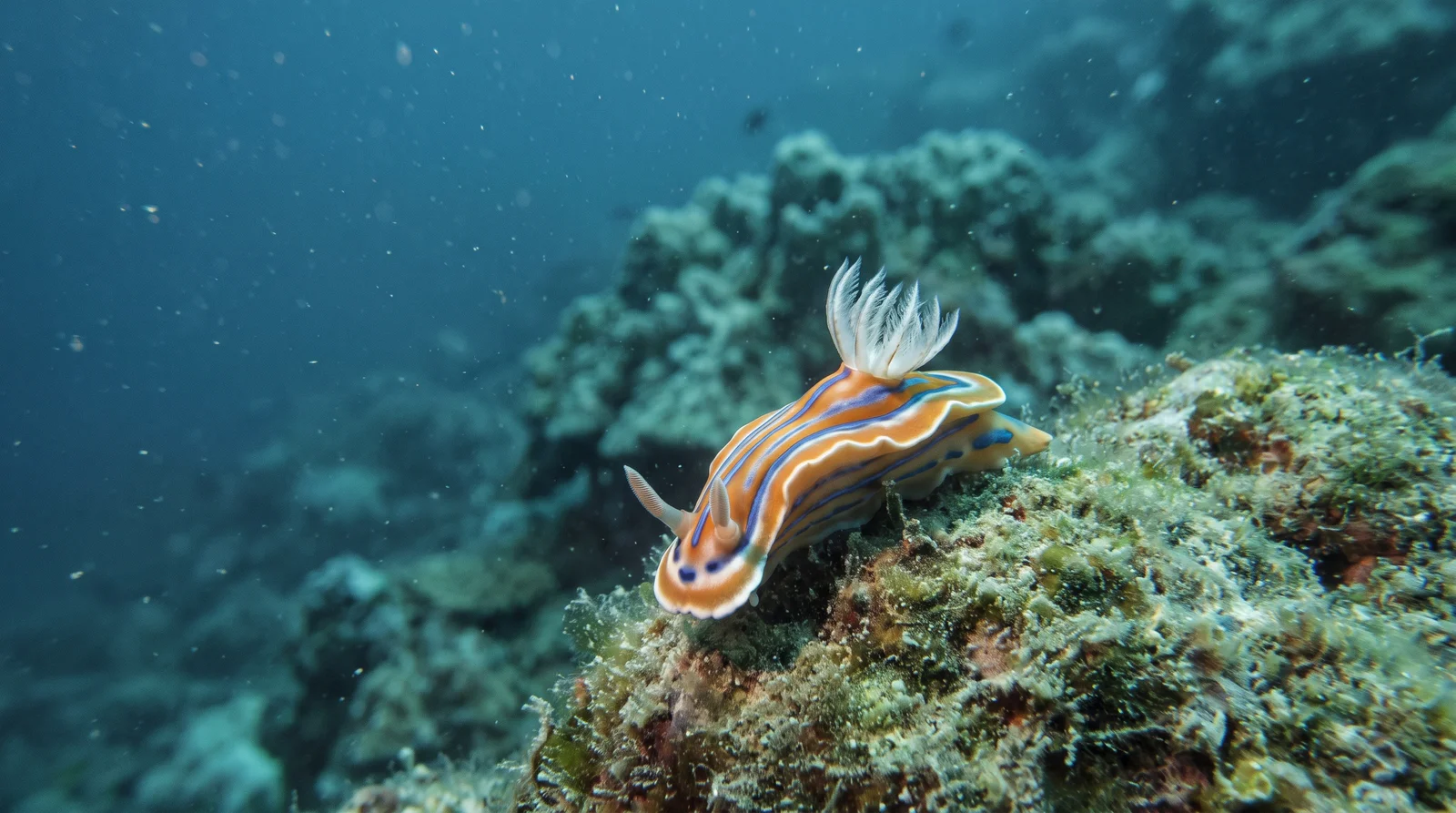
Nudibranch (assorted)
Nudibranchia spp.
Dokumentiertes Vorkommen am Tauchplatz
Quelle geprüft am 2026-11-11 · Quelle: Geko Dive (Cedric Saveuse, reader comment on Divezone, 2012) · Beobachtungsdatum nicht dokumentiert
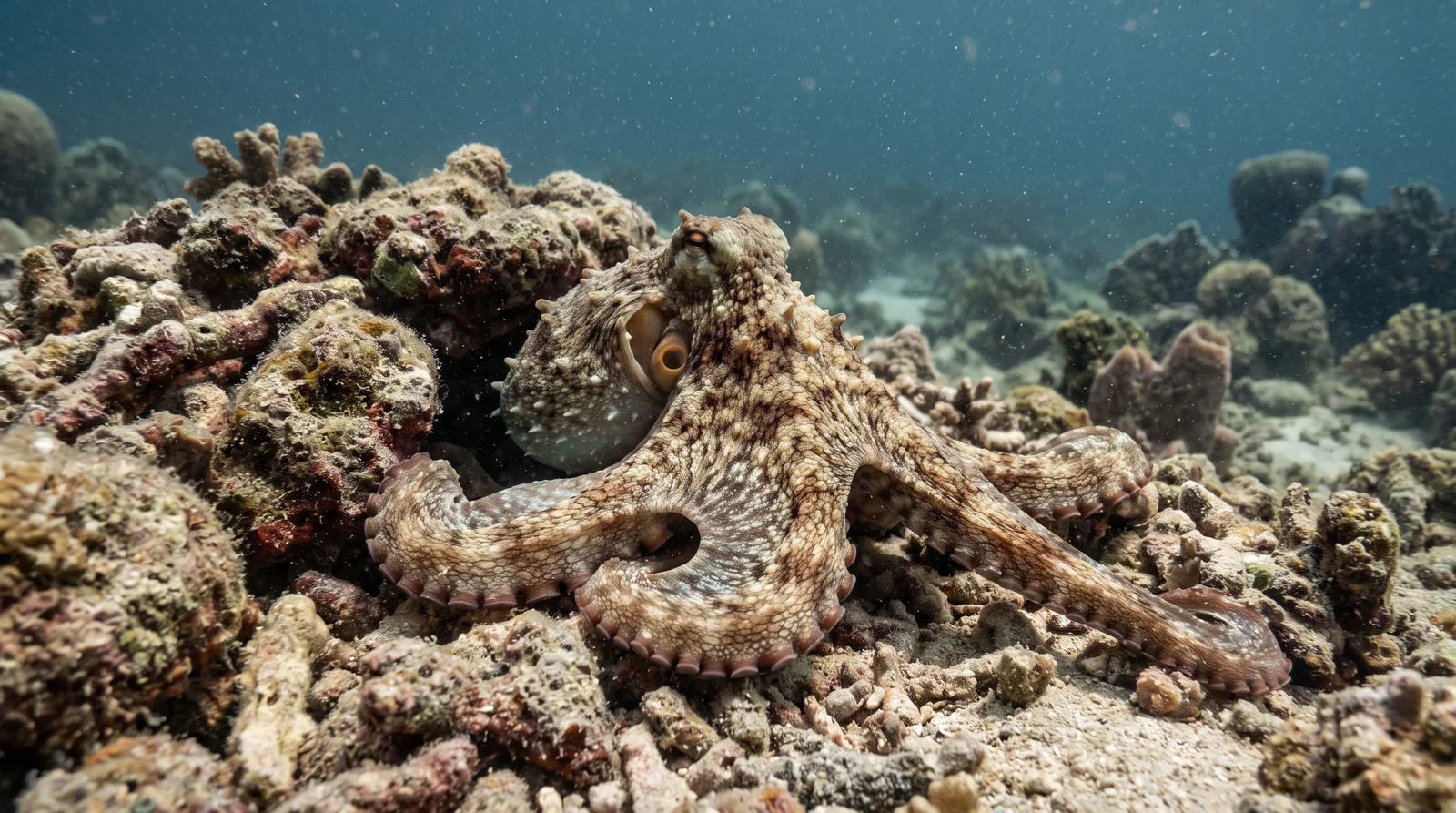
Octopus (assorted)
Octopodidae spp.
Dokumentiertes Vorkommen am Tauchplatz
Quelle geprüft am 2026-11-11 · Quelle: Waterworx · Beobachtungsdatum nicht dokumentiert
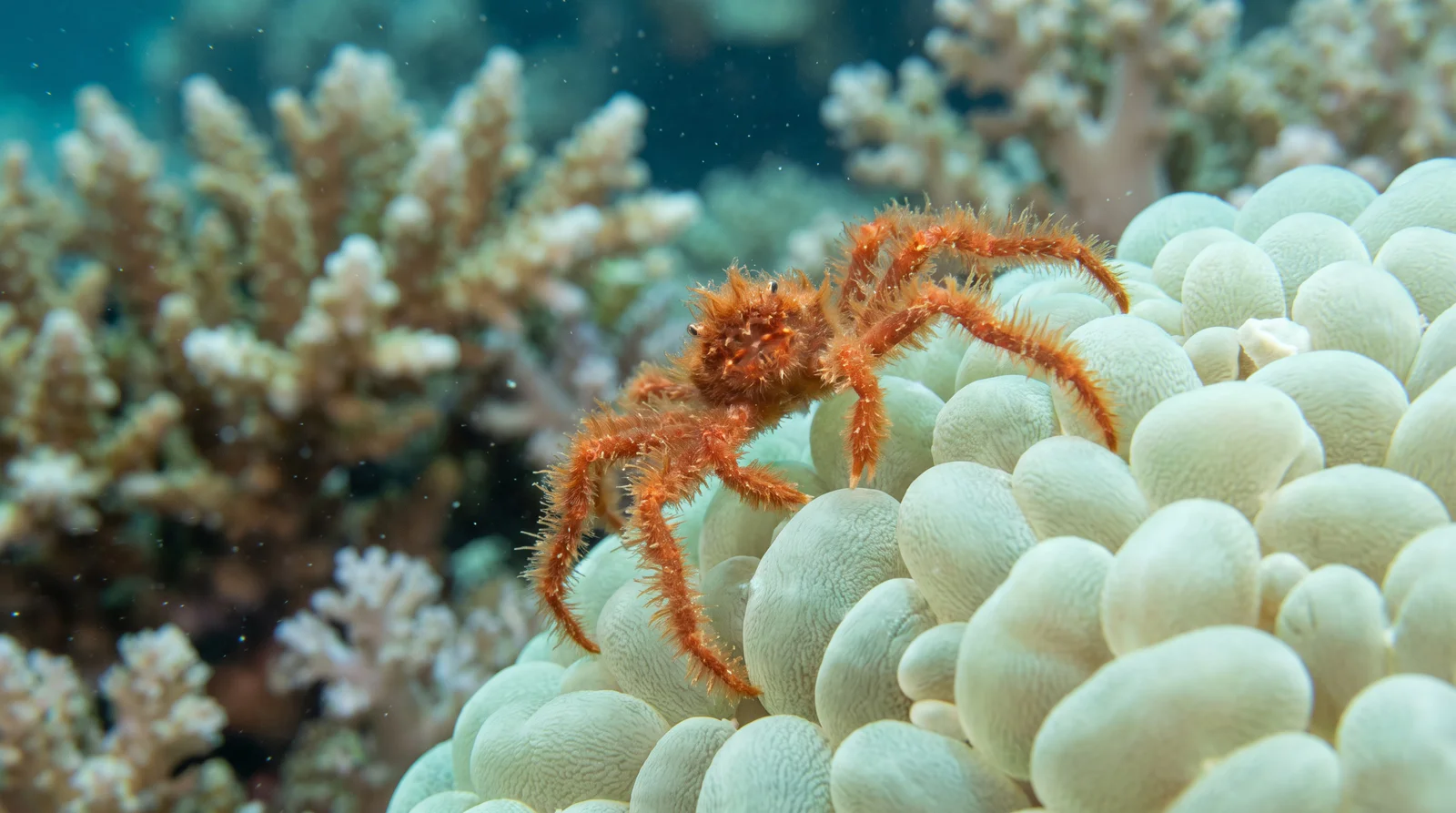
Orangutan Crab
Achaeus japonicus
Dokumentiertes Vorkommen am Tauchplatz
Quelle geprüft am 2026-11-11 · Quelle: Geko Dive (Cedric Saveuse, reader comment on Divezone, 2012) · Beobachtungsdatum nicht dokumentiert
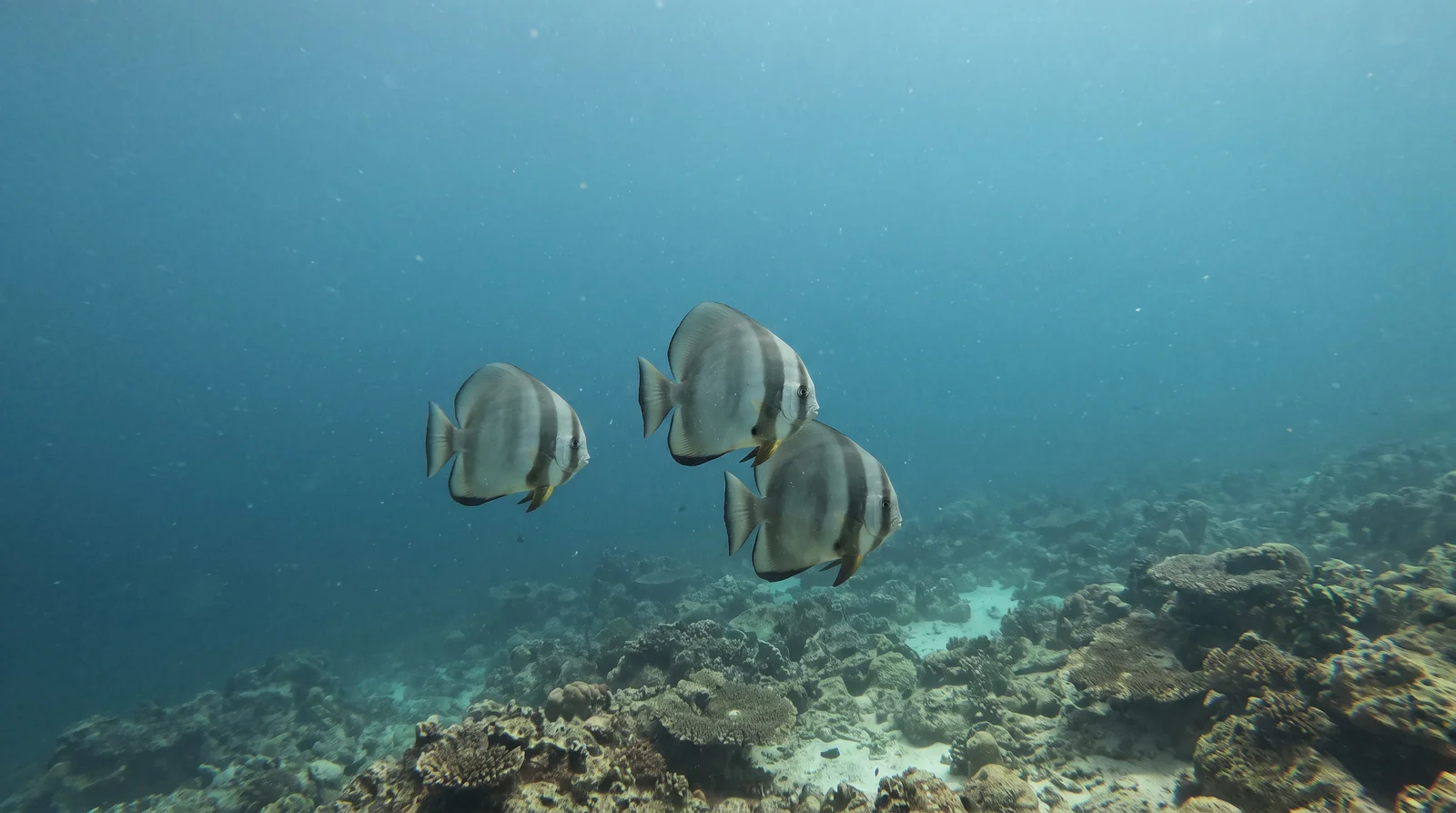
Batfish (assorted)
Platax spp.
Dokumentiertes Vorkommen am Tauchplatz
Quelle geprüft am 2026-11-11 · Quelle: Geko Dive (Cedric Saveuse, reader comment on Divezone, 2012) · Beobachtungsdatum nicht dokumentiert
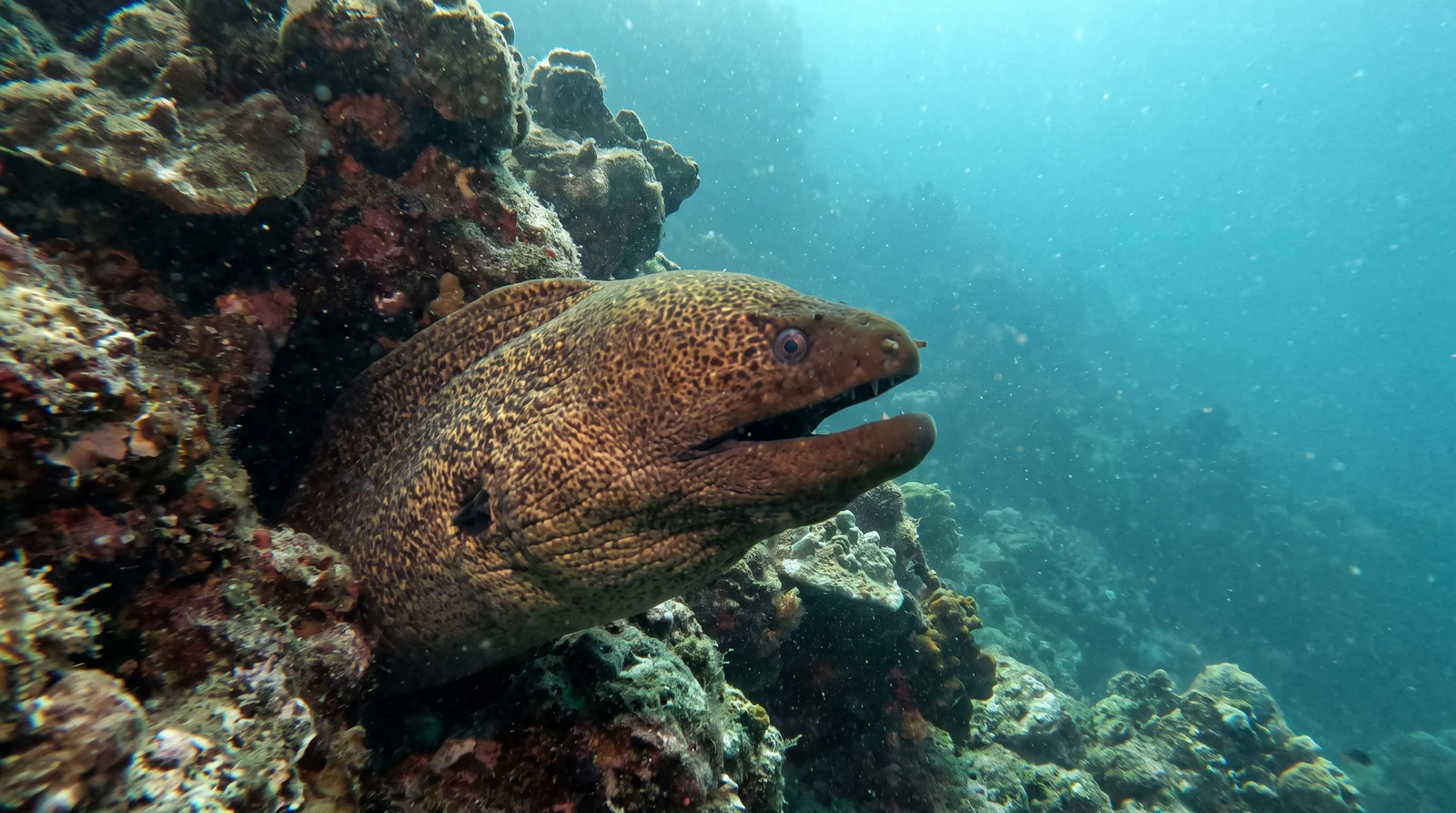
Moray Eel (assorted)
Muraenidae spp.
Dokumentiertes Vorkommen am Tauchplatz
Quelle geprüft am 2026-11-11 · Quelle: Waterworx · Beobachtungsdatum nicht dokumentiert
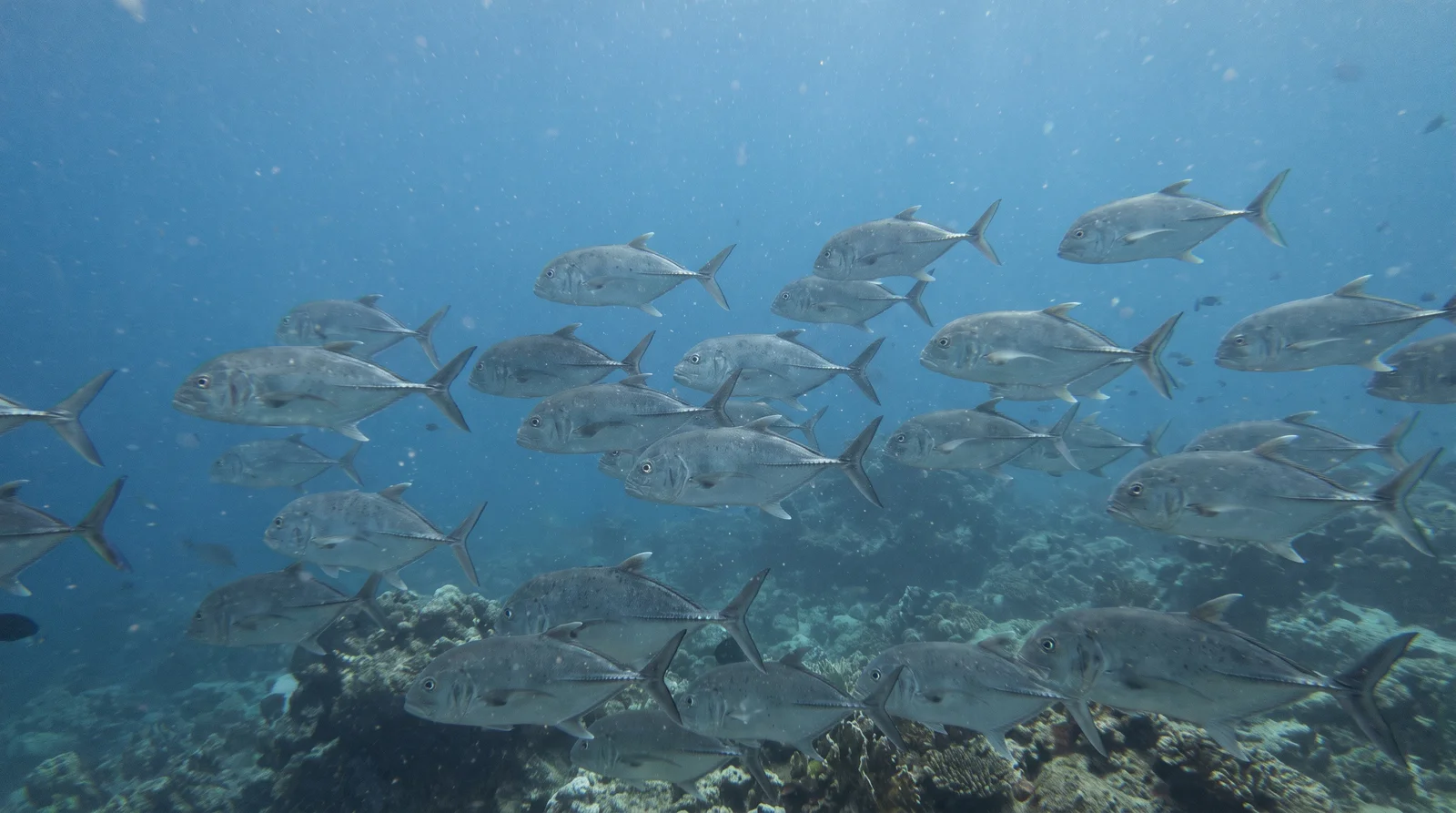
Trevally / Jack (assorted)
Carangidae spp.
Dokumentiertes Vorkommen am Tauchplatz
Quelle geprüft am 2026-11-11 · Quelle: Geko Dive (Cedric Saveuse, reader comment on Divezone, 2012) · Beobachtungsdatum nicht dokumentiert
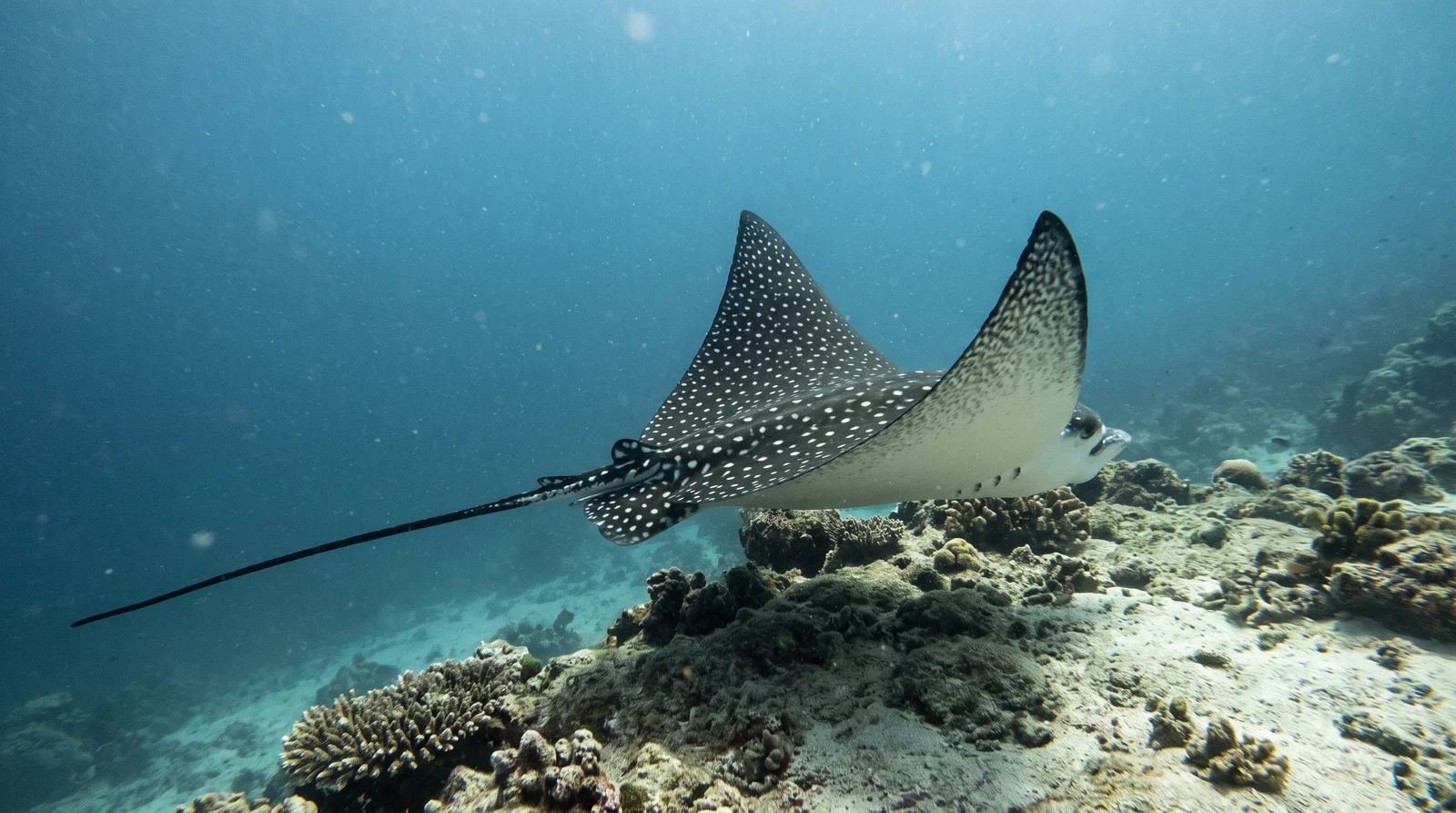
Eagle Ray (assorted)
Aetobatidae and Myliobatidae spp.
Dokumentiertes Vorkommen am Tauchplatz
Quelle geprüft am 2026-11-11 · Quelle: Waterworx · Beobachtungsdatum nicht dokumentiert
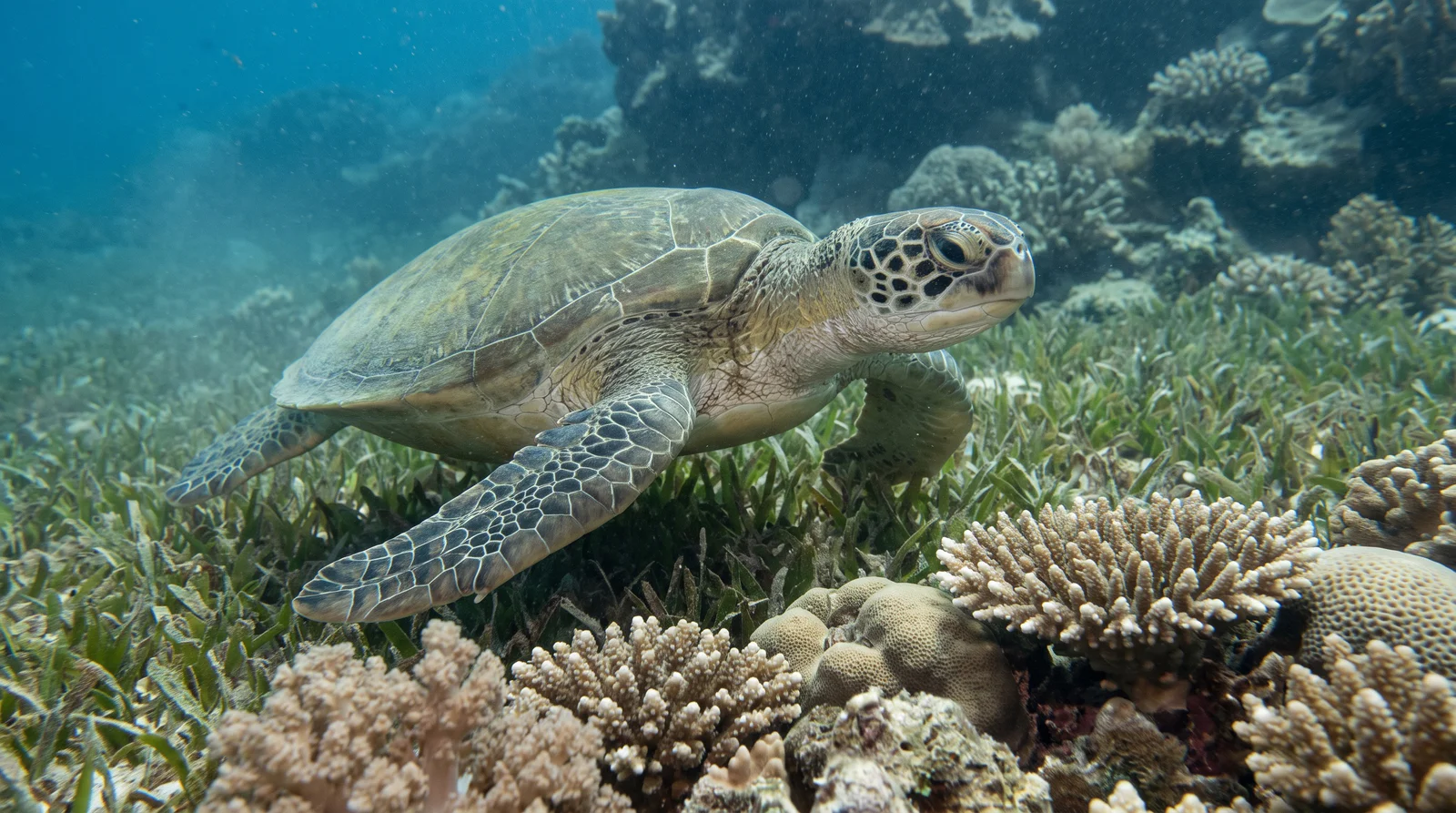
Green Sea Turtle
Chelonia mydas
Dokumentiertes Vorkommen am Tauchplatz
Quelle geprüft am 2026-11-11 · Quelle: Geko Dive (Cedric Saveuse, reader comment on Divezone, 2012) · Beobachtungsdatum nicht dokumentiert
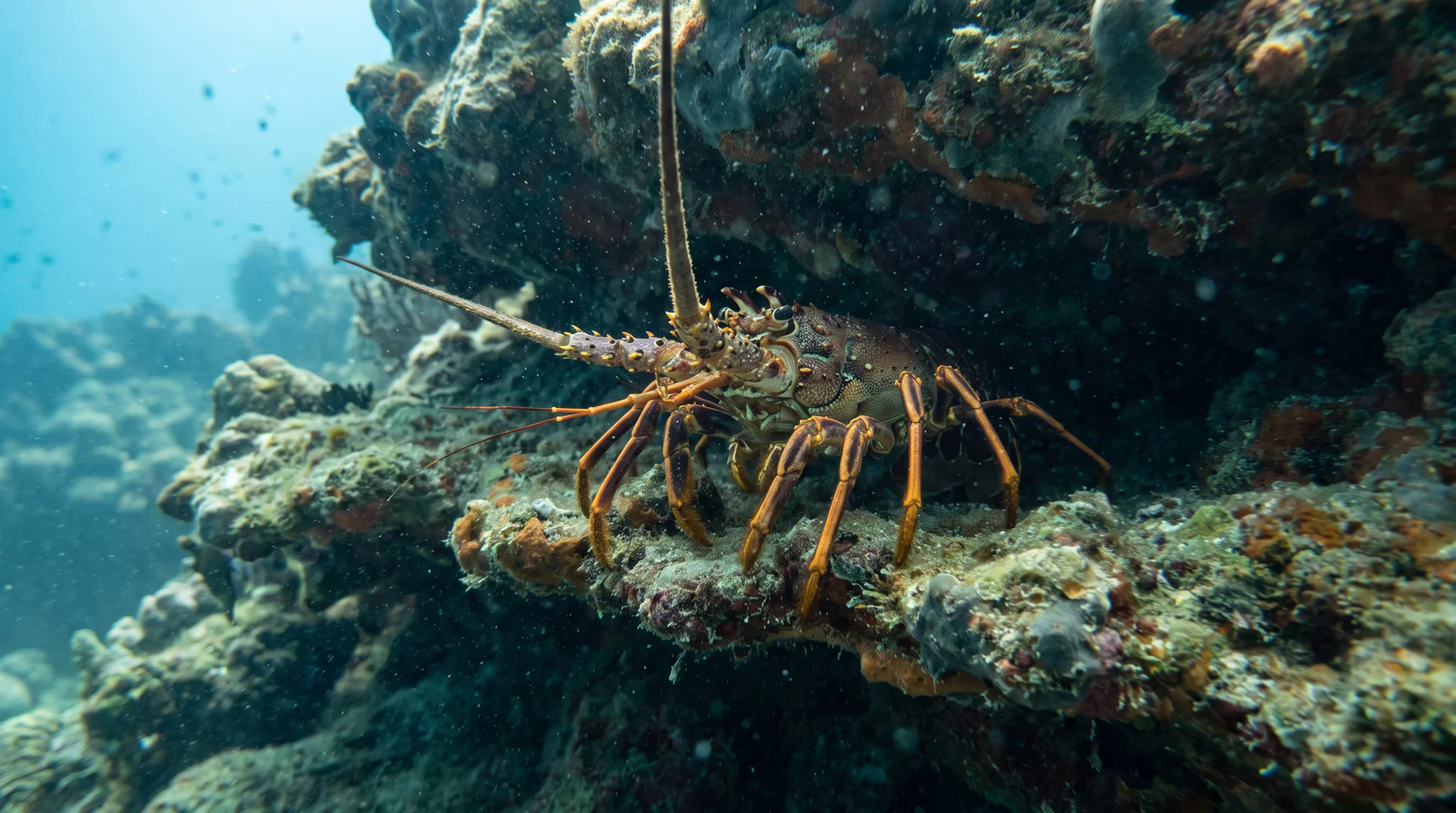
Lobster (assorted)
Palinuridae and Scyllaridae spp.
Dokumentiertes Vorkommen am Tauchplatz
Quelle geprüft am 2026-11-11 · Quelle: Waterworx · Beobachtungsdatum nicht dokumentiert
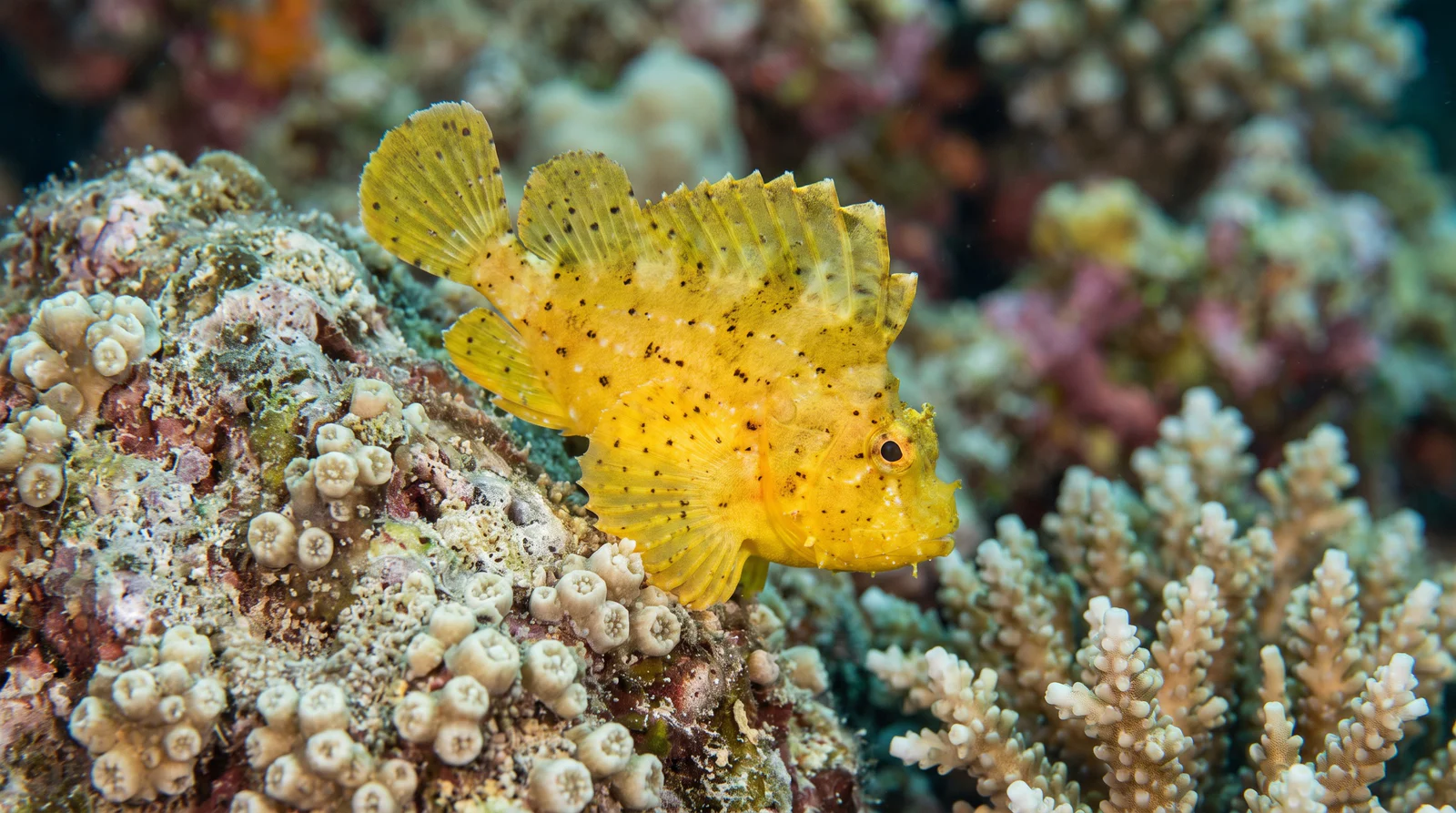
Leaf Scorpionfish
Taenianotus triacanthus
Dokumentiertes Vorkommen am Tauchplatz
Quelle geprüft am 2026-11-11 · Quelle: Geko Dive (Cedric Saveuse, reader comment on Divezone, 2012) · Beobachtungsdatum nicht dokumentiert
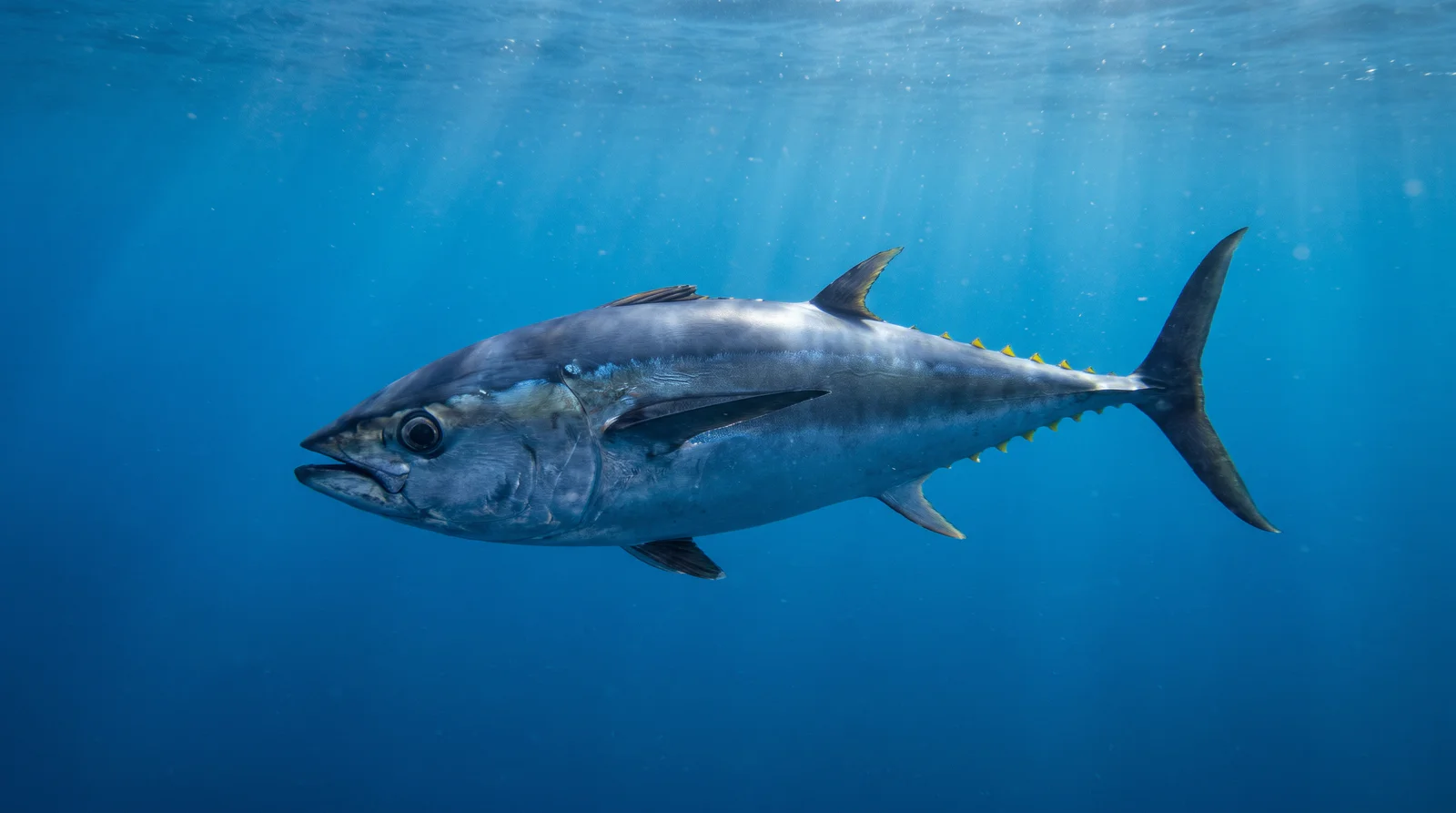
Tuna (assorted)
Thunnini spp.
Dokumentiertes Vorkommen am Tauchplatz
Quelle geprüft am 2026-11-11 · Quelle: Geko Dive (Cedric Saveuse, reader comment on Divezone, 2012) · Beobachtungsdatum nicht dokumentiert
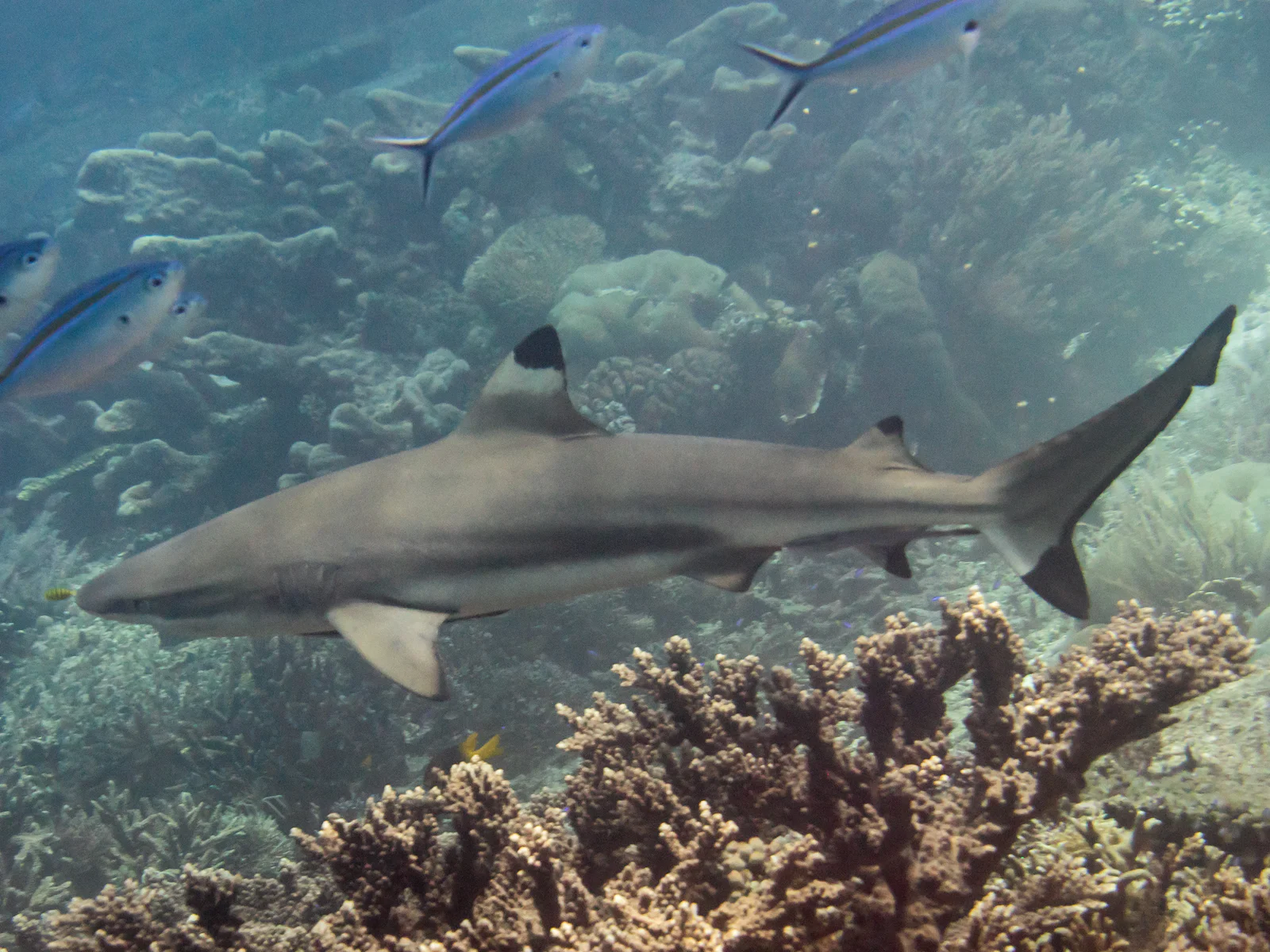
Reef Shark (assorted)
Carcharhinidae spp. (reef sharks)
Dokumentiertes Vorkommen am Tauchplatz
Quelle geprüft am 2026-11-11 · Quelle: Waterworx · Beobachtungsdatum nicht dokumentiert
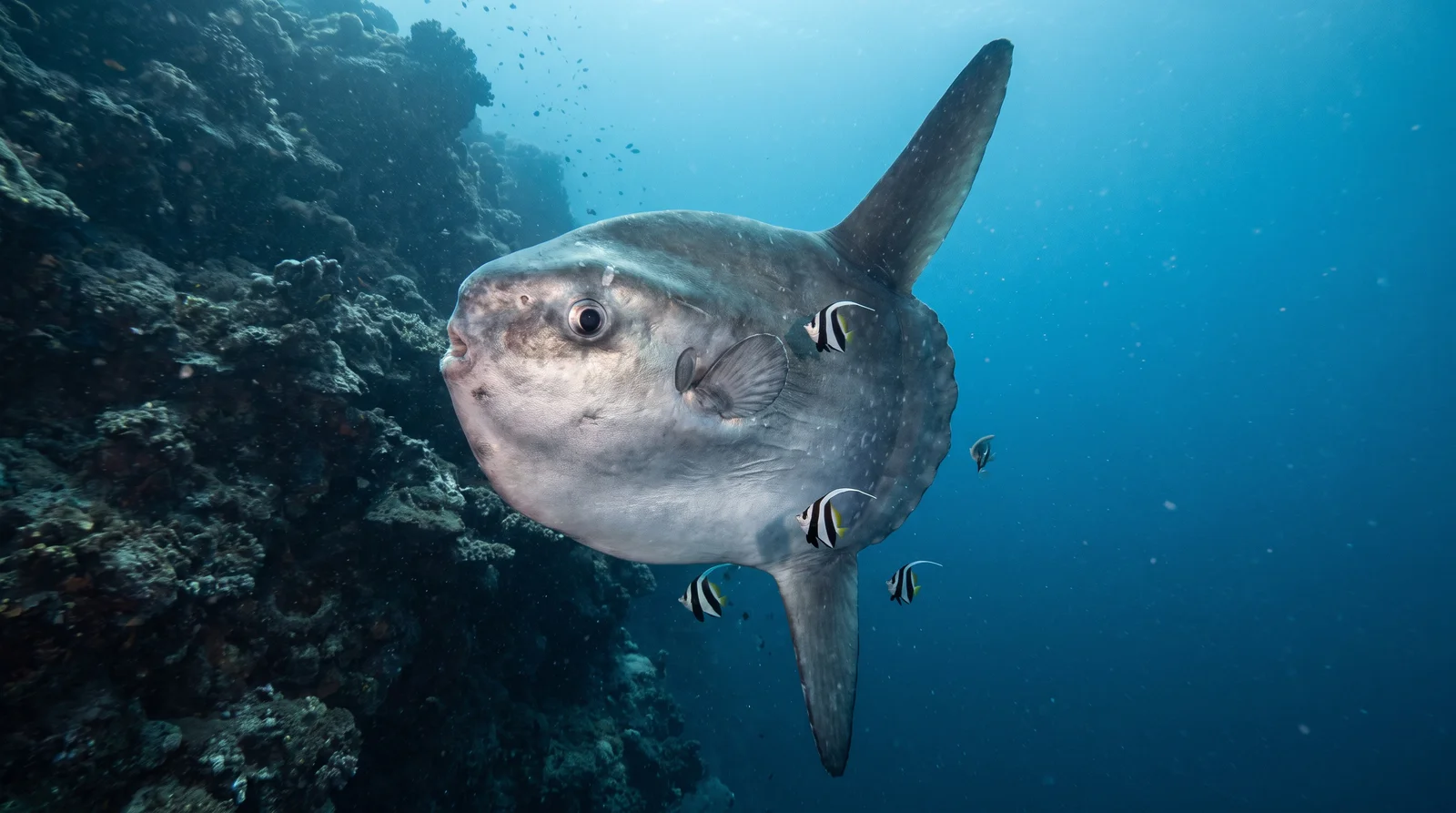
Ocean Sunfish (Mola mola)
Mola mola
Dokumentiertes Vorkommen am Tauchplatz
Quelle geprüft am 2026-11-11 · Quelle: Waterworx · Beobachtungsdatum nicht dokumentiert
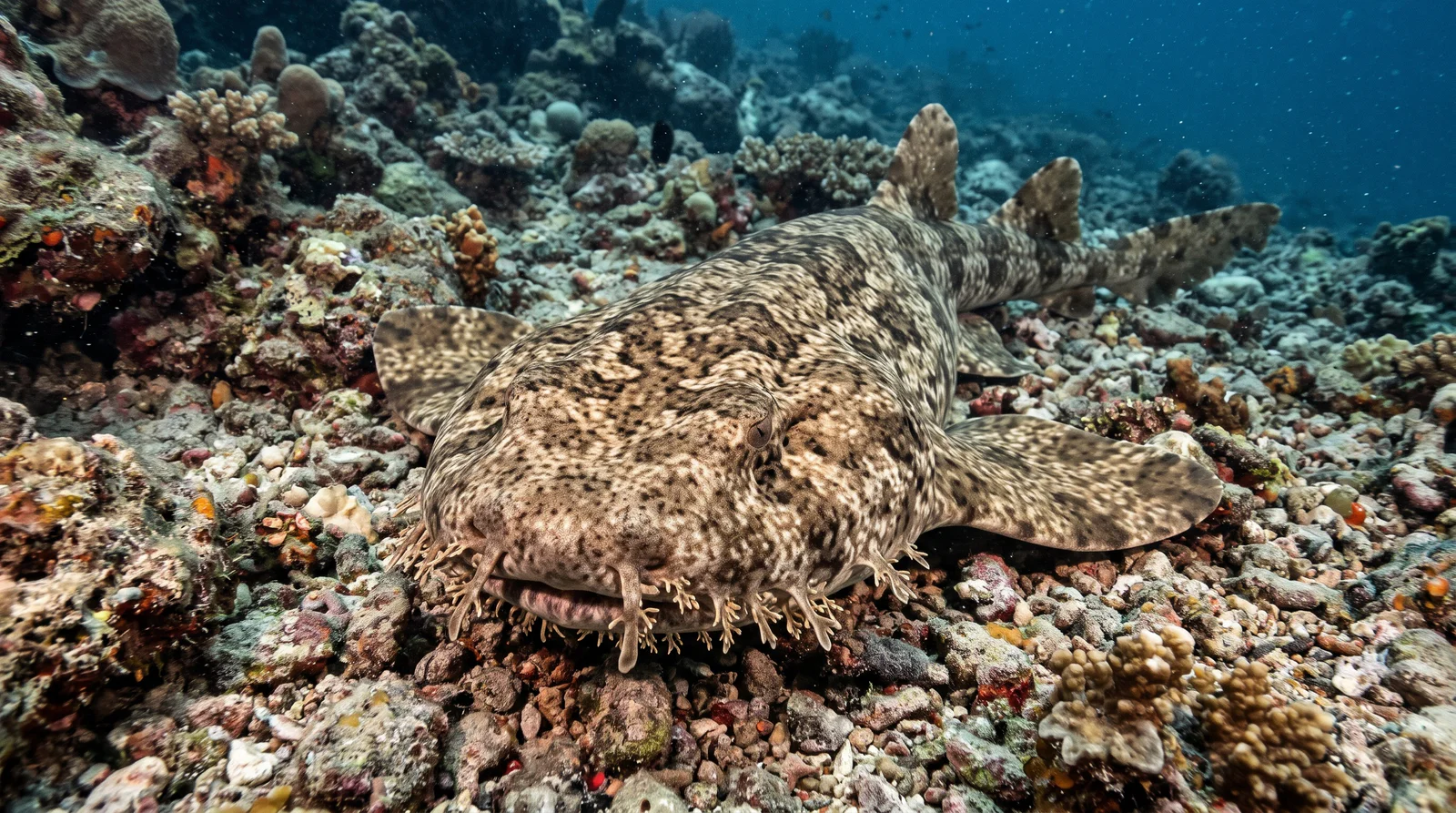
Wobbegong (assorted)
Orectolobidae spp.
Dokumentiertes Vorkommen am Tauchplatz
Quelle geprüft am 2026-11-11 · Quelle: Geko Dive (Cedric Saveuse, reader comment on Divezone, 2012) · Beobachtungsdatum nicht dokumentiert
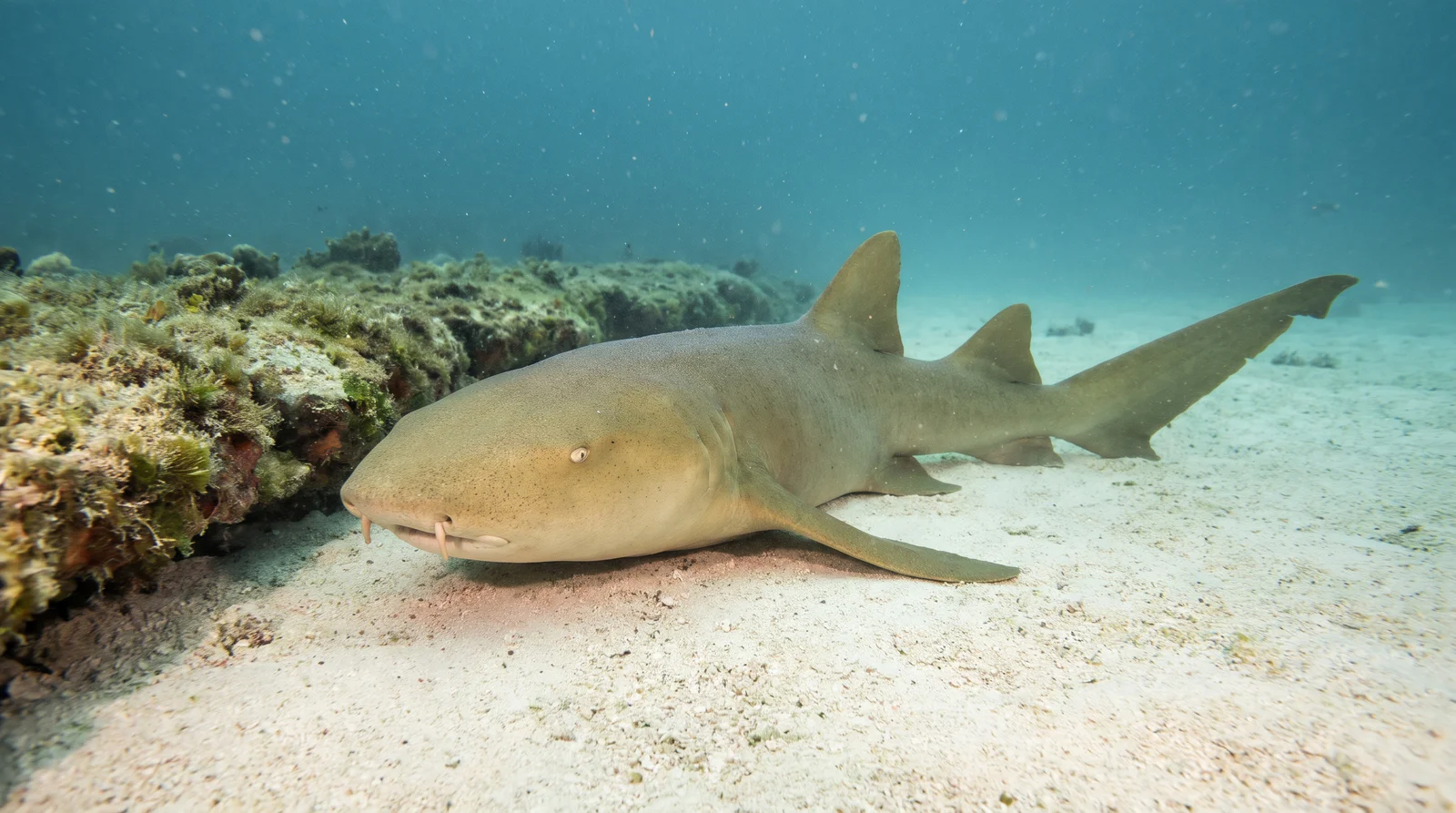
Nurse Shark (assorted)
Ginglymostomatidae spp. (nurse sharks)
Dokumentiertes Vorkommen am Tauchplatz
Quelle geprüft am 2026-11-11 · Quelle: Geko Dive (Cedric Saveuse, reader comment on Divezone, 2012) · Beobachtungsdatum nicht dokumentiert
Gefahren & Sicherheit
Beachten Sie diese potenziellen Gefahren an diesem Tauchplatz
Current
Schweregrad: Noch nicht dokumentiertWaterworx says the reef is more exposed to the current caused by tidal movement. Cedric Saveuse, in a 2012 reader comment on Divezone, says strong currents can be found here and that the site is not always possible to dive even for experienced divers. Divezone rates the current medium. No source gives a strength in numbers or a timing.
Quellen
360°-Unterwasseransicht
Immersive Panoramaansicht dieses Tauchplatzes
360°-Panorama demnächst verfügbar
Immersive Unterwasseransichten werden verfügbar sein, sobald Panoramaaufnahmen hochgeladen wurden
Bewertungen
--
0 reviews
Noch keine Bewertungen. Seien Sie der Erste, der Ihre Erfahrung teilt!
Tiefenprofil
Bleiben Sie auf dem Laufenden
Erhalten Sie Updates zu Tauchplätzen und Tipps per E-Mail.
Hast du Tanjung Sari betaucht? Lass es zählen.
Füge ihn deinem Logbuch hinzu, teile deine Sichtungen und hilf 0 Tauchern, ihren nächsten Tauchgang zu planen.
Aktuelle Community-Aktivität
War das hilfreich?