Reef · Wall · Drift
Toyapakeh
Auch bekannt als: Toya Pakeh, Toya Pakeh Bay, Toyapakeh Wall — Zu diesem Namen: No source says how a position for Toyapakeh was set: Scuba Center Asia's page and a directory listing carry map pins about 800 metres apart…
Von einer Quelle berichtet · nusapenida.org
Maximale TiefeInformation wird geprüft
Gegenbelege
50 m
Diepte 50 m.
Duikersgids.nl · 2026-11-05T08:43:40Z
100+ m
Maximum depth: 5-100+ meters
Scuba Center Asia · 2026-11-05T08:44:43Z
Minimale SichtweiteInformation wird geprüft
Erfasster Wert
20 m (nusapenida.org: Visibility 20–40 m)
Unterstützt von: nusapenida.org
Gegenbelege
15 m
Zicht 15 - 25 m. Zicht gemiddeld 20 m.
Duikersgids.nl · 2026-11-05T08:43:40Z
Maximale SichtweiteInformation wird geprüft
Erfasster Wert
40 m (nusapenida.org: Visibility 20–40 m)
Unterstützt von: nusapenida.org
Gegenbelege
25 m
Zicht 15 - 25 m. Zicht gemiddeld 20 m.
Duikersgids.nl · 2026-11-05T08:43:40Z
Minimale Wassertemperatur
Von einer Quelle berichtet · nusapenida.org
Maximale Wassertemperatur
Von einer Quelle berichtet · nusapenida.org
Über diesen Tauchplatz
Overview
Toyapakeh, also written Toya Pakeh, is a boat-dived reef and wall on the north-west coast of Nusa Penida, in front of Toyapakeh harbour. nusapenida.org, a Nusa Penida dive guide, says the site sits right in front of the Adiwana Warnakali hotel and the Dune Penida dive centre, two minutes by boat from the harbour. AquaMarine Diving – Bali, a Bali dive operator, places it off the island's north-west coast and says it is partially protected from the current flowing through the Ceningan Channel. Scuba Center Asia, a Nusa Lembongan dive centre, says Toya pakeh means salt water in Balinese and that the site is often called the Jewel of Penida. The Dutch dive directory Duikersgids.nl lists Toya Pakeh Bay as another name.
Scuba Center Asia's page and a directory listing each carry a map pin for the site, about 800 metres apart, and neither says how its pin was set, so this record has no map point.
How the site is dived
nusapenida.org, Scuba Center Asia and Duikersgids.nl all describe a boat dive. nusapenida.org says the reef forms a long wall stretching several hundred metres parallel to the coast: a shallow coral plateau in front of the harbour slopes gently and then tips into a vertical wall down to 30 to 40 metres, with canyons and large coral bommies. It says divers drop in under the “Tree” at the far end of the wall and follow the reef toward the waterpark platform, which marks the end of the dive, and that the site can also be dived drifting toward Gamat Bay or toward SD Point. AquaMarine describes a reef starting at 6 metres and bommies at around 10 metres passed on a drift, with a deeper slope below. Scuba Center Asia describes a set of coral plateaus starting at 3 metres. Scuba Center Asia gives a travel time of 20 minutes without saying from where, and Duikersgids.nl gives a distance of 25 minutes. nusapenida.org adds that snorkellers follow the wall from the surface, the line it calls Toyapakeh Wall, reached from the boat or from Toyapakeh beach.
Depth
nusapenida.org gives a depth of 5 to 40 metres: beginners stay on the plateau between 5 and 12 metres, the drift along the wall runs between 15 and 25 metres, and experienced divers go down to 40 metres, where it places a mola mola cleaning station in front of the entry point. Duikersgids.nl gives a depth of 50 metres. Scuba Center Asia's page lists a maximum depth of “5-100+ meters” without explanation. This record uses 40 metres as the maximum and marks it disputed. It uses 5 metres as the minimum, from nusapenida.org alone; Scuba Center Asia's plateaus start at 3 metres, and nusapenida.org says the coral bommies rise to within 3 metres of the surface for snorkellers.
Level
nusapenida.org rates the site from beginner to experienced depending on the zone. It recommends the sheltered plateau for a discovery dive or the first dives of an Open Water course, the wall drift for intermediate divers, and the deeper zones and canyons, where it says the current can pick up, for experienced divers, and it says that whatever the level, divers there go with a local guide. Scuba Center Asia lists the site as Beginner, and Duikersgids.nl says it suits all levels and calls it an easy dive site. Because the sources tie the level to the zone and the current, this record sets no single difficulty and no certification requirement.
Current
The sources describe the current differently. nusapenida.org gives it as mild to moderate and sometimes strong on the drift, says it can strengthen depending on the tides, and says it can pick up in the canyons and deeper zones. AquaMarine says the current often heads north-east, which makes for an easy and pleasant drift, but that the current in shallow and in deeper water sometimes runs in different directions, so the direction of the dive can change with depth; at slack tide, it says, there is no current at all. Scuba Center Asia says there is always a current between Ceningan and Nusa Penida. Duikersgids.nl lists the current as limited and describes a light current. This record sets no current strength.
Marine life
nusapenida.org describes green and hawksbill turtles, schools of trevallies, barracudas and mackerel, sometimes whitetip reef sharks, Javan and ribbon moray eels, scorpionfish and marble rays, with eagle rays more rarely, and for macro harlequin and Thor shrimps, porcelain crabs, nudibranchs, leaf fish and pygmy seahorses on the gorgonians. AquaMarine names anthias, scorpionfish, moray eels, trumpetfish, puffers, giant trevally, sweetlips, jackfish and batfish, with occasional Napoleon wrasse and turtles, and blue ribbon eels, orangutan crabs and nudibranchs at slack tide. Scuba Center Asia names mantis shrimp, trumpetfish, frogfish, lionfish, clownfish, ribbon eels and scorpionfish, and Duikersgids.nl names turtles and moray eels.
On the ocean sunfish (mola mola), nusapenida.org says it rises between July and October to a cleaning station at around 40 metres in front of the entry point, and that encounters are never guaranteed. AquaMarine says larger pelagics including mola mola may be seen deeper on the slope, Scuba Center Asia says that on the perfect day a mola mola or an eagle ray may pass, and Duikersgids.nl says one is met only very occasionally, with better chances the colder the water. No source gives a measured sighting rate for any animal.
Conditions
nusapenida.org gives visibility of 20 to 40 metres depending on the season, often above 25 metres on average, and a water temperature of 22 to 29 °C, cooler during the mola mola season, and says the site can be dived year-round. Duikersgids.nl gives visibility of 15 to 25 metres, 20 metres on average. This record marks the visibility as disputed, takes the temperature range from nusapenida.org alone and sets no season. Duikersgids.nl also says Toyapakeh is a busy site where sometimes more than ten boats are moored, and warns divers to watch for boats when ascending.
Sources and lineage
The four sources are worded independently. nusapenida.org is written by Blaise Jaeger, whom the page describes as having opened Nusa Penida's first PADI dive centre in 2017, above the site at Adiwana Warnakali; the page promotes the Dune Penida dive centre there and was updated on 2 July 2026. AquaMarine Diving – Bali is a Bali dive operator and Scuba Center Asia a dive centre on Nusa Lembongan. Duikersgids.nl is a Dutch dive-site directory. Nobody has verified this record in person; it was researched and written by an automated process from the sources named here.
Meereslebewesen
35 Arten an diesem Tauchplatz registriert
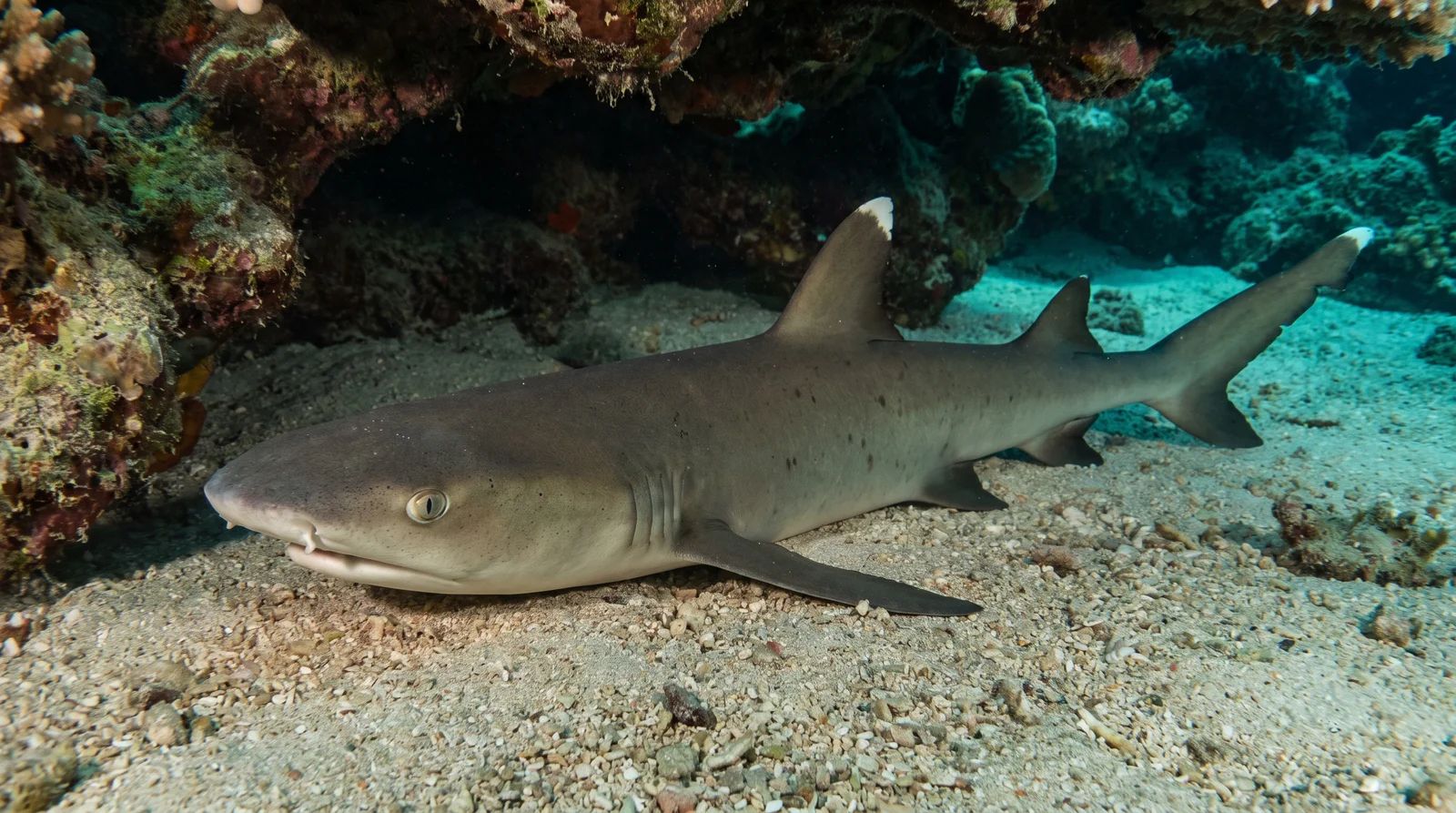
Whitetip Reef Shark
Triaenodon obesus
Dokumentiertes Vorkommen am Tauchplatz
Quelle geprüft am 2026-11-06 · Quelle: nusapenida.org · Beobachtungsdatum nicht dokumentiert
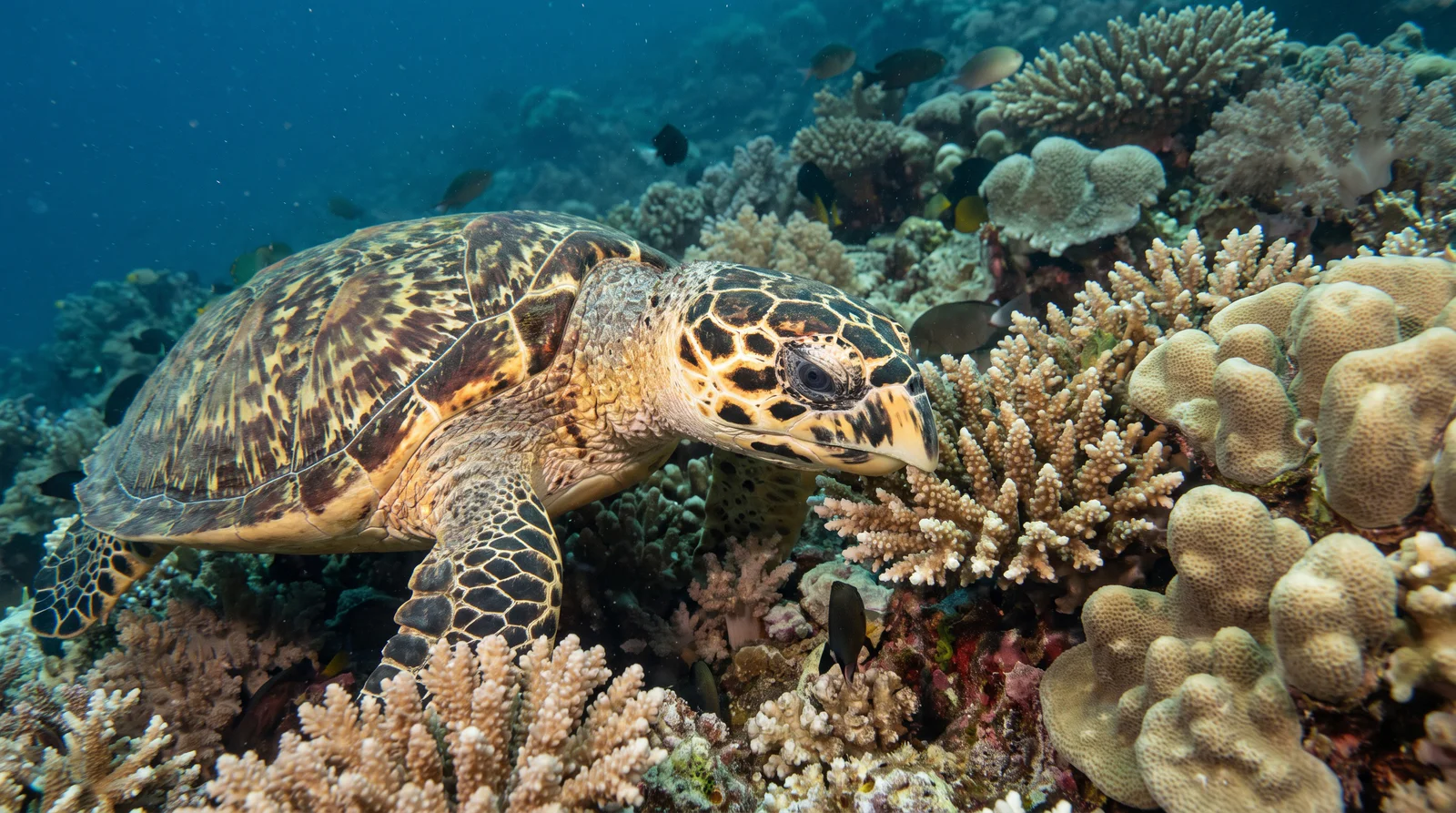
Hawksbill Turtle
Eretmochelys imbricata
Dokumentiertes Vorkommen am Tauchplatz
Quelle geprüft am 2026-11-06 · Quelle: nusapenida.org · Beobachtungsdatum nicht dokumentiert
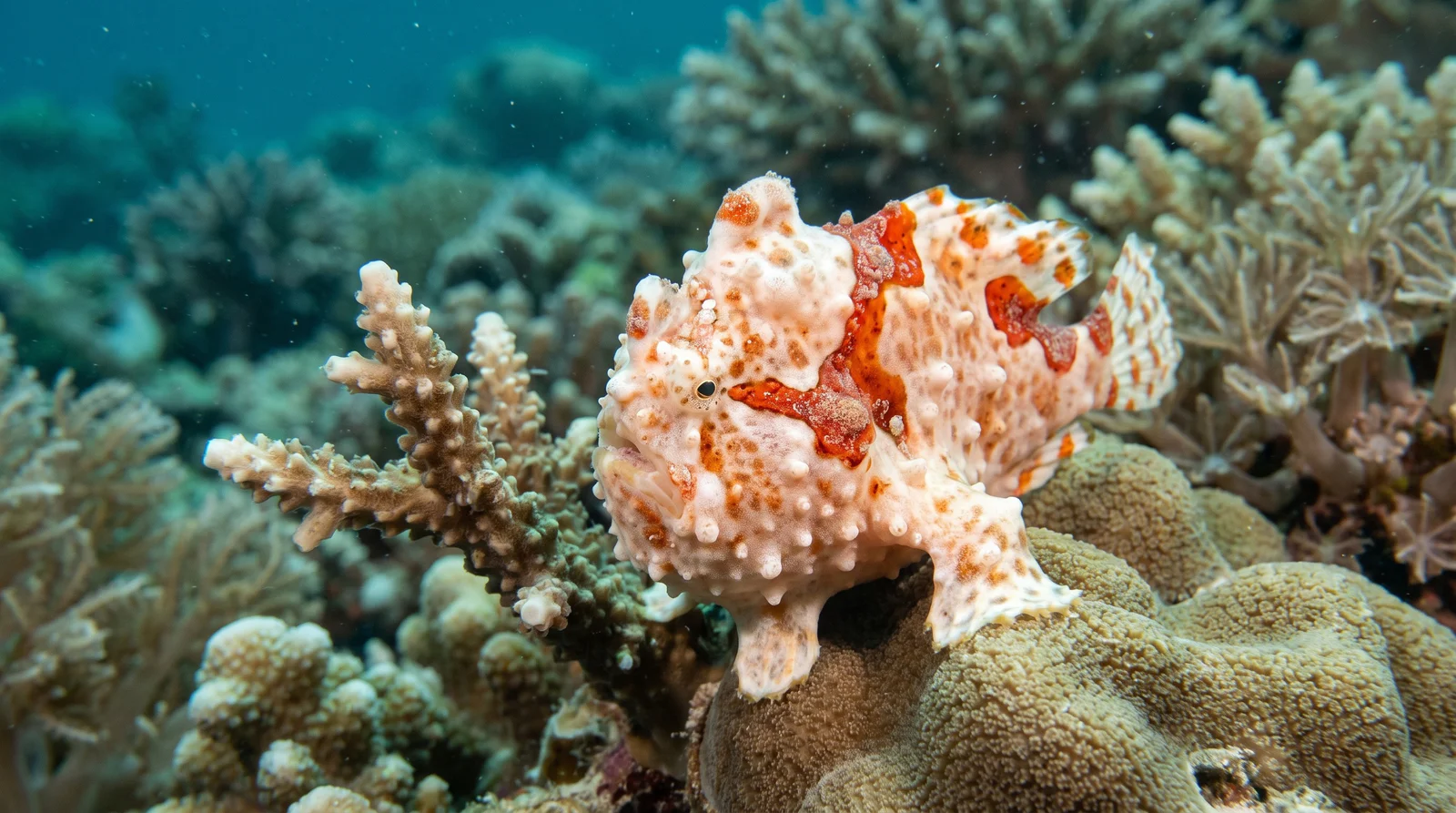
Frogfish
Antennariidae spp.
Dokumentiertes Vorkommen am Tauchplatz
Quelle geprüft am 2026-11-06 · Quelle: Scuba Center Asia · Beobachtungsdatum nicht dokumentiert
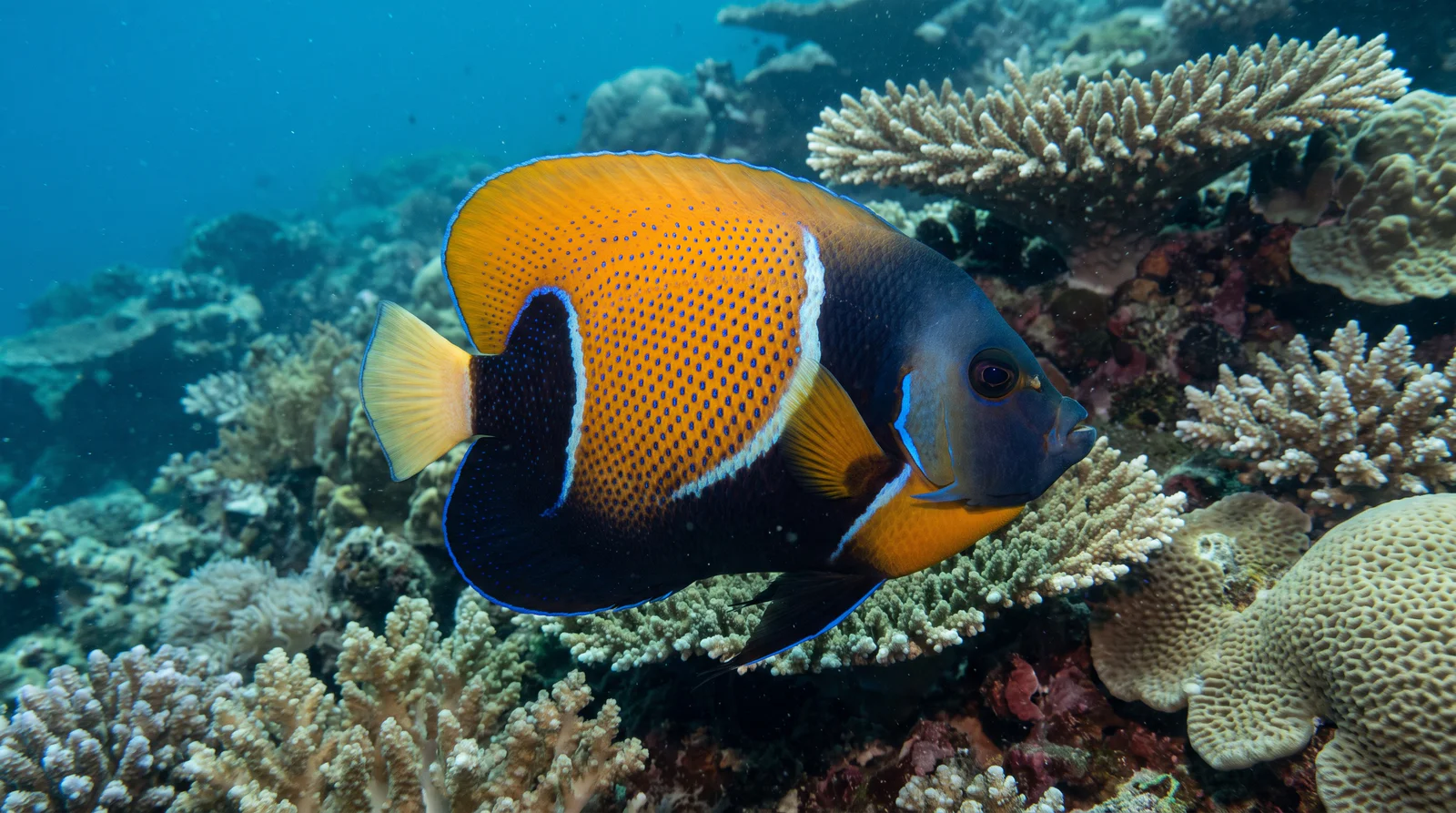
Angelfish (assorted)
Pomacanthidae spp.
Dokumentiertes Vorkommen am Tauchplatz
Quelle geprüft am 2026-11-06 · Quelle: nusapenida.org · Beobachtungsdatum nicht dokumentiert
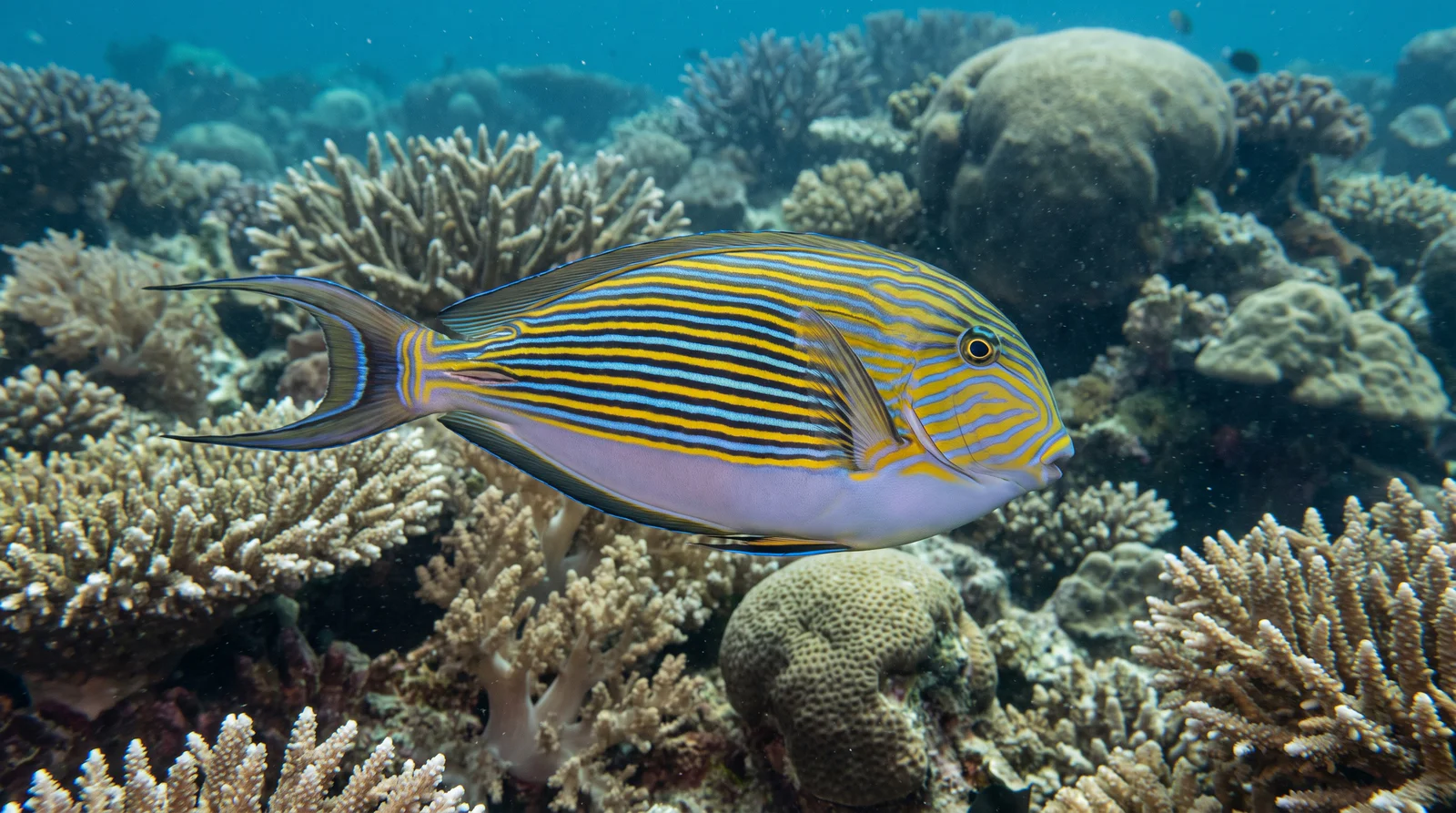
Surgeonfish (assorted)
Acanthuridae spp.
Dokumentiertes Vorkommen am Tauchplatz
Quelle geprüft am 2026-11-06 · Quelle: nusapenida.org · Beobachtungsdatum nicht dokumentiert
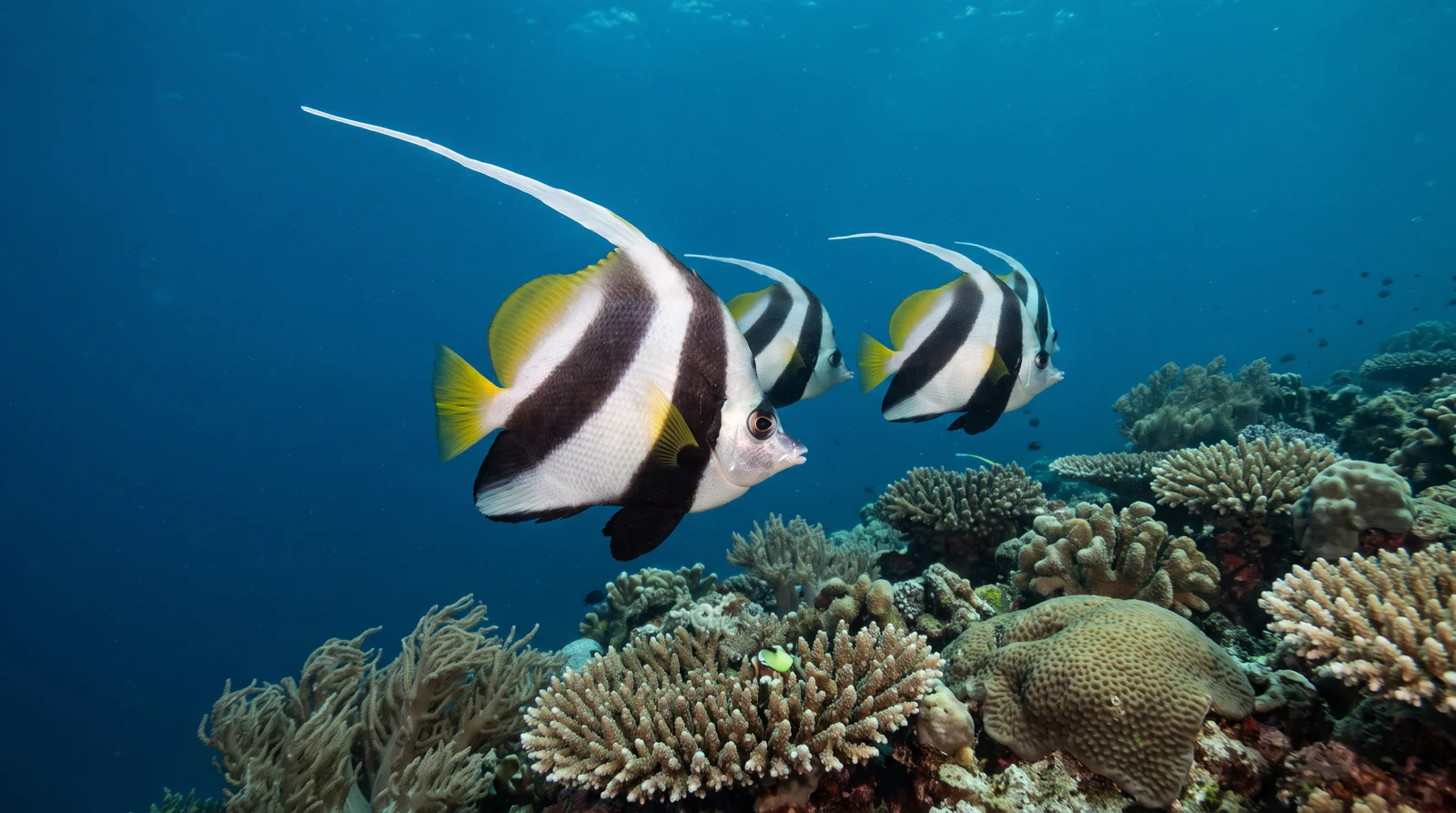
Bannerfish (assorted)
Heniochus spp.
Dokumentiertes Vorkommen am Tauchplatz
Quelle geprüft am 2026-11-06 · Quelle: nusapenida.org · Beobachtungsdatum nicht dokumentiert
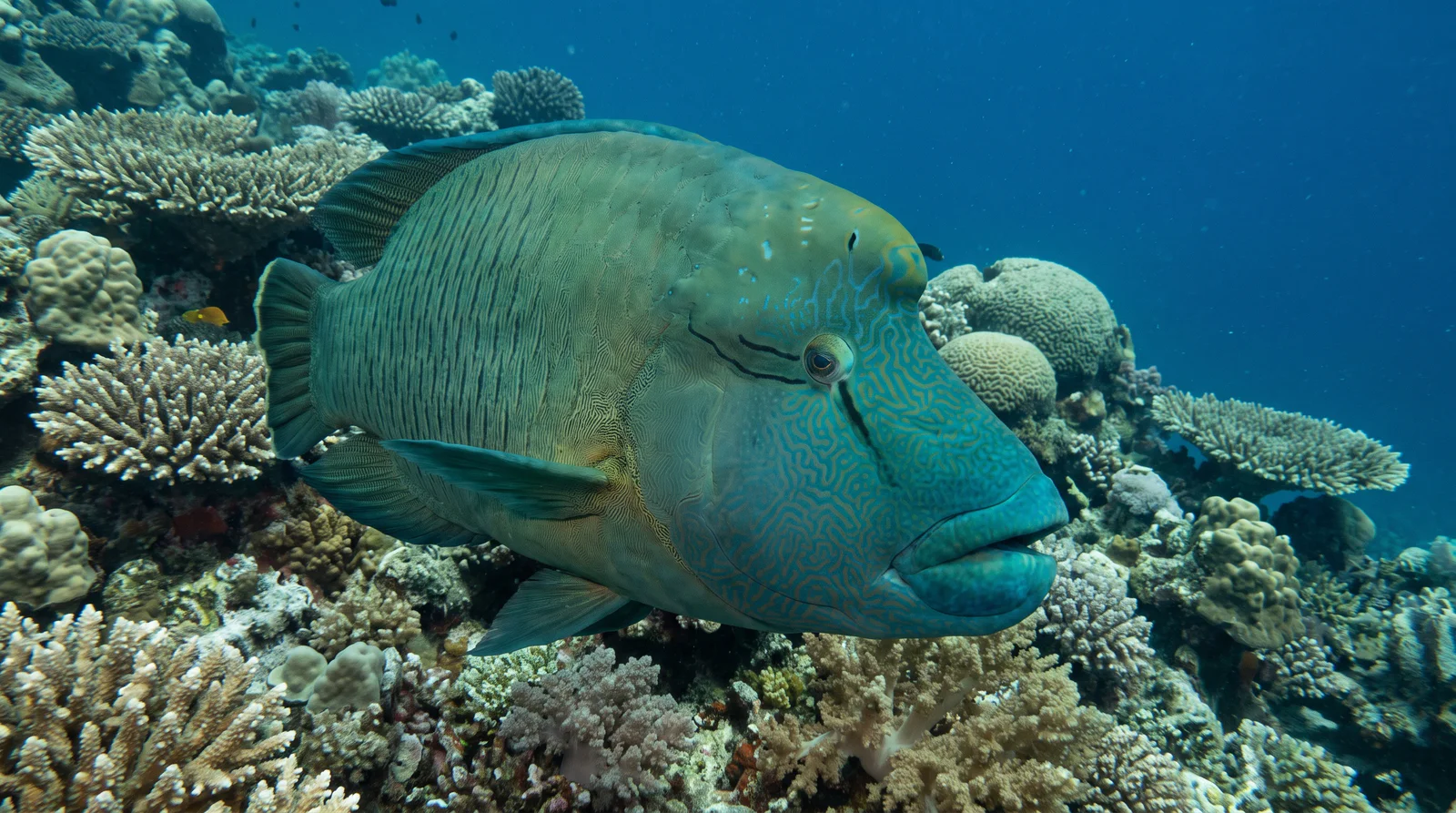
Humphead Wrasse (Napoleon)
Cheilinus undulatus
Dokumentiertes Vorkommen am Tauchplatz
Quelle geprüft am 2026-11-06 · Quelle: AquaMarine Diving – Bali · Beobachtungsdatum nicht dokumentiert
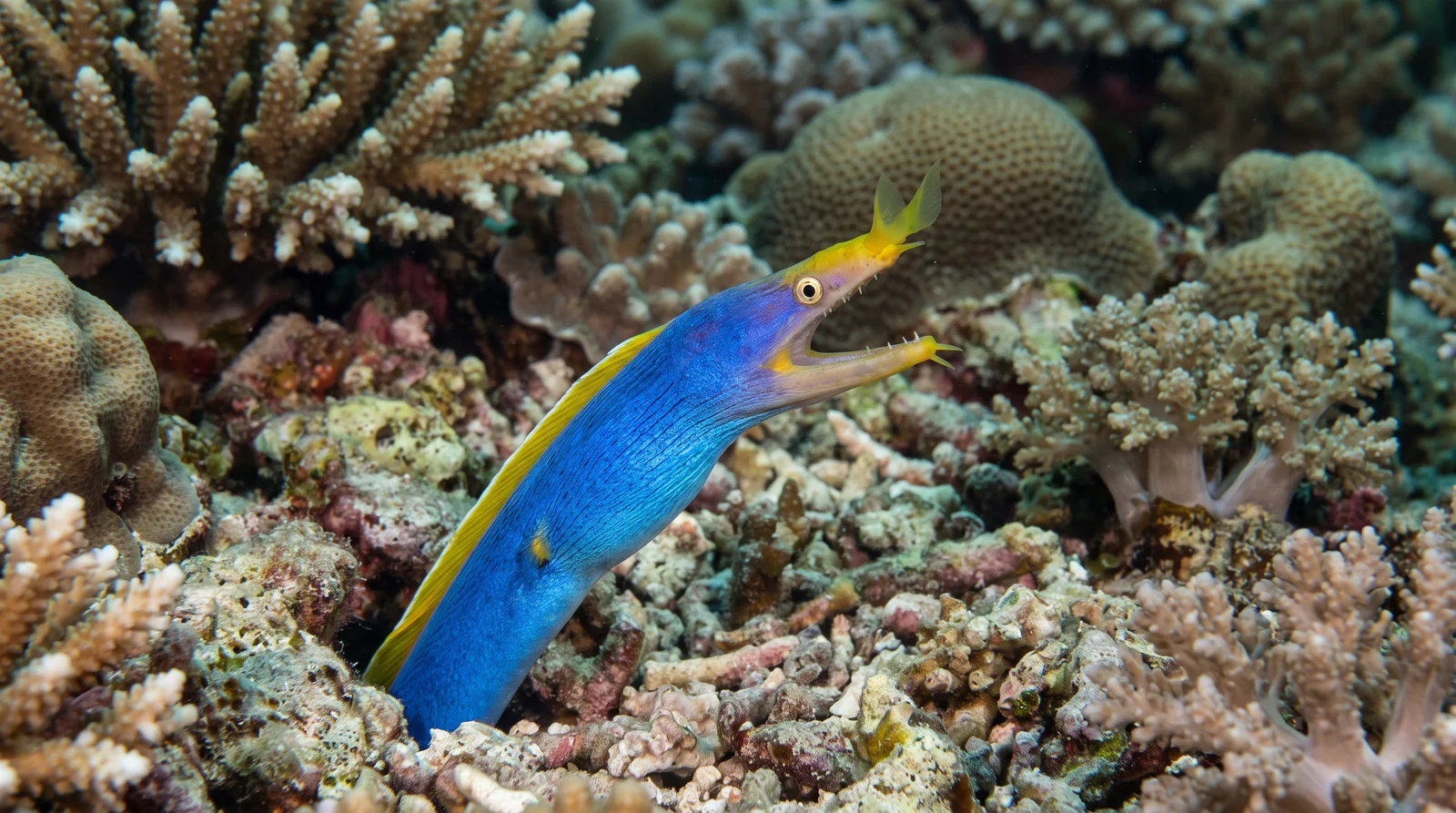
Blue-ribbon Eel
Rhinomuraena quaesita
Dokumentiertes Vorkommen am Tauchplatz
Quelle geprüft am 2026-11-06 · Quelle: Scuba Center Asia · Beobachtungsdatum nicht dokumentiert
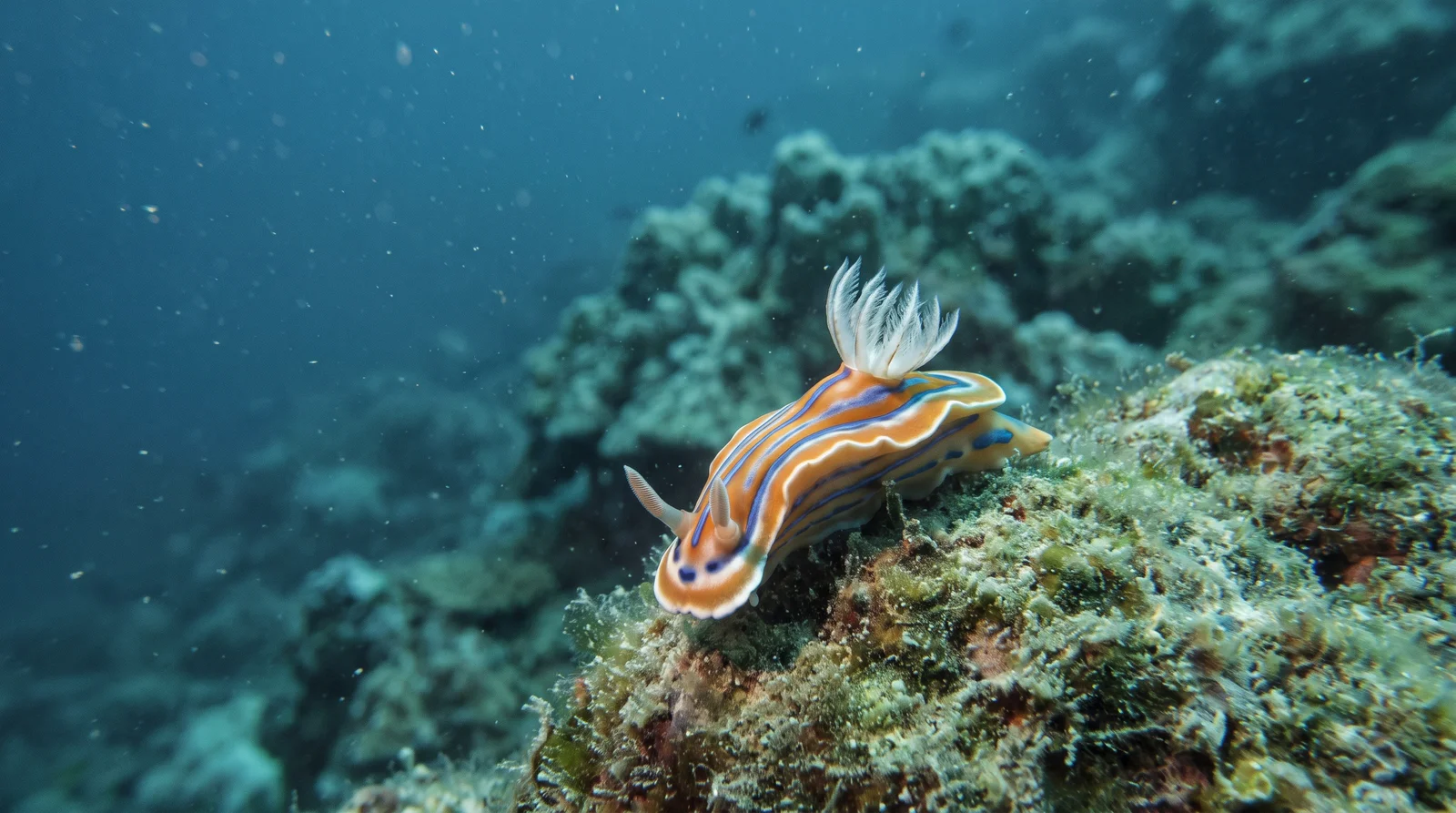
Nudibranch (assorted)
Nudibranchia spp.
Dokumentiertes Vorkommen am Tauchplatz
Quelle geprüft am 2026-11-06 · Quelle: nusapenida.org · Beobachtungsdatum nicht dokumentiert
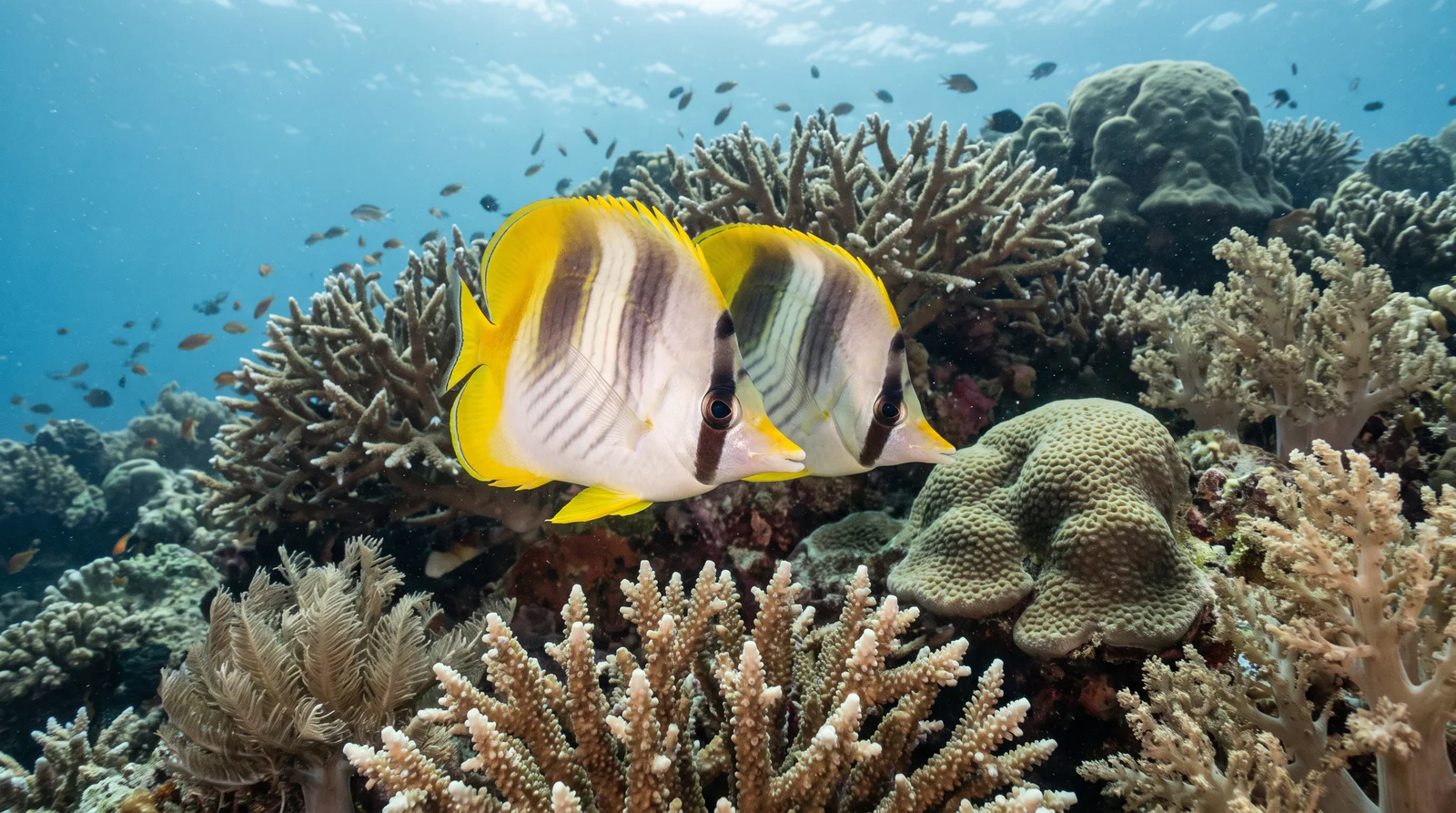
Butterflyfish (assorted)
Chaetodon sp.
Dokumentiertes Vorkommen am Tauchplatz
Quelle geprüft am 2026-11-06 · Quelle: nusapenida.org · Beobachtungsdatum nicht dokumentiert
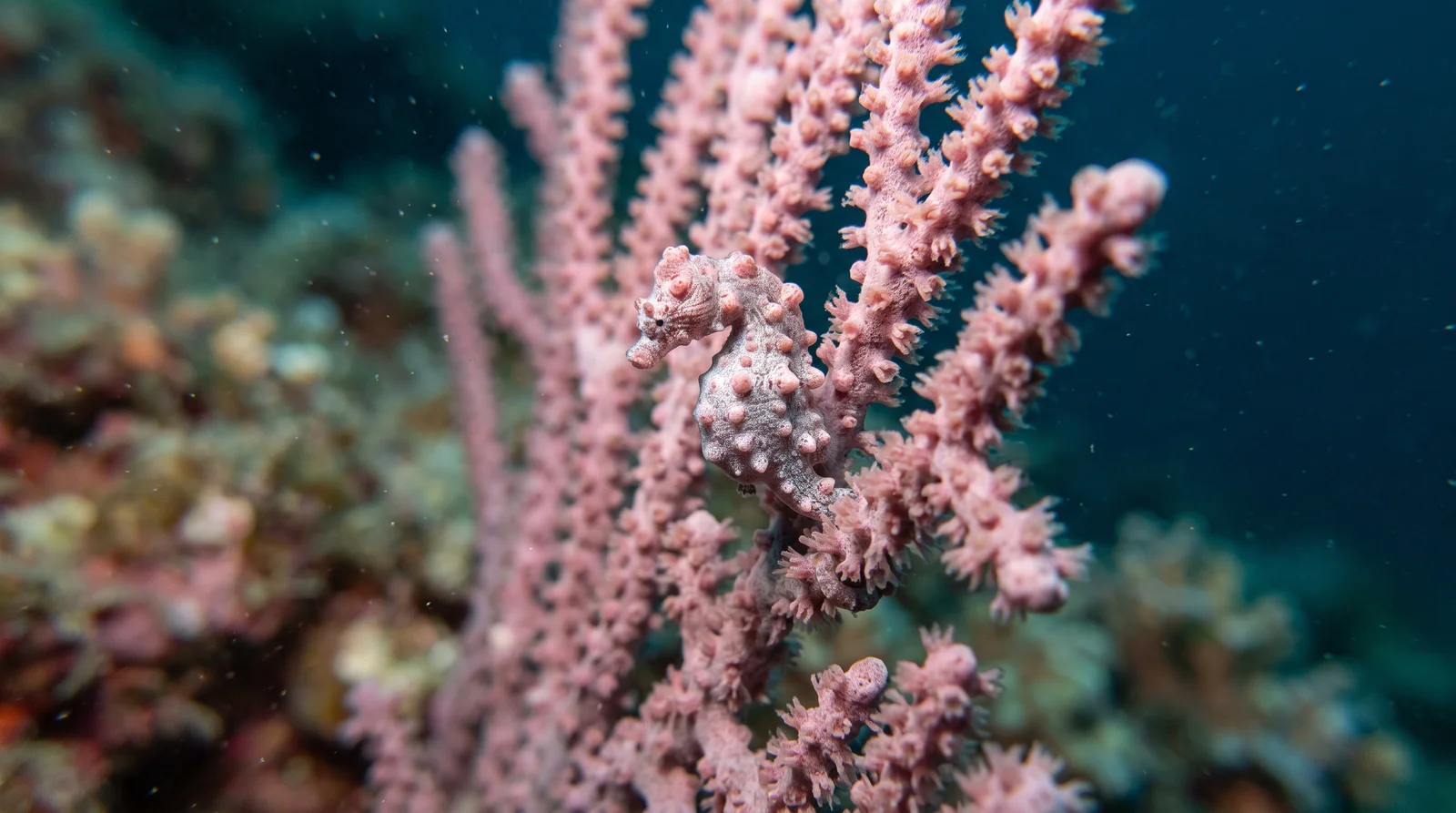
Pygmy Seahorse (assorted)
Hippocampus spp. (pygmy seahorses)
Dokumentiertes Vorkommen am Tauchplatz
Quelle geprüft am 2026-11-06 · Quelle: nusapenida.org · Beobachtungsdatum nicht dokumentiert
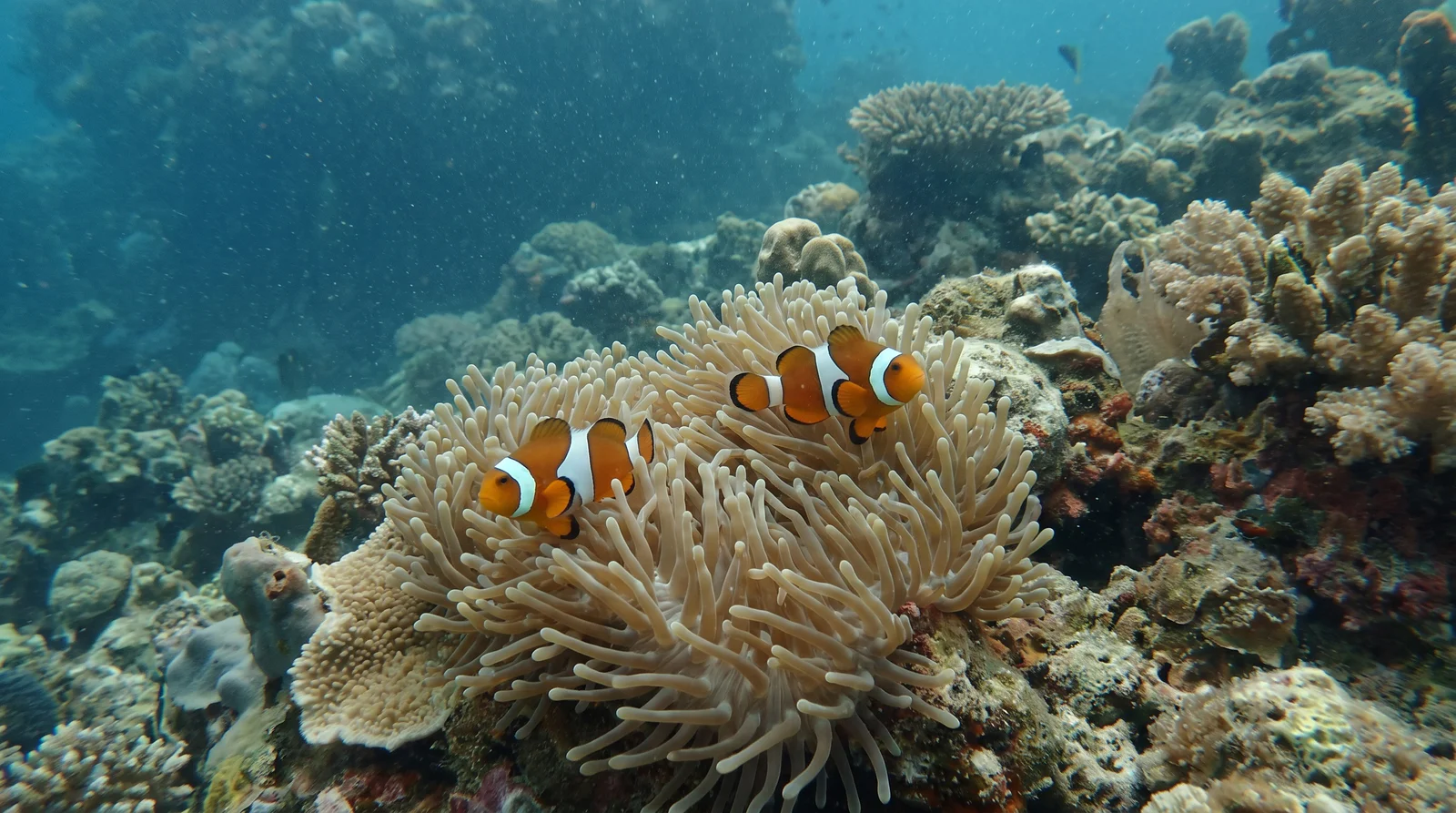
Anemonefish / Clownfish (assorted)
Amphiprion spp.
Dokumentiertes Vorkommen am Tauchplatz
Quelle geprüft am 2026-11-06 · Quelle: Scuba Center Asia · Beobachtungsdatum nicht dokumentiert
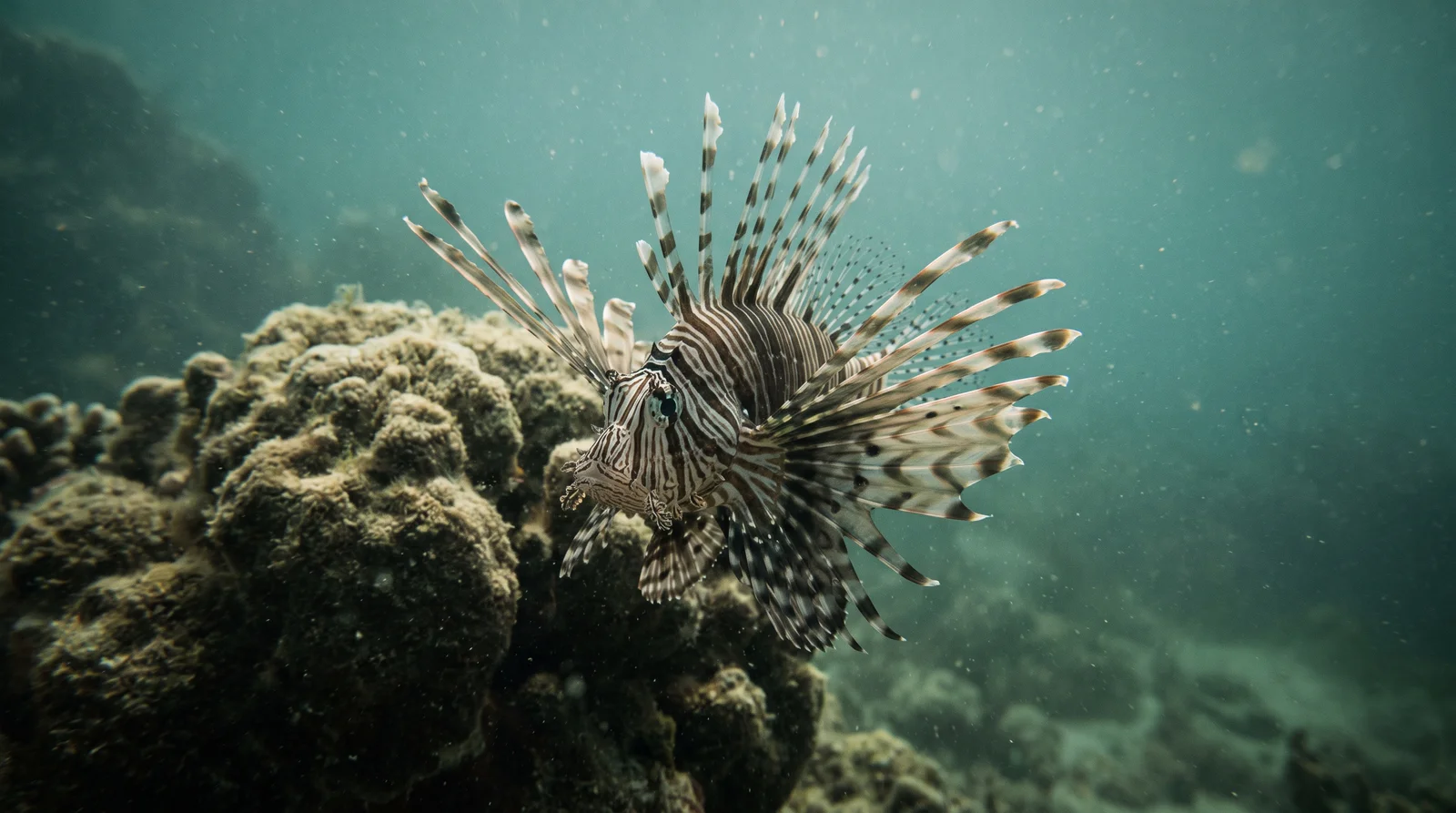
Lionfish (assorted)
Pteroinae spp.
Dokumentiertes Vorkommen am Tauchplatz
Quelle geprüft am 2026-11-06 · Quelle: Scuba Center Asia · Beobachtungsdatum nicht dokumentiert
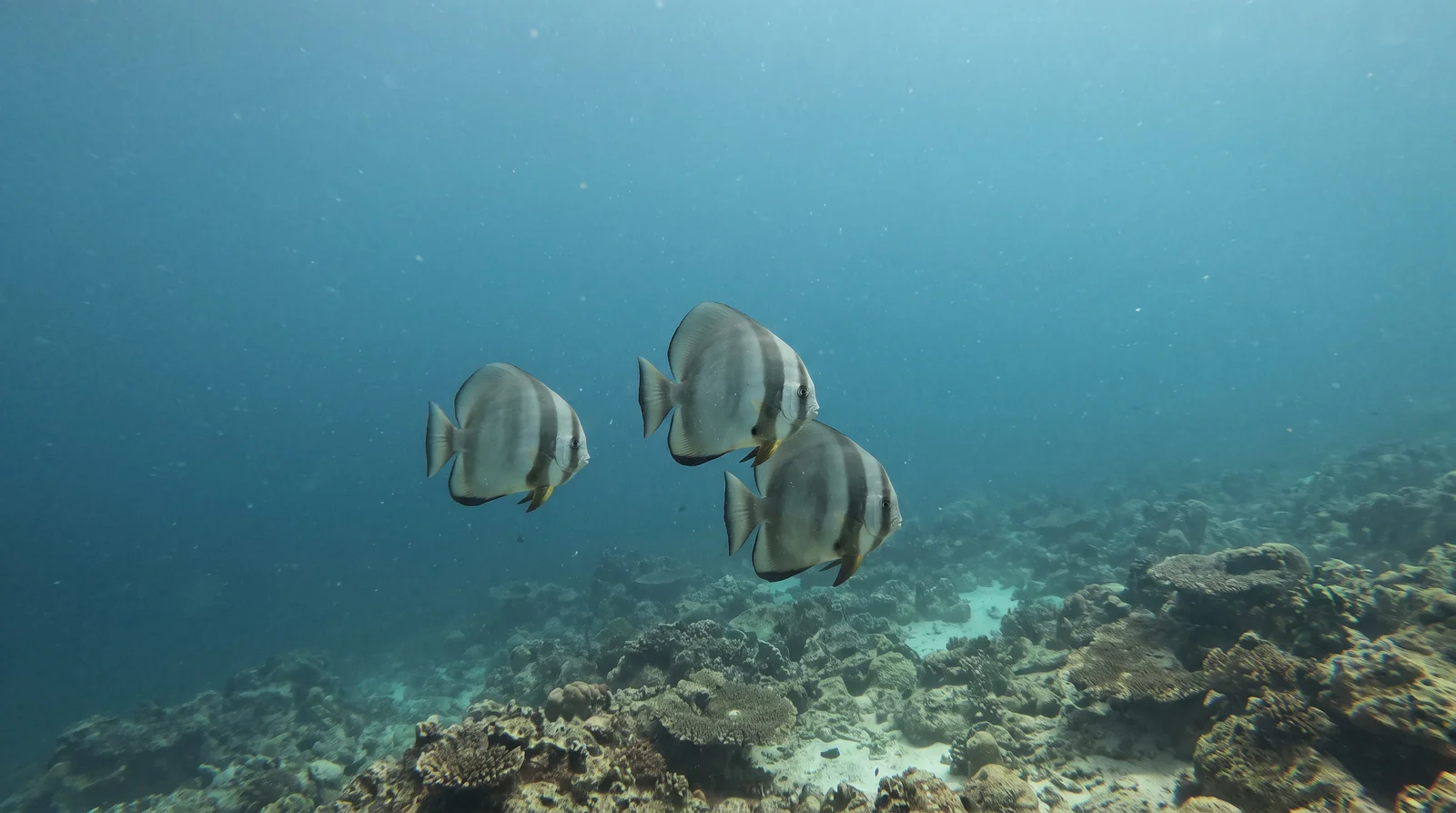
Batfish (assorted)
Platax spp.
Dokumentiertes Vorkommen am Tauchplatz
Quelle geprüft am 2026-11-06 · Quelle: AquaMarine Diving – Bali · Beobachtungsdatum nicht dokumentiert
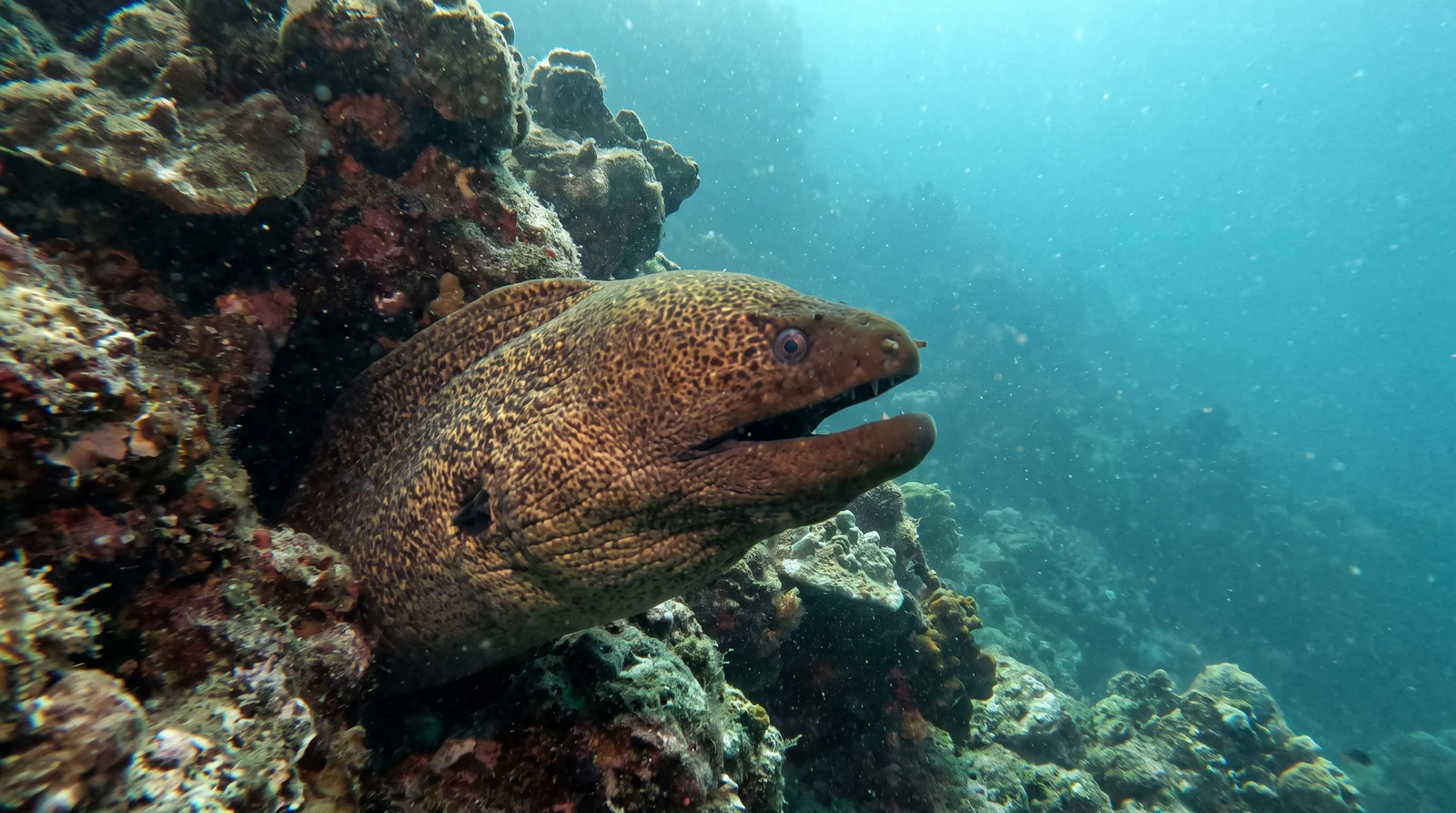
Moray Eel (assorted)
Muraenidae spp.
Dokumentiertes Vorkommen am Tauchplatz
Quelle geprüft am 2026-11-06 · Quelle: AquaMarine Diving – Bali · Beobachtungsdatum nicht dokumentiert
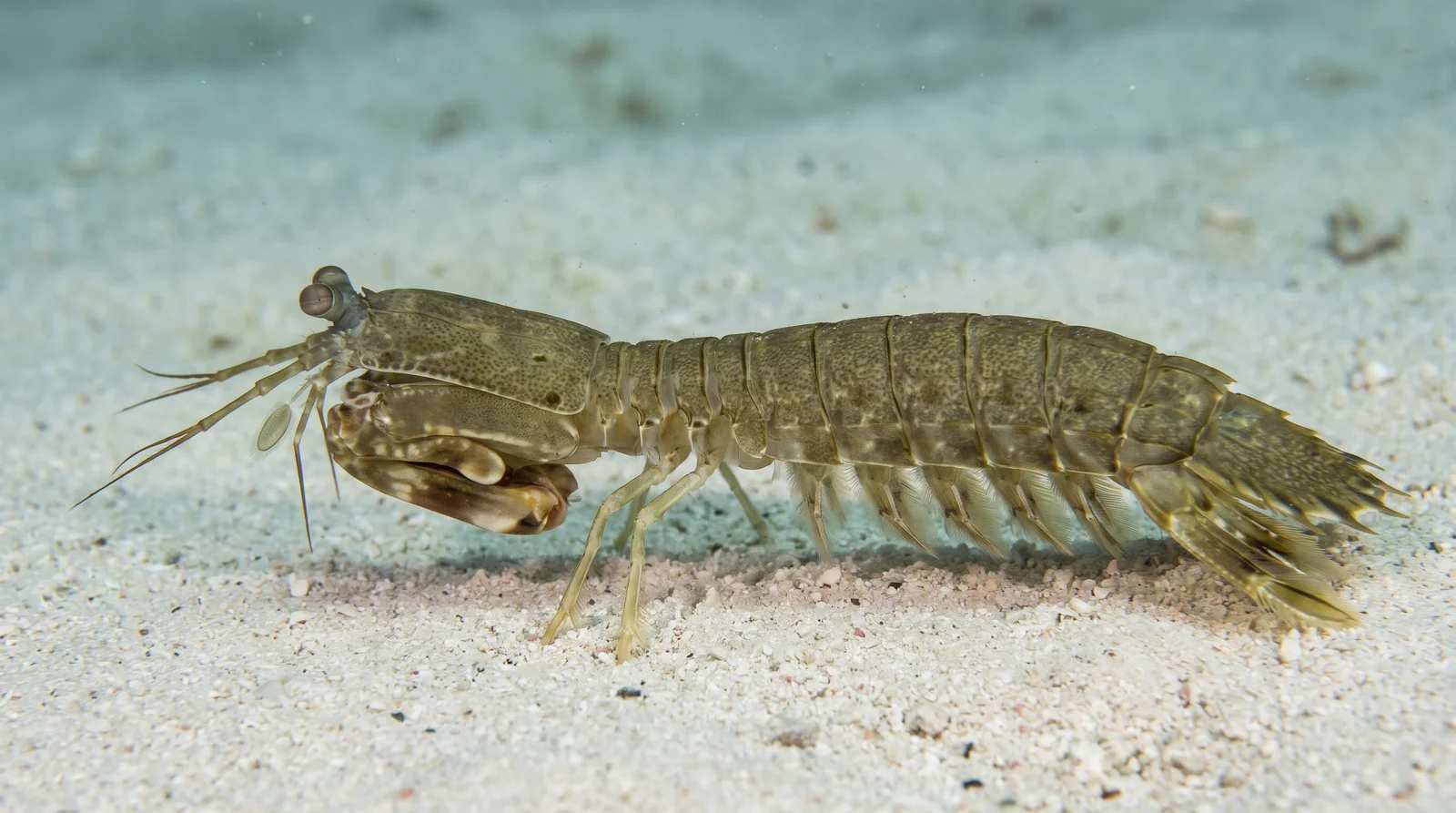
Mantis Shrimp (assorted)
Stomatopoda spp.
Dokumentiertes Vorkommen am Tauchplatz
Quelle geprüft am 2026-11-06 · Quelle: Scuba Center Asia · Beobachtungsdatum nicht dokumentiert
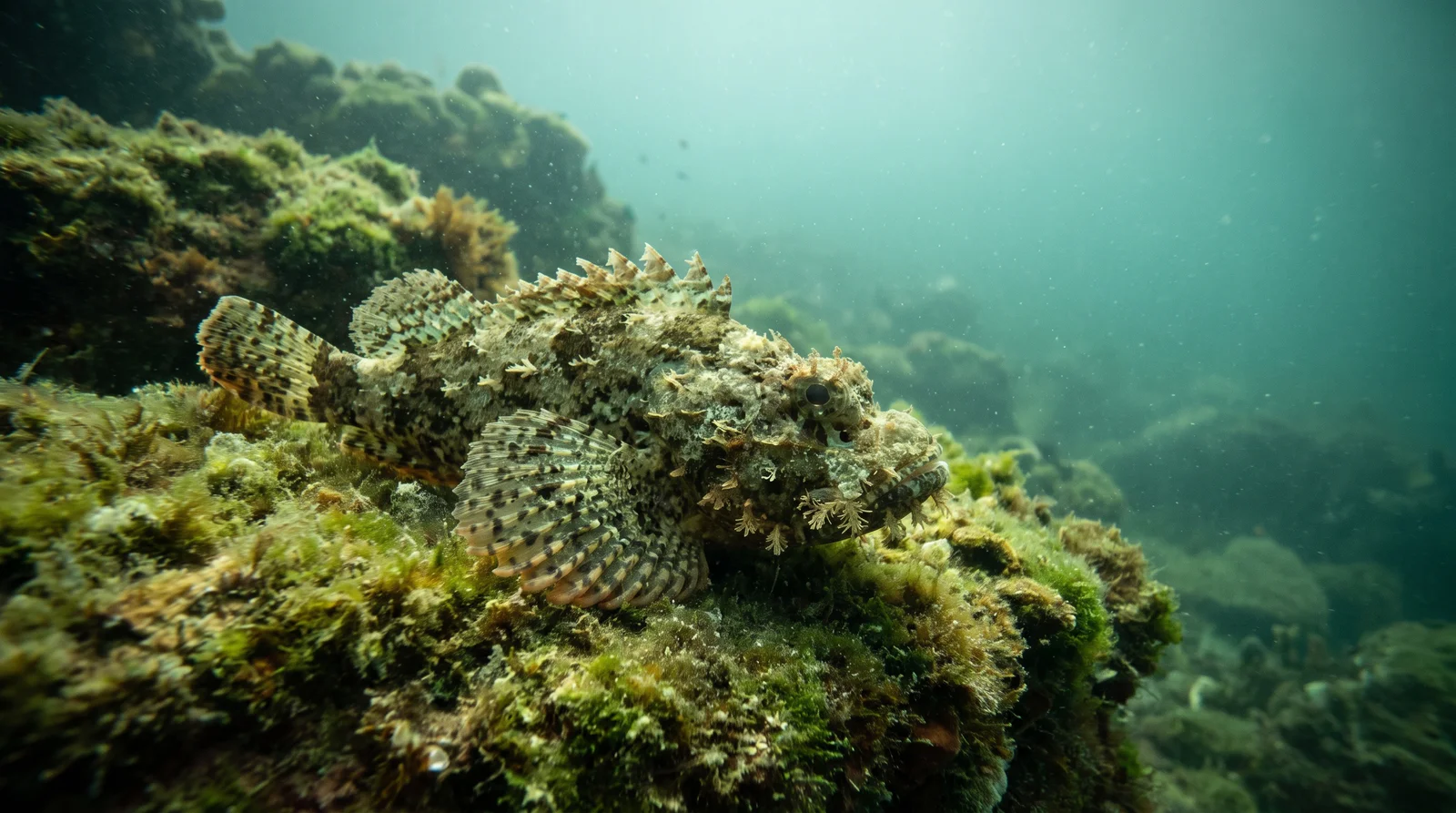
Scorpionfish (assorted)
Scorpaenidae spp.
Dokumentiertes Vorkommen am Tauchplatz
Quelle geprüft am 2026-11-06 · Quelle: AquaMarine Diving – Bali · Beobachtungsdatum nicht dokumentiert
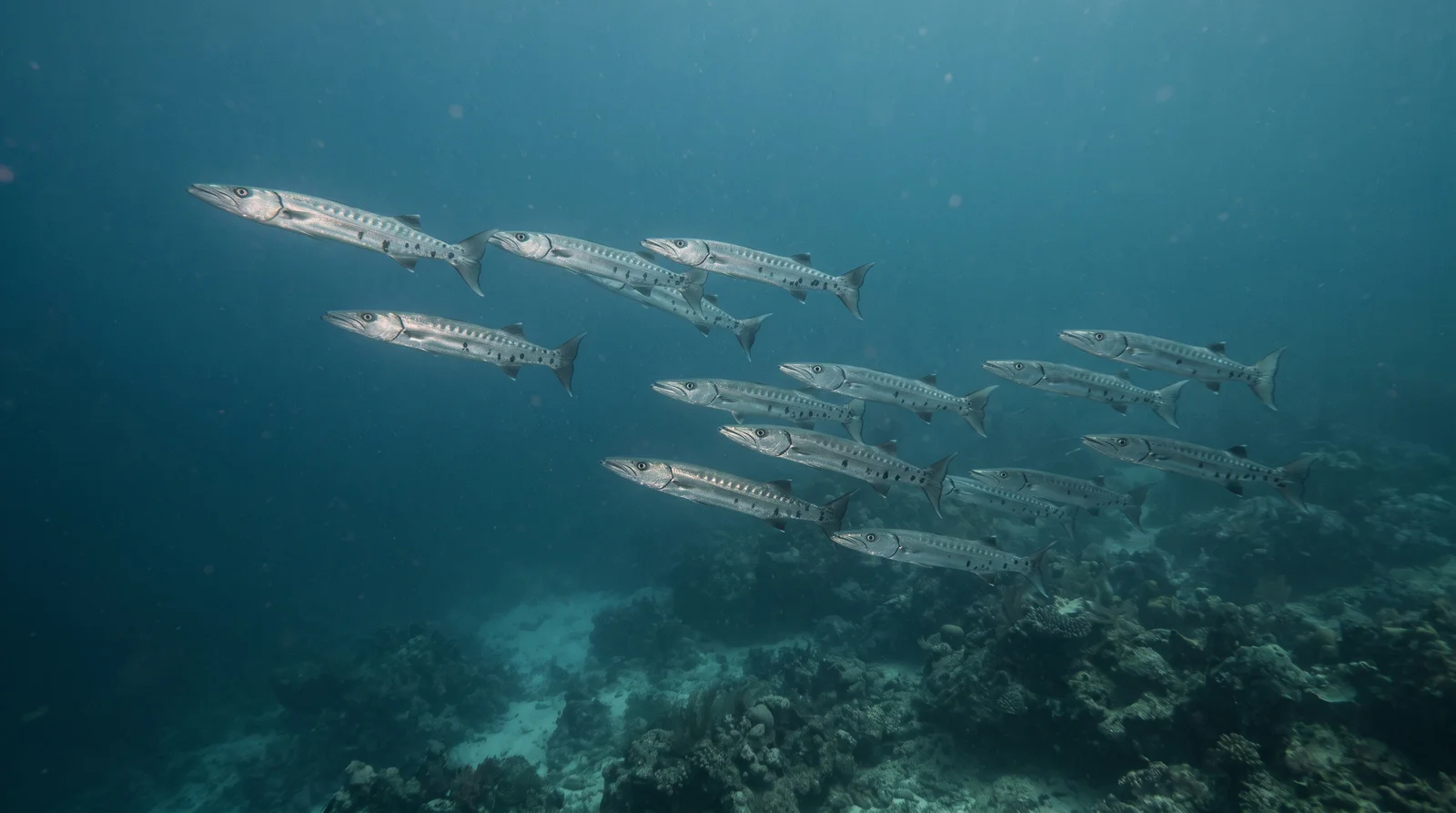
Barracuda (assorted)
Sphyraena spp.
Dokumentiertes Vorkommen am Tauchplatz
Quelle geprüft am 2026-11-06 · Quelle: nusapenida.org · Beobachtungsdatum nicht dokumentiert
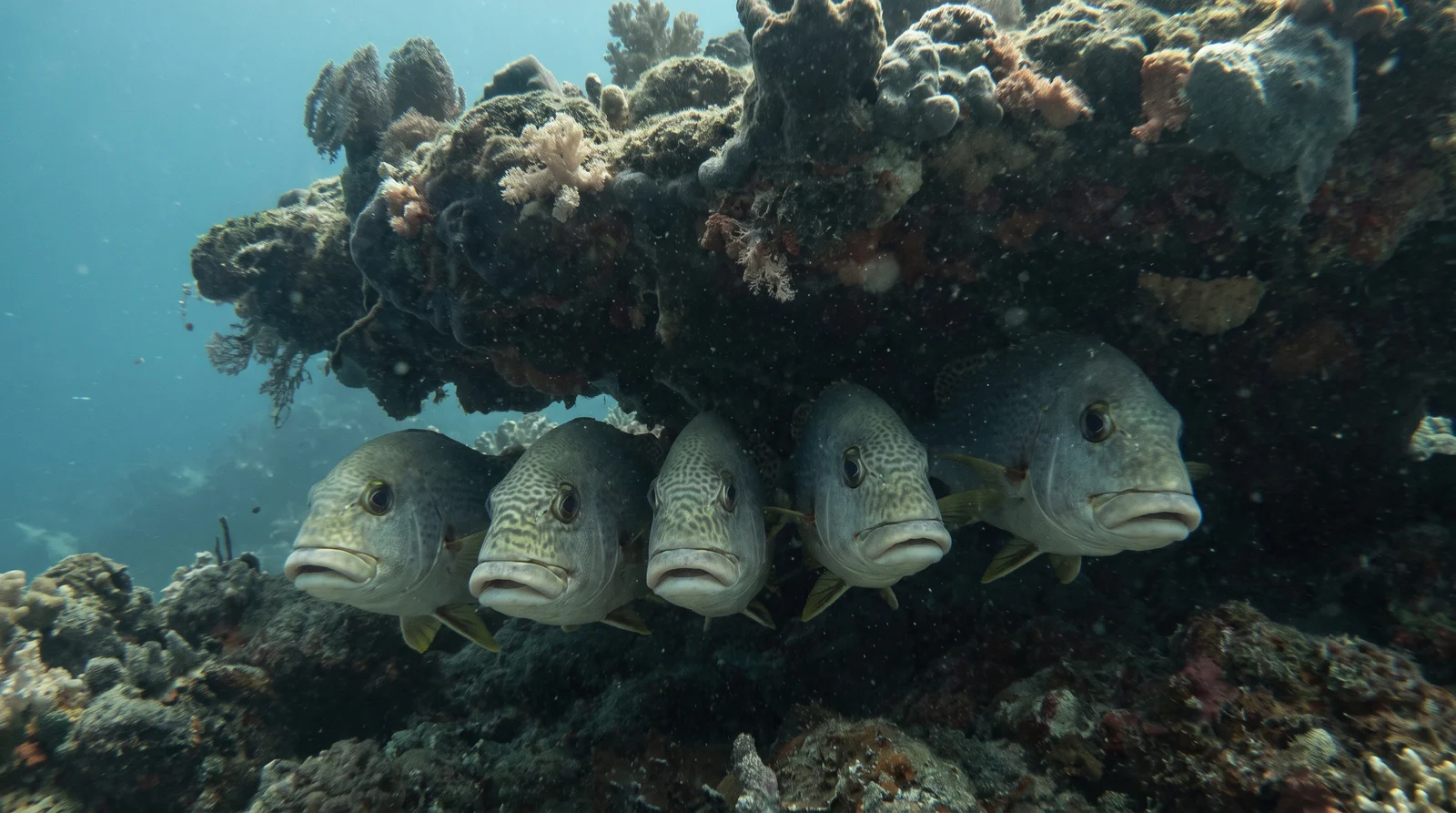
Sweetlips (assorted)
Plectorhinchus spp.
Dokumentiertes Vorkommen am Tauchplatz
Quelle geprüft am 2026-11-06 · Quelle: AquaMarine Diving – Bali · Beobachtungsdatum nicht dokumentiert
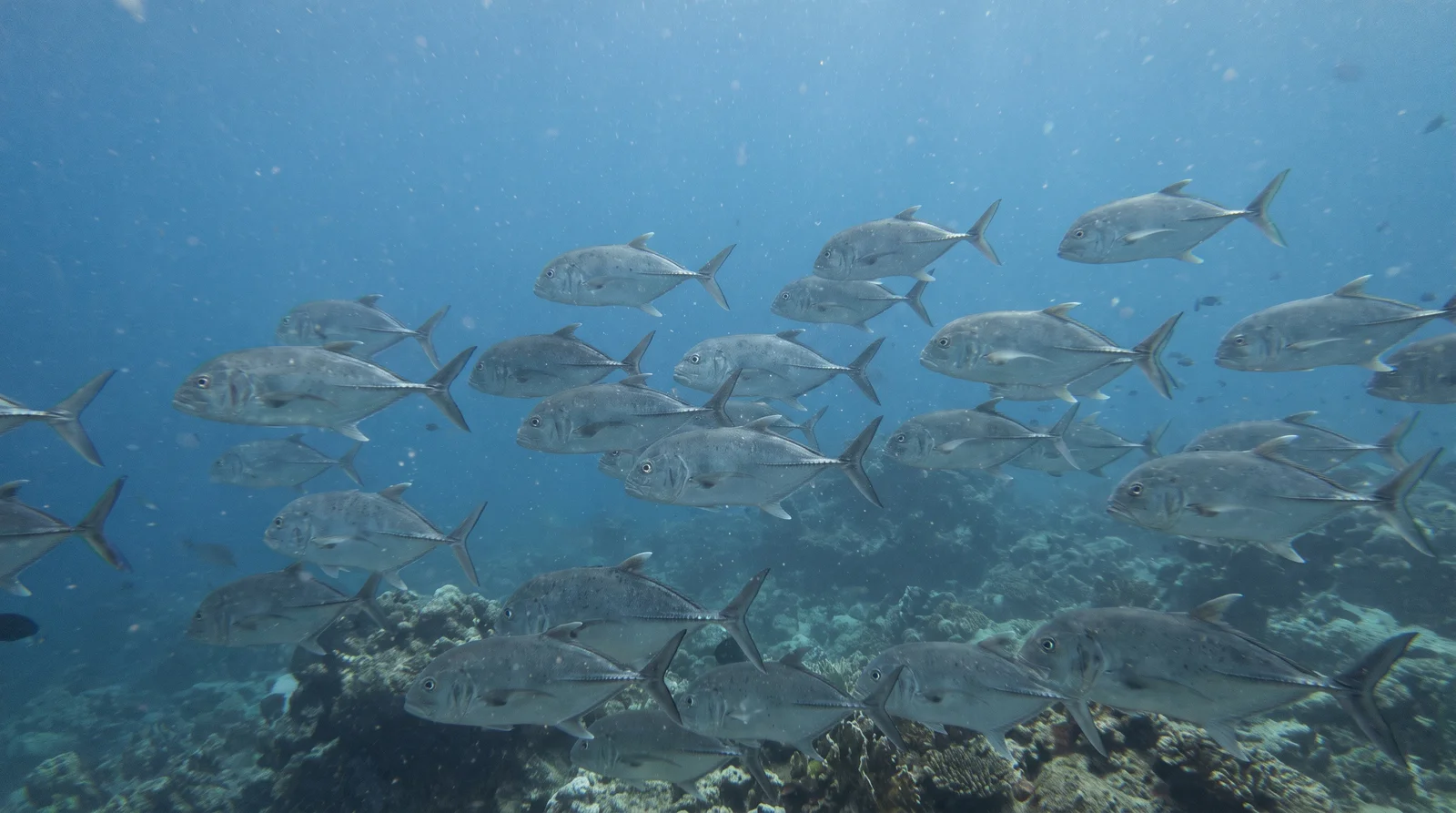
Trevally / Jack (assorted)
Carangidae spp.
Dokumentiertes Vorkommen am Tauchplatz
Quelle geprüft am 2026-11-06 · Quelle: AquaMarine Diving – Bali · Beobachtungsdatum nicht dokumentiert
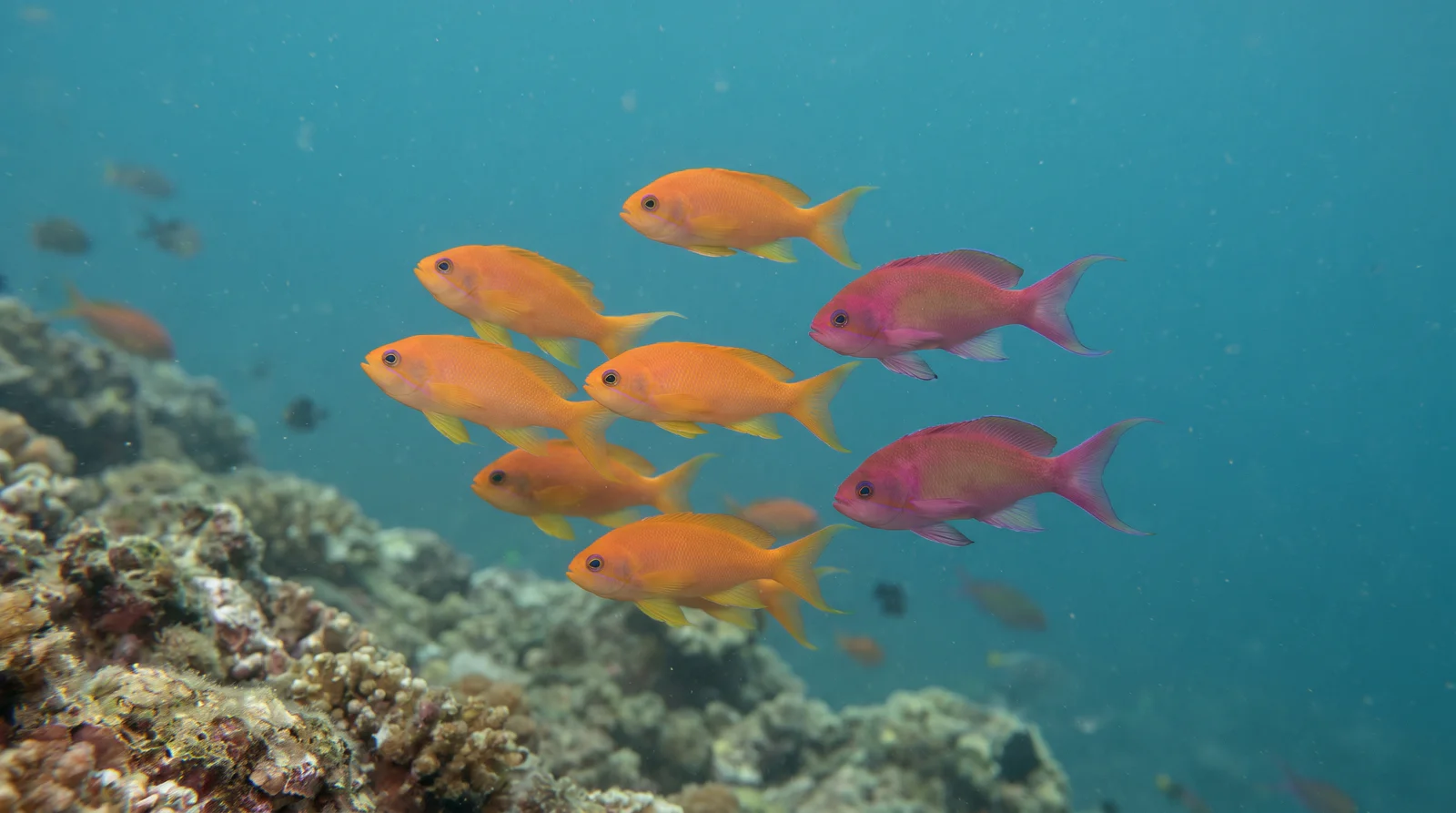
Anthias (assorted)
Anthiadidae spp.
Dokumentiertes Vorkommen am Tauchplatz
Quelle geprüft am 2026-11-06 · Quelle: AquaMarine Diving – Bali · Beobachtungsdatum nicht dokumentiert
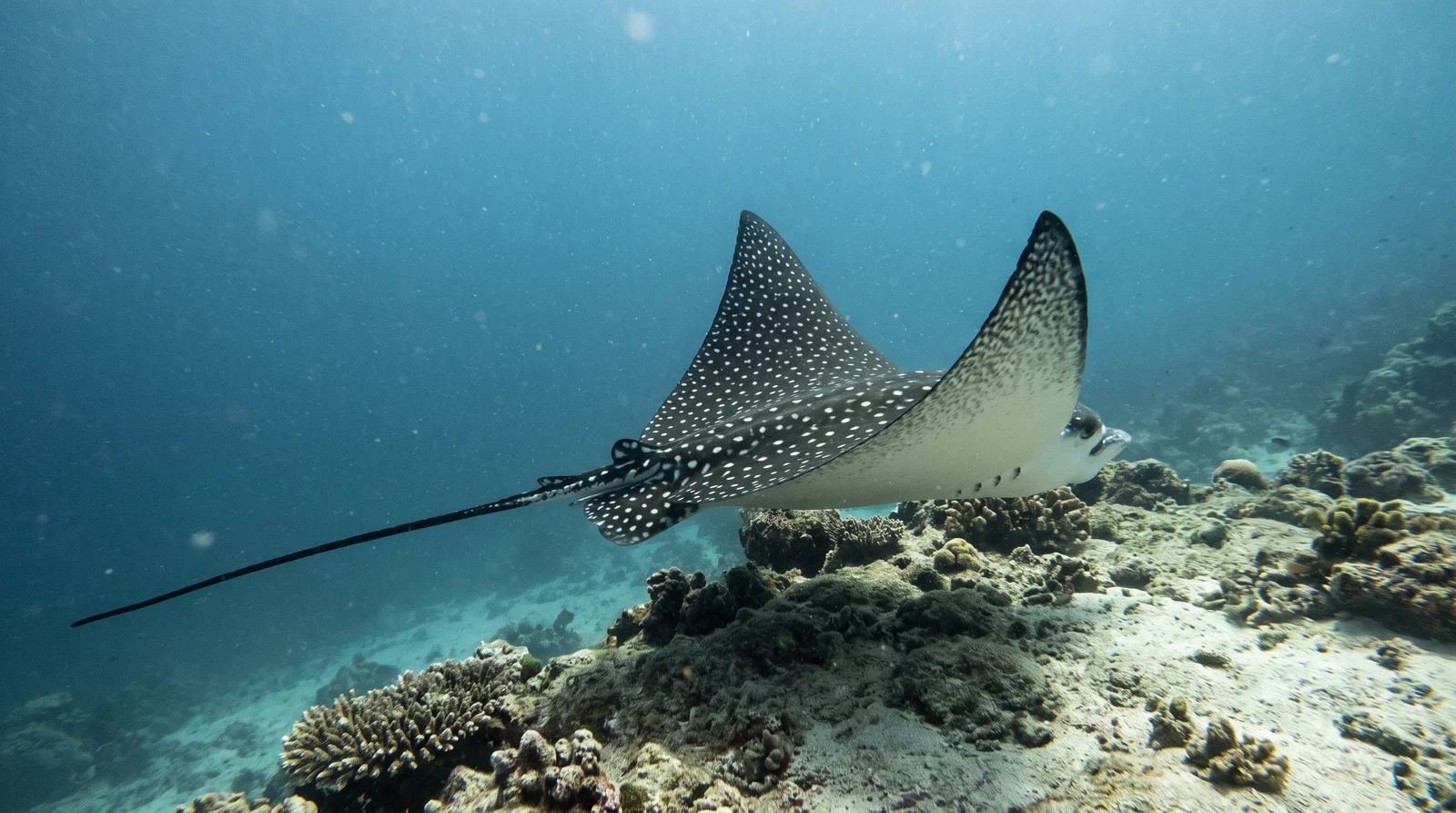
Eagle Ray (assorted)
Aetobatidae and Myliobatidae spp.
Dokumentiertes Vorkommen am Tauchplatz
Quelle geprüft am 2026-11-06 · Quelle: Scuba Center Asia · Beobachtungsdatum nicht dokumentiert
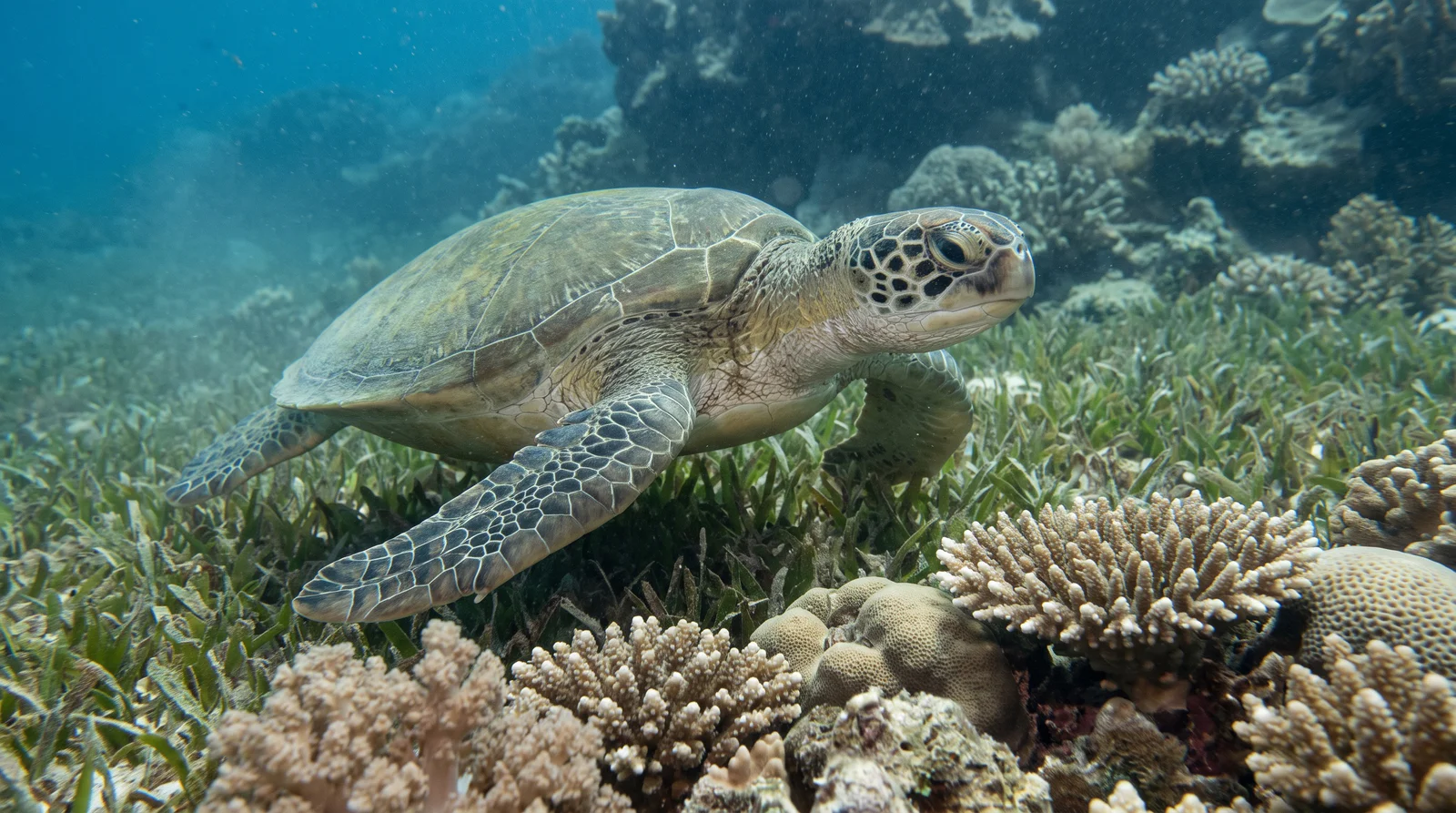
Green Sea Turtle
Chelonia mydas
Dokumentiertes Vorkommen am Tauchplatz
Quelle geprüft am 2026-11-06 · Quelle: nusapenida.org · Beobachtungsdatum nicht dokumentiert
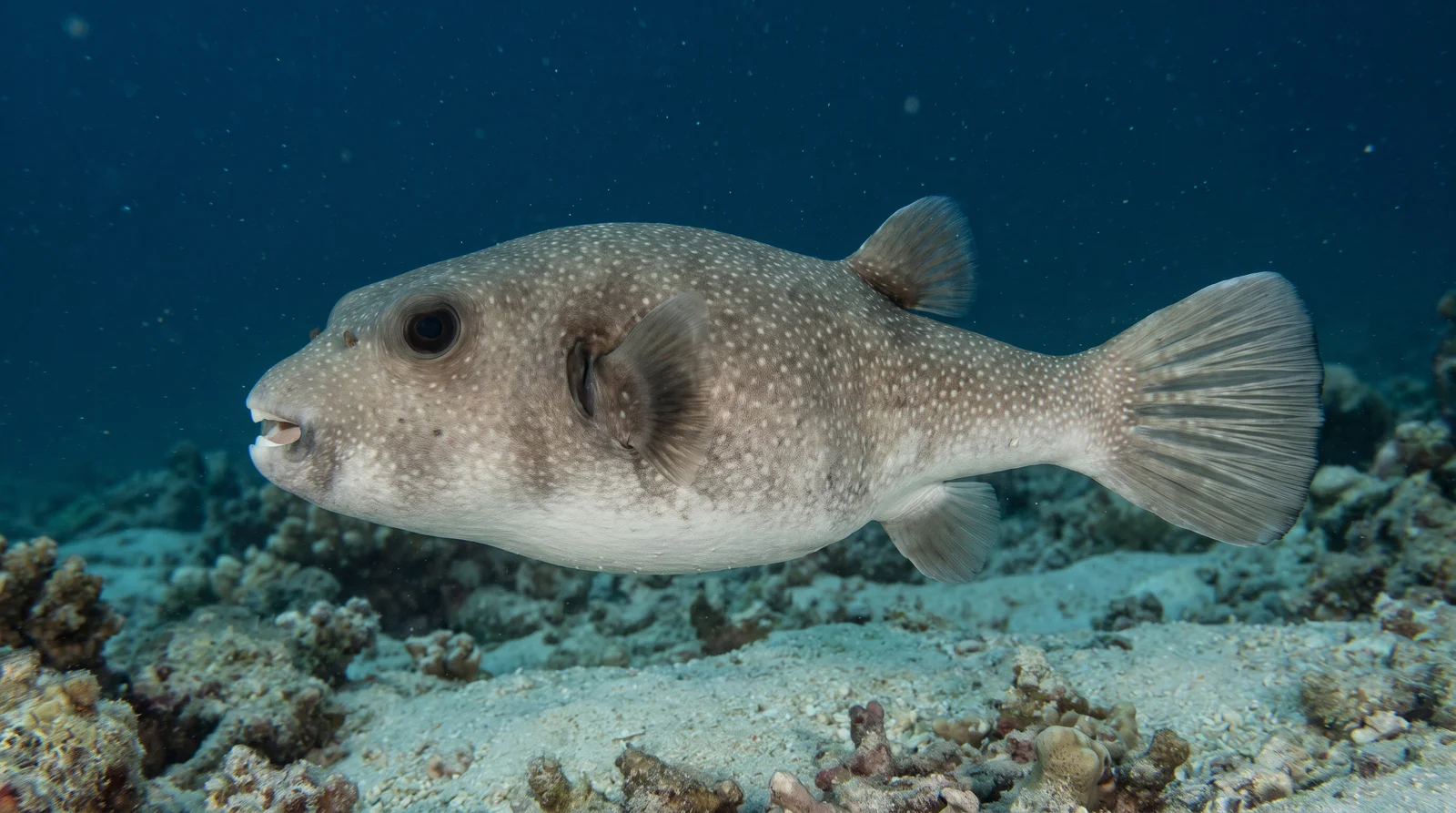
Pufferfish (assorted)
Tetraodontidae spp.
Dokumentiertes Vorkommen am Tauchplatz
Quelle geprüft am 2026-11-06 · Quelle: AquaMarine Diving – Bali · Beobachtungsdatum nicht dokumentiert
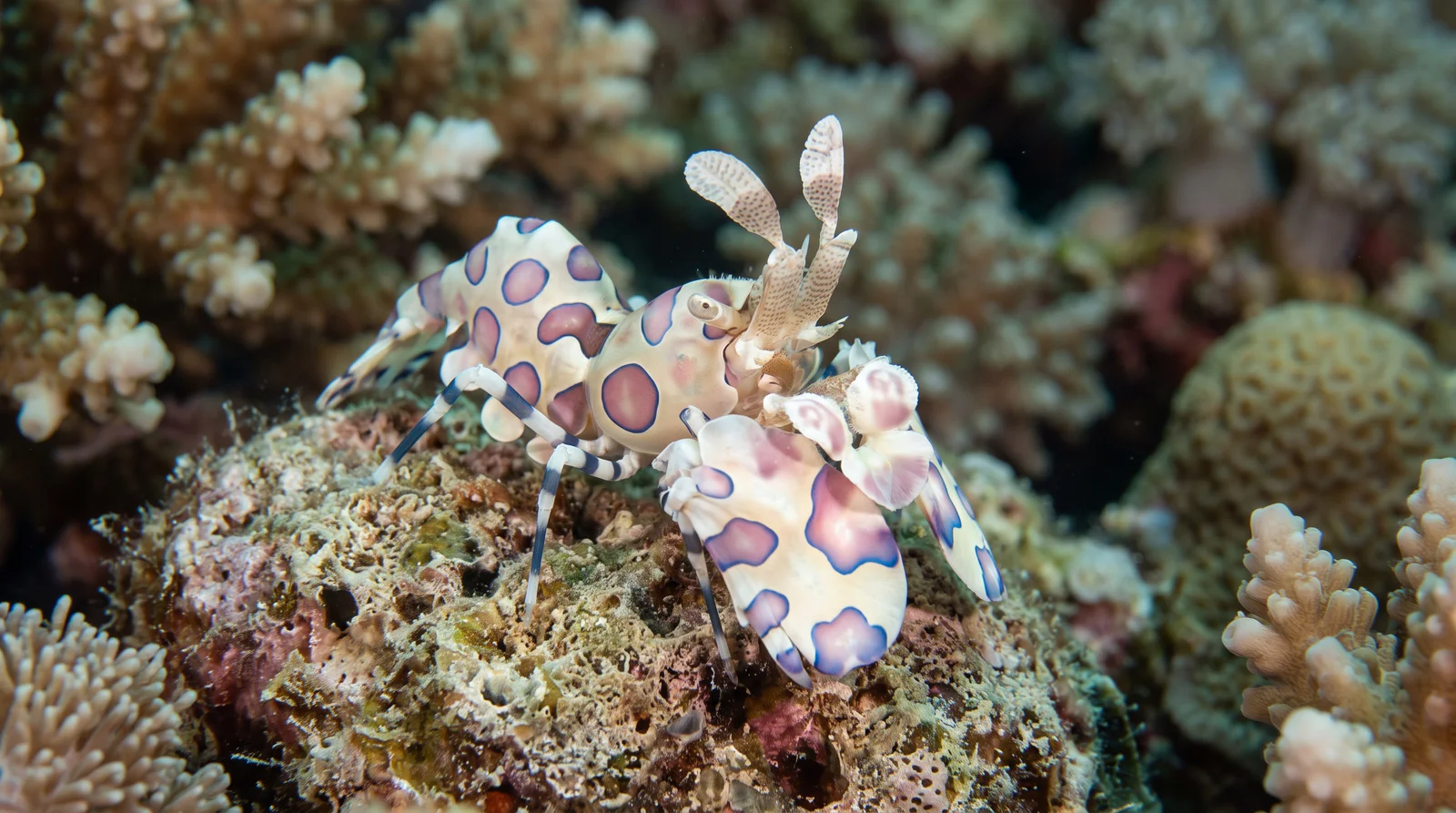
Harlequin Shrimp
Hymenocera picta
Dokumentiertes Vorkommen am Tauchplatz
Quelle geprüft am 2026-11-06 · Quelle: nusapenida.org · Beobachtungsdatum nicht dokumentiert
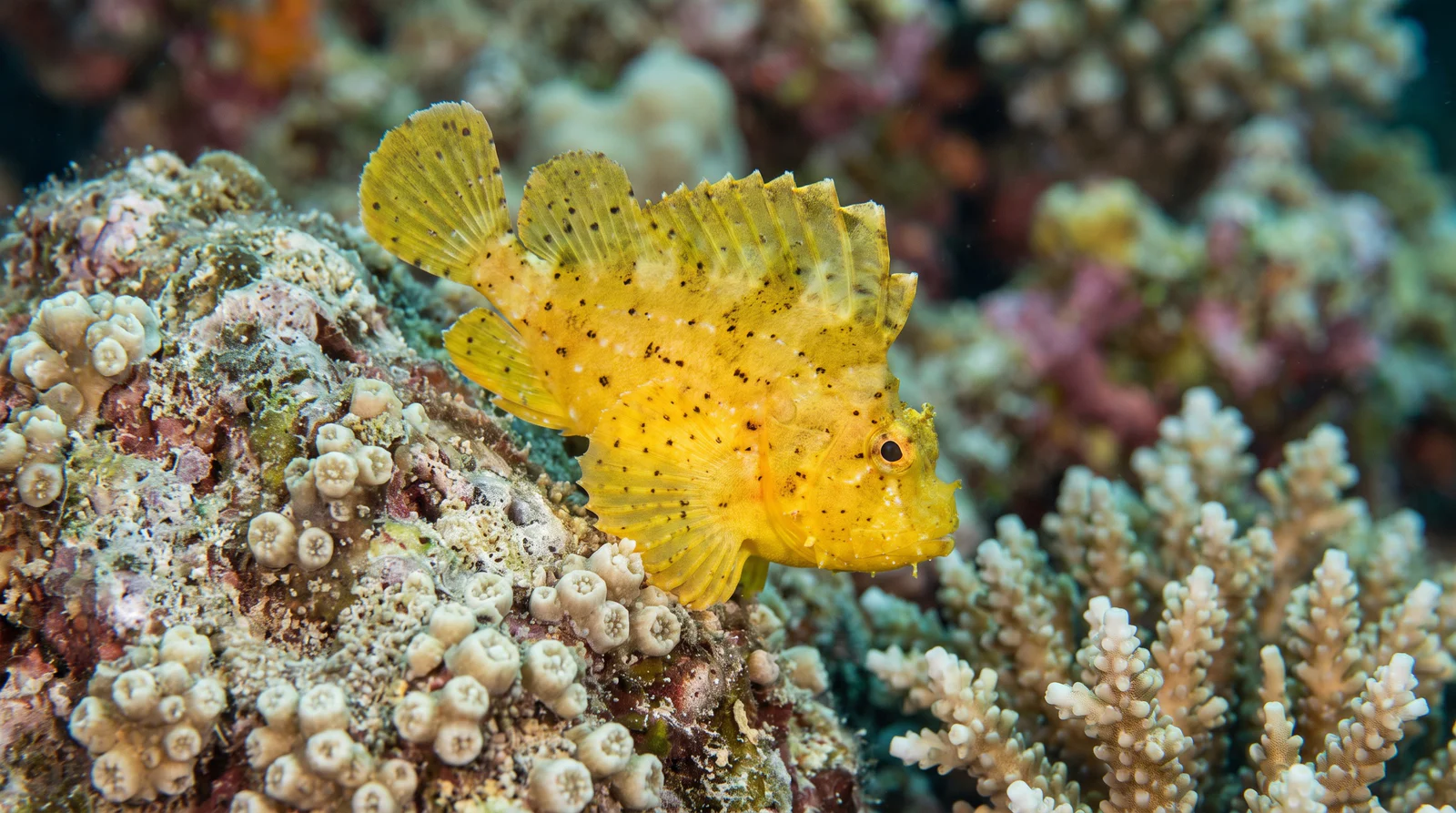
Leaf Scorpionfish
Taenianotus triacanthus
Dokumentiertes Vorkommen am Tauchplatz
Quelle geprüft am 2026-11-06 · Quelle: nusapenida.org · Beobachtungsdatum nicht dokumentiert
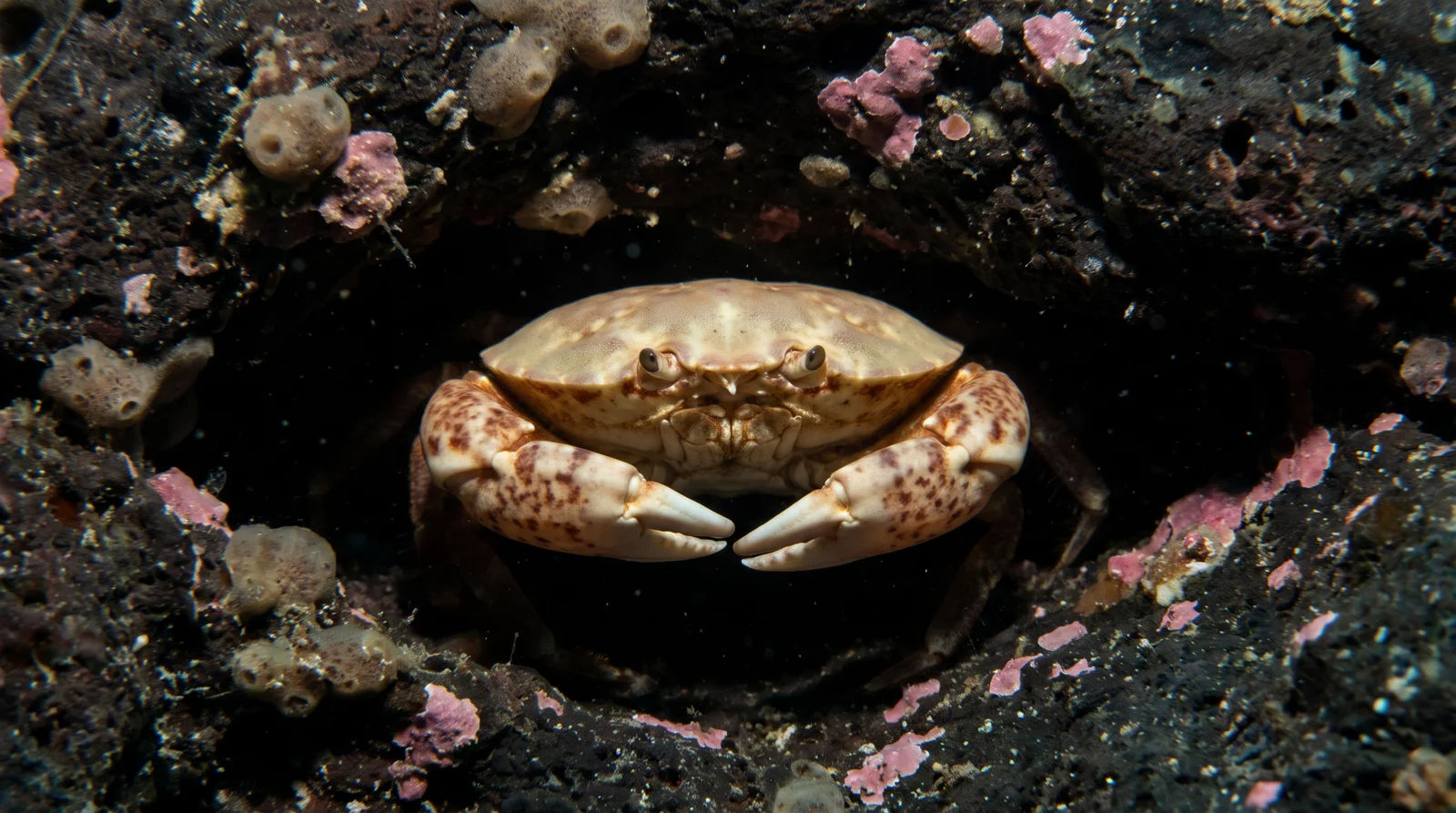
Crab (assorted)
Brachyura and Anomura spp. (crabs)
Dokumentiertes Vorkommen am Tauchplatz
Quelle geprüft am 2026-11-06 · Quelle: nusapenida.org · Beobachtungsdatum nicht dokumentiert
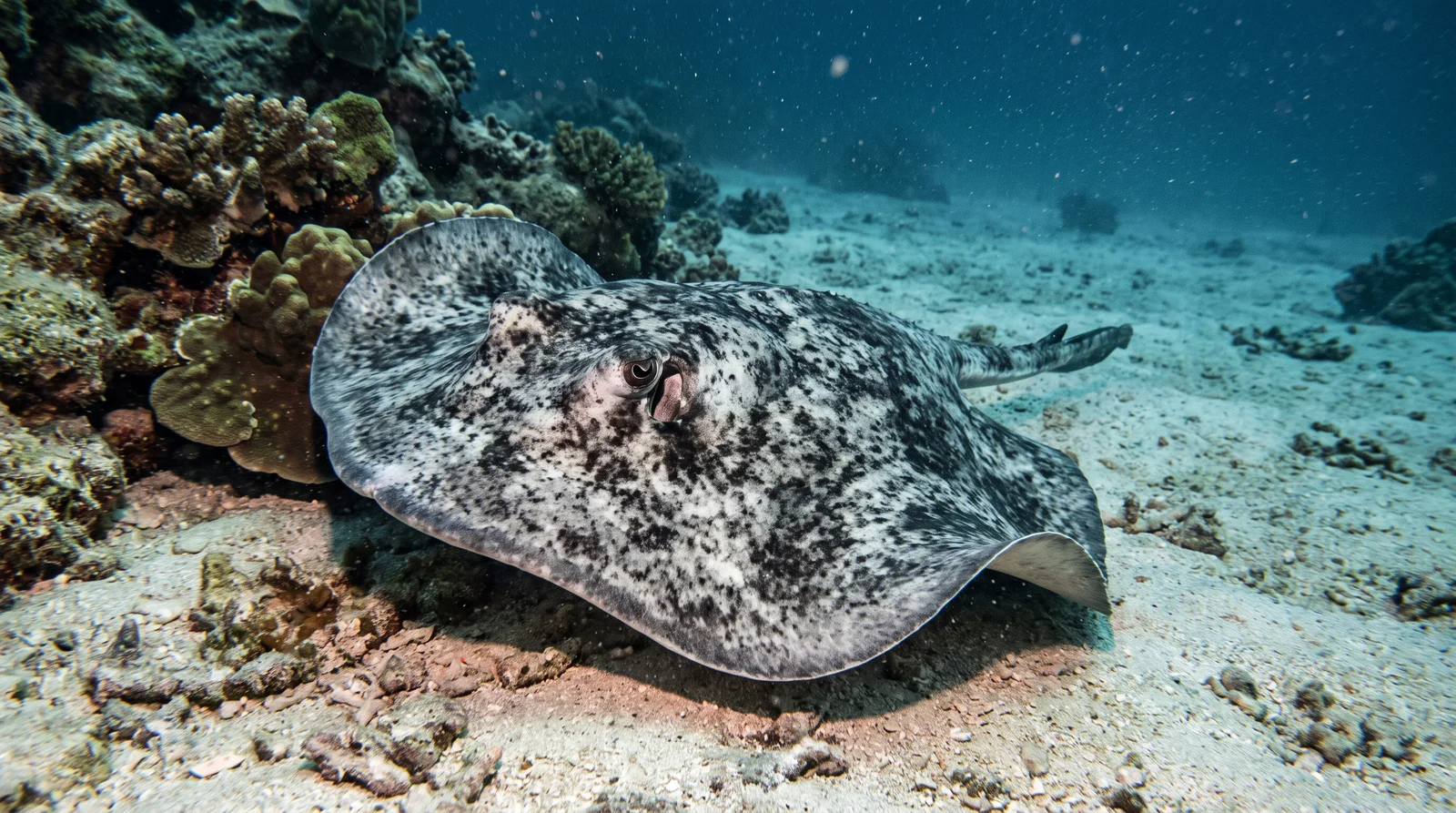
Marble Ray
Taeniurops meyeni
Dokumentiertes Vorkommen am Tauchplatz
Quelle geprüft am 2026-11-06 · Quelle: nusapenida.org · Beobachtungsdatum nicht dokumentiert
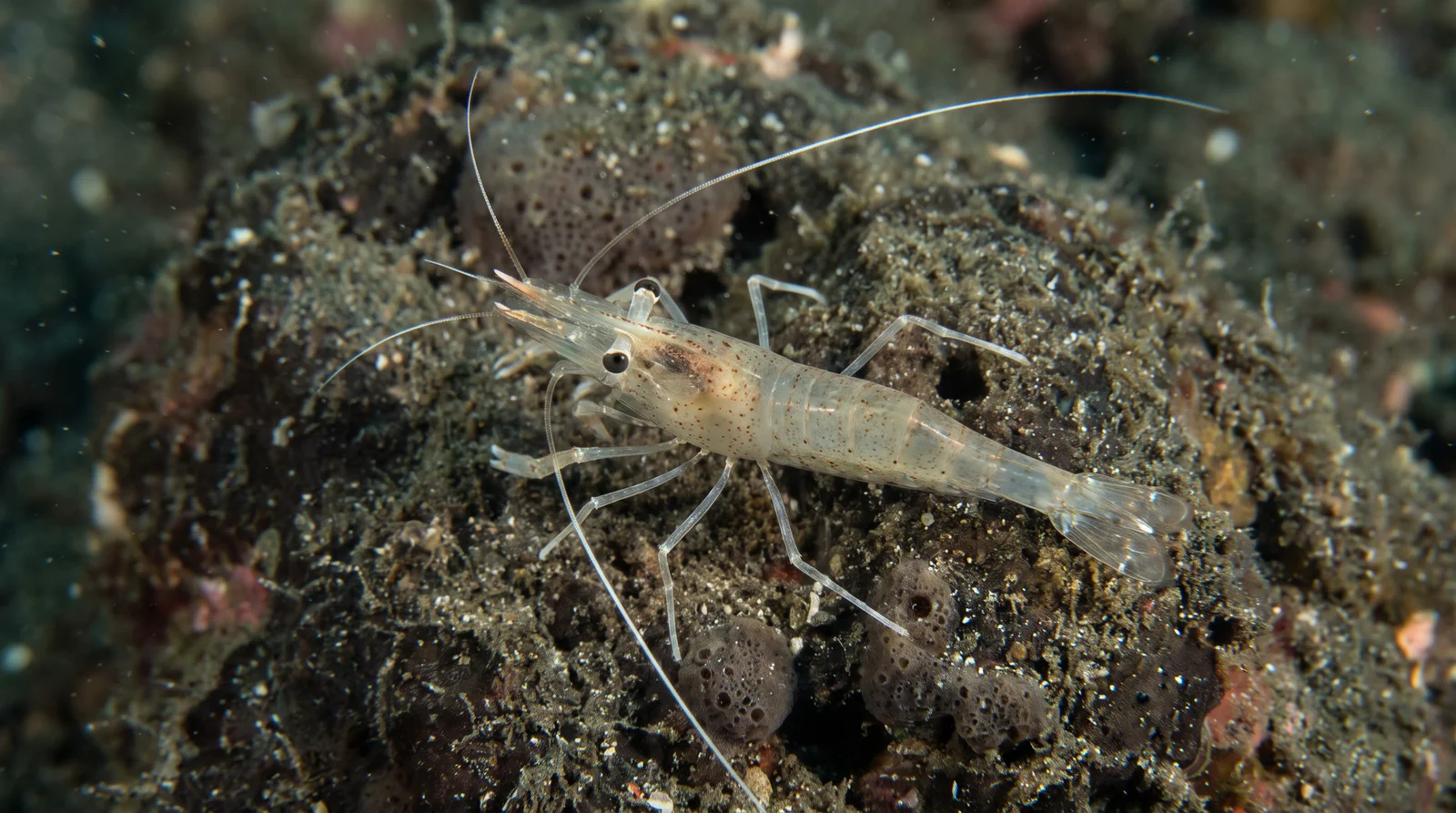
Shrimp (assorted)
Caridea and Dendrobranchiata spp. (shrimps)
Dokumentiertes Vorkommen am Tauchplatz
Quelle geprüft am 2026-11-06 · Quelle: nusapenida.org · Beobachtungsdatum nicht dokumentiert
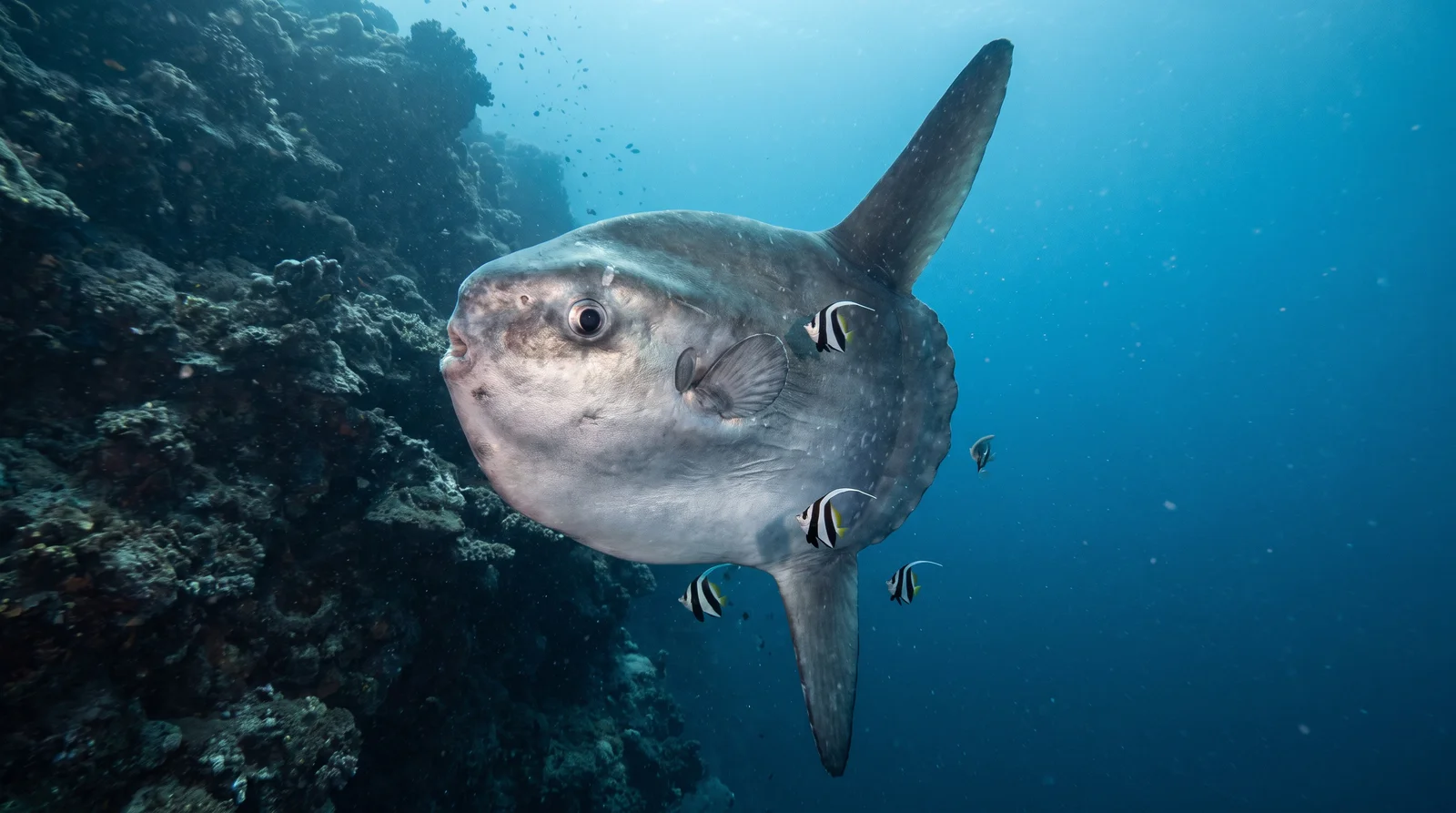
Ocean Sunfish (Mola mola)
Mola mola
Dokumentiertes Vorkommen am Tauchplatz
Quelle geprüft am 2026-11-06 · Quelle: AquaMarine Diving – Bali · Beobachtungsdatum nicht dokumentiert
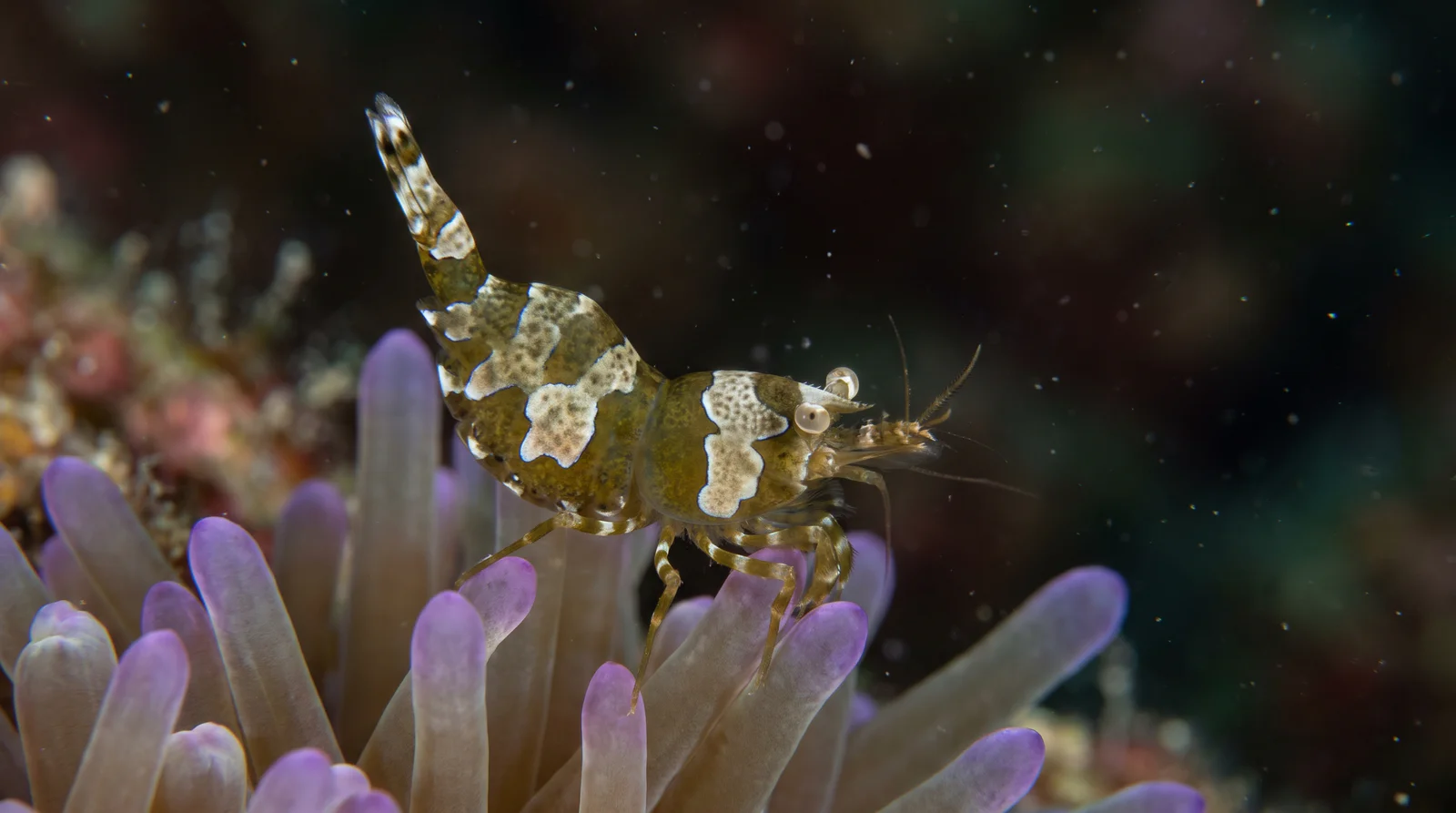
Thor Shrimp (assorted)
Thor spp.
Dokumentiertes Vorkommen am Tauchplatz
Quelle geprüft am 2026-11-07 · Quelle: Dune Penida Dive Center (nusapenida.org) · Beobachtungsdatum nicht dokumentiert
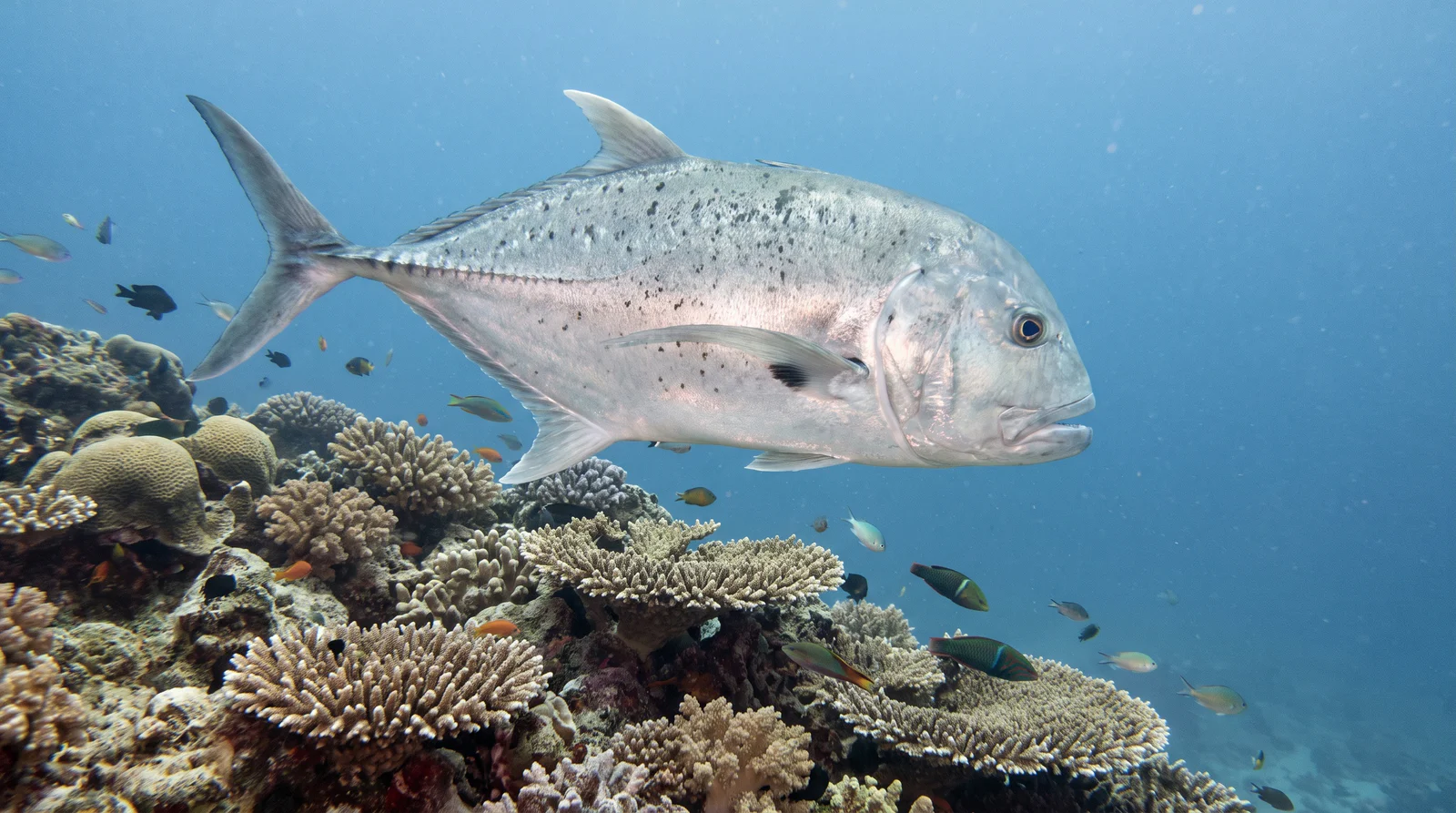
Giant Trevally
Caranx ignobilis
Dokumentiertes Vorkommen am Tauchplatz
Quelle geprüft am 2026-11-06 · Quelle: AquaMarine Diving – Bali · Beobachtungsdatum nicht dokumentiert
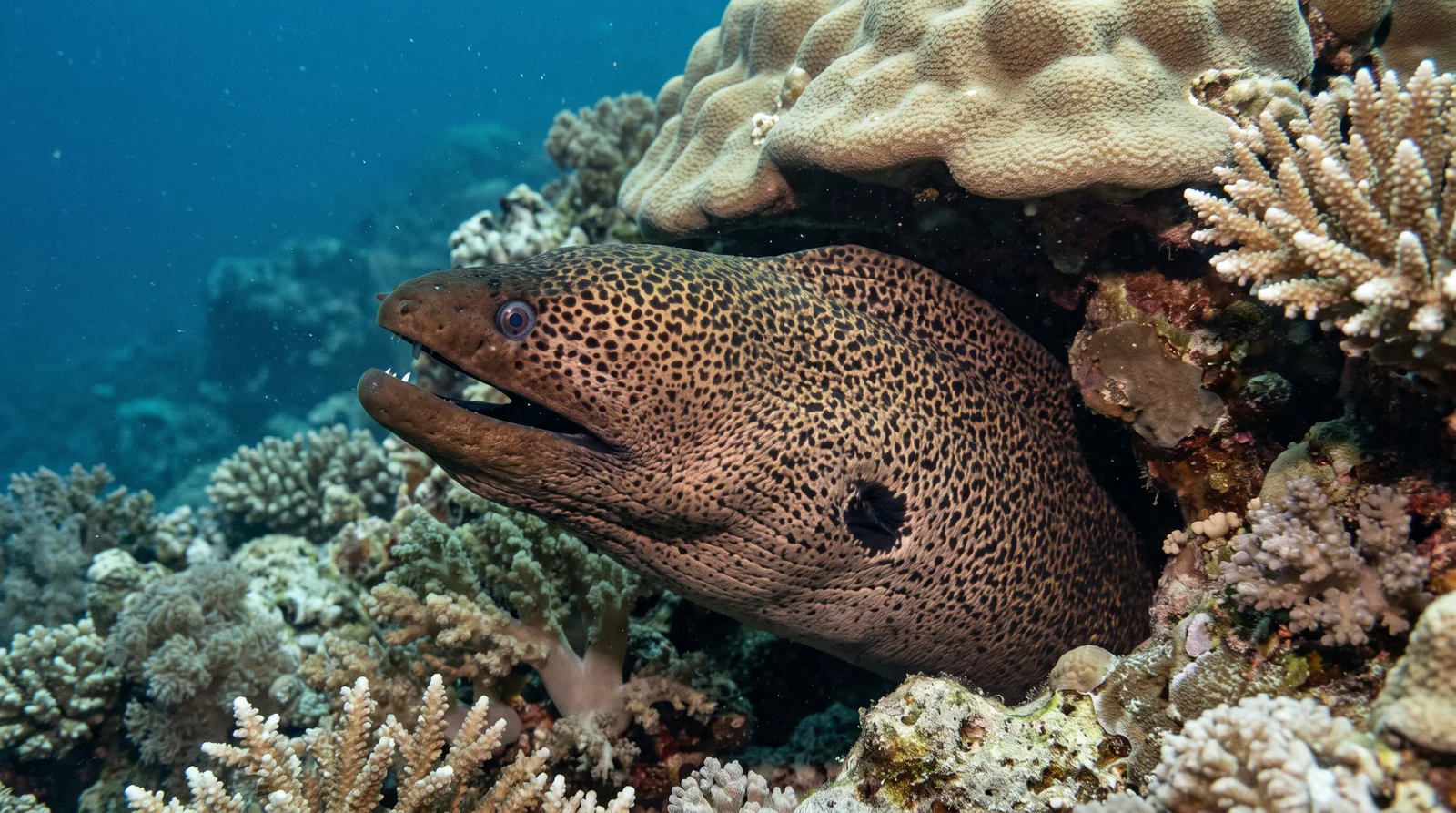
Giant Moray
Gymnothorax javanicus
Dokumentiertes Vorkommen am Tauchplatz
Quelle geprüft am 2026-11-06 · Quelle: nusapenida.org · Beobachtungsdatum nicht dokumentiert
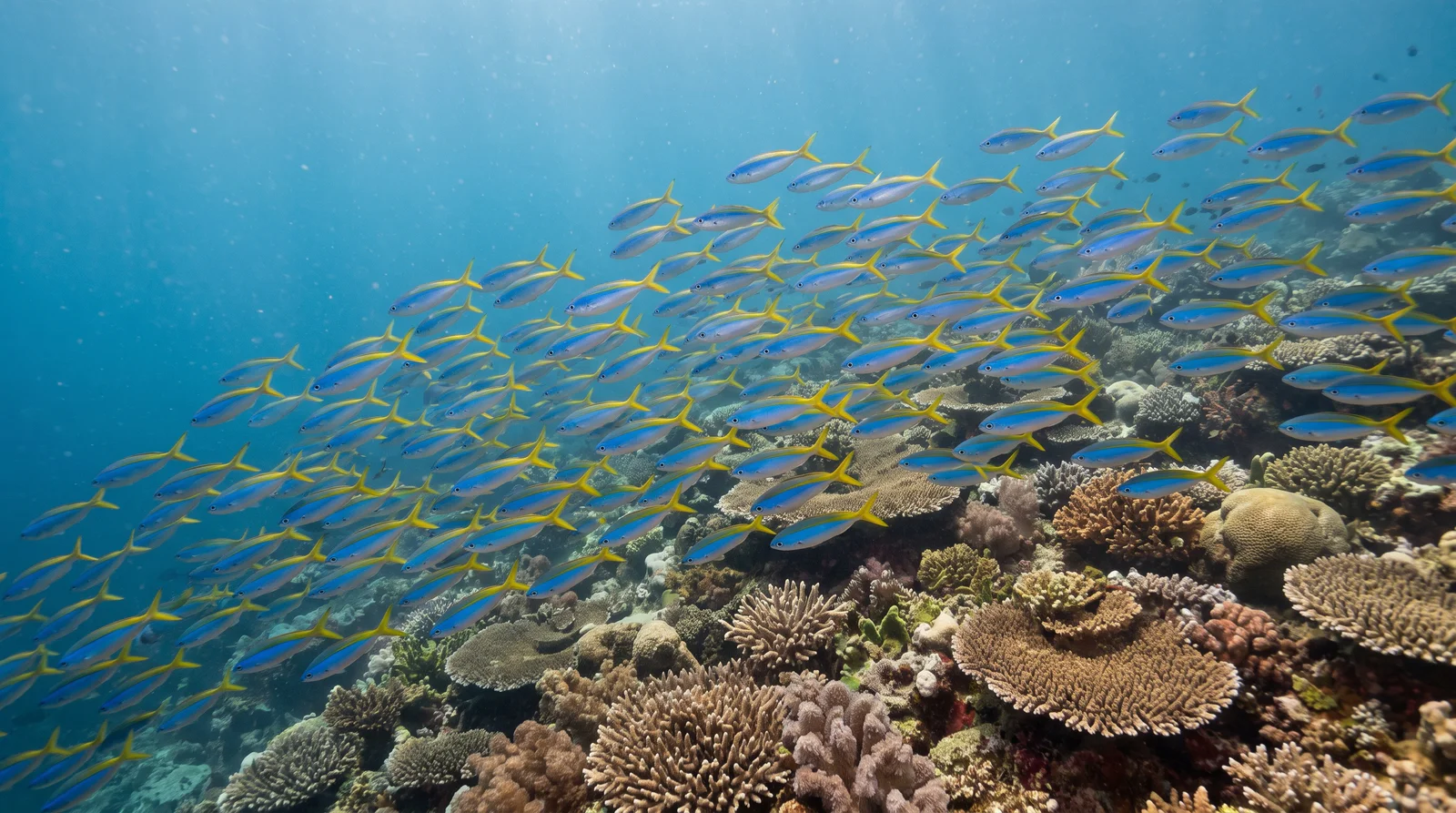
Fusilier (schooling)
Caesio spp.
Dokumentiertes Vorkommen am Tauchplatz
Quelle geprüft am 2026-11-06 · Quelle: nusapenida.org · Beobachtungsdatum nicht dokumentiert
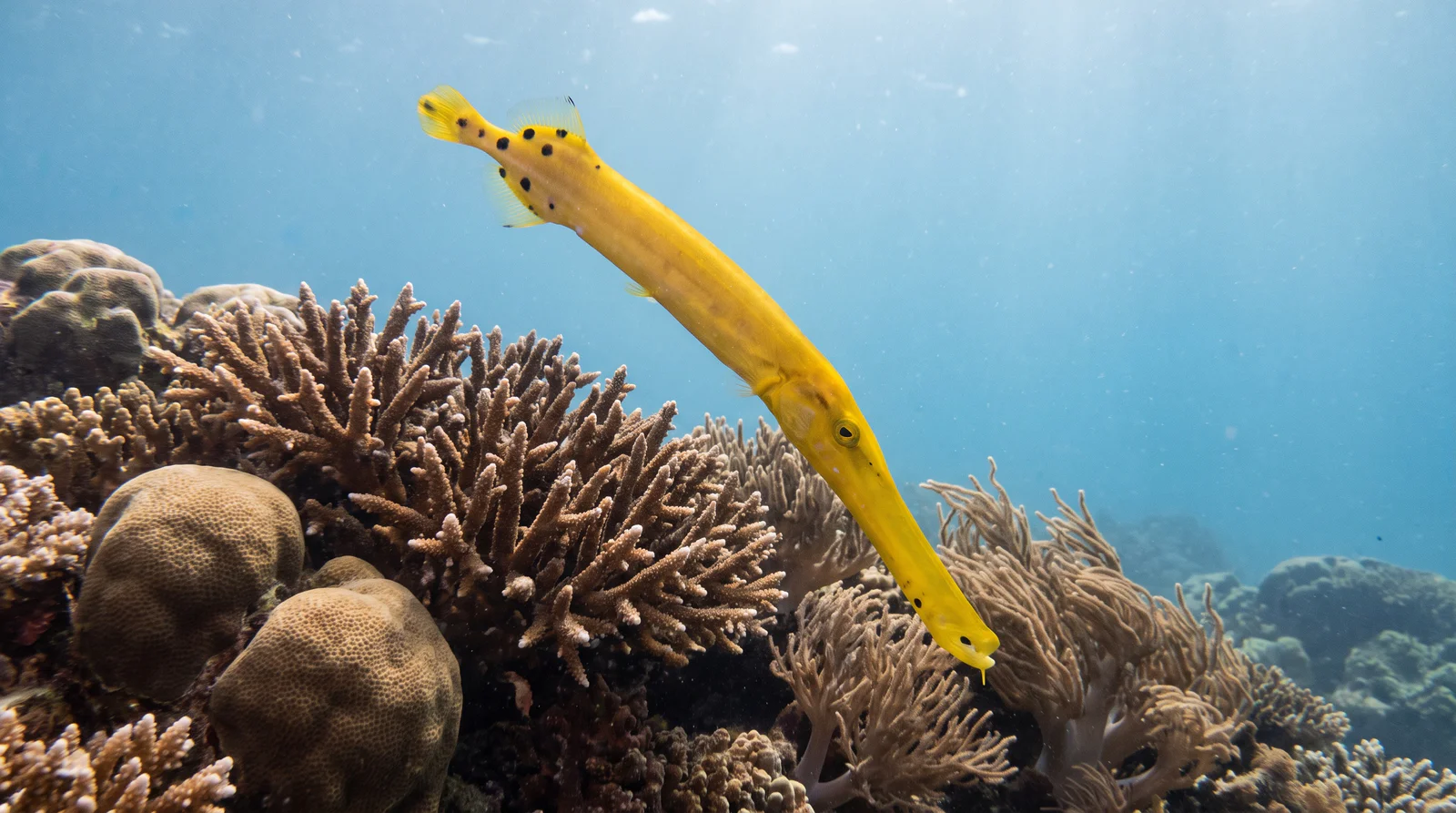
Trumpetfish
Aulostomus chinensis
Dokumentiertes Vorkommen am Tauchplatz
Quelle geprüft am 2026-11-06 · Quelle: AquaMarine Diving – Bali · Beobachtungsdatum nicht dokumentiert
Gefahren & Sicherheit
Beachten Sie diese potenziellen Gefahren an diesem Tauchplatz
Boat traffic
Schweregrad: Noch nicht dokumentiertDuikersgids.nl says Toyapakeh is a busy site where sometimes more than ten boats are moored, and warns divers to watch for boats when ascending.
Current
Schweregrad: Noch nicht dokumentiertnusapenida.org says the current is mild to moderate and sometimes strong on the drift, can strengthen depending on the tides and can pick up in the canyons and deeper zones; AquaMarine says the shallow and deeper currents sometimes run in different directions; Scuba Center Asia says there is always a current between Ceningan and Nusa Penida; Duikersgids.nl lists it as limited. No strength is set.
Quellen
- AquaMarine Diving – Bali
- Duikersgids.nl
- nusapenida.org
- Scuba Center Asia
360°-Unterwasseransicht
Immersive Panoramaansicht dieses Tauchplatzes
360°-Panorama demnächst verfügbar
Immersive Unterwasseransichten werden verfügbar sein, sobald Panoramaaufnahmen hochgeladen wurden
Bewertungen
--
0 reviews
Noch keine Bewertungen. Seien Sie der Erste, der Ihre Erfahrung teilt!
Tiefenprofil
Von einer Quelle berichtet · nusapenida.org
Maximale TiefeInformation wird geprüft
Gegenbelege
50 m
Diepte 50 m.
Duikersgids.nl · 2026-11-05T08:43:40Z
100+ m
Maximum depth: 5-100+ meters
Scuba Center Asia · 2026-11-05T08:44:43Z
Bleiben Sie auf dem Laufenden
Erhalten Sie Updates zu Tauchplätzen und Tipps per E-Mail.
Hast du Toyapakeh betaucht? Lass es zählen.
Füge ihn deinem Logbuch hinzu, teile deine Sichtungen und hilf 0 Tauchern, ihren nächsten Tauchgang zu planen.
Aktuelle Community-Aktivität
War das hilfreich?