 Advanced
Pinnacle · Reef · Wall
Batu Bolong
East Nusa Tenggara
Advanced Open Water Certification RequiredBest Season: Apr – Nov
Difficulty
Advanced
Difficulty level
Depth
16 ft
98 ft
Depth range
Access
Access not yet documented
Documented months
Apr
Nov
Visibility
49 ft
98 ft
Typical visibility
Current
Strong
Good buoyancy control advised
Temperature
79°F
82°F
Water temperature
About This Dive Site
Batu Bolong: Komodo's Legendary Pinnacle Dive
Prepare for an exhilarating underwater adventure at Batu Bolong, one of Komodo National Park's most celebrated dive sites. Meaning "Hollow Rock" in Bahasa Indonesia, this unassuming pinnacle breaks the surface of the Lintah Strait, hinting at the vibrant, current-swept world that lies beneath. Often ranked among the world's top dive sites, Batu Bolong promises an unforgettable experience for advanced divers.
Diving Conditions and Certification
Batu Bolong is an advanced dive site, demanding respect for its powerful and often unpredictable currents. We recommend that divers hold an Advanced Open Water certification, or have at least 30 logged dives, along with comfort in drift diving and excellent buoyancy control. The pinnacle descends dramatically from just below the surface to depths exceeding 60 meters, though the main dive activity typically occurs between 5 and 35 meters. Divers will find the water temperature to be a comfortable 24–29°C year-round, though thermoclines can occasionally introduce cooler patches. Visibility is generally excellent, ranging from 10 to 30 meters, with the dry season (April to November) often offering the clearest conditions.
Navigating the "Fish Soup"
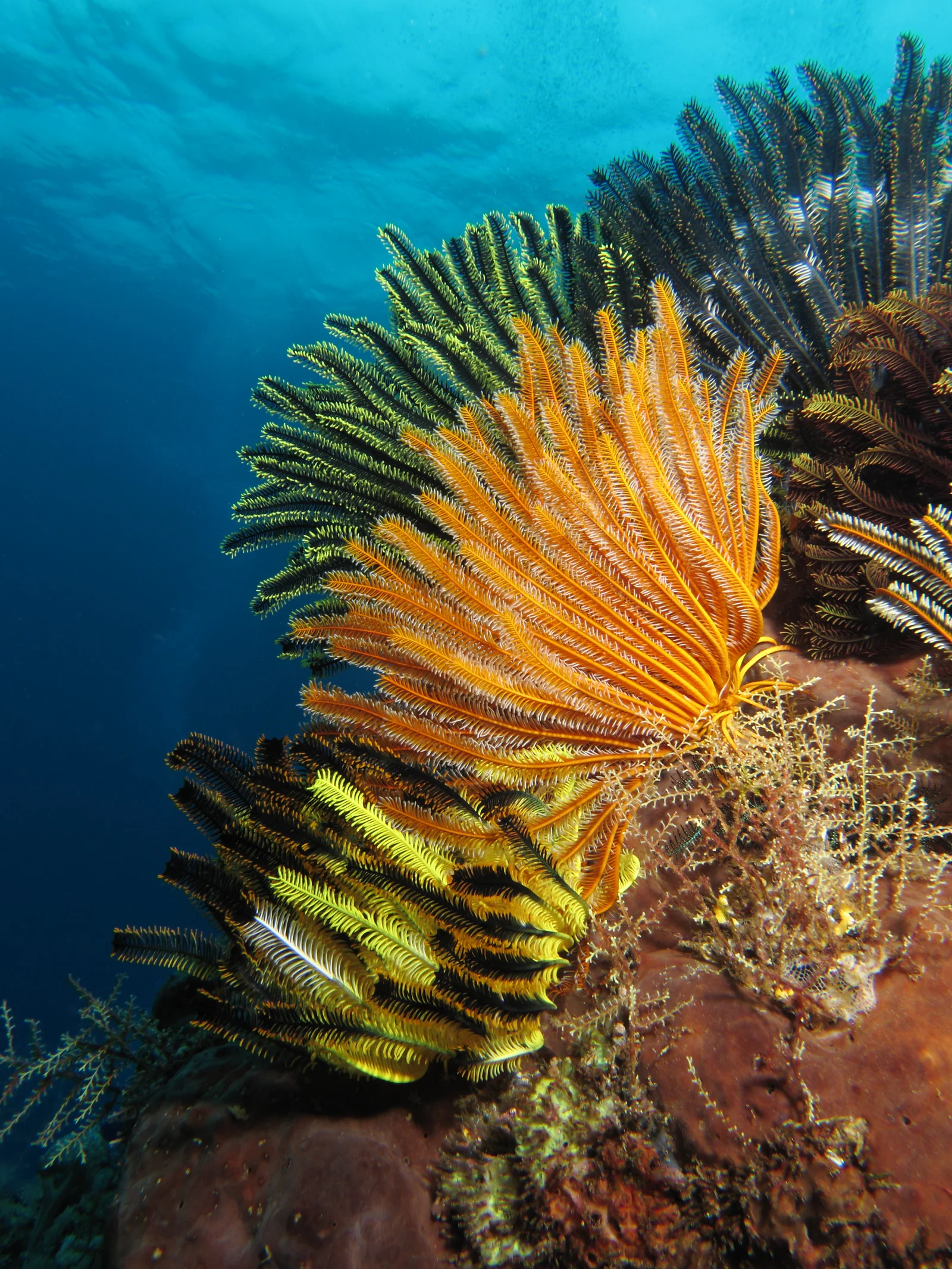
The legendary strong currents of the Lintah Strait are the lifeblood of Batu Bolong, creating a rich "fish soup" that draws in an incredible abundance of marine life. Due to these powerful flows, we always dive the site on the protected, or "lee," side of the pinnacle, typically during slack tide or a gentle current exchange. Our experienced instructors will guide you to descend quickly into a "safe zone" around 18-20 meters, where the currents are more manageable. The topography here is a stunning mix of pinnacle, reef, and wall, with every centimeter carpeted in pristine hard and soft corals, along with large sponges, creating an explosion of color.
Marine Life Encounters
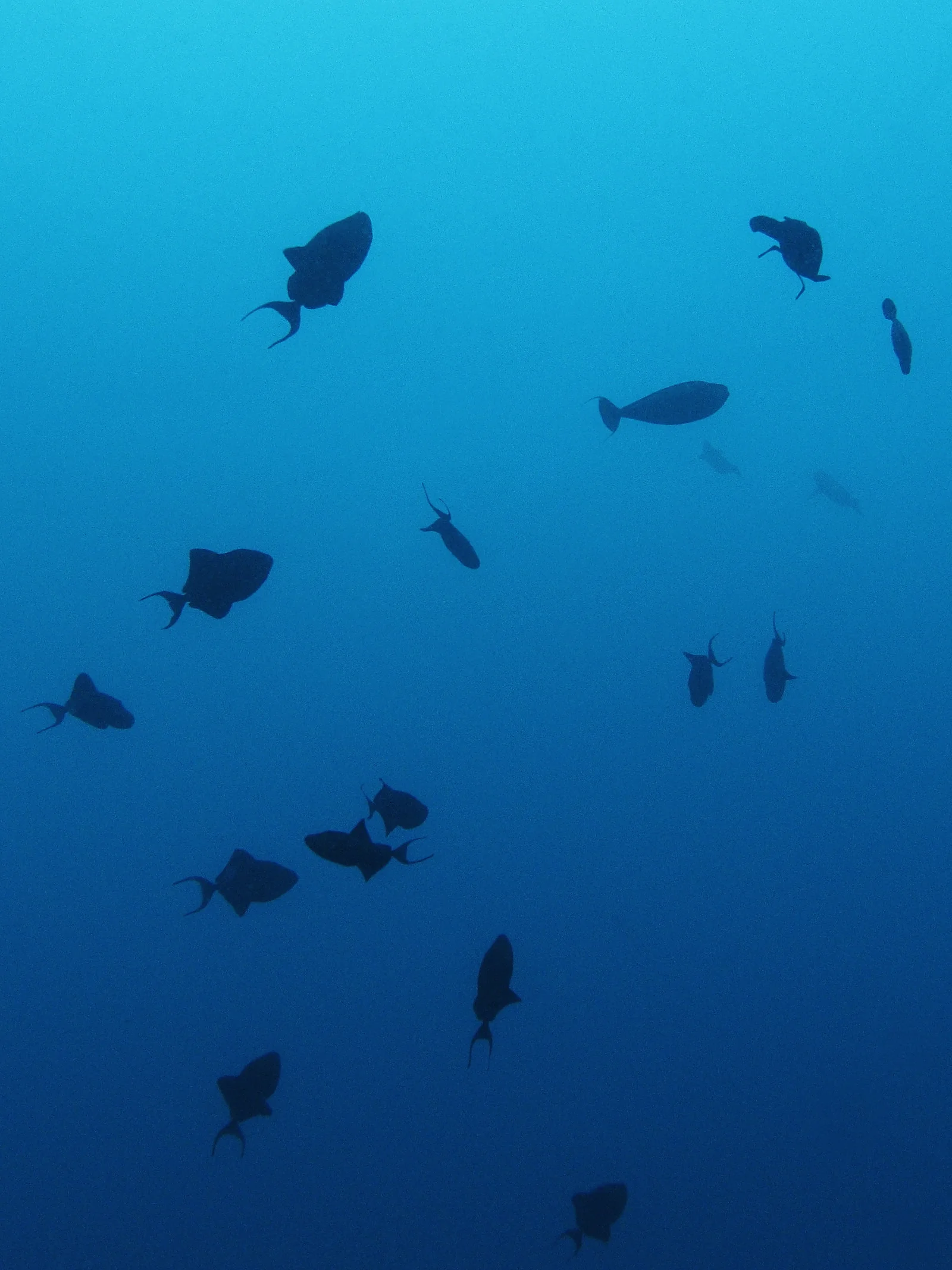
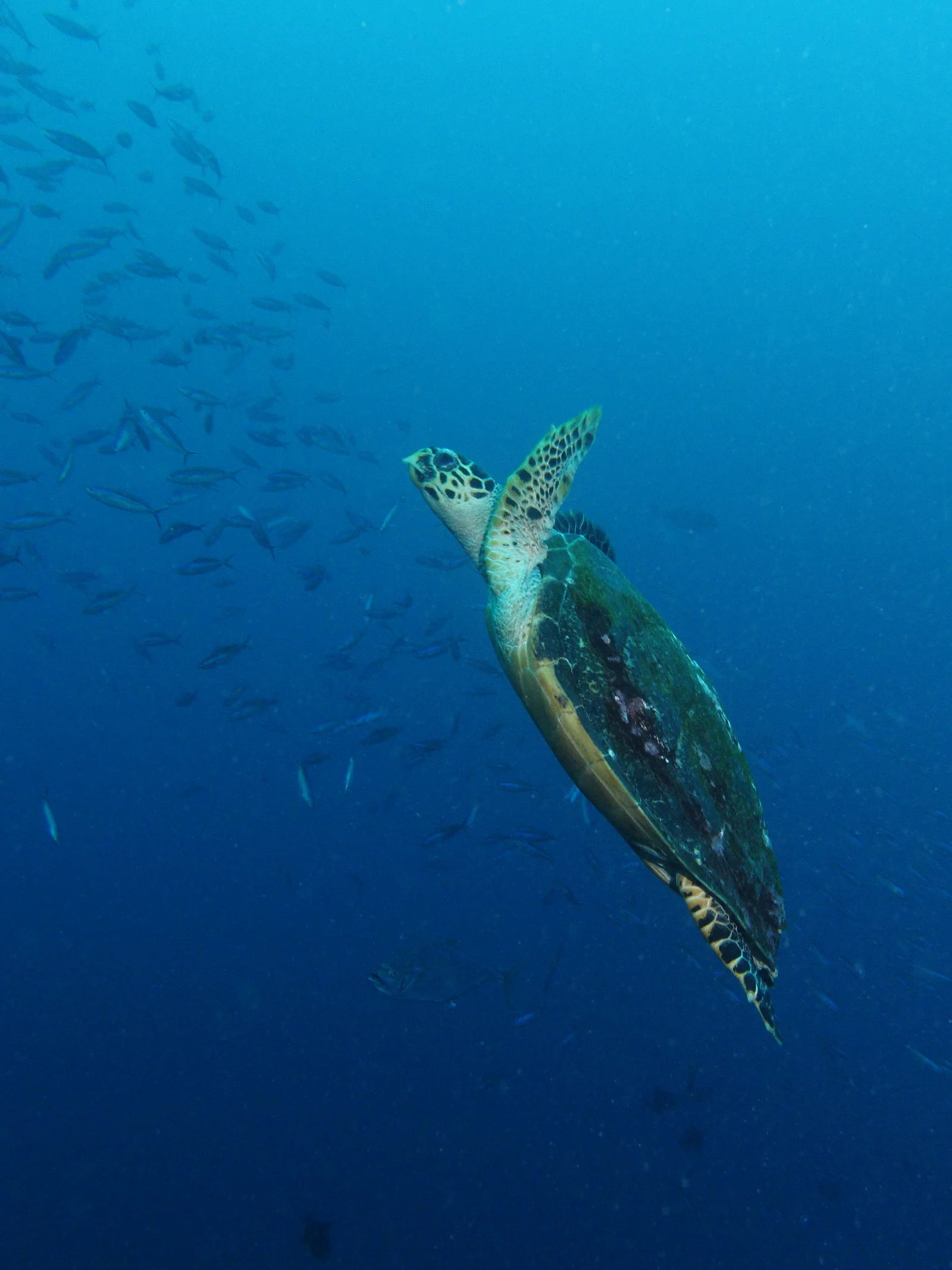
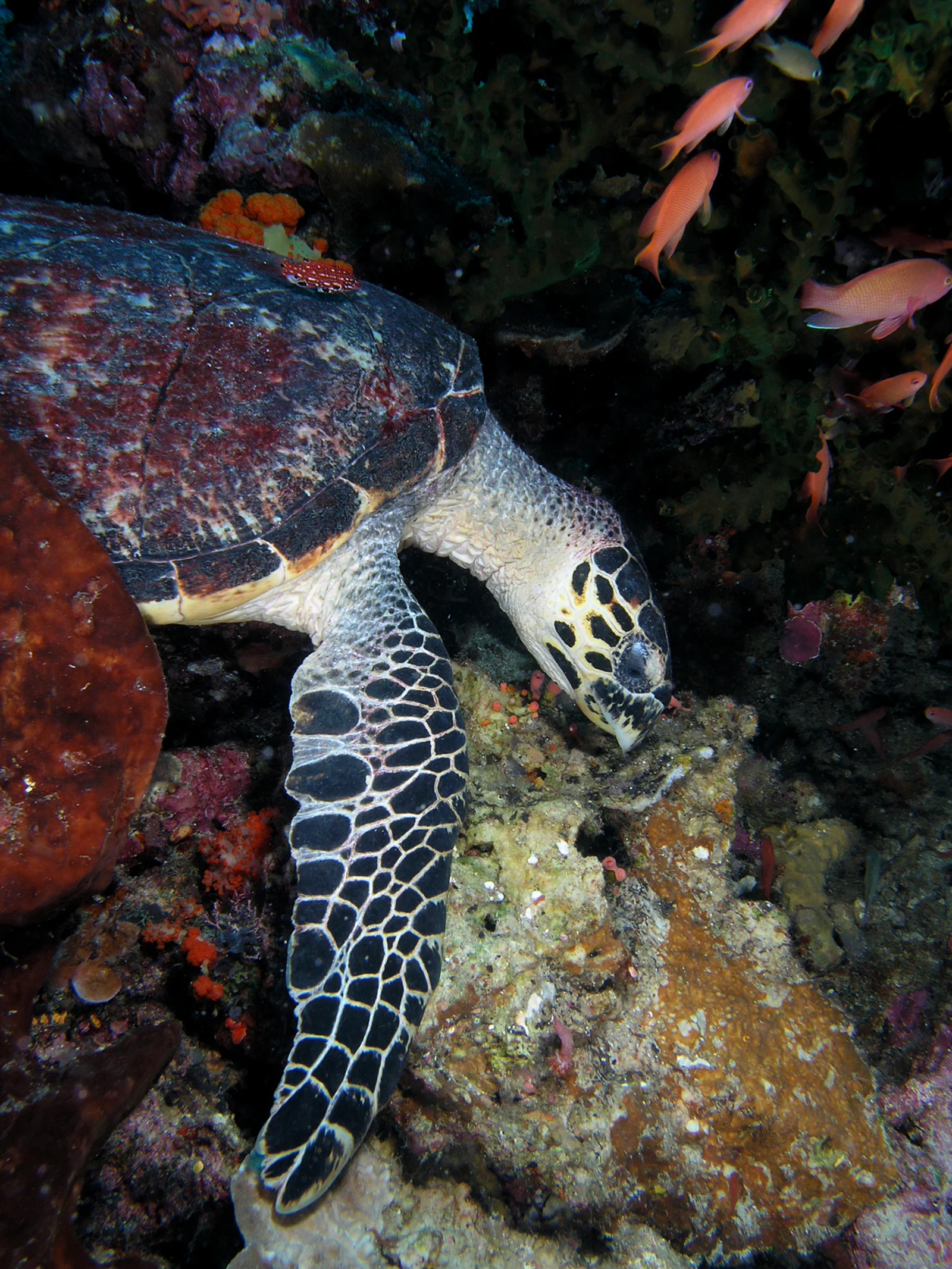
Batu Bolong is a magnet for both pelagic and reef species, offering a truly diverse underwater spectacle. Divers will find themselves surrounded by dense clouds of vibrant Sea Goldie (anthias), so numerous they can dim the view. Keep an eye out for patrolling Whitetip Reef Sharks and the impressive Giant Trevally, often seen hunting in the currents. We frequently encounter graceful Hawksbill Turtles munching on sponges, majestic Humphead Wrasse (Napoleon), and numerous Giant Morays peering from every crevice.
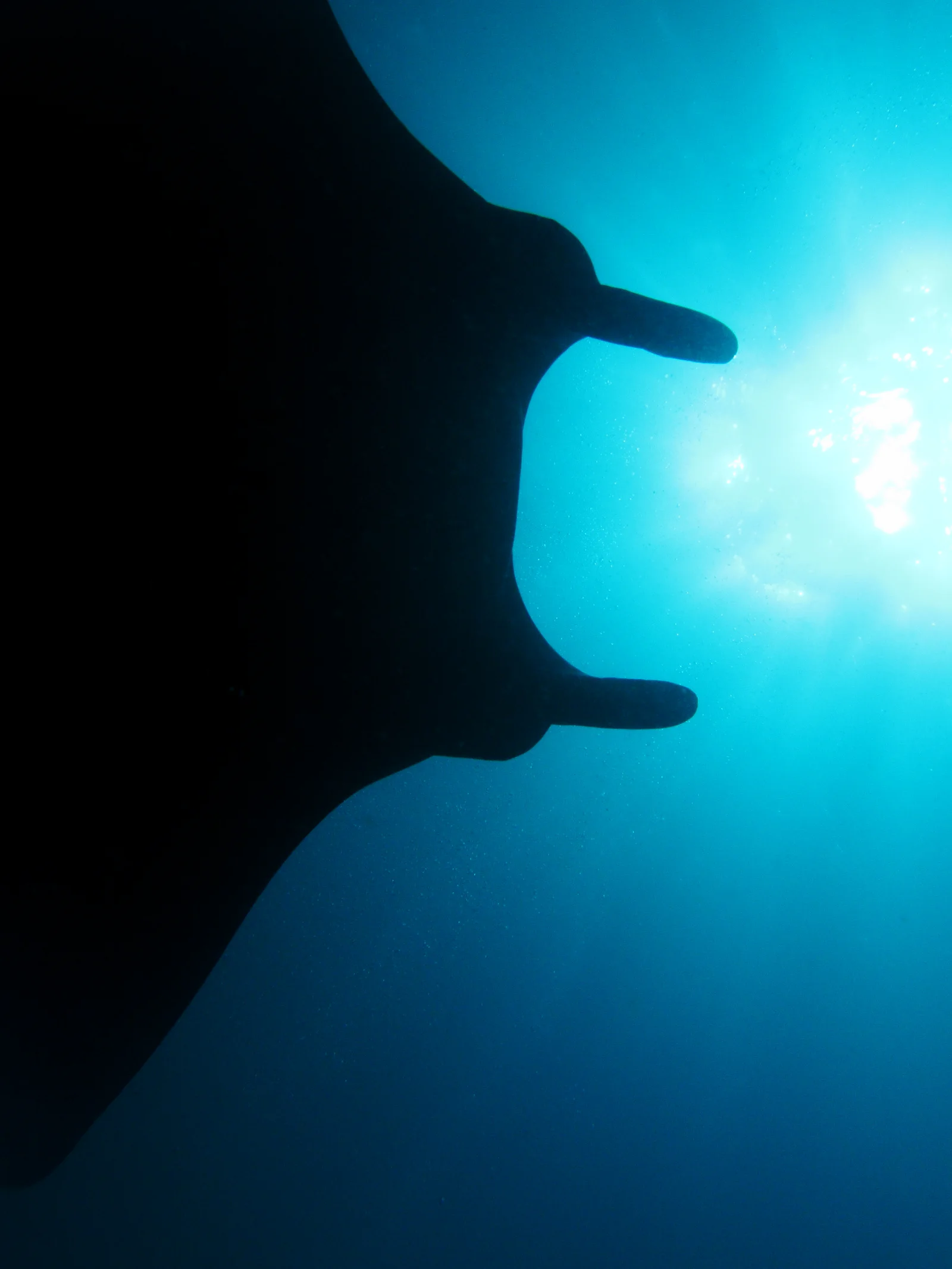
For those with a keen eye for macro life, the reef also hosts elusive creatures like the tiny Pygmy Seahorse, often found camouflaged on gorgonian fans, along with colorful nudibranchs and ornate ghost pipefish. Look into the blue for schooling Dogtooth Tuna and, if conditions are right, you might even be lucky enough to spot a majestic Reef Manta Ray gliding past. Other common sightings include Red Lionfish, barracuda, and various species of butterflyfish and surgeonfish.
Hazards and Best Practices
While the rewards are immense, divers must be aware of the inherent hazards at Batu Bolong, primarily the strong currents and the potential for rapid changes in depth. Boat traffic in the busy Lintah Strait also requires vigilance. We emphasize staying close to your dive instructor and maintaining excellent buoyancy control to avoid drifting off the reef or into deeper water.
Batu Bolong is open year-round, but the dry season from April to November is generally considered ideal for diving, offering calmer surface conditions and clearer water. For those seeking the most intense pelagic action, the strongest currents and biggest fish schools often occur mid-year, from July to September. A dive at Batu Bolong is a truly sensory overload in the best possible way, promising memories that will last a lifetime for those who are prepared and respect its powerful environment.
Advanced Open Water
Current Conditions
Typical current strength at this dive site
Strong
Powerful current. Advanced certification and drift dive experience required. Follow guide instructions.
Strength Scale
None
Mild
Moderate
Strong
Best Time to Visit
Monthly conditions and seasonal highlights — tap a month
SepBest
Peak diving season with optimal visibility, calm seas, and best marine life encounters.
BestGoodLess FavorablePeak
Marine Life
10 species recorded at this site
Common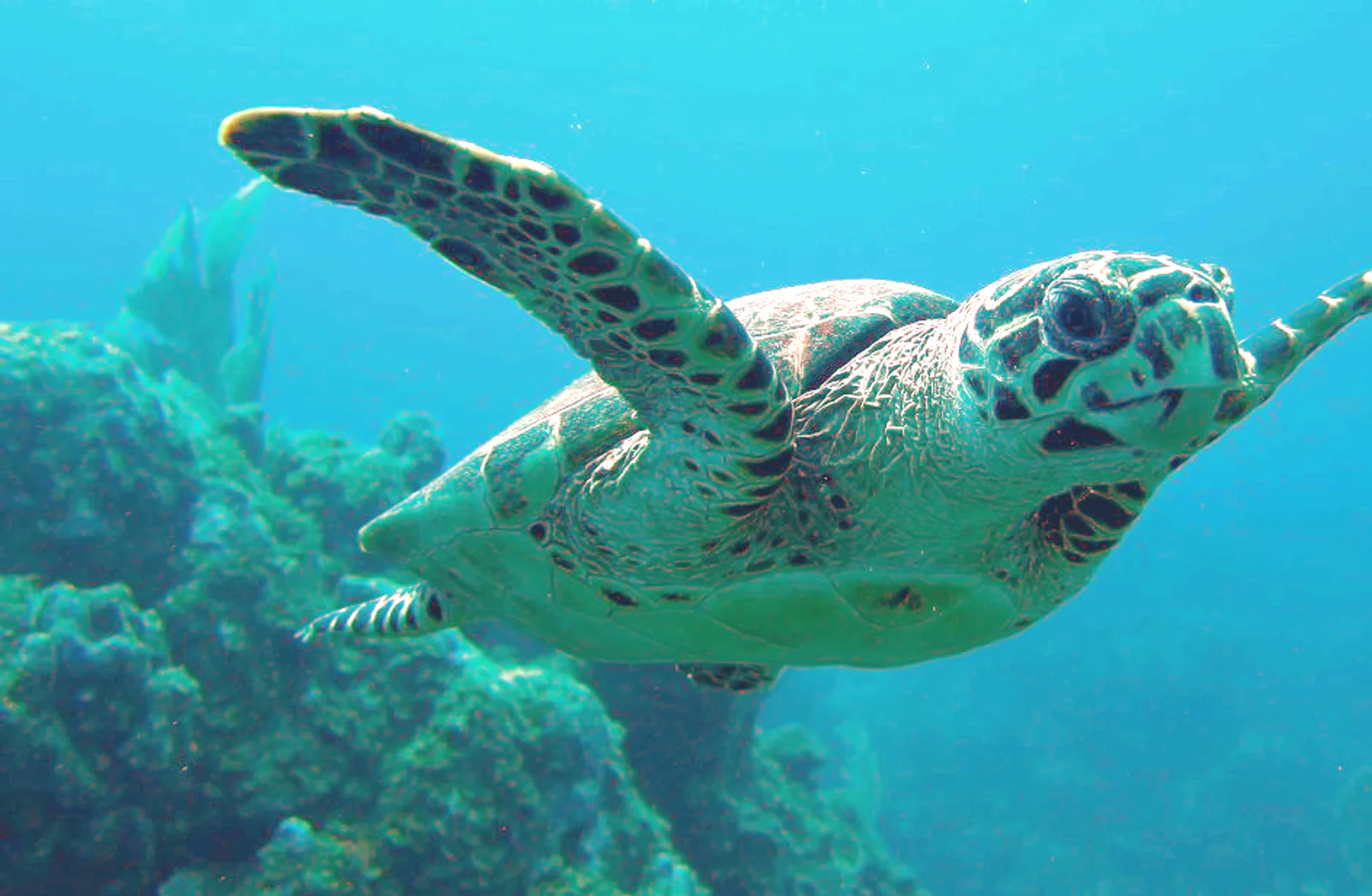
Hawksbill Turtle
Eretmochelys imbricata
Site occurrence not yet documented
No dated observations available.
Common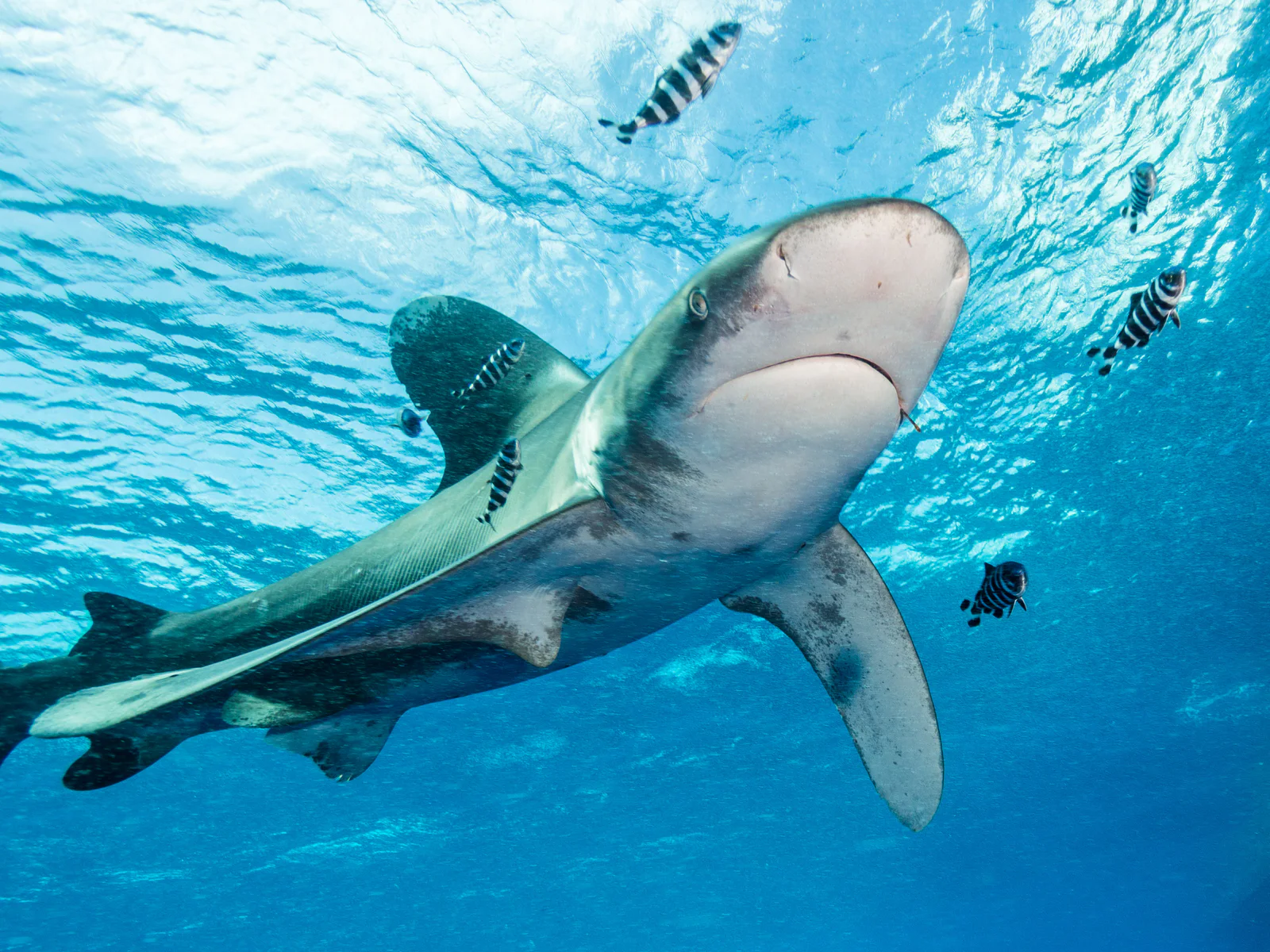
Whitetip Reef Shark
Triaenodon obesus
Site occurrence not yet documented
No dated observations available.
Common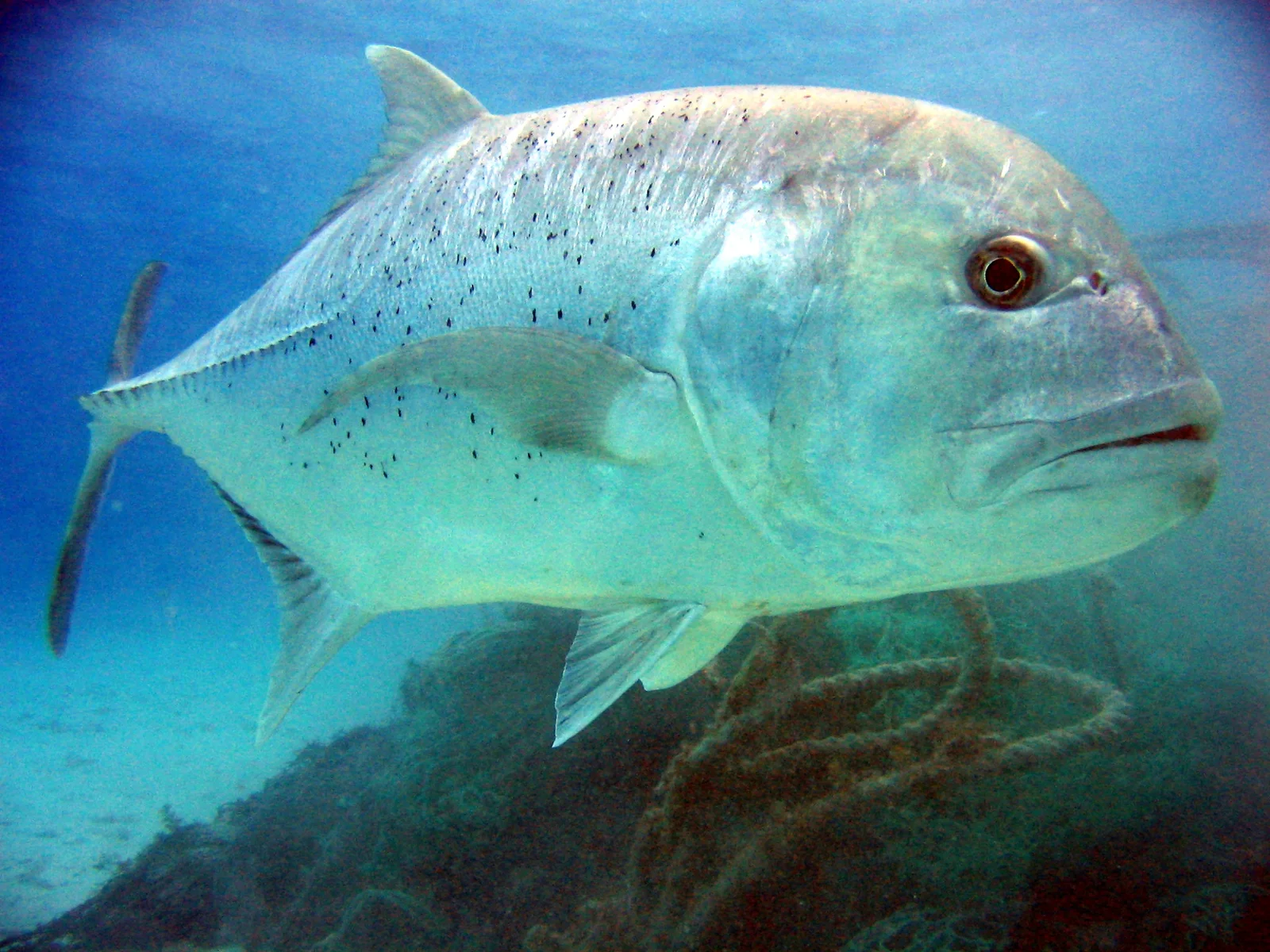
Giant Trevally
Caranx ignobilis
Site occurrence not yet documented
No dated observations available.
Occasional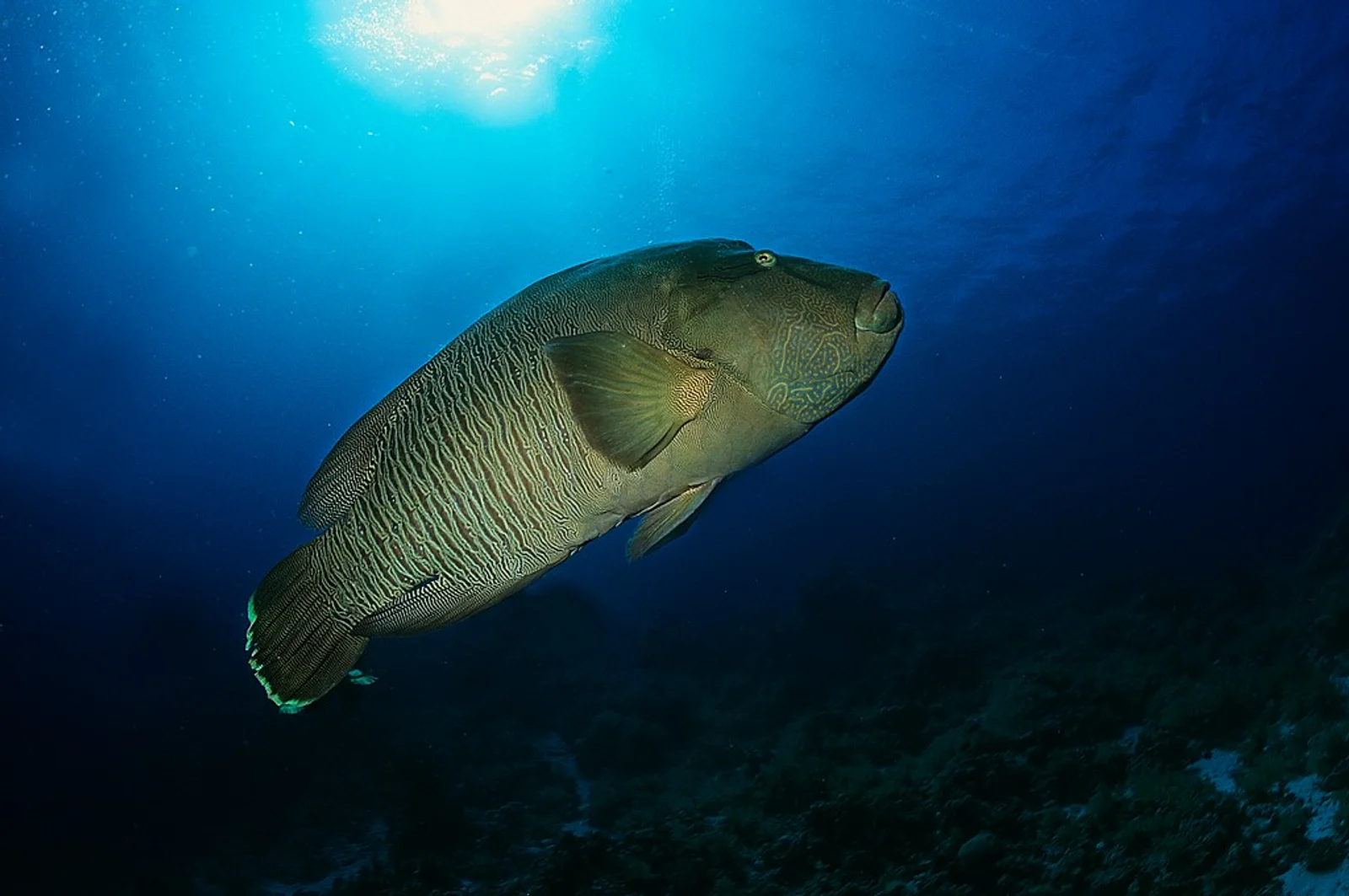
Humphead Wrasse (Napoleon)
Cheilinus undulatus
Site occurrence not yet documented
No dated observations available.
Abundant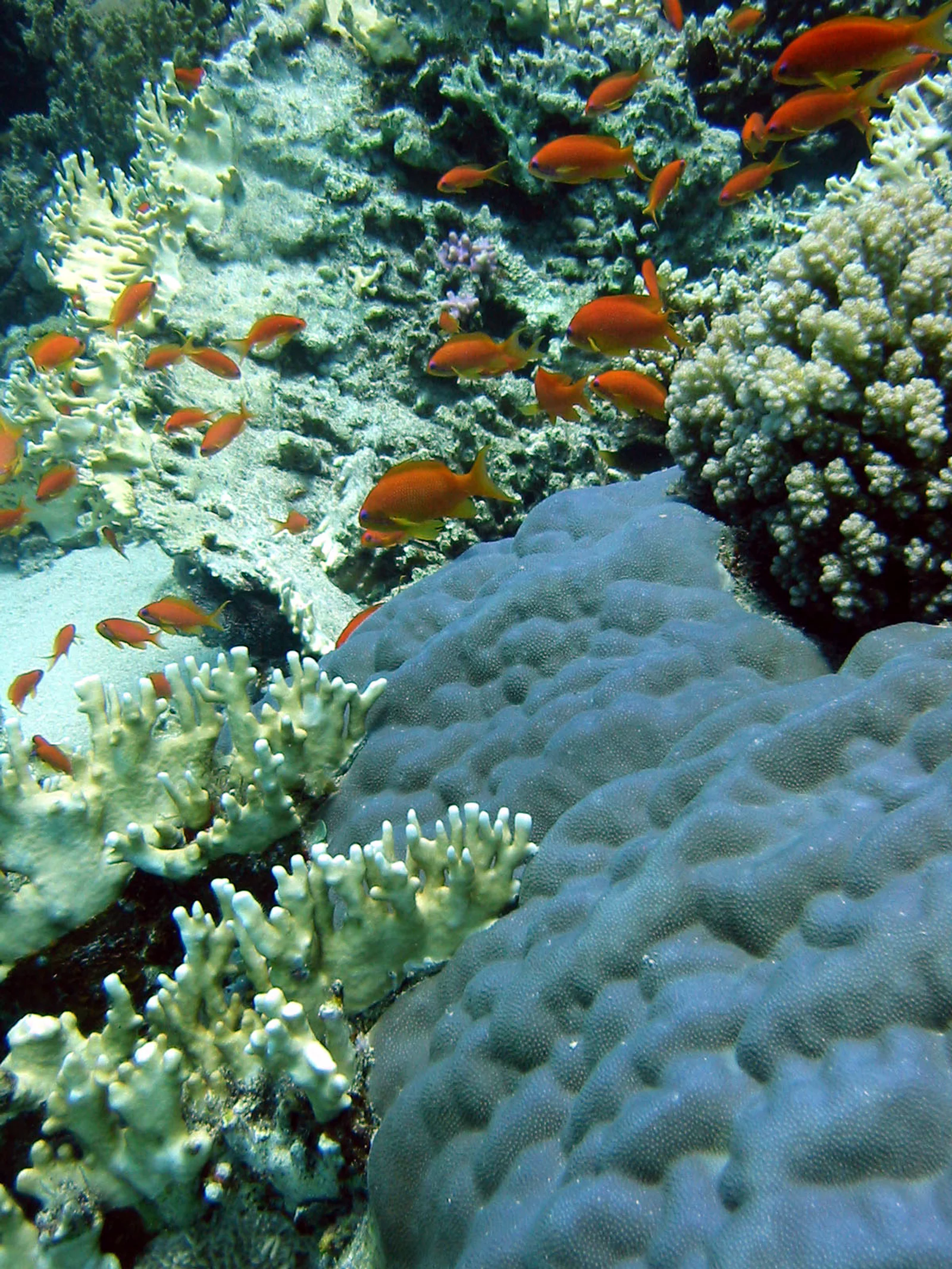
Sea Goldie (anthias)
Pseudanthias squamipinnis
Site occurrence not yet documented
No dated observations available.
Common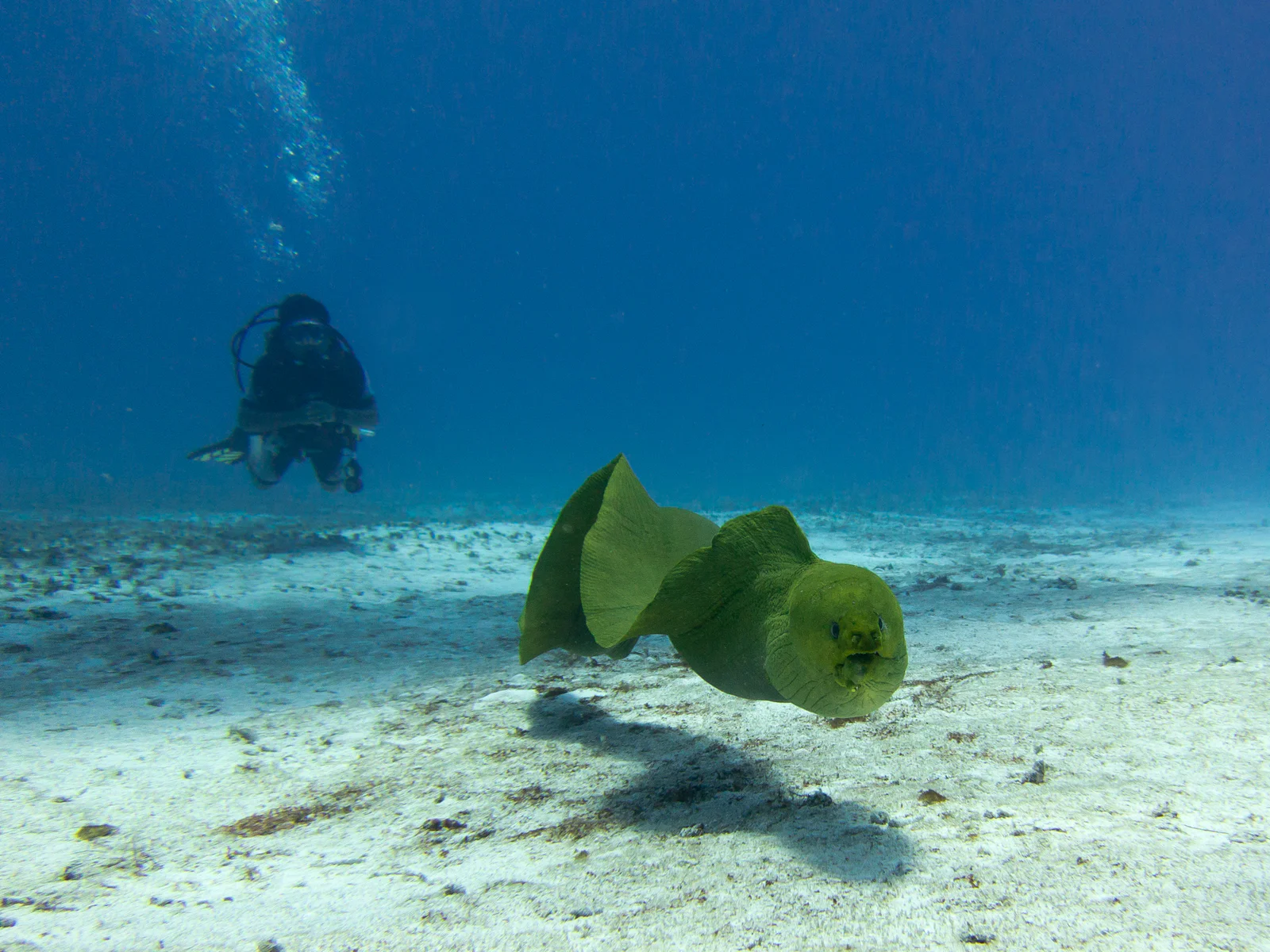
Giant Moray
Gymnothorax javanicus
Site occurrence not yet documented
No dated observations available.
Common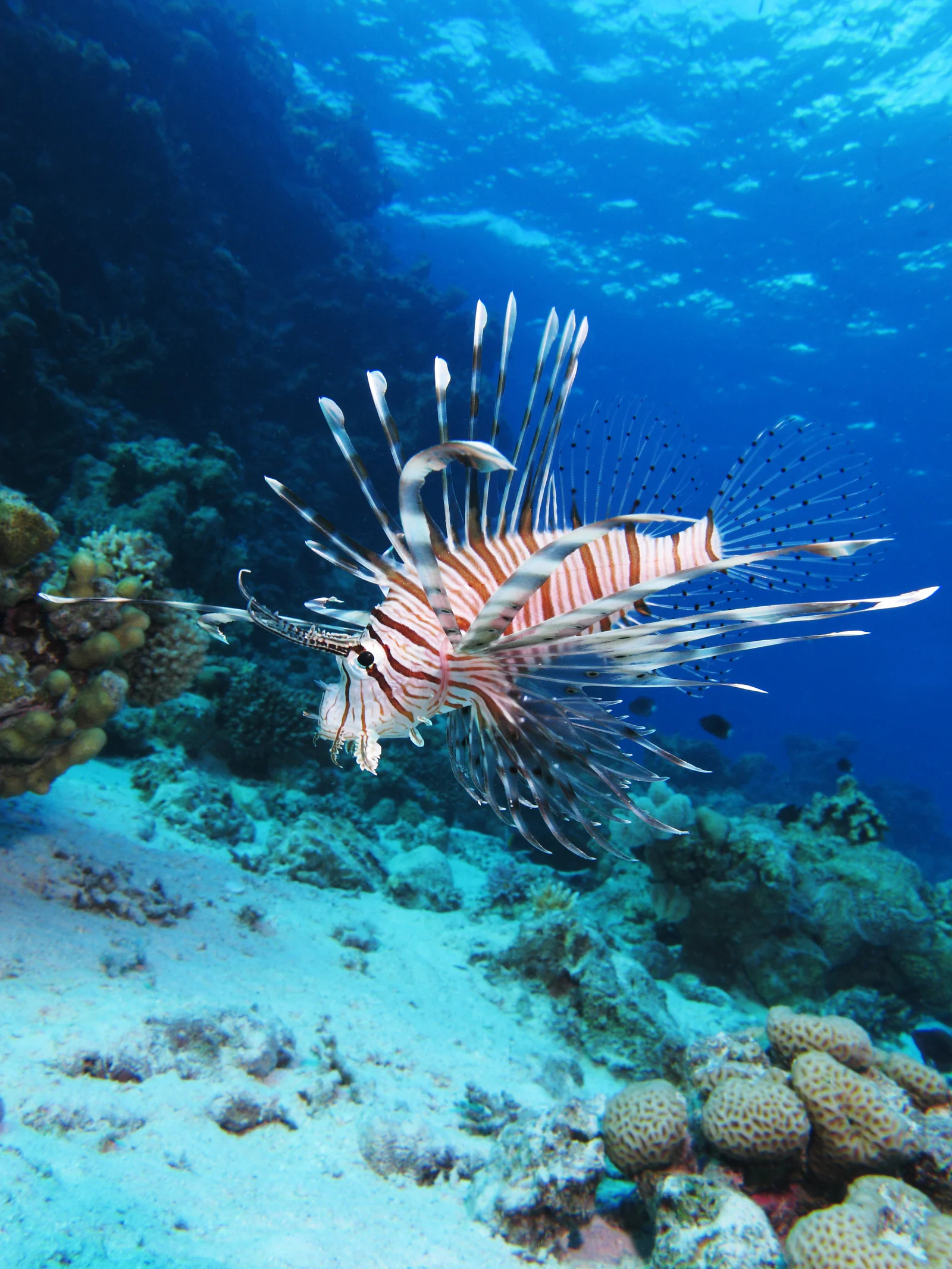
Red Lionfish
Pterois volitans
Site occurrence not yet documented
No dated observations available.
Occasional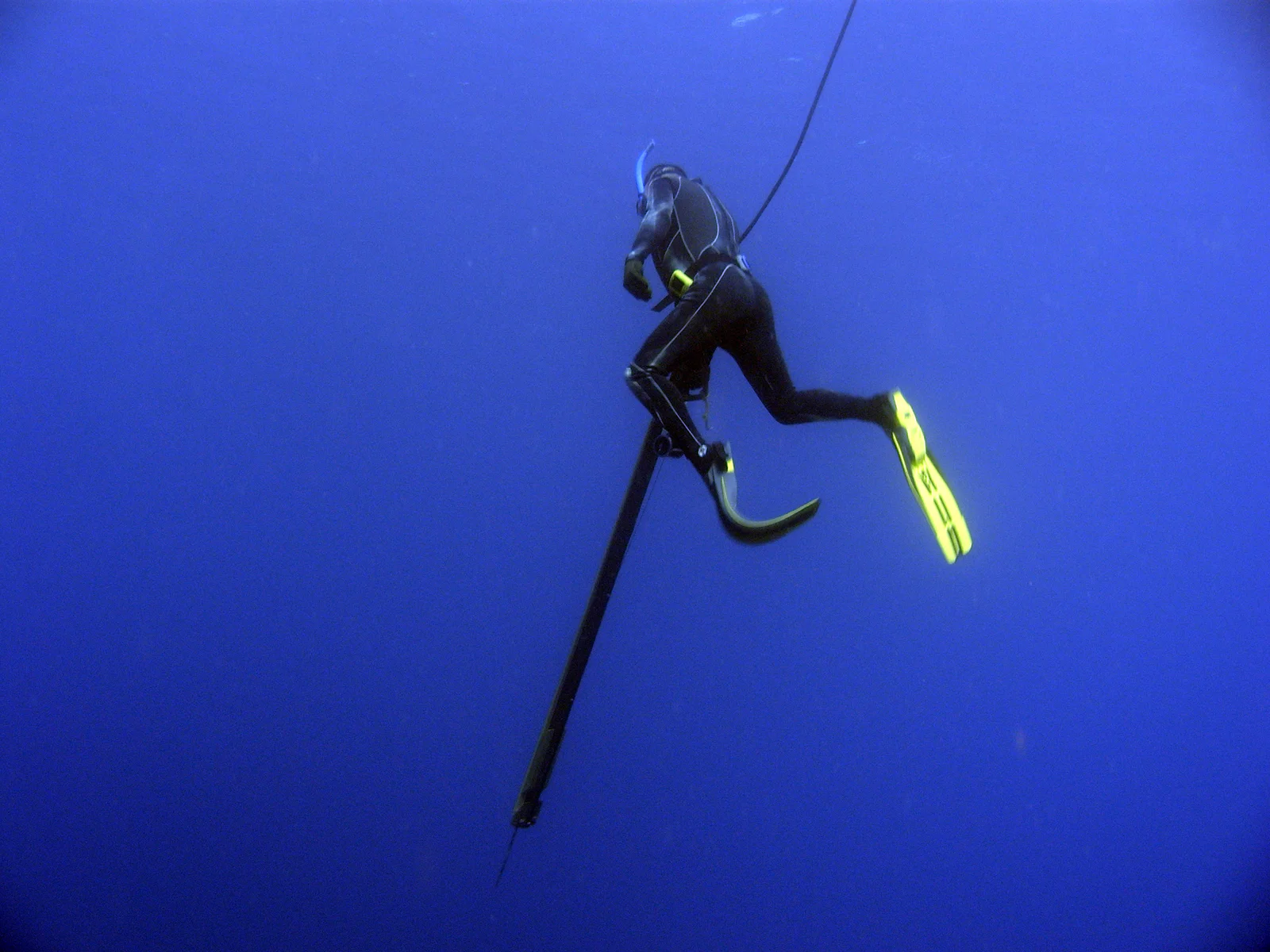
Dogtooth Tuna
Gymnosarda unicolor
Site occurrence not yet documented
No dated observations available.
Occasional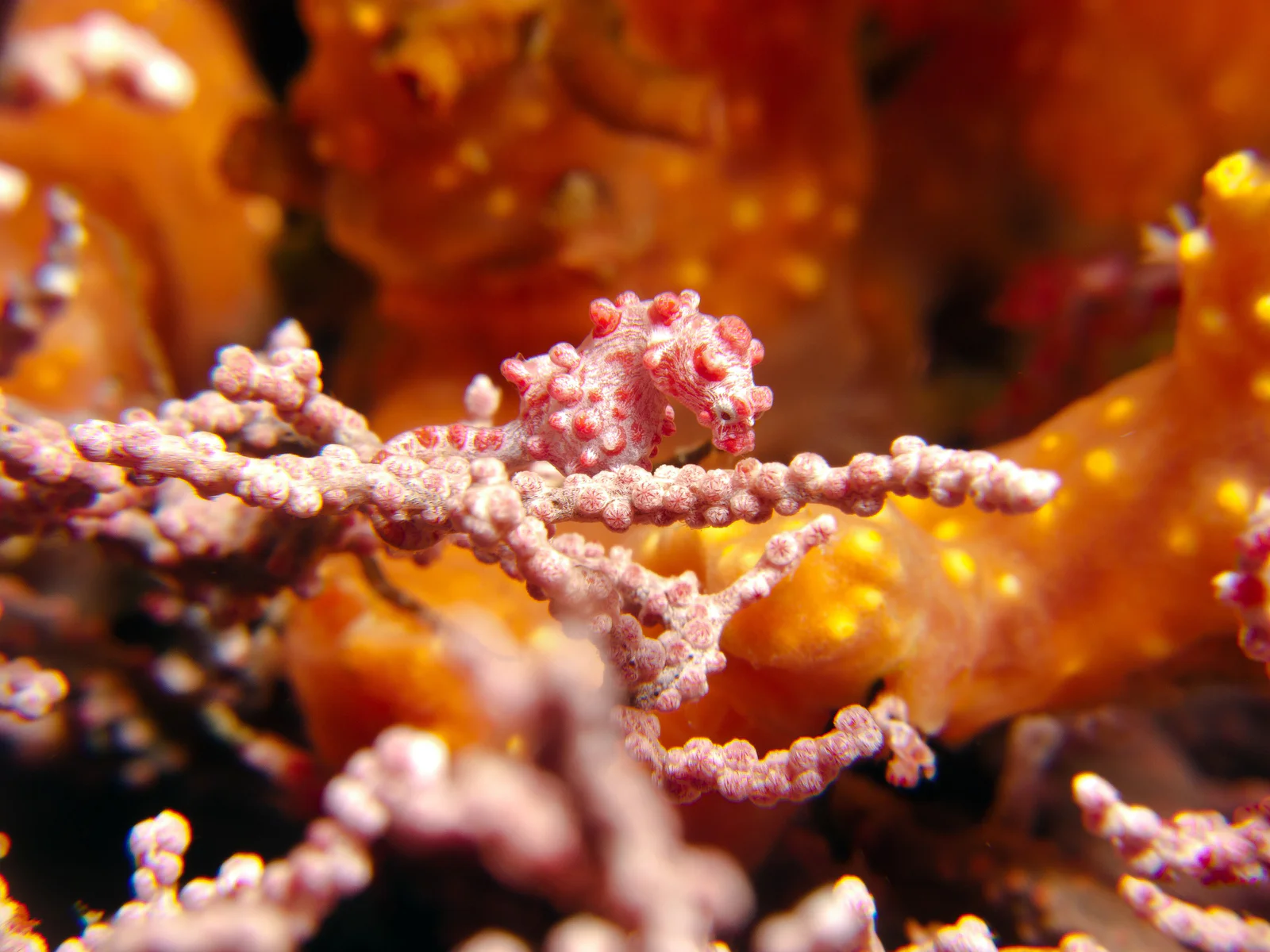
Pygmy Seahorse
Hippocampus bargibanti
Site occurrence not yet documented
No dated observations available.
Rare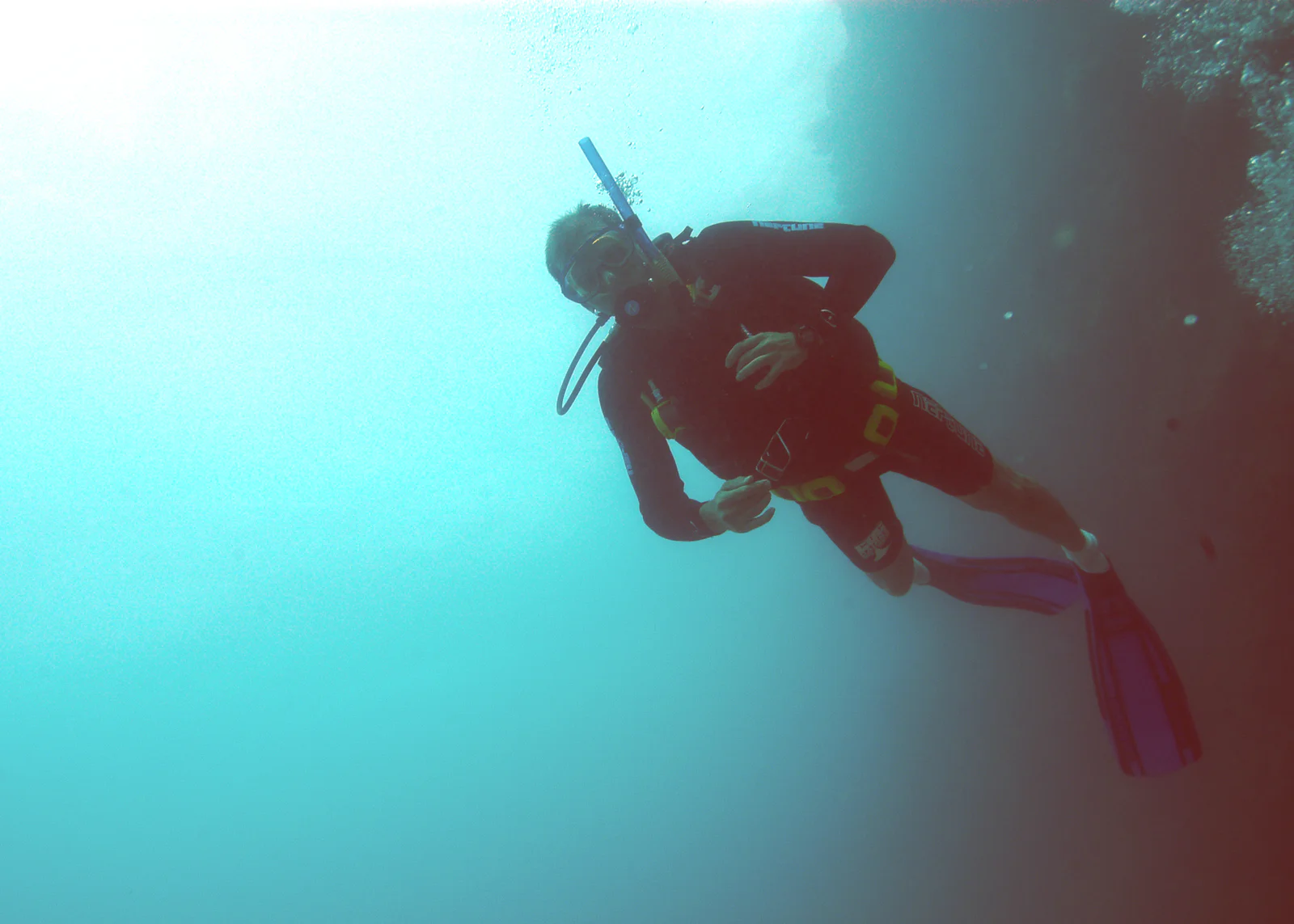
Reef Manta Ray
Mobula alfredi
Site occurrence not yet documented
No dated observations available.
Hazards & Safety
Be aware of these potential hazards at this dive site
Depth
MediumWall past 70m, no bottom reference
Strong current
HighDown-currents at current-split corners
Strong current
HighBlue-water sweep off the pinnacle
Boat traffic
LowSurface boat traffic
Certification Required
A minimum of Advanced Open Water certification is required to dive this site.
360° Underwater View
Immersive panoramic view of this dive site
360° panorama coming soon
Immersive underwater views will be available when panoramic imagery is uploaded
Reviews
--
0 reviews
No reviews yet. Be the first to share your experience!
Related Dive Sites
Discover other dive sites in the area
Advanced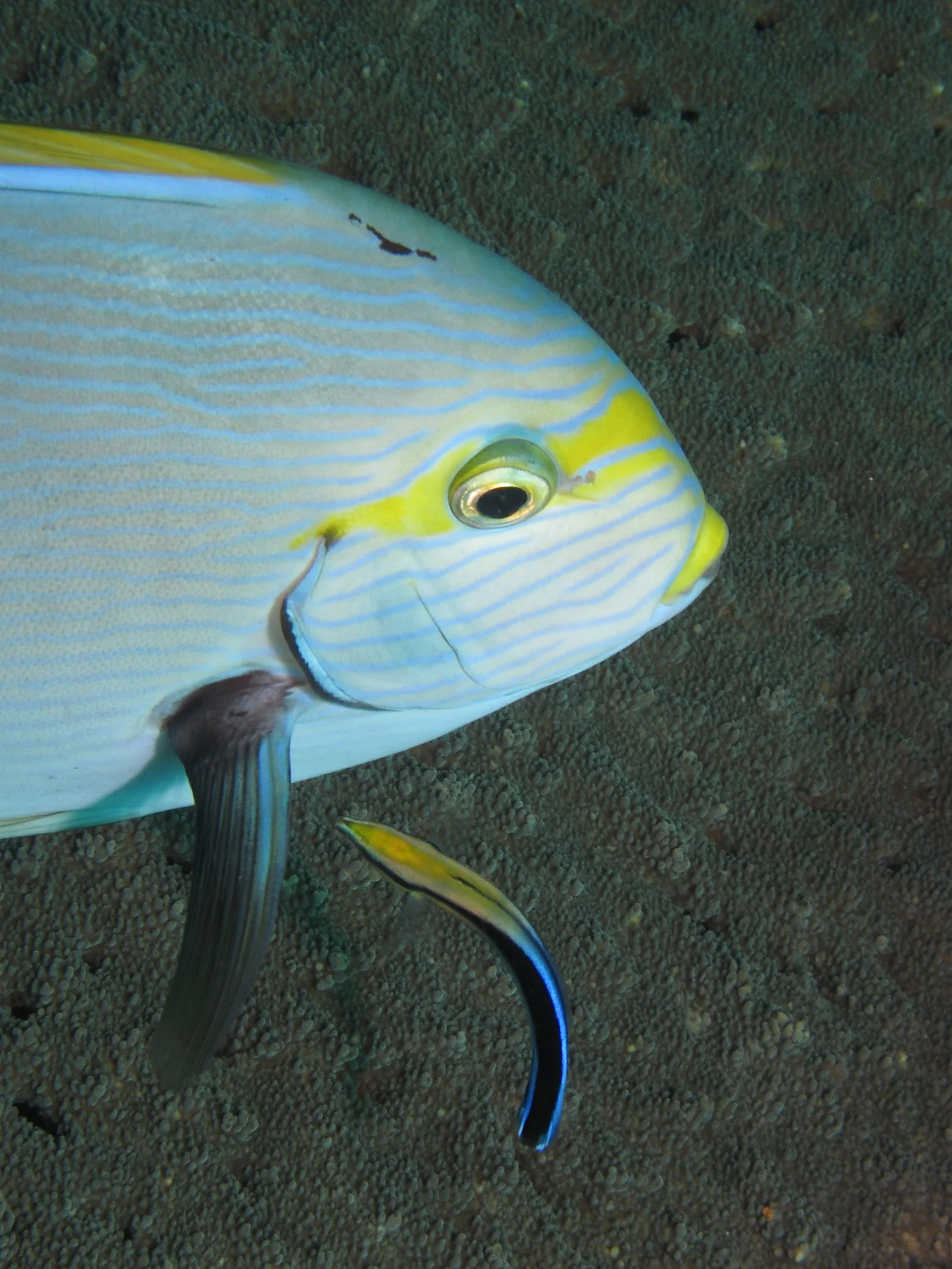 Beginner
Mawan
Indonesia > East Nusa Tenggara > Komodo National Park
New
manta-cleaning-stationreefcoral-garden+1
 Beginner
 Beginner
Karang Makassar (Manta Point)
Indonesia > East Nusa Tenggara > Komodo National Park
New
driftmanta-cleaning-stationreef
 Intermediate
 AdvancedAdvancedBeginner
Mawan
Indonesia > East Nusa Tenggara > Komodo National Park
New
manta-cleaning-stationreefcoral-garden+1
BeginnerBeginnerKarang Makassar (Manta Point)
Indonesia > East Nusa Tenggara > Komodo National Park
New
driftmanta-cleaning-stationreef
IntermediateAdvancedDepth Profile
Vertical range at this site
Minimum Depth
16 ft
Shallowest point
Average Depth
59 ft
Typical dive depth
Maximum Depth
98 ft
Deepest point
Nearby services
View all dive shops →Stay Updated
Get dive site updates and tips in your inbox.
Dived Batu Bolong? Make it count.
Add it to your logbook, share your sightings, and help 0 divers plan their next descent.
Recent Community Activity
Was this helpful?