Cave · Wall · Reef
Blue Hole
Romblon
Last updated:
Generic AI-generated illustration of a Philippine wall dive; not a depiction of Blue Hole. Chosen only from the site's recorded type; the site's actual appearance is unknown.
Image credit: AI-generated illustration — Diveity using Gemini Nano Banana 2 Lite via Higgsfield · License unspecified · Generic illustration of a Philippine wall dive; not a depiction of this siteAt a glance
Difficulty
Advanced
Certification Required
Advanced Open WaterOne source
Depth
16 ft131 ftOne source
Access
BoatOne source
Documented months
MarMay
Visibility
66 ftOne source98 ft
Current
StrongOne source
Temperature
79°F86°FOne source
About This Dive Site
The Blue Hole in Romblon, Philippines, is a unique underwater sinkhole located off the coast of Punta Gorda, on the northeastern tip of Tablas Island. It is the only documented blue hole in the Philippines and is a major draw for advanced divers and experienced freedivers seeking a thrilling and awe-inspiring underwater experience.
Geologically, the Blue Hole likely originated thousands of years ago as a limestone cavern. Over time, erosion and tectonic activity, possibly a significant earthquake, led to the collapse of the cavern's ceiling, creating a chimney-like shaft that plunges into the sea. The striking deep blue color of the hole is attributed to the high transparency of the surrounding water and the reflective quality of the white carbonate sand at its base, which allows blue light to penetrate and return.
Diving at the Blue Hole typically begins at a shallow reef, approximately 5 meters deep, leading to a 6-meter-wide volcanic chimney. This chimney descends between 22 and 28 meters, depending on the tide, opening into a massive underwater chamber. At the bottom of this chamber, around 25-30 meters, a large opening or a short 3-meter tunnel connects to the open ocean, with the exit point ranging from 30 to 40 meters deep. The dive is classified as advanced due to its depth, limited light, and the potential for strong and unpredictable currents, particularly near the exit points and during full and new moon phases. Divers need to be prepared for downdraft currents, which can pull them further down, especially at depths below 12 meters.
The walls of the Blue Hole are adorned with hard and soft corals, sea fans, and crevices that provide shelter for a diverse array of marine life. Common sightings include cardinalfish, reef shrimp, lobsters, stonefish, humpback scorpionfish, and giant moray eels. Larger pelagic species also frequent the area, with occasional sightings of reef sharks, white-tip and black-tip reef sharks, whale sharks, manta rays, tuna, barracudas, and jacks. Sea turtles, including green and hawksbill, are regularly observed, especially at nearby sanctuary sites. Pygmy seahorses, such as *Hippocampus bargibanti* and *Hippocampus denise*, are also found in the fan corals of deeper sections.
The best time to dive the Blue Hole is typically during the peak summer months from March to May, around midday, when sunlight optimally illuminates the chamber and offers the calmest conditions and best visibility, often exceeding 20 meters. Water temperatures in Romblon generally range from 26-30°C year-round. An Advanced Open Water certification and a minimum of 20 previous dives are required, and the use of Nitrox is highly recommended for extended bottom time. Professional local guides are essential to navigate the site safely and manage rapidly changing conditions.
Best Time to Visit
Jan
Feb
Mar Best
Apr Best
May Best
Jun
Jul
Aug
Sep
Oct
Nov Now
Dec
BestPeak
Hazards & Safety
Be aware of these potential hazards at this dive site
Strong current
Severity: HighStrong and unpredictable currents are present, especially near exit points and during full and new moon phases. Downdraft currents can occur below 12 meters, pulling divers downwards.
Depth
Severity: HighThe dive reaches a maximum depth of 40 meters, requiring advanced certification and good air management.
Overhead environment
Severity: MediumThe dive involves descending into a chimney and chamber, requiring confidence and control in an overhead environment.
Dangerous marine life
Severity: LowPotentially hazardous marine life like stonefish and sea snakes may be encountered.
Sharp metal
Severity: LowSharp coral formations and rocks around the entry point pose a risk if divers lose control due to current or wave surges.
Sources
- Essential Safety Guide for Freediving the Blue Hole in Romblon
- Lakwatsero
- Romblon Dive Guide
- Romblon Freediving
- The Three P
- Wanderlog
Reviews
No reviews yet. Be the first to share your experience!
Nearby services
See all nearby services
Marine Life
8 species recorded at this site
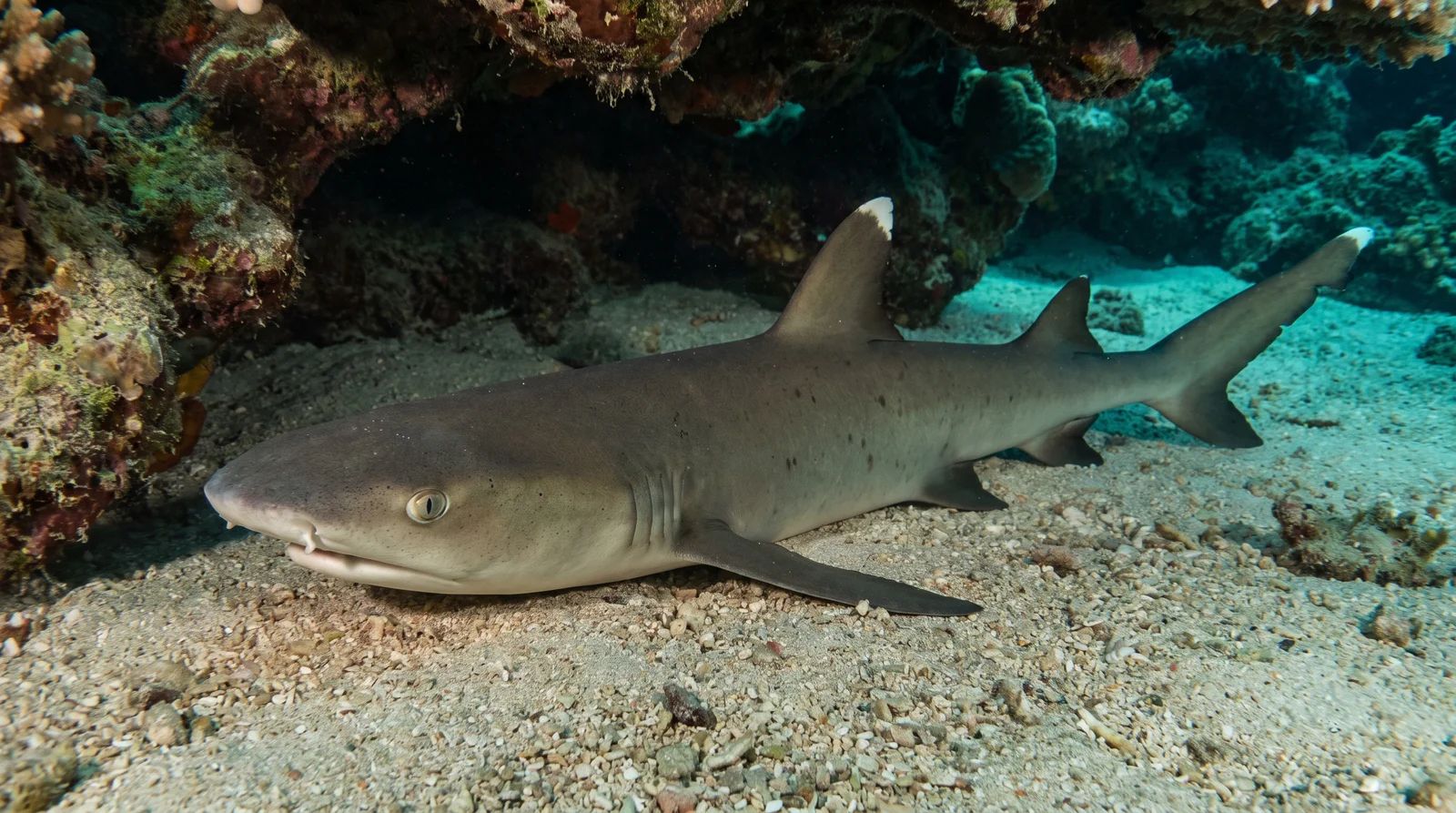
Whitetip Reef Shark
Triaenodon obesus
Documented site occurrence
Source reviewed on 2026-10-14 · Source: Romblon Island / Romblon Freediving (article 2025-06-18) · Observation date not documented
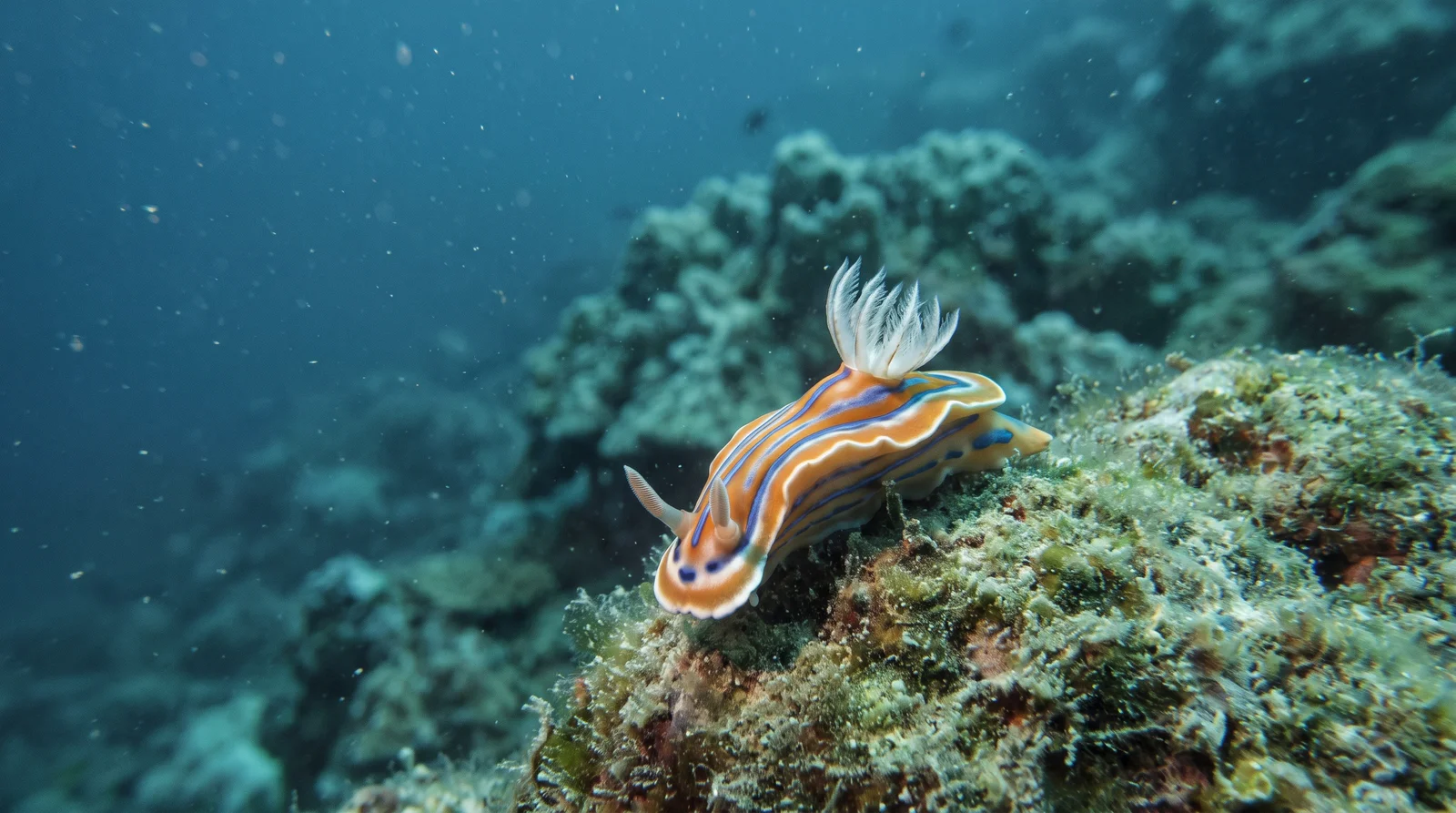
Nudibranch (assorted)
Nudibranchia spp.
Documented site occurrence
Source reviewed on 2026-10-14 · Source: Lakwatsero (dive report, published 2015) · Observation date not documented
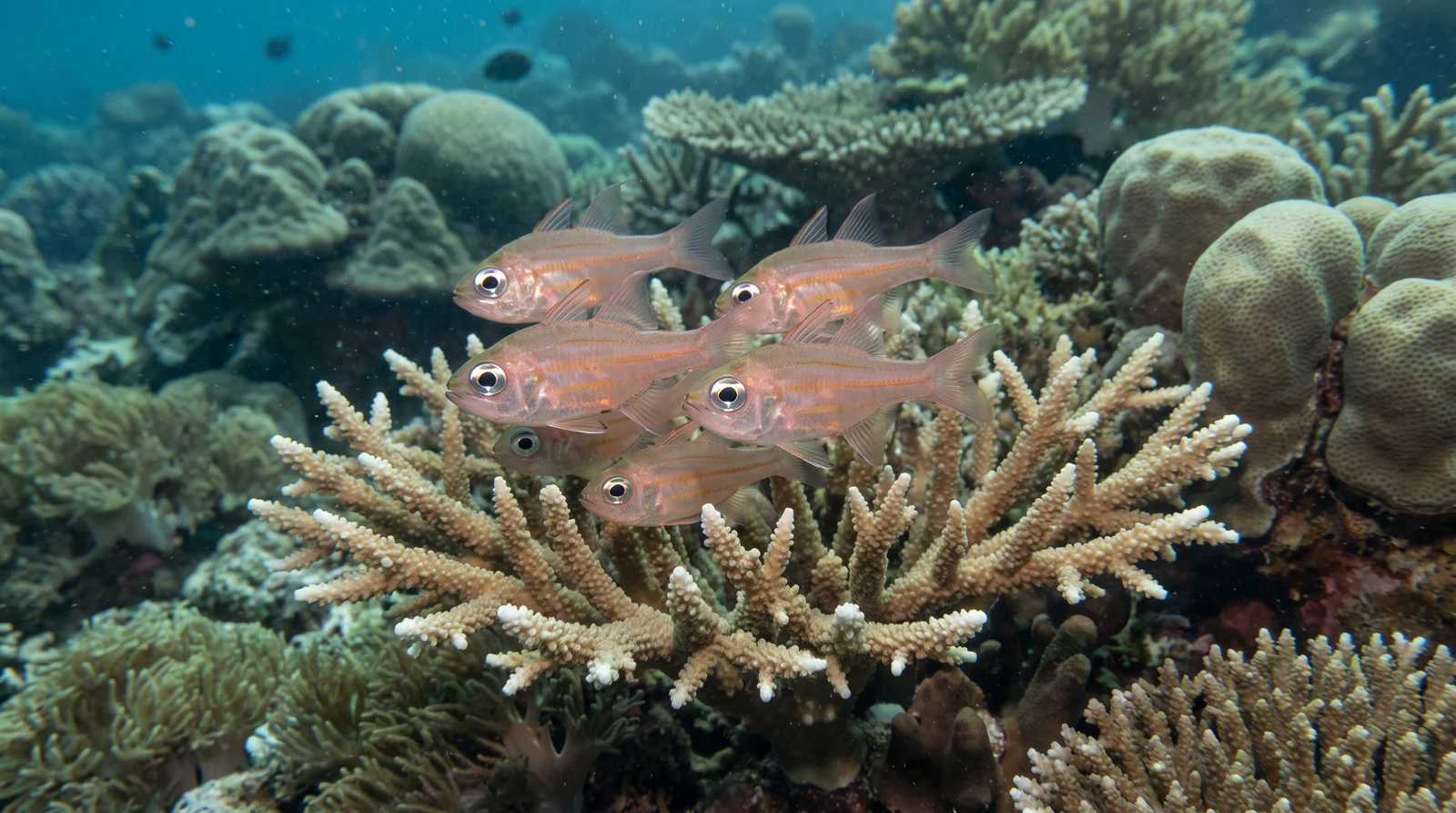
Cardinalfish (assorted)
Apogonidae spp.
Documented site occurrence
Source reviewed on 2026-10-14 · Source: Romblon Island / Romblon Freediving (article 2025-06-18) · Observation date not documented
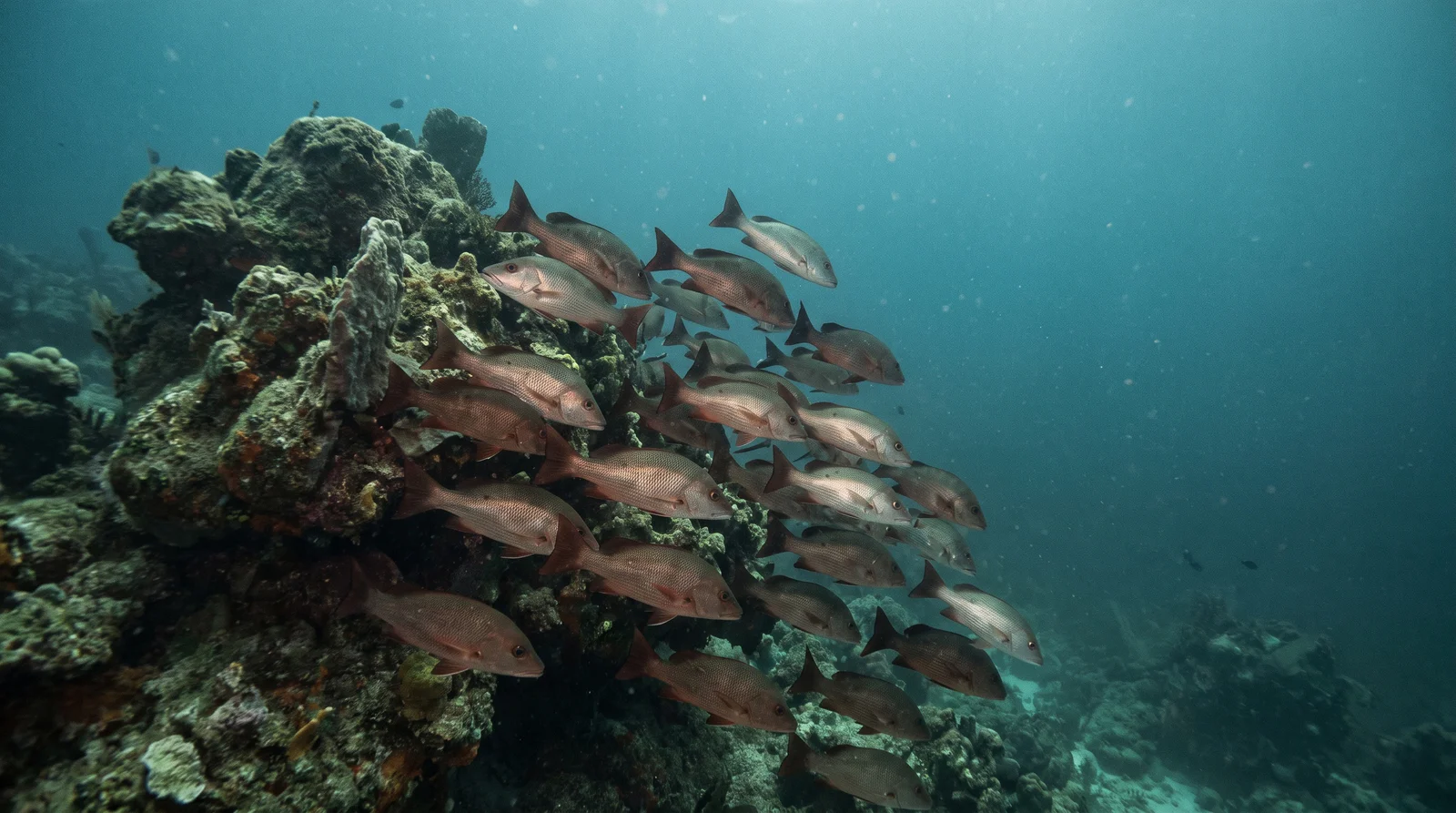
Snapper (assorted)
Lutjanidae spp.
Documented site occurrence
Source reviewed on 2026-10-14 · Source: Romblon Island / Romblon Freediving (article 2025-06-18) · Observation date not documented
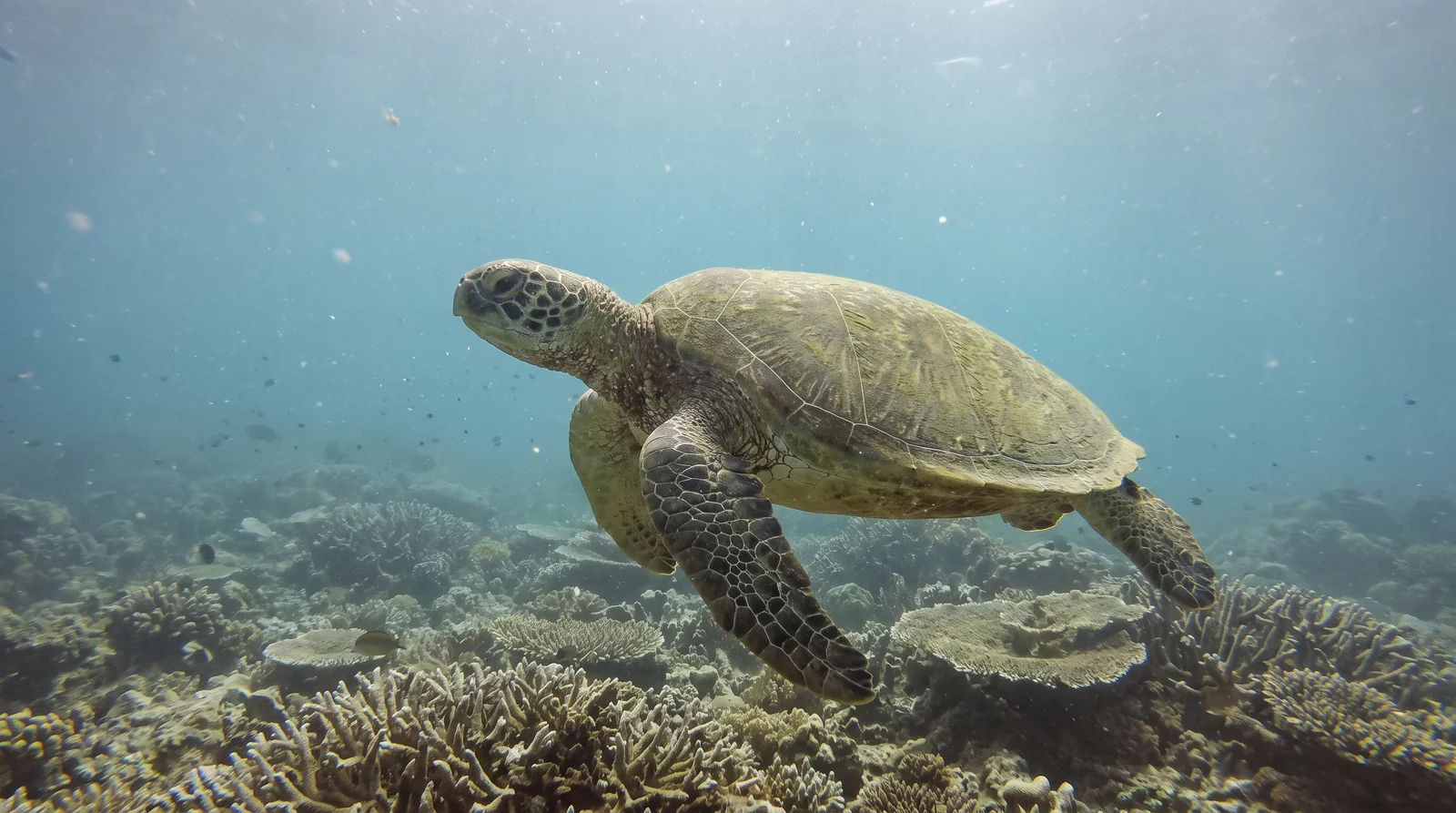
Sea Turtle (assorted)
Cheloniidae spp.
Documented site occurrence
Source reviewed on 2026-10-14 · Source: Romblon Island / Romblon Freediving (article 2025-06-18) · Observation date not documented
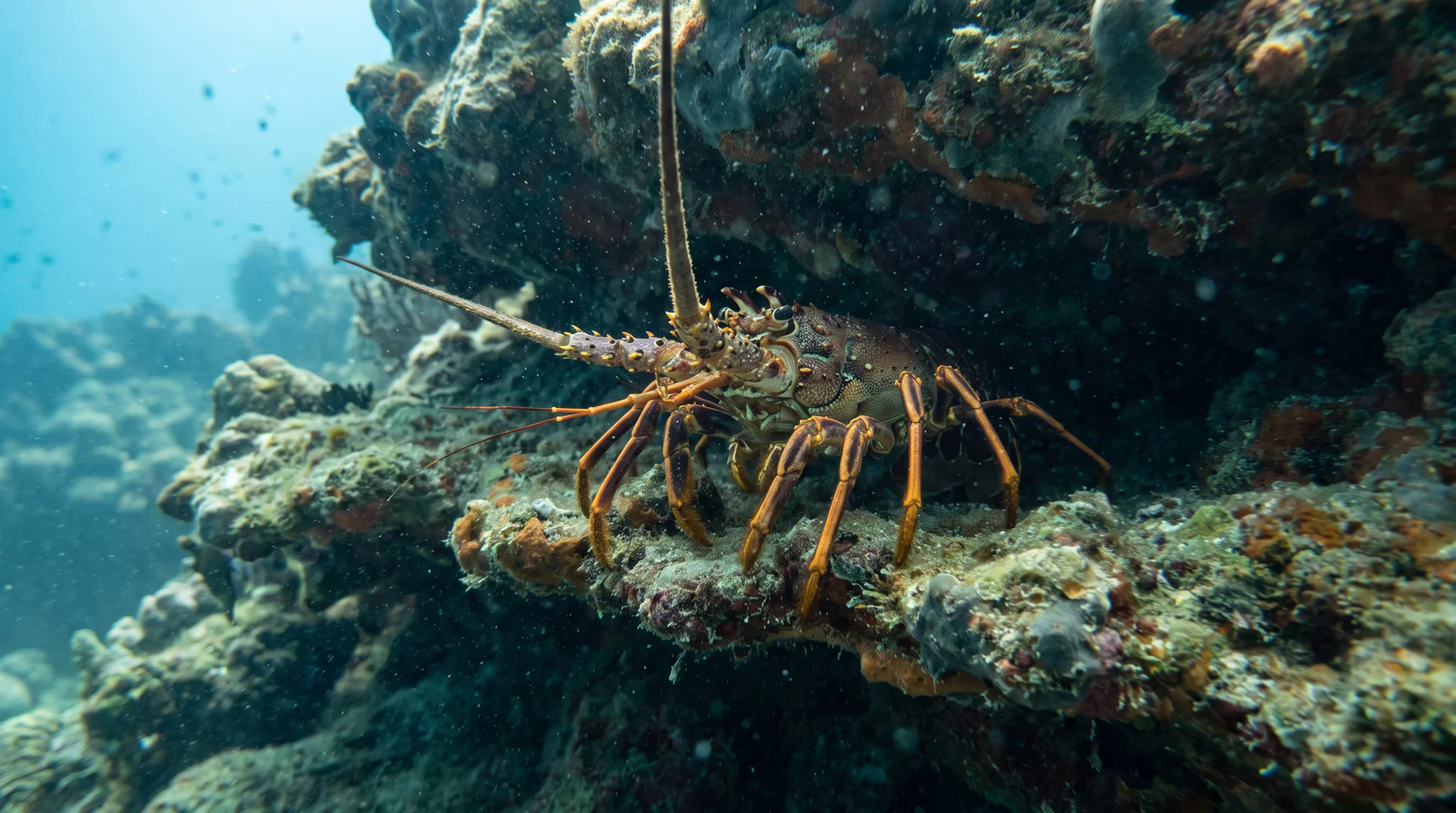
Lobster (assorted)
Palinuridae and Scyllaridae spp.
Documented site occurrence
Source reviewed on 2026-10-14 · Source: Romblon Island / Romblon Freediving (article 2025-06-18) · Observation date not documented
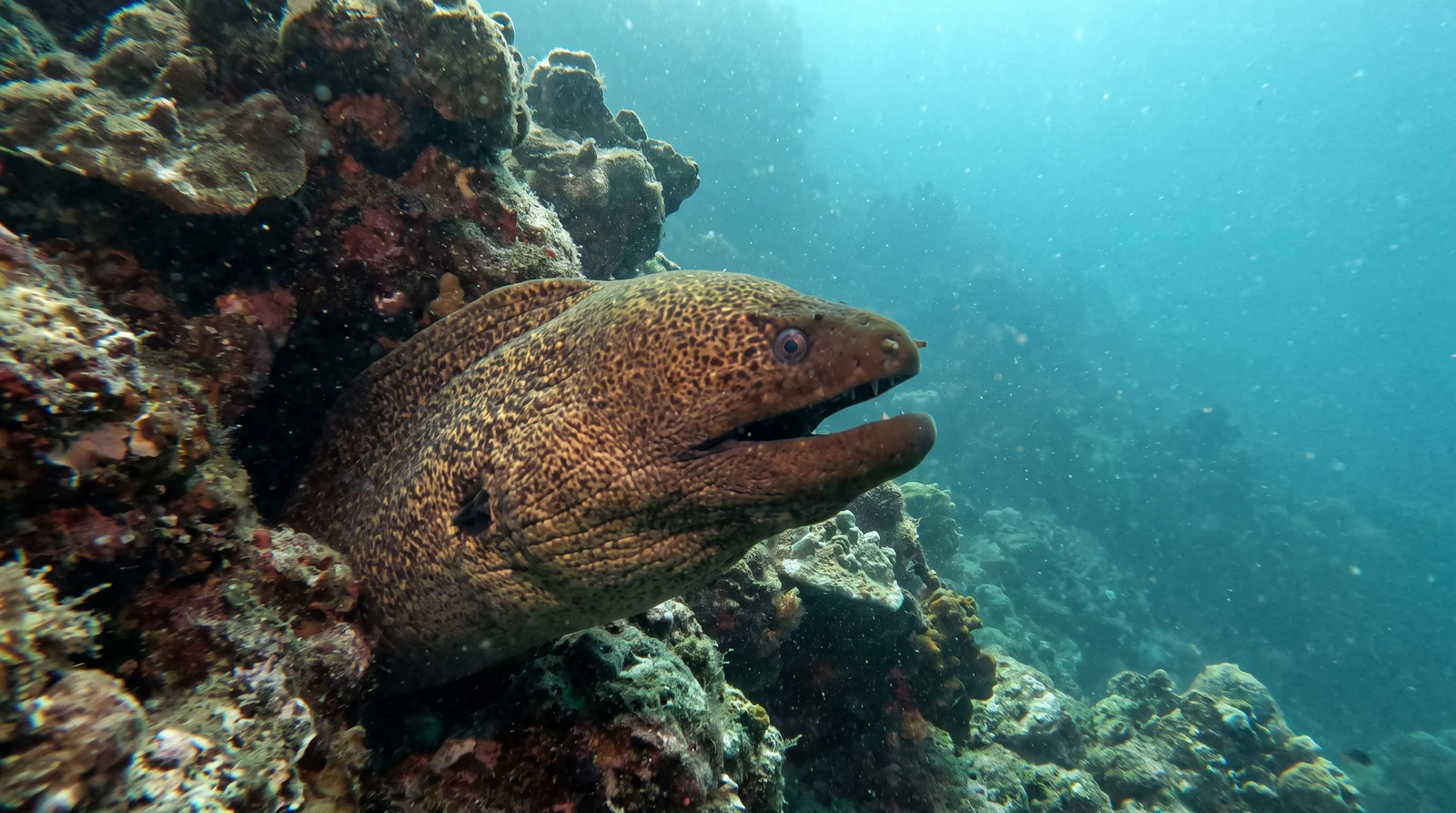
Moray Eel (assorted)
Muraenidae spp.
Documented site occurrence
Source reviewed on 2026-10-14 · Source: Romblon Island / Romblon Freediving (article 2025-06-18) · Observation date not documented
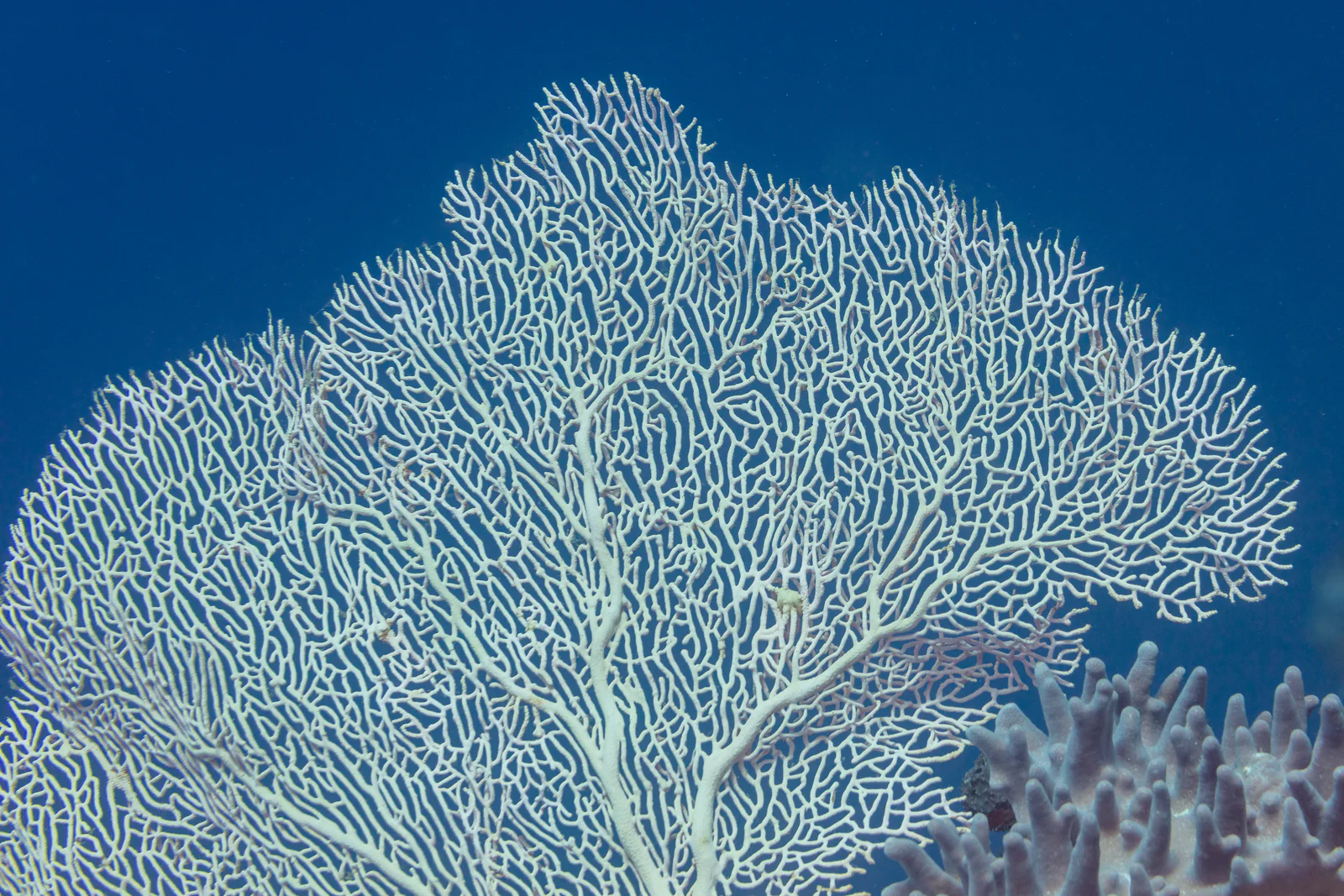
Sea Fan / Gorgonian (assorted)
Octocorallia spp. (gorgonians)
Documented site occurrence
Source reviewed on 2026-10-15 · Source: Romblon Island / Romblon Freediving (article 2025-06-18) · Observation date not documented
Nearby services
Related Dive Sites
Discover other dive sites in the area
 Beginner
 Beginner
Dived Blue Hole?
Log it, check in, or tell other divers what you saw.
Was this helpful?
Stay Updated
Get dive site updates and tips in your inbox.