 Advanced
Seamount · Pinnacle · Drift
Castle Rock
East Nusa Tenggara
Advanced Open Water Certification RequiredBest Season: Apr – Nov
Difficulty
Advanced
Difficulty level
Depth
16 ft
98 ft
Depth range
Access
Access not yet documented
Documented months
Apr
Nov
Visibility
49 ft
98 ft
Typical visibility
Current
Strong
Good buoyancy control advised
Temperature
77°F
82°F
Water temperature
About This Dive Site
Castle Rock, Komodo National Park
Welcome to Castle Rock, North Komodo’s signature pelagic arena and one of the most exhilarating dive sites in Komodo National Park. Situated approximately two kilometres off Gili Lawa Laut in the Lintah Strait, this fully submerged seamount rises dramatically from deep open water to within 4-7 meters of the surface, acting as a magnet for an incredible array of marine life.
Dive Site Overview
- Difficulty: Advanced
- Certification Required: Advanced Open Water certification is essential for divers wishing to explore this dynamic dive site.
- Site Type: Seamount, Pinnacle, Drift
- Depth: Divers will explore depths ranging from 4 meters at the pinnacle's peak down to a maximum depth of 40 meters, with much of the action typically found between 10 and 25 meters.
- Current: Known for its strong currents, Castle Rock offers an electrifying drift diving experience. The nutrient-rich tidal currents that sweep through the Lintah Strait between the Flores Sea and the Indian Ocean are the lifeblood of this vibrant ecosystem. Divers should be prepared for a negative entry, dropping fast through the blue water, as surface currents can be particularly strong.
- Temperature: The water temperature at Castle Rock typically ranges from 24°C to 29°C, providing comfortable diving conditions year-round.
- Hazards: Strong currents are the primary hazard, along with potentially challenging surface conditions. We recommend divers be proficient in current management and comfortable with the use of a reef hook to secure themselves and observe the spectacular show.
Marine Life at Castle Rock
Castle Rock is renowned as one of Komodo's most reliable sites for encountering large pelagic species. The powerful currents ignite a feeding chain, attracting an abundance of predators:
- Sharks: Divers can almost guarantee sightings of Whitetip Reef Sharks and frequently encounter Grey Reef Sharks patrolling the deeper sections and making sweeping passes.
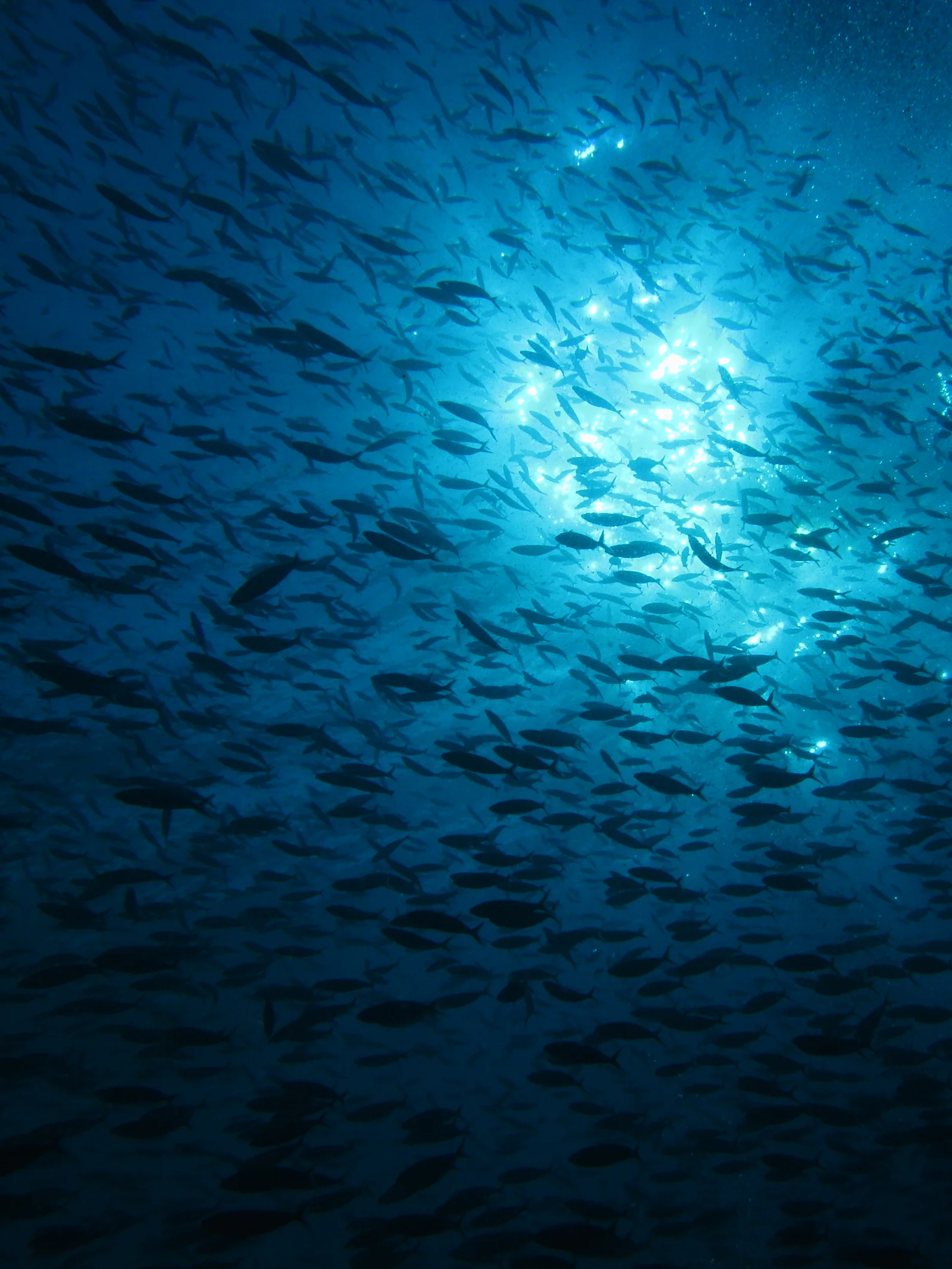
- Pelagics: Walls of schooling Fusiliers and surgeonfish shimmer over the reef, attracting formidable hunters such as Giant Trevally, Bigeye Trevally, and Dogtooth Tuna. Keep an eye out for impressive tornadoes of Chevron Barracuda swirling overhead.
- Rays & Dolphins: We often encounter graceful Spotted Eagle Rays gliding past, and on lucky days, playful Bottlenose Dolphins may buzz the safety stop.
- Occasional Sightings: For the truly fortunate, there have been rare sightings of Whale Sharks, Reef Mantas, and even the occasional Hammerhead Shark, adding to the site's allure.
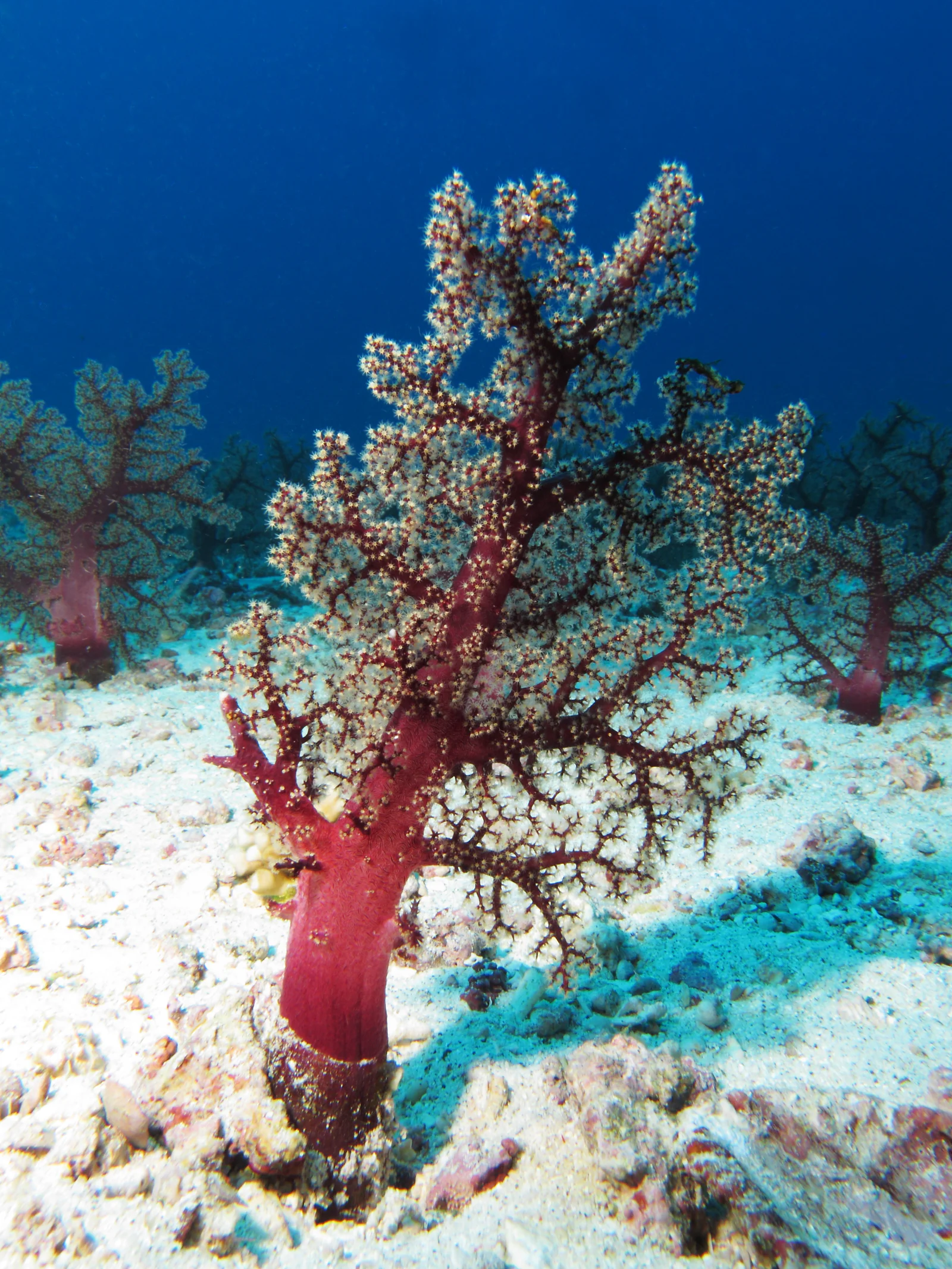
- Reef Life: While famous for its pelagics, on calmer days, divers can explore the pinnacle's slopes where healthy hard corals host various groupers, sweetlips, and the impressive Bumphead Parrotfish. The pinnacle is also home to numerous octopus, pygmy seahorses, and turtles, providing diverse photographic opportunities.
To fully appreciate the spectacle, divers typically make a negative entry and descend quickly. Once at depth, often around 20-25 meters, divers can use a reef hook to anchor themselves in a sheltered position and witness the incredible feeding frenzy unfold. The top of the pinnacle, around 5 meters, makes for an excellent safety stop, often still teeming with hunting trevallies.
Advanced Open Water
Current Conditions
Typical current strength at this dive site
Strong
Powerful current. Advanced certification and drift dive experience required. Follow guide instructions.
Strength Scale
None
Mild
Moderate
Strong
Best Time to Visit
Monthly conditions and seasonal highlights — tap a month
SepBest
Peak diving season with optimal visibility, calm seas, and best marine life encounters.
BestGoodLess FavorablePeak
Marine Life
10 species recorded at this site
Abundant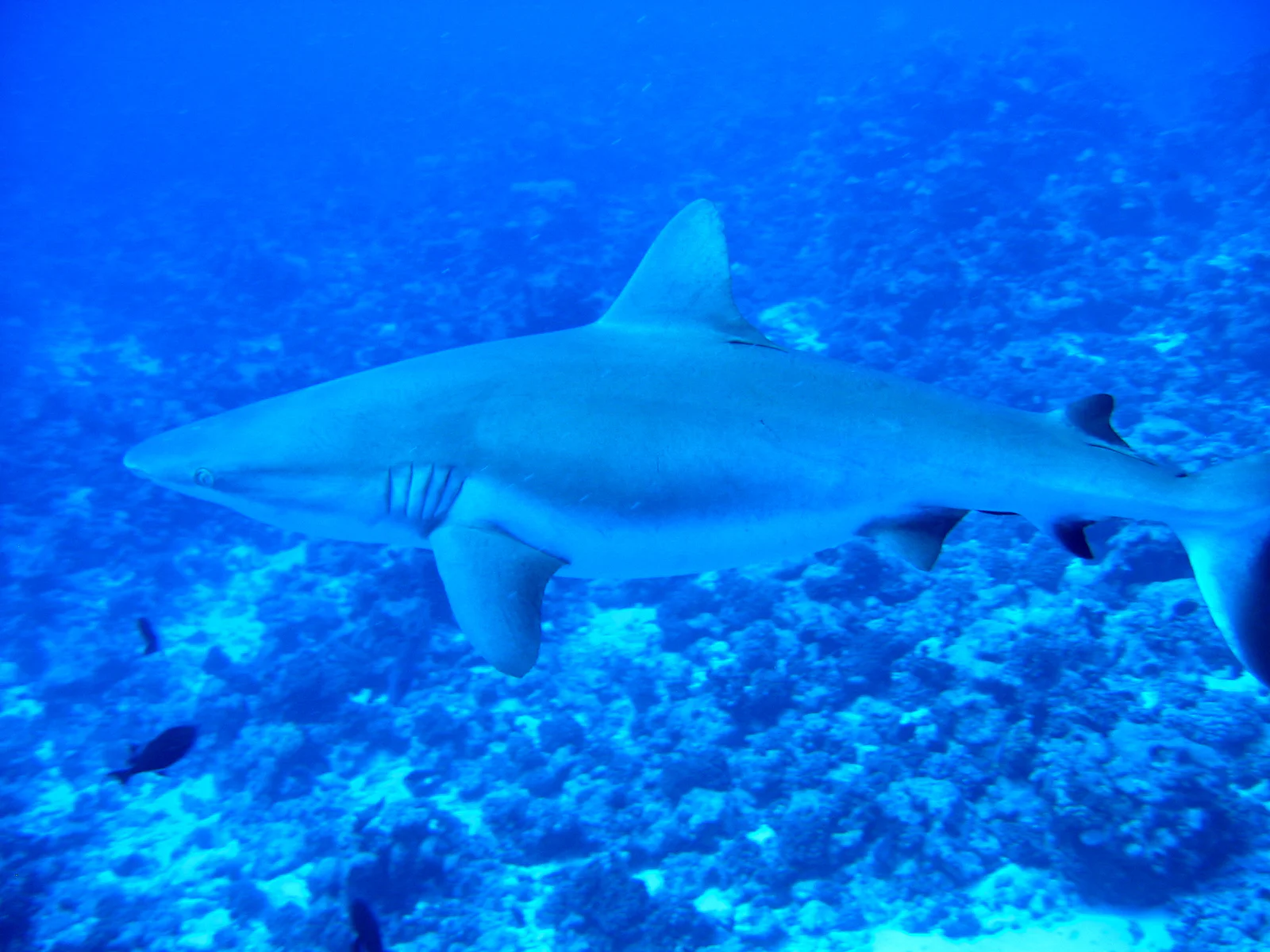
Grey Reef Shark
Carcharhinus amblyrhynchos
Site occurrence not yet documented
No dated observations available.
Common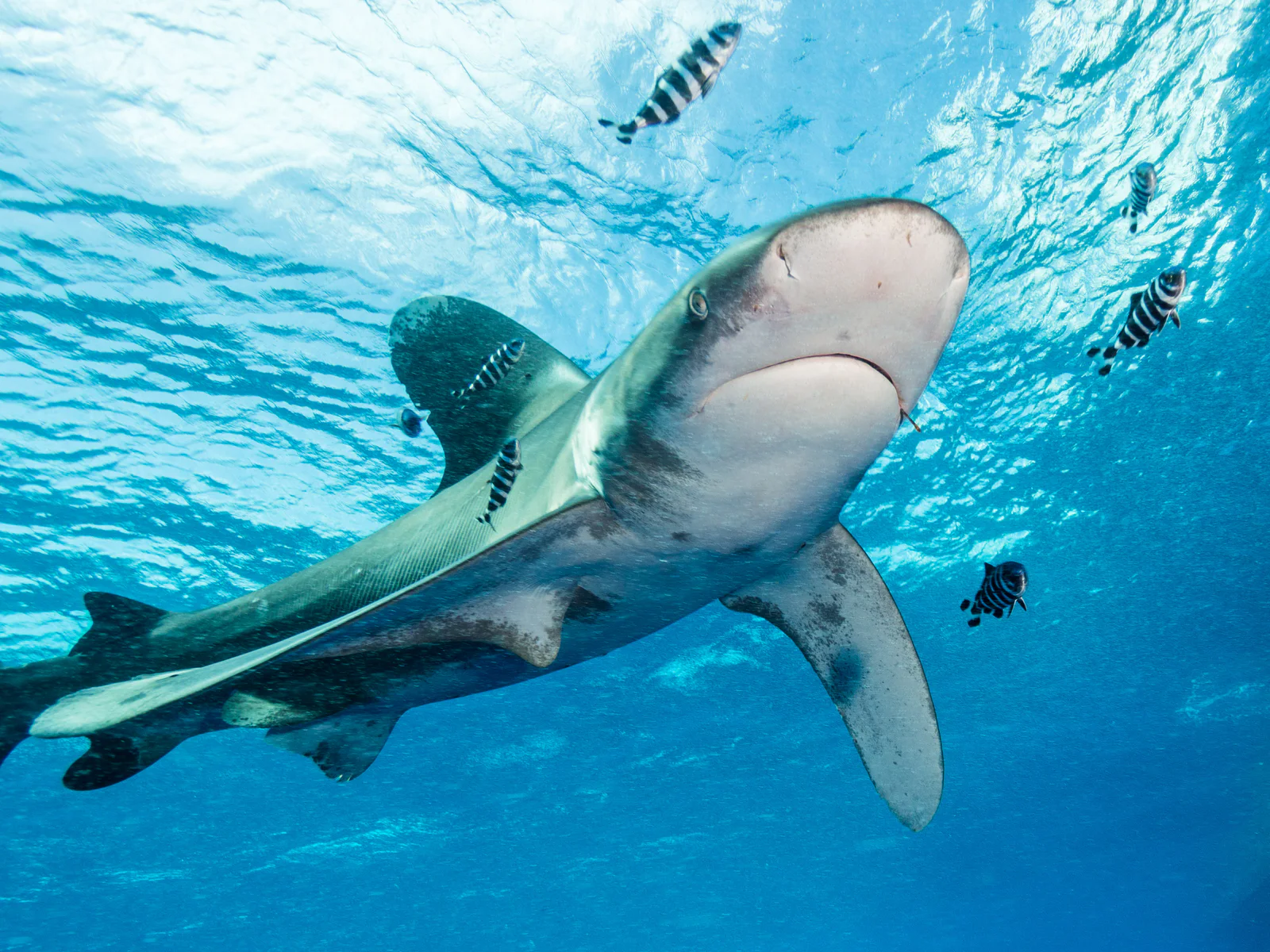
Whitetip Reef Shark
Triaenodon obesus
Site occurrence not yet documented
No dated observations available.
Common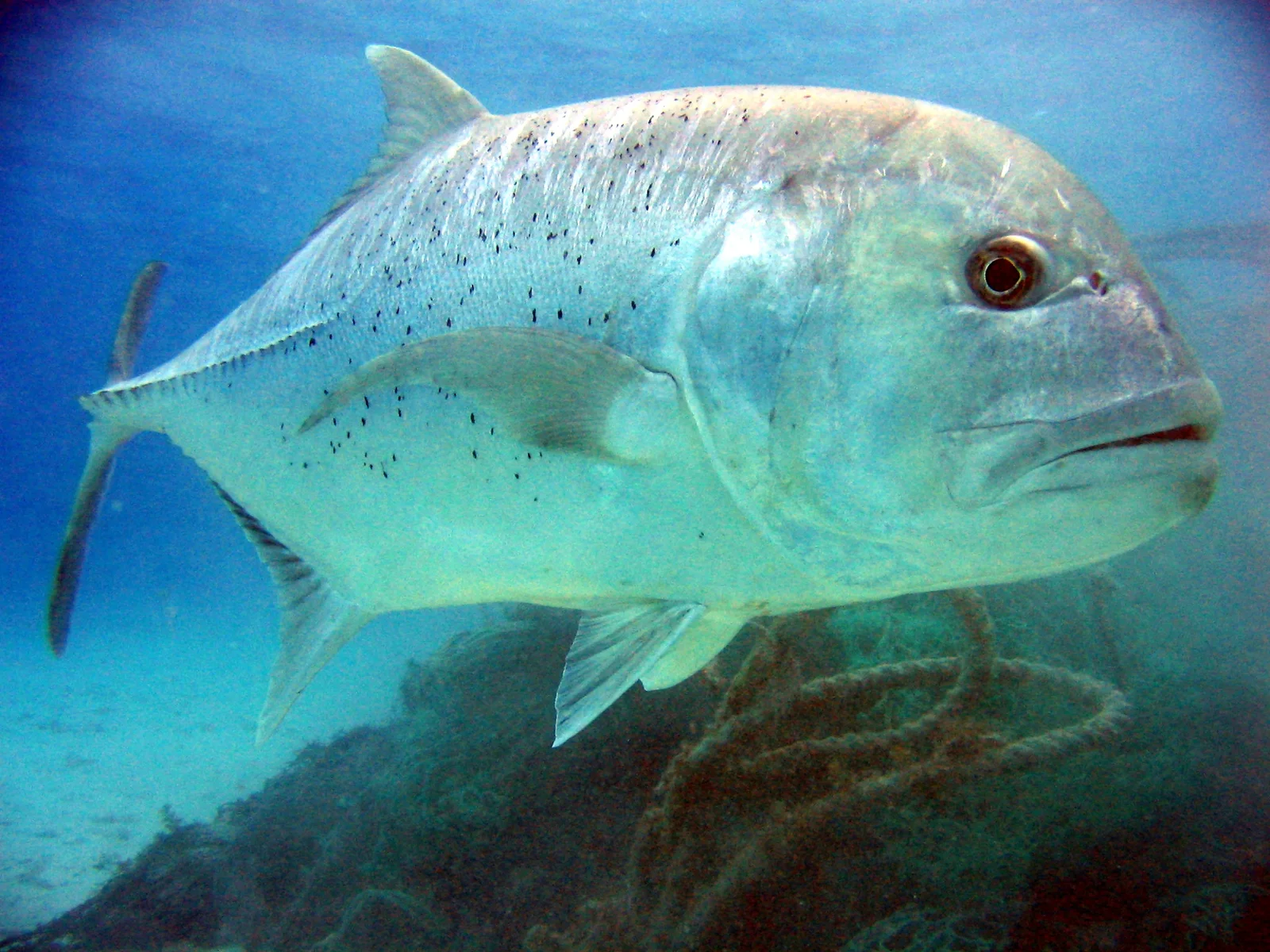
Giant Trevally
Caranx ignobilis
Site occurrence not yet documented
No dated observations available.
Common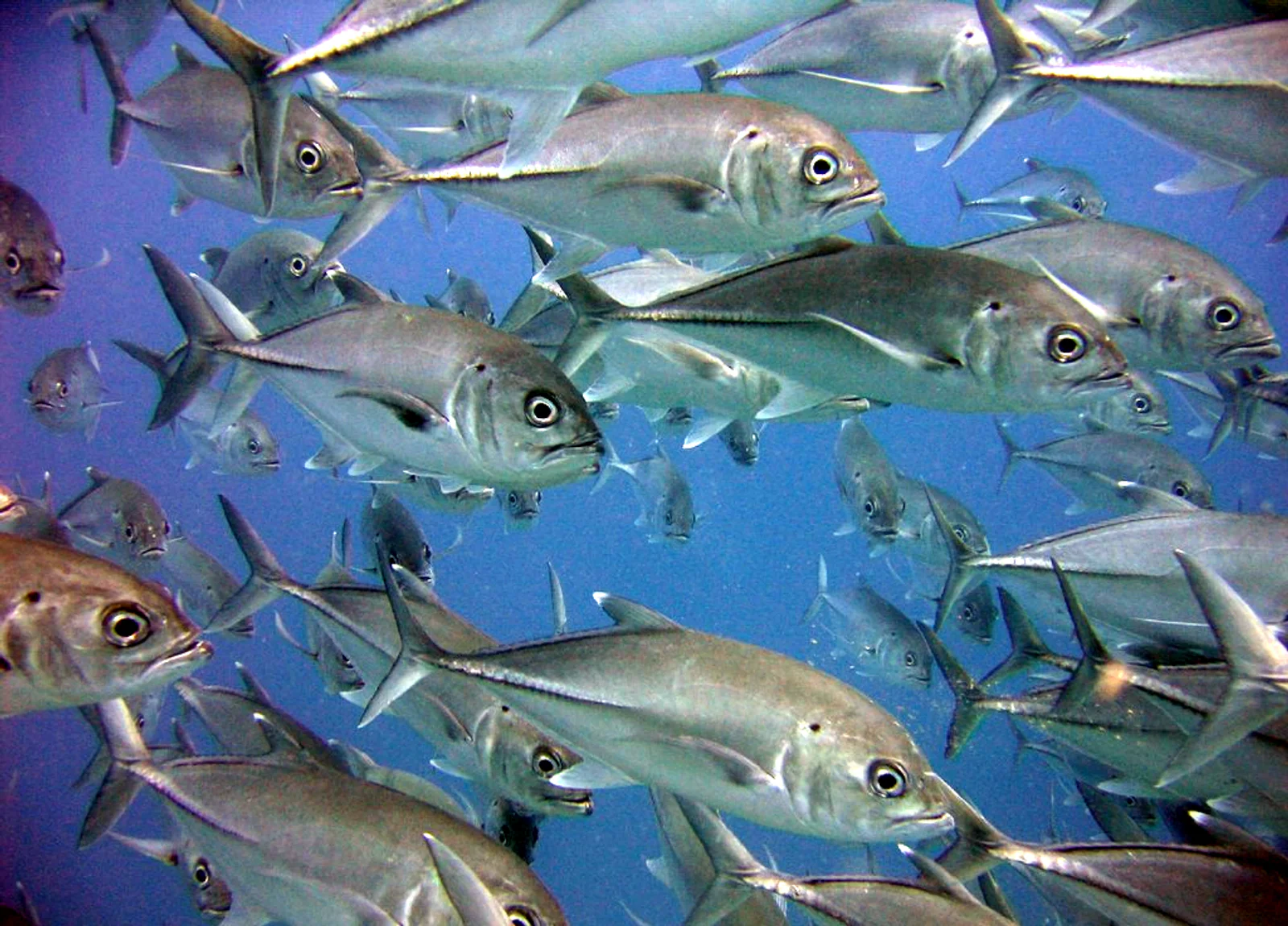
Bigeye Trevally
Caranx sexfasciatus
Site occurrence not yet documented
No dated observations available.
Common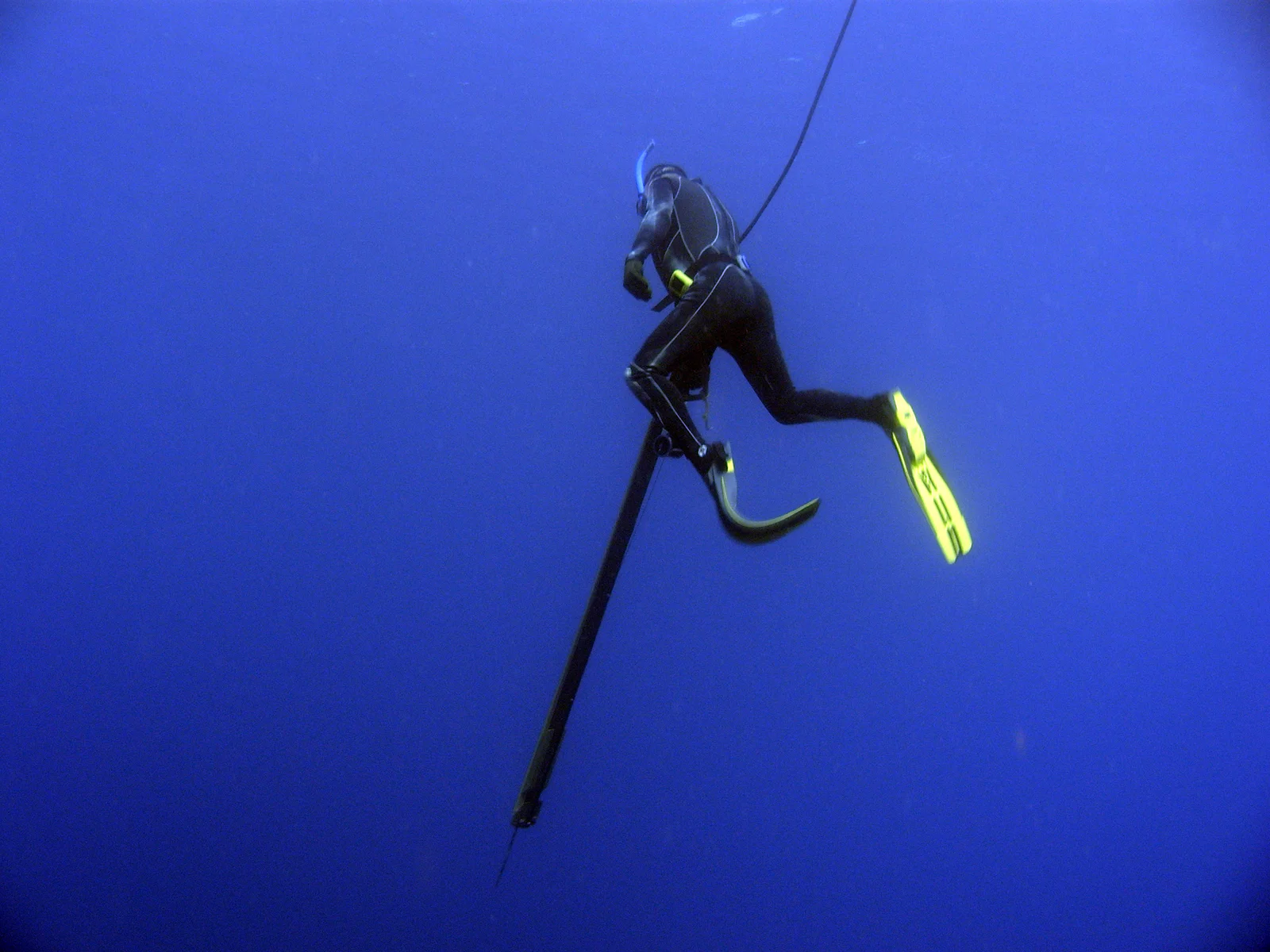
Dogtooth Tuna
Gymnosarda unicolor
Site occurrence not yet documented
No dated observations available.
Common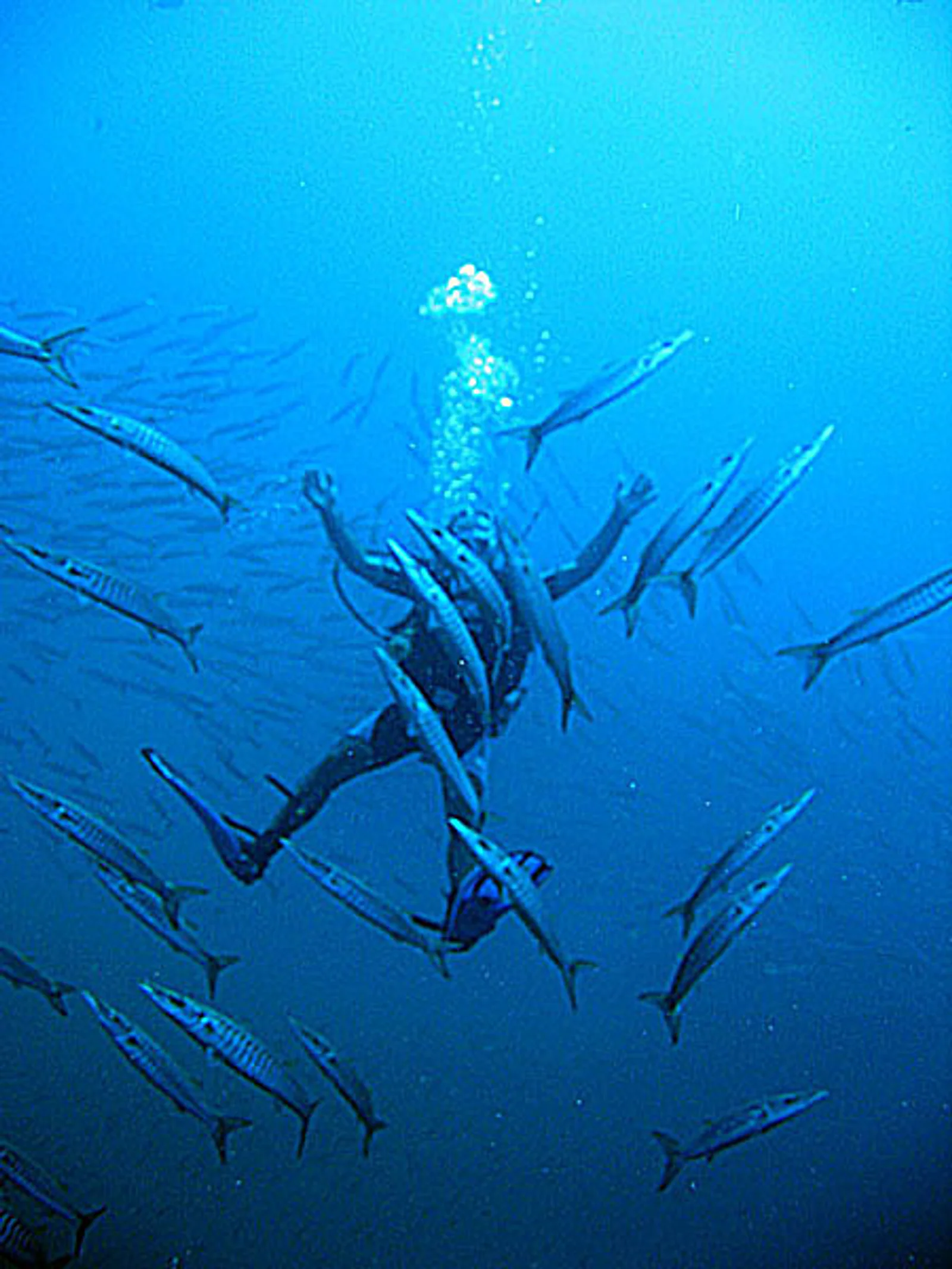
Chevron Barracuda
Sphyraena qenie
Site occurrence not yet documented
No dated observations available.
Abundant
Fusilier (schooling)
Caesio spp.
Site occurrence not yet documented
No dated observations available.
Occasional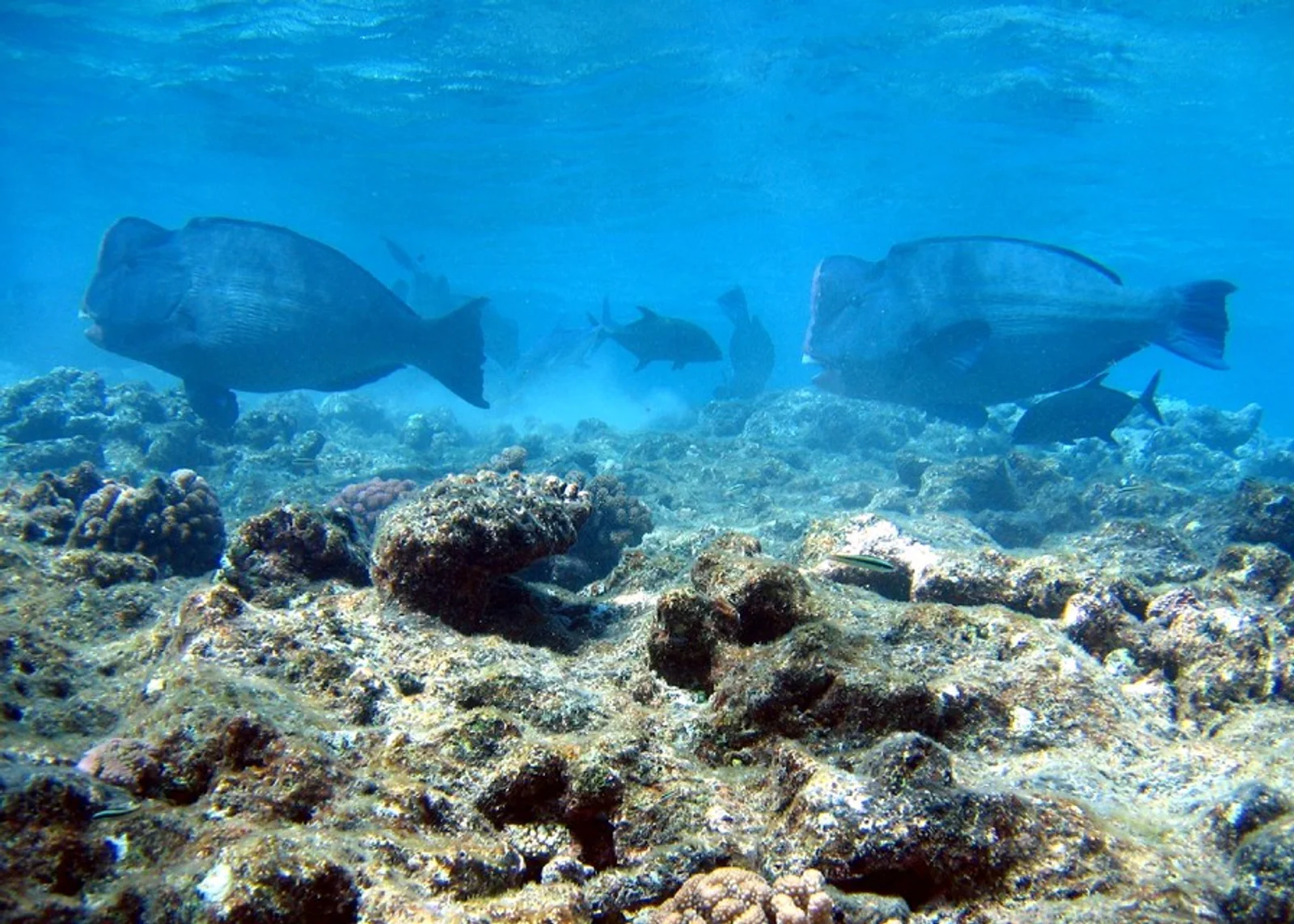
Bumphead Parrotfish
Bolbometopon muricatum
Site occurrence not yet documented
No dated observations available.
Occasional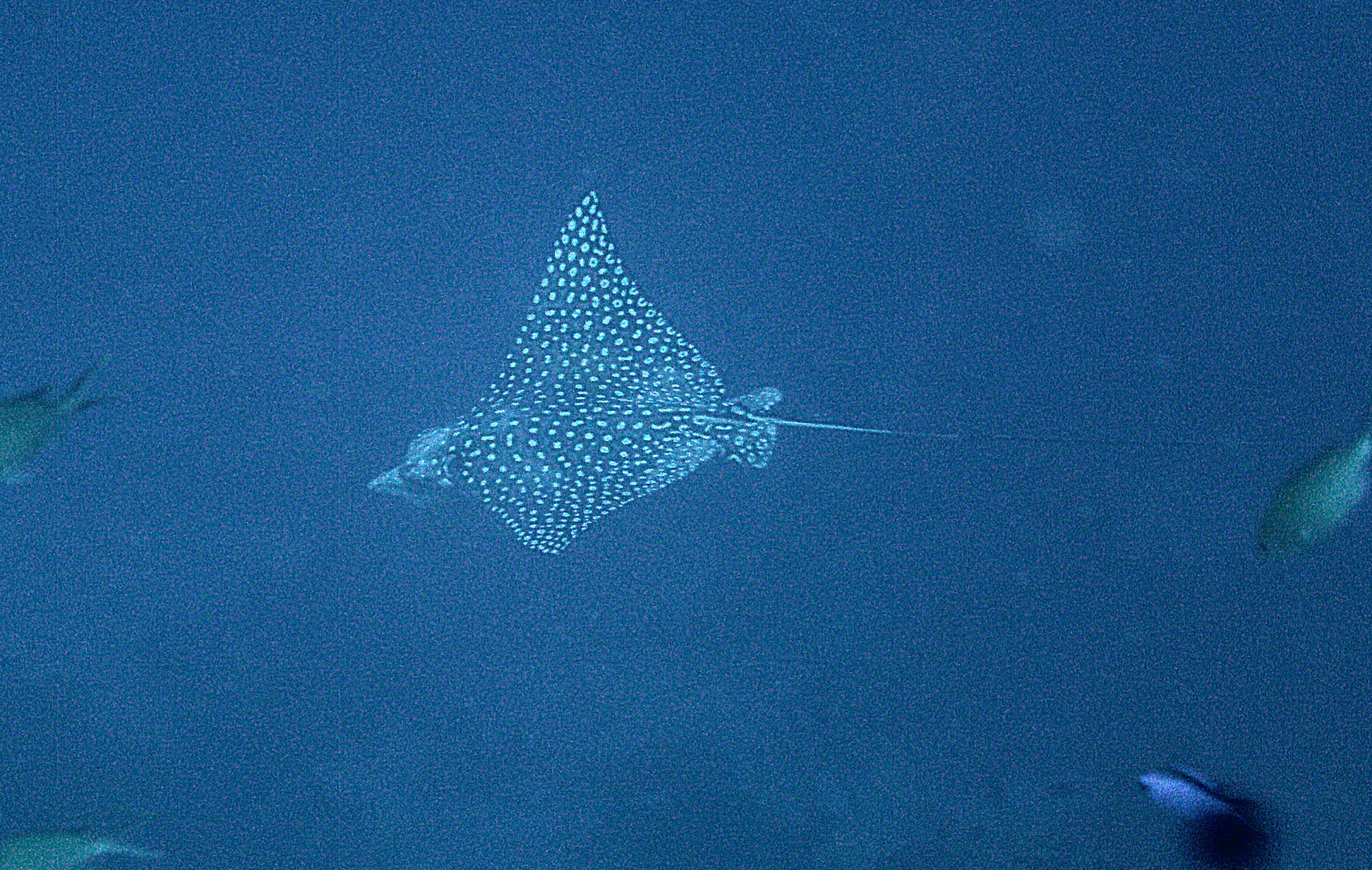
Spotted Eagle Ray
Aetobatus narinari
Site occurrence not yet documented
No dated observations available.
Rare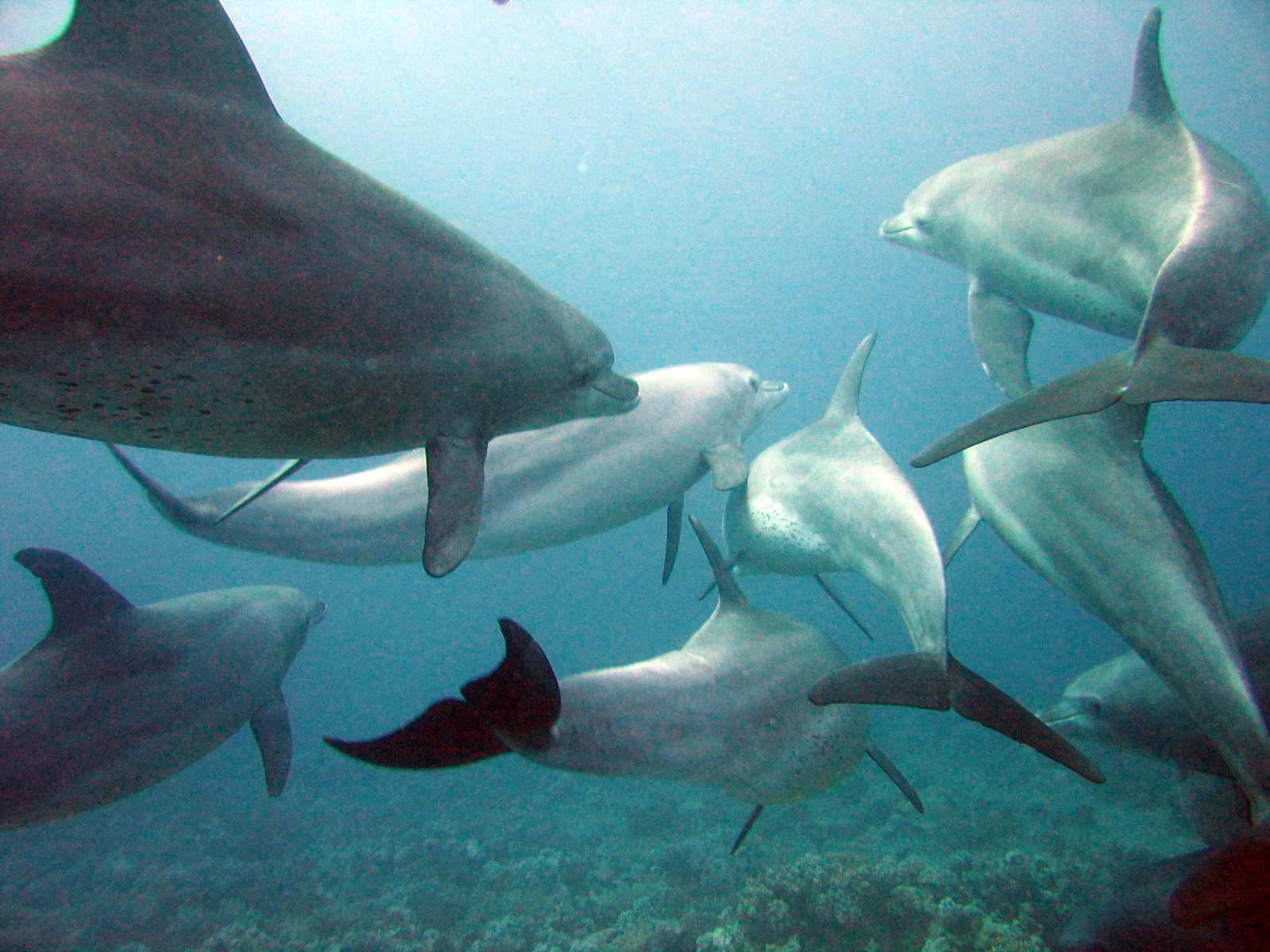
Bottlenose Dolphin
Tursiops truncatus
Site occurrence not yet documented
No dated observations available.
Hazards & Safety
Be aware of these potential hazards at this dive site
Strong current
HighVery strong tidal flow, sweep-off risk on slow descent
Current
HighBlue-water negative entry, separation risk
Strong current
MediumDown-current on lee side
Surface conditions
MediumOpen-ocean surface chop
Certification Required
A minimum of Advanced Open Water certification is required to dive this site.
360° Underwater View
Immersive panoramic view of this dive site
360° panorama coming soon
Immersive underwater views will be available when panoramic imagery is uploaded
Reviews
--
0 reviews
No reviews yet. Be the first to share your experience!
Related Dive Sites
Discover other dive sites in the area
Advanced Advanced
 Advanced
 Intermediate
 Advanced
 AdvancedAdvancedAdvancedAdvancedIntermediateAdvancedAdvanced
Depth Profile
Vertical range at this site
Minimum Depth
16 ft
Shallowest point
Average Depth
72 ft
Typical dive depth
Maximum Depth
98 ft
Deepest point
Nearby services
View all dive shops →Stay Updated
Get dive site updates and tips in your inbox.
Dived Castle Rock? Make it count.
Add it to your logbook, share your sightings, and help 0 divers plan their next descent.
Recent Community Activity
Was this helpful?