Wall · Drop-off · Pinnacle · Drift
Daedalus Reef (Abu el-Kizan)
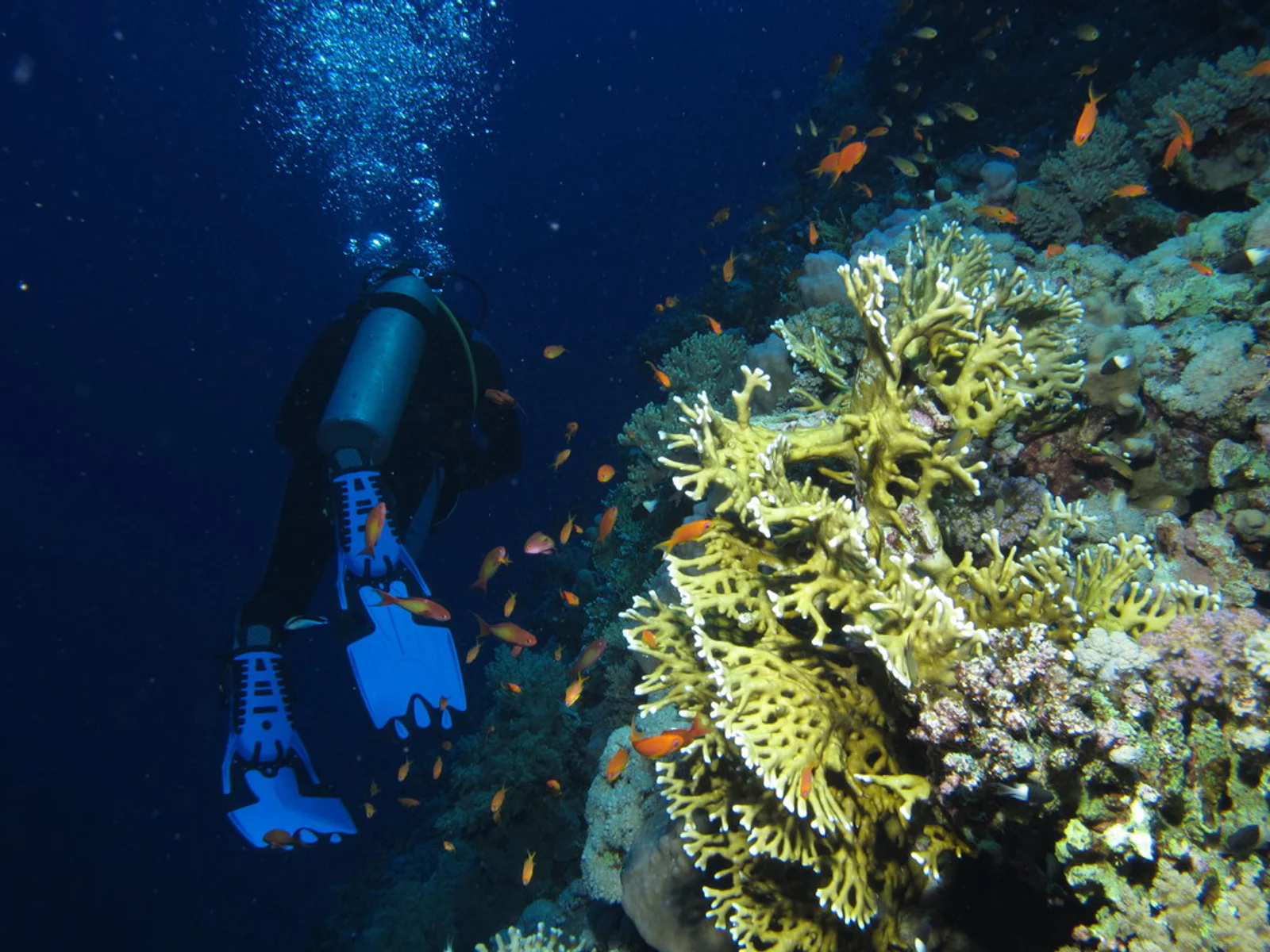
確認状況が不明です 情報が不完全、または古くなっている可能性があります。現在の状況を現地で確認し、このダイビングポイントをご存じの場合は訂正をご提案ください。
このダイブサイトをご存じですか?修正を提案するこのダイブサイトについて
ダエダロスリーフ(アブ・エル・キザン):紅海の遠洋の楽園
本土から遠く離れ、マルサ・アラム沖約90キロメートルに位置するダエダロスリーフは、地元ではアブ・エル・キザンとして知られています。この孤立した楕円形のリーフ高原は、特徴的な白黒の縞模様を持つ象徴的なオスマン帝国時代の灯台に覆われ、南エジプトの紅海の広大な海にそびえ立つ孤高の頂です。ライブアボードでのみアクセス可能なダエダロスリーフは、大型遠洋魚との遭遇において世界有数の目的地として称賛されており、上級ダイバーに忘れられないダイビング体験を提供します。
ダイビングサイトの地形と特徴
このダイビングサイトは、500メートルを超える深淵に落ち込む劇的な垂直の壁が特徴で、息をのむようなドロップオフを作り出しています。これらの壁は鮮やかなハードコーラルとソフトコーラルで飾られ、多様な海洋生物の素晴らしい背景となっています。ダイバーは南側に、通常水深30〜40メートルの重要な高原を見つけるでしょう。リーフの西側にあるハイライトは「ニモシティ」で、無数のイソギンチャクとその住人であるクマノミで覆われた remarkable な広がりが、浅い水深から約40メートルまで続いています。テクニカルダイビングの認定を持つダイバーのために、Zealotの沈船が水深75〜120メートルの斜面に横たわっています。
卓越した海洋生物との遭遇
ダエダロスリーフは、その信じられないほどの遠洋魚の活動で有名です。ダイバーは、特に北端沖で、群れをなすアカシュモクザメ(Sphyrna lewini)に頻繁に遭遇するでしょう。最も多く目撃されるのは晩春から夏にかけてです。これらの壮大なサメは、秋には浅瀬でも見られます。ヨゴレ(Carcharhinus longimanus)は、特に南の高原周辺でよく見られ、夏から冬にかけて、特に秋(9月から11月)に最も活発です。また、リーフの壁をパトロールするオグロメジロザメ(Carcharhinus amblyrhynchos)にも定期的に遭遇します。
サメ以外にも、ダイバーは雄大なオニイトマキエイ(Mobula birostris)を見ることを楽しみにできます。これらは冬から春にかけて、プランクトンのブルームに引き寄せられてより頻繁に観察されます。ナポレオンフィッシュとしても知られる大型のメガネモチノウオ(Cheilinus undulatus)も存在します。特に南の高原周辺の涼しい時期には、ニタリザメ、バラクーダ、マグロ、アジなどの他の印象的な遠洋魚にも注目してください。ジンベエザメも5月から6月頃にこの地域を通過することが知られています。
ダイビング条件と要件
ダエダロスリーフでのダイビングは、 prevailing な条件のため上級者向けとされています。通常、特に北端と西側沿いでは強い潮流があり、しばしば北から南に流れます。これらの潮流には、優れた浮力制御とドリフトダイビングの経験が必要です。レクリエーションダイビングは通常、最大水深30〜40メートルに達し、平均水深は約28メートルです。視界は一般的に良好で、しばしば30メートルを超え、活気ある海洋生態系をはっきりと見ることができます。水温は年間を通して変動し、約20°Cから31°Cの範囲で、季節によって平均は通常24°Cから30°Cの間です。
安全性と認定
強い潮流、深い水域、そして危険な海洋生物との遭遇の可能性のため、ダイバーにはアドバンスド・オープン・ウォーター認定または同等の資格が必要です。最低30回のログダイブが推奨されており、一部のオペレーターはこれらの挑戦的な条件での快適さと経験を確保するために50回以上のダイブを提案しています。水深を考慮すると、ボトムタイムを延長するためにナイトロックスペシャリティを検討することをお勧めします。減圧義務はここで重大な危険であり、慎重なダイブプランニングが不可欠です。ダエダロスリーフは保護された海洋公園であるため、ダイバーの安全と海洋保護の両方を確保するためにナイトダイビングは禁止されています。
ダエダロスリーフへの訪問は比類のない冒険であり、紅海で最もスリリングな遠洋魚との遭遇を提供します。このダイビングサイトは、爽快でやりがいのある水中旅行を求める経験豊富なダイバーに強くお勧めします。
短い説明
現在の状況
このダイブサイトでの典型的な潮流の強さ
強い
Powerful current. Advanced certification and drift dive experience required. Follow guide instructions.
強さのスケール
なし
穏やか
中程度
強い
ベストシーズン
月ごとのコンディションと季節のハイライト — 月をタップ
ダイビングのピークシーズン。最適な透明度、穏やかな海、最高の海洋生物との出会いが期待できます。
海洋生物
4 このサイトで記録された種
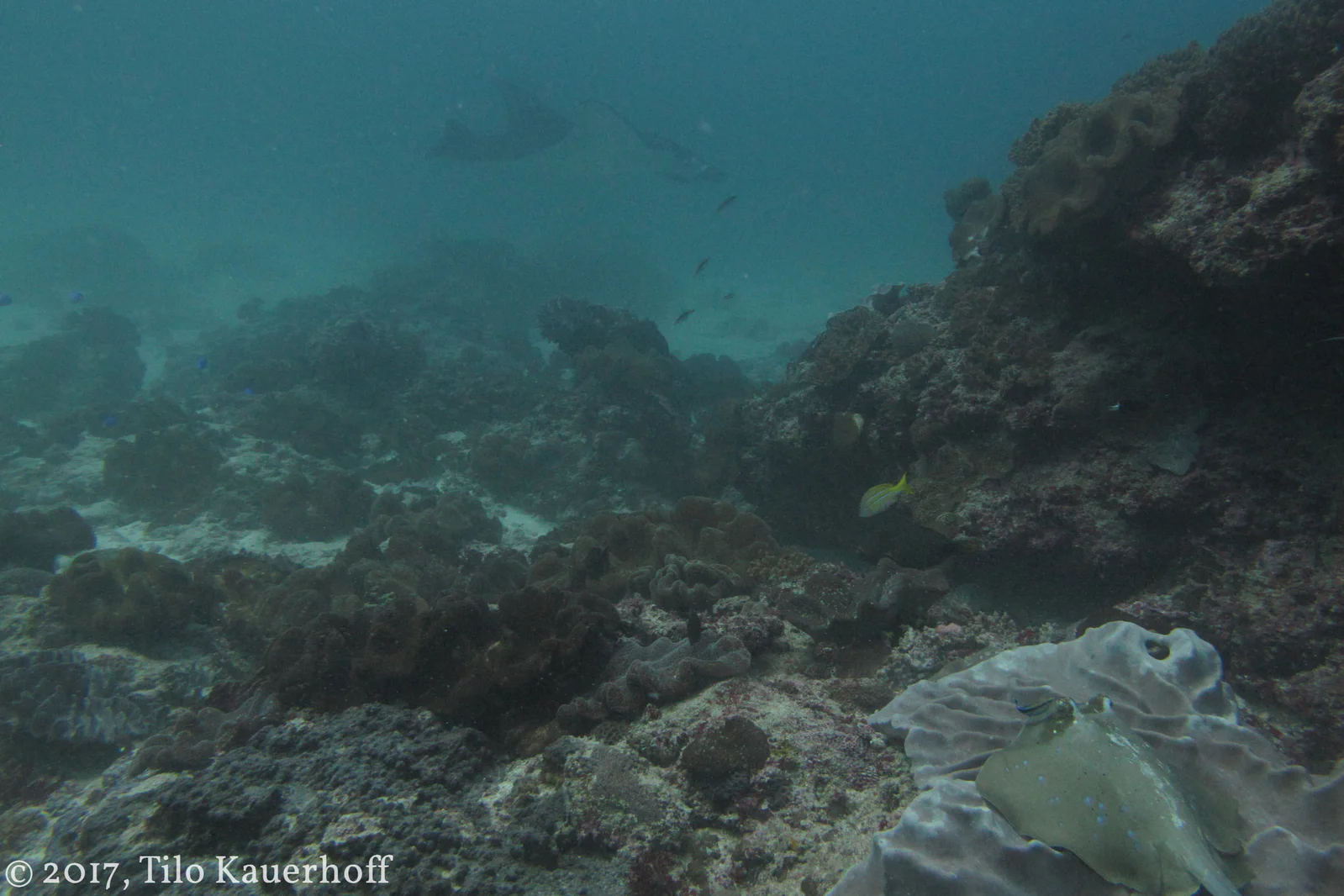
Manta Ray
Mobula birostris
このサイトでの出現はまだ記録されていません
日付のある観察記録はありません。
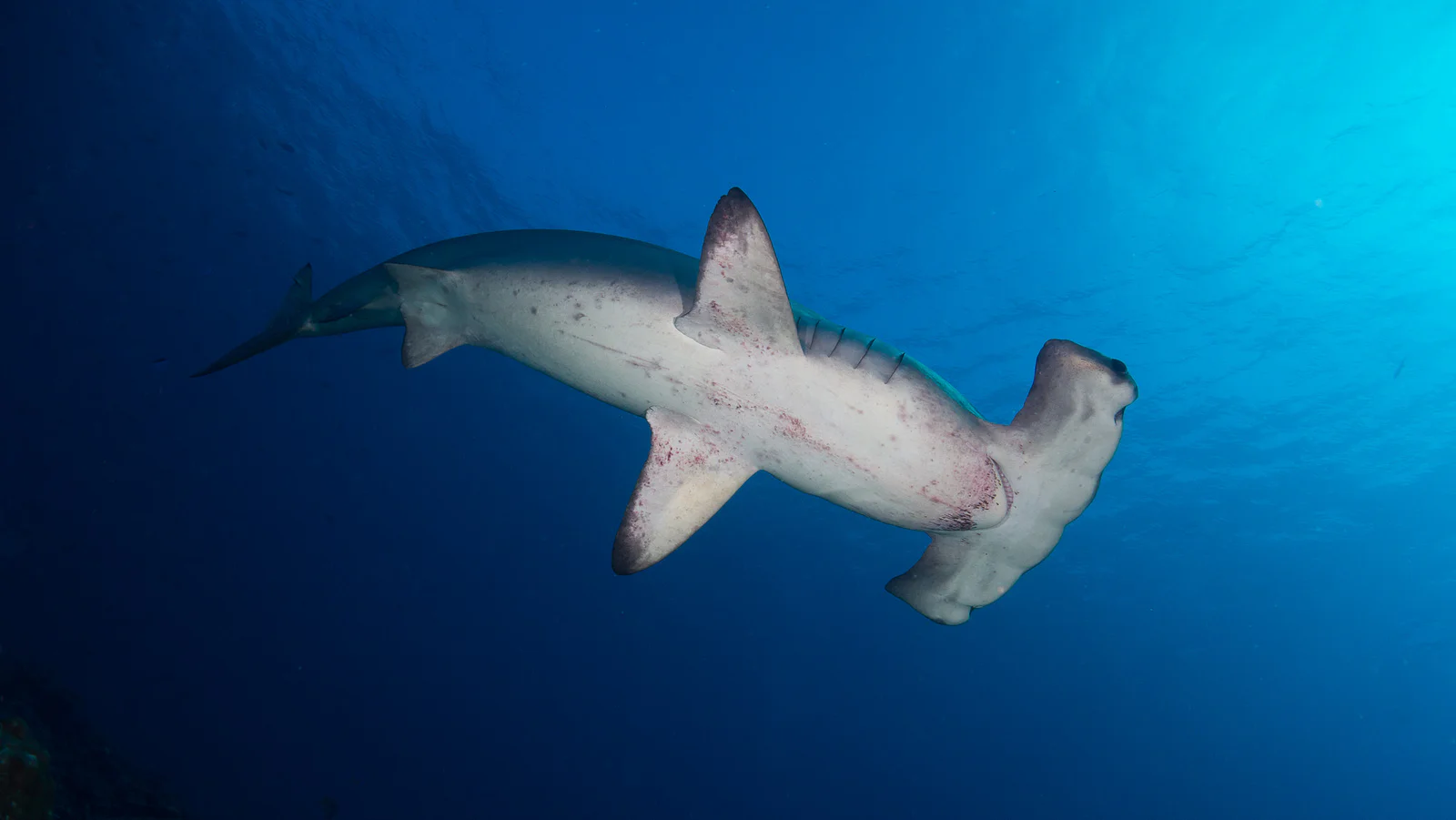
Scalloped Hammerhead Shark
Sphyrna lewini
May, Jun, Jul · 未確認
このサイトでの出現はまだ記録されていません
日付のある観察記録はありません。
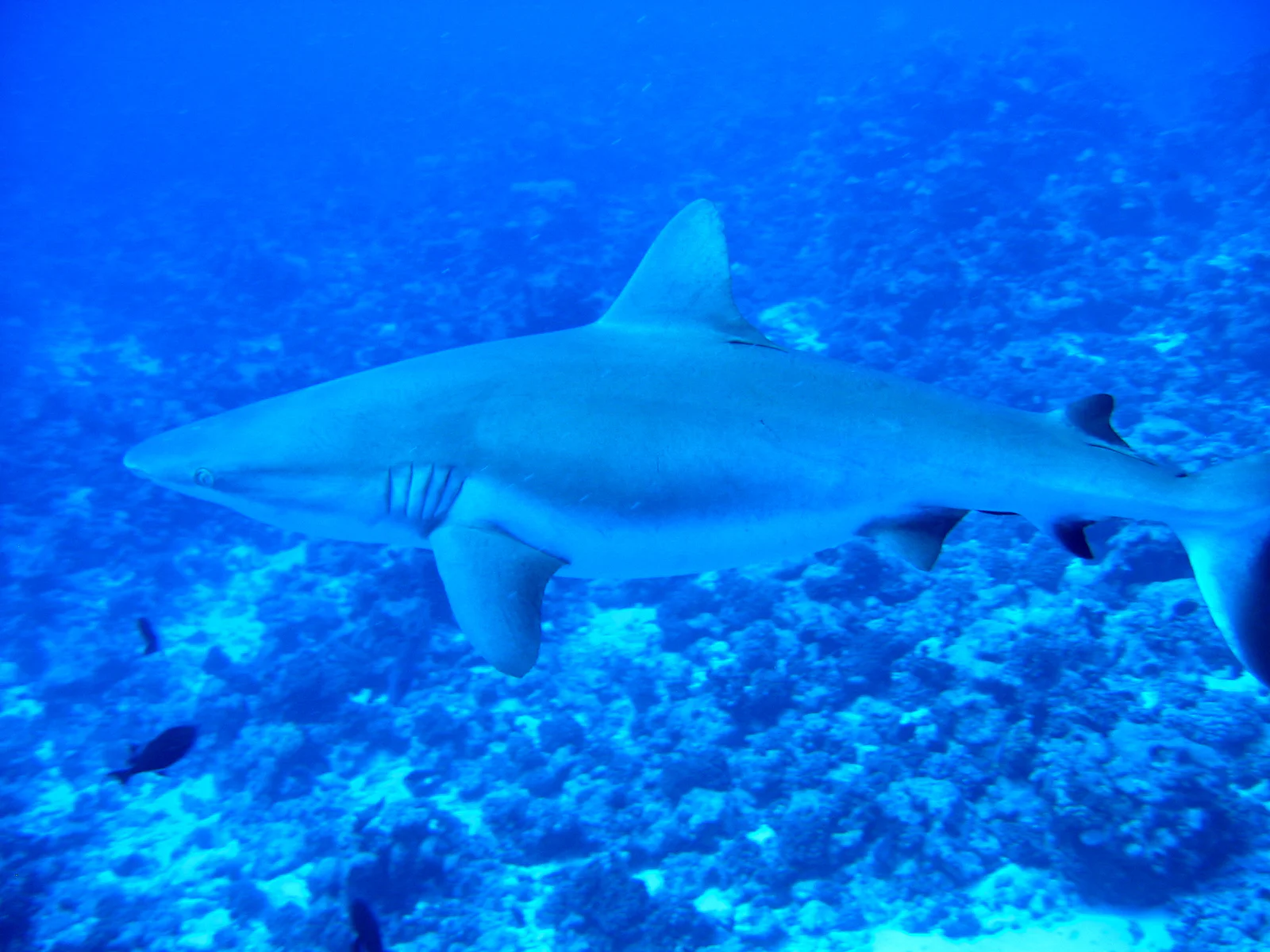
Grey Reef Shark
Carcharhinus amblyrhynchos
このサイトでの出現はまだ記録されていません
日付のある観察記録はありません。
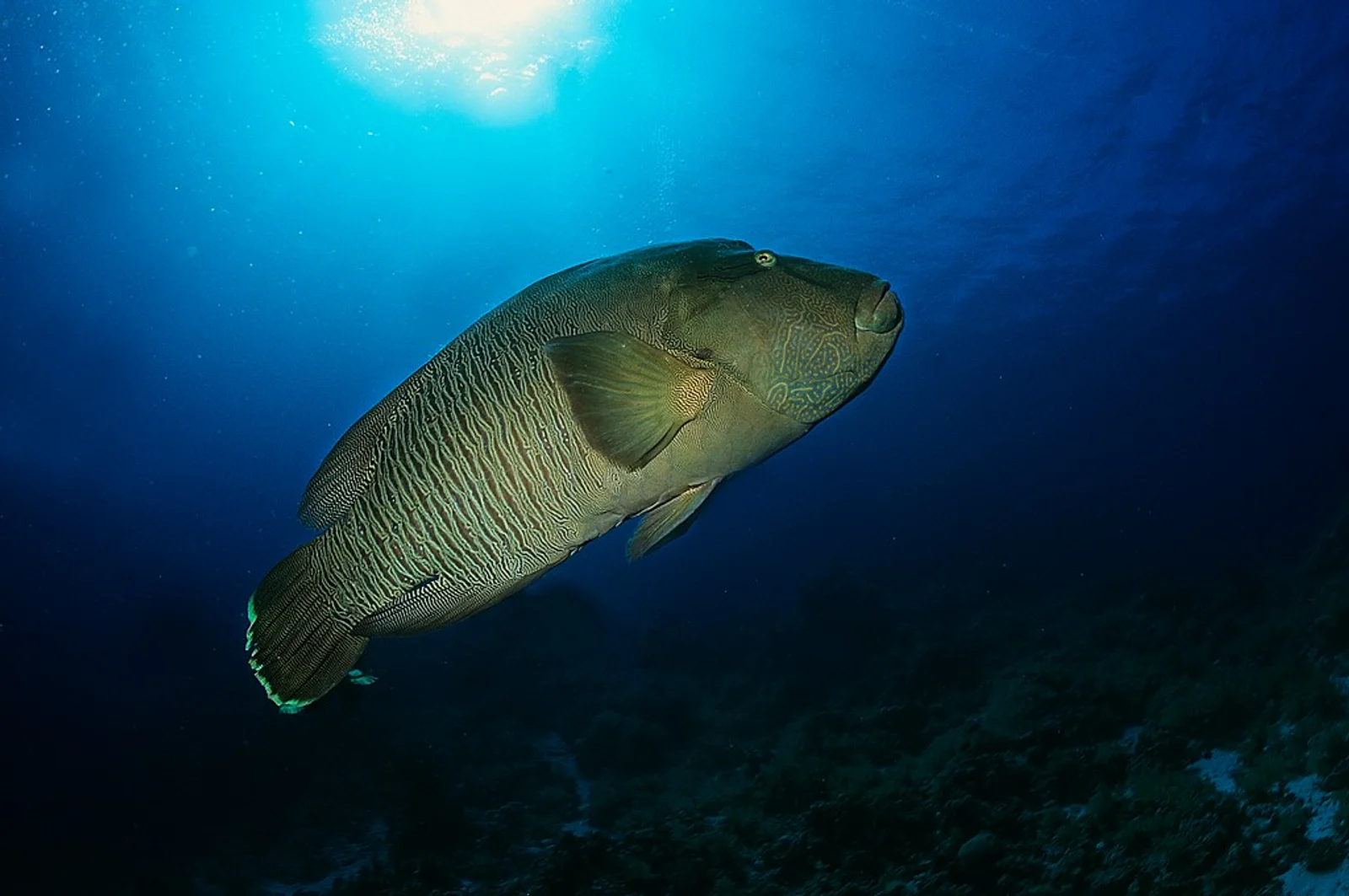
Humphead Wrasse (Napoleon)
Cheilinus undulatus
このサイトでの出現はまだ記録されていません
日付のある観察記録はありません。
危険と安全
このダイブサイトでの潜在的な危険に注意してください
Strong current
深刻度: 高Fully exposed plateau with unpredictable thermoclines and surface chop
Dangerous marine life
深刻度: 中Oceanic whitetips (Sep–Nov) regularly approach divers closely — maintain awareness
Decompression obligation
深刻度: 中Easy to creep into mandatory deco at the wall — monitor NDL carefully
認定が必要
最低 Advanced Open Water このダイブサイトを潜るには認定が必要です。
出典
出典はまだ記載されていません
このガイドにはまだ出典が追加されていません。情報が不完全または不正確な場合があります。現地のダイビング事業者に状況をご確認ください。
このダイブサイトをご存じですか?修正を提案する360°水中ビュー
このダイブサイトの没入型パノラマビュー
360°パノラマは近日公開
パノラマ画像がアップロードされると、没入型水中ビューが利用可能になります
レビュー
--
0 reviews
まだレビューはありません。あなたの体験を最初に共有しましょう!
水深プロファイル
このダイブサイトの垂直範囲
最小水深
20 m
最浅点
平均水深
30 m
典型的な潜水水深
最大水深
40 m
最深点
最新情報を受け取る
ダイビングスポットの最新情報とヒントをメールでお届けします。
Daedalus Reef (Abu el-Kizan)でダイビングしましたか?記録に残しましょう。
ログブックに追加し、目撃情報を共有して、0人のダイバーが次の潜水を計画するのを手伝いましょう。
最近のコミュニティ活動
これは役に立ちましたか?