 Advanced
Wreck
IJN Irako
Palawan
Advanced Open Water Certification RequiredBest Season: Nov – May
Difficulty
Technical
Difficulty level
Depth
92 ft
148 ft
Depth range
Access
Access not yet documented
Documented months
Nov
May
Visibility
33 ft
66 ft
Typical visibility
Current
Variable
Good buoyancy control advised
Temperature
81°F
86°F
Water temperature
About This Dive Site
Diving the IJN Irako: Coron's Deepest Jewel
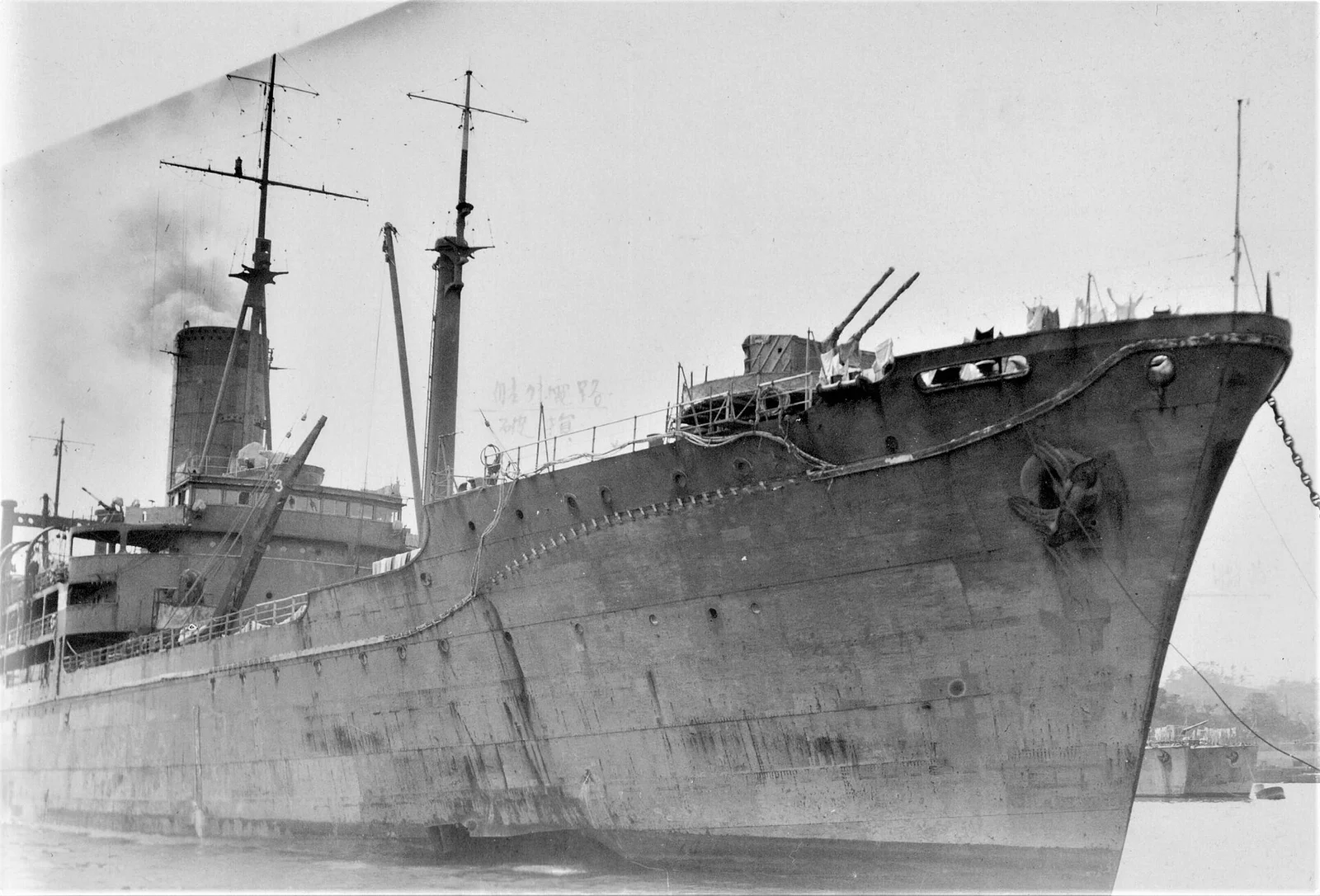
Prepare for an unforgettable journey into history as we explore the IJN Irako, widely regarded as the most impressive and intact of Coron's World War II wrecks. This formidable Imperial Japanese Navy refrigeration and food-supply ship, built to provision 25,000 men of the Combined Fleet for two weeks, met its fate on September 24, 1944. She was sunk by US Task Force 38 fighter-bombers at the mouth of Coron Bay, now resting as a magnificent artificial reef.
The Wreck Itself
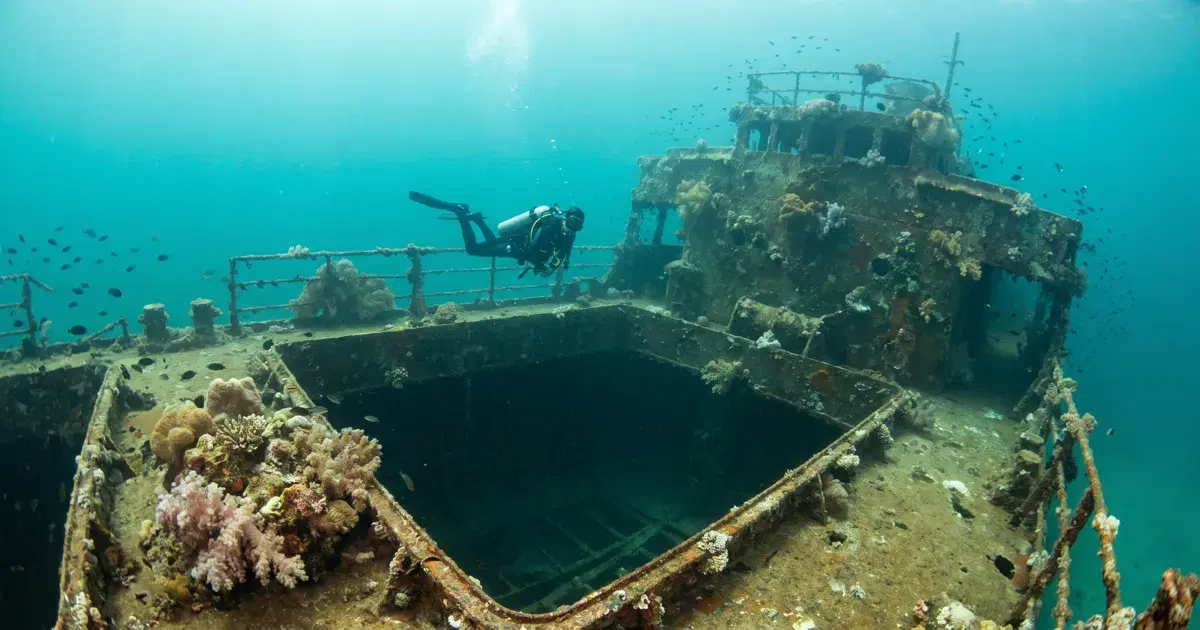
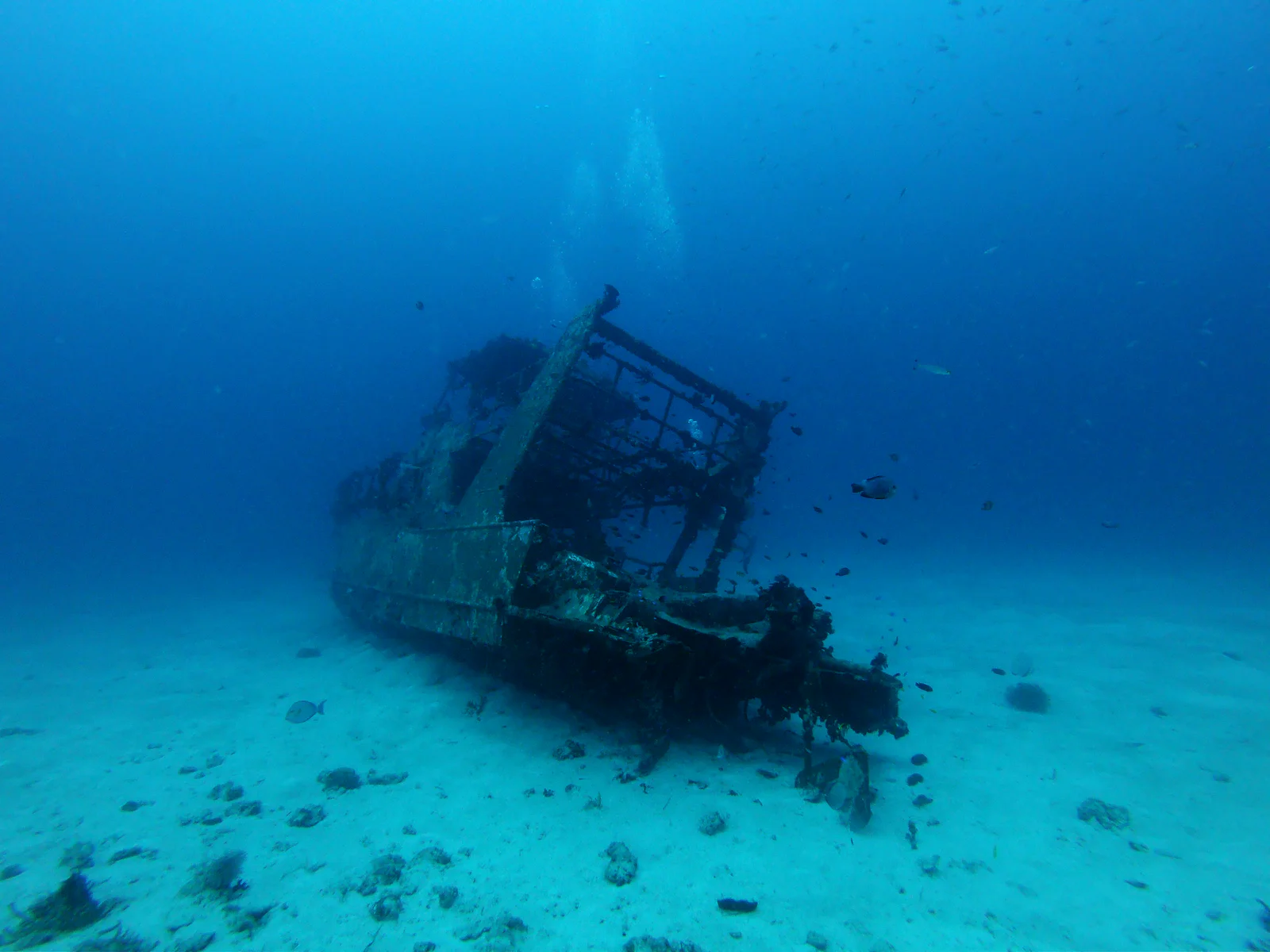
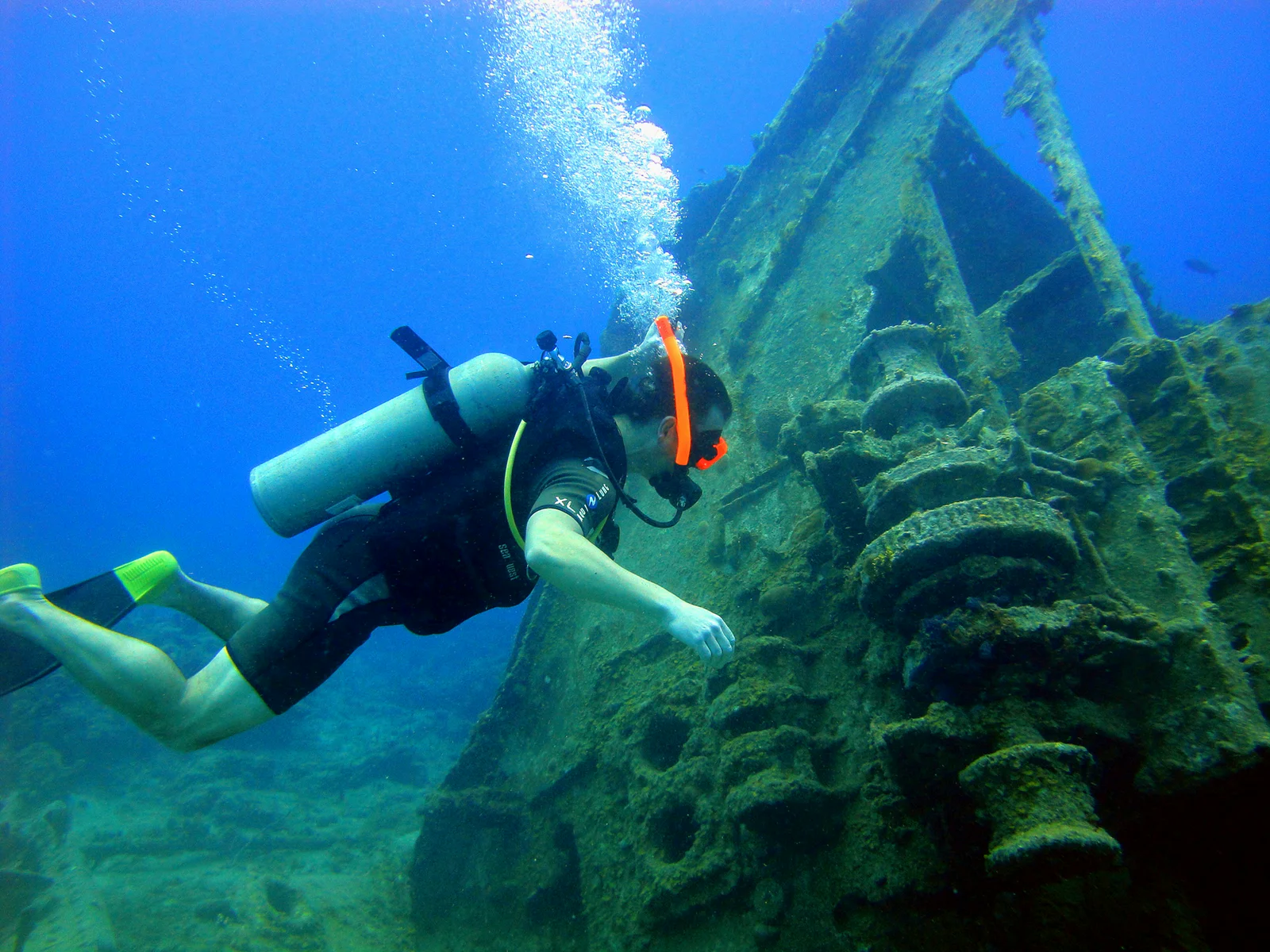
The IJN Irako is a colossal dive site, measuring approximately 145 to 147 meters in length with a 9,570-tonne displacement. She lies nearly upright on the seabed, exhibiting only a slight port list, making her structurally the most intact of the Coron wrecks, despite a direct hit to the bridge. Divers will find the main deck at a depth of 30 to 34 m, while the deepest parts of the wreck reach 42 to 45 m.
Diving Conditions and Marine Life
The water temperature at this dive site typically ranges from 27°C to 30°C year-round. Currents here can be variable, often strong, but these currents also bring a rich abundance of marine life to the wreck. Visibility generally ranges from 10 to 25 meters, with the best conditions typically found during the dry season from October to May.
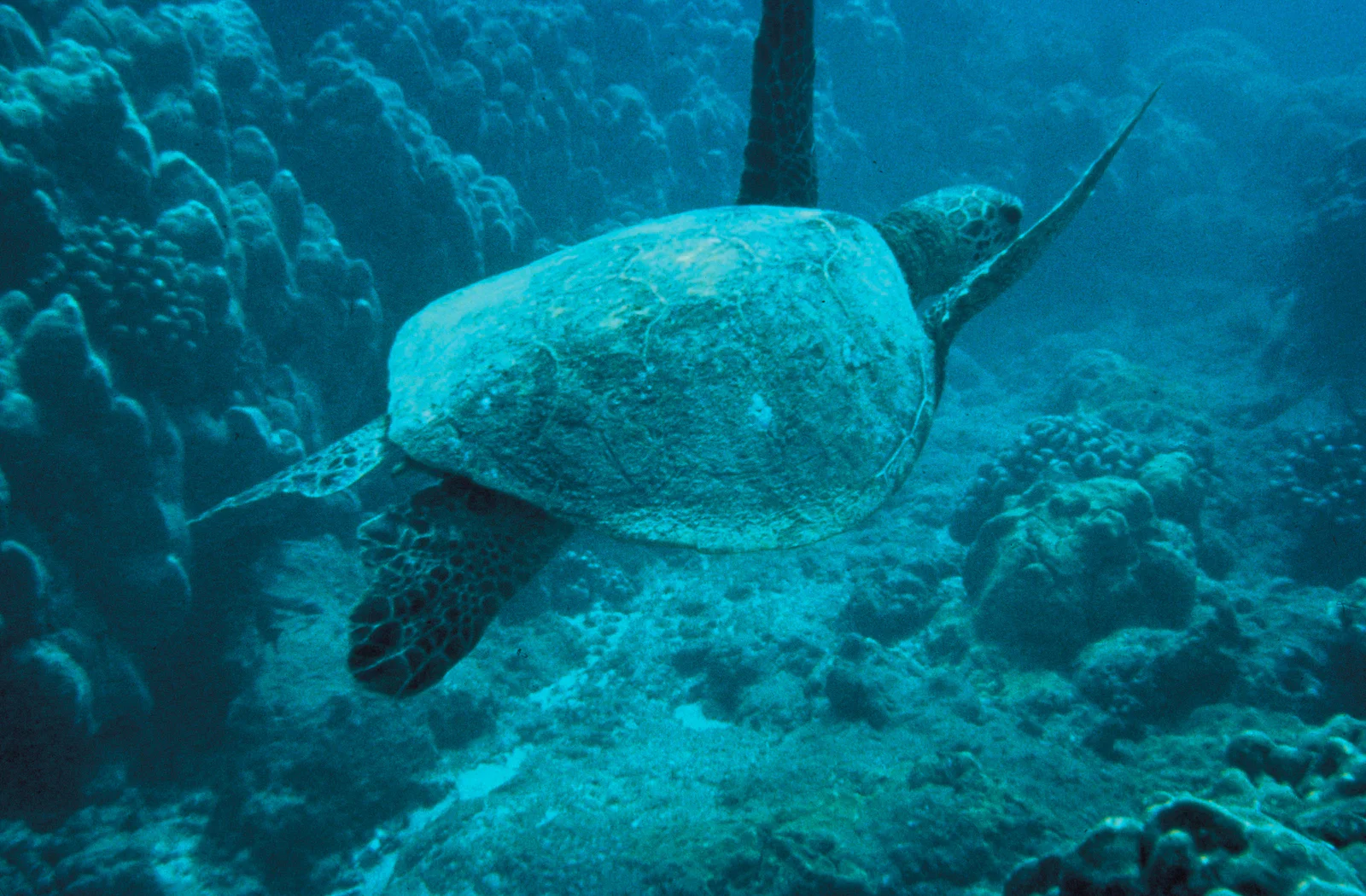
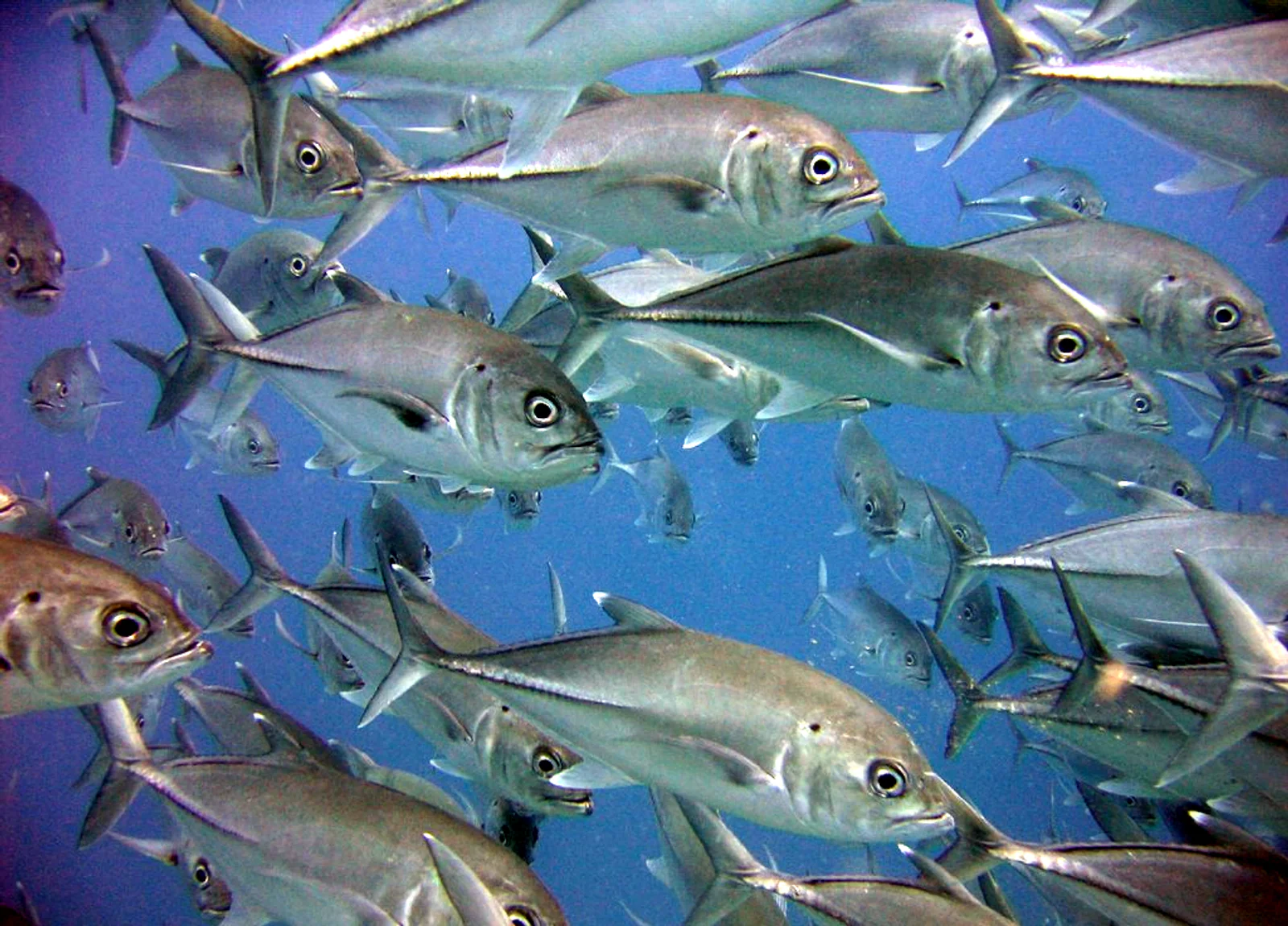
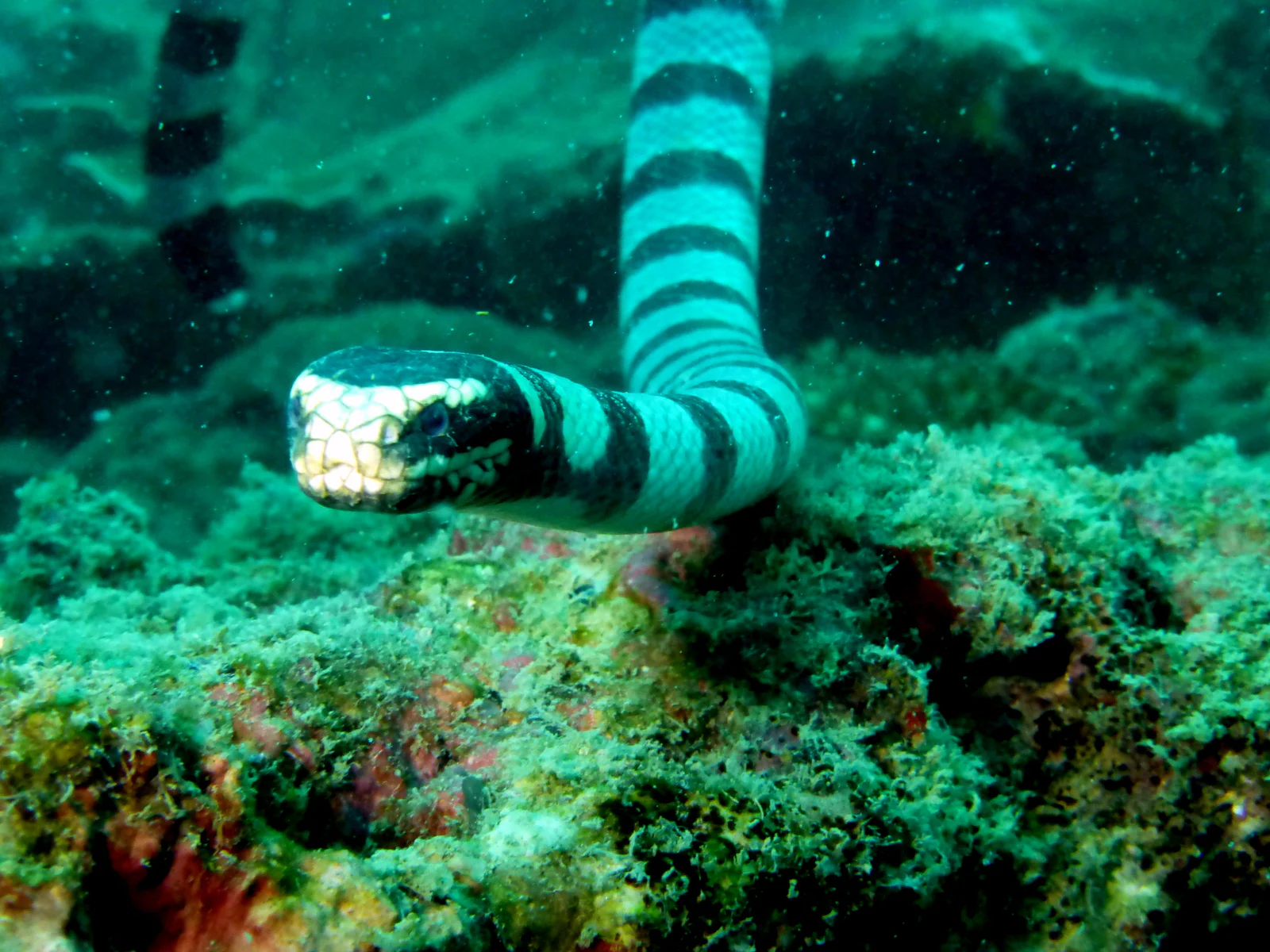
The IJN Irako has transformed into a vibrant artificial reef, teeming with biodiversity. Divers will encounter impressive schools of Bigeye Trevally (Caranx sexfasciatus) and often see Green Sea Turtles (Chelonia mydas) gracefully gliding by. Keep an eye out for large groupers, schools of tuna and yellowfin, barracuda, and batfish. Lionfish and scorpionfish are also commonly spotted in hidden corners, while snappers and nudibranchs add to the colorful tapestry of life on the wreck. The wreck's superstructure is beautifully adorned with both soft and hard corals, creating stunning photographic opportunities.
Difficulty, Certification, and Hazards
The IJN Irako is a technical dive site, often described by local divemasters as "Deep, Dark, and Dangerous" (DDD). We recommend a minimum of Advanced Open Water certification for this dive. However, due to the significant depth, overhead environment, and potential for decompression obligation, additional certifications such as Deep Diver and Wreck Diver Specialty are highly recommended, especially for those interested in penetrating the wreck. Technical diving courses are available in Coron for divers looking to further their skills for such challenging sites.
Perfect buoyancy control is crucial here, as the wreck can be silty, and stirring up sediment can quickly reduce visibility. Strong and variable currents are a common feature, requiring experienced handling. Utilizing Nitrox is highly advantageous to extend bottom time and manage decompression limits given the depth of the dive site.
Penetration Opportunities
For appropriately trained and equipped divers, the IJN Irako offers extensive penetration opportunities into its well-preserved interior. You can explore spacious cargo holds, the transmission room, laundry room, and even the galley, which still contains some kitchen accessories. The engine room is also penetrable, but this section should only be attempted by very experienced technical divers with the necessary equipment and training due to its depth and complexity. Divers can even explore the wheelhouse, where the huge steering wheel may still be seen.
Advanced Open Water
Current Conditions
Typical current strength at this dive site
Variable
Current strength changes with tides and conditions. Check local conditions before diving.
Strength Scale
None
Mild
Moderate
Strong
Best Time to Visit
Monthly conditions and seasonal highlights — tap a month
SepGood
Shoulder season with generally good conditions. Some variability in weather and visibility.
BestGoodLess FavorablePeak
Marine Life
2 species recorded at this site
Hazards & Safety
Be aware of these potential hazards at this dive site
Depth
HighDeck at 34 m, prop at 42 m — routine bottom times eat NDL fast on air
Overhead environment
HighEngine room, refrigeration holds and crew quarters require wreck training; passages narrower and darker than the other Coron wrecks
Decompression obligation
HighTypical Irako profile pushes mandatory deco — nitrox standard, deco-bailout planning required
Certification Required
A minimum of Advanced Open Water certification is required to dive this site.
360° Underwater View
Immersive panoramic view of this dive site
360° panorama coming soon
Immersive underwater views will be available when panoramic imagery is uploaded
Reviews
--
0 reviews
No reviews yet. Be the first to share your experience!
Related Dive Sites
Discover other dive sites in the area
Advanced Intermediate
 Intermediate
 Beginner
 Beginner
 BeginnerAdvancedIntermediateIntermediateBeginnerBeginnerBeginner
Depth Profile
Vertical range at this site
Minimum Depth
92 ft
Shallowest point
Average Depth
112 ft
Typical dive depth
Maximum Depth
148 ft
Deepest point
Nearby services
View all dive shops →Stay Updated
Get dive site updates and tips in your inbox.
Dived IJN Irako? Make it count.
Add it to your logbook, share your sightings, and help 0 divers plan their next descent.
Recent Community Activity
Was this helpful?