Reef · Shore
Manta Ray Night Dive (Garden Eel Cove)
About This Dive Site
Manta Ray Night Dive (Garden Eel Cove), Kona
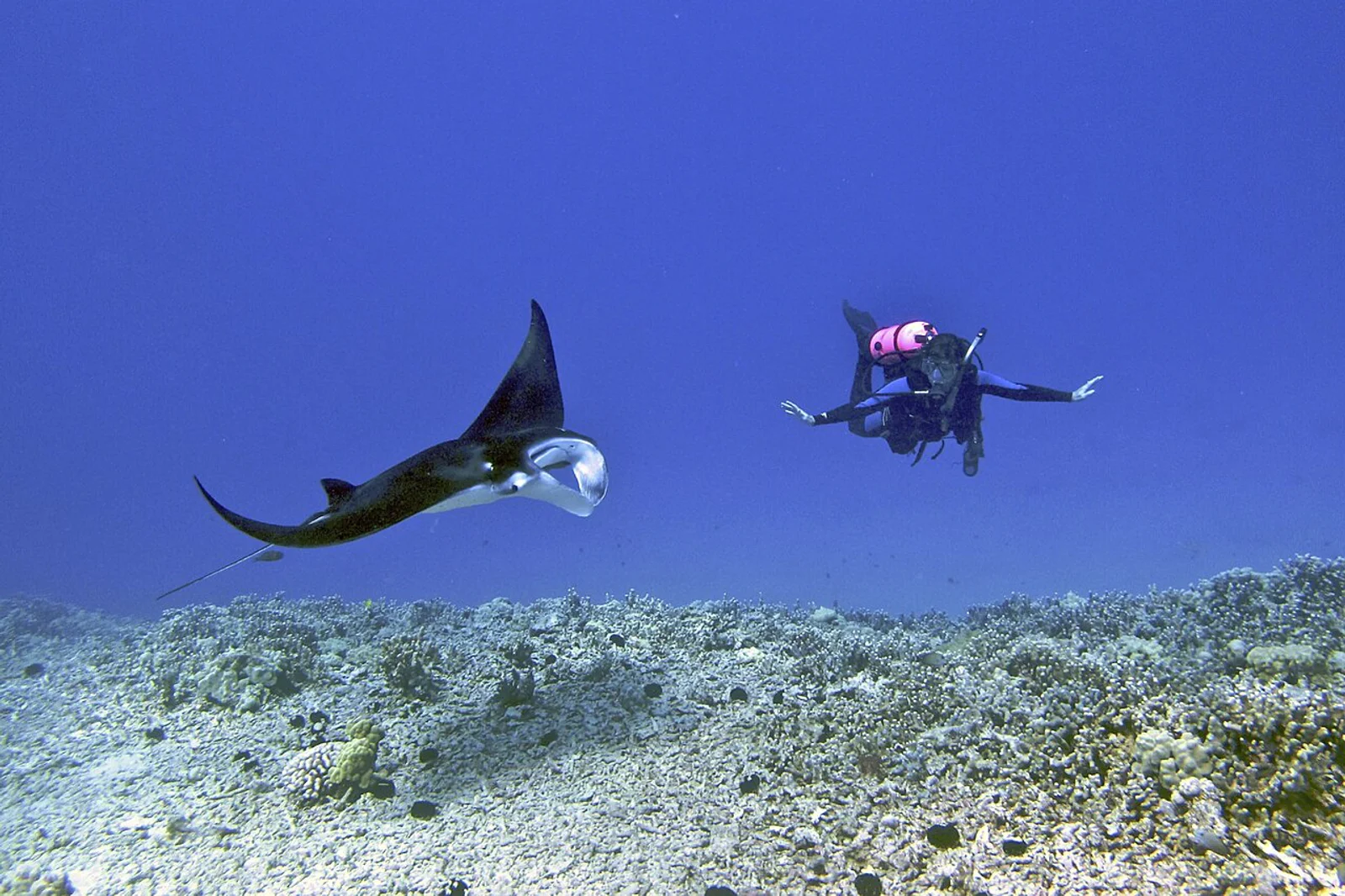
Prepare for one of the world's most extraordinary underwater spectacles at the Manta Ray Night Dive in Kona, often referred to as Manta Heaven by night and Garden Eel Cove by day. This unique dive site offers an unparalleled opportunity to witness the majestic reef manta rays (Mobula alfredi) in their natural feeding frenzy, performing an otherworldly ballet under the stars. Divers will find themselves immersed in a truly magical experience as these gentle giants glide and barrel-roll just inches above their heads.
Dive Site Features
- Difficulty: Beginner
- Depth: Divers will typically settle on a sandy bottom at a maximum depth of 8-12 m (approximately 25-40 feet), with the main action often occurring around an average depth of 10-12 m (33-40 feet).
- Current: Mild
- Water Temperature: The water temperature remains comfortably warm year-round, generally ranging between 24-28°C (76-82°F).
- Certification Required: Open Water
- Site Types: Reef, Shore
- Marine Life:
- Reef Manta Ray (Mobula alfredi): The undisputed stars of the show, these Hawaiian reef manta rays are the second-largest manta species globally, with average wingspans of 3-4 meters (10-14 feet), though some can reach up to 5.5 meters (18 feet). They are attracted to the concentrated plankton drawn by the dive lights.
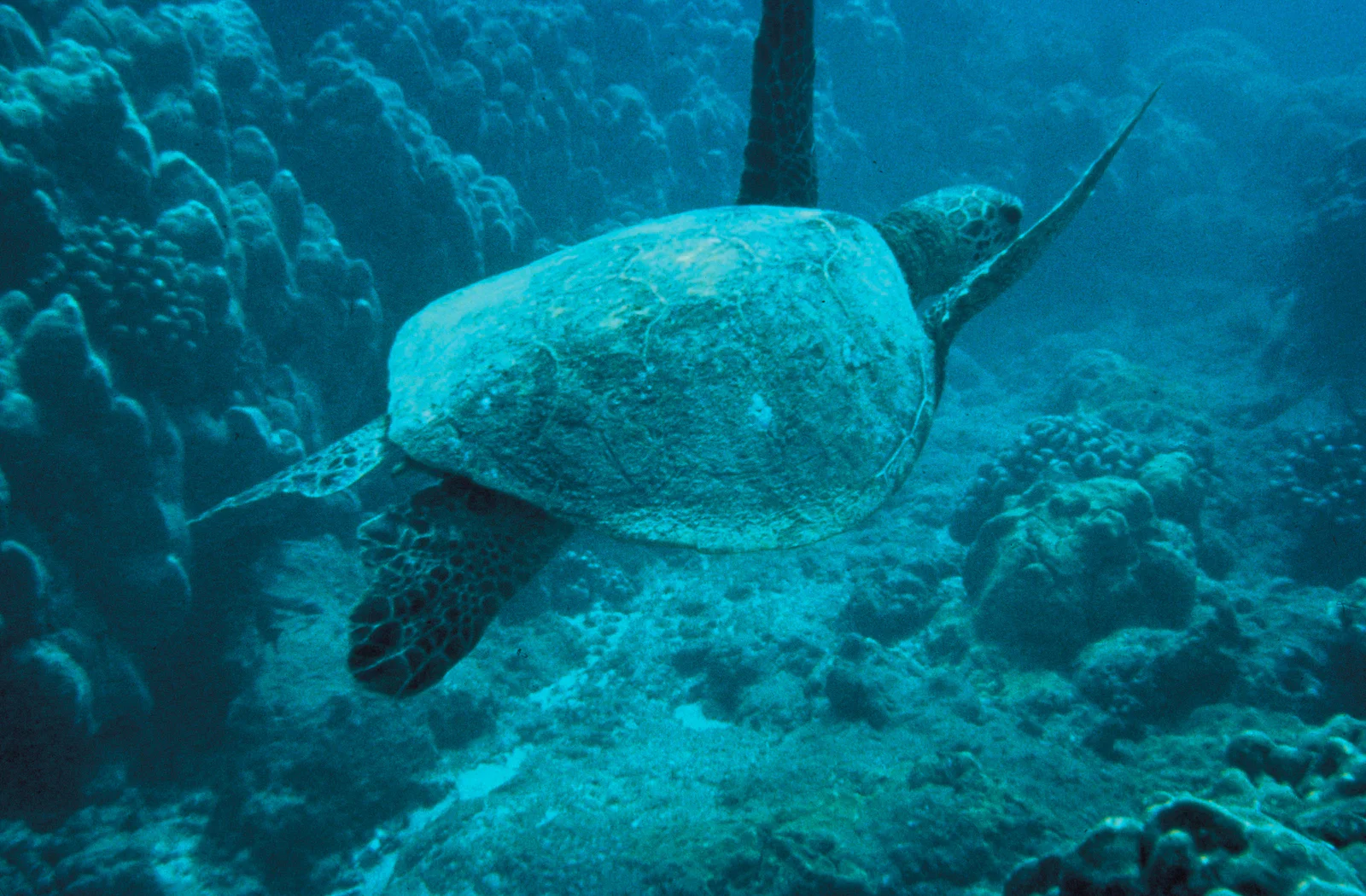
- Green Sea Turtle (Chelonia mydas): You may also encounter these graceful turtles.
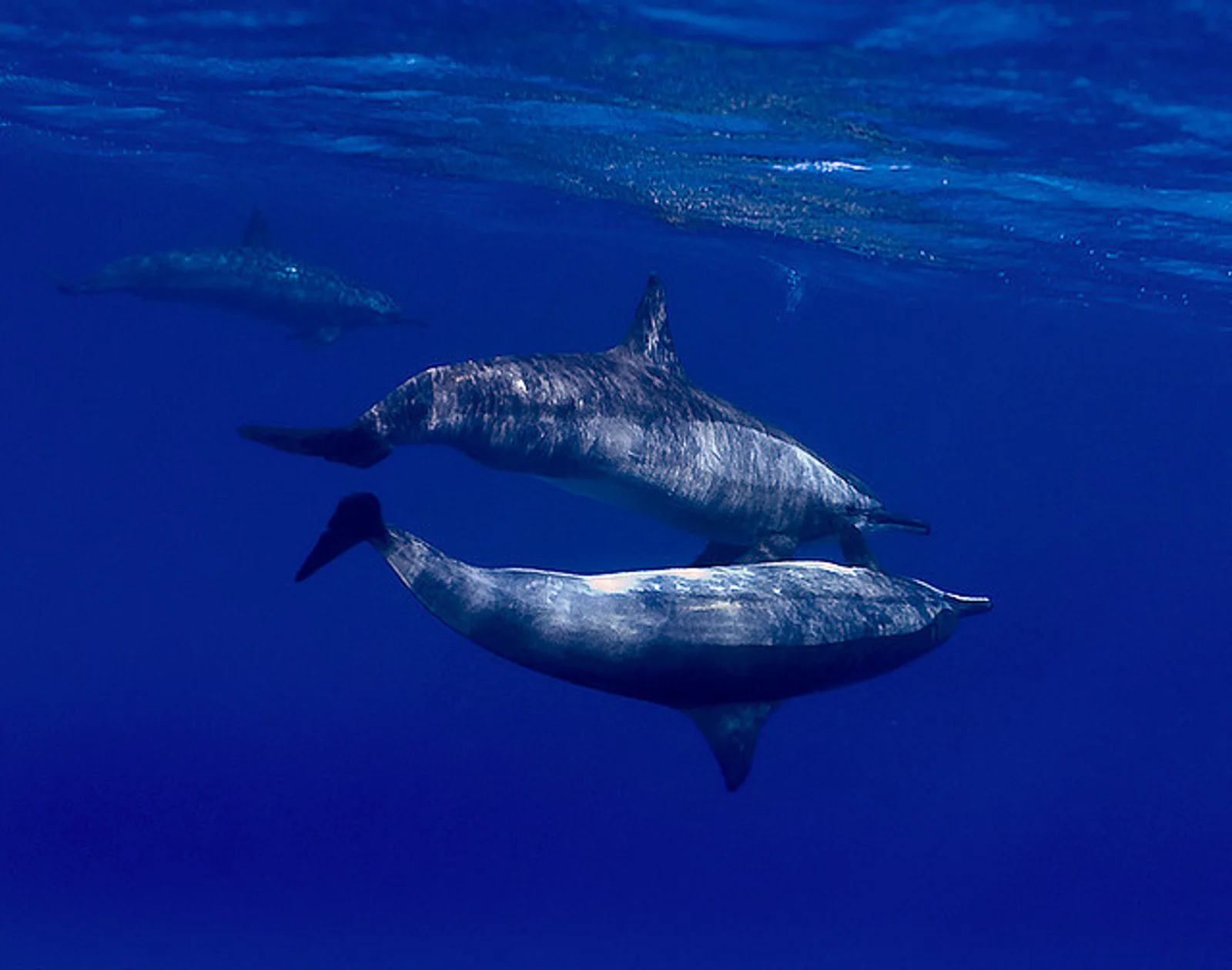
- Spinner Dolphin (Stenella longirostris): While primarily a night dive for mantas, divers might occasionally spot spinner dolphins, especially during the daytime, as they rest in shallow waters after their nocturnal hunts.
- Other marine life includes various reef fish like squirrelfish and schools of goatfish, and the namesake garden eels (Gorgasia hawaiiensis) that emerge from the sandy bottom during the day.
Diving Conditions and Safety
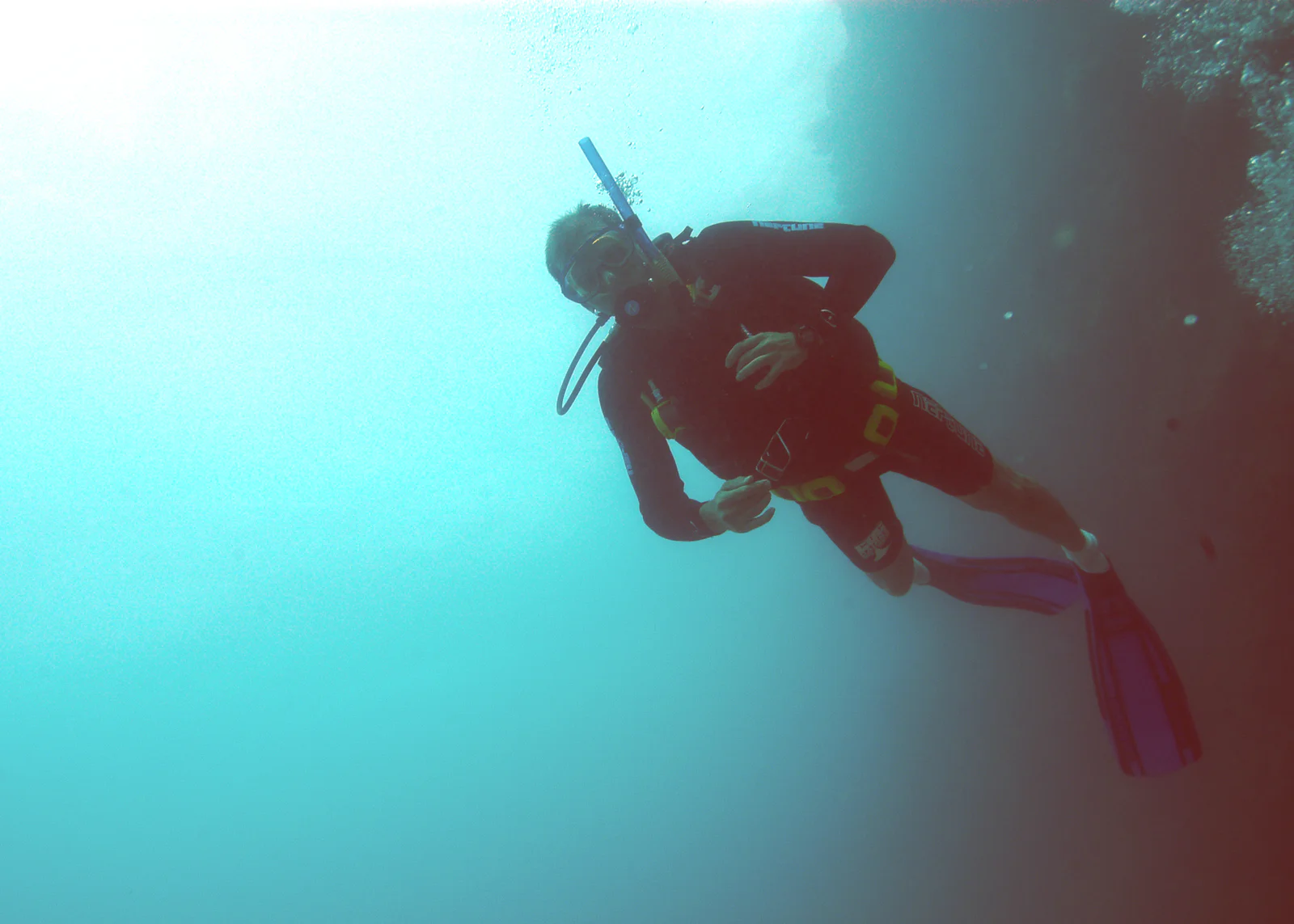
The Manta Ray Night Dive is renowned for its consistent manta encounters, boasting a high success rate for sightings. The dive typically involves descending to a sandy amphitheater where divers position themselves around a "campfire" of upward-pointing lights. These lights attract plankton, which in turn draws the reef manta rays in for their spectacular feeding passes.
While the dive is considered beginner-friendly, divers should be comfortable with night diving conditions. We recommend maintaining good buoyancy to avoid stirring up the sandy bottom, which can reduce visibility for everyone.
Hazards:
- Boat Traffic: Due to the popularity of this dive site, there can be significant boat traffic in the area, especially at night. Operators typically use lights on in-water persons and have procedures for safe entry and exit near vessels.
- Surge: While Kona's leeward coast generally offers calm conditions, occasional surge can occur.
- Crowding: On busy nights, the dive site can become crowded, which may affect visibility if divers are not mindful of their position and buoyancy.
- Marine Life Interaction: While manta rays are gentle and pose no threat, divers must adhere to strict guidelines not to touch them. Touching can remove their protective mucous layer, making them vulnerable to disease and parasites.
- Jellyfish: Depending on the moon phase, there might be an increased presence of box jellyfish, though guides are typically vigilant about these conditions.
We encourage all divers to listen carefully to their instructor's briefing, which will cover essential safety protocols and guidelines for interacting respectfully with the marine environment. This dive offers an unforgettable experience, providing a unique connection with the ocean's most graceful giants.
Current Conditions
Typical current strength at this dive site
Mild
Light current that is easy to swim against. Comfortable for most certified divers.
Strength Scale
None
Mild
Moderate
Strong
Best Time to Visit
Monthly conditions and seasonal highlights — tap a month
Peak diving season with optimal visibility, calm seas, and best marine life encounters.
Marine Life
3 species recorded at this site
Green Sea Turtle
Chelonia mydas
Site occurrence not yet documented
No dated observations available.
Reef Manta Ray
Mobula alfredi
Site occurrence not yet documented
No dated observations available.
Spinner Dolphin
Stenella longirostris
Site occurrence not yet documented
No dated observations available.
Hazards & Safety
Be aware of these potential hazards at this dive site
Boat traffic
MediumMultiple operators on station nightly — surface with lights and stay group-tight
Surge
LowAffected by large north-west swells (over 1.8 m)
Certification Required
A minimum of Open Water certification is required to dive this site.
360° Underwater View
Immersive panoramic view of this dive site
360° panorama coming soon
Immersive underwater views will be available when panoramic imagery is uploaded
Reviews
--
0 reviews
No reviews yet. Be the first to share your experience!
Depth Profile
Vertical range at this site
Minimum Depth
33 ft
Shallowest point
Average Depth
36 ft
Typical dive depth
Maximum Depth
46 ft
Deepest point
Nearby services
View all dive shops →Stay Updated
Get dive site updates and tips in your inbox.
Dived Manta Ray Night Dive (Garden Eel Cove)? Make it count.
Add it to your logbook, share your sightings, and help 0 divers plan their next descent.
Recent Community Activity
Was this helpful?