 Advanced
Reef · Pinnacle · Drift · Coral-garden
Tatawa Kecil
East Nusa Tenggara
Advanced Open Water Certification RequiredBest Season: Apr – Nov
Difficulty
Advanced
Difficulty level
Depth
16 ft
98 ft
Depth range
Access
Access not yet documented
Documented months
Apr
Nov
Visibility
49 ft
98 ft
Typical visibility
Current
Strong
Good buoyancy control advised
Temperature
81°F
82°F
Water temperature
About This Dive Site
Tatawa Kecil: A Thrilling Drift in Komodo National Park
Prepare for one of the wildest rides in central Komodo at Tatawa Kecil, a world-class dive site located in the Linta Strait between Komodo Island and Rinca Island. This exhilarating dive site is renowned for its strong, often complex currents, making it an advanced experience that promises incredible rewards for seasoned divers.
Diving Conditions and Topography
- Difficulty: Advanced
- Certification Required: Advanced Open Water certification is essential to safely navigate the challenging conditions here.
- Depth: Divers will explore depths ranging from approximately 8 m to a maximum depth of 30 m. While the site extends deeper, the vibrant marine life and stunning topography are easily enjoyed within recreational limits.
- Current: Tatawa Kecil is famous for its strong to very strong currents, including potential split-currents and downcurrents. We recommend timing your dive perfectly with slack tide for the most manageable and rewarding experience.
- Water Temperature: Divers can expect comfortable water temperatures, typically ranging between 26-28°C, though they can reach 29°C during the wet season.
- Visibility: Visibility at Tatawa Kecil is generally excellent, often ranging from 12 to 25 meters, with superior clarity during the dry season.
- Site Types: This dynamic dive site offers a mix of reef, pinnacle, drift, and coral garden diving.
- Topography: Below the surface, divers will find a mesmerizing landscape of captivating rock formations, enormous boulders, canyons, and swim-throughs. The site features a sloping wall on one side and a rugged reef on the other, creating a diverse environment. Some even describe venturing into the deeper northwestern quadrant as navigating an "underwater city" with bommies acting as skyscrapers.
- Hazards: Due to the very strong currents, including potential downcurrents and washing-machine surges, and the presence of overhead environments within some formations, careful planning and adherence to instructor guidance are paramount.
Marine Life Encounters
Tatawa Kecil boasts an exceptional variety of marine life, thriving in its nutrient-rich waters. Divers will be immersed in a vibrant ecosystem, often described as a "sensory overload" of activity.
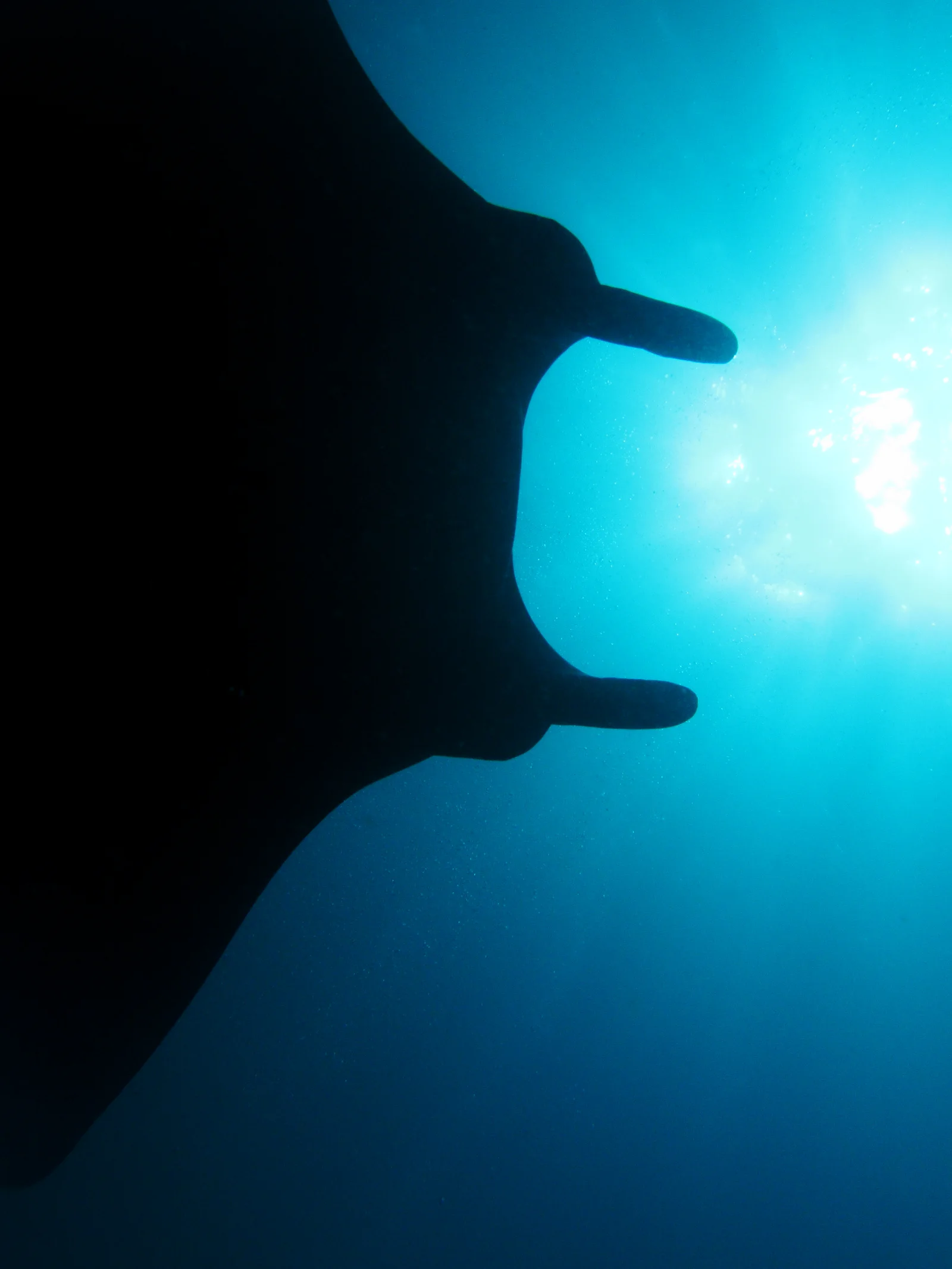
- Pelagic Action: Keep your eyes peeled for impressive pelagic species such as Giant Trevally, Whitetip Reef Sharks, and Grey Reef Sharks patrolling the deeper edges and eddies. We frequently encounter Spotted Eagle Rays gliding gracefully by, and the occasional Reef Manta Ray, with the northern coral garden being a known hotspot for sightings. Large schools of Dogtooth Tuna, Barracuda, and Batfish are also common.
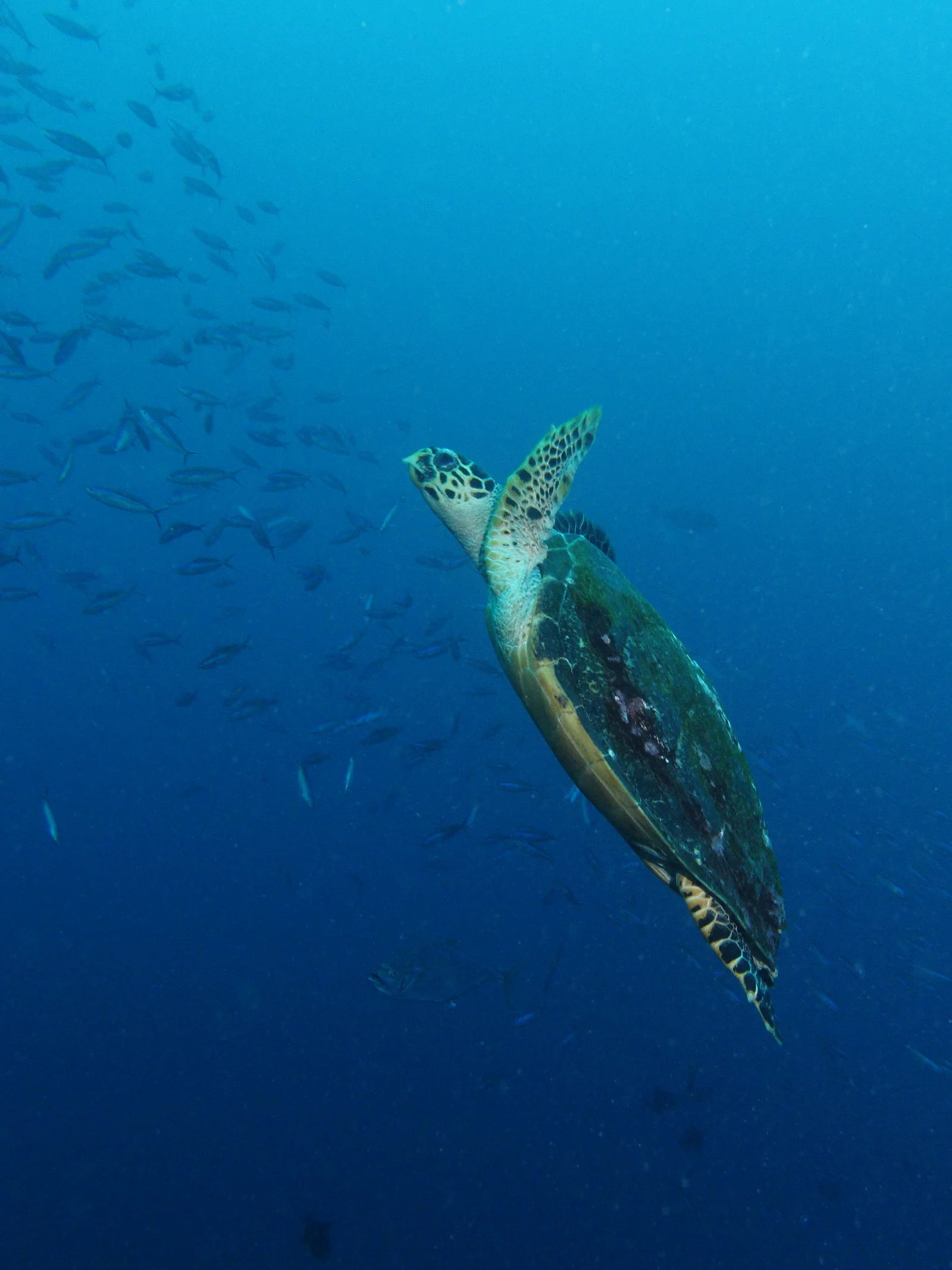
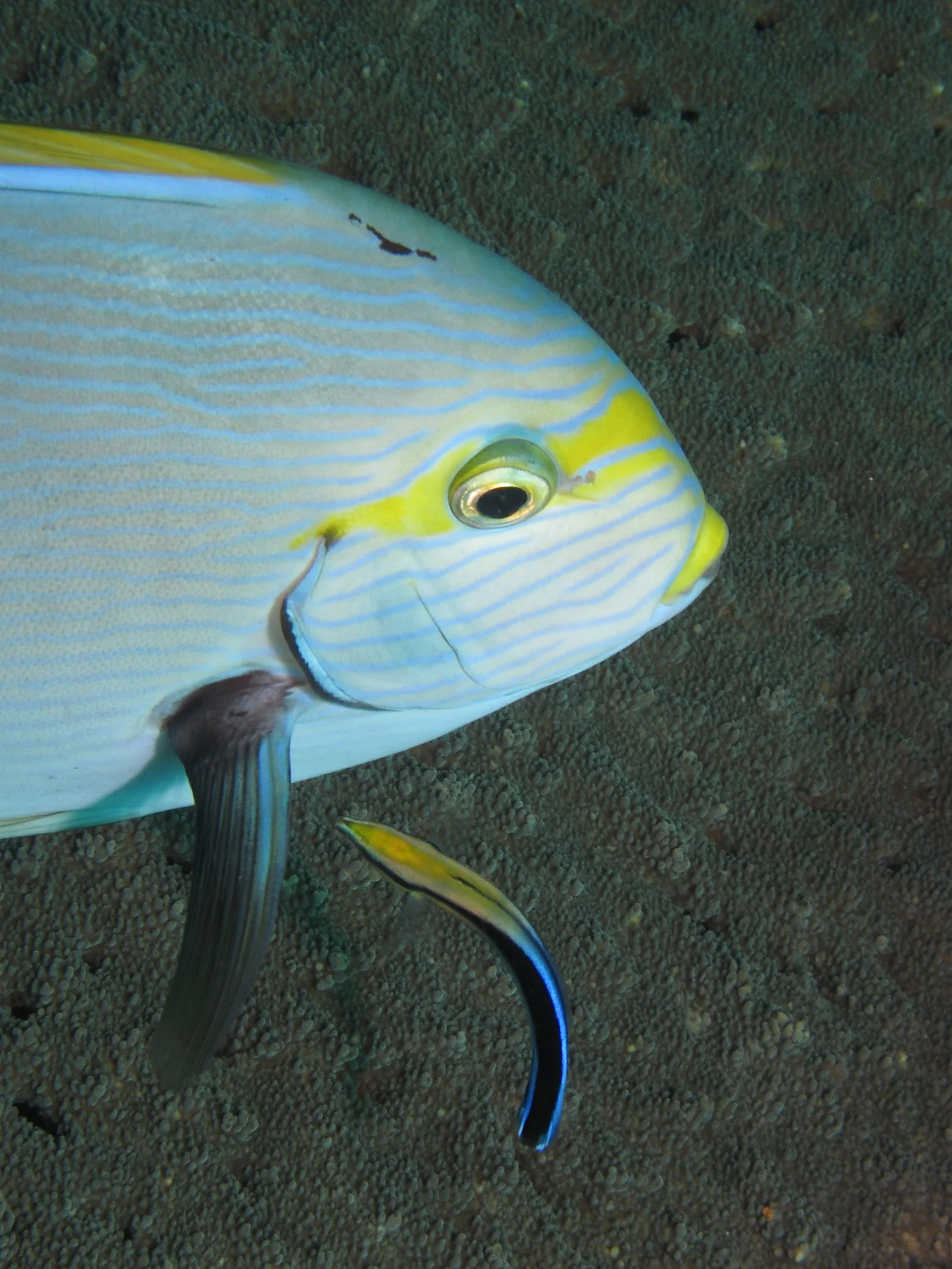
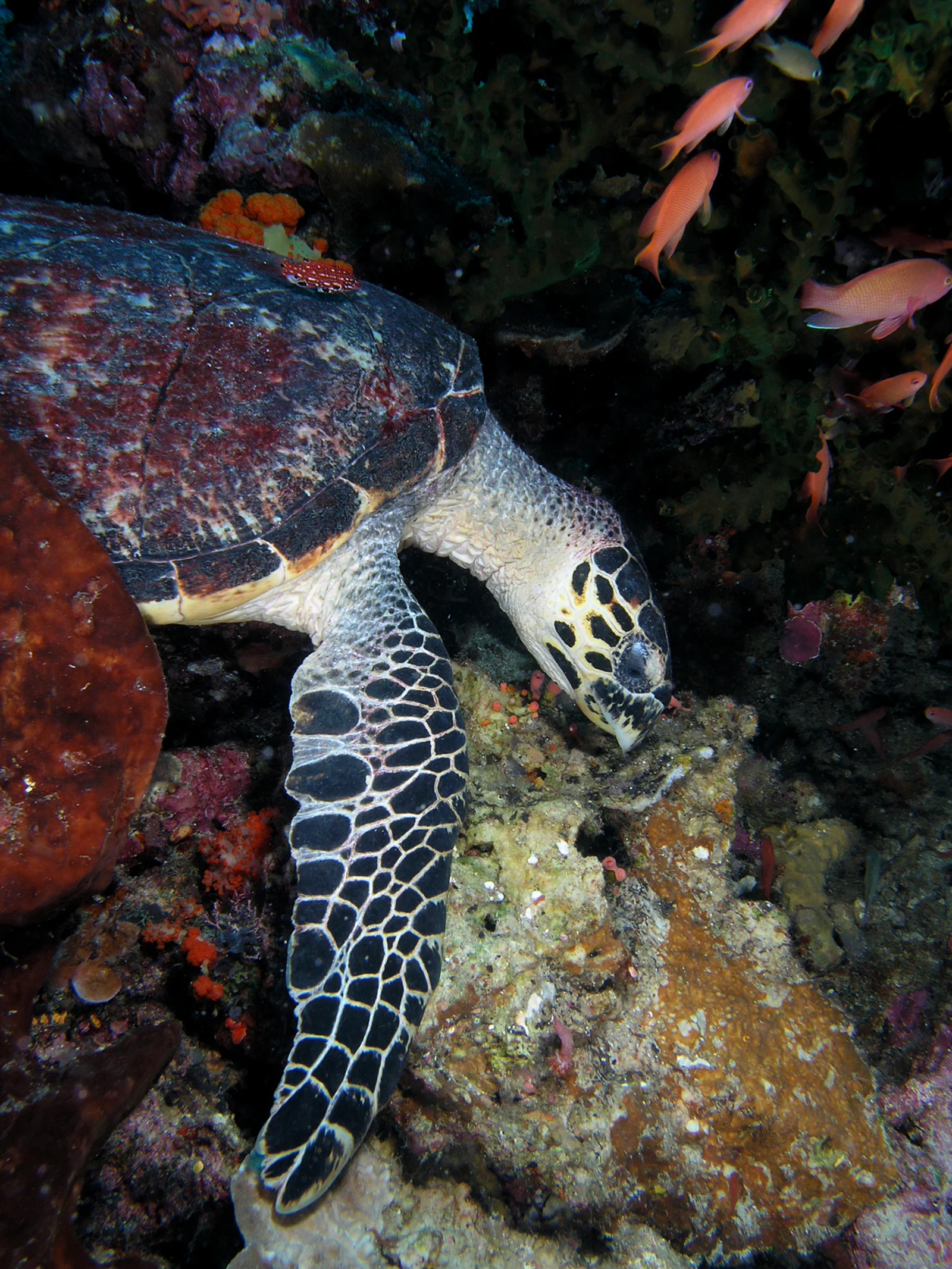
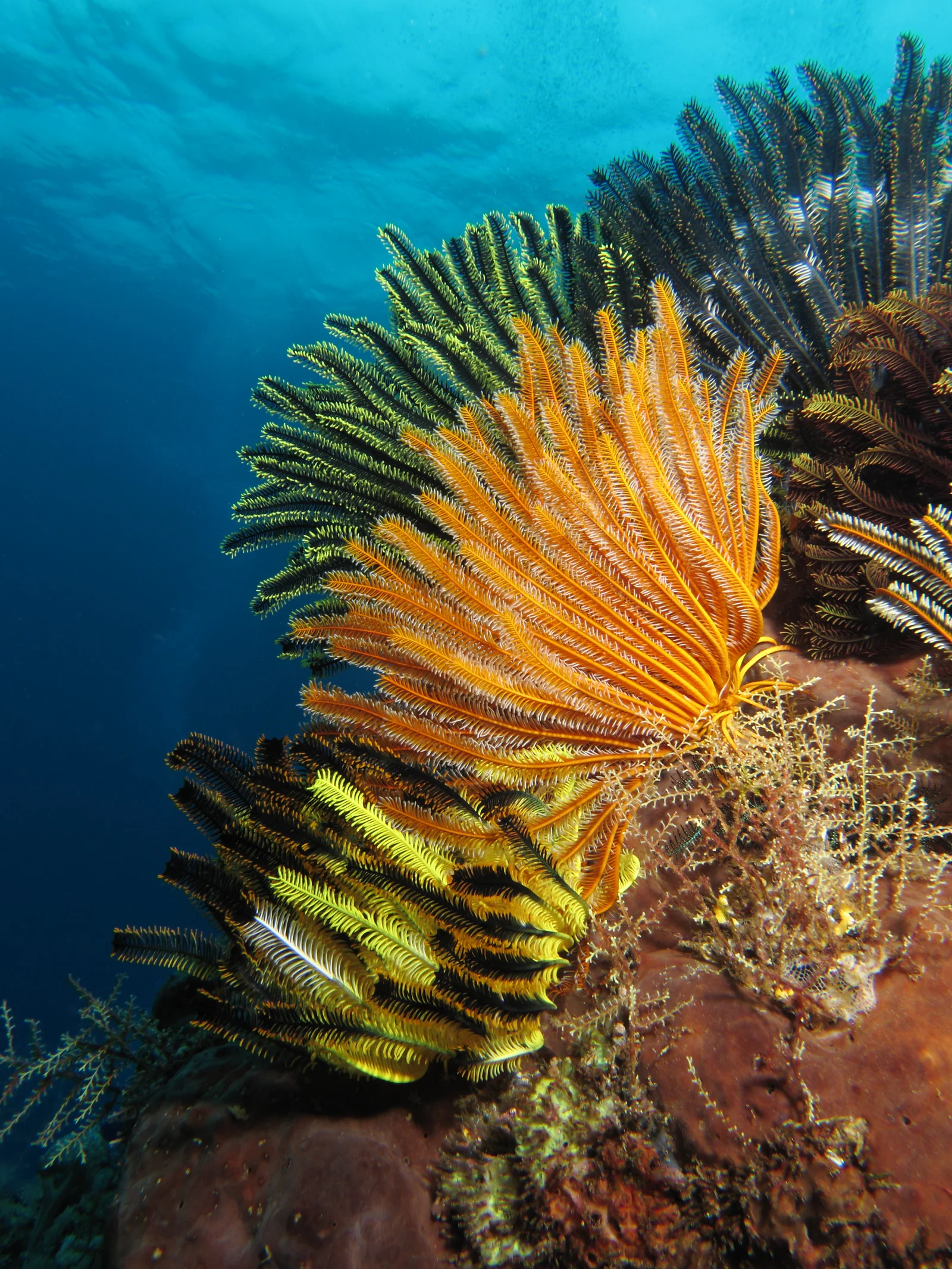
- Reef Inhabitants: The reef itself is a spectacle, upholstered in healthy hard and soft corals and teeming with life. Divers will find "blizzards" of orange Sea Goldie (anthias), large schools of Bumphead Parrotfish bulldozing the plateau, and busy cleaning stations where Oriental Sweetlips gather. Other common sightings include Napoleon Wrasse, Hawksbill Turtles, and various species of Fusiliers.
- Macro Life & Other Creatures: For those who take a moment to look closely, the coral ridges and ledges reveal smaller wonders such as Moray Eels, Lionfish, Scorpionfish, and a variety of Nudibranchs and small invertebrates. Lucky divers might even spot a Banded Sea Krait or, if fortune smiles, a rare Dugong.
Best Time to Dive
While Tatawa Kecil can be dived year-round, the optimal period is generally from April to November (the dry season), offering superior visibility and more predictable current patterns.
Advanced Open Water
Current Conditions
Typical current strength at this dive site
Strong
Powerful current. Advanced certification and drift dive experience required. Follow guide instructions.
Strength Scale
None
Mild
Moderate
Strong
Best Time to Visit
Monthly conditions and seasonal highlights — tap a month
SepBest
Peak diving season with optimal visibility, calm seas, and best marine life encounters.
BestGoodLess FavorablePeak
Marine Life
10 species recorded at this site
Common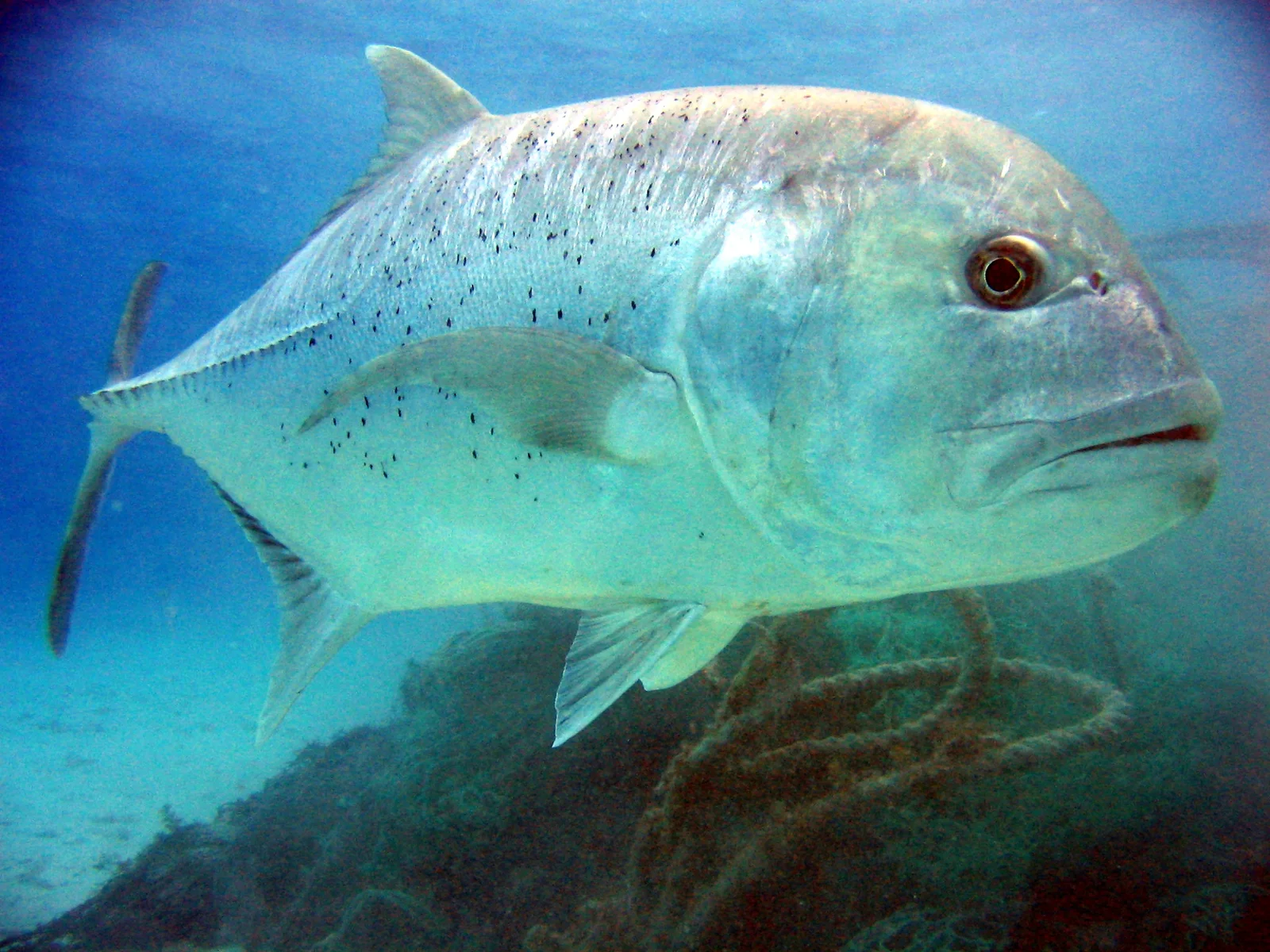
Giant Trevally
Caranx ignobilis
Site occurrence not yet documented
No dated observations available.
Common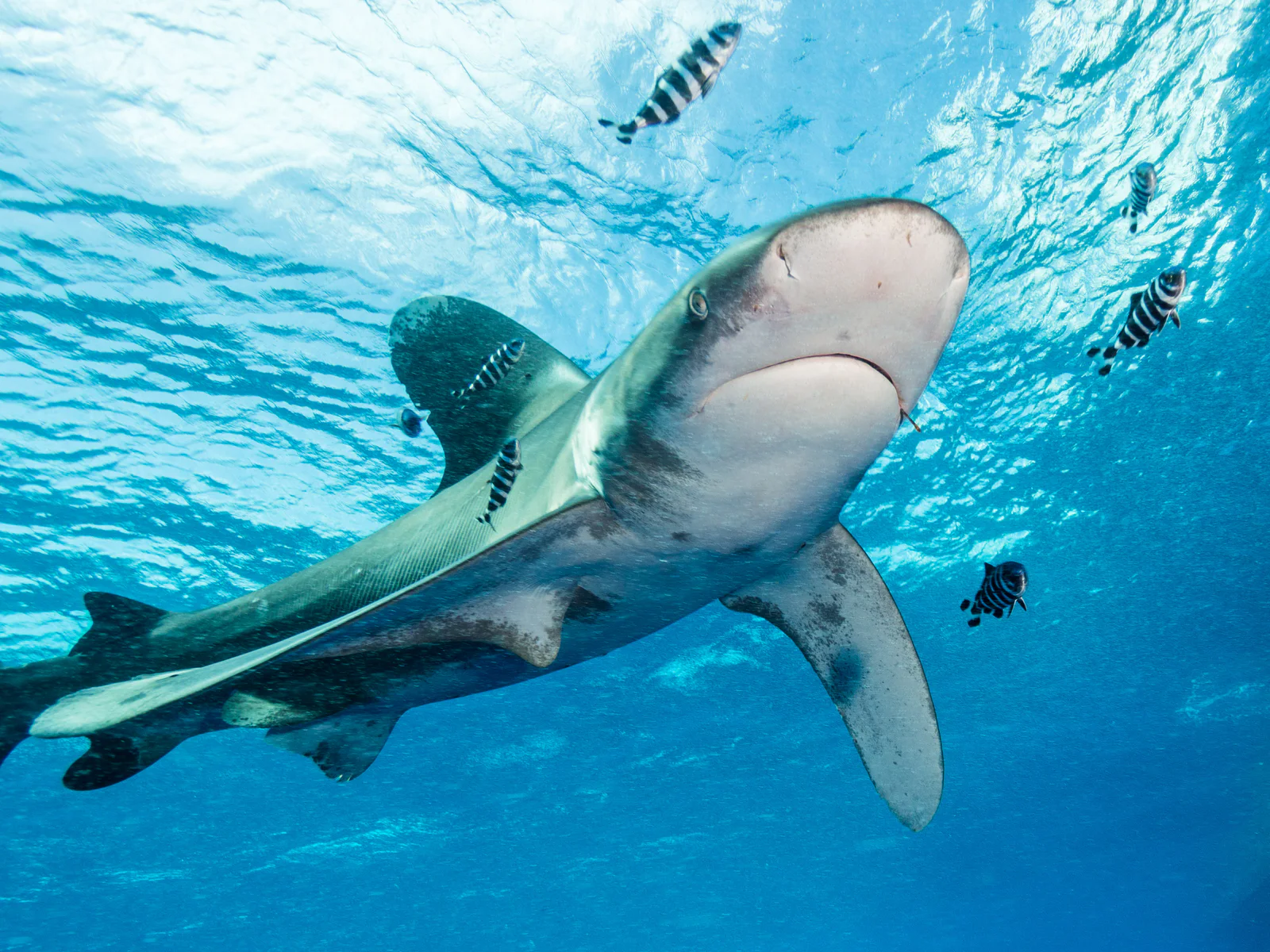
Whitetip Reef Shark
Triaenodon obesus
Site occurrence not yet documented
No dated observations available.
Occasional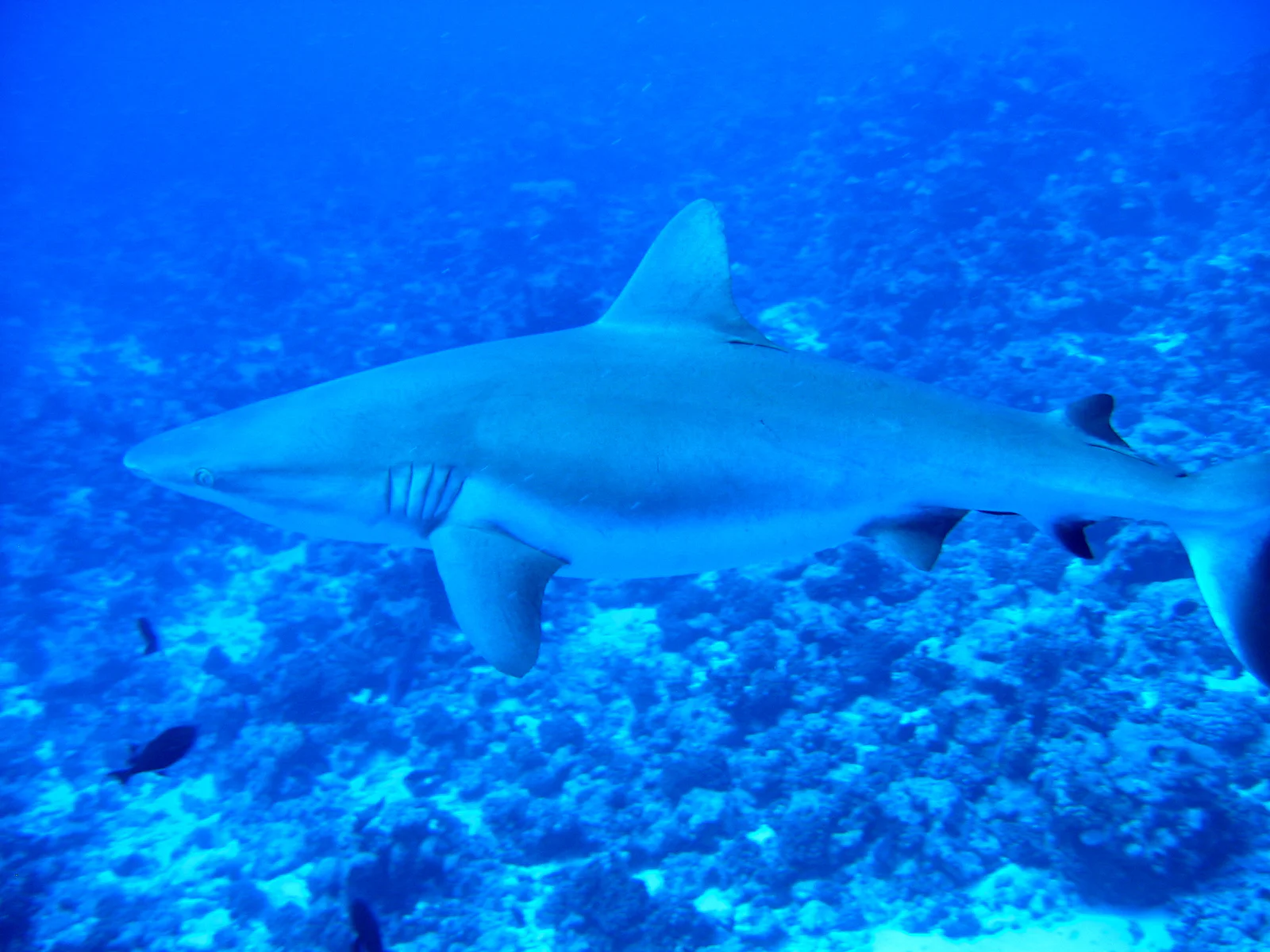
Grey Reef Shark
Carcharhinus amblyrhynchos
Site occurrence not yet documented
No dated observations available.
Abundant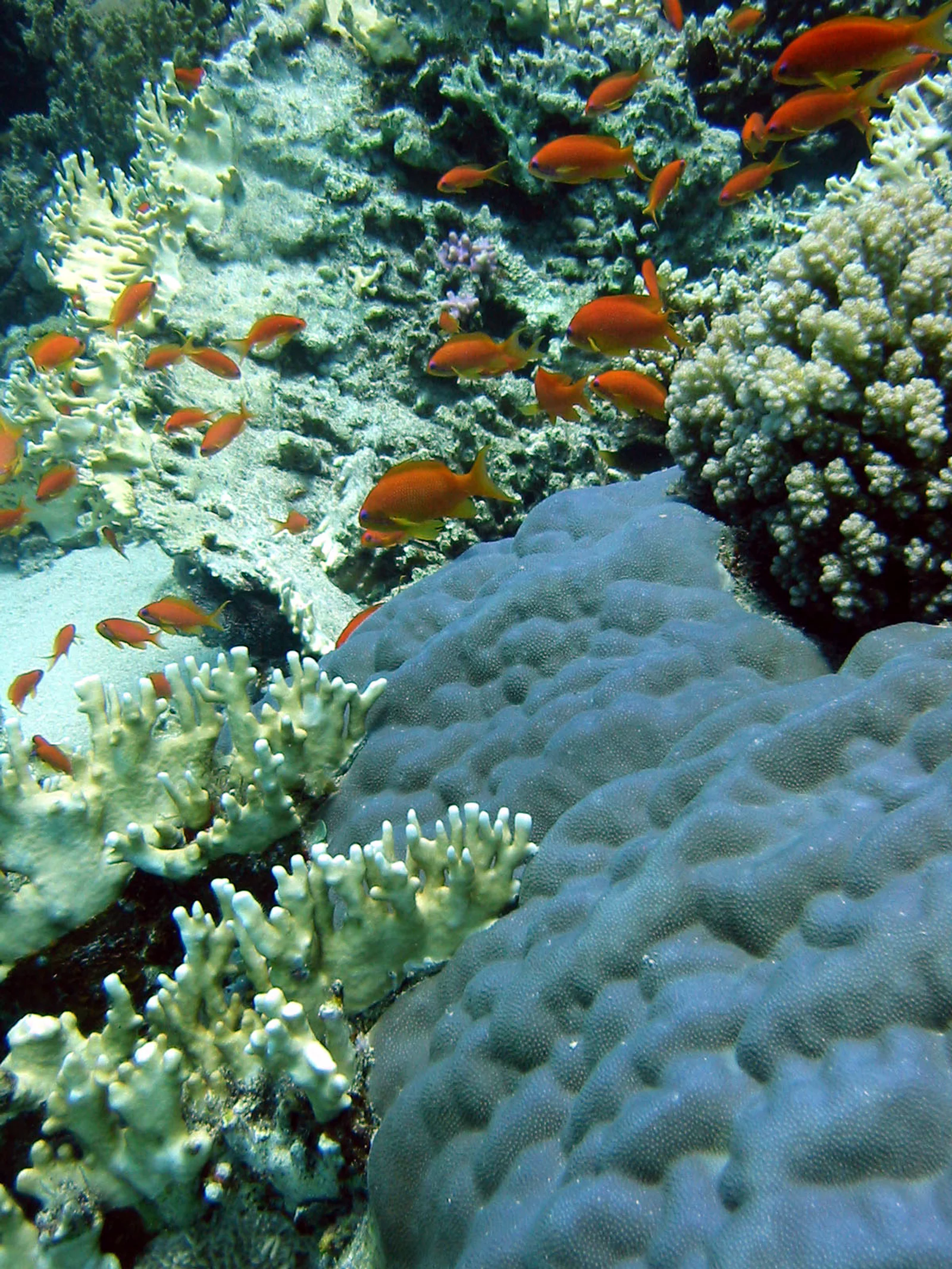
Sea Goldie (anthias)
Pseudanthias squamipinnis
Site occurrence not yet documented
No dated observations available.
Occasional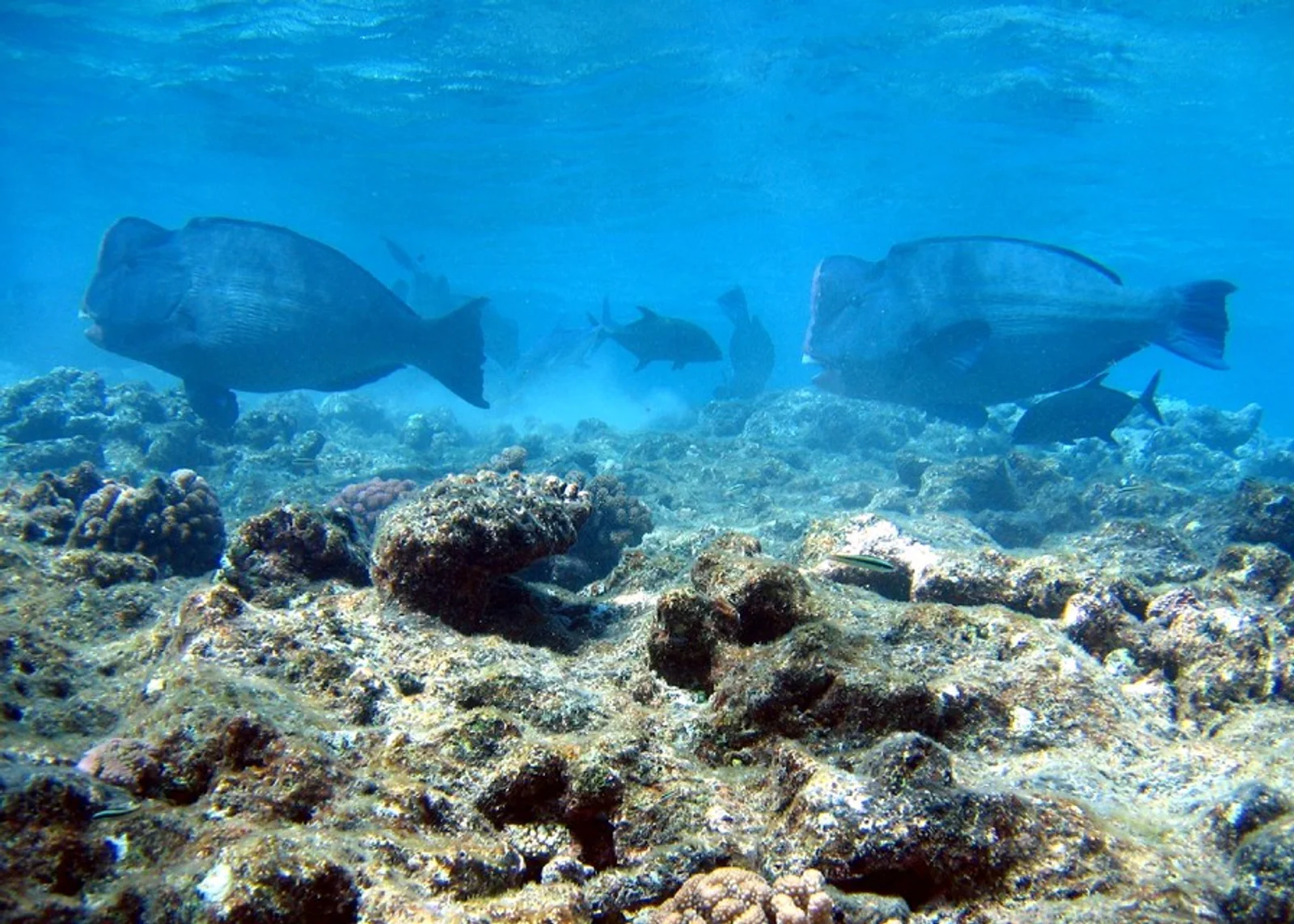
Bumphead Parrotfish
Bolbometopon muricatum
Site occurrence not yet documented
No dated observations available.
Occasional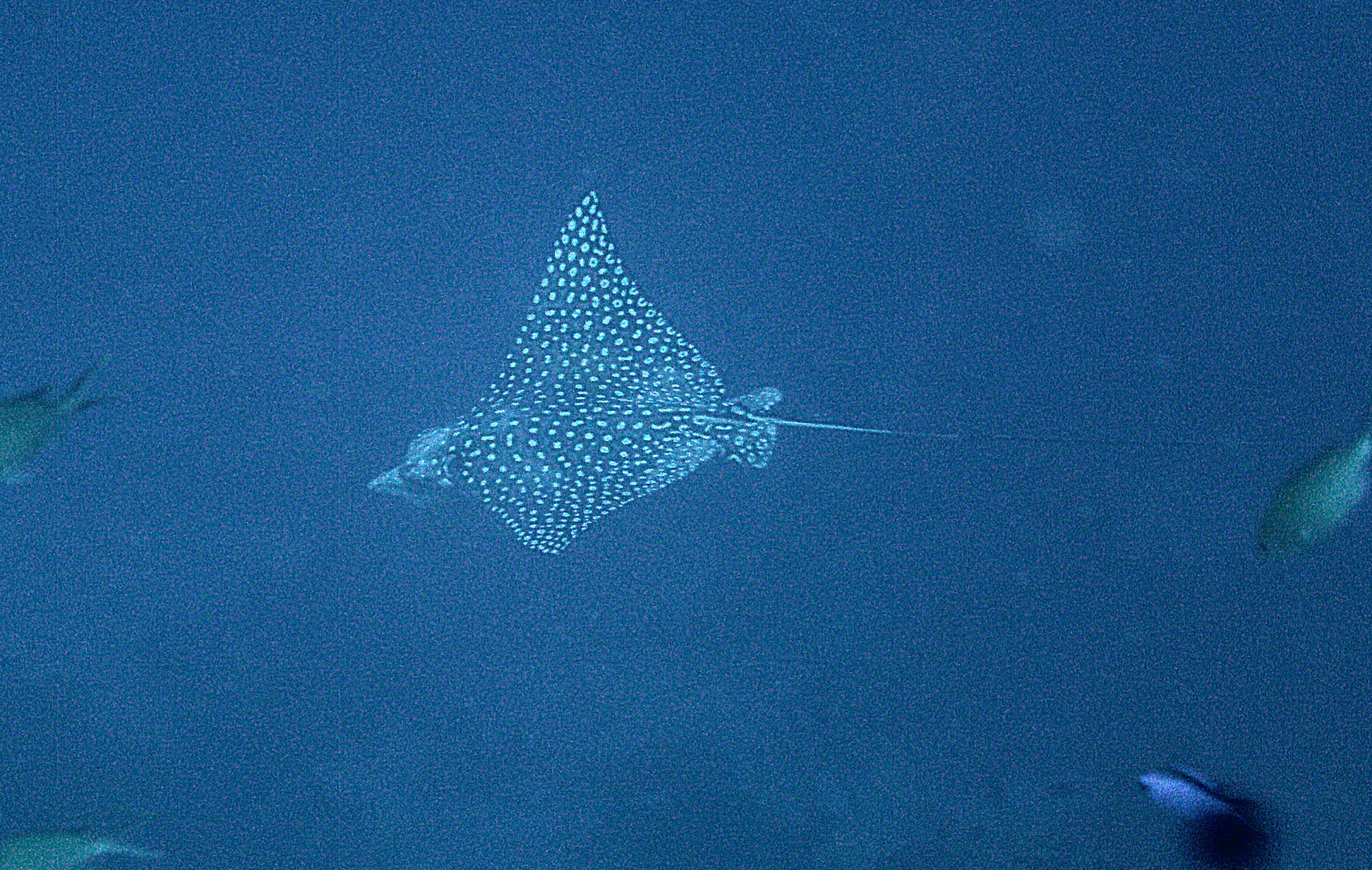
Spotted Eagle Ray
Aetobatus narinari
Site occurrence not yet documented
No dated observations available.
Occasional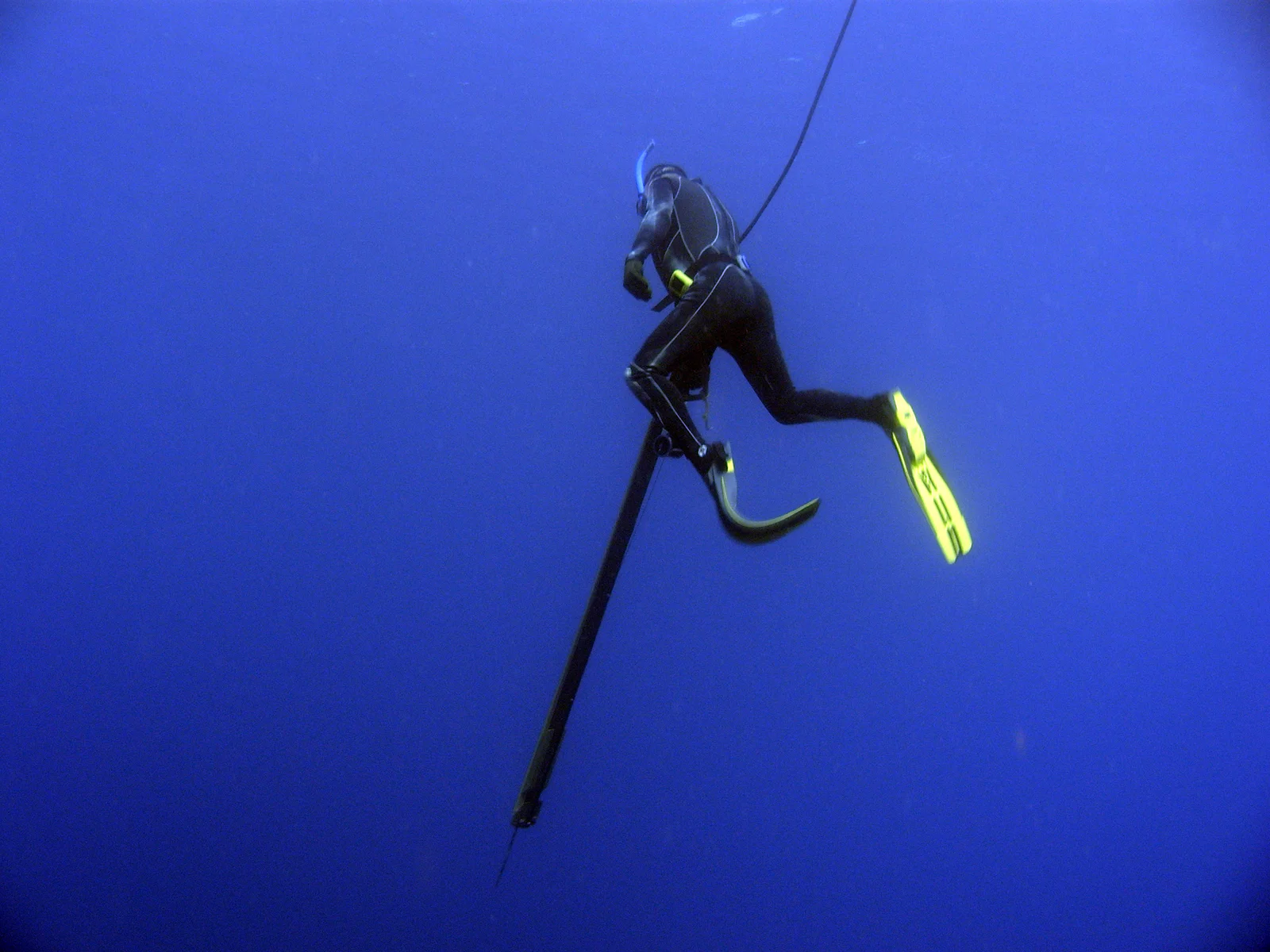
Dogtooth Tuna
Gymnosarda unicolor
Site occurrence not yet documented
No dated observations available.
Occasional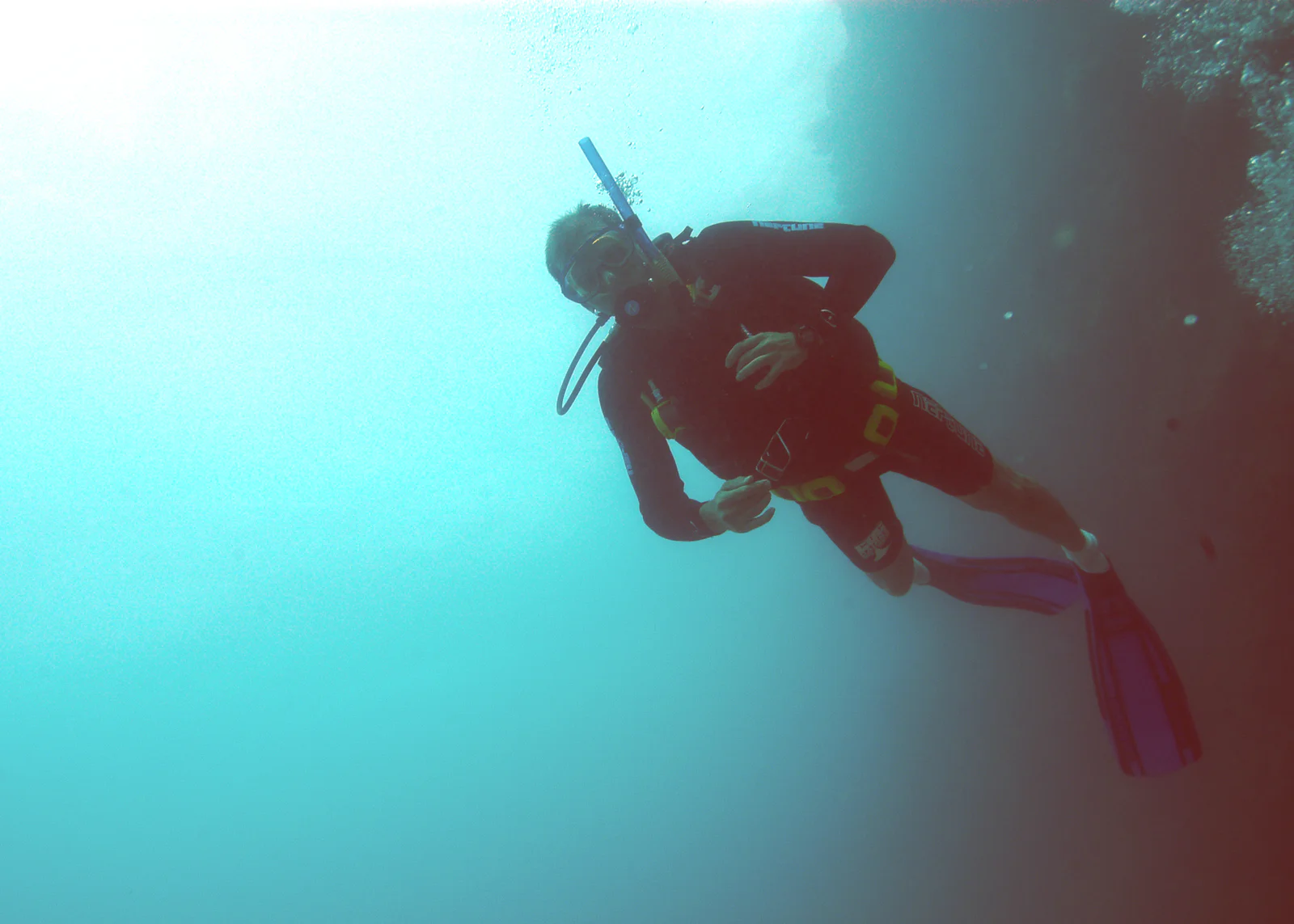
Reef Manta Ray
Mobula alfredi
Site occurrence not yet documented
No dated observations available.
Occasional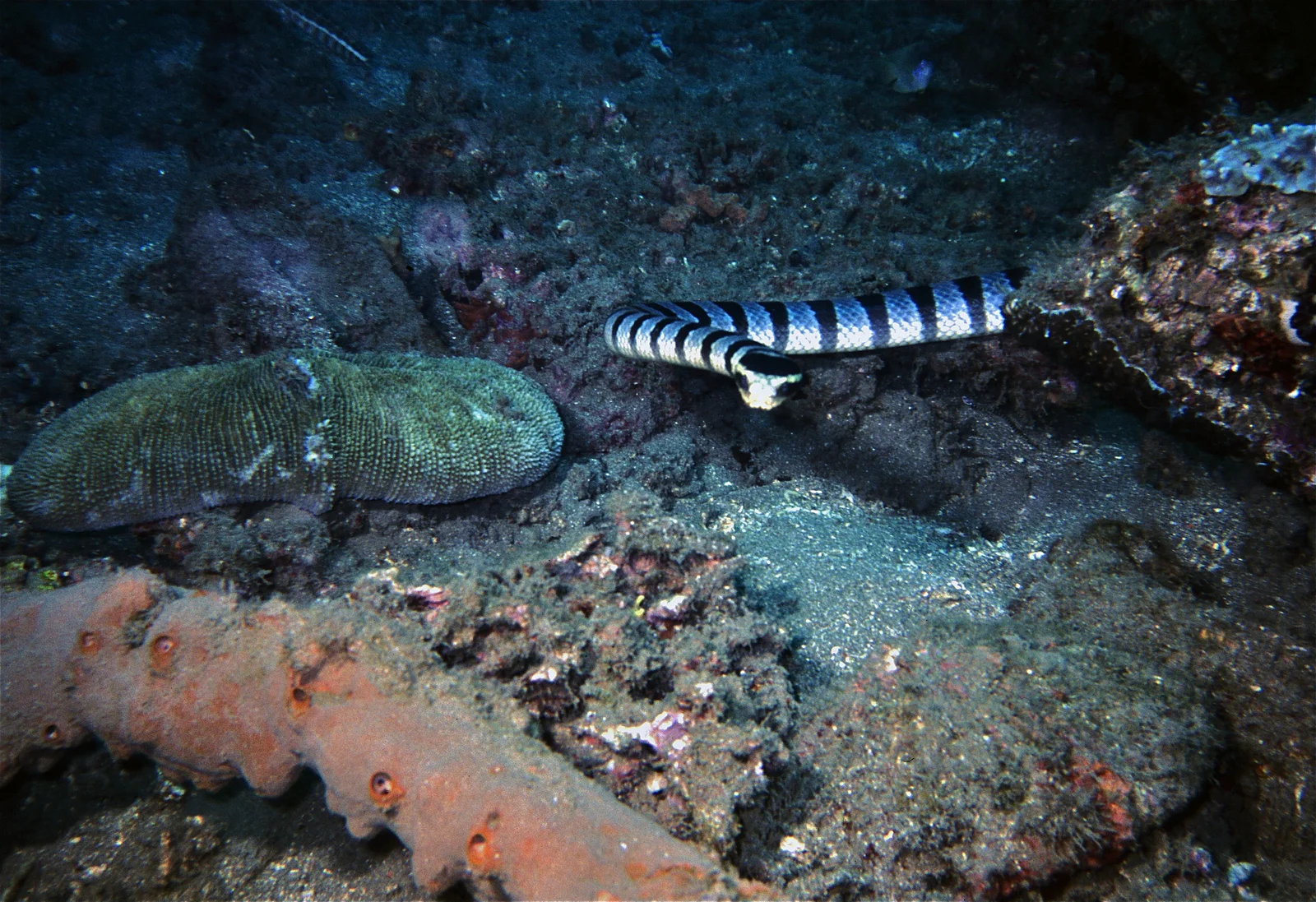
Banded Sea Krait
Laticauda colubrina
Site occurrence not yet documented
No dated observations available.
Rare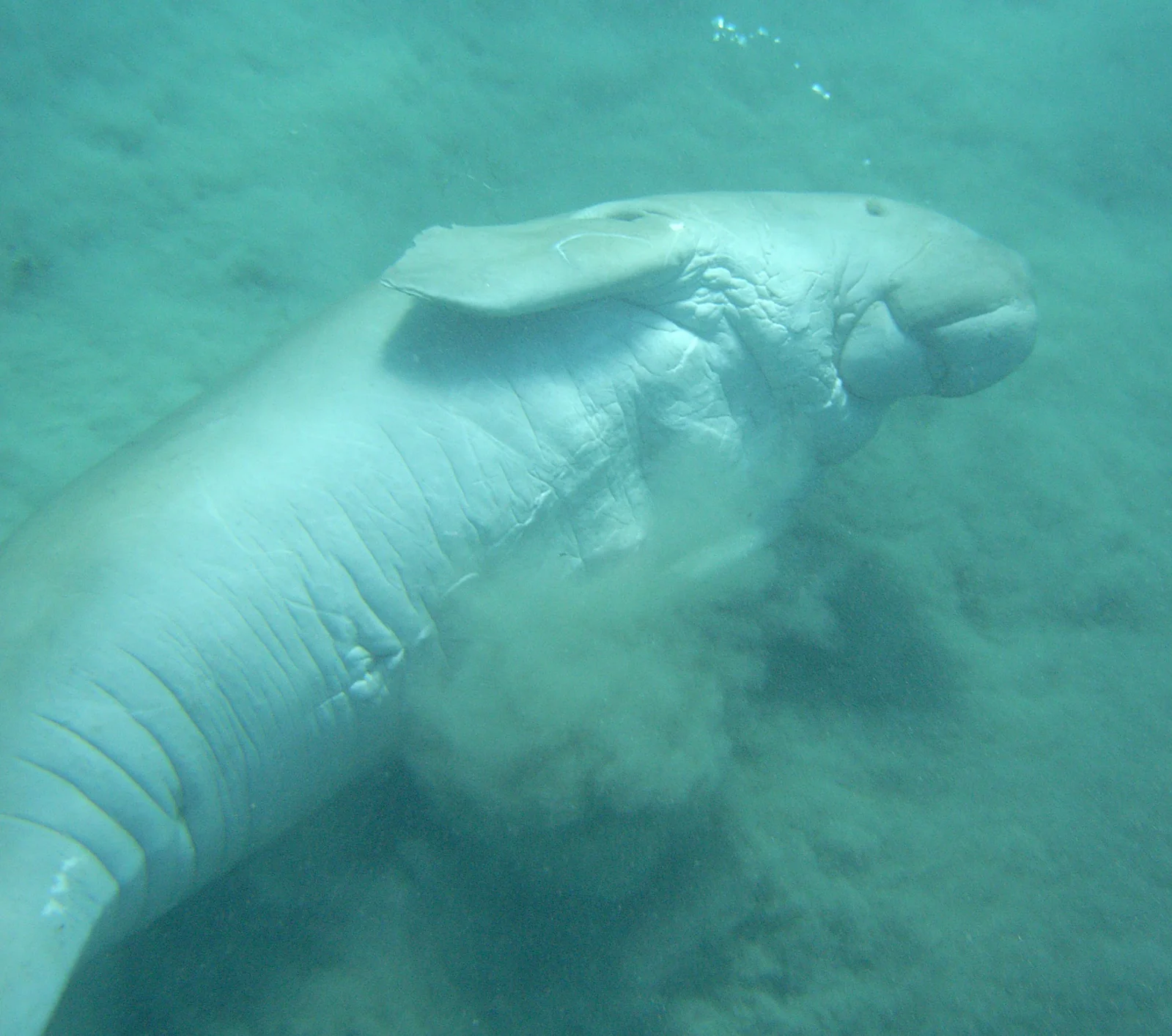
Dugong
Dugong dugon
Site occurrence not yet documented
No dated observations available.
Hazards & Safety
Be aware of these potential hazards at this dive site
Strong current
HighVery strong shifting Linta Strait flow
Overhead environment
MediumBoulder canyons and swim-throughs in moving water
Current
MediumOpen-strait chop and separation risk, SMB mandatory
Certification Required
A minimum of Advanced Open Water certification is required to dive this site.
360° Underwater View
Immersive panoramic view of this dive site
360° panorama coming soon
Immersive underwater views will be available when panoramic imagery is uploaded
Reviews
--
0 reviews
No reviews yet. Be the first to share your experience!
Related Dive Sites
Discover other dive sites in the area
Advanced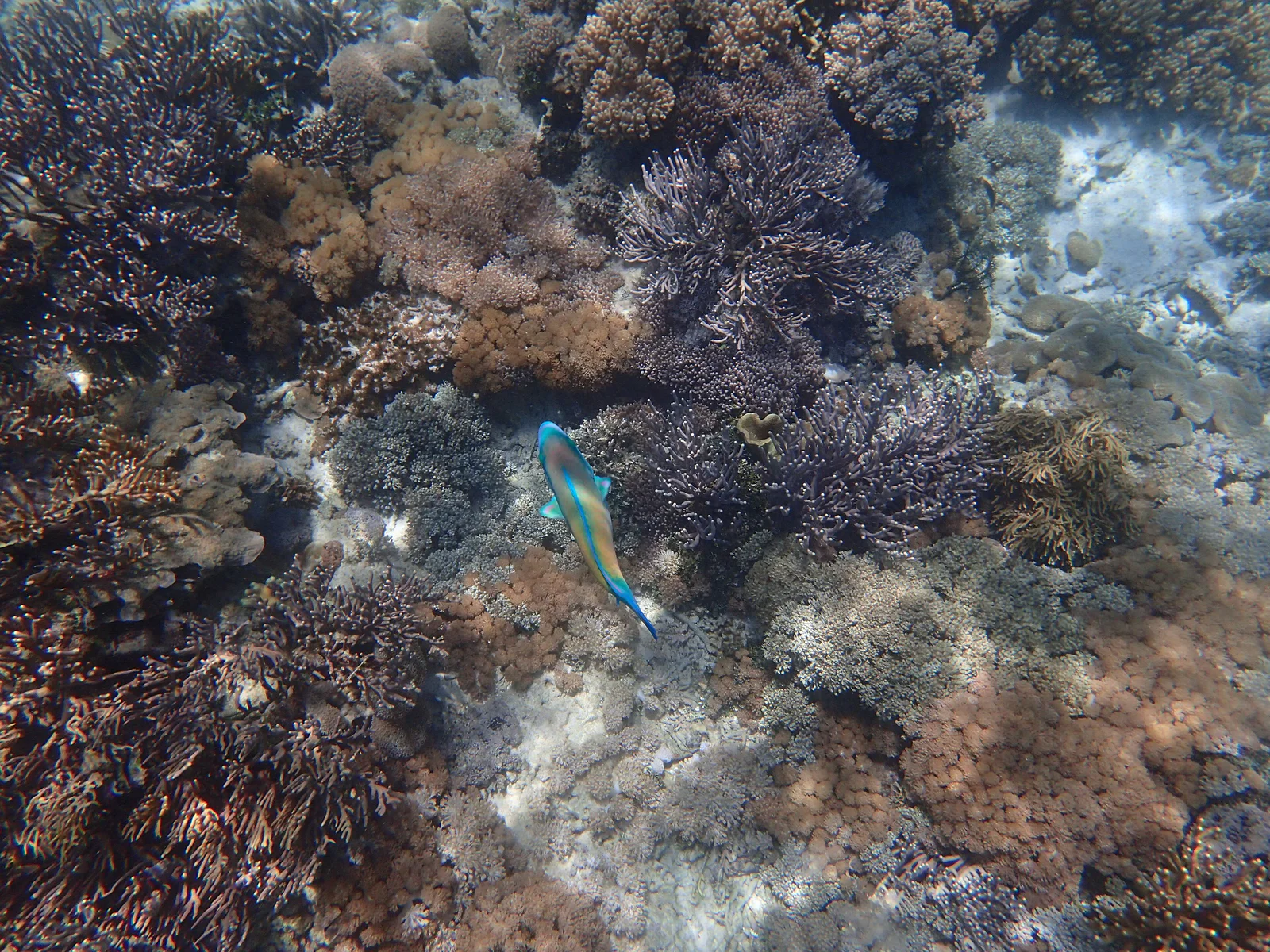 Intermediate
 Beginner
Mawan
Indonesia > East Nusa Tenggara > Komodo National Park
New
manta-cleaning-stationreefcoral-garden+1
 Beginner
 Beginner
Karang Makassar (Manta Point)
Indonesia > East Nusa Tenggara > Komodo National Park
New
driftmanta-cleaning-stationreef
 AdvancedAdvancedIntermediateBeginner
Mawan
Indonesia > East Nusa Tenggara > Komodo National Park
New
manta-cleaning-stationreefcoral-garden+1
BeginnerBeginnerKarang Makassar (Manta Point)
Indonesia > East Nusa Tenggara > Komodo National Park
New
driftmanta-cleaning-stationreef
AdvancedDepth Profile
Vertical range at this site
Minimum Depth
16 ft
Shallowest point
Average Depth
66 ft
Typical dive depth
Maximum Depth
98 ft
Deepest point
Nearby services
View all dive shops →Stay Updated
Get dive site updates and tips in your inbox.
Dived Tatawa Kecil? Make it count.
Add it to your logbook, share your sightings, and help 0 divers plan their next descent.
Recent Community Activity
Was this helpful?