Shrimp (assorted)
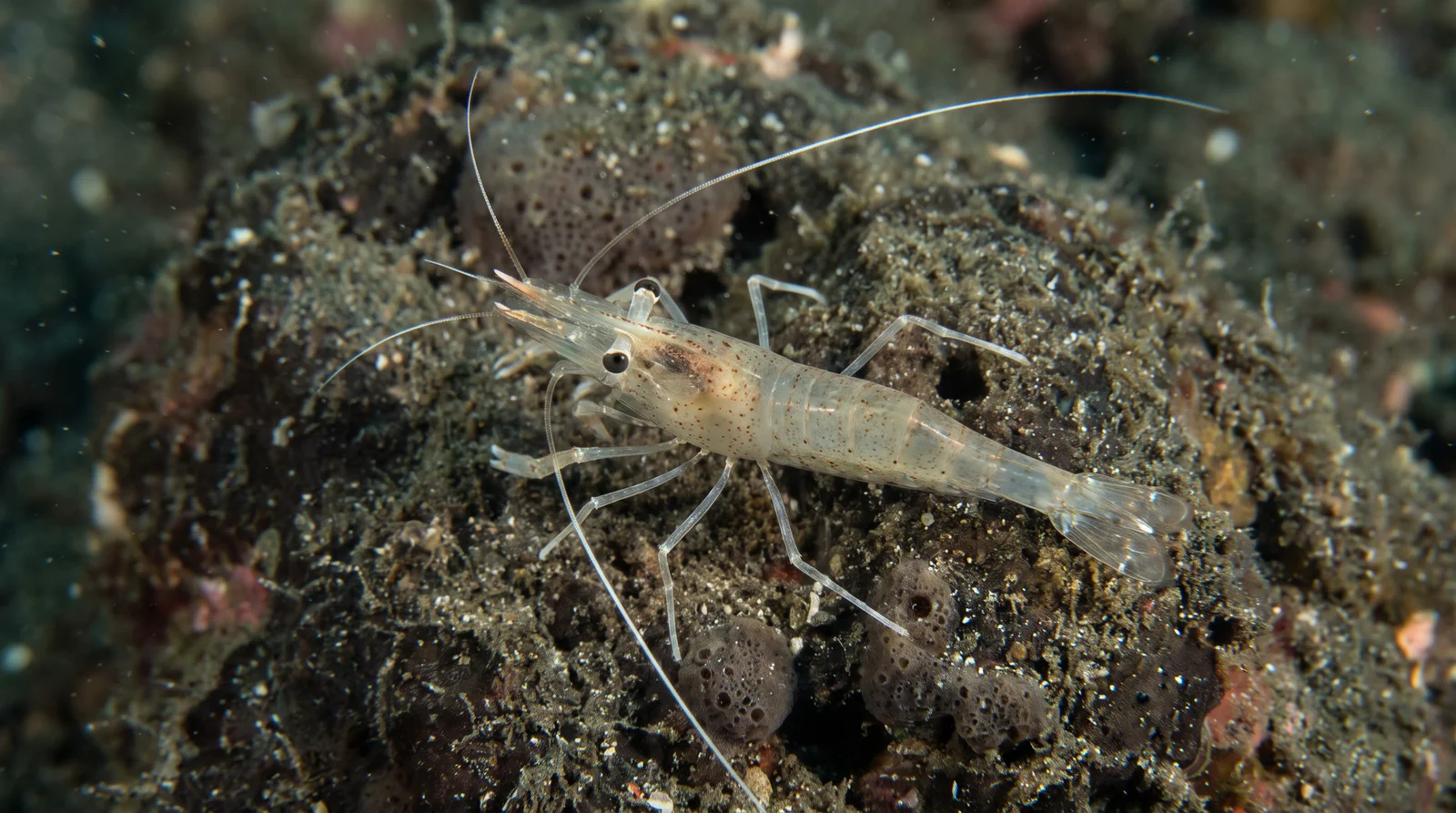 Generado por IA
Crédito de la imagen: AI-generated illustration · Generated for Diveity; no third-party rights · Higgsfield nano_banana_pro image generation
Caridea and Dendrobranchiata spp. (shrimps)
Acerca de Shrimp (assorted).
Shrimp is a common name, not a single natural group. Wikipedia says it usually refers to decapods of the Caridea or Dendrobranchiata, although some crustaceans outside this order are also called shrimp, and that the terms shrimp and prawn lack scientific standing. This group entry covers sightings where the species was not recorded. The World Register of Marine Species (WoRMS) lists Caridea as an accepted infraorder and Dendrobranchiata as an accepted suborder.
Wikipedia says many shrimp species are small, about 2 cm long, while some exceed 25 cm. It describes an elongated body, long antennae and thin, fragile legs used mainly for perching.
A conservation status is not given here, because this entry covers a whole group.
Dónde vive.
Wikipedia says there are thousands of species adapted to a wide range of freshwater and marine habitats, and that they can be found feeding near the seafloor on most coasts and estuaries.
Where Divers Find Them
In Tulamben, Bali, Blue Season Bali names shrimps first among the animals of Seraya Secrets, and Dive Concepts lists "all sortes of shrimps" at Coral Garden.
Cómo se comporta.
Wikipedia says shrimp swim forward by paddling the swimmerets under the abdomen, and that their escape response is typically repeated flicks of the tail that drive them backwards very quickly. It says they are often solitary, though they can form large schools during the spawning season.
Underwater Encounter Behavior
The sources cited here do not describe how shrimps react to divers.
Dónde verlo.
Evidencia para amed · 5 sitios de buceo
La distribución general no demuestra la presencia en un sitio de buceo concreto.
Bunutan
Amed
Presencia documentada en el sitio
Temporada aún no documentada
Fuente revisada el 2026-11-07 · Fuente: Amed Jepun Divers · Fecha de observación no documentada
Jemeluk Bay
Amed
Presencia documentada en el sitio
Temporada aún no documentada
Fuente revisada el 2026-11-07 · Fuente: Amed Jepun Divers · Fecha de observación no documentada
Jemeluk Wall
Amed
Presencia documentada en el sitio
Temporada aún no documentada
Fuente revisada el 2026-11-07 · Fuente: Amed Jepun Divers · Fecha de observación no documentada
Melasti
Amed
Presencia documentada en el sitio
Temporada aún no documentada
Fuente revisada el 2026-11-07 · Fuente: bali.live · Fecha de observación no documentada
Pyramids
Amed
Presencia documentada en el sitio
Temporada aún no documentada
Fuente revisada el 2026-11-07 · Fuente: Amed Dive Center · Fecha de observación no documentada
Galería.
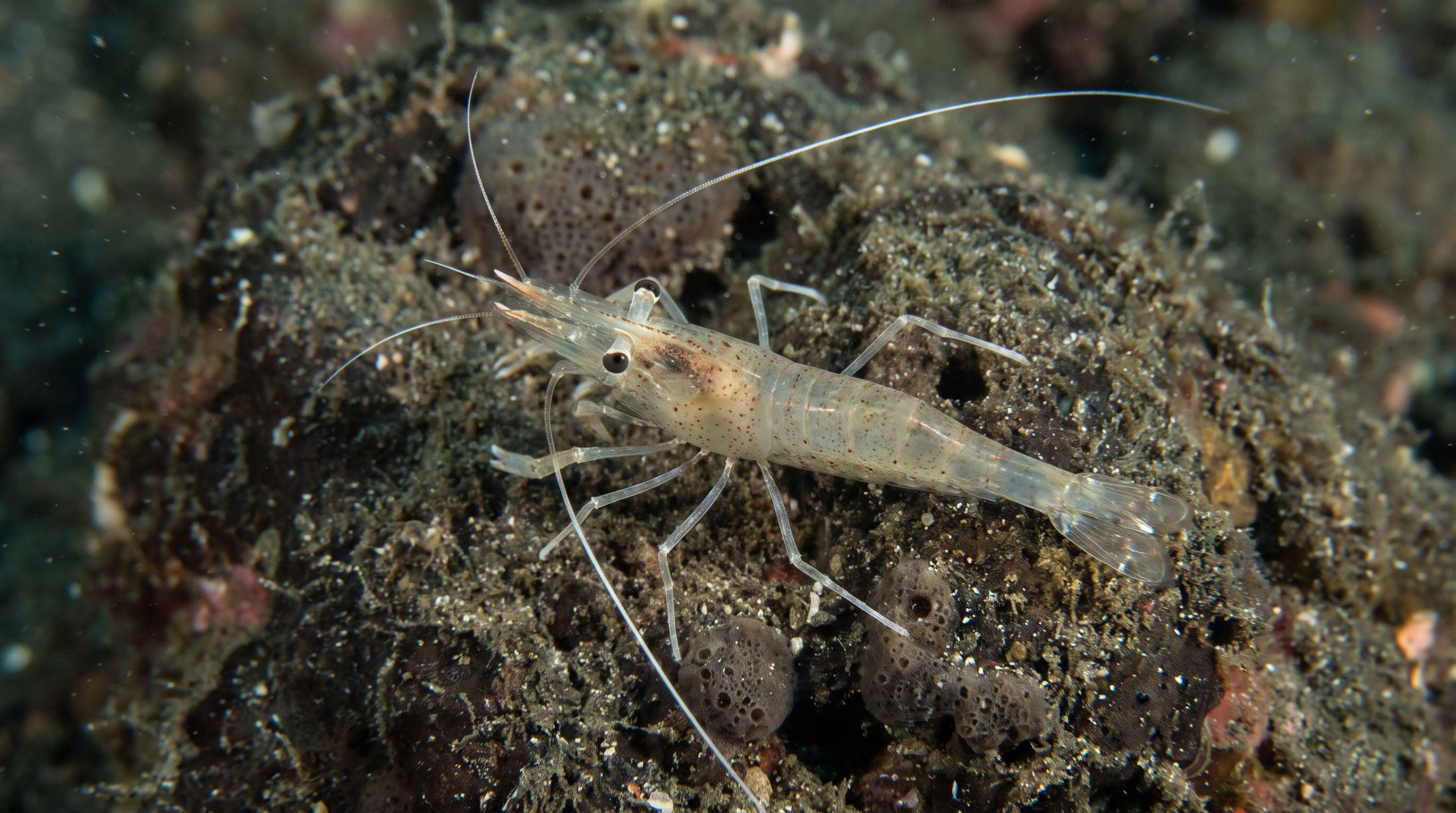 Generado por IA
Crédito de la imagen: AI-generated illustration · Generated for Diveity; no third-party rights · Higgsfield nano_banana_pro image generation