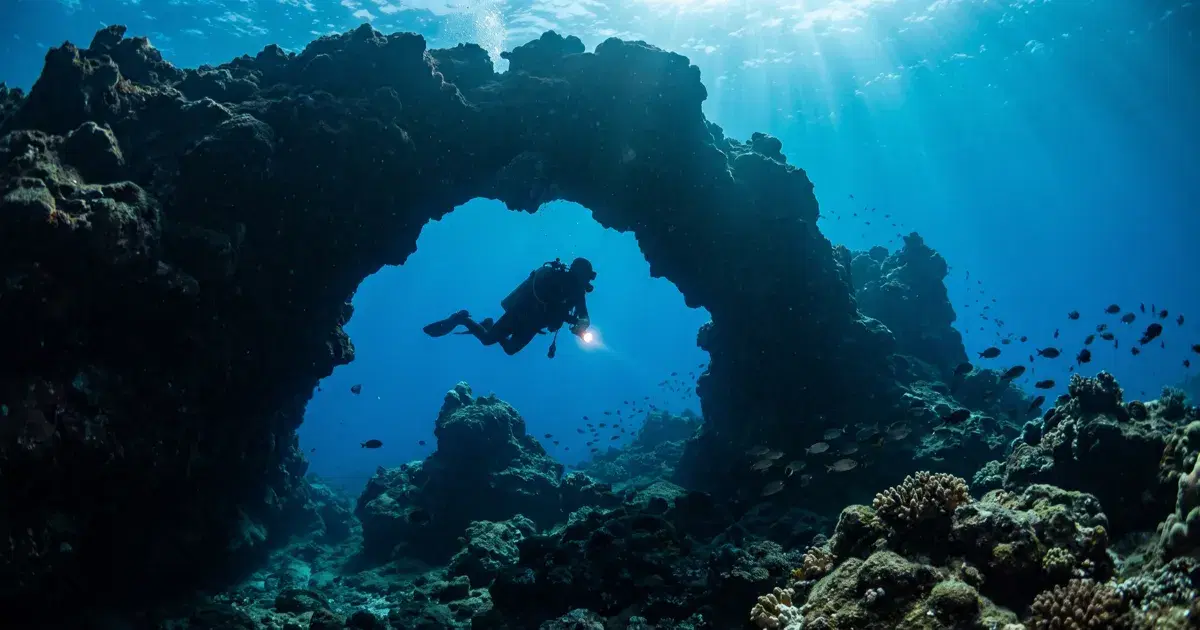
The Great Blue Hole is a dive most people do once for the geology, not for marine life volume, and knowing that going in shapes whether it's worth the trip.
Is the Great Blue Hole diving worth it?
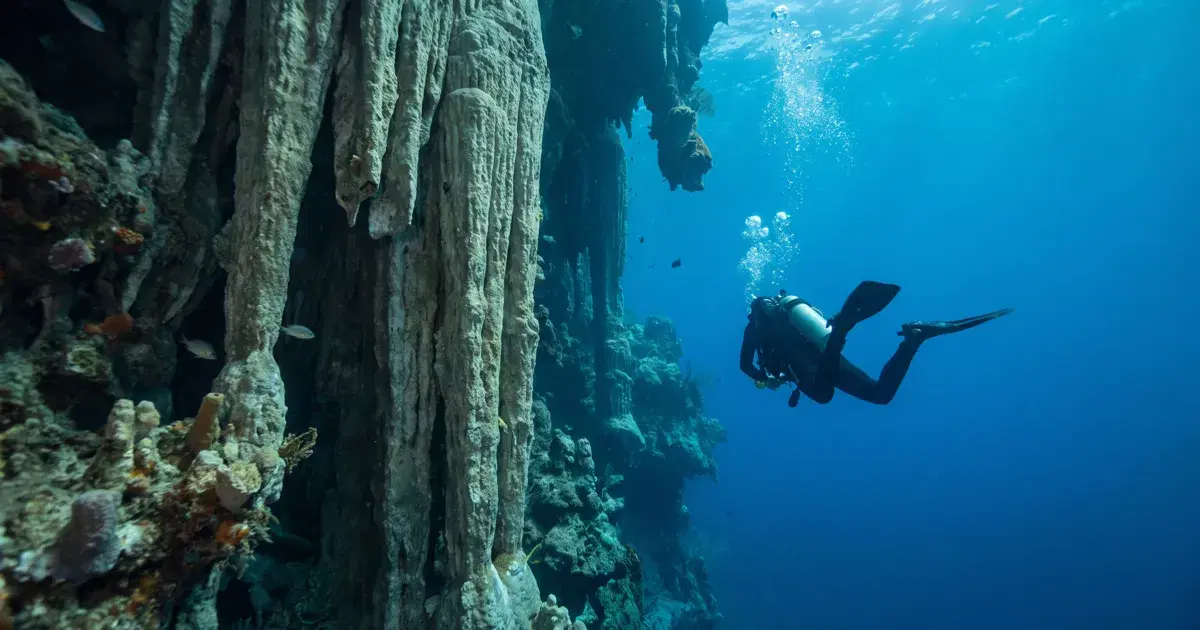
For divers who want to see a genuinely unusual geological feature, yes. It's a massive marine sinkhole, roughly 300 meters (about 1,000 feet) across, formed when the area was a dry limestone cave system before rising sea levels flooded it. The draw is the formation itself, particularly the ancient stalactites hanging from the walls at depth, not schools of fish or coral coverage, which is sparse inside the hole compared to a typical reef dive.
How deep can recreational divers go in the Great Blue Hole?
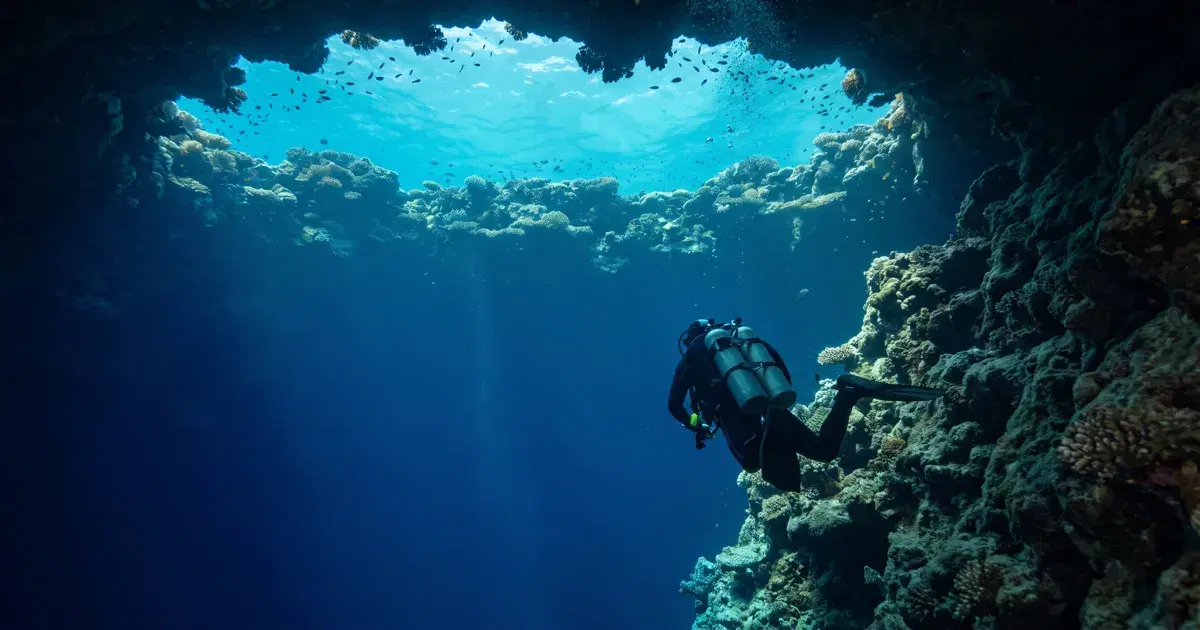
Recreational dives typically descend to around 40 meters (130 feet) to reach the stalactite overhangs, which is at or near the recreational depth limit. This isn't a beginner dive; most operators want to see Advanced Open Water certification and a reasonable amount of recent dive experience before booking a diver on this trip.
What will I actually see inside the Great Blue Hole?
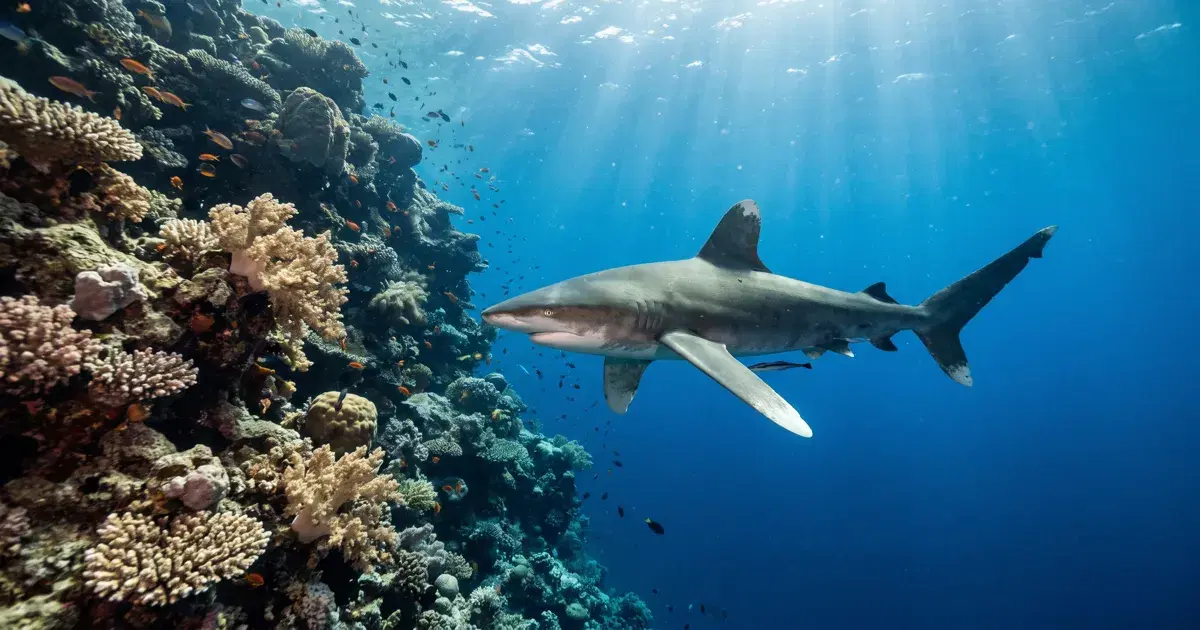
The main feature is the stalactite formations themselves, large limestone structures that formed above water thousands of years ago and now hang from the hole's walls at depth. Marine life inside the hole is limited, since the deep, low-light interior doesn't support much reef growth, though occasional reef sharks and, less commonly, hammerheads pass through the open water near the walls.
What certification do I need to dive the Blue Hole?
Advanced Open Water certification is the general baseline most operators require, given the depth involved, and some ask for a minimum number of logged dives on top of that. Nitrox certification isn't required but can help manage the deep-dive profile, and it's worth confirming exact requirements with the specific operator before booking.
What else is worth diving at Lighthouse Reef Atoll?
The Blue Hole trip is usually paired with two other Lighthouse Reef sites: Half Moon Caye Natural Monument, known for its wall diving and coral gardens, and Long Caye Aquarium, a shallower, colorful reef dive that gives divers a marine-life-rich contrast to the Blue Hole's stark interior. Most day trips and liveaboard itineraries build the day around all three sites rather than the Blue Hole alone.
Is the Great Blue Hole a day trip or liveaboard-only?
Both options exist. Day boats run from Ambergris Caye (San Pedro) or Belize City, covering roughly 2.5 to 3 hours each way, making for a long day. Liveaboards that include Lighthouse Reef on their route offer a more relaxed version of the same three-site day, without the long return transit at the end.
What's the best time of year to dive the Blue Hole?
Belize's dry season, roughly December through May, generally brings calmer seas and better visibility for the boat crossing and the dive itself. The Blue Hole is diveable outside that window too, but rougher seas can make the long boat ride less comfortable and occasionally push trips to reschedule.
FAQ
Is the Great Blue Hole dangerous to dive? It carries the standard risks of any deep dive near recreational limits, mainly nitrogen narcosis and limited bottom time, which is why operators generally require Advanced certification and experience rather than accepting first-time or novice divers.
How long is the Great Blue Hole dive itself? The stalactite portion of the dive is relatively short, often around 10 to 12 minutes at the deepest point, given the depth and no-decompression time limits involved, though the full day trip includes the other Lighthouse Reef sites too.
Can snorkelers experience the Great Blue Hole? Snorkeling only shows the hole's dramatic dark-blue color change from the surface; the stalactites and geological detail that make the dive worthwhile are only visible to certified divers who descend into the hole.