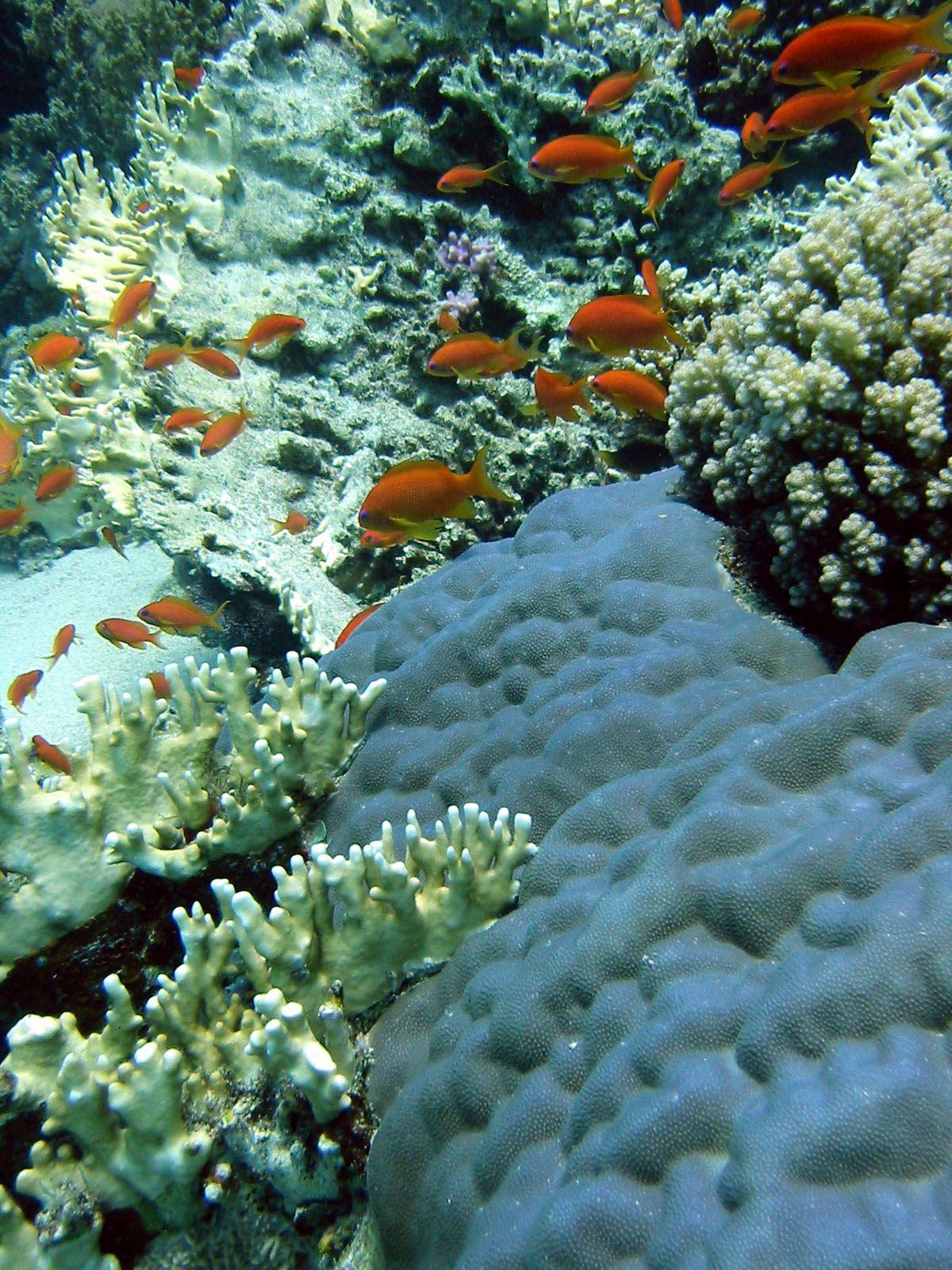
Sea Goldie (anthias)
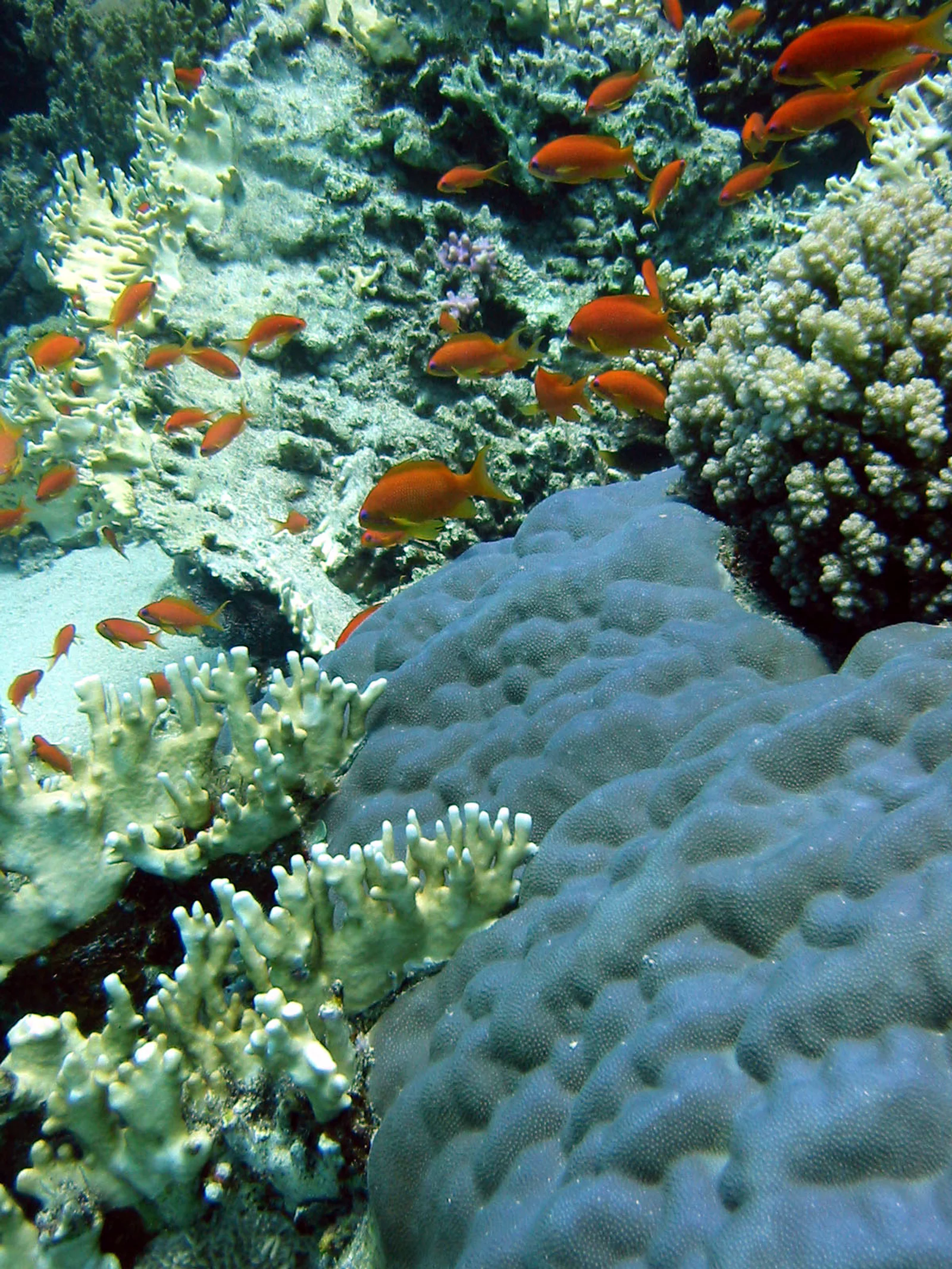
Pseudanthias squamipinnis
Sea Goldie (anthias)について。
識別
シーゴルディは顕著な性的二形を示し、オスとメスを容易に区別できます。- サイズ: メスは通常体長7cm(2.75インチ)に達しますが、オスはより大きく、最大15cm(6インチ)まで成長します。
- メスの外見: メスは一般的に金橙色で、目の下に特徴的なスミレ色または紫色の一筋があることが多いです。体はより流線形です。
- オスの外見: オスはより鮮やかなフクシア色または赤みがかったピンク色を示し、目の周りに濃い赤色の縞があり、胸鰭の周りで紫色に薄れることが多いです。オスの主要な識別特徴は、背鰭の3番目の鰭条が伸びていること、胸鰭に目立つ赤い斑点があること、尾鰭の縁が伸びていることです。また、体全体に金色の点々とした赤い模様や、背鰭と臀鰭の縁に細い青い線、尾鰭の中央外縁に細い黄色の線がある場合もあります。
- 社会構造: シーゴルディは雌性先熟の雌雄同体であり、すべての個体はメスとして生まれます。彼らの社会集団内では、優位なオスが5~10匹のメスからなるハーレムを維持します。オスが死んだり排除されたりすると、最も大きく優位なメスが性転換し、数週間から数ヶ月かけてオスに変化します。
生息地。
シーゴルディ(Pseudanthias squamipinnis)は、鮮やかで普遍的な種であり、広大なインド西太平洋地域で繁栄しています。その分布は紅海と南アフリカのナタールから東は日本、グレートバリアリーフ、オーストラリア南東部、さらにニウエとトンガにまで及びます。
この魅惑的なハナダイは、熱帯のサンゴ礁生態系の典型的な生息者であり、そこで大規模でまばゆいばかりの群れを形成します。ダイバーはさまざまな礁環境でシーゴルディに頻繁に遭遇します。これには以下が含まれます。
- サンゴが豊富な礁斜面とピナクル: これらは主要な生息地であり、豊富な隠れ場所と摂食機会を提供します。
- 澄んだラグーンとパッチリーフ: これらの保護された場所のサンゴの露頭の上で群れをなしているのがよく見られます。
- 礁水路と外礁斜面: 流れがしばしば強く、主要な食料源である動物プランクトンが安定して供給されます。
- 岩礁: 岩の多い基質にも生息し、特に夜間は隠れるために隙間を利用します。
シーゴルディは通常、水深5〜35mで見られますが、水面から55mまで観察されることもあります。彼らは暖かく熱帯の水を好み、水温は一般的に22〜28°Cです。多くの生きた岩とサンゴがあるよく構造化された環境を好むことで、保護と豊かな摂食場所の両方が提供されます。これらの魚はしばしば他の礁種と一緒に見られ、賑やかな礁コミュニティの不可欠な部分を形成しています。
行動について。
シーゴルディ、Pseudanthias squamipinnis は、インド太平洋のサンゴ礁に鮮やかで遍在する存在であり、ダイバーに自然な行動の魅惑的な光景を提供します。これらの小さな群れをなす魚は、多くのダイビングサイトのハイライトであり、ブルーホール(ダハブ)、メリッサズガーデン、バトゥボロンなどで頻繁に大量に観察されます。
水中での遭遇行動
ダイバーは、サンゴの露頭、パッチリーフ、澄んだラグーン、水路、または外礁斜面の上を優雅にホバリングする、大きく密な集合体または群れでシーゴルディに遭遇することが最も多いでしょう。彼らは日中活動的で、常に動き回り、強い流れを好むことで知られています。メスは通常サンゴのすぐ上を泳ぎ、脅威を感じると礁構造の安全な場所に退避します。オスは、より大きなサイズ、より赤みがかった体色、および伸びた3番目の背鰭棘によって識別され、わずかに離れた場所をホバリングし、ハーレムを熱心に守る傾向があります。他の種とは一般的に平和ですが、オスは縄張り意識が強く、特にライバルのオスに対してはそうです。ダイバーは通常、これらの好奇心旺盛な魚にかなり近づいて、彼らの複雑な社会力学を観察することができます。彼らは脅威を感じすぎるとサンゴの中に隠れてしまいますが、すぐに再び現れます。シーゴルディは一般的に水深5〜35mで遭遇しますが、水深55mまで見られることもあり、通常は水温22〜26°Cの海域に生息しています。
摂食習慣
シーゴルディは肉食性のプランクトン食性であり、その食料は主に動物プランクトンで構成されています。彼らは継続的に摂食し、水中の微細な食物を絶えず捕食します。この絶え間ない摂食活動は彼らの行動の重要な側面であり、礁の上での非常に活発なライフスタイルを支えています。
社会構造
シーゴルディの社会構造は、その最も魅力的な特徴の1つです。彼らは高度に組織化されたハーレム型の群れで生活し、通常は1匹の優位なオスと複数のメス(しばしば5〜10匹)で構成されます。シーゴルディは雌性先熟の雌雄同体であり、すべての個体はメスとして生まれます。ハーレムの優位なオスが死んだり排除されたりすると、最も大きく優位なメスが驚くべき性転換を経験し、数週間から数ヶ月かけて新しいオスに変化します。このプロセスにはホルモン的および身体的変化が伴います。オスは非常に縄張り意識が強く、他のオスからハーレムと礁の領域を積極的に守ります。時折、ダイバーは繁殖しないオスのグループ、特に若い個体を観察することがあります。
注目すべき季節パターン
シーゴルディは頻繁に産卵することで知られており、年間9〜10ヶ月間毎日繁殖が行われます。産卵イベントは通常日没時に行われます。紅海などの特定の地域では、ダイバーは12月から2月の間に産卵活動の増加を観察するかもしれません。卵と幼生はプランクトン性で、変態後にサンゴ礁に定着するまで外洋を漂います。
見られる場所。
philippinesの記録 · ダイブサイト8件
一般的な分布域は、特定のダイブサイトでの出現を示す証拠ではありません。
Beatrice Rock
Anilao
このサイトでの出現はまだ記録されていません
シーズンはまだ記録されていません
日付のある観察記録はありません。
Mainit Point
Anilao
このサイトでの出現はまだ記録されていません
シーズンはまだ記録されていません
日付のある観察記録はありません。
Mapating
Anilao
このサイトでの出現はまだ記録されていません
シーズンはまだ記録されていません
日付のある観察記録はありません。
Olympia Maru
Coron
このサイトでの出現はまだ記録されていません
サイトで記録された季節性: Mar, Apr, May
日付のある観察記録はありません。
Royal Garden
Panglao
このサイトでの出現はまだ記録されていません
シーズンはまだ記録されていません
日付のある観察記録はありません。
Sepok Wall
Anilao
このサイトでの出現はまだ記録されていません
シーズンはまだ記録されていません
日付のある観察記録はありません。
Sombrero Island
Anilao
このサイトでの出現はまだ記録されていません
シーズンはまだ記録されていません
日付のある観察記録はありません。
Turtle Point
Anda
このサイトでの出現はまだ記録されていません
サイトで記録された季節性: Jan, Feb, Mar, Apr, May, Jun, Jul, Aug, Sep, Oct, Nov, Dec
日付のある観察記録はありません。
ギャラリー。