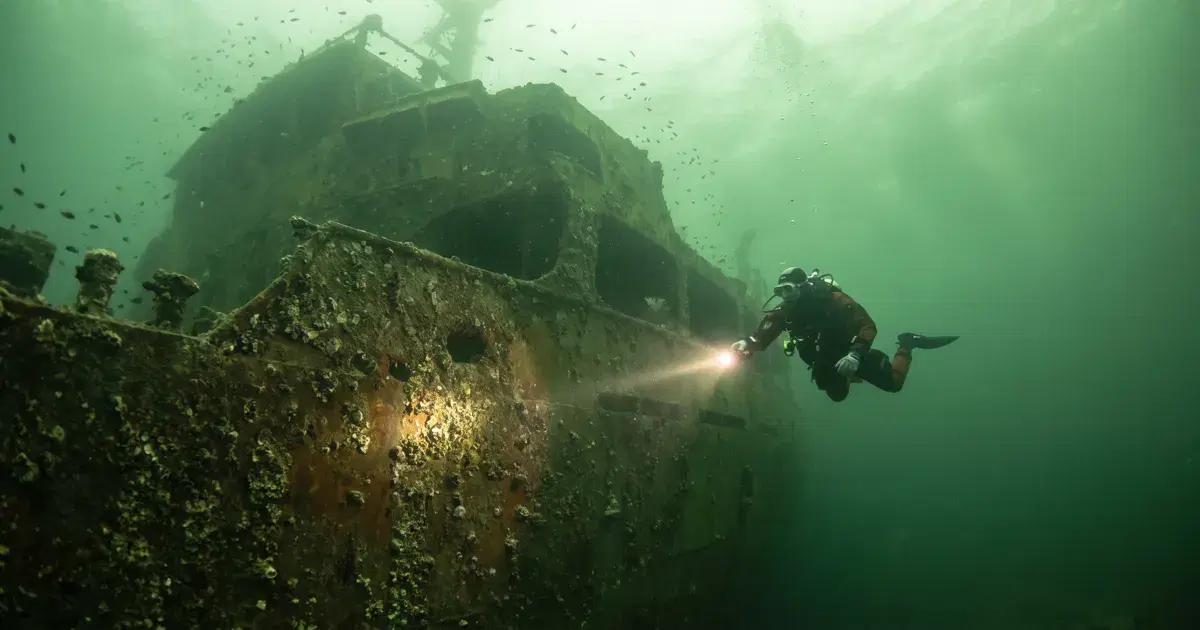
Subic Bay sits roughly 2.5 to 3 hours by road north of Manila, and it's the most accessible wreck-diving cluster in the Philippines: no domestic flight required. The bay holds a mix of WWII-era and Spanish-era wrecks, including the USS New York, ranging from shallow recreational depths down to technical-level penetration dives. Visibility runs murkier than Coron's, but the wreck density and the no-flight logistics make it a regular weekend trip for Manila-based divers.
What wrecks can you dive in Subic Bay?
The lineup includes the USS New York (a decommissioned armored cruiser scuttled in 1941), the El Capitan cargo wreck, the Oryoku Maru, and an LST landing craft, among a handful of smaller sites. Depths vary a lot by wreck. Some sit in recreational range; others drop well past 30 meters. Ask your dive shop which wrecks fit your certification before booking a multi-wreck package.
Is Subic Bay wreck diving suitable for beginners?
Some of it, yes. A few of the shallower wrecks work fine for newly certified divers. The USS New York and the deeper penetration sites are a different story. Advanced training, and for the interior sections, wreck-specialty certification, are the norm rather than a suggestion. If you're new to wrecks, say so when you book; a good shop will route you to the beginner-friendly sites first.
What certification do you need for the USS New York?
Most operators want Advanced Open Water at minimum, and a wreck specialty for anyone planning to go inside rather than swim the exterior. The wreck sits deep enough that dive planning matters more than usual. Check your operator's exact depth and no-decompression limits before the trip, since these shift with tide and swell.
What's the visibility like at Subic Bay?
Honestly, murkier than most Philippine dive destinations. Visibility can run anywhere from a few meters on a bad day to noticeably better after a stretch of calm weather, and it's rarely the crystal-clear water you'd get at Coron or Tubbataha. Bring a good dive light regardless of the wreck's depth. The ambient light fades fast in Subic's green water.
How do you get to Subic Bay from Manila?
Drive time runs about 2.5 to 3 hours depending on traffic out of Metro Manila, and several dive shops run shuttle vans that pick up directly from the city. A day trip is doable if you leave early, though most divers who want more than one or two wrecks stay overnight in Subic or nearby Olongapo.
What's the history behind Subic Bay's wrecks?
Most of the wrecks trace back to World War II, when the bay served as a contested naval anchorage between Japanese and American forces. Several ships were scuttled or sunk during air raids in the early 1940s. Exact dates and circumstances vary by wreck and by source, so treat any single account (including this one) as a starting point rather than the final word; a decent dive briefing before the trip will usually cover the specifics for whichever wreck you're diving that day.
Subic Bay vs Coron: how do they compare for wreck diving?
Coron wins on sheer number of wrecks and visibility. Subic Bay wins on proximity: no flight, no ferry, just a drive from Manila. If you've got a weekend and want a wreck fix without the travel budget of a Coron trip, Subic Bay delivers. If wreck diving is the whole point of your Philippines trip and you've got more time, Coron's larger, better-preserved fleet is worth the extra travel.
FAQ
What gear do you need for Subic Bay's wrecks? A reliable primary light is non-negotiable given the visibility. Anyone planning penetration dives needs a reel and line, plus the training to use them. This isn't a rental-counter add-on.
Is a day trip from Manila realistic? Yes, if you leave early and your shop runs a direct shuttle. Just budget for traffic on the way back.
What's the best month for calmer conditions? Conditions shift with the wet and dry seasons; ask your operator about current visibility and swell before locking in dates, since this can change week to week.
Are technical wreck-diving courses available on-site? Several Subic Bay shops teach wreck specialty and technical courses locally, given the training-ground reputation the bay has built over the years. Worth asking about if you want to go beyond the exterior swims.
Log your Subic Bay dives on Diveity
Diveity tracks Subic Bay's wreck sites and conditions in one place. Browse the dive site atlas before you go, and keep a running dive log once you're back. Diver accounts are free.