Pinnacle · Reef
Arus Balee
Auch bekannt als: Arus Palee, Arus Paleh — Zu diesem Namen: No source read gives a point for this site; the sources place it only in words, so this record has no map point.
Zuletzt aktualisiert:
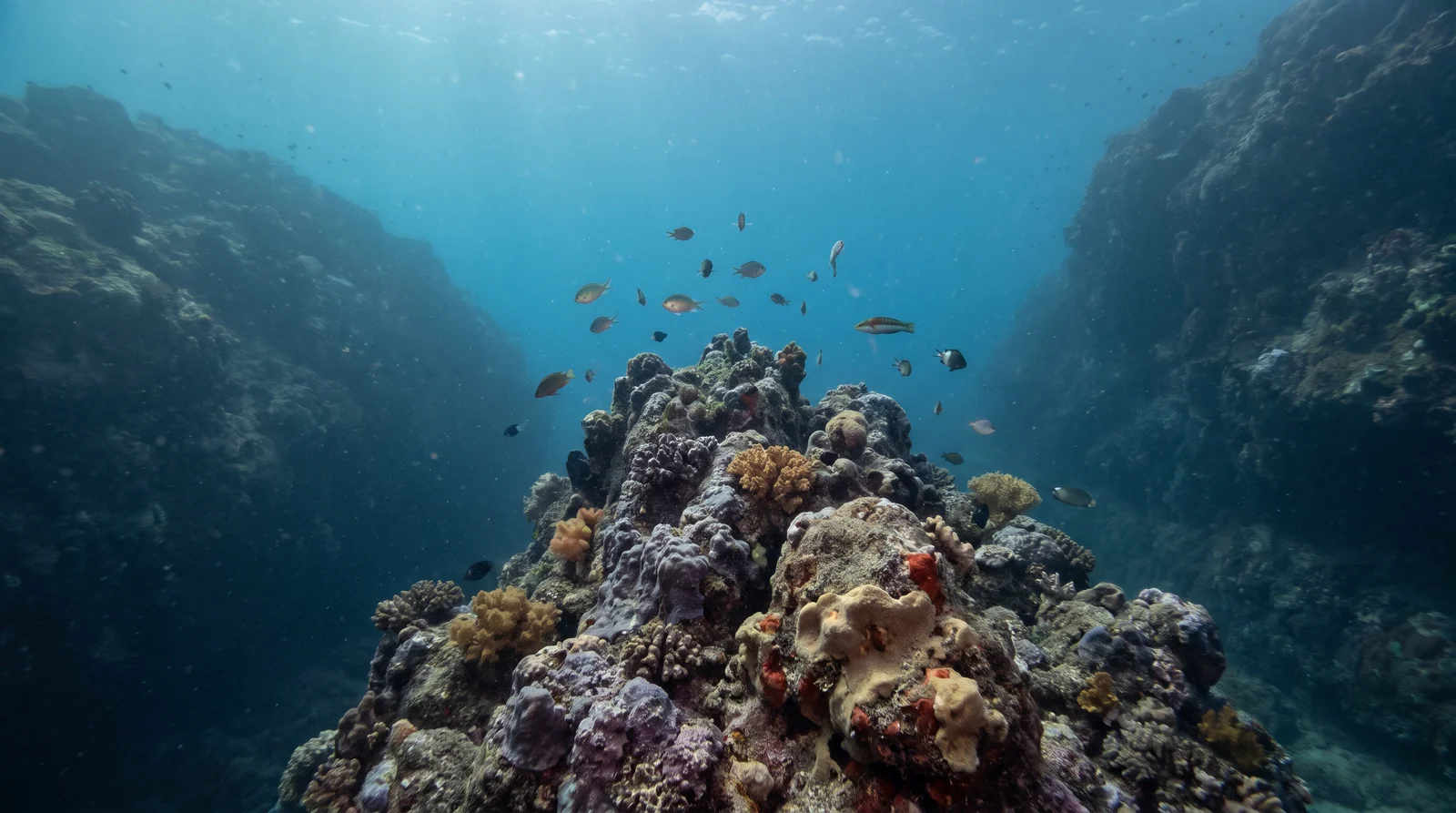
AI-generated illustration of a rocky pinnacle in a narrow channel between two rock walls. It is not a photograph of Arus Balee and is not evidence of any animal, depth or condition at the site.
Bildnachweis: AI-generated illustration · Generated for Diveity; no third-party rights · Higgsfield nano_banana_pro image generationAuf einen Blick
- Schwierigkeitsgrad
- Zertifizierung erforderlich
- Minimale Tiefe
- Maximale Tiefe
- Beginn der besten Saison
- Ende der besten Saison
- Minimale Sichtweite
- Maximale Sichtweite
- Minimale Wassertemperatur
- Maximale Wassertemperatur
- Zone
Kennen Sie eines davon? Wählen Sie es aus und teilen Sie es uns mit.
Über diesen Tauchplatz
Overview
Arus Balee is a current-swept passage around a rocky pinnacle between Seulako and Rubiah islands off Pulau Weh, dived by boat, with strong current.
A text in a dive operator's voice, posted on the Sabang Freeport blog in 2007 and partly repeated word for word on the page of Lumba Lumba Diving Centre, a dive operator on Pulau Weh, says Arus Balee is the name of the water passage around a rocky pinnacle between the islands of Seulako and Rubiah. It says the Acehnese nickname it Arus Palee, which it glosses as bastard current (its heading says widow's current), and that the narrow passage often sees a lot of current, with sharks and other animals that like it. It calls the site the operator's best for blue ribbon eels and quotes a former trainee comparing the dive to fish soup. Lumba Lumba's current page lists the site among the islands eight minutes away by boat, calls it the fishiest dive site on Pulau Weh and names colourful fusiliers, hunting trevallies, a school of black snappers, coral breams, giant sweetlips and many ribbon eels.
Reported dives
Kapal Selam Dive Club, which writes the name Arus Paleh in a trip report written less than a year after the tsunami that struck Aceh, found a strong, unpredictable current and so-so visibility, with giant snapper, a grouper almost a metre long and, at the end of the dive, a garden of whip corals. Stingy Nomads, a travel blog, called it the most beautiful reef it saw around Pulau Weh, with gorgonian fans, staghorn and table corals, big giant trevallies and bluefin trevally, and logged 31 m, 15 m visibility and 29 °C water on one dive; these are one dive's figures, not the site's range.
Fields
This record stores the current as strong, from Kapal Selam Dive Club and the operator text, and boat entry from Lumba Lumba alone. No source gives a level, a depth range, the visibility, the water temperature or the best months for this site, so this record leaves them unknown. No source read gives a position, so this record has no map point.
Sources and lineage
Lumba Lumba's page repeats part of the 2007 blog text word for word, so the two count as one source here. None of the sources says when its description was last checked.
Nobody has verified this record in person; it was researched and written by an automated process from the sources named here.
Gefahren & Sicherheit
Beachten Sie diese potenziellen Gefahren an diesem Tauchplatz
Current
Schweregrad: Noch nicht dokumentiertKapal Selam Dive Club found a strong, unpredictable current, and the 2007 operator text on the Sabang Freeport blog says the narrow passage often sees a lot of current.
Quellen
- Kapal Selam Dive Club
- Lumba Lumba Diving Centre
- Sabang Freeport (blog)
- Stingy Nomads
Bewertungen
Noch keine Bewertungen. Seien Sie der Erste, der Ihre Erfahrung teilt!
Auf dieser Seite
Meereslebewesen
9 Arten an diesem Tauchplatz registriert
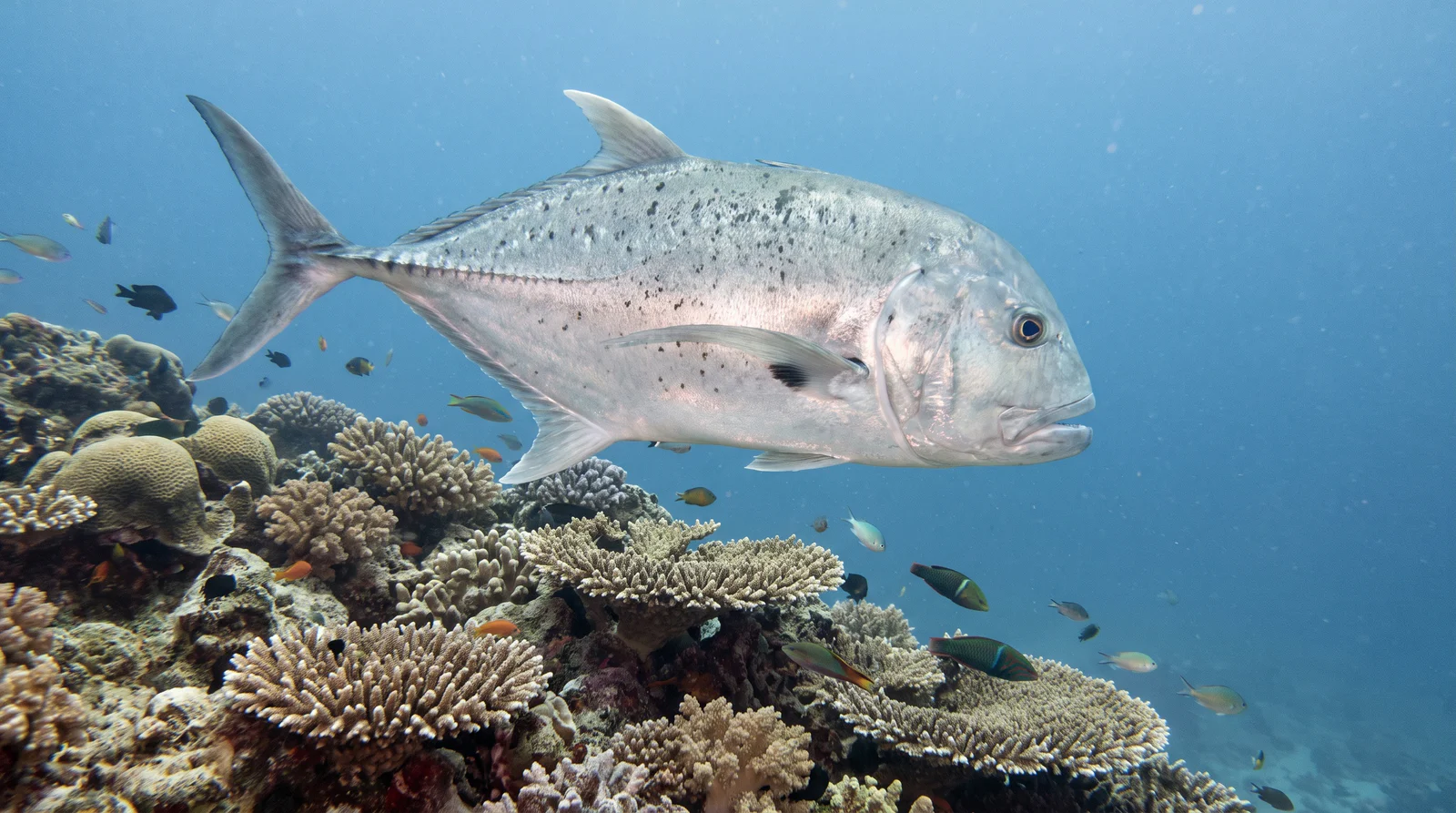
Giant Trevally
Caranx ignobilis
Dokumentiertes Vorkommen am Tauchplatz
Quelle geprüft am 2026-11-18 · Quelle: Stingy Nomads · Beobachtungsdatum nicht dokumentiert
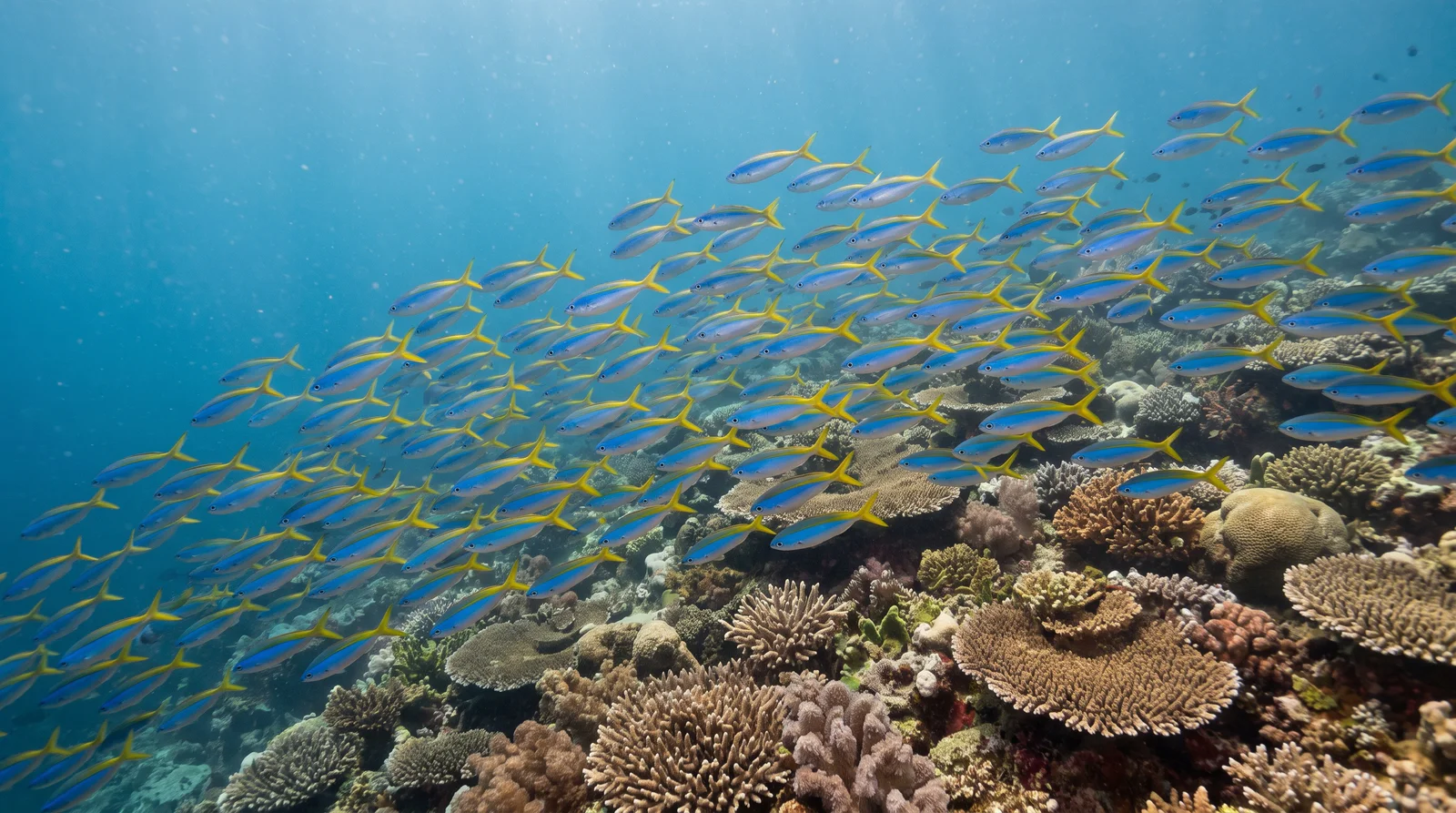
Fusilier (schooling)
Caesio spp.
Dokumentiertes Vorkommen am Tauchplatz
Quelle geprüft am 2026-11-18 · Quellen: Lumba Lumba Diving Centre und Sabang Freeport (blog) · Beobachtungsdatum nicht dokumentiert
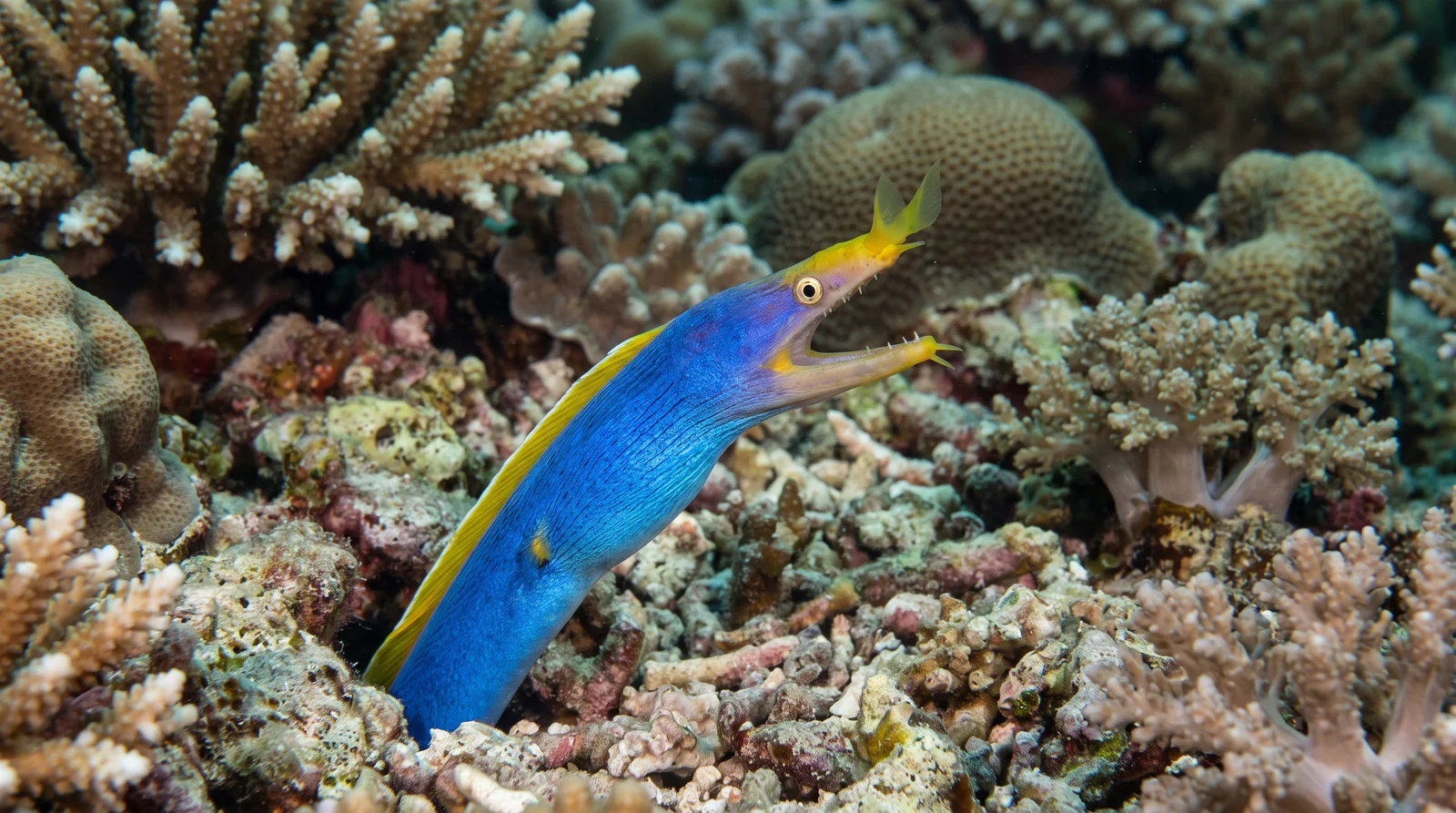
Blue-ribbon Eel
Rhinomuraena quaesita
Dokumentiertes Vorkommen am Tauchplatz
Quelle geprüft am 2026-11-18 · Quellen: Lumba Lumba Diving Centre und Sabang Freeport (blog) · Beobachtungsdatum nicht dokumentiert
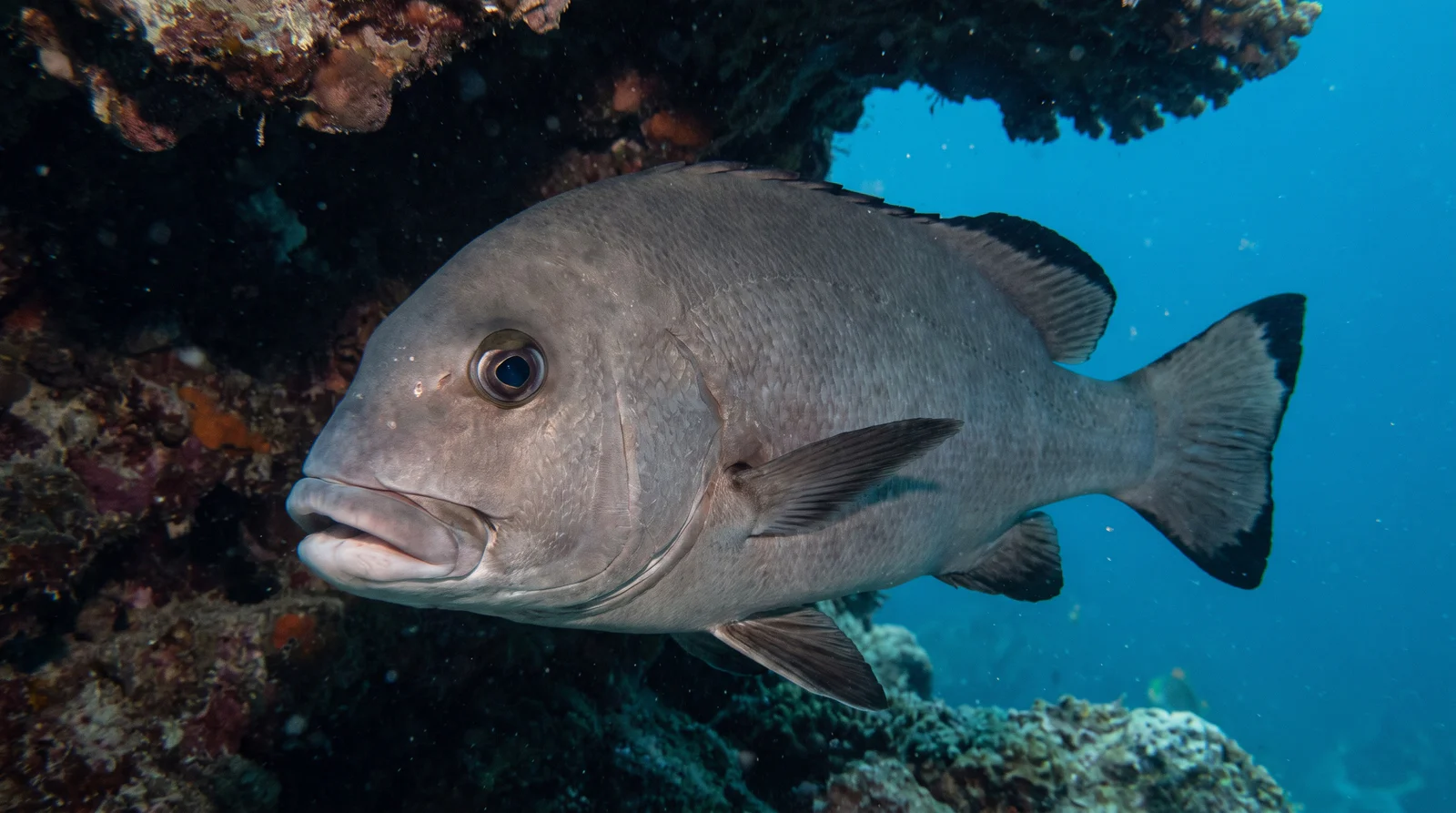
Giant Sweetlips
Plectorhinchus albovittatus
Dokumentiertes Vorkommen am Tauchplatz
Quelle geprüft am 2026-11-18 · Quelle: Lumba Lumba Diving Centre · Beobachtungsdatum nicht dokumentiert
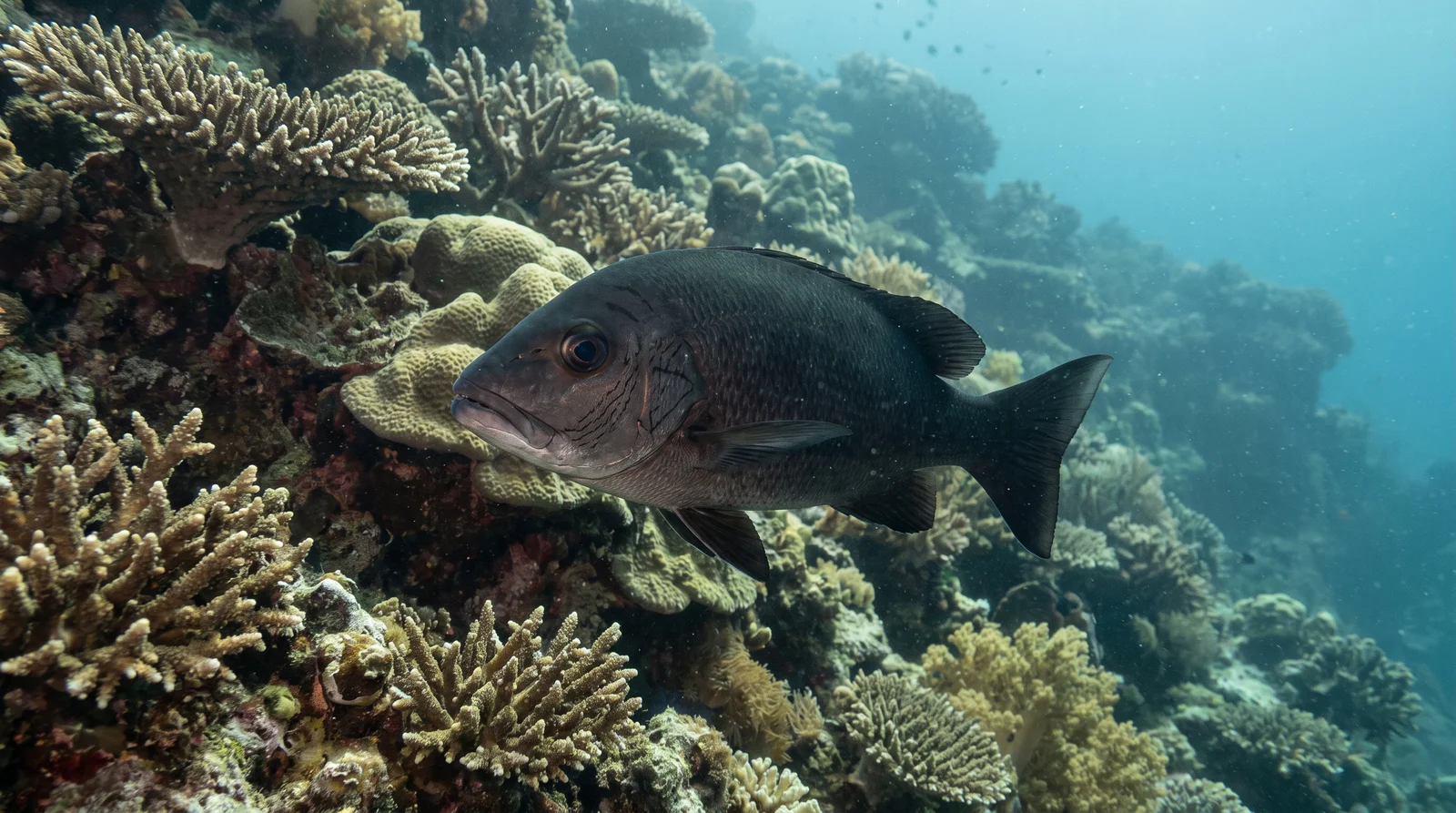
Black Snapper
Macolor niger
Dokumentiertes Vorkommen am Tauchplatz
Quelle geprüft am 2026-11-18 · Quelle: Lumba Lumba Diving Centre · Beobachtungsdatum nicht dokumentiert
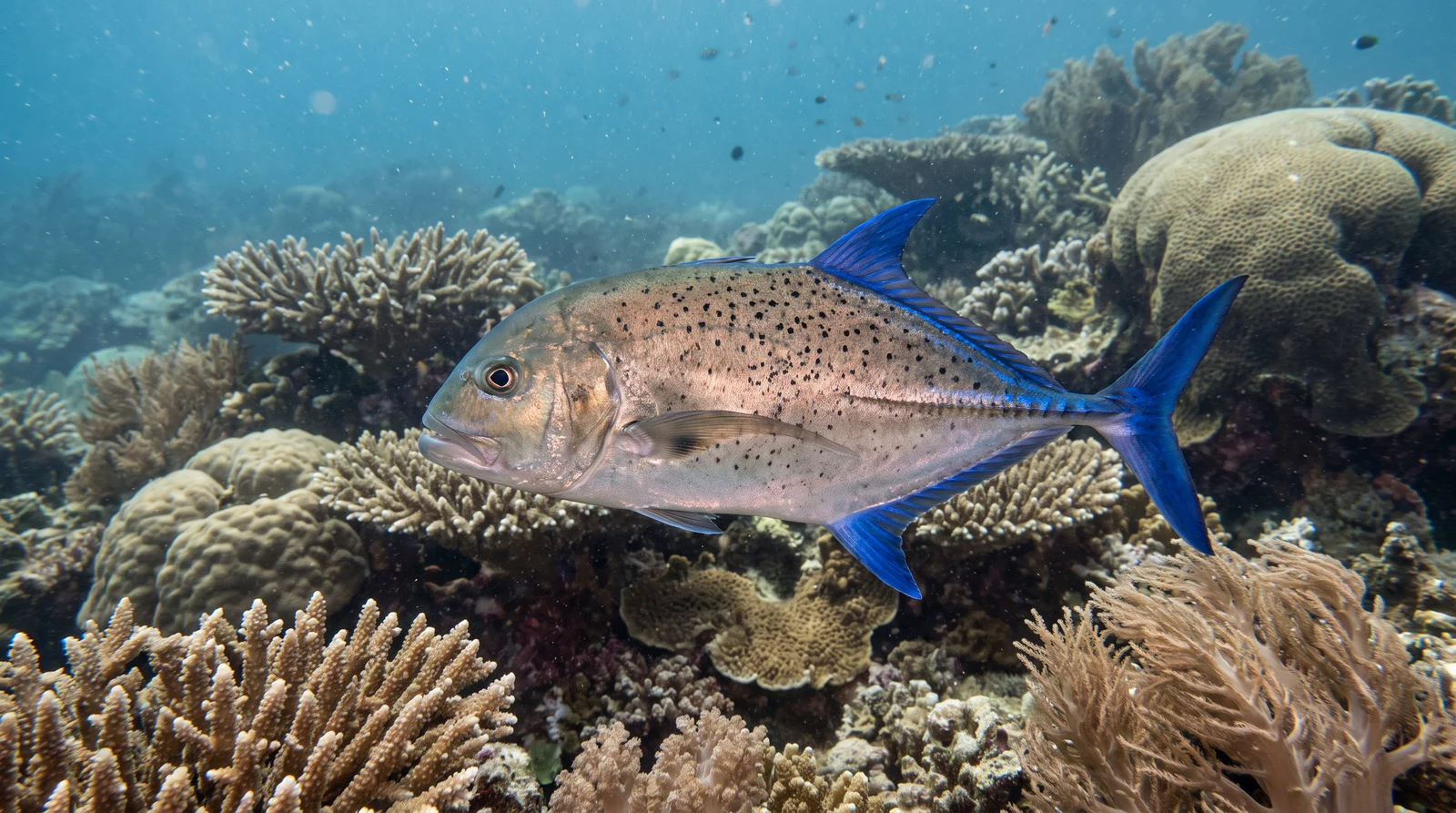
Bluefin Trevally
Caranx melampygus
Dokumentiertes Vorkommen am Tauchplatz
Quelle geprüft am 2026-11-18 · Quelle: Stingy Nomads · Beobachtungsdatum nicht dokumentiert
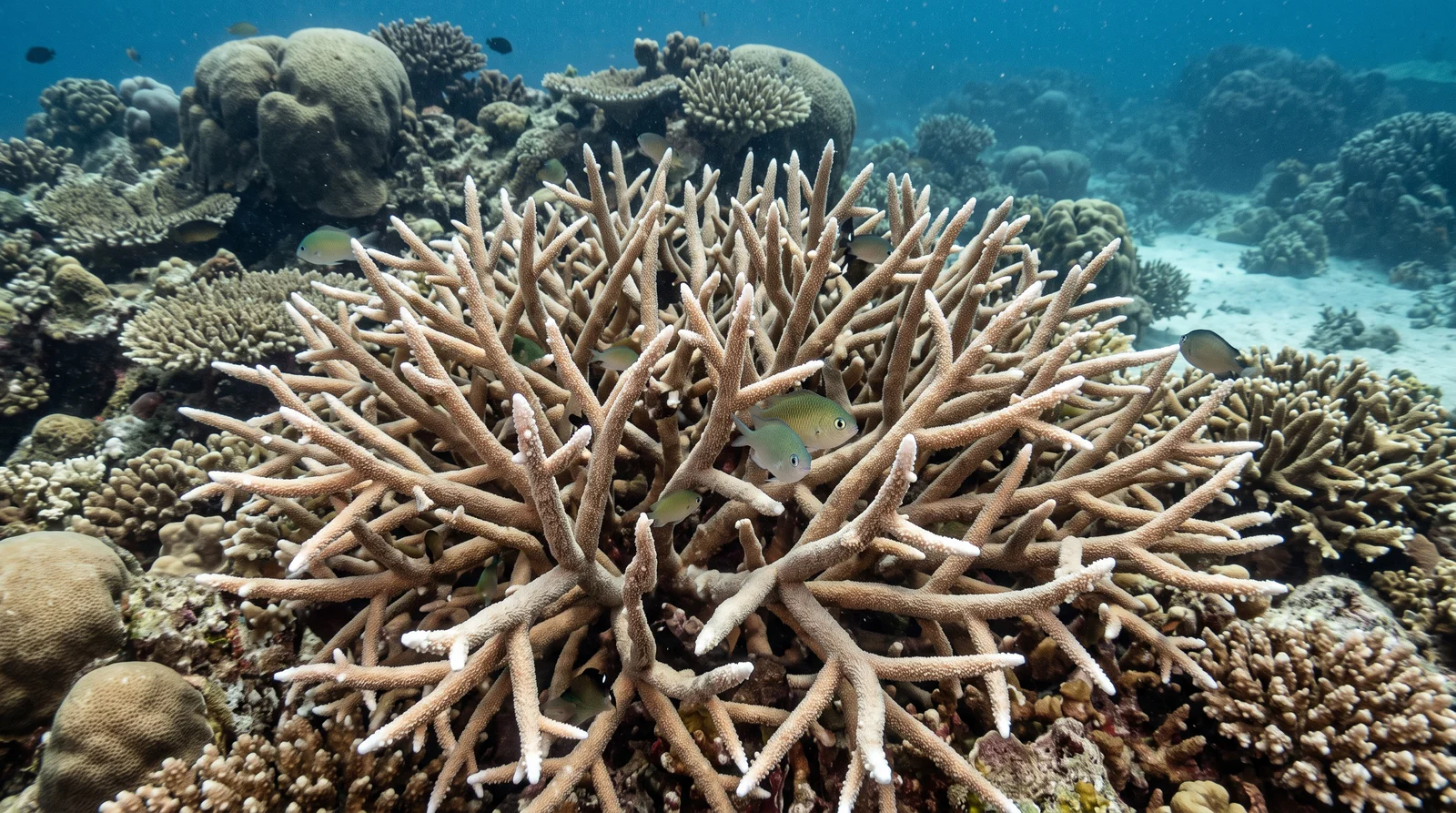
Staghorn Coral
Acropora sp.
Dokumentiertes Vorkommen am Tauchplatz
Quelle geprüft am 2026-11-18 · Quelle: Stingy Nomads · Beobachtungsdatum nicht dokumentiert
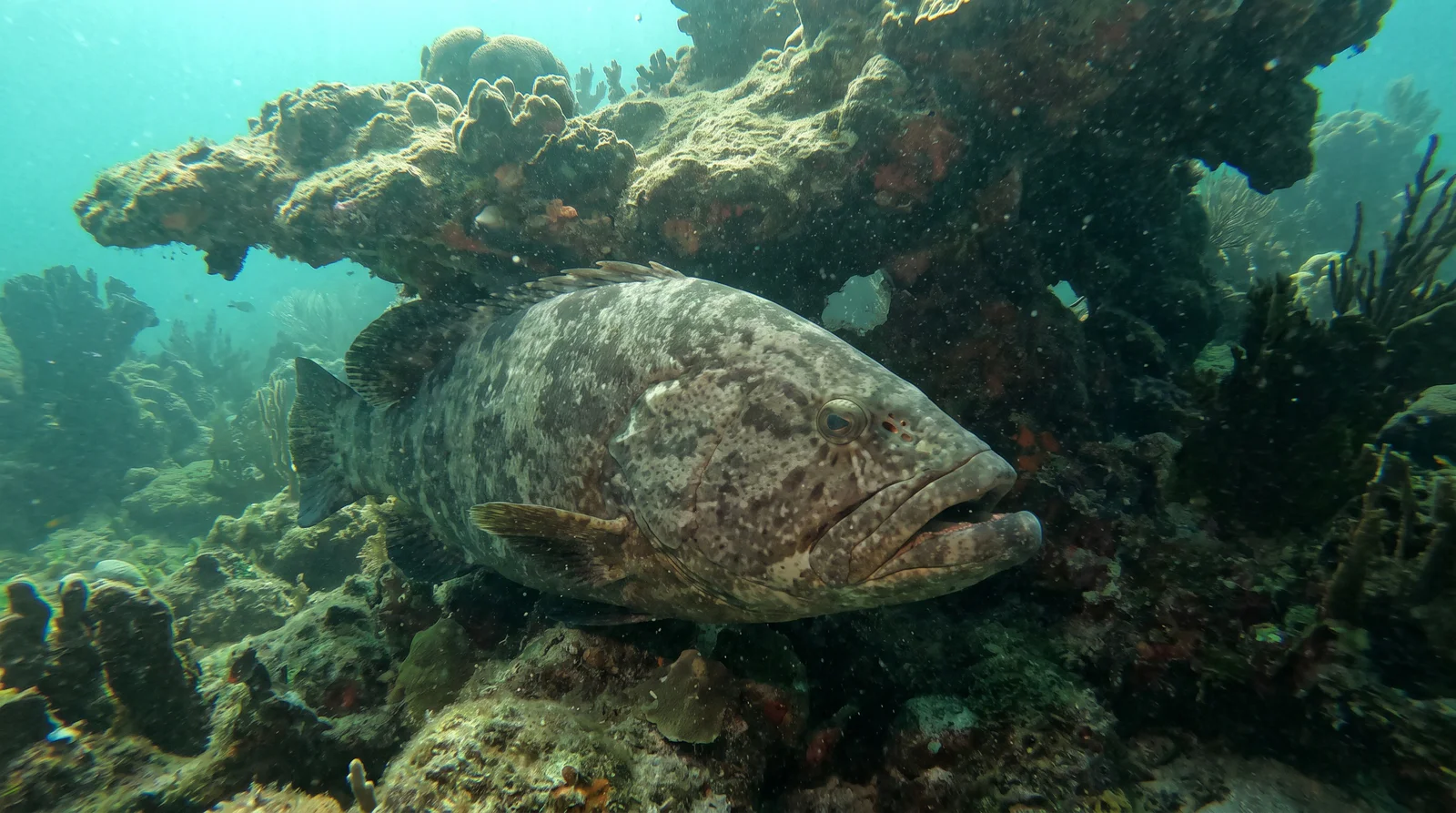
Grouper (assorted)
Epinephelinae spp.
Dokumentiertes Vorkommen am Tauchplatz
Quelle geprüft am 2026-11-18 · Quelle: Kapal Selam Dive Club · Beobachtungsdatum nicht dokumentiert
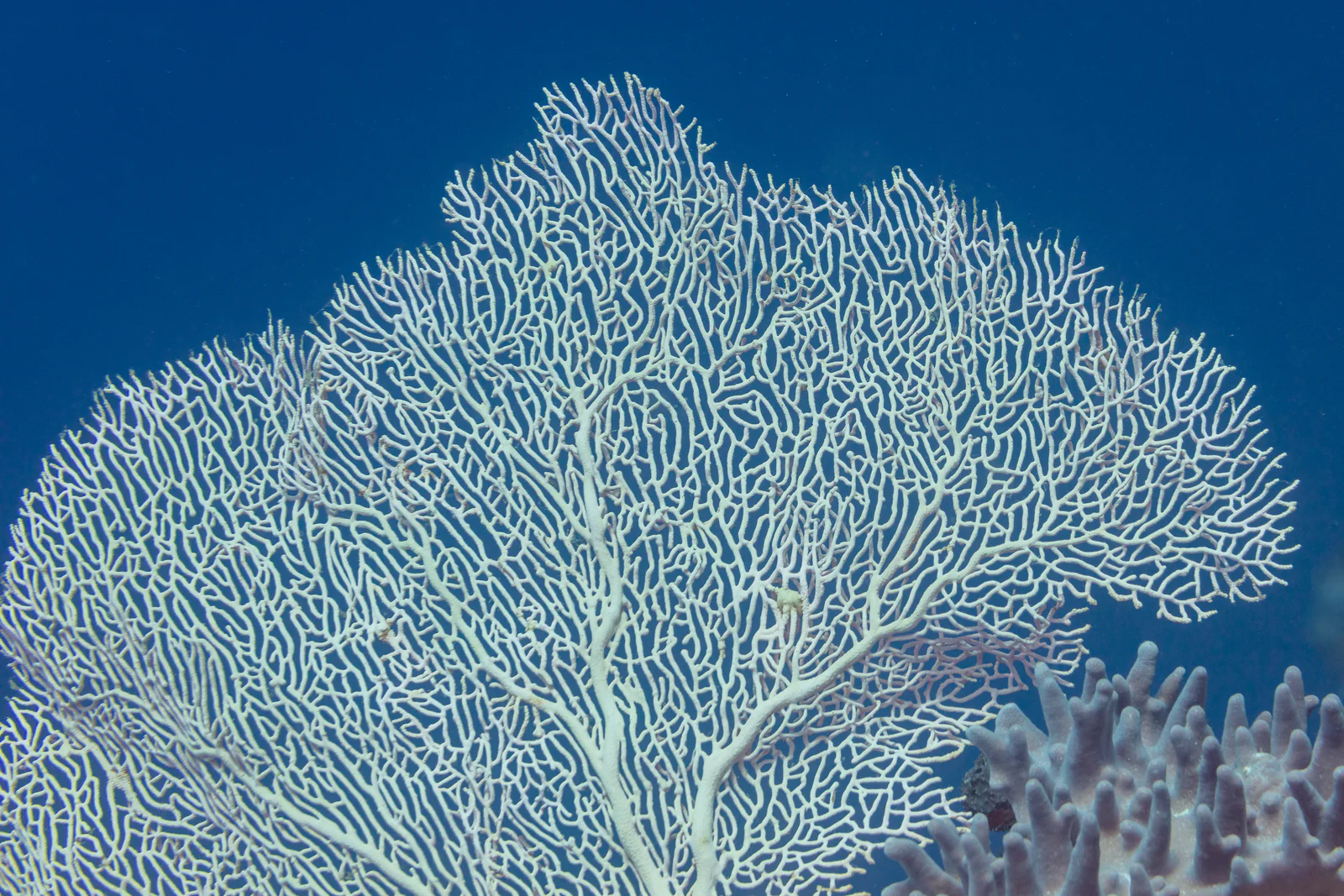
Sea Fan / Gorgonian (assorted)
Octocorallia spp. (gorgonians)
Dokumentiertes Vorkommen am Tauchplatz
Quelle geprüft am 2026-11-18 · Quelle: Stingy Nomads · Beobachtungsdatum nicht dokumentiert
Schon in Arus Balee getaucht?
Protokolliere ihn, checke ein oder erzähl anderen Tauchern, was du gesehen hast.
War das hilfreich?
Bleiben Sie auf dem Laufenden
Erhalten Sie Updates zu Tauchplätzen und Tipps per E-Mail.
Related dive articles.
Tauchsafari im Roten Meer: Routen, Saison und Kosten
Nordroute, Offshore-Riffe oder Süden: Was Quellen zu Voraussetzungen und Haisaison einer Tauchsafari im Roten Meer sagen und was nicht dokumentiert ist.
Tauchen in Komodo: Strömung, Mantas und Reisezeit
Komodo ist ein Strömungsziel. Was Nord- und Südteil unterscheidet, wann Mantas kommen und welche Erfahrung du für Castle Rock wirklich brauchst.
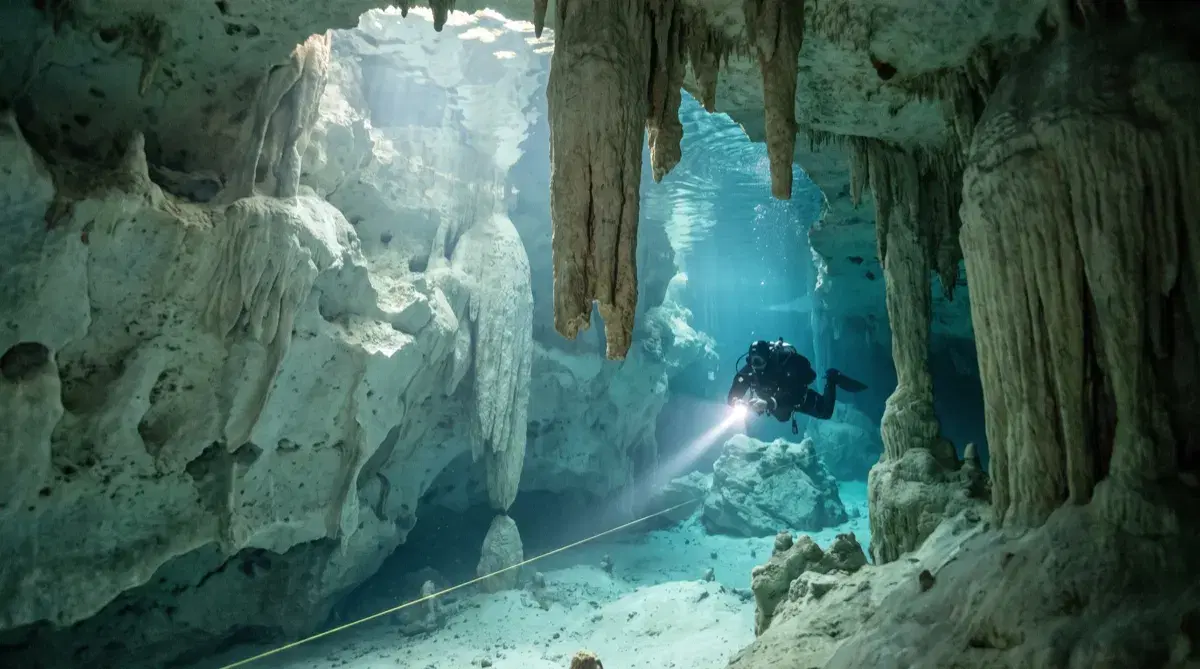
Tauchen in Mexiko: Von den Cenoten bis Socorro
Mexikos zwei Tauchküsten, von den Cenoten bis Socorro: was die genannten Quellen zu Cenotenregeln, Cabo Pulmo und Saison sagen und was nicht dokumentiert ist.