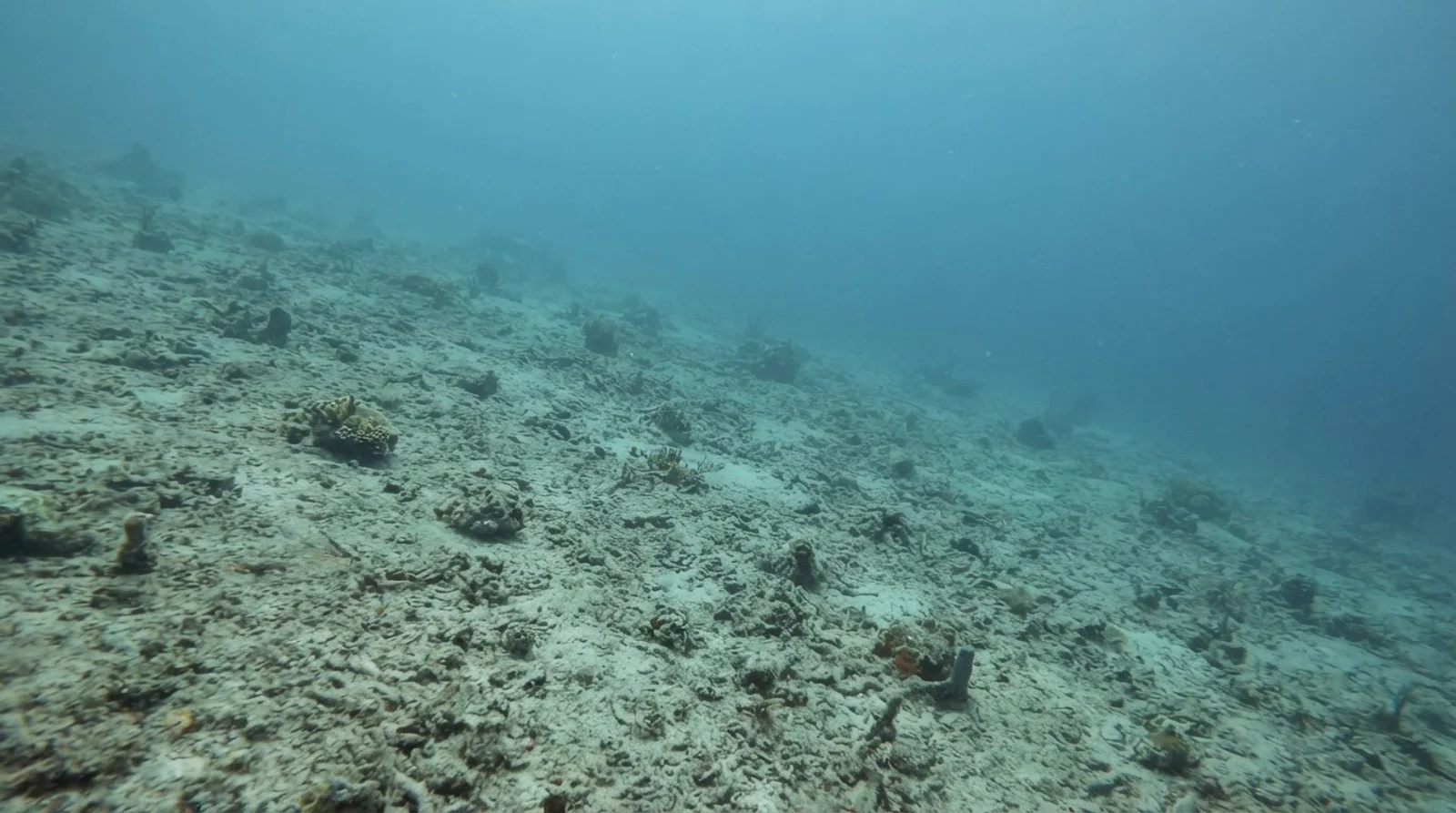
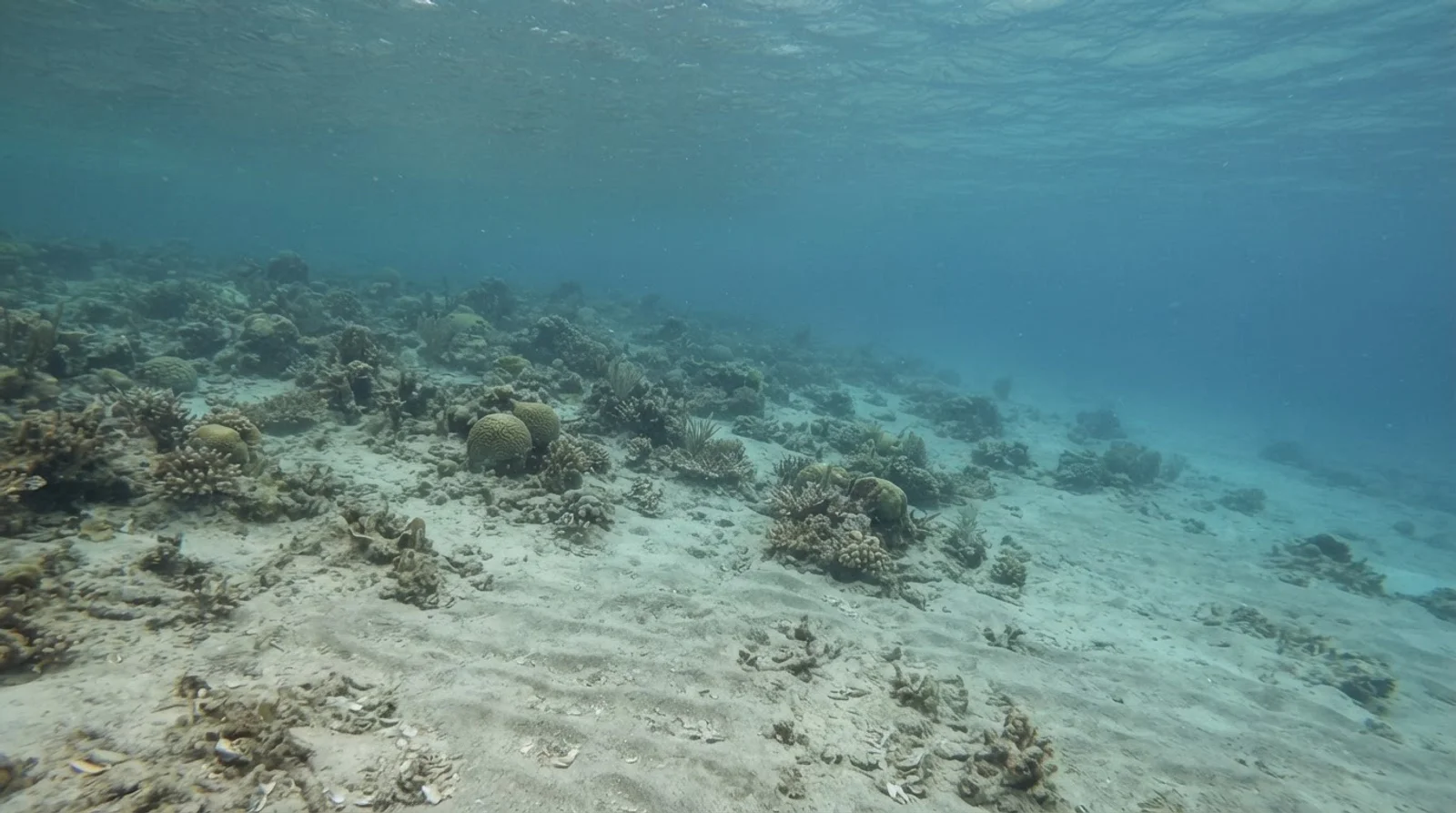
Muck · Reef · Sandy bottom
Bantigue
About this name: Location approximate: the existing map point is unverified. Provider listings show different positions and unresolved route boundaries. Use…
Malapascua
Difficulty
Difficulty
Historical value — unverified
beginner
Confirm this historical information with a local operator.
Know this? Tell usDifficulty level
Depth
Minimum depth
Historical value — unverified
10 m
Confirm this historical information with a local operator.
Know this? Tell usMaximum depth
Historical value — unverified
15 m
Confirm this historical information with a local operator.
Know this? Tell usDepth range
Documented months
Best season start
Historical value — unverified
March
Confirm this historical information with a local operator.
Know this? Tell usBest season end
Historical value — unverified
June
Confirm this historical information with a local operator.
Know this? Tell usVisibility
Minimum visibility
Historical value — unverified
10 m
Confirm this historical information with a local operator.
Know this? Tell usMaximum visibility
Historical value — unverified
25 m
Confirm this historical information with a local operator.
Know this? Tell usTypical visibility
Current
Current
Historical value — unverified
mild
Confirm this historical information with a local operator.
Know this? Tell usGood buoyancy control advised
Temperature
Minimum water temperature
Historical value — unverified
24°C
Confirm this historical information with a local operator.
Know this? Tell usMaximum water temperature
Historical value — unverified
30°C
Confirm this historical information with a local operator.
Know this? Tell usWater temperature
About This Dive Site
Bantigue: a Malapascua muck-diving profile
Bantigue is described in PADI's contributor-supplied Malapascua listing as a dive that moves from shallow reef towards a sandy bottom. Thresher Shark Divers lists a similar muck dive under the spelling Bantigi. These accounts emphasize small animals and observation of the substrate rather than a large reef formation or a promised big-animal encounter. Confirm the name and intended route when comparing trips.
Habitats and reported marine life
PADI's Bantigue description places the transition to sand around 12 m and reports gobies and shrimp sharing holes, with small mantis shrimp around rocks. It also describes a carpet anemone and associated anemonefish, porcelain crabs and boxer shrimp. These are contributed observations, not confirmation that the same animals or features will be found in the same place on your visit.
Thresher's named Bantigi section reports fire urchins, zebra crabs, cuttlefish, seamoths, snake eels, frogfish, nudibranchs and snowflake morays. Mimic octopus and stargazers are also mentioned as animals guides may look for. The accounts support a macro-focused description, but do not establish current sightings, exact encounter frequencies or wildlife seasons. Similar wording across listings should not be read as independent confirmation of every report.
Depth figures need context
The reviewed PADI Bantigue and Bantigi listings each label 12 m as maximum depth. Thresher's Bantigi heading gives 18 m, while its prose places a sandy feature at 12 m. A feature depth and an operator's general dive profile are not the same measurement. The sources do not resolve identical route boundaries or establish a surveyed whole-site range. This guide therefore leaves the site's depth limits unverified and does not publish a measured average depth. Ask for the planned route and depth during the briefing.
Entry, conditions and experience
PADI's Bantigi listing includes boat entry; its Bantigue listing mentions both boat and shore access. Confirm which arrangement your operator uses and where you will meet. A recommended training course in a directory is not a universal minimum qualification, and a shallow profile alone does not establish suitability for every diver.
LiveAboard.com's Malapascua overview reports regional water temperatures of 24–30°C. That is destination context, not a measured range for Bantigue or a forecast for your dive. Site-specific visibility, current strength, suitable months and present access remain unverified. The previous claims of calm conditions, excellent visibility and an average depth around 13 m are not established by the reviewed sources.
Map and route uncertainty
The existing map point is approximate and unverified. Provider listings show different positions, and their exact route boundaries remain unresolved. Use the map for general discovery, not navigation or an entry instruction; confirm the actual dive location with your operator.
Not yet independently cross-checked. · LiveAboard.com · PADI · PADI · Thresher Shark Divers
Certification required
Historical value — unverified
Open Water
Confirm this historical information with a local operator.
Know this? Tell usCurrent
Historical value — unverified
mild
Confirm this historical information with a local operator.
Know this? Tell usSources
- LiveAboard.com
- PADI
- Thresher Shark Divers
360° Underwater View
Immersive panoramic view of this dive site
360° panorama coming soon
Immersive underwater views will be available when panoramic imagery is uploaded
Reviews
--
0 reviews
No reviews yet. Be the first to share your experience!
Related Dive Sites
Discover other dive sites in the area
 Advanced
 BeginnerAdvancedBeginner
Depth Profile
Minimum Depth
Historical value — unverified
10 m
Confirm this historical information with a local operator.
Know this dive site? Suggest a correctionMaximum Depth
Historical value — unverified
15 m
Confirm this historical information with a local operator.
Know this dive site? Suggest a correctionStay Updated
Get dive site updates and tips in your inbox.
Dived Bantigue? Make it count.
Add it to your logbook, share your sightings, and help 0 divers plan their next descent.
Recent Community Activity
Was this helpful?
Related dive articles.
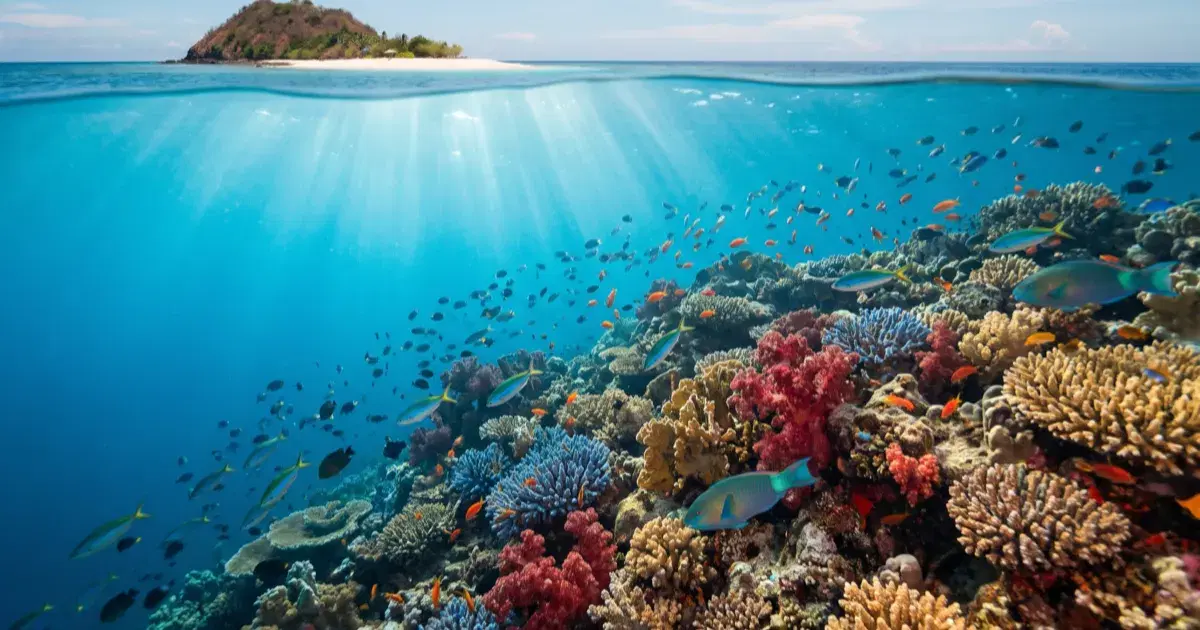
Malapascua Diving Guide: Beyond the Thresher Sharks
Malapascua diving guide: best season, beginner suitability, dive sites beyond Monad Shoal, how to get there, and how it compares to Moalboal.
Sep 30, 2026
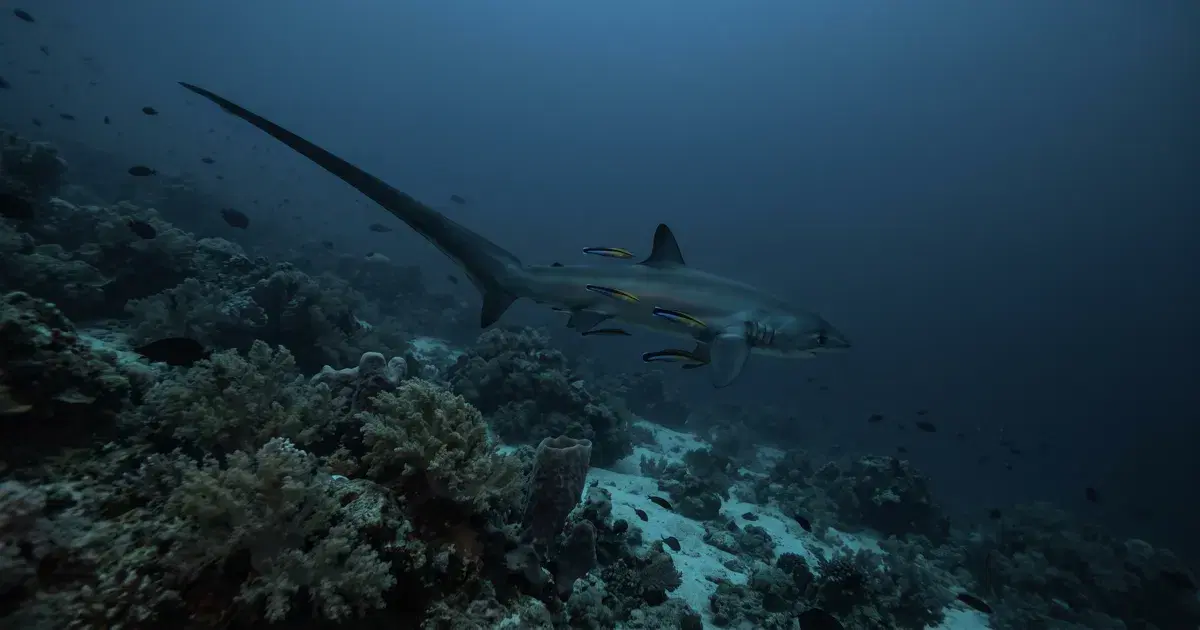
Thresher Shark Diving in Malapascua: Monad Shoal at Dawn
Thresher shark diving at Monad Shoal, Malapascua: wake-up time, depth, certification needed, best season, and how reliable sightings really are.
Aug 18, 2026