Advanced
Magic Mountain (Shadow Reef)
Indonesia > Raja Ampat > Misool
New
seamountpinnaclemanta-cleaning-station
Pinnacle · Seamount · Coral-garden

Verification status unavailable Some details may be incomplete or outdated. Confirm current conditions locally, and suggest a correction if you know this site.
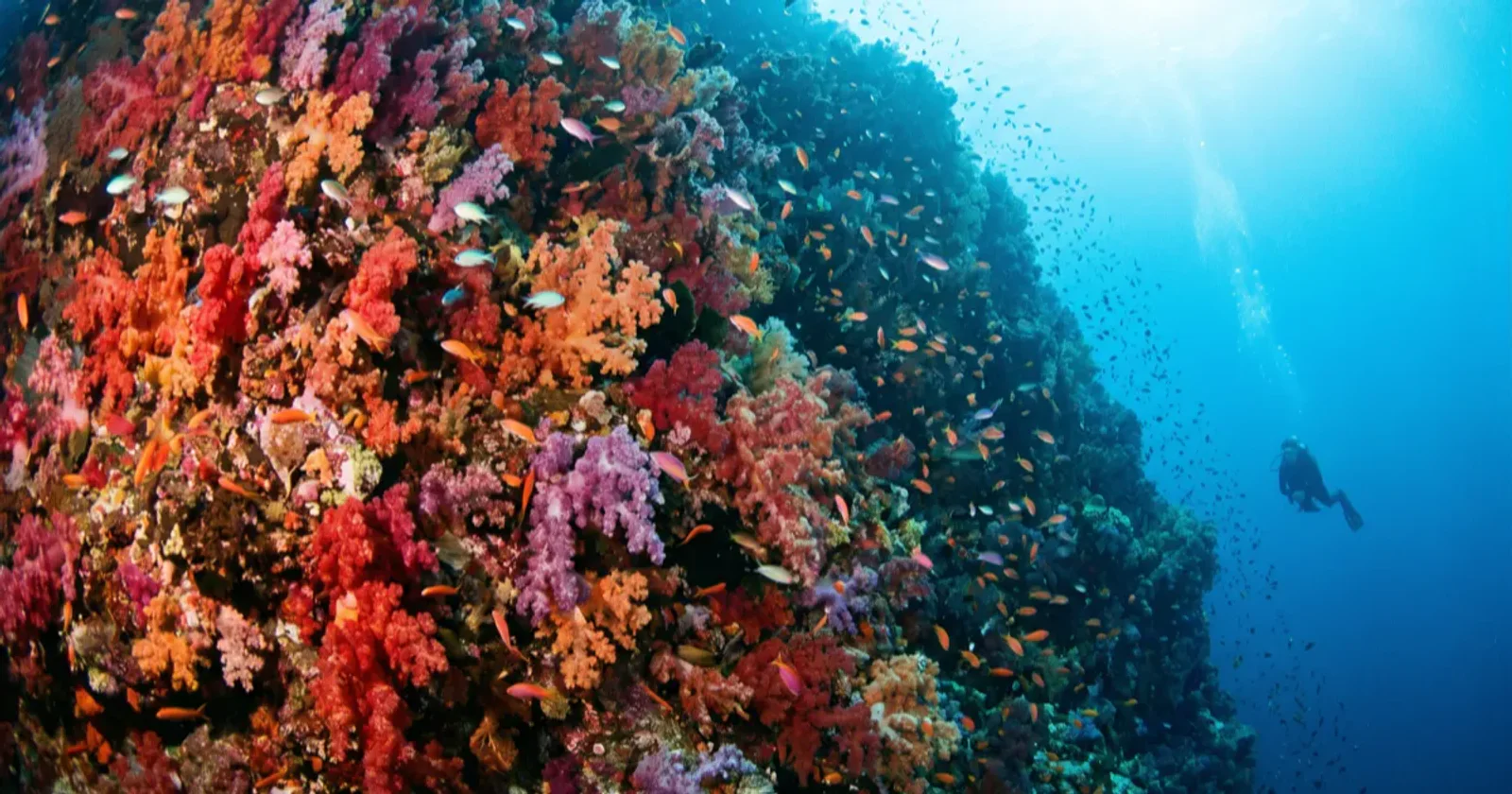
Know this dive site? Suggest a correctionPrepare for an exhilarating advanced dive at Four Kings, a world-renowned dive site nestled in the heart of Misool, Raja Ampat. This spectacular location is defined by four majestic underwater pinnacles, rising dramatically from a base of approximately 40 meters to within 5 to 20 meters of the surface. These impressive seamounts are connected by a ridge and bisected by a dramatic deep canyon, creating a complex and vibrant underwater landscape. Divers will find every surface smothered in a breathtaking display of soft corals, giant sea fans, and colorful sponges, painting one of the most vivid reefscapes in the Indo-Pacific.
Four Kings is known for its strong currents, which can range from moderate to strong depending on tidal movements. These currents are precisely what fuel the incredible spectacle of marine life that divers come here to witness, bringing nutrient-rich waters to the pinnacles. We recommend this dive site for advanced divers holding an Advanced Open Water certification, due to the challenging currents and depths involved. Hazards include strong currents and deeper sections of the dive site. Water temperature in Misool typically ranges between 26°C and 28°C, offering comfortable conditions for exploration. The best time to experience Four Kings is generally from October to April, when visibility is optimal and conditions are more predictable, with December through February often considered peak season for pelagic encounters.
The nutrient-rich waters and intricate topography make Four Kings a hotspot for diverse marine life. Divers can expect to encounter hundreds-strong schools of Chevron Barracuda (Sphyraena qenie) and Bigeye Trevally (Caranx sexfasciatus) swirling around the pinnacles. Keep an eye out for impressive Humphead Wrasse (Napoleon) (Cheilinus undulatus), as well as schooling Fusiliers (Caesio spp.) and the camouflaged Bearded Scorpionfish (Scorpaenopsis barbata). Beyond these, we often spot white tip and black tip reef sharks patrolling the pinnacle bases, and even bumphead parrotfish grazing on corals. Majestic Reef Manta Rays (Mobula alfredi) are known to frequent the shallow plateaus, utilizing them as cleaning stations. For those with a keen eye, the vibrant soft corals and sponges also host an array of macro life, including elusive pygmy seahorses and various nudibranchs.
A dive at Four Kings is a truly committing and vivid experience, offering unparalleled pelagic action and a kaleidoscope of colors that will satisfy even the most demanding underwater photographers.
Bird's Head Seascape describes Four Kings as a submerged reef west of Wayil Island, while La Galigo Liveaboard places it halfway between Jef Pele and Wayilbatan Islands. According to Bird's Head Seascape, three of the four pinnacles are connected by a ridge, and the solitary fourth pinnacle is separated from them by a narrow gap of 15 metres with its bottom at more than 30 metres.
Bird's Head Seascape recommends starting at the shallowest point, on the solitary pinnacle, then swimming west to the first pinnacle of the ridge, which has a swim-through at 25 metres. The ridge continues west and divides into a Y shape, with pinnacles at either end. La Galigo gives the tops as about 7 metres for the shallowest pinnacle at the north-east corner, around 16 metres for a pinnacle at the west end and 20 metres for a deeper one to the south, with the connecting ridge at about 15 metres.
La Galigo reports visibility generally between 10 and 30 metres, says currents are strongest around the full and new moon, and describes clouds of red-toothed triggerfish below the shallowest pinnacle during the safety stop. Cruising Raja Ampat mentions groupers that sometimes visit the site and giant trevallies, and says oceanic manta rays may pass nearby with luck.
Typical current strength at this dive site
Powerful current. Advanced certification and drift dive experience required. Follow guide instructions.
Strength Scale
None
Mild
Moderate
Strong
Monthly conditions and seasonal highlights — tap a month
Peak diving season with optimal visibility, calm seas, and best marine life encounters.
6 species recorded at this site
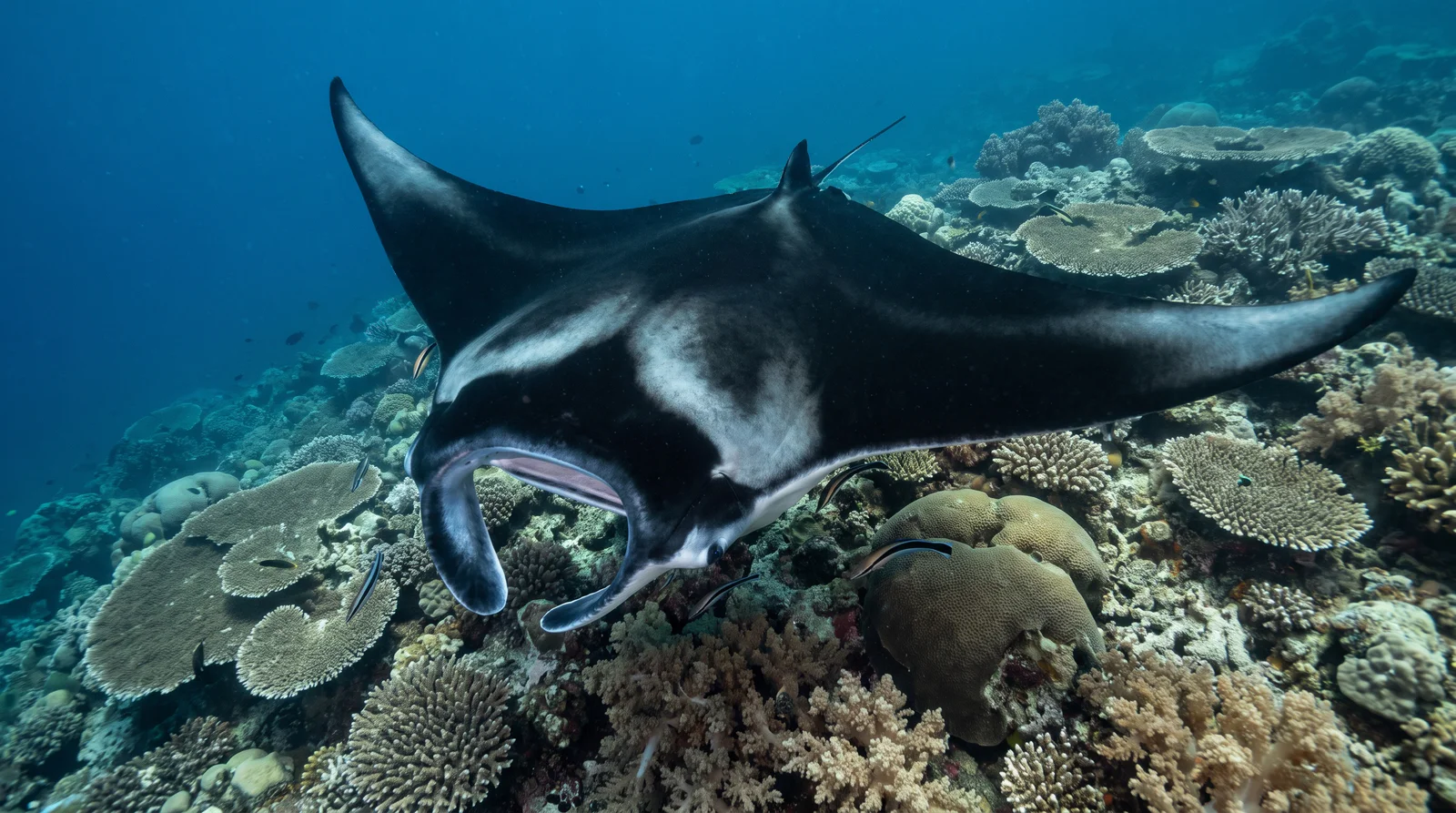
Reef Manta Ray
Mobula alfredi
Feb, Mar, Apr · Unverified
Site occurrence not yet documented
No dated observations available.
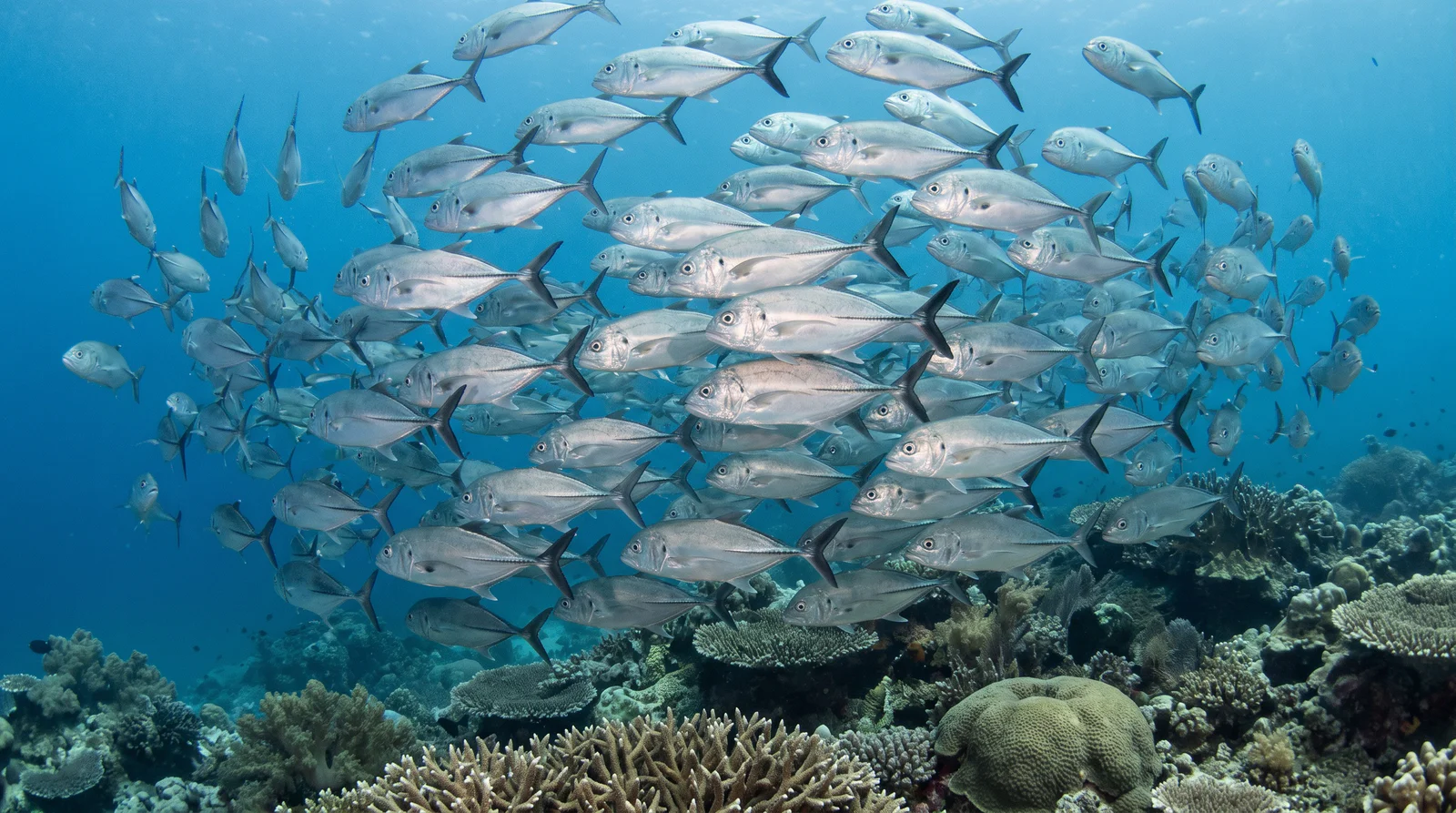
Bigeye Trevally
Caranx sexfasciatus
Site occurrence not yet documented
No dated observations available.
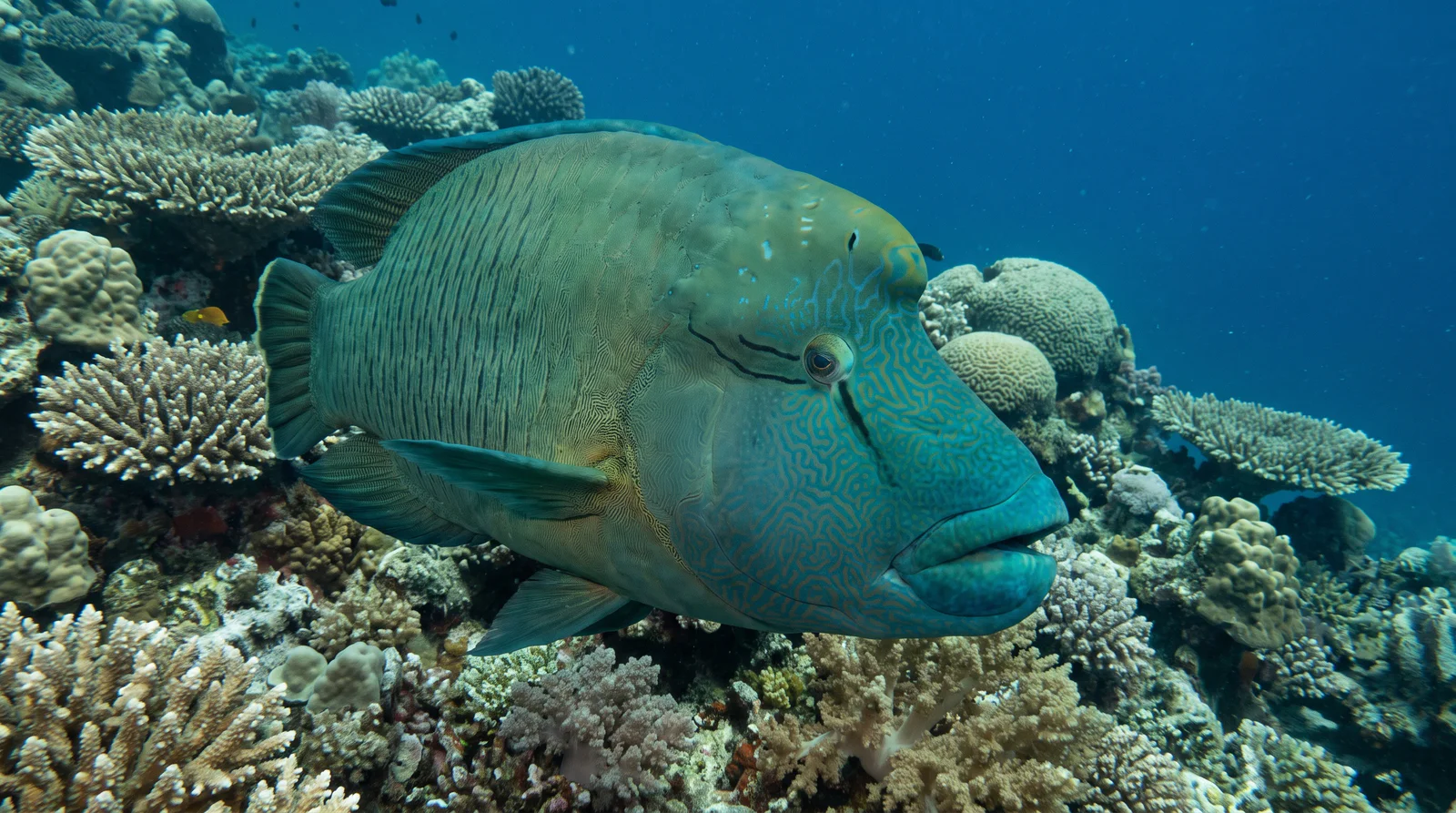
Humphead Wrasse (Napoleon)
Cheilinus undulatus
Site occurrence not yet documented
No dated observations available.
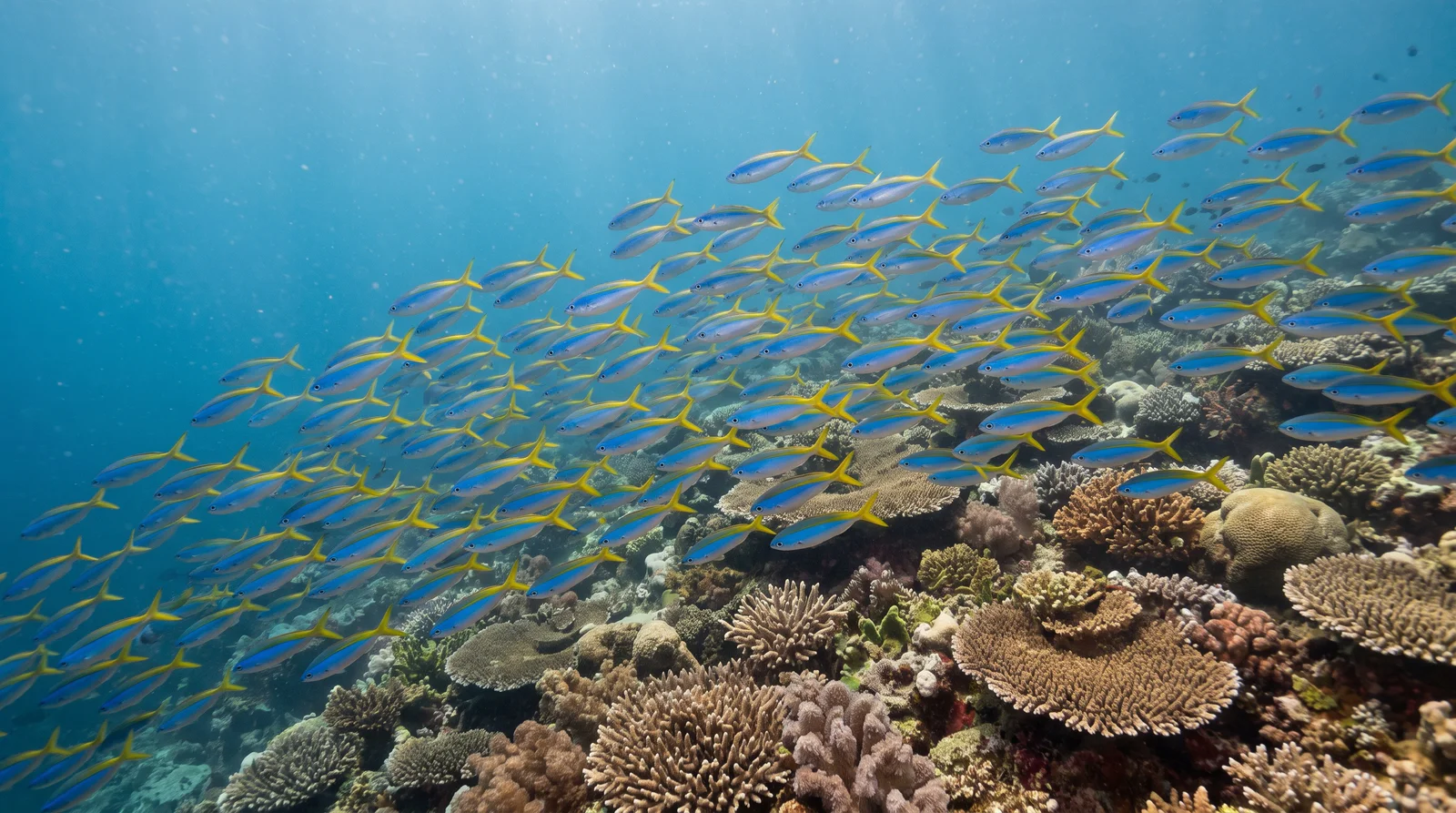
Fusilier (schooling)
Caesio spp.
Site occurrence not yet documented
No dated observations available.
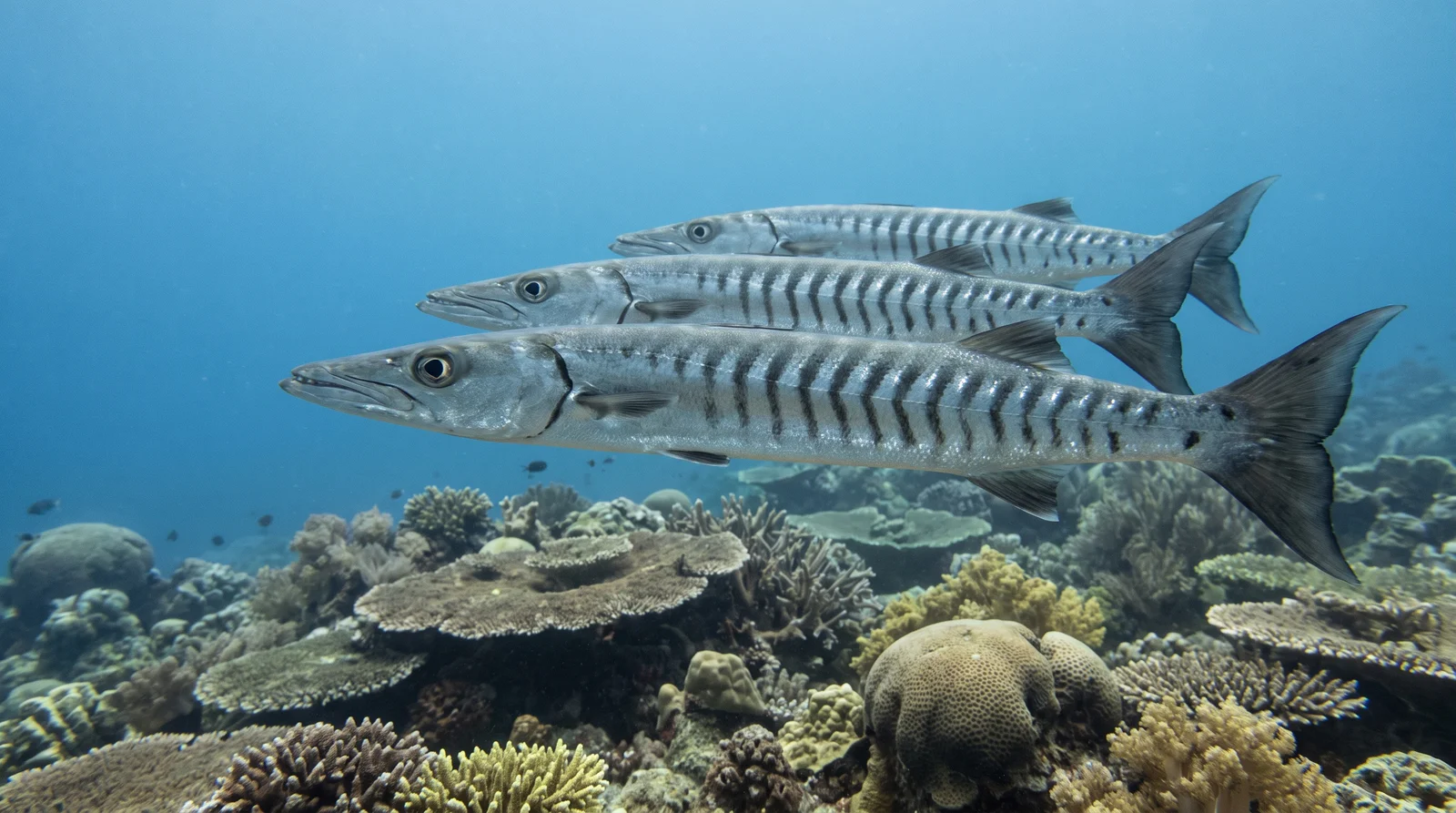
Chevron Barracuda
Sphyraena qenie
Site occurrence not yet documented
No dated observations available.
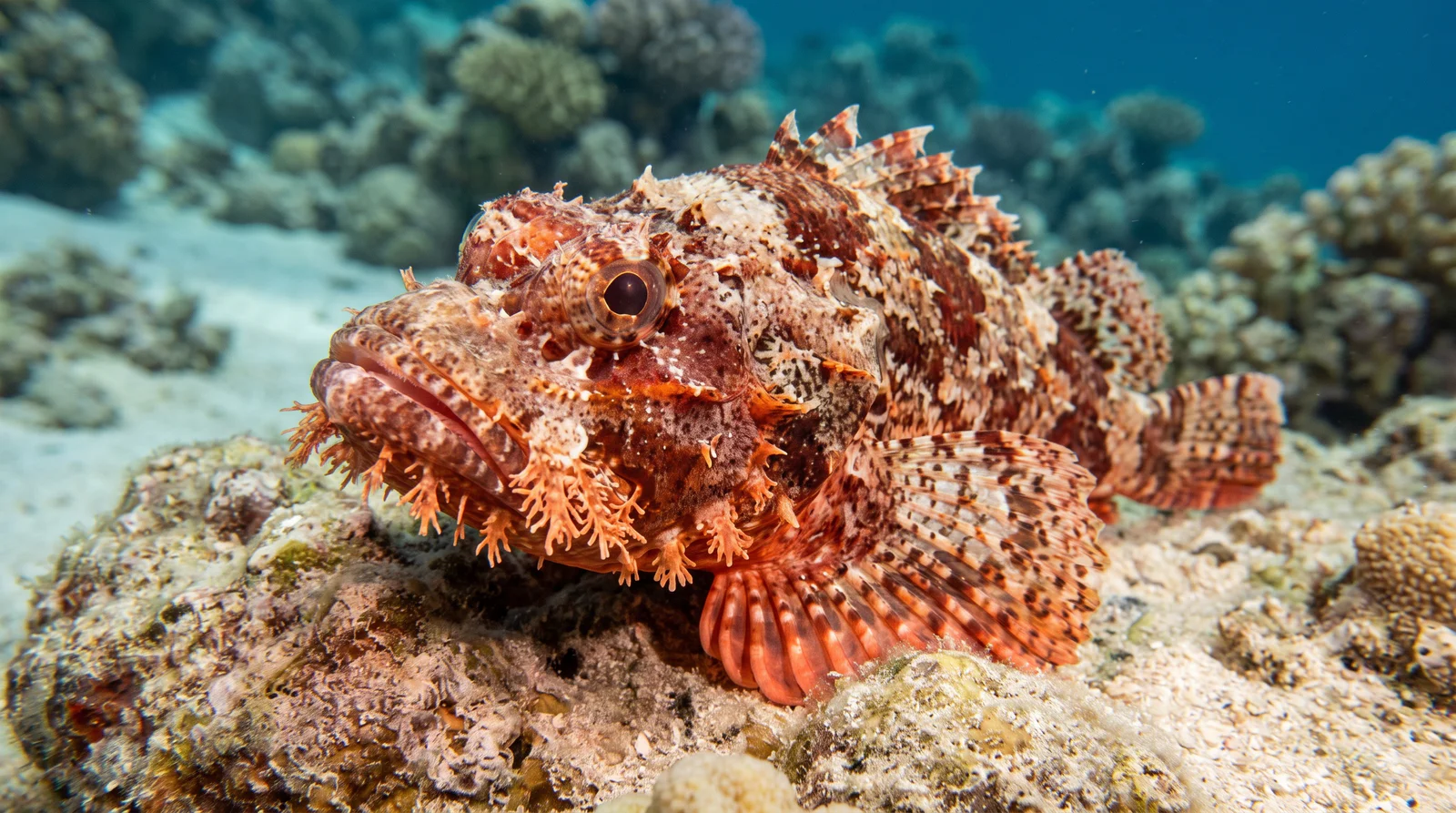
Bearded Scorpionfish
Scorpaenopsis barbata
Site occurrence not yet documented
No dated observations available.
Be aware of these potential hazards at this dive site
Strong current
Severity: HighStrong current feeds the schooling spectacle across the four connected pinnacles.
Depth
Severity: MediumPinnacle base near 40m with a dramatic deep canyon.
Certification Required
A minimum of Advanced Open Water certification is required to dive this site.
Immersive panoramic view of this dive site
360° panorama coming soon
Immersive underwater views will be available when panoramic imagery is uploaded
--
0 reviews
No reviews yet. Be the first to share your experience!
Discover other dive sites in the area
AdvancedIndonesia > Raja Ampat > Misool
 Intermediate
 Advanced
 IntermediateAdvanced
Indonesia > Raja Ampat > Misool
IntermediateAdvancedIntermediateVertical range at this site
Minimum Depth
16 ft
Shallowest point
Average Depth
66 ft
Typical dive depth
Maximum Depth
131 ft
Deepest point
Get dive site updates and tips in your inbox.
Add it to your logbook, share your sightings, and help 0 divers plan their next descent.
Was this helpful?