 Beginner
Karang Makassar (Manta Point)
Indonesia > East Nusa Tenggara > Komodo National Park
New
driftmanta-cleaning-stationreef
Reef · Coral-garden · Muck
Verification status unavailable Some details may be incomplete or outdated. Confirm current conditions locally, and suggest a correction if you know this site.
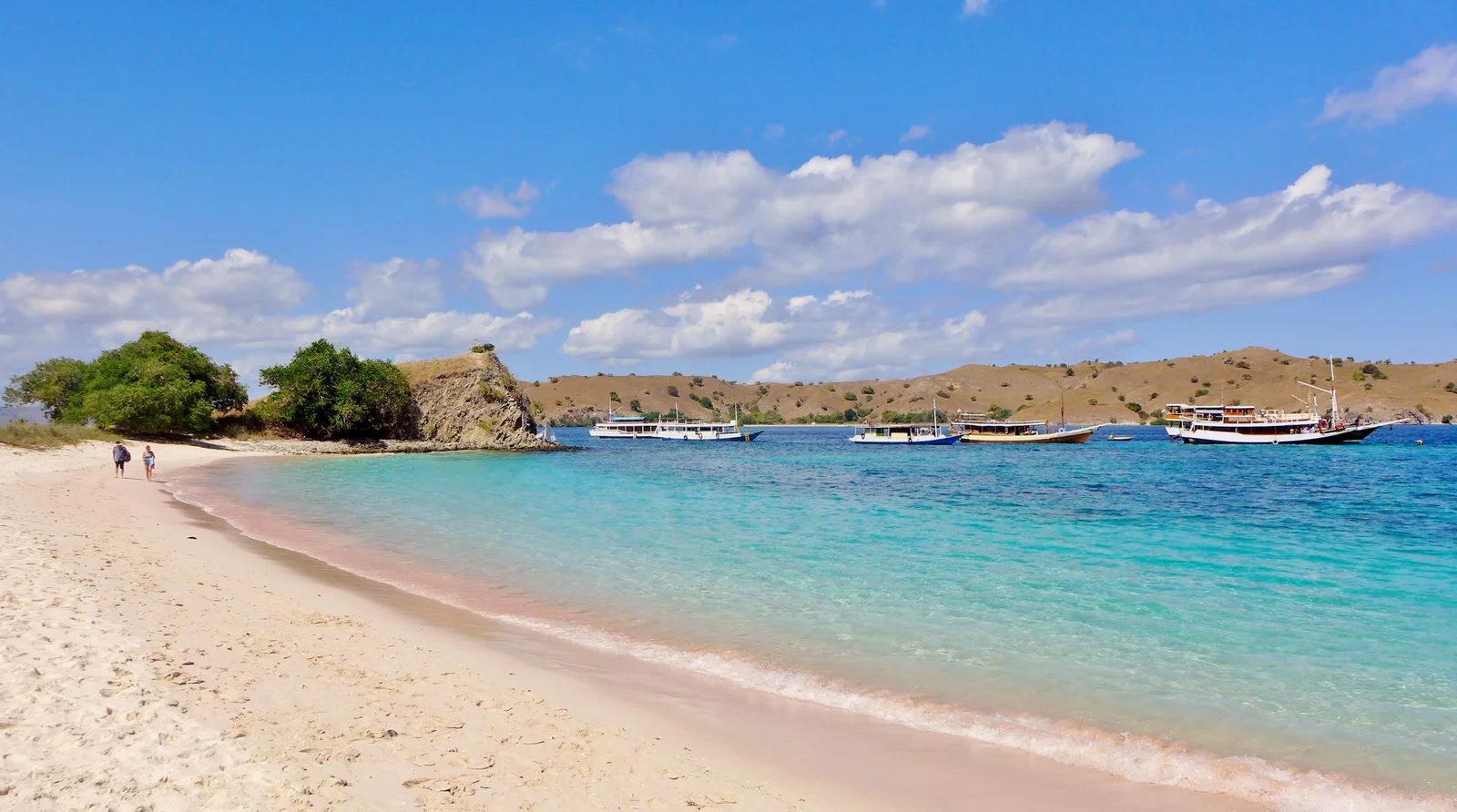
Know this dive site? Suggest a correctionBeneath the captivating blush of one of the world’s few pink-sand beaches, Pink Beach, locally known as Pantai Merah, offers a deceptively rich underwater experience in Komodo National Park. The distinctive rose hue of the sand comes from microscopic fragments of red coral (Foraminifera) mixing with white sand, creating a truly unique backdrop for your dive adventure.
This dive site is ideal for beginners, requiring only an Open Water certification. Divers will find mild currents, making it a comfortable and enjoyable exploration. The water temperature typically ranges between 26°C and 28°C, ensuring pleasant diving conditions year-round.
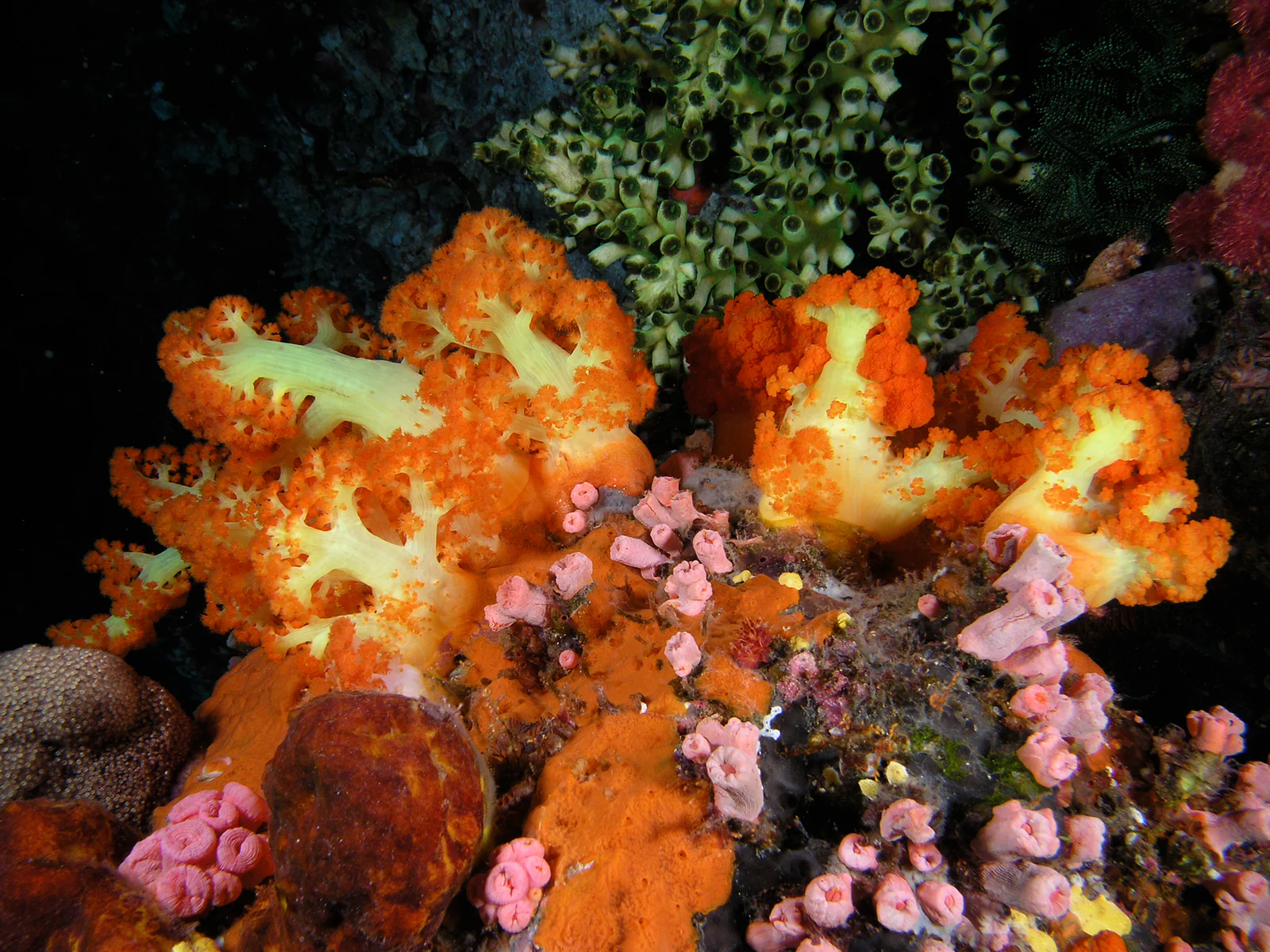
The underwater landscape at Pink Beach begins just meters from shore with a gentle coral garden, sloping gradually over a mix of reef, rubble, and seagrass. This area then transitions into a steeper coral slope, reaching a maximum depth of 30 m. Divers can expect excellent visibility, often exceeding 15 m, and sometimes reaching 20 to 30 meters or more. The site features patchy and submerged coral reefs, contributing to its diverse ecosystem. Pink Beach is also known for being a world-class night dive, transforming after dark into a vibrant hub of nocturnal activity.
Pink Beach is a macro photographer's delight and a haven for diverse marine life. Divers can expect to encounter a fascinating array of critters, including the expertly camouflaged Leaf Scorpionfish (Taenianotus triacanthus), the striking Blue-ribbon Eel (Rhinomuraena quaesita), and the well-hidden Crocodilefish (Cymbacephalus beauforti). Keep an eye out for various species of Frogfish (Antennariidae spp.) and a parade of assorted Nudibranchs.
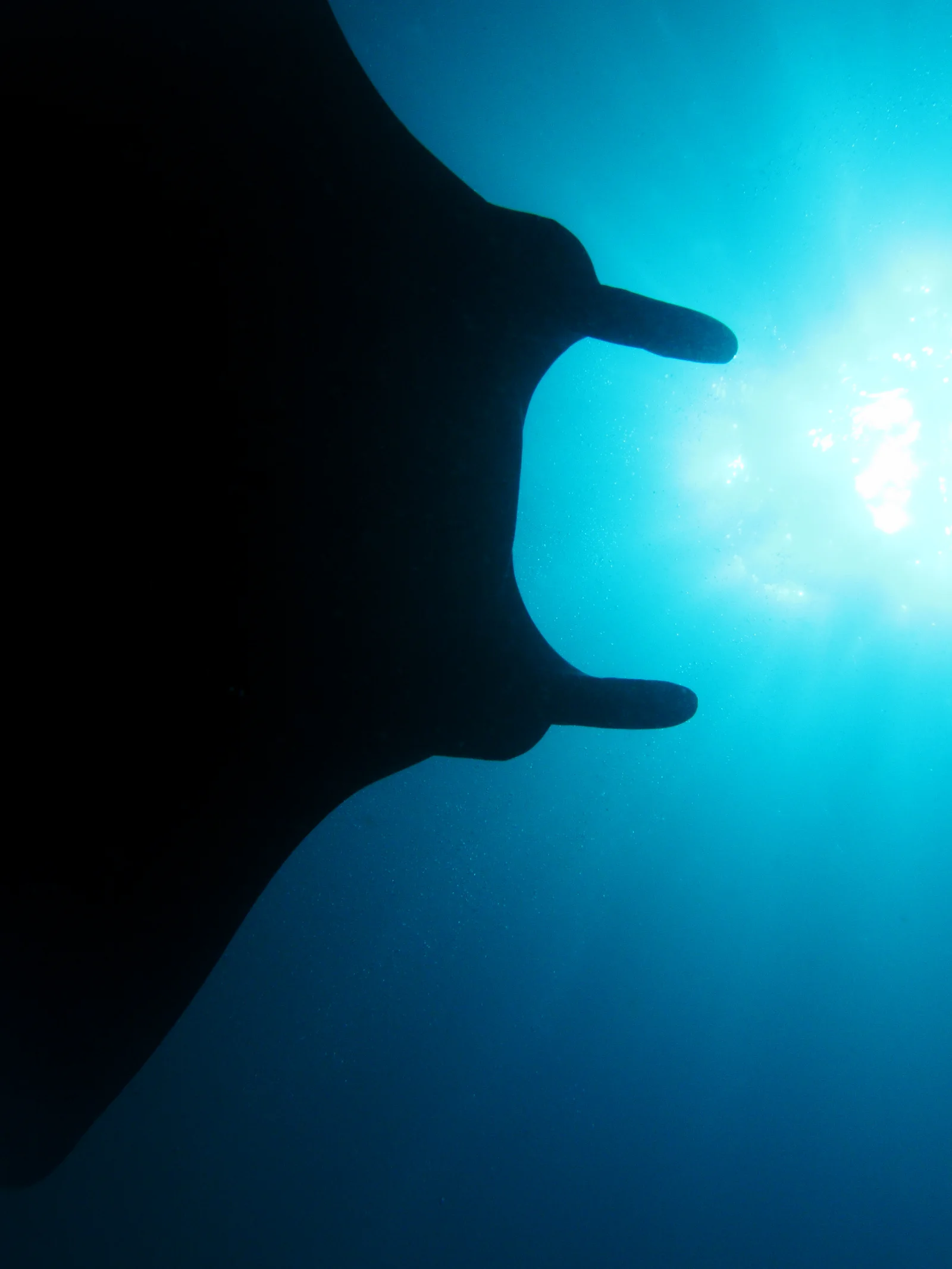
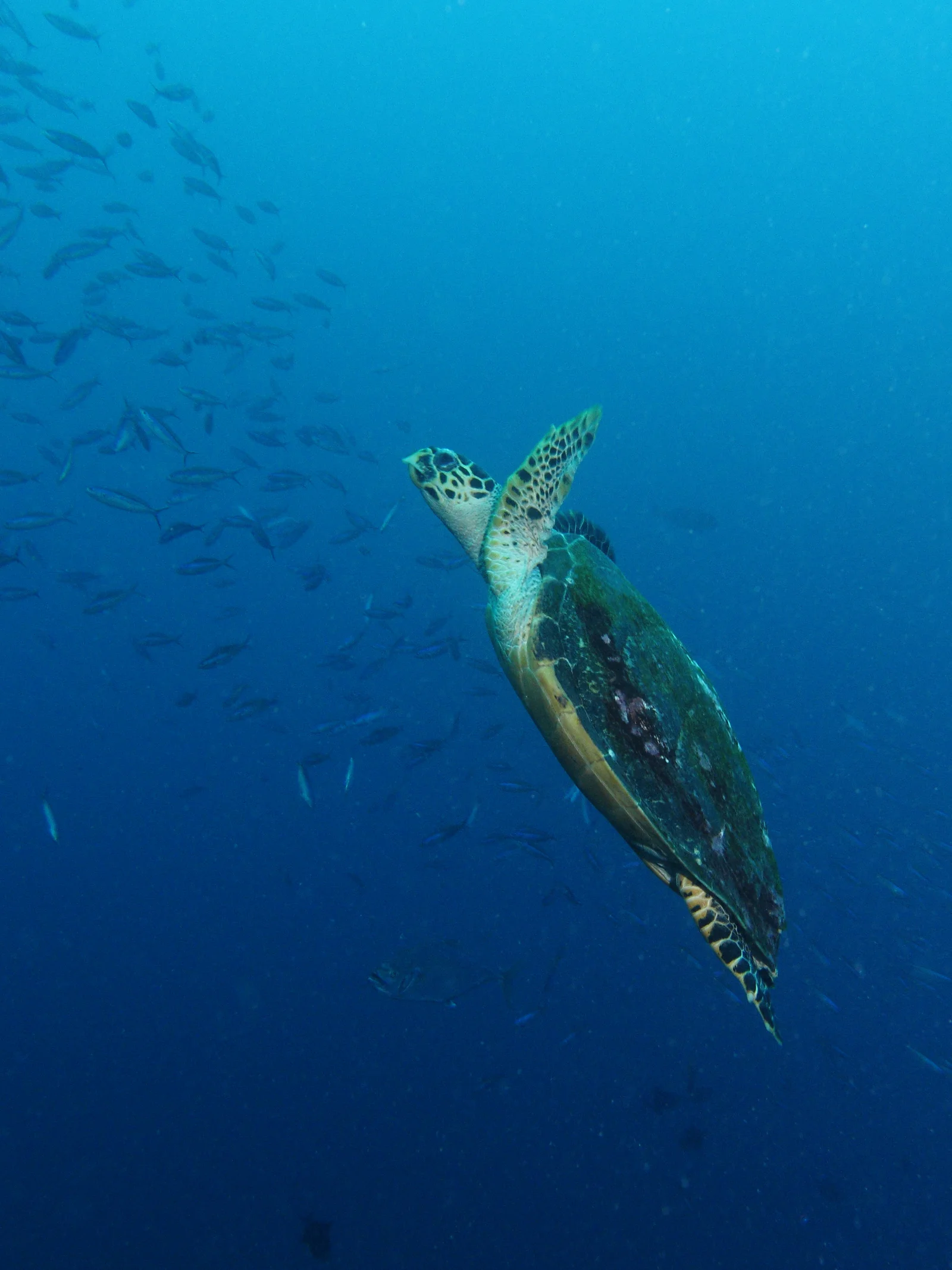
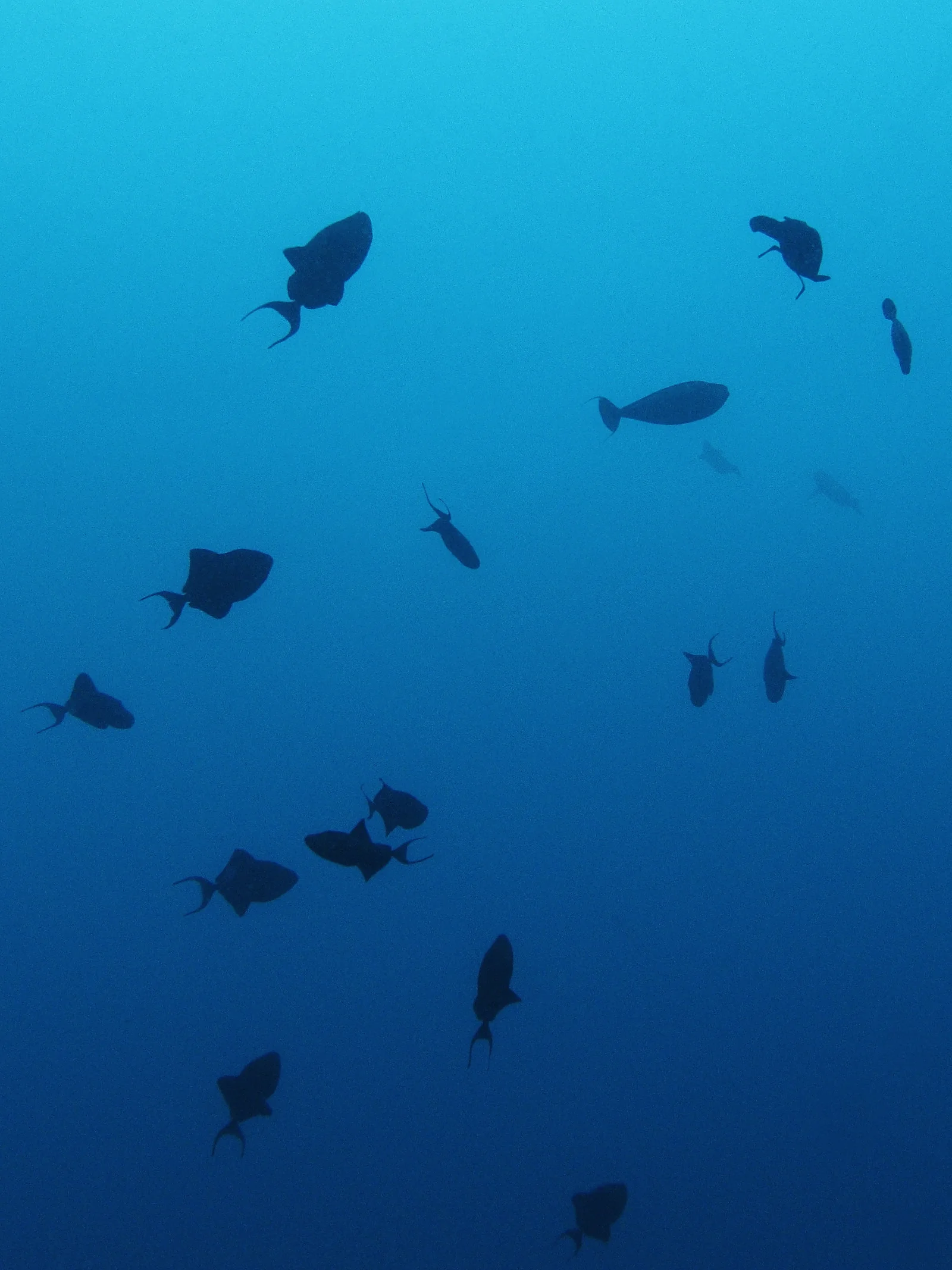
Beyond the macro wonders, divers will also find larger marine inhabitants. We often spot graceful Hawksbill Turtles (Eretmochelys imbricata) gliding through the reef. Schools of Fusiliers (Caesio spp.) create dynamic displays, while the formidable Great Barracuda (Sphyraena barracuda) patrols the deeper sections. Blacktip Reef Sharks (Carcharhinus melanopterus) are also present, adding to the excitement. Additionally, divers might spot colorful Clownfish nestled in anemones, vibrant Parrotfish, Butterflyfish, and Angelfish darting through the corals. While more common at other Komodo dive sites, Manta Rays occasionally grace these waters with their presence.
While generally a mild dive site, divers should be aware of potential hazards. We advise caution regarding boat traffic, especially in shallower areas. As with any dive in Komodo National Park, divers should be mindful of potentially dangerous marine life. Although currents are typically mild, conditions can change, so always pay attention to your dive guide. Finally, we recommend maintaining good buoyancy control to avoid coral contact and protect the delicate reef ecosystem.
An archived WWF Coral Triangle page on Komodo National Park dive sites, which WWF notes may no longer be up to date, calls Pantai Merah, or Pink Beach, the most-visited scuba diving site within the park and places it on the eastern side of Komodo Island. WWF says the site is popular with snorkelers and divers, is known as a world-class night dive, and has several mooring buoys placed to prevent dive boats damaging delicate corals with anchors. The page does not say how many buoys there are or whether they are still in service.
Teresa Zubi's starfish.ch Komodo guide places the site very close to the Komodo ranger station and notes that many boats come here for snorkelling. She attributes the beach colour to red coral fragments mixed with white sand. Underwater she describes a slope with a sandy bottom, and says the water temperature is already lower there, sometimes down to 25 degrees Celsius. She reports animals more usually associated with the south of the park, such as small yellow sea cucumbers and many feather stars.
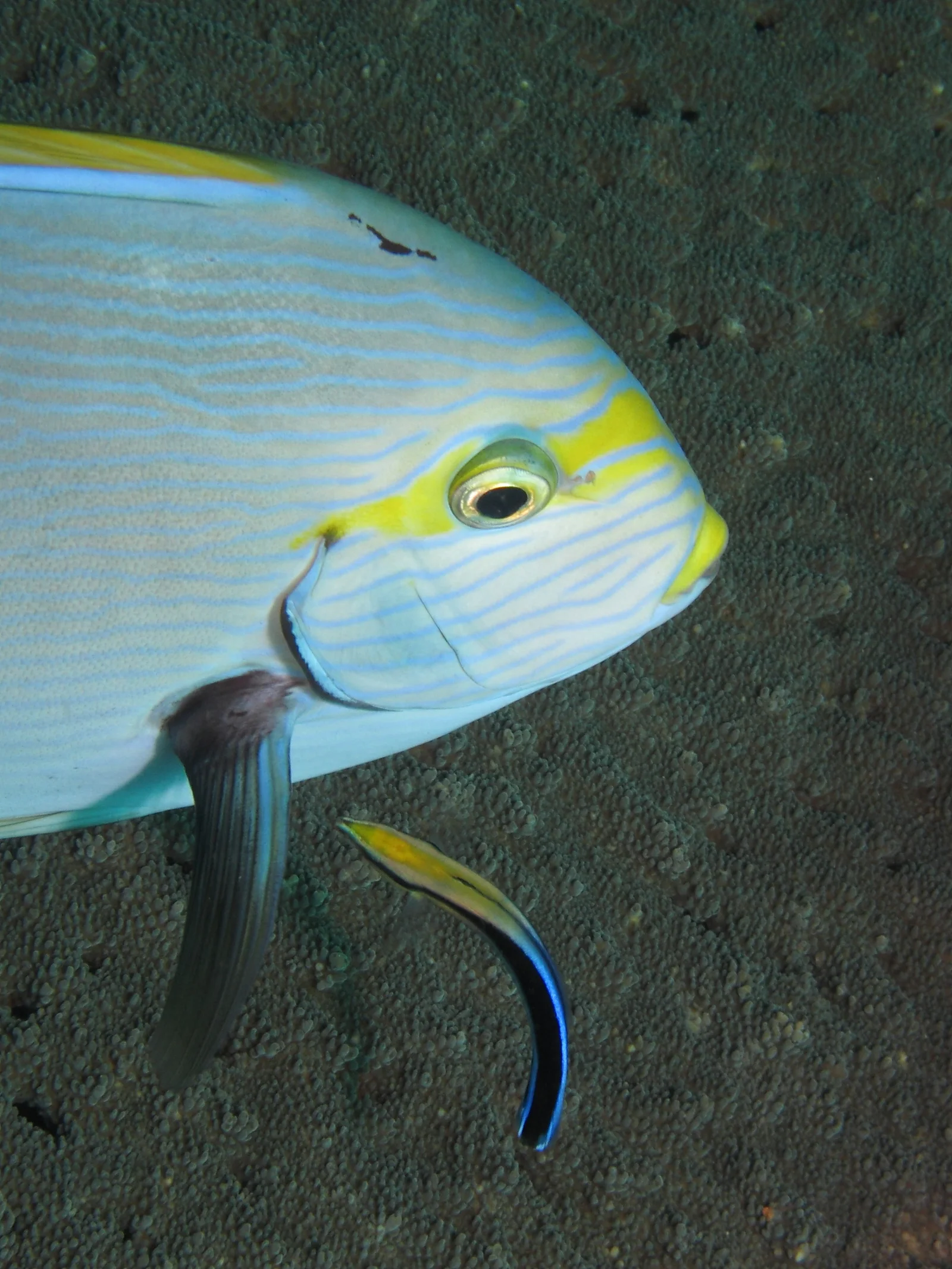
Zubi suggests looking around the rocks and under corals for frogfishes and leaf fishes, and reports several cleaning stations. She recommends Pink Beach as a dive after visiting the dragons or as a night dive, noting that mandarinfish can be found in the shallow part. These are her personal observations, not a guarantee that particular animals will be seen.
Typical current strength at this dive site
Light current that is easy to swim against. Comfortable for most certified divers.
Strength Scale
None
Mild
Moderate
Strong
Monthly conditions and seasonal highlights — tap a month
Peak diving season with optimal visibility, calm seas, and best marine life encounters.
9 species recorded at this site
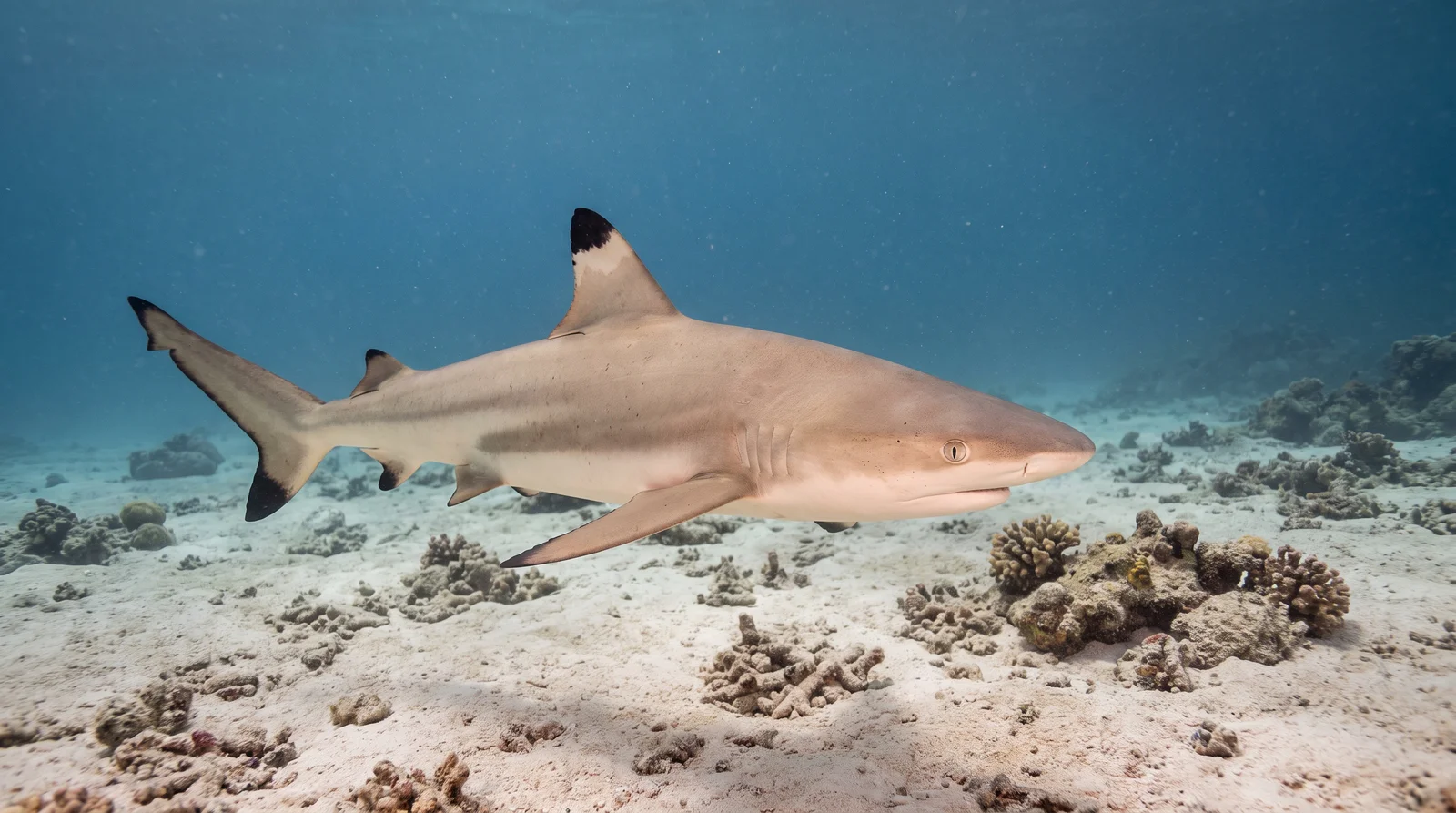
Blacktip Reef Shark
Carcharhinus melanopterus
Site occurrence not yet documented
No dated observations available.
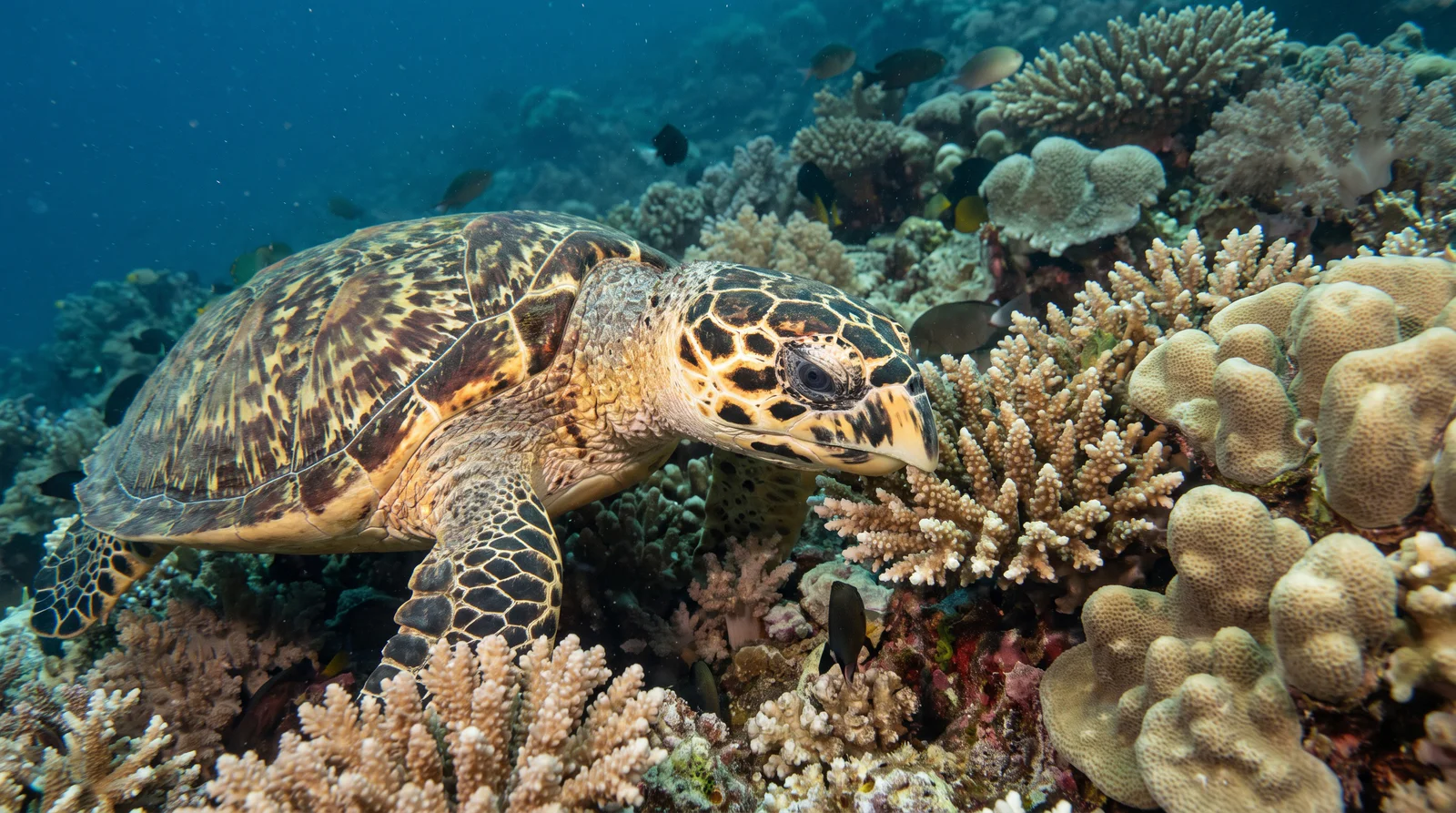
Hawksbill Turtle
Eretmochelys imbricata
Site occurrence not yet documented
No dated observations available.
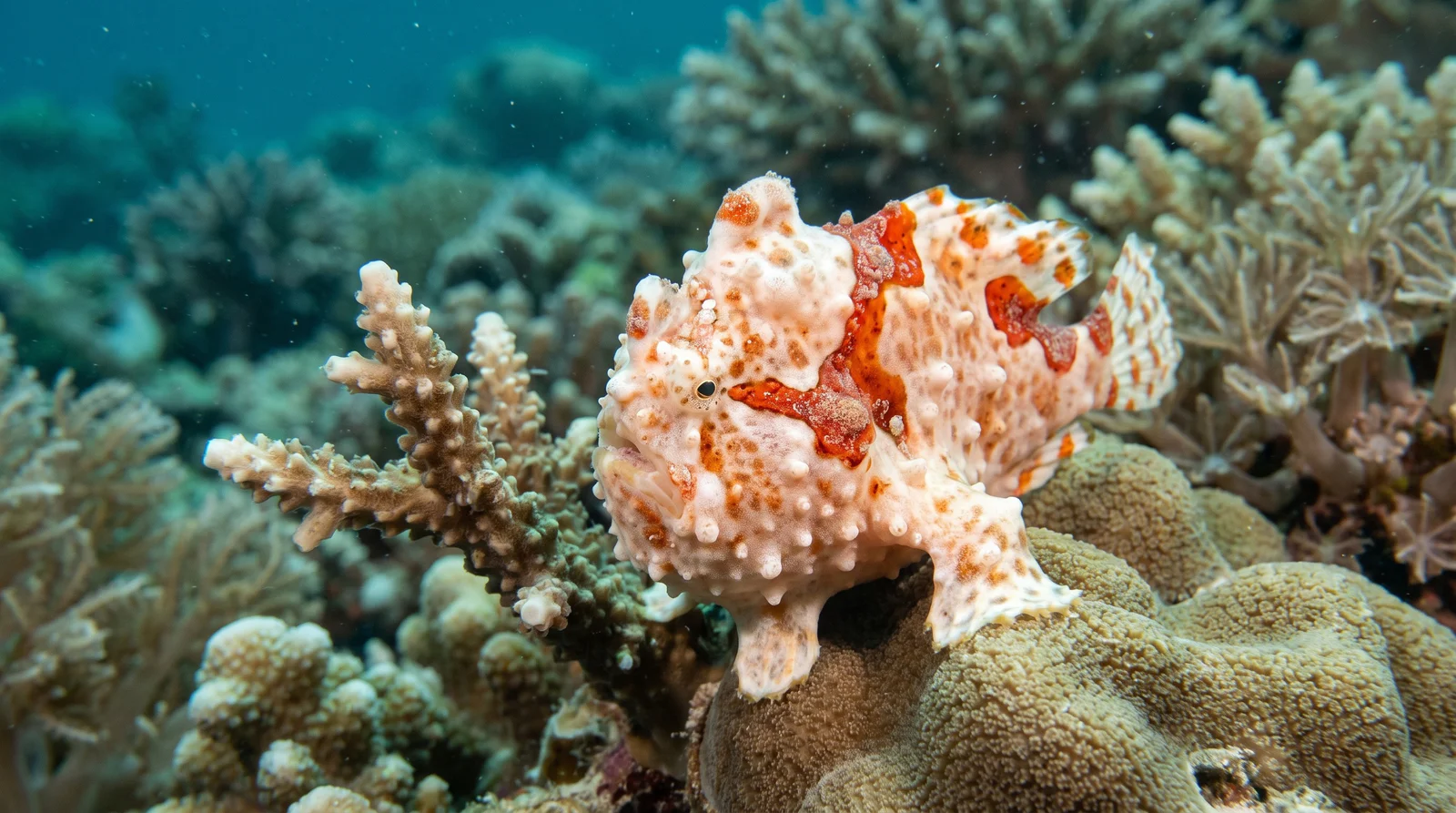
Frogfish
Antennariidae spp.
Site occurrence not yet documented
No dated observations available.
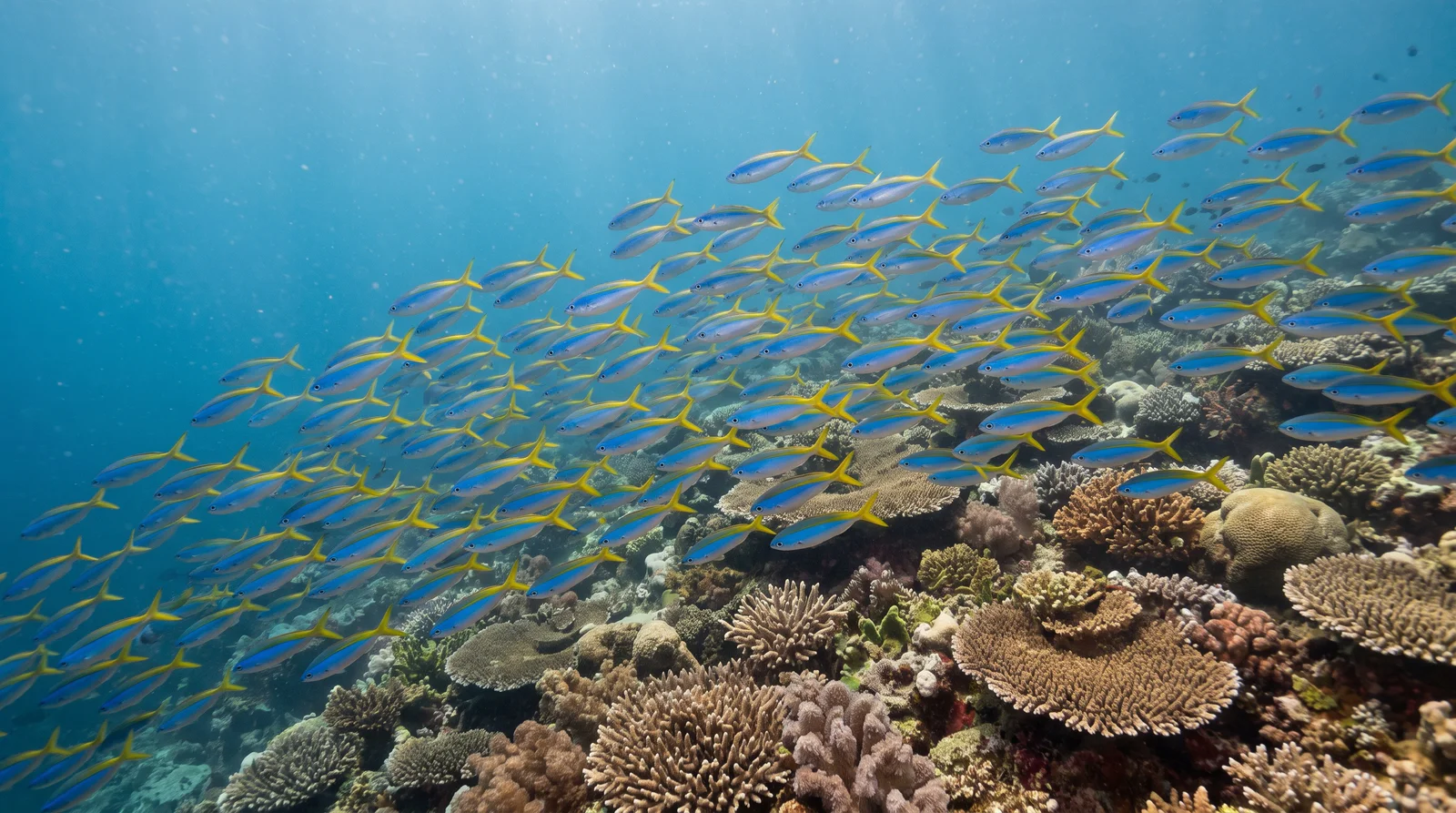
Fusilier (schooling)
Caesio spp.
Site occurrence not yet documented
No dated observations available.
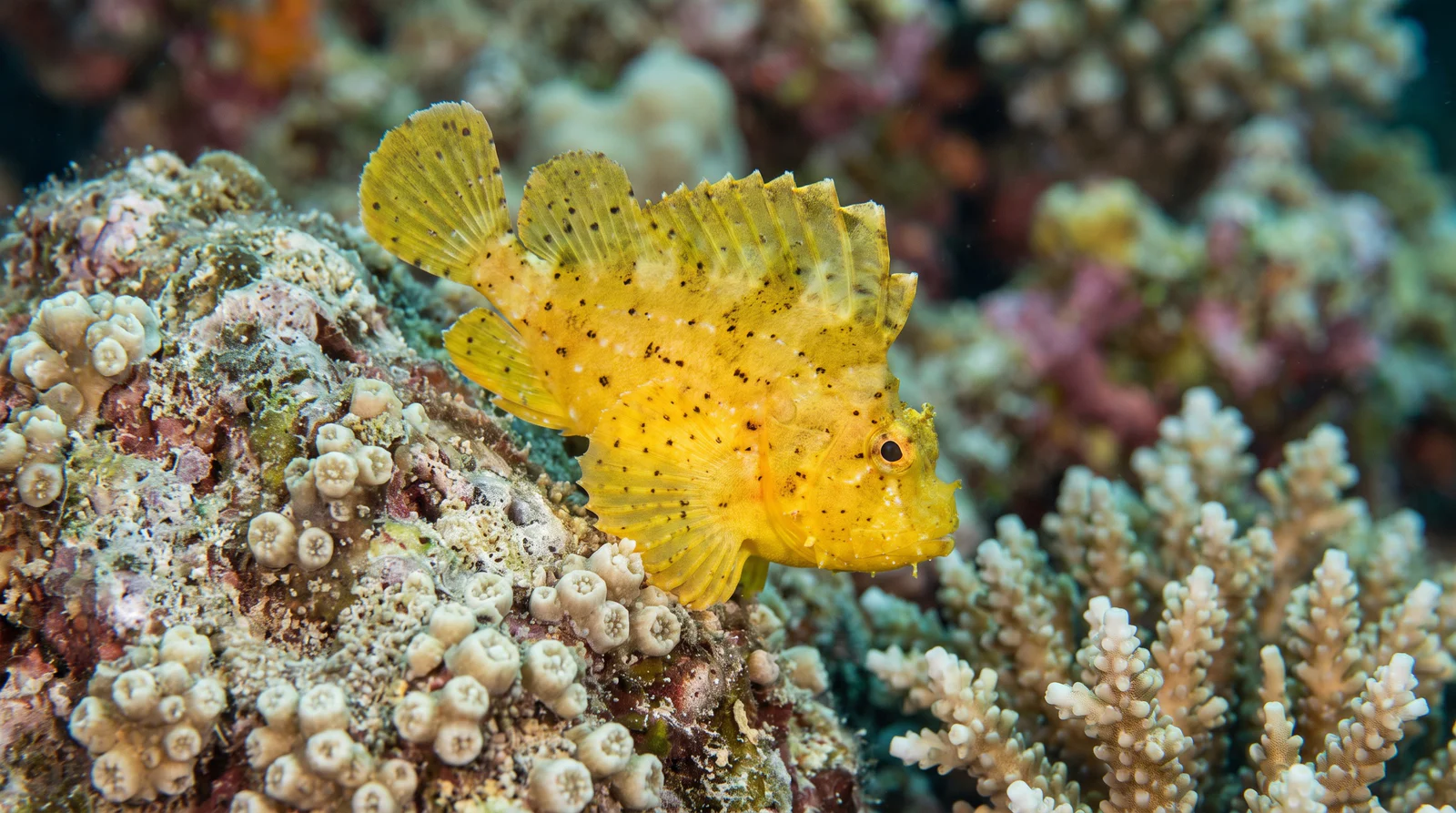
Leaf Scorpionfish
Taenianotus triacanthus
Site occurrence not yet documented
No dated observations available.
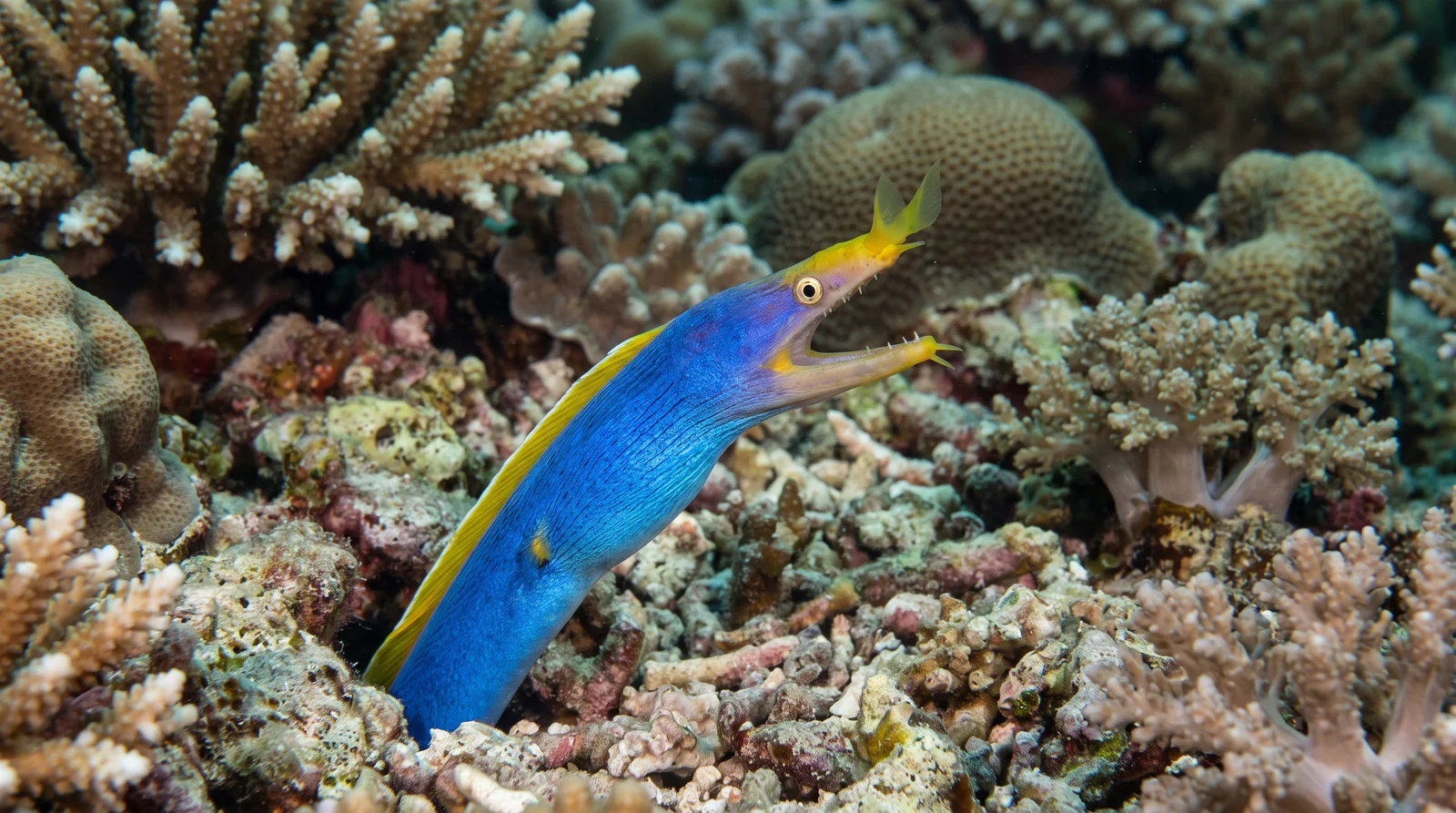
Blue-ribbon Eel
Rhinomuraena quaesita
Site occurrence not yet documented
No dated observations available.
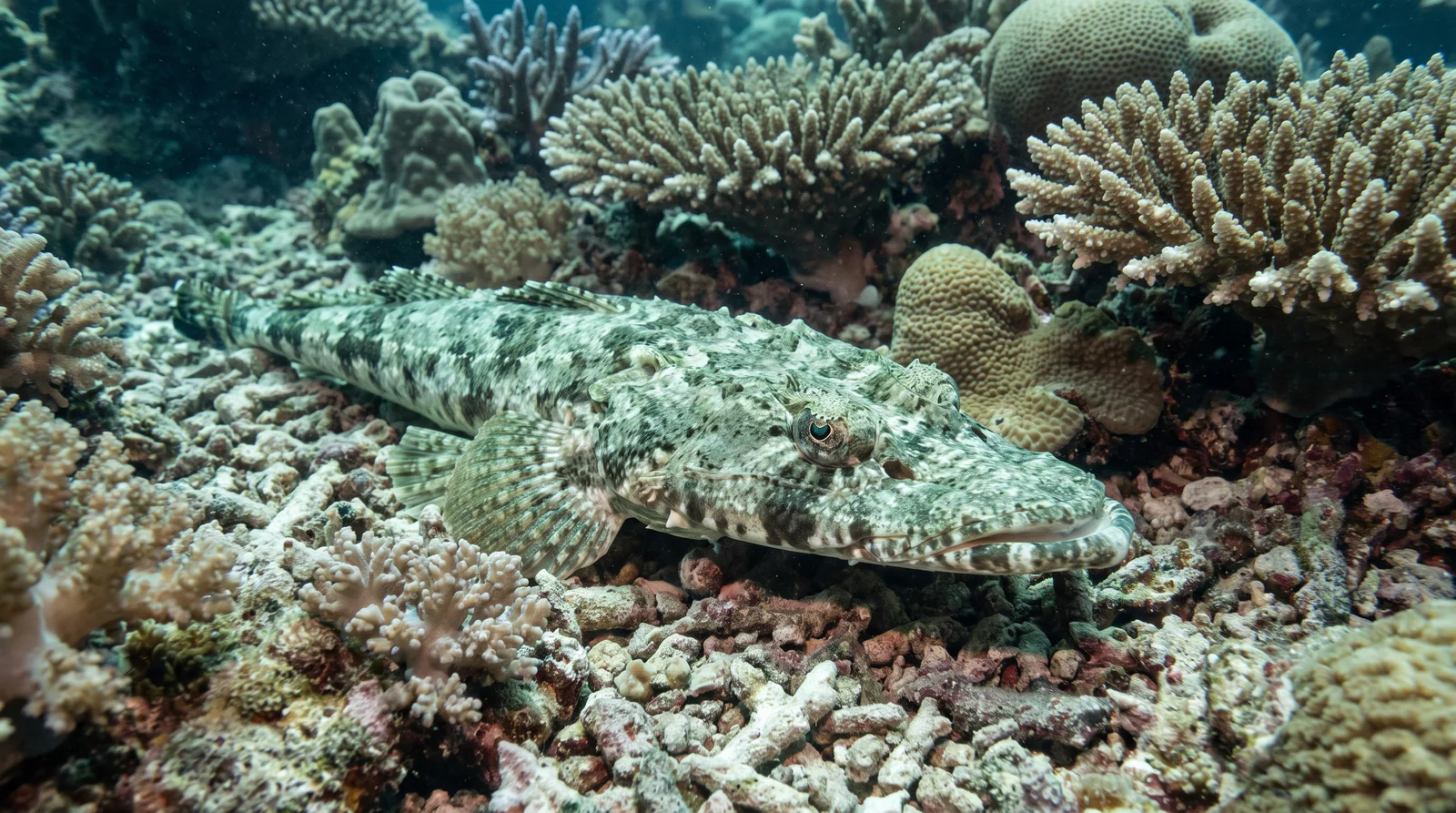
Crocodilefish
Cymbacephalus beauforti
Site occurrence not yet documented
No dated observations available.
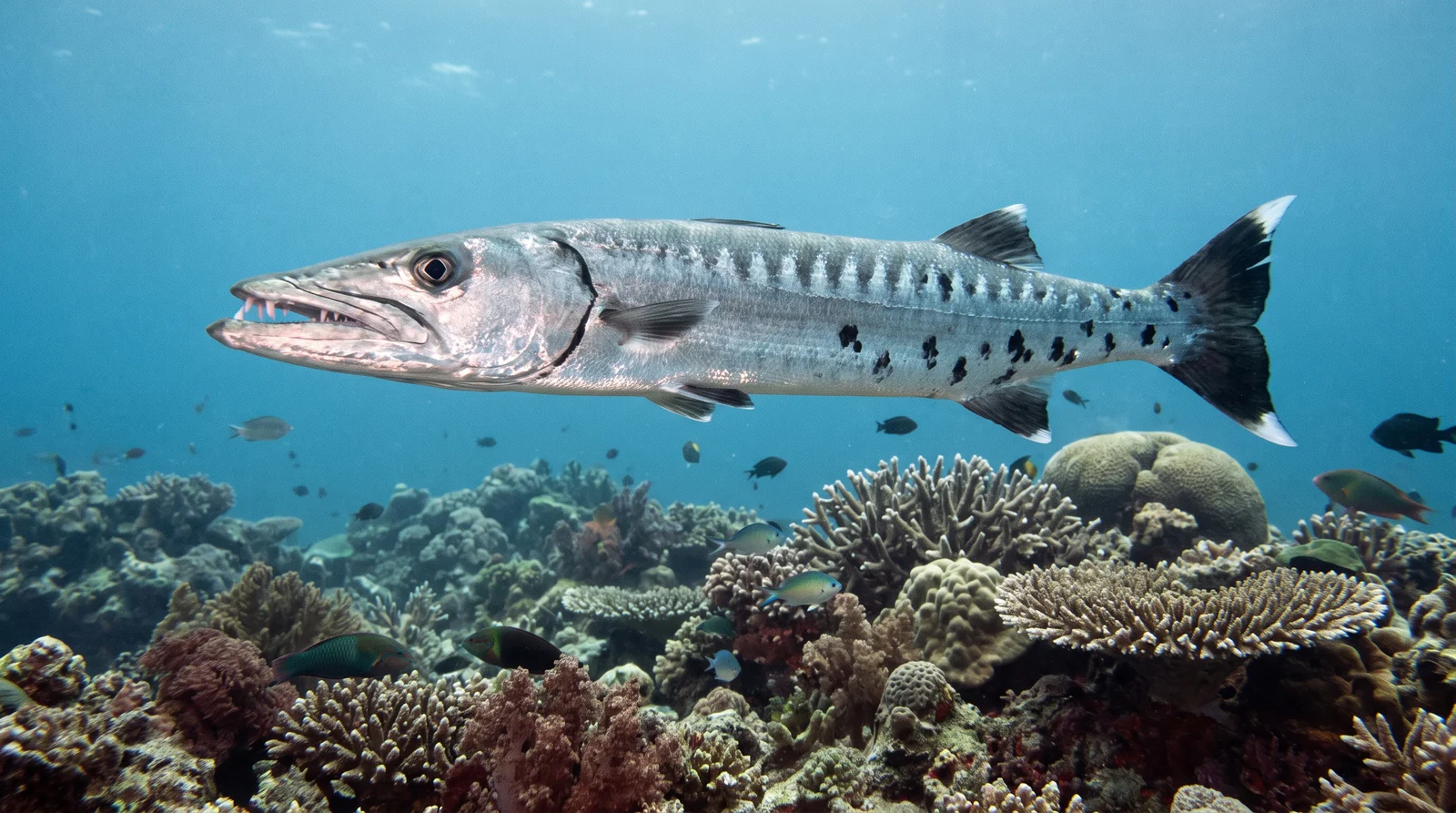
Great Barracuda
Sphyraena barracuda
Site occurrence not yet documented
No dated observations available.
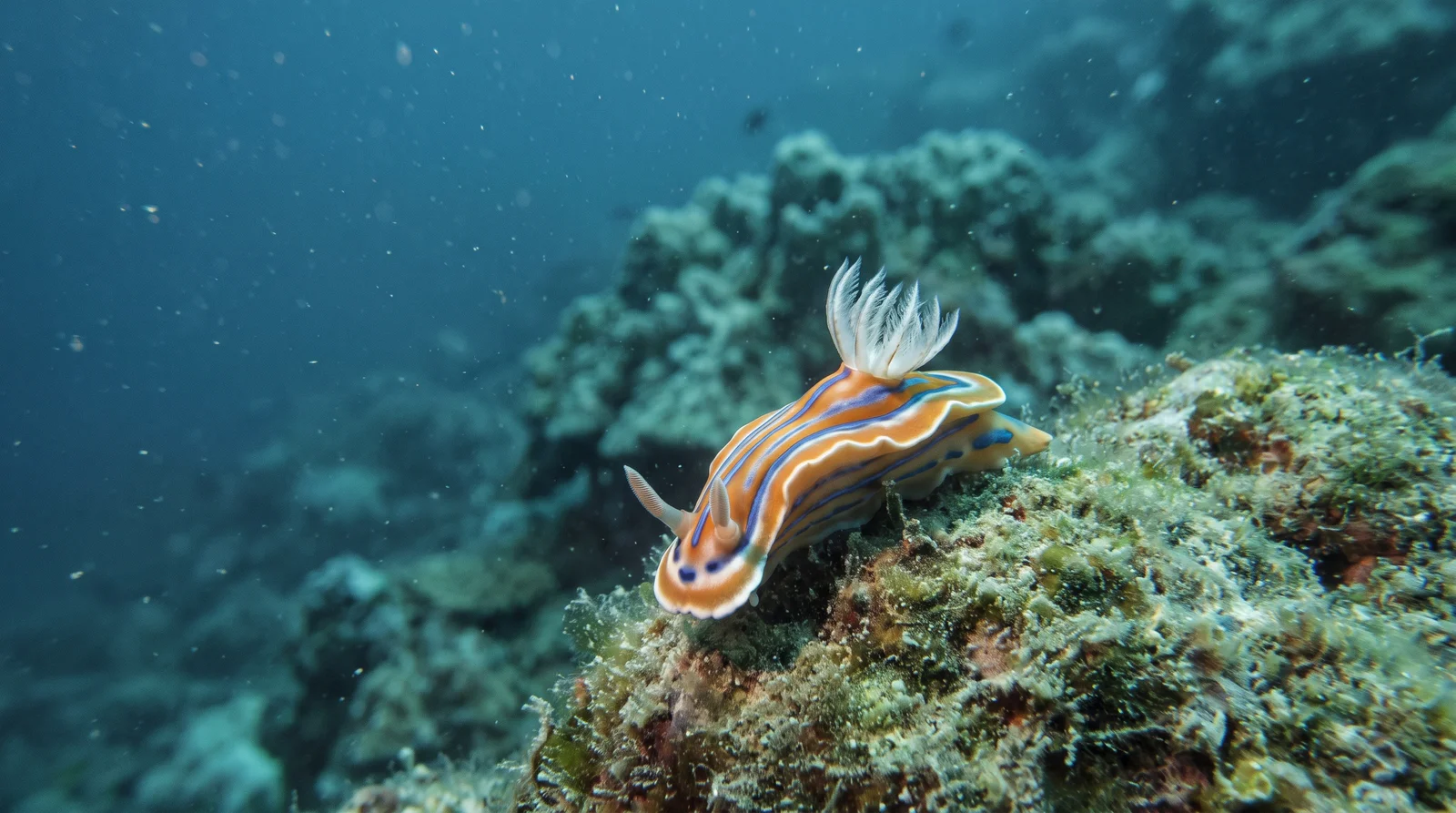
Nudibranch (assorted)
Nudibranchia spp.
Site occurrence not yet documented
No dated observations available.
Be aware of these potential hazards at this dive site
Boat traffic
Severity: MediumHeaviest tour-boat and snorkeler traffic in the park
Dangerous marine life
Severity: MediumKomodo dragons on the beach during surface intervals
Current
Severity: LowOuter-slope tidal shifts
Coral contact
Severity: LowNovice coral contact in the shallow garden
Certification Required
A minimum of Open Water certification is required to dive this site.
Immersive panoramic view of this dive site
360° panorama coming soon
Immersive underwater views will be available when panoramic imagery is uploaded
--
0 reviews
No reviews yet. Be the first to share your experience!
Discover other dive sites in the area
BeginnerIndonesia > East Nusa Tenggara > Komodo National Park
 Advanced
 Advanced
 Advanced
 Beginner
Indonesia > East Nusa Tenggara > Komodo National Park
 AdvancedBeginner
Indonesia > East Nusa Tenggara > Komodo National Park
AdvancedAdvancedAdvancedBeginnerIndonesia > East Nusa Tenggara > Komodo National Park
AdvancedVertical range at this site
Minimum Depth
10 ft
Shallowest point
Average Depth
30 ft
Typical dive depth
Maximum Depth
98 ft
Deepest point
Get dive site updates and tips in your inbox.
Add it to your logbook, share your sightings, and help 0 divers plan their next descent.
Was this helpful?